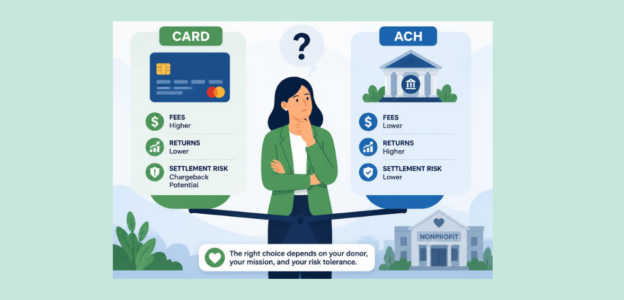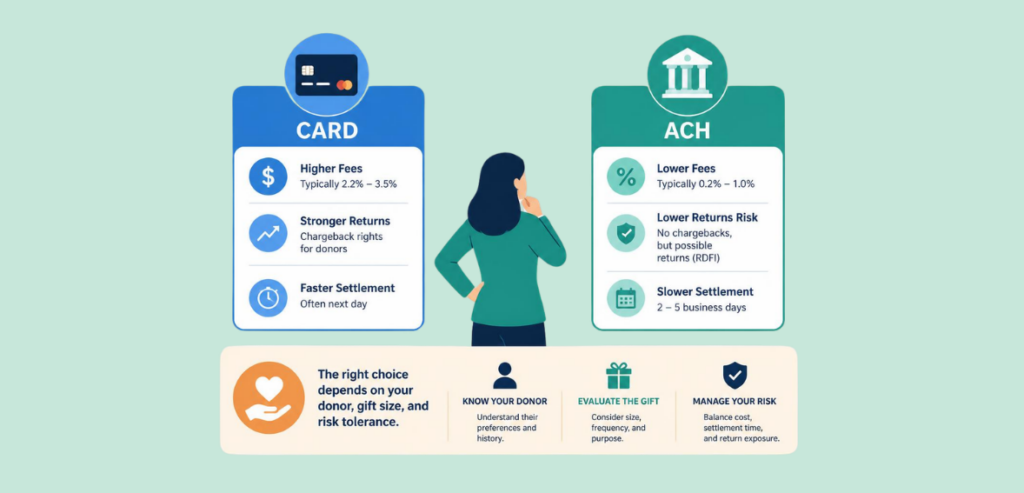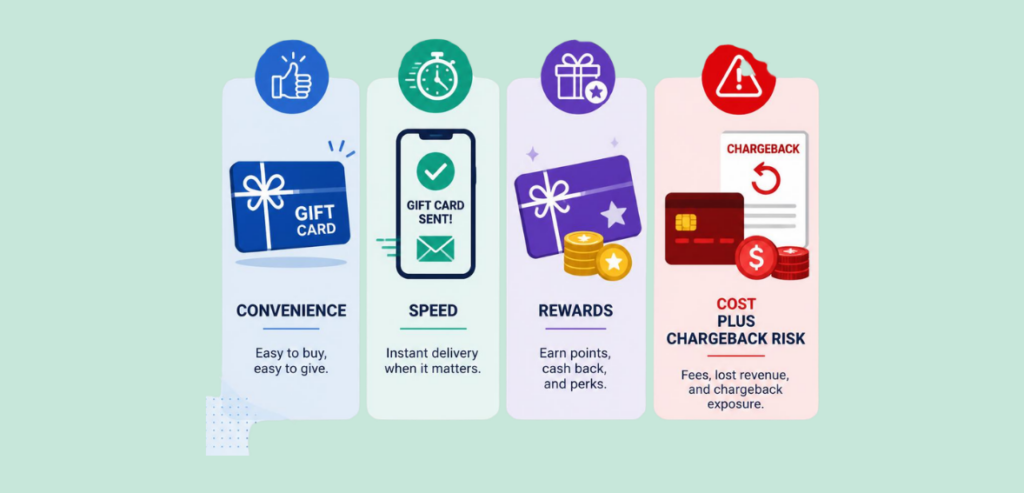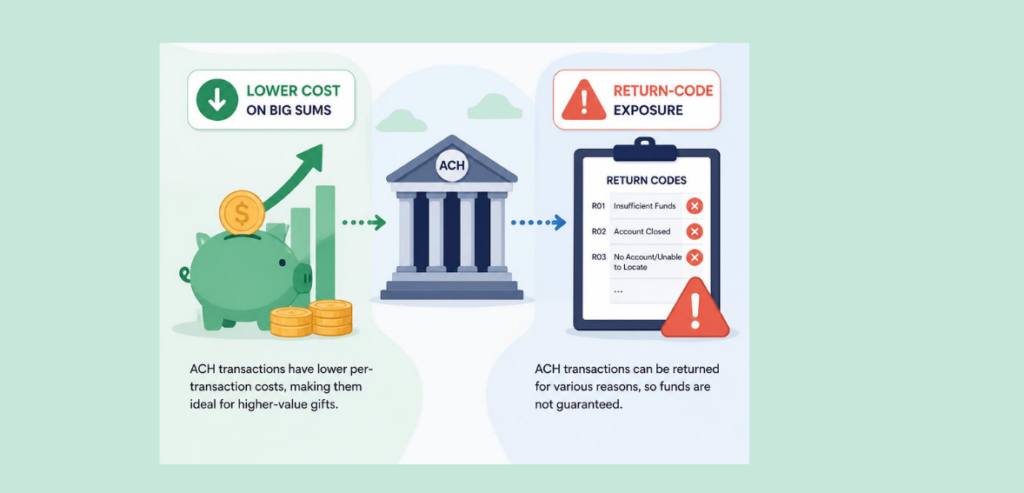
Class Packs vs Unlimited Memberships

Class Packs vs Unlimited Memberships: The Revenue Math Studios Get Wrong

Picture two yoga studios on the same street. They have the same rent. They run the same classes. They even share a few instructors. One owner sleeps well at night. The other refreshes the bank balance every morning, praying for a busy weekend. The only real difference between them is how they sell access. One leans on class packs. The other built a base of unlimited memberships.

This sole pricing decision fundamentally determines your studio’s finances, the amount of stress you experience, and the overall worth of your studio when you sell it. Nevertheless, most studio owners rely on instinct or mimic nearby competitors to choose a pricing model. Most studio owners do the incorrect calculations, and as a consequence, they don’t know what to celebrate. This pricing guide aims to simplify revenue calculations for class packs vs unlimited memberships, elaborate on common pricing errors studios make, and explain how to price your studio offering to maximize your income.

Why This Pricing Decision Shapes Your Entire Business

Pricing Decision Shapes Your Entire Business

Pricing is not a flexible concept. It is the core component of your business model. Your pricing structure directly determines the predictability of your revenue, the consistency of client attendance, and the length of client retention. In the past several years, the boom in boutique fitness has brought record-high participation in health clubs and studios.

In the United States, since the beginning of 2019, there has been an unprecedented 20% increase, bringing the total to a record 77 million members. This rapid expansion has shifted the industry from a pay-per-class business model to one focused on recurring revenue.

The pay-per-class model has the most unpredictable revenue flow. Well-structured memberships have the most predictable revenue flow. The pricing team at Glofox has documented this in their gym pricing guide. As the rest of this article will show, the perception that class packs are the “safest” option is both misleading and incorrect.

Class Packs Vs Unlimited Memberships: Complete Truth Explained

Class Packs

Class Packs in Plain Terms

A class pack consists of a bundle of pre-purchased sessions. This can include a purchase of five, ten, or twenty classes, which are then redeemed by the buyer over a set period. A studio’s incentive to market class packs comes from the ability to collect a lump sum of money, while each class is sold at a price that is less than the studio’s drop-in class price and greater than the per-class price of an unlimited plan. Buyers feel that packs have low commitment, and studios feel that packs have high cash flow. This is why class packs can be attractive yet problematic.

Unlimited Memberships in Plain Terms

Unlimited memberships involve fixed, recurring fees, usually at a monthly rate, allowing clients to attend an unlimited number of classes. Because clients pay the same amount whether they attend classes twice a month or twice a week, the studio earns the same regardless of attendance. This idea of membership is very similar to, if not exactly the same as, a subscription to streaming services and software. Although this idea of direct subscription systems trades the excitement of a large one-time purchase, it is for the much more valuable benefit of a recurring purchase.

The Revenue Math Studios Get Wrong

The Revenue Math Studios Get Wrong

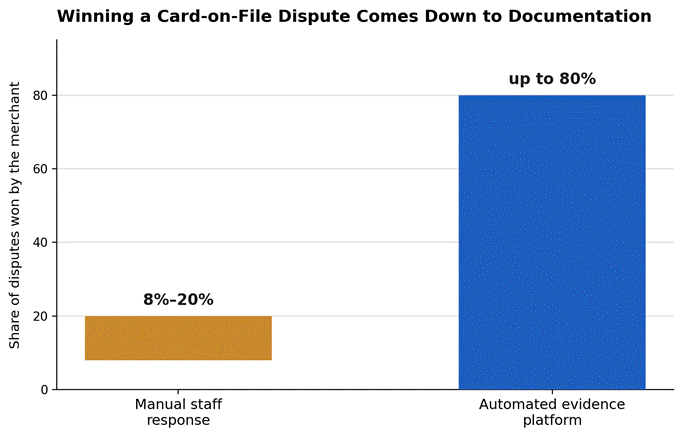
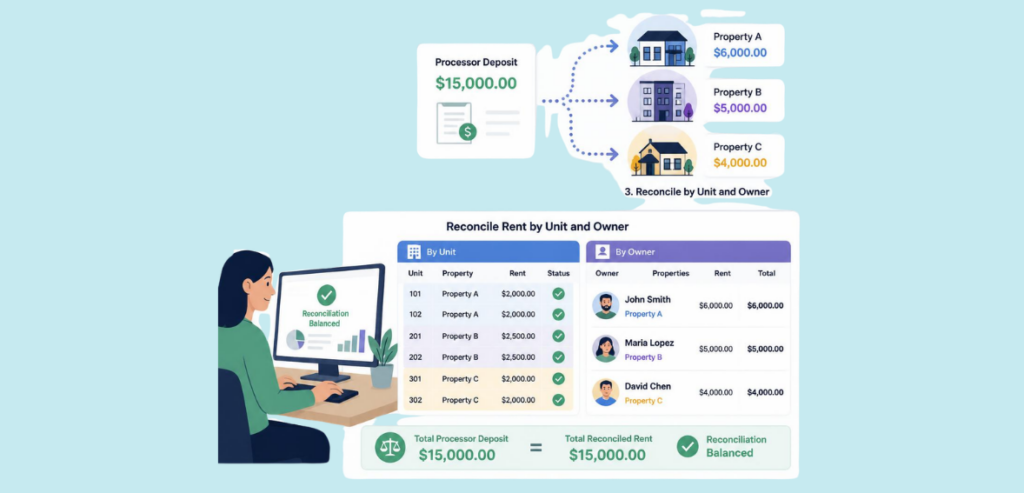
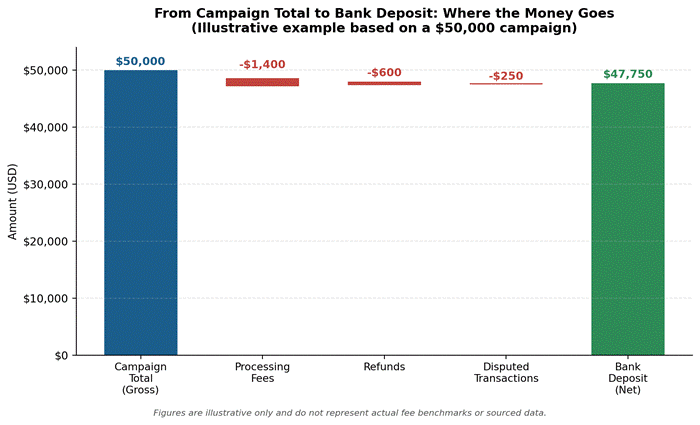
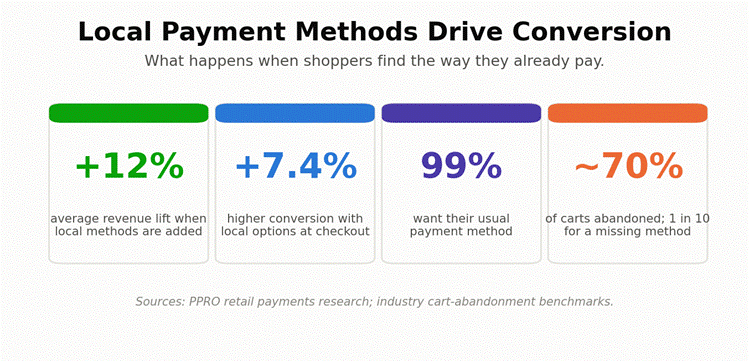
These miscalculations turn small judgment errors into costly decisions. Short-term losses due to the errors in the calculations below might seem innocuous. In the long term, the errors below will continue to reduce profits and minimize growth. The infographic below will illustrate the key issues succinctly, and then expand on each error in greater detail.

image 1

Figure 1. Per-transaction revenue hides the metric that actually drives a studio: annual value per member.

Mistake 1: Treating Upfront Cash as Real Revenue

It feels great when a ten-pack sale brings $170 to the till. Your brain likely treats it as a monetary gain. In reality, you’ve only collected a deposit for services not yet rendered. You still have to teach ten classes. You’ve not made a profit; you’ve created a liability. Your client may take months to use the pack. During those months, you won’t have any new income from the client. The cash only came in once, and you’ve spread the revenue thin. Studios that chase these single-transaction sales create feast-or-famine income, making it a monthly gamble to meet payroll and rent.

Mistake 2: Counting Breakage as a Win

Breakage refers to unused prepaid credits. Clients can buy packs of 10 credits but use only 6, leaving 4 unused. Clients cannot redeem the credits, which benefits studio owners. Studio owners bank on breakage because it is the most alluring trap. Breakage is not a benefit; it is a warning. Clients with unused credits eventually stop attending, which is the clearest predictor of client cancellation. Clients who are disengaged from the studio are most likely to terminate their membership. Although breakage seems to be a benefit and an increase in profits for studio owners, in reality it is a loss of clients.

Mistake 3: Measuring Revenue Per Transaction Instead of Per Year

This includes all other errors as a subset. Comparisons between pack sales and month-long memberships are under the mistaken belief that the sale with the higher number is the better sale. Such comparisons are invalid. The correct comparisons are per revenue unit per member per year and then per revenue unit per member for the entire potential life of that member.

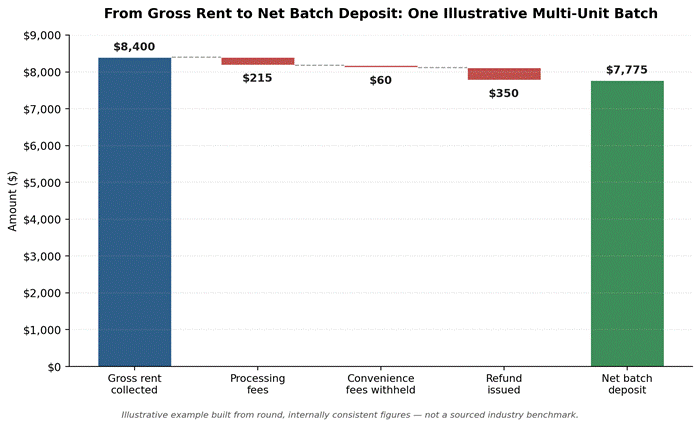
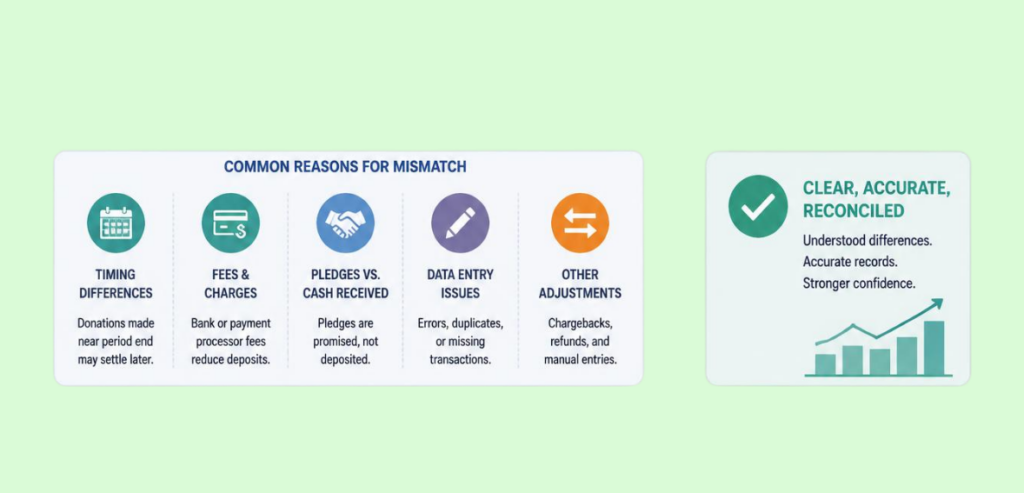
The perspective changes dramatically when such comparisons are made at the annual level. A member who purchases pack sales twice and then becomes a non-member may generate several hundred dollars in a year, whereas a month-to-month member may generate several thousand dollars. The chart below shows the two revenue streams for the same number of clients over the full year.

image 2

Figure 2. Class packs produce spiky, unpredictable cash. Unlimited memberships build compounding monthly recurring revenue.

Class Packs vs Unlimited Memberships: A Side-by-Side Comparison

Every model serves a purpose. Each model is correct in its own sense. The factors that will change your bottom line differentiate the models that we have presented in the table below. With this, you can select the model that best matches the role.

FactorClass PacksUnlimited Memberships
Cash flowLumpy and one-timePredictable and recurring (MRR)
Revenue forecastingHard to projectEasy to model month over month
Client commitmentLow and transactionalHigh and habit-forming
Visit frequencyOften low; easy to lapseHigher; drives routine and loyalty
Churn warning signsHard to see until too lateVisible through attendance data
Discounting pressureHigh; competes on priceLower; competes on value
Best roleTrials, casual users, visitorsCore revenue and community base

Table 1. How class packs and unlimited memberships compare across key revenue factors.

Member Lifetime Value: The Number That Settles the Debate

Member lifetime value (LTV) totals how much revenue an individual member brings before they leave. It is the metric that determines which pricing model wins for a business. Because of its nature, LTV is designed to reward businesses for retaining customers.

It is why the unlimited membership model works the best. The framework is simple. Take your average revenue per member per month, and divide that by the monthly churn rate. For example, a member who pays $180 per month and has a 5 percent monthly churn rate has an LTV of $3,600. That number dwarfs the value of just about any class-pack relationship.

Retention is not a vague, subjective metric to aim for. It is a solid, financial lever to pull. Across industries, a 5 percent increase in customer retention translates to a 25 to 95 percent increase in overall profits. Retention is made even more important when analyzing member visitation frequency. Members who attend the studio at least two times a week have about a 50 percent lower membership cancellation rate than those who attend once a week or less.

According to Zenoti’s guide for studio memberships, improving retention is not just important for studio profitability, but the average studio loses about $25,000 to churn, and it costs about five to seven times more to replace one member than to retain them. The most effective way to reduce churn is to introduce unlimited memberships, which build a habit of frequent studio visits.

Metric10-Class Pack BuyerUnlimited Member
Price pointAbout $170 per packAbout $180 per month
Typical behaviorBuys ~2 packs, then lapsesStays roughly 12 months
Annual revenueAbout $340About $2,160
Monthly churnNot tracked; quietly drops offAbout 5%
Estimated lifetime valueAbout $340$3,600 and up

Table 2. An illustrative lifetime value comparison. Figures are directional, not exact, and vary by market.

Notice the gap. The pack buyer and the member may pay a similar price per class, yet the value each brings to your studio is incomparable. This is the calculation that many studios misinterpret when they focus mainly on the size of a single sale.

What the Industry Data and Software Platforms Reveal

You won’t have to take this on faith. Companies that develop studio software see pricing data for thousands of businesses. Their results are similar, and each platform provides a slightly different take on the message.

Glofox

Glofox is a management system for gyms and boutique fitness establishments. They have clear preferences in their pricing models: drop-in and pay-as-you-go systems rank lowest on the revenue-predictability scale and should be avoided as your primary source of income. According to Glofox, packs and drop-ins should be used to guide newcomers toward memberships (the core of your income), since the majority of members choose a mid- or upper-tier membership.

Zenoti

Already established as a leader in client retention in the wellness and fitness business segment, Zenoti cites a key industry shift in its reporting. The shift indicates that the fitness industry is moving away from pay-per-class systems and adopting recurring membership systems that are sustainable and scalable in the long run. Zenoti believes that the sign-up process is only a small portion of the work; the goal is retention, which converts memberships to lifetime value. Zenoti ties early attendance and retention to whether members survive past the six-month mark, and this is exactly the behavior that unlimited plans are intended to promote.

ClassPass

ClassPass is a flexible class marketplace that connects users with a wide range of fitness classes. It set an industry standard: users should have easy access to sampling fitness options. For fitness studios, ClassPass is better suited as a marketing tool to help new customers discover the studio, rather than generating direct revenue. ClassPass recommends its partners track the blended rate over time to monitor how the mix of membership, discounts, and breakage influence the profitability of a given class.

Mindbody

Mindbody is among the leading booking and business solutions available to boutique fitness clubs. Operators in the fitness technology sector are being forced to innovate at an unprecedented pace. The fastest-scaling operators in the industry are those who shift their membership mix away from one-and-done package sales and lean towards higher-tier, unlimited, and recurring options. Average revenue per user is higher when a client purchases an unlimited plan than when they purchase a small-class package, and is again higher when they purchase personal training. This trend remains consistent across yoga, Pilates, and cycling studios.

The Hybrid Model: How Smart Studios Use Both

This doesn’t mean class packs should be eliminated completely. The most successful studios do not take a definitive side. Rather, they give each model its own job. Class packs and drop-ins serve as the front door. They offer newcomers, travelers, and people who are not ready to commit yet the opportunity to take classes without signing a long-term contract. When paired with a sense of urgency and a clear call to action, an introductory offer, such as a month of unlimited classes, can convert 25% to 50% of trial users into members.

Once the prospect converts to a member, an unlimited membership functions as the first home of the prospect, as it is the place that the member feels the strongest connection to, and the studio can build and deepen the relationship with the member. It is important to include flexible options that allow members to minimize their membership plans or put them on hold without permanent separation from the studio or the community. The packs serve as the first step in attracting members, and once they have made that initial commitment to a membership, the next step is to increase value with premium offerings.

How to Price Without Leaving Money on the Table

Understanding numbers and executing with confidence is strong pricing. Start by establishing your unlimited membership as the best value. Price your membership packs such that your clients are mathematically compelled to select the membership. Additionally, construct your membership tiers such that your middle tier is the best margin tier, as consumers have a tendency to select the middle option. Considering the market, a typical boutique unlimited membership in the United States ranges from $110 to $360 a month, with substantially greater value compared to a big-box gym.

Consider metrics that predict the future, not just the ones that flatter the present. Focus on an individual member’s average revenue per membership, membership lifetime value, and their frequency of attendance. A member sliding from four classes a week to one is one of the earliest warning signs of an impending cancellation. Reach out to that member before they cancel. Price increases, such as an annual 3 to 7 percent increase, are well accepted when valued membership offerings are communicated before the increase. Finally, never discount your membership as a desperate attempt to offset slow revenue months. Frequent, deep discounts on memberships train your clients to wait for a deal and reduce the value of your membership offering.
Conclusion

Class packs and unlimited memberships answer two different questions. Packs answer the question of how to get someone through the door. Memberships answer how to keep them, and how to build a business you can forecast, finance, and one day sell. The revenue math studios get wrong is the habit of judging pricing by the size of a single sale instead of the lifetime value of a relationship. Stop counting breakage as a win. Stop comparing one pack to one month. Start measuring revenue per member per year, and the right strategy becomes obvious.

Build your studio on recurring revenue. Use class packs as the welcome mat, not the floor. Track the numbers that predict tomorrow, and your studio will stop gambling on busy weekends and start growing on purpose.

Frequently Asked Questions

  1. Are class packs ever the right primary model?

    Rarely does a single-modality studio with low capacity use scarcity and a waitlist to sustain a simplified business model. For most studios, packs work best as a trial or an add-on rather than as the core component of the business model.

  2. How do I move pack buyers onto unlimited memberships?

    At a per-class comparison, membership should be the superior choice. Take advantage of the fact that a client has just finished a pack to implement a natural conversion point. An upgrade offer with a waived enrollment fee creates urgency and removes friction when time is limited.

  3. What is a healthy churn rate for a boutique studio?

    Around 30 to 40 percent of gym members leave annually, compared with about 25 percent for boutique studios. Monthly churn rates can be pushed to below 5 percent in the most successful studios. The first 90 days of a member’s engagement are when cancellations are most likely to occur, so it’s important to focus on customer engagement during that time frame.

  4. Does offering unlimited memberships create capacity risk?

    It can, especially in a smaller space, if higher frequency clients make your per-visit revenue too low. You can manage this by capping class sizes, smart scheduling, and offering tiered plans that charge more for higher levels of access. For most studios, the benefits of retention far outweigh the costs of capacity.

Gift Cards for Restaurants

Gift Cards for Restaurants and Retail: The Payment Setup Most SMBs Underuse

Picture two coffee shops on the same street. Both serve great espresso. Both have loyal regulars. Only one sells gift cards. By December, that shop has thousands of dollars sitting in its account, a wave of first-time visitors, and a marketing tool that costs almost nothing to run. The other is still wondering why business feels flat. Gift cards for restaurants and retail are among the most overlooked payment options in small businesses. They are easy to launch. They pay for themselves. Yet most owners never turn them on.

This guide breaks down why gift cards work, what they do for your numbers, and how to build a gift card program that actually drives sales. The setup is simpler than you think. The upside is bigger than most owners expect.

Why Gift Cards Are a Payment Setup, Not Just a Holiday Add-On

Why Gift Cards Are a Payment Setup

The majority of small business owners categorize gift cards as seasonal extras and designate them as a “nice-to-have” for December. This is precisely where the issue lies. Gift cards function as a payment method that allows customers to pay you now, with the value redeemed later. If you think of gift cards in this manner, you would realize that they are not a holiday gimmick but rather an integral part of your business’s cash flow.

Let’s break down the payment process. A customer walks into your business, and, instead of buying a product directly, pays you the cash equivalent of a product in exchange for a gift card. You have now essentially sold a product, and the customer has not consumed a meal, product, or service. The money the customer paid is now fully at your disposal, and the obligation to serve the customer remains a liability for the business. From a cash flow perspective, your customers have just provided you a loan for the equivalent of the product you are obligated to serve at a later date. They have also committed, at no cost to them, to return to your business.

The gift card market has grown significantly, reaching $1.1 trillion in 2025. North America has the largest share of this market, and digital gift cards are significantly outpacing physical gift cards in growth. The majority of customers expect the businesses they frequent to offer gift cards. The only thing you need to think about is whether your business is equipped to provide gift cards, or if you are allowing the demand for gift cards to go to a competing business.

Gift Cards by the Numbers: What They Do for Small Businesses

The rationale for a gift card program is indicated by statistics, not speculation. Data show recipients often spend more than the card’s value. A good portion of gift cards go to new customers. Additionally, there are unused gift cards, which also adds revenue. The gift card program summary is in the table below.

MetricTypical FigureWhy It Matters for Your Shop
SMBs reporting gift cards bring new customersAbout 72%A built-in customer acquisition channel
Average extra spend above card valueAround $41 per redemptionEach redemption becomes a larger sale
First-time visitors driven by a gift cardRoughly 31%Gifts introduce your brand to new buyers
Breakage (value never redeemed)About 5% to 15%Unredeemed balances can become recognized revenue
Cards used within one monthAround 76%Fast redemption means quick repeat visits
Gift card share of SMB revenue (direct)Roughly 1% to 4%Direct sales understate the true impact

Table 1. Gift card performance benchmarks for U.S. small businesses (2025-2026 research, rounded for illustration).

image

Infographic 1. The four levers that make gift cards punch above their weight.

Spending trends like these do not go unnoticed. The National Retail Federation notes that gift cards consistently top consumer holiday wish lists. It is therefore advantageous to implement a small-gift-card program to meet holiday demand.

How Gift Cards for Restaurants and Retail Boost Cash Flow and Protect Your Margins

How Gift Cards for Restaurants and Retail Boost Cash Flow

Gift cards represent an advantageous cash flow mechanism. They let you book revenue in the current accounting period, even if the service is delivered in a future period. The elapsed time gives you the opportunity to fund payroll, purchase inventory, or finance a difficult month. For a company with seasonal sales like a restaurant or boutique, the gift card makes an opportunity that is difficult to replicate with other payment mechanisms.

Gift cards also lead customers to spend more than what is left on the gift card. A customer redeeming a $50 gift card will likely buy the appetizer and dessert. A customer with a $25 gift card will likely buy an item priced at $38 and pay the $13 difference. People tend to view purchases as a smaller out-of-pocket expense when they are partially funded with a gift card. This phenomenon increases your sales volume with each gift card redemption.

The third, and possibly most appealing, benefit is breakage. Gift cards are sometimes forgotten or partially redeemed. The unredeemed value of gift cards is typically between 5% and 15% of total gift card sales. Under U.S. accounting rules, unredeemed gift cards can be recognized as income. The goal is not to wish for customers to forget to use their gift cards. It is known that a successfully managed gift card program drives sales, is profitable, and is very likely to increase sales volume.

Closed-Loop vs. Open-Loop: Picking the Right Card Type

Before launching, you need to consider which card aligns best with your business. Closed-loop cards only work at your store, so spending stays within your walls. Because of this, they are ideal for most independent restaurants or retailers. Open-loop cards operate on a card network and can function almost anywhere. They are better suited to gifting platforms and large corporate programs, but will offer little advantage to a business with a single location. The comparison below outlines the trade-offs.

FeatureClosed-Loop Gift CardsOpen-Loop Gift Cards
Where they workOnly at your businessAnywhere the network is accepted
Best forSingle shops, restaurants, local retailGifting platforms, large corporate rewards
Cost to runLow; often built into your POSHigher; network and issuance fees
Keeps spending with youYesNo
Drives repeat visitsStrongWeak

Table 2. Closed-loop versus open-loop gift cards for SMBs.

Physical vs. Digital Gift Cards: Why You Want Both

Physical vs Digital Gift Cards

The physical card remains relevant. Customers enjoy having an item to give as a gift. Promotional placement of a branded card at the register is a fun buy and free marketing. However, across most markets, digital gift cards outpace physical gift cards. They offer convenient last-minute, asynchronous purchases. The correct business strategy is not to choose one. It has both and allows the customer to decide.

FactorPhysical Gift CardsDigital Gift Cards
Upfront costCard printing and stockMinimal; no inventory
DeliveryIn person or by mailInstant by email or SMS
Impulse buys at checkoutStrongLimited
Online and social sellingLimitedStrong and scalable
Best seasonIn-store holidaysLast-minute and digital gifting

Table 3. Physical versus digital gift cards at a glance.

Setting Up a Gift Card Program: The Best POS Platforms

The Best POS Platforms

Here’s the bright side. You likely possess the necessary resources to manage your own gift card program. The majority of contemporary point-of-sale systems incorporate gift card functionality, either at no cost or as an inexpensive additional feature. That translates to no additional vendor, no cumbersome integration, and real-time updates at the register and online. Outlined below are three systems that small businesses depend on most, with their gift card configurations described simply.

Square

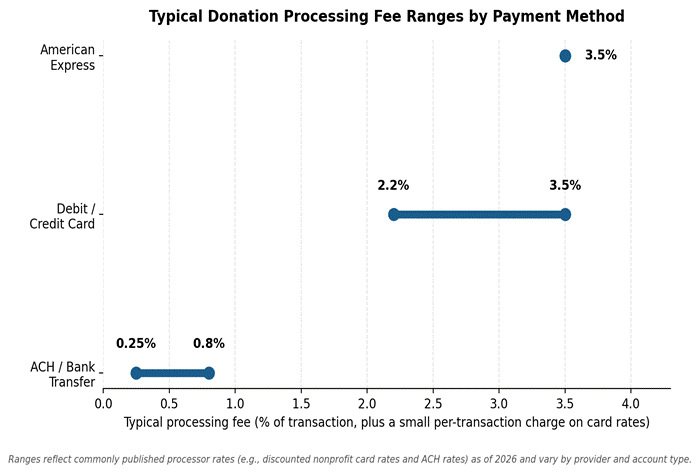
Square is the primary choice among cafes, food trucks, pop-ups, and small retail businesses for a convenient way to get started. Square’s base plan is free, includes digital gift cards, and lets you order physical ones. There are no long-term agreements. The standard processing fee for card-present transactions is 2.6% plus 15 cents. Gift cards can be sold online and in person, and through social media channels, all from the same dashboard. For an owner wanting to go live this week, Square is the simplest choice.

Toast

Because Toast is designed for restaurants, it integrates many of its modules, including its gift cards, directly with dine-in, take-out, and online ordering systems. As a result, it provides a seamless experience for users. Gift cards, loyalty, email, and SMS marketing modules are bundled together in a higher marketing tier, which is quite advantageous if you already operate on Toast hardware and wish to consolidate all services within a single platform. The main disadvantage of this tier is its higher cost and longer setup, which make it more appropriate for a full-service restaurant than for a single coffee cart.

Clover

Clover is a hybrid solution. It can handle physical and digital gift cards and even offers loyalty and inventory tools, appealing to more established restaurants and retailers. Gift card capability is included in all tiers, and plans can scale according to your needs. If you have graduated from a more basic system, but don’t want to be restricted to a restaurant-only system, Clover is a great option.

PlatformBest FitGift Card SetupNotable Cost Note
SquareCafes, pop-ups, small retailFree digital cards; physical optionalNo contracts; ~2.6% + 10c in person
ToastFull-service restaurantsBundled with loyalty and marketingHigher monthly cost; restaurant-only
CloverGrowing restaurants and retailPhysical and digital across tiersTiered plans; hardware sold separately

Table 4. POS platforms with built-in gift card programs for SMBs.

How to Launch Your Gift Card Program Step by Step

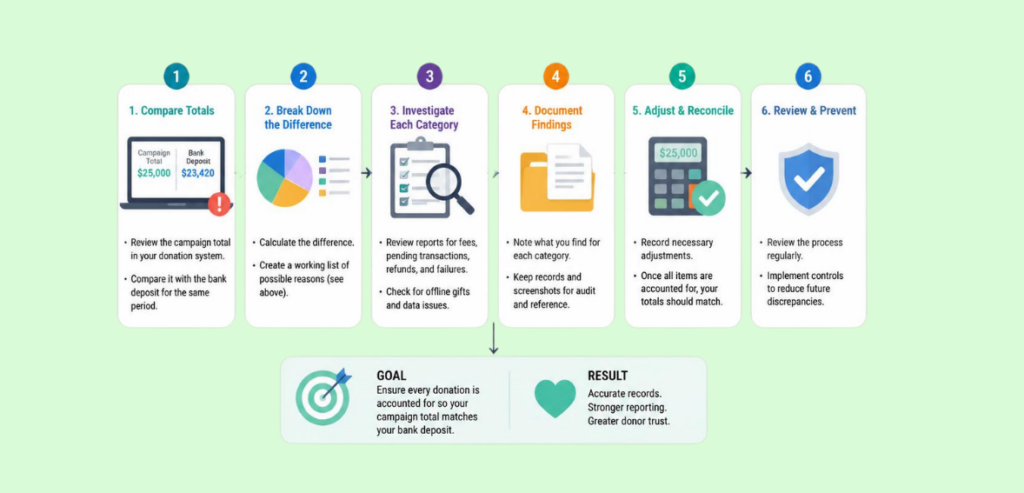
Setting up a gift card program is efficient. First, decide on a program. For most owners, that means enabling a feature on their POS. After that, decide on the card designs. Make sure to cover all customers by offering both physical and digital cards. Then, set your program guidelines by establishing card values, terms, and any other requirements that might apply. Make sure to promote your gift card program and set up dedicated displays at checkout, on your website, and include information in your email and social media marketing. Keep track of your card balances and use reminders to encourage customers to use their gift cards. For the entire flow, refer to the infographic below.

image

Infographic 2. A repeatable five-step launch for restaurant and retail gift cards.

Gift Cards for Restaurants: Turning Tables Into Repeat Visits

Gift cards naturally work to restaurants’ advantage. Because dining is a social, routine experience, a gift card purchase almost guarantees a restaurant’s return business, likely with guests. Full-service restaurants even see the greatest increase in spending. Diners apply the card to part of the meal, then add drinks and dessert on top, which lifts the check total. A $75 card purchase often results in a $110 check.

The other advantage is the seasonal increase in sales. Gift card purchases spike during the holidays, Mother’s Day, graduations, anniversaries, etc. Restaurants should strategically place promotional materials to sell gift cards, such as signs at the host stand and check presenters, card promotions on the website’s order page, and a gift card promotional offer in the email. An example of a gift card promotional offer is a $10 card giveaway with the purchase of a $50 gift card, designed to increase sales and bring guests back to the restaurant during a slow week.

Gift Cards for Retail: A Low-Cost Engine for New Customers

Retail gift cards address the most common gifting dilemma – the uncertainty around a recipient’s preferences. Gift cards allow the buyer to select the store, while the recipient chooses the item. This gift can even help businesses by bringing them a new customer, since many gift card recipients visit a store for the first time.

Businesses should take advantage of the benefits of gift cards by using digital gift cards. They are a great option for online and social commerce because they can grow the business with no added cost. Physical gift cards may be available to customers in-store who purchase on the spot. They should be displayed in the store and on the website. Stores that sell gift cards on their website are likely to sell more than stores that hide them.

Legal and Compliance Basics You Cannot Skip

Gift cards have rules that vary on state and federal levels. Under federal law, gift cards must be valid for at least five years and charge very limited inactivity fees. State laws can expand federal requirements by adding their own packaging rules, disclosure requirements, and unclaimed property laws. Some states can take the long-unredeemed value of a gift card. Gift card sales also affect accounting. Gift card sales are a form of revenue that is not immediately recognized and is recognized when the gift cards are redeemed or when it becomes predictable that they will not be redeemed.

None of this should be a barrier. However, it is recommended to seek professional advice and review consumer protection laws before selling gift cards. A good starting point is the Federal Trade Commission, as it gives a clear summary of gift cards and the associated fraud, which is worth flagging to your own customers.

Common Mistakes That Quietly Kill Gift Card Sales

The largest oversight is a complete lack of program promotion. Owners activate the feature then never bring it up. Cards go unnoticed by cash registers and are hidden under website footers. If customers are unaware that you provide gift cards, they will not buy them. The most important thing you can do is to provide visibility at checkout and online.

The next-largest oversight is failing to account for gift card redemption. An unsold gift card is the first half of a sale. A balance notification is an easy and effective way to bring customers to your store and collect the revenue. The other oversight is that gift cards are provided in only one format. Not providing digital gift cards means missing out on the online and last-minute gift sales. Not providing physical gift cards means missing out on impulse-buy gift sales at the register. Provide both gift card formats, remind customers of their gift card balance, and offer reminders to use the gift cards.

Conclusion

Gift cards for restaurants and retail are not a seasonal gimmick. They are a payment setup that delivers upfront cash, larger average ticket sizes, a steady stream of first-time customers, and a margin cushion against breakage. The tools are likely already inside your point-of-sale system. The cost to start is close to zero. The only thing missing for most small businesses is the decision to switch the feature on and put it in front of customers.

Start small. Offer both physical and digital cards. Make them impossible to miss at checkout and online. Track redemption and send a reminder now and then. Do that, and the underused payment setup becomes one of the hardest-working tools in your business.

Visa-Mastercard Swipe Fee Settlement

Court Approves Visa-Mastercard Swipe Fee Settlement: Merchants Finally Get Relief After Two Decades of Litigation

For 21 years, every time a customer tapped a credit card at a U.S. checkout counter, a small slice of that sale quietly disappeared into a fee most shoppers never see. Merchants have spent two decades arguing that those “swipe fees” were rigged — and on June 9, 2026, a federal judge finally moved the case toward a close. The court approved a sweeping $38 billion Visa-Mastercard swipe fee settlement for roughly 12 million American merchants. After one of the most exhausting legal sagas in modern commerce, relief is now in sight for the businesses that have footed the bill all along.

While the card fee wars are far from over, the ruling offers the clearest path yet toward lower card processing fees, more options for merchants, and a better balance of power. This article will outline the implications of the ruling, the historical timing, and the impact on retail customers and merchants, from large corporations to small businesses.

What the Court Actually Decided

U.S. District Judge Brian Cogan of the Eastern District of New York has called the revised swipe fee settlement “fair, reasonable, and adequate,” and granted it preliminary approval. This language is important because “fair, reasonable, and adequate” is the legal standard a class-action settlement must fulfill before it is eligible for final approval. Cogan is therefore likely to approve the settlement this year, after merchants have had the opportunity to weigh in during the comment period.

The settlement applies to about 12 million merchants who accept Visa and Mastercard. The settlement is the result of a case originally filed in 2005, when merchants accused the payment networks and their partner banks of colluding to fix interchange fees. The positive development in this case is especially important because this approval is almost two years after Judge Margo Brodie, also of the Eastern District of New York, rejected the previously proposed settlement of $30 billion in June 2024 because the savings for merchants were, in her opinion, “paltry.”

The networks went away, sweetened the terms, and returned in November 2025 with a more extensive offer. For background about that previous rejection, see the Reuters account of the 2024 ruling. That revised offer is what recently won the court’s approval.

Inside the Visa-Mastercard Swipe Fee Settlement: What Changes for Merchants

Inside the Visa-Mastercard Swipe Fee Settlement

Estimates show that the total value the deal delivers to merchants is around $38 billion. The mechanics of the deal are where the real value is found. The settlement lowers credit card interchange rates by 10 basis points, or one-tenth of a percent, for each network’s rate schedule for up to five years. It also sets a 1.25% rate cap on standard credit cards for 8 years.

To give some context, in 2024, U.S. merchants’ weighted-average swipe fees for Visa and Mastercard transactions were approximately 2.35%, according to the Nilson Report, which tracks the industry. Daily retail transactions are in the millions, so even a small fee adds up.

Merchants are receiving more than simple rate reductions; they are receiving something they have long wanted: choice. The settlement achieves a long-term goal of merchants by eliminating the networks’ “Honor All Cards” rule, which mandated that merchants accept all Visa and Mastercard products, including premium rewards cards that carry high fees. The settlement gives merchants the new right to refuse higher-cost premium and commercial cards, as well as new rights to add surcharges and to offer discounts that steer customers toward lower-cost payment methods.

REJECTED 2024 DEAL VS. APPROVED 2026 SETTLEMENT

Provision2024 proposal (rejected)2026 settlement (approved)
Total estimated value~$30 billion~$38 billion
Interchange rate cut~0.07 pct point (5 yrs)0.10 pct point for 5 years
Standard consumer capLimited / shorter term≤ 1.25% for 8 years
“Honor All Cards” ruleLargely intactMay decline premium & commercial cards
Court outcomeRejected as “paltry”“Fair, reasonable, and adequate”

The Settlement at a Glance

The practical effect is a more subdued revolution at the checkout counter. Now for the first time, a corner store or a national chain can (in theory) refuse to accept the most expensive rewards card while still accepting everyday debit and credit cards. That flexibility is more impactful than the rate cut. It changes the longstanding, unbalanced relationship between stores and networks.

The Companies at the Center of It All

Two corporate giants sit at the heart of this case. Each framed the court’s approval as vindication, even as the fees they collect now face their tightest constraints in years.

VISA

VISA

As the world’s largest payment network, Visa viewed the ruling as a positive development and a potential means of ending the decades-long case. Visa has prioritized flexibility as a key component of the settlement and has argued that the deal offers relief to all merchants, big and small, as well as greater control over payment methods. The ruling also lifted Visa’s stock and strengthened the market’s view that the settlement removes a long-standing legal overhang without adversely affecting Visa’s payment-network economics.

MASTERCARD

Mastercard, the second largest U.S. network, echoed these sentiments. A spokesperson said “closure of this matter” was something Mastercard was looking forward to, adding that the agreement “balances the interests of all parties involved.” Both stocks rose on the news — Mastercard about 2% and Visa about 1.7%. For both companies, the real value of the agreement lies in the finality they have lacked. Their balance sheets have reflected two decades of continuous litigation expense, regulatory uncertainty, and reputational damage.

Cheers and Challenges: A Divided Reaction

When it comes to a settlement intended to provide relief to merchants, merchants’ opinions are surprisingly mixed. Trade groups aligned with the payment networks have publicly supported the deal. Richard Hunt, chairman of the Electronic Payments Coalition, described the settlement as a victory for Main Street and accused large corporations of trying to block it to advance their own corporate policies. The Electronic Transactions Association expressed similar sentiments.

However, many of the large corporations are lobbying against the settlement. The National Retail Federation, the largest retail trade organization, opposes it, as do the National Association of Convenience Stores and the Merchants Payments Coalition. During an April hearing, Walmart’s attorney stated the settlement was against their interests. Their complaints are primarily on behalf of large retail merchants. They believe they cannot actually refuse premium reward cards because customers will expect to use them, so this “freedom” to decline them is illusory.

Cogan responded to certain objections directly. He explained that the relevant question wasn’t whether the settlement was the best possible outcome, but whether it was the best achievable given what could be gained or lost at trial — and that the deal didn’t have to be perfect to be approved. Doug Kantor, General Counsel of the National Association of Convenience Stores, has promised that the level of opposition will only increase. Kantor’s association has indicated it will appeal to the Second Circuit U.S. Court of Appeals if the trial court grants final approval.

WHO SUPPORTS THE DEAL — AND WHO IS FIGHTING IT

In favorOpposed
Electronic Payments CoalitionNational Retail Federation
Electronic Transactions AssociationNational Association of Convenience Stores
Visa & MastercardMerchants Payments Coalition
Class plaintiffs’ attorneysLarge retailers (incl. Walmart)

What It Means for Small Businesses

What It Means for Small Businesses

For proprietors of independent shops and restaurants, as well as service providers, the settlement offers the greatest benefits. These are the businesses with the least ability to contest fees on their own and the smallest margins to absorb costs. Certain fees will become more predictable, as there is a guaranteed rate reduction and hard caps on the costs of standard consumer cards. The new surcharging and steering rights allow small businesses to save costs and to direct customers toward lower-cost payment options, in compliance with network rules.

Unfortunately, not everyone will reap the benefits of the settlement to the same degree. There are four main things merchants get from this deal, and they land very differently depending on size. The larger chains will keep feeling they’re missing out, while smaller merchants stand to gain the most.

FOUR THINGS MERCHANTS GET

Lower interchangeA 0.10 percentage-point cut applied across rate schedules for five years.
A hard rate capStandard consumer credit cards capped at 1.25% for eight years.
Card-acceptance choiceFreedom to decline the priciest premium and commercial cards.
Steering powerNew rights to surcharge and to offer discounts that guide card choice.

Will Consumers Notice?

The impact of cheaper processing on prices is less clear. In theory, processing cost reductions allow merchants to lower prices. In practice, the savings per transaction are small, and history provides little confidence that merchants will actually lower prices. The effect seen by the consumer is more likely to be negative. As merchants gain the ability to impose surcharges, some customers may begin to see line items for the privilege of paying with a high-fee rewards card.

There is a subtle tension here as well. The rewards programs that consumers love — cash back, airline miles, hotel points — are funded by the interchange fees that this settlement reduces. If merchants start pushing customers away from premium cards, rewards programs will be less sustainable. That effect is more likely to be seen in the long term than in the short term.

What Happens Next

What Happens Next

It is important to identify the current state of this situation. The court has not completed a final ruling — this was only a preliminary one. The next step will be to notify the 12 million merchants in the class. Then the court will collect objections and hold a hearing to evaluate whether the proposal is fair. After that hearing, Cogan will determine whether to grant final approval. Cogan can expect opposition at this hearing, and at least one major trade group has committed to appealing to the Second Circuit after final approval is granted.

In this case, the resolution has not yet been secured. If an appeal succeeds, the parties could be forced back to the negotiating table, which would be disheartening to those who have followed this case since its inception in 2005. Currently, however, the proposed resolution has passed the most difficult step. It appears that the most significant obstacles have been cleared, and a resolution is nearly finalized.

Conclusion

After 21 years of litigation, a Brooklyn judge has moved the Visa-Mastercard swipe fee settlement to the brink of finality. The revised $38 billion deal cuts interchange fees, caps standard card rates for eight years, and dismantles the rigid “Honor All Cards” rule that long stripped merchants of choice.

The win is loudest for small businesses, contested by the biggest retailers, and uncertain for consumers. Final approval and a likely appeal still lie ahead. But for the first time in two decades, the merchants who have quietly paid these fees on every sale can see a finish line — and it points toward relief.

The CFPB Bilt Reimbursement Order

The CFPB Bilt Reimbursement Order: A Quiet Message to Every Business on Fintech Rails

When a federal regulator issues a public statement about a single rewards card, it usually isn’t really about the card. The CFPB Bilt reimbursement order — the Consumer Financial Protection Bureau’s June 2026 direction that Bilt repay customers harmed by a messy switch to a new bank partner — looks small on paper. Around 500 newly identified customers. A handful of overdrafts, late, and insufficient fees. No fine, no consent decree, no courtroom. Yet inside the payments and banking-as-a-service world, the move landed like a flare over a dark field. It lit up exactly where the risk lives in modern finance: not in the apps consumers see, but in the invisible rails that move their money.

Do you offer debit cards, credit products, rent payment services, savings accounts, or even a buy-now-pay-later option? If so, you almost certainly rely on rails. If you want to understand what to expect from the companies that control the rails, look at the Bilt situation. This article will explain what happened and provide context for what a press release implies. We will also explain what is meant by “fintech rails” and provide practical lessons for any business whose product is dependent on a partner bank.

What the CFPB Bilt Reimbursement Order Actually Did

What the CFPB Bilt Reimbursement Order Actually Did

Bilt is a New York-based fintech company known for enabling users to earn points for paying rent, one of the least rewarding yet most frustrating monthly expenses. Until about February 2026, the company was relaunching the Bilt Card with major updates, along with a severance from the Wells Fargo partnership, meaning that rent payments that had previously gone unrewarded would be handled through Bilt. Unfortunately for Bilt, demand for their services exceeded their ability to provide them, resulting in a host of issues, including card declines, frozen cards, and missing statements. The most frustrating issue, payments for rent and mortgage that were deducted from users’ accounts but not sent to the recipients, was also the most damaging.

The fallout caught the notice of regulators and legislators. After meetings with the CFPB, Bilt agreed to reach out to a select number of impacted customers to provide reimbursements for overdraft, late, and insufficient funds fees assessed as a result of the account conversion. According to the Bureau’s statement, Bilt agreed to reimburse fees for over 500 newly identified customers by June 4, 2026, and provided supporting documents to demonstrate that the technical issues related to the case had been resolved. The CFPB stated that it would monitor the Remediation efforts until all impacted customers were reimbursed.

The Agency framed this as a non-punitive, collaborative solution, illustrating the Bureau’s “Enforcement Principles” in action. There was no fine. Bilt stated that the high demand caused “gaps in service that are simply unacceptable to us,” and indicated that they were expanding customer support. Bilt said all remaining issues from the February transition were resolved.

image

The CFPB Bilt reimbursement order in numbers — the headline figures are modest, which is exactly why the framing matters more.

Why It Wasn’t a Normal “Order” at All

This first detail should get the attention of nearly every fintech operator: in technical terms, the CFPB does not have direct supervisory jurisdiction over Bilt. There have been no formal enforcement actions in the traditional sense, no consent order with a dollar value attached, and no litigation. Experts in the industry and former bureau staff have indicated that it is not uncommon for the CFPB to meet privately with prominent companies regarding alleged consumer harm, but it is almost unprecedented for the CFPB to publicize such meetings through a press release.

That distinction sums it up. The Bureau opted for influence over authority. It deployed its bully pulpit, including the implicit threat of its “unfair, deceptive, or abusive acts or practices” (UDAAP) powers, which can extend to nonbanks, to persuade a company to provide redress without bringing an enforcement action. That’s much harder for a company to plan around than a more traditional regulatory framework. Regulations demarcate the line that cannot be crossed. A statement of enforcement interest signals that the regulator is prepared to incur reputational harm to draw attention to the case, and that the negative effects of a poor customer experience may receive press coverage long before it results in a monetary penalty.

So What Are “Fintech Rails,” Exactly?

Fintech Rails

Fintech rails enable a non-bank entity to provide banking-like services. In the rare case of consumer-facing banks, the brand that consumers engage with operates within a long, intricate supply chain of partnerships that includes a program manager and/or middleware service, a chartered sponsor/partner bank, and payment networks. Though each partner fulfills an essential role, together they comprise a banking service. Consequently, the reward app would not be able to issue a credit card without support from a partner bank, payment networks, and related partnerships.

Every handoff between layers is a seam, and seams are where things tear. You might think Bilt’s change of partners is minor. That’s more like changing the foundation of a building. Most customers won’t see a change in the Bilt brand; however, the issuer, the servicer, and the ledger of record all changed at the same time. This move is arguably the most dangerous in the industry and is the move the CFPB decided to focus on.

image 1

The rail stack: the brand a consumer trusts sits several layers above the bank that holds the money. Bilt’s relaunch changed multiple layers at once.

WHO WAS WHO IN THE BILT TRANSITION

ROLE ON THE RAILSPROVIDERSTATUS DURING THE RELAUNCH
Consumer brandBilt RewardsUnchanged — the face customers blamed
Legacy issuerWells FargoExited; partnership ended early
New issuing bankColumnOnboarded for “Bilt Card 2.0”
New servicerCardlessTook over program operations
RegulatorCFPBDirected redress via public statement

Some of the friction experienced by customers can be attributed to the sheer number of participants in the process. Customers observed something like ‘finger-pointing’ when, for example, a legacy issuer was winding down its operations, a new issuer was ramping up, and a new servicer was occupying the middle. Each support team could only see their slice of the issue, while the real problem for the customer lived in the gaps. The distribution of responsibility is a design feature of most if not all, fintech solutions, not just a one-off example related to Bilt, and it is precisely this kind of situation that regulators are concerned about.

A Timeline of How the Episode Unfolded

WHENWHAT HAPPENED
February 2026The relaunch. Bilt migrates to “Bilt Card 2.0,” moving off Wells Fargo onto a new issuer-and-servicer stack. Demand outpaces the new infrastructure.
Feb–Apr 2026The complaints. Members report declined cards, vanished statements, slow chatbot support, and rent or mortgage payments debited but delayed or undelivered.
Late May 2026Washington notices. Senator Elizabeth Warren, ranking member of the Senate Banking Committee, presses Bilt with a detailed letter on consumer harms.
June 2, 2026The CFPB statement. The Bureau publicly discloses its discussions with Bilt and directs full redress for affected customers.
June 4, 2026The reimbursements. Bilt reimburses fees for 500-plus newly identified customers; the CFPB says it will keep monitoring.

The political context behind that timeline matters. You can see the legislative pressure for yourself in Senator Warren’s letter to Bilt on mounting consumer harms, which preceded the Bureau’s move. The CFPB’s intervention did not happen in a vacuum; it came after the harms had already become a public story.

The Posture Shift: From Punitive to “Collaborative” — But Still Watching

To properly analyze this episode, it is necessary to recognize the unique circumstances involving the CFPB. The Bureau is currently under severe contraction. The acting leadership has terminated numerous past CFPB enforcement actions, rescinded consent orders, and closed investigations. Given this context, the Bilt statement reveals the operating style of the Bureau’s new, smaller version. There will be less traditional litigation, more rapid and publicly visible collaborations, and intense pressure to provide consumer relief that typically falls within the scope of long, complex litigation.

That may sound gentler, and in some respects, it is. However, it is also true that things can happen much more quickly, with a lot more reputational damage. A formal investigation has a long period of confidentiality. A press release does not. For businesses on fintech rails, the practical meaning is that the distance between “a few hundred disgruntled customers” and “your company is mentioned in a public statement by a federal agency” has decreased significantly.

DIMENSIONTRADITIONAL ENFORCEMENTTHE BILT-STYLE COLLABORATIVE APPROACH
VisibilityConfidential until charges or settlementPublic statement, often early
SpeedMonths to yearsDays to weeks
Primary costPenalties, legal feesReputation, trust, customer churn
OutcomeConsent order, finesVoluntary redress, ongoing monitoring
What protects youLegal complianceConsumer experience + fast remediation

What the Order Means for Businesses on Fintech Rails

What the Order Means for Businesses on Fintech Rails

Some general conclusions can be drawn for those who depend on a partner bank for their product. A key one relates to partner-bank transitions. Arguably, changing your issuer or service provider is the highest risk event in the lifecycle of a fintech product. It should be treated as a regulated migration rather than a marketing relaunch. This should include properly built parallel-run periods and thorough reconciliations between the legacy and new service providers. It should also include a refusal of marketing-driven, user-load-controlling promotional events over a service provider that has yet to be proven capable of carrying the system load.

The second lesson examines where consumer harm actually manifests in the Bilt case. The painful failures were real and included rent and mortgage payments that didn’t go through, as well as a range of overdraft, late-payment, and insufficient-funds fees. Regulators pay close attention to real, measurable, and household-level harm. If the product the consumer interacts with to meet a non-negotiable obligation is on the line between them and rent, salary, loan payments, utility payments, etc., the reliability standard is not “good enough for a rewards app.” It is “good that someone’s housing is not dependent on a chatbot.”

The third lesson involves accountability across the stack. When it comes to the regulator and the victim of the failure, the brand, the servicer, and the bank cannot hide behind a diffusion of responsibility. If the bank is the only brand visible to the customer, it owns the responsibility. Even if the failure occurred on one of the partners’ systems, the partner that owns the customer relationship is responsible for remediation. For the whole stack, the partner that provides a single escalation pathway and offers human support for high-risk failures will have a competitive advantage, whereas the opposite will negatively impact the firm’s financial performance.

Finally, there is the lesson of speed of redress. The reason Bilt’s episode was resolved without a penalty is that the company proactively contacted affected customers and reimbursed them for fees quickly. The new regulatory posture rewards that behavior and punishes its absence. The companies that will weather this environment are the ones that detect harm early, own it publicly, and make customers whole before a senator’s letter or an agency statement forces the issue.

RISK AREAWHY IT MATTERS NOWTHE SIGNAL REGULATORS WANT TO SEE
Partner-bank transitionsHighest-risk event; re-lays multiple seams at onceParallel runs, ledger reconciliation, no premature promos
Payment reliabilityRent/mortgage/payroll failures cause real household harmFunds reach the destination, on time, every time
Support & escalationChatbot-only support fails at the worst momentsHuman escalation that sees across the stack
Fee cascadesOne failure can trigger overdraft + late + NSF feesProactive identification and reimbursement
Speed of remediationPublic pressure now moves in days, not yearsSelf-detection and redress before regulators act

The Bigger Picture: Trust Is the Product

Reading the CFPB Bilt reimbursement order, responding to customer complaints, and returning customer funds to where they belong help explain Bilt’s rough week. The more appropriate reading is the fragility of the model that most of the consumer-fintech industry has adopted. Most consumer fintech companies have established partnerships with other companies to provide complementary services (payments, cloud services, etc.). In this model, most collaborations work well until one of the partnerships is disrupted. The disruption may vary from a partner change to spikes in customer demand to a ledger mismatch. At that moment, Bilt could provide a sophisticated app, but the difference between a customer-friendly app and a regulated financial institution becomes conspicuous to Bilt.

Founders and operators can take away something almost philosophical. Regulators can turn customer service failures into public statements within days. As such, your compliance posture and customer experience are one and the same. Reliability and the rapid, honest resolution of issues must be considered the company’s real product. For those companies, rewards and user interfaces are merely product wrappers. Those companies will be the only ones still standing when the next transition goes south.

Frequently Asked Questions

  1. What is the CFPB Bilt reimbursement order?

    It discusses the June 2026 public guidance of the Consumer Financial Protection Bureau as it pertains to Bilt’s obligation to remedy harms caused to customers as a result of Bilt’s decision to change bank partners in February 2026. By June 4, 2026, Bilt will pay back overdraft, late, and insufficient funds fees to more than 500 newly identified customers. Notably, it was not a standard consent order or fine – it was a collaborative resolution published by the Bureau.

  2. What are fintech rails?

    “Fintech rails” refers to the layered infrastructure that enables a non-bank company to offer banking-style products. The consumer-facing brand sits atop a program manager or servicer, a chartered sponsor (partner) bank that holds the funds and provides the regulatory license, and the card networks and payment systems. This model is often called banking-as-a-service, or BaaS.

  3. Did Bilt get fined by the CFPB?

    There was no formal enforcement action and no civil penalty. The CFPB does not supervise Bilt directly, but it can reach nonbanks through its unfair, deceptive, or abusive acts and practices authority. Rather than litigating, it publicly pressured Bilt to reimburse its customers, a move Bilt subsequently made.

  4. Why did Bilt’s bank-partner transition cause problems?

    Changing your partner means switching the issuer, servicer, and ledger of record under a product that consumers currently use. The demand for the relaunch outstripped the new infrastructure, resulting in declined transactions and missing statements. Most seriously, customers experienced delays or failures in the debiting of rent and mortgage payments.

  5. What does this mean for fintech startups and businesses on fintech rails?

    Consider partner-bank transitions to be high-risk regulated migrations rather than relaunches. When you are the conduit between the consumer and the contractual obligation, such as rent or payroll, ensure the payment assurance is non-negotiable. We expect you to take full ownership of remediation across the stack, rather than allowing it to spread across partners. Be speedy to provide redress. Under the current posture, the public can become pressured within days, and proactive reimbursement is what prevents the problem from becoming an enforcement action.

  6. Is the CFPB becoming more or less aggressive?

    It is somewhat difficult to characterize what the agency is doing. The agency has somewhat limited its scope and has withdrawn from some of its more traditional enforcement actions. However, the Bilt episode shows the agency is willing to use rapid, public, and collaborative pressure to secure consumer redress. For businesses, the risk of litigation may reduce, but the risk to reputation will increase and arrive more quickly.

Block Inc

Buy Now, Pay Later Meets Digital Banking as Block Expands Afterpay and Cash App Pay

Think about the last thing you bought online. There’s a good chance you didn’t pay all at once. Maybe you split it into four. Maybe you tapped a balance instead of a credit card. That small shift at checkout is now a multibillion-dollar habit. And one company is moving fast to own both ends of it.

Block Inc, the company that owns Cash App, Square, and Afterpay, is integrating its payment solutions. This creates a unified, expanding network that gives Afterpay and Cash App Pay merchants access to tens of millions of customers. This illustrates the direction of payment solutions in retail. Buy now, pay later is moving out of the periphery and is integrating with the banking ecosystem.

Here’s what Block is building, why merchants keep signing up, and what it all means for shoppers and small business owners in 2026.

What Block Inc Just Did

AfterPay

Image Source

In March 2025, Cash App integrated Afterpay’s pay-over-time solutions to hundreds of thousands of partner merchants. Cash App Afterpay, which comes with a new checkout logo, represents a unified branding effort of the two companies. Starting with Pay-in-4, the traditional four-part (interest-free) installment split, Cash App users can use this feature on their Cash App. The Pay Monthly feature, which allows for longer payment terms for large purchases, is coming next.

Block’s acquisition of Afterpay makes considerable sense. There are approximately 57 million Cash App users each month. Afterpay provides flexible payment options and partnerships with retailers for installment purchases. Cash App and Afterpay together form a significant alternative payments network in the U.S. Afterpay co-founder and Block’s head of global sales, Nick Molnar, explained that this allows merchants to access a much larger market, while consumers can access modern payment options beyond traditional credit systems.

From 2023 to 2026, the list of merchants using Cash App continued to expand, with the addition of companies such as Instacart, Fubo, and Lime, as well as many other retail and apparel brands. The pitch to sellers is that Afterpay and Cash App Pay meet different shopper needs. By offering both, sellers can meet consumers’ needs at more stages of the buying journey. This phrasing is thanks to Tanuj Parikh, who leads revenue for Afterpay and Cash App. For more information about the newly added partners, check out PYMNTS’ latest coverage of the merchant expansion.

From a Transfer App to Your Main Bank

Buy now pay later

This is where buy now, pay later merges with digital banking. Cash App has provided consumers the ability to quickly transfer cash to settle a dinner bill or send rent to a roommate. Block aims much higher. According to analysts, the internal objective is “banking primacy” — being the account into which your salary is deposited.

The data indicate improvement. Block capped the most recent quarter with 9.7 million Primary Banking Actives, up 18% from last year. A Cash App account becomes a Primary Banking Active when it receives a direct deposit or an account holder engages in at least $500 worth of monthly transactions across the Cash App ecosystem, including Cash App Card, Cash App Pay, and Afterpay. Under that definition, spending through Cash App’s buy now, pay later (BNPL) service can be enough to count you as a Primary Banking Active.

Layered on top of a foundation already bolstered by a real bank, Block’s offerings include Cash App Green, a younger-skewing status program with a much lower average member age (34 years) compared to a median age above 50 for traditional U.S. banking customers. Other offerings include managed accounts for children, teenage savings accounts, a Bitcoin Lightning network, and peer-to-peer stablecoin transfers planned for 2026. Block co-founder and CEO Jack Dorsey envisions a future Cash App that serves as a financial “protector,” proactively tracking and alerting customers to risks posed by incoming and outgoing transactions.

Sitting below is a chartered financial institution. Square Financial Services is Block’s industrial bank that facilitates much of its lending. And lending is on the rise. In the most recent quarter, consumer lending origination volume grew 82% year over year. Additionally, Cash App Borrow, a product that offers short-term loans, grew an impressive 175% year over year. Afterpay’s post-purchase lending is said to be surpassing the early trajectory of Block’s lending product.

FIGURE 1 — THE BLOCK MONEY STACK

LayerWhat happensWhy it matters to Block
Send & receive (P2P)The original Cash App habitBrings users in and builds daily trust
Spend & splitCash App Pay + Afterpay at checkoutPay now, or pay in 4 / pay monthly
BankDeposits, card, savings, Cash App GreenTurns users into Primary Banking Actives
LendBorrow + Afterpay creditThe highest-margin layer of the stack

Each layer down the stack is more valuable to Block. BNPL is the bridge from spending into banking and credit.

Why Merchants Keep Signing On

Why Merchants Keep Signing On

Integrating a payment button onto a retail platform can be burdensome. So why are merchants integrating Afterpay and Cash App Pay at such an accelerated rate? The simple answer is reach and conversion. Cash App users are more likely to complete a purchase because they trust Cash App as a payment method. Moreover, Cash App Pay serves as a familiar payment method. In addition, Cash App Pay, paired with BNPL (Buy Now, Pay Later), has a significant and established impact on cart behavior.

The 2026 wave brought a mix of categories, from grocery delivery to eyewear to sportswear. The spread matters. It shows BNPL moving past fashion into everyday spending. The table below groups some of the recently added partners by sector.

TABLE 1 — SELECTED MERCHANTS ADDED TO THE AFTERPAY / CASH APP PAY NETWORK (2025–2026)

CategoryExample merchantsWhy it matters
Everyday & deliveryInstacart, LimeBNPL stretches into groceries and mobility, not just splurges
Streaming & mediaFuboSubscriptions and services join the installment world
Eyewear & accessoriesGlassesUSA, JaxxonMid-ticket items that benefit from a split-pay nudge
Apparel & lifestyleMonday Swimwear, WeWoreWhat, Kat The LabelThe fashion core where Afterpay first grew up
Sports & audioRally House, Shokz, REDVANLYHigher average order values, ideal for Pay Monthly
Family & milestonesNanit, Herff JonesPlanned, larger purchases that suit installments

Every new logo expands the network in both directions. An increase in merchants means more places for Cash App users to spend their money. An increase in users means a larger potential customer base for the next merchant. That flywheel is the entire goal.

Buy Now Pay Later Retail 2026: The Demand Is Real

None of this would matter if shoppers weren’t asking for it. But they are requesting it. Among younger generations who generally distrust traditional credit, the trend toward buy now, pay later retail has become a permanent fixture as a new payment method.

By 2026, approximately 50% of adults in the U.S. have tried some form of buy now pay later (BNPL). The trend is also evident in holiday spending, where shoppers spent $20 billion on BNPL during the 2025 holiday season, up 9.8% from the previous year. Electronics and furniture are among the leading categories. The figures below summarize the headline numbers with some supporting information.

FIGURE 2 — BNPL RETAIL 2026, BY THE NUMBERS

~50%of U.S. adults have used buy now, pay later at least once
20–30%typical lift in checkout conversion when BNPL is offered
15–40%reported rise in average order value with BNPL
~40%of BNPL sales can come from shoppers new to the retailer
$20.0BU.S. BNPL spend over the 2025 holiday season (+9.8% YoY)
96M+projected U.S. BNPL users in 2026

Figures aggregated from industry research; ranges reflect variations across providers and categories.

The takeaway for retailers is blunt. Offering installments tends to boost conversion, increase basket size, and attract first-time buyers. For a full breakdown of usage and category data, Capital One Shopping’s BNPL research is a useful reference point.

How Cash App Pay Checkout Actually Works

It is beneficial to differentiate between the two tools, as they serve different functions. The term people search—Cash App Pay Checkout—generally means the payment is done in full from the Cash App balance, while Afterpay refers to the pay-over-time service. Block now provides them together, so merchants can serve both types of shoppers in a single integration.

At the online checkout, Cash App Pay allows shoppers to select a payment option, after which the payment is confirmed in the app or by scanning a code, and funds are cleared from Cash App or a linked source. Afterpay, on the other hand, lets the shopper split the cost into four interest-free installments or opt for the Pay Monthly plan to spread a larger purchase over several months. In both cases, the merchant is paid upfront. These payment services offer a user-friendly comparison at first glance.

TABLE 2 — CASH APP PAY VS. AFTERPAY AT CHECKOUT

FeatureCash App PayAfterpay
What it doesPay in full, instantlySplit into installments
Best forQuick, lower-friction mobile paymentsMid- to higher-ticket purchases
Shopper costNo installment planInterest-free Pay-in-4; fees can apply to Pay Monthly or late payments
Merchant payoutReceives funds for the salePaid up front; Afterpay carries repayment risk
Core appealSpeed and Cash App familiarityAffordability and bigger baskets

Offering both is the selling point. A shopper who balks at paying $180 at once might happily split it. Another just wants to tap and go. Covering both reduces the moment of hesitation that kills online sales.

Should Small Businesses Offer BNPL?

This is a practical consideration for owners reading the news. Should small businesses offer BNPL in 2026? The truth is: it depends on your margins, average order values, and your demographics. BNPL is not free for the business. Providers charge a fee for each transaction, often a percentage plus a fixed amount, which is usually higher than traditional card rates. The expense is charged for the conversion lift.

For some stores, the decision is simple. If you sell items in the $75-$500 range to younger shoppers, then the option to pay in installments can turn a browser into a buyer and lift the average order value. Small to medium enterprises (SMEs) generally see higher cart conversion rates. For tight-margin, low-value, or older-customer businesses, the fee may outweigh the benefit. The table presents the trade-offs.

TABLE 3 — THE MERCHANT TRADE-OFF ON BNPL

UpsideCost or caveat
Higher checkout conversion, fewer abandoned cartsPer-transaction fees usually exceed standard card rates
Larger average order valuesReturns can be higher in some categories like fashion
Access to younger, BNPL-first shoppersAdds another payment flow to manage and reconcile
You get paid up front; the provider carries repayment riskReliance on a third party’s brand and policies
Network reach (e.g., Cash App’s user base)Customer support and disputes may route through the provider

A reasonable approach is to test rather than commit blindly. Turn it on, watch your conversion and return rates for a quarter, and compare the fee against the incremental revenue. If the lift is real for your store, keep it. If not, the fee is just a cost. Treat BNPL like any other channel: measure it.

The Catch: Debt, Defaults, and Regulators

When spending and lending occur in the same app, buying and borrowing become indistinct. While this is beneficial to Block’s revenue, it poses financial risks to consumers and to the company’s loan book.

The data shows the early warning signs. Buy Now, Pay Later (BNPL) plans show low default rates, but a significant number of consumers miss payments at least once. This is frequently reported to be between 30% and 40% in surveys. It is also common for consumers to have multiple BNPL loans, making payment oversight difficult. This is referred to as “loan stacking.”

This has not gone unnoticed by regulators. In the U.S., the Consumer Financial Protection Bureau has been particularly focused on BNPL plans and their relationship with traditional credit cards. As this market segment develops, new regulations could bring increased transparency and new consumer rights, especially regarding payment disputes. For Block, focusing on lending to gig workers and those with inconsistent incomes raises significant concerns. What will be the impact on loss rates when the economy experiences a downturn? There is significant financial incentive to pursue this lending. The credit risk is the financial cost.

What This Means Going Forward

With a broader view, Block’s strategy is easy to understand. Each payment creates a loop. Cash App customers will not only be paying customers but also be incentivized to continue spending and engage in recurring transactions through Cash App. Block’s Cash App strategy is to keep customers on the ‘Cash App’ loop by offering features and controlling the lending margin.

For users, the incentive to use the Pay in 4 feature is its improved ease of use. This feature does come with risk, as it may drive users to a negative financial position. The appropriate way to use Pay-in-4 is to treat it as a loan, which may be necessary to discourage users from spending beyond their financial limits.

For small business owners, the decision to use the Pay-in-4 feature is much more clear-cut. Pay-in-4 can drive growth for your small business, assuming your product and consumer base are a good fit. However, Pay-in-4 can also add an unnecessary layer of expense to your business. You should evaluate the Pay-in-4 feature based on your own business metrics, rather than on what Block says in its marketing.

Either way, the direction is set. Buy now, pay later and digital banking are merging into one experience, and Block is determined to be the company that owns it. The checkout button you tap in 2026 may turn out to be a bank in disguise. You can follow the source announcements directly through Block’s investor newsroom.

Frequently Asked Questions

  1. What is the difference between Cash App Pay and Afterpay?

    You can now make full payments directly from your Cash App balance with Cash App Pay. Afterpay allows customers to make partial payments via interest-free installments, as well as via the Pay Monthly plan. Block now offers both services so that retailers can cater to your purchasing preferences, whether you want to pay in full immediately or prefer to pay in installments.

  2. Which merchants accept Afterpay and Cash App Pay?

    The network connects millions of merchants. Recent additions include Instacart, Fubo, Lime, GlassesUSA, Shokz, Rally House, Monday Swimwear, Nanit, among others. The list continues to expand as Block enhances its commerce suite offerings.

  3. Should a small business offer BNPL in 2026?

    Younger shoppers are likely to respond better to this solution, and it can increase order value and improve conversion for mid-ticket items. Unfortunately, it is likely that this solution will be more costly than it benefits your store. Providers charge high, per-transaction fees which often exceed card rates. You will need to run a test, measure the performance lift relative to the fees, and keep the solution only if the numbers work for your store.

  4. Is buy now, pay later risky for shoppers?

    Although default rates are low, many users have reported missed payments, and loan stacking is prevalent. BNPL is still a form of lending. Only use this for splittable purchases you are comfortable paying in full, and be mindful of the number of active plans.

Fifth Third

Fifth Third is closing 81 branches. Here’s the business-customer checklist.

On June 3, 2026, branch-closure filings with the Office of the Comptroller of the Currency surfaced — first reported by Banking Dive — confirming that Fifth Third will shut 81 branches this summer as it digests Comerica. The $10.9 billion all-stock acquisition closed in February 2026, creating the ninth-largest bank in the country with roughly $294 billion in assets. CEO Tim Spence has framed the deal around about $850 million in targeted cost savings — and branch consolidation is where a good chunk of that math gets done.

The bank’s public framing is reassuring and mostly accurate: it is consolidating overlapping locations, and most branches being closed have another Fifth Third within a mile. That answers a consumer’s question — where do I deposit a check now? It does not answer a business owner’s question: whether payroll runs and vendor payments clear without interruption when two banks’ systems are stitched into one. For a small business, the branch closing is the headline; the account conversion behind it is the event that can actually cost you money.

What’s closing, and when

Fifth Third branch closure

The closures are heavily concentrated in Michigan, where the two banks’ footprints overlapped most. Per the OCC filings reported by Banking Dive and the Detroit News, the 75 Michigan closures break down to 55 former Comerica branches and 20 existing Fifth Third sites, with the remaining six spread across Florida (four), California (one), and Texas (one).

Source: OCC branch-action filings, via Banking Dive & the Detroit News (June 2026).

DETAILFIGURE
Total branches closing81
Originally Comerica locations59
In Michigan (55 ex-Comerica + 20 Fifth Third)75
Florida / California / Texas4 / 1 / 1
Closures with another Fifth Third within a mileMost
Branch closuresThis summer (reported ~September)
Full system & brand conversionLater this year

Despite the layoffs, Fifth Third’s Michigan net position continues to grow as it incorporates Comerica’s network alongside its own. The bank plans to have 227 financial centers across 39 Michigan counties post-acquisition, with 116 in the five-county Metro Detroit area and 19 in the City of Detroit.

Fifth Third Bank claims its acquisition will provide the City of Detroit with the largest available banking network. While the claim itself is positive, the optimism is tempered by the fact that there will be branch closures during the summer (most are expected to close during September) and the systems and brand conversion will not happen until “later this year.”

Some predict the conversion of customers to Fifth Third Bank to happen the weekend of Labor Day. Nonetheless, the time between “my branch closed” and “my bank accounts closed” will be useful for business owners.

Why this conversion carries more risk than a routine one

Why this conversion carries more risk than a routine one

Most account conversions are standard, but there are two reasons this account conversion deserves special consideration. First, when you take the integration of Comerica’s commercial banking division into Fifth Third’s Division, this has become one of the more significant regional bank conversions in recent years. If you’re talking about the size of the job, that’s the area where you will find exceptions. Second, and of greater interest to the business customer, the back office handling the migration is also being closed on the same schedule.

Fifth Third has submitted a state WARN notice announcing the permanent layoff of 502 workers at Comerica’s former Great Lakes Campus in Farmington Hills. The layoffs will occur in phases from July to November of 2026. These layoffs will follow those at Comerica’s Texas locations, bringing the total to over 740 employees. The layoffs won’t stop your payroll from running on their own.

The subtler risk is that the staff who best understand Comerica’s commercial accounts are among those leaving — on the same schedule as the migration itself. The most logical and safest approach would be to build your own safety net rather than to assume the bank’s safety net will be adequate.

The conversion window is the real risk — not the branch distance

“Another branch within a mile” is a geographic term. A business doesn’t run on geography; it runs on the account identity to which everything is wired. When Comerica accounts migrate onto Fifth Third’s systems during the conversion later this year, the pieces that depend on that identity are the ones that can break. Here is the chain that must survive the cutover, roughly ordered by the damage a failure would cause.

Routing and account numbers

Changes to your account numbers will have a ripple effect on your transactions. Write to your bank and ask if the account and routing numbers for your former Comerica bank account will change. Be aware that some Comerica bank accounts were reassigned while others were retained. The answer to your inquiry will tell you how much of this list will pertain to you.

ACH origination — the file that pays everyone

If your business originates ACH payments — vendor disbursements, tax payments, customer debits — those origination files reference your originating account and routing. A single stale field, such as the immediate origin or the company/batch header, can bounce an entire batch, and ACH returns can take days to surface. Once you have the new credentials, send a small test file before you push a full payroll or vendor run through it.

Payroll batches and recurring debits

While it is true that no area of accounting can be allowed to make mistakes, payroll is the most critical to get right. Whether payroll is processed in-house or through an external provider, the funding account that is provided must match the converted account.

If payroll is processed by a third party, be it Gusto, ADP, or Paychex, the funding account must be updated in the third party’s portal, not the bank’s. A pre-note must be confirmed to clear prior to the next scheduled pay date. The same principle applies to recurring debits and to autopay setups that are initiated by the customer.

Bill pay payees and merchant settlement

Be prepared to re-enter payees, as saved bill-pay payees do not always migrate correctly. On the card side, your processor makes settlements to a deposit account using the routing and account numbers. If these change and no one addresses them, a day or two of card batches may remain unsettled. If your processor is the bank, a conversion may involve card-processing re-boarding, new terminals, and a new gateway, with card-on-file tokens re-vaulted.

image

The branch closing is the visible event. The conversion is the quiet one — and it’s where ACH, payroll, and settlement instructions are most exposed.

Cash-heavy businesses: the logistics question

Cash-heavy businesses

If you run cash, a branch closure isn’t just an inconvenience — it changes your deposit logistics. A location that closes this summer may have been your deposit drop, and the replacement may not sit on your route.

Three factors influence what a bank should do. The first factor is distance. If your closest branch is 20 minutes away, daily deposit runs take staff time and increase the likelihood that cash sits on-site overnight. The second factor is volume. Once you’re depositing more than a few thousand dollars per day, an intelligent safe that provisionally credits your account, or a remote deposit capture for checks, generally reduces the trips to the bank.

The final factor is the quote for the armored pickup. A route that may have worked for your bank’s location in the past may not work for your bank’s location in the present, as transport companies quote based on stop frequency and distance. Get a quote before the branch closes, rather than after, so that you won’t have to consider the quote during the time the branch is closed.

The checklist: 10 things to verify before conversion day

Once you have a conversion date, run this list against your accounts. The goal is simple: when the systems flip, nothing that touches money should reference stale account information.

#VERIFYWHY IT MATTERS
1Routing & account numbers post-conversionThe detail everything else depends on
2ACH origination ID & settlement accountStops rejected vendor/tax batches
3Payroll funding accountThe one you cannot afford to miss
4Recurring debits you originateSubscriptions and customer autopay
5Autopay / bill-pay payeesSaved payees may not migrate cleanly
6Merchant deposit & settlement instructionsWhere card deposits actually land
7Wire instructions shared with customersUpdate before they send to old details
8Online/mobile banking & entitlementsUser roles and approvals can reset
9Account signers & authorized usersRe-confirm who can move money
10Statements, tax docs & payment historyDownload before access changes

A simple conversion-week game plan

The checklist tells you what to verify; this tells you when to do it. Treat the conversion date as a hard deadline and work backward from it.

60 days out:  Have the conversion date confirmed in writing. Inquire if the account and routing numbers will change. Establish a backup operating account at another financial institution. Export the statements, tax documents, and payment history.

30 days out:  Your payroll provider, processor, and key vendor funding accounts need to be updated. Autopay and bill-pay payees need to be re-entered. A test ACH file and a small test card batch should be sent using the new details.

Conversion week:  When possible, run payroll a day early. Maintain more operating cash on hand than normal to account for any settlement delay. Ensure you have a point of contact at the bank (i.e., a name, not a 1-800 number).

The week after:  Reconcile the first full ACH cycle, the first payroll, and the first week of card settlements line by line before you trust the new setup.

The bigger picture: consolidation is the trend, not the exception

Fifth Third asserts that its net pitch yields a positive outcome for its customers after branch conversion. They claim that after conversion, Fifth Third clients and former Comerica clients in Michigan will gain access to approximately 42% and 60% more branches, respectively. Fifth Third also claims that they will offer the most extensive banking network in Detroit. However, looking at the big picture, this offer reflects the industry as a whole.

According to TheStreet, 178 bank branches shuttered during the first months of 2026, and over 10,000 branches closed after 2019. In the last 10 years, the Federal Reserve recorded a 19% reduction of bank branches in the United States. The trend of consolidation continues with regional mergers. This spring, layoffs from PNC’s merger with FirstBank impacted Colorado.

This merger is no different. Comerica was founded in Detroit in 1849. It wasn’t until 2007 that Comerica moved its headquarters to Dallas. By late 2026 or early 2027, Comerica will merge with Fifth Third (which will also include the naming rights to Detroit’s Comerica Park), thus significantly changing the face of banking in Detroit. In reaching this decision, Fifth Third has erased nearly two centuries of Detroit banking by focusing on integrating Comerica into its operations and eliminating the city’s largest banking presence.

The practical lesson isn’t “panic about your branch.” It’s that a closure notice is a re-shop moment — for banking and for processing. (We made a similar case after the CFPB’s Bilt reimbursement order: when the rails shift under you, it’s worth checking who you’re actually tied to.) The owners who come through a conversion unbothered are usually the ones who used it as a prompt to ask whether their current setup is still the best one.

What doesn’t have to move when your bank does

Here’s the section that is missed by most owners in the mad rush: your payments stack doesn’t need to be at the mercy of your bank’s merger calendar. If merchant services are with an independent provider (not a bank), your processing, ACH, and settlement logic remain safe during a bank switch — just reassign the deposit account.

Although simple, this principle increases your flexibility and reduces a bank’s monopoly. With an independent processor, you can settle money at any bank of your choosing. If a bank changes, you change a single field at the processor. Keep your card tokens with a vault provider, and a bank merger/transfer will prevent forced re-entry of your customers’ cards. This principle demonstrates why your bank is not the problem. Your bank is not your single point of failure.

COMPONENTIF IT’S TIED TO THE BANKIF IT’S PORTABLE
Card processing & settlementRe-papered with the bankStays — repoint deposit acct
ACH originationRe-onboard, new originator IDStays — same provider rails
Recurring billing / tokensAt risk of re-vaultingStays — tokens preserved
Reporting & reconciliationNew portal, new exportsStays — same dashboard

That portability is the whole argument for keeping merchant services separate from the deposit relationship — and for understanding the faster-payment rails (FedNow, RTP) that increasingly move money independent of any single branch. When the bank consolidates, the payments stack shouldn’t have to.

Frequently Asked Questions

  1. Is my money safe during the conversion?

    Yes — deposits remain FDIC-insured throughout, up to applicable limits. The risk here isn’t your balance; it’s the timing of transactions that depend on account details lining up after the cutover.

  2. Will my account and routing numbers change?

    They may. Some former Comerica accounts could be reassigned while others carry over. Ask the bank directly, in writing — the answer drives most of the checklist above.

  3. When exactly is the conversion?

    The bank says “later this year,” with branch closures landing this summer (reported around September). Some coverage points to a Labor Day conversion. Don’t rely on the public language — get your specific date confirmed in writing.

  4. Do I have to stay with Fifth Third?

    No. A closure notice is a natural time to compare banking and merchant services options. If you do switch, sequence it so it doesn’t collide with the conversion itself.

No-Show

How Studios Charge No-Show and Late-Cancel Fees Without Losing Members

You may have a cancellation policy written somewhere on your waiver or buried in the membership agreement. But if you’re being honest, you enforce it maybe once every five. The other four, it’s just not worth the hassle.

The front desk doesn’t want to be confronted for the no-show. With your software, charging by hand is a 5-step process. In the back of your mind, you’re worried members will just cancel their membership over a $15 fee.

As a result, the mat remains empty, the waitlisted member who wanted to use it doesn’t get to use it, and you bear the expense. Again.

Now, this is a thing that always irks me, but studios that charge regular fees simply don’t lose members because of them. What they lose is their members who were never going to remain.

The True Expense of a No Show

The True Expense of a No Show

A no-show is generally a minor inconvenience to most studio owners. It’s not. It’s a triple hit.

There’s the empty seat first of all. Two students did not bother to cancel for a class with 18 students, so there are 16 students in the class. Second, and this is the one that hurts, there were probably some people on the wait list for those two who didn’t get the chance because they seemed to be taken at the last minute. Thirdly, you’re still paying your teacher anyway.

Simulate numbers for a studio of 200 people who don’t attend classes 15% of the time, for 30 classes per week. This is about 90 blank spots in a week. At only $12 per spot, a conservatively estimated walkout cost is more than $1,000 per week.

The science of what actually works to change behavior is quite simple. Reminder texts alone? They’re somewhat helpful; they may be able to reduce your no-show rate by 5–8%. Fees alone? Bigger impact. Combine them? You’ll notice the true difference when both are in place, sometimes 30-40% less no-show for studios that have both.

Determining the Correct Amounts

That’s where a lot of studios go wrong. They set fees that are either too small to be consequential ($5 for a no-show at a $25 class) or too high to be acceptable, and they get complaints.

There are a few points to consider:

Late cancellations should always be fewer than no-shows. The whole idea is to reinforce the desired behavior — in this case, cancel and get you a chance to fill the seat. When these two fees are identical, there is no reason to cancel!

When it comes to late fees, it’s easier to find something in the $10–$15 range that works for most boutique studios. No-shows are generally $5-$10 more expensive. Class pack forfeiture is even more effective, as it makes it real for the member not to have a credit.

Your cancellation window is also important. For studios with members booking the night prior (e.g., early-morning yoga classes), a 12-hour window is better. For special courses, where the weeks are booked up weeks early, a 24-hour time frame seems more appropriate. Before making a decision, consider your actual booking history; most booking websites will provide you with your booking history.

The Consent Language That Protects You

The Consent Language That Protects You

If you charge a card on file without the proper authorization language, then you will lose a chargeback dispute. The member claims that they did not approve the charge, the bank agrees, and you have to pay the charge plus an additional $25 chargeback fee.

Your waiver/membership contract should contain two clauses: first, it must state what the fees are for; second, it must authorize you to charge the card on file when the fees apply.

E.g. “Member authorizes [Studio Name] to charge the card on file for cancellation and no-show fees, in the amounts set out in the membership terms, on the same basis as their regular membership charges, until the card on file is changed or the membership ends.”

That doesn’t count as legal advice (consult a real law firm if you have any important questions), but the important parts are the “explicit authorization” and the mention of the policy being something that they have acknowledged.

The Grace Ladder

A good policy is never enough, because charging any first-time offender, no matter what is happening, is bad for retention. People have emergencies. Phones die. Life happens.

Create a grace system, and write it down. 1st absenteeism in a 90-day period? The fee is automatically waived, and a friendly reminder is sent. Second offense? Fee applies. Third and beyond? Fees apply, regardless of the reason.

The advantage of automating it is that it eliminates the human judgment call and, therefore, the awkwardness. The system charges them, not you. If someone has genuinely forgotten, it doesn’t leave them feeling penalized; if they have done it more regularly, they are always charged.

Strategies for Making the Charge Automatic

Strategies for Making the Charge Automatic

Studios with a policy in place don’t have to manually charge cards in the morning. They have their software programmed to do that for them, after a predetermined time period following class.

The flow is as follows: At the end of class, the system will compare who is registered with who has checked in. Those who are registered but fail to check in and do not cancel in time are flagged. The fee is charged automatically a couple of hours later. The member is notified of the reason.

No phone call. No embarrassing conversation at the front desk when they enter the building. It’s simply a straightforward notification.

The Announcement and What to Say

Announcing a fee policy you’ve never had before is the most dreaded aspect of being a studio owner. It’s not a big deal, but it’s direct communication.

An email that gets results:

From August 1, 2026 we will be enforcing a cancellation policy for late cancels & no shows; we know most of you are very good about cancelling and this is primarily for those of you that have reserved and others are waiting to occupy the space. As always, life happens, and we deal with genuine emergencies with common sense. Thanks for being part of [Studio Name].

Short. Non-accusatory. Matter-of-fact. You’re not hurting your members; you’re ensuring the experience for all of them.

Conclusion

Check your existing waiver and member agreement for the language regarding card authorization. If not clearly mentioned, correct it first.

Afterward, you set your fee rates, establish your windows, configure your grace ladder, and enable auto-charging in your booking software. This process can take hours to set up, and the results are apparent in the first month of the implementation.

Bypass Credit Card Fees

How Pay-by-Bank Is Helping Gyms Bypass Credit Card Fees

No one starts a gym business because they find payment statements fascinating.

We go into this field because we believe in fitness, the social atmosphere, and maybe even helping build something worthwhile in our communities where none had existed previously. Payment processing is an afterthought for most of us; just another hoop to jump through until we can focus on getting the gym up and running. Which, conveniently enough, is exactly what Visa and Mastercard want. Most gym owners overlook the pay-by-bank facility, which lets them bypass credit card fees and save a lot of money.

The majority of gym owners know that credit card fees are around 2 percent, but they do not realize how quickly they eat into their revenue streams. Consider a business earning $30,000 per month in membership fees. Given that the vast majority of those members use their credit cards for payment, that entrepreneur is most likely losing $600 to $1,000 each month on credit card fees alone, even before meeting utility bills and salaries – $7,000 to $12,000 annually. For what? In effect, for giving Visa the opportunity to meddle in the financial transaction between you and your own paying customer.

It seems there is a much better system. In fact, Pay-by-bank has been here all along; the thing is, no one ever forced owners to examine it before now.

It Was Right Here All Along: The Problem with ACH

The Problem with ACH

ACH is the Automated Clearing House system. It processes funds transfers between accounts. That’s how your direct deposit goes through, and how your electricity bill payment works too. ACH has been silently transferring funds since the seventies. The fitness business has been using it for years now; however, it was quite a tedious task back then. An individual would fill out a form with their routing number; the gym would batch these debits manually on a monthly basis, and sometimes it went wrong.

All these concerns about ACH were completely valid at the time. It took forever to verify accounts. It took days just to validate an account number by submitting micro-deposits. Billing mistakes would become apparent far too late in that process. It really did seem like a step backward compared to the immediate satisfaction of swiping a card.

Yet many entrepreneurs are still thinking with a very old mindset. Times have changed.

Bank verification tools, such as those embedded directly in today’s gym management systems, can verify a person’s account information within seconds. The customer won’t even need to find the routing number; all they need to do is access their bank through a simple interface that works much like Venmo or Cash App. In addition, due to Same-Day ACH, the settlement time has been dramatically shortened. While it used to take a prohibitive three to five days to settle payments, this delay is now so minimal that it makes no significant difference compared to card payments.

What the Figures Actually Mean

Let’s get down to some cold hard facts, as this is where the theory will either stand its ground or fall apart.

Credit card interchange rates range from 1.5% to 2.5% for most consumer credit cards. But rewards credit cards (usually used by wealthier consumers) are closer to 2.5%. Add in the premium travel credit card, and you may be looking at a rate of more than 2.7%. After you account for the markup your processing service applies, you will be paying between 2% and 3.5%.

ACH is only a fraction of the cost. You’ll most likely be paying somewhere between $0.25–$1.00 for each transaction based on your situation, or even just a very small percentage that stops way below the cost of credit card interchange fees.

Here’s a quick calculation: For your average $50 per month subscription price, even your expensive $0.75 ACH processing fee still pales in comparison to the $1.25–$1.75 you might be losing per credit card transaction. On an annual basis, with 800 members billed monthly, this would result in an additional $5,000–$8,000 per year.

And this does not even take into consideration the horror that is chargebacks. One of your members disputes a charge because they did not realize they had joined, or because they simply did not wish to pay this month, and all of a sudden you owe the reversal amount plus a $25 penalty. Even though ACH disputes exist, they follow completely different rules. The valid grounds are narrow — a customer can generally only dispute an ACH debit as unauthorized, as a revoked authorization, or for an incorrect amount or date — so the “chargeback reflex” that credit card companies have cultivated does not apply here. There is a trade-off worth knowing, though: a consumer has up to 60 days to file, and unlike a card chargeback, you cannot contest an ACH reversal through the banking system. If the member’s bank honors the return, the funds are pulled, and you settle it directly with the member. In practice, that means far fewer disputes, but the ones you do get are resolved member-to-member rather than by fighting the bank.

Bypass Credit Card Fees With Pay-by-Bank: Why Gyms Are Uniquely Suited for This

Pay-by-Bank

Well, not every kind of business lends itself to making payments through banks. For example, you can’t really expect someone at a coffee shop that does $6 sales at a busy counter to make their transaction as quick as possible.

But with a gym membership, everything’s turned around almost 180 degrees.

This process, in essence, is ongoing. The customer subscribes to the gym service, establishes the payment instrument once, and is automatically charged each month. The minor inconvenience of establishing the ACH transaction occurs only once, when signing up for the gym. This cannot be compared to the expiration of a credit card every few years, which causes the charge to fail, triggers an automated notification, and finally leads to an embarrassing discussion at the reception counter to gather new information. A bank account never expires; it stays open unless closed by the customer.

This is another place where ticket sizes will come into play. Monthly membership costs could range from $30 to $100, with coaching and CrossFit gyms potentially costing $150–$200. With such low numbers, taking percentages doesn’t look like the best strategy. That’s why flat-rate payments via ACH become incredibly appealing if your ticket size exceeds $40.

The Member Pushback Problem

Of course, no discussion on this topic would be complete without addressing the obvious concern: How willing will members really be to sign up for this service?

It’s a legitimate concern for sure. Any change to billing strategies can result in complaints from some members. However, most owners tend to overestimate their concerns. Remember, most people use autopay for things like car insurance and utilities.

With the right approach, many will even prefer it. No credit card information is in play, so a breach at some unknown retailer can’t compromise the card they would have used to pay their gym membership. It’s an easier, straight-to-the-point payment method.

While it may appear that you’re giving up the profits by offering even a small discount, when considering the bigger picture compared to what the credit card companies are charging you, you’ll most likely still come out ahead. As for new customers? Simply make ACH the default selection on your iPad or website signup form, and there’s little doubt they’ll choose it.

How the Setup Actually Works

How the Setup Actually Works

In practice, it’s not rocket science, although you will have to find a processor that actually prioritizes payment processing for banks instead of treating it like an afterthought.

Here are three components that ensure this is a smooth process:

  1. Digital authorization embedded within your digital waiver/consent process.
  2. Instant bank authentication to prevent members from having to think about their routing numbers.
  3. Intelligent reporting to know about failed payments immediately without searching through Excel.

Fortunately, most systems designed today have native support for this capability. What’s key is that your merchant provider understands how to price this type of recurring high-volume business. Take, for example, Host Merchant Services, which offers an ACH/eCheck program specialized for gyms. Pricing is based on recurring volume rather than single-time invoice transactions, which is important because gyms handle hundreds of monthly transactions rather than just a few corporate accounts.

Facing the Facts About Failures

It’s only fair to note that ACH is not a miracle cure. Things go wrong with ACH, just like cards.

A credit card transaction will either go through immediately or be declined straight away. You will be able to tell right away whether or not the card is maxed out. ACH payments take one or two days before the bank sends a return code that could indicate either insufficient funds or an account that has been closed.

However, this doesn’t mean you cannot overcome this obstacle; it simply means you need to put measures in place to ensure it doesn’t happen. For example, your software needs to include logic that immediately sends your members a secure URL so they can update their banking information.

Conclusion

A definite change is occurring in the payment methods for ongoing services. Slowly but surely, the USA is heading towards implementing the same type of account-to-account architecture as the Europeans have had in place for years, with improvements such as the Federal Reserve’s FedNow rail and Same-Day ACH functionality.

Card payments will not disappear overnight, nor do they need to. Card payments make perfect sense for one-off retail purchases or instant point-of-sale payments. However, for a consistent and repeatable payment from someone who has been training with you for two years? Handing over any value in that relationship to the cards doesn’t seem right anymore.

Gyms with razor-thin margins and high-volume operations would see huge benefits from earning a little more profit. That’s because they don’t have to start a fresh marketing campaign or sell any more merchandise to earn additional money. All they are doing is saving money that is theirs.

Hypercard

American Express Acquires Hypercard: AI Expense Management Goes Mainstream

In the second quarter of the financial year of 2026, Amex made headlines with a historic acquisition. American Express acquired Hypercard. This is not your average tech buyout; it was a strategic move and a milestone in merchant payments worldwide. To understand the depth of this acquisition, you must understand the advent of agentic AI and autonomous finance in the payment landscape. Agentic AI is a type of artificial intelligence software that specializes in certain tasks.

AI, in general, possesses broad intelligence. However, agentic AI, as the name suggests, is an agent; it specializes in a specific field and is highly optimized to autonomously execute multi-step tasks, such as reading receipts, coding, and filing. On the other hand, autonomous finance is a connected topic. It refers to the automation of finance through technologies such as artificial intelligence, which operates silently in the background without requiring human intervention.

Hypercard was a startup founded in 2022. It was backed by revolutionary thought leaders of the modern tech industry, such as Sam Altman. The acquisition of Hypercard by American Express signals a strategic shift towards embedding AI technology across merchant payments and banking systems worldwide. Legacy software simply digitized the billing and the financial aspects of any business. It did not offer any actionable insight within the software that could be used to self-optimize the system and prevent any losses. However, AI can analyze historical data and make accurate predictions about the future. This results in a shift in the SaaS industry towards AI-based services that can make smarter decisions and more accurate predictions.

It also marks an end to reactive finance. Instead of employees analyzing and reporting on quarterly reports and then taking action on them, AI can analyze past data and make statistically better decisions. This acquisition fits a broader trend in which large financial institutions are acquiring AI fintechs to control the entire B2B spend lifecycle.

The Broken State of Legacy Expense Management

Legacy Expense Management

The current system has multiple points of failure. Month-end close is one of the most agonizing accounting processes finance teams go through each month. They have to verify, categorize, and reconcile all company spending before closing the books. Reconciliation refers to the act of matching the ledger records with the bank account statements to cross-reference and match payments to different accounts. Amex saw this gap in the finance industry; they suffered from it too. To reduce the workload and burden on staff and streamline financial bookkeeping, American Express acquired Hypercard.

Legacy systems such as Concur or Expensify only moved the manual burden from paper to a screen; they did not eliminate manual data entry; rather, they just shifted the medium. In other words, this was mere digitization of the account books. Traditional expense reporting relies on employees. It is highly subjective, depending on the work employees send, their ability to meet deadlines, and whether they actually remember to file expense reports every week. This creates a manual lag. This lag often results in error reporting and finance reconciliation getting delayed.

Legacy tools have another disadvantage — they work on reactive mechanics. They flag a discrepancy or a violation after the money has already been spent. This forces the finance teams into the awkward position of reporting the loss and taking accountability for it. On the other hand, modern AI systems have completely changed the game. They focus on any pattern that could possibly result in a loss and flag it prematurely. This creates an environment for preventive financial management that mitigates losses and fosters a better financial ecosystem.

Controllers have to spend a disproportionate amount of their time chasing receipts from employees. This often creates manual follow-ups that stall the accounting cycle and create friction, often resulting in lags. Also, human data entry is prone to errors, so there is no guarantee of the report’s outcome.

What is “Agentic” Expense Management?

“Agentic” Expense Management

At the heart of this acquisition sits agentic expense management. Generative AI is an all-purpose AI that can answer a wide variety of questions for you. It is most commonly used by everyday consumers for tasks such as searching the internet. However, agentic AI is a niche type of AI that specializes in autonomously making complex decisions within a particular field. For example, an agent that can categorize, consolidate, and reconcile financial data of a company.

With agentic AI, we often hear the term “deterministic workflows” associated with it. These are processes that follow strict, unchanging rules, such as accounting principles. These rules must be followed by the AI agent, unlike the “creative” freedom of a text generator, making its outcome more predictable.

Agentic AI goes beyond chatbots; it is not just a general-purpose chatbot but a specialized digital worker. It can log into systems, extract data, map it to rules, and route it for approval without human prompting. An AI agent can perform multi-step execution. It receives a receipt, uses optical character recognition to read it, matches it to corporate statements, checks it against policies, and then assigns it an appropriate accounting code.

Agentic systems can also understand the user’s context. For example, it knows if the employee is a VP with a $500 dinner allowance or a normal employee with a $50 allowance. When the AI agent encounters a receipt that appears to be an exception, it can autonomously route it to a human supervisor for manual confirmation and interpretation. As finance teams correct the agent’s output, it continuously saves the feedback. An AI agent can continually learn from human user feedback and update its categorization models. This means that the system gets smarter as it encounters more data.

Hypercard: The Tech Behind The Acquisition

Hypercard was founded in 2022 by Marc Baghadjian and Nikolas Ioannou. When it started, its core focus was autonomous workflows, which earned it substantial backing from heavyweights such as Sam Altman, OpenAI’s CEO, who validated its AI architecture.

Native AI architecture refers to software built around artificial intelligence from the start, rather than an older software platform that integrates AI features to stay relevant in the market. In 2024, Amex discovered Hypercard, and their first collaboration was made. Together, they launched the “Hypercard Rewards American Express card”, which served as a live in-market stress test for Hypercard.

Hypercard’s value lies not just in its slick interface; its real value lies in the backend automation it provides for back-office admin tasks. Its AI engine is specifically designed to handle rigid, high-stakes data requirements of corporate finance. With an agile partner platform, these deliverables get amplified in value. An Agile Partner Platform (APP) is an integration framework by Amex. It allows third-party tech companies to build services directly on top of Amex’s card data.

Hyper’s focus was on developing effortless finance. However, their ultimate goal wasn’t just to develop an expense tracker for corporate giants; it was to build an FP&A (Financial Planning & Analysis) agent capable of forecasting financial outcomes. The key applications were forecasting and a corporate travel-planning agent, which would give Amex a roadmap for future AI products.

On top of that, Amex also acquired a specialized engineering team that knows exactly how to build and deploy AI tools that don’t break under stress. This was effectively an acqui-hire.

Why Amex Bought Hyper: Merging Payments with Autonomous Workflows

Why Amex Bought Hyper

Amex had a closed-loop payment network. This means that Amex acts as both the card issuer and the payment processor, which gives it direct access to far richer transaction data than open networks do. Amex does not want to limit itself to just facilitating payments. Its ultimate aim is to own the end-to-end corporate finance lifecycle, from initiating payments to balancing the books. They want to manage what happens before and after the swipe, making it harder for companies to switch from Amex to a competitor. It wants to become an embedded finance solution. Embedded finance means the integration of financial services, such as accounting software, directly into a non-financial or primary interface, such as credit cards.

Since Amex operates a closed-loop network, it has access to more granular transaction data than Visa and Mastercard. Feeding this data directly into Hyper’s AI makes automated categorization significantly more accurate. The Hyper deal substantiates this ascent toward dominance in the finance field. It builds directly on Amex’s 2025 acquisition of “Center”, which is expense management software, proving that Amex is systematically assembling an all-in-one corporate finance platform to launch later in 2026.

This acquisition is also aimed at fending off fintechs. B2B fintechs such as Brex and Ramp built their entire businesses by offering software attached to corporate cards. Amex is buying Hyper to beat these agile startups at their own game.

Impact on Controllers and CFOs: Accelerating the Month-End Close

Continuous close is an accounting concept in which books are updated and reconciled in real time rather than compiled at the end of the month. To prevent the burden of updating massive batches, companies often use automated software. On the other hand, accrual is an accounting method in which expenses are recorded when they are incurred. This is not necessarily restricted to when cash leaves the bank and requires accurate visibility into outstanding spending.

AI agents can process expenses as they occur. This means that connecting them to the CFO’s dashboard could update accounts in real time. On the other hand, controllers get their time back. They no longer have to act as debt collectors chasing receipts, because the AI has already sent out the prompts and communication.

Lastly, since the data is carefully categorized, the financial models and budget forecasts are often really accurate.

Conclusion

The Amex-Hypercard deal indicates a shift in the payment landscape. It represents the moment when expense management shifted from a reactive, manual software category to a proactive, invisible feature of the payment network itself. Agentic AI not only saves money; it buys back thousands of hours of human time capital. Within five years, manually filling out account books will become obsolete, making AI reconciliation a survival necessity.

Frequently Asked Questions

  1. What did Amex acquire through Hypercard?

    It acquired an agentic expense management software company, gaining its team of AI experts and proprietary tech stack to automate back-end finance.

  2. Will AI expense management replace accountants?

    No, but it will fundamentally change their jobs. AI handles the rote, manual data entry and basic reconciliation, allowing controllers and accountants to focus on strategic analysis, cash flow forecasting, and edge-case exceptions.

  3. What happens if the AI categorizes an expense incorrectly?

    If an expense is wrongly categorized, it will be passed to the human supervisor for confirmation. This will be a rare case, as AI can categorize quite efficiently, and the human in the loop would ensure a high level of accuracy.

  4. Why are credit card networks buying software companies?

    Credit card companies are acquiring software companies to establish closed-loop networks that control the entire financial cycle for corporates. This is an effort to remain relevant in a market where payment processing is becoming increasingly commoditized.

  5. How does the AI handle company spending policies?

    When an expense occurs, the AI cross-references the transaction against those rules in real-time, instantly approving compliant spending and flagging violations.

Talon.One Acquisition

Adyen’s $876M Talon.One Deal — What It Signals For Embedded Loyalty + Payments

Recently, we saw a drastic shift in Adyen’s strategy. Will this erase the boundary between “paying for an item” and “deciding its price”?

Organic building is a corporate strategy for developing software entirely in-house from scratch, rather than buying technology from external companies. For years, Adyen relied on organic growth as its foundational growth strategy, building an impressive brand presence. This $876M merger marks a major shift — a massive, uncharacteristic pivot that signals a high sense of urgency.

The Talon.One acquisition has fundamentally merged the checkout and promotional processes, ensuring that the act of paying and the calculation of personalized discounts are now monopolized. Traditionally, shoppers had to calculate their final prices before initiating a payment. This meant they had to leave the checkout page to search for discounts and promo codes, creating significant friction.

By embedding Talon.One, the user can access discount codes directly, meaning Adyen has provided direct access to dynamic pricing in its checkout forms, so customers now don’t have to leave the checkout page at all.

Why Payments and Loyalty Can No Longer Live in Silos

Payments and Loyalty

Separating your CRM software from your payment processor creates data fragmentation. API Integration tax refers to the financial and operational cost merchants pay to connect disparate software systems, such as CRMs and accounting software, so they can communicate with one another. Software disconnect is a big disadvantage.

The “Silo Problem” is faced by every merchant that stores loyalty points in their CRM but has no real-time sync between the CRM and the payment software. This forces them to build fragile technical bridges that fail most of the time. These disparate systems often fail to synchronize in real time, creating additional work for admin staff. It also introduces human error and time delay into the process, resulting in a clunky customer experience.

The API integration tax forces millions of dollars out of merchants’ pockets every year for enterprise-grade solutions, just to make a basic discount mechanism function properly. The payment processor represents the ultimate source of truth, as it is the firsthand observer of payment success or failure, making it the most reliable trigger for updating a customer’s loyalty tier. Combining these systems actively prevents discount fraud, as the latency between customer tier update and promo code availability is eliminated.

The Mechanics of Real-Time Decisioning at Checkout

Real-Time Decisioning at Checkout

Real-time decisioning refers to an automated rule engine that analyzes live data and makes decisions in real time, following the constraints of the given rules. Let us break down the technical process of Adyen and Talon.One’s discount rules during a transaction.

The primary advantage of real-time decisioning is the elimination of latency. Latency is the delay between the user taking an action, such as clicking “Pay”, and the system responding. Low latency is the key to preventing checkout timeouts. The system functions as an intermediary rule engine that intercepts the shopping basket data. It checks the user’s ID against the Talon.One’s database, and overwrites the final price before routing the request to the acquiring bank.

This process is important because legacy setups require the e-commerce websites to calculate all discounts before forwarding the final total to the payment gateway. This means that once the payment gateway has accepted the payment, the amount cannot be changed. On the other hand, Talon.One allows dynamic pricing for the user.

Unified Commerce: Bridging the Gap Between Online and In-Store Identity

Unified commerce refers to a centralized backend platform that handles all customer interactions, payments, and data across physical stores and online channels. On the other hand, identity resolution is the technical process of linking different data points, such as a credit card and an email address, to a single master customer file.

Unified commerce solves the problem of forgetting a customer, where a brand treats a highly loyal shopper like a complete stranger when they walk into the physical store for the first time. This usually happens because the payment processor is not connected to the front-desk CRM. Adyen uses actual payment credentials such as 16-digit credit card numbers or Apple Pay tokens as the primary customer identifier. This helps the brand identify the customer the minute they tap their card on the physical cash register.

This frictionless recognition is important because relying on physical loyalty cards or phone numbers slows checkout times, creating bottlenecks that lead customers to skip checkout. By connecting Talon.One and the Adyen POS terminal, the system can instantly recognize and cross-reference a tapped card, calculate available points, and prompt the cashier with a highly personalized offer.

The Agentic Commerce Angle: Why AI Bots need Machine-Readable Loyalty

Agentic Commerce

Agentic commerce and AI buyers require structured data to function efficiently. Agentic commerce is the future of e-commerce, in which AI software agents research, negotiate, and autonomously initiate purchases on behalf of human users. On the other hand, machine-readable pricing refers to pricing and discount rules structured strictly in code rather than text, which allows AI systems to instantly calculate the final cost via API.

Agentic commerce shifts purchasing power from human-dependent systems towards AI systems capable of making their own decisions. In this model, the merchant provides machine-readable pricing and eligibility logic, which allows an AI system to instantly understand and calculate the exact final cost. This is crucial because if an AI agent cannot dynamically access and verify a merchant’s loyalty discounts via API, it will likely purchase from a competitor whose standard public price appears lower, costing the merchant a guaranteed sale.

Adyen and Talon.One have solved this barrier by baking complex decisioning rules directly into the transaction layer. It empowers the merchant’s system to present the exact, personalized price to the AI agent in a short span of time.

Talon.One Acquisition: Moving From Basket Totals to Item-Specific Pricing

Stock Keeping Unit (SKU) refers to a unique alphanumeric barcode or identifier for a specific product and its variants. Basket-level data looks at the total spend. On the other hand, SKU-level data looks at the specific items bought. SKU-level data processing allows the payment engine to analyze exactly which items are in the shopping cart, rather than just the total amount. This allows the merchants to design precise promotional strategies.

This level of detailed visibility matters because applying static discounts to your products destroys overall profit margins; however, applying dynamic discounts requires distinct technical capabilities. With Talon.One‘s engine integrated into their workflow, a merchant can apply heavy discounts instantly based on the customer’s purchase history. This helps them charge full price for highly anticipated new arrivals sitting in the exact same basket.

The system can execute highly complex conditionals, such as granting triple loyalty points only if the basket contains a specific promoted SKU, directly within the payment gateway. This type of direct access to item-specific data at checkout helps merchants optimize inventory allocation in real time, thereby driving sales volume towards overstocked warehouse items without a broad devaluation of their prices.

Shifting From Payment Processor to Transaction Optimizer

Commoditization occurs when a service becomes so common and standardized that companies can compete only on price and distribution. Pure payment processing is rapidly becoming commoditized. This means that infrastructure companies like Adyen must offer advanced software layers that differentiate them from competitors.

Transaction optimizers are platforms that change the economic outcomes of a sale. They don’t just process payments; they maximize merchant revenue through multiple strategies. By acquiring Talon.One, Adyen shifted its identity from being just a payment processor to a transaction optimizer.

This is crucial because enterprise merchants view payment processing as an unavoidable cost center to be minimized, whereas they view loyalty and conversion tools as revenue generators that justify premium investment. The combined integration enables Adyen to directly influence Customer Lifetime Value (CLV), ensuring the frictionless payment experience actively encourages repeat purchases.

Margin Control vs. Conversion

Margin leakage refers to the unintentional loss of profit caused by overlapping discounts, poor promotional structure, or system exploitation. On the other hand, dynamic offers are promotions and prices that change in real-time based on user behavior, inventory levels, or purchase history. Dynamic offers solve cart problems efficiently. They give hesitant buyers the exact personalized incentive they need to check out. However, if left unchecked by strict financial guardrails, they can cause catastrophic margin leakage.

Financial governance is important because real-time automated incentives execute instantly. Talon.One’s infrastructure provides strict governance over these policies. They prevent coupon stacking, which ensures that a clever customer cannot combine a “first-time buyer” code with a “clearance sale” discount.

Strategic Implications for the Wider Fintech Ecosystem

Fintech ecosystems are interconnected networks of financial technology companies that compete aggressively for enterprise merchant businesses. Adyen’s acquisition forces major competitors, such as Stripe and PayPal, to reevaluate whether their value-added services are sufficiently integrated to genuinely compete with a unified, native loyalty engine.

On the other hand, Value-Added Services (VAS) refer to extra software features built on top of the core product to increase stickiness. Adyen’s competitive shift will change the payment landscape for enterprises. While other competitors will be left competing in commoditized payment processing, Adyen is capitalizing on the single feature enterprises are willing to pay a premium for.

The market is likely to see an aggressive M&A race in the fintech space – major payment processors will be hunting for enterprise clients. For merchants, this means the competition will offer multiple high-value options at affordable prices.

Conclusion

An embedded loyalty stack is a technology setup where loyalty and rewards are built directly into the core commerce and payment flow. On the other hand, data hygiene refers to the practice of ensuring customer databases are clean, accurate, and free of duplicates. Merchants must adopt data hygiene practices to ensure seamless transitions and avoid subsequent software failures caused by bad data.

The customer identity is converging rapidly towards real-time decisioning and payment processing in a single motion. Adyen’s uncharacteristic decision indicates the urgency in the consumer market. Merchants that adopt the new strategies will see sustained growth in the future.

Transitioning to embedded loyalty stacks is necessary to ensure modern consumers are satisfied with the shopping experience. Companies should mitigate risk by migrating basic point-earning rules to the new payment layer before attempting to launch complex, SKU-level dynamic pricing or agentic commerce integrations.

Frequently Asked Questions

  1. What does Talon. One do?

    It is an API first enterprise loyalty and promotion engine. It allows merchants to create, manage, and execute complex promotional and loyalty rules in real time.

  2. How does real-time decisioning impact cart abandonment?

    Real-time decisioning reduces cart abandonment. It means that prices change dynamically during checkout, without the customer having to leave the checkout page.

  3. What is embedded loyalty?

    Embedded loyalty integrates reward systems directly into payment gateways and POS terminals. It ensures that paying automatically redeems stored rewards without ever leaving the checkout page.

  4. How does this affect physical retail stores?

    It enables true unified commerce by using a customer’s payment card or digital wallet as their loyalty identifier.

  5. Will this change how merchants manage their profit margins?

    Yes, by changing loyalty rules, finance teams can gain absolute control over promotional budgets. This means overspending on loyalty is prevented, and profit margins do not bleed.