Author Archives: hostmerchantservices

Best Web Hosting Services for 2023

Best Web Hosting Services for 2023

With the increasing importance of having an online presence in today’s digital age, choosing the right web hosting service is crucial for the success of your website. As we go into the new year, you are probably asking yourself who should I use for a web hosting company.

With so many options to choose from, it can take time to narrow down your options to the one that best meets your requirements. This article will look at some of the best web hosting companies for the year 2023, including their pricing structures, feature sets, and customer support options. We will also highlight the key factors you should consider to ensure that you find the perfect web hosting service for your needs.

Whether you’re a small business owner, blogger, or developer, we’ve got you covered with the best web hosting services to help you create and maintain a successful online presence. From shared hosting and VPS hosting to dedicated hosting, we will explore all the available options in the market and help you make an informed decision.

With the right web hosting service, you can rest assured that your website will be up and running smoothly, with minimal downtime and maximum performance. So, don’t wait any longer. Start your research today and take the first step toward creating a successful online presence in 2023.

How We Made The List

Here are the features and criteria we evaluated:

Types of hosting offered

We evaluated each provider’s different types of hosting, including shared hosting, VPS hosting, and dedicated hosting. We also considered the resources and performance that each type of hosting provides to help you make an informed decision based on your specific needs.

Rates and contracts

 We evaluated the pricing structures of each provider, including the cost of their plans and any additional fees or hidden costs. We also considered the length of their contracts and their plans’ flexibility to help you find a provider that fits your budget and needs.

Domain and transfer fees

We evaluated the cost of registering a new domain and transferring an existing domain to each provider. We also considered the process of transferring a domain and the ease of use of their domain management tools.

Cancellation policies

 We evaluated the terms and conditions of each provider’s cancellation policy, including the process of canceling service and any fees associated with canceling. We also considered the flexibility of their cancellation policies to help you find a provider that allows you to make changes to your service if needed.

Security

We evaluated the security measures that each provider offers, including SSL certificates, firewalls, and other security features. We also considered each provider’s level of protection against common web threats such as hacking and malware.

Storage and bandwidth

 We evaluated the amount of storage and bandwidth each provider offers, including any limitations or restrictions on usage. We also considered the scalability of their plans to help you find a provider that can accommodate your website’s growth.

Reported uptime

We evaluated the reported uptime of each provider, including any guarantees or SLAs they offer. We also considered the reliability and stability of their servers to help you find a provider that can keep your website up and running smoothly.

Reputation and customer service

We evaluated each provider’s reputation, including their customer reviews and ratings. We also considered the quality and availability of their customer service to help you find a provider that offers responsive and helpful support.

In addition to these key features and criteria, we also considered other important factors such as the provider’s history, the location of their data centers, and their environmental and sustainability policies. By taking all of these factors into consideration, we evaluated and compared the top web hosting companies for 2023 and provided you with an unbiased and comprehensive overview of the options available to help you make an informed decision.

Best Web Hosting Companies for 2023

Best Web Hosting Companies for 2023

Below is our list of the top web hosting companies for 2023:

  • DreamHost
  • BlueHost
  • Hostinger
  • VertcalSwitch
  • IONOS
  • HostGator

DreamHost

DreamHost is a web hosting provider that offers a wide range of hosting options, including shared hosting, dedicated servers, virtual private servers (VPS), WordPress, and cloud hosting. Among its offerings, DreamHost’s WordPress hosting is particularly noteworthy, with its diverse plans and exceptional features.

 Furthermore, DreamHost offers an impressive 97-day money-back assurance, much longer than the typical 30-day guarantee offered by many other competitors. DreamHost is our top choice for small business web hosting, given its extended refund policy, comprehensive services, and competitive pricing for WordPress hosting.

BlueHost

Bluehost is a web hosting provider that is considered standard and offers a wide variety of services to its customers. These services include basic shared hosting, dedicated servers, and virtual private servers.

The company’s unwavering commitment to WordPress across its services separates Bluehost from the competition.

They offer a range of WordPress plans that are tailored to meet the requirements of users at varying skill levels, from standard shared hosting to high-performance pro plans and even a shopping cart solution that is powered by WooCommerce.

Each of their packages comes standard with a mailbox in Office 365, malware scanning and removal, and some amount of backup storage space. In addition, Bluehost provides users with a staging environment, which enables them to test their website and any modifications made to it before making them available to the general public. It is a feature that we found to be really helpful.

Hostinger

Hostinger is a well-established web hosting provider that offers a variety of hosting options, including shared hosting, VPS hosting, and dedicated hosting. With Hostinger, users can use popular platforms such as WordPress and configure their own slice of a shared or virtual personal server with a variety of web applications.

However, in August 2019, Hostinger suffered a security breach that affected approximately 14 million users, resulting in the company resetting passwords for all compromised accounts.

When reviewing Hostinger, we found that the company had updated the relevant security components of its servers using the necessary procedures, although some of the updates were a few months old.  Performance-wise, Hostinger offered adequate speeds even on their cheapest plan.

However, it’s important to know that pricing can be misleading when it comes to generic hosting providers. For example, Hostinger’s advertised $1.99 per month plan requires a four-year upfront payment of $95.52 and a much higher renewal fee.

VerticalSwitch

Vertical Switch is a hosting company that provides many hosting options, including cloud hosting, dedicated hosting, and reseller web hosting. Vertical Switch plans offer a balance of affordability and performance, providing unlimited sites, access to WHM/cPanel, easy one-click software installation, optimization for WordPress and CMS, and all the necessary tools for a speedy online presence.

The company’s infrastructure is built on dedicated, scalable resources on an SSD cloud, ensuring faster page loads and improved application performance. Managing your websites is made easy with their user-friendly control panel and portal.

For ultimate speed and reliability, they also offer highly scalable SSD dedicated servers with outstanding customer service and support.  Their team of performance specialists is available to assist you in optimizing your website or apps for their best performance.

IONOS

IONOS is a comprehensive web hosting solution that offers a wide range of services for businesses of all sizes. Aside from website builders, marketing tools, and domain registration, the company also provides various hosting options, including shared, VPS, and dedicated servers, as well as specialized WordPress web hosting. Furthermore, IONOS offers cutting-edge cloud solutions such as cloud backup, cloud servers, and cloud apps that allow businesses to take advantage of the latest technology.

These options are perfect for small businesses and enterprises looking to expand their online presence.

The company is especially well-suited for expert users who wish to tailor their stacks to their needs. The scalable platform is great for expanding organizations or startups that are still determining how much digital space they will require. Businesses can make use of the latest technology while still tailoring the service to their specific needs thanks to its broad cloud options and customization tools.

 IONOS is known for its transparent pricing and easy-to-use interface, making it an excellent option for businesses of all sizes. With its wide range of services, customization options, and transparent pricing, it is no wonder that IONOS is one of our top choices for cloud hosting.

HostGator

HostGator is a highly-rated web hosting provider that offers a wide range of services to small and medium-sized businesses across different industries. Its hosting options include shared hosting, WordPress hosting, website builder, dedicated hosting, virtual private servers (VPS), and reseller hosting, making it a versatile option for businesses of all sizes. HostGator provides a 99% uptime guarantee, unmetered bandwidth, and disc space, making it a reliable option for businesses. It also offers 24/7 customer service and a monthly money-back guarantee.

The company’s plans start as low as $2.75 each month for the first term, making it an excellent value for money. Each plan comes with a variety of features, such as unmetered bandwidth, one-click WordPress installation, free SSL, free WordPress/cPanel site transfers, and a free domain name.

HostGator’s mid-tier shared hosting option is particularly noteworthy, as it allows you to host unlimited websites for just $3.50 each month for the first term. With its exceptional value, reliable performance, and great features, HostGator is one of our top picks for the best web hosting service.

FAQs

●    What is Web Hosting?

 The internet has become an integral part of our daily lives, and we have grown accustomed to having access to it anytime, anywhere. However, it is easy to forget that websites are powered by physical servers that store and transmit data behind screens and devices.

When you create a website, you need to find a space to keep your website’s files and data on a server operated by a web hosting provider. This is where your website will reside and be accessible to users via their browsers. It’s essential to remember that websites aren’t just digital entities but a physical ones as well, and the choice of web hosting service plays a crucial role in the performance and accessibility of your website.

●    Types of Web Hosting?

When it comes to web hosting, there are several options to choose from, including shared hosting, VPS hosting, and dedicated hosting. Each has its own set of advantages and disadvantages, so it’s essential to consider your specific needs before deciding.

Shared Hosting

Shared hosting is a popular option for small business owners, bloggers, and individuals. It’s affordable, easy to set up, and requires minimal technical knowledge. With shared hosting, your website is hosted on a server with multiple other websites, which means you’ll have limited resources and may experience slower load times if the server is overloaded.

VPS Hosting

VPS hosting, or Virtual Private Server hosting, is a step up from shared hosting. It offers more resources, better performance, and more flexibility. With VPS hosting, your website is hosted on a virtual server, which is a software simulation of a physical server. This means you’ll have more control over your server resources and can customize your server to meet your specific needs.

Dedicated Hosting

Dedicated hosting is the most expensive option but offers the best resources and performance. With dedicated hosting, your website is hosted on a physical server that is dedicated to your website only. This means you’ll have complete control over the server resources and can customize your server to meet your specific needs.

Cloud Hosting

For the best performance and connection speeds, cloud hosting runs your website on numerous servers. It costs more than shared hosting. However, it will reduce any connection or speed concerns because it can easily withstand traffic surges. Scalability, disaster recovery, and backups are also features of cloud hosting. These extra services, however, come at a cost, and the pricing methods of cloud hosting companies can be complicated depending on package customization.

WordPress Hosting

Since WordPress has become such a well-known content management system, several web hosting companies specialize in WordPress hosting.  Additionally to web hosting, these companies provide services like tech support and WordPress-specific software updates. It provides benefits such as scalability, security, and speed, but it comes at the cost of roughly 2 to 30 dollars per month. Furthermore, because it is confined to WordPress features, there are fewer customization options.

●    How Much Does Web Hosting Cost?

Web hosting can vary significantly in terms of costs and plan options. One of the first decisions to make when choosing a hosting service is determining which type of hosting best suits your needs. Options include  VPS hosting, shared hosting, WordPress hosting, cloud hosting, and dedicated hosting. Shared hosting is often the most budget-friendly option as you share resources with other websites. These plans can start as low as a few dollars per month.

Dedicated hosting, on the other hand, is often the most expensive option because you lease a complete server with no resource sharing. This type of hosting can be suitable for big or enterprise-level businesses and those with demanding security needs. Still, plans start at roughly $45 per month and quickly reach hundreds of dollars depending on storage and technical demands.

When comparing web hosting plans, it’s important to consider the duration of the commitment term. Many hosting services offer attractive introductory pricing, but renewal costs can increase significantly once that period ends. Additionally, be aware of any additional costs, such as SSL certificates or domain fees, that may not be included in the initial plan.

Conclusion

In conclusion, choosing the best web hosting company is essential for the success of your website in today’s digital age. With so many options to choose from, it can be overwhelming to determine who should I use for a web hosting company.

This article evaluated some of the top web hosting companies for 2023, including their features, pricing, and customer support. We have also highlighted the key factors you should consider to ensure that you find the perfect web hosting service for your needs. Whether you’re a small business owner, blogger, or developer, we have provided you with a comprehensive overview of the options available to help you make an informed decision.

With the right web hosting service, you can rest assured that your website will be up and running smoothly, with minimal downtime and maximum performance. So, don’t wait any longer. Start your research today and take the first step toward creating a successful online presence in 2023.


graph 5769125

The Key To Scalability: How to Work On Your Business vs. In Your Business

One of the most typical pieces of entrepreneurship advice given to young founders is working on vs. working in business. Michael E. Gerber provides one of the greatest explanations of the mindset required to succeed in this endeavor.

In other words, as a founder, it is your responsibility not only to produce a great product or service but also to create a fantastic system for manufacturing and to distribute that product or service to customers, allowing you to plug people into it easily and, equally important, plug yourself out of it.

Second, the people in charge are responsible for making the vision a reality by utilizing people and systems. However, management becomes critical once you’ve moved past the research and validation phases and into the efficiency and growth startup phases.

How to Work on Your Business

Realizing this is especially important for tech companies because most stakeholders expect these businesses to develop quickly.

Scaling an IT product is less difficult than establishing a physical product. Still, if you’re the creator of a tech startup, don’t let this give you false hope. Many components of your business will be difficult to quantify. Yes, you will not require new facilities for manufacturing. However, you will need to greatly expand your personnel to enhance your sales and marketing efforts, growth potential, customer support, and so on.

You are in big trouble if these business components solely depend on your abilities. If you fall short in any of these areas, your company’s growth potential will be stifled.

It’s far easier said than done: your firm’s success in the early stages is mostly determined by your abilities and work ethic. The issue is that your personal experience and qualities are not quantifiable.

Scaling Your Business

Focus

During the growth stage, your company’s performance is measured by how successfully it can raise revenue and market share. You’ll be taking on new customers and tapping into future ones to make more, and this growth will be sustainable for the first few years.

Instead of focusing exclusively on sales, expanding businesses are more likely to challenge the competition and become market leaders. You can accomplish this by carving out a niche for your product or service, which entails understanding customer needs and communicating effectively.

Employees

To keep up with growth, a growing company must hire more people. During this stage, you will assemble your team to guarantee that the major tasks are completed. As those activities become more sophisticated, you’ll discover that more people (and larger facilities) are necessary.

On the other hand, a scaling business will have taken on additional workers throughout the boom era. However, scaling is a balancing act between bringing on expertise and running a tight team. Ideally, you’ll hire a few inspiring folks who can get things done quickly.

Leadership

As your leadership team increases, you must learn to let go of day-to-day decision-making. Two critical parts to building that Leadership team are hiring effectively and training well. We are frequently in such a rush for talent that we hire the first individual who can do the job.

However, the reality is that the perfect person must embody the company’s values and possess all of the competencies required, not only having experience in a single field. An even worse blunder is our teams’ lack of quality training. Your leadership must progress at a faster rate than the firm.

Optimizing

As your company expands and you take on more clients and orders, you’ll improve your workflow to improve efficiency. The founder will need to delegate greater authority and promote some team members to managerial positions to guide the others.

Scaling, on the other hand, entails more than just streamlining workflows; you must consider the larger picture and ensure that all processes are systematized for optimal productivity. Scalability requires your team to have the correct mindset.

Marketing effectiveness

Marketing is crucial to attracting the proper customers, partners, investors, and talent. Too often, the marketing team is viewed as an extension of the sales team. Effective marketing, on the other hand, can assist attract the right customers rather than focusing on growth and profitability. Furthermore, remember that marketing is utilized to recruit partners, investors, and personnel. Consider it was scaling up your relationships!

When is The Right Time To Scale

“Should I scale or should I grow?” you may be wondering. It’s a difficult decision, 74% of firms fail due to early scaling, so you must choose the best time to leap. There are a few significant indicators that your company is prepared:

  • When personnel is unable to handle the workload. Even if you have a healthy cash flow as a result of repeating sales, you may find yourself turning down new possibilities or disappointing clients because your team is overburdened
  • When long-term corporate objectives are out of reach, you may have exceeded your short-term objectives, but what about the long-term? If long-term success appears unachievable (or extremely difficult) due to a lack of the necessary people or resources, it is time to consider scaling
  • When the number of leads increases substantially. An increase in leads is fantastic news, but if you leave your potential customers hanging, those leads will vanish quickly
successful masters phd graduation college concept 81513026 1

How to Use Your Alumni Network For Business Success

Most college grads have one thing in common, and it’s that they do not use their alumni network. The career center at your institution includes initiatives that connect students with alumni and alumni with other alumni, and such ties can be powerful.

Almost every professional understands the value of using alumni for business success. After all, sharing a college or graduate degree gives you a shared past, which is a terrific excuse to meet other intriguing, talented individuals.

In practice, though, it is more challenging. Follow this advice on how to utilize your alumni network to thrive in business if you are seeking a job, new clients, or a means to grow your network.

Making The Most of Your Alumni Network For Business

Expand connections

Cultivating and expanding your alumni network is a never-ending process that necessitates ongoing effort on your part. While developing relationships is critical at first, engaging and communicating regularly during your career is essential.

Make time to participate in alumni-organized events. These are fantastic opportunities to stay in touch with graduates from all over the world and stay in their recent memories. Your alumni will help you advance your career and assist you in times of need.

Participate with your alumni association or chapter to help organize activities. This will allow you to form even closer bonds with the members.

Engagement

While you can do this throughout your program, it helps to establish the tone for your relationship and professional ties. Make an effort to reach out to your colleagues with whom you share hobbies and professional ambitions. Participate in alumni events, panel discussions, and other networking opportunities.

Use social networking tools and even ask your lecturers to connect you with past pupils. If your college offers alumni mentorship programs, make use of them. As you advance in your career, you can directly benefit from their knowledge and counsel at every stage.

Build a road to success

While all of the above stages may appear to be much work, it is critical to recognize the critical role that an alumni network plays in terms of recruitment and eventual success. Partnerships with like-minded people can help you broaden your prospects and establish important connections and relationships by receiving and learning from their insights and experiences.

Communicate

It is critical to exhibit considerable care and caution when reaching out to alumni from your college to leave a lasting impression. Make sure you are pleased the first time you contact them and that you articulate who you are and what you want in your career in the future.

Simultaneously, it is critical to answering your questions thoroughly. As a result, ask the correct questions to help you chart your course as you embark on a new project, employment, or even establish your own business.

How to Benefit From Alumni Network

School can be costly, and we all know how difficult it is. People may not know it, but education entails far more than just the certificates you earn at the end. It’s about the lessons you’ll learn, the people you’ll meet, and the bonds you’ll form. So why do you think you’ll be able to leave all of that behind after graduation?

Alumni networks add long-term value to educational institutions by allowing alumni to stay in touch and learn from one another long after graduating.

Support networks are hard to come by in the world, and having one ready-made full of individuals with similar experiences waiting to connect is a luxury few can afford. Join your school’s alumni network whenever possible.

Utilizing Your Alumni Network For Business

Typically, an alumni coordinator leads these gatherings. This person is in charge of organizing great networking events, bringing students together, and creating an environment where everyone can keep connected and informed about what’s happening with previous colleagues. It’s a difficult job that requires much effort to connect with people.

Keep an eye out for emails from them asking you to update your contact information, and if there is an alumni newsletter, join up for it. You can also connect with them on LinkedIn and join official alumni groups on social media. Attempting to reach out via email and just chatting with fellow alums is also a good idea, as the community can only function if its members interact with one another!

Conclusion

Investing in growing your alumni network makes perfect sense. Many experts, however, do not have the time or are confused about how to continue. By implementing the tactics outlined above, you can strengthen your bonds with fellow alums in a way that feels natural and comfortable while also opening up the possibility of important new business opportunities.

You are deepening relationships by modeling effective connection habits. In the long run, that depth will produce greater benefits than merely increasing the number of superficial connections.

Make the most of your alumni network contacts by making them a habit, and consistency wins. Leveraging your educational connections makes sense because this is a significant portion of what you have paid for.

hand holds youtube icon 63506381

YouTube For Business: Everything You Need to Know

As a small business, you must always think of ways to get your products and services in front of as many people as possible without breaking the bank. Using YouTube for business regularly as part of your marketing plan can help your business grow at a low cost.

The numbers don’t lie; YouTube’s growth is unmatched in terms of traffic, revenue, and a passionate user base that can’t get enough video content for any brand’s target audience or budget. This article will explain how to use YouTube for your business and make videos that will keep your customer base interested and bring in new ones.

How to Use YouTube For Business

Your business can use YouTube to answer customer questions, promote brand messages, show office life, and much more. The reach, engagement, and conversion opportunities are all there; it’s just a matter of getting started. Using a video maker for YouTube simplifies the editing process while giving you complete control over producing high-quality, professional-looking videos.

Regardless of how many words are uttered during a video, we know that video captures the emotion of the storyteller in a way that words alone cannot. With a higher level of personalization, video catches larger attention spans and makes complicated ideas easier to express. This makes it a perfect marketing tool, yet, not all marketers have embraced the power of video and distribution outlets such as YouTube.

Here are 4 reasons why you need to use YouTube for your business as a marketing tool:

  • Reach
  • Intent
  • Engagement
  • Conversion

Benefits of Using YouTube For Business

Website traffic

Always consider your social media strategy a symbiotic loop, with your website and social media platforms operating in tandem. A successful YouTube video should bring viewers to your website, where they may learn more about the business and either leave with a favorable or negative impression.

Brand awareness

YouTube is an excellent platform for spreading the news about your business, no matter what it is. Producing timely, relevant, high-quality material that engages viewers while gently promoting your company will pay off in the long term.

Increase sale

This is why businesses are on YouTube in the end. If you do all of the above well, your sales will go up because you will have found and engaged a new group of viewers who, with the right help, could become your future customers.

Marketing on YouTube

YouTube has your target audience, and as the second-largest search engine on the internet, it may also help you improve your SEO and brand presence. Marketers can use YouTube to show unique content that is easy for viewers to take in and share.

Post with a purpose

With so many social media platforms available, it’s tempting to move from one to the next to keep up with the current trends. However, it’s critical to understand why you’re using YouTube in the first place.

Be specific

When making videos, you should always think about the people you want to reach. Your YouTube marketing strategy will be better if you know who your customers are, where they’re from, and why they’re watching your video.

Create your community

It’s easy to believe that once you’ve uploaded a video, You just have to relax and wait for the views to come in. However, to truly establish an engaged consumer base on YouTube, your business should be active on the platform and communicate with other users.

Target keyword

When you submit a video, remember that the title, description, and tags are all possibilities to target keywords related to your brand.

Why is YouTube The Right Answer For Your Business

Creating goals, as with any marketing channel, will assist drive your content strategy and examine success after campaigns. Some businesses may want to concentrate on increasing their audience and enhancing interaction, whereas others may see YouTube as a way to convert spectators into actual consumers. When setting goals, ensure they are clear, measurable, and explicit. Measure your performance against your goals after a specific period, such as a month or quarter, to see how you did.

Getting people involved in the comments section, as with social media platforms such as Instagram and Twitter, can lead to increased engagement. Interaction with your audience will give them the impression that the relationship is two-sided and a give-and-take.

Interacting in the comments allows you to take suggestions for future material and reply to any questions from the audience. Connecting with your viewers regularly may build a stronger link with them and increase client loyalty. Responding quickly results in more useful interactions with your customers and enhances the brand-customer relationship.

Conclusion

If you’ve carefully followed these instructions, you should be well on your way to being the next YouTube sensation, but the fun doesn’t end there. Always learn from other successful YouTubers, experiment with different material, and pay attention to customer and fan feedback.

There’s no denying that, with the correct plan, a YouTube channel can make or break your company’s success. However, it is not suitable for everyone. A YouTube channel, when properly implemented, may make a significant impact on the profitability of your business, assisting you in finding an interested audience that could easily become your future customers.

1

What Does a Merchant Services Broker Do?

Most customers today prefer to use debit or credit cards for their transactions. If your business does not support these payment methods, you might miss out on attracting many customers. Therefore, having a dependable merchant account that allows you to accept various electronic payments, including credit and debit cards, is crucial.

A merchant services broker can be a valuable asset for your business. They leverage their knowledge and industry connections to find the most suitable merchant services tailored to your needs. These brokers assist with account setup and provide the necessary equipment and software for processing transactions in physical stores and online. The main task of a merchant services broker is to secure the most advantageous merchant account for your business.

This article will cover everything you need to understand about managing a merchant account through a broker.

What Is a Merchant Account? How Does It Work?

What Is a Merchant Account? How Does It Work?

A merchant account is essential for businesses that want to accept electronic payments, like credit and debit cards, either online or in person. This type of account is a temporary holding spot for funds collected from customer card transactions before they are transferred to the business’s primary bank account.

Here’s how it works: When a customer purchases using a card, the transaction is processed through an electronic terminal or a payment gateway. The transaction details are then sent to the business’s acquiring bank (which manages the merchant account), which seeks approval from the card issuer (the customer’s bank or credit card company). The issuer checks for sufficient funds and validates the transaction for security. Once approved, the funds are transferred to the merchant account, and from there, they are deposited into the business’s bank account, typically within a few days​.

While the process is fast, each transaction incurs fees. These include a percentage of the transaction value and fixed costs that range from $0.20 to $0.30 per transaction. Additional fees may apply for setup, monthly maintenance, and handling chargebacks. Businesses that handle high-risk industries (such as those with frequent chargebacks) may face higher fees and stricter terms​.

Ultimately, a merchant account is a crucial tool for businesses looking to offer flexible payment options to their customers. It allows them to process transactions efficiently while also managing fraud risks.

What Is a Merchant Services Broker?

What Is a Merchant Services Broker?

A merchant services broker is a professional who serves as an intermediary between businesses and payment service providers (PSPs). The broker’s main function is to assist businesses in selecting the most appropriate and economical payment processing solutions, such as point-of-sale systems, credit card processing, mobile payment options, and virtual terminals.

A merchant services broker helps businesses in these ways:

  • To recommend suitable payment solutions, brokers assess a business’s needs, considering transaction volumes and industry type.
  • Brokers evaluate PSPs by analyzing pricing, contract terms, and services to identify dependable, cost-effective solutions.
  • Brokers negotiate with PSPs for better fees and terms, leveraging their relationships to secure favorable business rates.
  • Brokers assist with the merchant account application process, ensuring smooth documentation handling, especially for high-risk businesses.
  • Brokers provide ongoing support after account setup, helping businesses optimize payment systems and resolve issues.

Employing a merchant services broker can save businesses time and effort and potentially reduce costs. They offer customized solutions and serve as a single point of contact for payment-related questions. This service is precious for businesses new to payment processing or unhappy with their current providers.

They can also help business owners dissatisfied with their current merchant account and need assistance obtaining one for various reasons. Merchant brokers are frequently successful in obtaining merchant accounts for businesses that could not do so independently due to their extensive experience and industry connections.

They serve as a guide for business owners, assisting them in navigating the complex universe of merchant accounts and payment cards and determining the best answer for their specific requirements.

Responsibilities of a Merchant Services Broker

Responsibilities of a Merchant Services Broker

As mentioned, a merchant services broker is a professional who assists businesses in finding and implementing suitable payment processing solutions. This support is crucial for companies looking to accept card payments but find the array of options from different payment providers and the technical requirements of hardware and software overwhelming. Here’s what a merchant services broker typically does:

1. Helps in Evaluation:

Brokers evaluate a business’s requirements, considering factors like transaction volume, type of business, and preferred payment methods, whether in-store, online, or via mobile. This evaluation helps identify the most suitable payment processing solutions for the company.

2. Merchant Account Application Assistance:

Obtaining a merchant account can be challenging, particularly for startups or businesses considered “high-risk.” Brokers facilitate this process by compiling necessary documents such as:

  • Detailed business plans.
  • Bank statements.
  • Credit checks.
  • Tax information.
  • Average transaction volumes.
  • Credit card processing history.
  • Current and past chargeback ratios.

They use their relationships with banks to enhance the likelihood of account approval. They often have established relationships with multiple acquiring banks, increasing the possibility of finding a financial institution that fits your business type.

3. Negotiating Rates:

While certain fees set by card networks and issuers are non-negotiable, payment processors often have variable markups. A merchant broker negotiates with these processors to obtain the most favorable rates, frequently securing better terms than businesses might manage independently. This is especially beneficial for companies with high transaction volumes.

For businesses that handle many transactions, even a slight decrease in fees—which usually vary from 1% to 4% of the transaction amount—can lead to substantial savings over time. Additionally, they can help you identify merchant service providers that charge exorbitant fees or have a history of deceptive practices, ensuring you get the best deal possible for your business.

4. Providing Access to Payment Hardware and Software:

Once you have a merchant account and service provider, you will need a way to accept credit card payments. Brokers assist in setting up the essential hardware and software for payment acceptance.

This service includes installing point-of-sale (POS) systems, card readers, virtual terminals, and secure online payment gateways. For brick-and-mortar locations, brokers may also help acquire or lease equipment like credit card terminals and mobile payment devices.

5. Ongoing Support:

The broker’s role continues after the setup. They continue to support the business, addressing any operational issues, such as resolving technical difficulties or renegotiating terms based on evolving business needs.

6. Saving Time and Reducing Complexity:

By working with a broker, businesses can save considerable time and reduce the complexity of setting up payment processing systems. Instead of dealing with multiple providers and navigating intricate fee structures independently, business owners can rely on a broker to handle these tasks efficiently, freeing them to focus on expanding their business.

How Can Your Business Benefit from a Merchant Services Broker?

merchant services

Working with a merchant services broker can bring several advantages to your business, especially when navigating the complexities of payment processing. Here are some key benefits:

  • Expert Guidance:

A merchant services broker acts as an intermediary between your business and payment providers, helping you navigate the vast array of options available. They possess deep industry knowledge, allowing them to identify the most suitable solutions tailored to your business needs, such as transaction volume and industry-specific requirements.

  • Simplified Comparison:

Brokers can compare different payment service providers based on your business’s specific needs, such as transaction fees, customer support, and integration options. With their knowledge, they can break down complicated fee structures, allowing you to make a well-informed decision​.

  • No Upfront Fees:

Many merchant services brokers do not charge businesses directly; they earn commissions from payment providers. This arrangement can make it easier for small businesses to access professional advice without incurring additional upfront costs​.

  • Tailored Solutions for High-Risk Businesses:

If your business falls into a high-risk category (e.g., adult entertainment, online gambling, etc.), getting approval for merchant accounts can be more challenging. Brokers specializing in high-risk industries can help you navigate these complexities and find solutions that work for your business, ensuring you can still accept credit card payments despite the challenges​.

  • Faster Problem Resolution:

Since brokers have established relationships with payment providers, they can often resolve payment-related issues faster than you would by dealing with the provider directly. This ensures that your business can maintain smooth payment processing with minimal downtime​.

  • Access to International Payment Options:

For businesses expanding globally, brokers can help identify providers that support international transactions and multiple currencies. This is particularly useful for e-commerce businesses that must accept customer payments worldwide​.

How to Choose a Merchant Services Broker?

When selecting the ideal credit card processing broker, here are some things to consider:

  • Trade Association Affiliation

When looking for a trustworthy merchant services agent, it’s essential to consider their affiliations and reputation. A legitimate agent will often be associated with a trade association and recommend reputable service providers.

Additionally, you can check with reputable organizations such as Trading Standards or Citizen’s Advice to verify a broker’s legitimacy.

By doing your due diligence and researching the agents and their recommended providers, you can be confident that you’re working with a legitimate and trustworthy agent who will help you find the best merchant account solution for your business.

  • Independent Reviews

When searching for a reputable merchant services broker or consultancy group, reading independent reviews can be an excellent way to get a sense of the quality of service you can expect. It’s essential to rely on something other than the studies and testimonials on the broker’s website, as these may only be unbiased. Instead, check reputable review sites such as Trustpilot or Verified-Reviews to get a more accurate picture of the broker’s reputation and the feedback from their clients.

Reading these reviews can help you understand the broker’s expertise, experience, and service quality level. It will also give you insight into the broker’s customer service, which is important when choosing a merchant services provider.

  • Customer Support Availability

A legitimate broker should be easily reachable by phone or online, with a dedicated customer service team to assist you with any questions or concerns. The absence of live customer support could be a red flag, indicating a potential scam.

Furthermore, a broker who is not easily contactable may not be able to help you resolve any payment issues that may arise, which could disrupt your business operations. Check the broker’s website or online presence for contact information and contact them to ensure they are responsive and easy to communicate with.

  • Marketing Tactics

When searching for a reliable merchant services broker, avoiding those relying heavily on aggressive marketing tactics is essential. Instead of falling for a firm’s constant telemarketing calls, choose a broker based on personal recommendations or positive independent reviews.

This will give you a better idea of the quality of service you can expect and help you avoid any potential scams. Personal recommendations from other business owners or positive reviews from satisfied clients indicate that you work with a trustworthy and experienced broker.

They will likely have a proven track record of providing quality service, and you can be confident that they will help you find the best merchant account solution for your business.

Other Things to Consider When Selecting Merchant Services Broker

Several factors should be considered when selecting a payment processing broker to ensure you choose a provider that meets your business needs and protects your financial interests.

1. Fee Structure and Costs

Merchant service brokers often work on commission, and the fee structure can significantly impact your profitability. Standard fees include transaction fees, monthly maintenance fees, setup charges, and equipment costs. Consider transparent pricing and avoid providers with hidden fees or overly complex fee structures.

Brokers might favor services with higher commissions, so understanding the costs upfront is crucial to avoid unexpected expenses later on.

2. Payment Methods and Flexibility

Different businesses require support for various payment methods, such as credit/debit cards, mobile payments, or contactless options.

Ensure the provider supports your customers’ payment types, in-person and online. If your business is expanding, select a payment processing broker that offers scalable solutions and can handle future growth.

3. Security and Compliance

Payment security is essential to protect your business and customers from fraud. Ensure the broker provides services compliant with Payment Card Industry Data Security Standards (PCI DSS) and offers encryption and fraud prevention tools. A broker that prioritizes security will help you avoid costly breaches and penalties.

4. Customer Support and Reliability

Payment processing is critical to your operations, and issues can directly affect revenue. Choose a broker whose providers offer reliable customer support, ideally 24/7, through multiple phone, email, or live chat channels. A proven track record of uptime and reliable processing systems will minimize disruptions.

5. Contract Terms

Carefully review the contract terms to avoid being locked into unfavorable long-term agreements. Be aware of early termination fees, renewal clauses, and conditions for upgrading services. Look for flexible contract options that allow you to switch providers if needed without incurring significant penalties.

6. Integration with Existing Systems

The broker’s payment solutions should integrate smoothly with your existing systems, such as your point-of-sale (POS), e-commerce platform, and accounting software. This will streamline operations and reduce the potential for errors during transaction processing.

Conclusion

A merchant broker is vital in helping businesses find the proper merchant account that best meets their needs. They have the knowledge and connections to help business owners navigate the complex process of setting up a merchant account.

Their expertise helps businesses navigate complex payment options, negotiate better rates, and ensure the smooth operation of payment systems. This support is especially beneficial for businesses new to electronic payments or those facing challenges with high-risk classifications. By partnering with a merchant services broker, companies can focus on growth while leaving the intricate details of payment processing to a trusted expert.

Frequently Asked Questions

  1. How does a merchant services broker negotiate better terms for businesses?

    A merchant services broker uses their industry connections and expertise to secure better business rates and terms. By comparing multiple payment service providers (PSPs), they can find lower transaction fees, reduced setup costs, and flexible contract terms that fit a business’s needs.

  2. Can a merchant services broker help high-risk businesses secure a merchant account?

    Yes, brokers are helpful for high-risk businesses, which often face higher fees and limited PSP options. They connect businesses with providers willing to work with high-risk profiles and offer solutions like load balancing to minimize risks and avoid account holds.

  3. What ongoing support does a merchant services broker provide after account setup?

    After setting up an account, brokers offer support by resolving payment issues, optimizing processing systems, and renegotiating terms as needed. They act as a point of contact for any payment-related concerns and ensure smooth business operations.

Best Merchant Cash Advance Companies for 2023

Best Merchant Cash Advance Companies for 2023

Welcome to our guide to the best merchant cash advance companies for 2023! If you’re a small business owner, you know how important it is to have access to reliable funding options. The merchant cash advance can be an excellent solution for businesses that need a quick infusion of cash to help them achieve their goals.

In this article, we will introduce you to some of the top-rated merchant cash advance providers that are currently available. These companies have been selected based on their reputation, customer satisfaction, and overall quality of service.

Whether you’re looking for a short-term solution or a long-term financial partner, these merchant cash advance companies can help you achieve your goals. So if you’re ready to take your business to the next level, read on to learn everything you need about the best merchant cash advance companies.

Best Merchant Cash Advance Companies For 2023

Here’s our list of the best 2023 merchant cash advance companies:

  • Host Merchant Services
  • Credibly
  • Lendio
  • Fora Financing
  • Libertas Funding

Host Merchant Services

Host Merchant Services and the Better Business Bureau

Host Merchant Services in Newark, Delaware, offers merchant accounts for a variety of businesses, including high-risk ones. Host Merchant Services provides rewards and gifts programs, merchant cash transactions, and offshore accounts. The company offers POS systems, digital marketing, a payment processing gateway, and a virtual terminal to help companies to succeed.

The firm has received praise on public forums for its excellent customer service and a wide choice of products and services.

Host Merchant Services excels in helping e-commerce firms prosper. To help small firms flourish, the company provides tools like a free website and email account. Host Merchant Services’ straightforward pricing approach is another benefit. The interchange-plus charging model without early termination penalties lets merchants understand their service costs and cancel if needed.

Host Merchant Services can help small, and big businesses prosper. Businesses of various sizes choose the firm for its extensive product line, excellent customer service, and straightforward pricing approach. Host Merchant Services may help your business grow as a merchant account provider.

Credibly

Credibly
Image source: Credibly

Credibly is a finance organization that offers a merchant cash loan of approximately $400,000 through a simple online application procedure. Approval can be obtained in four hours, and funds will be moved into your bank account within just 48 hours.

Repayment is handled through automatic deductions of a proportion of your daily debit and credit card transactions, and factor rates begin at 1.09.

Upon financing, a one-time charge of 2.5% from the entire advance sum and a monthly administration charge of $50 for transaction management will be applied to your balance.

Business owners typically take 3 to 18 months to repay their Credibly advance. To qualify, you must have an individual credit score, which has to be 500 or more, be in business for a minimum of six months, and have a minimum of $15,000  average monthly bank deposits.

Lendio

Lendio
image source: Lendio

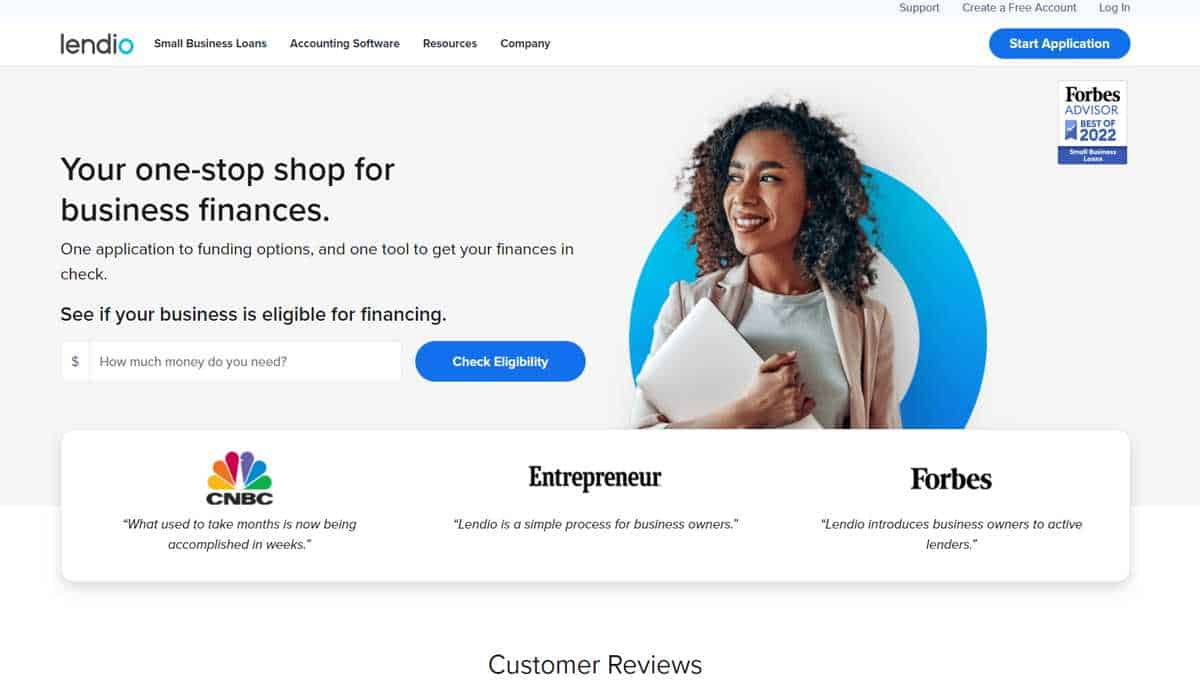
Because it provides access to a range of alternative funding choices, Lendio is our top suggestion among the top merchant cash advance providers.

By applying with Lendio, you can obtain the best rates and be qualified for less expensive financing choices than an MCA. With a platform of more than seventy-five lenders, you are sure to discover a financing option that matches your company’s needs without resorting to an MCA. If you decide to use an MCA, Lendio requires only 2,500 dollars monthly credit card payments and may deliver money within as short as 24 hours.

Despite having the lowest maximum loan on this list, other loan options offered on its marketplace may allow you to acquire more cash.

Fora Financing

fora financial
Image source Fora Financial

Fora Financial enhanced its MCA product by raising the highest limit advance amount to $750,000. You, like the majority of companies, must have been in operation for a minimum of six months. To qualify, you’ll also need at minimum $10,000 in monthly revenue, which is the lowest on this chart, and $5,000 in month-to-month credit card sales. However, one disadvantage is that its funding duration of 72 hours is the slowest in this group.

The firm will want you to fill out a one-page form and provide 3 months of credit card and bank statements. Tax returns, financial reports, and statements of profit and loss may also be required. Fora Financial recommends completing these documents before requesting for finance to expedite the process.

It also provides various types of business finance, such as small business loans, company lines of credit, bridge funding, stock loans, and equipment funding. These are cheaper choices than an MCA, so check for other financing options.

Libertas Funding

Libertas Funding
Image source: Libertas Funding

Libertas Funding is a provider of substantial merchant cash advances (MCAs) for high-revenue companies that have been in operation for a minimum of one year. The company offers advances of up to $3 million for a period of up to 12 months, but the qualifications for obtaining an MCA are more severe than the industry average. To be eligible, you must have a credit score of 600 or higher, have worked for at least 12 months, and have a minimum monthly revenue of $50,000.

 In addition to its MCA offerings, Libertas Funding also provides term loans of 2.5 million dollars for up to 24 months. You can apply for funding through the Libertas Funding website and potentially receive funding within 24 hours.

Please note that due to the increased funding amounts and short terms offered by Libertas Funding, the annual percentage rates (APRs) for its products may be very high.

How to Choose The Ideal Merchant Cash Advance Company For Your Business

If you’re considering a merchant cash advance to support your business in 2023, it is essential to thoroughly research and compare different merchant cash advance companies before making a decision.

Some companies in this industry have received criticism for their ambiguous contracts and deceptive sales techniques, leading businesses to become trapped in cycles of costly debt with predatory lenders.

While certain states have implemented measures to increase transparency from merchant cash advance companies, some still attempt to benefit from the company owners with offers such as “guaranteed approval.”

It is essential to be aware of potential red flags and consider alternative options if an offer seems suspicious. Not all merchant cash advance companies engage in predatory practices, but it is essential to thoroughly research 2023 merchant cash advance options before making a choice.

Consider the following aspects while comparing MCA providers:

  • The maximum funding amount offered
  • The cost of borrowing (including any fees)
  • Qualification requirements
  • The repayment options
  • The speed and simplicity of the application process
  • The transparency and reputation of the lender

Some firms may also provide alternative sorts of financing, so be sure the conditions match your needs.

Repayment options include a proportion of your debit or credit card sales or automatic transfers from your company bank account.

Eligibility may be dependent on your credit score, the duration of your business, and yearly revenue.

The application procedure is often quick and easy, with some organizations providing specialized account managers to help you.

It is critical to select a trustworthy lender with clear conditions and excellent customer service.

Conclusion

Merchant cash advances can be a useful financial solution for small business owners who need a quick infusion of cash. There are several reputable merchant cash advance companies available to consider, including Host Merchant Services, Credibly, Lendio, Fora Financing, and Libertas Funding.

Each of these companies has unique features and qualifications, so it is essential to research and choose the one that best fits your business needs. Whether you are looking for a short-term solution or a long-term financial partner, a merchant cash advance can help you achieve your business goals.

In conclusion, the best merchant cash advance companies for 2023 are those that have a strong reputation, offer high-quality customer service, and provide a wide range of financing options. As a small business owner, it is vital to carefully research and compare the 2023 merchant cash advance options available to ensure that you choose the most suitable one for your business needs.

Best Restaurant Accounting Software for 2023

Best Restaurant Accounting Software for 2023

As a restaurant owner or manager, you have a lot on your plate. From managing your team and serving delicious meals to keeping track of your financials, there is always something to be done. That’s where restaurant accounting software comes in. But with so many options available, how do you choose the best restaurant accounting software for 2023 that you need? That’s where we come in.

In today’s digital age, having a reliable and efficient system in place for managing your financial information is crucial for the success of your business. In this article, we will review some of the top restaurant accounting software options for 2023 and discuss the key features and benefits of each. We’ll cover everything from basic accounting functions like tracking sales and expenses to more advanced features like inventory management and real-time reporting.

Whether you’re running a small cafe or a large chain of restaurants, there is a software solution that can meet your needs. So, if you’re looking to improve the financial health of your business and streamline your operations, read on to learn more about the best restaurant accounting software for 2023.

What’s restaurant accounting software?

Restaurant accounting software is specifically designed for managing the financial aspects of a restaurant business. It includes the same types of modules as standard accounting systems but is optimized for the unique needs of the restaurant industry. Many programs integrate with other systems, such as POS, tax management, cost tracking, and payroll. These integrations help streamline various aspects of restaurant management and make it easier to track and analyze financial data.

How We Made The List?

When we compiled this list of the top bookkeeping software for restaurants, we considered many factors to ensure that we were recommending high-quality options that would meet the needs of our readers. Some of the key criteria we used in our evaluation included functionality, integrations, ease of use, and value.

Functionality

Functionality is an important consideration when choosing restaurant accounting software. We looked for software that offered a range of features specifically tailored to the requirements of the restaurant industry, including POS, payroll, payable accounts, and taxes. We also considered the overall level of functionality offered by each software program, looking for options that could handle a wide range of tasks and help streamline the financial management of a restaurant business.

Integrations

Integrations are another critical factor to consider when choosing restaurant accounting software. Many businesses use a range of different systems to manage different aspects of their operations, and it’s important to select software that can easily integrate with these other systems. We considered the number and popularity of integrations available for each software program, as well as the ease of setting up and using these integrations.

Ease of Use

Ease of use is also an important consideration when choosing restaurant accounting software. Automation and streamlining can make repetitive and time-consuming tasks faster and easier to accomplish, and we looked for software that was intuitive and simple to set up and use. This is especially important for small businesses needing more dedicated IT staff to handle technical issues.

Value

Finally, we considered value when evaluating our list of the best bookkeeping software for restaurants. We looked at the prices of each software program and compared them to the features and functionality offered. While getting what you pay for is important, we also wanted to recommend options that offered good value for money and didn’t break the bank.

Best Restaurant Accounting Software For 2023

We’ve compiled a list of the top five restaurant accounting programs for operating your restaurant business:

  • QuickBooks Online
  • Restaurant365
  • MarginEdge
  • Xero
  • Davo

QuickBooks Online

QuickBooks
image source QuickBooks

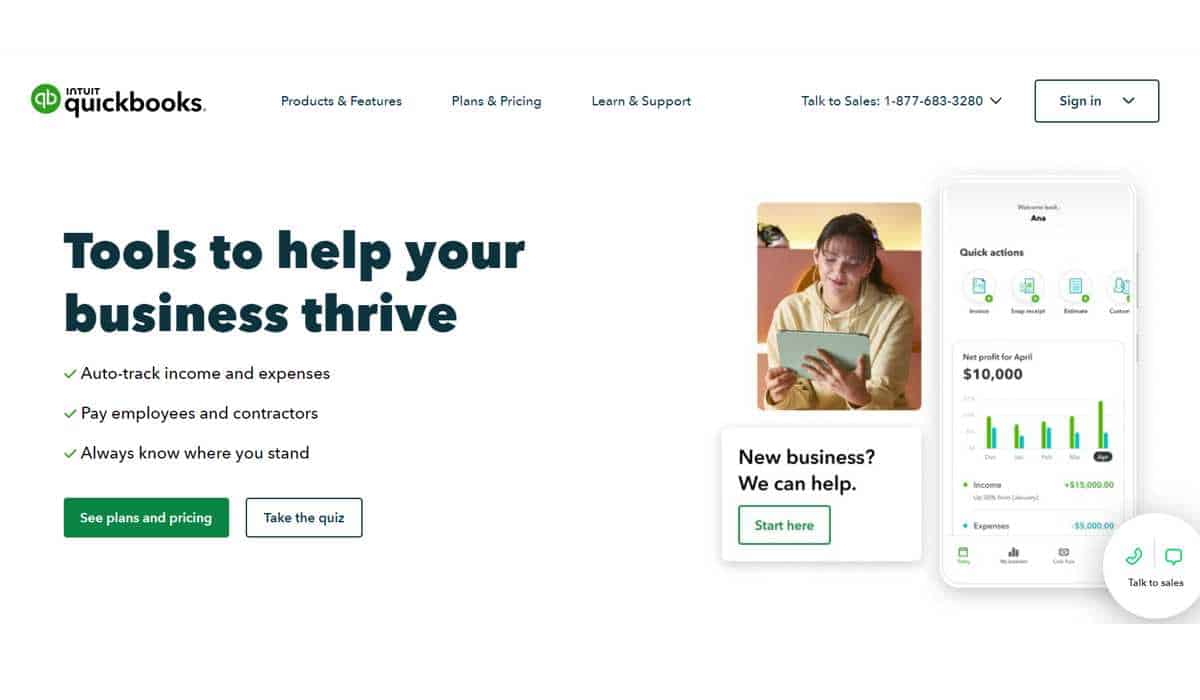
QuickBooks Online is a powerful accounting software platform that is not specifically designed for the restaurant industry. However, its sophisticated reporting features, scalability, and portability make it an attractive option for restaurants, particularly when combined with POS systems and other tools.

QuickBooks Online can perform a variety of operations on its own, including issuing purchase orders, monitoring time and inventory, managing multiple locations, handling bill and invoice confirmations, and generating profit and loss statements.

It also allows you to construct reports based on up to 40 distinct tracking categories, including location and sales channel. The Advanced subscription includes limitless tag groups, which should be plenty for most small businesses.

While QuickBooks Online is an excellent accounting software platform, it does not provide a complete restaurant management solution. This implies that restaurant owners and managers may need to spend more time locating and configuring connections with other restaurant management solutions and determining how to personalize reports for their individual needs.

QuickBooks Online provides excellent reporting features, but tailoring them to the unique needs of a restaurant business may necessitate more effort.

Pros

  • When opposed to other restaurant-specific software, it is highly affordable.
  • Excellent catering project accounting
  • Immediately share your records with an outside accountant.
  • Separately track classes and places

Cons

  • There is no support with staff scheduling.
  • Custom print templates are difficult to produce

Restaurant365

Restaurant365
Image source: Restaurant365

Restaurant365 is a comprehensive restaurant management platform that offers virtually all of the functionalities a restaurant business could need to stay on top of its finances and manage its team effectively.

 It is a popular choice among restaurant owners and managers due to its wide range of features and ease of use. One of the key advantages of Restaurant365 is its integration with the best POS systems, which helps to streamline operations and eliminate the need for double data entry. It means that your financial data is automatically recorded and updated in real-time, making it easy to get a clear picture of your business’s economic performance.

Whether you’re running a small cafe or a large chain of restaurants, Restaurant365 is a powerful tool that can help you manage your business more efficiently and effectively.

Pros

  • Very complete, assisting in the expansion of sales, management of food prices, and labor optimization.
  • Separately track revenue and spending by location.
  • A restaurant-specific platform designed to address the issues of restaurant management.

Cons

  • This system is expensive, with the basic accounting package beginning at $289 monthly. The most preferred package, which includes accounting, management, scheduling, and other features, costs $399 per month when paid annually.

MarginEdge

MarginEdge
image source: MarginEdge

MarginEdge is a restaurant management system that strongly emphasizes invoicing, food expenses, and inventory control. It is a powerful tool that helps restaurant owners and managers track and manage these critical aspects of their business, ensuring they have the information they need to make informed decisions.

 While MarginEdge is not a standalone accounting system, it integrates seamlessly with popular accounting software programs such as Sage and QuickBooks. This allows users to take advantage of the advanced financial management capabilities of these systems while also benefiting from the specialized features and functionality of MarginEdge. By integrating with these systems, MarginEdge helps to customize and optimize them for the unique needs of the restaurant industry, making it easier for users to track and analyze their financial data.

Pros

  • Straightforward pricing
  • Integration with other software
  • Automatically recalculates the pricing of recipes based on the most recent invoice prices.

Cons

  • There is no option for employee scheduling.

Xero

Xero
image source: Xero

Xero is an excellent solution for small businesses because of its low cost and comprehensive feature set. This cloud-based system comes with a variety of features, including fixed asset management, which enables owners to determine depreciation, payrolls, revenue and expense monitoring, vendor bill payments, online bookkeeping, real-time money management, reconciliations, and invoicing. In addition to it, there is a smartphone app.

Xero has a low starting price of only $11 per month, and this price already includes 20 invoices, 5 bill entries, bill capture, and receipts, as well as bank reconciliation. The cost of the following step is $32 monthly, which is significantly more than the cost of the most comprehensive plan, which is $62 monthly. Because it can easily interact with hundreds of other applications, Xero is a wonderful choice for restaurant owners who are currently using different software to manage their establishments.

Pros

  • The easy-to-use mobile app gives you access to all of your accounting tools no matter where you are.
  • Maintain an accurate inventory count and use your collected data to generate invoices and orders.
  • It allows you to create reports and communicate with your accountant on those reports.

Cons

  • Since the system was not developed with restaurants in mind particularly, certain features may not meet your requirements and will require adjustment upon onboarding.

Davo

Davo
Image source Davo

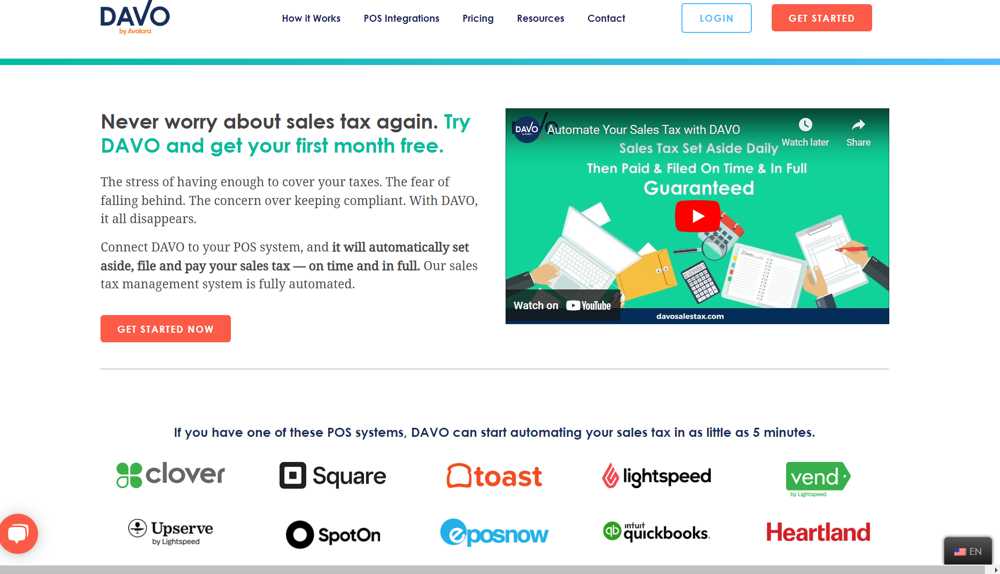
Restaurant operators will find Davo to be an invaluable tool for managing sales taxes. Even though it is not a full accounting program, it may be combined with your point of sale system or other accounting software to provide you with a more complete set of capabilities.

Davo pulls information from your POS and calculates your sales tax. Additionally, it can automatically submit and pay sales taxes, simply move sales tax to a protected holding account, and give daily reports. It is a data recovery technology hosted in the cloud and provides prompt service. Each location adds an additional $39.99 per month to the total cost.

Pros

  • Compatible with all of the leading point-of-sale systems
  • Put away the sales tax daily

Cons

  • It’s not an entire accounting system by any means.

Conclusion

In conclusion, it is essential for restaurant owners and managers to have a reliable and efficient system in place for managing their financial information. Restaurant accounting software is specifically designed to meet the unique needs of the restaurant industry. It can help streamline various aspects of restaurant management, from tracking sales and expenses to generating reports and analyzing data.

When choosing the best restaurant accounting software for your business, it is essential to consider factors such as functionality, integrations, ease of use, and value. In this article, we reviewed some of the best restaurant accounting software options for 2023 and discussed the key features and benefits of each. Whether you’re running a small cafe or a large chain of restaurants, there is a software solution that can meet your needs and help improve the financial health of your business.

For more on restaurant accounting software and other restaurant payment questions, see Restaurant Payment Resources.

how to choose a bank for your small business

Choosing a Bank For Your Small Business: How Do You Make Your Decision?

Starting and running a small business can be a challenging and rewarding experience, but it also requires a lot of careful planning and decision-making. One crucial decision that small business owners must make is choosing the right bank to partner with. So how to choose a bank for your small business?

There are many factors to consider when choosing a bank for your small business, including your business type, financial needs, and long-term goals. The following are some key considerations to keep in mind when choosing a bank for your small business.

How To Choose A Bank For Your Small Business?

Evaluate Your Business Needs Before Choosing a Bank For Your Small Business

Choosing a bank that can meet your business’s specific needs and goals is essential for a small business owner. To help you narrow down your options, consider the following factors:

  • If your company relies heavily on cash transactions, you may look for a bank offering in-person banking services and supporting cash deposits. This can be especially important if you don’t have much experience with electronic payments or if your customers prefer to pay with cash
  • Sole proprietorships and contractors may benefit from a bank that offers account integrations and tech tools that can help streamline their financial management processes. For example, you might look for a bank that automatically categorizes expenses, invoicing and payment tracking, and other features that can help you stay organized and efficient
  • If your business has international clients or is in multiple countries, look for a bank that offers low fees on international wire transfers. This can help you save money on currency conversion and other expenses associated with cross-border transactions

Identify important factors

how to choose a bank for your small business

Services offered

The first thing to consider when choosing a bank for your small business is the types of services offered. Do you need a bank that provides loans and credit lines to help you finance your business? Do you need a bank that offers online and mobile banking options to manage your finances? Consider the specific needs of your business for a bank that provides the services you need.

Charges

It’s important to carefully review the costs associated with the bank you are considering. Look for a bank that charges reasonable fees for the services you need, and avoid banks that charge high prices for things like ATM usage or account maintenance.

Interest rates

If you need to borrow money to finance your business, you’ll want to pay close attention to the interest rates different banks offer. It’s best to choose a bank that offers competitive interest rates on loans and credit lines, as this can help you save money in the long run.

Customer service

effective customer service

Good customer service is vital for any business, especially for your bank. Find a bank that is responsive and helpful when you have questions or concerns, and consider reading customer reviews to get a sense of how different banks treat their customers.

Location and convenience

Finally, consider the location and convenience of the bank you are considering. If you are frequently on the go, look for a bank with multiple branches or ATM locations to make it easier for you to access your accounts and conduct business. Alternatively, if you prefer to do your banking online, consider a bank that offers a solid online and mobile banking experience.

Scalability and support

As a small business owner, choosing a bank that can accommodate your growing financial needs is essential. One way to do this is by opting for a bank that offers tiered business checking and savings accounts.

These accounts typically offer higher transaction and cash deposit limits for a higher monthly service fee. This can be a good option for businesses anticipating increased transaction volumes in the future, such as those planning to expand.

In addition to tiered accounts, it’s also a good idea to look for a bank that offers a range of business loan options. This can be especially important if you need funding to support the growth and development of your business. By choosing a bank that offers a variety of loan options, you can ensure that you have access to the financing you need to achieve your business goals.

Experience

Choose a bank that understands the specific needs and challenges of your industry. Some banks have expertise in particular sectors and offer products and services tailored to those industries. For example, consider working with a bank specializing in investing if you’re in the real estate business. These banks often offer account options and loan products designed explicitly for managing real estate finances.

Similarly, if you operate in a different industry, such as healthcare or technology, look for a bank that has experience serving businesses in those sectors. By choosing a bank with specific expertise in your industry, you can be confident that you are getting financial products and services tailored to your needs.

Understand the types of banks

Debt Collection And Tax Season Concept With Deadline Calendar Remind Note Coins Banks Calculator On Table 107164409
  • Traditional banks are a common choice for small businesses seeking a range of banking products and services. These banks typically have a network of branches and offer a full range of business banking options
  • Online banks and banking solutions are a good option for small business owners who want to save on fees and are comfortable conducting all their banking transactions online. These banks often don’t have physical branches, which means they may not offer certain services like cash deposits
  • Credit unions are financial institutions that operate as non-profit organizations, serving their members rather than customers. They are often smaller than traditional banks and may cater to members who meet specific criteria. However, many credit unions now allow anyone to join by paying a small donation fee.

Conclusion

Once you have considered these factors, it’s essential to take the time to do some research and compare different banks for small businesses to see which one is the best fit for your small business. This may involve visiting multiple banks in person, speaking with bank representatives, and reviewing online resources to understand what different banks offer.

Ultimately, the right bank for your small business will depend on your specific needs and goals. By considering the abovementioned factors and researching, you can choose a bank that will be a strong partner for your business and help you achieve your financial goals.

benefits of EFT and ETA in medical billing

What Is EFT and ETA in Medical Billing? What Are The Benefits?

Electronic Funds Transfer (EFT) and Electronic Remittance Advice (ETAor ETA) are electronic methods used in medical billing to securely transfer payment and related information between healthcare providers and payers. This article discusses the benefits of EFT and ETA in medical billing.

EFT allows for the direct deposit of payments into a provider’s bank account, while ETA provides for the electronic transmission of payment explanations, or “remittance advice,” to providers.

These methods can save time and reduce errors in the billing process, as well as provide more timely payment for providers. Additionally, using EFT and ETA in medical billing can streamline administrative tasks and reduce costs for providers and payers.

What is EFT?

EFT, short for Electronic Funds Transfer, is a digital method employed by healthcare organizations to securely transfer funds to providers’ accounts to pay for medical services.

The EFT message comprises crucial details such as the amount to be paid, identification of both the payer and payee, bank account information of both parties, routing numbers, and the date of payment.

It is a streamlined way for health plans to make payments to providers, eliminating the need for paper checks and reducing the chance of errors. Moreover, it enables more timely payments and streamlines administrative tasks for providers and payers.

EFT in medical billing can be a highly beneficial tool for streamlining payments to your practice. It eliminates the need for paper checks or in-person interactions by facilitating electronic transfers between payers and patients.

With EFT, particular features like patient payment tools within your practice management software (PMS) would be functional. It simplifies the payment process, making it more efficient and convenient for patients and your practice.

What is ETA?

An ERA, or Electronic Remittance Advice, is a digital explanation provided by health plans to providers detailing the payment of a claim.

It includes information on how the health plan has adjusted charges, considering various factors such as agreements with the provider, secondary payers, coverage under the benefit plan, and the patient’s expected copayments or coinsurance.

It serves as a clear breakdown of the claim payment, making it easier for providers to understand and reconcile their billing. This digital method is more efficient, accurate, and faster than traditional paper-based methods.

ERA in medical billing can provide an in-depth breakdown of a patient’s claims, including information on claims that have been paid or denied and the final status of the claim. It also includes the adjusted amount that the patient owes.

Although the name includes the word “advice,” it is essential to note that the information provided in the ETA is mandatory and not just a suggestion.

It serves as a clear and concise summary of the payment status of claims, enabling providers to reconcile their billing and understand the payment process more accessible.

Benefits Of EFT And ETA In Medical Billing

Benefits of ETA

medical merchant services

There are several advantages to using ETA in medical billing, including saving time for administrative tasks and faster payment processing. Some of the critical benefits of ETAinclude the following:

  • Streamlining the billing process: ERAs are electronic, making them easy to create and send. This saves time for front-office staff, who can focus on other tasks, such as patient interactions
  • Reducing errors: The high volume of claims processed in the medical industry can lead to mistakes when dealing with EOBs (Explanation of Benefits) manually. ETAreduces the frequency of errors, resulting in a more comprehensive and accurate set of billing communications
  • Improved grouping: With EOBs, billing and payment details are sent to patients after each encounter. ETAallows you to group the patient’s claims into one communication, making receiving the payments more efficient
  • Clear distinctions between unpaid and paid encounters: With ERA, it is easier to follow which of the patients have and hasn’t paid, resulting in more realistic accounts receivable records
  • Streamlined denials management: With ERA, denials, and approvals can be grouped, making it easier to focus on denied claims that need to be resolved for faster revenue
  • Analytics and reports: ETAplatforms often include tools that provide insights into how well the practice collects patient payments, allowing for performance improvements
  • Faster patient collections: ETAis trackable, making it easier to follow up with patients behind on payments and receive payment sooner

Benefits of EFT

EFT

EFT (Electronic Funds Transfer) can significantly improve medical billing processes in several ways, including:

  • Increased cash flow: By eliminating the delays and obstacles associated with paper payments, EFT paired with ETA(Electronic Remittance Advice) enables patients to know what they owe and pay it immediately, resulting in more timely costs for providers
  • Clear identification of paid services for EFT with ETAautomatically links patient payments to the corresponding services, eliminating the need to manually file EOBs (Explanation of Benefits) to match costs to services
  • Digital records: EFT makes paper payments that require extra effort to link and track together and an easy-to-follow electronic payment trail, whereas This results in a more accurate and organized client account history
  • Enhanced security: EFT provides built-in cybersecurity, protecting against breaches and reducing the risk for both the practice and patients
  • Improved overall financial performance: The benefits of EFT, when combined, can lead to improved financial performance for the practice, including faster payment collection and better tracking of unpaid bills
  • Medical billing services: Implementing EFT and ETAcan be costly and time-consuming, so some providers may outsource these tasks to third-party services to take advantage of the benefits of EFT without the added burden

Conclusion

medical merchant service doctors

EFT (Electronic Funds Transfer) and ETA(Electronic Remittance Advice) are electronic methods used in medical billing to securely transfer payment and related information between healthcare providers and payers.

EFT allows for the direct deposit of payments into a provider’s bank account, while ETA provides for the electronic transmission of payment explanations, or “remittance advice,” to providers.

These methods can save time and reduce errors in the billing process, as well as provide more timely payment for providers. Additionally, using EFT and ETA can help to streamline administrative tasks and reduce costs for providers and payers.

EFT and ETA can also improve the cash flow, easier identification of services paid for, no manual EOB filing, digital accounting records, payment search tools, payment security, and overall financial improvements.

Overall, EFT and ETA can be valuable tools for medical practices looking to improve their billing processes, increase efficiency, and enhance the patient experience.

does my business need to use niche software

Does My Business Need To Use Niche Software? Will It Benefit My Company?

As technology continues to advance and our world becomes increasingly digital, software providers are branching out and focusing on specific niches. By specializing in a particular set of customer requirements, these companies are able to enter new markets and create targeted solutions that align with their target audience. However, as competition increases in these niche markets, companies need to understand how to grow in a sustainable way. This raises the question, does my business need to use niche software to stay competitive and meet the specific needs of our customers?

Many software companies make the mistake of believing that rapid expansion is the only path to success. However, to truly thrive in a niche market, companies should prioritize honing their messaging, thoroughly measuring their performance, establishing a strong team, and keeping customers satisfied. By focusing on these fundamental building blocks, companies can minimize customer churn, produce high-quality products, and position themselves for long-term growth.

In the software industry, there is often a push for rapid growth and constant innovation. While it’s important to stay agile and take advantage of new opportunities, the key to a successful business is steady long-term growth.

What’s a Business Niche?

does my business need to use niche software

A business niche refers to a specific area or market segment that a company specializes in. It is a focused area of business that a company can target and serve better than its competitors. A niche market is a subset of a larger market with unique needs and characteristics. A company that targets a niche market is able to provide specialized products, services, and solutions that cater to that specific market’s needs.

The niche market is not as competitive as a general market and allows a company to establish itself as a specialist in that area. Business niches can range from industry-specific, such as catering to a specific sector of the healthcare industry, to demographic-specific, such as providing services and products to a particular group of age or income level.

Why is it Vital to Find a Niche Specific Software for Your Business?

What is An ISV Partner

When it comes to business, being a “jack of all trades” can actually be a drawback. Specializing in a specific area, or finding a niche, can be the key to long-term success for small business owners. By focusing on a specific target market, you can establish a loyal audience, develop a consistent revenue stream, and build a more focused business.

Building a loyal customer base

One of the main advantages of defining a business niche is the ability to attract and retain a dedicated customer base. By catering to a certain group of clients, you can increase the likelihood that they will choose your company over the competitors. Your niche enables customers to recognize your brand and product, as well as recognize that your offering meets their demands. It can lead to repeat business, positive word-of-mouth, and invaluable customer loyalty.

Minimizing competition

Another advantage of finding a niche is that it reduces competition. By focusing on a niche market, you quickly set yourself apart from businesses that target the mass market. You may instead focus on producing an excellent product and service without having to compete with established brands. This might help you generate a loyal consumer base and build a more substantial reputation.

Reducing marketing costs

Marketing efforts are also more cost-effective when you focus on a niche. By understanding your target audience, you can create targeted campaigns that are more cost-effective than broader marketing initiatives. Niche marketing enables you to develop a stronger relationship with your target audience and establish more intimate connections, which can lead to improved results.

Demonstrating expertise

Specializing in a specific area also allows you to establish yourself as an expert in your field. Rather than offering just another generic service or product, you may distinguish yourself as an industry expert and thought leader by having a company niche. This allows you to differentiate yourself from the competition, acquire appropriate customers, and develop credibility. This can lead to increased sales and a more successful business.

Increased profits

Finally, catering to a niche may improve profit. By focusing on a specific market, you can charge higher rates for your products or services due to supply and demand. This can be a great way to increase revenue and grow your business.

In summary, finding a niche for your small business is crucial for creating a steady revenue stream, establishing a loyal audience, and building a more focused company. The benefits of identifying a niche include attracting and retaining a dedicated customer base, reducing competition, being cost-effective in marketing, demonstrating expertise, and increasing profits. By determining your specialization and differentiating yourself from the competition, you can set your business up for long-term success.

Does my Business Need to Use Niche Software?

Accounting Software for Your Freelance Accounting Company

Whether or not your business needs to use niche software depends on your company’s specific needs and goals. Suppose you are operating in a particular industry or market and are looking to target a specific set of customers. In that case, niche software may be necessary to meet their unique needs and stay competitive.

 On the other hand, if you are operating in a more general industry or market, general-purpose software may be sufficient. Consult with experts in your industry or a software specialist to understand the best options for your business.

How to Find a Niche Specific Software for Your Business?

Finding niche specific software for your business can be done by following these steps:

  • Understand your business needs: Identify the specific problems you need to solve and the specific tasks you need the software to perform.
  • Research your market: Look for software that caters to your specific industry or market segment. Look for industry-specific software providers with experience in your field and a proven track record of success.
  • Identify your target audience: Understand the demographics and characteristics of your target audience, and look for software that caters to those specific needs.
  • Analyze your competition: Look at what your competitors are using and see if there are any areas where you could differentiate yourself.
  • Evaluate software options: Research and evaluate different software options based on your specific needs and the needs of your target audience. Look for software that has a good reputation, positive reviews, and a strong user base.
  • Test the software: Once you have identified potential software options, test them out to see how well they perform and fit with your business.
  • Make a decision: Once you have completed your research and evaluation, make a decision on the best software for your business.

Conclusion

In conclusion, the question of “does my business need to use niche software?” is an important one for companies in the constantly evolving software industry. While rapid expansion may seem like the only path to success, companies must prioritize building a solid foundation, including honing messaging, measuring performance, and keeping customers satisfied. By focusing on these fundamentals, companies can minimize customer churn, produce high-quality products, and position themselves for long-term growth.

Additionally, by identifying a niche market and targeting a specific audience, companies can establish loyal customers, reduce competition, and lower marketing costs. Finding the right niche software for your business can help you stand out in your industry and meet the unique needs of your target audience. So it’s important to take the time to research and understand the benefits of using niche software and how it can help your business to grow sustainably in the long run.