
For an appointment-based business, should you receive payment at booking or request it after the service? There is no single answer; it depends on the nature of the work, customers’ expectations for the booking process, the potential financial loss from a canceled appointment, and the time and resources required.
Some businesses require payment before booking because collecting payment ensures they will not spend resources on a customer who doesn’t show up. However, others risk losing clientele by asking for money in advance for a service that the customer booked only for convenience. Businesses that provide services that don’t require materials or preparation can ask for deposits or save clients’ cards for billing.
This guide explains four payment-timing models: full prepayment, a deposit, card on file, and pay after service. It also outlines the advantages and disadvantages for your business and clients and shows how to present this information when a customer makes a booking.
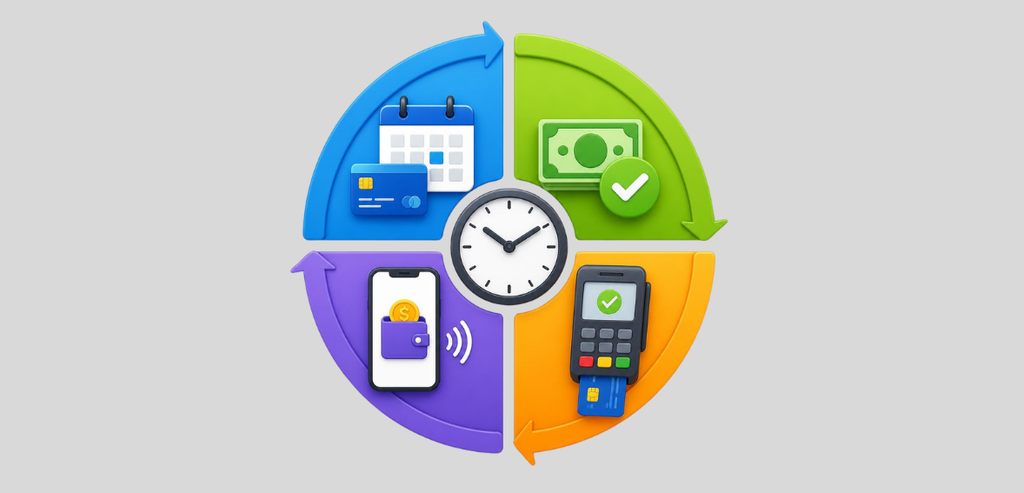
Appointment-based businesses can collect payments from clients in four common ways. One is full prepayment, which means the customer pays for the service when booking a slot. This payment method is most beneficial for the business because it protects it from missed appointments, since the client has already paid.
Another method is a deposit, which requires the client to pay a certain percentage of the price when booking a slot, and the rest upon service completion. This option also secures the business from any losses due to a client’s absence.
The third option is known as a card on file. In this case, the customer does not pay at booking but provides card details to the business. The business must also make clear that it will charge the customer’s card according to its cancellation/no-show policy.
The fourth option is to pay after the service. Here, as the name suggests, clients don’t pay when booking appointments; they pay after receiving the services they booked. While this option better suits customers’ preferences, it can be risky for businesses if a client fails to show up.
All models have their advantages and disadvantages. The most important thing is to choose a payment method consciously, rather than defaulting to whatever the company has always done.
Full prepayment implies that a client pays for the booked procedure in advance. In other words, once a customer pays in full, the booking is confirmed.
This method suits expensive, unique, or irreplaceable services. For instance, if the company offers only a few appointments per day, a missed opportunity will lead to lost revenue.
Prepayment makes sense when the business plans to use resources in advance to prepare for the client, such as staff, materials, equipment, or special booking arrangements.
The main problem with a prepayment method is that some customers may be reluctant to pay for products or services before receiving them, especially if they do not know the company or its reputation.
In addition, the refund process may be complicated if the customer does not show up, reschedules, or cannot attend a prepaid session. The company will need to set a clear rule for determining whether the client is eligible for a refund or to reschedule their appointment in an emergency.
Therefore, businesses that operate on a fully prepaid basis should disclose the cancellation and refund policy before a customer completes the booking.
It can, depending on the business and its customers.
Think about the first time you would use a company’s website to book their service. If the booking page asked you to pay the full amount upfront, would you feel confident paying, or would you think twice before booking?
It doesn’t mean asking for the amount due right away is a bad practice. It means the company has to evaluate who they are trying to attract.
A high-demand, limited-availability service may require stricter payment terms to ensure a company gets paid for the value it provides. Meanwhile, a new business that wants to attract first-time customers should reduce the barriers to entry by offering a less restrictive payment option.
A deposit helps balance paying for the service in advance and paying for it after it’s done.
The business doesn’t receive the full amount upfront; it takes a partial advance when a customer books an appointment and collects the remaining amount after the service is completed.
For example, the business might collect a $50 deposit on a $200 service and collect the remaining $150 after the service is done. Make sure the amount reflects your costs, potential cancellations, and what the customer expects.
A deposit is also a good incentive to show up: clients who have already put money down are far less likely to skip the appointment.
The deposit policy should be straightforward, stating the amount the customer will pay, if the amount paid will go toward the total treatment fee, and what happens to the deposit if the client calls off or reschedules their appointment.
Ensure customers don’t have to read long paragraphs to understand how their deposit will work. Make sure that deposit conditions and other relevant information are readily available for customers to review while booking.

A small deposit may be appropriate when appointments are easily available and when the cost to the business of rescheduling is low. A larger deposit may make more sense when the appointment requires significant preparation or blocks a valuable time slot.
Think in terms of what the business would lose by having the client cancel. The deposit should cover losses without being so large that it deters prospects. It is also worth considering whether customers know whether the deposit counts toward the final balance due. Customers will be less confused and more satisfied if they understand it’s an amount paid in advance of services rendered.
A card on file gives the business another option. Instead of requesting immediate payment, you can collect the card information for later use.
The client can pay after the appointment as normal, but if they fail to come in or cancel by the deadline you set, you can charge their card per your business’s policy. This may be a good option for businesses that want assurance of payment but don’t want to require new clients to pay right away.
The most crucial point is that the customer must consent. They must know why and when the company will charge their card. The company cannot hide any significant conditions about the money in the small print. For instance, a booking site should clearly state that it will take a card to reserve an appointment and may charge it if a client postpones or cancels their visit within the timeframes set by the company’s policy.
Rules for storing card data and collecting payments also apply, so the company should follow its payment provider’s requirements.
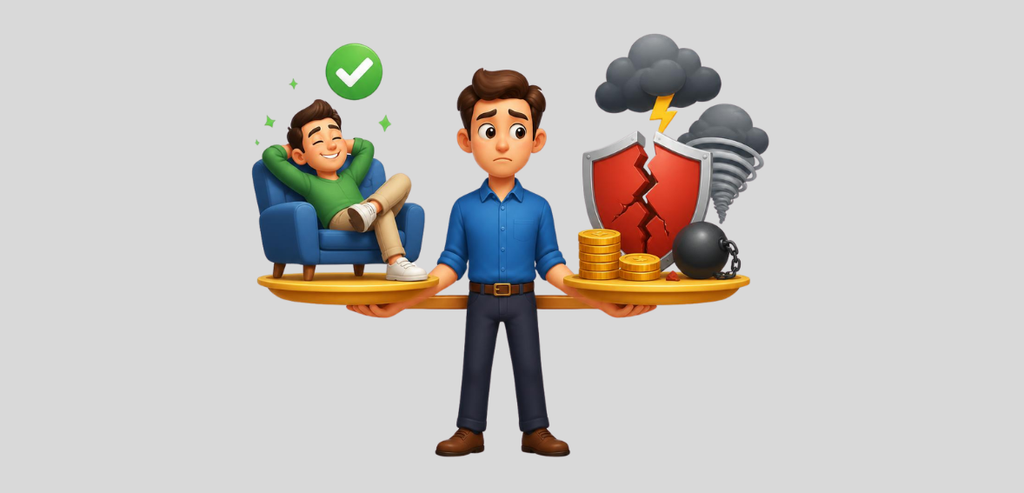
The downside of pay-after-service is that it puts the business at the highest risk. For example, if a client fails to show up at the scheduled time, the business will lose the money from that appointment unless it has a card on file or another way to collect a no-show fee.
Pay-after-service is a good option when appointments are easy to schedule, the business has high repeat-customer traffic, or the company doesn’t lose much money from a missed appointment.
Not every client presents the same level of risk. A client who has been coming to you regularly for years likely doesn’t need to pay the same fees as someone signing up for the first time.
Some companies require a card on file for first-time visitors while letting repeat customers pay on arrival. That can make booking easier for repeat customers while also protecting the business from no-shows by new clients.
However, any differential treatment must be based on objective and verifiable criteria. Staff should also know the policy to ensure the information they provide to customers is reliable.
The most convenient payment method depends on how much a business stands to lose when a client misses an appointment.
A busy restaurant/bar with a limited seating capacity that can’t be occupied by anyone else would prefer prepayment or deposits. If the person doesn’t cancel and doesn’t show, the reserved seat is wasted.
A new business that needs to attract new customers may not want to ask them to pay in advance for the service that has not yet been provided. Card-on-file protection or pay-after-service options may be easier to introduce and more effective for attracting customers.
A business with high preparation costs may require a deposit or full prepayment. If your staff spends a lot of time preparing for each session, a canceled appointment may hurt more than an empty hourly slot.
If your business has high regular customer traffic, you can confidently offer pay-after-service. Don’t force every customer into one system if your business can handle different payment schemes.
Before collecting payment, decide on your policies if a client changes an appointment. Clients may cancel, reschedule, get sick, or have an emergency, so lay out your payment policy in advance to explain what happens in those cases.
Explain what happens to a deposit if they cancel/reschedule, under what conditions you offer refunds, and how a card on file will be charged.
Do not bury crucial payment information at the end of a long document. If a deposit is due, indicate the amount due before the customer confirms the appointment. If you’ll charge a credit card for a late cancellation, make that clear to the customer before they confirm the booking.
For example, keep the language simple. Instead of complex legal terms, you can say that the card is needed to book the appointment and when it will be charged. Customers should also be informed about fees, payment timing, and cancellation and no-show conditions.
Booking software can help in managing diverse payment options. Depending on the system, businesses can collect deposits, charge cancellation fees, save a card for future authorized charges, and collect payments after an appointment.
Cloud Booking Manager can support booking processes where businesses may need various payment options, including deposits, prepayments, and card on file. The key is to configure the system so the payment terms presented to the customer match those the business actually applies.
There is no simple answer as to which is better: taking payment at the time of booking or when the service is completed.
While full prepayment protects the business, it may push away some customers. A deposit will provide some security without putting them off as much. Having a card on file provides some level of assurance for the appointment without taking any money immediately. Finally, paying after the service has been performed is an easy option for everyone, but it comes with the risk of people not showing up for their appointments.
It depends on the service being provided, how many people book on average, how much work is done in advance, the relationship with customers, and how often people cancel.
It can. Some customers may want to pay for the service after it is delivered, especially if they are first-time buyers.
It depends on the situation; there is no standard rate.
It can be, but the customer must be told that the card is being stored and under what conditions it will be charged.
