
Posted: October 12, 2026 | Updated: October 13, 2026 at 11:23 AM
Online payments let customers shop from anywhere. But for businesses, processing a card payment involves more than just entering their card information into a payment processor and clicking approve. The technology must confirm that the card account is valid and approved for processing.
A new rule from Discover is drawing attention back to an important procedure. Starting October 23, 2026, merchants that accept card-not-present transactions must support Discover’s Card Account Verification Service, according to a payment industry update in October 2026.
This rule change affects online retailers, subscription services, and other merchants that receive payments for goods or services without a card-present transaction. Merchants that use a payment gateway or third-party payment processor should review this change and ensure their existing setup meets the requirement by the effective date.
The key point of the notice is that it does not necessarily require merchants to adopt a new payment processing system. The biggest challenge is likely whether your existing technology can properly verify card details.
Here is what Discover’s account verification update means, how the service works, who may be affected, and what to ask your payment processor before October 23.
Discover has updated its merchant rules to require merchants that accept card-not-present (CNP) transactions to support Card Account Verification Service. The announcement was published in a payment network industry update in October 2026, with October 23 as the effective date.
Card-not-present transactions occur when a customer makes a payment without physically presenting the card to the business. For this rule, online purchases, payments made over the phone, and payments made via a mobile application are examples of card-not-present transactions.
For these types of payments, the cardholder’s physical presence is not required for payment processing, as the card details are electronically verified. As per the new rule, the merchant should ensure that their payment processors or gateways offer the required account verification service.
However, businesses should not assume that they have to create a new payment system for themselves. Many online sellers use a payment processor or gateway that takes care of communication with credit card networks. These processors or gateways may already support the service, or may need to make changes to the merchant’s account.
The first step is to find out what applies to your account.
The Discover Card Account Verification Service is a service that checks card account information through a verification request. This service allows a business or its payment provider to verify an account without necessarily performing a regular payment transaction.
This is different from normal payment transaction processing. When a customer purchases a product, the merchant would submit a payment request for the purchase amount. An account verification request, on the other hand, checks account information without being charged for a purchase. Some account verification requests have a zero-dollar amount. This lets the payment system verify the account without charging the buyer for a specific product.
For instance, if a customer signs up for a subscription service and provides a Discover card, the company can run an account verification request to confirm the card is valid before charging it later.
However, verification does not ensure that your future payments will be approved, as there are risks that the card can be declined for insufficient funds, account restrictions, changes to the card status, etc.
A regular payment request asks the card network and issuing bank for permission to process a payment for a specified amount.
The account verification request is different because it does not involve payment. By sending this request, the merchant asks to verify the card account information, confirm the card can be stored for future payments, or collect card data during account opening.
However, a key difference between the two requests is that an account verification request does not confirm payment for products or services. Therefore, if a customer needs to pay for goods or services, an account verification request cannot replace a payment request; businesses should send a separate payment request to charge a customer’s card.
Account verification also cannot replace other fraud prevention tools. Discover also offers other security services for online payments, such as ProtectBuy, which verifies customers during card-not-present transactions.
Each service has a different purpose. Merchants should ask their payment processor which services are supported and how they work together.
This rule is especially important for businesses that accept Discover cards online or through other remote payment channels.
Online stores collect payments on a checkout page where customers enter card details. Make sure that your payment gateway for Discover cards supports the account verification service required by Discover.
If you use a hosted checkout page, your payment gateway provider may handle any required technical implementation. Still, always check that the service is supported and whether you need to take any specific action.
Subscription businesses typically collect card details when a customer subscribes to a service and charge them periodically (usually every month).
Account verification lets these businesses verify card details before setting up future payments. Merchants should ascertain whether their recurring billing system supports the required Discover verification process.
Some businesses store customer payment instrument details for later use, such as membership billing, appointment-based services, or businesses that bill clients after performing a service.
These businesses should ask their processor whether the rule applies to their stored-card program. Discover offers online payment services and products, including tools for stored payment information and account updates, to help manage saved cards and recurring payments.
Card-not-present payments can be made online, by phone, or by mail.
If your business accepts payments with Discover cards in this way, be sure to contact your payment processor to determine if the new rule applies to your card payments and if your processing system can support a verification service.
Your business may not connect directly to Discover. Your payment gateway, processor, or point-of-sale software provider may handle the connection.
Contact your provider instead of setting up the verification process yourself. Ask whether the service is already supported, whether you need to change any account settings, and whether your business needs to take any action.
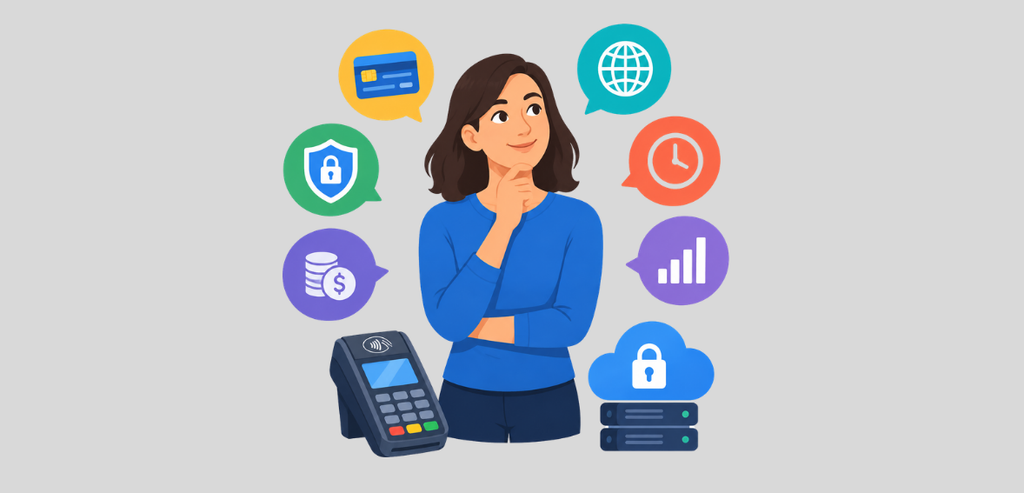
Confirm whether your payment processor/gateway supports Discover Card Account Verification Service and whether it will be available for your account by the effective date.
Never assume that simply because a merchant account supports Discover payments, it has all the required verification tools in place. Always ask your provider to confirm this.
Your current system may already support account verification, but some businesses will need to change their settings or payment integration.
Ask your provider if you will need to turn any particular function on, change any particular API request, or make any other adjustments. If you are using a third-party checkout platform, ask whether the provider will make the necessary changes automatically or if you will need to contact their support to do so.
The new requirement does not necessarily require you to rework your whole checkout page. However, the impact on your setup depends on how your payment system handles verification requests. Ask your provider if customers will notice a difference when paying at checkout, subscribing, or saving cards.
If a software update is required, ask if it might interfere with payment acceptance or require testing before launch.
Ask whether account verification requests have a separate charge and how they will show up on your processing statement.
Some processors show account verification as a separate charge on your statement, while others do not. According to published processor fee schedules, Discover account verification requests typically have a separate charge, but the amount and the terms may vary depending on the processor and the agreement.
If your provider needs to update your integration, ask how to test it before relying on the new setup.
Testing can help you verify that verification requests are sent correctly and that your system handles the responses correctly. Ask your provider whether they will test or whether your development team needs to make any adjustments. If you have a checkout or payment integration of your own design, be sure to test it in sufficient time before the effective date.
Determine how you currently take payments from Discover Card. Find out if you utilize an online payment checkout page, gateway, subscription service, virtual terminal, or unique payment system.
Ask your payment processor if they provide Discover Card Account Verification Service to their customers or if you are going to need to make any updates to your existing account information.
Find out whether these verification requests carry an extra charge and make sure any associated costs are clearly shown on your statements.
Test any system changes that may affect this verification type before taking payments, so you know everything will function properly before attempting to take payments through the new setup.
Lastly, keep a copy of any documentation your payment processor provides, along with any updates made, instructions followed, and tests run during this setup process, since it may come in handy if you run into problems down the road.
Discover’s change to its Card Account Verification Service is another sign that card networks’ requirements may dictate how businesses process online payments.
Starting October 23, 2026, any business that accepts card-not-present transactions must support the service. However, what this entails depends on the merchant’s acquirer, payment gateway, and overall processing method.
For most firms, the first step should be a call to their payment provider to see whether the service is available, what additional fees apply, and if any actions need to be taken or tests performed.
Make payment management simpler. Sign up free. The platform is free to use, with costs covered through payment processing.
The payment card verification service checks the card account information via a verification request, without making a charge against the customer’s card for a purchase.
The announced update applies to merchants that accept card-not-present transactions. Ask your processor if there are any specific requirements for your in-store payments.
Not necessarily. The requirement refers to supporting the account verification feature. Your processor or gateway can advise you if your existing system requires any modifications or a software update.