Author Archives: Max Kulkarni

Samsung-Ingenico-Talus partnership

Samsung, Ingenico, and Talus Partner to Advance Mobile Payment Solutions

According to a press release issued on January 12, 2026, Samsung Electronics America, Inc., Ingenico, and Talus have partnered to offer advanced mobile payment solutions for businesses in the North American market.

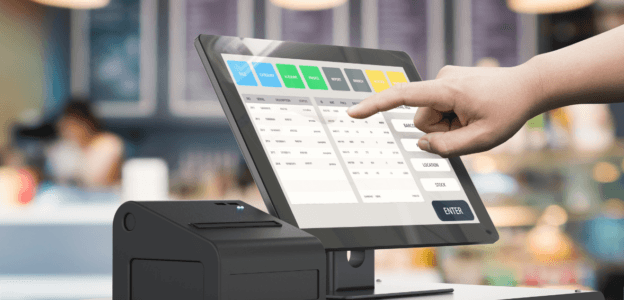
The Samsung-Ingenico-Talus partnership will integrate key technological capabilities from all three companies, eliminating the need for dedicated payment hardware to accept card and digital wallet payments “wherever business happens.” It will combine Ingenico’s SoftPOS tap-to-pay technology with the Talus mobile app, enabling NFC-capable Samsung devices to serve as secure payment terminals for businesses.

Key Takeaways
  • Samsung, Ingenico, and Talus have formed a partnership to launch a mobile business operating solution. Targeting North American businesses, this launch will offer secure contactless payments on NFC-enabled Samsung mobile devices. It will eliminate the need for dedicated payment hardware.
  • Ingenico’s SoftPOS tap-to-pay capabilities within the Talus mobile app will convert Samsung smartphones and tablets into full payment terminals. It will allow businesses to accept card and digital wallet payments wherever they operate.
  • The platform will offer not only payment solutions but also additional business tools, including inventory management, customer management, real-time insights, and more, all in a single interface.
  • It follows industry security standards, including PCI MPoC and the Tap-to-Phone framework.

Samsung-Ingenico-Talus partnership: The Scope of the New Solution

Advance Mobile Payment Solutions

Today, accepting payments from “anywhere” requires additional setup, hardware, and add-on costs. While it does facilitate payment acceptance, those “extras” can feel more like a burden for businesses looking for a simple, straightforward payment tool.

The new partnership between Samsung, Ingenico, and Talus was formed to address the issues merchants face. Their new mobile business operating solution removes these frictions by turning something most businesses already have in their hands, a mobile device, into a secure, fully-featured way to take payments and run day-to-day operations.

The solution eliminates the need for you to rely on dedicated point-of-sale terminals. It uses Ingenico’s SoftPOS (software point-of-sale) tap-to-pay functionality inside the Talus mobile app to transform (NFC-compatible) Samsung devices into payment terminals. This means businesses can now accept contactless card taps and digital wallets without incurring hundreds or thousands of dollars in additional costs for specialized payment hardware.

In fact, according to a recent report, 71% of merchants believe that SoftPOS will entirely replace traditional systems. The same report suggests that in 2022, only 6 million US merchants used SoftPOS; that number is forecast to climb to over 34 million by 2027.

More Than Just a “Mobile Payments Solution”

Mobile Payments Solution

What makes this more than just a “mobile payments solution” is the intent to package payments into an end-to-end mobile business operating layer. In addition to accepting payments, merchants receive features such as inventory and customer management, real-time insights, and more. It’s important, as most small and mid-sized businesses don’t just struggle with payments – they also struggle with the fragmentation around payments.

Payment acceptance is just one aspect of business operations. Reconciliation, inventory management, monitoring repeat customer patterns, and evaluating performance across locations add complexity. A mobile solution that combines these workflows on a single device can reduce tool sprawl and shrink the time between transaction and decision-making.

This solution will resolve these issues by combining the tools needed to manage operations and payments into a single mobile system. Even with a streamlined onboarding process, Samsung, Ingenico, and Talus promise onboarding in minutes and transparent pricing “from day one.” And since there’s no extra hardware, there’s no extra setup processes as well, which also means no extra logistics and no extra hardware upkeep costs.

It also changes the economics of expansion. Adding a new lane, a new associate, a new temporary sales point, or a seasonal location becomes far less capital-intensive when acceptance can be handled by devices already in circulation.

The solution aims to remove all bottlenecks that hinder business operations, including raising tickets, researching new terminals, negotiating with ISOs and processors, ordering devices, waiting for shipping, and training staff afterward.

SoftPOS Technology & Security

Security and compliance are two crucial aspects that can determine whether mobile acceptance scales or stalls. SoftPOS works only when strict security standards, such as PCI MPoC (Mobile Payments on COTS) and Tap-to-Phone security frameworks (including risk teams’ requirements, acquirer requirements, and card brand rules), are met. It’s designed to deliver secure contactless transactions.

Ingenico’s Scott Spencer noted that software-based payments scale only when security is integrated from the start.

The Roles and Technology of Samsung and Talus

Technology of Samsung

Samsung’s role is foundational due to its extensive mobile hardware footprint. Merchants can use familiar technology, including Samsung Galaxy tablets and smartphones. The press release also noted that Samsung Knox would serve as the security layer to protect the user experience. The new system ensures zero disruption to business workflows, allowing businesses to run on devices they already use.

Talus, meanwhile, provides the merchant enablement layer, the app experience, payment orchestration, and the support businesses need to operate a ‘mobile POS’ at scale. The rollout will cover Talus’ full-service provider (FSP) services and 24/7 U.S.-based customer support. Merchants and channel partners can continue operating with support during weekend breakdowns.

Looking at the broader market, it’s trending toward embedded payments and tools rather than separate systems. Talus will offer payment processing plus software for day-to-day operations with integrated AI across functions. Talus will also offer APIs for end-to-end acquiring-as-a-service (AaaS) solutions. Merchants not familiar with advanced tech, or even APIs for that matter, will enable faster product iteration, better integrations, and smoother experiences for both staff and customers using this infrastructure.

Scale, Flexibility, and Real-World Adoption Drive the Case for Mobile Acceptance

We can realistically expect this partnership to secure meaningful distribution in the market, given Talus’s already large market footprint. Talus currently serves 22,000 merchants in North America, processing 65 million transactions (approximately $12 billion in annual charge volume).

Talus already knows the market dynamics, and they know mobile acceptance solutions don’t win on product alone; they win on deployment, support, pricing models, risk management, and alignment with the chaotic reality of how merchants really operate in the real world.

Seeing this from a merchant’s point of view, they’ll have the flexibility to accept payments in-store or on the move with a single device. This flexibility goes a long way, helping SMEs and large businesses (specifically salespeople and field workers) close more sales by providing quotes and accepting payments on the spot.

Conclusion

The trio (Samsung, Ingenico, and Talus) is poised to give businesses a way to extend acceptance wherever their work takes place. This easy-to-use SoftPOS solution offers payment acceptance credibility (with Ingenico), a trusted device ecosystem with enterprise security (with Samsung), and an application and merchant services layer (with Talus).

Together, they enable businesses to accept secure contactless payments and manage operations with NFC-enabled Samsung devices, without relying on dedicated payment hardware.

Frequently Asked Questions

  1. What is SoftPOS, and how does this new mobile payment solution use it?

    SoftPOS, or Software Point of Sale, is a technology that enables businesses to accept payments via a mobile device using contactless card readers. Samsung, Ingenico, and Talus partnered to offer an embedded solution that uses Talus’ app, Ingenico’s SoftPOS software, and Samsung’s NFC-enabled devices to accept tap payments.

  2. Do merchants need any special hardware or add-ons for this system?

    No, you will not need any additional hardware beyond an NFC-enabled Samsung device. The merchant simply installs the Talus mobile app on an NFC-enabled Samsung phone or tablet, and the device becomes a fully functional POS.

  3. Is it secure to accept card payments on a phone?

    The solution is secure by design. Ingenico’s SoftPOS technology is PCI MPoC certified, meaning it has passed rigorous testing to securely handle card data on mobile devices. Samsung’s Knox security platform further protects the device by isolating payment data. All contactless EMV transactions also include built-in security (dynamic cryptograms for each tap).

  4. What features does this “mobile business operating solution” include?

    Mobile payment processing capabilities (including contactless payment acceptance via card or digital wallets)
    Inventory management (including tracking stock levels and sales)
    Customer management/CRM (storing customer profiles or purchase history),
    Real-time sales analytics

Invoicing Hacks

Speed Up Your Cash Flow: 7 Invoicing Hacks to Get Paid Faster

Late payments can quickly choke a small business’s cash flow. Surveys find that over half of small firms have significant unpaid invoices (averaging roughly $17K each), and about 60% of businesses report cash problems due to slow-paying customers.

Every week an invoice sits unpaid, you lose vital revenue. Fortunately, a few practical invoicing hacks can reverse this trend and help you get paid faster.

7 Best Invoicing Hacks To Speed Up Cash Flow

1. Set Clear, Short Payment Terms

Short Payment Terms

Don’t let invoices drag out by default. You must set a clear, short deadline, such as “Net 15” (payment due in 15 days), instead of more relaxed terms like Net 30 or 60, because shorter terms can significantly speed up cash collection. Make sure these payment terms are included in your contract and displayed prominently at the top of every invoice, such as “Payment due within 15 days” in bold, and communicate them clearly before you begin the work so there’s no confusion later.

To reinforce expectations, list your payment terms consistently across proposals, contracts, and invoices, since a visible due date leaves no room for doubt. It also helps to remind clients at the start of a project about your billing schedule. You can let them know, “We’ll invoice you upon delivery, due 15 days later.” At the same time, align your customer payment terms with your own vendor obligations, because if you pay suppliers in 30 days but give customers 60 days, you create a cash flow gap that can strain your business.

And when you set shorter terms and stick to them, you create a natural sense of urgency without confrontation. Clients simply understand when payment is due, and your cash comes in sooner.

2. Offer Early Payment Incentives

Reward clients for paying quickly by offering a small early-payment incentive, such as a “2/10 Net 30” discount, which gives them 2% off if they pay within 10 days instead of the usual 30 days. Even a modest discount like this can shorten the payment cycle and improve cash flow, since you’re trading a little margin for faster access to cash, which often ends up being worth it.

To make it more effective, highlight the savings clearly on the invoice (“2% discount if paid by August 1, 2026”) so clients immediately see the benefit, and always pair the offer with a specific deadline like “Pay by [10 days after invoice] to save 2%,” because vague language reduces urgency.

Keep the discount modest, typically in the 1 to 2% range, so you don’t erode profitability more than necessary. These “carrot” offers make paying on time feel like a reward, and many businesses find that the small discount is repaid many times over through smoother, faster cash flow, while also signaling that you genuinely value prompt payment.

3. Enforce Late Payment Penalties

Late Payment Penalties

Along with the carrot, use a gentle “stick” to deter tardy payments. Add a late fee (typically 1-2% per month) to overdue balances. Be sure this policy is stated in your agreement and on the invoice. You can say, “Past due invoices incur 1.5% monthly interest.” This way, clients know a cost will be applied if they don’t pay by the deadline.

Put it in writing by including a concise late fee clause on every invoice. It should appear automatically (e.g., on your invoice template), so it never surprises the client. An important thing is stay firm to your rules – decide ahead of time whether you’ll actually charge the fee. Customers notice whether a late invoice suddenly incurs a fee. Consistent application (or a transparent waiver) maintains trust.

You can also optionally add a grace period; some businesses allow a short buffer (a few days’ grace) after the due date before applying fees. This is a courtesy for mailing/banking delays, but after that, the fee applies automatically.

You often won’t need to collect huge penalties; just mentioning the policy usually prompts payment. A reminder like: “Invoice #123 is 5 days past due; per our terms, a late fee will apply.” often spurs clients to pay immediately to avoid the extra charge. This approach is a professional nudge.

4. Provide Easy Online Payment Options

Make paying as effortless as possible. Include a large “Pay Now” button or link on emailed invoices and accept all convenient payment methods (credit cards, ACH/e-checks, PayPal, digital wallets, etc.). When a client can click a link and pay in seconds, delays drop dramatically.

Studies show that invoicing systems with online payments yield much faster collections. In other words, if your customer can pay as they shop online, you’ll see funds in your account far sooner.

  • Clickable links: Send invoices by email (PDF or web link) with a secure payment link or QR code. Clients simply click and pay.
  • Offer many methods: List all accepted payment types. Some clients prefer cards (for ease or rewards), others prefer ACH or digital wallets. Accommodating their choice removes excuses.
  • Handle fees smartly: Credit card processors charge ~2-3%, but ACH/e-checks often cost a flat fee (~$1). You can offer, say, a 1-2% discount for ACH/check payments to cover the difference. Some businesses also note “credit card fee waived if paid by ACH.” The bottom line: reducing friction usually pays for itself.

Treat invoice payment like any online purchase, quick and digital. Your client will appreciate the convenience, and you’ll get paid much faster than waiting on mail.

5. Automate Invoice Reminders

Invoice Reminders

Honest clients may just forget an invoice. Automate friendly reminder emails so you don’t have to chase each one manually. Schedule a reminder 5 days before the due date (“just checking in…”), one on the due date, and follow-ups 7 and 14 days past due.

Automated reminders have been shown to dramatically reduce the number of overdue invoices. In one case, scheduled reminders via QuickBooks and Zapier reduced late invoices by 40%. Personalized, timely reminders also drive faster payments.

Use a courteous tone, personalize the message (use their name, reference the invoice), and stay polite. Most clients respond quickly to such notes, for example:

Hi [Name], hope you’re well! This is a friendly reminder that Invoice #123 ($1,200) is due on August 1, 2026. Please let me know if you have any questions.

Also, be mindful and set a clear reminder schedule so invoices don’t slip through the cracks. Common touchpoints include a reminder a few days before the due date, another on the due date itself, followed by notices at 7 days late and 14 days late, with the cadence adjusted to match your business’s tone and client relationships.

Take advantage of engagement tracking in invoicing tools, which often show when an invoice has been opened; if you notice it’s been viewed but not paid, that’s a good cue to follow up with a brief personal call or note. This way you save time and maintain consistency, stepping in personally only for stubborn cases, an approach that makes the entire collections process far more efficient.

6. Invoice Promptly and Require Deposits

Time is money, so send invoices immediately when work is delivered or milestones are met, not just at month-end, because the sooner you bill, the sooner you can reasonably expect payment. If you delay invoicing until the project is fully finished or the end of the month, you’re essentially giving the client an interest-free loan on your work.

Invoice right away by emailing the bill as soon as a product ships or a project phase wraps up, since prompt billing keeps the transaction fresh in the client’s mind and reduces excuses for delay. For large or long-term engagements, require an upfront deposit, commonly 20-50%, before starting work and/or at key milestones, which brings in cash early and signals the client’s commitment.

You can also stay consistent by invoicing on a fixed routine (for example, every Friday) so billing never gets pushed back by a busy schedule. Collecting a deposit or down payment aligns incentives: clients who have already paid a portion are typically more motivated to pay the balance promptly to complete the project, and if someone resists a deposit, treat it as a red flag that may require tighter terms or full upfront payment before moving forward.

7. Track and Tackle Late Payments Proactively

Speed Up Cash Flow

Even with these measures, some invoices will get overdue. The key is a proactive accounts receivable process. Keep an up-to-date aging report (invoices 0-30 days overdue, 30-60, etc.) and review it weekly. Whenever an invoice turns late, start following up immediately rather than waiting.

  • Structured follow-up:

For example, if an invoice is 3 days late, send a reminder. 10 days later, make a phone call. By 30 days late, send a firm email or letter (perhaps copying a manager). Each step can increase in urgency.

  • Stay professional: Maintain a polite tone. For instance:

Hello [Name], I’m following up on Invoice #123 for $X – it’s now 10 days past due. Please let us know if there are any issues on our end.

If payment is still not received, send a firmer note: “Invoice #123 is now 30 days overdue; if we do not receive payment by August 1, 2026, we will unfortunately have to pause further services.”

  • Pause work if needed:

Don’t be afraid to halt service or future deliverables when payments are extremely late. Telling the client, “We’ll resume work once the account is up to date,” often prompts payment.

Staying on top of receivables turns your unpaid invoices from a hidden liability into a managed process. Diligent follow-up dramatically improves your cash flow and keeps small issues from becoming big losses. And if a client truly refuses to pay after all efforts, at least you have documentation (which helps if collections or legal action become necessary).

Conclusion

Getting paid faster is less about chasing customers and more about setting the right systems from the start. Clear payment terms, timely invoicing, simple payment options, and consistent follow-ups create structure and accountability for clients. When these seven invoicing practices work together, late payments are reduced, cash flow becomes predictable, and you spend less time managing receivables and more time running your business.

Frequently Asked Questions

  1. My customers are good people, do I really need strict terms or late fees?

    Yes. Even honest customers can slip up if there’s no clear rule. A written late-fee policy (even if you rarely enforce it) signals that prompt payment matters. Most clients will pay on time to avoid a fee. You can always waive a fee as a courtesy for a valued client, but having the policy up front gives you leverage.

  2. What’s the best way to accept credit card or online payments without paying huge fees?

    Credit card processors charge fees (around 2-3%), but getting paid quickly usually outweighs those costs. To minimize fees, choose a low-rate processor and encourage cheaper options like ACH/e-check (typically a flat fee of ~$1). You might offer a small discount for ACH/check payments, or note that a fee applies for credit card payments. Some clients will even agree to cover the fee themselves.

  3. How do I politely remind a customer who hasn’t paid, without upsetting them?

    A friendly nudge is often enough. For example: “Hi [Name], hope you’re doing well. This is a reminder that Invoice #123 ($X) was due yesterday. Please let me know if you have any questions.” This kind of note is helpful, not accusatory. Most clients will realize it slipped their mind and pay promptly. The key is to stay professional and factual.

  4. My business has many long-term clients. Should I enforce shorter terms on them?

    You can tailor terms for loyal clients, but don’t be too lenient. Even longtime customers can have cash-flow issues of their own. A good approach is to require partial upfront payments on large jobs or to offer Net 30 with a small early-pay discount for trusted clients. In many cases, loyal customers will understand once you explain it as protecting your ongoing partnership.

  5. What if a customer just refuses to pay or keeps stalling?

    First, find out why. Is there a dispute? If so, resolve it quickly. If not, be firm but professional. Send a final demand referencing your invoice and terms. Give a clear deadline and explain next steps (such as pausing service or collections) if they don’t pay. Document every contact. If the customer still won’t pay, you may have to write off the debt or involve a collections agency. Often, it’s best to stop working with a chronically late client; the time and stress aren’t worth a small unpaid bill.

PayPal and Perplexity Partnership

PayPal + Perplexity: Shoppers Can Now Checkout in an AI Search – Here’s How

Perplexity has introduced a new AI-driven shopping experience for U.S. customers, aiming to turn conversational search into the future of ecommerce. The PayPal and Perplexity Partnership platform, unlike keyword-based platforms, lets users shop through natural, intent-based conversations, making it easier to discover, compare, and purchase products. PayPal is built in for frictionless checkout without leaving the chat.

The feature is now live on desktop and mobile web, with iOS and Android apps expected to follow in the coming weeks.

Key Takeaways
  • The integration shows how commerce is shifting closer to the decision moment, with payment occurring inside the same interface where questions are asked and answered.
  • Instead of navigating menus and specs, shoppers refine choices through dialogue, which better reflects how people actually think through purchases.
  • PayPal’s role goes beyond processing transactions; it provides identity, protection, and familiarity that make in-chat purchasing viable at scale.
  • By keeping merchants as the merchant of record, the model supports AI-led discovery without absorbing ownership of fulfillment or customer relationships.

PayPal and Perplexity Partnership Pushes Checkout Into AI Search

conversational search

Perplexity’s new AI shopping experience is a timely example of how online commerce is evolving from “search and click” into “ask, understand, and act.” Instead of forcing shoppers to translate what they want into keywords, open multiple tabs, and bounce between product pages, Perplexity is positioning conversational search as a more natural way to explore products, while PayPal’s embedded checkout removes one of the biggest points of friction in the buying journey, which is the moment a user leaves discovery to complete payment.

The rollout reshapes shopping into a single, uninterrupted flow – from “find → click → compare → abandon cart” into a single, continuous thread.

The launch matters because traditional eCommerce search is optimized for speed when a shopper already knows exactly what they want, but it struggles when the shopper is still discovering, choosing the right winter jacket for a specific commute, comparing options for a small kitchen, or figuring out which “boots” match an earlier idea without restarting the entire search.

Perplexity is explicitly designed to bridge that gap by tracking user intent, remembering preferences, and maintaining context across follow-up questions so the experience feels more like a conversation than a transaction funnel. Instead of treating each query as a blank slate, it carries the thread forward, so a short follow-up like “What about boots?” can continue from the previous context rather than forcing a new search.

This is also where the experience becomes quietly persuasive for both consumers and brands: the interface isn’t built to keep people scrolling, it’s built to help them decide. Perplexity surfaces structured product cards rather than endless grids, highlighting essential details like specifications, contextual fit, and reviews so shoppers can evaluate options faster and with less effort. It’s a decision-support mindset, especially useful for high-consideration categories like furniture, home accessories, or performance wear, where the “right choice” depends on constraints and preferences rather than popularity alone.

The standout differentiator, though, is the checkout process. Perplexity integrates PayPal directly into the conversational flow, allowing purchases to be completed within the same window without breaking the momentum that moves people from interest to intent. That seemingly simple change targets a costly reality of online retail: cart abandonment often occurs at the handoff between product selection and payment, when users encounter login prompts, unfamiliar checkout screens, or distractions.

In Perplexity’s model, shoppers can check out and continue browsing within the same thread, keeping attention anchored and making the experience feel continuous rather than fragmented.

Just as important, this approach is designed to be merchant-friendly rather than platform-dominant. Perplexity emphasizes that retailers remain the merchant of record, which means merchants retain customer visibility, returns management, and the ability to build loyalty over time, key concerns whenever a new intermediary sits between brand and buyer. In other words, the assistant may guide discovery, but the retailer still owns the transaction relationship where it matters operationally and commercially.

The rollout also reflects a clear strategic timeline. In May 2025, Perplexity and PayPal announced a partnership to power “agentic commerce” on Perplexity Pro, with the plan that U.S. consumers would be able to check out instantly using PayPal or Venmo when asking Perplexity to find products, book travel, or purchase tickets. That announcement made the philosophy explicit: Perplexity wants to be the place people make decisions, and PayPal wants to make those decisions instantly actionable.

Perplexity CEO Aravind Srinivas described the relationship as trust-led, noting that PayPal is a natural partner because both companies place a high priority on trust in AI-driven experiences. PayPal CEO Alex Chriss characterized the partnership as a shift in how conversational interfaces support commerce, arguing that it enables transactions to happen directly within chat, with security and ease designed to support purchasing at the moment a decision is made.

By November 2025, Perplexity brought that concept to life with a dedicated AI-powered shopping experience for U.S. users, available on desktop and mobile web, with iOS and Android app releases planned shortly after. That distribution strategy is significant because it signals intent to scale: shopping behavior is mobile-heavy, and an in-chat checkout experience only becomes truly mainstream when it’s frictionless across devices.

For consumers, the value is straightforward: fewer tabs, fewer resets, and less mental load. The assistant helps narrow choices based on what matters to the shopper rather than forcing the shopper to manually filter through generic lists. For merchants, the promise is equally compelling: higher-intent traffic that has already been shaped by a discovery conversation, paired with a payment flow that reduces checkout dropout risk.

Perplexity itself underscores the expectation that shoppers who engage in an AI-driven discovery flow may convert at higher rates than shoppers who use traditional search-driven browsing, precisely because the assistant clarifies fit before the shopper ever reaches the payment step.

About PayPal

About PayPal

PayPal is a global financial technology company that enables individuals and businesses to send, receive, and manage payments securely through digital platforms. Founded in 1998, PayPal operates a two-sided network that connects merchants and consumers across more than 200 markets, supporting online, mobile, and in-store transactions.

Its services include digital wallets, peer-to-peer transfers, merchant payment processing, and cross-border payments, with a focus on security, fraud prevention, and ease of use. By providing scalable payment solutions and integrating with major e-commerce platforms, PayPal plays a central role in modern digital commerce and financial services.

About Perplexity

About Perplexity

Perplexity is an artificial intelligence company that provides an AI-powered answer engine that delivers clear, sourced responses to user questions in real time. Founded in 2022, Perplexity combines large language models with live web search to produce concise, fact-based outputs while citing original sources for transparency.

Its platform supports research, learning, and decision-making across topics by prioritizing accuracy, speed, and usability. Perplexity is used by individuals and organizations seeking a reliable alternative to traditional search through conversational, research-oriented AI tools.

Conclusion

This is a preview of what modern commerce looks like when AI moves beyond recommendations and into real execution. The moment discovery and purchasing occur in a single, uninterrupted conversation, “shopping” stops being a series of disconnected screens and becomes a guided decision journey.

Perplexity is betting that the best shopping assistant is one that understands intent and context; PayPal is betting that the best way to power that assistant is with a trusted checkout layer people already know. Together, they’re not just adding convenience; they’re redefining how digital retail can feel when the interface is built around human conversation rather than search mechanics.

Frequently Asked Questions

  1. Is this available outside the U.S.?

    No. The shopping and in-chat checkout experience currently launches only for U.S. users.

  2. Do shoppers need a Perplexity Pro subscription to buy products?

    No. The shopping experience is available to general users; Pro is tied to advanced features, not basic purchasing.

  3. Can users pay with methods other than PayPal or Venmo?

    At launch, PayPal and Venmo are the supported payment methods within the chat-based checkout flow.

  4. Does Perplexity handle shipping or returns?

    No. Retailers manage fulfillment, shipping, returns, and post-purchase support directly.

  5. Is this meant to replace traditional ecommerce sites?

    Not directly. It functions as a new discovery and decision layer that can send high-intent purchases into existing retail operations.

Instant Grocery Checkout

Shopping by Chat: Instacart’s New ChatGPT App Enables Instant Grocery Checkout

One of the leading grocery technology companies in North America, Instacart, has partnered with OpenAI, a leading AI company. The partnership introduces a new shopping experience in ChatGPT that lets users order groceries online without leaving the AI assistant.

The feature is now available, making Instacart the first grocery service and the first app of any kind to offer a full shopping journey with Instant grocery Checkout inside OpenAI’s ChatGPT. The integration lets customers create a cart and pay right inside a conversation, with delivery handled through Instacart’s existing network.

Key Takeaways
  • Instacart is the first grocery company to launch a fully integrated app within ChatGPT. It lets users search, add items to a cart, and check out without leaving the conversation.
  • This is the first ChatGPT app to support end-to-end checkout, including secure payment, inside the chat experience. It reduces friction and time spent switching apps or tabs.
  • Users can move from meal planning or recipe ideas straight to ordering groceries, with AI helping translate intent into a ready-to-review cart from nearby stores.
  • The experience is powered by Instacart’s live inventory, pricing, and fulfillment network, ensuring recommendations reflect what is actually available locally.
  • This launch positions Instacart as a core partner for AI platforms.

Instacart Introduces In-Chat Grocery Checkout

In-Chat Grocery Checkout

Instacart’s launch of a full shopping experience inside OpenAI’s ChatGPT marks a practical milestone in conversational commerce. It connects the “thinking” part of shopping (deciding what to cook, what to buy, and what fits your preferences) with the “doing” part (building a cart, paying, and scheduling delivery) inside a single interface. Announced on December 8, 2025, Instacart said it is the first grocery partner to launch an app on ChatGPT and the first to provide an embedded, end-to-end shopping and Instant Checkout experience within a ChatGPT conversation.

The announcement is notable not because consumers were unable to shop online before, but because the last mile of most AI-assisted shopping flows typically required context switching. Users could ask an AI tool for meal ideas or a grocery list, but they still had to jump into a separate retailer app or website to locate items, reconcile substitutions, and pay. Instacart’s integration reduces that friction by turning natural language intent into a cart that can be reviewed and purchased without leaving ChatGPT, supporting grocery shopping across more than 1,800 retailers through Instacart’s network.

A user begins a prompt directly in ChatGPT by calling the service, such as, “Instacart, can you help me shop for apple pie ingredients?” ChatGPT can then surface the Instacart app within the conversation. On first use, the customer installs the app by signing into their Instacart account. After sign-in, the app identifies relevant items available from local retailers and assembles a “ready-to-review” cart using OpenAI models. Once the user confirms the selections, they can pay in the Instacart app via ChatGPT using Instant Checkout, without needing to switch tabs; the order is then fulfilled through Instacart’s shopper and delivery network.

Two elements are doing most of the work here: real-time local commerce infrastructure and a transaction layer designed for conversational interfaces. Instacart’s role is the first part. Grocery is not a simple category to digitize because it requires reconciling what a person wants with what a store actually has in stock. Instacart’s announcement emphasizes the complexity, large catalogs, variant-heavy items (brand, flavor, dietary needs), and constantly shifting availability and pricing. It positions Instacart’s value as being able to map user requests to accurate, locally available products rather than “generic” suggestions.

The second part is Instant Checkout, which is powered by OpenAI’s Agentic Commerce Protocol. Instacart says it is the first app in ChatGPT’s app ecosystem to offer checkout directly inside ChatGPT, with a familiar credit-card flow available at launch and support for digital wallets such as Apple Pay and Google Pay planned for the weeks following the announcement. Stripe powers the transaction layer, enabling payments to occur “within the conversation.”

This is where the launch becomes more than a convenience feature; it shows a shift in how digital shopping journeys may be structured. Historically, eCommerce has been built around browsing and filtering. Users narrow a large catalog down to a handful of options using menus, sorting rules, and keyword search. Conversational commerce flips that flow. Users start with the outcome (“I want to make something warm and high-protein in under 30 minutes”) rather than the product taxonomy, and the system translates that intent into purchasable items. The Instacart implementation keeps the user in control by requiring sign-in and presenting a cart for review, rather than auto-purchasing.

Both companies expressed this move as a step toward turning everyday conversation into completed tasks, and their quotes help clarify the intended scope. Instacart CTO Anirban Kundu framed the launch as a real-time support layer for everyday grocery shopping, noting that the Agentic Commerce Protocol enables intelligent assistance for the practical task of feeding a household.

OpenAI’s Nick Turley, VP and Head of ChatGPT, focused on removing friction, highlighting that users can move from meal planning to checkout within a single conversation. Taken together, and without the marketing language, the message is clear: conversational tools deliver greater value when they can complete a transaction, not just provide guidance.

The Infrastructure Behind Conversational Grocery Shopping and Instant Grocery Checkout

Conversational Grocery Shopping

Instacart said the ChatGPT app experience with Instant Checkout was available on desktop and mobile web at the time of the announcement, while the Instacart ChatGPT app was available on iOS and Android, with Instant Checkout scheduled to reach those native platforms “in the coming weeks.” The release also notes a platform requirement on iOS: users should update to the latest version of ChatGPT to enable Instant Checkout on Apple devices. These constraints signal that the experience is being introduced incrementally, which is typical for payment-adjacent product launches where reliability, compliance, and user trust must be tested progressively.

One reason this integration is likely to attract attention is the scale of Instacart’s existing footprint. In describing why it sees itself as a strong “grocery engine” for AI interfaces, the company highlighted that it works with more than 1,800 retailers and nearly 100,000 stores, reaching over 98% of households in North America. It also noted that its catalog covers more than 2 billion product instances across its network, supported by real-time availability and pricing data. For consumers, those numbers translate into a practical benefit: the conversation can be mapped to what is actually purchasable nearby rather than what seems reasonable in theory.

Instacart also described personalization as a differentiator, emphasizing that the system can account for specifics such as “no pulp orange juice” or “gluten-free pasta,” using more than a decade of data from prior orders and shopping habits to tailor recommendations. The goal is to make conversational shopping feel less like a generic chatbot interaction and more like a continuation of the user’s existing preferences in the Instacart ecosystem. Whether this level of personalization feels helpful or intrusive will vary by user, but it is an important reminder that successful AI shopping is often less about “intelligence” and more about access to consistent, high-quality behavioral and inventory data.

How Consumer AI Use Is Shaping Checkout Design

From a consumer behavior perspective, the timing is the key player here. Shoppers are increasingly using generative AI as a decision aid. The integration arrives as consumers grow more comfortable with generative AI to guide purchases, as half of the surveyed consumers used generative AI at least once for Black Friday shopping, and these common uses included finding discount codes, tracking prices, comparing options, generating gift ideas, and understanding product features.

Those behaviors reflect a key pattern: people ask AI to reduce cognitive effort (research and comparison), and the next step is reducing operational effort (actually purchasing). Instacart’s launch focuses on the second half of that equation.

It’s also worth noting that OpenAI’s own framing of Instant Checkout and the Agentic Commerce Protocol centers on trust and user control. OpenAI has described the protocol as a foundation for “agentic commerce” and explains that users explicitly confirm each step before any action is taken, with secure payment handling and minimal data sharing for order completion.

Instacart’s release echoes this “seamless and secure” positioning, which is especially relevant in grocery because purchase frequency is high, baskets can be large, and the consequences of a wrong order can be immediate (missed ingredients, dietary mismatch, or wasted spend).

Beyond the immediate user experience, the integration also signals a competitive dynamic in platform access. Instacart explicitly stated its belief that consumers should be able to shop in the way that works best for them, directly in Instacart, through retailer properties, via embedded partner experiences, or with an AI agent.

Instamart serves as a bridge between AI-driven inspiration and real-world fulfillment, partnering with major AI companies such as OpenAI, Google, and Microsoft. Positioning itself as a “last-mile commerce layer” that can plug into whichever consumer interface becomes dominant.

OpenAI’s partnership write-up adds context on how long this relationship has been developing. It notes that Instacart was an early contributor to OpenAI’s Operator research preview and that Instacart uses OpenAI APIs alongside its own systems to help customers save time, find inspiration, and make food-related decisions through recommendations. OpenAI also says Instacart uses ChatGPT Enterprise internally and uses Codex for an internal coding agent. These details help explain why Instacart could move quickly into a high-trust surface like in-chat payments: the collaboration is not brand-new, and the organizations have already established working norms around data, reliability expectations, and product iteration.

For retailers and brands, the professional question is less “Is this cool?” and more “What does this change structurally?” If conversational interfaces absorb more of the shopping journey, product discovery could shift away from traditional search result pages toward AI-curated recommendations strongly shaped by user intent and past behavior.

That creates opportunities for better relevance, but it also raises questions about visibility, fairness in ranking, and how promotions or sponsored listings might eventually work in agentic commerce environments. While Instacart’s announcement focuses on consumer convenience and checkout enablement, the longer-term impact may be measured by how shopping behavior changes when the interface prioritizes conversation over catalogs.

For consumers, the value proposition is straightforward when described without hype: fewer steps between deciding and ordering, plus a cart that reflects local availability rather than idealized recipes. For Instacart, the integration is a way to meet users where meal decisions increasingly begin, especially for time-constrained households trying to turn vague preferences into fast, workable plans.

And for OpenAI, it demonstrates a concrete example of how a general-purpose assistant can connect to real services and complete a high-frequency task, while keeping the user in control of the transaction.

About Instacart

About Instacart

Image source

Instacart (Maplebear Inc., d/b/a Instacart) is a U.S.-based grocery technology company headquartered in San Francisco that operates an online marketplace enabling customers to shop from participating retailers for same-day delivery or pickup via its website and mobile app, with orders fulfilled by personal shoppers.

Founded in 2012 by Apoorva Mehta, Max Mullen, and Brandon Leonardo, the company partners with 1,800+ retail banners across 100,000+ locations in the U.S. and Canada and also runs a fast-growing retail media business through Instacart Ads, helping brands reach high-intent shoppers on the platform. Instacart went public in September 2023 and trades on the Nasdaq under the ticker CART. As of 2025, Instacart is led by CEO Chris Rogers, with Fidji Simo serving as Chair of the Board.

About OpenAI

About OpenAI

Image source

OpenAI is a San Francisco–based AI research and deployment company whose stated mission is to ensure that artificial general intelligence (AGI) benefits all of humanity. Founded in 2015 as a nonprofit, OpenAI created a for-profit subsidiary in 2019 to help scale its research and real-world deployment while remaining under the nonprofit’s governance and control.

In October 2025, it updated its structure with the nonprofit now named the OpenAI Foundation and the operating business organized as OpenAI Group PBC (a public benefit corporation). OpenAI builds widely used AI systems, including ChatGPT and Sora, and is led by CEO Sam Altman.

Conclusion

As more companies experiment with embedded commerce experiences inside AI platforms, the differentiator will likely be execution quality: accuracy of item selection, transparency of substitutions and pricing, payment reliability, and the ability to recover gracefully when something changes (out-of-stocks, delivery windows, or retailer differences).

Instacart’s launch in ChatGPT is an early indicator of where the industry is going, but it also sets a high bar: conversational shopping only feels useful when it consistently results in correct, timely fulfillment. The next phase of “AI shopping” will be judged less by novelty and more by whether it reliably handles the unglamorous realities of retail at scale.

Frequently Asked Questions

  1. How do I use Instacart’s ChatGPT integration?

    Enable the Instacart plugin in ChatGPT, then ask for help planning a meal or shopping list. The AI builds a cart from local stores, lets you make changes, and sends you to Instacart checkout without leaving the chat.

  2. What’s different from using the Instacart app or website?

    Instead of searching item by item, you can start with a goal, such as a recipe or meal idea. ChatGPT helps plan, select ingredients, and add them to your cart in a single conversation.

  3. Is it safe to check out through ChatGPT?

    Yes. Payments are handled by Instacart using Stripe’s secure checkout. ChatGPT does not see your card details; it only passes approved order information using secure tokens.

  4. What can the Instacart ChatGPT app do, and what can it not do?

    It can suggest recipes, recommend products, build carts, and place grocery orders. It does not handle non-Instacart services or complex tasks outside of grocery and retail items.

  5. What does this mean for the future of shopping?

    It shows a shift toward conversational, AI-driven shopping where planning and buying happen together. More retailers are likely to integrate with AI assistants as this model grows.

Qlarifi

BNPL Evolution: Socure’s Qlarifi Acquisition Aims to Make Buy Now Pay Later Safer

The buy now, pay later (BNPL) boom is entering a new phase of maturity – and with that, growth comes a pressing need for better credit risk and fraud prevention infrastructure. BNPL has quickly grown into one of the fastest-scaling consumer credit products globally, now accounting for nearly 6% of U.S. e-commerce spending and expected to surpass $700 billion in global transaction value by 2028. Yet this rapid rise has exposed gaps in the financial system.

Many BNPL loans go unreported to traditional credit bureaus, leaving lenders blind to a consumer’s overall BNPL debt burden. BNPL obligations often become “phantom debt” hidden from view, leading consumers to overextend themselves beyond what other lenders or credit reports reveal. Socure’s recent acquisition of Qlarifi aims to create the industry’s first unified platform for BNPL credit scoring, identity verification, and fraud prevention.

The Rapid Rise of BNPL and Its Growing Pains

Rise of BNPL

BNPL services – which let shoppers split purchases into interest-free installments – have exploded in popularity in recent years. Consumers have flocked to BNPL for its convenience and zero-interest appeal, driving more than 20% annual growth in BNPL usage in markets like the U.S. By some estimates, BNPL already makes up nearly one in every sixteen online retail transactions in the U.S., and global BNPL spending is on pace to top $700 billion by 2028.

However, BNPL’s breakneck growth has come with significant growing pains. Unlike traditional credit products, BNPL plans are typically not fully captured in consumers’ credit reports or FICO scores. In fact, many BNPL providers have no obligation to report these short-term installment loans to credit bureaus, and until recently, most chose not to. This lack of reporting means a shopper could rack up multiple BNPL debts with different services, yet each lender sees only its own slice of the picture.

Other creditors – and even the consumers themselves – may not realize the true extent of their obligations until bills come due. Because most BNPL loans aren’t reported to bureaus, they can become “phantom debt” that flies under the radar. The result is a heightened risk of overextension: some buyers end up borrowing more than they can realistically repay by taking on many small installment plans across various apps.

Another consequence of BNPL’s light oversight is first-party fraud. With minimal credit checks and quick online approvals, BNPL has been vulnerable to abuse by malicious actors or indebted consumers. First-party fraud refers to instances in which the buyer commits fraud – for example, obtaining goods via BNPL with no intention of paying, or using multiple identities to circumvent limits. BNPL providers have reported that loan stacking (opening numerous BNPL loans concurrently across different platforms) and deliberate defaults have led to mounting losses in some cases.

Merchants, too, can face higher fraud-related chargebacks under BNPL if these risks aren’t managed. All of this has raised alarms because BNPL’s traditional selling point was that default rates were low, but cracks begin to show when the economy or consumer finances tighten.

Crucially, legacy credit infrastructure has not kept up with the BNPL phenomenon. Conventional credit scoring and reporting systems were never designed for the high-frequency, small-dollar, instantaneous lending decisions that BNPL entails. Credit bureaus have struggled to ingest and interpret the flurry of micro-loans and BNPL transactions, which often use different data formats and shorter durations than typical loans.

As a result, the underlying infrastructure to support responsible BNPL lending has lagged behind its popularity. Lenders lack real-time visibility into a borrower’s aggregate BNPL exposure across providers, and positive BNPL repayment history doesn’t easily translate into credit-building for consumers. Recognizing these shortcomings, regulators and consumer advocates have put pressure on the industry to improve oversight. Regulators in multiple countries have signaled that BNPL firms must implement stronger credit checks, clearer disclosures, and data-sharing practices to prevent consumer harm.

In the U.S., for example, regulators have clarified that many BNPL loans fall under existing credit card rules, meaning providers must offer dispute rights and other protections akin to those in traditional credit. In the U.K. and elsewhere, authorities are exploring new rules to ensure lenders assess affordability and report BNPL loans in some fashion.

Socure’s Vision: Marrying Identity Verification with Credit Risk Data

Identity Verification

Socure is a leading digital identity verification and fraud prevention company that has made its name helping financial institutions confirm who their customers are in real time. Founded in 2012 and based in New York, Socure provides an AI-driven platform that leverages machine learning and massive data (online and offline) to verify identities with high accuracy. It helps banks, fintechs, and online merchants automatically approve legitimate customers quickly while flagging identity thieves or suspicious applicants.

The company’s Socure ID+ product and its Identity Graph engine analyze thousands of data points to assess whether an identity is real and whether the person behind a transaction is who they claim to be. Socure has over 2,000 clients, including top banks, card issuers, and fintech firms, making it a major player in the fraud prevention and KYC (Know Your Customer) space.

In recent years, Socure has expanded its mission beyond verifying identities at account opening. It’s pushing into broader “risk decisioning” – essentially using data and AI to make automated judgments about fraud risk and creditworthiness. Socure’s platform, which includes a risk-decision engine called RiskOS, is part of this evolution.

Socure acquired the AI risk decisioning startup Effectiv in 2024, signaling its intent to expand into credit risk and compliance decision-making. The ultimate goal for Socure is to become a full-stack decisioning platform that spans identity verification, fraud prevention, anti-money-laundering checks, and credit underwriting.

Against this backdrop, the BNPL sector presented a natural next frontier for Socure. BNPL providers were facing identity-related fraud (such as synthetic identities or repeat offenders using multiple accounts), and they were facing credit risk issues (like loan stacking and overextended borrowers) – a combination of problems that straddles Socure’s expertise in fraud detection and the broader domain of credit risk analytics.

Socure’s founder and CEO, Johnny Ayers, has said that BNPL has outgrown legacy systems that were never built to support innovative lending products. He emphasizes that lenders need real-time visibility to lower fraud and credit risk, while regulators are calling for greater transparency. Socure saw an opportunity to bring BNPL into the modern risk management fold by uniting identity and credit data into a single solution.

Qlarifi – A BNPL-Focused Credit Database Built by Industry Insiders

BNPL-Focused Credit Database

To address BNPL’s unique challenges, a specialized approach was needed – and that’s where Qlarifi comes in. Qlarifi is a fintech startup (founded in 2023 and based in the UK) that built one of the first real-time BNPL consumer credit databases. Notably, Qlarifi was founded by veterans from BNPL giants Klarna and Zip, people deeply familiar with the inner workings and pain points of the buy-now-pay-later model. Having witnessed how borrowers could juggle multiple BNPL plans across different providers, the Qlarifi team set out to create a consolidated view of BNPL usage that any lender could tap into.

Qlarifi serves as a central repository of BNPL repayment behavior. It aggregates data on consumers’ BNPL transactions and outstanding installment plans across participating BNPL services. By tracking a shopper’s BNPL activity in real time (across many providers), Qlarifi can provide an underwriting risk score or report that reflects that person’s total BNPL exposure and payment history. Say a customer has four active BNPL loans across various apps, a lender checking Qlarifi’s database would see the combined debt and whether the customer has been paying on schedule. This information would traditionally not be visible to any single BNPL provider or to credit bureaus in a timely manner.

According to the company, Qlarifi was designed to give BNPL lenders the insight needed to safely expand services for trusted customers while pinpointing high-risk behavior such as loan stacking and fraud. It helps answer questions like: Is this applicant trying to take out more BNPL loans than they can handle? Has this person defaulted on other BNPL plans recently? Is someone opening multiple BNPL accounts under slightly different identities?

By flagging these scenarios, Qlarifi’s data enables lenders to make more informed underwriting decisions and avoid extending credit to overextended or risky borrowers. It also helps protect consumers from themselves – preventing well-meaning shoppers from accidentally overextending by hopping between BNPL services to get more credit.

Qlarifi’s approach essentially fills the void of a “BNPL credit bureau.” In fact, industry observers have called it the first serious attempt at a purpose-built credit bureau tailored to BNPL’s small-ticket, instant loans. By mid-2025, Qlarifi had launched its platform (after raising a £1.4 million pre-seed round) and was already piloting it with several BNPL providers in Europe. Those pilot programs demonstrated the efficacy of sharing BNPL repayment data among lenders: participating providers could spot when a user had multiple buy-now-pay-later plans and could adjust their lending decisions accordingly.

Early results indicated that such data sharing can indeed reduce default rates and fraud incidents. As Qlarifi co-founder and CEO Alex Naughton explained, the company was created to address a clear pain point: the absence of infrastructure that prevents consumers from overextending themselves across multiple BNPL providers.

The First Unified BNPL Credit & Fraud Platform: Why the Socure–Qlarifi Deal Matters

Socure–Qlarifi Deal

In December 2025, Socure announced it had acquired Qlarifi for an undisclosed sum, with the goal of creating a unified system that combines identity verification, fraud detection, and BNPL credit scoring. It’s a combination that could redefine risk management for BNPL providers.

At a high level, it will tie Qlarifi’s real-time BNPL repayment data directly into Socure’s Identity Graph and RiskOS decisioning engine. This means when a consumer applies for a pay-later plan at checkout, the lender can (with one integrated service call) simultaneously:

  • Verify the customer’s identity – Confirming they are a real person and not a fraudster or banned user, by using Socure’s AI-based identity verification and device/behavioral analytics.
  • Check the customer’s BNPL credit exposure – Query Qlarifi’s database to view the person’s current outstanding BNPL loans, recent BNPL repayment history, and any risk flags (e.g., multiple active loans or past delinquencies).
  • Assess fraud and credit risk in real time – Using Socure’s RiskOS, the combined data is analyzed to produce an instant decision or score. Good customers with manageable BNPL debt and a verified identity can be approved in seconds. Risky profiles – say, someone who already has several unpaid BNPL plans or whose identity mismatches known records – can be flagged or declined just as fast.

This unified approach addresses the blind spots that existed when identity and credit data were siloed. Previously, a BNPL lender might verify an applicant’s identity but still have no clue how many other BNPL debts they had. Or conversely, a lender might use rudimentary credit checks but not catch if the identity itself was manipulated.

Now, by linking identity and BNPL-specific credit signals, the lender gets a holistic risk view of the applicant across the BNPL ecosystem.

According to Socure, this combined platform can have a dramatic impact on fraud and losses. By spotting issues such as loan stacking, overextension, and first-party fraud across providers in real time, the system is expected to significantly reduce bad debt. In fact, Socure claims that integrating Qlarifi’s data will allow BNPL lenders and merchants to reduce first-party fraud losses by up to 70%. It suggests that a large portion of current BNPL fraud losses stems from borrowers exploiting the lack of cross-platform visibility.

If true, a 70% reduction would not only save providers money, but also deter would-be fraudsters once they realize this networked visibility exists. Importantly, it’s not just about fraud: the unified system should also reduce credit losses (defaults) by preventing over-lending to consumers who already have multiple outstanding plans. For consumers, this could translate to fewer instances of getting approved for more installments than they can juggle, thereby avoiding financial distress.

Another benefit is speed and cost. BNPL is all about instant decisions at the point of sale – any risk management solution for this space must operate in milliseconds. Socure’s API-driven platform is built for real-time checks, and Qlarifi’s data is updated in real time as well. The vision is that, even with an extra layer of cross-provider credit checks, BNPL apps won’t sacrifice their quick, seamless user experience. Lenders can say “yes” to good customers faster and with more confidence because fewer manual reviews and less uncertainty are involved.

Meanwhile, truly risky applicants can be screened out before a loan is ever approved, rather than the lender discovering issues after the fact. Socure also noted that by automating these checks and using a consortium model (many lenders contributing data), the platform can reduce the operational costs of credit scoring and fraud detection for BNPL providers. Smaller or newer BNPL players, who might not have sophisticated in-house risk analytics, can essentially plug into Socure-Qlarifi’s “risk brain” to get instant fraud screening and credit insights for applicants.

From an industry perspective, the Socure-Qlarifi deal signals a shift towards collective risk management. It’s creating something akin to a BNPL credit bureau + fraud consortium in one. Each lender that joins the platform contributes data (with appropriate privacy safeguards) and, in return, gains a fuller picture of consumer risk across the network. This kind of shared intelligence is common in areas like credit cards (credit bureaus) and bank fraud (shared blacklists, fraud consortiums), but it’s new to BNPL.

Trusted BNPL users who always pay on time might benefit, as their positive history will be visible, potentially earning them access to larger purchase approvals or better terms over time. Meanwhile, the serial BNPL abusers will find it harder to game the system since all providers they apply to will see the same red flags.

Toward a More Responsible BNPL Future

Responsible BNPL is gaining attention as scrutiny of the sector increases. The idea is simple: a product built on easy, fast credit now needs controls similar to traditional lending to remain viable. The Socure–Qlarifi initiative supports this shift by adding shared visibility across BNPL providers, helping prevent consumers from taking on excessive debt while meeting regulator and consumer advocate expectations.

For consumers, this means stronger protection and clearer limits. Lenders can see existing BNPL obligations and missed payments before approving new plans, reducing the risk of debt piling up across multiple providers. It also creates a path for people with little or no credit history to build a positive record through responsible BNPL use.

Regulators also benefit from improved transparency. A unified view of BNPL exposure allows clearer reporting on borrower behavior, defaults, and overall risk, addressing long-standing concerns about hidden aggregate debt. This proactive approach may help BNPL avoid the reputational issues faced by other high-risk credit products.

BNPL providers gain commercially as well. Better risk controls reduce fraud and losses, which is critical in a low-margin model. Shared infrastructure also simplifies compliance and lowers the cost of meeting tighter credit standards, making responsible BNPL easier to offer at scale. Together, these changes point to a more mature phase for the industry, where BNPL operates as a regulated, integrated part of consumer credit rather than a standalone alternative.

Conclusion

The acquisition of Qlarifi by Socure signals a shift in the BNPL industryis evolution. After a long period of rapid expansion, BNPL providers are now facing the obligations that come with operating at scale as lenders. By pairing Qlarifi’s BNPL-focused credit data with Socure’s identity verification and fraud prevention technology, the combined platform points toward a higher bar for risk management and accountability. Lenders gain clearer insight into a borrower’s overall obligations and repayment behavior, supporting more disciplined credit decisions. At the same time, consumers benefit from added safeguards against taking on debt they cannot afford and from clearer pathways to building credit through responsible BNPL use.

The deal also helps close a trust gap that has drawn attention from regulators. It demonstrates that fintech innovation can extend beyond user experience to include the underlying systems that support transparency and risk controls. This moment may come to be seen as when BNPL matured, moving away from fragmented data and unchecked growth toward shared infrastructure and stronger oversight. If Socure’s Qlarifi-based solution delivers measurable reductions in fraud and defaults, it could serve as a benchmark for the rest of the market. Other providers may follow with similar partnerships, and regulators may gain greater confidence in BNPL’s role within the broader financial system.

Frequently Asked Questions

Who are Socure and Qlarifi?

Socure provides digital identity verification and fraud prevention for banks and fintechs. Qlarifi is a BNPL-focused startup that analyzes a shopper’s buy-now-pay-later activity to assess credit risk and repayment behavior.

Why did Socure acquire Qlarifi?

The acquisition fills a gap in BNPL risk management by combining identity verification with BNPL-specific credit insights. Together, they help BNPL providers assess both who the customer is and whether they can responsibly take on another installment plan.

How does the combined platform reduce BNPL fraud and defaults?

It checks identity, reviews BNPL repayment history, and flags overextension in real time. Providers can then approve, limit, or decline transactions based on a fuller risk picture, reducing first-party fraud and missed payments.

What does this mean for consumers using BNPL?

Approvals may include slightly stronger checks, especially for users with many active BNPL plans. Responsible customers should see little change, while overextended users may face limits that help prevent debt buildup.

Is this part of a broader shift in the BNPL industry?

Yes. BNPL is moving toward more responsible lending with better underwriting, increased reporting, and regulatory readiness. The deal reflects a push for sustainability as the sector matures.

Fifth Third Commercial Card

Big Bank + Fintech: Fifth Third Taps Brex to Power New AI-Driven Commercial Card

Fifth Third Bank has partnered with Brex to launch a new commercial card that gives the bank’s commercial banking clients direct access to Brex’s intelligent finance platform. Through the Fifth Third Commercial Card powered by Brex, clients can issue corporate cards, automate expense management, enable real-time payments, and leverage AI-powered agents to reduce manual review while strengthening spend control, the companies announced in a December 9th 2025, press release.

Built on Brex Embedded payments infrastructure, the card will become Fifth Third’s default commercial card solution for its commercial banking clients.

Key Takeaways
  • By making the Brex-powered card the default solution for commercial clients, Fifth Third is shifting a foundational banking function onto an external platform rather than running it as a standalone in-house product.
  • The value proposition centers on reducing manual finance work, expense review, reconciliation, and controls. By embedding automation directly into spend workflows, rather than layering reporting tools on top of traditional cards.
  • Access to a meaningful share of U.S. commercial banking clients through Fifth Third gives Brex a faster path to adoption than selling company by company, while keeping the bank as the primary client relationship.
  • Instead of rebuilding legacy card and payables systems internally, Fifth Third is relying on embedded fintech infrastructure. It shows a model that other regional and national banks may follow to stay competitive.

Fifth Third Commercial Card with Brex Signals a Shift in How Banks Deliver Corporate Card Programs

Fifth Third Commercial Card

Corporate card programs are becoming less about the plastic and more about the operating system behind spend. Fifth Third Bank’s new partnership with Brex is a clear example of that shift. On December 9, 2025, the two companies announced the Fifth Third Commercial Card powered by Brex, giving Fifth Third’s commercial banking clients access to Brex’s finance platform for card issuance, expense workflows, and payments.

For many mid-market and enterprise finance teams, the pain points are familiar – employees spend across dozens of categories and geographies, receipts arrive late (or not at all), approvals happen over email, and month-end reconciliation becomes a recurring scramble. Traditional card programs often deliver basic reporting, but they can fall short on automated policy enforcement, real-time controls, and clean data flowing into accounting systems. Fifth Third’s approach here is to offer a card program coupled with tooling that aims to reduce the manual work that typically sits around business spend.

The practical change for Fifth Third commercial clients is that they can issue corporate cards, automate expense management, and make real-time payments within the Brex platform, alongside AI agents designed to reduce manual review and help enforce spending controls. Rather than treating expense review as a fully after-the-fact process, the intent is to address common issues earlier in the workflow through tighter rules, faster categorization, and automated approval routing.

The partnership is also meaningful from a product architecture standpoint. The new offering is built on Brex Embedded payments infrastructure and is expected to become the default commercial card solution for Fifth Third’s commercial banking clients. That signals a broader industry trend: banks increasingly rely on fintech partners to modernize commercial card and payables capabilities without undertaking multi-year rebuilds of legacy platforms.

Tim Spence, Chairman, CEO, and President of Fifth Third Bank, said the partnership reflects a shift in what businesses need from financial platforms: not just payment processing, but tools that support operational efficiency and growth. He noted that combining Fifth Third’s banking capabilities with Brex’s AI-based technology is intended to simplify complex workflows, improve control and visibility, and help companies scale more effectively, including across global operations.

Pedro Franceschi, CEO of Brex, said Fifth Third shares Brex’s view that businesses increasingly expect financial tools to be proactive and intelligent, not purely transactional. He added that the partnership expands Brex’s reach to a meaningful portion of the U.S. commercial banking market and enables broader delivery of automated, AI-enabled finance capabilities. Together, the companies aim to provide commercial teams with faster processing, more consistent expense management, and tighter integration with the bank relationship clients already rely on.

In day-to-day terms, organizations evaluating a program like this should focus less on the headline “AI” and more on what it changes operationally. The value typically shows up in a few places:

  • Fewer hours spent chasing receipts, coding expenses, and correcting submissions
  • Clearer policy controls at the point of spend (limits, merchant restrictions, approval routing)
  • Faster month-end close due to cleaner, more complete transaction data
  • Better visibility for finance leaders into spend patterns and anomalies as they happen

There are also second-order effects worth paying attention to. When expenses are categorized consistently and matched to documentation earlier, finance teams can spend more time on analysis and forecasting rather than transactional clean-up. And when rules are enforced systematically, compliance becomes less dependent on individual reviewers remembering policy details under time pressure.

It’s also notable that Fifth Third’s corporate card program, which had been operated in-house, will be powered by Brex under this arrangement. This is an important reminder that partnerships like this are not just product launches; they can represent a foundational shift in how a bank runs a core commercial offering.

Bridgit Chayt, Head of Commercial Payments at Fifth Third, said the partnership brings together Fifth Third’s banking capabilities and Brex’s AI-enabled technology to streamline commercial finance operations. She emphasized that the combined platform is designed to automate routine workflows, improve real-time visibility into spending, and reduce manual work that often slows finance teams. The goal is to give businesses faster insight, stronger controls, and tools that can support growth across regions, allowing teams to spend more time on decision-making rather than reconciliation.

Art Levy, Chief Business Officer at Brex, said the partnership expands access to Brex’s AI-native finance tools for a broader set of commercial businesses. He noted that features such as automated spend controls, real-time reporting, and AI-assisted receipt capture and accounting are intended to reduce administrative effort and help finance teams close books more quickly. Together, the companies aim to support tens of thousands of businesses with more efficient, reliable spend and expense management connected to an established banking relationship.

For clients, the right questions now are pragmatic.

How well does the workflow integrate with current accounting and ERP tools?

What approval structures can be mapped directly into the platform without workarounds?

What data controls and audit trails are available, especially if AI-driven automation is part of the review process?

And what will change for employees submitting expenses on day one?

About Fifth Third

About Fifth Third

Fifth Third Bancorp is a U.S.-based financial services company headquartered in Cincinnati, Ohio, providing a broad range of banking solutions to consumers, businesses, and government clients through its branch network and digital channels. The bank’s capabilities span retail and commercial banking, lending, treasury and cash management, payments, commercial card programs, and wealth and asset management, with a focus on supporting middle-market and larger enterprises through financing, liquidity management, and operational banking services.

Fifth Third is a regulated U.S. bank publicly traded under the ticker FITB, combining core banking services with continued investment in technology and partnerships to enhance the customer experience and modernize commercial finance.

About Brex

About Brex

Brex is a U.S.-based financial technology company founded in 2017 that provides corporate cards and software to help businesses manage spending, expenses, and payments. Its platform typically includes tools for issuing cards, automating expense reporting and approvals, managing bills and reimbursements, and connecting spend data to accounting workflows, with additional capabilities such as travel and cash management products offered through partner institutions.

Brex operates as a fintech (not a bank) and is used by a range of companies looking to reduce manual finance work, improve real-time visibility into spend, and strengthen controls across teams and locations.

Conclusion

Taken together, Fifth Third’s partnership with Brex reflects where commercial cards are headed: spend management as an integrated finance function, not a standalone payment method.

For organizations that feel stuck between legacy card programs and piecemeal expense tools, this embedded model offers a path to consolidate controls, simplify operations, and improve financial visibility without asking the finance team to work harder just to keep up.

Frequently Asked Questions

  1. What are Fifth Third and Brex doing together?

    Fifth Third is launching a new commercial credit card program powered by Brex’s technology. The card will be Fifth Third–branded but run on Brex’s card issuance and spend management platform.

  2. What new capabilities will Fifth Third’s business clients get?

    Clients will gain virtual cards, real-time spend controls, and built-in expense management with automated receipt matching and categorization. Finance teams can track spending instantly and streamline close and reporting.

  3. Why did Fifth Third partner with Brex instead of building in-house?

    Partnering lets Fifth Third deliver a modern solution much faster than building from scratch. Brex already has proven technology, while Fifth Third brings scale, trust, and banking relationships.

  4. What does this partnership mean for Brex?

    It gives Brex access to a large base of traditional commercial banking clients and validates its embedded finance strategy. Brex expands distribution while earning revenue behind the scenes.

  5. Is this part of a larger banking trend?

    Yes. More banks are partnering with fintechs to quickly modernize their products. This deal reflects a broader shift toward bank–fintech collaboration and embedded financial technology.

NMI Business Capital

Embedded Lending Takes Off: Inside NMI’s New “Business Capital” for Merchants

In recent years, embedded finance – the integration of financial services into non‐financial software – has exploded. Platforms that serve small businesses now routinely bake in loans, payments, banking, and insurance tools. This trend is putting SMBs at the forefront of the financial landscape by giving merchants instant access to credit as part of their day-to-day operations.

Small merchants prefer one-stop solutions rather than juggling banks, money apps, and spreadsheets. In fact, a study finds that 88% of U.S. small businesses report regular cash flow disruptions. With so many Main Street firms living hand-to-mouth, offering loans directly in the software they already use is a powerful idea.

Many small merchants could benefit from built-in financing offers like the NMI Business Capital, right in the software they use to manage sales and payments.

Why NMI’s Move Matters

NMI

Image source

NMI – a leading provider of embedded payments infrastructure (often white‑labelled by banks, ISOs, and software platforms) – has now stepped into lending with its NMI Business Capital program. Launched in late 2025, Business Capital lets NMI’s partners (banks, ISOs, SaaS providers, payment facilitators, etc.) embed pre‑approved working‑capital loans into their merchant portals.

A merchant logging into their NMI-powered dashboard will see a simple loan offer based on their recent sales. The key promise is speed and simplicity, with no lengthy applications or credit checks to bog down the process.

By integrating funding into the existing payments portal, NMI aims to let merchants close their financing gap without switching systems. As NMI Chief Growth Officer Peter Galvin explains, with 88% of small businesses reporting ongoing cash flow disruptions, access to funding is more important than ever. Embedded funding within the platforms merchants already use removes much of the friction and administrative burden associated with traditional lending. Instead of forcing a merchant to leave the platform and hunt for a bank loan (which could take weeks), Business Capital surfaces an offer automatically as part of their daily routine. The merchant clicks “Accept,” and funds arrive in 1–2 business days.

NMI’s approach means partners do almost no extra work or take on any additional risk. The lending engine – powered by fintech partner Parafin and backed by Celtic Bank – handles underwriting, compliance, and servicing. The partner (whether it’s an ISO, a bank, or a SaaS provider) simply toggles the feature on in their NMI portal.

The platform even provides analytics on adoption and loan performance. In return, partners earn a share of each loan’s fixed fee – creating a new revenue stream without added cost or complexity.

How NMI Business Capital Works

How NMI Business Capital Works

Image source

NMI Business Capital is built directly into the NMI Merchant Portal, the interface merchants already use to review transactions, settlements, and reports. When the feature is active, the portal runs a brief eligibility check on a scheduled basis or whenever requested. If a merchant qualifies, a tailored funding offer appears, such as “Borrow up to $10,000 today.” The offer is powered by Parafin’s lending platform, which reviews historical processing data and risk signals without pulling personal credit. The merchant can accept or decline with a single click. After acceptance, funds are usually deposited into the merchant’s bank account within one to two business days.

Repayment is automatic and straightforward. Each day, a fixed percentage of the merchant’s card sales is applied to the outstanding balance, similar to Square’s financing programs. Because payments adjust with sales volume, merchants repay more during strong periods and less during slower ones, which helps manage cash flow.

Pricing is simple and transparent. There is a single upfront fee based on the loan amount, with no compounding interest, late fees, or added charges. The total repayment amount is set at the start, while daily payments vary based on revenue.

For partners, a key advantage is that all loans are issued by Celtic Bank. This keeps the product fully regulated and FDIC-backed without requiring the partner to act as a lender or manage credit decisions. NMI handles the on-platform experience, while Parafin operates behind the scenes. To partners, it functions as another software feature; to merchants, it feels like funding that is part of their existing payment system.

Key Facts of NMI Business Capital

Key Facts of NMI Business Capital
  • Quick, pre-approved offers: NMI’s partners can show instant loan offers based on the merchant’s sales history. No lengthy credit checks or paperwork.
  • Fast funding: Once accepted, funds arrive in 1–2 business days.
  • Flat-fee pricing: A single, up-front fee (charged at closing) replaces traditional interest. NMI stresses that there is no compounding interest, hidden charges, or late fees.
  • Automatic repayment: Daily sales flows handle repayments. A fixed % of each day’s card receipts is swept into the loan until the loan is paid off.
  • No risk or work for partners: Loans are underwritten and serviced entirely by Parafin/Celtic Bank; partners simply toggle on the feature.
  • Embedded into portals: The loan interface appears inside the merchant’s existing dashboard – no separate apps. NMI calls it “funding built right into the platforms merchants already use”.

These features reflect best practices from earlier embedded lending programs. In fact, platforms like Stripe, Square (Block), Shopify, Toast, etc. have long used exactly this model: they offer merchant cash advances or term loans repaid via daily sales.

The infrastructure is proven – payment processors see the sales, and they simply divert a percentage to recoup the advance. NMI is now giving that capability to any ISO or software provider connected to its platform.

Benefits for Merchants and Partners

Benefits for Merchants and Partners

For merchants, the biggest advantage is access and speed. Many small businesses have been reluctant or slow to seek bank financing – often because of paperwork, long approval times, and inflexible terms. Embedding a loan offer in their day‑to‑day system changes the game. A merchant doesn’t have to stop operations to fill out forms; instead, a small business owner can tap a button during end-of-day reconciliation and see an instant decision.

This “one-click capital” approach happens right when cash flow is being reviewed – a moment when merchants are most open to funding. And because the repayment flexes with sales, businesses are not overburdened during slow periods.

Plus, the transparent fee structure avoids many pitfalls of payday-style loans. Merchants know upfront exactly how much they will pay (the fee), and there are no surprises. The absence of compounding interest and late penalties further protects business owners from runaway debt in case of delays. In sum, Business Capital aims to keep financing fast, fair, and frictionless for the end customer.

For platform partners (ISOs, PayFacs, vertical SaaS companies, etc.), Business Capital is a value-add with little downside. It deepens the merchant relationship: a platform that provides both payments and capital becomes harder to leave.

The revenue comes from sharing the fixed fee on each loan. Unlike card processing fees (which largely cover costs), loan fees are nearly pure profit for the partner, boosting margins. One industry analyst even points out that integrated merchant financing can triple pay‑fac gross margins while cutting churn – if done seamlessly.

Crucially, partners incur no lending risk. All underwriting and compliance is outsourced to Parafin/Celtic. NMI’s platform merely channels the loan – it never holds the debt. The partner doesn’t need to expand its balance sheet or navigate banking regulations. This “no-lift” model is an attractive alternative to traditional co-branded loans, where an ISO might need to conduct manual reviews or assume liability. With Business Capital, the platform’s IT team integrates once, and lending is done.

Embedded lending meets merchants where they need it. According to a survey, 88% of U.S. SMBs regularly experience cash flow disruptions. Having financing offers built into the payments interface helps stabilize those swings.

How This Fits the Broader Trend

NMI’s entry into embedded lending is part of a larger industry shift. Major payment companies have been layering credit onto their platforms for years. Square (Block) pioneered this in 2014 with Square Loans, and has since advanced tens of billions in small-business funding. Shopify Capital (launched in 2016) likewise funds merchant advances using its payment and e-commerce data. Stripe Capital (for Stripe’s sellers) and PayPal Working Capital are other examples. These programs all share the same DNA: underwriting based on transaction data and repayment via revenue share.

What’s notable is that embedded lending is still in early innings. The addressable market for embedded lending could be $48 billion in annual revenue, of which only a small fraction has been captured so far. SMBs themselves want it – nearly 70% say they’d prefer their software or payments provider to offer loans. Yet historically, many banks and fintechs have failed to deliver fast, seamless products. NMI’s new program reflects the recognition that the future of SMB finance lives inside the apps they already trust.

By partnering with Parafin, NMI is effectively turning its entire reseller network into a lending channel. Those merchants might now get a loan offer while reviewing yesterday’s sales, just as easily as they could see yesterday’s deposits.

In the short term, NMI’s Business Capital may primarily benefit its existing customers (ISOs and SaaS vendors who already use NMI). But the long-term implication is broader: it signals that payment gateways are no longer just pass-through utilities. They’re becoming full-featured commerce platforms. And by embedding lending, they’re offering SMBs a one-stop shop for both selling and growing.

Conclusion

NMI’s Business Capital underscores how pervasive embedded finance has become in the SMB ecosystem. By letting merchants get quick loans with no extra forms or credit checks, directly in the same portal where they view sales, NMI aims to alleviate the very cash-flow worries that plague small businesses.

At the same time, it lets payment software providers unlock a new revenue source, without taking on lending headaches. This win‑win comes at a time when 88% of merchants could use it most. In short, funding is finally being woven into the commerce fabric, meeting merchants exactly when and where they need it.

Frequently Asked Questions

  1. What is NMI Business Capital?

    NMI Business Capital is an embedded financing feature within the NMI platform that enables payment providers to offer pre-approved working capital to their merchants. Offers are based on processing history and appear directly in the merchant dashboard.

  2. How do merchants receive and repay the funding?

    Merchants accept a pre-approved offer online and typically receive funds within a day. Repayment occurs automatically as a small percentage of daily card sales until a fixed total is repaid.

  3. Who provides the capital and assumes the risk?

    NMI does not lend the money itself. The funding and credit risk are handled by a lending partner, while NMI enables the experience and repayment through its payments platform.

  4. Why is embedded financing helpful for small businesses?

    It provides fast access to cash with minimal paperwork and flexible repayment tied to sales volume. This makes it easier for merchants to manage cash flow without traditional loan hurdles.

  5. How does this compare to Square Capital or Stripe Capital?

    The structure is similar, but NMI makes this model available to many payment providers and ISVs. It allows them to offer Square- or Stripe-style funding without building their own lending programs.

Stablecoin Adoption

Wall Street Warms to Stablecoins: Why “Stablecoin Adoption Is Exploding”

Stablecoins are digital tokens pegged 1:1 to stable assets (typically fiat currencies such as the US dollar), combining blockchain speed with predictable value. Once mainly a tool for crypto traders, stablecoins are now broadening into mainstream finance. Companies are adopting them for corporate payments, payroll, and treasury operations to achieve 24/7, real-time settlement that traditional banking (with its daytime-only clocks) cannot match.

This trend is so pronounced that Alchemy co-founder Joe Lau says stablecoin adoption is literally “exploding” – driven by banks, fintechs, and payment firms pushing beyond the old USDT/USDC exchange era.

Key Takeaways

  • Stablecoins are moving fast out of crypto exchanges into corporate wallets and payment networks, enabling 24/7 global settlement and frictionless transfers.
  • In response, banks are rolling out deposit tokens (bank-issued stablecoin-like dollars) as a regulated alternative, offering many of the same benefits under existing banking rules.
  • Experts predict a dual system. “Open” stablecoins will handle peer-to-peer and cross-border transfers, while bank-issued tokens will circulate within bank ecosystems – at least until scale and technology drive them together.

24/7 Settlement and Business Use Cases

24x7 Settlement

Modern blockchain rails allow money to move instantly across networks, unlike traditional payment systems. Traditional payment rails settle only during banking hours and can take days for cross-border transfers. Stablecoins change that by enabling digital-native, round-the-clock settlement. Firms like Stripe and Visa are already building on this promise: Stripe acquired a stablecoin startup (Bridge) in early 2025, and card networks have created infrastructure for stablecoin-funded cards.

Multinational corporates and fintechs are increasingly using stablecoins for 24/7 cross-border payments and treasury operations. In practice, this means a global company can move dollars between offices or pay vendors anywhere at any time – even overnight or on weekends. Instant transfers and lower fees with blockchain-based dollars, instead of slow wires and multi-day settlements of legacy systems.

Joe Lau emphasizes that stablecoins enable money to move at the speed of the internet while maintaining banking-level safety. As traditional banks lag (wires and batch payments), forward-looking companies are integrating stablecoin rails into their operations. Some payroll and treasury platforms now offer stablecoin payouts for faster global payroll, and payment processors are pilot-testing stablecoin use. This corporate demand is a key driver behind the “exploding” adoption – companies chase digital-native settlement as a strategic capability.

Banks and Tokenized Deposits: A Regulated Alternative

Banks and Tokenized Deposits

Banks are developing similar blockchain-based systems (e.g., JPM Coin) to digitize traditional deposits. Banks themselves are not standing by. JPMorgan, HSBC, and others are issuing their own digital deposit tokens on blockchains. JPMorgan’s recently launched JPM Coin is one early example: it represents dollar deposits at the bank, letting institutional clients send US dollars via blockchain 24/7.

In fact, JPMorgan said JPM Coin transactions can settle in seconds on a public blockchain (Coinbase’s Base network) instead of days. Similarly, HSBC is expanding its tokenized deposit service (already live in HK, Singapore, and the UK) to new markets; HSBC’s payments head notes that it lets clients send money in seconds and at all hours.

These bank-issued tokens (often called tokenized deposits or deposit tokens) are one-for-one backed by actual cash on the bank’s balance sheet. Unlike crypto stablecoins (which are issued by private firms and held off the bank’s books), tokenized deposits remain fully regulated “on-balance-sheet” money.

Tokenized deposits give banks all the benefits of stablecoins – low fees, fast settlement – while operating under existing regulatory and insurance frameworks. The funds backing the token remain in the bank, so it doesn’t weaken the bank’s deposit base or its money multiplier, as converting bank deposits into off-book crypto could.

Two Tracks to the Future: Stablecoins vs. Bank Tokens

Industry leaders foresee a dual-rail system in the near term. On one track are open stablecoins (like USDC, USDT, and future digital dollars) that can move between any two parties on public blockchains. On the other track are bank deposit tokens, which operate within a bank’s own ecosystem or a permissioned network. JPM Coin moves money between JPMorgan clients, but (right now) cannot pay a vendor banking elsewhere.

Alchemy’s Joe Lau describes stablecoins as a more “open-ended” layer, while deposit tokens are more “closed-loop”. He predicts that, for now, these systems complement each other. Corporations and fintechs may favor bank tokens for one-stop banking and payments integration, while others use stablecoins to pay anyone, anywhere.

Citi’s research agrees: stablecoins, tokenized deposits, CBDCs, and other digital monies will co-exist, each finding its niche. In fact, Citi forecasts that bank “tokens” could ultimately surpass stablecoins in transaction volume by 2030, reflecting corporate preference for trusted, familiar bank-issued money.

Experts predict that over time, open stablecoin rails and bank-based token rails will gradually merge or interoperate. Over time, the lines between them may blur. Lau notes banks are already talking about expanding their token networks (e.g. for other digital assets), while stablecoin issuers are exploring ways to become more bank-like (for example, by adopting more flexible reserve strategies).

As both approaches scale, competition and innovation will lead to compatibility. As the two converge, money becomes both fully compliant and instantly accessible. This could mean future stablecoins that carry banking guarantees, or bank tokens that connect to public networks – eventually creating a unified, internet-age dollar system.

Stablecoin Adoption: Market Growth and Wall Street Forecasts

Wall Street Forecasts

The growth numbers underline this boom. Morgan Stanley data show total stablecoin circulation hit about $300 billion in September 2025 – a ~75% jump from a year earlier. Although still small relative to global money, this rapid expansion in a single year is striking. And Wall Street is projecting much more to come.

Citi’s research arm recently raised its 2030 stablecoin issuance forecast to about $1.9 trillion in a base-case scenario (up from $1.6T) and $4.0T in an upside case. (Those figures assume stablecoin usage continues to broaden far beyond crypto trading.) Morgan Stanley even suggests the market “could exceed $2 trillion by 2028,” driven by new use cases across commerce and B2B finance.

These forecasts stem from real signals: hundreds of new stablecoins are launching (including from fintechs like PayPal and Robinhood), and big companies are actively integrating them. For example, Stripe’s acquisition of a stablecoin provider (early 2025) underscores growing mainstream confidence. Meanwhile, credit card giants Visa and Mastercard are building stablecoin-friendly rails. Even retail and industrial firms (Wal-Mart, Amazon) are reportedly exploring tokenized dollars to cut payment friction.

Investors and banks see stablecoins as strategic infrastructure. In early 2025, the total stablecoin supply was roughly $280B (up from $200B at the start of the year), reflecting explosive demand. For perspective, that issuance pace implies billions of dollars in new stablecoins per month, mostly to support real-world transactions. All told, markets and institutions are bracing for stablecoins to become a major pool of money – potentially even greater than today’s commercial money markets and bank deposits.

The Regulatory Backdrop

Part of the reason for this surge is growing regulatory clarity, at least in the US. For years, the lack of clear rules held back banks and big corporations from using crypto rails. That has changed. In the US, Congress and regulators passed the GENIUS Act (July 2025), establishing the first federal stablecoin framework.

This law requires stablecoins to maintain 100% backing in liquid assets (such as cash or Treasuries) and to disclose their reserves monthly, among other consumer protections. By aligning state and federal standards and building trust, these rules make it easier for mainstream players to issue and use stablecoins.

Similarly, tokenized deposits benefit from existing banking laws (FDIC insurance, capital rules) because the tokens are literally backed by regulated bank deposits. Regulatory safety is a big selling point for institutions: they can achieve many of the speed gains of crypto without leaving the legal banking framework. Tokenized deposits let banks “modernize the dollar” without rewriting the banking system. As regulation catches up, traditional finance (neobanks, fintechs, large payment networks) is testing how stablecoins and deposit tokens can be integrated into their products.

Conclusion

Stablecoins have grown from niche crypto tokens into tools that promise to reshape finance. They offer “internet-time” money – always on, programmable, and global – precisely what modern businesses demand. Banks have responded by tokenizing their own dollars, leading to a two-track system of private stablecoins and bank-issued tokens. While both are nascent today, experts foresee them blending over time into a new digital money stack.

With a base already of $300+ billion and forecasts in the trillions, stablecoins are rapidly moving from the fringes into core financial plumbing. For US businesses and banks, this means the dollar could soon flow through blockchain rails around the clock – combining the safety of bank money with the speed of the internet.

Frequently Asked Questions

  1. What are stablecoins, in simple terms?

    Stablecoins are digital currencies designed to maintain stable value, typically pegged to the U.S. dollar. They offer fast, digital, 24/7 transfers without the price swings seen in cryptocurrencies like Bitcoin.

  2. Why is stablecoin usage growing so quickly?

    Stablecoins settle transactions in minutes, anytime, unlike bank transfers that take days and follow business hours. This speed, lower cost, and growing regulatory clarity are driving adoption by fintechs, companies, and financial institutions.

  3. What are tokenized deposits, and how are they different from stablecoins?

    Tokenized deposits are digital versions of bank deposits issued and controlled by banks, typically used within closed networks. Stablecoins are usually issued by non-banks and run on public blockchains, allowing anyone with a wallet to use them.

  4. Why do experts expect stablecoins and bank deposit tokens to coexist?

    They serve different needs. Stablecoins work well in open, global ecosystems, while tokenized deposits appeal to banks and enterprises that want blockchain speed within a regulated environment.

  5. Are major banks and financial firms actually using stablecoins?

    Yes. Firms like JPMorgan, Visa, Mastercard, and others are already testing or using stablecoins and deposit tokens for settlements, cross-border payments, and internal transfers, signaling growing mainstream adoption.

PaymentIQ

Worldline Sheds a Unit: Why Selling PaymentIQ Fits Its “Focus” Strategy

Worldline, a French payment processing giant, is slimming down its business portfolio as part of a new “focus” strategy. In December 2025, Worldline announced plans to divest its PaymentIQ platform, a payment orchestration gateway, to Sweden’s Incore Invest for roughly €160 million.

PaymentIQ helps online merchants connect to numerous payment providers through a single integration and has been especially popular in the digital gaming and iGaming sectors as a multi-acquirer payment gateway.

What Is PaymentIQ? A Payment Orchestration Platform

PaymentIQ is a payment orchestration platform that allows merchants to route transactions through hundreds of different payment providers via a single API connection. It serves as a hub that connects businesses with over 260 banks, acquirers, and alternative payment methods worldwide. This enables online companies to offer more flexible checkout options and higher payment success rates by automatically routing payments to the best provider based on factors such as cost and likelihood of success.

Secure payment processing with orchestration features for merchants.

Image source

PaymentIQ can auto-route transactions, provide built-in fraud screening, and support a wide array of payment methods (from credit cards and e-wallets to bank transfers and crypto) – all through a single integration.

Originally built by a Swedish firm called DevCode, PaymentIQ was designed with the needs of iGaming and online gaming operators in mind. It became known for handling complex payment flows for online casinos, sports betting platforms, and gaming marketplaces, where merchants often need to manage dozens of payment options across multiple countries. The platform was acquired by Bambora (a Nordic payments company) in 2017, then absorbed into Ingenico and, through subsequent mergers, into Worldline.

In Worldline’s portfolio, PaymentIQ functioned as a niche SaaS product enabling international merchants (especially in high-growth digital sectors) to expand payment acceptance without heavy IT development. Its value proposition was clear: simplify payments for merchants by offering “one-stop” connectivity to global payment networks, thereby boosting conversion and efficiency in online sales.

Despite its strong technology and a growing user base, PaymentIQ remained a relatively small piece of Worldline’s sprawling business. It generates about €50 million in annual revenue (2024), with an impressive €40 million in EBITDA and €30 million in free cash flow. This makes it a profitable unit – but in context, Worldline’s overall revenue was €4.6 billion in 2024, so PaymentIQ represents just around 1% of the total.

The service also operates largely outside Worldline’s core geographic and client focus (which is mainly mainstream European retailers and banks). These factors set the stage for Worldline to consider divesting PaymentIQ under its new strategic plan.

Worldline’s “North Star” Transformation and Focus Strategy

Worldline’s “North Star” Transformation

In 2025, Worldline’s leadership (under new CEO Pierre-Antoine Vacheron) launched a major turnaround initiative called “North Star 2030.” This strategy is a roadmap to refocus the company on its core payment services and to simplify operations after years of expansion. Worldline had grown into a broad entity through numerous acquisitions (including Ingenico in 2020 and various bank-owned payment processors), leaving it with a complex product portfolio and regional businesses.

The North Star plan aims to streamline this “Frankenstein’s monster” of acquired systems into a more unified, efficient company. In practice, that means concentrating on businesses that align with Worldline’s strengths and have synergies with each other – primarily, payment processing and merchant acquiring in Europe – while exiting peripheral or non-core activities.

Worldline explicitly framed the PaymentIQ sale in this context. The company stated that divesting PaymentIQ is a step in its strategic refocus on core European payment activities and part of the simplification journey under the North Star transformation plan. By “simplification,” Worldline means reducing complexity within its organization so that management can focus on core payments offerings (such as card acquiring for merchants, online payments, and processing for banks) without the distraction of running unrelated units.

PaymentIQ, while successful, does not strongly “generate synergies” with its other segments and sits outside the group’s revised risk and strategy framework. PaymentIQ’s business – serving global online merchants and especially gaming companies – is somewhat tangential to Worldline’s main mission of being the European partner of choice for merchants and financial institutions. North Star 2030 calls for Worldline to slim down and double down: shed non-core businesses and double down on its primary payments franchise.

Another facet of North Star is improving Worldline’s financial resilience and investor confidence. After some weaker performance in recent years (and even a compliance controversy in 2025), the firm is in turnaround mode. Management has been cutting costs, tightening risk controls, and raising fresh capital to strengthen the balance sheet.

The PaymentIQ divestment neatly fits into this playbook: it frees up capital and frees Worldline from a niche venture that, while profitable, might require additional investment to scale globally – resources better used in Worldline’s core areas. In fact, Worldline launched a €500 million equity raise alongside these divestitures, bolstered by anchor investments from major French banks, to fund its transformation and reduce debt.

Why Selling PaymentIQ Makes Strategic Sense

Selling PaymentIQ

Given that backdrop, it becomes clear why Worldline chose to sell PaymentIQ now. PaymentIQ is a strong product, but not core to Worldline’s integrated payments ecosystem. Worldline’s core business centers on payment acquiring (processing card payments for merchants), payment processing for banks, and related value-added services, predominantly in Europe. PaymentIQ, by contrast, is a vendor-agnostic gateway that integrates with other payment processors (including Worldline’s competitors) to meet merchants’ needs.

Its specialization in online gaming/gambling payments also means higher regulatory complexity and risk – something Worldline has become more sensitive about managing under its “reframed risk framework”. By exiting PaymentIQ, Worldline can avoid those distractions and risks and focus management attention on products and regions where it has a clear competitive edge.

Another reason is portfolio streamlining. Through acquisitions over the years, Worldline has amassed businesses ranging from payment terminal manufacturing to e-ticketing services. The North Star strategy identified several non-core pieces; PaymentIQ was one of the last to be carved out. Offloading it simplifies Worldline’s organization: fewer product lines to oversee, a leaner technology stack to integrate, and a clearer identity as a pure-play payments provider. Worldline stated that the transaction will streamline operations, improve resource utilization, and enable management to focus more closely on its core payment activities.

The proceeds (cash) will strengthen the group’s financial profile and allow capital to be redeployed toward core activities – for example, upgrading their payments platforms or funding growth in key European markets.

Financially, the timing was favorable. PaymentIQ has been growing quickly (its revenue jumped 36% in 2024), but it’s still small relative to Worldline. Selling it for ~€160 million in cash provides an immediate cash boost. To put it in perspective, €160m is about 4 times PaymentIQ’s annual EBITDA – a reasonable valuation for a niche B2B software unit. Worldline likely judged that this cash could earn a better return if invested in its core business or used to pay down debt, rather than holding onto a 50m-revenue adjunct.

Plus, since PaymentIQ’s contribution was under 2% of earnings, divesting it doesn’t hurt Worldline’s overall earnings power significantly (and Worldline can potentially still partner with PaymentIQ as an independent vendor if needed). The company has projected only a ~€50m revenue impact from removing PaymentIQ, which they believe will be offset by growth and cost savings elsewhere.

Recent Divestments Boost Financial Flexibility

The PaymentIQ sale is part of a series of divestments Worldline has undertaken as part of its overhaul. In about six months, Worldline has divested four business units, raising over half a billion euros in cash proceeds. These include:

  • Mobility & e-Transactional Services (MTS) – A division providing digital ticketing, transit, and e-government services – was sold to Magellan Partners Group in July 2025.
  • North American Operations – Worldline’s merchant services business in the U.S. and Canada (known as Bambora North America) – sold to Shift4 Payments in October 2025. (This exit meant Worldline pulled out of the U.S. market entirely, underscoring its focus on Europe.)
  • Electronic Data Management (EDM) Unit – A regulatory compliance data service (formerly Cetrel Securities in Luxembourg) – sold to SIX Group (the Swiss financial infrastructure firm) in November 2025.
  • PaymentIQ Orchestration Platform – Now being sold to Incore Invest (announced December 2025, expected closing Q1 2026).

Total expected proceeds from these divestments are in the range of €510–560 million, which will significantly bolster Worldline’s balance sheet. In fact, the first three sales (MTS, North America, EDM) were reported to generate about €350–400m, and the PaymentIQ deal adds another ~€160m.

This influx of cash, combined with the €500m in new equity that Worldline is raising, provides the company with ample financial flexibility to weather current challenges and invest in its core businesses. Worldline can use these funds to reduce debt, fund its technology integration (converging platforms), and pursue targeted growth projects in its mainline merchant services division.

Equally important, by divesting these units, Worldline has reduced its cost base and future capital expenditure needs. For example, the MTS division and EDM services likely require ongoing R&D or regulatory compliance that fall outside Worldline’s payments expertise. Removing them improves Worldline’s profitability metrics and simplifies its organizational structure.

All of this is aimed at helping Worldline achieve the turnaround targets under North Star 2030, which include restoring organic revenue growth (~4% annually by 2027+) and boosting free cash flow to the hundreds of millions. The company’s management specifically highlighted that these divestitures enhance strategic flexibility and allow reallocation of capital to core activities, exactly what one would expect in a focus strategy.

Sharpening Focus on European Payments & Acquiring

With non-core pieces divested, Worldline is pivoting back to its core mission: being Europe’s leading payment partner for merchants and banks. The company’s vision is to become the “European partner of choice” for payment services. In practical terms, this means Worldline will focus on its merchant-acquiring business across Europe, its online payment gateways for retailers, and its processing services for financial institutions (including issuing and ATM services).

Worldline has a strong footprint in countries such as France, Germany, Belgium, the Nordics, and beyond, serving millions of merchants, from small businesses to large enterprises. By focusing on these markets, Worldline can leverage its local expertise, wide acceptance network, and scale advantages – traits that are crucial in the highly competitive payments industry.

The divestment of North American operations was a clear signal of this geographic focus. Competing in the U.S. against entrenched local processors was an uphill battle; instead, Worldline chose to double down on Europe, where it has home-field advantage. Likewise, selling a specialized global platform like PaymentIQ indicates that Worldline will focus on its own integrated payment platforms rather than third-party orchestration tools.

Worldline is investing in unifying its myriad systems (including those from the Ingenico acquisition and others) into a single, modern infrastructure that can handle in-store, online, and cross-border payments seamlessly. This should help Worldline innovate faster (for instance, launching new payment methods or AI-driven fraud tools across its network) and provide a more consistent experience to merchants. Essentially, a more focused Worldline can become more agile and customer-centric, unburdened by sidelines.

Focusing on core payments also positions Worldline to better compete with specialized rivals such as Adyen, Stripe, and Nexi. These competitors often tout the simplicity and singular focus of their platforms. Worldline, through North Star initiatives, is aiming to achieve a similar level of cohesion by consolidating its APIs and services into a single set across its offerings. By 2030, Worldline envisions a unified architecture supporting everything from point-of-sale transactions to e-commerce to account-to-account payments on a common backbone.

A streamlined product suite and organization will likely improve Worldline’s ability to innovate and respond to market needs (e.g., by supporting instant payments or digital wallets EU-wide), thereby strengthening its competitive position in Europe. The sale of non-core units, such as PaymentIQ, is a means to that end, allowing Worldline’s management to focus squarely on its European payments empire.

Industry Trend: Streamlining and Carve-Outs in Payments

Worldline’s portfolio pruning is part of a broader trend in the payments and fintech industry: big players are refocusing on their core strengths, while investors are acquiring the carved-out niche businesses. In recent years, several financial technology conglomerates have realized that “bigger” isn’t always “better” when it means operating across too many disparate areas. For example, in 2023, FIS (a U.S.-based fintech giant) chose to spin off and sell a majority stake in its merchant payments arm, Worldpay, to a private equity firm, effectively reversing a prior expansion and refocusing on its core banking software business.

Similarly, Fiserv offloaded non-core units (like a loan servicing segment) to concentrate on payments and fintech solutions for banks. These moves echo a common theme: large fintech companies streamline operations to improve efficiency, address investor concerns, and zero in on markets where they have a competitive edge.

Worldline’s strategy fits this narrative. After a decade of aggressive acquisitions (which made it a top-three payment processor in Europe), the company hit growing pains – from integration challenges to a slumping stock price – prompting a “back to basics” approach. By selling off side businesses, Worldline can avoid being a jack-of-all-trades and instead strive to be the master of its core domain (payments).

This trend acknowledges that the payments sector is rapidly evolving; focused specialists often outperform conglomerates that are too spread thin. Investors have rewarded companies that demonstrate a clear focus and penalized those with complex, sprawling structures.

On the flip side of these divestitures, there is another trend: specialized investment firms eagerly buying up these carved-out units. In PaymentIQ’s case, Incore Invest – a Swedish investment firm – saw an opportunity to acquire a high-growth platform and nurture it as an independent business.

We’ve seen private equity and niche investors do similarly in fintech: for instance, the private equity firm Apollo took over Worldline’s former payment terminals division (Ingenico hardware) to run it as a standalone company, and GTCR (another PE firm) acquired FIS’s Worldpay with plans to invest in its growth. These investors often believe they can unlock value in niche platforms by giving them dedicated focus and funding, away from the constraints of a larger parent company.

For PaymentIQ, being under Incore Invest could mean more tailored attention and resources to expand its orchestration technology. Incore has already indicated it will carve out PaymentIQ (legally known as CoreOrchestration AB) into a standalone business and work closely with the team to strengthen product packaging, sharpen execution, and capture additional growth opportunities.

As a pure-play payment orchestration provider, PaymentIQ might grow faster or serve a broader range of partners than it could within Worldline. The payment orchestration market itself is sizable (estimated at around $3 billion and growing) and highly dynamic. We may see PaymentIQ target not just gaming merchants but any online merchant needing to simplify multi-provider payments – competing with other orchestration specialists on the global stage. Incore’s acquisition reflects confidence that focused growth strategies can unlock the full potential of such niche platforms, which might have been undervalued inside a conglomerate.

Conclusion

Worldline’s decision to sell PaymentIQ for €160 million signals a clear strategic pivot: simplify the group and double down on core payments. By divesting this orchestration unit (and other non-core assets), Worldline is “trimming the fat” to focus on its North Star, delivering payment services at scale across Europe and adjacent markets. The deal strengthens financial flexibility and removes a business that, while strong, sat outside its primary scope, leaving a leaner Worldline better positioned to invest in unified platforms, market expansion, and innovation in merchant acquiring and processing.

For the broader fintech industry, the move reflects a wider trend of major players streamlining to stay competitive as agility and specialization increasingly beat sheer size. PaymentIQ’s carve-out also highlights a healthy investor ecosystem willing to back niche platforms as standalone specialists. Under Incore, PaymentIQ can pursue its mission of connecting merchants to multiple payment providers, while Worldline’s sharper focus could improve execution and rebuild investor confidence, making this a win-win example of fintech recalibrating toward a clearer strategic fit.

Frequently Asked Questions

  1. Why is Worldline selling PaymentIQ?

    Worldline is simplifying its portfolio under its “North Star 2030” focus strategy. PaymentIQ is profitable, but non-core and has limited synergies with Worldline’s main European acquiring and processing business.

  2. What exactly does PaymentIQ do?

    PaymentIQ is a payment orchestration platform that connects merchants with hundreds of payment providers through a single API. It helps route transactions smartly to improve success rates, reduce costs, and expand payment options globally.

  3. Why was PaymentIQ considered “non-core” for Worldline?

    Worldline’s core is a large-scale payments infrastructure for mainstream European merchants and banks. PaymentIQ is a vendor-agnostic gateway with a strong presence in iGaming and is outside Worldline’s main strategic and risk focus.

  4. What does Worldline gain from this sale?

    The ~€160 million sale adds financial flexibility and reduces operational complexity. It also frees management time and capital to invest in unified platforms, European growth, and core product innovation.

  5. What happens to PaymentIQ under Incore Invest?

    PaymentIQ is expected to operate as a focused, standalone specialist with dedicated ownership. Under Incore, it can scale faster, refine its product packaging, and expand beyond its strong gaming base into broader e-commerce use cases.

Paper Checks

Are Paper Checks Finally Going Extinct? Fed Signals a Scaled-Back Check Service

The humble paper check – once a dominant payment method – may be on its last legs. The U.S. Federal Reserve has signaled it may significantly scale back its check-processing services in the near future. In early December 2025, the Fed’s Board of Governors voted 6–1 to seek public input on the future of its check-clearing operations. This move, driven by declining check usage and rising costs, could mark the beginning of the end for check writing.

In this article, we explore the implications of the Fed’s proposal and the broader trend of declining checks. Could this be the final chapter for paper checks? We’ll highlight the stark statistics (check volumes have dropped drastically from a decade ago) and discuss what reduced Fed support could mean – possibly slower clearing times or higher fees for the remaining check users.

The Fed Signals It’s Scaling Back on Checks

Secure online payment check and digital transaction technology illustration.

The Federal Reserve Board’s recent action is a strong signal that the central bank sees paper checks as a fading player in payments. In a December 2025 notice, the Fed sought public input on potentially reducing the availability of check-processing services it provides to banks and credit unions. In essence, the Fed is debating how much longer – and how much further – it should invest in the nation’s check-clearing infrastructure, given that Americans are using checks less and less each year.

To guide the discussion, the Fed outlined several scenarios for its future role in check processing:

  • Maintain but Don’t Upgrade: Stop making major new investments in aging check-processing systems and keep running them as-is. This would avoid big expenditures, but over time, it would degrade the reliability of check clearing (leading to more delays, outages, and errors as equipment ages).
  • Streamline Services: Proactively simplify and scale back check services to cut costs. For example, the Fed could reduce the number of daily check-presentment deadlines, shorten operating hours, or eliminate certain support services (such as certain check adjustment and reconciliation functions). This could save money, but would likely lead to longer clearing times and less convenience for banks and their customers.
  • Wind Down Checks: Go further and substantially wind down Federal Reserve check processing over the coming years. In this scenario, the Fed would eventually cease most check-clearing operations, forcing banks to use private networks or other means to clear the remaining paper checks. This would significantly reduce Fed costs, but it could make check clearing more fragmented and potentially more costly elsewhere.
  • Invest to Sustain (The Opposite Path): Alternatively, the Fed could invest in its check-processing infrastructure to maintain or improve service levels. However, this would require substantial investment. By law, the Fed must recover the costs of its payment services through fees, so the expense of upgrades would likely mean higher fees charged to banks for check clearing, which could trickle down to businesses and consumers.

The Board of the Fed is only seeking information at this stage – no final decision has been made. Any major changes would undergo further review and public comment before implementation.

However, just by floating the possibility of significantly reducing or even winding down its check services, the Fed has sent a clear message: the status quo of nationwide check processing is no longer taken for granted.

Why Is the Fed Considering This Now?

The central bank cites a confluence of factors: steadily declining check usage, rising check fraud, and the high cost of maintaining aging systems. The Federal Reserve Banks currently process millions of checks a day for the industry, but volumes have dropped significantly, raising per-check costs and prompting upgrades for the Fed’s check-processing centers (consolidated into a single center as of 2010, down from 48 in 1979).

Rather than sink more money into a fading payment method, the Fed is weighing whether to scale back and let market forces (and private-sector processors) handle what’s left of paper check traffic.

It’s worth noting that the Fed’s move was not unanimous. Vice Chair for Supervision Michelle Bowman cast the lone dissenting vote, arguing that the inquiry was biased toward prematurely discontinuing Fed check services. Bowman cautioned that checks still play an “integral role” for many consumers and businesses, and that reducing the Fed’s support could harm people who rely on them. She also noted that reducing Fed check services won’t solve the rise in fraud; that problem needs to be addressed regardless.

The Long Decline of Paper Check Usage

Decline of Paper Check Usage

To understand why the Fed is considering pulling back, look at the numbers. At the turn of the 21st century, Americans wrote over 40 billion checks per year – by far the most used non-cash payment method at that time. Fast forward two decades, and check usage has nose-dived. In 2021, only about 11 billion checks were written in the U.S., representing 5% of all non-cash payments by volume. Electronic payments (cards, ACH transfers, online transactions, etc.) have largely supplanted checks in everyday use.

This decline has been steady and striking. The total number of checks written has declined every year since 1992, the peak year for check volume. Over the past decade, check usage continued to erode at an average annual rate of over 6%. For example, the Federal Reserve Banks processed nearly 50% fewer checks in 2024 than in 2014 (about 3.0 billion commercial checks in 2024 versus 5.7 billion in 2014). By any measure, the paper check has been in a long-run secular decline.

It’s not that Americans are making fewer payments overall – in fact, electronic payments have exploded. We’ve simply shifted to other methods. Two decades ago, checks were still used for everything from grocery shopping to paying the electric bill. Today, few people pull out a checkbook at the supermarket or to pay routine bills. Debit cards, credit cards, and online bill-pay have taken over those functions.

The Federal Reserve cites the “increasing availability and use of payment alternatives” as the primary driver of the decline in checks. There are now countless ways to pay that didn’t exist or weren’t widespread a generation ago – from e-commerce payments, to mobile peer-to-peer apps, to electronic payroll deposits – and they’ve all chipped away at check usage.

The COVID-19 pandemic accelerated this trend even further. During the pandemic, both businesses and consumers sought contactless and remote payment options, accelerating the shift from paper to digital payments. Many who had been hesitant to bank or pay bills online were forced to do so in 2020–2021, and few are likely to revert to writing checks now that they’ve experienced the convenience of digital methods.

Despite the dramatic drop in check volumes, it’s important to note that checks haven’t disappeared entirely – and they still represent a sizable chunk of payment value. In 2021, those 11 billion checks totaled about $27.2 trillion, representing approximately 21% of the total value of all non-cash payments that year. In other words, while we no longer use checks for day-to-day transactions, the checks written tend to be for larger amounts (e.g., business-to-business payments and rental payments).

A single check can be for thousands or millions of dollars, which is why their share of the value of payments (21%) is much higher than their share of the number of payments (5%). This hints at where checks remain relevant: more on that next.

Why Checks Are (Almost) Going Extinct – And What’s Keeping Them Alive

Why Checks Are (Almost) Going Extinct

Why have paper checks been steadily declining? The short answer: better alternatives. For most purposes, using a check is less convenient and faster than electronic payment methods. Today, we have multiple types of digital payments that can do everything a check does, usually more efficiently. For example:

  • ACH Transfers:

The Automated Clearing House (ACH) system enables direct account-to-account payments. This powers features such as direct deposit of paychecks, automatic bill payments, and many online bill-pay services. Instead of mailing a check, consumers and companies can send money electronically via ACH for recurring payments, supplier payments, and more.

In fact, many “online bill pay” services offered by banks will attempt an electronic transfer via ACH first; only if the payee can’t accept ACH will the bank mail a paper check on the customer’s behalf.

  • Payment Cards:

Credit and debit cards have largely replaced checks for in-store purchases. It’s far quicker to swipe or tap a card (or phone) than to fill out a check at the register. Cards also work online and internationally, which checks do not.

The vast majority of U.S. households have debit cards linked to their bank accounts, providing a convenient payment option without carrying a checkbook.

  • Instant Payment Systems:

In the last decade, new real-time payment networks have launched. The private-sector RTP network (operated by The Clearing House) went live in 2017, and the Federal Reserve’s own FedNow instant payment system launched in 2023.

These allow money to move between banks within seconds, 24/7. For use cases like urgent bill payments or transferring money to a friend, instant payments offer speed that checks (which can take a day or more to clear) simply can’t match. FedNow is still in its infancy, but it represents the future of fast bank-to-bank transfers in the U.S.

  • Peer-to-Peer (P2P) Apps:

Services like Zelle, Venmo, PayPal, and CashApp have made it easy for individuals to pay each other without checks. Splitting a dinner bill, paying the babysitter, or sending money to a family member – all can be done digitally in seconds. This has largely supplanted the old practice of writing a personal check to reimburse someone.

Electronic payments grew as check usage shrank, because they offer greater convenience, speed, and often lower cost. Younger generations, in particular, have grown up with digital options and may never have learned how to write a check. Businesses have also been gradually adopting electronic invoicing and payment systems, eroding the dominance of checks in B2B transactions.

Despite their decline, checks aren’t dead yet. There are specific niches and preferences keeping them on life support:

  • Certain Demographics:

Check usage skews heavily toward older Americans and those in certain communities. For example, consumers age 65 and above are the highest users of checks, but even their reliance is waning – seniors made about 6% of their payments by check in 2024, down from 11% in 2015.

People in rural areas also tend to write checks more often than urban dwellers, and lower-income individuals sometimes rely on checks (or cash) if they haven’t adopted digital tools. For those uncomfortable with computers or mobile apps, a checkbook may still feel more familiar and secure.

Additionally, some folks simply prefer the tangible record-keeping that checks provide – the paper trail and the act of balancing a checkbook can give a sense of control over finances.

  • Business-to-Business (B2B) Payments:

Paradoxically, businesses – even some large ones – remain heavy check writers. Corporate payments between companies, as well as business-to-consumer payouts such as refunds and rebates, still frequently use checks. In fact, by some estimates, checks account for over half of the ~$25 trillion annual B2B payments market in the U.S.

Small and mid-sized businesses, in particular, often stick with checks because it’s the way they’ve always paid suppliers or because they lack the IT systems to easily shift to ACH or other electronic methods. There’s also an economic incentive where paying by check can be cheaper than credit card payments, which incur merchant fees.

A contractor or landlord might prefer receiving a check rather than having a percentage skimmed by card processors. Until electronic payment solutions are truly easy, universal, and fee-free for all parties, many businesses will continue to reach for the checkbook for certain transactions.

  • Peer and Informal Payments:

In some situations, writing a check remains practical. For example, when paying a casual laborer or splitting a large expense with a friend, if both parties don’t use the same digital app or if there’s no cash on hand, a check can serve as a neutral, low-tech solution. Unlike some P2P apps, checks don’t require both people to enroll in the same service.

For sending money as a gift (e.g., to a grandchild) or donating to a local charity or church, some individuals still prefer writing a check. Tradition dies hard in some of these cases.

  • Lack of Access or Trust in Digital:

A segment of the population remains unbanked or underbanked, without full access to digital payment systems. Others have bank accounts but mistrust online banking due to security fears. These individuals might find checks (and cash) to be the more accessible options for now.

Some low- and moderate-income households use money orders and checks to pay bills because they lack credit cards or want to avoid the overdraft risks associated with electronic payments.

A Growing Problem: Check Fraud and Security Risks

One unintended side effect of the decline in checks is that they’ve become an inviting target for fraudsters. Check fraud has surged in recent years, contributing to the Fed’s re-evaluation of its check services. Criminals know that a paper check carries a lot of sensitive information – the account holder’s name, address, bank account number, routing number, even a signature – all right there on the document.

If a thief intercepts a check, they can alter it (“wash”) or use the account details to attempt additional fraudulent payments. Unlike digital transactions, which use various encryption and authentication measures, a paper check sent by mail is relatively vulnerable.

The statistics are alarming. Between 2018 and 2021, the share of checks returned through the Federal Reserve system deemed potentially fraudulent increased from about 10% to 15%. In other words, by 2021, roughly 1 in 7 bounced checks handled by the Fed showed signs of fraud – a significant increase in a short time. Banks have reported significant increases in counterfeit and stolen checks, often linked to mail theft rings.

The Financial Crimes Enforcement Network (FinCEN) noted that in 2021, U.S. banks filed over 350,000 Suspicious Activity Reports related to check fraud – 23% more than the year prior – and in 2022 those reports exploded to over 680,000, nearly doubling the cases of suspected check fraud in one year. This makes check fraud one of the largest sources of illicit financial activity in the country.

Why the Spike?

Fraudsters may be exploiting the fact that, as check usage declines, banks and consumers may pay less attention to check security or assume checks are easier targets than heavily secured electronic systems. There’s also a simple reality that physically stealing a check (from a mailbox, for example) and altering it is a relatively low-tech crime – no hacking skills required.

Pandemic relief checks, for instance, became a lucrative target; thieves stole stimulus checks from mailboxes and even targeted government mailouts en masse, knowing many people weren’t expecting a check and might not notice its theft.

The rise in check fraud provides another incentive to move away from paper. It’s pushing banks to implement new anti-fraud measures (positive pay systems, watermarks, etc.), which add cost and complexity to check processing. From the Fed’s perspective, the uptick in fraud is yet another sign that the current check system is becoming less tenable. Fed officials have noted that check fraud is “rampant” and a critical issue that needs addressing – though, as dissenting Governor Bowman argued, the solution might lie in fighting fraud rather than abandoning checks.

Regardless, fewer checks written mean fewer opportunities for check thieves. Digital payments have their own fraud challenges (phishing, account takeovers, etc.), but they don’t present the same straightforward opportunity as stealing a piece of paper out of someone’s mailbox. The hope is that as we transition to more secure, encrypted payment methods, fraudsters will find it harder to operate, though it remains a constant cat-and-mouse game.

What Would Reduced Fed Check Services Mean for You?

Reduced Fed Check Services

If the Federal Reserve ultimately decides to scale back its check-processing services, what practical effects might consumers and businesses experience? While nothing is changing immediately, the scenarios being considered by the Fed give some hints of potential impacts:

  • Slower Clearing Times: Today, the Fed offers multiple clearing cycles per day for checks deposited at banks (generally up to four daily processing windows). If services are simplified, we might see fewer clearing cycles or shorter operating hours. This could mean that when you deposit a check, the funds may not be available immediately, especially if you miss a now-earlier cutoff. The era of near-instant money movement (with Zelle, cards, etc.) has already made the days-long float of checks feel antiquated; a scaled-back Fed service might exacerbate that for remaining check users.
  • Reduced Customer Convenience: The Fed also provides various support services to banks for exceptions and issues – for example, helping resolve discrepancies or errors in check processing (known as check adjustment services). If some of these services are eliminated or reduced, banks may have more difficulty quickly resolving issues such as encoding errors or disputes over altered checks. This could lead to more headaches for consumers or businesses trying to resolve a check issue, as their bank may face delays in resolving it.
  • Higher Costs (Fees): If the Fed continues operations but must invest heavily to upgrade systems, costs will be passed along. By law, the Fed must recoup its operating costs through fees it charges banks for check clearing. If the volume of checks continues to decline while expensive infrastructure must be maintained, the fee per check will likely increase to cover the shortfall. Banks, in turn, could start charging customers more for checking accounts or for processing checks.
  • Greater Reliance on Private Clearing Networks: If the Fed significantly pulls back, banks may route more checks through private-sector processors or correspondents. The check system might become more fragmented, with perhaps a couple of large banks or clearinghouses handling what the Fed used to handle. There could be less universality – for instance, some small banks might not have as efficient access and might need to partner with bigger banks to clear checks. Private providers may also charge higher fees due to low volumes and limited competition. The Federal Reserve has long provided a public service function to clear checks (ensuring that even the smallest community bank in a remote area can send a check into the Fed system and have it reach any other bank).
  • Pressure to Phase Out Checks Faster: If checks become slower and more costly to use, this can create a feedback loop: it discourages people from using them, which further reduces volume, reinforcing the rationale for cutting services. Banks might impose stricter policies on checks (e.g., longer deposit holds or fees for issuing cashier’s checks) to cover their risks and costs. We could also see more merchants refuse to accept checks at the point of sale – a trend already underway – especially if it becomes harder or pricier to process them.

The Fed has been careful to say it will not abruptly strand people. Any major changes would be telegraphed well in advance and likely phased in. There could be a period of many months or even years where the industry transitions.

If the Fed eliminated one of the daily check-clearing windows, banks would adjust their cutoff times and notify customers. Or if certain remote regions needed alternatives, the Fed might coordinate solutions. Nonetheless, the direction seems clear: writing checks will gradually become more inconvenient relative to other methods.

For the average consumer or small business, the key takeaway is that the payments landscape is evolving away from paper. If you’re someone who writes a handful of checks a month, you might not notice a difference yet, but behind the scenes, your bank and the Fed are thinking about how to get you onto other platforms. The smart move is to start familiarizing yourself with electronic payments now, rather than waiting until the last minute.

Embracing a Future with (Almost) No Checks

All signs point to a future where paper checks are a rarity. It’s quite possible that in a decade or two, the act of writing a check will feel as antiquated as using a typewriter or sending a fax. So how can consumers and businesses prepare for this transition?

1. Use Electronic Bill Payments:

If you’re still mailing checks to pay bills (utility bills, rent, etc.), consider switching to electronic bill pay through your bank or the billing company’s website. Most utilities, telecom providers, and lenders offer online payment options (ACH transfers or card payments).

Many banks’ online bill pay services will handle the delivery method for you – they’ll send an ACH if possible, or still mail a check if absolutely necessary – but from your perspective, it’s the same easy digital process. This not only saves you time and postage, but also ensures payments are tracked and can be automated. And you’ll avoid the risk of checks being lost or stolen in the mail.

2. Embrace Direct Deposit and Electronic Payroll:

Employers have largely moved to direct deposit of paychecks, but if you work for or run a small business that still issues paper payroll checks, it’s time to make the switch. Direct deposit via ACH is reliable and fast.

Similarly, if you receive government benefits or tax refunds by check, arrange for direct deposit to your bank account – the U.S. Treasury already prefers this method, and it’s safer (no risk of a check getting stolen) and quicker. In fact, many federal payments are now electronic by default as a result of past initiatives to reduce the issuance of government checks.

3. Try Out Person-to-Person (P2P) Payment Apps:

For those personal payments – paying the lawn care service, reimbursing a friend, giving money as a gift – consider using P2P apps or bank-based transfer services. Zelle, for example, is offered by most major banks and allows you to send money via email or phone number, with funds moving directly between bank accounts typically within minutes.

If privacy or security is a concern, remember that these services are generally as secure as your online banking, and you’re avoiding the very real security risks of paper checks. It might take a bit of setup for both parties, but once it’s done, it’s far more convenient than coordinating a time to hand over or mail a check.

4. Businesses:

Modernize Accounts Payable/Receivable: If your business still relies on printing and mailing checks to vendors or on receiving numerous checks from customers, explore modern B2B payment solutions. There are services that facilitate ACH payments, as well as newer options such as virtual cards and digital wallets, for B2B. These can often be integrated into accounting software, reducing manual work. Importantly, going electronic can reduce errors and fraud – no more check reconciliation issues or potential check forgeries.

Yes, there may be some setup costs or transaction fees, but weigh those against the labor of processing paper and the risk of lost checks. Moreover, younger clients and suppliers will expect digital options. Adopting e-payments can also speed up your cash flow (no waiting for checks in the mail).

5. Keep an Eye on Real-Time Payments:

The Fed’s FedNow service is new, but banks are gradually enrolling in it. In the coming years, more banks and credit unions will offer instant payment capabilities to their customers via FedNow or other networks. This could enable things like instant bill pay, faster payroll for gig workers, and quick settlement of invoices – all without checks.

Stay informed about what your bank offers. If your bank has a person-to-person payment feature or instant transfer option, give it a try. The more people use these services, the more ubiquitous they will become, creating a network effect that further diminishes the need for checks.

6. Plan for the Holdouts:

If you still need to issue a paper check (for example, if your landlord or a club you’re in only accepts checks), consider discussing alternatives with them. They might be unaware of how to use digital payments or have concerns. Sometimes, providing a little education or assistance (like showing a landlord how Zelle works, or helping a church set up an online donation portal) can break the inertia.

In cases where a check is unavoidable, you might opt for money orders or cashier’s checks from your bank – these are still paper, but come with added security and are tracked by the issuer. Just be prepared: as the ecosystem changes, those who insist on checks may face increasing friction.

It’s worth acknowledging that completely eliminating checks might not happen for a long time, if ever. As the saying goes, “old habits die hard.” Even the Federal Reserve’s request for input suggests that any wind-down will be gradual and considerate of remaining users. Other countries that have tried to mandate the end of checks have often faced public backlash and had to slow down (the U.K., for instance, floated a plan to phase out checks by 2018, then reversed course after an outcry).

In the U.S., there’s no mandate requiring you to stop using checks; market forces and practicality are driving the change. There may always be a small number of checks still in circulation for specific purposes. But they will increasingly be the exception, not the rule.

Conclusion

Paper checks have been declining for years, and recent signals from the Federal Reserve make that trend hard to ignore. Check usage has fallen sharply, and maintaining large-scale processing systems no longer makes financial sense given their infrequent use. While checks are not disappearing immediately, their role in everyday payments is clearly shrinking as digital options continue to take over.

For consumers and businesses, this shift is less a disruption than a practical adjustment. Most payments already occur electronically, and those tools will continue to improve in speed and ease of use. Checks will likely persist in limited situations for some time, but their footprint will continue to shrink. The direction is clear: the payment system is moving on, and preparing for that reality is the sensible next step.

Frequently Asked Questions

  1. Are paper checks being eliminated immediately?

    No. The Federal Reserve is only exploring changes to its check-processing services. Any reduction would be gradual, with advance notice and transition time.

  2. Why is the Federal Reserve scaling back check services?

    Check usage has dropped sharply while costs and fraud have increased. Maintaining aging check systems is becoming less efficient compared to digital alternatives.

  3. Will checks still be accepted in the future?

    Yes, for now. Checks are still used for large-value and certain business payments, but their role will continue to shrink over time.

  4. How could reduced Fed support affect consumers and businesses?

    It may lead to slower check clearing, fewer processing windows, and potentially higher fees, making checks less convenient than electronic payments.

  5. What are the best alternatives to using paper checks?

    Electronic options like ACH transfers, debit/credit cards, real-time payments, and peer-to-peer apps offer faster, more secure, and more convenient ways to pay.