Author Archives: hostmerchantservices

digital payments

Top Payments Industry Trends 2022

Many quickly recognize that the payments industry had an exceptional decade and a half, often citing how innovative and exciting the industry has been during that time. However, a closer analysis will easily showcase that innovation is a part of the payments industry’s DNA. Going back to the late 1940s, the introduction of the first credit card led to subsequent iterations offering new conveniences to consumers worldwide. Individuals today cannot be bothered by carrying cash. Now, a person simply swipes a phone next to another machine, and viola, a payment has been made.

Now the payments industry is on the cusp of the next iterative era. We have different technologies. Societies at large are shifting away from cash. In fact, everything seems to be moving towards a single device, the smartphone. These tiny devices pack the power to put someone on the moon into your pocket. Simultaneously, the economy has been in an expansionary phase for well over two years, with consumers looking to spend, confident from the ensuing wealth effect. As a result, money has flowed freely into the payments industry driving tremendous change by entrants equipped with technological prowess, spawning a new industry; FinTech.

In this article, we explore the rapidly developing payment industry trends of 2022 that are likely to shape consumer behaviors for decades to come.

Further adoption of digital payments

further adoption of digital payments
Further adoption of digital payments

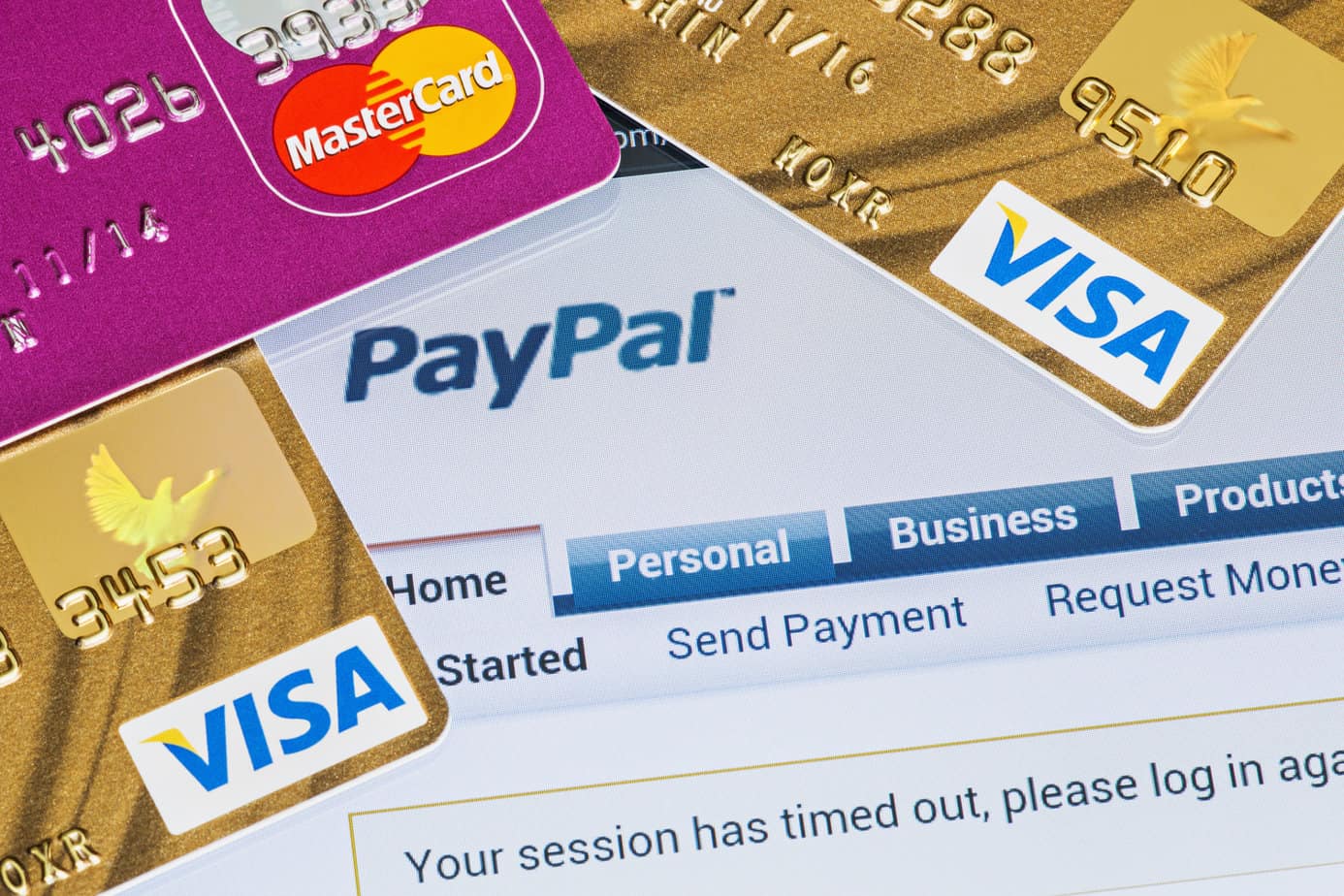
Another trend that will likely continue in 2022 for the payments industry is the ongoing adoption of digital payments or cashless transactions. Consumers had been slowly shifting away from cash for some time. Block, formerly known as Square, PayPal, and Venmo, all addressed specific pain points allowing the smallest of transactions to be processed via non-cash means.

Just as these innovations were becoming mainstream, smartphones were also becoming ubiquitous and more powerful. Companies had started to take advantage of technologies such as near field communication (NFC) and tokenization that now allowed for the safe storage of financial details. Merchants had also started upgrading their systems with the pertinent point of sale terminals equipped to handle NFC payments.

Then, to command more consumer attention, companies traditionally classified as technology started encroaching on the payments industry. Apple, Samsung, and other major tech companies began developing digital wallets that customers can use to make payments. Then in 2015, Google announced  that it had hired Ruth Porat, a finance industry veteran, as the company’s next CFO. Universities began to notice a growing trend among MBAs to work for tech companies rather than Wall Street.

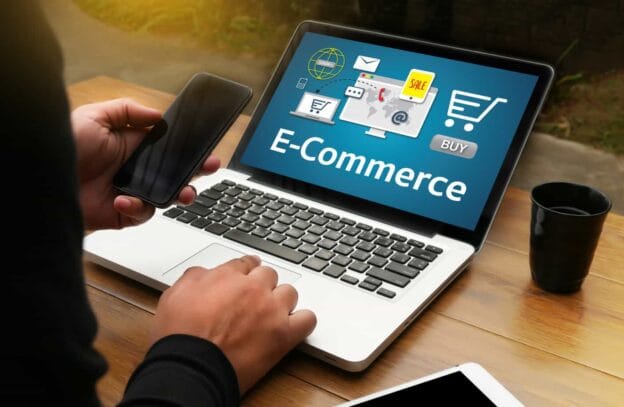
Consumers’ preference to not use cash is the payment industry’s supply-side economics. The majority of Generation X, 56%, would rather shop online than go into a mall. That percentage goes to two-thirds when looking at just the Gen Z demographic. Overall, more than 80% of the 25-44 age cohort prefer NOT to use cash.  Of course, the last couple of years forced people to shop online rather than go out. Once individuals were introduced to the convenience and ease with which they could shop online without cash, it had a lasting impact on their shopping habits. After growing 50% to $870 billion in 2021, eCommerce is expected cross $1 trillion this year.

Buy Now Pay Later

buy now pay later

Although the air has come out of some of the most highly inflated valuations of buy now pay later (BNPL) companies, the payment trend is increasingly gaining traction among customers. The drop in values is motivated by both headwinds experienced by the overall market and increased competition in which retailers and strategies by companies that aim to start offering their BNPL solutions and cut out the middleman.

BNPL is precisely what the name suggests. Customers can buy a product now and pay up later. A third party, such as Klarna, serves as an intermediary between the buyer and the seller, offering the financing to the customer, paying for the product thoroughly to the manufacturer, and usually extracting a small discount on those products. This trend has been a win-win-win. Companies like Apple and other major businesses experience increased sales while allowing consumers of all types to facilitate purchases they may not have otherwise been able to make. Meanwhile, an entirely new subsection in the payments industry has been launched.

But there are risks. Many industry watchers point to the dark connotations of BNPL solutions. Many may equate it to a less exploitive pay-day loan industry of the digital era. Also, there has been limited oversight of the industry. Although BNPL allows consumers to punch above their weight class by letting them make purchases they would otherwise may unable to afford, those sounding alarm bells warn of individuals being put in debt traps without any traditional guardrails. There is no reporting of BNPL transactions, so creditors cannot effectively foresee the liquidity clouds that are gathering for households.

For BNPL, 2022 may be the year where there is a fundamental change in regulation. Consumer Financial Protection Bureau may start mandating centralized reporting of BNPL transactions like other credit transactions to the credit bureaus.

The payment industry heavyweight incumbents are looking to expand their product offerings to include BNPL. Last Year, Block paid $29 billion for Australian BNPL solutions provider Afterpay. A few months later, PayPal bought the Japanese firm Paidy for $2.7 billion. This year, Apple announced its own BNPL service through Apple Pay. With all these dynamics in play for the payments industry, BNPL is expected to continue to thrive in 2022.

Integrated Payments will be the game changer in Customer Experience

The customer experience will be the biggest game-changer. Apart from technology, the most significant trend percolating organically within the payments industry is the focus on the customer. That has led to the survival and growth of companies that have shunned long wait times, sordid sales practices, and convoluted legalese in their terms and conditions.

Social media and online reviews have been responsible for this phenomenon. However, the technology companies have not modeled this customer-centric behavior. As a result, existing tech giants or even new startups looking to leverage their tech expertise that foray into payments this year must have the customer front and center.

Language preferences will need to be considered. That means that payment methods accepted by merchants must conform to how customers want to pay, not vice versa. As a result, payments will begin to start integrating into SaaS environments. So the likes of Salesforce.com and Automattic, which have large customer platforms offer integrated payments, leveraging their existing trust with customers to easily showcase the convenience of that process. Payment settlement without having to leave that SaaS environment after entering your payment credentials once is agnostic of the payment type, whether that’s a card, a digital wallet, a P2P account, or any of the numerous mobile wallets.

Banks will also leverage this trend to offer their version of a one-stop shop for account management of cash, any number of cards, possibly even cryptocurrencies, while providing financing, insurance, forex, or trade financing through their app. Every company, whether JPMorgan or Adobe, will look to embed payments to offer a holistic customer experience.

The Super App

There is a more significant reason for companies trying to embed payments into their environments. It is the same reason that the likes of Apple, Google, and other tech companies have a great interest in the payments industry. It is a race for platform supremacy. These companies want to be the first to become a Super App in a region.

A super app is an app that combines the most commonly used functions of a smartphone into one app. To become a super app usually requires three main parts, social media, shopping, and payments. Once these three main common uses are combined, super apps become a self-sustained and self-contained ecosystem that guarantees an indisputable level of eyeballs that the super app can control at will.

There are already examples of Super apps outside of the US. Tencent’s Wechat app in China commands over 1 billion users[MF1] . Another example is Singapore-based Grab. The company used to be a ride-hailing app and then evolved into offering other services and becoming Southeast Asia’s juggernaut Super app.

The Super app decides the best vendor for any tertiary service customers need. The super app decides which is better for the consumer: Uber or Lyft, DoorDash or GrubHub, UPS or FedEx, Walmart or Amazon. So, one of the best chances one has to ensure their app doesn’t get voted out by the kingmaker is to become the kingmaker yourself quickly. That’s why Facebook wanted to launch a digital currency[MF2] . Shopify has its own Payment solution. As do HubSpot and Salesforce.com . Even Adobe has an integrated payments system.

Apple, PayPal, and Block already have many pieces of the puzzle. PayPal has payments processing, a peer-to-peer payments app (Venmo), and has now entered the foray of BNPL with the acquisition of Paidy. Block is similar. The company processes payments and lets customers trade cryptocurrencies, has a P2P payments app called CashApp, and has also waded into BNPL with its purchase of Afterpay. Apple has the iPhone that controls the app store ecosystem, thereby the eyeballs of the billion most influential people in the world with significant discretionary incomes. The company has Apple Pay and just launched its own BNPL solution.

All these three companies now need the social media peg of the Super App stool to become a lifestyle mainstay. Jack Dorsey, the co-founder of Block, is also the co-founder of Twitter. Some have contemplated [MF3] he should turn these step-children companies into conjoining twins. Also, PayPal was rumored to be buying Pinterest [MF4] late last year.

To become a super app in China or other parts of Asia or Europe would be great. But the ultimate prize is to do it in the US, the largest economy in the world. Becoming a super app here would be the equivalent of the next trillion dollars in market capitalization unlock for that company. 2022 will be the year in which these payment industry heavyweights, which are so very close to that unlock, will look to cement super app status.

Real-time payments

Speed of payment processing and completing a transaction has been at the forefront for several years now. We started to shorten the time of peer-to-peer transactions within specific platforms such as Venmo and Cash App to almost real-time. Even time for retail payment processing has improved to next-day funding and, very recently, same-day financing. These are indeed exceptions at present, and the rule is still payments take almost three days to settle and have payments received by the merchant.

The good thing is that real time payments have become the norm rather than the exception and seem to be on the horizon. The technology behind real time payments has been in place for 50 years. It is already implemented in many parts outside of the US. In 2019, the Federal Reserve launched an initiative called FedNow. The program will let merchants, consumers, and financial institutions carry out business as usual. The backend rails work in tandem to share payment details, authenticate them, and settle payments in real-time. FedNow will be available around the clock, every day of the year.

The benefits of real-time are clear. The lines between cash and cashless transactions blur while eliminating cash handling headaches for both merchants and consumers, especially since the system is always available. But there are risks that will need to be considered and mitigated. We already hear of the swath of the population that is unbanked. By inviting technology into payments, those problems may be exacerbated. Also, the costs associated with implementing this infrastructure for financial intermediaries are unclear. As a result, it may be unclear how the adoption of FedNow may be impacted.

FedNow is expected to be fully operational in 2023, and over 200 financial institutions are currently working with the Federal Reserve on the project.

Security

security

Security sounds like one thing that tops the list of trends every year. Each year brings an additional set of new trends and challenges, risks, and at least one major security scare that keeps everyone at the edge of their seats. 2022 was ushered in with a warning by the US President to beware of Russian cyberattacks in response to economic sanctions levied on the country by the international community, led by the US. Cyberthreats emanating from Russia is not new. The government has for years engaged in cyber attacks on Ukraine. The country is believed to be behind the 2020 SolarWinds hack, which, over several months, compromised sensitive data of significant firms worldwide as well as the largest government agencies, including the US Department of Homeland Security and the US Treasury Department.

Cyber espionage at a sovereign level is not the only threat. Year after Year, major business and technology titans report of security lapses compromising data impact millions, if not billions, or personal records. In 2021, Facebook reported a data breach affecting 533 million people [MF5] worldwide. The year before that, the world learned that Microsoft had accidentally leaked the company’s customers’ online records of more than 250 million. In 2019, the 11th largest bank in the US by asset size at the time, Capital One Financial, disclosed that the company experienced a data breach in which over 100 million customers’ personal account information was hacked.

Some of the largest, most technologically advanced companies and government agencies succumb to often small-time nefarious actors who identify and exploit obscure technology loopholes. As a result of these ongoing and persistent threats, security remains at the top of mind for governments, businesses, and consumers alike. This is even more pronounced as the payments industry wades into technologies and trends still in their infancy, such as cryptocurrencies, mobile wallets and payments, and mass adoption of cashless transactions.

The payments industry has been fashioned by decades of innovations. The trends that brought the industry to this juncture are likely to continue at an exponential rate. Society adopts digital payments at an accelerated pace, and merchants continue to adjust their business models to these changing dynamics. You wouldn’t be wrong if you believed the spending habits of consumers had changed dramatically. The truth is that consumers’ living habits have changed. Both living habits and working patterns have converged into a single device. Technology has propagated that, and the resulting payment advancements have further facilitated it. The payments industry in 2022 will further cement trends that have been developing over the past decade and have started to really flourish in the past couple of years. However, companies must remember that feedback from the consumer will be vital to their success. Those consumers will form the trends, so market research seeking their feedback will be critical.


 [MF1]https://en.wikipedia.org/wiki/WeChat

 [MF2]https://www.ft.com/content/cfe4ca11-139a-4d4e-8a65-b3be3a0166be

 [MF3]https://www.economist.com/business/2021/03/13/should-jack-dorsey-combine-twitter-and-square

 [MF4]https://www.bloomberg.com/news/articles/2021-10-20/paypal-said-to-explore-purchase-of-social-media-firm-pinterest

 [MF5]https://about.fb.com/news/2021/04/facts-on-news-reports-about-facebook-data/

ERP Trends

Top ERP Trends to Watch in 2023

An ERP is the backbone of business operations. It helps with every function you can think of; Operations, Sales, Customer Support, Marketing, and internal supporting teams such as HR, Legal, and IT. If you’re using an ERP such as the one offered by NetSuite, even the Finance department can be integrated into a single environment.

The type of ERP a business uses is mainly determined by the size of the business, what industry the company operates in, and the future strategy and goals; is the business planning to grow further or is already at a specific sweet spot? However, there are certain functionalities that enterprises must focus on that are absolute for an effective ERP deployment. These include whether the ERP is cloud-based, whether it has a mobile application, what different teams the ERP can serve well, or how much integration an ERP can facilitate.

Often businesses deploy an ERP in segments, some core departments are onboarded first, and the rest follow. That can also impact the type of ERP a company chooses to use. Below we look at an ERP, its many benefits, and the top ERP trends to watch for in 2023. We highlight what is essential for businesses and the latest cutting-edge ERP product offering that various solutions providers are at the forefront of.

What is an ERP?

erp

ERP, also known as Enterprise Resource Planning, has its root in supply chain management systems used by manufacturers called Materials Requirements Planning (MRP). MRPs are mainly used to plan around inventories efficiently and manage production based on supply and demand. Similarly, an ERP helps companies manage financial resources where businesses record transactions and accounting entries in the general ledger and oversee accounts receivables, payables, and payroll. An ERP also has a robust financial reporting functionality offering rich insight into specific operations and the overall health of a company.

The ERP Trends to Watch in 2023

The Cloud and Hybrid Deployment Model

With over 20 years of companies offering cloud-based services or ERP solutions, it’s hard to imagine that not all ERPs today aren’t cloud-based. Chief Technology Officers worldwide say that over 50% of all IT spending this year will be on cloud computing. So that means that some portion of the nearly 50% that isn’t cloud-related will go towards traditional IT spending, such as servers and on-premise data centers. These house on-premise software deployments, including ERPs.

There have been legitimate reasons for businesses not to shift to the cloud, including security, resiliency, and whether data storage on the cloud is hosted in another country.

However, on-premises ERPs carry their own set of risks. How much and for how long do security and Support exist or legacy operating systems running these ERP systems? Can they find staff to manage these systems easily, and do the costs of doing so outweigh the cost of migrating to the cloud?

In a nutshell, businesses are still in the midst of a transition to the cloud. However, the shift has accelerated. Work dynamics are changing as more employees work from home, making ERPs that aren’t on a cloud riskier and untenable.

That’s not to say that the on-premises deployment model will completely disappear. A hybrid approach still makes sense for many businesses. Resiliency is a big concern as service outages by cloud service providers, however brief, can wreak havoc on businesses.

Mobile

mobile erp

Mobile was once viewed as a tertiary feature that was more gimmicky than nice to have. Over time, it started to become a value add. Today, given the changes in how we work and the advancements in mobile devices such as tablets, mobile is becoming the de-facto standard. As employees work from anywhere and work shifts to the cloud, a mobile iteration of an ERP is an absolute must from any service provider.

The mobile version of an ERP offers tremendous productivity by allowing customers to access it from anywhere at any time. Second, besides the user interface, the underlying technology isn’t that different from the regular version of the ERP since they’re both cloud-based.

Furthermore, a mobile ERP may be better than a traditional ERP as it allows customers to quickly capture and upload receipts or other transactions that need to be recorded in real-time. This goes beyond productivity and more into the realm of user adoption and compliance with timely expense report filings.

Finally, we’re all well aware of one of the best benefits of ERP, enhanced decision-making based on all the data gathered and easily and intuitively presented. As customers are further inclined to adopt the usage of an ERP motivated by the real-time benefits of mobile functionality, businesses will also see improvements based on quicker data capture and resulting analytics and reporting.

Artificial Intelligence

artificial intelligence

No product escapes the mention of Artificial Intelligence (AI) or similar terms such as Machine Learning (ML), Robotic Process Automation (RPA, and the like. And an ERP is no exception. No, AI won’t be taking over human tasks entirely in 2023, but it is viewed as a tool to drive productivity by automating the more mundane and repetitive tasks of customers.

Recurring deprecation expenses for assets can be recorded automatically based on their specific duration. Transactions can be automatically recorded in the applicable expense accounts based on precedents. Also, the ERP can execute relevant alerts and reminders for tasks such as asset revaluations, and receivables follow-ups, among others.

Furthermore, as more businesses use a subscription-based revenue model, they can automatically send periodic invoices for that subscription fee, record the transaction and process the payment without human interaction.

Increasingly, AI is used to identify internal audit red flags, client credit risks, and product sales recommendations based on customer personas and use cases. We predict that ERPs will leverage AI to streamline the customer experience further. Upon closing a sale, AI will allow businesses to generate invoices, onboard customers autonomously, and even recommend renewal price increases based on relevant factors.

The adoption of AI in ERP offers unprecedented efficiency by delivering automation, interactive advisory-type reviews, eliminating mundane and repetitive tasks, and reducing mistakes.

A blurring of the lines between ERP and CRM

customer relationship management

In a way, you can call it the flywheel effect. Businesses have been successful with ERPs and CRM, Customer Relationship Management, software for over two decades. CRM was the first cloud-based business targeting companies with a new way of connecting and collaborating internally and introducing an entirely new paradigm on the customer experience.

Salesforce.com improved how companies supported, marketed, sold to, and conducted email campaigns outreaches to customers. The use of CRMs allowed all these functions to leverage data by setting up a single repository of all forms of interactions with existing and potential customers.

The data allowed companies to recalibrate messaging in a very targeted manner. Today, there isn’t only a sales or marketing team or a customer service team. Now, we have an exact science devised around the client: Customer Experience. As businesses captured the best practices for marketing to customers, sales processes, onboarding, and continuous hand-holding after the close via Support, they decided to codify these processes into an entirely new business practice, known as the customer lifecycle. Today, Sales, Support, Customer Success, and Account Management teams are all integrated and easily able to collaborate with one another.

Will all the intelligence available from a CRM, it is surprising that such systems are still a world apart from the ERPs used at firms. Shouldn’t the high-touch nature of a client, as evidenced by the CRM, factor into the contribution margins? Can the ERP calculating those margins easily capture that data for a CRM?

Companies like NetSuite have started offering unified solutions for both CRM and ERP. It is the logical next step to leverage the combined data sets of both systems. With an integrated offering, businesses can target customers based on specific financial benchmarks. Although businesses may already be able to see the total contract values of their customers or have a good gauge on the customer’s lifetime value. However, can companies easily calculate and access gross margins for each client using disparate ERP and CRM functions?

Shorter-Term Contracts

The subscription revenue model has become omnipresent in the business community in the last fifteen years. Companies in numerous industries have widely adopted this business model. There is a subscription offering for shaving razors and luxury watch rentals – so it’s not just applicable to SaaS businesses. Similar to the subscription model, the ensuing dynamic will be shorter-term contracts. Nothing delineates pricing models like a challenging economic environment. It is much harder for businesses to stop paying for a $2,000 monthly enterprise license than to cancel a $25,000 annual subscription.

With the annual subscription model, customers are locked into longer cycles when they may need certain tools for specific projects. A common question customers ask during an economic downturn is if the company has a monthly payment option for their product or service. Even in the event that the business intends to renew services for the entire year, the shorter-term contract offers customers the flexibility to manage their liquidity in uncertain times.

There is some silver lining to these changes. For all the benefits of shorter-term contracts, customers are willing to pay more for the product. Annual contracts can require a hefty upfront cost that requires shorter-term payments. Customers are willing to pay for the agility and flexibility offered by short-term contracts. Furthermore, shorter-term contracts are a great way to showcase all the use cases and benefits of an ERP or any other product. It is an excellent way for companies to get their foot in the door and let the service level win customers over and limit churn.

Integrated Payments

ERPs with integrated payments systems allow customers to check out quickly and process payments that are already on file, securely stored on the ERP. There are multiple benefits to this feature. First, it speeds up the checkout process. The decreased friction in the sales cycle translates into a higher likelihood of closing the transaction. Second, all this manifests into better cash flows for merchants.

Finally, integrated payments can allow merchants to offer customers to pay online and pick up their merchandise from their store locations. Host Merchant Services has a long history of partnering with NetSuite as a third-party payment processing ERP’s API tool CyberSource. HMS easily connects to the integrated platform and manages the end-to-end payment lifecycle, starting from the invoicing process all the way through to payments and reconciliation.

Blockchain

blockchain

Blockchain has been all the rage lately and is repeatedly touted as the next technology breakthrough that will have a lasting impact on businesses and consumers. Blockchain is distributed and immutable ledger that records transactions and the tracking of both tangible and intangible assets of both companies and individuals.

Blockchain has remarkable potential because it can provide instant access to members of a network permissioned to access all data on the distributed ledger. The blockchain allows customers to access orders placed, payments made, production, inventory, sales, and every other business function, in real-time.

There are practical applications of blockchain for an ERP. For example, Walmart is looking to implement invoice recording, payments, and dispute resolution via the blockchain. Their existing supply chain is already being recorded on the blockchain by linking their delivery fleet’s GPS data to their incoming freight.

Invoicing is another segment of their operation that companies will shift to the blockchain over time. So if there is a dispute related to invoices or the quality of goods received, the blockchain offers immediate insight by accessing the entire digital trail. Still, it can also diagnose the root cause of substandard quality by pinpointing specific production centers. All functions offered by an ERP can easily be shifted onto the blockchain. So, it won’t be long before an ERP is provided solely on the distributed ledger.

Security

There have been a lot of concerns around security, especially for businesses with all the personal and financial data they can access. Plus, the security threats wreak the most havoc with data being compromised, leading to considerable damages resulting from a loss of trust, reputational damage, and most likely lawsuits. One of the best ways for businesses to prepare is to have an ERP with a full scope of security protocols in compliance with the most stringent industry standards.

These standards are a perfect way for merchants to build loyalty among their customers. Numerous brands have clients willing to share their payment details with the likes of Amazon and Apple, given the strong security settings and the use of tokenization to process their transactions, usually in a single click. Customers seldom ever have to reenter their payment information after doing it the first time. It becomes a virtuous loop; customers enter their payment once and never have to do it again. Since they never have to enter their payment details at a particular platform or merchant, they consistently choose to shop on that merchant’s site. This phenomenon of customer loyalty has been greatly documented in a Wharton study on Amazon’s one-click patent and business process[MF1] .

There are numerous SaaS offerings, such as the NetSuite ERP, which is cloud-based and has all the latest security settings, patches, and updates fully implemented and continuously updated as new releases are made automatically. Since the NetSuite ERP also offers integrated payments solutions, the latest payment security standards comply with PCI DSS (Payment Card Industry Data Security Standard). These standards include the Card Code Verification (CVV2), and Address Verification Service (AVS), among many others.

There are many great features that an ERP now offers. It can significantly enhance collaboration and efficiency in businesses that use ERP. Numerous vendors, such as NetSuite, understand the far-reaching impacts robust security protocols have on finance functions and operations. These measures can also enhance customer experience by offering an integrated payments solution.

An ERP is not suitable for all businesses. Even businesses that do deploy an ERP have different needs and use cases that drive their decision-making. The past few years have been essential for merchants as more have started businesses in industries where an ERP can offer tremendous benefits. Furthermore, ERPs themselves have implemented many features and functionalities that are increasingly useful to businesses, including cloud-based SaaS offerings, mobile functionalities, and integrated tools for multiple teams such as Sales, Support, and Marketing to enable enhanced collaboration. As businesses consider their needs for ERPs, it is vital to keep a watchful eye on all the latest trends of 2023.


[MF1]https://knowledge.wharton.upenn.edu/article/amazons-1-click-goes-off-patent/
restaurant payment fraud

Essential Tips for Reducing Restaurant Payment Fraud

The past several years have been a complete paradigm shift for the restaurant industry. Although noncash payments were always a norm among restaurant clientele, it became an absolute necessity, with most activity shifting to online and remote overnight. Based on the 2021 Diary of Consumer Payment Choice by the Federal Reserve Bank of San Francisco, the number of consumers conducting in-person payments fell by nearly 21% year over year, even as not-in-person spending at restaurants “increased substantially.”

Restaurants cannot ignore these trends, given the numerous challenges in their adoption and the subsequent threats of payments fraud. As more and more restaurants start processing an increasing volume of noncash payments, payment fraud at restaurants has also increased significantly.

These percentages and patterns are anything but small. In fact, they’re seismic as they are accelerating trends already in motion with the advent of smart devices and improving internet speeds. Consumers have been altering their spending away from cash at an ever-faster rate for the better part of a decade. The focal point of all human activity is growingly centered around their smartphones, and spending habits are no exception. Even physical rather than digital currencies are seen as sovereign existential threats.

In this article, we’ll explore the many different forms of payments processed and how restaurant payments fraud is becoming rampant. There is also the case of the changing legal liability and what security precautions the industry can implement in response to nip restaurant payments fraud in the bud once and for all. 

Types of payments

types of payments

Gone are the simple days of paying by cash, credit cards, or debit cards. Now, they’re a myriad of payment options, and consumers not only wish they could use to pay by but rather demand it. There are options such as Payment Service Providers such as PayPal, Zelle, Venmo, Cash App, and a multitude of digital wallets, including Apple Pay, Google Pay, and Samsung Pay, among a host of others.

The threat of losing customers by not offering that ease of payment is very real. The pendulum has swung such that restaurants unable to cater to such payment options face ubiquitous competition from those that can. Below is a more in-depth account of some of the standard payment types being adopted.

Swipe – this is the traditional way in which consumers have been accustomed to using credit cards over the past couple of decades. The merchant would swipe the credit card through a card reader that scans the black-colored magnetic stripe on the lower backside of the credit card.

Dip – a relatively new and more secure way of processing a card transaction. With the new EMV chip, the merchant dips the card into a particular reader that captures the data stored on the golden-metallic colored chip. This payment method has proven to be less prone to fraud as the EMV chip is almost impossible to duplicate, unlike a

Tap – this is the latest method of payment in which smart devices such as a smartphone, tablet, or smartwatch exchange payment details stored on those devices with near-field communication (NFC) enabled point of sale terminal by either touching it or placing the device very near the machine.

The Growing Risks of Restaurant Payment Fraud

payment fraud

There has been a growing chorus within the industry sounding the alarm on an increase in payments fraud targeting the restaurant activity. One specific activity is the root cause of restaurant payment fraud. It all stems from something known as chargebacks but can vary in the different ways that fraud manifests itself.

Chargebacks are disputed payments that consumers raise once they see unfamiliar charges on their account statement. Once a cardholder files a chargeback, their issuing bank withholds disbursement of funds intended for the merchant to investigate the transaction. Chargebacks can be classified as ”friendly fraud” or true fraud.

Chargebacks arising from true frauds are a result of stolen card information being used to process the transaction. There has been a substantial increase in true frauds at restaurants as the industry has started taking in more digital orders and delivery requests in which the physical card isn’t present.

Friendly fraud (do not be fooled by the name) occurs when the rightful owner of a card uses it to pay for a meal at a restaurant and then later disputes the charge on the card. This is often due to dissatisfaction with the service, food quality, or actual malintent. However, friendly fraud can also arise due to the customer not recognizing the transaction based on the descriptors used by the merchant. It can also be that there is no contact information to reach out to the merchant directly, so the cardholder instead simply calls the bank.

The main driver of this increased level of restaurant payments fraud has been driven by payments by card in which the cardholder is not physically present for the transaction, also known as Card Not Present.

The EMV Liability

Earlier, we discussed Dip as one of the payment methods used where the restaurant would dip the EMV chip-enabled card into a special EMV chip card reader. That is presently the most secure method of payment as an EMV chip stores all cardholder data in an encrypted format and transfers cardholder data via a process called tokenization. EMV cards still have the older magnetic stripes at the back of the card, so merchants can still use the older swipe technology.

The EMV liability shift is that if a merchant swipes an EMV card instead of using the dip option for any reason whatsoever, it is the merchant who will be liable for any fraudulent charges exceeding $25. Hence the term liability shift explains that the liability has shifted from the issuing bank to the merchant, in this case, the restaurant.

Safety measures

Considering the prevalent frauds and the changing liability landscape, it helps to understand what safety precautions are available to minimize restaurant payments fraud. Below are some examples of what measures restaurants must implement immediately.

EMV readers – to avoid the liability shifting to restaurants, all POS equipment, and card readers must have EMV capabilities. EMV-enabled cards have a nano computer installed into them that stores all the cardholder information, which cannot be duplicated or tampered with and is additionally protected by encryption and tokenization.

Point to Point Encryption (P2PE) – If POS equipment is P2PE enabled, it employs additional security measures in which cardholder data is encrypted at the point of capture and is decrypted at the endpoint, i.e., the bank receiving the data to process the payment.

3D Secure – During the authorization process of accepting a card payment, the industry is increasingly adopting the 3D secure option that is employed by all major card networks. 3D secure creates a code for a single-time use and sends it to the consumer to enter into the payments gateway to verify their customers’ identity and that it matches all internal contact information on record. This is another security layer considered to be very effective in authenticating customer identity by payment processors worldwide.

PCI Compliance – all these mechanisms, along with additional measures such as tokenization, Address Verification Systems (AVS), Card Code Verification service (CVV2), and AI-powered fraud detection and monitoring, are all security measures codified in the Payment Card Industry Security Standards Council (PCI SSC) guidelines. PCI Compliance can help in reducing restaurant payments fraud down to zero.

Employee Training – One of the best ways to minimize restaurant payments fraud is to increase the awareness of the various fraudulent activities among your employees. Your staff is on the front lines of your restaurant operations, and they will be your best defense in ensuring that there are limited occurrences of fraudulent activity.

Restaurants are making a form of investment when they train their employees in not just detection of payments fraud but good customer service. A great customer support experience can mask fraud detection protocol, given the intrusive nature of requiring additional personal information to authenticate a transaction.

Furthermore, staff should have appropriate training on common inquiries versus payments fraud activity versus customers calling in to verify a charge they see on their account statement. Employees should know the differences between these scenarios and understand the process of how to escalate them with management.

Billing Descriptors – Last but not least, billing descriptors are an essential defense to avoid restaurant payments fraud. Effectively using billing descriptors can go a long way in avoiding friendly fraud.

A billing descriptor is what cardholders see in their statements to identify specific charges. Every time a merchant charges a cardholder, they have to select specific information about their business and the nature of the transaction that will appeal on the statement the cardholder receives. It is often this information is unclear that leads to many friendly frauds. The cardholder may not recall the name of the business mentioned, they may not understand what they purchased, and there may be no contact number listed to clarify the charges.

As a result, some best practices for effective billing descriptors to avoid chargebacks classified as friend fraud are:

Always include the business name of the restaurant the customer visited. Not the trade name or the parent company name, but the actual venue the customer visited. This would be the best way to help a customer remember what, when, or where the charges occurred. So, if you are a Taco Bell, a Pizza Hut, or a KFC, your billing descriptor should mention precisely that, not Yum! Brands, the conglomerate that is the parent company of these businesses.

Also include the address of your business. It doesn’t need to be the complete address, but the street name along with the venue can help.

Finally, listing a contact number can help customers quickly access that number to call the restaurant directly to verify the charges. It is a lot better for the cardholder to call the restaurant rather than their bank to dispute those charges. Even if your business wins a disputed chargeback, too many of those and your business may be classified as a high-risk merchant.

Be careful contracting with Food Delivery Platforms: Food delivery platforms such as Deliveroo, Uber Eats, DoorDash, and others have a direct relationship with consumers ordering food from your restaurants. Technically, they are customers of the food delivery platform and not your restaurant. Their contracts should hold the restaurants liable for any fraudulent card activity on their apps. Furthermore, it is essential to ensure that the platforms have strong data protection and security protocols to limit credit card fraud.

The restaurant industry has undergone many transformations in the last couple of years. Digitization of the overall transaction and the payments by cards and other noncash means became the de facto standard overnight. All the while, the actual volume of transactions in the new form skyrocketed.

These were small shifts, but rather seismic, and they were sudden. And although the restaurant industry was unprepared for the influx of such a change and contended with significant amounts of fraudulent activity during that transformation, many restaurant owners learned that there are ways to manage the risks of these changing times and thrive. The industry still faces many hurdles and growing pain. However, the shifts in consumer spending habits and smart devices dictating more of how they spend their time and money are likely to increase. The changes restaurants have undergone over the past couple of years will be a permanent fixture and likely to intensify. As a result, restaurants must adapt specific best practices in managing the changes in payments platforms, shifts in legal liability, and the potential for payments fraud.

With restaurant payment fraud on your list, the restaurant resources hub has the related guides.

affiliate marketing

A Guide to Affiliate Marketing in 2022

The affiliate marketing approach has become incredibly popular in recent years. Spending in the Affiliate marketing sector has grown from $5.4 billion in 2017 to $8.2 billion in 2022, and it looks like it will only continue to grow further.

It’s not difficult to see why, as it provides numerous benefits to both brands and affiliate marketers. It can be a great way to generate sales and revenue while giving the impression of a more organic marketing approach.

In this article, you’ll find a detailed explanation of what affiliate marketing is and how it works, including its different types, examples of affiliate programs, and a few tips on how to become a great affiliate marketer.

What is Affiliate Marketing?

what is affiliate marketing

In affiliate marketing, you earn a commission by recommending products or services manufactured by another company. The affiliate partner is compensated when the store or advertiser achieves a specified result, usually a sale.

Some programs, however, will pay you for leads, free trial users, website clicks, or app downloads.

Affiliate networks are usually free to join, so you won’t have to worry about significant upfront costs. This performance-based opportunity can transition from a side-hustle to a viable online business idea by providing you with a steady income.

How Does Affiliate Marketing Work?

Here’s an example of how the affiliate marketing process works:

  1. On your website, blog, or social network, you post an ad for Store Z.
  2. Customers click on the link.
  3. They buy something from Store Z. 
  4. The affiliate network records the purchase.
  5. Store Z confirms the purchase. 
  6. The affiliate network pays you.

The commission rate varies depending on the company and the offer. Generally, you can earn about 5% of sales, but with some arrangements, you can earn as much as 50%, usually when promoting a class or event. A flat rate per sale is also available in affiliate marketing programs instead of a percentage.

How do Affiliates get money?

Earnings from affiliate marketing vary widely. Some marketers make a few hundred dollars per month, while others make six figures per year. As you gain followers, you can make more money.

You’ll find that affiliate programs offer a variety of payment options. Businesses may refer to it as a conversion type, a price or payout model, or another variation.

Marketing for physical products is typically aimed at generating sales. Regardless of what it is called, the payment model specifies the goals you will be compensated for. If you’re promoting software, you might ask people to sign up for a free trial.

Affiliate programs frequently use last-click attribution, which means that the affiliate who receives the click before the purchase receives full credit. As programs improve their attribution models and reporting, this is changing. In cases where a buyer’s conversion funnel had several affiliates, a brand may credit you equally for a sale.

Affiliates are typically paid in one of five ways:

  • Using pay per click, you receive commissions when your affiliate link is clicked. Pay per click is a service used by large retailers to promote their products. Customers are not required to join the merchant’s website or complete a purchase.
  • In a pay-per-sale model, you receive a commission with every sale. Ecommerce companies often use this method to pay their affiliates.
  • A pay-per-install program compensates you for every installation your website traffic generates. The purpose of your content would be to promote mobile apps and software so that users would download and install them.
  • With pay per action, you are rewarded for each action a customer takes. Affiliate programs use this payout model because it can apply to various offers, such as a subscription to a newsletter, a click, a form submission, and so on.
  • The term “pay per lead” refers to getting paid every time someone signs up for something. It’s a common payout method since companies use it for sweepstakes, lead generation, and other deals. Newcomers prefer cost-per-lead offers because generating leads is easier than selling things to an audience.

What Are the Different Types of Affiliate Marketing?

Affiliate marketing has three types of advertising, unattached, related, and involved. Take a look at each:

Unattached

Unattached is the most basic form of affiliate marketing. In this type of advertising, the affiliate has no connection with the product or service being marketed. They cannot function as an authority or make claims regarding its use. Because the affiliate does not commit to the potential customer and product, they are not required to recommend or advise.

Related

Affiliate marketing, as its name implies, involves promoting products or services by affiliates related to the item or service they are promoting. Affiliates are typically linked to a product or service based on their specializations. Affiliates have enough authority and influence to drive traffic, and their level of expertise establishes them as trustworthy sources. Affiliates, however, do not make any guarantees about the product or service.

Involved

Through this type of marketing, affiliates create a stronger bond with the product or service they are promoting. The user has used or is using the product and believes it will benefit others. Users’ personal experiences serve as advertisements and are reliable sources of information. Furthermore, as they are offering suggestions, any problems resulting from the service could jeopardize their reputation.

Pros and Cons of Affiliate Marketing

pros and cons of affiliate marketing

Advertisers and affiliate marketers may benefit greatly from affiliate marketing. Corporations benefit from low-cost advertising and the affiliates’ creative marketing efforts, and affiliates earn additional revenue and incentives. Affiliate marketing generates a high return on investment because the company pays for traffic that results in sales. Any advertising costs are the affiliate’s responsibility.

Affiliate networks have tight guidelines on how affiliates can generate leads. For instance, a few affiliate marketing programs specify how a product or service should be discussed in the content before an affiliate link can be recognized. In addition, there are prohibited methods, such as spyware or adware, which redirect product search inquiries to an affiliate’s site.

An affiliate marketing program can be fraudulent. A good affiliate marketing program must therefore be carefully planned. A contract arrangement that compensates for traffic rather than sales must be clearly stated.

Misspelled domains can be squatted by unscrupulous affiliates and used to redirect traffic to their sites. Using fraudulent or stolen information, they can fill out online registration forms, buy AdWords on search phrases where the company already ranks well, and so on. It is necessary to monitor and enforce affiliates even if the terms and conditions are explicit.

By exchanging goods and services, a firm can access motivated, creative individuals who can assist it in marketing its products internationally.

Some of the advantages and disadvantages of affiliate marketing include:

Pros

  • The ability to access a broader market
  • Improved tracking of qualified leads
  • Advertising at a low cost

Cons

  • Vulnerable to fraud
  • Creative control is reduced
  • Stealing is a possibility

How to Start with Affiliate Marketing

Affiliate marketing is really easy to get started with. Choosing a program and an approach, defining your niche and audience, finding the right product to promote, and choosing a platform are the only steps you need to take.

Affiliate marketing requires the same dedication and discipline as running your own business. Follow these steps to succeed:

1.   Find a program and choose your method

Your first step is deciding on which platform you will create an audience. Affiliate marketers have their strategies and platforms. You can choose from many affiliate marketing concepts based on different approaches.

  • Digital content creation: Bloggers, YouTubers, and social media influencers are examples of digital content creators. They specialize in creating content that appeals to a specific audience. The idea is to focus on products that organically resonate with their audience so it doesn’t feel like advertising. As a result, the likelihood of them purchasing increases, and you earn affiliate commissions.
  • Niche topic and review websites: These sites either review products for a specific audience or compare a product line to its competitors. You must post regularly and generate content relevant to the review field to attract an audience.
  • Courses or Trainings: If you teach a yoga class or have a workshop, you can take advantage of that space to push your affiliate partnership.

No matter what path you choose, the two most important aspects of affiliate marketing are authenticity and audience building. Your audience cannot be converted into affiliate sales if you can’t connect with them authentically.

The following marketplaces offer affiliate marketing programs:

2.   Choose your niche

Consider something you are passionate and knowledgeable about when choosing a specialty. In this way, you appear genuine and a good source of information to prospective customers. Furthermore, it helps you determine which products and brands to market.

The niche you choose for your affiliate site determines how much effort and time you will need to put into it before you can start seeing SEO benefits.

For example, blogs with ample marketing budgets dominate the SERPs for marketing, healthcare, and software. You need to identify untapped areas where competition isn’t as fierce and get there before your competitors do.

To learn more about your audience and what they like, try using affiliate marketing tools such as website analytics, social media insights, and social listening tools.

Understanding why your target audience follows you is important.

It is important to remember that you are not paid to publish. Affiliate marketing is a pay-per-performance business model. Knowing what your target audience enjoys, you can suggest the best products to them and increase your affiliate income.

3.   Find the right product

Affiliate marketers need to relate to their audience to earn money. The products or services they promote must be products they want to purchase. In the eyes of your audience, a mistake here will undermine your credibility and sabotage your success.

It’s okay if you’re unsure where to look for products or brands to work with. Several affiliate marketplaces are available, including:

It is also possible to check the websites of the items and services you use to see if they offer affiliate programs. Often, large corporations promote affiliate programs on their websites, such as Amazon Associates and Shopify.

Consider taking a more direct approach. If you find a fantastic product, contact the owner to see if they offer affiliate programs. If they don’t, they may be willing to come to an arrangement with you, such as offering you a special promo code to share with your followers.

You can get excellent deals when you approach a seller of a new fitness product if you’re a health and wellness blogger and already have a proper distribution channel in place.

For affiliate marketing schemes, you must follow the terms of service. Be sure to read the small print. A link usually contains a cookie with a specific expiration date, and some programs won’t let you purchase pay-per-click ads using the product or company’s name.

4.   Choose the right platform

If you brainstorm products or browse affiliate sites, you must remember that the product should align with your audience or the audience you are trying to build. What might your intended audience find useful? Does it relate to your expertise?

For instance, a cuisine blogger is unlikely to sell beauty products. A better choice would be kitchenware, meal sets, gourmet ingredients, or even aprons.

You should also ensure that the product or service you’re offering is appropriate for the platform on which it is being promoted. For instance, clothing and decoration-centered products are ideal for image-rich platforms such as Instagram. Meanwhile, for products with more interaction, such as software, you are better off using longer-form venues, such as a blog or YouTube video, which may yield higher conversion rates.

Consider the following when choosing a platform:

  • What platforms do you use most?
  • Which platforms are most familiar to you?

Affiliate marketers commonly use the following platforms:

  • Instagram 
  • Facebook
  • Pinterest 
  • TikTok
  • Blogging
  • Pay per click (PPC)

Using a marketing platform, you’re comfortable with helps you create high-quality content. As a result, you’ll have a stronger, more engaged audience you can convert into sales. 

Best Practices for Affiliate Marketing

To make sure you are getting the most out of your affiliate marketing program, follow these tips:

Engage and establish a relationship with your audience: Authenticity is crucial, as is establishing a relationship with your audience and keeping them interested. Provide honest feedback or recommendations whenever possible. Misleading information can damage your reputation and relationships with your audience and affiliate partners.

Experiment with affiliate marketing: Partnering with a single affiliate can be risky. We recommend partnering with a broad range of affiliates. Make sure you have more than one partner, just in case things go wrong.

Make good decisions with analytics tools: Data is your friend. Using data, you can determine when to post, what kind of content performs well with your audience, and what content is most engaging.

In addition, keep an eye out for rising trends. You can monitor search volume for specific themes or keywords using keyword research tools or Google Trends.

Provide easy access to your affiliate links: Make it easier for viewers to locate your affiliate connections. You can encourage people to purchase by including links in the description box or bio or using a compelling call to action.

Focus on your specialty: If you work in a competitive field, finding your specialty is crucial. Use keyword research tools to find out what people are searching for and what regions you might target. Your goal should be to stand out and establish yourself as an expert in your field.

Improve your content: There is always room for improvement. To increase your search engine optimization, you must also examine data. Establish what your audience responds to most (content type, platform, product) and develop content that reflects their interests.

Affiliate Marketing Trends to Look Out for in 2022

Two trends have become incredibly popular in the last few years: social selling and omnichannel options. Here’s a breakdown of both:

Social selling

Social selling can be done through video platforms that allow you to create and sell videos. You can communicate with your audience and promote affiliate products through these platforms.

Moreover, don’t ignore the power of smaller influencers. Even though micro- and nano-influencers have fewer followers than their mega- or macro-contributors, firms are more likely to collaborate with these influencers.

Micro- and nano-influencers have a loyal following and are more genuine. This type of influencer has a high engagement rate because their relationship is based on trust. A small but dedicated audience and competence in a specific niche are all you need. 

Omni-channel options

You can broaden your reach by providing omnichannel experiences to your audience. Make sure you go to where they are most likely to spend time. If they’re on social media, take advantage of that and target that channel.

It’s not to say you won’t consider other options. Your visibility will increase if you find an alternative or newer communication channel.

Conclusion

Affiliate marketing can work as either a new source of revenue or a low-cost marketing channel, depending on if you are the affiliate marketer or the product vendor. The beauty of this system is that it can take many forms and be used across a wide range of channels to fit the needs of any niche. You can use social media channels to make your efforts feel more organic to your audience, increasing the likelihood that they’ll follow your links, buy the products you recommend, or otherwise take the actions you want them to.

marketing tips

Clever Marketing Tips to Improve Restaurant Sales

It’s not easy finding ways to improve your restaurant’s profit margins while managing food and labor costs. A business’ bottom line is the priority of the operation, but in a customer-facing business, going about it the wrong way can do more harm than good.

But that doesn’t mean there aren’t ways to improve your sales while maintaining a balance between customer satisfaction, costs, and profit margins. It’s all about implementing new strategies and techniques. By using the tips below, you can improve your restaurant sales significantly.

In this article, you’ll find a list of strategies you can adopt to help you improve your restaurant sales.

14 Marketing Tips to Help You Boost Restaurant Sales

From adopting new marketing channels to doing events in your restaurants and much more. Here is the list of marketing tricks that you should start using today:

1.     Take Advantage of Social Media

Social media is probably used by most of your customers. You should use it too. Restaurants with a strong social media presence dominate their “unsocial” competitors. Make yourself available where your clients are.

Become a social butterfly by setting up a free social media management platform (such as Hootsuite) to monitor your channels’ activity and engagement. These venues are a great way to promote your daily specials and share mouth-watering images. Your business should have a Facebook profile, a Twitter account, and an Instagram account.

Social media could be extremely useful when announcing a limited-time sale or discount. If possible, update these pages regularly with images and information about upcoming events your restaurant will host. You can also use these pages to inform customers of changes to the restaurant’s menu or hours.

Ensure you communicate with your clients via these pages, including their comments, and don’t ignore negative feedback. You could keep track of all customer comments using your restaurant’s point-of-sale system. These activities will help generate new ones and increase the restaurant’s overall sales.

2.     Make Your Customers Feel Appreciated

It’s a restaurant’s job to attract and retain consumers. Existing clients might be your most influential supporters. Ensure your patrons feel comfortable and at home, serve them with care, and go above and beyond expectations. Make your customers feel special by serving slices of pizza and pastries. The result is greater customer loyalty and a better customer experience.

They will spread the word about how fantastic your restaurant is if you treat them well. When customers visit your restaurant, make an effort to recognize them, their prior orders, evaluations, and how you assisted them. This information can be obtained via your customer database.

Use this information to recommend new foods or offers, which will make them feel appreciated. Regular customers generate more revenue for restaurants than new consumers. Therefore, customer retention becomes vital. Frequent shoppers promote your restaurant through word-of-mouth and bringing in friends and family, enhancing your restaurant’s revenue.

There are numerous ways to reward loyal customers for their continuous patronage. The proper one depends on factors such as your budget, business type, and personal choice.

Casual dining establishments may utilize punch cards or coupons. However, more upscale companies may utilize app- or email-based services. The idea is to keep the process simple on the customer’s end so that they engage, regardless of the approach used.

3.     Improve Your Table Turnover Rate

Surely, you have had restaurant patrons who dined at their own pace. These customers take longer to leave your restaurant, resulting in a lengthy line. You may even lose customers if your restaurant is full since they may choose to dine elsewhere.

The more tables you turn every hour, the more money you earn per hour. Provide your staff with the necessary tools to boost service speed and effectiveness?

For instance, servers can send orders directly to the kitchen from a mobile point of sale (POS) device. Therefore, they no longer need to rush back and forth between a stationary terminal impeded by other servers.

As a result, your effort to improve restaurant sales is not limited to increasing your customers’ purchases; increasing the table turnover rate is another way to increase sales. By increasing your table turnover rate, you will be able to serve more customers daily. However, this does not mean you should speed up the customer experience.

To solve this problem, ensure that orders are immediately sent to the kitchen and served as quickly as possible. You should also make sure that checks are presented and collected on time. Immediately after your guests leave, you should bus and reset the tables, and you should have the appropriate number of tables for an average dinner party size. You can please your customers and turn tables with quick and effective service.

4.     Upsell

Upselling entails enticing clients to purchase additional items or enhance their current purchases. It’s one of the most prevalent methods for restaurants to increase their earnings.

Training your waiters in the art of upselling will make them great salespeople. Simply making suggestions for additions can increase the overall order size.

For your team to properly upsell menu items, they must be well-trained. If the wait staff does not create a connection with the clients or is unfamiliar with the menu, no upselling approach will be successful. In addition, you can offer complimentary samples of the new items you’ve added to your menu to improve restaurant sales. This will draw attention to these dishes and boost the likelihood of additional orders.

Furthermore, your POS system can improve the average check size and boost restaurant revenues by urging servers to recommend add-ons and emphasize pricey modifiers.

5.     Adopt Online Ordering and Partner with a Delivery Service

Nowadays, many prefer ordering food online to dining out at a restaurant. By offering online food delivery, you could reach out to new clients and expand your clientele.

Using online ordering to handle more orders and boost revenue can be beneficial if you have a limited number of seats or a shortage of waiters but a large staff of cooks.

In today’s app-driven world, convenience is king. Consider partnering with a prominent delivery service, such as Seamless, GrubHub, or DoorDash.

Deliveries are a great way to increase a restaurant’s sales. You can streamline your order process, attract new customers, and satisfy existing customers from the comfort of their smartphones.

6.     Update Your Menu

update your menu

of the menu’s items, your location, and your target demographic. For example, if your target market is college students, you should offer affordable prices. On the other hand, if your fine dining establishment targets people in an upscale area, you can charge a bit more.

Is your menu a random collection of appetizers, entrees, and desserts? If so, you might want to consider revising it. The quality of your menu items is meaningless if you’re not generating their maximum revenue potential. It may be as simple as renaming a traditional item or placing your highest-margin items on your menu where customers’ eyes will land first.

If you have been distributing the same version for years, think about updating biannually or seasonally. Social media and other marketing methods can also promote a new menu. Bonus points will be awarded if you can take high-quality photographs of a few dishes.

Find out how much the menu will cost in your area before deciding what to charge. The Menu Price should be determined based on the surrounding market and competitors. You will lose sales if your competitors offer the same meal at a lower price. The price increase of your menu items will increase your restaurant’s net sales. But make sure you know how to increase the price of your menu items. An abrupt increase in prices of menu items will not be well received by customers. Therefore, try increasing your prices in small increments that will not be noticed by your customers but will increase sales and profits for your restaurant.

7.     Do Holiday Offers and Happy Hours

Holiday specials are one of the best ways to attract existing and new customers to your business. It is a widely used strategy but never fails to bring in additional customers. Your restaurant’s revenue will undoubtedly increase with such a plan. Why not offer free rum cakes, liquor chocolates, or donuts to your consumers during the Christmas and New Year’s holidays? Freebies are sure to attract customers.

Restaurants know that liquor generates the most revenue and profit. Likewise, if you wish to attract young adults, you should make sure that the alcohol is more affordable, as they usually do not wish to break the bank. That is where happy hour strategies come in. Offer two for the price of one on beer and drinks. This will also help you sell more menu items.

“Happy Hours” have the advantage of being scheduled during slow sales periods. As a result, they attract people to your restaurant during slow times, increasing sales. Use all marketing channels to effectively publicize your discounts and bargains. Using emails to promote sales and discounts has been proven to be effective.

8.     Offer Smaller Plates or Snacks

The global snack food industry, worth $427.02 billion in 2020, is predicted to expand at a CAGR of 3.37 percent during the forecast (2021-2026).

Rather than ordering entire meals, customers today are increasingly opting for “mini-meals.” Therefore, you could also consider offering your consumers a greater variety of smaller dishes or selections. These options must include foods that can be consumed as snacks or shared by a group of friends.

9.     Host Special Events

host special events

Your restaurant can hold comedy nights, karaoke nights, guest performances, and other interesting events to draw visitors on that day. However, to attract the maximum number of people to the event, you will need to do more than host it. Hosting events will not only bring in your regular customers but also expose you to many new consumers who will increase your restaurant’s sales not only for the evening but also in the long run. 

You can host various unique events at your restaurant without putting a strain on profits or overworking your staff. Make sure your event runs smoothly with the right technology, whether it’s a father-daughter date or a wine and cheese tasting.

Streamlining communication between your workers and clients with event management software is possible. The result is higher revenues for restaurants.

Does your pizza rank among the best around town? Are your cocktails always in demand? Organize a virtual workshop or a physical workshop to showcase your skills.

In addition to generating additional revenue from workshop fees, extending your restaurant’s experience to include hands-on participation will improve customer loyalty. It is an excellent method for increasing restaurant sales without advertising.

10.    Set Up Your My Google Business Profile

Google Maps will enhance your customers’ experience if they can see and contact your restaurant directly from Google. You will be able to reach more clients when you are recognized on Google, as it will make it easier for your clients to locate you online. You can also attract new customers by encouraging your existing customers to submit favorable reviews on your company’s page.

11.    Adopt More Traditional and Modern Marketing Channels

Opening a restaurant and expecting customers to flood in is not enough. You need to market your restaurant properly. Marketing must take place both online and offline. Use classic marketing techniques like the distribution of flyers and pamphlets. You can win clients that aren’t particularly tech-savvy, who still like to read newspapers and pamphlets to stay on top of new restaurants in town.

Considerable importance has also been attached to email marketing in recent years. With this marketing method, you can cultivate a long-lasting relationship with your customers, which will increase restaurant sales. Keep your clients informed of the latest restaurant developments by sending them frequent newsletters. 

Well-written restaurant newsletters have an incredible ROI. It’s one of the best methods for increasing sales. Several studies have shown that newsletters outperform social media. You have greater control over your target audience with newsletters.

You can also establish a short-term relationship with customers easily through SMS marketing. Your customer database already contains all the information about your clients, so why not use that information to increase restaurant sales? If you want to offer a discount, send an SMS to all the clients in your database? You can include links to online shopping sites in these messages. Thus, customers will be compelled to visit the website and make a purchase, boosting your sales. 

Get people to sign up with an offer, such as “Get a Free Dessert,” and then send weekly offers to your growing subscriber list. Clients expect to receive these discounts, and you can anticipate increased restaurant revenue due to repeat business.

12.    Leverage the Knowledge of Your Employees

Your best approach to operating your business and enhancing restaurant sales is to get input from your workers and employees about the necessary restaurant adjustments. Most likely, your staff will always have an honest opinion to offer.

Your employees will feel valued if you consider their opinions, which is crucial in the restaurant industry. As a result of regularly interacting with clients, they tend to have accurate opinions. To analyze and comprehend client behavior, you can schedule a monthly open house session or invite your staff to lunch at your restaurant once a week.

13.    Take Advantage of the Data

You can increase restaurant sales and manage your business with the help of a POS system. Your restaurant’s point-of-sale system (POS) should provide real-time information about all restaurant activities, regardless of whether you are physically present. You should obtain information about the number of sales at your restaurant and across all outlets, the number of bills created, the number of offers and discounts given, and items that have expired and need to be reordered. You will then be able to speak with your chef and make any necessary adjustments to your menu once you have a complete record of all your sales.

14.    Create Combo Meals

combo meals

Combination lunches are an excellent way to attract clients, especially those with limited funds. Think about pairing your best-selling lunch items with a popular side dish and beverage. If you see a couple of burgers with French fries and a drink in a popular restaurant chain, you can assume they were sold as a combo. You can see this type of combination often at McDonald’s. Keep your combinations simple. Adding your high-profit, low-selling items to your low-profit, best-selling dishes is a great way to attract clients and increase your overall revenue.

Conclusion

Improving your restaurant sales is more than charging more for the items you sell. You also need to consider the marketing channels you are using, the offers the customer receives, your social media channels, and much more. Improving your customer’s experience will go a long way toward improving your retention, which will increase your sales. Make your restaurant more efficient through the effective use of POS systems to increase the table turnover rate, and try doing special events that can attract crowds during slow business hours.

We keep our restaurant payment articles together in Restaurant Payment Resources; see it for more on marketing to improve restaurant sales.

Frequently Asked Questions

  1. How can you increase average sales in your restaurant?

    To increase average sales in your restaurant, consider implementing strategies like upselling and cross-selling. Train your staff to suggest additional items, offer promotions or bundles, and introduce a loyalty program to encourage repeat visits. Additionally, optimizing your menu by highlighting high-profit items, creating enticing descriptions, and strategically pricing your dishes can also boost sales. Lastly, improving table turnover rates, enhancing the ambiance, and providing excellent customer service can contribute to higher average sales.

  2. What attracts customers to a restaurant?

    Several factors can attract customers to a restaurant. Firstly, offering high-quality food and unique flavors can pique customers’ interest. Additionally, providing a pleasant dining atmosphere, including comfortable seating, appealing decor, and appropriate lighting, can create a welcoming environment. Effective marketing strategies, such as engaging social media presence, positive online reviews, and word-of-mouth recommendations, can also attract customers. Offering exceptional customer service and personalized experiences further contributes to drawing customers to your restaurant.

  3. How can I increase sales quickly?

    To increase sales quickly, consider implementing time-limited promotions or limited-time offers that create a sense of urgency for customers. Offer discounts during slow periods or introduce special menus for specific occasions or holidays. Collaborate with local businesses or organizations for joint promotions to expand your customer reach. Additionally, optimizing your online presence, improving your website, and enabling online ordering or delivery services can help capture more sales in today’s digital age.

  4. How do I make my restaurant unique?

    To make your restaurant stand out and be unique, focus on defining your brand identity and differentiating factors. Identify your restaurant’s core values, specialty cuisines, or unique dining experiences that set you apart from competitors. Create a visually appealing and cohesive brand image through logo design, interior design, and menu presentation. Incorporate innovative and creative elements into your menu, such as signature dishes or exclusive recipes. Providing exceptional service and cultivating a welcoming atmosphere can also contribute to your restaurant’s uniqueness.

  5. How to increase restaurant sales without advertising?

    While advertising can be beneficial, there are alternative ways to increase restaurant sales without relying solely on traditional advertising. Focus on improving customer satisfaction by providing outstanding service, personalized experiences, and prompt issue resolution. Encourage positive online reviews and testimonials from satisfied customers. Implement loyalty programs to incentivize repeat visits. Collaborate with local influencers or food bloggers for organic promotion. Engage with your community through partnerships with local events or charities, and leverage social media platforms to interact with customers and showcase your restaurant’s unique offerings. 

video editing software

Best Free Video Editing Software Choices for 2023

In recent years, video content has become one of the hottest marketing trends. In 2020, 244.4 million people in the US watched videos. As a result, it’s understandable if you want to learn how to make your video content.

However, choosing the right video editing software can be a daunting task with so many options available. A comprehensive review is your best bet.

In this article, you’ll find a list of the best free video editing software programs available today and their pros, cons, pricing, and features.

Quick Overview of the Best Video Editing Software

video editing software

Here’s a quick look at the top video editing software based on what makes them stand out:

Deep Dive into the Top Free Video Editing Software Options

All options on this list provide great video editing capabilities, but each has unique features, such as being better for mobile editing or having more powerful high-definition editing tools. Below are the breakdowns of each option:

Lightworks – Best All-round Desktop Editor

The UI of Lightworks is simple and intuitive, making it easy to learn. Lightworks also includes an extensive library of video tutorials, making it one of the easier to learn Linux video editing software options on this list.

You can use original stock videos and audio clips in any video you edit in Lightworks, adding polish to any marketing video.

Available for

  • Windows
  • Mac
  • Linux

Pricing

  • Free version available
  • Pro: $24.99 per month

Pros

  • A powerful video editor with a variety of export options.
  • You can edit while importing content with speed optimization.

Cons

  • Lightworks may be too advanced for some users.
  • Support for 4K video is only available in the paid version.

Features

  • With speed optimization, you can continue editing while importing new content. 
  • Quick and accurate video editing with high-quality trimming functions
  • You can synchronize clips from multiple cameras with multi-cam editing.
  • Easy video sharing with quick exports to YouTube, Vimeo, Facebook, and Instagram.
  • 4K video compatibility for a variety of video formats.
  • Team collaboration in real-time with complete control over who can edit.

Adobe Premiere Rush – Best for Basic Mobile Video Editing

adobe premiere rush

Anyone looking for a way to create rapid video logs on their phone without spending a dime can use Adobe Premiere Rush. Creators can easily create engaging video content to increase their social media following.

Besides changing the video speed and sound effects, you can add special effects, overlays, texts, and transitions to your movies. Additionally, the presets can easily save and share videos to YouTube, Facebook, or Instagram.

One disadvantage is that it may be too basic for advanced video editors. Although Adobe Premiere Rush doesn’t have as many advanced features as some free video editing tools on this list, it can overlay text and images, add light effects, and fine-tune colors.

Available for

  • Mac
  • Windows

Pricing

  • Free

Pros

  • User-friendly
  • Support for Adobe Creative Cloud.

Cons

  • Some basic functions are missing, such as the ability to rotate clips.

Features

  • Online storage of 100GB (upgradeable to 10TB)
  • You can add transitions by clicking and dragging.
  • There are templates for adding and modifying polished titles.
  • Using presets, you can quickly create video files targeted for various platforms, such as Facebook and YouTube, and then post them directly from the app.

Hitfilm Express – Best for Effects and Youtube Vlogs

It may initially seem complicated since it’s used to create Hollywood-style films, but it’s one of the best free video editors available. 

With HitFilm’s animation tools, you can design and edit audio and video transitions without using composite shots, saving significant amounts of time during editing. As well as 3D effects for movies, music videos, and YouTube videos, it features tools and options found in premium video editing software, such as 360-degree editing, 4K video, and special effects.

Note that HitFilm will require you to share your social network status update when you download the software, but it’s only a small inconvenience.

Available for

  • Mac
  • Windows

Pricing

  • Free version available
  • Pro: $349

Pros

  • An affordable video editor with true professional capabilities.

Cons

  • Getting used to the interface can take a little while.

Features

  • There are three transition options: push, zoom, and dissolve.
  • A professional video editor with motion tracking, color selectors, and cropping tools.
  • Unsteady footage can be smoothed out using an auto-stabilizer.
  • The ability to animate two independent shots together for bizarre video effects has been added to composite shots.
  • Using this adaptive trimmer, you can re-cut clips after they have been added to the timeline.
  • You can create as many videos and audio timeline tracks as you want.
  • Mixer for fine-tuning audio for high-quality output.
  • You can copy the properties from one clip and apply them to another or an entire project.

DaVinci Resolve: Best for Advanced Projects and Color Correction

davinci resolve

Many professional film editors, television shows, and commercials use DaVinci Resolve because it combines quality 8K editing, color correction, visual effects, and audio post-production into a single product package.

DaVinci allows you to edit both online and offline. Plus, it can save an incredible amount of time editing and trimming thanks to its high-performance playback engine, even when working with processor-intensive file formats like H.264 and RAW. DaVinci Resolve’s complicated capabilities may be too much for some users, but the free version is great for more advanced projects.

Available for

  • Mac
  • Windows
  • Linux

Pricing

  • Free option available
  • Studio: $269

Pros

  • Easy-to-use interface.
  • Amazing color correction.

Cons

  • Because of its many features, it can be a little overwhelming
  • Some tutorials are not free.

Features

  • With dual timelines, you can navigate, cut, and trim faster.
  • Use motion estimation speed adjustments and frame rate conversions to rapidly and convincingly speed up or slow down clips.
  • Sync your video and audio clips with intelligent auto-editing
  • Face detection automatically recognizes faces in your films and creates bins based on the persons in each shot.
  • The ability to edit in minute detail using a separate trim interface
  • Built-in tools for retiming, picture-in-picture effects, dynamic zoom, stabilization, text, and audio
  • All of these features are built-in: picture-in-picture effects, retiming, stabilization, dynamic zooming, text, and audio.

VSDC Free Video Editor – Best for Windows Users

Video editing software from VSDC is available in free and premium versions without watermarks. This free version includes VSDC’s full video editing options, including chroma key functionality for green-screen effects and a mask tool.

You will get slideshow/presentation capabilities, powerful post-production effects, video stabilization, direct social media sharing, and 3D diagram templates by upgrading to the full version.

Available for

  • Windows

Pricing

  • Free version available
  • Pro: $19.99

Pros

  • The app has powerful features, including filters similar to those on Instagram.

Cons

  • There is no free technical support
  • Only available for Windows.

Features

  • No watermarks are present.
  • Color-correction software is used to make the image look more professional
  • There is a broad range of transitory effects
  • Image filters similar to Instagram, with an easy-to-use interface
  • Use masks to hide, blur, or highlight specific elements
  • Video sharing link for Facebook, YouTube, Instagram, Twitter, and Vimeo
  • For processing HD and 4K content, HEVC/H.265 offers the lowest file size and highest quality.

OpenShot For Beginners

OpenShot’s user interface makes it an excellent video editing tool for intermediate editors. OpenShot’s straightforward interface and simplistic style make it ideal for basic editing, even if more complex applications may have more features.

Small businesses prefer OpenShot because it allows them to resize, scale, trim, snap, and rotate clips. There is also frame stepping, credit scrolling, audio editing, time mapping, and real-time preview available.

Available for

  • Mac
  • Windows
  • Linux

Pricing

  • Free

Pros

  • The source code is open
  • A limitless number of layers

Cons

  • There are few video tutorials.

Features

  • Key-frame animation capabilities for making animated videos
  • The number of layers available for watermarks, backdrop videos, and audio tracks is unlimited.
  • Adding audio, video, and image files is as easy as dragging and dropping
  • Title card templates that can be customized
  • Digital video effects such as brightness, gamma, hue, greyscale, and chroma key compositing are used for green-screen effects.

Shotcut: Best for high-quality projects

Open-source, cross-platform video editor Shotcut has an extensive library of instructional videos and supports formats such as 4K, FFmpeg, DNxHD, and ProRes. There is one caution: Shotcut was originally designed for Linux, so the user interface may seem strange. It is a fantastic editor.

Also, Shotcut offers a wide range of audio editing capabilities, making it a great tool for audiophiles. Users can adjust the bass and treble, create bandpass filters, alter gain, apply dynamic compression, and more with its collection of audio fine-tuning tools.

Available for

  • Mac
  • Windows
  • Linux

Pricing

  • Free

Pros

  • The timeline can be edited natively.
  • Support for 4K resolution.

Cons

  • Some users may find the quirky interface off-putting.

Features

  • Support for AV1 encoding and decoding
  • FFmpeg, the leading multimedia framework, supports the latest audio and video format.
  • Multiformat timeline allows users to mix and match resolutions and frame-rates within a project
  • Video files can be imported directly into a project file instead of a media library, which enables native timeline editing
  • Audio filters such as balance, bass, and treble, as well as bandpass filters, compressors, and more

Blender Best for 3D Animation

blender video editing

Using Blender video editing, you can make 3D models for free. The program offers tools for modeling and rendering 3D animations. Blender’s software is desirable and has a diverse set of tools and a large user base. Hundreds of developers from all over the world developed the program together.

Blender includes a capable video editor that should meet the needs of most users in addition to being a 3D animation suite. This software simplifies video editing for novices and professionals and can mask video, making it an excellent choice for challenging 3D animation projects.

Available for

  • Mac
  • Windows
  • Linux

Pricing

  • Free

Pros

  • Users who want sophisticated editing tools will love this program.

Cons

  • It’s hard to learn because there are so many features.
  • The majority of the tutorials focus on 3D animation/modeling. 

Features

  • Faster saving and exporting of your project with advanced rendering processes
  • Animated objects rendered with path-tracing engine
  • An extensive library of visual effects and vignettes
  • Possesses advanced character animation tools for realistic kinematics
  • Ability to code game logic into the software for video game development

iMovie Best for Mac Users Getting Started

imovie

Apple’s Mac OS includes the popular iMovie application. IMovie, like many native Apple products, is straightforward and uses a drag-and-drop interface to transfer files from your storage to your computer. It is a simple method to create powerful videos to help you market on YouTube.

iMovie files are stored on Apple’s cloud, allowing you to edit them on an iPhone, iPad, or Mac. Furthermore, iMovie is continually updated, so new features and enhancements are always available.

Available for

  • Mac

Pricing

  • Free

Pros

  • Easy to understand

Cons

  • It can take some time to import and render.
  • The features may seem a little limited to advanced users

Features

  • With speed controls, you can speed up high-octane action scenes and slow down sports highlights
  • Users can create films of cinematic quality with 4K resolution
  • Consolidated sound and picture editing with built-in music, sound effects, and voice-over recording
  • Hundreds of studio-quality title animations for professional-looking credits
  • Stylish, contemporary video filters designed to fit specific film genres, such as Westerns and sci-fi
  • Work on the same project from your iPad, iPhone, and Mac with cloud storage

Vimeo Create – Vimeo Account Owners

Create beautiful eCommerce videos of your existing product photos and text with Vimeo Create, a free editing tool directly integrated with your Shopify store. Using Vimeo Create is easy.

Enter a few details about your product, upload your video and logo, and choose style customizations. With Vimeo Create AI software, you can edit your video in minutes (though you can also select your preferred styles or start from scratch). The AI software also suggests colors, themes, music, and typefaces.

It is very useful for making large-scale videos (e.g., starting a channel for your business on YouTube to make money and streamlining the creation process). YouTube has over 200 million users, and Vimeo has over 100 million users. Vimeo is a one-stop-shop, which allows you to manage, host, and distribute all of your films from one location, optimizing your workflow.

Available for

  • iOS
  • Android

Pricing

  • Free option available
  • Pro and Business: start at $7.00 per month

Pros

  • Integration with Shopify

Cons

  • You can only use videos on the channel of the account that created them

Features

  • You can choose from a library of commercially licensed music
  • Face recognition, filters, effects, and auto-cropping
  • There are more than 1,000 templates to choose from
  • Ability to auto-edit professionally
  • With iStock integration, you have access to unlimited high-quality stock images
  • The ability to share videos across marketing channels

KineMaster – Best for Fast, High-Quality Videos

kinemaster

You can use KineMaster as your go-to software if you’re a mobile video editor. A free version of this advanced video editing program for mobile devices is available (the subscription model is optional). With KineMaster, you can record footage, edit it, and upload it all from your smartphone or tablet. By sacrificing superior functionality to make video creation easier, KineMaster does the opposite of what other mobile editors do.

You can easily clip, splice, trim, and combine films with KineMaster’s 2,500 transitions and effects. Correct and enhance videos with color filters and adjustments. Once you’re done, you can share them instantly on YouTube, TikTok, Reels, Stories, and more.

Available for

  • iOS
  • Android
  • Chromebook

Pricing

  • Free option available
  • Paid plan: $3.99 per month

Pros

  • A variety of fonts and effects are available.
  • Blending options are available.

Cons

  • Importing clips can sometimes be a pain.

Features

  • Edit and export 4K videos at 60 frames per second
  • Download effects, music, stickers, fonts, and more from the Asset Store
  • Create artistic video effects with eight blending options 
  • Keeping video projects safe requires backup and sharing capabilities
  • Focus shifts, in-camera transitions, and other edits are easy with the reverse tool

Conclusion

Choosing the best video editing software depends on what you want to accomplish. You may prefer Kinemaster or Vimeo if you can use your phone or tablet. If you’re looking for a robust editor with professional capabilities, Hitfilm Express or Davinci Resolve are better choices. Depending on your level of knowledge, each option might be manageable or too complicated for you.

Regardless of your choice, you can rest assured that the options above cover all video editing needs.

niche markets

Top Niche Markets With Unexplored Business Potential

Every startup business blog advises you to target a niche market when starting your business. Simple observations of the world around you will give you the niche that suits you best. Let’s look at how you can find the best niche that suits your area and needs.

What is Niche Marketing?

niche marketing

Niche Marketing is finding a small segment of an existing market and targeting that specifically to exclude all other influences. The niche market features selected define the product or service that you supply. This way, you become the go-to specialist in that area or service, and you can grow your business off that base. With a niche market to target, you aren’t taking a shotgun approach and hoping to hit a customer. You are homing in on those most interested in your product or service.

How do you define your niche market?

There are several ways to look at a market and segment it to find your niche audience.

The Price/Quality Matrix: Are your prices lower with a cheaper quality or lower price with better quality than others in the market?  Is your product of such a premium quality to the competition that you can charge more?  Even better, is your product the only one available?

Demographics: Are you targeting the older generations, millennials, married couples, families, or children?  Or an alternative group?

Interests or Attitudes:  Will you target a group with a specific interest or who has a targeted outlook or belief on the world around them?

Geography: Is your niche only in your neighborhood or town or over a wider area?

Once you have taken a deep dive into these areas, you can determine the niche for your product or service and target that specifically.  And be mindful that your niche may cover two of these categories!

Your niche product or service should ideally solve a need or provide a benefit to the niche market you have selected.

By being specific, you can reduce advertising and marketing costs by building from a focused base and expanding your business.

What is your niche worth?

Sell the products or provide the services that people want.

Your niche business beginnings aren’t aiming to be the largest marketplace in the world – you need a small set of customers with a specific need to start.  Remember that if you have 500 loyal customers that spend just $20 per month with you, that is $10,000 in revenue per month.

Isn’t that a great starting point?

Which Niche has the Most Unexplored Business Potential?

business potential

There are niche opportunities in nearly every market that you look at around you.  Examples of a niche market exist in segments like books, smartphone accessories, fitness, homeowners, and specific demographic communities you are familiar with in your neighborhood and city.

The best niches?

As with any marketing strategy, you are providing a solution to a problem that someone has.

You will get the business if your solution is better than your competitors.

There are two groups of people that are the best targets for your niche: people who have a disposable income to spend on things that make them happy; and people who are so fanatical about something that they are constantly spending their money on the pursuit of their interests.

Find your market niche.

In the future, we predict a growth in the way consumers look at the world around them, and those areas are the niche markets with the best-unexplored business potential.

Saving the planet.

Consider the movement to better the planet – the Eco-friendly consumer and those living consciously for the betterment of the environment.

This group is so passionate about how they are living their lives and the impact that it is having on the planet that they will pay a premium price for a product that offers an environmental benefit to the planet, not necessarily just buy the cheapest item.

They form an emotional engagement with the product where the benefits to the wider community outweigh the small additional cost that their wallet may endure.

They will purchase based on the renewability or recyclability of the item, not just on the lowest ticket price. This makes them an excellent niche target for your product or service if it delivers a benefit they see value in.

The nature of your product or service could be biodegradable, compostable, or some other new way that we can return what we use as consumers to the planet to be reborn in another form.

When you provide the market with a product or service that delivers these tangible benefits, this group will beat a path to your door to spend money with you.  They will probably be lifelong clients as they believe in the benefits you provide to the planet.

Renewable Energy

Like our first group that encompasses all aspects of the planet we all live on, the drive to renewable energy is focused on saving the planet by, firstly, reducing our reliance on fossil fuels that pollute our environment and, secondly giving us a source of energy that will last us and our children and our children’s children long into the future.

The potential markets in new sources of renewable energy or the tools and systems by which we acquire and consume renewable energy are limitless.  And your niche may be created by inventing a new energy source that all of humanity can benefit from.

If your niche is another way to acquire a renewable energy source or a special way that renewable energy can be used when you have a niche that will grow even bigger over time as people want to reduce their reliance on oil.

This segment won’t be a price-sensitive market and has huge potential to develop from a niche market when it joins with other large-scale providers, distributors, or energy users.

Pets

Pet ownership is increasing worldwide as we all seek comfort and companionship in our homes and lives. Pet owners are another demographic that dotes over their dog, cat, bird, or fish and will spend ongoing amounts to keep their pet fed, happy, and healthy.

While many believe this is a crowded market, there are niche ways still to be found that pet owners believe will solve a problem for their fur babies.

Potential niches for pets can include natural pet foods and natural solutions to ticks, fleas, and other pests.  Another growth area is innovation in combining traditional collars and leads with technology like GPS trackers.  We are already seeing CCTV technology integrated into pet monitoring cameras and automated feeding systems.

Anything that helps integrate their pets into the owners’ lives is a niche market product or service they will happily subscribe to.

Wellness

Personal wellness products and services are a niche that is growing with people wanting to escape from the stresses of modern life.

Examples that currently exist in this market are candles, perfumes, and oils; vitamin and skincare supplements; and healthy eating products.

As part of people’s desire to care for their environment around them, they are looking at their internal environment care as well.

The wellness area includes holistic services like nutrition, alternative medicines, and preventative care. Plus, more personally involved activities like Yoga, Mindfulness, and Meditation. We already see the integration of wellness services and products into environments like co-working spaces and traditional offices, so this trend toward a holistic wellness overview in people’s lives doesn’t just exist at the home level.

Will technological advances move into or out of the personal wellness space?  Some say that devices like activity trackers and smart devices improve our well-being, while other schools of thought say they cause many problems.

Either way, the increasing stresses modern life and technology place on people’s lives will continue to make personal wellness at the forefront of many people’s minds.  The opportunities for new wellness techniques and solutions are limitless.

How do you tap into that Niche?

When determining your niche isn’t front of mind, there are some tools you can use to distill down an idea, thought, or segment to pinpoint the market niche that you want to target.

You can start simply by searching Google or your favorite search engine for your topic and see what results are returned. This will give you an idea of what exists locally for you in your chosen niche market.  It will also show how others in the market present and market in your niche area.

If your search returns hundreds of competitors for your idea, you aren’t niche enough!

 You can also utilize Google’s search suggestions.  Simply type your niche in the search box and read the suggested search list.  This reflects the most common similar searches people have conducted on Google and can help with long-tail keywords that will assist with making your niche even more targeted.

Keyword Research.

big data word cloud

Many great tools are available on the internet, like the Google Keyword Planner Tool within the Google Ads platform.  You will need an account, but it’s free to use.

This will allow you to enter a key phrase and see related key phrases that people search for.  The biggest benefit is that it shows you search volumes for the phrase in the geographical market area that you select so you can determine which are the most popular searches and which Google users rarely search for.

If a keyword’s search volume is low, it may indicate a low demand for that product or service, or it could be that the public isn’t aware of your niche solution!

It also shows related searches which can lead you in the direction of your market niche through the popularity of what your existing market is searching for.

Google Trends.

The Google trends platform allows you to track the number of searches on a topic over time.

Enter your keywords, then select the time range you want to investigate, and it will show you a chart that will help you understand keyword search data over time. This trend can be an ongoing rise or fall over time or a seasonal search trend.

Where there is a seasonality to search volumes, this can assist in helping to plan the timing for product launches and ensure your marketing dollar is spent at the right time of year.

It also shows related topics at the bottom if you want to investigate other close keywords to your niche market idea.

More research

These tools can also assist you when your niche idea involves a word that you use commonly but analyzing the search data reveals that most people call it an alternative name.

You can also spend some time in communities online following hash-tags on social media or looking at active communities on subreddits and then listening to what they are discussing.  This can give you a great sense of what the community feels about your niche area, but only with people using that online platform!

Evaluating the competition.

Once you have established the validity of your niche, you need to evaluate what competition is in the market.

Is this competition better than you on a price, quality, or service basis?  How will your offer improve over what they bring to the market?

If you have honed your niche to the finest point, you should have little competition in the market.

Of course, if your product is a true blue ocean product, then you won’t have any competition in the market and can set your price point based on what you believe the market will pay for your product or service.

What are your Niche Next Steps?

You have now selected your niche, evaluated the potential demand, and found the solution to meet your market demand.

Go back to a fundamental of marketing that has been around since the 1950s – the 4P’s.

Product: Have you determined the product or service that fits your selected niche?

Price: Have you priced your niche product or service in the market?  Have you evaluated single buy pricing, multiple buy pricing, and trade or distributor pricing?

Promotion: Have you determined your niche customers and how you will reach them?

Place: Where will your niche good or service be available?

Once you have determined these factors, you can start testing your niche with people you know or experts in the potential market that you are targeting.  While their feedback can be important to your journey, don’t let skeptical friends or family influence your direction.

If your niche product or service is in the right market, you may want to look to social media influencers to review or be seen with or around your product or service.

Once you have your first orders, solicit feedback from your first customers. Include this in your marketing plan to ensure they are happy with the product or service and where they may see areas of improvement.

If the product suits, start building a community on a suitable online platform or social media site to start and attract potential customers in your target market.  This can also assist with creating a buzz around your product.

Make sure you have a credit card payment method if you use an online platform or shopping portal to start selling your products online.

Next Steps

Set small goals to drive your niche in the direction you have planned.

Make sure they are SMART Goals

  • Simple
  • Measurable
  • Achievable
  • Relevant
  • Time-bound

Once your niche starts to flourish, look at a similar niche next to it and grow that niche.

How many more niche markets have unexplored potential?

As outlined above, many niche markets exist.  These exist in plain sight in our everyday lives.

Some of these niche markets are full of competitors competing over a small space already.

One of the main drivers in new niche discoveries appears to be technology, but the technology doesn’t drive the niche demand.  Instead, the modern entrepreneur will look at a small niche market with a need to be solved and then at how technology can deliver a solution to that need.

Technology is the solution to the need, not the change’s driver. Following this methodology framework, we will always have additional niche markets with unexplored potential; you only need to identify them.

e commerce store

15 Hot Trending Products to Sell in Your E-Commerce Store [2023 Update]

Driving sales in your eCommerce store is about what is popular. The easiest method to drive sales is to offer the trending products that people want to buy.

These are 15 of the hottest product categories you can offer your customers on your eCommerce site in 2022 that will drive sales and repeat customers.

What Are the Products Trending Online?

You need to include trending products that fit into your eCommerce store vertical when selling products online. Including trending products in your product mix strategy ensures that you provide what consumers want when shopping online.

Some of the current trending product category ideas are:

Printed Books and eBooks

ebooks

Many people find joy and relaxation in reading a book.  Whether it’s a physical book or an electronic version, books are a popular category that will continue to sell. Digital books continue to grow in popularity for their convenience and the number you can carry in one device.

However, most readers are still enjoying the tactile nature of having a paperback book to hold in their hands while reading. The opportunity to share a story with a friend or loved one by sharing the book after they have finished reading it is another, more social reason for the continuing popularity of the printed book.

Most avid readers are open to new opportunities in the genres they enjoy, so consider integrating reviews and recommendations into your eCommerce store to get readers into a new author or series you have in your store. Printed books are popular with drop shipping websites, while eBooks can be sold as digital downloads to the right eReader format, so no physical stock is required.

Vinyl LPs and CDs

The growing trend to the nuances and greater depth of sound in an analog music reproduction has increased interest in Vinyl LP records and CDs.

There is also a story-telling element that people are searching for with a vinyl LP or CD where the cover artwork and liner stories are part of the overall enjoyment of the album, as the artist intended it, so make sure you include details of these extra experiences in your online store product description.

In many cases, the cover artwork experience with an entire album drives LP sales over digital downloads of a single track.

The trend is moving away from the flat sound of digital music to the joy of analog vinyl records.  Adding these products to popular artist categories greatly drives online inquiries.

Belt Buckles

belt buckles

Many men (and women) consider the buckle on their belt useful for holding their pants up and a true part of their outfit; the opportunity to provide a variety of belt buckles to match the style of their outfit or occasion is a great eCommerce store addition.

Belt buckles can be an eCommerce store winner as most people have more than one belt, and some have more than one buckle per belt.

Belt buckles can also be a collectible item.

You might offer themed buckles, Western belt buckles, or logo belt buckles in your consumers’ favorite brand. Also, consider custom-made belt buckles for men and women.

These categories can also lead to sales in other verticals like hats and boots.

Also include not only leather belts in your range but a selection of cloth and canvas belts.

Play Vehicles

For kids of all ages, play vehicles can be everyday toys or collector’s items for the display case.

Remember to market your kid’s range to the parents and your collectibles to the fans of the major franchises. Adult collectors are major purchasers of branded franchise play vehicles and accessories. You can range from generic unbranded items to following the trends in the latest action figures from movies and TV series.

This category includes stationary vehicles, remote control cars, trucks, boats, and planes, as well as road sets and racetracks.  They can be made from plastic for lower-end products to die-cast models for collectors.

You can enhance your product range with a full range of accessories, sticker kits, chargers, storage options, and display cases in your offer.

A strong driver in this category can be the desire to relive the memories and experiences of childhood for the collectors.

Smartphone Accessories

smartphone accessories

While it once was just a phone we could carry around in our pocket, the smartphone has become so much more in our modern world.  It’s now an extension of our everyday lives that needs accessories so we can personalize it how we like best.

This is a great opportunity to provide a unique offer in accessories that enhance the user’s experience with their phone and extend its functionality.

Users want to personalize their phone with a case design that’s a unique pattern or leverage off their favorite trending brands and characters.  Also, consider the durability and protection benefits of hard, silicon, and flip cases.

With the increasing quality and functionality of the camera in today’s phones, a whole range of new accessories is coming to the forefront, like a clip-on smartphone lens.  The growth of vlogging sees an increase in demand for ring lights, phone holders, small tripods, selfie sticks, and gimbals.

Wireless chargers and power banks allow your consumer to cut themselves free from cords.

Dinnerware

When your offer is more than the pure utilitarian use of dinnerware, you can attract clients who want something special on the table for dinner.

Your offer may include enhancements to their tablescape that include modern, rustic, farmhouse, vintage, or classic styles with a full range of plate sizes and accessories.

There is a growing market in vintage designs, so consider reselling classic settings you can source from yard sales or markets.  You may also want to include a unique custom design and print service.

Apart from a range of plates, also consider table suitable service dishes, sauce and gravy boats, and meat platters.

When selling products in this category can be enhanced with other accessories like napkin holders, pot mats, and the addition of cutlery.

Pet Carriers

pet carriers

Every pet lover will buy something special for their pet.  So, when they want to take their pet with them, you have the product to assist!

From a basic cage-style carrier to a more luxurious padded penthouse on the move, you can offer a carrier solution for every budget and every pet.

Categories can cover car pet carriers, pet backpacks, and airline-approved carriers.  Carriers can be for dogs or cats, depending on the size.

Additional products trending in this market are dog and cat leads and collars.  Leads and accessories can include solutions for walking and restraining your pet while in the vehicle.

Car seat protection blankets for pets are another popular add-on sale to the pet portfolio.

Cables

Even with the recent growth of wireless phone charging systems, consumers still need cables.

Many generic cables can be purchased from local hardware or electrical stores, but a premium quality cable with quality connectors will always attract a premium price and are attractive to the discerning consumer.  Additional features like a multiple color offer, braided cables, or magnetic connectors will enhance your offer and the price point.

When you position your cable solution with a unique selling point and product quality offer, you will be able to make this one of the trending products of the year.

While the growth in USB-C connected devices is growing, consider more standard cables like Ethernet Cables and the family of HDMI cables for entertainment systems and computers.

With the increasing use of mobile devices, a quality range of hardwearing, durable cables will increase in popularity with their ability to withstand being moved around.

Mouse Pads

mouse pads

Nearly every user uses a mouse as a preference on a laptop or desktop computer.

With more people working from home, they want to personalize their space – and maybe occasionally revamp the décor to brighten their day.

A new mouse pad can be an inexpensive boost that brightens their day.

Your offer may include a built-in charger, a larger size, or natural materials.  Also, consider a custom design or custom printed mouse pad service for a truly personalized offer.

And best of all, the mouse pads will get used and eventually require replacement, so there is an opportunity for a high level of repeat sales in this category.

Home Office Accessories

Once again, a great niche for those working from home either due to company policy or being forced to isolate themselves.

Don’t underestimate the demand in this area as home office workers realize that their home office set-up isn’t suitable for 8 hours of work.

Consumers need to be comfortable working from home, so items like a footrest or a portable sit/stand desk are a great way to turn an in-house space into an office space.

Ergonomic chairs also make a great replacement for the dining chair and can be offered in a wide variety of styles and colors, and they can be shipped in a box for on-site consumer assembly.  A durable floor mat may also be required to protect the home carpet from wear.

For a smaller niche, consider monitor arms to get the monitor to the right location or adjustable laptop stands that sit on the desk or on a flexible arm.

And don’t forget the little things!  A range of pens and pencils from cheap to ultra-stylish can enhance your store range, as can some cute pen or note holders to enhance the home office space.

Craft Kits

Many people get great satisfaction from doing crafts at home.  You can offer a range of craft kits, yarn bundles, craft tools, and other bits and bobs for people who are into knitting, crocheting, or sewing in their spare time.

The individual craft items may be a low-value sale when selling products online, but putting all of the required items for a project together in a kit can increase your dollar value per sale.

A Kit is a great way to increase sales in this trending product category as it combines all the elements the consumer needs to complete a project in one sale.

Also, consider patterns and design ideas to inspire your customer with new project ideas and give them the outline to follow to complete the project. Completed projects are a great visual product that is easy to promote on social media like Instagram or Pinterest and appeals to all ages.

Facial Tools

facial tools

Everyone likes to look their best.  A range of self-care, cosmetics, and facial tools is a great offer to help your consumer keep on top of their appearance.

This covers not only improving appearance but also caring for the health of our skin. Think of cosmetics, face creams, and face massage rollers, to name but a few. False eyelashes, applicators, and grooming tools are another popular part of this category.

Although this category can be crowded, the uniqueness of your offer and the efficacy of your product can be great sales drivers.The opportunity for repeat sales is increased with many products in this category being your proprietary brand. This category can be marketed well with online tutorials on using the product(s).

Home Workout Equipment

This category is more than just large format expensive gym equipment.  Consider a personalized offer in areas like Yoga Mats, Dumbbells, or exercise balls that your consumer can use in the comfort of their own home without taking up much space.

Trending colors and styles can make your customer stand out in the Gym or Yoga Studio – not everyone wants a boring-colored mat!

You can cover stretching and well-being or weight training and muscle building.

There is also the opportunity to create a unique market with your proprietary exercise machine that exercises only one part of the customers’ body, like their abs.

Watches

watches

Watches are a popular segment as they are both functional and stylish.  Consider offering watch solutions for work, play, casual entertaining, or a formal occasion.

Men and Women will often wear a watch as an accessory to suit their outfit or the occasion, so include a range of styles from traditional, analog, digital faces, and even smartwatches with customizable faces. Watches can be simple, functional devices or designer jewelry pieces; that is where the opportunity lies for the entrepreneurial eCommerce watch provider.

Emerging categories like kids’ tracking watches equipped with GPS and communication tools to keep the parents happy that their child is safe and connected are also a great niche.

Temporary Tattoos

Temporary tattoos are generally henna-based tattoos that fade after one to two weeks as your skin regenerates.

You can provide a range of temporary tattoos that are inexpensive, easy to use, and aren’t a permanent life choice for your customer.

They can be a logo or insignia for an event or a more decorative cultural design intended to enhance the hand, arm, leg, or face to which it is applied. There are many choices to offer your consumer with a huge range of styles to choose from in standard and custom designs.

This category is very visual, so promoting on visual platforms like Instagram and Pinterest makes your marketing easier.

Selling Trending Products Online

ecommerce store trends

You’ve established your online eCommerce store to satisfy a market need.Your store will always have a core range of products that are the basis of most of the sales and may change only slowly over time.

Continuously evaluating trending products in your market niche is required to ensure your competitors don’t leave behind your store.  You need to be constantly evaluating what sells and what doesn’t.

Slow stock that isn’t driving sales or inquiries to the online store isn’t delivering you growth.  The store must be abreast of the latest styles, colors, trends, and even new products.

By taking the opportunity to regularly evaluate what the current hot trending products to sell in your market category are, you ensure that your store is going to be at the top of Google searches and your customers’ minds.

Trending Products Drive Product Inquiries and Sales

When your product offer is aligned to what your consumer wants, you will see an increase in inquiries, leads, and sales. Your checkout experience is an important part of your customers’ overall eCommerce store experience, so when you are selling products online, ensure your payment processing solution at your checkout fits your business needs with HMS.

ecommerce store

A Guide to Starting an eCommerce Store

Have you always wanted to start an eCommerce store but not known where to start?

This guide will give you some of the tools you will need to get your very own online store up on the world wide web.

Let’s cover some of the things you will need to start your own eCommerce business online.

How To Start an eCommerce Business

An online eCommerce business can be a project that you can start from the comfort of your own home, or it could be an extension of an existing real-world business that you already have running.

Either way, it can be a simple enterprise that you can create and grow or a complicated task involving a large team.

You can target business-based markets that are:

  • B2B: A business that sells supplies or services to other businesses
  • B2C: A business that sells supplies or services to consumers

Or as a single operator business your markets could be:

  • C2C: Supplying goods or services to other consumers
  • C2B: supplying goods or services to businesses.

Which type of business you are in will be determined by your skills and the market that you want to serve.

start an ecommerce business

Choose a Product You Want to Sell

If you have an interest in a product segment or service, then convincing customers about your passion for the product and what it will do for them is a lot easier.

Your online business could be providing a service or supplying goods.  The goods could be something you create or a product you buy from a manufacturer or distributor and on-sell to the end user.

Find Your Niche

Your store won’t be the largest store on the internet at the beginning so select a niche market that you want to target and cover that well.

This focus ensures that when a customer visits your store the messaging around your products align well with the product offer you have.

Your niche should solve a need that isn’t being solved well by anyone else and be aimed at a group that has enough disposable income to spend it on things that make them happy or satisfies their requirements for an interest that they have.

Your niche could be based-on price/product quality mix where you aim to be cheaper than all your competitors or the quality of your product and service is so much greater than your competitors that the value your customer associate with your product drives repeat sales and customer satisfaction.

Your niche could be your neighborhood or city.  If your eCommerce store is booking services like plumbing repairs you may not want to travel the country for a small job, or a pizza store may have a limited area that they offer the delivery service.

There are demographic groups that may be a target for your product.  Baby clothes are best targeted at new mothers and mobility walkers for seniors.

You may also target a niche group with a common interest or attitude.  You will always sell more golf clubs to people who like golf!

Research the Product

How Will You Sell Your Product?

If you are offering physical goods, will they be in single packs or bundles?  Will your offer be for a service or a downloadable item like an ebook, course, or subscription service?

You may wish to purchase your goods from a manufacturer or distributor and re-sell them while manufacturing your own saleable items is also an option.  Home-made goods like candles, jewelry, and clothes can be popular on specialist sites like Etsy.

Another popular selling method online is drop shipping.  This is where you offer goods for sale on your eCommerce business website and when a customer orders the good you arrange for the distributor to deliver them directly to your customer.

ecommerce business website

By doing this you don’t have to carry physical inventory or have the hassles of organizing couriers and packing.

Drop-shipping can work with local suppliers or many international distributors will ship around the world on your behalf.

Legal Requirements

You will need to research your selected product for the local legal requirements in your state.

Does your business require registration to operate in your state and is there a need to register for sales tax?

A registration may be required if providing professional services and permits may be required for some types of production, like producing food items for consumption by humans or pets.

Consulting a legal professional or tax accountant may be required to ensure that you are compliant with the local laws before commencing operations.

Research The Market

Use tools like Google search to find other businesses offering a similar product to your own and investigate their price and service offers.  What are their strengths and weaknesses?  Where do the opportunities lie for your new business in this market?

This is referred to as a SWOT analysis.  Strengths, Weaknesses, Opportunities, and Threats.

If you take a piece of paper and draw two perpendicular lines to divide the sheet into 4 squares, then write each of the SWOT headings in a box.

Next, write down each of the competitor’s strengths and weaknesses in the relevant box then formulate the opportunities and threats that this proposes for your business.

From the SWOT analysis, the threats give you insight and the opportunities help forge your direction forward.

You need to determine the size of your niche market and whether there is room for your new business to fit into the market.

If you decide the market is too crowded it could be that your product is just not niche enough and you need to drill down further to create a specialized niche of your own.

How Will you Differentiate Your Product and Service Offers From Others in the Market?

When you want to go deeper into research many online tools can assist you with evaluating what consumers are searching for online.

One of these is the Google Keyword planner.  This will allow you to enter your search term and see how many searches have been made over the period you specified.

You can also specify a region to search as well.  A high volume of searches for the keyword indicates a high demand for that good or service.

A low volume of keyword searches may indicate a low demand for your niche product or service, or it could just indicate that the public isn’t aware of your niche solution!

The keyword planner also includes related searches which can lead to showing you similar searches that have been conducted to your request indicating what the public is searching for.

Google Trends is a platform that allows you to track the number of searches on a topic over time through what has been searched on Google.

Enter your keywords with a date range and you will see the trend in searches for the keywords over time.  This could indicate an increase or decrease in demand but can also indicate if interest in your product may be seasonal in nature.

Select a Business Name and Register it With the Government

Again, consulting with your accountant or a legal professional may be the best start to determine whether your new business will be a sole trader, a limited company, or a corporation.

Each of these structures may require registration to operate in your state.  You will also need to consider whether you need an EIN with the IRS or any other registrations required to operate your business online.

Do your local laws require you to register for sales tax or any other specific registration required for your business.

Choose an eCommerce Platform

There is a wide range of eCommerce platforms available on the market each with its pros and cons, and a wide range of monthly and startup costs associated with each.

You need to select a platform that you are confident will scale with your business as you work hard to grow sales over time.

You also need to consider your (or your team’s) technical ability and how easy or hard the setup process may be for the platform you are selecting.

Sometimes the simple platforms don’t provide the flexibility to perform the customization that you want and the fully customizable platforms may have a steep learning curve.

If you already have a WordPress blog, then you can easily add a product like WooCommerce to your blog to have a fully featured online store system.

Other choices include open-source alternatives like Magento or OpenCart, or you may want to select an integrated online platform like Shopify, BigCommerce, or Wix.

ecommerce platform

If you plan to market some of your products through third-party marketplaces like Amazon, eBay or Etsy then make sure your selected solution has the tools to connect easily to these marketplaces to save you duplicating your work.

Each of these platforms has costs and benefits so research hard into the best solution for your product and proposed marketing offer.  If you try hard and get a minimal package you can start your online store for as little as $100 a year.

Many of these solutions include a credit card payment gateway or you can choose an external Payment Gateway Supplier like Host Merchant Services that will work across all of these platforms for you.

Create your site

In much the same way as you would open a traditional storefront on a particular street or neighborhood, or in a shopping center, your online eCommerce business has a place and a look and feel.

Your physical shop storefront has signage outside to attract customers to enter and a certain look and feel once you enter the store.

Your online eCommerce business needs to cover all your brand artifacts as well so when customers are dealing with your brand, they are happy to buy.

Your selection of colors and styles for your online site is important to reflect the values of your brand and what you stand for.

Your logo, themes, and images are also a reflection of this brand.

It’s important to ensure you cover a couple of legal requirements on your site to show your customers you care about doing business with them.  Your privacy policy, shipping and returns policy and other data retention policies (that may be covered by law in your area) will communicate with your customer how you will deal with their data and any issues with the transaction.

Load your Products

Now that you have selected your products and market and determined where you are going to source, or manufacture, your products it’s time to start loading products onto your site.

As part of your brand style that you determined when setting the site up all your images and colors must be consistent across your site.  Depending on your product range it’s generally better to have all your images with the same background color and image style.

A site with a mixture of landscape and portrait images all with different colored backgrounds can look as unorganized as a dress shop without any clothes hangers.

This guide to eCommerce photography may help.

Launch!

With your site live in the world, don’t sit and wonder where the customers are.

Depending on your chosen platform you should have access to analytics for the visitors to your site.  Sites like Google Analytics can give you lots of data on how many visitors you had to your site, where they live, how many products they looked at, and more.

Analyzing this data can help you target your marketing efforts and make modifications to your site.  You will enjoy watching the visitor numbers rise over time.

You’ve early determined your target niche market for your site so now is the time to connect with them on their favorite social media network and let them know you are open for business.

Marketing Your Business

As part of your preparation plan, you should have put together a business plan that outlines what your business brand stands for and how you want your customers to view you.

Taking this data, you need to craft marketing for your business and start driving traffic to your eCommerce store.

You can pay for ads on Google and other search engines that will appear alongside people’s search terms when looking for your goods or services.

The amount you pay per click or per impression will be determined by how competitive your keywords are.

If your product fits into the demographic then have it seen with social media influencers that align with your brand values.  This can lead to easy exposure for your product, sometimes at a minimal cost for the exposure that the influencer can bring to your brand.

You should run organic traffic and paid campaigns on social media like Facebook and Instagram.  By its social nature, the idea is to get a viral message spread through these mediums and reach more people through their contacts and their contacts, contacts.

Most of the eCommerce platforms outlined above have an element that will allow you to collect email addresses from potential clients through a popup signup form or contact page.  Also, look at getting people who buy to opt-in to future email marketing so you can retarget them in the future.

Email marketing is also a great way to make an offer to people who have already purchased to encourage friends and family to purchase from your store with a coupon or discount code, thereby increasing your customer base further.

And all through this marketing journey, you should be constantly working on organic Search Engine Optimization (SEO).

SEO is the least expensive method to drive customers to your online eCommerce business.  Every time they search on Google, Bing, or Yahoo and you appear on the first page of the results you are going to increase your traffic.

Therefore, it’s important to make sure that your products and blog posts contain the keywords that people are searching for online about your business.

Your blog posts should reinforce your product keyword strategy to ensure you are seen as an authority on the topic that your business is about.

Your eCommerce Store Online

ecommerce store online

Once you have your store up and running how successful it is is determined by how well you market your goods or service to your target market.

Your marketing doesn’t need to involve a huge monetary outlay, but it does need to be targeted and consistent.

Most eCommerce stores take around 18 months to 2 years to see results or even think about making a profit so don’t let the small hurdles set you back and keep pushing through with the enthusiasm that made you want to start your eCommerce Business in the beginning.

Once you are at the right point you can scale your business and take it to the next level.

Frequently Asked Questions

  1. How do I start a successful eCommerce store?

    Starting a successful eCommerce store requires careful planning and execution. Begin by conducting market research to identify a niche and target audience. Choose a reliable eCommerce platform, create an appealing website, and optimize it for search engines. Develop a robust marketing strategy, including social media, email marketing, and paid advertising. Provide exceptional customer service, focus on product quality, and continuously analyze and adapt your strategies to stay competitive in the ever-evolving eCommerce landscape.

  2. What is the first step to starting an eCommerce business?

    The first step to starting an eCommerce business is to define your business concept and create a solid business plan. Identify your target market, research your competitors, and determine the products or services you want to offer. Choose a memorable business name and register it. Decide on your business structure (sole proprietorship, LLC, etc.) and obtain any necessary licenses or permits. Set up a separate business bank account and establish an accounting system to track your finances effectively.u003cbru003e 

  3. How much money do I need to start an eCommerce business?

    The amount of money needed to start an eCommerce business can vary greatly depending on various factors. These include the scale of your operation, the type of products you plan to sell, marketing expenses, website development, inventory, and fulfillment costs. Some businesses can be started with a minimal budget by utilizing dropshipping or print-on-demand models, while others may require a larger initial investment for inventory and infrastructure. Consider creating a detailed budget and seek financial advice to determine the approximate amount needed for your specific business.

  4. Is eCommerce profitable?

    eCommerce can be highly profitable if executed correctly. It offers the advantage of reaching a vast global audience and operating 24/7 without the need for a physical storefront. However, profitability is influenced by several factors, such as product selection, pricing strategy, marketing effectiveness, operational efficiency, and customer satisfaction. Proper market research, identifying a profitable niche, strategic pricing, effective marketing campaigns, and strong customer relationships are all vital elements for achieving profitability in the eCommerce industry.

  5. What is the profit margin for eCommerce?

    Profit margins in eCommerce can vary depending on the industry, product type, and business model. Generally, eCommerce businesses strive for profit margins ranging from 10% to 30%. However, it’s important to note that profit margins can differ significantly based on factors such as product costs, overhead expenses, competition, and pricing strategies. To determine the profit margin for your eCommerce business, carefully analyze your costs, set appropriate pricing, and regularly review your financial performance to make adjustments as needed.