Generation Z represents a whopping 32% of the world’s population. As the first “digital native” generation that has never lived without the internet and technology, Gen Z sets itself apart in many ways. When it comes to the world of payments, Gen Z has very different expectations than even millennials and overwhelmingly prefers cashless payments — although with much higher standards for design, convenience, and security than other generations.
How Popular Are Digital Payments?
According to a U.S. Mobile App Report from 2017, 70% of consumers in Gen Z have made app-based mobile payments in the last year, surpassing all other generations. A more recent survey by BillTrust found that 79% of Gen Z responders use a digital payment service at least once every month.
Generation Z Is Price Sensitive
Generation Z, and young millennials too, are much more concerned with price than older adults, and much less likely to show any brand loyalty. As many as 80% of participants said that price was the most important factor to them when making a purchase.
Having grown up during the Great Recession of the late 2000s and early 2010s, many Generation Zers watched their parents struggle, which has led to something of a more frugal and pragmatic attitude. This more price sensitive attitude plays into the strengths of the financial tech companies as they can offer services at a low cost.
Generation Z Cares More About Security
Surveys have also found that Generation Z cares strongly about security, with as many as 33% of respondents to one survey claiming that they would stop dealing with a company immediately were their data breached. On top of this, 67% of surveyed Gen Zers would adopt name brand products when they need to seek assurance that their standards will be met.
Gen Zers hold privacy, ethics, and security seriously and demand transparency when it comes to cashless payments.
Generation Z Isn’t Tolerant of Friction
Having grown up in a world that’s fully accepted digital technology, Generation Z is completely at home with digital and real-life experiences coexisting. Because of this, studies have found that they will expect things to run smoothly, and they will be less tolerant than others when things don’t. With the rise of mobile payments, this plays into this generation’s hands and provides them with a system they’re perhaps more comfortable with.
A clunky user experience or an overly complicated system could be enough to lose this generation as a customer. After years of technological revolution and refinement, this is a generation that expects the best.
What Generation Z Is Looking for in Credit Card Processing
It would seem that what is most important to Generation Z when it comes to payments is a seamless, frictionless experience that fits easily around their lifestyles. This means customized credit card processing and payment solutions, transparency, security, and convenience. Having instant, seamless payments is of huge importance, especially when looking to win their loyalty and trust.
The next platform that caters to Generation Z will likely combine all forms of financial services in one from digital payments and banking to investments and loans to further capture the interest of this digital generation.
Using near-field communication (NFC), a Galaxy smartphone (or even smartwatch) that supports Samsung Pay allows you to make quick and easy retail purchases. All without having to fumble around with your wallet or purse. When you launch the Samsung Pay app on your phone, you simply hold the phone above the credit card terminal and then tap-and-go.
Here’s what really puts Samsung Pay ahead of the competition. Existing card readers recognize Samsung Pay. For terminals that do not support NFC, Samsung Pay also works with MST (Magnetic Strip Technology), enabling consumers to make a contactless payment on a terminal even with the old school magnetic strip technology. The MST technology differentiates Samsung Pay from Apple Pay and Android Pay, both of which are only equipped to use NFC technology. While the other mobile wallet apps are limited to merchants who provide NFC technology, Samsung Pay can be used anywhere traditional credit and debit cards are accepted.
How to set up Samsung Pay:
Open the app on your phone
Scan your credit card
Use your fingerprint or PIN to secure the account along with an authorization code provided by the app
Once you’re ready to use Samsung Pay, swipe up from the bottom of the display
Swipe left or right to choose the card to use
Verify your fingerprint for the app or enter your PIN
Touch the back of your phone on the reader or hover your phone over the reader
Your phone will vibrate indicating payment
The following banks and services support Samsung Pay:
American Express
Mastercard
Visa
Bank of America
Chase
Citi
JP Morgan Chase
PNC
US Bank
Samsung Pay has expanded to the following countries and regions:
The expected global rollout of 5G technology is predicted to bring many changes to today’s connected global economy. With real-time, high-speed data flow, 5G is likely to fuel even further expansion of mobile payments and change the credit card processing industry on a fundamental level. Here’s what 5G may mean for the future of mobile payment technology.
What Is 5G?
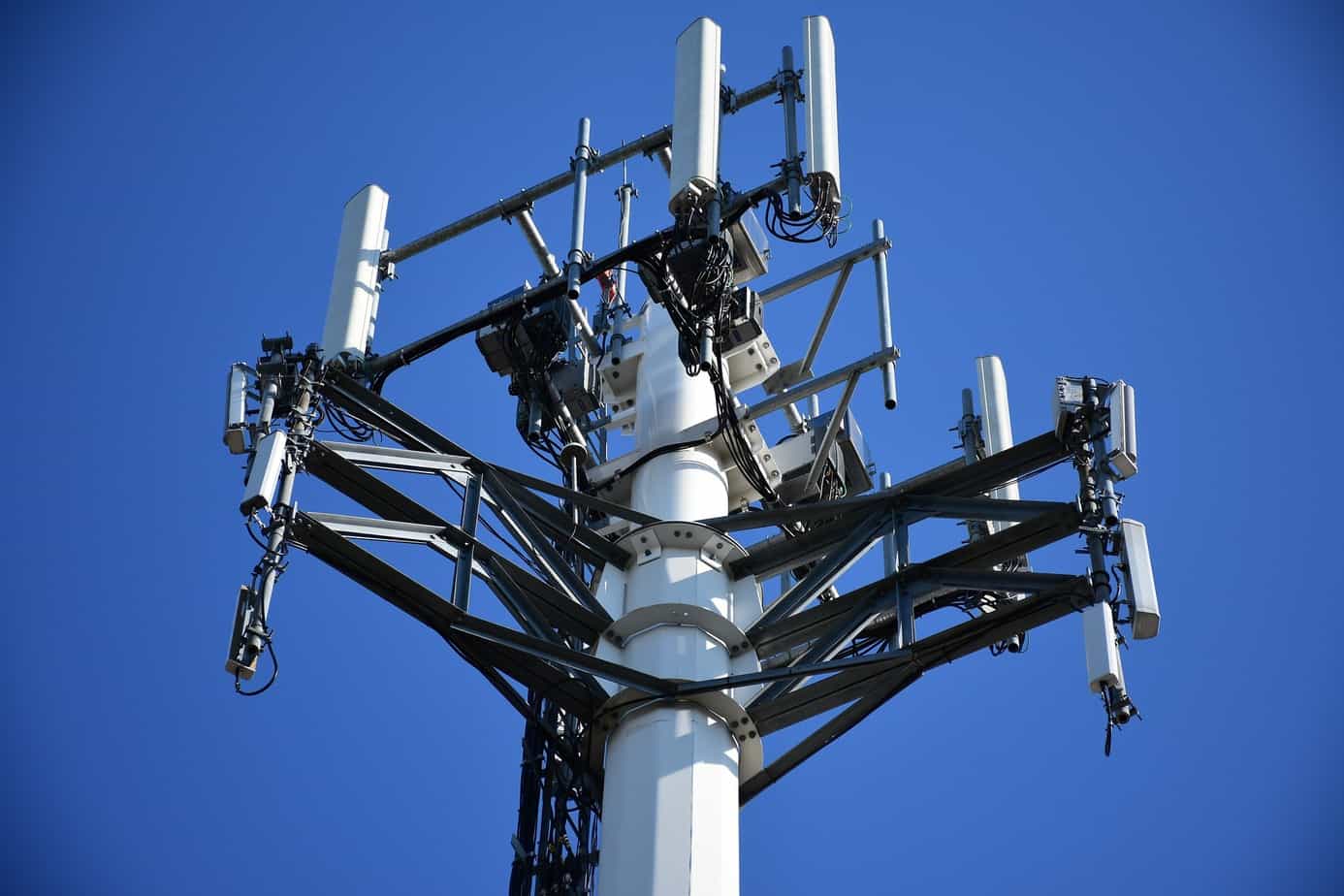
A major technology shift is occurring that will bring a big update to the wireless technology that delivers data to cell phones. 5G refers to the fifth-generation cellular network which will be a big step ahead of today’s wireless technology, 4G, by offering incredibly fast mobile internet speeds that will allow users to download movies within seconds. That’s about 20 times faster than the 4G experience. 5G technology won’t just bring faster speeds; it will also reduce latency or lag which happens when signals pass between different carrier switching centers.
In addition to cell phones, the technology will also impact security systems, drones, and even vehicles. To get the full benefits of 5G, once the rollout is complete, users will need a compatible new phone and cell phone carriers will need to upgrade to new transmission equipment.
How Will 5G Technology Change Credit Card Processing?
The payment processing industry is expecting a big shakeup when 5G technology is finally rolled out. With dramatically faster speeds and reduced latency, 5G can:
Streamline transaction processes
Increase transaction speeds
Improve the accuracy of fraud prevention
Support a more user-friendly experience
5G technology can revolutionize the mobile shopping experience. For example, it makes it easier to support virtual reality shopping to allow consumers to see what an item will look like in their home before buying or go through every step of buying a car — including the credit check, receiving personalized financing options, and funds availability — with mobile technology.
Increased speeds won’t just improve customer experience; speed also supports better fraud prevention. Fast data transmission allows banks to quickly verify data like geolocation and merchant ID to avoid errors. These factors can increase consumer confidence in digital payment technology to potentially sway more people to change how they pay.
All of these benefits may support increased adoption of mobile payments, especially in the United States which is far behind China and other areas of the world in terms of adopting mobile payment technology.
While China boasts a mobile payment usage rate of more than 80%, the adoption rate in the U.S. is less than 10%. In the United States, debit and credit cards are much more widely accepted than in other regions of the world, offering an alternative to paying without cash.
To accept a mobile payment, merchants need the right hardware which are tailor-made for mobile businesses. By improving security and transaction speeds while opening the door to more advanced mobile payment options, 5G may just help increase the adoption rate of mobile payment technology in the U.S.
As the debate in the United States rages on over gun laws, some companies have been taking sides by choosing to take action. Visa, however, is one company that has refused to wade into the political fray. Instead, it has opted to continue along doing business as it has been in regards to mobile payments.
An announcement from the company came in early August that it would not block mobile payments for gun purchases. Visa Chairman and CEO Alfred Kelly made the announcement after back-to-back mass shootings in Texas and Ohio thrust issues surrounding guns back into the news. It is not a change of course for the company; instead, it was merely a confirmation that things will not be changing in regards to gun purchases.
The company’s stance regarding mobile payments for gun purchases is a different one than some of its competition has taken. PayPal and Square have opted to not allow their services to be used for such purchases.
The rationale expressed by Visa CEO Alfred Kelly as to why the company will continue to support mobile gun purchases essentially comes down to it being simply a matter of not dictating morality to the company’s customers. It is legal for people to buy guns in the United States; therefore, the company will continue to process those purchases- just as it does other things that are legal but may be considered controversial by some.
That is not to say, however, that Alfred Kelly does not hold views regarding gun legislation in the United States. In an interview with CNBC, he expressed an interest in seeing lawmakers do more in regards to gun laws. However, no matter his personal views, he is not currently interested in applying them to the company that he heads up.
The company is not alone in this view, either, in regards to not dictating morality to its customers. Mastercard has also taken a similar stance. Its CEO Ajay Banga expressed similar sentiments as those of Alfred Kelly- refusing to determine what is right or wrong. As far as he is concerned, if it is legal to own an item his company will help customers purchase it.
Meanwhile, CEOs at other companies have taken a less neutral stance regarding guns. Apple CEO Tim Cook is one notable example of this. After the shootings in El Paso and Dayton, he took to Twitter demanding action.
The Japanese government and Visa have teamed up in an effort to bring mobile payments to the 2020 Olympics in Tokyo.
The payment giant is preparing new payment experiences for visitors, athletes, and citizens attending the 2020 Olympics, an effort that will support the “Cashless Japan” campaign that is designed to boost mobile payments to 40% by 2045 from today’s 20%.
Visa is currently working to increase acceptance of digital payments with merchants ahead of the Summer Games, especially in quick-service restaurants and convenience stores, while connecting athletes with the concept. Mobile payments technology will be featured at the Olympic Village, Olympic venues, and throughout Japan in an effort to improve the experience for fans.
In a press release, the payment network stated that Japan is a unique opportunity with “the world’s third-largest economy” with commerce that “remains predominantly cash-based.”
About one-fifth of payments in Japan are digital compared with 60% in the United States, 70% in China, and 90% in South Korea, which has one of the highest adoption rates in the world.
The payment technology sponsor for the Olympics is also planning unique innovations for the Summer Games, including wearable technology, new mobile applications that use digital cards, and biometric payment authentication.This isn’t the first time the payment giant has worked to improve digital payment acceptance for the Olympics. In 2016 at the Rio Olympic Games, payment-enabled rings were provided to athletes. These rings used NFC technology and microchips made by Gemalto. The rings were water-resistant and did not need batteries or charging. Nearly 4,000 NFC-enabled point-of-sale terminals were implemented for the wearables and also to boost mobile payment acceptance at important Olympic venues in the city.
The Japanese government and payment network hope that improving access to digital payment technology will give the typical Japanese person more reason to use digital payments in the future.
Japan has been slowly moving toward the global cashless trend for the last few years. Japan has made the “Cashless Japan” effort such a priority to reduce the need for manpower at retail stores as the country faces a declining and aging population and labor shortage.
The government has another incentive for boosting digital payment technology: shifting away from cash improves transaction transparency and makes it easier and more efficient to collect taxes. In 1997 after a financial crisis, South Korea was able to successfully push forward cashless transactions to boost its economy and control taxes by offering a tax deduction for credit card purchases, among other incentives.
In Japan, however, cash has remained king thanks to a low crime rate that allows citizens to feel safe carrying even large amounts of cash, readily available ATMs, and high trust in cash.
Making the shopping experience easier for the consumer is the goal of new e-commerce tools. Every year, the e-commerce industry is dynamically transforming, moving in the direction of personalization and new sleeker customer experiences, especially with the increasing integration of AI. Streamlining payment processes and providing multiple avenues of payment are only part of a merchant’s strategy in making paying for products online as easy as possible.
PWA = Progressive Web App
With mobile conversions on the rise – a whopping 55% increase in mobile sales for 2018, eCommerce is shifting. By 2022, it’s predicted retail sales via smartphone will reach $175.4bn. With this shift, retailers are dropping mobile apps for PWA entirely. PWA, or progressive web app, leverages web capabilities to deliver an app-like experience to consumer. Indexed by search engines, URL-accessible, PWA’s are deployed to servers, making the user experience more robust and dynamic.
W3C = World Wide Web Consortium
The W3C, or World Wide Web Consortium – the international community working to ensure the long-term growth of the Web, is aiming to simplify online payments for the sake of decentralization. Allowing browser native UIs to use previously saved data such as an address and card information to make web payments is the ambition of the W3C. “Web Payments” is the name of the standard and will enable consumers to tap a few times versus filling out the same information on every new site.
Multi-Currency
Rather than paying conversion rate fees, consumers now can choose multiple currency options on sites like Shopify. Instead of restrictions via a retailer’s local currency, consumers can use the currency they are accustomed to. Multi-currency options are gradually being rolled out.
Voice-Command Currency
With over 20% of search queries made via voice command, e-commerce has a huge opportunity for growth in the order-by-voice future. By 2020, experts predict 50% of searches will be done by voice command and so on. Retailers should start focusing on long-tail keywords and structured product data now to accommodate the future.
B2B = Business to Business
80% of B2B organizations accept orders and payment through their website, according to a BigCommerce survey of 500 such businesses. This data not only indicates the growth of e-commerce payments in B2B industries but also demonstrates the complexity of a B2B e-commerce channel, which also accepts payments via quote, ACH, terms, check, and PO.
Influencers – The Social Media Swipe Up
E-commerce businesses also need to embrace social media influencers and the “swipe to buy” revolution. Not only do e-commerce merchants need to be available by mobile, they need to be available by social – social media that is. If an influencer markets a merchant’s goods and services while marketing their personalities, that merchant better make it easy for consumers to tap to purchase. Social media influencers can make a brand. They shape the future of the social media industry, as well as the social media presence of the products and services.
Modern E-commerce is the next revolution in the American economy. Exponentially growing and innovating, e-commerce will not wait for merchants who can’t or won’t keep up. Being accessible on mobile devices is only the start for merchants. Catering to the smartphone consumer in a myriad of ways is the only path to success for the modern entrepreneur.
There are many recent advancements in merchant services and credit card processing, but one in particular that is gaining significant interest is mobile wallets. Once considered only a niche service, mobile wallets have greatly expanded and are now widely used by consumers. In fact, 24% of consumers use mobile wallets for their transactions daily. Mobile wallet transactions exceeded $4.250 billion in 2018 and are expected to reach $13.979 billion by 2022. Innovations and improvements will only continue with advancements expected in security and ease of convenience. Below are the top five mobile wallet trends that merchants, credit card processors and consumers should keep an eye on.
Mobile Banking
The first mobile wallet was created by Apple with their Apple Pay mobile wallet. Other companies came up with their own mobile wallets, like Google Pay and Samsung Pay built by competitors. Banks and other financial institutions are adjusting to cashless transactions and are creating their own digital wallets with notable names like Zelle and Venmo in the industry.
Biometrics
Biometrics have been available for many decades, but were mostly included in high security access systems. The component costs of this technology have dropped significantly making it easier for product manufacturers to include biometrics in smartphones. Fingerprint scanners and facial mapping are now available features in many of today’s phones. This technology helps provide additional layers of security to facilitate mobile wallets and seamless transactions.
Payment Terminals
NFC, or Near Field Communication allows two devices, one a POS system and a smartphone to communicate. Upon checkout, a customer will hold their phone near the terminal and the NFC chip will facilitate the transaction without revealing any card numbers. This technology has enabled greater acceptance of mobile wallets and cashless transactions.
Artificial Intelligence
While Artificial Intelligence (AI) has had little impact in mobile wallets thus far, the promise of automating and enhancing customer experience is sure to become mainstream. AI can be used for chatbots to help facilitate transactions and to interpret users’ voice commands like with Siri or Alexa. Mobile wallet providers will take advantage of AI to interact with customers in a smarter way and reduce the need for additional staff at businesses.
Blockchain and Cryptocurrency
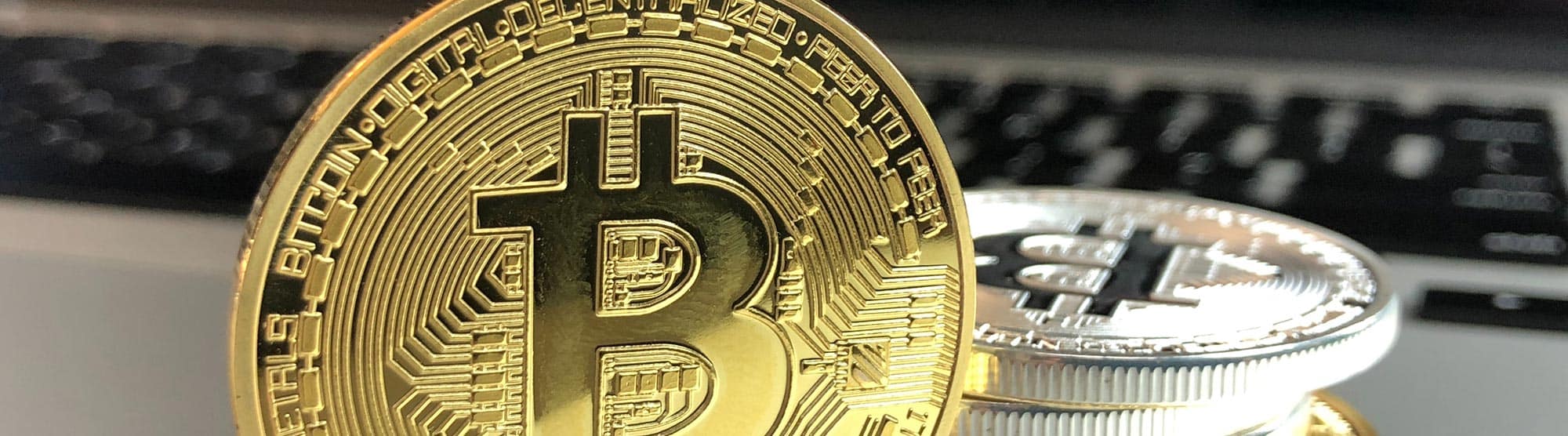
Blockchain technology is used to let people share valuable data in a secure way that can’t be tampered with. While blockchain is the foundation of cryptocurrency, it can also be used separately to facilitate more secure transactions. Broader acceptance of blockchain will drive the enhanced security that leaves many consumers wary of using mobile payments to begin with. Numerous mobile apps already support cryptocurrencies such as Bitcoin and their inclusion into mobile wallets is nearly inevitable.
Loyalty Programs
Customers always appreciate loyalty programs and business love them for customer retention. Mobile wallets will continue to incentivize consumers for frequent purchases at their favorite restaurants, coffee shops and other retail stores. Look for this trend to definitely continue with broader acceptance of mobile wallets.
These are the top mobile wallet trends to expect over the next few years. Consumers will continue to become more technologically savvy and demand that business take mobile wallet payments.
Google Pay and Apple Pay offer a convenient and secure way to pay for goods and services with nothing more than your smartphone. But, how to find stores that accept Apple Pay and Google Pay in 2023?
If it’s been a while since you gave them much thought, you’ll be surprised to learn they are both accepted at thousands of stores from major retailers and websites to smaller businesses. If you’re looking to accept Apple Pay for your business you can get started here.
Before you leave your wallet behind, it’s a good idea to double-check that the store will actually accept one of these payment options. Here’s how to easily find stores that accept Apple Pay and Google Pay.
How to Find Stores That Accept Apple Pay And Google Pay
Using Apple Pay To use Apple Pay, you will simply need to hold your iPhone up to a wireless credit card machine at the store and use Touch ID to complete the transaction. You don’t need to launch the Wallet app or even wake up your iPhone — it will happen automatically when it’s in range of the wireless terminal – this is called contactless payments.
Apple Pay is accepted in so many places, it’s hard to maintain a complete list. You can use this payment system in boutique stores, hotels, grocery stores, retailers, many apps, and participating websites with supporting merchant services.
A sample of stores that accept the payment include:
Restaurant and fast food chains such as Jamba Juice, Jersey Mike’s, Jimmy John’s, Baskin Robbins, McDonald’s, and White Castle
Target accepts Apple Pay in the US at all locations.
Retailers like Gamestop, Disney Store, Best Buy, Kohls, Five Below, Petco, and Petsmart
Office supply retailers Staples, Office Depot, and OfficeMax accept Apple Pay
Gas stations such as Chevron, Texaco, and ExxonMobil
Major drug stores including CVS and Walgreens
Grocery stores like Publix, Meijer, Albertsons, Trader Joe’s, and Whole Foods
Costco accepts Apple Pay but only Visa and Visa Debit cards linked to the Apple Pay wallet.
Notably, Walmart still does NOT accept Apple Pay and is unlikely to accept it in the future. Major discounters such as Dollar Tree and Dollar General DO NOT accept Apple Pay. Home improvement stores Home Depot and Lowes also do not take Apple Pay as of 2021. Kroger is another notable major retailer that does not accept Apple Pay in 2021.
The Apple Pay payment system is now accepted in 21 countries and it is supported by dozens of U.S. banks, credit unions, and credit card issuers.
Finding Stores That Accept Apple Pay Unfortunately, locating stores near you that accept this payment system still isn’t straightforward. Aside from looking for the Apple icon on a drive-through or store window, there are two main options available.
The first is to open the Apple Maps app on your iPhone and search for a store. After tapping on the store’s name, you can bring up more information. The Useful to Know section usually displays the Apple icon if the store accepts the payment method.
Another option is the Pay Finders app which uses crowd-sourced data from users of the payment system and information provided by business owners. You can view nearby stores on a map or search their database.
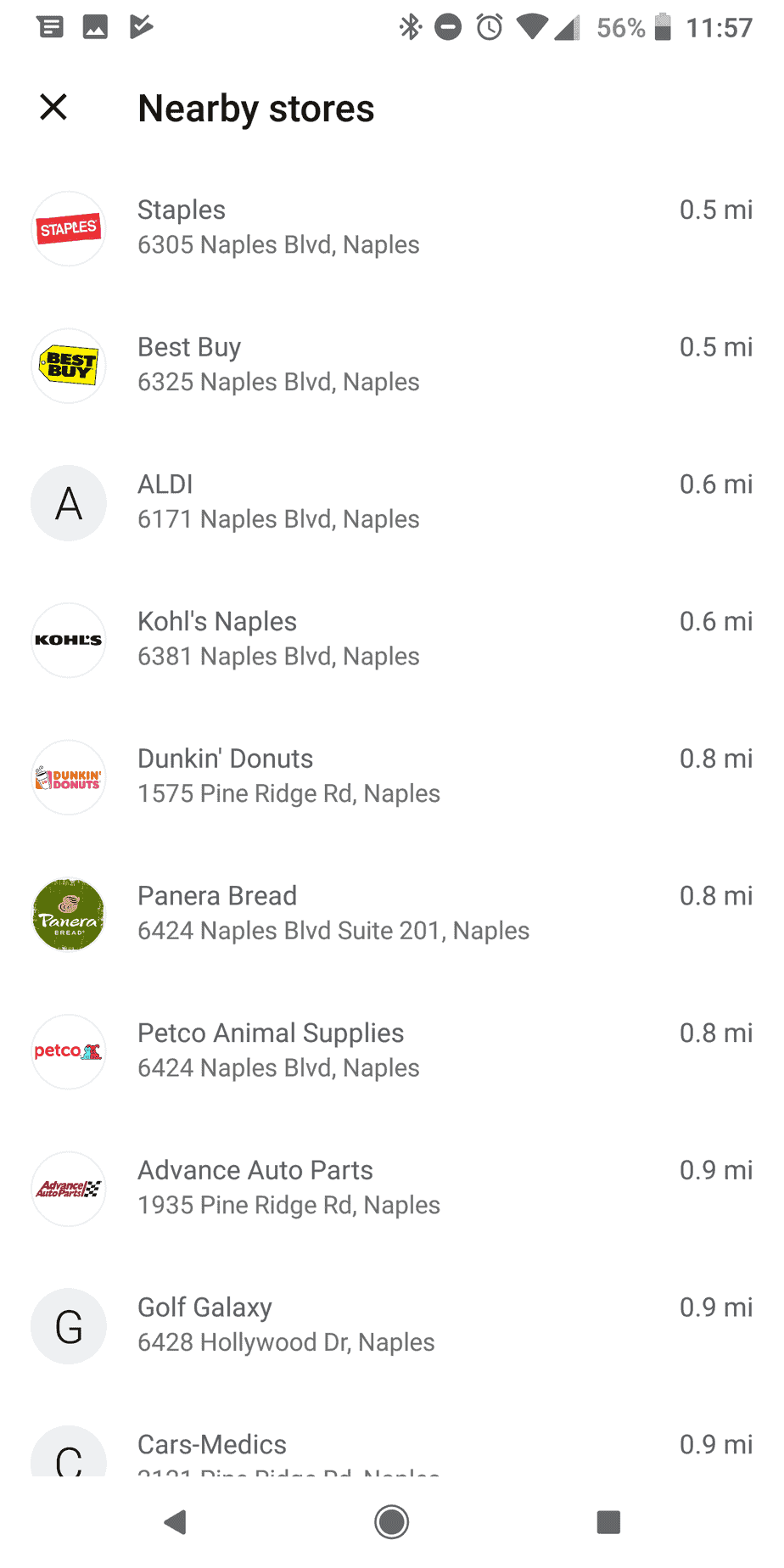
Finding Stores That Accept Google Pay Google Pay has now replaced Android Pay which a redesigned app that makes it easier than ever to find stores nearby that let you checkout with your phone. Once you have cards added to your account, you can find nearby retailers from the Home tab of the app. When you reach the list of cards, pay attention to the last two.
The second-to-last card is an informational card with the NFC payment icon that allows you to use your phone as a digital wallet when Google Pay isn’t accepted. The last card is labeled “Use Google Pay Nearby.” When you select this option, it will automatically show the three closest stores that accept the payment method. You can also choose “See More” for a longer list. The list will include everything from fast food chains and retailers to gas stations and grocery stores.
An ever-growing number of retailers are adopting NFC-compatible payment technology to improve customer convenience and credit card processing security. With greater efficiency, shorter lines, convenience, and security, mobile payments are certainly here to stay with benefits for customers and merchants alike. And it is not difficult anymore to find stores that accept Apple Pay and Google Pay.
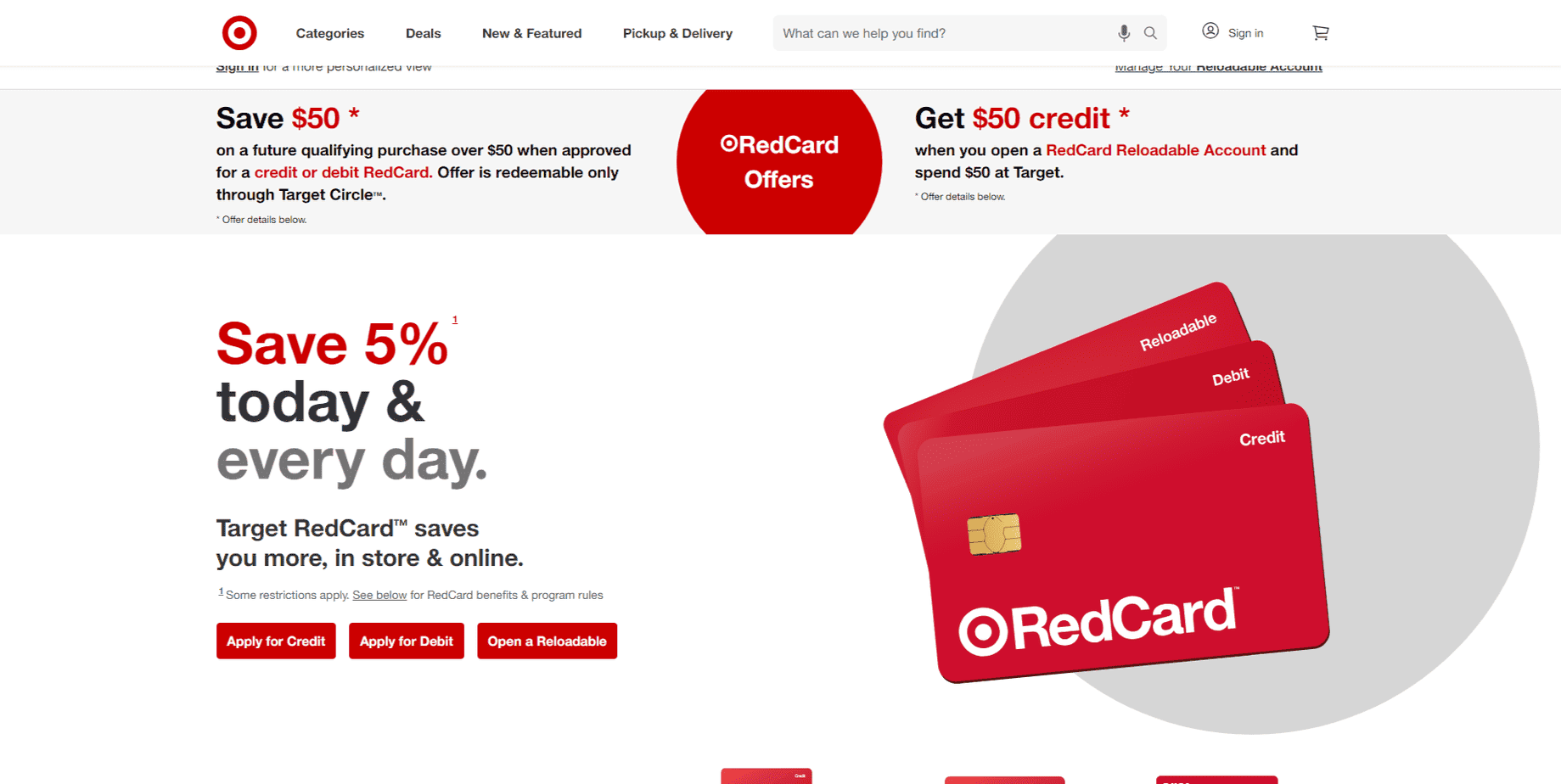
Apple, Android, and Google have their own pay services, where people can make payments directly from their devices. Recently, Wal-Mart joined the bandwagon when it released Walmart Pay. Target is now joining the game, planning to release its own payment service, Target Pay, later this year. Although Target has not decided if the service will be part of the Cartwheel Coupon App, the main Target app, or perhaps a feature of both apps, mobile payments are definitely coming to Target.
This means that customers can leave their credit cards at home. If the feature is anything like Walmart Pay, Target customers will scan a QR code with their phone to initiate payment processing. Target Pay will only be available to REDcard customers. At least, at first. This differs from retailers like Walmart and Kohl’s, which offered an option for mobile payments to all of their customers from the start. Target does say that it will allow customers to use and earn rewards as well as process payments. This is very similar to what their retail competitors are already doing.
The announcement comes after Target saw a drop in its in-store sales and a rise in its online sales over the holiday season. Overall sales have been flat year after year, which was also hurt further by sales in electronics and entertainment, which have declined. However, online transactions have increased by 30%. It is hoped that by extending a mobile payment option, Target can increase its sales. Significant growth in both numbers could easily put Target at an all-time high.
While options like Apple Pay will continue to be allowed online, users will find that they cannot use those payment services in-store. The only in-store mobile payment service that Target will accept will be its own. However, users will be able to use Target Pay online. For Target, mobile payments could mean new opportunities, and it remains to be seen how their service will stack up against their competitors.
Recent Updates – Target Pay And Target Wallet
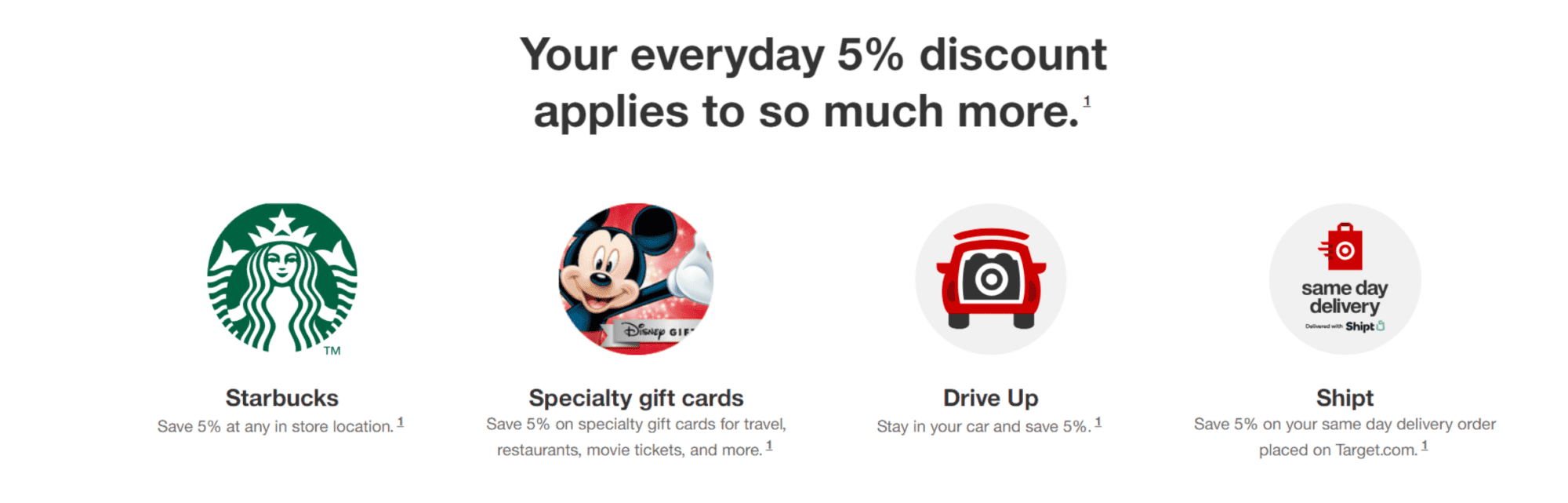
In a recent update shared on their company blog, Target announced the integration of a Wallet feature in their app, revolutionizing the checkout process for shoppers. With Wallet, customer can easily pay with their Target REDcard and access savings through Cartwheel with just one scan of their smartphones at checkout. The initiative aims to expedite the payment process while consolidating digital discounts, Cartwheel offers, weekly ad coupons, and the 5 percent discount for REDcard holders into a single, convenient location. Target also revealed plans to enhance Wallet’s functionality by enabling the storage and use of Target gift cards.
Mike McNamara, Target’s Chief Information and Digital Officer, emphasized that Wallet in the Target app is designed to streamline the checkout experience significantly. He highlighted the added convenience for customers of having a unified platform for handling payments, discounts, coupons, and gift cards.
This development is part of Target’s broader strategy to amplify its presence in the eCommerce arena, a move that could potentially escalate its market value by 20 to 30 percent in the next two years, as per analyses by Barron’s magazine. Target’s proactive strategies to outperform Amazon have led to a noticeable increase in online sales, with eCommerce accounting for 4.4 percent of their total sales in the most recent fiscal year—a jump from 2.8 percent in fiscal 2016, outpacing growth at Walmart.
Furthermore, Target’s launch of exclusive in-house brands, like the children’s apparel line Cat & Jack, contributes to its upward trajectory. The retailer plans to introduce 12 unique brands by the end of 2018, with eight slated for release during the 2017 holiday season, spanning various categories from baby and children’s items to men’s and women’s apparel and home goods.
Benefits of Using Target Wallet
Target’s Wallet revolutionizes the checkout experience, offering shoppers benefits for smoother, safer transactions. This mobile payment option streamlines purchases by allowing a single barcode scan from your phone, directly integrating discounts and loyalty rewards into the payment process. With advanced security measures, including encryption and biometric authentication, Wallet ensures your payment details are safe. Additionally, its support for contactless payments and real-time updates enhances convenience and customer peace of mind.
How to Set Up and Use Target Wallet
Setting up and using Target’s Wallet for seamless payments is simple and quick. Follow these steps to get started easily:
1. Download the Target app: If you don’t already have it, download the Target app on your mobile device. It is available for both iOS and Android versions.
2. Create or sign in to your Target account: To use Wallet, you’ll need a Target account. If you don’t have one, create a new account by providing the required details. If you already have an account, sign in.
3. Navigate to the Wallet feature: Once you’re signed in, locate the Wallet feature within the Target app. It is usually found in the main menu or navigation bar.
4. Add your payment methods: In the Wallet section, you can add various payment methods, such as credit cards, debit cards, and even Target gift cards. Enter the necessary information for each payment method you wish to use.
5. Set a preferred payment method: If multiple payment methods are added, you can choose one. This will be automatically selected when making a purchase using “Wallet.”
6. Verify your identity: Target may require you to verify your identity for security purposes. You can do this by providing additional information or following a verification process.
7. Start using Wallet for payments: Once you’ve completed the setup process, you can start using Wallet to make payments in-store. At the checkout, open the Target app, navigate to the Wallet feature, and scan the barcode presented by the cashier.
Security Features of Target Wallet
With Target’s Wallet, you can enjoy the convenience of making contactless payments using your mobile device. It’s a secure and hassle-free way to complete your shopping transactions at Target.
Target prioritizes your security with Wallet by incorporating encryption, tokenization, biometric and multi-factor authentication, and continuous fraud monitoring. These robust security features safeguard your information, providing a trustworthy and stress-free shopping experience.
Compared to other mobile payment options like Apple Pay, Walmart Pay, CVS Pay, and Kohl’s Pay, Target’s Wallet stands out for its accessibility across all Target stores, comprehensive security features, and seamless integration of loyalty and discount programs. Unlike these competitors, Wallet is designed to enhance Target’s shopping experience, making it a uniquely convenient choice for Target customers.
Mobile payments are still a new development for most consumers. They are clearly marked on most retail payment terminals, and most banking apps offer the ability to make transfers and deposits with just a few taps. However, most people still slide their card, reluctantly slip it into the chip reader or hop on a computer to move money around. Why are customers so slow to use a technology that seems so easy and convenient? Deloitte’s 2016 Mobile Consumer Survey offers some interesting statistics about mobile payments, and it seems to suggest age plays a roll along with lifestyle.
A poll of 2,000 internet users between the ages of 18 and 75 in the United States participated, and the group most likely to take advantage of using a mobile phone for payment is the older end of the millennials spectrum. This group, ages 24 to 35, said they made purchases this way at least once a week. Older millennials are twice as likely to use mobile payments as their 18 to 23-year-old counterparts, and three times more inclined than the generation just before them. Though it should be noted that this older group, ages 35 to 44, is a growing market and actually saw a 6% increase in utilization. It is also interesting to note that there was a significant 3% drop in usage among younger millennials.
Overall, the survey shows that mobile phone payments are used to transfer money or make payments in coffee shops and fast food establishments approximately 40% of the time and to a much lesser degree at restaurants, clothing stores, and grocery stores.
Millennials are a huge segment of the buying public, and they have the ability to move the smartphone purchasing option forward, so it may become the new normal in the near future.
Cookie Consent
We use cookies to enhance your browsing experience, analyze site traffic, and support our marketing.You can accept all cookies, reject non-essential ones, or manage your preferences below. Learn more in our Privacy Policy.
Cookie Preferences
Manage your cookie preferences below:
Essential cookies enable basic functions and are necessary for the proper function of the website.
Name
Description
Duration
Cookie Preferences
This cookie is used to store the user's cookie consent preferences.
180 days
These cookies are needed for adding comments on this website.
Name
Description
Duration
comment_author_email
Used to track the user across multiple sessions.
Session
comment_author_url
Used to track the user across multiple sessions.
Session
comment_author
Used to track the user across multiple sessions.
Session
Google Tag Manager simplifies the management of marketing tags on your website without code changes.
Name
Description
Duration
cookiePreferences
Registers cookie preferences of a user
2 years
td
Registers statistical data on users' behaviour on the website. Used for internal analytics by the website operator.
session
These cookies are used for managing login functionality on this website.
Name
Description
Duration
wordpress_logged_in
Used to store logged-in users.
Persistent
wordpress_sec
Used to track the user across multiple sessions.
15 days
wordpress_test_cookie
Used to determine if cookies are enabled.
Session
Statistics cookies collect information anonymously. This information helps us understand how visitors use our website.
Google Analytics is a powerful tool that tracks and analyzes website traffic for informed marketing decisions.
Contains information related to marketing campaigns of the user. These are shared with Google AdWords / Google Ads when the Google Ads and Google Analytics accounts are linked together.
90 days
__utma
ID used to identify users and sessions
2 years after last activity
__utmt
Used to monitor number of Google Analytics server requests
10 minutes
__utmb
Used to distinguish new sessions and visits. This cookie is set when the GA.js javascript library is loaded and there is no existing __utmb cookie. The cookie is updated every time data is sent to the Google Analytics server.
30 minutes after last activity
__utmc
Used only with old Urchin versions of Google Analytics and not with GA.js. Was used to distinguish between new sessions and visits at the end of a session.
End of session (browser)
__utmz
Contains information about the traffic source or campaign that directed user to the website. The cookie is set when the GA.js javascript is loaded and updated when data is sent to the Google Anaytics server
6 months after last activity
__utmv
Contains custom information set by the web developer via the _setCustomVar method in Google Analytics. This cookie is updated every time new data is sent to the Google Analytics server.
2 years after last activity
__utmx
Used to determine whether a user is included in an A / B or Multivariate test.
18 months
_ga
ID used to identify users
2 years
_gali
Used by Google Analytics to determine which links on a page are being clicked
30 seconds
_ga_
ID used to identify users
2 years
_gid
ID used to identify users for 24 hours after last activity
24 hours
_gat
Used to monitor number of Google Analytics server requests when using Google Tag Manager
1 minute
Marketing cookies are used to follow visitors to websites. The intention is to show ads that are relevant and engaging to the individual user.
Facebook Pixel is a web analytics service that tracks and reports website traffic.





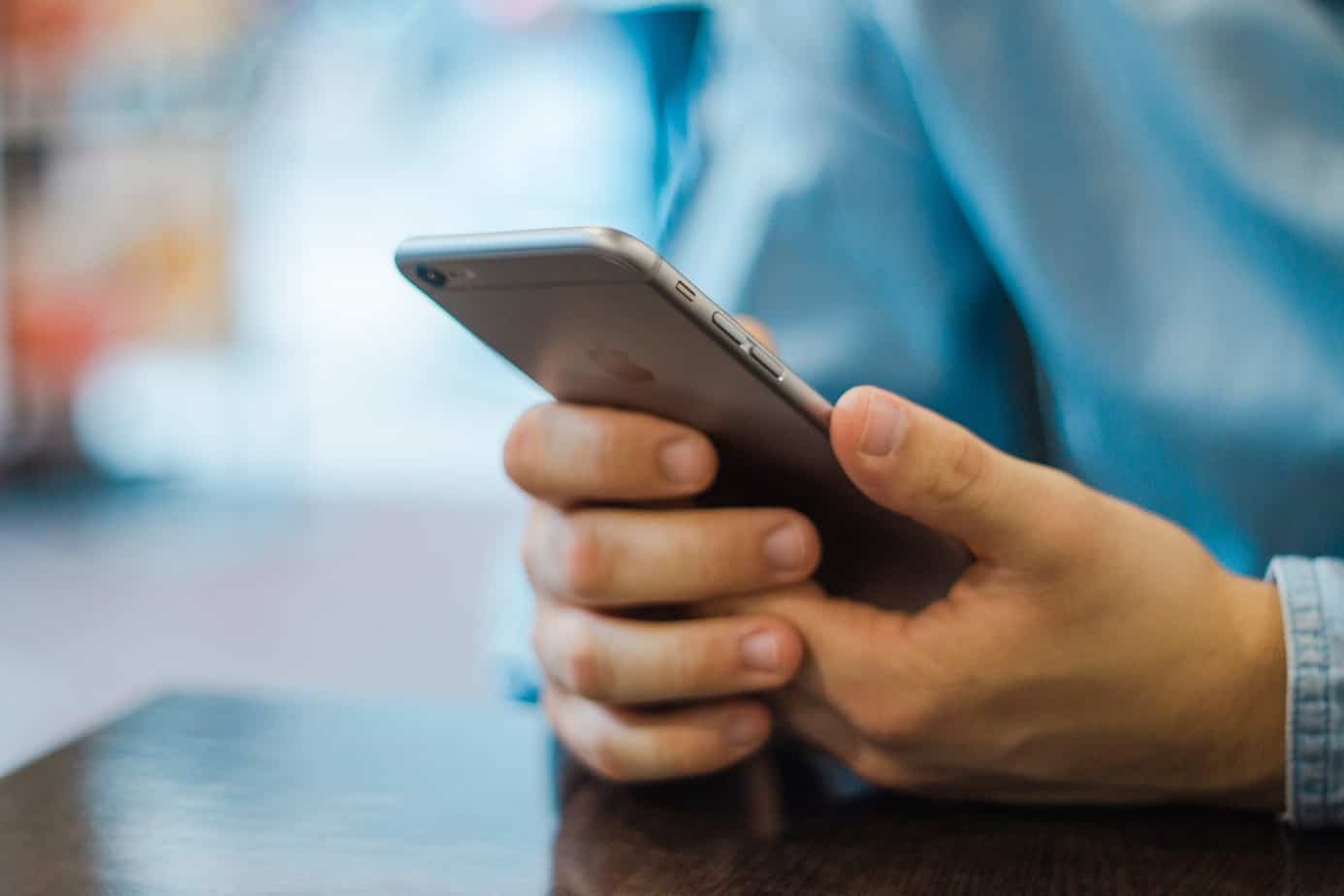

 The rationale expressed by Visa CEO Alfred Kelly as to why the company will continue to support mobile gun purchases essentially comes down to it being simply a matter of not dictating morality to the company’s customers. It is legal for people to buy guns in the United States; therefore, the company will continue to process those purchases- just as it does other things that are legal but may be considered controversial by some.










 Finding Stores That Accept Google Pay
 Pay Nearby.” When you select this option, it will automatically show the three closest stores that accept the payment method. You can also choose “See More” for a longer list. The list will include everything from fast food chains and retailers to gas stations and grocery stores.