The cashless paradigm has gone from credit and debit cards to smartphones, and the next logical step appears to be wearable devices such as smartwatches and fitness trackers; however, it should be noted that wearable digital payment systems do not necessarily need to be part of smart devices. In early 2017, market research firm Tractica issued a forecast that suggested more than $500 billion worth of wearable retail transactions will be made in the year 2020; nonetheless, a more recent estimate by MasterCard Europe revises this projection closer to a billion dollars.
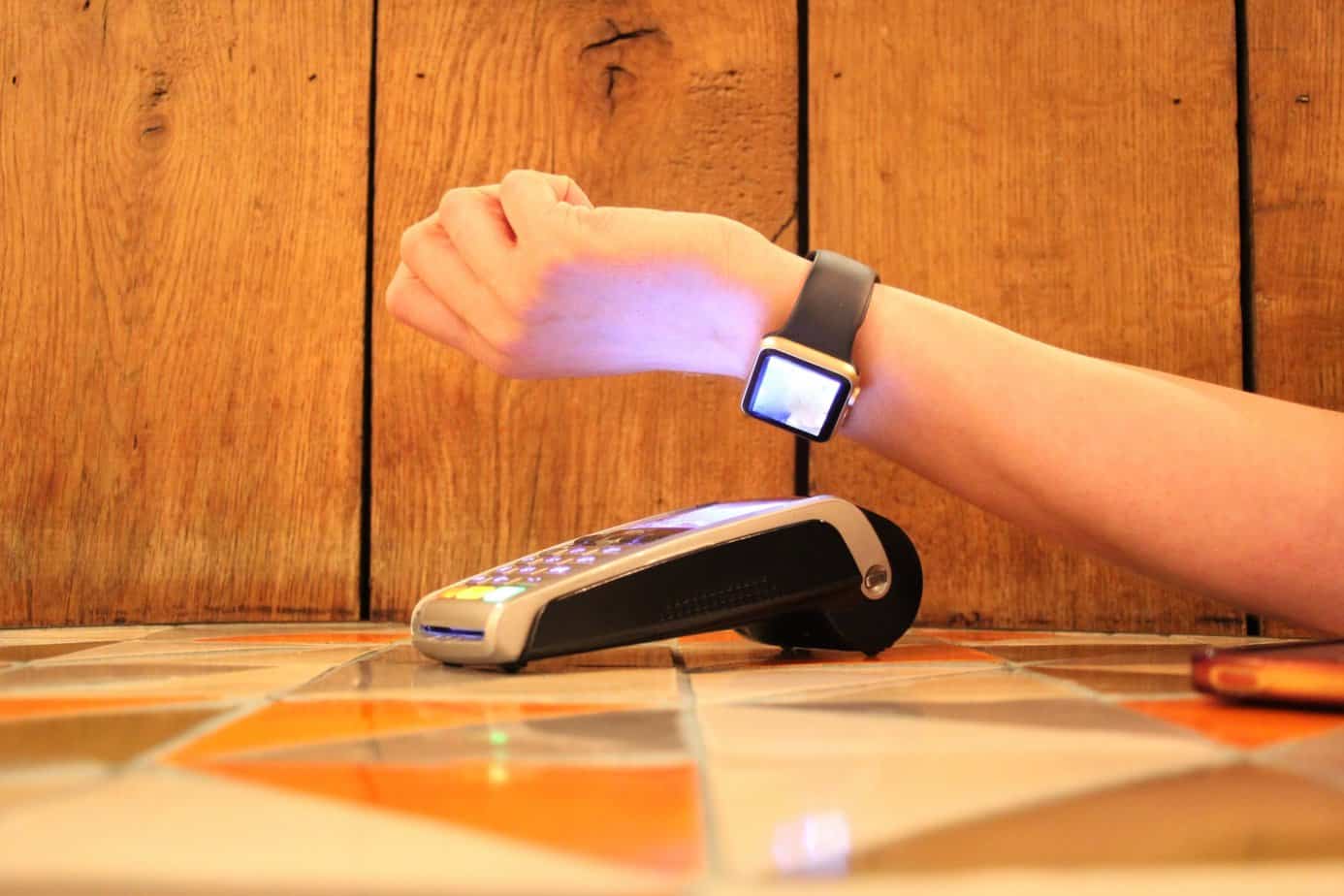
Contact-less payments technology is at the heart of this wearable digital wallet revolution, which is powered by Radio-Frequency Identification (RFID) and Near-Field Communications (NFC). These solutions are not exactly new; in the United States, RFID key fobs were marketed to drivers about a decade ago for the purpose of facilitating the process of paying for fuel purchases right at the pump. NFC payments were initially designed almost exclusively for smartphone, but smart wearable devices such as the Apple Watch, which links with the iPhone and the iPad, are making more sense as digital wallets.
MasterCard has a good reason to follow the wearable payments segment; the debit and credit card giant has a good opportunity to catch up to its rival visa in terms of global market share through wearable devices, which are not limited to smartwatches. Consumers who do not particularly care for smartwatches and prefer more traditional analog and digital versions can get watch straps equipped with contact-less payment technology, and MasterCard wants to be the primary processor in this regard. The company started working with luxury watchmakers in Sweden and Switzerland about a year ago, but MasterCard has recently struck partnerships with manufacturers of aftermarket watch straps to give more consumers the ability to pay with accessories they wear.
Mobile point-of-sale transactions are taking hold in Asia and Europe more so than in North America. At European brick-and-mortar stores, 61% of transactions are already contact-less, and about 16% are made with wearable devices. One aspect of wearable devices that is resonating with consumers is that many of them coming on the market are of the passive kind, which means that they do not rely on smartphone batteries to operate; this technology has been around since the key fob days, and it is regaining interest as an alternative to mobile devices such as smartwatches and smartphones, which only allow digital wallet transactions as long as their batteries will last.
Mobile payments have moved from a novelty to a necessity in recent years. In the United States, over three-quarters of consumers now use some form of mobile payment, and more businesses are adapting to this cashless, app-driven economy. With digital wallets, tap-to-pay cards, and phone apps becoming ubiquitous, in-store contactless transactions accounted for over 50% of U.S. in-person payments in 2023.
This rapid shift means that business owners – from small retailers to enterprise executives – must stay on top of the latest mobile payment trends. Adopting the right payment technologies can enhance customer experience, improve security, and even boost sales. Below, we break down the new mobile payment trends in the U.S. that your business should investigate.
Mobile Payment Trends: Businesses Should Watch Out for in 2026
1. Mobile Wallets Go Mainstream
Digital mobile wallets like Apple Pay, Google Pay, and Samsung Pay have become the most popular payment method worldwide, accounting for 49% of all transactions in 2022. In the U.S., adoption has skyrocketed in the past couple of years – a 2023 study found that the share of consumers using digital wallets jumped from 12% in 2022 to 48% in 2023. Mobile wallets let customers store credit/debit cards, loyalty cards, transit passes, and more on their phone, enabling fast, contactless payments with a tap or scan.
This matters because accepting mobile wallets at checkout (both in-store and online) is increasingly expected by customers. Over 75% of U.S. consumers now use mobile payment apps or accounts like PayPal, Venmo, Zelle, or Cash App, meaning your patrons likely have a preferred mobile wallet ready to use.
By enabling Apple Pay, Google Pay, and similar options in your point-of-sale (POS) system or e-commerce site, you offer a faster, more convenient checkout experience. Mobile wallet transactions are encrypted and tokenized (a random token replaces the card number), which also improves security and trust. In short, mobile wallets have gone mainstream – and businesses that don’t accommodate them risk falling behind customer expectations.
2. Contactless Payments Are the New Normal
Hand-in-hand with mobile wallets is the rise of contactless payments – tapping a phone or contactless card on a reader for instant payment. What was once a nice-to-have convenience is now the norm across the United States. The COVID-19 pandemic dramatically accelerated this trend as consumers and merchants sought safer, touch-free payment methods. The result? By 2023, more than 50% of all in-store transactions in the U.S. were contactless.
Additionally, over 70% of U.S. merchants now offer contactless payment options to their customers. Whether it’s tapping a physical NFC-enabled credit card or using a smartphone’s wallet app, Americans have come to love the speed and ease of “tap-and-go” payments.
If your business hasn’t upgraded to contactless-capable payment terminals, now is the time. Customers increasingly expect to “tap to pay” at checkout for speed and hygiene reasons – one survey found 79% of Americans view contactless payments as more hygienic than handling cash or cards. Contactless transactions are also faster, resulting in shorter lines and higher throughput for stores or restaurants.
Security is strong as well: each tap transaction uses one-time encrypted tokens, making it extremely difficult for fraudsters to intercept payment info. Embracing contactless payments (including mobile wallet taps) not only meets customer demand but can also lead to higher customer satisfaction and loyalty. Many retailers report that once they accepted contactless, a majority of customers quickly adopted it for the convenience, speed, and safety it offers.
3. Mobile Point-of-Sale (mPOS) and Phone-as-Terminal Technology
Accepting payments via mobile point-of-sale (mPOS) is nothing new – for years, small businesses have used plugins or dongles (like Square readers) with phones or tablets to swipe cards at farmers’ markets and pop-up shops. What’s new is the evolution of this trend into truly hardware-free POS solutions. Tech giants have introduced “Tap to Pay” functionality that turns a standard smartphone into a payment terminal. For example, Apple’s Tap to Pay on iPhone now allows merchants to accept any contactless card or mobile wallet payment using only an iPhone – no extra card reader needed.
The phone itself can securely receive a tap from a customer’s card or smartphone. This SoftPOS (Software Point-of-Sale) approach is rolling out via payment providers like Stripe, Square, and PayPal, as well as Apple and Android solutions.
mPOS and SoftPOS technology empower businesses to take payments anywhere, anytime, with minimal equipment. A craft vendor at a street fair, a food truck operator, or even an in-home service provider can accept a quick tap payment on a phone, eliminating the need to carry cash or set up a bulky register. Even in retail stores, sales associates with a phone or tablet can bust checkout lines by ringing up customers on the sales floor.
This flexibility not only improves customer experience (no one likes waiting in long lines) but can also boost sales – customers are more likely to complete a purchase if you make payment frictionless. Additionally, using phones as terminals can be cost-effective for small businesses, since you don’t need to invest in dedicated POS hardware or pay high card terminal rental fees. The bottom line: modern mobile POS solutions let you meet your customers where they are and never miss a sale, whether in-store, curbside, or at an off-site event.
4. Buy Now, Pay Later (BNPL) Options
Another payment trend that has surged via mobile and online channels is Buy Now, Pay Later (BNPL) financing. BNPL services like Affirm, Klarna, Afterpay, and PayPal Pay in 4 allow customers to split purchases into installment payments (often interest-free) at checkout. This trend took off in the past few years, especially among younger shoppers who prefer not to rack up credit card debt. Global BNPL transaction volume has boomed, reaching around $310 billion in 2023 and projected to exceed $565 billion by 2026.
In the U.S., millions of consumers have embraced BNPL for both online and in-store purchases (e.g., using a BNPL app’s virtual card via a mobile wallet). Retailers, from fashion brands to travel sites, now prominently offer these flexible payment plans at checkout.
Offering BNPL at checkout can be a powerful tool to boost sales and customer acquisition. Many shoppers are more likely to make a purchase or buy a more expensive item if they can pay in smaller chunks over time. Studies show BNPL can increase conversion rates and average order values for merchants, especially in e-commerce. It’s essentially modern layaway, but the customer gets the product immediately while the BNPL provider pays the merchant upfront (the merchant then pays the provider a fee).
For businesses, partnering with a BNPL provider requires minimal integration – often it’s an API or plugin for your online store or POS. Given the rapid growth of BNPL, customers may start to expect it as a payment choice alongside credit cards and PayPal. However, use it judiciously: consider your customer demographics and ticket sizes. When deployed well, “buy now, pay later” options can attract budget-conscious shoppers and reduce cart abandonment, giving your business an edge in conversion.
5. Social Commerce and In-App Purchases
Social media is no longer just for marketing – it’s becoming a direct sales channel. Social commerce refers to selling products directly through social media platforms, and it’s a trend driven heavily by mobile usage. Shoppers can discover and purchase items without ever leaving apps like Instagram, Facebook, Pinterest, or TikTok.
Instagram and Facebook offer in-app checkout for products featured in posts or ads, and TikTok launched its TikTok Shop for seamless buying while scrolling through videos. This fusion of social media and e-commerce is growing fast: U.S. social commerce sales jumped 26% in 2024 to reach $71.6 billion, and are expected to surpass $100 billion by 2026. A major portion of this growth comes from mobile users seeing a product on social media and instantly tapping “Buy” or “Shop Now.”
If your business has a social media presence, integrating shopping features can open a new revenue stream. Rather than redirecting a follower to your website, you can enable them to purchase the item they see in your post right within the app. This streamlines the customer journey and reduces friction – fewer clicks increase the likelihood of conversion. Social commerce is especially popular with younger demographics (Gen Z and Millennials) who are very comfortable with mobile shopping.
Businesses can start by setting up a product catalog on Facebook/Instagram Shops or experimenting with TikTok Shop if it fits the brand. Additionally, chatbot-assisted purchases (for instance, a customer buys through Facebook Messenger or WhatsApp after interacting with a bot) are emerging, making the buying process feel like a natural conversation. While social commerce is still developing – and some users remain hesitant due to trust concerns – it’s definitely a mobile-driven trend to watch. Even if you don’t sell directly in-app yet, ensure your social profiles showcase your products and link to a mobile-friendly store, because consumers are increasingly inspired to buy through social feeds.
6. Biometric Authentication and Enhanced Security
As mobile payments proliferate, security and fraud prevention have become top priorities. One major trend is the use of biometric authentication – leveraging unique user traits such as fingerprints, facial recognition, or iris scans to verify identity for payments. If you use Apple Pay or Google Pay, you’re already familiar with this: a fingerprint or Face ID scan authorizes the transaction instead of a PIN. Biometrics are also used to unlock banking apps, approve payments, and even at physical checkouts (e.g., Amazon’s palm-scanning payments at some stores). The biometric payments market is growing rapidly – valued at $7.4 billion in 2022 and expected to exceed $19 billion by 2029.
Beyond biometrics, tokenization and encryption are being employed everywhere to secure mobile transactions. For example, mobile wallet payments never transmit your actual card number, only a scrambled token. And amid high-profile data breaches and card fraud, many platforms now require multi-factor authentication (such as an SMS code or biometric scan) for higher-risk transactions.
All of this matters because trust and security are critical for any payment method – customers won’t use mobile payments if they feel unsafe. Fortunately, the latest mobile payment technology is making transactions more secure than traditional card transactions in many ways. Merchants benefit from lower fraud and chargebacks when strong authentication (like biometrics) is in place. You should ensure your payment systems support the newest security standards – for instance, if you have a mobile app or website, use payment gateways that offer 3D Secure 2.0, biometric verification, or tokenization to protect card data.
Embracing biometric-enabled payments can also speed up checkout. Customers appreciate the convenience of paying with a touch of a finger or a quick face scan, and they’re increasingly confident in the safety – 90% of U.S. consumers feel confident about the security of contactless payments (which often use biometrics on smartphones). By staying current with security trends such as biometrics and encryption, and complying with standards like PCI DSS, your business can prevent fraud and build customer trust, all while providing a seamless payment experience.
7. Artificial Intelligence in Payments
Artificial Intelligence (AI) and Machine Learning are injecting new intelligence into the payments process. In fact, 2023 saw AI take center stage in tech (with the popularity of ChatGPT), and this is spilling into fintech and payments. AI is being used to fight fraud, personalize customer experiences, and even enable new payment interfaces. For example, machine learning models can analyze transaction patterns in real time and flag suspicious activity far more effectively than older rule-based systems. This helps payment providers and banks prevent fraud before it happens, saving merchants from costly chargebacks.
AI can also power smarter chatbots and voice assistants – we’re seeing early versions of voice-enabled shopping where you might ask Alexa or Google Assistant to order and pay for an item. On the back end, AI helps with risk assessment (deciding to approve or decline a transaction within milliseconds) and with personalized offers (such as your banking app suggesting a better credit product based on your spending). AI technology could add trillions of dollars in value across industries, and the payments sector is tapping into it by using AI to enhance everything from fraud detection to customer service.
Many of these AI-driven improvements operate behind the scenes, but they have real impacts on merchants. Advanced fraud detection means fewer fraudulent transactions and chargeback headaches for business owners. If you’ve ever had to deal with chargeback disputes, you’ll appreciate that AI is helping catch fraudsters using stolen cards or testing card numbers on websites, etc. AI can also enable smoother customer experiences – for instance, an AI might auto-fill payment details, recommend the best payment option for a customer, or power a virtual assistant that answers billing questions.
AI could enable innovations such as dynamic pricing and optimized payment routing to minimize fees. For a business, the key is to partner with payment processors or platforms that leverage modern AI tools. You may not implement these technologies yourself, but when evaluating payment solutions, ask about their fraud prevention and AI capabilities. A forward-thinking payment provider using AI and machine learning will help ensure your transactions are secure and your customers have a frictionless experience.
8. Open Banking and Account-to-Account Payments
Open banking is an emerging trend that could reshape how payments work, even though it’s still early-stage in the U.S. Open banking refers to banks securely sharing financial data and payment capabilities with third-party fintech apps via APIs (with customer consent). One result of open banking is the rise of account-to-account (A2A) payments, in which money moves directly from the customer’s bank account to the merchant’s account, bypassing card networks as middlemen.
In some regions like Europe and the UK (where open banking is mandated by regulations), A2A payments and instant bank transfers are becoming popular alternatives to card payments. Globally, this trend is picking up speed – in 2022, A2A payments accounted for an estimated $525 billion in e-commerce transaction value (about 13% of online payments), and they’re projected to reach 11% of e-commerce payments by 2026. In the U.S., we don’t have a blanket open banking law yet, but fintech companies like Plaid enable consumers to link their bank accounts to apps, and new instant payment networks like FedNow (launched in 2023) and Zelle are facilitating bank-to-bank transfers in real time.
Open banking and A2A payment solutions can offer merchants lower-cost, faster payments. When a customer pays directly from their bank account (such as an ACH transfer or an open banking instant payment), the transaction fees are often much smaller than credit card processing fees. This can be especially attractive for industries with thin margins or for accepting large payments (where the percentage-based card fees really cut in). Open banking can also enable innovative financial services – for instance, an app that integrates with a user’s bank could combine payments with personal finance insights or lending offers.
While still emerging, some U.S. businesses are already taking bank-to-bank payments via services like Venmo (which ultimately pulls from bank accounts), or via eCheck/ACH at checkout for online bill pay. As open banking technology matures, we may see more customers opt to pay through their banking app or via ACH on mobile, skipping card entry entirely. For now, consider offering an ACH or bank transfer option for large transactions, or keep an eye on open banking payment apps making inroads. This trend promises a future with more payment options beyond traditional card networks, which could lead to cost savings and better financial control for businesses.
Conclusion
Mobile payment technology is evolving at a blistering pace, and U.S. consumers are embracing these new options for convenience and security. From the ubiquity of mobile wallets and contactless taps to the rise of BNPL financing and social commerce, the way people pay is fundamentally changing. Small business owners and enterprise leaders alike should regularly assess which of these trends align with their customer needs and business goals.
Adopting mobile payment innovations can lead to faster checkouts, higher sales, and more satisfied customers – but it’s important to prioritize those that add real value to your operations. As you investigate these trends, consider starting with the basics (such as enabling mobile wallets and contactless payments if you haven’t yet), then explore strategic additions (such as offering BNPL or experimenting with social selling) based on your industry. Ensure that security measures, such as biometrics and tokenization, are in place as you expand payment options, and choose payment partners that leverage modern technologies, such as AI and open banking, to support future growth.
Frequently Asked Questions
What are the most important mobile payment trends to focus on first?
Start with the “table stakes”: mobile wallets (Apple Pay/Google Pay) and contactless tap-to-pay, because customers increasingly expect them and they speed up checkout. Then evaluate BNPL, social commerce, and mobile POS/phone-as-terminal based on your average order value, sales channels, and where customers buy.
Do I need new hardware to accept mobile wallets and contactless payments?
Often, yes, you need NFC- or contactless-capable terminals to accept tap payments in-store. The good news is that many businesses can upgrade easily through their existing payment processor or POS provider, and some “phone-as-terminal” options may reduce or eliminate the need for extra hardware in specific setups.
Are mobile wallets and contactless payments secure for my customers and my business?
Generally, they’re very secure because they use protections like tokenization and encryption, and many payments require biometric authentication (Face ID/fingerprint). For businesses, this can reduce exposure to card data and help lower fraud risk, especially when paired with strong security standards and updated payment gateways.
Will offering Buy Now, Pay Later (BNPL) actually increase sales?
It often can—BNPL can increase conversion rates and average order value, especially for higher-priced items and online purchases. It’s best for businesses with customers who want flexibility (often younger shoppers), but you should factor in provider fees and ensure it fits your brand and ticket sizes.
How do I know which payment options my customers actually want?
Use a mix of data and direct feedback: check your POS/e-commerce reports for abandoned carts and payment-method usage, ask customers at checkout, and test options (e.g., add BNPL for 60-90 days). If you sell on social platforms, monitor which posts drive clicks and consider enabling in-app checkout where it makes sense.
Those who’ve spent any time in China as a tourist will know first hand just how difficult it can be to perform the seemingly simple task of paying for things with a format other than cash.
One of the most popular forms of mobile payments in China is Alipay, and most people will use Alipay to make payments using a QR code on their phone. The vast majority of places won’t accept domestic staples such as Visa or Mastercard, so most travelers would have no choice but to rely on cash until Alipay’s recent intervention.
Until Ant Financial, the Alibaba affiliate that runs Alipay’s platform, made the following announcement earlier this month, users of the Alipay platform were required to have a Chinese bank account. Until now, that is, with Alipay announcing a program called “Tour Pass” through which the company will introduce a version of the Alipay app that will launch and feature full support for international debit and credit cards. Once users have download the Alipay app onto their iOS or Android device, they will be able to use their phone number to set themselves up for the international version of the app.
Alipay users will then be able to top off a pre paid virtual card from their Visa, Mastercard, Singapore’s Diners Club, or Japan’s JCB cards and begin spending all across China. The international version will not be available to Hong Kong and Macau users as there is already Alipay HK that they can use. If Hong Kong users need to use the international version of Alipay, they can do so by opening a Chinese bank account through Bank of China from within Hong Kong.
The minimum top-up amount for the 90-day prepaid card is 100 yuan and the balance will be capped at 2,000 yuan. Users will be able to top up the card multiple times.
This move allows Ant Financial to further extend its reach and dominance across the domestic Chinese market and cement themselves a place in China’s ever-growing tourism industry. In 2018, Chinese tourism saw an increase of 4.7% on their numbers from 2017, which works out to 30.5 million additional foreign visitors, to bring the total to 141 million. Ant Financial estimates that these 30.5 million tourists spent around US$73.1 billion while in the country on food, shopping, lodging, and other things.
Alipay’s biggest competitor in China’s cashless economy is WeChat Pay, run by Tencent Holdings. Both Alipay and WeChat Pay have a higher than 90% penetration rate amongst online users, according to a report from 2018 on China’s third-party mobile payments market. WeChat Pay has also announced plans to introduce access to their mobile payment platform for international visitors, only with additional support for American Express customers.
Upon Tencent’s announcement, Visa tweeted: “This partnership means that we’ll be working towards an environment where Visa cardholders will be able to use their Visa card in China at the millions of places where WeChat Pay is accepted, instead of having to rely on cash.”
Various technology giants have been looking at the emerging mobile payments sector with great interest, particularly if they have already claimed some market share with regard to mobile devices, apps, and services. The big three in this regard are Apple, Google, and Samsung, and it could be said that Apple is in the best position to remain a leader, but this does not mean that it will be an easy undertaking.
Ready for Success
ApplePay seems to have all the ingredients to carve a nice slice of the mobile payments pie: the iPhone continues to be one of the most popular mobile devices in the world, and virtually all of its models in use today have Near Field Communications (NFC) technology, not to mention the recent introduction of the Apple Card and the heavy promotion of its various digital payments options. Although the North American market is one of the most lucrative for Apple’s ambitions with regard to smartphone payments, adoption is always quicker in Asia and Europe, and it is in the latter market where the company seems to have run into a snag.
According to a report published by CNBC, European Union regulators who oversee business competition and antitrust issues have been receiving complaints related to ApplePay, enough for Margrethe Vestager, director of the EU Competition Commission, to announce that her office will be taking a closer look into the way Apple is entering the mobile payments market in the bloc.
Cause for Concern
One of the issues that EU regulators are likely to consider is the way Apple creates mobile ecosystems that rely on exclusivity for their growth. The iPhone and the iPad are locked into a single operating system, and it so happens that the iOS Wallet app does not allow users to integrate payment options that are not controlled by Apple. To make matters even more complicated for Apple once EU regulators start looking into ApplePay, the NFC chip of iPhones is actually disabled during some point-of-sale transactions, thus leaving users with the option of using the payment service preferred by Apple.
Recent statements by executives at Apple Park are not making things easier on the company with regard to anti-competitive behavior. After the Apple Card was rolled out with the underwriting of investment banking giant Goldman Sachs, Apple made it clear that skyrocketing growth was on the horizon, and that this method of payment could soon overtake the market share held by PayPal.
Even though the EU is already looking into claims made by music streaming service Spotify against Apple, this is hardly the only technology giant being investigated for potential antitrust activity. Facebook and Google are also being looked into by EU regulators with regard to their offerings in the bloc, particularly the former with its intentions of providing a digital currency system that will enable payment transactions and money transfer services to users of Instagram, Facebook, and WhatsApp.
PayPal’s international money transfer service Xoom has this week made the announcement that, for the first time, their customers will be able to make money transfers to recipients in the United States. These P2P mobile payments will occur in a matter of minutes thanks to strategic alliances set up with Walmart and money transfer company Ria.
This has the potential to benefit more than 44 million foreign-born men and women who are living in the U.S. and regularly send money to friends and family back in their native countries. The partnership with Walmart allows Americans to take advantage of Xoom to send money to one of almost 5,000 locations all over the country for almost immediate cash pickup.
In a statement earlier this week, Vice President and General Manager of Xoom Julian King said, “Many of our customers in the U.S. already send money to loved ones in the country, and they usually prefer that the money is available right away.” He went on to say, “This rollout reinforces our commitment to make money transfers fast, easy and affordable for everyone, whether they are at home or on the go.”
In addition to King’s statement, CEO of Euronet’s Money Transfer Segment Juan Bianchi said, “At Ria, we are delighted to further consolidate our relationship with Xoom and Walmart. Our continued partnership is a fine example of how Ria’s technology can serve as an enabler between platforms, offering consumers and partners an added layer of security and compliance screening, in turn facilitating value creation within the Fintech ecosystem.”
All of this comes shortly after Xoom expanded into the United Kingdom and European markets earlier in July with remittances being paid out to individuals living in 130 countries such as India, China, Nigeria, and the Philippines. Xoom also made the announcement in October that individuals in the United States, Canada, the United Kingdom, and 31 other European markets are now able to directly send P2P payments to South Korean bank accounts. In only a matter of minutes, money can be sent from the app and received by Woori Bank, Shinhan Bank and Kookmin Bank.
Xoom has set themselves up as a pioneer in digital remittances by offering their customers fast and secure ways to send money and pay bills for friends and family living in over 160 countries worldwide. For many of these people all over the world, these remittances serve as something of a lifeline and help them to pay their day-to-day expenses such as medical bills, utility bills, and education costs. In the more traditional ways of old, the cash-based system of sending money to other countries has been full of costly fees, paperwork, and a load of uncertainty as to whether the money will arrive, or if the money will arrive in time for when it’s needed. PayPal and Xoom have been helping to improve and expand the finances of millions worldwide by providing them with speedy, secure payment options when sending money or making mobile payments across borders, only with none of the aforementioned drawbacks.
According to recent data released by Adobe Analytics, American shoppers will be going online to spread the holiday cheer among retailers in 2019. The Adobe study was published a few weeks ahead of Black Friday and Cyber Monday, two of the most active and lucrative shopping events in the United States. As has been the case in recent years, e-commerce activity will once again expand this holiday season, and even brick-and-mortar chains will be processing more digital payments than they did in previous years.
Retailers in the U.S. got an early start on their holiday offerings because the season will be a few days shorter in 2019. Once the e-commerce extravaganza known as Cyber Monday wraps up, shoppers will only have 22 days to complete their lists before Christmas. As for digital payments, some shoppers will likely be eager to try out new methods such as the Apple Card on their iPhones. One trend that analysts believe will rise sharply this holiday season is the “buy online to pick up in-store” (BOPIS) method, which is attractive to retailers because they can launch strategic marketing displays near pick-up counters.
Black Friday was displaced by Cyber Monday as the busiest online shopping event of 2018, and this will probably happen again this year. All the economic elements seem to be in place for a busy holiday shopping season: the economy continues to show signs of stability thanks to low unemployment, and consumer confidence remains positive despite a few concerns related to delinquency in subprime auto loan payments. Reaching the projected $126 billion sales target should not be a problem unless political uncertainty in the White House reaches an overly critical point.
For brick-and-mortar retailers, even those that operate a single location, being able to offer a diversity of payment options will be crucial to their success this holiday season. Some financial institutions such as Ohio’s KeyBank are offering cashback rewards to shoppers who make online purchases, and this is a smart move to entice individuals concerned about the trade war between the United States and China, which has resulted in items such as toys and holiday decorations being priced higher this year.
With 2020 looking to be the year that all the next generation games consoles will begin to hit the market, it won’t come as a surprise to learn that many eager consumers are starting to put money aside. For many, a lack of immediately available funds will direct attention to credit, but this past week, Citizens Bank has released details of a brand-new funding option for consumers ready to buy new Microsoft products.
Xbox All Access Program
Citizens Bank and Microsoft have joined forces to provide financing for the Xbox All Access program, offering consumers the choice of Xbox One X, Xbox One S, or the Xbox One S All-Digital Edition console bundles paired with a 24 month subscription of Xbox Game Pass Ultimate. This gives customers access to more than 100 games and online multiplayer via Xbox Live Gold. In addition, Xbox Game Pass Ultimate features multiple new Xbox exclusives, with new content added constantly, along with reliable and fast online multiplayer gaming. This will be predominantly available via Amazon, and will have a complete point-of-sale experience as well as 0% APR financing.
For the time being, the program is limited to just the current generation of Xbox consoles. Consumers who do pick up a current-generation Xbox through the Xbox All Access Program, however, will be eligible for an upgrade once what is currently only known as Project Scarlett launches, presumably next year.
Citizens Bank president of consumer deposits and lending Brendan Coughlin, said about the integrated payment solution, “Consumers want affordable ways to make purchases without taking on additional credit card debt. Xbox All Access bundles hardware, services and software with affordable and predictable financing delivered through Amazon’s online check out process. Xbox All Access represents the first time a lender, manufacturer and retailer have come together to offer a seamless way for consumers to buy, and we believe that it will be the model for how purchases are made and financed in the future.”
Looking Toward the Future
While it may not seem right now that this type of payment solution will send Xbox sales soaring, it’s worth remembering that Microsoft have very definitively lost this generation of the console wars, so this could be a cunning plan for the next generation. By offering potential future customers an easy way to pick up a console now while holding their place in line for the next console, Microsoft seems to be hoping to snatch away a few Sony supporters ahead of the game. Also, with each new console generation, or any new generation of any technology, supply issues tend to be a bit of an issue in the early days. This has by no means been confirmed by Microsoft, but perhaps those who buy under the Xbox All Access program will have priority access to Project Scarlett when it releases.
Early in 2019, Microsoft announced it was ending its mobile payments solution Microsoft Wallet. Support for the mobile payments app ended in February 2019 less than a year after Microsoft announced it integrated Microsoft Pay with Masterpass which allowed users to use the Edge browser to make online purchases with retailers who accepted Masterpass. The decision was inevitable since Microsoft Pay had a low user rate and the company discontinued support for its Windows 10 Mobile operating system which had just 2.4% of the market share of US mobile operating systems.
On Thursday, October 10, 2019, international payment services provider Ingenico announced its plan to open up the mobile payment processing market in China to the world through several unprecedented business partnerships. Ingenico has decided to focus in-country on China’s local e-commerce and mobile payment systems: It has partnered with bank card services provider UnionPay and Alipay and WeChat Pay, which are two of China’s top app platforms that utilize mobile payment systems.
Why Pick China?
China’s internet user population represents a quarter of all internet users worldwide. China also has a huge e-commerce market, the largest in the world, that grows by leaps and bounds every year because of online retail sales. A large part of China’s population uses convenient mobile and online options to fulfill their shopping needs. Mobile tech users alone make up 82 percent of the population and primarily use apps for offline and online payments. Whether shopping in a brick-and-mortar store or online, consumers typically use Alipay for all of their purchases. Additionally, the WeChat app is used for a wide mix of reasons by approximately 1.1 billion users daily. China is also one of the leading countries for creating new and successful offline and online consumer engagement strategies. As a result, mobile shoppers in the country connect quickly to brands through a variety of apps.
How Do Merchants Benefit?
Merchants from outside of China have traditionally found it difficult to operate in-country through China’s e-commerce systems because of the differences in platforms and the dominance of local payment solutions. Ingenico’s announcement means that international merchants will increasingly gain access to China’s mobile consumer population. Merchants will have the ability to accept real-time payments from mobile and desktop devices through UnionPay support and Alipay upgrades. Ingenico also plans to offer a full range of currency conversion options that make it possible for merchants to accept Chinese Yuan as payment. Through the WeChat text and voice messaging service, Ingenico will provide full support so that local WeChat users can make purchases from businesses without leaving the app. WeChat Pay support will extend to both official accounts and advanced sub-applications known as mini-programs. No other payment services provider currently offers this option on a global scale.
At Host Merchant Services, we stay on top of changes in the payment processing industry to provide the newest and best business opportunities to our clients. We will continue to keep an eye on this and other Ingenico developments and publish updates as they become available. For answers to any questions that you might have about this specific announcement or our payment processing services, contact us today.
According to an October report published by eMarketer, a respected online publication dedicated to the digital marketing industry, the mobile payments service known as Apple Pay is now more popular than its counterpart developed by the Starbucks Coffee Company. Since about 2014, the Starbucks app, which started off as a digital version of its successful gift and rewards card, had been the most widely used mobile payments platform in the United States, but statistics crunched by eMarketer indicate that this is no longer the case.
Top Mobile Payment Apps
More than 27 million purchase transactions and payments were settled with Apple Pay in 2018, a figure that eMarketer expects will increase to 30.3 million by the end of 2019, thus representing a 47.3% share of the “contactless” or Near Field Communications (NFC) payments market. It should be noted that Apple Pay is accepted at Starbucks, whereas the Starbucks mobile app only works at the company’s retail locations equipped with NFC point-of-sale terminals.
The holiday shopping season happens to be very busy for Starbucks, particularly with its pumpkin spice flavors and often controversial choice of coffee cup designs, but this will not allow the company to retake its place atop the mobile payments totem pole. The number of active Google Pay users, who are those making at least one NFC payment within a six-month period, will climb to 12.1 million, less than half of Starbucks mobile app users, who can easily be assumed to be even more active because such is the nature of delicious caffeinated beverages and tasty gourmet treats. Samsung Pay comes in at third place with 10.8%, just a sliver of the market share it holds in places such as South Korea.
Both Companies Benefit
For payment processing analysts, comparing Apple Pay to the Starbucks app is an apples to oranges situation. While it is true that Apple now commands nearly 50% of the American NFC payments market, Starbucks is the true leader because this is a mobile app that can be installed in iOS and Android devices; in fact, it worked on Windows Mobile devices until about 2017. As for Apple Pay, the popularity of the iPhone is what is really boosting this digital wallet, and it could be argued that the Apple Card, which is a very recent product still being rolled out, will likely enhance Apple Pay.
It could be argued that the new Apple Card could very well be the factor that can realistically propel Apple Pay past Starbucks. There is one thing that coffee lovers enjoy as much as coffee itself, and that is being rewarded for their good taste; this is where the Starbucks mobile app excels, and it is what the Apple Card is going for. The current cash-back rewards program offered to Apple Card holders is pretty standard; should Apple spice it up with greater rewards for using the card in conjunction with Apple Pay, it would entice greater use of this iOS digital wallet. In the end, providers of payment processing services stand to benefit from this competition.
Google Pay allows Android phones, tablets or digital watches to make tap-to-pay purchases. Near field communication (NFC) allows the Android device to transfer the credit card information over to a point of sale system, making transactions fast and easy. By saving your cards to your Google Account, you’ll receive the same rewards and discounts when you use Google Pay as you would with a normal credit card. Google Pay also offers peer-to-peer and online payment services. The following are the stores, apps, sites, and transit systems that accept Google Pay:
Which Retailer In The US Accepts Google Pay In 2024?
A store that accepts Apple Pay or Samsung Pay will also accept Google Pay. You might notice the Apple Pay symbol on store entrances, but it’s often used as a general term for all mobile payments. Apple Pay and Google Pay use the same NFC technology, allowing tap-and-pay transactions.
However, it’s worth noting that not all big names in the US have adopted mobile payments. Some smaller businesses haven’t made the switch, primarily due to the costs associated with NFC terminals provided by banks, which can eat into their profits.
You can use Google Pay to buy goods or services at the following retailers:
MTA Metro-North and Long Island railroads New York metropolitan area
Portland Hop Fastpass
What Is Google Pay?
Google Pay is a digital payment service by Google that allows users to make purchases using their Android devices at physical stores and on compatible websites and apps, including the Google Play Store. In 2023, Google Pay is the most trusted mobile payment app with 25.2 million users in the US alone.
To use it, people connect their credit or debit cards to Google Pay. This linked card is then used for both in-person and online transactions. For payments at stores using Android devices, Google Pay employs NFC to communicate with payment terminals. Additionally, when users are logged into their Google account on the Chrome browser, they can use Google Pay on websites offering this payment option.
How Google Pay Works?
ApplePay, GooglePay, and other contactless payments are gaining acceptance.
To start using Google Pay, download the Google Pay app and link it with your preferred payment method, such as a credit or debit card. While many banks, credit unions, and other financial services support Google Pay, confirming if your specific card is compatible is essential.
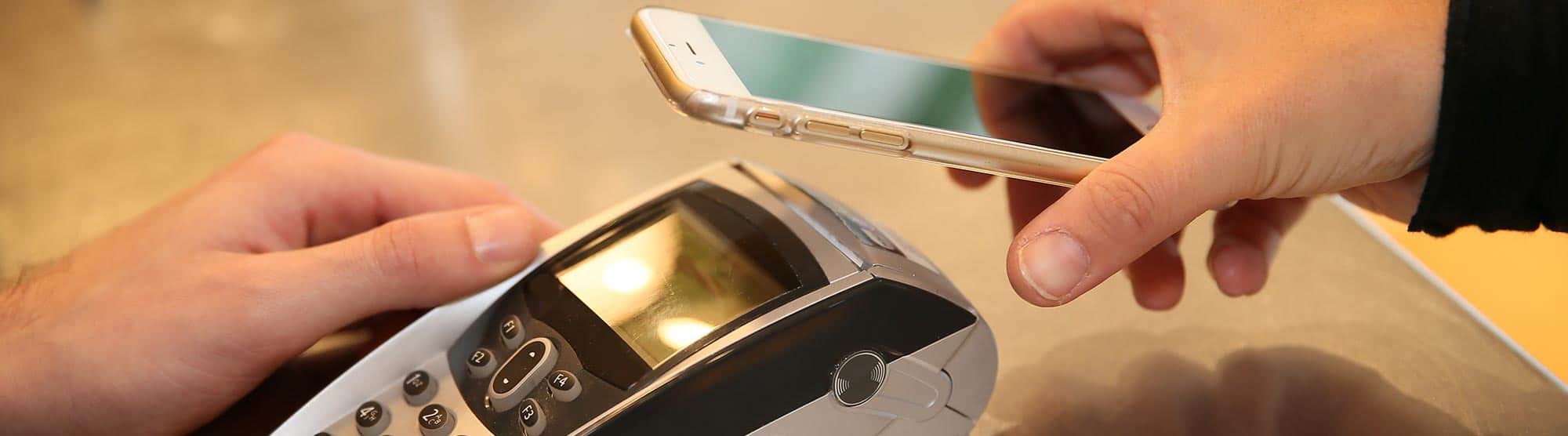
Once set up, Google Pay allows you to make online and in-store payments. For in-person transactions, tap your phone on the payment terminal, similar to a contactless card. When shopping online, choosing the Google Pay option at checkout streamlines the process by automatically filling in your payment and shipping details, eliminating the need for manual entry each time you make a purchase.
Safety Features of Google Pay
When transacting with Google Pay, it uses a special encrypted number instead of revealing your credit card details. This adds an extra layer of security.
Plus, if you ever lose your device, you can use Google’s Find My Device feature to erase any important data remotely. For added security, you also have the option to log into your Google Pay account from another device and remove any linked cards or bank accounts.
Understanding Google Pay Fees
Google itself doesn’t impose any fees when you use Google Pay for tap-and-pay or online transactions. However, it’s essential to note that your card issuer might have charges associated with your purchases.
Transaction Charges:
While Google Pay doesn’t have transaction fees, any fees applicable to your physical card usage still stand. For instance, standard interest charges and penalty fees may apply if you use a credit card via Google Pay and don’t clear your bill on time.
However, Google Pay is rolling out some additional “convenience fees” for some specific transactions. As of 2023, the stance Google has around the charges by its application is unclear. Apart from this, there are no charges currently charged by the application Google Pay.
Credit Card Linked With Google Pay:
When you link a credit card to Google Pay, remember that your credit card company might charge the merchant a fee of up to 4%.
Some merchants may then pass this fee to you, adding it to other transaction charges. This could mean you end up paying as much as 6% extra for your purchase. To avoid unexpected costs, asking merchants about fees before using Google Pay is a good idea. A linked debit card or bank account can help sidestep these higher charges.
Using Google Pay Abroad:
If you use Google Pay while traveling or making purchases in a foreign currency, be aware of potential fees from your bank or card provider.
These include foreign fees, typically around 3%, applied to non-USD transactions. Remember that these fees can vary based on the specific card you have linked to Google Pay.
Conclusion
In 2023, Google Pay emerged as a versatile digital payment solution, trusted by millions in the US. Offering convenience across various platforms—from retail giants like Costco and Macy’s to popular apps like Airbnb and Doordash—it simplifies transactions with robust safety measures.
While it generally doesn’t impose fees, users should consider potential card issuer charges and international transaction fees. Overall, Google Pay is a reliable tool for seamless and secure payments across various outlets.
Frequently Asked Questions
Q: Where can I use Google Pay for transactions?
Absolutely! You can use Google Pay or Google Wallet wherever you spot those handy contactless or Google Pay symbols. Keep an eye out for them on the payment terminal screen or cash register during checkout.
Q: Can I use Google Pay for purchases at Walmart in 2023?
Currently, Walmart doesn’t accept Google Pay as a payment method. It’s always good to check for your preferred stores’ most current payment options.
Q: How do I get started with Google Pay?
Setting up Google Pay is a breeze. Locate the app on your phone, and if it’s not already there, just grab it from Google Play. Add your card linked to your Google account by confirming a few details. You can even snap a picture to add a new card. Once everything’s set, unlock your phone, tap, and you’re ready!
Q: Is Google Pay secure?
Absolutely! Google Pay offers enhanced security compared to traditional magnetic-stripe cards. It’s not just convenient; it’s also swift. Unlike chip card transactions that may take a bit, contactless payments with Google Pay process in a flash. Plus, you get a handy payment confirmation on your phone, making it easy to spot any fishy activity. In case of loss or theft, you can lock your device using Android Device Manager, securing your info.
Q: Can Google Pay be used for payments at Target?
Yes, you sure can! Target happily accepts any contactless payment, be it contactless credit/debit cards or digital mobile wallets. Simply tap your contactless card or mobile device over the payment terminal and follow the prompts on the reader screen.
Q: Does Walgreens support Google Pay?
Absolutely! Walgreens is all in for contactless payments. Whether tap-to-pay credit cards, Apple Pay, or Google Pay, they’ve got you covered. Just wave your contactless card or mobile device over the payment terminal and follow the prompts on the reader screen.
We use cookies to enhance your browsing experience, analyze site traffic, and support our marketing.You can accept all cookies, reject non-essential ones, or manage your preferences below. Learn more in our Privacy Policy.
Cookie Preferences
Manage your cookie preferences below:
Essential cookies enable basic functions and are necessary for the proper function of the website.
Name
Description
Duration
Cookie Preferences
This cookie is used to store the user's cookie consent preferences.
180 days
These cookies are needed for adding comments on this website.
Name
Description
Duration
comment_author_email
Used to track the user across multiple sessions.
Session
comment_author_url
Used to track the user across multiple sessions.
Session
comment_author
Used to track the user across multiple sessions.
Session
Google Tag Manager simplifies the management of marketing tags on your website without code changes.
Name
Description
Duration
cookiePreferences
Registers cookie preferences of a user
2 years
td
Registers statistical data on users' behaviour on the website. Used for internal analytics by the website operator.
session
These cookies are used for managing login functionality on this website.
Name
Description
Duration
wordpress_logged_in
Used to store logged-in users.
Persistent
wordpress_sec
Used to track the user across multiple sessions.
15 days
wordpress_test_cookie
Used to determine if cookies are enabled.
Session
Statistics cookies collect information anonymously. This information helps us understand how visitors use our website.
Google Analytics is a powerful tool that tracks and analyzes website traffic for informed marketing decisions.
Contains information related to marketing campaigns of the user. These are shared with Google AdWords / Google Ads when the Google Ads and Google Analytics accounts are linked together.
90 days
__utma
ID used to identify users and sessions
2 years after last activity
__utmt
Used to monitor number of Google Analytics server requests
10 minutes
__utmb
Used to distinguish new sessions and visits. This cookie is set when the GA.js javascript library is loaded and there is no existing __utmb cookie. The cookie is updated every time data is sent to the Google Analytics server.
30 minutes after last activity
__utmc
Used only with old Urchin versions of Google Analytics and not with GA.js. Was used to distinguish between new sessions and visits at the end of a session.
End of session (browser)
__utmz
Contains information about the traffic source or campaign that directed user to the website. The cookie is set when the GA.js javascript is loaded and updated when data is sent to the Google Anaytics server
6 months after last activity
__utmv
Contains custom information set by the web developer via the _setCustomVar method in Google Analytics. This cookie is updated every time new data is sent to the Google Analytics server.
2 years after last activity
__utmx
Used to determine whether a user is included in an A / B or Multivariate test.
18 months
_ga
ID used to identify users
2 years
_gali
Used by Google Analytics to determine which links on a page are being clicked
30 seconds
_ga_
ID used to identify users
2 years
_gid
ID used to identify users for 24 hours after last activity
24 hours
_gat
Used to monitor number of Google Analytics server requests when using Google Tag Manager
1 minute
Marketing cookies are used to follow visitors to websites. The intention is to show ads that are relevant and engaging to the individual user.
Facebook Pixel is a web analytics service that tracks and reports website traffic.

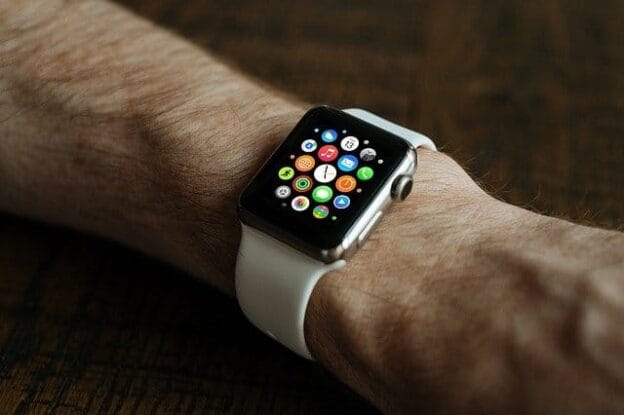
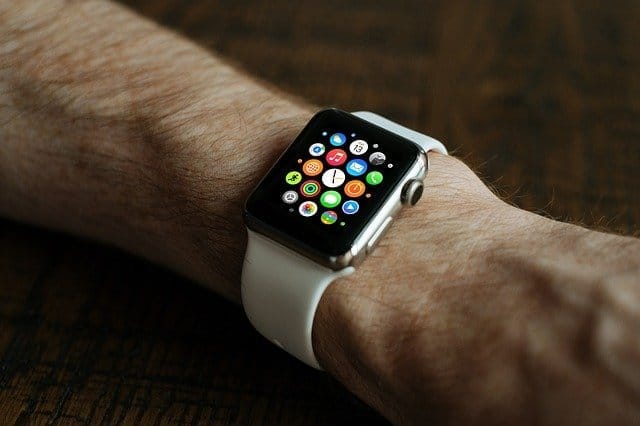 is at the heart of this wearable digital wallet revolution, which is powered by Radio-Frequency Identification (RFID) and Near-Field Communications (NFC). These solutions are not exactly new; in the United States, RFID key fobs were marketed to drivers about a decade ago for the purpose of facilitating the process of paying for fuel purchases right at the pump. NFC payments were initially designed almost exclusively for smartphone, but smart wearable devices such as the Apple Watch, which links with the iPhone and the iPad, are making more sense as digital wallets.

 Until Ant Financial, the Alibaba affiliate that runs Alipay’s platform, made the following announcement earlier this month, users of the Alipay platform were required to have a Chinese bank account. Until now, that is, with Alipay announcing a program called “Tour Pass” through which the company will introduce a version of the Alipay app that will launch and feature full support for international debit and credit cards. Once users have download the Alipay app onto their iOS or Android device, they will be able to use their phone number to set themselves up for the international version of the app.
 This has the potential to benefit more than 44 million foreign-born men and women who are living in the U.S. and regularly send money to friends and family back in their native countries. The partnership with Walmart allows Americans to take advantage of Xoom to send money to one of almost 5,000 locations all over the country for almost immediate cash pickup.