In terms of telecommunications and payment transactions, the United States is strangely out of step with the rest of the world in some aspects. Paper checks, for example, are still used by many companies. The adoption of EMV technology by American retailers was slow enough to cause anxiety among providers of payment processing services. As for the fifth generation of wireless technology, commonly known as 5G, South Korea and China are examples of significant markets that rolled out 5G networks way ahead of the U.S.
How 5G Will Impact Brick-and-Mortar Stores
In major metropolitan areas such as Atlanta, wireless service providers have already upgraded their infrastructure to 5G. Widespread upgrades to 5G technology will take place over the next few years, and retailers have everything to gain from this development. In essence, 5G networks are able to handle vast amounts of data at much higher speeds; while it is easy to see how e-commerce operations can benefit from this technology, it is important to note that brick-and-mortar retailers will also be able to capitalize on this upgrade.
Retail storefronts do not have to compete against e-commerce because they can simply embrace it. With the advent of 5G, however, brick-and-mortar stores can give their e-commerce counterparts a run for their money through interactive experiences. Augmented reality features, for example, can let shoppers get more information about products on shelves, and they can also enable trying on clothes and putting on makeup prior to going into dressing rooms or approaching the cosmetics counter.
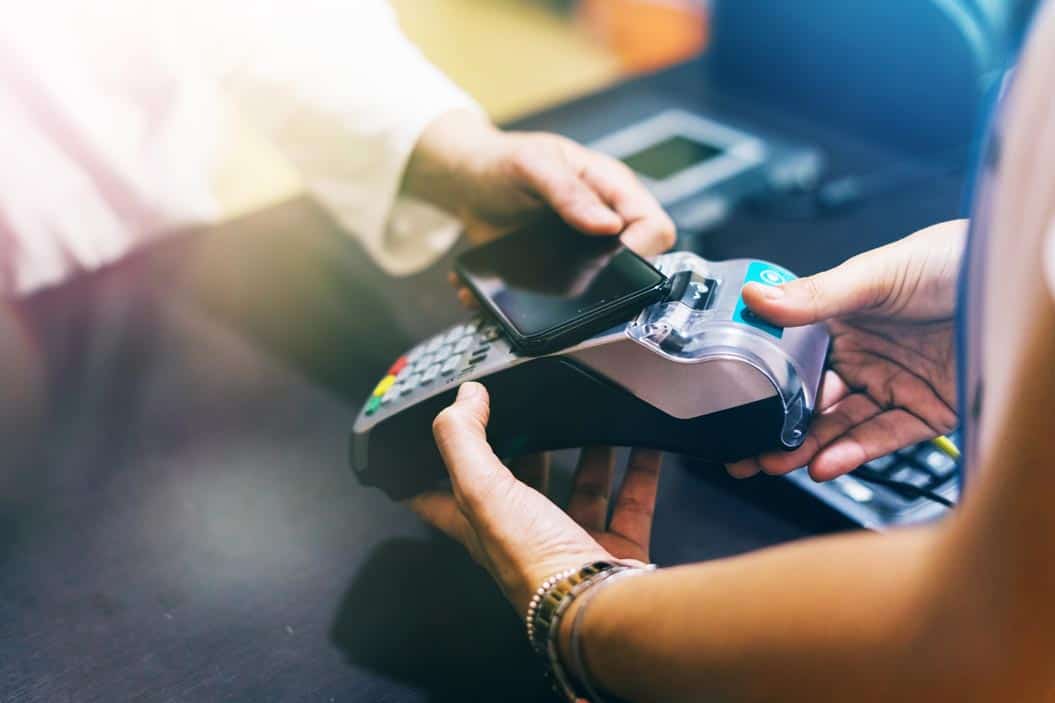
A more practical benefit of 5G technology as it relates to physical stores will be found at the point-of-sale. Payments industry analysts believe that 5G is the missing ingredient in the perfect recipe of true mobile payments, and this is something that merchant processing companies also believe will result in a digital payments revolution. That current lag experienced by shoppers who wish to pay with their smartphones at POS terminals should go away once 5G is implemented.
Mobile Shopping Trends
The use of digital wallets and other devices that enable contactless payments has been on the rise across Asia and Europe. In China, nearly 50% of retail purchase transactions are settled with digital wallets; in the U.S. only 23% as of July 2019. Another improvement that retailers can expect from 5G technology is to mobile equipment; brick-and-mortar stores that do not offer this option should start looking into ways of implementing it between now and the end of 2020.
The next major retail trend in the U.S. is expected to be a hybrid of mobile shopping and in-store pickups. A neighborhood pizzeria that offers takeout should strongly consider developing a native or progressive web app that enables mobile ordering and payments because this is what many consumers are showing a preference for: they want to browse menus, select toppings, and pay for their orders right from their smartphones, but they also want to be able to stop by the stores and physically retrieve their purchases.
Starting later this year, American Express is offering online shoppers a brand-new way to pay retailers directly from their bank account, in real-time, without the need to use a debit or credit card in hand.
The new service, which will be offered to bank account holders in the U.K., even those without an American Express card, is set to roll out in the fourth quarter.
Here’s how the new Pay with Bank Transfer option will work.
What Is an American Express E-Commerce Bank Transfer?
Whereas before consumers were required to enter card details, thanks to American Express, this could all soon be a thing of the past. The service offers customers the option to instead make their payment via an American Express bank transfer with real-time payments directly from their bank account, rather than via their debit card. Customers will also be able to view their bank balances prior to confirming the transaction, and, according to American Express, will be able to benefit from “bank level data security.”
To make use of the service, all customers will have to do is click on the “Pay with Bank Transfer” button upon checkout, and select their bank from which they wish to make the purchase. They will then be redirected to their bank’s website where they will sign in and authenticate themselves, and approve the payment details before continuing to finalize the purchase.
Thanks to a wider initiative known as open banking, the data that people have stored with multiple financial institutions can be collected together and shared with trusted third parties, simplifying procedures while maintaining high levels of security.
Do I Need to Be an American Express Cardholder?
Not at all. The bank transfer service is open to anyone, whether they are an American Express customer or not. All that is required of the customer is a U.K.-based bank account.
What are the Benefits of an American Express E-Commerce Bank Transfer?
Currently, bank transactions require having a physical card or card information to complete a transaction. With the Pay with Bank Transfer option, consumers have more options for paying retailers without sacrificing security.
Transactions are also much faster. The American Express service allows for instant transfers from customers to recipients, whereas paying with a credit or debit card would usually take a few days to a week to complete.
Where Can I Use the American Express E-Commerce Bank Transfer?
There will only be a handful of retailers utilizing the system at launch, however, a major rollout throughout 2020 will see the bank transfer system adopted by a wider range of online ecommerce retailers.
Some of those initially taking part in the American Express bank transfer scheme include JustGiving, Oak Furnitureland, Thai Airways, Richer Sounds, Hays Travel, and the Royal Lancaster London Hotel.
With the Second Payment Services Directive (PSD2) now live, the European Union’s Strong Customer Authentication (SCA) regulation is now set to go into effect this month. The regulation, which aims to improve transaction security for customers and retailers, is set to bring a lot of confusion as merchants brace for the change.
What Is SCA?
Strong Customer Authentication is part of the PSD2 regulations that require greater security for many transactions using 2 of 3 forms of customer authentication. PSD2 went live in January 2018 with implications for all European companies that deal with payments. While PSD2 includes 11 mandates, one of the biggest implications is improving the security of e-commerce payments by increasing customer authentication.
Some transactions are exempt from SCA requirements including:
Trusted beneficiaries. Consumers can choose to add businesses they trust to a list of beneficiaries held by their issuing bank.
Recurring transactions involving subscription billing as long as SCA rules are applied to the first transaction or if the payment amount changes.
Low-value transactions of less than €30.
Merchant Responsibilities Under SCA
Under the new guidelines, a merchant must provide card issuers with two authentication factors from customers for the transaction to be completed. The guidelines lay out three authentication factors:
Inherence, such as a fingerprint or other biometric
Possession, such as a credit card or device
Knowledge, such as a PIN or password
Soon, millions of consumers will need to confirm they are who they say they are during e-commerce transactions by responding to communication over a mobile device, providing personally identifiable information, or using a fingerprint or facial scan.
Are Merchants Ready for the Change?
SCA is required to be built into an online merchant’s checkout flow by September 14, 2019, although research shows most e-commerce retailers are nowhere near ready. A Mastercard survey found just 25% of online retailers were even aware of the impending SCA regulations and, of these retailers, 24% had no plans to support the new requirements by the approaching deadline.
Retailers who are not equipped for the Strong Customer Authentication requirements will soon see declines on European-based transactions if they are not exempt from the regulations or they do not have 3D-Secure authentication to securely verify card-not-present (CNP) transactions.
According to one estimate from Stripe, European businesses may lose up to $57 billion within the year of SCA requirements going into effect. The same study found just 40% of businesses that were aware of the Strong Customer Authentication guidelines were ready to meet the requirements.
Which Retailers Are Affected by SCA?
European merchants aren’t directly responsible for meeting the requirements of SCA as this falls on the issuers and acquirers within the European Economic Area (EEA). This includes the 28 members of the EU plus Liechtenstein, Iceland, and Norway. However, retailers who do not adhere to the guidelines will likely see an impact on authorization rates for card-not-present transactions.
SCA is only required for transactions in which the issuer and acquirer are in the EEA. Retailers who contract with an acquirer that is located in the EEA, for example, will be impacted with declines on transactions processed on cards issued in the EEA when SCA guidelines are not met.
The expected global rollout of 5G technology is predicted to bring many changes to today’s connected global economy. With real-time, high-speed data flow, 5G is likely to fuel even further expansion of mobile payments and change the credit card processing industry on a fundamental level. Here’s what 5G may mean for the future of mobile payment technology.
What Is 5G?
A major technology shift is occurring that will bring a big update to the wireless technology that delivers data to cell phones. 5G refers to the fifth-generation cellular network which will be a big step ahead of today’s wireless technology, 4G, by offering incredibly fast mobile internet speeds that will allow users to download movies within seconds. That’s about 20 times faster than the 4G experience. 5G technology won’t just bring faster speeds; it will also reduce latency or lag which happens when signals pass between different carrier switching centers.
In addition to cell phones, the technology will also impact security systems, drones, and even vehicles. To get the full benefits of 5G, once the rollout is complete, users will need a compatible new phone and cell phone carriers will need to upgrade to new transmission equipment.
How Will 5G Technology Change Credit Card Processing?
The payment processing industry is expecting a big shakeup when 5G technology is finally rolled out. With dramatically faster speeds and reduced latency, 5G can:
Streamline transaction processes
Increase transaction speeds
Improve the accuracy of fraud prevention
Support a more user-friendly experience
5G technology can revolutionize the mobile shopping experience. For example, it makes it easier to support virtual reality shopping to allow consumers to see what an item will look like in their home before buying or go through every step of buying a car — including the credit check, receiving personalized financing options, and funds availability — with mobile technology.
Increased speeds won’t just improve customer experience; speed also supports better fraud prevention. Fast data transmission allows banks to quickly verify data like geolocation and merchant ID to avoid errors. These factors can increase consumer confidence in digital payment technology to potentially sway more people to change how they pay.
All of these benefits may support increased adoption of mobile payments, especially in the United States which is far behind China and other areas of the world in terms of adopting mobile payment technology.
While China boasts a mobile payment usage rate of more than 80%, the adoption rate in the U.S. is less than 10%. In the United States, debit and credit cards are much more widely accepted than in other regions of the world, offering an alternative to paying without cash.
To accept a mobile payment, merchants need the right hardware which are tailor-made for mobile businesses. By improving security and transaction speeds while opening the door to more advanced mobile payment options, 5G may just help increase the adoption rate of mobile payment technology in the U.S.
As the debate in the United States rages on over gun laws, some companies have been taking sides by choosing to take action. Visa, however, is one company that has refused to wade into the political fray. Instead, it has opted to continue along doing business as it has been in regards to mobile payments.
An announcement from the company came in early August that it would not block mobile payments for gun purchases. Visa Chairman and CEO Alfred Kelly made the announcement after back-to-back mass shootings in Texas and Ohio thrust issues surrounding guns back into the news. It is not a change of course for the company; instead, it was merely a confirmation that things will not be changing in regards to gun purchases.
The company’s stance regarding mobile payments for gun purchases is a different one than some of its competition has taken. PayPal and Square have opted to not allow their services to be used for such purchases.
The rationale expressed by Visa CEO Alfred Kelly as to why the company will continue to support mobile gun purchases essentially comes down to it being simply a matter of not dictating morality to the company’s customers. It is legal for people to buy guns in the United States; therefore, the company will continue to process those purchases- just as it does other things that are legal but may be considered controversial by some.
That is not to say, however, that Alfred Kelly does not hold views regarding gun legislation in the United States. In an interview with CNBC, he expressed an interest in seeing lawmakers do more in regards to gun laws. However, no matter his personal views, he is not currently interested in applying them to the company that he heads up.
The company is not alone in this view, either, in regards to not dictating morality to its customers. Mastercard has also taken a similar stance. Its CEO Ajay Banga expressed similar sentiments as those of Alfred Kelly- refusing to determine what is right or wrong. As far as he is concerned, if it is legal to own an item his company will help customers purchase it.
Meanwhile, CEOs at other companies have taken a less neutral stance regarding guns. Apple CEO Tim Cook is one notable example of this. After the shootings in El Paso and Dayton, he took to Twitter demanding action.
Making the shopping experience easier for the consumer is the goal of new e-commerce tools. Every year, the e-commerce industry is dynamically transforming, moving in the direction of personalization and new sleeker customer experiences, especially with the increasing integration of AI. Streamlining payment processes and providing multiple avenues of payment are only part of a merchant’s strategy in making paying for products online as easy as possible.
PWA = Progressive Web App
With mobile conversions on the rise – a whopping 55% increase in mobile sales for 2018, eCommerce is shifting. By 2022, it’s predicted retail sales via smartphone will reach $175.4bn. With this shift, retailers are dropping mobile apps for PWA entirely. PWA, or progressive web app, leverages web capabilities to deliver an app-like experience to consumer. Indexed by search engines, URL-accessible, PWA’s are deployed to servers, making the user experience more robust and dynamic.
W3C = World Wide Web Consortium
The W3C, or World Wide Web Consortium – the international community working to ensure the long-term growth of the Web, is aiming to simplify online payments for the sake of decentralization. Allowing browser native UIs to use previously saved data such as an address and card information to make web payments is the ambition of the W3C. “Web Payments” is the name of the standard and will enable consumers to tap a few times versus filling out the same information on every new site.
Multi-Currency
Rather than paying conversion rate fees, consumers now can choose multiple currency options on sites like Shopify. Instead of restrictions via a retailer’s local currency, consumers can use the currency they are accustomed to. Multi-currency options are gradually being rolled out.
Voice-Command Currency
With over 20% of search queries made via voice command, e-commerce has a huge opportunity for growth in the order-by-voice future. By 2020, experts predict 50% of searches will be done by voice command and so on. Retailers should start focusing on long-tail keywords and structured product data now to accommodate the future.
B2B = Business to Business
80% of B2B organizations accept orders and payment through their website, according to a BigCommerce survey of 500 such businesses. This data not only indicates the growth of e-commerce payments in B2B industries but also demonstrates the complexity of a B2B e-commerce channel, which also accepts payments via quote, ACH, terms, check, and PO.
Influencers – The Social Media Swipe Up
E-commerce businesses also need to embrace social media influencers and the “swipe to buy” revolution. Not only do e-commerce merchants need to be available by mobile, they need to be available by social – social media that is. If an influencer markets a merchant’s goods and services while marketing their personalities, that merchant better make it easy for consumers to tap to purchase. Social media influencers can make a brand. They shape the future of the social media industry, as well as the social media presence of the products and services.
Modern E-commerce is the next revolution in the American economy. Exponentially growing and innovating, e-commerce will not wait for merchants who can’t or won’t keep up. Being accessible on mobile devices is only the start for merchants. Catering to the smartphone consumer in a myriad of ways is the only path to success for the modern entrepreneur.
It seems that the U.S. Food and Drug Administration (FDA) is finally beginning to crack down on the growing vape and e-cig industry, after it announced last year that all e-cigarettes and other vaping products will now be regulated in the same way as cigarettes are under the 2007 Family Smoking Prevention & Tobacco Control Act. The law now applies to all electronic nicotine delivery systems (ENDS) and other vapor-producing products, meaning that all retailers and manufacturers of these products must now meet certain regulations in order to sell their products.
By extending its authority over e-cigs and vape products, the FDA is forcing both retail and online merchants to incur many additional expenses related to bringing their business in line with the new regulations. As these regulations cover the manufacturing, labeling, marketing and advertising of any e-cig related products, the expenses tend to pile up quite quickly.
Unfortunately, the new FDA regulations have also led to MasterCard changing its policy concerning online merchants. Previously, all companies who sold tobacco and tobacco-related products were required to prove their legal compliance and pay a $500 yearly registration fee in order to accept credit cards. However, the revised policy means that all vape merchants who wish to accept MasterCard payments are required to pay this yearly fee. Worse still, it seems certain that Visa and American Express will soon follow suit.
What the New Regulations Mean for Your Vape Business
One of the biggest problems associated with the FDA regulations is that they will make it much harder for merchants to continue to accept Visa and MasterCard payments. While $1,000 in total yearly registration fees will definitely have a negative impact on your company’s bottom line, there are many hoops you’ll first need to jump through before you can even get to the registration process.
In order for a merchant to register with one of the credit card companies, they’ll need to make sure that all transactions are properly age-verified. This means restricting sales to anyone under the age of 18, and, for online merchants, ensuring that all products require a signature from a legal adult upon delivery. As well, merchants also need to obtain a letter from an attorney legally verifying that the business is in compliance with all state and federal regulations.
The problem is that even paying the registration fee doesn’t actually entitle you to accept credit card payments, as you’ll then need to find a credit card processor that’s willing to underwrite your business. Despite the work you’ve put in to become complaint, the credit card processor is the one who has the burden to prove it.
Unfortunately, many credit card processors are currently unwilling to take the risk that goes along with it, meaning many online retailers may be left without a way to accept online credit card payments or will be forced to pay much higher fees in order to do so. For this reason, the FDA regulations seem certain to have a major impact on the industry, both in the short and long term.
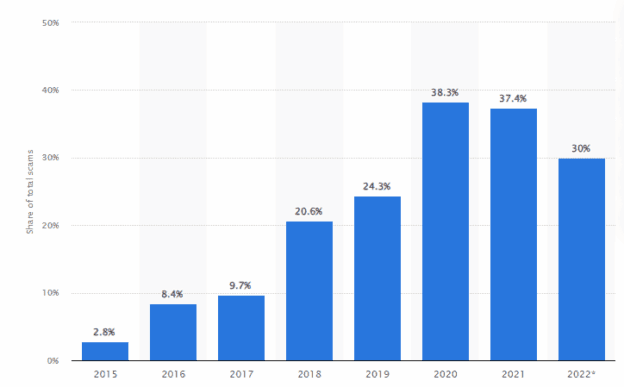
As online sales continue to trend up, there is an increased exposure to digital sales fraud specifically for card-not-present related fraud.
According to Forter, a fraud protection company, fraudulent activity accounts for about $11 of every $100 in digital sales nowadays. Fraudsters are remaining flexible in fighting the industry’s effort to stop these criminal acts. In response to changes in the marketplace, some of these criminals have found ways around the new mitigation techniques.
A large part of this trend is due to the introduction of EMV, which is the chip that most credit cards now have. On one hand, the chip has been successful in mitigating point-of-sale fraud in traditional brick-and-mortar stores. However, this has resulted in an upward trend for card-not-present issues for e-commerce merchants, resulting in an overall upward trend for digital sales fraud.
The hardest impacted segments of the market are the merchants who deliver digital products such as music, movies, and other on-demand content. This makes sense when you consider the nature of their business in which the consumer expects their product at the time of purchase. Digital goods merchants do not have the luxury of time to mitigate fraud on those transactions. This results in a significant amount of chargebacks. A whitepaper published by Javelin indicates that the amount of chargebacks that come from online transactions is almost triple that of in-person transactions.
Not only do merchants have to deal with the losses directly related to the transactions impacted by these types of criminal activity, but there is also the indirect cost of managing and mitigating fraudulent transactions. Based on Javelin’s whitepaper, fraudulent activity costs e-commerce merchants 7.9% of their revenue. The effort required to reduce and manage these effects accounts for a whopping 74% of fraud-related costs.
One thing is for certain if e-commerce merchants want to remain profitable, combating fraud-related activities will continue to be at the forefront of their operations. Fortunately, there are companies that specialize in this very thing, giving merchants an alternative to solving this in-house. This gives merchants the ability to focus on what they do best, sales.
What is Digital Sales Fraud?
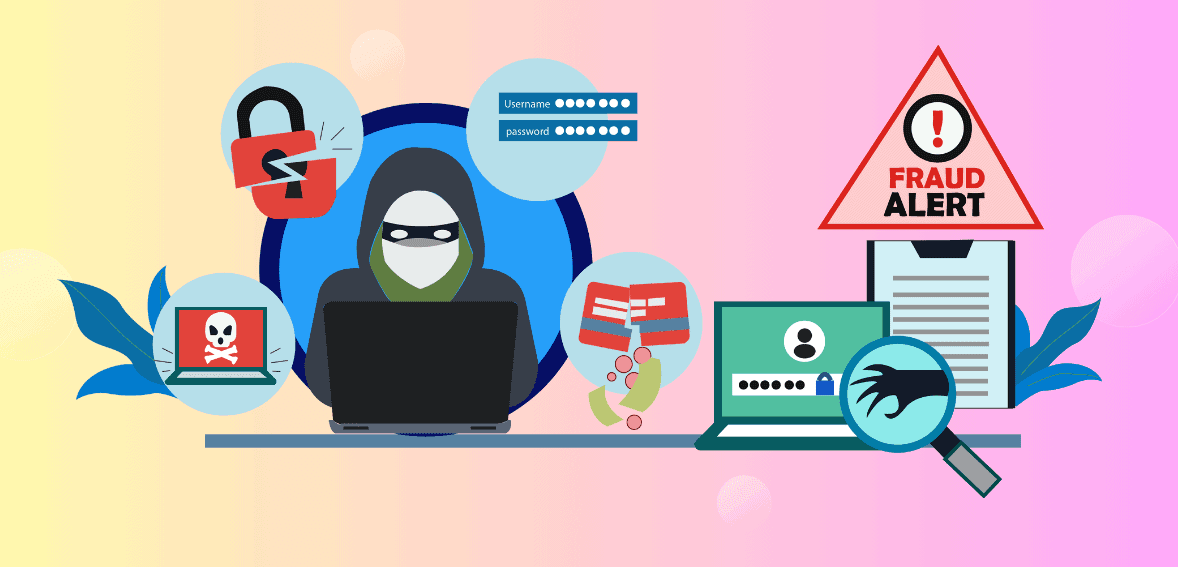
Digital sales fraud encompasses fraudulent practices that occur in online transactions. It involves exploiting technology and digital platforms to deceive individuals or businesses resulting in financial loss compromised information or both. These scams manifest in ways, such, as websites, phishing emails, counterfeit goods, and identity theft.
One common form of fraud is called “phishing.” It happens when scammers send emails pretending to be companies to trick people into revealing sensitive information, like passwords or credit card numbers. Another type of fraud involves creating marketplaces where sellers advertise products at unbelievably low prices but never deliver them after receiving payment.
Scammers also employ tactics like creating replica websites that closely resemble well-known e-commerce sites but have variations in the URL. They may even use social engineering techniques to manipulate individuals into sharing information.
The consequences of falling prey to sales fraud can be severe. Not only can you lose your hard-earned money but your data may also end up in the wrong hands leading to identity theft or financial ruin.
To safeguard yourself against sales fraud it’s crucial to remain vigilant and skeptical when engaging in transactions. Exercise caution when sharing information and always verify the authenticity of a website before making a purchase. Watch out for warning signs such as bad grammar, website email addresses, and offers that seem too good to be true.
Types of Digital Sales Fraud
Digital sales fraud is a growing concern in today’s online world. As technology advances, so do the tactics used by scammers to deceive unsuspecting consumers. It is important to be aware of the different types of digital sales fraud so that you can protect yourself and your hard-earned money. Always remember, educating yourself is the best prevention from such frauds.
One of the most common types of digital sales fraud that you might also know is phishing scams. These are common globally. A fraudulent email or a website that resembles well-known brands are some of the most common ways fraudsters use to rob you. An individual is tricked either to spend money on the site or share his or her personal information. Personal information may include passwords, credit card details, or other types of personal information.
Another very common way of online sales fraud is by using counterfeit products. Ecommerce has grown exponentially over the years. Fraudsters use counterfeit products to lure people. These products are exact replicas of the original product and for a layman, it is difficult to differentiate. Usually, this type of fraud is done by launching a new eCommerce website where these products are sold. Once the fraudster generates the expected income the website is removed and it becomes difficult for the buyer to contact the seller.
Online auction fraud is also prevalent in the digital sales world. Scammers may create fake listings, bid on their items, or fail to deliver goods after receiving payment. To avoid falling victim to this type of fraud, research sellers thoroughly and read reviews from other buyers before participating in an online auction.
Identity theft scams are unfortunately common where criminals aim to steal information to commit fraud like opening credit card accounts or making transactions. To safeguard your information it’s crucial to use strong passwords and enable two-factor authentication whenever available. Regularly keep an eye on your financial statements for any signs of suspicious activity.
How to Spot and Avoid Digital Sales Fraud
The rise of digital technology has undoubtedly made our lives more convenient, but it has also given rise to a new kind of threat – digital sales fraud. As consumers increasingly turn to online platforms for their shopping needs, scammers have found new ways to exploit unsuspecting buyers. However, by staying vigilant and following a few simple tips, you can spot and avoid falling victim to digital sales fraud.
One telltale sign of potential fraud is when a deal seems too good to be true. If you come across an offer that promises unbelievable discounts or prices significantly lower than the market value, proceed with caution. Scammers often use these tactics to lure in victims and make quick profits.
Another red flag is poor website design or unprofessional appearance. Legitimate businesses usually invest in well-designed websites that are easy to navigate and provide clear information about their products or services. On the other hand, fraudulent websites may appear hastily put together with spelling errors or inconsistent branding.
It’s essential always to do your research before making a purchase from an unfamiliar seller or website. Look for customer reviews and ratings on independent review platforms or social media channels. If there is limited information available about the seller or numerous negative reviews, consider it a warning sign.
Additionally, pay attention to secure payment options provided by sellers. Reputable e-commerce platforms typically offer secure payment gateways such as PayPal that protect your financial information during transactions. Be cautious if a seller insists on alternative payment methods like wire transfers or cryptocurrency since these options are harder to trace if something goes wrong.
Furthermore, be wary of spammy emails or messages offering incredible deals from unknown sources—especially those requesting personal information such as passwords or credit card details through links embedded within them (phishing). Legitimate companies rarely ask for sensitive data via email and will usually direct you back to their official website for any account-related actions.
Conclusion
Digital sales fraud is a growing concern for businesses and consumers alike. With the increasing reliance on online transactions, it’s important to be aware of the various types of fraud that can occur and take steps to protect yourself.
By understanding what digital sales fraud is and being able to spot the warning signs, you can avoid becoming a victim. Remember to always research sellers before making a purchase, use secure payment methods, and be cautious of deals that seem too good to be true.
Additionally, staying informed about emerging trends in digital sales fraud can help you stay one step ahead of scammers. By following these tips and remaining vigilant, you can protect yourself from falling victim to digital sales fraud.
So next time you’re browsing online or making an e-commerce transaction, keep these tips in mind. Stay safe and enjoy your online shopping experience without worrying about falling prey to digital sales fraud!
The swipe fee antitrust lawsuit that The Official Merchant Services Blog has been covering for a few years now has an update: Wal-Mart, accusing Visa of excessively high card swipe fees, is suing Visa for $5 billion. The action by Wal-Mart is being taken because Wal Mart opted out of the settlement of the class action lawsuit between merchants and Visa and MasterCard.
This follows our previous report of the Minnesota Twins also opting out of the settlement. Wal-Mart filed the suit Tuesday, March 25, in the U.S. District Court for the Western District of Arkansas, where Wal-Mart is headquartered.
Wal-Mart’s Side of the Suit
Wal-Mart, the world’s largest retailer, is seeking damages from price fixing and other antitrust violations that it claims took place between January 1, 2004 and November 27, 2012.
In its lawsuit, Wal-Mart contends that Visa, in concert with banks, sought to prevent retailers from protecting themselves against those swipe fees, eventually hurting sales. Wal-Mart stated in court documents: “The anticompetitive conduct of Visa and the banks forced Wal-Mart to raise retail prices paid by its customers and/or reduce retail services provided to its customers as a means of offsetting some of the artificially inflated interchange fees. As a result, Wal-Mart’s retail sales were below what they would have been otherwise.”
Wal-Mart contends that that the way Visa set up the swipe fees violated antitrust regulations and generated more than $350 billion for card issuers over the time period in question, in part at the expense of the retailer and customers.
Case History
The antitrust case against Visa, MasterCard and several issuing banks stemmed from the dispute relating to the percentage of credit card transaction fees that retailers must remit to the credit card processing network. The fees generally range from 1.5 to 3 percent and are shared with the bank that issued the card. Also known as “swipe fees,” these charges serve to underwrite the supporting infrastructure that allows businesses to accept and process credit cards.
Large retailers and supporting associations have repeatedly complained about the costs associated with accepting credit cards and the fees for merchant services. These grievances resulted in a number of lawsuits filed in 2005, which were eventually consolidated into a single case known as the Payment Interchange Fee and Merchant Discount Antitrust Litigation.
There were 139 parties involved as plaintiffs, and the case was active for over eight years. In July 2012, a settlement was reached that provided $6 billion in damages to affected retailers and another $1.2 billion for a temporary reduction in interchange fees. As a further concession, Visa and MasterCard eliminated certain rules for merchant services that prohibited surcharging, which is a practice that allows retailers to recoup credit card costs by passing them on to the consumer.
After a settlement was reached in the case, major retailers such as Target, Nike, Home Depot, Lowes, Starbucks and Best Buy ultimately opted out of the settlement. Major trade organizations, including the National Restaurant Association (NRA), have voiced significant opposition to the agreement. In fact, the NRA strongly encouraged its constituent members to reject the settlement and highlighted the potential negative impact it could have on the emerging mobile payments market.
The Saga
To review the full extent of this ongoing saga, you can read our previous coverage of this settlement:
On Tuesday, February 25, 2014, Nevada and Delaware lawmakers signed a landmark agreement to join the states together in online poker ventures, potentially increasing payouts for residents who gamble online. The Multi-State Internet Gaming Agreement signed by Gov. Brian Sandoval of Nevada and Gov. Jack Markell of Delaware established a legal framework for the first authorized interstate Internet gambling.
The legislation opened up a landmark new initiative for the two states. Delaware officials supported this venture in the hope that revenues from online poker in Delaware, blackjack, and slots would help boost revenue in the state’s three brick-and-mortar casinos. Competition in those real-world casinos has risen significantly because of the appearance of new facilities in surrounding states. This increased competition has affected overall state revenues from gambling and prompted Delaware lawmakers to seek out other revenue streams like online gambling.
Nevada has three online poker websites: Ultimate Poker, which is owned by a subsidiary of Station Casinos; WSOP.com, which is aligned with the World Series of Poker; and Real Gaming, which is owned by South Point. Delaware’s websites are controlled by the state’s three racetrack casinos and run on 888’s platform.
The potential boost to Delaware’s economy from this move is unclear. Delaware officials predicted that online gambling would generate up to $5 million in state tax revenue in its first year. Those officials have since scaled back that forecast after some technical difficulties and slow take-up online.
Eilers Research gaming analyst Adam Krejcik told investors that Delaware’s current numbers “have been nothing short of a disaster.”
According to the Delaware Lottery, the state brought in $145,200 in revenue from online gaming in January, following $140,000 in December and $111,000 in November.
Nevada hasn’t broken out online poker revenues in the state’s monthly figures, but Union Gaming Group estimated the revenues were between $200,000 and $750,000 each month.
Online Poker in Delaware: Already Opposition
On top of the consternation over the economic impact of this partnership is mounting opposition to the law. On March 26, 2014 members of both parties in Congress supported a ban on online gambling. This bipartisan ban comes just mere months after Delaware’s online gambling system went live and a few short weeks after Delaware and Nevada signed The Multi-State Internet Gaming Agreement.
Both Republican and Democrat lawmakers introduced legislation in the House and Senate aimed at banning online gambling, setting the stage for a two-pronged battle in Congress. The measures are aimed at reversing a 2011 decision by Attorney General Eric Holder that a 1961 law used in recent years to curb Internet gaming only barred sports betting. The bills would broaden the prohibition to where it stood before Holder’s ruling.
The Other Shoe Drops
So after Delaware, New Jersey, and Nevada leaped into the space created by the Holder ruling, creating online gambling systems, both Delaware and Nevada teamed up to allow their customers to play against each other in a virtual environment. But before this entire endeavor really gets going, Congress is looking to ban it outright. One key component to why the customer interest is lackluster has to do with something extremely basic (and relevant to The Official Merchant Services Blog): Credit Card Acceptance!
According to uspoker.com, the lack of credit card acceptance is one of the biggest complaints about regulated online poker in Delaware, Nevada, and New Jersey. The Mastercard acceptance rate at regulated sites is higher than Visa, however, neither is high enough to be considered adequate for players and operators.
While this is all still new and getting off the ground, the trend in behavior shows at least one of the obstacles online gambling in Delaware faces. Regulated sites have higher fees, and that is there to help offset the risk of fraud. Essentially what happens with these kinds of sites is that they suffer from a much higher rate of chargebacks.
A chargeback typically refers to the act of returning funds to a consumer. The action is forcibly initiated by the issuing bank of the card used by a consumer to settle a debt. Essentially what happens is a consumer disputes a transaction, and the credit card company’s bank responds by taking the money back from the merchant and returning it to the consumer. Customers dispute charges to their credit card usually when goods or services are not delivered within the specified time frame, goods received are damaged, or the purchase was not authorized by the credit card holder — the latter being the most common reason for a chargeback. The chargeback mechanism exists primarily for consumer protection.
Now in online gambling, the risk of a chargeback happening is much higher. Customers who lose money will oftentimes initiate the chargeback instead of taking the loss.
Card issuers have the right to block any transaction that the company does not consider legitimate. Online gaming transactions, even if explicitly legal, sometimes fall into this category. Chargebacks are expensive for banks. These costs are passed onto merchants and processors in the form of penalties and higher processing fees. Banks loathe chargebacks and online gaming has been associated with too many of them over the years. This is one reason credit card companies are not quick to approve these transactions.
But regulation steps in and alleviates these fraud issues. All of the concern related to abusive chargebacks is resolved in regulated markets because players cannot easily charge back a credit card transaction. The transaction is coded as a legitimate, regulated purchase. Many are considered cash advances. The poker site can prove where the player was located at the time of the transaction and that the chips were received. Proper player verification also provides evidence that a charge was proper.
In Conclusion
The allure of online gambling is still high and Delaware is one of the states diving headfirst into the industry. But there are already obstacles facing the First State. A ban from Congress and all of the problems with chargebacks and fraud create a daunting road ahead for Delaware’s online gambling future. Teaming up with Nevada in a partnership to expand the competition was a good first step. But more states need to be involved if the fledgling endeavor is to really get going. That also helps with the fraud issues as it will take more states regulating online gaming to help make banks more comfortable with the industry. This will also help the profitability of processing these transactions.
Cookie Consent
We use cookies to enhance your browsing experience, analyze site traffic, and support our marketing.You can accept all cookies, reject non-essential ones, or manage your preferences below. Learn more in our Privacy Policy.
Cookie Preferences
Manage your cookie preferences below:
Essential cookies enable basic functions and are necessary for the proper function of the website.
Name
Description
Duration
Cookie Preferences
This cookie is used to store the user's cookie consent preferences.
180 days
These cookies are needed for adding comments on this website.
Name
Description
Duration
comment_author_email
Used to track the user across multiple sessions.
Session
comment_author_url
Used to track the user across multiple sessions.
Session
comment_author
Used to track the user across multiple sessions.
Session
Google Tag Manager simplifies the management of marketing tags on your website without code changes.
Name
Description
Duration
cookiePreferences
Registers cookie preferences of a user
2 years
td
Registers statistical data on users' behaviour on the website. Used for internal analytics by the website operator.
session
These cookies are used for managing login functionality on this website.
Name
Description
Duration
wordpress_logged_in
Used to store logged-in users.
Persistent
wordpress_sec
Used to track the user across multiple sessions.
15 days
wordpress_test_cookie
Used to determine if cookies are enabled.
Session
Statistics cookies collect information anonymously. This information helps us understand how visitors use our website.
Google Analytics is a powerful tool that tracks and analyzes website traffic for informed marketing decisions.
Contains information related to marketing campaigns of the user. These are shared with Google AdWords / Google Ads when the Google Ads and Google Analytics accounts are linked together.
90 days
__utma
ID used to identify users and sessions
2 years after last activity
__utmt
Used to monitor number of Google Analytics server requests
10 minutes
__utmb
Used to distinguish new sessions and visits. This cookie is set when the GA.js javascript library is loaded and there is no existing __utmb cookie. The cookie is updated every time data is sent to the Google Analytics server.
30 minutes after last activity
__utmc
Used only with old Urchin versions of Google Analytics and not with GA.js. Was used to distinguish between new sessions and visits at the end of a session.
End of session (browser)
__utmz
Contains information about the traffic source or campaign that directed user to the website. The cookie is set when the GA.js javascript is loaded and updated when data is sent to the Google Anaytics server
6 months after last activity
__utmv
Contains custom information set by the web developer via the _setCustomVar method in Google Analytics. This cookie is updated every time new data is sent to the Google Analytics server.
2 years after last activity
__utmx
Used to determine whether a user is included in an A / B or Multivariate test.
18 months
_ga
ID used to identify users
2 years
_gali
Used by Google Analytics to determine which links on a page are being clicked
30 seconds
_ga_
ID used to identify users
2 years
_gid
ID used to identify users for 24 hours after last activity
24 hours
_gat
Used to monitor number of Google Analytics server requests when using Google Tag Manager
1 minute
Marketing cookies are used to follow visitors to websites. The intention is to show ads that are relevant and engaging to the individual user.
Facebook Pixel is a web analytics service that tracks and reports website traffic.

![5G Communications Could Change the American Retail Landscape [2023 Update]](https://hostmerchantservices.com/wp-content/uploads/2019/11/5g-communications-624x416.jpg "5g communications")
 To make use of the service, all customers will have to do is click on the “Pay with Bank Transfer” button upon checkout, and select their bank from which they wish to make the purchase. They will then be redirected to their bank’s website where they will sign in and authenticate themselves, and approve the payment details before continuing to finalize the purchase.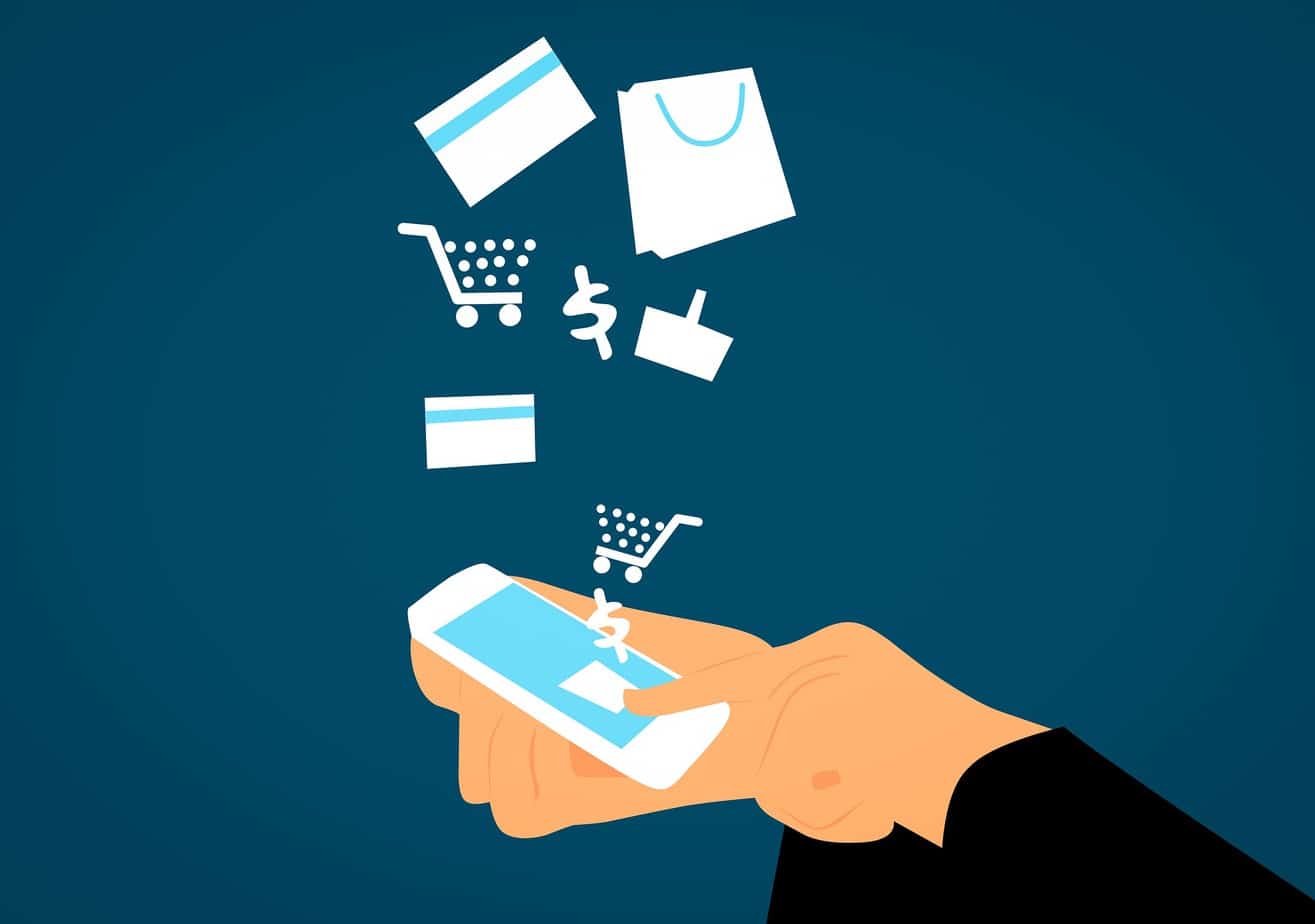

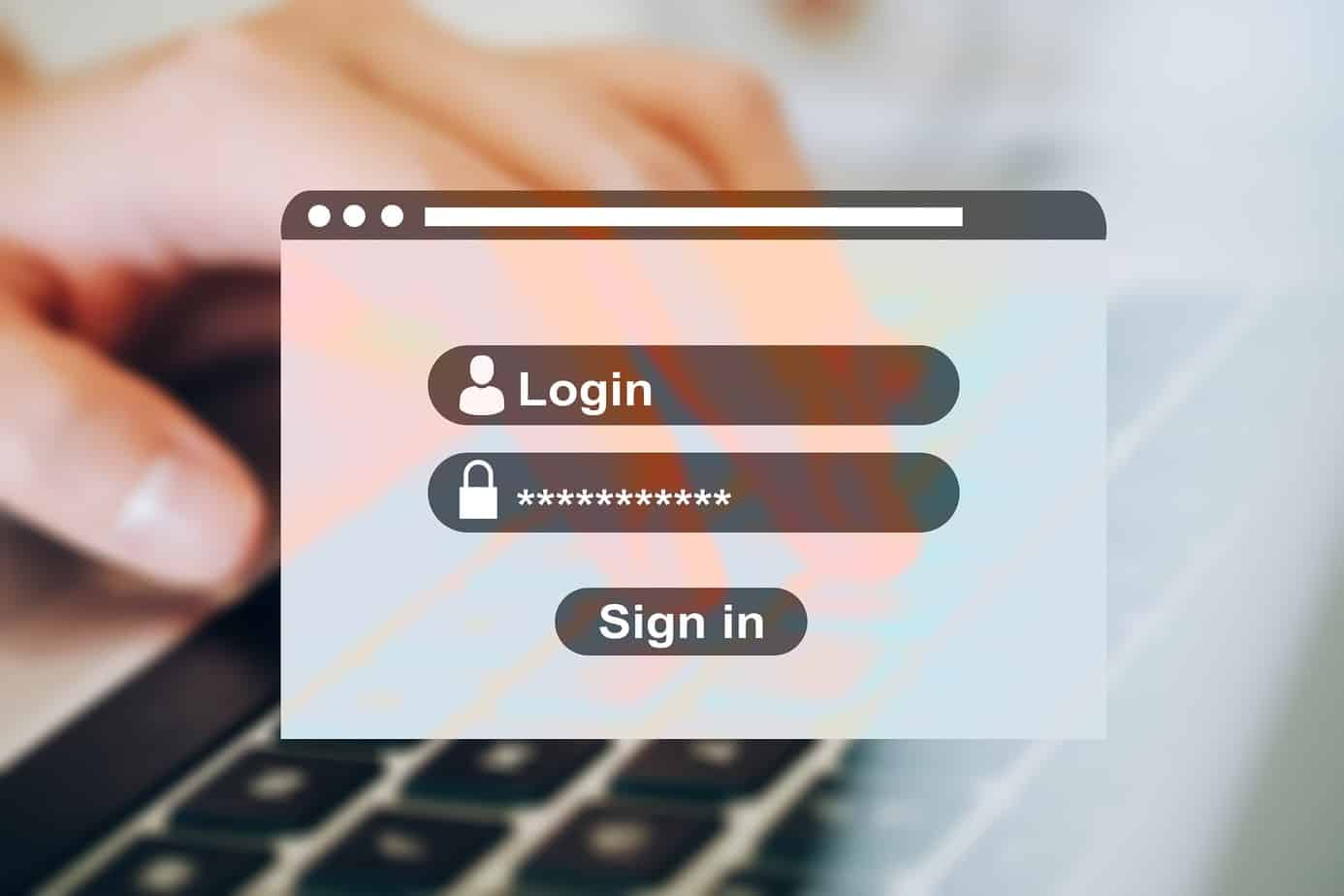 Under the new guidelines, a merchant must provide card issuers with two authentication factors from customers for the transaction to be completed. The guidelines lay out three authentication factors:



 The rationale expressed by Visa CEO Alfred Kelly as to why the company will continue to support mobile gun purchases essentially comes down to it being simply a matter of not dictating morality to the company’s customers. It is legal for people to buy guns in the United States; therefore, the company will continue to process those purchases- just as it does other things that are legal but may be considered controversial by some.