Bread, a division of Alliance Data Systems Corporation, recently announced its partnership with Sezzle (a fintech payment transfer company that transforms consumer shops). Alliance Data System is a leading provider of payment solutions, loyalty, and data-driven marketing. It provides customized solutions to improve consumers’ behaviors while looking forward to business profitability and growth for well-known brands.
The strategy behind the partnership of Bread and Sezzle is to offer the pay-over-time installment loan product of Alliance Data’s Bread through the merchant network of Sezzle.
Sezzle will support the deep underwriting of Bread and their installment loan product in reaching the customers interested in buying big-ticket items. Also, it will provide a comprehensive suite of products to its merchant partners.
Bread, acquired by the Alliance in the year 2020, provides a smooth checkout experience to its customers. It is also referred to as the highest-rated Buy Now, Pay Later (BNPL) platform. Bread is a digital payment platform that is white-labeled and works alongside the Sezzle. It will provide the Sezzle, its more than forty thousand merchants, and its future partners a considerable variety of options at the checkout.
Charlie Youakim, the CEO of Sezzle claims that Sezzle has recognition as the B Corp certified business. Its primary goal was to empower its shoppers financially by giving them transparent and best-in-class experiences. It also focuses on financial education, credit building, sustainability, ethical partnerships, and social good, which will be an essential factor for their next-generation consumers.
He also explains that the reason behind providing the solution of Bread’s installment to the customer is to have their Buy Now, Pay Later success. They also want to upgrade their product suits and add more lending options in their installments. This up-gradation will provide a variety of ways for big-ticket shoppers to pay.
The installment loans of Bread include the appropriate terms for qualifying customers, and certain loans come with the plan of 3 to 48 months having the interest rate nearly equal to 0%, compliments the buy now, pay later product of Sezzle. This also helps both businesses grow simultaneously. This partnership will help Bread generate loans using its Comenity Capital Bank.
According to Val Greer, Chief commercial officer and EVP of Alliance data, their approach towards their product is based on the consumer lens. This methodology of Alliance symbolizes the strength of its installment product and gives its customers a user-friendly experience. Also, the agreement between the Sezzle and Bread enables their mutual growth and reach, and it provides tools for success to more merchants.
At the beginning of 2022, Sezzle, a merchant network including merchants like Bass Pro and Target on the client list, is expecting to get the availability of Bread to merchants.
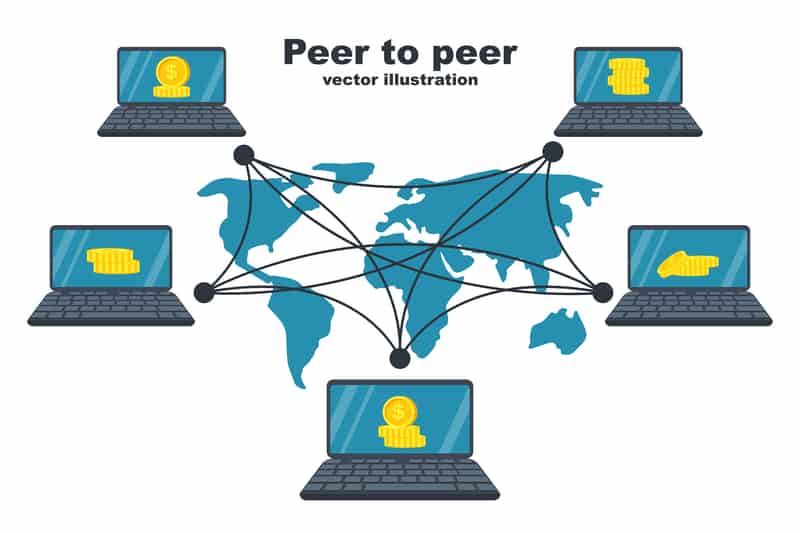
Modern consumers are now leaning more towards digital technologies to pay retailers and friends. They look for remote purchase options and contactless transactions. Today, P2P payment platforms have drawn attention due to the latest trend of paying with the digital method. These P2P technologies have become popular due to their capabilities of faster digital transfer of funds. The faster payment is surely advantageous for both customers and entrepreneurs. But are these P2P payments safe? Are there any potential risks of making a P2P payment? The fact is that there are fraudsters introducing risk to your transactions.
As customers have started accepting P2P apps for payments, scammers have identified tricks to take advantage of this trend. That is why several P2P companies have warned their customers to be careful while making payments for the purchase of products and services. In some cases, legitimate transactions may go wrong when you have entered a misspelled name and incorrect mobile number. Your funds can reach the wrong person’s account.
Are P2P Payments Risky?
The most commonly chosen P2P options are Zelle, Cash App, Venmo, Google Pay, Apple Pay, and PayPal. As per the latest data from PYMNTS, Zelle has found an increase in transactions by more than 200% in 2019. Almost 70% of USA citizens are presently using P2P services. Although these popular platforms have technological advancements for security, there is a risk of scams. Scammers will try to learn your sensitive personal details and persuade you to transfer funds to them. Therefore you must always transfer money only to people you know and trust.
Preventing the Dishonest Attempts of Fraudsters
Cybercriminals make some dishonest pretenses and try to gain your trust. They pretend to be some certified tax officials to convince you to send money via the P2P apps. Moreover, fraudsters can post scam Craigslist advertisements to claim they are sellers of some items. In this way, they ask you to make an upfront payment using the P2P app. Then, they will receive your money without delivering the products. Be cautious to avoid falling prey to fraudulent schemes. In many cases, consumers are tricked into completing transactions that are not legitimate. According to a survey, more than 40% of P2P app users responded to classified ads and sent money to several strangers.
P2P services providers are trying hard to solve these issues and alleviate risks by educating every consumer about the potential risks. Some P2P apps include pop-up alerts to warn users while sending money to unknown recipients.
Furthermore, several P2P app providers have removed the feature of one-click transactions. They encourage consumers to review payments multiple times before clicking on the Send button. Consumers must take time to analyze their choices, identify errors and send confirmations.
It is one of the best ways to keep fraudsters from accessing the payment platforms and confusing legitimate consumers.
App providers also need to identify when consumers are dealing with false identities. Scammers may create P2P accounts by stealing others’ credentials. Payments providers have to choose financial partners to help consumers in their efforts to detect fraud.
A Popular P2P App and Potential Risks
PayPal’s Venmo has an integrated social networking system. This feature may cause privacy issues. Your Venmo transaction will undergo public scrutiny. As the information can go public, Venmo users have a risk of scams.
Venmo enables you to adjust your privacy settings and prevent details from getting disclosed to the public. Venmo has also presented a tutorial for using the privacy settings.
Before using P2P platforms, it is better to be familiar with common threats-
Stolen identities– When a stranger signs up for P2P payments with your identity, it can result in application fraud. The intention of the stranger is to pull money from your account. Moreover, he will use your name for creating an account.
Consumer scams– While someone tries to sell products by pretending to be a real seller, it can lead to consumer losses. When buying any product from Facebook Marketplace, Craigslist, and any other platforms with a high level of fraud, you have to be careful. You must choose a trusted seller to buy an item.
Smishing scams– The major purpose of phishing is to steal your password. Some scam sms (text) messages ask you to click the link and send personal information or login. Scammers frequently try to create a sense of urgency to induce a mistake when the victim feels pressured. These messages and links may appear to be harmless. The scammers will apply the social engineering techniques to gain access your peer-to-peer payment account and other financial accounts.
2-step authentication scam– Fraudsters can pretend to be bank officials and send you several fake alert messages. They will send you codes and ask you to verify accounts. You must not pay attention to the 2-factor authentication code sent by fraudsters. Do not send the secret code to any other person. After receiving your code, the scammers will access your account. In most cases, financial institutions do not ask for any sensitive details via email, phone calls, and messages. 3-digit debit card codes, PINs, and other verification codes must not be shared.
Tips to Keep Away From P2P Frauds
Check the fraud protection policies of the chosen P2P app. Learn about what protections are available and how you can be reimbursed in the event you become a victim.
Be careful of businesses accepting payments only via P2P apps.
Connect your app to your credit card and not your bank account and debit card. A credit card has better protection when you do not receive the services and products.
Verify the chosen recipient’s details
Do not send and accept P2P payments from strangers.
Try to create a strong password.
Although real-time payments with P2P platforms are slightly risky, you can avoid scams with some precautionary steps. The app providers are trying their best to safeguard customers from fraudsters. Cybercriminals may continue applying tactics to cause data breaches. However, you must be cautious while making payments using P2P apps.
Federal agents raided the Florida headquarters of PAX Technology, a Chinese producer of point-of-sale systems used by millions of companies and merchants worldwide. According to KrebsOnSecurity, the raid is related to allegations that PAX’s computers were used in cyberattacks on U.S. and European Union targets.
PAX Technology Inc., headquartered in Shenzhen, China, has more than 60 million point-of-sale terminals in use throughout 120 countries. Earlier today, WOKV.com in Jacksonville, Florida, reported that FBI and Department of Homeland Security (DHS) investigators raided a PAX Technology facility in the area.
Krebs on Security
In the online newsletter “Krebs on Security,” an article published Tuesday, detectives informed a local radio station that they were conducting a “court-authorized search” at a Pax warehouse in Jacksonville, Fla. They claimed that the search was conducted by personnel from the Customs and Border Protection division of the U.S. Department of Homeland Security and the Naval Criminal Investigative Service (NCIS). Brian Krebs, a former Washington Post writer, reports and writes at Krebs on Security.
According to Krebs, citing a “reliable source,” the Federal Bureau of Inquiry opened an investigation when a “large” U.S. processor inquired about “abnormal” network traffic coming from Pax terminals. According to the source, U.S. processors discovered that the terminals were being used as a “storage of malicious files” and “command and control” system for attacks and data collection. Krebs notes, however, that the source was unable to provide details regarding the “abnormal network behavior” that caught the FBI’s notice.
PAX Technology
Several days ago, KrebsOnSecurity learned from a reliable source that the FBI initiated an investigation against PAX after a large U.S. payment processor inquired about odd network packets emanating from the company’s payment terminals.
According to that source, the payment processor discovered that the PAX terminals were being used as a malware “dropper”,a store for dangerous files as well as “command-and-control” sites for staging assaults and gathering data.
“The FBI and MI5 are undertaking a thorough probe into PAX,” a source said. “A large payment processor in the United States started enquiring about network packets coming from PAX terminals and was given no satisfactory replies.”
KrebsOnSecurity contacted the CEO of PAX Technology. The firm has not yet returned requests for comment.
Software Hacks
According to the source, two large financial institutions, one in the United States and another in the United Kingdom have already begun removing PAX terminals from their payment infrastructure, a claim confirmed by two separate individuals.
“According to my sources, there is technical evidence of how the terminals were employed in assault operations,” the person stated. “The packet sizes do not correspond to the payment data these devices should be delivering, nor do they correspond to the telemetry these devices may show during software updates. PAX is now asserting that the probe is motivated by racial and political animosity.”
The insider was unable to provide specifics on the unusual network activities that sparked the FBI’s inquiry. However, it’s worth noting that point-of-sale machines and the underlying technology are recurring targets of hackers.
It is fairly unusual for malicious software to hack payment terminals remotely and cause them to gather and transfer stolen information. Indeed, several of history’s largest cyberheists involved point-of-sale malware, including the 2008 Heartland Payment Systems breach, which exposed 100 million payment cards, and the 2013-2014 Target, Home Depot, and other retailer breaches, which resulted in the theft of approximately another 100 million cards.
Even if it were shown publicly today that the company’s technology posed a security risk, I’m guessing few merchants would move quickly to address the issue in the near term. The PAX Technology probe comes at a perilous moment for merchants, many of which are preparing for the hectic Christmas shopping season. Additionally, worldwide shortages of computer chips are generating significant delays in the procurement of new devices.
On Tuesday, October 26, 2021, PAX Technology, Inc. was unexpectedly visited by the Federal Bureau of Investigation (FBI) and other government authorities in connection with an alleged investigation.
PAX Technology is unaware of any improper behavior by itself or its employees and is in the process of retaining counsel to help in determining the facts surrounding the inquiry.
Separately, we are aware of media claims about PAX Technology’s products and services being insecure. Security is a top priority for PAX Technology. PAX Technology, like always, is vigilant for any risks in its surroundings. We are devoted to continuing to provide safe and high-quality software systems and solutions.
Conclusion
As the digital world evolves at a breakneck pace, and there are several methods for our program to be hacked, If companies have complete security in addition to a smooth checkout, they will continue to purchase at your business. Security must be everyone’s primary responsibility, not only because they have personally experienced such incidents but also to prevent future occurrences.
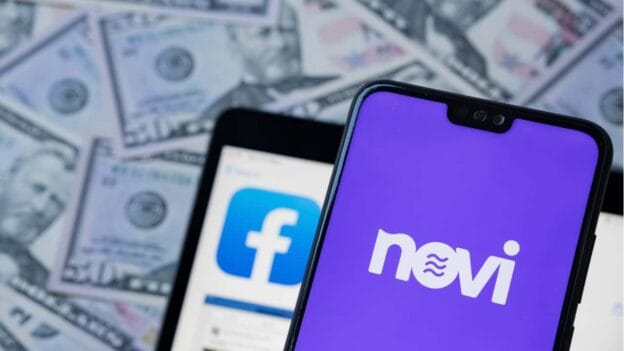
Facebook has been teasing its users with the launch of their digital wallet Novi for about two years now. Finally, they have unveiled their pilot to test it out with users in Guatemala and the USA. Facebook has had significant troubles in their ventures to expand into the crypto market. Diem, their planned cryptocurrency, is still facing problems getting approved. They are using the Pax Dollar, a stablecoin, to aid the launch instead.
The Pax Dollar has been operating in the USA successfully for over three years. As per Facebook executives, the stablecoin is excellent in terms of the protection of consumer information. The pilot aims to unveil the digital wallet’s customer care and operational capabilities before launching it on a larger scale. The payments chief of Facebook claims that they are launching the wallet to aid family members in transferring funds to each other across different countries.
While they are using a different currency for the pilot, execs at Facebook claim they still fully support Diem. Facebook plans to launch it with Novi as soon as they get approval from regulatory authorities.
The news immediately went viral and made headlines in the crypto community. The announcement was received as a huge one as it was a significant development by Facebook in the crypto market. However, the popularity of the news doesn’t mean it was well-received by its critics too.
Voices in favor of and against Novi are almost equally common on social media. The most significant point opposing the launch of the currency is privacy. Even the voices in favor of the currency are thoroughly concerned about this factor. It is widespread news that Facebook has been on the backburner of the government because of its privacy-related issues. So it was natural that concerns about how Mark Zuckerberg will use such sensitive information would arise.
Voices against the currency want answers on the decentralization of the wallet and guarantee of absolute user privacy. Supporters of the wallet claim that any advancement in cryptocurrency and blockchain is a win in the name of privacy and the future of financial services.
Lawmakers urged Facebook to abandon the pilot program as they cannot trust Facebook to handle the privacy of its users. They believe that the history of their inability to keep their consumers safe is reason enough. Despite the backlash, Zuckerberg’s activities don’t reflect the idea of going back on its pilot program. Facebook plans to change its name to own its new role in the financial market. They plan to rename it to the metaverse. Mark Zuckerberg plans to announce the renaming at their annual Connect Conference on the 28th of October.
The growth of online orders has led to more sales for many restaurant owners. Online transactions helped many businesses to survive in the middle of the pandemic. When dining restrictions were enforced, many restaurants turned to third-party apps or built their own websites to generate orders online.
While online orders meant more sales, it came with an unprecedented problem for the food industry. The rise in online orders came with a rise in chargebacks. Between 2016-2017, chargebacks grew by 179%. Restaurants already operate on a tight profit margin and these chargebacks can bring serious harm to their business.
An extreme example of this is a Los Angeles restaurant called Spoon by H. Their customers were disheartened to hear that they were closing their business. The reason behind their demise was surprising to hear for everyone. They said that they had to close their business due to a high number of chargebacks.
They just didn’t have the resources to fight so many claims. The chargeback claims became more and more frequent and it became a routine activity for them to fight these claims. It became next to impossible for them to operate their business under those conditions. Eventually, they had to call it quits.
What happened to Spoon by H is an extreme example for sure. But it goes to show how easily these chargebacks and fraudulent claims can cause the demise of your business. All restaurant owners need to be ready to fight against it.
Why is This Happening?
Before the rise of online orders, restaurants didn’t really have to deal with chargebacks. The employees of the restaurant usually had a chance to solve customer issues before they made a transaction. In the worst-case scenario, they would have to compensate for the customer’s meal. But no transaction would take place and so there was no chance of any chargebacks to happen.
But since the way of doing business has changed and online orders became popular, the scenario is completely changed now. New threats have arrived with this rise of online orders that have not been seen before in this particular industry.
With options like BOPUS (Buy Online, Pick Up in Store) ordering, customers make the payment online via their credit card or other payment methods. And then they go on to pick up the order from the restaurant. They don’t have any direct transactions with the restaurant. The transaction happened online and that leaves room for the customers to initiate a chargeback.
BOPUS was a great way for saving food vendors from going out of business during the pandemic. It also gave customers a safer and quicker option of getting their food. But even now, as the restrictions on dining are no longer in place, those options are still available to customers.
Even restaurants that don’t generally get customer complaints are now busy fighting chargebacks. It’s so common that there is a term for it. These activities are called “Dine and Dash”.
Friendly fraud accounts for about 60-80% of the chargebacks that restaurants are facing. But why are so many chargebacks happening? Because it is easy for the customer to do so. They are dealing with a faceless screen and it is much easier to deal with a phone screen than real people. If the same customers were to dine in a restaurant, they would be surrounded by the employees of the restaurant. It would be evident that their decisions have a real impact on people. Also, they won’t make ridiculous claims in an open environment that they can from their phone.
The other reason behind such a high number of chargebacks is that these claims are easy to make. Customers can claim that the wrong person picked their food, they delivered it to the wrong address, the package was damaged on the way, and so on. These claims will be hard for the restaurants to fight and falsify. Because in most cases, the delivery guys aren’t even employees of the restaurant.
Consequences of Chargebacks
The monetary losses are obviously the biggest downside of chargebacks. Restaurants lose up to twice the original transaction amount if they are hit with a chargeback. There is always the threat of being kicked off by your payment processor as well. Payment processors tend to consider businesses that have more than 1% chargebacks to be high risk. So, a high number of chargebacks can also cause your account to be closed and stop you from doing business online altogether.
How Do Restaurant Owners Fight This?
Since most of the friendly fraud claims are difficult to prove wrong, the fight won’t be easy. It is genuinely hard to differentiate between fraudulent and legitimate claims because many parties are now involved in the transaction and order delivery. But the fight needs to happen on two fronts. First, the number of chargeback claims has to be kept to a minimum, and secondly, you need to be prepared to fight the claims that are occurring.
To keep the fraudulent chargebacks at a minimum, you can use great tools to spot these claims. There are a lot of anti-fraud tools that will screen and reject suspicious transactions that seem to be fraudulent. If you figure out a pattern that the fraudsters are following, you can put them under suspicious activity and prevent the transactions from happening in the first place.
A lot of fraudulent claims are made under options like the food was delivered to the wrong address or person. You can make it mandatory for the customers to show you their ID when they are receiving their delivery or picking up their order from the store.
If you take these steps, the number of claims will drop by a great extent. However, fraudsters will always find innovative ways to challenge you. If you find that a decent number of claims are still making their way through, you have to think of dedicating more resources to fight this problem. Designating a Chargeback Represent Team whose purpose will be to detect and fight these fraud claims can be an idea worth considering for you.
In the end, you may have to accept that this is a new consideration for doing business. These new channels come with their own set of challenges, and chargebacks are one of the biggest issues restaurants face. We will have to be quick to adapt to these changes and put security measures in place. The tips shared will help you to keep the fraudulent claims to a minimum.
It came as a piece of good news for the market as American spending rose in September. People spent money on things from clothes to sporting goods. Even though the expenditure has increased, struggling supply chains are still under strain. They failed to fulfill the orders even when people spent less in prior months.
The October report released by The U.S. Census Bureau said that people’s spending on merchandise increased by 2% compared to the last month. The expenditure on food and drinking increased only by 0.3%. Overall, consumer spending has increased against all odds.
According to Gregory Daco, chief US economist from the famous forecasting firm Oxford Economics, the increase in September retail sales could be due to higher inflation. But the surprising factor in the report was the 0.5% increase in spending on cars even when most economists expected that vehicle unit sales would show a sharp decrease in September.
The Shift In American Consumer Spending Habits
Whenever there is a downward trend in consumer spending, most consumers postpone the purchase of durable goods. They start spending more on services. But this equation got reversed during the pandemic as people were staying more in their homes. Daco said that U.S. consumers did not stop the purchases even during the spread of the Delta variant of Coronavirus. Still, the September figures show that the spending pattern of the consumers is now offering a mix of changes. Most consumers postponed the purchase of goods like home appliances and electronics, which have become expensive nowadays because of supply chain problems.
This year many consumers started their holiday shopping earlier than before. They spent most on purchasing sporting goods, books, and general household items even after signs of a downward trend for the economy. Even though customers are spending more for the holiday season, shipping delays can still create obstacles in the shopping process for Thanksgiving and Christmas.
The pandemic has been rough on many businesses. Quick Service Restaurants (QSRs) and fast-food chains have also suffered greatly because of the pandemic. Covid-19 made it impossible for diners to have a dine-in experience. Restaurants had to come up with engaging ways to keep their businesses alive in this highly competitive market.
Covid-19 gave rise to the popularity of the curbside pickup. It was a lifeline for the restaurant owners to save their business from the pandemic. From the customer’s side, it was a safe, quick, and hassle-free way to get their orders. Seemingly the perfect win-win situation for both restaurant owners and customers.
The technology that made curbside pickup work so well is digital signage. QSRs and fast-food chains relied heavily on digital signage to inform customers about their orders. This signage made it easier for customers to understand the delivery time of their order. Digital signage saved many QSRs and fast-food restaurants from going out of business due to the pandemic.
What Makes Digital Signage So Great?
Because of the popularity of drive-thrus, digital signage was already on the rise before the pandemic hit. More and more restaurants incorporated digital signage and menu boards as using them had a great positive impact on the business. When the pandemic hit, the investment in digital signage went down as restaurants began to operate with losses initially. After the initial shock of the pandemic had surpassed, restaurant owners were quick to realize that digital signage was essential to attract customers and ensure great customer service. Investment in digital signage started increase dramatically.
Modern technology has revolutionized many businesses. Digital signage is something that has resulted in happier customers and ensured more revenue for restaurant owners. Digital signage is great for a number of reasons. Let’s take a look at some of them:
Attract and Inform Customers
Digital signage is great for restaurants to advertise their specials. Restaurants can promote their menus and special offers using digital signage. Digital menu boards do a great job of attracting customers. They are loaded with high-definition graphics and the menu is presented in the best way possible. The menu is made appealing to the customers by using vibrant colors.
It’s also easier for the customers to sort through the menu quickly. In terms of curbside pickup and drive-thru services, it is easier for customers to know about their waiting time. Digital signage takes a lot of guesswork out of the way for both employees and customers.
Quick Flexibility
If you need to make any changes to the menu, you can do so easily by using digital signage. Compare this with the traditional menus. You would have to make the changes and print several copies of it. But with digital signage, all you need to do is change the graphic and load it on the system.
As digital signage is basically a screen, you have a wide variety of options in what you want to show the customers. You can show your menu, specials, or wish a customer happy birthday. Whatever you want to load on that screen, you can do that with digital signage.
For example, there is a restaurant called Matt’s Chicago Dog that uses signage to switch the daytime menu and the evening menu. The signage is programmed to change the menu every day at 4.00 p.m. Isn’t that awesome? That is the power of digital signage.
Saves Money
Digital signage is a surefire way for you to save money in the long run. We have all seen the popularity of tabletop tablets and kiosks. They are a great way for customers to navigate the menu and make an order themselves without the intervention of any live server.
This eliminates your need of having an employee. Another cool thing about kiosks is that customers tend to spend more money when they are ordering by self-service. Kiosks are likely to bring you more revenue and it saves you the cost of an employee at the same time.
Efficiency
Delivery speed is highly important when it comes to QSRs. If you can ensure faster delivery time, you have a clear competitive edge over your competitors. Digital signage is highly efficient. This is the main reason why they are so popular and widely used. It eliminates the need for any human intervention and also results in a better customer experience.
Digital signage plays a great role in guiding the customers to the right counters. They are great for maintaining a steady workstream in restaurants. Customers have a clear idea of where to collect the food and where to pay because of this signage.
Customers love kiosks as it makes the process of ordering easier for them. It reduces the waiting time and it also doesn’t require the customers to stand in the back of a long queue to get their order.
If we go back to our Matt’s Chicago Dog example, we can see that the staff doesn’t need to change the daytime menu to the evening menu. Once the program has been enabled, it will be changed on its own. Changing the menu is one less thing for the staff to worry about.
Digital Signage is Here to Stay
As the sales of digital signage grew with the pandemic, a lot of people may think that this is only a temporary solution for the restaurants to operate their business in the middle of the pandemic. But that is not the case. For all the reasons stated earlier, it is clear that digital signage plays a huge role in improving customer experience and generating more revenue.
Digital signage is going to stay for sure and we will see more and more businesses incorporating them in the future. There are about 235,000 fast-food chains in the United States alone and only a small percentage of them are digital. That goes to show that it is an underserved market and it will be growing in the future.
Digital signage will serve as a great way to gain a competitive advantage over your customers as you can use them to attract more customers, make the ordering process efficient and save money at the same time.
We keep our restaurant payment articles together in Restaurant Payment Resources; see it for more on digital signage.
Any company that wants to provide a better customer experience needs to focus on CRM. CRM software is a great tool to collect and organize all customer data in a single platform. CRM will not only save you a ton of administrative costs but also make it easier for your team members to collaborate and achieve better results.
Any company that serves customers needs an organized CRM system. Without CRM software, it’s going to be next to impossible to access customer data when you need it. Not to mention that collecting and organizing customer data is a difficult task on its own. But when you have a CRM system in place, all your team members have access to the same customer information and they can access the customer data in real-time. CRM is not only great for tracking customer information but it’s also useful in the sales process. Your sales team will be able to figure out who the hot leads are and can spend their valuable time and energy to go after them.
Which Industries Use CRM?
CRM is a must-have tool for any business that deals with customers. Whether you are in a B2B or B2C industry, having a CRM system will be useful for you. CRM benefits all industries. Different industries benefit from CRM software in different ways. We will jot down some of the industries which rely heavily on CRM software as an integral part of their workflow. We will also look at how each of these industries differs in the way they use CRM software.
Finance and Banking Industry
The demand for CRM software is huge in the finance and banking industry. Whether it’s an internet bank, commercial bank, or an international bank, they are all using sophisticated CRM software.
There is stifling competition in the finance industry. If you don’t provide excellent customer service, your customers will have no problems jumping ships. CRM software helps in the finance industry by streamlining daily activities, tracking sales, and improving security.
Decision-making is highly important in the finance industry. To make a decision quickly, you need quick access to the relevant data. Good CRM software has reporting systems that will aid decision-makers in making data-driven decisions.
Healthcare Industry
The use of CRM software was always there in the healthcare industry but it increased during the pandemic. The front-liners were under immense pressure to cater to numerous patients in very little time.
Hospitals used CRM software to facilitate collaboration between the nurses, doctors, and hospital staff. CRM software was used to collect and organize patient data, track how the patients progressed and how they responded to different medications.
The patients were able to reach out to the hospitals quicker because of CRM. Patients that didn’t have severe health problems could book online sessions because of CRM. The CRM brings all the patient data to an integrated platform. Even if the doctor or nurse is changed, they will know what to do by looking at the patient data.
Sales and Marketing Industry
This is surely the industry that is most positively impacted by the use of CRM software. Sales and marketing agencies get countless benefits by using and integrating CRM software into their workflow.
CRM software aids sales agents in exploring, monitoring, and closing potential customers. CRM software provides them with information regarding who the most valuable leads are. The most valuable leads can be determined by the metrics you set. For example, the most valuable leads for you can be the people who spend more than two minutes on your website. If you find that those leads are way more likely to convert into customers, they are valuable leads for you.
CRM software also raises the productivity of the sales agents. CRM software comes with great collaboration tools and the tasks can be assigned easily to the right sales agent. All agents will know exactly what is expected of them. It will be easy for the team leader to identify the agents that perform the best as there are reporting tools within any CRM software.
Tourism Industry
If there is one thing that millennials like to do, it is traveling. The tourism industry had been growing rapidly before the pandemic hit. Thankfully, it seems like we have passed the worst of the pandemic and things are getting back to normal.
CRM software comes in handy in the travel and tourism industry. There is always a huge number of customers to cater to in the tourism and hospitality industry. It is difficult to keep track of all the customer requests, customer complaints, etc. Without proper CRM software, conducting day-to-day operations will be difficult in this industry.
All the customer data can be put together in an organized manner using CRM software. The tour agents can access that data anytime. They can easily recognize what customer problem needs to be solved by taking a look at the data. You can make notes of common customer complaints and issues using CRM software.
There are a lot of moving pieces in the traveling industry. There are customers, hotel bookings, air tickets, bus tickets, etc. involved in any tour company. Managing all this information without a proper system in place will drive anyone crazy. If you are in the tourism industry, you should invest in CRM software without any doubt. It will make the lives of both your employees and customers easier. Using CRM software will surely lead to a better customer experience and it will improve your customer retention rate.
Non-Profit Organization
A large number of people believe that CRM isn’t useful for non-profit organizations. But nothing could be further from the truth. Non-profit organizations benefit from CRM software just as much as any other business out there.
CRM helps non-profit organizations collect and manage the information about the donations and the donors. It helps them send personalized messages to each of the donors thanking them for their contributions. Non-profit organizations use CRM software to boost their fundraising process and coordinate different projects.
Final Thoughts
Modern CRM software is capable of doing a wide variety of complicated tasks. We have looked at how the different industries take advantage of CRM software to manage their workflow and provide exceptional customer service. All companies can benefit from CRM software but if you are working in any of the industries we must, investing in CRM software is a non-negotiable for you.
The race to provide POS-centric solutions to restaurants’ digital needs is accelerating. Getting ahead in this race, Fiserv came out with the announcement that it acquired a growing restaurant marketing and commerce platform called BentoBox. Fiserv has already signed an agreement and it aims to integrate BentoBox technology into its Clover restaurant technology solutions. This acquisition will enable Fiserv access to BentoBox’s restaurant website-building technology, marketing tools, and digital ordering solutions.
BentoBox – The Growth Story
Since its inception in the year 2013, BentoBox has grown drastically. Within a short span of 8 years, it now powers more than 7500 restaurant concepts across 14000 different locations.
BentoBox was known for its robust platform that offered website design, online marketing, and ordering tools to help restaurants grow. It gave restaurants an interface for a unique dining experience for their customers. BentoBox platform converted restaurant visitors into loyal customers and helped generate new avenues for revenue.
In a statement, Frank Bisignano said that customers are looking for a seamless and consistent experience when they engage with a restaurant online or offline. He added that with the addition of BentoBox’s website building capabilities, the business management solution of Fiserv will become more robust, and can cater to all kinds of restaurants.
Clover Expansion
Clover can expand its dining and business management solutions to nearly 200,000 restaurants with this transaction coming into force. These restaurants also include those delivering unique dining experiences like casual and complete dining services.
They will be able to offer an integrated platform to deliver a customized customer experience.
Due to the pandemic, restaurant technology has grown at a slower pace. There were many incompatible solutions that restaurant owners had, making it difficult to find a perfect solution. There has been a massive shift for restaurants as they now need a significant digital presence. Tech providers are racing to capture this vast market to cater to the restaurant’s digital needs with a connected and comprehensive system. And the fight will become more intense as the pandemic enters its final stages.
POS providers already had an advantage. They were at the forefront of this race and looking for solutions for connecting their payment systems with separate ordering software. Fiserv has been trying to capture this market has launched their updated Clover Station Solo. This device helps to connect the restaurant’s front and back-end operations and can be integrated with Grubhub, a food delivery marketplace, to track order delivery.
What After Finserv Acquires BentoBox?
After Finserv acquires BantoBox, they can quickly grab a more significant share of the market. It will now provide a seamless experience to customers and cater to merchants with a vast range of digital products.
According to Nandan Sheth, Fiserv’s Digital Commerce business head, the company is now taking care of restaurant categories, which had many inefficiencies. Also, they are looking to speed up the areas where people pay their checks. Look for a future shift to payments via digital wallets. With this, the company can provide a better customer experience, and the merchants can choose from a vast range of products.
BentoBox has been aggressively working to identify places where the digital needs of the restaurants have not been improved. In its effort to fill the gap, BentoBox launched its product for the pre-order and catering needs of the restaurants.
In an interview, Brian Lee, BentoBox vice president, said that they talked to many restaurants offering catering and other pre-order services, and they all faced similar problems. He also noticed there were no tools available in the digital markets to manage the catering and pre-orders. BentoBox noticed these deficiencies, which got more noticeable due to COVID problems and shortage of staff.
Clover’s move to integrate the digital ordering feature with their payment solution has been widely reported. Reports said that 58% of the consumers are now ordering more food from restaurants than prior to March 2020. It also said that now about 61% of the consumers are ordering food online from restaurants.
Did you notice how drastically Binance Coin’s (BNB) Price surged a few days ago while the rest of the altcoins were bleeding badly? It was hard to miss such a dramatic increase but the question is whether it was a manipulative move or there was a solid reason behind it.
On Oct 12, 2021, Changpeng Zhao, Binance’s CEO) announced that Binance has decided to double down on its position on the Binance Smart Chain to boost the adoption of digital assets globally. The company has launched $1 billion funds to push the adoption of Binance Smart Chain and the entire blockchain industry.
It was such a massive move that investors pulled out their investments from other crypto coins and started investing in Binance Coin aggressively. Similarly, the technical analysts started following the herd based on their technical indicators.
So, it was the major reason due to which we observed a huge pump in Binance coin’s price. Some of you may be thinking about whether this news was actually worth it or was it just hype created by market manipulators.
Today we’ll be answering this question in detail. So, let’s get started.
What is Binance SmartChain?
Many of those in the cryptocurrency space are still trying to figure out the exact reasons for the spike in the price of Binance Coin. So, it’s important to shed some light on what Binance SmartChain is.
Binance Smart chain isn’t the only blockchain launched by the company but the company had already a blockchain called Binance Chain that was running well. However, the company was failing to keep up with the other bigger blockchains.
The main purpose of the Binance Smart chain was to reduce the transaction costs because developers and investors weren’t comfortable with the original Binance Chain. Moreover, this new blockchain has enabled developers to launch Dapps (decentralized apps) and other Defi Products.
Binance smart chain works in parallel with the Binance chain but it’s a standalone blockchain which means it can continue running its operations even if the Binance chain stops working for some reason.
The beauty of the Binance Smart Chain is that EVM (Ethereum Virtual Machine) is Compatible. So, the decentralized apps or Defi products built on Ethereum’s smart contract can be migrated to the Binance Smart Chain without any disruption.
It’s one of the major reasons why BSC became so popular right after its launch because Ethereum’s smart contract is a bit congested and its fees are also higher than BSC.
How the Company is planning to use this $1 Billion Funding?
Binance had dedicated around $100m to BSC almost a year ago to support decentralized finance (Defi) projects. After receiving an amazing response from the consumers, the company has finally decided to inject another $1 Billion for further growth. Here’s an overview of how the company is planning to use this $1 billion in different categories.
Incubation Program for Industrial Development
The company is planning to use a major part of this investment for industrial development. They’ve decided to use around $500 million for this program. The program is mainly focused on reducing the gap between crypto blockchain and current technical financial sectors.
Obviously, they can’t do it alone and they need the support of several industry-leading organizations to achieve success. Therefore, the company is collaborating with leading bodies of this industry to ensure the growth of decentralized computing, artificial intelligence, virtual reality, gaming, and blockchain-based financial services.
The company has planned to spread the basic vision of financial inclusion and healthy sovereignty with the help of global blockchain researchers, crypto advisors, fintech companies, and influencers.
It may take some time to achieve this goal but BSC has taken a great step towards a better future. And they deserve some appreciation and recognition for such a great vision.
Builder Program
The company has dedicated around $300 million to the builder program. This program will provide essential support to technological startups facing problems with launching their projects in the crypto world.
The primary purpose of this program is to incubate at least 100 innovative decentralized apps on Binance Smart Chain (BSC). The company is planning to use around $200 for this particular setup.
The remaining $100 million will be used to conduct developer conferences, joint bug bounty programs, and hackathons locally and globally. Furthermore, this funding will also be used to support existing development programs.
Talent Development
We can’t expect continuous growth in the blockchain industry unless we have some brilliant minds on board. The company has designated around $100 million for talent development. This funding will be used to provide academic scholarships to institutions while educating new crypto investors about how this industry works and how they can take advantage of it.
Under this program, the company will also launch a mentorship program for developer communities. Most importantly, these funds will be used to strengthen research & development around Cryptography. The company is expecting to extract fruitful results from this particular program.
Liquidity Incentive Program
There is a little known reason some investors aren’t interested in investing more in the digital asset market. Yes, trust is a major concern but there is another reason. They don’t get the perks they usually get in traditional financial markets. This liquidity incentive program is going to attract more professional traders and institutes towards the digital asset market.
This liquidity incentive program is going to streamline yield farming in vaults, borrowing and lending in money markets, arbitrage gains, and more. The company is going to use $100 million for this program as well.
What is the Invesment Outlook for Binance Coin Now?
We aren’t financial advisors and we are here to educate our readers about financial markets, so we don’t make recommendations, let alone suggest investing in Binance coin solely based on this news. Ethereum Smart Chain is still leading the industry. And Binance may still need more upgrades to win the race.
However, this $1 billion investment is an amazing initiative. And the expectations are that the Binance coin will become stronger if these plans are implemented properly.
Conclusion
A sudden price hike in Binance Coin’s price surprised many crypto investors. We believe this $1B investment news was the trigger behind this run and it appears to be a genuine gain so far. It is exciting news that the company is planning to use this $1 Billion fund for the Binance Smart chain and advancing other blockchain technology in general.
Cookie Consent
We use cookies to enhance your browsing experience, analyze site traffic, and support our marketing.You can accept all cookies, reject non-essential ones, or manage your preferences below. Learn more in our Privacy Policy.
Cookie Preferences
Manage your cookie preferences below:
Essential cookies enable basic functions and are necessary for the proper function of the website.
Name
Description
Duration
Cookie Preferences
This cookie is used to store the user's cookie consent preferences.
180 days
These cookies are needed for adding comments on this website.
Name
Description
Duration
comment_author_email
Used to track the user across multiple sessions.
Session
comment_author_url
Used to track the user across multiple sessions.
Session
comment_author
Used to track the user across multiple sessions.
Session
Google Tag Manager simplifies the management of marketing tags on your website without code changes.
Name
Description
Duration
cookiePreferences
Registers cookie preferences of a user
2 years
td
Registers statistical data on users' behaviour on the website. Used for internal analytics by the website operator.
session
These cookies are used for managing login functionality on this website.
Name
Description
Duration
wordpress_logged_in
Used to store logged-in users.
Persistent
wordpress_sec
Used to track the user across multiple sessions.
15 days
wordpress_test_cookie
Used to determine if cookies are enabled.
Session
Statistics cookies collect information anonymously. This information helps us understand how visitors use our website.
Google Analytics is a powerful tool that tracks and analyzes website traffic for informed marketing decisions.
Contains information related to marketing campaigns of the user. These are shared with Google AdWords / Google Ads when the Google Ads and Google Analytics accounts are linked together.
90 days
__utma
ID used to identify users and sessions
2 years after last activity
__utmt
Used to monitor number of Google Analytics server requests
10 minutes
__utmb
Used to distinguish new sessions and visits. This cookie is set when the GA.js javascript library is loaded and there is no existing __utmb cookie. The cookie is updated every time data is sent to the Google Analytics server.
30 minutes after last activity
__utmc
Used only with old Urchin versions of Google Analytics and not with GA.js. Was used to distinguish between new sessions and visits at the end of a session.
End of session (browser)
__utmz
Contains information about the traffic source or campaign that directed user to the website. The cookie is set when the GA.js javascript is loaded and updated when data is sent to the Google Anaytics server
6 months after last activity
__utmv
Contains custom information set by the web developer via the _setCustomVar method in Google Analytics. This cookie is updated every time new data is sent to the Google Analytics server.
2 years after last activity
__utmx
Used to determine whether a user is included in an A / B or Multivariate test.
18 months
_ga
ID used to identify users
2 years
_gali
Used by Google Analytics to determine which links on a page are being clicked
30 seconds
_ga_
ID used to identify users
2 years
_gid
ID used to identify users for 24 hours after last activity
24 hours
_gat
Used to monitor number of Google Analytics server requests when using Google Tag Manager
1 minute
Marketing cookies are used to follow visitors to websites. The intention is to show ads that are relevant and engaging to the individual user.
Facebook Pixel is a web analytics service that tracks and reports website traffic.