
Restaurant Success is Becoming Increasingly Dependent on Technology Trends

Restaurant Success is Becoming Increasingly Dependent on Technology Trends

In a world where culinary excellence meets cutting-edge innovation, the success of restaurants is no longer solely determined by mouthwatering dishes and impeccable service. A new player has entered the dining scene, revolutionizing the way we experience gastronomy: technology. From smart ordering systems to virtual reality dining experiences, restaurants are embracing technological trends like never before, redefining the very essence of the dining experience. In this era of unprecedented connectivity and digital transformation, the intertwining of technology and hospitality has become the secret recipe for restaurant success.

Join us on a journey through the ever-evolving landscape of the dining industry, where we explore how restaurant success is becoming increasingly dependent on technology trends. Get ready to embark on a captivating exploration where pixels meet palates, and the fusion of technology and culinary artistry is rewriting the recipe for restaurant success.

How is Technology Helping Businesses?

How is Technology Helping Businesses?

In today’s dynamic and fast-paced world, the success of restaurants is increasingly dependent on their ability to adapt to the latest technological trends. From the moment a customer walks through the door to the final bite of a delectable dessert, technology is reshaping every aspect of the dining experience. With advancements in digital innovation, restaurants now have access to a wide array of tools and solutions that streamline operations, expand their reach, personalize customer interactions, amplify their online presence, and enhance the overall dining experience. In this era of unprecedented connectivity and digital transformation, embracing technology has become an essential ingredient for achieving remarkable success in the competitive restaurant industry.

Streamlining Operations: Enhancing Efficiency and Accuracy

In an industry where time is of the essence, technology has emerged as a game-changer by streamlining various restaurant operations. From advanced point-of-sale (POS) systems that automate order-taking and payment processing to inventory management software that optimizes stock levels and tracks ingredient usage, restaurants are leveraging technology to enhance efficiency and accuracy. By automating mundane tasks, staff can focus on providing exceptional customer service and maintaining the highest culinary standards.

Online Ordering and Delivery: Expanding Reach and Convenience

The rise of technology has paved the way for the exponential growth of online ordering and food delivery services. With the proliferation of user-friendly mobile apps and websites, customers can now browse menus, place orders, and arrange doorstep delivery with just a few taps on their smartphones. This convenience not only caters to the ever-increasing demand for hassle-free dining experiences but also allows restaurants to expand their customer base beyond physical locations. By partnering with third-party delivery platforms, eateries can reach a wider audience and boost their revenue streams.

Personalized Customer Experiences: Tailoring to Individual Tastes

Technology has ushered in a new era of personalized dining experiences, catering to the diverse tastes and preferences of customers. Through sophisticated customer relationship management (CRM) systems, restaurants can gather valuable data about their patrons, including dining preferences, dietary restrictions, and past orders. Armed with this information, establishments can offer customized recommendations, personalized promotions, and even tailor menus to suit individual tastes. By leveraging technology, restaurants can create memorable experiences that resonate with their customers and foster loyalty.

Social Media and Online Marketing: Amplifying Visibility and Engagement

In today’s digital age, social media platforms have become indispensable tools for restaurant marketing. From Instagram-worthy food photos to interactive promotions, restaurants are utilizing social media channels to showcase their culinary creations, engage with customers, and build brand awareness. Moreover, online review platforms and rating systems provide valuable feedback, enabling restaurants to refine their offerings and improve customer satisfaction. By harnessing the power of social media and online marketing, restaurants can amplify their visibility, attract new customers, and cultivate a vibrant online community.

Enhancing the Dining Experience: Immersive Technology Innovations

Advancements in technology have given rise to immersive dining experiences that blend virtual reality (VR), augmented reality (AR), and interactive elements. From VR simulations that transport diners to exotic locations to AR menus that display detailed information about dishes, these innovations add an extra layer of excitement and engagement to the dining process. Additionally, digital tabletop devices and self-service kiosks empower customers to customize their orders and make real-time modifications, providing them with greater control and enhancing their overall dining experience.

Overall, technology is revolutionizing the restaurant industry by streamlining operations, expanding reach through online ordering and delivery, personalizing customer experiences, amplifying visibility through social media and online marketing, and enhancing the dining experience through immersive innovations. As restaurants embrace these technological trends, they gain a competitive edge, attracting customers, improving efficiency, and ultimately paving the way for success in the evolving culinary landscape.

Restaurant Success Dependent On Technology Trends

Restaurant Success Dependent On Technology Trends

The restaurant industry is constantly evolving, and several technology trends are currently shaping its landscape. Here are some of the latest technology trends in the restaurant industry:

Contactless Ordering and Payment

With the ongoing focus on hygiene and safety, contactless ordering and payment solutions have gained significant popularity. Mobile apps, QR codes, and self-service kiosks allow customers to browse menus, place orders, and make payments without physical contact, minimizing the need for traditional menus and cash transactions.

Delivery Management Platforms

As online food delivery continues to surge, delivery management platforms are becoming increasingly important for restaurants. These platforms streamline the entire delivery process, from order placement to tracking and real-time updates, ensuring efficient and seamless delivery operations.

AI-Powered Automation

Artificial Intelligence (AI) is being utilized to automate various aspects of restaurant operations. AI-powered chatbots and virtual assistants can handle customer inquiries, reservation bookings and provide personalized recommendations. Automated inventory management systems leverage AI to optimize stock levels, reduce waste, and improve supply chain efficiency.

Data Analytics and Insights

Restaurants are harnessing the power of data analytics to gain valuable insights into customer behavior, preferences, and operational performance. By analyzing customer data, restaurants can make data-driven decisions regarding menu optimization, marketing campaigns, and staffing requirements, leading to improved customer experiences and increased profitability.

Online Reputation Management

With the prevalence of online review platforms and social media, managing a restaurant’s online reputation has become crucial. Restaurants are employing technology tools to monitor and respond to online reviews, engage with customers on social media, and actively manage their brand image to enhance customer satisfaction and loyalty.

Augmented Reality (AR) and Virtual Reality (VR) Experiences

AR and VR technologies are being used to create immersive dining experiences. Restaurants are exploring virtual reality dining simulations, where customers can virtually visit farms or experience unique environments while enjoying their meals. Augmented reality menus provide interactive elements such as 3D visuals or detailed information about dishes when viewed through mobile devices.

Smart Kitchen Technology

Restaurants are adopting smart kitchen technology to enhance operational efficiency and food quality. IoT-enabled devices and sensors monitor equipment performance, automate temperature control, and track cooking processes, ensuring consistency and reducing the risk of errors.

Sustainability and Waste Reduction Solutions

Technology is being leveraged to address sustainability challenges in the restaurant industry. From smart waste management systems that track and optimize waste disposal to apps that connect restaurants with surplus food to food banks, technology is aiding in reducing food waste and promoting sustainable practices.

These are just a few of the latest technology trends making an impact in the restaurant industry. Embracing these innovations allows restaurants to stay ahead of the curve, enhance customer experiences, and improve overall operational efficiency.

Benefits of Technology in the Restaurant Industry

Benefits of Technology in the Restaurant Industry

Technology brings many benefits to restaurants, revolutionizing operations and enhancing the overall dining experience. Here are some key benefits of technology in restaurants:

Increased Efficiency

Technology streamlines various restaurant operations, automating manual tasks and improving efficiency. From advanced POS systems that speed up order processing to automated inventory management software that optimizes stock levels, technology allows restaurants to operate more smoothly and serve customers faster.

Enhanced Customer Service

Technology enables restaurants to provide exceptional customer service. With features like self-service kiosks and online ordering systems, customers have more control over their dining experience, customizing their orders and making real-time modifications. Additionally, technology tools like CRM systems allow restaurants to gather customer data, enabling personalized recommendations and promotions.

Expanded Reach

Online ordering and food delivery platforms have significantly expanded the reach of restaurants. Through mobile apps and websites, restaurants can cater to a wider audience beyond their physical locations. By partnering with third-party delivery services, restaurants can reach new customers and increase revenue streams.

Improved Accuracy and Order Management

Technology reduces errors and improves order accuracy. With digital ordering systems, customers can place their orders directly, minimizing miscommunications. Integrated POS systems ensure seamless communication between front-of-house and kitchen staff, reducing order mistakes and enhancing overall order management.

Data-Driven Insights

Technology provides valuable data and insights for restaurants to make informed decisions. Data analytics tools help restaurants understand customer preferences, identify trends, and optimize menu offerings. This data-driven approach allows restaurants to better cater to their customers’ needs and preferences, leading to increased customer satisfaction.

Enhanced Marketing and Branding

Technology tools such as social media platforms and online review management systems help restaurants build their brand image and engage with customers. Restaurants can showcase their offerings through visually appealing content and actively respond to customer reviews and feedback. This strengthens brand loyalty and attracts new customers.

Improved Inventory Management

Technology aids in efficient inventory management, reducing waste, and optimizing costs. By tracking ingredient usage and automating replenishment processes, restaurants can minimize food waste, ensure freshness, and control inventory levels effectively.

Innovation and Differentiation

Technology opens up avenues for innovation and differentiation in the restaurant industry. Virtual reality dining experiences, interactive menus, and unique digital marketing campaigns help restaurants stand out from the competition and provide memorable experiences to customers.

Overall, technology in restaurants offers numerous benefits, including increased efficiency, enhanced customer service, expanded reach, improved accuracy and order management, data-driven insights, enhanced marketing and branding, improved inventory management, and opportunities for innovation and differentiation. Embracing technology empowers restaurants to thrive in the modern dining landscape and meet the evolving expectations of customers.

Is Automation Good for Restaurant Business?

Is Automation Good for Restaurant Business?

Automation can be highly beneficial for the restaurant business. Here are some reasons why automation is considered advantageous:

Improved Efficiency

Automation streamlines repetitive tasks and eliminates manual errors, leading to improved operational efficiency. Automated systems can handle order taking, payment processing, inventory management, and other routine tasks, freeing up staff to focus on providing excellent customer service and enhancing the overall dining experience.

Cost Savings

By automating certain processes, restaurants can reduce labor costs and minimize errors that may result in financial losses. For example, automated inventory management systems can help optimize stock levels, reduce waste, and prevent overstocking or stockouts. Automation can also lead to increased productivity, allowing restaurants to do more with fewer staff members.

Enhanced Accuracy

Automated systems reduce the chances of human error, ensuring more accurate order processing, inventory tracking, and financial calculations. This results in improved customer satisfaction, as customers receive their orders correctly and are less likely to encounter issues with billing or inventory discrepancies.

Faster Service

Automation speeds up various aspects of restaurant operations. With automated order taking and payment processing, orders can be processed more quickly, reducing waiting times for customers. Additionally, automated kitchen display systems can improve communication between the front-of-house and back-of-house staff, leading to faster food preparation and delivery.

Consistency in Quality

Automation helps maintain consistency in food preparation and quality. Automated cooking equipment can ensure precise cooking times and temperatures, reducing variations in taste and texture. This consistency contributes to a positive dining experience, as customers know they can expect the same quality each time they visit.

Data-Driven Insights

Automated systems generate data that provides valuable insights into customer preferences, sales patterns, and operational performance. By analyzing this data, restaurants can make informed decisions about menu offerings, marketing strategies, and overall business planning. Data-driven insights help optimize operations and tailor offerings to meet customer demands, leading to increased customer satisfaction and revenue.

Adaptability and Scalability

Automation allows restaurants to adapt to changing business needs and scale their operations more efficiently. As customer demand fluctuates, automated systems can quickly adjust inventory levels, staffing requirements, and order processing to meet changing demands. This adaptability enables restaurants to respond effectively to market dynamics and grow their business.

While automation offers numerous benefits, it’s important to strike a balance between automation and maintaining a human touch in the dining experience. Finding the right mix of technology and personalized service is key to leveraging the advantages of automation while preserving the unique atmosphere and hospitality that restaurants offer.

How to Implement Technology Trends in Your Restaurant?

Adopting technology trends in your restaurant requires careful planning and implementation. Here are steps to effectively adopt technology trends in your restaurant:

Identify Your Needs and Goals

Evaluate your restaurant’s specific needs and goals. Determine which areas of your operations can benefit from technology, such as online ordering, inventory management, customer engagement, or kitchen automation. Understanding your objectives will help you select the most appropriate technology solutions.

Research and Explore Technology Options

Conduct thorough research on available technology solutions that align with your needs and goals. Look for reputable vendors, read reviews, and compare features, pricing, and compatibility. Attend industry conferences, trade shows, and webinars to stay informed about the latest technology trends and innovations.

Plan Your Budget

Determine the budget you can allocate for adopting technology. Consider upfront costs, ongoing expenses, and potential return on investment. It’s essential to strike a balance between your budget, and the long-term benefits technology can bring to your restaurant.

Prioritize and Phase Implementation

Prioritize the technology solutions you want to adopt based on their potential impact on your operations. It’s often beneficial to phase the implementation process to ensure smooth integration and minimize disruptions. Start with solutions that have a significant impact or address critical pain points, and gradually introduce additional technologies over time.

Involve Your Staff

Engage your staff in the adoption process to gain their support and participation. Provide training and support for employees to familiarize themselves with new technology systems. Encourage their feedback and address any concerns they may have, as their buy-in is crucial for successful implementation.

Test and Pilot

Before implementing technology solutions on a large scale, conduct thorough testing and piloting. Choose a smaller segment of your operations or a specific time period to test the technology’s functionality, compatibility, and impact. Gather feedback from staff and customers during this pilot phase to make any necessary adjustments.

Integrate Systems and Processes

Ensure smooth integration of the new technology with your existing systems and processes. If necessary, work with technology vendors or consultants to integrate the systems seamlessly. This may involve data migration, system configuration, and process adjustments to optimize efficiency and eliminate any duplication or redundancy.

Monitor and Evaluate Performance

Continuously monitor and evaluate the performance of the implemented technology solutions. Track key metrics, such as customer satisfaction, order processing time, inventory accuracy, and revenue growth. Regularly assess the impact of technology on your operations and make adjustments as needed.

Stay Updated and Evolve

Technology trends evolve rapidly, so it’s essential to stay updated on emerging technologies and industry best practices. Attend industry events, engage with technology vendors, and network with other restaurant owners and operators. Continuously assess new opportunities and be open to adopting additional technologies that can further enhance your restaurant’s operations and customer experience.

Remember, technology adoption is an ongoing process. Embrace a mindset of continuous improvement and adaptability, and be willing to explore and adopt new technologies as they emerge to stay ahead in the ever-evolving restaurant industry.

Final Words

The restaurant industry is experiencing a profound transformation driven by technology. From streamlining operations and enhancing efficiency to improving customer experiences and expanding reach, technology is reshaping every aspect of the dining landscape. By embracing automation, online ordering, data analytics, and other technological advancements, restaurants can optimize their operations, reduce costs, and stay competitive in a rapidly evolving market.

However, it is important to strike a balance between technology and maintaining a human touch to preserve the unique atmosphere and hospitality that restaurants offer. The successful adoption of technology trends requires careful planning, involvement of staff, and continuous monitoring and evaluation. As the restaurant industry continues to evolve, staying informed about the latest technology trends and embracing innovation will be crucial for restaurants to thrive and deliver exceptional dining experiences in the digital age.

Frequently Asked Questions (FAQs)

How can technology improve the efficiency of restaurant operations?

Technology can improve efficiency by automating processes such as order taking, payment processing, inventory management, and kitchen operations. It reduces manual errors, speeds up service, and optimizes resource allocation.

How can technology help in managing inventory effectively?

Technology provides inventory management systems that automate inventory tracking, optimize stock levels, and reduce waste. It helps in monitoring ingredient usage, predicting demand, and minimizing overstocking or stockouts.

What role does data analytics play in the restaurant industry?

Data analytics helps restaurants gain insights into customer behavior, preferences, and operational performance. It enables data-driven decision-making, personalized customer experiences, targeted marketing campaigns, and menu optimization.

What considerations should be made when adopting new technology in a restaurant?

Considerations include identifying specific needs and goals, researching available technology options, planning a budget, involving staff, conducting testing and piloting, integrating systems, and continuously monitoring performance.

How can technology enhance the customer experience in restaurants?

Technology enhances the customer experience by offering features such as online reservations, personalized recommendations, digital menus, contactless ordering and payments, and interactive dining experiences through VR or AR technologies.

What are the challenges of adopting technology in the restaurant industry?

Challenges may include the initial cost of implementing technology, training staff to use new systems, potential technical issues or compatibility concerns, and ensuring a balance between automation and maintaining a personalized human touch.

With restaurant technology trends on your list, the restaurant resources hub has the related guides.
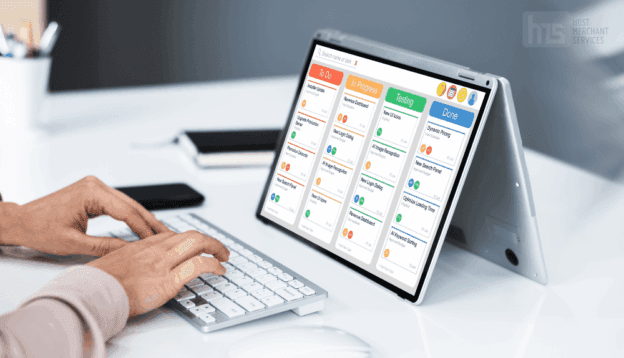

Why is My Business Software Starting to Look Like Social Media?

Why is My Business Software Starting to Look Like Social Media? Exploring 2023 UI Trends

In the ever-evolving landscape of technology, it seems that the boundaries between business software and social media platforms are beginning to blur. As we dive into the year 2023, a fascinating trend is emerging: the convergence of user interface (UI) designs between these two seemingly disparate worlds. Gone are the days of clunky interfaces and uninspiring user experiences in the business software realm. Instead, we find ourselves in a time where our tools for productivity and collaboration bear an uncanny resemblance to the engaging and visually captivating interfaces of social media.

Join us on this exploration of the intriguing UI trends shaping the business software landscape and discover why is my business software starting to look like social media. Why a once-dull applications are now starting to resemble the very platforms that have captured our attention and transformed the way we connect, share, and communicate.

What is UI/UX?

UI (User Interface) and UX (User Experience) are two crucial components of software design that focus on enhancing the interaction between users and digital systems. UI refers to the visual and interactive elements of a software application or website that users engage with directly. It encompasses the layout, buttons, icons, menus, and other visual elements that make up the interface. The goal of a well-designed UI is to provide users with a visually appealing and intuitive interface that allows them to easily navigate, understand, and interact with the software.

On the other hand, UX is concerned with the overall experience a user has while using a product or system. It goes beyond just the interface and encompasses the entire user journey, from their initial interaction with the software to their overall satisfaction and impression. UX design focuses on understanding user needs, conducting research, creating wireframes and prototypes, and optimizing the product to ensure a seamless and meaningful user experience.

In essence, UI and UX work hand in hand to create a user-friendly and engaging digital environment. While UI deals with the aesthetics and functionality of the interface, UX takes a holistic approach to design, ensuring that the software meets user expectations, goals, and provides a satisfying experience.

Why is My Business Software Starting to Look Like Social Media? How Business Software UI/UX Has Changed?

business software now a days looks like social media

The landscape of business software user interface (UI) and user experience (UX) has witnessed a significant transformation in recent years. As technology advances and user expectations evolve, businesses are recognizing the importance of creating intuitive, visually appealing, and engaging software interfaces. In this section, we will explore the key changes that have shaped the UI/UX of business software, highlighting the shift towards user-centric design and the integration of elements inspired by social media platforms.

From Functionality to User-Centric Designs

Traditionally, business software placed emphasis on functionality, often neglecting the importance of user experience. However, as the digital world became more user-oriented, the focus shifted towards user-centric design. Businesses realized that creating software with an intuitive and user-friendly interface improves productivity, reduces learning curves, and enhances overall satisfaction. As a result, UI/UX teams began incorporating principles of user-centered design, conducting user research, and incorporating user feedback to shape the software interface.

Streamlined and Minimalistic Interfaces

One noticeable change in business software UI is the move towards streamlined and minimalistic interfaces. Cluttered screens overloaded with complex menus and buttons have given way to clean, visually appealing layouts. This minimalist approach not only enhances the aesthetics but also improves usability by reducing cognitive load, making it easier for users to navigate and find the information or features they need.

Enhanced Visual Appeal and Branding

In an increasingly competitive market, businesses recognize the importance of brand consistency and differentiation. As a result, business software UI/UX has evolved to incorporate visually appealing elements that align with the organization’s branding. Companies now strive to create software interfaces that reflect their brand identity through color schemes, typography, and graphical elements. This approach not only reinforces brand recognition but also contributes to a cohesive user experience across various touchpoints.

Integration of Social Media-inspired Elements

The rise of social media platforms has had a significant influence on UI/UX design across various domains, including business software. Users have become accustomed to the intuitive and engaging interfaces of social media platforms, and businesses have started to incorporate similar elements in their software to enhance user engagement. Features such as activity feeds, real-time notifications, and interactive elements are now being integrated into business software interfaces, providing users with a familiar and engaging experience.

Mobile Responsiveness and Cross-Platform Compatibility

With the proliferation of smartphones and tablets, mobile responsiveness has become a crucial aspect of UI/UX design. Business software is no exception, as users increasingly expect to access applications on their mobile devices. UI/UX designers now prioritize responsive design principles to ensure software interfaces adapt seamlessly to different screen sizes and orientations. Moreover, cross-platform compatibility has gained prominence, enabling users to seamlessly switch between devices while maintaining a consistent experience.

Emphasis on Accessibility and Inclusivity

Another significant change in business software UI/UX is the growing emphasis on accessibility and inclusivity. Designing software that is accessible to users with disabilities has become a priority, driven by the need for equal opportunities and compliance with accessibility standards. UI/UX teams are incorporating features such as alternative text for images, keyboard navigation support, and color contrast enhancements to ensure that software interfaces are usable by individuals with diverse abilities.

The evolution of business software UI/UX has seen a paradigm shift, placing greater emphasis on user-centric design, streamlined interfaces, visual appeal, and integration of social media-inspired elements. The transformation reflects the growing recognition of the impact of UI/UX on user satisfaction, productivity, and overall business success. As technology continues to advance, businesses must adapt to evolving user expectations, leveraging the power of UI/UX design to create software interfaces that not only meet functional requirements but also provide a delightful and engaging experience for users.

Factors Driving the Business Software UI/UX Changes

Factors Driving the Business Software UI/UX Changes

The user interface (UI) and user experience (UX) of business software have undergone significant changes in recent years. Several factors have contributed to this evolution, driven by technological advancements, changing user expectations, and the need for increased productivity and efficiency. In this section, we will explore the key factors driving the changes in business software UI/UX and their implications for user satisfaction and business success.

Technological Advancements

The rapid advancements in technology have played a crucial role in driving changes in business software UI/UX. With the rise of cloud computing, mobile devices, and high-speed internet connectivity, users now expect seamless experiences across different platforms and devices. UI/UX designers have responded by incorporating responsive design principles, ensuring that software interfaces adapt and function seamlessly on various screen sizes and resolutions.

Shift to User-Centric Design

One of the significant driving factors behind UI/UX changes in business software is the shift towards user-centric design. Businesses have realized the importance of creating software that is intuitive, easy to navigate, and visually appealing. They understand that a positive user experience leads to increased productivity, user satisfaction, and customer loyalty. User research, usability testing, and feedback loops have become integral parts of the design process, enabling UI/UX teams to align software interfaces with user needs and preferences.

Changing User Expectations

User expectations have evolved significantly, influenced by their experiences with consumer-oriented applications and digital platforms. Users now expect business software to provide the same level of usability, intuitiveness, and visual appeal as their favorite consumer apps. They demand software interfaces that are clean, minimalist, and aesthetically pleasing. Additionally, users expect personalized experiences, real-time updates, and seamless integration with other tools and systems. To meet these expectations, UI/UX designers must stay informed about the latest trends and incorporate elements that enhance the overall user experience.

Rise of Mobile Devices

The proliferation of mobile devices has had a profound impact on business software UI/UX. With the increasing number of users accessing software applications on smartphones and tablets, mobile responsiveness has become essential.

Businesses recognize the importance of providing a consistent and seamless user experience across devices, and UI/UX designers are tasked with creating interfaces that adapt to different screen sizes, touch interactions, and mobile-specific constraints. Mobile-first or mobile-friendly approaches are now common, ensuring that users can access and interact with business software efficiently on the go.

Integration of Data Visualization

As businesses generate vast amounts of data, there is a growing need for effective data visualization in business software UI/UX. Users want to be able to interpret and make sense of complex data quickly and intuitively. UI/UX designers are incorporating interactive charts, graphs, and dashboards that enable users to visualize data, derive insights, and make informed decisions. Data-driven UI/UX design not only enhances the user experience but also improves productivity and data-driven decision-making within organizations.

Emphasis on Collaboration and Communication

Modern businesses recognize the importance of collaboration and communication within their software tools. UI/UX changes in business software reflect this emphasis, with the integration of features that enable seamless collaboration, real-time communication, and file sharing. Software interfaces now incorporate chat functionalities, task management tools, project collaboration spaces, and shared workspaces. These features facilitate teamwork, improve efficiency, and contribute to a more engaging user experience.

Several factors are driving the changes in business software UI/UX, including technological advancements, the shift to user-centric design, changing user expectations, the rise of mobile devices, the integration of data visualization, and the emphasis on collaboration and communication.

Businesses that prioritize UI/UX design and adapt to these driving factors are better positioned to provide software interfaces that meet user needs, enhance productivity, and drive overall business success. As technology continues to evolve and user expectations evolve, staying attuned to these factors and continuously improving UI/UX design will remain crucial for businesses in delivering exceptional user experiences.

Impact of Increased Employee Demands on Business Software UI/UX

Impact of Increased Employee Demands on Business Software UI/UX

Employees today have higher expectations when it comes to the user interface (UI) and user experience (UX) of business software. As technology advances and consumer applications set new standards for usability and visual appeal, employees now demand intuitive, efficient, and visually engaging software interfaces in their professional environments. In this article, we will explore how increased demands from employees have influenced and changed business software UI/UX.

Consumerization of IT

The consumerization of IT refers to the trend of employees expecting their work software to match the user-friendly and visually appealing interfaces of the applications they use in their personal lives. With the widespread adoption of smartphones and popular consumer applications, employees have become accustomed to seamless experiences, sleek designs, and intuitive interactions. As a result, they expect similar qualities in their business software, leading to a paradigm shift in UI/UX design.

Simplified Workflows and Efficiency

Employees now seek business software that simplifies their workflows, automates repetitive tasks, and streamlines complex processes. They want software interfaces that are easy to navigate, with intuitive menu structures and clear visual cues. UI/UX designers are responding to these demands by focusing on creating software interfaces that reduce cognitive load, minimize clicks, and enable employees to complete tasks efficiently.

A well-designed UI/UX contributes to increased productivity, saves time, and enhances overall employee satisfaction.

Mobile Workforce and Remote Collaboration

The rise of remote work and the increasing number of mobile employees have significantly impacted business software UI/UX. Employees expect software interfaces that are mobile-responsive and enable seamless access and collaboration across different devices and locations.

They require interfaces that adapt to varying screen sizes, touch interactions, and limited bandwidth while maintaining functionality and usability. UI/UX designers are incorporating responsive design principles and optimizing software interfaces for mobile devices to cater to the demands of a mobile workforce.

Personalization and Customization

Employees desire software interfaces that can be personalized and customized to align with their individual work preferences and needs. They seek the ability to personalize dashboards, layouts, and settings to enhance their productivity and make the software feel tailored to their specific roles and tasks. UI/UX designers are incorporating customization options, flexible layouts, and configurable features that empower employees to personalize their software experience. This personal touch improves employee engagement and fosters a sense of ownership over the software.

Integration and Seamless Workflows

Employees often work with multiple software applications and tools to perform their tasks. They expect seamless integrations between different software systems, enabling smooth data transfer, real-time updates, and consistent experiences.

UI/UX designers are focusing on creating cohesive software interfaces that integrate seamlessly with other applications, providing employees with a unified and streamlined experience. By minimizing the need for context-switching and reducing manual data entry, businesses can enhance employee productivity and satisfaction.

Training and Onboarding

Employees increasingly value software interfaces that are easy to learn and require minimal training or onboarding. They expect software that follows familiar design patterns and uses intuitive interactions. UI/UX designers are incorporating design principles such as consistency, affordance, and user guidance to create interfaces that are intuitive and self-explanatory. By reducing the learning curve and facilitating quick adoption, businesses can improve employee onboarding processes, save time, and reduce training costs.

Benefits of Using Business Software with Good UI/UX

Using business software with a good user interface (UI) and user experience (UX) can provide numerous benefits for organizations. Here are some key advantages:

Increased Productivity

A well-designed UI/UX reduces the learning curve and makes it easier for employees to navigate and use the software. Intuitive interfaces and streamlined workflows enable users to accomplish tasks more efficiently, leading to increased productivity and time savings.

Enhanced User Satisfaction

Good UI/UX design focuses on creating a positive user experience, resulting in higher user satisfaction. Employees who find the software easy to use, visually appealing, and engaging are more likely to enjoy their work and feel more satisfied with their overall experience.

Reduced Training and Support Costs

Intuitive UI/UX design minimizes the need for extensive training and support. Employees can quickly grasp the software’s functionalities, reducing the time and resources required for onboarding and ongoing assistance. This leads to cost savings for the organization.

Error Reduction and Increased Accuracy

Well-designed UI/UX can help minimize errors and improve data accuracy. Clear visual cues, logical workflows, and error prevention mechanisms reduce the likelihood of mistakes during data entry or complex processes. This results in improved data quality and reduces the risk of costly errors.

Competitive Advantage

Business software with excellent UI/UX can give organizations a competitive edge. A visually appealing and user-friendly interface enhances the perception of professionalism and modernity. It can attract and retain customers, differentiate the organization from competitors, and contribute to a positive brand image.

Increased Adoption and Engagement

Employees are more likely to adopt and fully utilize software that offers a good UI/UX. A well-designed interface encourages user engagement and active participation, leading to higher adoption rates and maximizing the return on investment for the software.

Scalability and Flexibility

Good UI/UX design takes into account scalability and adaptability. As businesses grow and evolve, the software interface can be easily scaled or modified to accommodate changing needs and additional functionalities. This flexibility ensures that the software remains relevant and usable over time.

Accessibility and Inclusivity

UI/UX design that considers accessibility requirements ensures that the software is usable by individuals with disabilities. Features such as keyboard navigation support, screen reader compatibility, and color contrast enhancements improve accessibility, promoting inclusivity within the organization.

Data-driven Decision Making

Well-designed data visualization features in business software UI/UX enable users to analyze and interpret data effectively. Interactive charts, graphs, and dashboards present information in a visually engaging manner, facilitating data-driven decision-making and empowering employees to derive insights from complex data sets.

Final Words

In conclusion, the benefits of using business software with good UI/UX are manifold. Organizations that prioritize user-centric design and invest in creating intuitive, visually appealing, and engaging software interfaces reap the rewards of increased productivity, enhanced user satisfaction, and reduced training and support costs. Furthermore, such software fosters collaboration reduces errors, and boosts accuracy, providing a competitive advantage in today’s fast-paced business landscape.

The adoption of business software with excellent UI/UX drives user engagement maximizes the software’s potential, and contributes to a positive brand image. Additionally, the scalability, accessibility, and data-driven decision-making capabilities offered by well-designed UI/UX empower organizations to adapt and make informed choices.

Ultimately, by recognizing the importance of UI/UX and incorporating it into their software solutions, businesses can unlock the full potential of their technology investments and drive success in the digital age.

Frequently Asked Questions (FAQs)

Why is UI/UX important in business software?

UI/UX is important in business software as it directly impacts user satisfaction, productivity, and overall user experience. A well-designed interface makes the software intuitive, easy to use, and visually appealing, leading to increased adoption and improved efficiency within an organization.

How does good UI/UX design contribute to increased productivity?

Good UI/UX design reduces the learning curve, streamlines workflows, and provides clear navigation, resulting in faster task completion and increased productivity. Well-designed interfaces minimize cognitive load and enable users to focus on their work rather than struggling with complex or confusing software interactions.

What role does mobile responsiveness play in business software UI/UX?

Mobile responsiveness is crucial in business software UI/UX due to the increasing use of mobile devices and remote work. Mobile-responsive interfaces ensure that software is accessible and usable across different screen sizes and devices, enabling employees to work efficiently and effectively while on the go.

How can UI/UX design contribute to employee satisfaction?

UI/UX design influences employee satisfaction by creating software interfaces that are visually appealing, easy to navigate, and intuitive to use. A positive user experience enhances employee engagement, reduces frustration, and fosters a sense of ownership and pride in their work tools.

What are some key considerations for designing accessible UI/UX in business software?

Designing accessible UI/UX in business software involves considering factors such as keyboard navigation support, color contrast for visual impairments, text alternatives for images, and compatibility with screen readers. Accessibility ensures that individuals with disabilities can use the software effectively, promoting inclusivity within the organization.

Can your remote team increase your company productivity?

Can Your Remote Team Increase Your Company Productivity? Learn Useful Tips and Tricks for 2023

In today’s ever-evolving business landscape, remote work has become a prevalent and necessary practice for companies worldwide. As the year 2026 unfolds, organizations are increasingly recognizing the potential of remote teams to enhance productivity and drive success. However, effectively managing a remote workforce requires a different approach and a unique set of strategies.

In this article, we will explore the question, “Can your remote team increase your company productivity?” and delve into valuable tips and tricks to maximize the potential of your distributed workforce in 2026. Whether you are a seasoned remote team manager or new to the concept, this guide will equip you with practical insights to optimize productivity, foster collaboration, and ensure the success of your remote team in the digital age.

Can your remote team increase your company productivity?

advantages of remote team

Remote work has witnessed a significant surge in recent years, with more companies adopting flexible work arrangements and distributed teams. While remote work offers numerous benefits, such as increased flexibility and reduced commuting time, there are ongoing debates about its impact on productivity. Here, we will explore the potential effects of remote work on productivity, examining both the advantages and challenges that organizations face in managing remote teams.

Advantages of Remote Work on Productivity

Flexibility and Work-Life Balance

One of the major benefits of remote work is the flexibility it provides employees. Remote workers often have the freedom to choose their work hours, creating a conducive environment for increased productivity. They can structure their day to accommodate personal commitments and work during their most productive hours, resulting in higher efficiency and improved work-life balance.

Reduced Commuting and Distractions

By eliminating the commuting need to a physical office, employees can save their valuable time in remote work. This decrease in commuting-related stress and distractions can lead to a more focused work environment, allowing individuals to dedicate more time to their tasks and projects. Remote workers can create personalized workspaces that suit their preferences, further minimizing distractions and enhancing productivity.

Challenges of Remote Work on Productivity

Potential for Communication and Collaboration Gaps

Effective communication and collaboration are vital for any team’s success. In remote work settings, there may be challenges in maintaining clear and consistent communication channels. Miscommunication or delayed responses can hinder productivity and result in misunderstandings. Employing robust communication tools and establishing regular check-ins can help mitigate these challenges and foster effective collaboration.

Lack of Work-Life Boundaries

While remote work offers flexibility, it can also blur the boundaries between work and personal life. Without clear separation, remote workers may find it challenging to maintain a healthy work-life balance, leading to potential burnout and reduced productivity. Encouraging employees to establish routines, set boundaries, and prioritize self-care can help alleviate these concerns.

The impact of remote work on productivity can be significant, with advantages such as increased flexibility and reduced distractions. However, challenges related to communication and work-life boundaries need to be effectively addressed to ensure optimal productivity in remote teams. By implementing appropriate strategies, leveraging technology, and fostering a supportive work culture, organizations can harness the full potential of remote work and create an environment where productivity flourishes.

How Remote Work Increases Productivity

How Remote Work Increases Productivity

Remote work has transformed the traditional office-based work model, offering employees the flexibility to work from anywhere and at any time. Contrary to initial skepticism, remote work has demonstrated its ability to increase productivity in numerous ways. Here, we will explore how remote work can boost productivity and contribute to the success of both individuals and organizations.

Reduced Commuting and Increased Focus

One of the primary advantages of remote work is the elimination of commuting time and associated stress. Without the need to travel to a physical office, employees can start their workday promptly, allowing them to dedicate more time and energy to their tasks. This increased focus leads to improved productivity and efficiency.

Personalized Work Environment

Remote work empowers individuals to create personalized work environments tailored to their preferences. Whether it’s a quiet home office, a favorite coffee shop, or a co-working space, remote workers can choose a setting that promotes their productivity. Being able to work in an environment that suits their needs can have a significant positive impact on their output and overall job satisfaction.

Fewer Interruptions and Distractions

Traditional office settings often entail various interruptions, such as impromptu meetings, colleagues dropping by for quick discussions or excessive noise. Remote work minimizes these interruptions, allowing employees to maintain a more focused and uninterrupted workflow. With fewer distractions, individuals can concentrate on their tasks, resulting in higher productivity levels.

Increased Autonomy and Ownership

Remote work empowers employees with a sense of autonomy and ownership over their work. With greater flexibility in managing their time and tasks, remote workers can take control of their productivity. This increased autonomy fosters a sense of responsibility and accountability, motivating individuals to deliver their best work and meet deadlines consistently.

Access to a Global Talent Pool

One of the significant advantages of remote work is the ability to tap into a global talent pool. Organizations are no longer restricted by geographical limitations when hiring talent. This expanded access to a diverse range of skills, and expertise enables companies to assemble high-performing teams. By bringing together top talent from different locations, remote work promotes collaboration and innovation, ultimately driving productivity.

Improved Work-Life Balance

Remote work provides employees with the opportunity to achieve a healthier work-life balance. The flexibility to set their own schedules and integrate personal commitments seamlessly allows individuals to prioritize their well-being. When employees have a balanced life outside of work, they are more likely to be energized, focused, and motivated, resulting in enhanced productivity during working hours.

The shift towards remote work has demonstrated its potential to increase productivity by eliminating commuting time, reducing distractions, and providing individuals with autonomy and a personalized work environment. As organizations continue to embrace remote work, it is crucial to leverage the advantages it offers and address any challenges effectively. By fostering a supportive remote work culture, implementing clear communication strategies, and empowering employees, organizations can unlock the full potential of remote work and achieve heightened productivity levels.

Why Companies Should Consider Remote Work in 2026

The world of work has undergone a paradigm shift in recent years, and remote work has emerged as a prominent and viable option for companies worldwide. As we step into 2026, the significance of remote work has become even more apparent. This section will outline compelling reasons why companies should consider embracing remote work in 2026 and explore the numerous benefits it can offer.

Attract and Retain Top Talent

Remote work has become a highly sought-after perk among job seekers. By offering remote work options, companies can attract and retain top talent, regardless of geographical boundaries. This flexibility allows organizations to tap into a wider pool of skilled professionals, expanding their talent acquisition possibilities and gaining a competitive edge in the market.

Enhanced Productivity and Efficiency

Contrary to the initial concerns, remote work has demonstrated its ability to enhance productivity and efficiency. Without the distractions and time-consuming elements associated with traditional office settings, employees can focus on their tasks, leading to higher output and improved work quality. Studies have shown that remote workers often exhibit higher levels of job satisfaction, which directly correlates with increased productivity.

Cost Savings

Remote work offers significant cost savings for both companies and employees. Companies can reduce expenses related to office space, utilities, and other overhead costs. By allowing employees to work remotely, organizations can optimize their resources and allocate funds to more critical areas of their operations. Additionally, employees can save money on commuting, meals, and work attire, contributing to their overall satisfaction and well-being.

Business Continuity and Resilience

The COVID-19 pandemic highlighted the importance of business continuity and resilience. Remote work provides companies with the ability to adapt quickly to unforeseen circumstances, such as natural disasters, public health crises, or transportation disruptions. By establishing remote work capabilities, organizations can ensure uninterrupted operations and mitigate the impact of external factors on their business.

Improved Work-Life Balance

In 2026, work-life balance continues to be a priority for employees. Remote work allows individuals to strike a healthier balance between their personal and professional lives. The flexibility to manage their schedules and integrate personal commitments reduces stress and burnout, leading to happier and more engaged employees. Companies prioritizing work-life balance through remote work options are more likely to attract and retain top talent.

Environmental Sustainability

Remote work contributes to environmental sustainability by reducing carbon emissions associated with commuting. With fewer employees commuting to the office, there is a significant reduction in traffic congestion and pollution. Embracing remote work aligns with corporate social responsibility initiatives and demonstrates a commitment to environmental sustainability, appealing to eco-conscious employees and customers alike.

Global Collaboration and Diversity

Remote work enables companies to foster collaboration and diversity on a global scale. By leveraging technology and communication tools, teams can collaborate seamlessly across different time zones and locations. This allows organizations to tap into diverse perspectives, expertise, and cultural backgrounds, leading to innovative solutions and improved decision-making.

In 2026, remote work has become more than just a trend; it is a strategic advantage for companies looking to thrive in a rapidly evolving business landscape. The benefits of remote work, including attracting top talent, enhancing productivity, reducing costs, ensuring business continuity, promoting work-life balance, supporting environmental sustainability, and enabling global collaboration, are compelling reasons for companies to consider implementing remote work options. By embracing remote work, organizations can position themselves as forward-thinking, agile, and inclusive, setting the stage for continued success in the years to come.

How to Manage Teams Effectively in Remote Work Environment

Managing teams in a remote work environment require a different set of strategies and approaches compared to traditional office settings. As remote work continues to gain prominence in the professional landscape, managers must adapt and develop effective practices to ensure productivity, collaboration, and team success. Here, we will explore essential tips and strategies for managing teams effectively in a remote work environment.

Clear Communication Channels and Expectations

Establishing clear communication channels is paramount in a remote work environment. Utilize various communication tools such as video conferencing, instant messaging, and project management platforms to foster regular and transparent communication. Set expectations for response times, availability, and preferred modes of communication to ensure everyone is on the same page. Encourage open dialogue, active listening, and provide opportunities for team members to voice their ideas, concerns, and feedback.

Goal Setting and Performance Management

Set clear goals and expectations for individual team members and the team as a whole. Define key performance indicators (KPIs) and milestones to measure progress and ensure alignment with organizational objectives. Regularly monitor and review performance, providing constructive feedback and recognition for achievements. Implement performance management systems that allow for ongoing tracking and evaluation of remote team members’ contributions.

Foster Collaboration and Engagement

Promote a collaborative and engaged team culture by leveraging technology and virtual collaboration tools. Encourage teamwork through various team-building activities, collaborative project management platforms, and brainstorming sessions. Create opportunities for social interactions and team bonding via virtual team lunches, coffee breaks, or team-building games. Recognize and celebrate team achievements to foster a sense of camaraderie and motivation.

Trust and Empowerment

Trust is crucial in remote teams. Provide autonomy and empower team members to take ownership of their work. Avoid micromanagement and focus on outcomes rather than monitoring every step. Trusting your team members fosters a sense of responsibility and accountability, increasing motivation and productivity. Regular check-ins and one-on-one meetings are essential for building trust, addressing concerns, and providing support when needed.

Clear Communication of Expectations and Deadlines

Ensure that team members have a clear understanding of their roles, responsibilities, and deadlines. Clearly communicate project objectives, milestones, and deliverables. Use project management tools to track progress and provide visibility into task assignments. Regularly communicate updates and any changes to deadlines or priorities to keep the team aligned and informed.

Support and Resources

Provide the necessary support and resources for your remote team members to excel in their roles. Ensure they have access to the tools, software, and training they need to perform their tasks efficiently. Be proactive in addressing any technological or logistical challenges they may encounter and provide solutions or assistance promptly.

Encourage Work-Life Balance

Promote work-life balance among your remote team members. Encourage them to establish boundaries between work and personal life and respect their non-working hours. Encourage breaks, vacations, and time off to prevent burnout and maintain well-being. Lead by example and communicate the importance of maintaining a healthy work-life balance.

Effectively managing remote teams requires a combination of clear communication, goal setting, trust, collaboration, and support. By implementing these strategies, managers can foster an environment where remote team members feel engaged, empowered, and motivated to deliver their best work. As remote work becomes increasingly prevalent, adapting these practices will contribute to team success, productivity, and overall organizational growth.

Challenges to Avoid in Remote Work

While remote work offers numerous advantages, it also presents unique challenges that managers and employees must navigate. Understanding and addressing these challenges proactively is crucial to ensure a successful remote work environment. Here, we will discuss common challenges that arise in remote work and provide strategies to avoid or overcome them.

Communication Gaps

One of the most significant challenges in remote work is communication. Without the ability to have face-to-face interactions, misunderstandings can occur, and important information may be lost. To address this, establish clear and efficient communication channels. Encourage regular check-ins, use video conferencing whenever possible, and leverage collaboration tools for real-time communication. Foster a culture of open and transparent communication where team members feel comfortable asking questions and seeking clarification.

Lack of Collaboration and Team Connection

Building a sense of teamwork and camaraderie can be challenging when working remotely. To foster collaboration, create virtual spaces for team discussions, brainstorming, and knowledge sharing. Encourage regular virtual meetings or video conferences to maintain connections and build relationships. Implement team-building activities or social events, such as virtual happy hours or online games, to strengthen bonds.

Distractions and Work-Life Balance

Remote work can blur the boundaries between work and personal life, leading to distractions and difficulties in maintaining a healthy work-life balance. Encourage employees to establish dedicated workspaces and routines that separate work from home life. Set clear expectations around work hours and encourage breaks to prevent burnout. Promote self-care and emphasize the importance of disconnecting from work when needed.

Time Zone Differences

Remote teams often span different time zones, which can pose challenges for scheduling meetings and collaboration. To address this, establish core hours when all team members are available for synchronous communication. Foster a culture of flexibility and understanding, allowing team members to adjust their schedules when necessary. Leverage technology to facilitate asynchronous collaboration, such as using shared documents as well as project management tools.

Monitoring and Accountability

Monitoring the progress and productivity of remote team members can be challenging without in-person supervision. Focus on outcomes and results rather than micromanaging every step. Set clear goals, deliverables, and deadlines, and establish a system for tracking and reporting progress. Implement project management tools that provide visibility into tasks and milestones. Regular check-ins and performance evaluations can ensure accountability and provide opportunities for feedback and support.

Technology and Connectivity Issues

Reliance on technology in remote work means that technical difficulties and connectivity issues can disrupt productivity. Encourage team members to have reliable internet connections and access necessary hardware and software. Provide support and resources for troubleshooting technical issues promptly. Have backup plans in place for critical tasks or meetings in case of technology failures.

Remote work comes with its own set of challenges, but with proactive strategies, they can be effectively managed. By addressing communication gaps, fostering collaboration and team connection, promoting work-life balance, ensuring accountability, and being prepared for technology issues, organizations can create a productive and successful remote work environment. Embracing these strategies and continuously adapting to the evolving needs of remote teams will contribute to long-term success and employee satisfaction in the remote work era.

Final Words

Remote work has become a prevalent and transformative aspect of the modern work landscape. While it presents numerous benefits, it also brings its share of challenges that need to be addressed to ensure a productive and successful remote work environment. By considering the strategies and insights discussed in this chat, organizations can navigate the challenges of remote work effectively.

From clear communication channels and fostering collaboration to promoting work-life balance and addressing technology issues, these approaches can help managers and employees thrive in the remote work era. By embracing the opportunities remote work offers and proactively managing its challenges, organizations can unlock the full potential of their remote teams, leading to increased productivity, employee satisfaction, and overall success in the ever-evolving world of work.

Frequently Asked Questions (FAQs)

How can I ensure effective communication with my remote team?

To ensure effective communication with your remote team, establish clear communication channels, set expectations for response times and preferred modes of communication, leverage technology tools like video conferencing and instant messaging, and encourage open and transparent communication. Regular check-ins and one-on-one meetings can also help facilitate effective communication.

How can I foster collaboration in a remote work environment?

To foster collaboration in a remote work environment, leverage virtual collaboration tools and project management platforms, create opportunities for virtual team discussions and brainstorming sessions, encourage teamwork and knowledge sharing, and organize team-building activities or social events to build rapport among team members.

How can I manage remote team productivity?

Managing remote team productivity involves setting clear goals and expectations, providing regular feedback and performance evaluations, leveraging project management tools to track progress, promoting accountability, encouraging a healthy work-life balance, and fostering a supportive and empowering work culture.

How can I address work-life balance challenges in remote work?

To address work-life balance challenges in remote work, encourage employees to establish dedicated workspaces, set boundaries between work and personal life, promote breaks and time off, lead by example in maintaining a healthy work-life balance, and provide resources or support for managing stress and burnout.

What are some common challenges in remote work?

Common challenges in remote work include communication gaps, lack of collaboration and team connection, distractions, time zone differences, monitoring and accountability, and technology or connectivity issues. However, these challenges can be addressed through effective communication strategies, fostering a positive team culture, establishing clear expectations, providing support and resources, and leveraging technology solutions.

Is it Hard to Get a Business Loan in 2023?

Tips and Tricks for Negotiating Business Loans

Securing adequate financing is a crucial aspect of running a successful business. Whether you’re starting a new venture or expanding an existing one, negotiating business loans is an essential skill that can greatly impact your company’s financial health. However, the process of negotiating business loans can be daunting and challenging, requiring careful planning and strategic approaches.

In this guide, we will explore valuable tips and tricks for negotiating business loans that can help you optimize your chances of securing favorable terms and conditions. From understanding the lender’s perspective to effectively presenting your case, these insights will empower you to confidently negotiate with financial institutions and secure the funding your business needs to thrive.

What is a Business Loan?

A business loan refers to a financial arrangement where a lender provides funds to a business entity, typically in the form of a lump sum or a line of credit, to support its operations, expansion, or other specific business needs. Unlike personal loans, business loans are specifically designed to cater to the financial requirements of companies ranging from small startups to large corporations. These loans can be obtained from various sources, including banks, credit unions, online lenders, and government-backed programs.

Business loans serve as a vital lifeline for entrepreneurs, enabling them to invest in equipment, inventory, real estate, working capital, marketing campaigns, or any other expenditure necessary for business growth. The terms and conditions of a business loan vary based on factors such as the lender’s requirements, the borrower’s creditworthiness, the loan amount, and the purpose of the loan.

Repayment terms can range from a few months to several years, and interest rates can be fixed or variable. A business loan provides the necessary capital to fuel growth, sustain operations, and seize opportunities, helping businesses thrive in a competitive market.

What are the Key Steps to Negotiating Business Loans?

What are the Key Steps to Negotiating Business Loans?

Securing a business loan is often a critical step in fueling growth, expanding operations, or addressing financial challenges. However, negotiating favorable loan terms and conditions requires careful planning and strategic execution. Here are some key steps to effectively negotiate a business loan:

Research and Preparation

Before approaching any lender, conduct thorough research to understand your business’s financial needs, the purpose of the loan, and the specific terms you are seeking. Evaluate your creditworthiness, financial statements, and projections to assess your borrowing capacity and determine your required amount. Gather all relevant documentation, such as tax returns, financial statements, and business plans, to present a comprehensive loan proposal.

Identify Potential Lender

Explore different lending options, including traditional banks, credit unions, online lenders, or government-backed programs, to identify potential lenders that align with your business needs. Consider factors such as interest rates, repayment terms, loan amounts, and their expertise in your industry. Building relationships with multiple lenders can provide you with negotiation leverage and alternative options.

Understand the Lender’s Perspective

Put yourself in the lender’s shoes to understand their perspective and evaluate the risks associated with lending to your business. Anticipate questions they may ask and prepare convincing responses. Highlight your business’s strengths, profitability, cash flow, and any collateral you can offer to secure the loan. Demonstrating a clear understanding of your business’s financial health and the industry landscape can enhance your negotiating position.

Present a Strong Loan Proposal

Craft a compelling loan proposal that outlines the purpose of the loan, the amount requested, and a clear repayment plan. Include a detailed description of how the loan will be used to generate revenue or address specific business needs. Provide realistic financial projections and a solid repayment strategy to instill confidence in the lender. Emphasize your business’s potential for success and the measures you have in place to mitigate risks.

Negotiate Terms and Conditions

Engage in a constructive dialogue with potential lenders to negotiate favorable terms and conditions. Be prepared to discuss interest rates, repayment schedules, collateral requirements, and any fees associated with the loan. Use your research on alternative lending options as leverage to negotiate competitive rates. Consider seeking professional advice, such as engaging an attorney or financial advisor, to assist with the negotiation process and ensure you fully understand the loan agreement.

Review and Understand the Loan Agreement

Thoroughly review the loan agreement, including all terms, conditions, and legal obligations, before signing. Pay close attention to interest rates, repayment terms, penalties for early repayment, and any covenants or restrictions that may impact your business operations. Seek clarification on any clauses or language that you do not fully understand. It is crucial to be fully aware of the financial commitments and obligations associated with the loan before proceeding.

Maintain a Strong Relationship with the Lender

Once the loan is secured, it is essential to maintain a strong relationship with the lender. Timely repayment, open communication, and transparency regarding your business’s financial performance can strengthen the lender’s trust in your company. A positive relationship may facilitate future loan requests or provide access to additional financial products or services.

By following these key steps, you can navigate the loan negotiation process with confidence, increasing your chances of securing a business loan with favorable terms and conditions. Proper research, preparation, and effective communication are instrumental in achieving a successful loan agreement that meets your business’s financial needs.

How to Access Your Borrowing Capacity

Experian Credit Score

Assessing your borrowing capacity is a crucial step in understanding how much financing you can realistically obtain for your business. Here are the key factors to consider when evaluating your borrowing capacity:

Evaluate Your Business’s Financial Health

Review your financial statements, including income statements, balance sheets, and cash flow statements. Assess your business’s profitability, revenue growth, and liquidity. Lenders will closely examine these financial indicators to determine your ability to repay the loan.

Calculate the Debt Service Coverage Ratio (DSCR)

DSCR is a financial metric that measures your business’s ability to cover its debt obligations. It can be calculated by dividing the business’s annual operating income with the annual debt payments. Lenders typically prefer a DSCR of 1.25 or higher, indicating that your business generates sufficient cash flow to cover loan repayments comfortably.

Assess Personal and Business Credit Scores

Your personal and business credit scores play a significant role in determining your borrowing capacity. Review your credit reports from major credit bureaus and ensure they are accurate. A higher credit score demonstrates a strong credit history and increases your chances of securing favorable loan terms.

Review Collateral and Assets

Collateral provides security for the lender and can enhance your borrowing capacity. Evaluate the value of assets, such as real estate, equipment, or inventory, that you can pledge as collateral. Lenders may offer higher loan amounts or lower interest rates if you have valuable assets to secure the loan.

Consider Industry and Market Factors

Some industries are considered higher risk than others, which can affect your borrowing capacity. Research industry trends, market conditions, and the overall economic outlook. Lenders may be more cautious or impose stricter terms for businesses in high-risk sectors.

Debt-to-Equity Ratio

Assess your business’s debt-to-equity ratio, which compares your total debt to shareholders’ equity. A lower ratio indicates a healthier financial position and a reduced risk for lenders. Aim for a debt-to-equity ratio that demonstrates a reasonable level of leverage without being excessively high.

Cash Flow Analysis

Analyze your business’s cash flow to determine if it is sufficient to cover loan repayments while meeting other operational expenses. Lenders evaluate cash flow to assess your ability to manage debt obligations. Demonstrating a consistent and positive cash flow is vital for securing a loan.

Consider Existing Liabilities

Evaluate your existing liabilities, including outstanding loans, credit card debts, and other financial obligations. Lenders take into account your debt load when assessing your borrowing capacity. Paying down existing debts can improve your financial position and increase your ability to obtain additional financing.

Remember that each lender may have different criteria and requirements, so it’s essential to research and approach multiple lenders to find the best fit for your business’s borrowing needs. Consulting with a financial advisor or accountant can provide valuable insights and help you navigate the borrowing capacity assessment process.

Key Considerations While Choosing a Lender

Criteria Business Lenders Look For

When choosing a lender for your business loan, it’s important to consider several key factors to ensure that you find the right fit. Here are the key considerations to keep in mind

Loan Products and Terms

Evaluate the loan products offered by the lender and determine if they align with your business’s specific needs. Consider factors such as loan amounts, repayment terms, interest rates, and any additional fees or charges. Choose a lender that offers loan terms that are suitable for your business’s financial situation and cash flow.

Lender’s Expertise and Experience

Research the lender’s expertise and experience in providing loans to businesses in your industry. Some lenders specialize in specific sectors or have a better understanding of certain types of businesses. Working with a lender familiar with your industry can provide valuable insights and guidance throughout the loan process.

Reputation and Reliability

Consider the lender’s reputation and reliability in the market. Look for reviews and ratings from other businesses that have worked with the lender in the past. Verify the lender’s track record, customer service, and commitment to transparency. A reputable and reliable lender will provide a smooth and trustworthy lending experience.

Application and Approval Process

Assess the lender’s application and approval process. Determine if it is streamlined, efficient, and user-friendly. Look for lenders that offer an online application option, as it can save time and simplify the process. Additionally, inquire about the expected timeline for approval and funding to ensure it aligns with your business’s financing needs.

Interest Rates and Fees

Compare interest rates and fees among different lenders. Having lower interest rates can save your business money in the long run, but be sure to consider any additional fees or charges that are linked with the loan. Review the annual percentage rate (APR) to get a comprehensive understanding of the borrowing cost.

Customer Support and Relationship Management

Consider the level of customer support and relationship management offered by the lender. Working with a lender that provides accessible and responsive customer service can be beneficial when you have questions or concerns. A lender who values building a long-term relationship with your business may offer personalized advice and tailored financial solutions.

Flexibility and Customization

Assess the lender’s flexibility and willingness to customize loan terms based on your business’s unique needs. Some lenders may be more accommodating when it comes to repayment schedules, collateral requirements, or other specific considerations. A lender that offers flexibility can provide greater suitability for your business’s financial situation.

Additional Services and Resources

Explore whether the lender offers additional services or resources that can benefit your business. Some lenders provide value-added services like financial education, business counseling, or networking opportunities. These offerings can contribute to your business’s overall growth and success beyond the loan itself.

By considering these factors and conducting thorough research, you can choose a lender that not only provides the necessary financing but also understands your business’s needs and supports its long-term goals. Taking the time to find the right lender can greatly impact the success of your business loan and your overall financial well-being.

How to Structure and Negotiate a Business Loan Agreement

Structuring and negotiating a business loan agreement requires careful attention to detail and clear communication between the borrower and the lender. Here are the key steps to structure and negotiate a business loan agreement:

Determine Loan Terms and Conditions

Discuss and agree upon the essential terms and conditions of the loan with the lender. This includes the loan amount, interest rate, repayment schedule, and any applicable fees or penalties. Consider factors such as the desired loan term, frequency of payments, and flexibility in repayment options.

Define Security and Collateral

If the loan requires collateral, identify and agree upon the specific assets that will serve as security for the loan. This could include real estate, equipment, inventory, or other valuable business assets. Clearly outline the rights and responsibilities of both parties regarding the collateral in the loan agreement.

Draft the Loan Agreement

Prepare a comprehensive loan agreement that incorporates all agreed-upon terms and conditions. Include sections such as the loan purpose, loan amount, interest rate, repayment terms, default provisions, and any specific covenants or restrictions. Use clear and concise language to ensure that both parties fully understand their rights and obligations.

Seek Legal and Financial Advice

Engage an attorney and/or financial advisor with experience in loan agreements to review and provide guidance on the terms. They can help ensure the agreement complies with applicable laws and regulations and protect your interests. Professional advice can also help you negotiate more favorable terms.

Negotiate the Terms

Engage in open and constructive negotiations with the lender to reach mutually agreeable terms. Discuss any points of contention and explore potential alternatives or compromises. Be prepared to provide supporting documentation or evidence to support your position. Maintain clear and respectful communication throughout the negotiation process.

Review and Revise

Carefully review the loan agreement draft with all parties involved. Pay close attention to the details and make any necessary revisions or clarifications. Ensure that the agreement accurately reflects the negotiated terms and adequately protects the rights and interests of both the borrower and the lender.

Execute the Loan Agreement

Once both parties are satisfied with the terms, finalize the loan agreement by signing it. Ensure all required signatures and notarizations are obtained and all necessary copies are distributed to relevant parties. Retain a copy of the fully executed loan agreement for future reference.

Fulfill Post-Agreement Obligations

After the loan agreement is executed, fulfill any post-agreement obligations outlined in the agreement. This may include providing additional documentation, meeting specific conditions, or taking necessary actions to satisfy loan requirements. Adhering to these obligations is crucial for maintaining a positive relationship with the lender.

It’s important to note that loan agreement structures and negotiation processes may vary depending on the complexity of the loan, the size of the loan, and the specific requirements of the lender. Seeking professional advice and maintaining open communication throughout the process can help ensure a smooth and successful loan agreement negotiation.

What are the Common Pitfalls to Avoid While Negotiating a Business Loan

While negotiating a business loan, it’s essential to be aware of common pitfalls that can hinder the process and potentially have a negative impact on your loan agreement. Here are some pitfalls to avoid:

Lack of Preparation

Insufficient preparation can significantly undermine your negotiating position. Failing to analyze your financials thoroughly, understand your business’s borrowing capacity or research potential lenders can leave you ill-equipped to negotiate effectively. Take the time to gather all necessary documentation, assess your financial health, and research lending options before entering into negotiations.

Accepting the First Offer

Accepting the first loan offer without exploring alternative options can limit your ability to secure the best terms and conditions. It’s important to shop around, compare multiple lenders, and consider different loan products. Engaging in competitive negotiations can provide leverage and increase your chances of securing more favorable loan terms.

Lack of Clear Communication

Poor communication can lead to misunderstandings, delays and potentially derail the negotiation process. Clearly articulate your business’s needs, expectations, and any concerns or questions you may have. Be proactive in seeking clarifications and maintaining open lines of communication with the lender throughout the negotiation process.

Overlooking the Fine Print

Failing to review and understand the loan agreement’s fine print carefully can have significant consequences. Thoroughly read and analyze all terms, conditions, and clauses before signing. Pay close attention to interest rates, repayment terms, collateral requirements, fees, and any default or penalty provisions. Seek professional advice if needed to ensure that you fully comprehend the agreement.

Ignoring Hidden Costs

In addition to the interest rate, there may be hidden costs associated with the loan that can impact its overall affordability. These costs can include origination fees, closing costs, prepayment penalties, and other charges. Consider the total cost of the loan, including these additional expenses, when evaluating different loan offers.

Neglecting the Relationship with the Lender

Focusing solely on the loan terms and disregarding the relationship with the lender can be a pitfall. Building a positive and professional relationship with the lender can have long-term benefits for your business. Maintain open communication, demonstrate your commitment to meeting financial obligations, and nurture the relationship even after obtaining the loan.

Rushing the Process

Negotiating a business loan should not be rushed. Take the time to review and understand all aspects of the loan agreement thoroughly. Rushing through the process may lead to oversight of important details or compromise your ability to negotiate for better terms. Patience and attention to detail are key during the negotiation phase.

By being mindful of these common pitfalls, you can navigate the loan negotiation process more effectively and secure a business loan that aligns with your needs and financial goals. It’s crucial to approach the negotiation process with careful consideration, thorough research, and open communication to achieve the best possible outcome.

Final Words

In conclusion, when navigating the process of borrowing money for your business, it is crucial to approach it with careful consideration and a proactive mindset. By assessing your borrowing needs, evaluating repayment ability, comparing lenders and loan options, understanding loan agreements, protecting collateral, maintaining emergency funds, considering insurance coverage, communicating with lenders, and practicing financial discipline, you can protect yourself from potential financial risks. Each step is vital in safeguarding your financial well-being and ensuring that borrowing aligns with your business goals. By being diligent and informed throughout the borrowing process, you can make confident decisions, secure favorable loan terms, and pave the way for a successful financial future for your business.

Frequently Asked Questions (FAQs)

What is the difference between a secured and an unsecured loan?

A secured loan requires collateral, such as assets or property, that can be claimed by the lender if the borrower defaults on the loan. An unsecured loan does not require collateral but typically carries higher interest rates due to the increased risk for the lender.

How do lenders determine interest rates for business loans?

Lenders consider various factors when determining interest rates, including the borrower’s creditworthiness, the loan amount and term, prevailing market rates, and the overall risk associated with the loan.

What documents are typically required for a business loan application?

Common documents include financial statements (such as balance sheets, income statements, and cash flow statements), business tax returns, personal tax returns of business owners, bank statements, business licenses, and a business plan.

Can I get a business loan if I have bad credit?

While having a poor credit history may limit your options, it is still possible to secure a business loan. Some lenders specialize in offering loans to businesses with less-than-perfect credit. However, the terms, interest rates, and borrowing limits may be less favorable compared to borrowers with good credit.

How long does it take to get approved for a business loan?

The time it takes for loan approval can vary depending on factors such as the lender’s process, the complexity of the loan, and the completeness of your application. It can range from a few days to several weeks.

Are there alternatives to traditional bank loans for businesses?

Yes, there are alternative financing options available, such as Small Business Administration (SBA) loans, online lenders, crowdfunding, peer-to-peer lending, and business lines of credit. These options can provide flexibility and tailored solutions for different business needs.

Should You Give Your Employees Company Credit Cards?

Should You Give Your Employees Company Credit Cards?

In today’s business landscape, the question of whether to give your employees company credit cards is one that requires a lot of thinking. On one hand, offering credit cards to employees can streamline expense management, increase operational efficiency, and simplify the reimbursement process. On the other hand, concerns about misuse, overspending, and potential security breaches can create a sense of apprehension.

This prompts a critical examination of the advantages and disadvantages associated with providing employees with company credit cards. In this article, we will understand the key factors to consider when deciding whether to offer company credit cards to employees, weighing the potential benefits against the inherent risks, and exploring alternative solutions that strike a balance between convenience and control.

What is a Company Credit Card?

What is a Cashless Society?

A company credit card, also known as a corporate credit card or business credit card, is a payment card issued by a financial institution or credit card company to a business entity. Unlike personal credit cards, which are meant for individual use, company credit cards are designed specifically for business-related expenses. These cards are typically issued to employees authorized by the company and can be used to make purchases, pay for travel expenses, and cover other business-related costs.

Company credit cards offer several benefits to both employers and employees. They provide a convenient way to manage and track business expenses, eliminating the need for employees to use personal funds and submit expense reports for reimbursement. With company credit cards, businesses can centralize expense management, improve cash flow, and streamline accounting processes. Additionally, many company credit cards offer rewards programs, such as cashback or travel incentives, which can provide additional cost savings for the business.

However, it is important to note that company credit cards also come with potential risks. Employers must establish clear policies and guidelines for card usage to mitigate the risk of misuse or overspending. Regular monitoring and reconciliation of card transactions are essential to ensure compliance and prevent fraudulent activity.

Overall, a company credit card can be a valuable tool for businesses to manage expenses and provide convenience to employees effectively, but careful consideration and proper controls are necessary to ensure their optimal use.

Types of Company Credit Cards

Credit Card Processing 1

When considering whether to provide company credit cards to employees, it’s important to explore the different types of cards available. Each type offers unique features and benefits that cater to specific business needs. Here are some common types of company credit cards:

Corporate Credit Cards

Corporate credit cards are typically issued to larger organizations and are meant for high-level executives or specific departments within the company. These cards often come with higher credit limits and offer more robust reporting and expense management tools. Corporate credit cards can be customized to suit the company’s specific needs and can include features like travel rewards, expense categorization, and integration with accounting software.

Small Business Credit Cards

Designed for small and medium-sized enterprises (SMEs), small business credit cards provide entrepreneurs and business owners with a convenient payment solution for their company expenses. These cards often come with features tailored for small businesses, such as expense tracking, employee spending limits, and rewards programs that cater to business needs. Small business credit cards may also offer benefits like introductory 0% APR periods or cashback incentives.

Fleet Cards

Fleet cards are specialized company credit cards specifically designed for businesses that operate vehicle fleets, such as transportation companies or delivery services. These cards allow businesses to monitor and control fuel and maintenance expenses for their fleet. Fleet cards often come with reporting tools that provide detailed insights into fuel consumption, mileage, and maintenance costs. They may also offer fuel discounts or rewards programs at specific gas stations or service providers.

Purchasing Cards

Purchasing cards, also known as procurement cards, are intended to streamline the procurement process for businesses. These cards are typically issued to purchasing departments or authorized employees responsible for making business-related purchases. Purchasing cards allow for easy and controlled procurement by setting spending limits and providing real-time tracking of purchases. They can be useful for managing recurring expenses, such as office supplies or software subscriptions while reducing paperwork and streamlining the accounts payable process.

Travel Expense Cards

Travel expense cards are specifically tailored for companies whose employees frequently travel for business purposes. These cards offer features such as travel insurance coverage, access to airport lounges, and rewards programs focused on travel-related benefits like airline miles or hotel points. Travel expense cards can simplify the process of booking flights, hotels, and rental cars, while also providing expense tracking and reporting capabilities for business travel expenses.

Choosing the right type of company credit card depends on the specific needs and priorities of your business. Corporate credit cards, small business credit cards, fleet cards, purchasing cards, and travel expense cards each offer distinct advantages and features that can enhance expense management and streamline financial processes. It’s important to carefully evaluate the options available, considering factors such as credit limits, reporting tools, rewards programs, and any associated fees, to select the most suitable company credit card solution for your organization.

Benefits of Company Credit Cards

Company credit cards offer numerous benefits to both employers and employees. Here are some key advantages of providing company credit cards:

Benefits of Company Credit Cards

Streamlined Expense Management

Company credit cards simplify the expense management process. Instead of relying on employees to use personal funds and submit expense reports for reimbursement, business expenses are directly charged to the company credit card. This streamlines the documentation and reimbursement process, reducing administrative tasks and improving efficiency.

Enhanced Control and Oversight

With company credit cards, employers can exercise greater control and oversight over business expenses. Spending limits can be set for individual cards, allowing employers to manage and monitor employee spending. Real-time transaction tracking and reporting tools enable businesses to gain insights into spending patterns, identify potential issues, and make informed financial decisions.

Improved Cash Flow

Company credit cards help to improve cash flow by providing a grace period between the purchase date and the payment due date. This allows businesses to manage their working capital and allocate funds more efficiently effectively. It also provides a buffer for unexpected expenses or cash flow fluctuations.

Simplified Accounting and Reporting

Company credit cards streamline the accounting process. Transactions made with company credit cards are automatically recorded, eliminating the need for manual data entry. This simplifies bookkeeping tasks and reduces the chances of errors. Many credit card providers also offer comprehensive reporting tools that categorize expenses, generate expense reports, and integrate with accounting software, further streamlining financial reporting and reconciliation.

Rewards and Incentives

Many company credit cards come with rewards programs that offer cash back, travel rewards, or other incentives. By leveraging these rewards, businesses can earn financial benefits, such as cash rebates on purchases, airline miles for business travel, or discounts on hotel stays. These rewards can add up over time and provide additional savings for the company.

Increased Security

Company credit cards offer enhanced security compared to personal credit cards or cash. With credit cards, businesses can monitor and detect fraudulent activity more easily, and in the event of unauthorized charges, liability is generally limited. Additionally, credit card companies often provide fraud protection measures and 24/7 customer support to address any security concerns promptly.

Convenience and Flexibility

Providing company credit cards to employees offers convenience and flexibility in making business-related purchases. Employees no longer need to use personal funds or seek reimbursement for expenses. This can improve employee morale and satisfaction and increase productivity by minimizing the time and effort spent on managing personal expenses related to work.

Overall, company credit cards offer a range of benefits, including streamlined expense management, enhanced control and oversight, improved cash flow, simplified accounting, rewards and incentives, increased security, and convenience for both employers and employees. While careful management and clear policies are necessary to mitigate potential risks, the advantages of company credit cards make them a valuable tool for effective expense management and financial control within organizations.

Check Disadvantages Before You Give Your Employees Company Credit Cards

While company credit cards offer several benefits, they also come with certain disadvantages and risks that businesses need to consider. Here are some key drawbacks of providing company credit cards:

Misuse and Overspending

One of the primary concerns with company credit cards is the potential for misuse or overspending by employees. Without proper controls and monitoring, employees may make unauthorized or unnecessary purchases, leading to inflated expenses and financial strain on the business. Lack of clear spending guidelines or accountability measures can contribute to this risk.

Administrative Burden

While company credit cards streamline expense management, they can also introduce additional administrative tasks. Businesses must allocate resources to monitor, reconcile, and analyze credit card transactions regularly. This can be time-consuming and require dedicated staff or accounting resources to handle the increased workload.

Interest and Fees

If businesses do not pay their credit card bills in full by the due date, they may incur interest charges. Credit card interest rates can be high, impacting the overall cost of using company credit cards. Additionally, some credit card providers impose annual fees or transaction fees, which can add to the financial burden for the business.

Potential for Fraud and Security Breaches

Company credit cards are susceptible to fraudulent activities and security breaches. If an unauthorized individual gains access to a company credit card, they can make unauthorized purchases, leading to financial loss for the business. Data breaches or compromised security measures can also expose sensitive company and employee information, resulting in reputational damage and potential legal ramifications.

Personal Liability

In some cases, company credit card issuers may hold the business owner or designated cardholders personally liable for outstanding balances or unpaid debts. This means that if the business is unable to pay off the credit card debt, the personal credit and assets of the responsible individual may be at risk.

Temptation for Impulsive Spending

Having a company credit card in hand may tempt employees to make impulsive purchases or indulge in unnecessary expenses. This can lead to inflated costs and may not align with the company’s financial goals and budget. Employees may not exercise prudent financial judgment when using company credit cards without clear spending policies and training.

Limited Acceptance and Accessibility

While credit cards are widely accepted, there may be instances where certain vendors or service providers do not accept credit card payments. This can limit the accessibility and convenience of using company credit cards for certain business transactions. It may also require employees to carry alternative payment methods, creating potential complications and administrative burdens.

While company credit cards offer convenience and benefits, businesses should consider the potential disadvantages and risks carefully. Implementing strict spending policies, providing comprehensive training to employees, regularly monitoring transactions, and ensuring robust security measures can help mitigate these risks and maximize the advantages of company credit cards.

Best Practices

To ensure the effective and responsible use of company credit cards, businesses need to establish and follow best practices. These practices can help mitigate risks, maintain financial control, and optimize the benefits of company credit cards. Here are some key best practices to consider:

Clearly Define Card Usage Policies

Develop comprehensive policies and guidelines that outline the acceptable uses of company credit cards. Specify spending limits, prohibited expenses, and any restrictions or requirements for card usage. Communicate these policies to all employees and ensure they have a clear understanding of their responsibilities and the consequences of policy violations.

Implement Spending Controls

Set spending limits for each employee’s credit card based on their role and responsibilities within the company. By defining specific limits, businesses can prevent overspending and mitigate the risk of misuse. Regularly review and adjust spending limits as needed.

Educate Employees on Responsible Use

Provide thorough training and education to employees regarding the appropriate use of company credit cards. Familiarize them with the company’s policies, procedures, and reporting requirements. Emphasize the importance of responsible spending, the consequences of policy violations, and the need for accurate and timely expense reporting.

Monitor Transactions and Expenses

Regularly review credit card transactions to identify any suspicious or unauthorized activity. Utilize expense management software or tools provided by the credit card issuer to track and categorize expenses. Regularly reconcile credit card statements with expense reports to ensure accuracy and accountability.

Enforce Receipt and Documentation Requirements

Require employees to submit receipts for all credit card purchases. This ensures proper documentation and supports the auditing process. Implement a clear process for submitting and archiving receipts to maintain a comprehensive record of expenses.

Implement Segregation of Duties

Separate the responsibilities related to company credit cards to prevent fraudulent activities. For example, the employee responsible for making purchases should not be involved in the reconciliation or approval process. Implement a system of checks and balances to ensure accountability and minimize the risk of internal fraud.

Regularly Review and Audit Credit Card Usage

Perform periodic reviews and audits of credit card usage and associated expenses. Conduct spot checks and analyze spending patterns to identify any irregularities or potential areas for improvement. This proactive approach helps detect and address any issues promptly.

Maintain Clear Communication

Establish open lines of communication between employees, supervisors, and the finance department regarding credit card usage. Encourage employees to report any concerns or discrepancies related to their credit card transactions. Regularly communicate updates to policies or procedures to ensure everyone is aware of any changes or clarifications.

Implement Security Measures

Protect the security of company credit cards by implementing measures such as secure storage, password protection, and restricted access to card information. Regularly update and monitor security protocols to guard against unauthorized access or potential data breaches.

Regularly Evaluate and Optimize Credit Card Programs

Periodically assess the effectiveness of your company credit card program. Review usage patterns, rewards programs, interest rates, and associated fees. Explore opportunities to negotiate better terms with credit card providers or consider alternative solutions that better suit your business needs.

By following these best practices, businesses can effectively manage company credit cards, minimize risks, and maximize the benefits of streamlined expense management and financial control.

Fees and Rates of Business Credit Cards

Fees and rates associated with business credit cards can vary depending on the card issuer, the type of card, and the specific terms and conditions of the credit card agreement. Here are some common fees and rates that businesses should be aware of when considering business credit cards:

Annual Fees

Many business credit cards charge an annual fee for the privilege of using the card. The annual fee can vary significantly, ranging from no fee to several hundred dollars per year. Some cards may waive the annual fee for the first year as an introductory offer. It’s important to carefully consider the benefits and rewards offered by the card in relation to the annual fee before deciding.

Interest Rates

Business credit cards typically have an interest rate, also known as the Annual Percentage Rate (APR), applied to any unpaid balances. The APR can vary depending on factors such as the creditworthiness of the business and prevailing market rates. It’s essential to understand the APR and whether it is a fixed rate or a variable rate that can change over time.

Late Payment Fees

If a business fails to make the minimum payment by the due date, it can result in late payment fees. Late payment fees can vary, and it’s important to be aware of the specific fee structure outlined in the credit card agreement. Late payments can also negatively impact the business’s credit score, potentially affecting future borrowing opportunities.

Cash Advance Fees

Business credit cards may allow cash advances, which enable cardholders to withdraw cash from an ATM or obtain cash equivalents. Cash advances often come with higher interest rates and cash advance fees, which are usually a percentage of the cash advance amount. It’s important to review the terms and fees associated with cash advances, as they can be more expensive than regular purchases.

Balance Transfer Fees

Some business credit cards offer balance transfer options, allowing businesses to transfer existing balances from other credit cards to consolidate debt or take advantage of promotional interest rates. Balance transfer fees are typically charged as a percentage of the transferred amount. It’s important to assess whether the savings from the promotional rate outweigh the balance transfer fee.

Foreign Transaction Fees

If your business engages in international transactions or travels abroad frequently, it’s important to consider foreign transaction fees. These fees are typically a percentage of the transaction amount and can add up, especially for businesses with significant international activities. Some business credit cards waive foreign transaction fees, so it’s worth exploring options if international transactions are common.

Additional Fees

In addition to the fees mentioned above, business credit cards may have other charges, such as returned payment fees for bounced or insufficient fund payments, over-limit fees if the balance exceeds the credit limit, and fees for additional cardholders or replacement cards. It’s crucial to review the terms and conditions of the credit card agreement to understand all potential fees.

It’s important for businesses to carefully assess the fees and rates associated with business credit cards before choosing a card. Comparing different options, considering the specific needs of the business, and evaluating the benefits and rewards can help businesses select a credit card that aligns with their financial objectives and minimizes unnecessary fees.

Final Words

In conclusion, business credit cards can be valuable tools for managing expenses, enhancing financial control, and providing convenience for employees. However, it is important for businesses to carefully consider the advantages and disadvantages of company credit cards, establish clear policies and controls, and select the most suitable credit card option based on their specific needs.

By implementing best practices, such as defining card usage policies, monitoring expenses, and educating employees, businesses can maximize the benefits of company credit cards while mitigating risks. It is also crucial to carefully review and understand the fees and rates associated with business credit cards to make informed decisions and avoid unnecessary costs. With proper management and responsible use, business credit cards can effectively manage expenses, optimize cash flow, and support employee productivity.

Frequently Asked Questions (FAQs)

Can I issue company credit cards to all employees?

The decision to issue company credit cards to employees depends on various factors, such as job responsibilities, spending needs, and the company’s financial policies. It is common to limit credit card access to employees who require it for business-related expenses.

How can I set spending limits on company credit cards?

Most credit card issuers allow businesses to set spending limits for individual cards. This can be done by contacting the credit card provider and specifying the desired limit for each cardholder.

What happens if an employee misuses a company credit card?

If an employee misuses a company credit card, it is essential to have clear policies and consequences in place. Depending on the severity of the misuse, consequences can range from warnings and additional training to termination of employment. It is crucial to handle such situations following company policies and applicable laws.

Are company credit card transactions tax-deductible?

In many cases, business expenses made using company credit cards are tax-deductible. However, it is advisable to consult with a tax professional or accountant to ensure compliance with tax regulations and to track properly and document expenses.

How can I monitor and track expenses made with company credit cards?

Various expense management software and tools are available to monitor and track expenses made with company credit cards. These tools provide real-time visibility into transactions, categorization of expenses, and generation of expense reports. Additionally, regular reconciliations of credit card statements with expense reports are recommended to ensure accuracy and accountability.

Can employees earn rewards or cashback on company credit card purchases?

Yes, many company credit cards offer rewards programs or cashback incentives. Employees can earn rewards or cashback on eligible purchases made using company credit cards. It is important to review the specific rewards program associated with the card to understand the terms and conditions.

Credit Card Stacking an Option for Business Funding

Is Credit Card Stacking an Option for Business Funding? Tips and Tricks for Financing

In the world of business funding, entrepreneurs often find themselves in need of quick and accessible financing options to fuel their growth and cover essential expenses. While traditional lenders like banks and credit unions offer loans and lines of credit, their strict requirements can be challenging for startups or businesses with past financial setbacks. This is where credit card stacking comes into play as a viable solution for small business owners.

Entrepreneurs can tap into a more lenient and expedited funding source by utilizing multiple credit cards. In this article, we will delve into the mechanics of credit card stacking and provide useful tips and tricks to consider before embarking on this financing strategy. Whether you’re a budding entrepreneur or an established business owner, understanding the intricacies of credit card stacking can help you navigate the world of business funding with greater confidence and agility.

What is Credit Card Stacking?

What is Credit Card Stacking?

Credit card stacking is a financing strategy that involves utilizing multiple credit cards to secure funds for business purposes. Rather than relying on a single credit card, entrepreneurs combine the credit limits of several cards to access a larger pool of available funds. This approach allows business owners to overcome the limitations of individual credit card limits and potentially obtain a higher amount of capital.

The process typically involves obtaining several credit cards, each with its own credit limit, and strategically utilizing them to meet various financial needs. By carefully managing payments and balances across multiple cards, business owners can maximize their available credit and take advantage of the collective credit limits.

Credit card stacking is often favored by entrepreneurs who may not meet the strict requirements of traditional lenders or those who seek faster access to capital. However, it is important to approach credit card stacking cautiously, as it can carry higher interest rates and fees if not managed responsibly.

How Credit Card Stacking Works?

Credit card stacking is a financing strategy that allows business owners to leverage multiple credit cards to access a larger pool of funds. This approach involves obtaining several credit cards and strategically utilizing their credit limits to meet various financial needs. Let’s delve into the process of credit card stacking and explore its key components.

Obtaining Multiple Credit Cards

The first step in credit card stacking is acquiring multiple credit cards. Business owners typically apply for cards from different issuers to diversify their options. It’s important to consider factors such as interest rates, annual fees, rewards programs, and credit limits when selecting the cards. Aim for cards that offer favorable terms and higher credit limits to maximize your funding potential.

Calculating Total Credit Limit

Once you have acquired multiple credit cards, determine the total credit limit available across all cards. This is the combined maximum amount you can borrow using the stacking strategy. For example, if you have three credit cards with credit limits of $5,000, $7,500, and $10,000, respectively, your total credit limit would be $22,500.

Strategic Credit Utilization

To effectively utilize credit card stacking, you must strategically distribute your expenses across the cards. Rather than relying on a single card, spread out your purchases and payments to make the most of each card’s credit limit. This approach helps prevent maxing out any one card and improves your overall credit utilization ratio, which is an important factor in maintaining a healthy credit score.

Managing Payments and Balances

One of the key aspects of credit card stacking is the careful management of payments and balances. Make sure to pay at least the minimum payment due on each card to maintain a positive payment history. Additionally, paying off balances in full whenever possible is advisable to avoid accumulating excessive interest charges. By keeping balances low and making timely payments, you can improve your creditworthiness and potentially qualify for credit limit increases in the future.

Monitoring Interest Rates and Fees

It’s important to be aware that credit card stacking can come with higher interest rates and fees compared to other financing options. Ensure you understand each credit card’s terms and conditions, including the APR (Annual Percentage Rate) and any applicable fees. Carefully assess the cost-benefit ratio of using credit card stacking and consider alternatives if the interest rates and fees outweigh the advantages.

Responsible Financial Management

While credit card stacking can be a valuable tool for obtaining business funding, it requires responsible financial management. It’s essential to avoid overspending or relying solely on credit cards for long-term financing needs. Create a budget, track your expenses, and have a repayment plan in place to ensure you can meet your financial obligations.

In conclusion, credit card stacking allows business owners to leverage multiple credit cards to access a larger pool of funds. By obtaining multiple cards, strategically utilizing credit limits, and managing payments and balances responsibly, entrepreneurs can tap into a flexible and expedited financing option. However, it’s important to approach credit card stacking cautiously, considering interest rates, fees, and responsible financial management practices. When used wisely, credit card stacking can provide a valuable avenue for business funding and support the growth and development of entrepreneurial ventures.

How Credit Card Stacking Helps Entrepreneurs Grow Their Business

How Credit Card Stacking Helps Entrepreneurs Grow Their Business

Credit card stacking, as a financing strategy, can play a significant role in helping entrepreneurs grow their businesses. By leveraging multiple credit cards, business owners can access funds quickly, overcome the limitations of traditional lenders, and seize expansion opportunities. Here are several ways credit card stacking can contribute to business growth.

Quick Access to Capital

One of the primary advantages of credit card stacking is the speed at which funds can be accessed. Traditional loans from banks and other financial institutions often involve lengthy application processes and approval timelines. In contrast, credit card stacking allows entrepreneurs to tap into available credit limits almost instantly. This rapid access to capital empowers business owners to take advantage of time-sensitive opportunities, such as purchasing inventory at a discounted price or securing necessary equipment for growth.

Flexibility and Adaptability

Credit card stacking provides entrepreneurs with the flexibility to address various business needs as they arise. Since credit card funds can be used for any business expense, entrepreneurs can allocate the funds based on their priorities. This versatility allows business owners to seize growth opportunities, invest in marketing initiatives, hire additional staff, or upgrade their infrastructure. The ability to adapt quickly to changing market conditions and business requirements is vital for sustained growth.

Overcoming Traditional Lending Limitations

Startups and small businesses often struggle to meet the stringent requirements set by traditional lenders, such as high credit scores, substantial collateral, or extensive business histories. Credit card stacking offers an alternative for entrepreneurs who may not meet these criteria. By leveraging multiple credit cards, business owners can access the necessary capital without being impeded by strict lending standards. This opens up funding opportunities for businesses that might otherwise face challenges in securing financing through conventional channels.

Building and Improving Credit History

Credit card stacking can serve as a means for entrepreneurs to establish or improve their credit history. By managing multiple credit cards responsibly, making timely payments, and maintaining low credit utilization ratios, entrepreneurs can demonstrate their creditworthiness to future lenders. A positive credit history enhances the likelihood of securing more favorable financing options in the future, such as business loans with lower interest rates or higher credit limits. Thus, credit card stacking can be a stepping stone towards accessing more valuable funding sources as the business grows.

Rewards and Perks

Many credit cards offer rewards programs and perks that can benefit entrepreneurs. These rewards can range from cashback on purchases to travel rewards, discounts on business expenses, or access to exclusive business-related services. By strategically utilizing credit card stacking, entrepreneurs can take advantage of these rewards and perks to reduce business costs, reinvest savings into the business, or even enjoy personal benefits. Over time, these accumulated rewards can contribute to the financial health and growth of the business.

Scalable Financing Option

As businesses grow, their financing needs often increase as well. Credit card stacking provides a scalable financing option that can grow alongside the business. As entrepreneurs establish a positive credit history and demonstrate responsible credit management, they may become eligible for credit limit increases on their existing cards or qualify for additional credit cards with higher limits. This scalability allows entrepreneurs to access larger amounts of capital as their business expands and evolves.

Overall, credit card stacking offers entrepreneurs a flexible and accessible means of financing to fuel the growth of their businesses. From quick access to capital and adaptability to overcoming traditional lending limitations, building credit history, enjoying rewards, and scalability, this financing strategy provides entrepreneurs with a valuable tool to seize opportunities, invest in growth initiatives, and navigate the dynamic landscape of business expansion. However, it’s important to approach credit card stacking with caution, ensuring responsible financial management, monitoring interest rates and fees, and considering long-term funding strategies to sustain business growth effectively.

How Credit Card Stacking Companies Help Small Businesses

How Credit Card Stacking Companies Help Small Businesses

Credit card stacking companies play a crucial role in assisting small businesses by providing them with specialized services and expertise in navigating the credit card stacking process. These companies understand the unique financial needs and challenges small businesses face and offer valuable assistance in utilizing this financing strategy effectively. Here are some ways in which credit card stacking companies help small businesses:

Guidance in Card Selection

Credit card stacking companies help small businesses identify and select the most suitable credit cards for their specific needs. They have extensive knowledge of the different credit card options available in the market and can provide insights on interest rates, credit limits, fees, and rewards programs. By analyzing the business’s financial situation and goals, these companies can recommend the best combination of credit cards to maximize funding potential.

Application Assistance

Applying for multiple credit cards can be time-consuming and cumbersome for small business owners. Credit card stacking companies streamline the application process by assisting entrepreneurs in filling out the necessary paperwork and ensuring that all required information is provided accurately and efficiently. This guidance saves business owners valuable time and increases the chances of a successful application.

Negotiating Credit Limits

Credit card stacking companies are experienced in negotiating higher credit limits on behalf of their clients. They have established relationships with credit card issuers and understand the factors influencing credit limit decisions. By leveraging their expertise, these companies can help small businesses secure more favorable credit limits, allowing them access to a larger pool of funds for business growth and expansion.

Financial Management Tools

Small businesses often require assistance in managing their credit card stacking strategy effectively. Credit card stacking companies provide financial management tools and resources to help entrepreneurs track and monitor their credit card usage, balances, and payments. These tools enable businesses to stay organized, make timely payments, and maintain healthy credit utilization ratios.

Expert Advice and Support

Credit card stacking companies have a team of experts who are well-versed in the intricacies of credit card financing. They can provide personalized advice and support to small business owners throughout the credit card stacking process. Whether it’s developing a repayment plan, optimizing credit card usage, or resolving any issues that may arise, these companies offer professional guidance to ensure that businesses make the most of their credit card stacking strategy.

In conclusion, credit card stacking companies serve as valuable partners for small businesses by providing guidance, assistance, and expertise in utilizing this financing strategy. From helping with card selection and application processes to negotiating credit limits, offering financial management tools, and providing ongoing support, these companies empower small businesses to access funds efficiently, overcome financial obstacles, and grow their enterprises. By leveraging the services of credit card stacking companies, small businesses can navigate the complexities of credit card financing with greater confidence and optimize their chances of success.

Who is Credit Card Stacking Right For?

Credit card stacking can be a suitable financing option for certain types of businesses and entrepreneurs. While it offers benefits such as quick access to capital and flexibility, it may not be the ideal choice for everyone. Here are some scenarios in which credit card stacking may be the right fit:

Startups and Small Businesses

Startups and small businesses often face challenges in obtaining traditional loans due to limited credit history, insufficient collateral, or other stringent requirements. Credit card stacking provides an alternative funding source, allowing these businesses to access capital quickly and without extensive documentation.

Businesses with Urgent Financing Needs

Credit card stacking is beneficial for businesses that require immediate funds to seize time-sensitive opportunities or address urgent financial needs. Since the application process is relatively quick, entrepreneurs can access funds within a short timeframe, making it suitable for situations where speed is essential.

Businesses with Irregular Cash Flow

Some businesses experience seasonal fluctuations or irregular cash flow patterns. Credit card stacking can be a viable solution in these cases, as it provides businesses with access to funds as needed. Entrepreneurs can use credit cards during lean periods and repay the balance when the cash flow improves.

Entrepreneurs with Strong Financial Management Skills

Successful credit card stacking relies on responsible financial management. Entrepreneurs with strong financial discipline and are diligent in making timely payments and managing their credit utilization ratios can benefit from this financing strategy. It requires careful tracking of expenses, staying within credit limits, and making payments in a timely manner to avoid high-interest charges.

Businesses with Short-Term Funding Needs

Credit card stacking is well-suited for businesses with short-term funding needs rather than long-term financing requirements. It can be used to bridge temporary gaps in cash flow, fund specific projects or initiatives, or cover immediate expenses. If a business requires substantial, ongoing funding, it may be more suitable to explore other financing options with lower interest rates and longer repayment terms.

Entrepreneurs Seeking to Build Credit History

Credit card stacking can help entrepreneurs establish or improve their credit history. By utilizing multiple credit cards responsibly, making timely payments, and maintaining low credit utilization ratios, business owners can demonstrate their creditworthiness to future lenders. This can open doors to more favorable financing options down the line.

It’s important to note that credit card stacking should be approached with caution. High interest rates, fees, and potential credit score impacts are factors to consider. Entrepreneurs should carefully assess their business needs, evaluate the costs and benefits, and have a clear repayment plan in place before pursuing credit card stacking as a financing option. Consulting with a financial advisor or credit card stacking company can provide valuable guidance in determining whether it is the right choice for their specific circumstances.

Tips for Credit Card Stacking

When engaging in credit card stacking, it’s important to approach the strategy with careful planning and responsible financial management. Here are some helpful tips to keep in mind:

Research and Compare Credit Cards

Before applying for credit cards, thoroughly research and compare the available options. Consider factors such as interest rates, credit limits, annual fees, rewards programs, and any additional benefits that align with your business needs. Choosing the right combination of credit cards will maximize your funding potential.

Maintain a Good Credit Score

A strong credit score is essential for obtaining favorable credit card terms and increasing your chances of approval. Make sure to pay bills on time, keep credit utilization low, and regularly monitor your credit report for any errors or discrepancies. A good credit score will also provide opportunities for credit limit increases in the future.

Set a Clear Budget and Plan

Establish a budget and financial plan to guide your credit card stacking strategy. Determine how much funding you need and how you will allocate the credit limits across your cards. Develop a repayment plan to ensure that you can make timely payments and avoid accumulating excessive interest charges.

Manage Credit Utilization

Maintaining a low credit utilization ratio is important for a healthy credit score and financial stability. Try to keep your credit card balances well below the credit limits to demonstrate responsible credit management. High credit utilization can negatively impact your credit score and increase the risk of being viewed as a higher credit risk by lenders.

Make Timely Payments

Paying credit card bills on time is crucial to maintaining a positive payment history and avoiding late fees and penalties. Set up automatic payments or reminders to ensure you never miss a payment deadline. Timely payments also contribute to building a good credit history and can improve your chances of qualifying for future financing options.

Monitor Interest Rates and Fees

Be aware of the interest rates and fees associated with each credit card. High interest rates can quickly accumulate debt if balances are not paid off promptly. Stay informed about any changes in interest rates or fees, and regularly review your credit card statements to ensure accuracy.

Regularly Review and Adjust Your Strategy

Periodically review your credit card stacking strategy to assess its effectiveness. Monitor your financial goals, track expenses, and evaluate the overall cost-benefit ratio of using credit card stacking. Adjust your approach as needed to align with changing business needs and financial circumstances.

Remember, responsible financial management and disciplined credit card usage are key to successfully leveraging credit card stacking as a financing strategy. By following these tips and staying proactive in your approach, you can optimize the benefits of credit card stacking while minimizing potential risks and pitfalls.

Final Words

In conclusion, credit card stacking can be a viable option for small businesses and entrepreneurs seeking quick access to capital, flexibility, and an alternative to traditional lending requirements. By leveraging multiple credit cards, businesses can overcome obstacles, seize growth opportunities, and navigate their financial needs more effectively. However, it is essential to approach credit card stacking with careful planning, responsible financial management, and a clear repayment strategy.

Researching and comparing credit card options, maintaining a good credit score, setting a budget, managing credit utilization, making timely payments, and monitoring interest rates and fees are all critical factors to consider. Seeking professional guidance can provide valuable insights and assistance throughout the credit card stacking process. While credit card stacking offers advantages, it is important to assess its suitability for individual business circumstances and consider long-term financing strategies. With the right approach, credit card stacking can be a valuable tool in supporting business growth and financial success.

Frequently Asked Questions (FAQs)

How does credit card stacking differ from traditional loans?

Unlike traditional loans, credit card stacking allows businesses to access funds more quickly and with fewer documentation requirements. It offers more flexibility in terms of usage, as credit card funds can be used for any business expenses. However, credit card stacking typically comes with higher interest rates and fees compared to traditional loans.

What factors should I consider before engaging in credit card stacking?

It is important to consider factors such as interest rates, credit limits, fees, rewards programs, and the overall cost-benefit ratio of credit card stacking. Additionally, business owners should evaluate their creditworthiness, financial discipline, and long-term financing goals before pursuing credit card stacking.

Are there any risks associated with credit card stacking?

Yes, there are risks involved with credit card stacking. High-interest rates and fees can lead to increased debt if not managed carefully. Additionally, failure to make timely payments can harm credit scores and limit future financing options. It is crucial to approach credit card stacking with responsible financial management and a clear repayment plan.

Can credit card stacking be used for personal expenses?

Yes, credit card stacking can be used for both business and personal expenses. However, it is recommended to separate business and personal finances to maintain financial clarity and proper accounting practices.

How can I improve my chances of success with credit card stacking?

To improve your chances of success, maintain a good credit score, research and compare credit card options, set a clear budget and repayment plan, manage credit utilization, make timely payments, and regularly review and adjust your credit card stacking strategy based on your business needs and financial circumstances.

A Guide to Securing the Best Business Liability Insurance

A Guide to Securing the Best Business Liability Insurance

As a small business owner, navigating the world of insurance can be overwhelming. With countless providers and policies to choose from, finding the right business liability insurance coverage may seem like a daunting task. However, fear not, for this guide is here to simplify the process for you. In the following pages, we will provide you with all the information you need to make an informed decision. From understanding the importance of business liability insurance to identifying the right providers and policies for your specific needs, we have got you covered. So let’s dive in and equip you with the knowledge to secure the best business liability insurance for your small business.

What is a Business Liability Insurance?

Business liability insurance, also known as commercial liability insurance, is a type of insurance coverage designed to protect businesses from financial losses resulting from legal claims made against them. It provides coverage for various liabilities that a business may face, like bodily injury, personal injury, property damage, and advertising injury.

Liability insurance is essential because it helps shield businesses from the potentially devastating costs associated with lawsuits and legal claims. In the event of an accident, injury, or damage caused by business operations or products, liability insurance can cover legal fees, court costs, settlements, and judgments, up to the policy’s limits.

There are different types of liability insurance policies available, including general liability insurance, professional liability insurance (also known as errors and omissions insurance), product liability insurance, and cyber liability insurance, among others. The specific type and amount of coverage needed depend on the nature of the business, its size, industry, and the potential risks it faces.

What is a Business Liability Insurance

By securing business liability insurance, companies can have peace of mind knowing they have financial protection against unforeseen events and legal claims, allowing them to focus on their operations and growth without worrying about potential legal and financial consequences.

Why is Liability Business Insurance Important?

Why is Liability Business Insurance Important?

Liability business insurance is of paramount importance for several reasons. Firstly, it protects businesses from potential financial ruin by covering the costs associated with legal claims and lawsuits. In today’s litigious society, even a single lawsuit can have a substantial impact on a business’s finances. Liability insurance provides coverage for legal fees, court costs, settlements, and judgments, ensuring that businesses can navigate such challenges without significant financial strain.

Secondly, liability insurance enhances the credibility and trustworthiness of a business. Clients, customers, and partners often require proof of insurance before entering into contracts or collaborations. Having liability insurance demonstrates that a business takes its responsibilities seriously and is prepared to handle any potential liabilities that may arise.

Furthermore, liability insurance promotes a sense of security and peace of mind for business owners. It allows them to focus on their core operations and growth strategies without constant worry about unexpected accidents, injuries, or damages that could result in expensive legal consequences.

Overall, liability business insurance serves as a protective shield, safeguarding businesses from unforeseen events and providing them with the necessary resources to handle legal claims effectively. It is a proactive measure that enables businesses to mitigate risks, protect their assets, and ensure their long-term stability and success.

Types of Liability Business Insurance

Liability business insurance comes in various forms, each designed to address specific risks and exposures faced by businesses. Understanding the different types of liability insurance can help you choose the right coverage for your specific needs. Let’s explore the most common types:

Types of Liability Business Insurance

General Liability Insurance

General liability insurance, often referred to as commercial general liability (CGL) insurance, is a foundational coverage for businesses. It protects against claims of bodily injury, property damage, and personal injury. General liability insurance covers a wide range of situations, including slip-and-fall accidents on your premises, damage caused by your products or services, and libel or slander claims.

This type of insurance is crucial for businesses of all sizes and industries, as accidents and lawsuits can happen to anyone. General liability insurance offers financial protection by covering legal defense costs, settlements, and judgments. It is typically the starting point for most businesses when it comes to liability insurance.

Professional Liability Insurance

It is also called errors and omissions (E&O) insurance, is essential for businesses that provide professional services or advice. It protects against claims of negligence, errors, or omissions that result in financial losses for clients. Professional liability insurance is commonly carried out by professionals such as lawyers, doctors, consultants, accountants, and architects.

This type of insurance helps cover legal expenses, including defense costs, settlements, and judgments. Professional liability insurance not only provides financial protection but also enhances the reputation and credibility of businesses by demonstrating their commitment to delivering quality services.

Types of Liability Business Insurance - Professional Liability Insurance

Product Liability Insurance

This type of insurance is crucial for businesses that deal in manufacturing, distributing, or selling physical products. It protects against claims that occur due to property or injury damage caused due to defective products. Even with stringent quality control measures in place, product defects can occur, leading to customer injuries or property damage.

Product liability insurance covers legal costs associated with product liability claims, including defense expenses, settlements, and judgments. It provides financial protection against potential lawsuits and ensures that businesses can handle the costs of product-related accidents or defects.

Cyber Liability Insurance

In today’s digital age, cyber liability insurance has become increasingly important. It provides coverage for businesses in the event of data breaches, cyber-attacks, or other cyber incidents. Cyber liability insurance helps mitigate the financial impact of data breaches, including costs associated with notifying affected individuals, credit monitoring, legal fees, and regulatory fines.

This type of insurance also covers expenses related to forensic investigations, public relations efforts, and any potential legal actions resulting from cyber incidents. Cyber liability insurance is crucial for businesses that handle sensitive customer data, as it helps protect against the financial repercussions of cyber threats.

Types of Liability Business Insurance - Cyber Liability Insurance

Employment Practices Liability Insurance

Employment practices liability insurance (EPLI) safeguards businesses against claims made by employees regarding employment-related issues. This can include claims of wrongful termination, discrimination, harassment, or retaliation. EPLI coverage provides financial protection by covering legal fees, settlements, and judgments associated with such claims.

As employment-related lawsuits can be costly, EPLI is essential for businesses of all sizes to protect their assets and reputations. It offers a safety net and helps businesses navigate potential legal challenges related to employment practices.

Directors and Officers Liability Insurance

Directors and officers liability insurance (D&O) provides coverage for the personal liability of directors and officers of a company. It protects them against claims brought by shareholders, employees, customers, or regulatory bodies alleging mismanagement, breach of fiduciary duty, or negligence in decision-making.

D&O insurance covers legal defense costs, settlements, and judgments. It helps attract qualified directors and officers by providing them with a level of protection and mitigating personal financial risks associated with their roles.

Umbrella Liability Insurance

Umbrella liability insurance acts as an additional layer of coverage above the limits of other liability policies, such as general liability or professional liability insurance. It provides higher coverage limits, offering increased financial protection against catastrophic events and large lawsuits that exceed the primary policy limits.

Umbrella insurance is particularly beneficial for businesses that face significant liability risks or have high-value assets to protect. It helps ensure that businesses are adequately covered in case of severe accidents, injuries, or damages.

Choosing the Right Liability Insurance Coverage

Selecting the appropriate liability insurance coverage depends on factors such as the nature of your business, industry, size, and specific risks you face. Consulting with an insurance professional or broker can be immensely helpful in determining the appropriate coverage types and limits for your business.

By understanding the various types of liability insurance available, you can make informed decisions to protect your business from potential risks and liabilities. Remember, each business is unique, so tailor your coverage to suit your specific needs to ensure comprehensive protection and peace of mind.

Factors to Consider While Choosing Business Liability Insurance

When choosing liability business insurance, several important factors should be considered to ensure you select the right coverage for your specific needs. By carefully evaluating these factors, you can make an informed decision and obtain comprehensive protection for your business. Let’s explore the key factors to consider:

Business Type and Industry

The nature of your business and the industry you operate in play a significant role in determining the appropriate liability insurance coverage. Different industries have unique risks and exposures, and certain coverage types may be more relevant than others. For example, a manufacturing business may require product liability insurance, while a professional service provider may prioritize professional liability insurance. Assess your industry-specific risks to identify the types of coverage that align with your business activities.

Risk Assessment

Conducting a thorough risk assessment is crucial to identify potential liabilities your business may face. Consider the specific risks associated with your operations, products/services, premises, and interactions with clients or customers. This assessment will help you understand the types and levels of coverage needed to mitigate those risks effectively. Engaging with insurance professionals or risk management consultants can provide valuable insights during this process.

Coverage Limits

Carefully evaluate the coverage limits offered by different insurance policies. The coverage limits should be sufficient to protect your business from potential liabilities. Assess the value of your assets, potential legal costs, and worst-case scenarios to determine the appropriate coverage limits. Keep in mind that inadequate coverage limits can leave your business exposed to significant financial risks.

Policy Exclusions and Limitations

Review the policy exclusions and limitations to understand what is not covered by the insurance policy. Some policies may have specific exclusions for certain risks or circumstances. It is essential to be aware of these exclusions to assess any gaps in coverage and consider additional policies or endorsements to address those gaps.

Deductibles and Premiums

Consider the deductibles and premiums associated with the insurance policy. A deductible is the amount you must pay out of pocket before the insurance coverage kicks in. Assess your budget and risk tolerance to determine the appropriate deductible amount. Additionally, compare the premiums offered by different insurance providers to ensure that you are getting competitive rates for the coverage provided.

Insurance Provider Reputation

Evaluate the reputation and financial stability of the insurance provider. Consider factors such as the provider’s claims handling process, customer service track record, and overall financial strength. A reliable and reputable insurance company will offer prompt and efficient claims support when you need it most.

Additional Coverages and Endorsements

Assess whether the insurance policy offers additional coverages or endorsements that are relevant to your business. These may include coverage for cyber liability, employment practices liability, or directors and officers liability. Depending on your business’s specific needs, these additional coverages can provide valuable protection beyond the basic liability coverage.

Legal and Regulatory Requirements

Ensure that you comply with any legal or regulatory requirements pertaining to liability insurance in your industry or jurisdiction. Certain industries may have specific insurance requirements, such as minimum coverage limits or types of coverage. Familiarize yourself with these requirements to avoid any compliance issues.

Seek Professional Advice

Seeking guidance from insurance professionals, brokers, or consultants can provide valuable insights and help you navigate the complex landscape of liability insurance. These experts can assess your unique business needs, provide tailored recommendations, and assist in obtaining the most suitable coverage.

By carefully considering these factors, you can make an informed decision when choosing liability business insurance. Remember that your insurance needs may evolve over time, so it’s essential to regularly review your coverage to ensure that it aligns with your business’s changing risks and requirements.

Benefits of Liability Business Insurance for Small Businesses

Liability business insurance offers several benefits for small businesses. Here are some key advantages:

Financial Protection

Liability insurance provides financial protection for small businesses in case of lawsuits or legal claims. The costs associated with legal defense, settlements, and judgments can be significant and potentially devastating for a small business. Liability insurance helps cover these expenses, ensuring that the financial impact of legal liabilities is mitigated.

Lawsuit Coverage

Small businesses are vulnerable to lawsuits, even if they take precautions to operate safely and ethically. Liability insurance offers coverage for a range of potential claims, like bodily injury, product defects, property damage, advertising injuries, and professional errors. By having liability insurance, small businesses can be prepared to address these claims and protect their assets.

Credibility and Trust

Having liability insurance enhances the credibility and trustworthiness of a small business. Clients, customers, and partners often look for proof of insurance before engaging in business relationships. Having liability coverage demonstrates that a business is responsible and prepared to handle potential liabilities. It can give peace of mind to stakeholders and contribute to building a positive reputation.

Business Continuity

A lawsuit or legal claim can disrupt the normal operations of a small business. It can drain resources, divert attention from core activities, and potentially lead to financial distress. Liability insurance helps mitigate these risks by providing the necessary financial support to navigate legal challenges. It allows small businesses to focus on their operations and continue serving their customers without the fear of financial ruin.

Risk Mitigation

Liability insurance enables small businesses to mitigate risks effectively. Businesses can protect their assets and preserve their financial stability by transferring potential liabilities to the insurance company. This risk mitigation strategy allows entrepreneurs to focus on business growth and expansion, knowing they are protected from unforeseen legal and financial consequences.

Peace of Mind

Small business owners often face numerous challenges and uncertainties. Having liability insurance provides peace of mind by reducing the potential financial burden associated with legal claims. It offers reassurance that the business is protected and can handle unexpected events. This peace of mind allows small business owners to concentrate on running their operations with greater confidence and less worry.

Compliance with Contracts and Regulations

Liability insurance is often a requirement in contracts with clients, vendors, landlords, or lenders. By having liability coverage, small businesses can fulfill these contractual obligations, ensuring smooth business transactions. Additionally, certain industries or regulatory bodies may mandate liability insurance for businesses to operate legally. Compliance with such requirements is crucial for small businesses to avoid penalties or disruptions.

In summary, liability business insurance provides small businesses with vital financial protection, credibility, and peace of mind. It safeguards businesses from potential legal liabilities, covers the costs of lawsuits, and helps maintain business continuity. By mitigating risks, complying with contractual and regulatory obligations, and enhancing the overall stability of the business, liability insurance plays a crucial role in the long-term success and growth of small businesses.

Final Words

In conclusion, securing liability business insurance is an essential step for small businesses to protect themselves from potential financial risks and legal liabilities. By understanding the different types of liability insurance available and considering factors such as business type, industry, coverage limits, and policy exclusions, small business owners can make informed decisions to ensure comprehensive coverage. The benefits of liability insurance for small businesses are significant, including financial protection, credibility, business continuity, risk mitigation, compliance with contracts and regulations, and peace of mind. With liability insurance in place, small businesses can navigate potential legal claims, focus on their core operations, and confidently pursue growth opportunities. By prioritizing liability insurance, small businesses can safeguard their assets, reputation, and long-term success.

Frequently Asked Questions (FAQs)

What is the difference between general liability and professional liability insurance?

General liability insurance covers claims of bodily injury, property damage, and personal injury, while professional liability insurance (also known as errors and omissions insurance) focuses on claims of negligence, errors, or omissions related to professional services.

Is liability insurance mandatory for small businesses?

The requirement for liability insurance varies depending on factors such as the industry, location, and contractual obligations. While some industries or contracts may mandate liability insurance, it is generally considered a wise investment to protect small businesses from potential financial losses due to lawsuits or legal claims.

What does liability insurance typically not cover?

Liability insurance typically does not cover intentional acts, criminal acts, or punitive damages. It is essential to review the policy exclusions and limitations to understand what is specifically excluded from coverage.

How much liability coverage do I need for my small business?

The amount of liability coverage needed depends on factors such as the size of your business, industry, and potential risks. It is advisable to assess the value of your assets and the types of liabilities you may face and consult with an insurance professional to determine appropriate coverage limits.

Can liability insurance protect my business against cyberattacks?

While general liability insurance may not cover cyber-related risks, specialized cyber liability insurance can provide coverage for data breaches, cyber-attacks, and related expenses. It is important to consider cyber liability insurance if your business handles sensitive customer information or relies heavily on digital systems.

How can I save money on liability insurance premiums?

There are several ways to reduce liability insurance premiums potentially. These include implementing risk management strategies, maintaining a strong safety record, bundling multiple insurance policies with the same provider, and reviewing your coverage needs regularly to ensure you’re not paying for unnecessary or excessive coverage.

Increases in Online Payment Fraud in 2023

Increases in Online Payment Fraud in 2023 Drives Focus on Data Security

In the ever-evolving digital landscape of 2023, the surge in online payment fraud has become a pressing concern, prompting a heightened focus on data security. With the continuous advancement of technology, cybercriminals have devised sophisticated tactics, leading to a significant increase in fraudulent activities across various online platforms.

To establish the gravity of the situation, recent statistics shed light on the urgent need for robust data protection measures. According to market research, the global Online Payment Fraud Detection market was valued at USD 8,324.19 million in 2022 and is projected to witness a substantial growth rate, with a compound annual growth rate (CAGR) of 15.38% during the forecast period. By 2032, the market is expected to reach a staggering value of USD 25.1 billion

These staggering figures underscore the magnitude of the challenge at hand, compelling businesses and individuals alike to prioritize data security as a critical defense against devastating financial losses and safeguarding sensitive information.

How Online Payment Fraud Occurs

How Online Payment Fraud Occurs

Online payment fraud occurs through various methods and techniques used by cybercriminals to exploit vulnerabilities in digital transactions. Understanding these methods is crucial for individuals and businesses to protect themselves against such fraudulent activities.

One common method of online payment fraud is phishing. Cybercriminals send fraudulent emails or messages that appear to be from legitimate institutions, such as banks or online payment platforms, luring unsuspecting victims into revealing their personal information or login credentials. These stolen details are then used to carry out unauthorized transactions.

Another prevalent technique is the use of malware and keyloggers. Malicious software can be unknowingly installed on a user’s device through infected links or downloads, allowing fraudsters to capture sensitive information, such as credit card numbers or passwords. Keyloggers, on the other hand, record keystrokes on a user’s device, providing attackers with access to login credentials and other confidential data.

Identity theft is also a significant contributor to online payment fraud. Cybercriminals gain unauthorized access to personal information, such as social security numbers or addresses, and use it to impersonate individuals, making fraudulent transactions in their name.

Additionally, card skimming is a method employed to steal credit or debit card information. Fraudsters install devices on ATMs or payment terminals to capture card details during legitimate transactions. This stolen data is then used to make unauthorized purchases or withdrawals.

Lastly, man-in-the-middle attacks occur when an attacker intercepts communication between two parties engaged in an online transaction. By eavesdropping on the exchange, fraudsters can obtain sensitive information and manipulate the transaction, diverting funds to their own accounts.

To combat online payment fraud, individuals and businesses must stay vigilant, employ strong security measures such as two-factor authentication, use reputable payment gateways, regularly update software and antivirus programs, and educate themselves about the latest fraud techniques to protect their sensitive information and financial assets better.

How to Avoid Online Payment Frauds

How to Avoid Online Payment Frauds

In an increasingly digital world, where online transactions have become commonplace, it is crucial to be aware of the risks associated with online payment fraud. Fortunately, there are several preventive measures individuals and businesses can take to protect themselves against such fraudulent activities. Here, we will explore various strategies and best practices for avoiding online payment fraud:

Strengthen Passwords and Enable Two-Factor Authentication

Creating strong, unique passwords is the first line of defense against online payment fraud. Ensure your passwords are complex, containing a combination of letters, numbers, and special characters. Avoid using easily guessable information such as birthdays or names. Moreover, enabling two-factor authentication can be helpful, as it adds an extra layer of security.

Be Wary of Phishing Attempts

Phishing is a common technique used by cybercriminals to trick individuals into revealing their personal information or login credentials. Be cautious of emails, messages, or phone calls that request sensitive data or direct you to click on suspicious links. Verify the legitimacy of the communication by contacting the organization directly through official channels before providing any information.

Only Use Secure Websites and Payment Gateways

When making online payments, ensure you use secure websites that encrypt data during transmission. Look for “https” in the URL, indicating a secure connection. Additionally, stick to reputable payment gateways or platforms with a proven track record of security.

Regularly Update Software and Use Antivirus Programs

Keeping your devices and software up to date is crucial in preventing online payment fraud. Updates often include security patches that address vulnerabilities exploited by cybercriminals. Additionally, install and regularly update reputable antivirus and anti-malware programs to detect and remove any malicious software.

Be Cautious with Public Wi-Fi

Public Wi-Fi networks can be breeding grounds for online fraud. Avoid making financial transactions or accessing sensitive information while connected to public Wi-Fi, as they are often unsecured. If necessary, use a virtual private network (VPN) to encrypt your connection and ensure your data remains protected.

Monitor Your Accounts Regularly

Stay vigilant by regularly monitoring your bank and credit card statements. Look for any suspicious transactions or unfamiliar charges and report them immediately to your financial institution. Promptly review your credit reports to detect any unauthorized accounts opened in your name.

Educate Yourself and Stay Informed

Stay informed about the latest online payment fraud techniques and trends. Keep up with news and security updates to better understand potential risks and preventive measures. Educate yourself and your employees on best practices for online security to ensure everyone involved is knowledgeable and vigilant.

Use Secure Payment Methods

When possible, opt for secure payment methods such as credit cards or digital wallets that offer buyer protection and fraud liability limits. Avoid using debit cards for online transactions, as they may not provide the same level of protection against fraudulent activities.

Be Mindful of Social Engineering Tactics

Cybercriminals often use social engineering tactics to manipulate individuals into revealing sensitive information. Be cautious of unsolicited requests for personal information, whether through email, phone calls, or social media. Verify the legitimacy of the request independently before sharing any data.

Trust Your Instincts

If something feels off or too good to be true, trust your instincts. Be skeptical of offers or deals that seem too enticing or requests for urgent action. Take the time to research and validate before proceeding with any online payment.

In conclusion, avoiding online payment fraud requires a combination of proactive measures and diligent awareness. By implementing strong passwords, enabling two-factor authentication, being vigilant against phishing attempts, using secure websites and payment gateways, regularly updating software, and staying informed, individuals and businesses can significantly reduce their vulnerability to online payment fraud. Remember, prevention is key, and investing time and effort in securing your online transactions is essential for safeguarding your financial well-being and sensitive information.

How Businesses Can Avoid Online Payment Frauds?

Businesses have a critical responsibility to protect their customers’ payment information and mitigate the risk of online payment fraud. Here are several strategies and best practices that businesses can implement to avoid falling victim to online payment fraud:

Implement Secure Payment Systems

Use reputable and secure payment gateways that employ robust encryption and fraud detection measures. Ensure your chosen payment system complies with industry security standards, such as Payment Card Industry Data Security Standard (PCI DSS).

Stay Updated on Security Best Practices

Regularly educate yourself and your employees on the latest security best practices for online payments. Stay informed about emerging threats and techniques used by cybercriminals to stay one step ahead of potential fraud attempts.

Use Fraud Detection Tools

Employ fraud detection tools and technologies to monitor and analyze payment transactions. These tools can identify suspicious patterns, detect anomalies, and flag potentially fraudulent transactions for further investigation.

Implement Two-Factor Authentication

Require two-factor authentication (2FA) for accessing payment systems or making changes to payment settings. 2FA adds an additional layer of security by requiring users to provide a second form of verification, such as a unique code sent to their mobile device.

Monitor and Analyze Transactions

Regularly monitor and analyze payment transactions for any unusual activity or signs of fraud. Establish monitoring systems and processes to detect and respond to suspicious transactions or patterns promptly.

Maintain PCI Compliance

Ensure your business adheres to the PCI DSS requirements to safeguard customer payment card data. Follow the guidelines for secure data storage, transmission, and processing, and regularly conduct security audits and assessments to maintain compliance.

Educate Employees

Train your employees on cybersecurity awareness, emphasizing the importance of data security and the risks associated with online payment fraud. Teach them how to identify and report potential phishing attempts or suspicious activities.

Establish Strong Password Policies

Enforce strong password policies for employees accessing payment systems or sensitive data. Encourage the use of complex passwords and regular password updates to minimize the risk of unauthorized access.

Conduct Regular Security Audits

Perform regular security audits and assessments of your payment systems, networks, and infrastructure. Identify vulnerabilities and take appropriate measures to address them promptly.

Foster a Security-Conscious Culture

Cultivate a security culture within your organization by promoting awareness, providing ongoing training, and encouraging employees to report any potential security issues or concerns.

Stay Informed and Collaborate

Stay informed about the latest fraud trends and collaborate with industry peers, payment processors, and relevant security organizations. Sharing information and insights can help businesses collectively combat online payment fraud more effectively.

Remember, preventing online payment fraud is an ongoing effort that requires continuous monitoring, adaptation to new threats, and a proactive approach to security. By implementing these measures, businesses can enhance their payment security, protect their customers, and safeguard their reputation in the digital realm.

Key Aspects of Online Payment Fraud Detection

Online payment fraud detection is a critical aspect of ensuring the security and trustworthiness of digital transactions. As the sophistication of cybercriminals continues to evolve, businesses and financial institutions must employ robust fraud detection measures to identify and prevent fraudulent activities. Here are some important aspects to consider when it comes to online payment fraud detection:

Real-time Transaction Monitoring

Real-time transaction monitoring is a vital component of online payment fraud detection. By analyzing transactional data in real time, businesses can identify suspicious patterns, anomalies, or deviations from normal behavior. This includes monitoring factors such as transaction amounts, frequency, geographic locations, and user behavior. Real-time monitoring enables businesses to detect and respond to potential fraud attempts promptly.

Advanced Analytics and Machine Learning

Leveraging advanced analytics and machine learning techniques can significantly enhance online payment fraud detection. By utilizing historical transactional data, machine learning models can learn from past fraudulent patterns and predict potential fraud in new transactions. These models can identify subtle indicators of fraud that may be challenging for manual detection. Additionally, machine learning algorithms can adapt and improve over time as they encounter new fraud scenarios.

Behavior-based Authentication

Implementing behavior-based authentication methods adds an extra layer of security to online payment fraud detection. By analyzing user behavior patterns, such as typing speed, mouse movements, or device preferences, businesses can establish a baseline of normal behavior for each user. Any deviations from this baseline can trigger authentication challenges or additional verification steps to ensure the legitimacy of the transaction.

Device Fingerprinting

Device fingerprinting involves collecting unique device attributes, such as IP addresses, browser information, or device identifiers, to create a digital fingerprint for each user’s device. This fingerprint helps identify and differentiate between legitimate users and potential fraudsters who may attempt to use stolen credentials from a different device. Device fingerprinting is particularly useful for detecting account takeover fraud and unauthorized access attempts.

Geolocation Tracking

Geolocation tracking is another important aspect of online payment fraud detection. By analyzing the geographic location of a transaction in relation to the user’s typical locations, businesses can identify suspicious or unauthorized transactions. For example, if a user suddenly makes a transaction from a distant location that deviates from their regular patterns, it may indicate potential fraud.

Integration with Fraud Intelligence Networks

Collaborating with fraud intelligence networks and sharing information about known fraud patterns, indicators, and suspicious entities can significantly enhance fraud detection capabilities. These networks collect data from various sources and provide real-time insights into emerging fraud trends, enabling businesses to adapt their fraud detection strategies proactively.

Continuous Monitoring and Alerts

Online payment fraud detection should not be a one-time effort; it requires continuous monitoring and proactive alert mechanisms. Businesses should establish monitoring systems that generate alerts for suspicious activities or transactions that meet predefined risk thresholds. These alerts enable swift investigation and appropriate action to prevent further fraud attempts.

Integration with Risk Scoring Systems

Integrating online payment fraud detection with risk scoring systems allows businesses to assign risk scores to individual transactions based on various factors, such as transaction value, customer history, or device information. These risk scores help prioritize fraud detection efforts and focus resources on high-risk transactions, improving overall detection accuracy and efficiency.

Collaboration with Payment Service Providers

Working closely with payment service providers (PSPs) can enhance online payment fraud detection capabilities. PSPs often have access to comprehensive transactional data and sophisticated fraud detection tools. By collaborating with PSPs, businesses can leverage their expertise and technologies to strengthen their fraud detection efforts.

Regular Fraud Data Analysis and Updates

Analyzing and learning from past fraud incidents is essential for refining online payment fraud detection strategies. By conducting regular data analysis and updating fraud detection models and rules, businesses can adapt to evolving fraud techniques and stay ahead of fraudsters.

In conclusion, effective online payment fraud detection requires a multi-layered approach that combines real-time monitoring, advanced analytics, behavior-based authentication, and collaboration with industry partners. By implementing robust fraud detection measures, businesses can safeguard their customers’ financial transactions, protect their reputation, and mitigate financial losses associated with online payment fraud.

How to Improve Data Security in 2023

Improving data security is essential in today’s digital age, where the risk of data breaches and cyberattacks is ever-present. Whether you are an individual or a business, implementing robust data security measures is crucial to protect sensitive information. Here are some effective strategies to enhance data security:

Use Strong and Unique Passwords

Create strong and unique passwords for all your accounts. Avoid using easily guessable information, and consider using a password manager to generate and store complex passwords securely.

Keep Software and Systems Updated

Regularly update your operating systems, applications, and software to ensure you have the latest security patches and bug fixes. Outdated software can contain vulnerabilities that cybercriminals can exploit.

Encrypt Sensitive Data

Encrypting sensitive data makes it unreadable and unusable to unauthorized individuals. Utilize encryption tools or built-in encryption features to protect data both at rest and during transmission.

Implement Firewalls and Intrusion Detection Systems

Install firewalls and intrusion detection systems to monitor and control incoming and outgoing network traffic. These security measures can help detect and prevent unauthorized access to your network.

Take Regular Data Backups

Regularly back up your important data to secure storage systems, such as external hard drives or cloud services. In the event of a data breach or system failure, backups can help you restore your data without significant loss.

Limit Access to Data

Implement strong access controls and permissions for data access. Only grant access to sensitive information on a need-to-know basis. Regularly review and update access privileges to ensure only authorized individuals can access and modify data.

Regularly Monitor and Audit Systems

Establish monitoring systems and conduct regular audits of your systems and networks to identify any suspicious activities or vulnerabilities. Monitor logs, network traffic, and user behavior to detect any signs of unauthorized access or data breaches.

Develop an Incident Response Plan

Create a comprehensive incident response plan that outlines the steps to be taken in the event of a data breach or security incident. This plan should include protocols for containment, investigation, notification, and recovery.

Partner with Reputable Service Providers

If you are a business, carefully select service providers and vendors who prioritize data security. Conduct due diligence to ensure they have robust security measures in place and adhere to industry standards and regulations.

Stay Informed about Emerging Threats

Stay updated on the latest cybersecurity threats and trends. Follow reputable sources for cybersecurity news and subscribe to security alerts from relevant organizations. Being aware of emerging threats allows you to implement necessary security measures proactively.

Improving data security is an ongoing effort that requires a combination of technical measures, employee awareness, and proactive management. By implementing these strategies, individuals and businesses can significantly enhance their data security posture, minimize the risk of data breaches, and protect sensitive information from falling into the wrong hands. Remember, data security is everyone’s responsibility, and it requires continuous attention and adaptation to evolving threats.

Final Words

In today’s digital landscape, where online fraud and security threats are prevalent, understanding the importance of data security, fraud prevention, and secure payment methods is crucial. Online payment fraud poses significant risks to individuals and businesses alike, leading to financial loss, compromised personal information, and reputational damage.

By staying vigilant, adopting best practices, and implementing robust fraud detection measures, we can mitigate the risk of online payment fraud. Businesses should prioritize the security of their customers’ payment information, invest in secure payment systems, and stay updated on security best practices.

Individuals should choose secure payment methods, exercise caution when sharing sensitive information online, and regularly monitor their transactions for any suspicious activity. By fostering a culture of security and collaboration, embracing technological advancements, and staying informed about emerging fraud trends, we can navigate the changing environment of online payment systems with confidence and safeguard our financial well-being. Remember, prevention and proactive measures are key to maintaining a secure and trustworthy online payment ecosystem for all stakeholders involved.

Frequently Asked Questions (FAQs)

What are some common types of online payment fraud?

Common types of online payment fraud include phishing attacks, where fraudsters deceive users into sharing their payment information through fraudulent emails or websites, credit card fraud, account takeover fraud, identity theft, and friendly fraud (when a customer falsely claims a refund or denies making a legitimate transaction).

How can I protect myself from online payment fraud as a consumer?

To protect yourself from online payment fraud, you can:

  • Use secure and reputable payment methods.
  • Be cautious of phishing attempts and avoid clicking on suspicious links or sharing personal information through unsecured channels.
  • Regularly monitor your financial statements for any unauthorized transactions.
  • Enable multi-factor authentication for your online accounts.
  • Keep your devices and software updated with the latest security patches.

How can businesses protect against online payment fraud?

Businesses can protect against online payment fraud by implementing several measures:

  • Utilize fraud detection and prevention systems that can analyze real-time transactions and identify suspicious patterns or behavior.
  • Employ strong access controls and authentication methods to ensure that only authorized individuals have access to payment systems.
  • Educate employees about common fraud tactics and provide training on security best practices.
  • Regularly monitor and audit payment processes and systems for any vulnerabilities or anomalies.
  • Partner with reputable payment service providers that offer secure payment processing solutions.

What is tokenization in the context of data security?

Tokenization is a data security technique that involves substituting sensitive data, such as credit card numbers or personal information, with unique tokens. The tokens are randomly generated and have no meaningful correlation to the original data, making them useless if intercepted by attackers. Tokenization helps protect sensitive data in storage or transmission, as the actual data is stored securely in a separate system.

What is a Stay Interview?

What is a “Stay Interview” and What are the Benefits for Small Businesses?

A “stay interview” is a powerful tool used by small businesses to engage and retain their valuable employees. Unlike traditional exit interviews that take place when employees decide to leave, stay interviews are proactive conversations held with current employees to understand their motivations, needs, and desires within the organization.

These interviews provide small businesses with insights into their employees’ satisfaction, engagement, and potential areas of improvement. By conducting stay interviews, small businesses can enhance their understanding of employee perspectives, address concerns, and develop strategies to boost employee retention. In this article, we will explore the concept of stay interviews and delve into their significant benefits for small businesses.

What is a Stay Interview?

Stay Interview

A stay interview is a structured conversation between an employer and an employee designed to understand the employee’s job satisfaction, engagement, and future plans within the organization. Unlike traditional exit interviews conducted when employees decide to leave, stay interviews are proactive measures taken to retain valuable talent.

During a stay interview, employers ask open-ended questions to gather feedback on various aspects of the employee’s experience, such as their job responsibilities, career aspirations, work environment, and relationships with colleagues and supervisors. The goal is to create a safe space for employees to express their thoughts, concerns, and needs, allowing employers to gain valuable insights into their workforce.

By conducting stay interviews, employers can identify and address any issues or challenges that might be impacting employee satisfaction and engagement. These interviews also provide an opportunity to recognize and reinforce the employee’s strengths and contributions, increasing their sense of value and loyalty to the organization. Ultimately, stay interviews contribute to a proactive retention strategy that helps small businesses retain top talent and create a more positive and productive work environment.

What is the Purpose of the Stay Interview?

The purpose of a stay interview is to engage employees, gain insights into their job satisfaction, and identify opportunities for improvement within the organization. By conducting stay interviews, small businesses can proactively address any concerns or issues that may be affecting employee retention. Here are some key purposes and benefits of stay interviews:

Retaining Top Talent

Stay interviews allow employers to understand what motivates their employees and what factors contribute to their decision to stay with the company. By addressing any potential areas of dissatisfaction, employers can take proactive measures to retain their most valuable talent.

Increasing Employee Engagement

Stay interviews provide a platform for employees to voice their opinions, concerns, and ideas. This fosters a sense of engagement and shows employees that their opinions are valued. When employees feel heard and appreciated, they are more likely to be engaged and committed to their work.

Enhancing Job Satisfaction

Through stay interviews, employers can identify areas where employees may be dissatisfied or experiencing challenges. By addressing these concerns, employers can take steps to improve job satisfaction, creating a more positive and fulfilling work environment.

Identifying Development Opportunities

Stay interviews allow employers to gain insights into employees’ career aspirations and goals. This information can be used to identify development opportunities and create pathways for growth within the organization. By aligning employees’ career aspirations with organizational goals, employers can foster a sense of purpose and drive among their workforce.

Building Stronger Relationships

Stay interviews provide a platform for open and honest communication between employers and employees. This helps build trust and strengthens the employer-employee relationship. When employees feel valued and supported, they are more likely to stay with the company and contribute their best efforts.

In summary, stay interviews play a crucial role in understanding employee needs, enhancing job satisfaction, and retaining top talent within small businesses. By conducting these interviews, employers can proactively address concerns, foster employee engagement, and create a positive work environment conducive to long-term success.

How to Give Stay Interview?

How to Give Stay Interview?

When conducting a stay interview, it is important to create an open and comfortable environment that encourages employees to share their thoughts and feelings honestly. Here are some steps to consider when giving a stay interview:

Plan and Prepare

Before the interview, familiarize yourself with the employee’s background, job responsibilities, and performance. Develop a list of open-ended questions that will allow the employee to express their opinions and provide valuable insights.

Choose the Right Setting

Find a quiet and private space where both you and the employee can have an uninterrupted conversation. This will help create a relaxed atmosphere and ensure confidentiality.

Establish Rapport

Begin the interview by building rapport and expressing genuine interest in the employee’s perspectives and experiences. Make the employee feel valued and comfortable sharing their thoughts openly.

Use Open-Ended Questions

Ask questions that encourage employees to provide detailed responses and express their feelings. Examples include:

  • What do you enjoy most about your current role?
  • Are there any aspects of your job that you find challenging or frustrating?
  • What are your career aspirations within the company?

Listen Actively

Pay close attention to the employee’s responses and avoid interrupting or imposing your own opinions. To show that you are listening attentively, you should maintain eye contact, nod, and use verbal cues to demonstrate that you comprehend and appreciate the information provided.

Seek Clarification

If the employee’s responses are vague or unclear, ask follow-up questions to delve deeper into the issue and gain a better understanding.

Take Notes

Document the key points and observations during the interview. This will help you remember important details and enable you to refer back to the conversation later.

Show Appreciation and Provide Feedback

Acknowledge the employee’s contributions and express appreciation for their honesty and willingness to participate in the interview. If appropriate, provide feedback or address any concerns raised during the conversation.

Follow-up and Take Action

After the stay interview, reflect on the insights gathered and consider how to address any areas of improvement. Take necessary actions to resolve concerns, provide support, or create development opportunities based on the employee’s feedback.

Remember, the purpose of a stay interview is to foster open communication, understand employee perspectives, and enhance retention. By actively listening and taking appropriate action, small businesses can create a positive work environment and strengthen employee engagement and satisfaction.

Are Stay Interviews Effective?

Stay interviews have proven to be highly effective in engaging and retaining employees within small businesses. These interviews provide an opportunity for open and honest communication between employers and employees, allowing for a deeper understanding of employee needs, motivations, and concerns. Employers can take proactive measures to enhance job satisfaction and create a supportive work environment by actively listening to employees and addressing their feedback. Stay interviews also demonstrate to employees that their opinions are valued, increasing their sense of loyalty and commitment to the organization.

Moreover, the insights gathered during stay interviews can help identify areas of improvement and inform strategic decision-making, such as implementing targeted training and development programs or adjusting work policies. Overall, stay interviews contribute to a proactive approach to employee retention, helping small businesses retain top talent, boost engagement, and foster a positive workplace culture.

When Should Stay Interviews be Conducted?

Stay interviews can be conducted at various points throughout an employee’s tenure with a small business. Here are some key moments when stay interviews can be particularly effective:

During Onboarding

Conducting a stay interview early on in an employee’s journey with the company can help establish a strong foundation for communication and engagement. It allows employers to understand the employee’s initial impressions, expectations, and any concerns they may have.

Annually or Bi-annually

Regularly scheduled stay interviews can provide a consistent opportunity to check in with employees and gather their feedback. Conducting these interviews regularly allows employers to track changes in employee satisfaction, address emerging issues, and reinforce their commitment to employee engagement.

After Significant Milestones or Projects

Conducting a stay interview after an employee has completed a major project or reached a significant milestone can provide valuable insights into their experience, challenges faced, and future aspirations. It allows employers to recognize the employee’s achievements and gather feedback on how to support their growth and development further.

Prior to Performance Reviews

Stay interviews conducted before performance reviews can serve as a proactive measure to identify any concerns or areas of improvement. These interviews provide an opportunity for employees to share their perspectives on their performance, career progression, and any support they may need from the organization.

When There are Signs of Disengagement

If an employee is exhibiting signs of disengagement or dissatisfaction, conducting a stay interview can be instrumental in addressing their concerns and re-engaging them. It provides a platform for open dialogue, allowing employers to understand the underlying issues and take necessary actions to resolve them.

It’s important to note that the timing of stay interviews should be flexible and considerate of the individual needs and circumstances of each employee. The goal is to ensure that stay interviews are conducted at intervals that provide meaningful opportunities for dialogue and feedback, promoting employee satisfaction and retention.

Best Practices to Implement Stay Interviews?

Implementing stay interviews requires thoughtful planning and adherence to best practices. Here are some key best practices to consider:

Clearly Communicate the Purpose

Clearly explain to employees the purpose and benefits of stay interviews. Emphasize that these interviews are conducted to understand their needs, enhance their job satisfaction, and support their career growth within the organization.

Train Interviewers

Provide training to the individuals who will be conducting stay interviews. Ensure they understand the purpose, structure, and techniques for conducting effective interviews. Training can help interviewers develop active listening skills, empathy, and the ability to create a safe and open environment for dialogue.

Use a Structured Approach

Develop a standardized set of open-ended questions to guide the stay interviews. This ensures consistency and allows for meaningful comparisons across interviews. However, leave room for flexibility to explore unique aspects of each employee’s experience.

Create a Safe and Confidential Environment

Assure employees that their responses will be kept confidential and will not impact their employment. Establish trust and encourage open dialogue by actively listening, showing empathy, and maintaining confidentiality throughout the interview process.

Act on Feedback

Stay interviews are only effective if action is taken based on the insights gathered. Analyze the feedback received, identify common themes or concerns, and develop strategies to address them. Communicate the actions taken to employees, demonstrating that their feedback is valued and influencing positive changes within the organization.

Provide Resources and Support

When employees express concerns or aspirations during stay interviews, provide them with resources, guidance, or opportunities to address their needs. This may involve offering additional training, mentoring, or developmental assignments to help employees grow in their roles.

Follow Up

After conducting stay interviews, follow up with employees to provide updates on any actions taken as a result of their feedback. This demonstrates that their input was valued and that the organization is committed to addressing their concerns.

Track and Measure Outcomes

Monitor the impact of stay interviews on employee engagement, satisfaction, and retention rates. Continuously assess the effectiveness of the stay interview process and make necessary adjustments to improve its outcomes over time.

By implementing these best practices, small businesses can establish a robust stay interview process that promotes open communication, employee engagement, and retention.

Are Stay Interviews Good for Businesses?

Yes, stay interviews are highly beneficial for businesses, especially small businesses. Here are some reasons why stay interviews are good for businesses:

Are Stay Interviews Good for Businesses

Employee Retention

Stay interviews help businesses retain their valuable talent. By actively engaging with employees, addressing their concerns, and understanding their needs, businesses can take proactive measures to enhance job satisfaction and reduce employee turnover. Retaining experienced employees saves costs associated with recruiting, hiring, and training new employees.

Increased Employee Engagement

Engaged employees are more productive, motivated, and committed to their work. Stay interviews provide a platform for employees to voice their opinions, ideas, and concerns, fostering a sense of involvement and ownership. When employees feel heard and valued, they are more likely to be engaged and contribute their best efforts.

Improved Job Satisfaction

Stay interviews enable businesses to identify and address factors that may affect employee satisfaction. By proactively addressing issues or challenges, businesses can create a more positive and fulfilling work environment. Improved job satisfaction leads to higher employee morale and performance.

Enhanced Organizational Understanding

Stay interviews provide valuable insights into employee perspectives, needs, and aspirations. This information helps businesses understand the motivations, expectations, and concerns of their workforce. With a deeper understanding of their employees, businesses can tailor their strategies, policies, and initiatives to meet their needs better.

Talent Development and Growth

Stay interviews allow businesses to identify growth opportunities for employees within the organization. By understanding employees’ career aspirations and goals, businesses can provide training, mentorship, or advancement opportunities that align with those aspirations. This contributes to employee development and retention.

Positive Company Culture

Conducting stay interviews sends a message to employees that the company values their input and cares about their satisfaction. It promotes a culture of open communication, transparency, and continuous improvement. A positive company culture not only boosts employee morale but also attracts and retains top talent.

In summary, stay interviews have numerous benefits for businesses, including increased employee retention, engagement, job satisfaction, and a deeper understanding of their workforce. By implementing stay interviews as a regular practice, businesses can foster a positive work environment and gain a competitive edge in attracting and retaining talent.

Final Thoughts

Stay interviews are a valuable tool for small businesses seeking to engage and retain their employees. By proactively conducting these interviews, businesses can gain insights into employee perspectives, address concerns, and enhance job satisfaction. Stay interviews promote open communication, foster employee engagement, and create a positive work environment.

They contribute to employee retention, saving costs associated with turnover and recruitment. Moreover, stay interviews provide opportunities for talent development, aligning employees’ aspirations with organizational goals. By implementing best practices and taking action based on the feedback received, businesses can create a culture of continuous improvement and demonstrate their commitment to employee well-being.

Overall, stay interviews are a powerful strategy for small businesses to build strong relationships with their employees, boost productivity, and establish a competitive advantage in today’s dynamic business landscape. Embracing stay interviews as a regular practice will contribute to the long-term success and growth of small businesses.

Frequently Asked Questions (FAQs)

What is the difference between stay interviews and exit interviews?

Stay interviews are conducted with current employees to understand their needs and motivations, whereas exit interviews are conducted when employees decide to leave the organization to gather feedback and insights about their departure.

How often should stay interviews be conducted?

Stay interviews can be conducted at various intervals, depending on the needs of the organization and the employees. Common frequencies include annually, bi-annually, or during significant milestones such as project completion or performance reviews.

Should stay interviews be conducted by managers or HR professionals?

Stay interviews can be conducted by either managers or HR professionals, depending on the organizational structure and resources. The key is to ensure that interviewers are trained in conducting effective stay interviews and can create a safe and comfortable environment for employees to share their thoughts.

Are stay interviews mandatory?

Stay interviews are typically voluntary and should not be viewed as a performance evaluation or disciplinary measure. Employees should feel empowered to participate willingly and without fear of reprisal.

What if an employee raises concerns during a stay interview?

When an employee raises concerns during a stay interview, it is important to listen actively and empathetically. Employers should take these concerns seriously and take appropriate action to address them promptly. Following up with the employee after the interview to communicate the actions taken is also crucial.

How can stay interviews benefit small businesses?

Stay interviews benefit small businesses by helping to retain top talent, increasing employee engagement, enhancing job satisfaction, and providing insights for organizational improvements. They contribute to a positive work environment and can save costs associated with turnover and recruitment.

Can stay interviews be conducted remotely or virtually?

Yes, stay interviews can be conducted remotely or virtually, especially in situations where employees work remotely or in distributed teams. Video conferencing or online survey tools can be utilized to facilitate the interview process.

cashless society

Pros and Cons of a Cashless Society: Are Digital Payments Taking Over?

In today’s fast-paced world, digital technology has revolutionized the way we handle our finances. The rise of cashless transactions and digital payments has sparked a significant debate about the pros and cons of a cashless society. While the convenience and efficiency of digital payments have undeniably transformed the way we conduct our daily financial transactions, concerns about privacy, security, and the exclusion of certain demographics have emerged as well.

This article explores the advantages and disadvantages of a cashless society, shedding light on whether digital payments are truly taking over and what implications this may have for individuals and society as a whole.

What is a Cashless Society?

What is a Cashless Society?

A cashless society refers to a system in which financial transactions are predominantly conducted electronically, without the use of physical currency such as coins or banknotes. Instead, payments are made through various digital methods, including debit and credit cards, mobile payment apps, online banking, and electronic fund transfers. The concept has gained traction with the rapid advancement of technology and the increasing popularity of digital platforms.

In a cashless society, individuals and businesses rely heavily on digital payment methods for their everyday financial transactions. This shift offers numerous benefits, including convenience, speed, and efficiency. It eliminates the need to carry physical cash, reducing the risk of theft and loss. Additionally, electronic transactions can be tracked and recorded, providing a transparent and traceable financial trail.

However, the transition to a cashless society is not without its challenges. Concerns regarding privacy and security arise as personal financial information becomes vulnerable to hacking and data breaches. Moreover, the exclusion of individuals who lack access to digital devices or have limited technological literacy poses a potential issue of financial exclusion. Despite these concerns, the move towards a cashless society appears to be an inevitable trend, with both advantages and drawbacks that need to be carefully weighed.

Pros and Cons of a Cashless Society

Pros

  • Convenience: Digital payments provide a high level of convenience, allowing individuals to make transactions anytime, anywhere, without the need to carry physical cash. Mobile payment apps and contactless payment methods have made purchasing goods and services quick and effortless.
  • Efficiency: Electronic transactions are faster and more efficient than traditional cash-based transactions. With digital payments, there is no need to count and handle physical money, reducing transaction times and enabling businesses to process payments more swiftly.
  • Improved Tracking and Accountability: Digital transactions leave a traceable electronic trail, making it easier to track and monitor financial activities. This can help in preventing fraudulent activities, tracking expenses, and maintaining better financial records.
  • Reduced Risk of Theft and Loss: Without physical cash, the risk of theft or loss due to theft, misplacement, or damage is significantly reduced. Digital transactions are more secure and can be protected by encryption, authentication methods, and two-factor authentication.

Cons

  • Security and Privacy Concerns: As digital transactions become more prevalent, concerns about cybersecurity and data privacy increase. Hacking, identity theft, and data breaches can compromise personal and financial information, potentially leading to financial losses or misuse of data.
  • Exclusion of Vulnerable Groups: Transitioning to a cashless society may exclude individuals who have limited access to digital devices, internet connectivity, or financial literacy. This can disproportionately affect low-income individuals, the elderly, or those living in rural areas who may rely on cash for their daily transactions.
  • Dependence on Technology: Reliance on digital payment systems leaves society vulnerable to technological failures, power outages, or network disruptions. If the digital infrastructure experiences issues, it can hinder access to funds and disrupt financial activities.
  • Potential for Increased Surveillance: With the extensive digital trail left by electronic transactions, there is a concern about increased surveillance and the potential for abuse of personal financial data by governments, corporations, or unauthorized entities.

It’s important to consider these pros and cons when assessing the potential implications of a cashless society. Striking a balance between convenience and security while addressing the needs of all individuals is crucial for a successful transition.

Benefits of a Cashless Society

Pros and Cons of a Cashless Society

In recent years, the concept of a cashless society has gained traction as digital payment methods continue to increase. While the transition from physical currency to electronic transactions presents its own set of challenges, there are several compelling benefits associated with a cashless society. In this article, we will explore these advantages under different subheadings.

Convenience and Efficiency

One of the primary benefits of a cashless society is the unparalleled convenience it offers. With digital payment methods, individuals can make transactions anytime, anywhere, without the need to carry physical cash. Mobile payment apps, contactless cards, and online payment systems have revolutionized the way we conduct financial transactions, providing quick and hassle-free experiences.

Digital payments eliminate the need for counting and handling physical money, streamlining the purchasing process. This increased efficiency benefits both consumers and businesses. For consumers, it means faster checkout times, reduced waiting in queues, and a smoother overall transaction experience. For businesses, it allows for quicker payment processing, reducing operational costs and increasing customer turnover.

Enhanced Tracking and Accountability

Another significant advantage of a cashless society is the improved tracking and accountability it provides. Digital transactions leave an electronic trail that can be easily tracked and monitored. This not only benefits individuals in terms of managing their finances but also helps businesses and governments in various ways.

For individuals, the ability to track expenses and monitor financial activities electronically can contribute to better budgeting and financial planning. With digital payment platforms offering detailed transaction histories and spending categorization, it becomes easier to analyze and manage personal finances.

From a business perspective, the availability of accurate and comprehensive transaction data enables improved inventory management, sales tracking, and targeted marketing strategies. This data-driven approach can help businesses make informed decisions, optimize operations, and enhance customer experiences.

Governments can also benefit from the traceability of digital transactions. It aids in combating tax evasion, money laundering, and illicit activities, as electronic transactions can be easily audited and monitored. This strengthens financial systems, promotes transparency, and contributes to a more robust economy.

Reduced Risk of Theft and Loss

A cashless society significantly reduces the risk of theft and loss associated with physical currency. With digital payments, individuals do not need to carry large amounts of cash or worry about the vulnerability of physical money to theft or misplacement.

Digital transactions employ robust security measures to protect sensitive financial information. Encryption, authentication methods, and two-factor authentication help safeguard transactions and prevent unauthorized access. Additionally, with features like biometric authentication and tokenization, the risk of fraudulent activities is further minimized.

For businesses, the elimination of cash reduces the likelihood of theft, employee pilferage, and counterfeit currency scams. This leads to enhanced security measures, lower insurance costs, and increased peace of mind.

Financial Inclusion and Access

A cashless society has the potential to foster financial inclusion by expanding access to financial services for underserved populations. In many developing countries, a significant portion of the population lacks access to traditional banking services. Digital payment systems provide an opportunity for these individuals to participate in the formal financial system.

Mobile banking and digital wallets allow individuals to store, send, and receive money securely, even without a bank account. This empowers them to engage in economic activities, access credit, and build financial stability.

Moreover, digital payments enable transactions beyond geographical boundaries. Online commerce, international remittances, and cross-border transactions become more accessible and cost-effective, fostering economic growth and global connectivity.

While the transition to a cashless society presents certain challenges and concerns, the benefits associated with digital payments are compelling. The convenience and efficiency, enhanced tracking and accountability, reduced risk of theft and loss, and financial inclusion offered by a cashless society contribute to improved financial experiences for individuals, businesses, and governments.

However, it is crucial to address the concerns related to privacy, security, and the potential exclusion of certain demographics. Striking a balance between convenience and security while ensuring accessibility for all individuals should be at the forefront of any efforts toward a cashless society. With careful planning, collaboration between stakeholders, and the advancement of technology, a cashless society has the potential to revolutionize the way we transact, bringing about a more efficient, transparent, and inclusive financial landscape.

Types of Cashless Payments

As the world moves towards a cashless society, a wide range of digital payment methods has emerged, revolutionizing the way we conduct financial transactions. From traditional debit and credit cards to innovative mobile payment apps, the options for cashless payments continue to expand. Here, we will explore some of the most common types of cashless payments available today.

Debit and Credit Cards

Debit and credit cards are widely used cashless payment methods. Debit cards are linked directly to an individual’s bank account and allow for immediate withdrawal of funds. Credit cards, on the other hand, provide a line of credit that individuals can utilize for purchases, subject to repayment at a later date.

Debit and credit cards are accepted at most point-of-sale terminals, allowing individuals to make payments by inserting or tapping their cards. These cards often come with additional security features such as PIN verification or contactless technology (e.g., Near Field Communication or NFC) for quick and secure transactions.

Mobile Payment Apps

Mobile payment apps have gained tremendous popularity in recent years, transforming smartphones into digital wallets. These apps enable individuals to link their bank accounts or credit cards to their mobile devices, allowing for seamless transactions.

Examples of popular mobile payment apps include Apple Pay, Google Pay, Samsung Pay, and PayPal. Users can make payments by simply tapping their smartphones on contactless payment terminals or scanning QR codes. These apps often offer additional features like peer-to-peer transfers, bill splitting, and loyalty rewards, enhancing the overall payment experience.

Online Payment Platforms

Online payment platforms facilitate cashless transactions over the internet. They are commonly used for e-commerce purchases, bill payments, and digital services. Online payment platforms typically require users to create accounts and link their bank accounts or credit cards.

Well-known online payment platforms include PayPal, Stripe, and Square. These platforms provide a secure and convenient way to make online payments by entering payment details or logging into the payment provider’s account during the checkout process.

Contactless Payments

Contactless payments have gained significant traction, especially for low-value transactions. This method utilizes NFC technology, allowing individuals to make payments by simply tapping their cards or smartphones on contactless-enabled payment terminals.

Contactless payment cards and devices have a small chip that securely communicates with the payment terminal. This method eliminates the need for physical contact or the insertion of a card into a machine, making transactions quicker and more convenient. Contactless payments are typically limited to a specific transaction value to ensure security.

QR Code Payments

QR code payments have gained popularity in many parts of the world, particularly in Asia. This method involves scanning a QR code using a smartphone camera or a dedicated QR code scanner app. The code contains payment information, enabling individuals to initiate transactions.

QR code payments can be used for various purposes, such as making payments at stores, transferring money between individuals, or paying bills. Popular examples of QR code payment systems include Alipay and WeChat Pay in China and Paytm in India.

Biometric Payments

Biometric payments utilize unique physical characteristics or traits, such as fingerprints or facial recognition, for authentication and authorization. This method provides an additional layer of security, as biometric data is difficult to replicate.

With biometric payment systems, individuals can make payments by using their biometric information, eliminating the need for physical cards or passwords. Biometric payments are often integrated into mobile devices or wearable technology, ensuring secure and convenient transactions.

The advent of digital technology has led to a wide array of cashless payment options, offering convenience, speed, and security. Debit and credit cards, mobile payment apps, online payment platforms, contactless payments, QR code payments, and biometric payments have revolutionized the way we conduct financial transactions.

As technology continues to advance, the boundaries of cashless payments will be further pushed, leading to more innovative and accessible options. However, it is important to ensure that individuals have access to the necessary infrastructure and that security measures are in place to protect personal and financial information. With these considerations, cashless payments have the potential to provide a seamless and efficient payment experience for individuals and businesses alike in our increasingly digital world.

History and Future of Cashless Payments

The history of cashless payments dates back centuries, with various forms of non-cash transactions evolving over time. In ancient civilizations, bartering and the use of commodity money, such as shells or beads, were common methods of exchange. As societies progressed, the introduction of metal coins and paper currency simplified transactions and facilitated economic growth.

The first significant leap towards cashless payments occurred with the advent of banking systems. In the late 17th century, banks started issuing paper checks, allowing individuals to transfer funds without the need for physical currency. The widespread use of checks continued throughout the 20th century, providing a foundation for cashless transactions.

The introduction of electronic payment systems in the mid-20th century marked another milestone in the evolution of cashless payments. The development of credit cards in the 1950s revolutionized the way people made purchases, offering a convenient alternative to carrying cash. The establishment of payment networks, such as Visa and Mastercard, enabled cardholders to make transactions globally, further expanding the reach of cashless payments.

The 21st century brought forth rapid technological advancements, paving the way for the future of cashless payments. The rise of the internet and mobile devices transformed the payment landscape. Online payment platforms like PayPal emerged, allowing individuals to make secure transactions over the internet. Mobile payment apps, such as Apple Pay and Google Pay, leveraged smartphone technology and contactless payments to offer seamless and convenient payment experiences.

Looking ahead, the future of cashless payments appears promising. The ongoing development of fintech innovations, blockchain technology, and cryptocurrencies presents new opportunities for cashless transactions. Cryptocurrencies like Bitcoin and Ethereum have gained popularity, providing decentralized and secure digital currencies.

The use of biometrics, such as fingerprints or facial recognition, for authentication and authorization in cashless payments is also on the rise. This technology offers enhanced security and convenience, reducing the reliance on physical cards or passwords.

Additionally, the Internet of Things (IoT) has the potential to revolutionize cashless payments. Connected devices, such as smartwatches or smart home devices, can facilitate seamless and automatic payments, integrating payment capabilities into everyday objects.

However, as the transition to a cashless society progresses, it is crucial to address challenges such as privacy, security, and accessibility. Ensuring robust security measures, protecting personal data, and promoting financial inclusion will be essential to building trust and ensuring that cashless payments benefit all members of society.

The history of cashless payments has evolved from bartering and coins to checks, credit cards, and digital transactions. The future of cashless payments holds promise with advancements in technology, including mobile payments, cryptocurrencies, biometrics, and IoT integration. By addressing the associated challenges, cashless payments have the potential to provide enhanced convenience, security, and efficiency in our increasingly digital world.

Benefits of Cashless Payments for Businesses

Cashless payments offer numerous benefits for businesses, contributing to increased efficiency, improved customer experiences, and enhanced financial management. Here are some reasons why cashless payments are good for business:

Streamlined Transactions

Cashless payments enable faster and more efficient transactions compared to traditional cash-based methods. With digital payment systems, businesses can process payments quickly, reducing checkout times and improving customer satisfaction.

Increased Sales Opportunities

By accepting cashless payments, businesses expand their customer base. Many individuals prefer the convenience of digital payments and may choose businesses that offer such options over those that only accept cash. This leads to increased sales opportunities and potentially higher revenue.

Improved Financial Management

Cashless payments provide better financial management capabilities for businesses. Electronic transactions generate digital records that can be easily tracked and reconciled. This simplifies accounting processes, minimizes errors, and facilitates more accurate financial reporting.

Enhanced Security

Cashless payments reduce the risk of theft and counterfeit transactions for businesses. Handling physical cash carries inherent security risks, while digital payments provide secure and traceable transactions. This promotes a safer environment for businesses and their employees.

Access to Valuable Data

Cashless payments generate valuable data about consumer behavior, spending patterns, and preferences. Businesses can leverage this data to gain insights into customer needs, tailor their marketing strategies, and make informed business decisions.

Integration with Loyalty Programs

Cashless payment systems can be integrated with loyalty programs, allowing businesses to reward and incentivize customer loyalty. This fosters customer retention, drives repeat business and helps businesses build stronger customer relationships.

Cost Savings

Adopting cashless payments can lead to cost savings for businesses. Handling cash involves additional expenses such as cash handling fees, secure transportation, and cash register management. By reducing reliance on physical cash, businesses can minimize these costs and allocate resources more efficiently.

Overall, cashless payments offer businesses increased efficiency, improved financial management, enhanced security, access to valuable data, and potential cost savings. Embracing digital payment methods allows businesses to adapt to changing consumer preferences and position themselves for success in a rapidly evolving digital economy.

Final Words

In conclusion, cashless payments have transformed the way we conduct financial transactions, offering a wide range of benefits for individuals, businesses, and societies as a whole. The convenience, efficiency, and security provided by digital payment methods have streamlined transactions, improved financial management, and enhanced customer experiences.

With advancements in technology and the ongoing evolution of cashless payment systems, the future of digital transactions looks promising. However, it is important to address concerns related to privacy, security, and accessibility to ensure that cashless payments are inclusive and beneficial for all members of society. By striking a balance between convenience, security, and financial inclusion, we can leverage the advantages of cashless payments to create a more efficient, transparent, and interconnected financial landscape.

With careful planning, collaboration, and the continuous advancement of technology, the transition to a cashless society holds the potential to reshape the way we transact and pave the way for a more digitally-driven future.

Frequently Asked Questions (FAQs)

Are cashless payments secure?

Cashless payments employ various security measures to protect sensitive financial information. Encryption, authentication protocols, and tokenization are among the security features used to ensure the safety of transactions. However, it is important for individuals to adopt good security practices, such as using secure networks, keeping devices and payment apps up to date, and safeguarding personal information.

What if I don’t have a bank account or credit card?

Even without a bank account or credit card, individuals can still participate in cashless payments. Mobile payment apps often allow users to link their apps to prepaid cards or make use of peer-to-peer transfers. Additionally, alternative payment methods like prepaid vouchers or digital wallets can be used for certain transactions.

Can I use cashless payments for all types of purchases?

Cashless payments can be used for a wide range of purchases, including retail shopping, dining, online purchases, bill payments, and even person-to-person transfers. However, it is essential to ensure that the merchant or service provider accepts the specific type of cashless payment you wish to use.

What if I encounter technical issues during a cashless transaction?

Technical issues can occur during cashless transactions, such as connectivity problems or payment app errors. In such cases, it is advisable to contact the relevant customer support for assistance. Merchants are typically trained to handle technical difficulties and can provide alternative payment options if needed.

Are there any fees associated with cashless payments?

Fees associated with cashless payments vary depending on the payment method and the specific terms and conditions set by banks or payment service providers. Some transactions may incur small fees or percentage-based charges, particularly for certain credit card transactions or international payments. It is advisable to review the terms and conditions and fee structures associated with the chosen payment method.

How do cashless payments benefit businesses?

Cashless payments offer several advantages for businesses, including streamlined transactions, increased sales opportunities, improved financial management, enhanced security, access to valuable customer data, integration with loyalty programs, and potential cost savings.