Discounts often serve as a strong incentive for many consumers to make purchases. It’s a common experience to find both marketers and businesses drawn to attractive deals. The strategy behind discounts to increase revenue taps into our psychological tendencies and perception of value. This typically involves comparing the discounted price of an item to its original cost to assess its worth. When consumers perceive that they are getting a good deal, this perception can heavily influence their purchasing decisions.
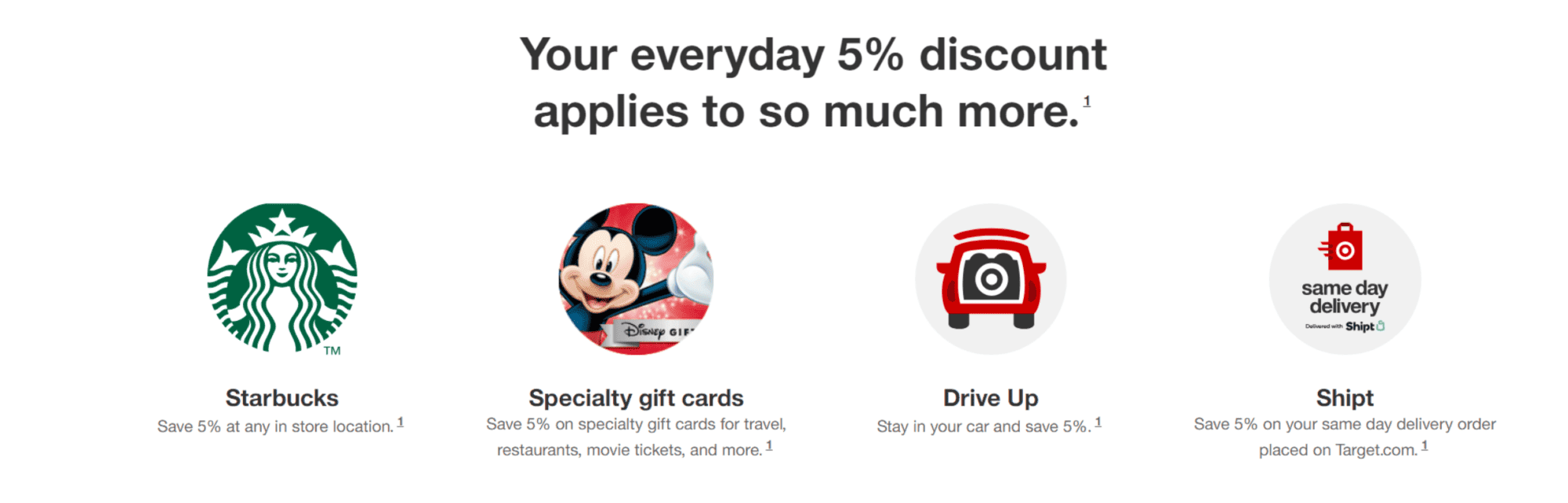
Statistics show that 91% of consumers in the US are looking for discounts when purchasing anything online.
While discount marketing can be an effective way to increase revenue, it’s essential to balance this approach to avoid reducing the perceived value of your products or services. A well-structured plan and the right tools are essential for maximizing the benefits of discount strategies without compromising product value. In this article, we will discuss the strategic use of discounts and provide insights into managing discount strategies efficiently, especially for busy business owners. Keep reading for more details.
Using Discounts to Increase Revenue: The Psychology of Customer Perceptions
Understanding the psychological impact of discounts on customers is essential for using them effectively as a strategy for business growth. Initial discounts can boost sales, but intense discounts may lead to reduced returns. Eventually, additional discounts stop having a significant impact on increasing sales volume.
Customers may view huge discounts with suspicion, doubting the product’s quality and the seller’s credibility. This doubt can decrease their likelihood of purchasing, a phenomenon known as the plateauing effect.
Discounts are generally more effective towards the end of the purchasing process. Presenting customers with numerous deals at the beginning of their interaction with your brand can deter purchases and may make the business seem overly eager to sell off inventory.
Discounts can also offer psychological reassurance that helps customers feel justified in spending.
On the other hand, very large discounts might foster distrust about pricing and lead to buyer’s remorse, which can negatively affect customer loyalty.
When applied thoughtfully, discounts are more than mere price cuts; they are a strategic tool for encouraging growth. Effective discount strategies find a balance that maximizes revenue while maintaining the perceived value of products and the brand’s integrity.
The timing and size of discounts are crucial, particularly for smaller businesses. Employing seasonal discounts, flash sales, and loyalty rewards can drive sales by creating a sense of urgency and exclusivity.
Significant shopping events like the Black Friday sale offer excellent opportunities to maximize sales by tapping into consumer spending readiness. Aligning discount strategies with these events can greatly improve sales performance.
Using Discount Management Tools for Effective Pricing Strategies
Reducing prices can energize your promotional efforts, but managing these discounts often poses challenges, especially for online retailers with extensive product offerings. Automation tools are beneficial here. They help businesses manage discount processes automatically, monitor discount utilization, and assess how discounts affect sales and profitability.
Using the right tools can greatly improve your promotional efforts. Below are some examples of different essential tools to help you manage and optimize discount offers:
Shopify Discounts: This feature is built into the Shopify platform, making it straightforward for store owners to set up and oversee discounts. Options include percentage reductions, dollar-off discounts, and promotions such as buy-one-get-one-free, all accessible via the Shopify admin panel.
OneSignal Push Notification Tool: This tool can help you send alerts directly to customer devices, like smartphones or tablets. Notifications may include information about current discounts, special deals, or limited-time offers. It can help you create urgency and a sense of special access, enhancing customer loyalty and driving increased traffic to your site or app.
WooCommerce Dynamic Pricing & Discounts: This WooCommerce plugin allows for precise discount rules based on products, categories, and customer types. It is highly adaptable, providing options for bulk discounts, tiered pricing, and other promotional deals.
Mailchimp: Primarily an email marketing platform, Mailchimp also supports the integration of discount codes into email campaigns. This is particularly useful for targeted promotions designed to improve customer retention and boost conversion rates.
AutomateWoo: Another tool for WooCommerce, AutomateWoo facilitates a range of marketing activities, such as dispatching personalized coupon codes triggered by customer actions like adding items to wish lists or making previous purchases.
Exit Intent Coupons for WooCommerce: This plugin offers coupons to users just as they are about to leave your website. It can sway undecided shoppers by offering a last-minute incentive to complete their purchase.
Groupon: This platform is well-suited for local businesses and service providers. It offers them a way to draw in new customers through limited-time discounts on various products and services. It is beneficial for boosting brand recognition and increasing in-store visits.
Snipcart: Perfect for web developers who want to integrate e-commerce features into any existing website, Snipcart provides robust options for discounts and coupons, all manageable via an easy-to-use dashboard.
CouponFollow.com: This website lists coupons by store name, enabling shoppers to locate top deals from online and brick-and-mortar stores quickly. Businesses can easily sign up and offer value discounts to a vast audience. It also offers cashback opportunities, which shoppers can combine with coupons for even more significant savings.
Top Strategies for Offering Discounts in 2024 (While Boosting Revenue)
1. Understanding the Purpose Behind Offering Discounts
Before implementing discounts, reflecting on why you are considering this strategy is important. Are discounts being considered because customers are requesting them? Have you lost clients to less expensive competitors?
These reasons would suggest you’re undervaluing your own skills, time, and effort. Ideally, customers should not feel entitled to demand discounts; if they do, it might indicate that they have been overindulged or they may not be your target clientele.
Customers who insist on reductions may not value your work highly, choosing instead to prioritize cost over quality. It’s advisable to address this behavior early on to prevent potential issues. In some markets, it’s normal for clients to suggest a discount, especially if they have been loyal, timely, and consistent in their dealings with your services.
In various cultures, rewarding long-standing customers with discounts is a regular practice. These customers might hint at a discount respectfully, without aggressive demands. If a discount is feasible and the client has demonstrated significant value, then offering one might be appropriate.
Overall, discounts should be used as a tool to show gratitude for customer loyalty and collaboration, not as a desperate measure to retain clients by diminishing the worth of your services.
2. Encourage New Visitors with a Special Offer
When visitors first arrive at your site, they may not be immediately prepared to make a purchase. Attracting new customers can be costly, and it’s common for first-time visitors to exit your site without buying anything. Impressions are formed exceptionally quickly, within just 50 milliseconds, emphasizing the importance of a positive initial impact.
Therefore, presenting them with an immediate discount code might not be the most effective approach.
Rather than pushing new visitors to make a purchase so soon in their shopping journey, consider requesting a smaller commitment—such as their email address in return for a discount code.
When developing a campaign for new visitors, it’s crucial to:
Target a specific visitor segment: Place a tracking cookie in their browsers to ensure the discount is only available to new site visitors. This helps differentiate between new and returning visitors and allows you to tailor your campaigns accordingly.
Personalize your message: Confirm that your targeted segment understands the offer is just for them. Personalizing the message can make the offer appear more relevant and likely to increase engagement.
Justify your discount: People appreciate having reasons for their actions. Offering a rationale can enhance acceptance of the discount. For example, you could explain that the discount is available simply because they are new visitors.
3. Using Overstock to Attract New Subscribers and Clear Inventory
Clear out inventory by giving away overstocked, outdated, or discontinued items as free gifts. If your stock includes items nearing expiration or discontinuation, incorporate them into your marketing initiatives. Including older inventory as free gifts for new subscribers achieves multiple objectives.
First, it reduces your inventory of products that are being phased out. Second, it establishes a positive relationship with new customers by offering them valuable free gifts. Entice new subscribers by providing a complementary set of gifts when they sign up, using your excess stock to boost sales.
4. Offer Special Discounts for Repeat Customers
Enhancing the number of repeat customers is a vital tactic that many online retailers neglect. Successfully engaging customers who make multiple purchases from your online store can significantly boost your revenue without additional costs for acquiring new customers.
One effective method to increase repeat visits and purchases is to offer special discounts to loyal customers. For example, a week after a customer’s initial purchase, you could email them a $25 discount on their next order.
Consider sending a more substantial discount offer to customers who haven’t purchased in over a month. To re-engage them, you might offer $150 off on purchases of $500 or more.
Alternatively, a discount voucher can motivate continued patronage by rewarding customers who have spent a significant amount over a set period, such as $800 in the past three months.
The crucial factor here is to ensure the product is delivered on time and in perfect condition. If customers are satisfied with their purchase and the benefits of the discount, they are more likely to return to your store for future purchases.
5. Offer Discounts During Holiday Seasons
Customer traffic and sales increase noticeably during the holiday seasons. Implementing strategic actions can make your brand a preferred choice over competitors. Offering discounts and coupons can be an effective way to take advantage of this peak period.
Consider setting up a dedicated page for all your special deals for added customer convenience. This allows customers to review their options and make decisions on the spot quickly. If customers need to search extensively across your website to find discounted items, it might reduce their likelihood of purchasing due to the hassle involved.
Additionally, you can encourage larger purchases by offering bulk discounts during these periods, particularly around holidays known for gift-giving, like Christmas, Halloween, and Easter.
6. Boost Sales with Creative Bundle Discounts
A bundle discount involves offering customers a reduced price when they purchase a group of products or services together. Online retailers widely use this approach to encourage the purchase of multiple items simultaneously, increasing the average order value and potentially enhancing sales.
Start by analyzing your customer data to understand buying behaviors, identify popular products, and determine which items are often purchased together. This information helps craft bundle deals that are appealing and relevant to your customers. Select products that naturally complement each other or are commonly used together.
For instance, if your business sells photography equipment, consider offering a bundle that includes a camera body, a lens, a camera bag, and a memory card. Make sure the savings from purchasing the bundle are substantial compared to buying each item separately.
7. Set Time Limits on Discounts
Discounts can be a great incentive for consumers to sign up and commit to subscriptions, and having a deadline can motivate them to act swiftly. Implementing expiration dates or limits on promotions helps create a sense of urgency that consumers can ignore.
Consider how some subscription companies warn customers that a 50% discount on their signup fee will end at midnight, and they might never see such an offer again.
Effective calls to action, like the examples below, can also drive quick responses:
Offer Expires Today!
Redeem to Save 50% NOW!
Get It Before It’s Washed Up
8. Explore Various Strategies to Limit the Impact on Profits
Discounts aren’t universally effective, and not all businesses are comfortable reducing their rates. Consider showing client appreciation by providing a discount, alone or combined with additional strategic elements. You might include extra services for certain clients or groups, ensuring these additions are valuable to them.
Consider these options:
Creating modern call-to-action buttons
Designing a new banner
Producing a promotional brochure for a new client’s website
Updating an older project for a loyal customer
Developing a new image gallery
Designing an engaging newsletter
Offering free maintenance for a static website for a set period
Providing free domain name registration for a year
Adding seasonal design features
These enhancements can significantly boost customer satisfaction. If you’re considering a discount, consider reducing the discount rate while adding one of these features. For instance, instead of offering a 10% discount, you might offer 5% off plus a new banner.
Finally, ensure your promotions are sustainable and stay within your business. Act cautiously and only after a detailed analysis of market conditions and financial stability. Assess your client base and financial health before implementing a new pricing strategy.
Conclusion
Offering discounts strategically can significantly enhance revenue while maintaining the perceived value of your products. Understanding the psychological impact of discounts, ensuring they are applied at the right time and for the right reasons, and leveraging effective discount and revenue management tools are crucial steps in maximizing their benefits.
Tailoring discounts to specific customer segments, employing automation tools, and integrating discounts into broader marketing strategies can help businesses maintain profitability and customer loyalty. Striking a balance, ensuring discounts drive sales without undermining the product’s value or the brand’s integrity, is essential. Implement these strategies thoughtfully to achieve sustainable growth and customer satisfaction.
Tesla CEO Elon Musk announced that the company intends to deploy humanoid robots internally beginning next year and aims for wider production by 2026. Musk recently revealed on social media that these robots, named Optimus, will undertake factory duties this year and may hit the market by late 2025.
Over the years, companies, including Honda and Hyundai’s Boston Dynamics, have dedicated significant resources to developing humanoid robots. The primary aim behind these efforts is to address labor shortages and to enable the performance of repetitive and potentially hazardous tasks within the logistics, warehousing, and manufacturing sectors. These humanoid robots are envisioned to contribute significantly to increased efficiency and safety in these industries.
Key Takeaways
Deployment and Market Introduction: Tesla plans to use its Optimus humanoid robots in its factories in 2025, with broader production and commercial availability slated for 2026. These robots are intended to perform repetitive, hazardous, or mundane tasks, enhancing efficiency and safety in manufacturing and other sectors.
Cost and Affordability: The Optimus robots are expected to cost less than a car, making them an affordable solution for businesses looking to automate operations. In 2024, the average price of a Tesla car was just under $45,000.
Market Impact and Revenue Potential: Elon Musk anticipates that robot sales could surpass Tesla’s primary revenue source, electric vehicles, which currently account for 81% of the company’s revenue. This ambitious projection suggests significant growth potential for Tesla in the robotics sector.
Competitive Landscape and Industry Trends: Other major companies, including Honda, Hyundai, and BMW, also invest heavily in humanoid robotics to address labor shortages and automate repetitive tasks. Tesla’s Optimus robot joins a growing trend in the manufacturing, warehousing, and logistics industries to adopt advanced robotics for improved productivity and safety.
Tesla’s Optimus Robot Poised to Revolutionize Robotics and Business by 2025
Tesla’s foray into humanoid robotics is set to make significant strides by 2025 with its Optimus robot’s planned release and employment. This development could potentially transform the company into a multi-trillion-dollar entity, according to Tesla CEO Elon Musk. The company envisions these robots performing repetitive, dangerous, or dull tasks, thus freeing up human workers for more complex roles.
Tesla CEO Elon Musk revealed this on Monday (July 22, 2024) on X (previously known as Twitter). This update comes months after Musk initially projected a rollout by the end of 2024.
Musk tweeted that Tesla is on track to produce humanoid robots for internal use in limited quantities next year and intends to scale up production for commercial sales to other businesses by 2026.
Optimus was introduced to the public in 2022 as a bipedal, autonomous robot designed to handle various tasks traditionally assigned to human workers, particularly in manufacturing settings. Named Optimus as a tribute to the leader of the Autobots in the Transformers franchise, the robot stands approximately 1.7 meters tall and weighs 56 kilograms.
Musk has shared updates on the robot’s development, including its ability to fully understand the factory environment and perform tasks like poaching eggs, signaling significant progress in robotic autonomy and functionality.
By 2025, Tesla aims to begin integrating these robots within its operations, setting the stage for potential broader use across various sectors. Musk has suggested that the cost of these robots would be “less than a car,” making them a potentially affordable solution for businesses looking to automate more of their operations. In 2024, the average price of a Tesla car worldwide was just below $45,000.
Musk has stated that he expects robot sales to potentially exceed Tesla’s other products, such as its EV cars, in terms of revenue (which accounts for 81%). He also mentioned that Tesla is in a strong position compared to other humanoid robot manufacturers to achieve mass production while maintaining efficient operations on the robot itself.
Musk announced this on X, just one day before his company was scheduled to release its latest financial results. Following his post, the company’s stock price increased by over 5% by the close of Monday’s trading session in New York.
Musk has frequently not met his ambitious commitments to Wall Street. In 2019, he promised Tesla investors that by 2020, the company would have a fleet of autonomous “robotaxi” vehicles. Recently, he indicated that the launch of the robotaxi would be delayed, mentioning that he had requested a significant redesign at the front of the vehicle. In September 2022, Tesla introduced the first generation of its Optimus robot, named Bumblebee.
Recently, Tesla showcased a video of its second-generation bipedal robot performing tasks like folding a T-shirt at one of its facilities. Over the past few months, Musk has shifted his focus to artificial intelligence, autonomous driving software, robotaxis, and the Optimus robot, as the demand for electric vehicles, which constitute over 80% of Tesla’s quarterly revenue, begins to struggle among different market and compliance complexities.
In the first quarter of 2024, which ended on March 31, the company reported sales of close to 387,000 vehicles, a 9% decrease compared to last year. Musk has not provided a sales prediction for 2024, yet some analysts anticipate that the company will sell 2.2 million vehicles. This estimate suggests a growth of 22%, significantly lower than Musk’s goal of a 50% annual increase for the coming years.
Additionally, Tesla has faced setbacks in its autonomous vehicle development. The National Highway Traffic Safety Administration has requested additional information from Tesla regarding its autopilot system following ongoing accidents, even after a recall of over two million vehicles in December.
The Department of Justice is also examining Tesla for potential securities or wire fraud, investigating if the company misled investors and consumers about the self-driving capabilities of its electric vehicles.
While autonomous technology encounters challenges on public roads, the controlled environments of warehouses and distribution centers offer a distinct setting for this technology to function.
Automobile Industry to Adopt Humanoid Robots
Apart from Honda and Hyundai’s ‘Altas’ humanoid robot, other major companies, including luxury car maker BMW, are actively engaging with this technology. BMW recently introduced its ’01’ humanoid robot at its South Carolina facility. This robot, developed by robotics startup Figure, is tasked with car assembly operations. The ’01’ robot indicates a growing trend where firms invest in humanoid robots to prepare for anticipated labor shortages over the next ten years. These robots are specifically designed to manage repetitive and hazardous tasks unsuitable for humans.
The deployment of these robots is considered a vital step for maintaining productivity and safety in sectors like manufacturing, warehousing, and logistics. Other companies, such as Agility Robotics, are also developing similar technologies.
Manufacturing, warehousing, and logistics sectors rely on humanoid robots to help address expected labor shortages in the coming decade due to their capability to handle repetitive tasks considered risky or monotonous for human workers.
About Tesla
Tesla, Inc. is involved in creating, producing, and selling fully electric vehicles and energy generation and storage systems. The company also operates service centers for its vehicles and charging stations and develops autonomous driving technology. Its product lineup includes the Model S, Model 3, Model X, Model Y, Cybertruck, Tesla Semi, and Tesla Roadster.
Tesla operates in two primary divisions: Automotive, which focuses on the development and production of electric vehicles, and Energy Generation and Storage, which deals with the production and installation of energy storage systems and solar panels, along with selling the electricity these systems generate. Tesla was established by Jeffrey B. Straubel, Elon Musk, Martin Eberhard, and Marc Tarpenning on July 1, 2003, and has its headquarters in Palo Alto, California.
Conclusion
Tesla’s ambitious plan to introduce the humanoid robot Optimus is a major step toward addressing labor shortages and automating repetitive or hazardous tasks. Expected to be employed internally by 2025 and available for broader commercial use by 2026, these robots could transform manufacturing, logistics, and warehousing.
By leveraging advanced robotics, Tesla aims to increase efficiency and safety in various industries, potentially significantly shifting the company’s revenue dynamics. As the company navigates its challenges in autonomous vehicle development and market competition, the success of Optimus could solidify Tesla’s position as a leader in innovative technology solutions.
Block Inc., a company focused on blockchain and payment services and headed by Twitter founder Jack Dorsey, has laid off 1000 employees. Block layoffs align with its earlier announcement to reduce its workforce by up to 10% by the end of 2024. The firm, which owns Square Inc., Cash App, and Tidal, indicated during last year’s earnings call that its workforce would decrease from 13,000 employees in the third quarter of 2023 to no more than 12,000 by the end of the year.
Key Takeaways
Layoffs and Workforce Reduction: Block Inc. is laying off nearly 1,000 employees, which accounts for 10% of its workforce, as part of a plan to reduce its employee count to a maximum of 12,000 by the end of 2024.
Challenges and Strategic Adjustments: CEO Jack Dorsey cited the mismatch between the company’s rapid hiring during the pandemic and its business growth, necessitating decisive action to address the resulting imbalances and inefficiencies.
Financial Performance and Competitive Pressures: Block reported significant revenue from its third-quarter earnings, with $5.62 billion in revenue and a 21% increase in profits year-over-year, despite substantial losses from its Afterpay acquisition and competitive pressures on its Square subsidiary.
Future Workforce Management: Dorsey emphasized a careful approach to restructuring, focusing on performance management, refining work scope, and eliminating redundancy, with an ongoing commitment to transparency and open communication with employees.
Block Layoffs: Company to Lay Off Nearly 1,000 Employees Amid Business Challenges
Jack Dorsey‘s financial services company, Block, dismisses nearly 1,000 employees, representing 10% of its workforce. This reduction has impacted employees at its Afterpay, Square, and Cash App subsidiaries. CEO Jack Dorsey has openly discussed the challenges facing Block. The company experienced a surge in hiring during the pandemic, which brought a significant influx of talent and supported its earlier growth trajectory. According to an internal memo from CEO Jack Dorsey, the company’s expansion has significantly exceeded its business and revenue growth.
In the memo, Dorsey explained that implementing these layoffs was made to avoid dragging out the process, which he felt would be unfair to the employees and the company. He emphasized the importance of acting decisively rather than allowing unresolved issues to persist.
Dorsey also outlined in the memo that his company will have a smaller workforce by the end of next year. He plans to achieve this through performance management, refining the scope of work, and restructuring to eliminate overlap and redundancy.
During an earnings call last year, Block announced its plan to decrease its workforce from 13,000 employees in the third quarter of 2023 to a maximum of 12,000 by the end of the year. This limit will remain until the company’s business growth substantially exceeds its employee growth. However, in his February 22nd quarterly letter to shareholders, CEO Jack Dorsey reported that Block currently employs fewer than the 12,000-person cap they had set. As of December 31, 2023, the company had 12,985 employees globally, including 3,154 based outside the U.S.
Additionally, the company reported a significant drop in revenue from Cash App, its peer-to-peer payment service.
Block’s BNPL (buy now, pay later) services, Afterpay, acquired in 2021 for $29 billion, has reported substantial losses. Additionally, its subsidiary Square is contending with multiple competitors, such as Clover and Stripe.
Block announced its fourth-quarter revenue for 2023 as approximately $5.8 billion, an increase from $4.7 billion in the same quarter of the previous year. The company also reported a net income of $178.1 million for common shareholders in the fourth quarter, in contrast to a net loss of $122.5 million in the final quarter of 2022.
For 2023, Block recorded a net income of $9.8 million for common shareholders, a significant recovery from a net loss of $540.7 million in 2022. The company’s total revenue for 2023 reached $21.9 billion, showing a substantial rise from $17.5 billion in 2022.
Dorsey explained that this limit compels the company to focus on more effective and significant projects, which he believes will drive growth. He indicated that Block would maintain this cap until it restricts their progress, a point he sees as several years away. Meanwhile, the company will critically assess its organizational structure and priorities.
Additionally, Dorsey shared that Block is restructuring its team divisions to a streamlined Product/Engineering/Design/Sales framework. He noted that previous structures were detrimental, slowing progress and diluting expertise. He also outlined plans to expand its Cash App services, making it the primary banking choice for households earning up to $150,000 annually, among other strategies.
Dorsey, the founder of Twitter and Cash App, explained that this will not be a single action but a thorough examination and careful approach to their operations.
He also mentioned that considering the anticipated workforce reductions, it would be understandable for employees to consider leaving. Dorsey preferred transparency, stating he would rather employees openly discuss their plans than hide them.
In September of the previous year, Jack Dorsey was named Head and Chairperson of Block, known initially as Square, which he co-founded in 2009. Concurrent with this appointment, Dorsey’s role shifted from CEO, President, and Chairperson to Head and Chairperson of Block, effective immediately.
Block stated in a document submitted to the US Securities and Exchange Commission (SEC) that Jack Dorsey’s roles and responsibilities within the company will remain unchanged, and he will continue as the principal executive officer.
Block, Inc. and its affiliated companies develop systems for commerce and finance both domestically and abroad. The organization functions in two primary divisions: Square and Cash App. The Square division delivers products for various commercial entities, including solutions for restaurant management, retail operations, and online sales. This includes tools for handling transactions, software and hardware for making payments, and banking services like loans and account management. Additionally, this division offers services for customer loyalty programs, marketing, employee management, payroll, and gift cards.
The Cash App division provides financial management tools through its mobile app, enabling services such as money transfers, investments in bitcoin and stocks, and issuing a debit card named Cash App Card. It also provides direct deposits, promotional offers, tax filing assistance, and a deferred payment option called Afterpay. This division further offers business accounts and different cards under the Afterpay brand.
Plus, Block manages TIDAL, a music platform; TBD, which focuses on decentralized finance; Bitkey, a Bitcoin wallet; and Spiral, which is dedicated to Bitcoin’s open-source development. Previously known as Square, Inc., the company renamed itself Block, Inc. in December 2021. Established in 2009, its headquarters are located in Oakland, California. Block caters to a broad client base through digital and physical distribution networks.
Conclusion
Block Inc.’s decision to reduce its workforce reflects the company’s significant challenges in aligning its rapid expansion with its business performance. CEO Jack Dorsey’s memo highlights the necessity of decisive action to ensure fairness and efficiency, avoiding prolonged uncertainty for employees. The layoffs, primarily affecting Afterpay, Square, and Cash App, underscore the company’s strategy to streamline operations amid competitive pressures and declining revenues, particularly from Cash App.
Despite a profitable year, with $5.62 billion in revenue and a 21% increase in profits, the company’s growth has not matched its hiring surge during the pandemic. Block aims to stabilize its 12,000 employees, focusing on performance management and operational refinement. As the company navigates these transitions, its commitment to transparency and a thorough evaluation of its operations remains pivotal.
In today’s interconnected world, even major cybersecurity firms like Microsoft and CrowdStrike occasionally encounter disruptions. The CrowdStrike incidents highlight systems’ vulnerabilities that are otherwise highly secure. The recent glitch in the content update has impacted millions of Microsoft Windows systems, leaving them non-functional until each system is manually fixed. CrowdStrike is actively working on developing and improving technical guidance for remediation. Here is a comprehensive guide about important things you should know in the aftermath of the CrowdStrike outage..
As recovery efforts from the global IT outage attributed to CrowdStrike proceed, numerous questions follow. Despite the company’s reputation for effective security measures, this event has highlighted particular vulnerabilities critical for stakeholders in sectors like IT, banking, or even a keen techie should be aware of.
The outage at CrowdStrike occurred following a problematic security update to Falcon, the company’s leading endpoint detection and response software. Falcon requires extensive access to computer operating systems to effectively scan for and respond to suspicious activities, operating continuously in the background. When Falcon detects anomalies, it locks the affected device to safeguard the system.
Regular updates are crucial for Falcon to keep pace with evolving security threats. However, any deficiencies in these updates can have significant repercussions. Unfortunately, the update released before the outage contained errors that caused disruptions across millions of Microsoft systems worldwide, leading to the widespread outage.
Additionally, around the same time, Microsoft’s Azure cloud services experienced a separate issue. Although Microsoft resolved this problem, it cautioned users about the lingering effects of the CrowdStrike outage.
Aftermath of the CrowdStrike Outage
The consequences have been substantial despite the CrowdStrike event impacting less than 1% of all Microsoft-enabled systems.
Due to the faulty update, the airline industry has faced significant disruptions. On Friday alone, over 3,300 flights were canceled globally. In the United States, major carriers such as Delta, American, and United paused their operations for several hours, leading to extensive passenger and cargo transport delays. Major international airports, including those in Tokyo, Amsterdam, and Delhi, also experienced disruptions.
The banking sector was equally affected, with outages hitting everything from ATMs to mobile banking apps and customer service call centers. More critically, the outage disrupted essential emergency services, including hospitals and 911 dispatch centers.
While Microsoft has stated that it was not directly responsible for this incident, the ongoing effects underscore our deep reliance on a tightly interlinked technology and service ecosystem.
How Has CrowdStrike Addressed the Issue?
CrowdStrike responded to the incident by issuing a correction 79 minutes after deploying the initial problematic update, specifically targeting removing the defective content from Channel File 291. Systems that had not downloaded this update remained unaffected by the error. However, those who had already acquired the flawed update experienced more severe complications.
CrowdStrike released additional guidance through a blog post to address systems trapped in continuous reboot cycles. This guidance provided a comprehensive list of steps for remotely detecting and recovering the affected systems. It also included detailed instructions for temporary fixes applicable to both physical machines and virtual servers, such as manual reboot procedures.
Lessons Learned from the CrowdStrike Outage
The outage at CrowdStrike underscores the fragility of global computer networks and emphasizes the importance of robust cyber resilience strategies. This incident demonstrates the risks associated with centralized systems. Key lessons learned from this event include:
Immediate Action and Communication:
CrowdStrike’s swift identification and resolution of the problem was pivotal. Their clear communication with stakeholders effectively managed expectations and minimized panic. The CEO of CrowdStrike publicly clarified that the issue stemmed from a software defect, not a cyberattack, emphasizing the importance of transparency during crises.
Thorough Testing of Updates:
This incident highlighted the need for strict testing protocols before updates are deployed, particularly in critical systems. Adopting an exhaustive update management strategy, which includes thorough pre-deployment testing in varied environments, can reveal potential issues early. Companies might benefit from phased deployments that allow for step-by-step monitoring and troubleshooting, which mitigates risks before a widespread launch.
Varied Backup Strategies:
The incident demonstrated the dangers of depending too heavily on a single system or solution, as shown by the outage’s broad impact across sectors such as airlines, healthcare, and financial services. Establishing redundancy and varying IT solutions, such as adopting hybrid or multi-cloud infrastructures, can improve resilience and lessen the dangers of relying on single points of failure. This strategy ensures continued operations, even if one component fails.
Preparedness for Unintended Consequences:
The outage impacted IT services, airlines, banks, and emergency services, highlighting how closely linked modern technology infrastructures are. Companies must evaluate and prepare for the possible widespread effects of technological disruptions across various sectors.
Enhanced Incident Response Plans:
This incident underscored the need for thorough incident response strategies that cover all crucial operational areas, not just IT departments. An effective plan should include protocols for quick problem identification, isolation, and resolution and should be tested regularly to ensure that all teams can respond quickly and effectively.
Educating Stakeholders:
It is essential to raise awareness among all stakeholders, including employees and customers, about potential vulnerabilities and appropriate responses. Education can improve the organization’s security by ensuring everyone knows their role in protecting the system and their actions during disruptions.
Review and Adapt Security Measures Regularly:
It is critical to assess and improve security measures continually. This involves regularly updating security protocols and incident response plans to keep them current with emerging threats and industry best practices. Implementing phased deployments and staging environments can identify issues before they affect the entire network.
Balancing Automation with Manual Oversight:
While automation enhances efficiency, the CrowdStrike incident demonstrated the importance of maintaining manual oversight to address anomalies swiftly. Incorporating redundancy and ensuring systems have failover capabilities can sustain operations even if part of the system breaks down. Additionally, robust monitoring systems are crucial as they can promptly identify and notify teams about anomalies, facilitating quicker issue resolution.
Conclusion
The CrowdStrike outage is a critical reminder of the vulnerabilities within our interconnected digital infrastructure. Despite advanced security measures, the incident underscored the importance of robust testing, clear communication, and diverse backup strategies to maintain operational continuity. CrowdStrike’s immediate action and transparent communication were crucial in managing the crisis and mitigating panic. The event highlights the need for thorough pre-deployment testing, varied IT solutions to avoid single points of failure, and comprehensive incident response plans.
Educating stakeholders and regularly updating security measures are essential to improve resilience against future disruptions. This outage has reinforced the necessity of balancing automation with manual oversight, ensuring systems are prepared for anticipated and unforeseen challenges. By learning from this incident, organizations can enhance their cyber resilience and better navigate the complexities of the modern technological landscape. Users should also know about the various alternatives to CrowdStrike to ensure a quick transition to a safer company if the same type of outage happens again.
Frequently Asked Questions
What caused the CrowdStrike outage?
The outage was triggered by a defect in a software update from CrowdStrike, impacting its Falcon Sensor security product. This defect led to widespread system crashes, showing the u0022Blue Screen of Deathu0022 on affected Windows computers.
What should I do if my computer is affected?
If your Windows computer is experiencing issues, you might fix it by deleting a specific system file identified as problematic or using Microsoft’s recovery tool to address this outage. Detailed recovery instructions are available on IT support sites.
Has the CrowdStrike issue been resolved?
CrowdStrike has managed to identify and reverse the update that caused the outage, stopping the widespread issues. However, individual machines may still need to be fixed manually.
u003cspan style=u0022background-color: rgba(233, 24, 24, 0.2);u0022u003eWho can I contact for help with the CrowdStrike issue?u003c/spanu003e
If you need further assistance, contact your IT support desk. Be aware that response times might be slower than usual due to the high volume of inquiries following the outage.
As we approach halfway through 2024, we’ve witnessed some of the most significant and harmful data breaches on record. Each new hack surpasses the previous in severity. Here is a comprehensive analysis of the biggest data breaches in 2024, including data breaches in AT&T, Snowflake, UnitedHealth, and many more.
This year has seen extensive compromises involving vast amounts of personal and medical information affecting a significant portion of the US population. To date, these breaches have involved more than 1 billion records. These incidents have severe repercussions for the individuals whose information has been compromised and by empowering the criminals who carry out these attacks.
Biggest Data Breaches in 2024 Affecting Major Companies
In recent months, several high-profile data breaches have impacted major organizations across various industries, from telecommunications and financial services to healthcare and technology. These incidents highlight growing concerns over data security and the need for robust protective measures. Here’s an overview of the key breaches reported this year:
1. AT&T
Date of Disclosure: July 12, 2024
Data Breach Period: May 1, 2022 – October 31, 2022
Affected Parties: Current and former AT&T customers, mobile virtual network operators using AT&T’s network, and landline users who interacted with these cellular numbers
Compromised Data: Call and text logs, including recipients, timing, duration, and some cell tower locations
On July 12, AT&T reported that in April 2024, hackers accessed phone records of virtually all current and former customers. This breach also extended to individuals contacted by AT&T customers, as it included call and text logs. Upon being informed, the U.S. Department of Justice approved delaying public disclosure.
The compromised data was stored on third-party cloud services and included details such as the recipients of calls and texts, the timing, and the duration. This affected not only direct AT&T cellular subscribers but also mobile virtual network operators who utilize AT&T’s network and landline users who interacted with these cellular numbers from May 1, 2022, to October 31, 2022, and a few from January 2, 2023.
The breach did not expose the contents of the communications or sensitive personal information like social security numbers or credit card details. However, the exposed phone numbers could be linked to individual identities, providing insights into personal connections. Additionally, some of the data included cell tower locations, which could give information about the customers’ geographical movements and living areas.
Recently, it was revealed that AT&T paid approximately $370,000 in bitcoin to a hacker linked with the ShinyHunters group to ensure the deletion of the stolen customer data. This payment was made on May 17th after negotiations brought down the hacker’s initial demand of $1 million. Acting through an intermediary named Reddington, the hacker confirmed the deletion with video proof.
This marked the second data breach AT&T experienced in the year. In March, a data breach broker released 73 million customer records on a cybercrime forum accessible to the public. This event occurred three years after an initial, smaller data set was revealed online. The released records included personal details such as names, phone numbers, and postal addresses, which some customers verified as accurate.
The situation escalated when a security researcher found that the leaked data included encrypted passcodes that customers use to access their AT&T accounts. The researcher informed TechCrunch that these passcodes could be decrypted relatively easily, potentially compromising the security of approximately 7.6 million active customer accounts.
2. Snowflake
Date of Disclosure: July 2024.
Data Breach Period: Mid-April 2024 – May 23, 2024
Affected Parties: Around 165 companies, including major companies like Ticketmaster, Santander Bank, Advance Auto Parts, and AT&T.
Compromised Data: The stolen data included customer information and sensitive records, which hackers attempted to sell or use for extortion.
This year, Snowflake, a prominent cloud-based data storage and analytics provider, has been embroiled in a cybersecurity issue. Recent disclosures indicate that unauthorized parties accessed its systems, potentially compromising the sensitive data of several notable clients, including Santander Bank and Ticketmaster.
Snowflake detected unusual activities in its systems around April 2024 and confirmed the possibility of unauthorized access by May 23, 2024. The company has since been actively investigating the breach and informed the affected clients, offering guidance on Indicators of Compromise (IoCs) and measures to secure their accounts.
Snowflake asserts that the breach occurred due to compromised user credentials and not because of any defects or vulnerabilities in its products. The company clarified in a statement on the Snowflake Forums that the security issue was not caused by any product misconfigurations or malicious internal actions, urging customers to check their security settings.
The breach’s impact on Santander Bank could potentially affect 30 million customers, while the Ticketmaster incident might influence up to 560 million customers.
Advance Auto Parts also reported that an attack on its Snowflake setup in April affected over 2.3 million people, with stolen data possibly including names, driver’s license numbers, and Social Security numbers. Furthermore, AT&T was among over 165 companies whose data was compromised from unsecured Snowflake accounts during April and May.
The primary cause of the breach was the exploitation of single-factor authentication credentials, which were used in a credential-stuffing attack to access customer databases.
3. UnitedHealth
Date of Disclosure: February 21, 2024
Data Breach Period: February 17, 2024 – February 20, 2024
Affected Parties: Change Healthcare (part of UnitedHealth Group’s Optum), over 67,000 pharmacies, and more than 100 million individuals
Compromised Data: Data related to claims submission, benefits verification, prior authorization, and remittance data transmission
On February 21, 2024, a significant cyberattack struck Change Healthcare, affecting hundreds of pharmacies globally and disrupting patient care. The attack is attributed to the notorious ALPHV/BlackCat ransomware group. Change Healthcare, which became part of UnitedHealth Group’s Optum healthcare business following a 2022 merger, handles prescription processing services for Optum. This subsidiary provides technology services to over 67,000 pharmacies and serves more than 100 million people.
Change Healthcare processes half of all U.S. medical claims. The breach impacted over 100 services offered by Change Healthcare, including critical operations like claims submission, benefits verification, prior authorization, and the transmission of remittance data.
The cyberattack resulted in prolonged service disruptions, stretching into weeks and leading to significant outages in hospitals, pharmacies, and healthcare practices throughout the United States. The full extent of the breach’s aftermath is still unfolding, with potential long-term consequences for those impacted. In response to the breach, a ransom was paid to prevent further data disclosure, aligning with the company’s commitment to protect patient information.
However, UnitedHealth has not disclosed the total number of individuals affected. UnitedHealth’s CEO, Andrew Witty, indicated to lawmakers that the breach might impact around one-third of Americans, with the possibility of affecting even more.
4. Synnovis
Date of Disclosure: June 3, 2024, when the pathology laboratory experienced significant disruptions to its IT systems.
Data Breach Period: The exact period over which data was accessed or stolen is not specified, but the data published by the hackers began appearing online by June 20, 2024, suggesting that the breach occurred prior to this date.
Affected Parties: Patients and health service users in these areas faced disruptions and potential privacy concerns.
Compromised Data: The data published included a partial copy from Synnovis’ administrative working drives, potentially containing personal data like names, NHS numbers, and test codes. However, the Laboratory Information Management Systems, which hold patient test requests and results, were reportedly not compromised.
In June, a cyberattack targeted Synnovis, a UK pathology lab that performs blood and tissue tests for hospitals across London, resulting in significant service disruptions. This incident led to the postponement of thousands of medical procedures as local National Health Service trusts, which depend on the lab, struggled to cope. The attack impacted over 3,000 hospital and general practitioner appointments.
A Russian ransomware group known as Qilin was responsible for the cyberattack, which compromised data from approximately 300 million patient interactions over many years. The group leaked about 400GB of sensitive information on a darknet website, similar to a previous incident at Change Healthcare, posing severe and long-lasting risks to affected individuals.
Despite the hackers demanding a $50 million ransom, Synnovis chose not to comply, which prevented the criminals from profiting but left UK officials in a difficult position, especially if the health records were to be released publicly.
It was also reported that one of the NHS trusts managing five hospitals in London did not meet the required data security standards in the years leading to the cyberattack on Synnovis.
5. Truist Bank
Date of Disclosure: June 13, 2024
Data Breach Period: October 2023
Affected Parties: Approximately 65,000 Truist Bank employees are directly affected. The breach may also impact customers whose transaction details were part of the compromised data.
Compromised Data: The stolen data includes employee records with personal and professional information, customer bank transactions (including names, account numbers, and balances), and the source code for the bank’s Interactive Voice Response (IVR) system.
In October 2023, Truist Bank, ranked among the top 10 U.S. commercial banks by assets, was the target of a cyberattack. The breach was only confirmed recently when, on June 12, 2024, a notorious data broker on the dark web, known as “Sp1d3r,” began selling what is purported to be a large cache of stolen data from Truist Bank.
Truist operates as a bank holding company with 2,781 branches across 15 states and Washington, D.C. The data being offered for $1,000,000 includes:
Employee Records: 65,000 records with comprehensive personal and professional details.
Bank Transactions: Information including customer names, account numbers, and account balances.
IVR Source Code: The source code for Truist’s Interactive Voice Response (IVR) system, used for funds transfers.
The IVR system allows customers to interact with a computer-based telephone system using voice or keypad inputs (Dual-tone multi-frequency signaling, or DTMF). This source code could allow criminals to identify and exploit security weaknesses.
6. Dell
Date of Disclosure: May 9, 2024, after being alerted by the threat actor about vulnerabilities in their system.
Data Breach Period: Nearly three weeks.
Affected Parties: Approximately 49 million customers.
Compromised Data: The data accessed includes customer names, physical addresses, and specific details related to Dell hardware and order information, such as service tags, product descriptions, order dates, and warranty details.
In May 2024, Dell experienced a significant cyberattack that could potentially impact its 49 million customers. The attacker, Menelik, disclosed that he extracted substantial data by establishing partner accounts in Dell’s system.
Once these accounts were set up, the attacker initiated brute-force attacks, continuously sending over 5,000 requests per minute to the portal for almost three weeks. During this period, Dell did not detect these activities. After sending nearly 50 million requests and extracting data successfully, Menelik contacted Dell to report the security flaw.
Dell confirmed that although no financial information was compromised, there is a possibility that sensitive customer data such as home addresses and order details could be at risk. There are reports that the data from this breach has appeared for sale on various hacker forums, indicating that information on roughly 49 million customers has been compromised.
Conclusion
The data breaches of 2024 have underscored the critical need for enhanced cybersecurity measures across various industries. The breaches at AT&T, Snowflake, UnitedHealth, Synnovis, Truist Bank, and Dell have collectively impacted billions of records, exposing sensitive personal and professional information. These incidents have compromised individuals’ privacy and revealed significant vulnerabilities within major corporations and their data management practices.
As hackers refine their methods, organizations must invest in stronger security protocols, regular audits, and comprehensive response strategies. This year’s events serve as a stark reminder that robust cybersecurity defenses are essential in protecting corporate assets and individual privacy in an increasingly digital world.
A federal judge rejected a $30B swipe fee settlement between Visa, Mastercard, and retailers. This decision suggests that the credit card companies must offer more significant concessions to settle the ongoing dispute with merchants. In March, MasterCard and Visa, among the largest global credit card networks, reached this tentative antitrust agreement with US retailers. The terms of the deal, pending judicial approval, required the companies to reduce swipe fees by at least four basis points for a minimum of three years and to fix their fees at 2023 rates for the following five years.
Key Takeaways
Judge Dismisses $30 Billion Settlement: A US judge has rejected a proposed $30 billion antitrust settlement between Visa, MasterCard, and various retailers over swipe fees, citing the need for more significant concessions from the credit card companies.
Settlement Aimed at Reducing Swipe Fees: The proposed settlement, announced in March, included a reduction in swipe fees by at least four basis points for three years and fixed fees at 2023 rates for five years, along with increased flexibility for merchants to offer discounts or surcharges.
Merchant Criticism and Legal Claims: Merchants and trade groups criticized the settlement as inadequate, arguing that it allowed Visa and MasterCard to maintain control over swipe fees and limited competition. They claimed that the card companies conspired to impose excessive fees.
The judge’s decision, with its potential to push Visa and MasterCard to seek a more favorable agreement or face a trial, could significantly influence future mergers and financial transactions in the sector. The settlement’s outcome could reshape market dynamics in the coming months.
Judge Rejected a $30B Swipe Fee Settlement
Federal Judge Rejects $30 Billion Antitrust Settlement with Visa and MasterCard.
On Tuesday, a US judge dismissed a proposed $30 billion antitrust agreement where Visa and MasterCard would reduce the fees charged to merchants for accepting their credit and debit cards. Judge Margo Brodie of the US District Court in Brooklyn indicated that she was unlikely to approve the settlement definitively, leading her to deny the preliminary approval sought by the plaintiffs. This decision could push Visa and MasterCard to seek a more favorable agreement with merchants or face a trial.
The settlement, announced in March, aimed to settle ongoing litigation from 2005 concerning the interchange or swipe fees that merchants incur to process payments through Visa and MasterCard’s networks.
The specifics of Judge Margo Brodie’s ruling from the US District Court for the Eastern District of New York on Tuesday have yet to be disclosed. A court memo stated she was “not likely to grant final approval” to the preliminary settlement without modifications.
Retailers are usually charged 2% of each transaction as swipe fees, which can rise 4% for transactions made with certain premium rewards cards based on industry data. The proposed agreement aimed to reduce these fees by at least 0.04 percentage points for at least three years and consented to maintain rates at least 0.07 percentage points under the current five-year average. Additionally, they agreed to a five-year rate cap and eliminated clauses preventing customers from being steered to other payment methods. In return, merchants gained increased flexibility to apply discounts or add surcharges.
In the lawsuit, merchants claimed that the card companies and their partnering banks conspired to impose excessive swipe fees, blocking them from steering customers towards less expensive payment methods.
As part of the initial settlement, the card companies did not admit wrongdoing and agreed to keep swipe fees at the levels set on December 31, 2023, for five years. Furthermore, Visa and MasterCard consented to scrap any restrictions that prevented merchants from promoting alternative card options to customers.
Additionally, the agreement allowed merchants to apply surcharges for using specific types of Visa or MasterCard cards, particularly affecting customers with cards that offer rewards like cash back and airline miles, which generally have higher swipe fees.
Visa reported that over 90% of the merchants supporting the initial agreement with Visa and MasterCard were small businesses. However, the National Federation of Independent Business described this agreement as only a “temporary relief” for small businesses, not a permanent fix. Large trade groups representing major retailers were even more critical.
The Merchants Payments Coalition, representing various businesses, from supermarkets to online merchants, criticized the initial settlement as inadequate. Some industry experts argued it would allow credit card companies to continue controlling swipe fees and limiting competition. Fortunately, the judge recognized this agreement’s negative impact on small merchants and their customers.
The Retail Industry Leaders Association, which includes large retailers like CVS and Target, also praised the recent court decision. A MasterCard spokesperson expressed disappointment in the decision, claiming the settlement was a fair resolution that would have provided business owners more control over card acceptance practices. MasterCard intends to explore further options to resolve the issue.
Brodie will explain her decision once merchants and the card networks submit proposed redactions by Friday. This recent ruling by the judge does not alter a previous settlement where Visa and MasterCard agreed to a $5.6 billion class-action lawsuit with approximately 12 million merchants regarding swipe fees.
In March 2023, a federal appeals court in Manhattan confirmed this agreement seven years after rejecting a $7.25 billion settlement that did not adequately compensate some retailers.
The settlement might influence upcoming mergers, such as the proposed union between Capital One and Discover, and other financial transactions. This settlement is anticipated to significantly affect the financial sector in the upcoming months, a notion supported by the slight rise in Visa and MasterCard’s share prices following the announcement.
Conclusion
A federal judge’s rejection of the $30 billion swipe fee settlement underscores the need for Visa and MasterCard to propose more substantial concessions to resolve the ongoing antitrust litigation with merchants. This decision reflects the strong dissatisfaction among retailers and trade groups, who argue that the initial agreement was insufficient to address the high costs imposed by swipe fees.
Moving forward, Visa and MasterCard may have to negotiate a more favorable settlement or face the possibility of a trial. The outcome of this case is likely to have significant implications for the financial sector, influencing future mergers and market dynamics. Judge Brodie’s written explanation will provide further insights into the rationale behind the dismissal and potential directions for resolution.
Kaspersky Labs, a significant antivirus provider, is on the verge of exiting the US market following a ban imposed by the US government. The Biden administration initiated this ban in response to heightened US-Russia tensions after Russia invaded Ukraine. Concerns had been raised about the potential for Russian authorities to compel Kaspersky to surrender user data.
The ban, which prohibits the sale of Kaspersky software in the US directly or through US-based resellers, took effect on July 20. A subsequent phase of the ban, set for September 29, will prevent Kaspersky from delivering security updates or software patches to its US customers, impacting the effectiveness of its antivirus products.
The Commerce Department designed the ban in two stages, providing US consumers time to transition to alternative antivirus solutions. As part of this move, Kaspersky has been added to the Commerce Department’s trade restriction list, which bars US companies from engaging in commerce with the Moscow-headquartered firm.
Key Takeaways
Ban Implementation and Impact: The US government banned the sale of Kaspersky software starting July 20, with a second phase on September 29 preventing security updates, affecting the software’s effectiveness for US customers.
Reason for the Ban: The ban was initiated due to concerns over potential data security threats, with fears that Russian authorities could compel Kaspersky to hand over user data amid heightened US-Russia tensions.
Kaspersky’s Response and Future: Kaspersky decided to cease its US operations, affecting fewer than 50 employees, after concluding that continuing business in the US was not feasible. The company had initially intended to contest the ban.
Broader Implications: The ban on Kaspersky adds to the ongoing US-Russia conflict and reflects the Biden administration’s heightened scrutiny of companies with potential links to foreign governments, including other firms like TikTok.
Kaspersky to Cease US Operations Following Commerce Department Ban
Cybersecurity company Kaspersky has announced the closure of its operations in the United States following a ban by the Commerce Department on the use of its software. Starting from July 20, Kaspersky will progressively shut down its activities in the US, as outlined in a statement from the company based in Moscow. This will also lead to the elimination of all US-based positions. The company later clarified that this action will affect fewer than 50 employees.
Kaspersky has been active in the US for nearly 20 years, actively supporting the nation’s strategic cybersecurity objectives by protecting organizations and individuals from constantly changing cyber threats. After a thorough review of the implications of US legal requirements, the company has made the difficult decision to cease operations in the US, citing that continuing business there is no longer feasible.
Kaspersky at first intended to contest the ban in court, staring at the time of the announcement that it does not engage in any activities that compromise US national security. The company also intended to use all legal avenues to maintain its operations and partnerships.
In June, the US Commerce Department implemented an unprecedented ban on selling Kaspersky’s antivirus software to US consumers, pointing to increased security and privacy threats due to the company’s headquarters in Russia. US Commerce Secretary Gina Raimondo noted that Russia has demonstrated not only the capability but also the intent to use companies like Kaspersky to gather and exploit Americans’ personal data.
Following the enforcement of this ban, Kaspersky will be prohibited from selling its software directly to US consumers or through US-based resellers, some of whom have voiced concerns that the ban negatively affects their businesses. Starting September 29, Kaspersky will also be unable to distribute software or security updates to its US customers, resulting in less effective antivirus protection.
The US government has added OOO Kaspersky Group (Russia), Kaspersky Labs Limited (United Kingdom), and AO Kaspersky Lab to its list of companies barred from doing business with US-based organizations.
Following an extensive investigation, US authorities also concluded that allowing the company to continue its operations in the United States poses a national security threat, given the Russian Government’s advanced cyber capabilities and potential to control or influence Kaspersky’s activities.
These prohibitions fuel the tension between the US and Russia, which worsens with each company departure. The Biden administration is also scrutinizing another firm, the social media platform TikTok.
Established in 1997 in Russia by Eugene Kaspersky, the prominent antivirus company serves over 400 million users and stands out as one of Moscow’s few IT enterprises to achieve international success. Kaspersky has refuted all accusations from the US government, stating that the decision was influenced by the geopolitical environment and hypothetical issues rather than being based on independent verification.
The US government had previously prohibited Kaspersky software from federal networks in 2017, at the time, media coverage suggested that Kaspersky Lab had accessed hacking tools from a National Security Agency employee, which subsequently found their way to the Russian government. In response, Kaspersky acknowledged discovering the code but asserted that it was not seen by any third parties. That ban was challenged in the court.
The recent scrutiny of its US activities underscores the increasing difficulties Kaspersky encounters in preserving its market share in the United States.
For American customers, Kaspersky’s winding down of operations necessitates a prompt search for other cybersecurity providers ahead of the Commerce Department’s deadlines. This cessation marks a notable change in the cybersecurity environment, leading American companies and government entities to explore alternative suppliers for their security requirements.
Kaspersky Lab is the world’s largest privately owned provider of endpoint protection solutions. It ranks among the top four global security solution vendors for endpoint users. The company is a leader in IT security, offering robust digital security solutions and threat management systems for individual consumers, small to medium businesses, and large enterprises.
The antivirus engine developed by Kaspersky also underpins products and solutions offered by other security companies, including Bluecoat, Check Point, Sybari, Juniper Networks, Clearswift, Netintelligence, Netasq, FrontBridge, Wedge Networks, among others. Kaspersky Lab’s headquarters are in Moscow, Russia, and it operates 30 regional offices across various countries including Austria, Australia, the Benelux countries, Canada, Brazil, France, China, Hong Kong, Germany, Italy, India, Japan, Taiwan, Korea, Kazakhstan, Malaysia, Latvia, Portugal, Poland, the Russian Federation, Romania, Spain, South Africa, Switzerland, Sweden, Ukraine, Turkey, the UK, the UAE, and the US.
Founded by Eugene and Natalia Kaspersky in 1997, Kaspersky Lab employs more than 2,500 people, including over 800 specialists in research and development. It provides security for more than 300 million users worldwide.
Conclusion
The recent US government ban on Kaspersky software marks a significant turning point in the cybersecurity company’s long standing presence in the American market. Prompted by security concerns and geopolitical tensions, the ban underscores the broader conflict between the US and Russia. As of July 20, Kaspersky is prohibited from selling its products in the US, with a further restriction on security updates taking effect on September 29. This phased approach aims to give consumers time to find alternative solutions.
The decision to cease US operations affects fewer than 50 employees and concludes nearly two decades of Kaspersky’s efforts to support US cybersecurity. While Kaspersky contests the allegations, stating the decision is politically motivated, the move highlights increasing scrutiny of foreign tech firms operating in the US. The broader implications of this ban may further strain US-Russia relations and signal future actions against other international companies.
Endpoint security systems detect malicious software and security incidents, issue warnings, automate investigative processes, and execute corrective actions. CrowdStrike stands out as a prominent figure in global cybersecurity, offering a flexible and extensive platform designed to address significant security challenges businesses face. This comprehensive guide will discuss and analyze some other effective CrowdStrike alternatives.
What Is Endpoint Security?
Endpoint security safeguards devices like smartphones, laptops, tablets, and desktop computers from cyber threats. Businesses use endpoint security systems to secure devices that employees use for work, whether these devices are connected to the cloud or to the company’s own network.
Each device that connects to a company’s network or cloud services can be a point of vulnerability, possibly allowing unauthorized access. Cybercriminals can exploit these points by deploying malware to access and steal sensitive information.
To counter these threats, organizations implement tools that manage cyber risks on these devices by detecting, analyzing, and blocking them. Current endpoint security solutions are often available as an Endpoint Protection Platform (EPP), incorporating various security measures such as advanced antivirus software, firewalls, and endpoint detection and response (EDR) systems.
Why Is Endpoint Security Essential?
Endpoint security is crucial for every organization to manage the risks associated with both local and remote devices. Each device that connects to the network may serve as a potential entry point for attacks, a risk that has grown with the increase in remote working and the expanding number of endpoint devices.
Attacks that exploit human errors, like phishing, are on the rise, while servers remain primary targets for attackers due to their critical role in operations. Data breaches can be costly, often resulting in millions of dollars in losses, primarily due to the revenue impact from disrupted business activities.
Robust endpoint security protects against such social engineering tactics and significantly narrows the possible points of attack. It establishes multiple protective barriers to ward off frequent attacks. Crucially, it equips security teams with the necessary tools to detect and address threats that evade initial defenses, thereby mitigating the consequences of security breaches.
An Overview of CrowdStrike
CrowdStrike is a global cybersecurity firm that provides antivirus and endpoint security solutions that are widely adopted by various international companies and organizations. Additionally, CrowdStrike offers services in threat intelligence and responses to cyber-attacks. Through its software platform, it offers cloud-based endpoint security. This platform is designed to prevent, detect, and respond to cyber threats. At the heart of CrowdStrike’s offerings is the Falcon platform, a unified, lightweight agent that is native to the cloud and enhances threat visibility.
The platform includes real-time monitoring and recording features that increase an organization’s awareness of its threat environment, facilitating easier identification and management of potential vulnerabilities.
Why Look for CrowdStrike Alternatives?
Recently, CrowdStrike was implicated in a significant incident linked to a Microsoft outage on 19th July 2024, impacting banks, airlines, and other businesses globally.
The disruption led to the widespread return of the infamous blue screen of death, traced to a flaw in a content update for Windows hosts associated with CrowdStrike’s Falcon Sensor software. This update introduced a file that altered the logic used to detect malicious actors, but unfortunately, it triggered problems exclusively within the Microsoft ecosystem due to a specific bug.
Despite this incident, several other factors might lead businesses to reassess their relationship with CrowdStrike:
Deployment Challenges
Setting up and configuring the CrowdStrike platform requires substantial technical know-how, which can be a significant hurdle for companies lacking a specialized IT team or those with minimal technical staff. Also, even though CrowdStrike is a cloud solution, it necessitates installing an agent on each device it protects. This requirement can lead to a labor-intensive and complex deployment process, particularly for large organizations with many endpoints.
Cost Concerns
CrowdStrike’s pricing is notably high, which can be a barrier for some businesses, particularly minimal-to-medium-sized enterprises, that may find the costs daunting. The company employs a subscription-based pricing strategy, which, while offering flexibility, may become costly over time compared to one-time purchase licenses. This model might not align well with organizations operating on limited budgets.
Incompatibility with Older Systems
Another limitation is CrowdStrike’s inadequate support for older legacy systems. Businesses that depend on such systems for essential operations might encounter compatibility issues with CrowdStrike’s technology. This incompatibility can prevent these organizations from fully integrating or benefiting from CrowdStrike’s security solutions.
Issue of False Positives
CrowdStrike occasionally misidentifies harmless activities as threats, resulting in false alarms. These erroneous alerts disrupt operations and consume valuable time and resources as staff investigate non-existent threats. A high frequency of false positives may also lead to alert fatigue, where real threats could be ignored due to frequent false alarms.
Essential Features to Look Out for in an Endpoint Security System
When selecting any endpoint security system, these features are essential for safeguarding sensitive information and maintaining transparency in cyber security efforts:
Firewalls and Access Management
The primary component of an endpoint protection strategy is the firewall. Today’s firewalls handle more specific responsibilities than older versions, particularly in distributed networks. As employees increasingly work outside the traditional office setting, the effectiveness of a centralized hardware firewall diminishes. However, this shift does not eliminate the need for firewalls to secure endpoint devices. These devices can be safeguarded through tailored access controls that govern device usage based on custom policies.
Additionally, the increasing variety in network endpoints necessitates a unique approach to protection. Like firewalls, ring-fencing restricts network access to specific applications, effectively isolating them to prevent the misuse of known and potential vulnerabilities. This approach leverages detailed policies tailored to individual users and devices to manage network access meticulously.
Threat Intelligence
Your security platform should integrate with external providers to enhance threat intelligence capabilities. The system should be able to collect and analyze data on current or developing threats from various sources, transforming it into actionable insights. Such intelligence offers real-time alerts and supports the development of anticipatory security measures to reduce risks.
Endpoint Device Tracking
Effective endpoint protection systems usually feature device tracking capabilities to address the risk of data breaches from lost or stolen devices. This feature is crucial not only for portable devices like laptops but also for others less prone to theft, such as printers and cameras.
Security tools need to monitor the status of these devices, even tracking them across different locations globally, and provide options for remote actions like wiping data if the device remains connected.
Cloud Storage and USB Protection
Endpoints frequently connect to cloud storage solutions, from local servers to major cloud platforms. Alternately, when cloud services aren’t used, USB devices become common for data storage and are also vulnerable to cyber threats. Security measures for cloud storage should guard against phishing, malware, and other attacks aimed at cloud infrastructure.
For USB devices, security protocols might include enabling or disabling connections, potentially prohibiting USB storage across networks, and extending to other types of USB-connected equipment. Implementing endpoint security that manages both cloud and USB interactions is advisable to ensure comprehensive protection.
Adaptive Protection
Adaptive protection in endpoint security dynamically adjusts to the evolving threat landscape. This type of protection leverages machine learning and artificial intelligence to analyze behaviors and identify anomalies that could indicate threats.
This proactive stance allows the system to detect and respond more effectively to advanced threats like zero-day attacks and ransomware. The technology continuously learns from new data, improving its predictive capabilities and thus fortifying the organization’s security posture against known and unknown threats.
Data Loss Protection (DLP)
Data Loss Protection is an integral aspect of advanced endpoint security systems. It ensures that sensitive information does not leave the secure confines of the network without authorization. DLP tools monitor and regulate data transfer across various channels through removable media, network exchanges, or applications.
By implementing stringent policies, DLP systems can prevent unauthorized file transfers, including through emails and collaborative platforms, and restrict access to sensitive data. This layer of protection is crucial for preventing data breaches and ensuring that critical information remains protected within the organizational network.
Content Control
The system you choose must have content control, as endpoint security systems allow for the granular management of web access across an organization. This can include blocking or allowing access to specific websites and managing the categories of content that can be accessed.
For example, categories such as adult content, gambling, and sites promoting violence can be specifically blocked to maintain compliance and protect network integrity. These systems ensure that organizational policies on internet use are enforced without requiring manual oversight for every decision, which helps mitigate potential legal liabilities and enhance productivity.
Reports and Alerts
Effective endpoint security solutions must include robust reporting and alert mechanisms to provide administrators with timely and accurate insights into the security health of their network endpoints.
These tools deliver detailed alerts and prioritized notifications about potential vulnerabilities, aiding in promptly identifying and mitigating threats. The availability of comprehensive dashboards and reports enhances visibility into the business’s security, allowing for quick responses and minimizing the risk of widespread damage from security breaches. Rapidly detecting threats is essential, as the longer a threat remains undetected, the greater the potential for extensive harm to the system.
Top 9 Alternatives to CrowdStrike Currently Available in the Market
1. Heimdal
Heimdal Endpoint Security offers extensive security features to protect devices from cyber threats. It includes advanced tools such as Next-Generation Antivirus, Endpoint Detection and Response, Application Control, Firewall, and Mobile Device Management. Heimdal provides a robust defense against malware, unusual activities, and unapproved applications.
Key advantages of using Heimdal include increased operational efficiency through automation, centralized control for easier management, and early threat detection. Additionally, it offers specialized security options for mobile devices. Heimdal Endpoint Security is designed for businesses and organizations of all sizes, addressing the complex cybersecurity challenges today’s enterprises face with effective and comprehensive protection.
Key Features of Heimdal
Content Control: Organizations can regulate web traffic using the Content Control feature, which blocks access to harmful or undesired websites through DNS filtering. This method intercepts harmful domains, reducing the risk of phishing and malware infections.
Custom Block Pages: When users try to visit blocked sites, they are greeted with custom block pages. These pages can be tailored with the organization’s branding and specific messages explaining access restrictions.
Application Control: This functionality allows for the management of application usage on endpoint devices by either approving (whitelisting) or denying (blacklisting) specific applications. This helps curb the use of unauthorized software, mitigates the risk of shadow IT, and ensures adherence to security protocols.
Patch Management: Integrated with Heimdal’s patch management system, Content Control ensures that all software and operating systems on network devices are regularly updated. This feature automatically installs patches and updates, minimizing vulnerabilities.
Proactive Threat Detection: Heimdal employs a proactive stance and offers detection capabilities through Indicators of Compromise (IOC) and Indicators of Attack (IOA) at the traffic layer. This preemptively identifies threats at the network level before they escalate to endpoint processes, thwarting potential attacks early.
Remote Device Management: Heimdal’s platform also facilitates remote management of devices, enabling administrators to locate, lock, or erase devices that are lost or stolen. This feature is essential for effective mobile device management (MDM), enhancing security for devices operating beyond the corporate network.
Heimdal Pricing
Heimdal Endpoint Security pricing details can be obtained by contacting their sales team. The licensing cost differs based on the subscription length, including monthly, yearly, three-year, and five-year options. Additionally, Heimdal offers a free demo that can be signed up for on their website.
2. Cynet
Cynet offers a comprehensive security package that safeguards against threats targeting endpoints and extends across your entire network. This system enables centralized control of endpoint security throughout your organization. With Cynet, proactive monitoring of your entire internal environment is possible, encompassing endpoints, networks, files, and hosts. This approach helps to minimize potential attack surfaces and reduce the chances of simultaneous attacks.
Next-Generation Antivirus (NGAV): Cynet’s NGAV offers enhanced threat protection by scrutinizing both static files and active processes. It effectively identifies and halts new malware types that bypass traditional antivirus tools by altering their binary signatures.
Endpoint Detection and Response (EDR): Cynet’s EDR system consistently monitors endpoints, delivering sophisticated threat detection and response. It anticipates potential attacker actions through ongoing monitoring and behavioral analysis, facilitating quick threat resolution and mitigation.
Automated Response and Orchestration: The Cynet platform features automated mechanisms for threat investigation and resolution, rapidly addressing all aspects of an attack throughout the network. This automation lightens the load on security personnel and accelerates the resolution of security incidents.
Deception Technology: Cynet employs deception to divert attackers from real assets to decoy setups. This strategy isolates the attackers, gathers intelligence on their tactics, and promptly notifies the security team.
Centralized Log Management: Cynet’s centralized log management automatically collects and analyzes essential log data, aiding in quickly and precisely detecting threats across the network.
User and Entity Behavior Analytics (UEBA): Utilizing artificial intelligence, Cynet’s UEBA identifies advanced threats, including file-less attacks and advanced persistent threats (APTs), by examining unusual patterns and suspicious behaviors in user and entity activities.
Cynet Pricing
Cynet offers two main cybersecurity packages with clear pricing. The Elite package includes an industry-leading XDR platform supported by 24/7 MDR, costing $7 per month per endpoint. Their All-in-one package provides a comprehensive Enterprise Security Platform backed by 24/7 MDR support, priced at $9 per month per endpoint.
3. SentinelOne
Unlike CrowdStrike, having the SentinelOne platform may prove quite challenging and time-intensive. It integrates Unified Endpoint Protection (EPP), Next-Generation Antivirus (NGAV), Extended Detection and Response (XDR), and Endpoint Detection and Response (EDR) with AI-driven automation, enhancing security across endpoints, cloud environments, and Active Directory identities.
Achieving full functionality requires installing several substantial agents, undergoing system reboots during setup, and manually configuring exclusions to address software compatibility issues. Furthermore, the lack of an automatic sensor update feature necessitates additional maintenance efforts.
While the platform employs AI and automation, these technologies are primarily utilized at the sensor level, similar to conventional antivirus systems. Overall, the system is crafted to identify sophisticated threats, serve as a firewall, and support Security Operations (SecOps) teams with incident response capabilities.
Key Features of SentinelOne
Proactive Threat Hunting with SentinelOne Active EDR: This feature empowers security analysts to actively seek out and mitigate potential threats within their network environment before they escalate. SentinelOne’s advanced search functions and extensive endpoint visibility facilitate the swift discovery of compromise indicators and enable thorough forensic analyses.
EDR Customization with STAR: The STAR module allows for tailored adjustments to EDR configurations and policies. It provides security teams with the tools to devise bespoke detection rules, set up response protocols, and handle exceptions, enhancing an organization’s security measures while reducing the likelihood of false alerts.
Rapid Incident Investigations with SentinelOne Active EDR: Designed for swift investigative and responsive actions, SentinelOne provides detailed insights into each threat, including processes, network connections, and file changes. These insights allow analysts to quickly evaluate threat severity, identify impacted systems, and determine necessary actions. The platform’s targeted search capabilities also aid analysts in focusing on specific investigative interests.
High-Velocity Threat Detection with Storyline Technology: SentinelOne Active EDR utilizes Storyline technology to enhance the speed of threat detection. It synthesizes data from diverse sources into a coherent narrative, simplifying the task for analysts to grasp the full extent of a threat. This automated event correlation expedites detection, minimizes manual analysis time, and quickens incident response.
Cloud Upload with Binary Vault: Integrating with Binary Vault, SentinelOne Active EDR offers a secure cloud space to store and analyze suspicious files for 30 days. This facilitates automatic cloud-based threat analysis to assess the risk of executable files, enhancing the ability to recognize threats and gather preemptively intelligence on evolving attack strategies.
End-to-End Attack Remediation: SentinelOne Active EDR employs AI technology for autonomous containment and remediation of threats. Its capabilities include isolating compromised files, severing harmful network connections, and restoring systems to their state before the attack occurred.
SentinelOne Pricing
SentinelOne provides various cybersecurity solutions at different pricing levels depending on the package selected. The prices per endpoint for each package are as follows: Singularity Core is priced at $69.99, Singularity Control at $79.99, Singularity Complete at $159.99, and Singularity Commercial at $209.99. For the Singularity Enterprise package, the price is available upon inquiry.
These pricing structures apply to environments with 5 to 100 workstations. Each package offers different features and services, catering to a spectrum of basic and advanced business security needs.
4. Microsoft Defender
If you use a Microsoft-based operating system, you should know about Microsoft Defender for Endpoint, their security platform. This system utilizes advanced AI, featuring “Copilot for Security” as a key feature. It processes 78 trillion daily signals from various sources, enabling it to detect new threats effectively.
This is one of the safest options available. Although Microsoft has had its share of subpar software releases, these have generally not caused significant issues. As one of the largest software companies globally, Microsoft has robust capabilities for developing fixes. Additionally, using Microsoft’s own security services can simplify aspects like customer support. Therefore, if consistent and reliable customer support is a priority for you, Microsoft Defender for Endpoint might be the optimal choice.
Key Features of Microsoft Defender
Endpoint Behavioral Sensors: Integrated within Windows 10, these sensors collect and analyze behavioral data from the operating system. The gathered information is then transmitted to a cloud-hosted, private version of Microsoft Defender for Endpoint.
Automatic Attack Disruption: This feature proactively disrupts ransomware attacks by blocking their ability to move laterally and encrypt remotely across decentralized devices.
Cloud Security Analytics: This capability leverages data from Microsoft’s extensive ecosystem, including online resources and enterprise cloud services like Office 365. Utilizing advanced big-data analytics and machine learning, it interprets behavioral signals to provide threat detections, insights, and recommended actions for mitigating risks.
Threat Intelligence: Contributed by third-party partners and Microsoft’s security experts and hunters, this intelligence is crucial for Defender for Endpoint. It enables the identification of specific attacker methodologies, techniques, and tools, generating alerts when these indicators are detected in the sensor data.
Microsoft Defender Pricing
Microsoft provides its Defender for Endpoint solution in two tiers: P1 and P2. The P1 plan emphasizes preventive measures and includes unified security tools under centralized management, such as advanced antimalware, device controls, and an endpoint firewall. The P2 plan encompasses all features of P1 along with additional capabilities like automated investigation and remediation, threat intelligence, and sandboxing. For pricing details, please reach out to Microsoft directly.
5. Symantec
Symantec provides various cybersecurity services, such as endpoint protection, cloud security, and threat intelligence. A key advantage of Symantec is its extensive threat intelligence network. This allows the company to collect and analyze data from diverse sources worldwide, offering businesses critical insights into potential threats. These insights help shape effective security strategies to address emerging risks.
The endpoint protection offered by Symantec employs a comprehensive strategy to guard against various threats, including malware, ransomware, and zero-day attacks. It features an automated threat response capability, enabling the system to respond to threats promptly.
Key Features of Symantec
Anti-malware and Antivirus Protection: Symantec Endpoint Protection employs multiple detection engines and behavioral analysis to identify and neutralize familiar and emerging threats. This proactive defense mechanism is effective against various types of malware, such as viruses, ransomware, and fileless attacks.
Intrusion Prevention System (IPS): The IPS feature actively monitors and analyzes network traffic to intercept and block malicious activities before they compromise your device. It plays a crucial role in thwarting unauthorized access and mitigating the risk of cyber attacks by detecting and neutralizing threats instantaneously.
Firewall Protection: Symantec’s integrated firewall oversees incoming and outgoing network traffic, blocking unauthorized access attempts. It enhances security by enforcing traffic rules based on established security protocols.
Application Control: This functionality enables organizations to manage application usage by authorizing (whitelisting) or prohibiting (blacklisting) certain applications. This control helps prevent malware infections and enforces compliance with internal software policies.
Data Loss Prevention (DLP): Included in Symantec Endpoint Protection, the DLP feature monitors and controls the movement of sensitive data to prevent unauthorized disclosure. This capability is essential for safeguarding intellectual property and adhering to data protection laws.
Endpoint Detection and Response (EDR): Symantec Endpoint Protection’s EDR capability provides comprehensive visibility into endpoint behaviors, facilitating swift responses to detected threats. It allows for quick identification, investigation, and resolution of security incidents, reducing the impact and downtime caused by such events.
Symantec Pricing
Symantec Endpoint Security does not offer a free version; the paid version costs $39 per year.
6. Palo Alto Networks
Palo Alto Networks stands as a significant competitor to CrowdStrike, particularly in the area of endpoint security. This company is recognized as a leader in the field and provides extensive solutions that can fulfill the requirements of almost any business. Like many contemporary cybersecurity firms, Palo Alto Networks incorporates artificial intelligence. Its “Precision AI” is designed to mitigate AI-driven threats from external entities, offering protection against bots that might scan networks for vulnerabilities. Palo Alto also includes all the standard features expected from a top-tier cybersecurity provider.
Palo Alto Networks boasts a notable list of high-profile clients, including Caesars Entertainment, Michelin, the Formula E racing team Envision Racing, and Autodesk. It is widely regarded as one of the major players in the industry and serves as a direct alternative to CrowdStrike for businesses considering a change.
Key Features of Palo Alto Networks
Next-Generation Firewalls (NGFWs): Palo Alto Networks equips its NGFWs with machine learning to tackle and avert elusive threats. These firewalls feature inline deep learning and are supported by the insights of the Unit 42 Threat Research team, enabling them to halt a wide array of threats, including zero-day and previously unknown threats, more effectively than traditional methods. This advanced technology not only decreases the number of security incidents but also enhances operational efficiency, providing a substantial return on investment.
Cortex XSIAM: Utilizing AI, the Cortex XSIAM platform augments the capabilities of Security Operations Centers (SOCs). It provides enhanced visibility into cloud assets and incidents through its Cloud Detection and Response (CDR) feature and is integrated with Prisma Cloud to streamline incident management. With support for over 1,000 integrations, the platform facilitates extensive threat detection and responsive actions across diverse environments.
Precision AI: Embedded within its various platforms, Palo Alto Networks’ Precision AI delivers self-reliant security solutions. This technology focuses on context-driven, actionable, and proactive security interventions that enhance operational efficiency and user experiences. Its AI-driven functions are critical in spotting vulnerabilities, securing AI applications, and ensuring comprehensive threat prevention.
Prisma Cloud: Prisma Cloud ensures the security of applications, data, and the broader cloud infrastructure. It incorporates AI Security Posture Management (AI-SPM) and runtime security to safeguard AI-driven applications against threats. This helps maintain data integrity and compliance throughout the application lifecycle, from development to deployment.
Private 5G Security: Palo Alto Networks offers robust security solutions tailored for private 5G networks, collaborating with partners such as Celona, Druid, and NVIDIA. These solutions provide critical visibility, enforce policies, and facilitate threat detection across enterprise devices utilizing 5G networks, ensuring that these networks are both secure and efficient.
Palo Alto Networks Pricing
Palo Alto Networks offers a range of cybersecurity solutions priced to accommodate businesses of various sizes and budgets. Prices start at around $3,000 for an entry-level package suitable for small companies or startups and scale up to between $50,000 and $100,000 for mid-sized companies.
Large enterprises requiring advanced security measures can expect to invest around $1,000,000 for the most comprehensive packages. These prices reflect the sophisticated technology and capabilities provided by Palo Alto Networks, representing a significant investment for prospective buyers.
7. ESET
ESET is a leading provider of endpoint security and antivirus solutions, known for its robust yet efficient products that cater to the security demands of organizations across more than 200 countries. Their flagship product, ESET Endpoint Security, is a cloud-based solution offering comprehensive protection capabilities to address existing and emerging threats. This platform utilizes ESET’s advanced machine learning technology, expert human insights, and a wide-reaching global threat detection network to deliver layered security protection.
ESET Endpoint Security includes several key components: a proactive anti-phishing module, threat detection mechanisms, a cloud-based scanning tool, an exploit blocker, and a bidirectional firewall. These elements are designed to meet general cybersecurity standards and the specific needs of various industries. The software is available in multiple versions, each with unique features tailored to enhance security for different operating systems and device types.
Key Features of ESET
Antivirus and Antispyware Protection: ESET provides comprehensive antivirus coverage, defending against online and offline threats. It effectively prevents the spread of malware within the network, safeguarding other devices and users.
Full Disk Encryption: ESET’s full disk encryption feature secures entire disks or specific partitions, protecting sensitive data. This is critical for businesses needing to adhere to data protection regulations and is available in the Protect Advanced, Protect Complete, and Protect Enterprise editions.
Cloud Sandbox: ESET utilizes a cloud sandbox environment to analyze suspicious files in a contained setting, protecting your network from zero-day threats and ransomware by preventing these potential threats from penetrating your system.
Endpoint Detection and Response (EDR): In the Protect Enterprise edition, ESET’s EDR capabilities offer real-time surveillance and response to security incidents and anomalies, equipping organizations with sophisticated threat detection and response tools.
Multi-Factor Authentication (MFA): To bolster security, ESET incorporates MFA, which requires additional verification methods before allowing access to systems, significantly reducing the risk of unauthorized entry.
Advanced Machine Learning: ESET leverages machine learning techniques both locally and in the cloud to efficiently identify and combat sophisticated threats, minimizing the impact on system performance and aiding in controlling advanced persistent threats.
Firewall and Botnet Protection: ESET’s firewall safeguards your network from unauthorized access, and its botnet protection halts malicious communications. Together, these features protect your network from the disruptions caused by large-scale botnet threats.
ESET Endpoint Pricing
ESET Endpoint Security offers three pricing plans. There is no free version, although a free trial option does not require a credit card. Discounts are provided and can vary depending on the number of seats and the frequency of the plan. The ESET PROTECT Entry is priced at $304 per year and includes file server security, modern endpoint protection, and a console for management.
The ESET PROTECT Advanced plan adds mobile threat defense, full disk encryption, and advanced threat defense for $396 per year. The most comprehensive package, ESET PROTECT Complete, costs $414 annually and encompasses cloud app protection, mail server security, and vulnerability and patch management. Each of these plans is billed annually.
8. VMware Carbon Black
VMware Carbon Black Endpoint Security is an all-encompassing endpoint protection platform (EPP) crafted to shield organizations from complex cyber threats like malware, ransomware, and other harmful attacks. Utilizing a cloud-native framework, it offers a comprehensive suite of tools for detecting, preventing, investigating, and reacting to environmental cybersecurity events. Its standout features include advanced behavioral analytics, real-time threat hunting, and flexible policy customization, making it an optimal solution for companies aiming to enhance their defenses amidst the evolving cyber threat landscape.
The platform utilizes Predictive Security Cloud (PSC) technology, a sophisticated big data and analytics cloud platform that processes customers’ raw data to identify potential threats. Carbon Black Cloud delivers SaaS-based services for threat mitigation and automated attack detection. This system employs a Zero-Trust approach, supporting risk-based security protocols and providing immediate insight into endpoint activities, establishing a strong endpoint defense record.
Key Features of VMware Carbon Black
Advanced Threat Detection and Response: VMware Carbon Black combines next-generation antivirus (NGAV) with behavioral endpoint detection and response (EDR) to tackle cyber threats. By leveraging behavioral analytics, it identifies and mitigates malicious activities before they inflict significant harm. This includes protection against sophisticated threats like fileless and malwareless attacks that traditional antivirus programs often overlook.
Consolidated Security Management: The platform merges multiple security functions into a single agent and console. This streamlines management reduces downtime and enhances the efficiency of overseeing security operations. Administrators benefit from a simplified process for monitoring and responding to incidents, improving overall threat detection and remediation efforts.
Adaptable Security Policies: VMware Carbon Black allows users to implement and tailor security policies to their specific requirements. While the platform provides predefined policies, users can also create, modify, and manage their own. This adaptability allows organizations to fine-tune their defenses to address evolving threats better.
Optional Managed Detection and Response (MDR): VMware Carbon Black provides optional managed detection services for organizations seeking additional support. These services offer ongoing monitoring and triaging security alerts, enhancing threat identification and mitigation. This is especially beneficial for organizations with limited internal security resources.
Advanced EDR and Threat Hunting: Enterprise EDR delivers advanced threat hunting and incident response capabilities. It offers continuous visibility into endpoint activities, enabling security teams to detect, investigate, and respond to threats in real time. This feature also supports comprehensive threat hunting by allowing analysts to search for compromise indicators across the network.
Vulnerability Management and Real-Time Assessment: VMware Carbon Black includes features for assessing vulnerabilities and managing endpoint risks. It performs real-time assessments and offers remediation tools to address vulnerabilities promptly. This proactive approach helps to minimize the attack surface and prevent potential exploits, enhancing overall security resilience.
VMware Carbon Black Pricing
VMware keeps the pricing for Carbon Black confidential. However, Carbon Black Endpoint partners offer it at various rates – $52.99 per endpoint per year for a one-year plan, and $38.40 per endpoint per year for a five-year plan.
A three-year subscription to Carbon Black MDR costs $32.99 per endpoint per year. Costs vary from $36 per endpoint per year for a 36-month commitment to Cloud Endpoint Standard to $90 per year for a 12-month subscription to Cloud Endpoint Enterprise.
9. Cisco Secure
Cisco Secure Endpoint is an all-inclusive endpoint security solution with built-in extended detection and response (XDR) and advanced endpoint detection and response (EDR) capabilities. Using cloud-native technology, this product effectively enhances the detection, prevention, investigation, and response to cybersecurity threats across various environments. It safeguards your hybrid workforce by delivering robust endpoint security powered by insights from 300,000 security customers and extensive visibility from a leading network provider.
Additionally, Cisco Secure Endpoint includes XDR functionalities, offering a cohesive view and simplified incident management through automated playbooks. This is critical for managing today’s dispersed and dynamic IT environments.
On the administrative side, Cisco Secure Endpoint provides centralized management tools that ease the control of security protocols and aid in efficiently implementing and administering cybersecurity measures. This includes USB device control and built-in rules management to better protect against threats from physical devices. The solution includes Talos Threat Hunting and integrated risk-based vulnerability management, which help proactively identify threats and swiftly respond to prevent potential breaches from developing.
Key Features of Cisco Secure
Zero Trust Security Model: Cisco Secure Endpoint supports the Zero Trust security model, which operates on the principle of “never trust, always verify.” It consistently checks the security status of endpoints, assisting organizations in shifting from traditional perimeter-based security to a dynamic, adaptive approach.
Endpoint Visibility and Control: Cisco Secure Endpoint provides detailed insights into endpoint activities, helping organizations understand their device security status. This increased visibility improves the management of endpoints, facilitating the enforcement of security policies and compliance across the network.
Response Automation and Orchestration: The solution incorporates automation and orchestration capabilities, enabling security teams to streamline routine tasks and responses. This efficiency boosts incident response times and lightens the load on security analysts, freeing them to tackle more complex security challenges.
Threat Hunting Capabilities: Cisco Secure Endpoint also allows security teams to search for threats proactively. Analysts can leverage its features for threat-hunting exercises to uncover and address potential threats that automated tools might miss.
Cross-Platform Protection: Cisco Secure Endpoint protects multiple operating systems, including Windows, macOS, Linux, and mobile platforms. This broad compatibility ensures a uniform security strategy, accommodating an organization’s diverse devices and operating systems.
Secure Access Service Edge (SASE) Integration: The solution integrates with the Secure Access Service Edge (SASE) framework, merging network security functions with WAN capabilities to enhance secure access for dynamic organizational needs. This integration boosts overall network security by extending protections to include remote and branch office locations.
Scalability for Large Enterprises: Cisco Secure Endpoint is built to scale, making it ideal for large enterprises with complex and broad network infrastructures. It manages many endpoints efficiently, maintaining strong performance and effective threat detection.
Cisco Secure Pricing
Pricing details are not disclosed publicly.
Conclusion
Reviewing the current landscape of endpoint security, it becomes clear that while CrowdStrike remains a notable player, alternatives must be considered. This necessity arises from various factors, including high costs, deployment complexities, and occasional inaccuracies in threat detection, which could lead to disruption and unnecessary alarms. As organizations increasingly rely on digital infrastructure, the demand for robust, versatile, and efficient endpoint security solutions escalates.
The alternatives highlighted offer a range of features tailored to meet these needs, from advanced threat detection to comprehensive management tools, ensuring that businesses can choose solutions that align well with their specific operational requirements and budget constraints. Selecting the right endpoint security system is crucial for safeguarding sensitive information and maintaining operational integrity in an ever-evolving threat landscape. Therefore, businesses need to assess their specific needs, consider the strengths and limitations of each option, and select a solution that not only meets their security requirements but also integrates seamlessly with their existing systems and processes.
The financial services sector has recently experienced significant changes driven by digitization and evolving payment trends, reshaping consumer and retailer interactions. Payment trends for 2024 and beyond will be driven by the evolution of mobile payments, which have seen a noticeable rise, accompanied by increased cooperation between traditional banks and the fintech sector. This will make the field of payment innovation more dynamic than ever.
Meeting high customer expectations is a priority for companies and financial institutions, as the demand for making and receiving payments quickly and from any location has become a standard expectation. Looking ahead, payment technology promises to bring unexpected developments that could benefit businesses globally.
What Is the Future of Payments?
Over the past decade, the landscape of financial technology has evolved dramatically. In the United States, it has become increasingly common for individuals to use their smartphones for payments simply by tapping them against merchant terminals. Diverse digital payment methods are gaining traction, including text message payments to designated accounts and QR codes for immediate bank-to-bank transfers. In contrast, check usage has steadily declined since 2000, with little indication of a resurgence.
The trajectory of the payments industry is pointing towards digitalization. The primary catalyst for this shift is the convenience offered to consumers, which also benefits merchants and financial institutions. Traditional cash processing incurs higher costs and demands more time, whereas digital transactions typically require minimal human intervention once the necessary systems are established.
The transition to digital payments also enhances security, compatibility, regulatory adherence, and transaction speed. This article will discuss these improvements further.
The ongoing transformation in the payment industry is driven by several pivotal trends that are set to redefine how global transactions are managed. Details of these trends will be provided later in this discussion.
Key Payment Trends for 2024 to Watch
The financial landscape is continually evolving, and several key trends are shaping the future of payments.
From the rise of account-to-account payments to the increasing sophistication of payment fraud, these trends highlight the ongoing changes and innovations within the industry. Here are some of the significant trends to watch:
1. Account-to-account (A2A) Payments Will Boost Profits
The rapid increase in A2A payments is set to change the global payments landscape significantly by 2024. Digital wallet services such as Apple Pay and Google Pay are commonly used in the US. However, countries like Brazil, India, and China are leading the adoption of A2A payments, fueled by open banking, instant transactions, and strong merchant support. These nations are adopting A2A payments due to their benefits: quicker, less costly, and more secure transactions that attract both consumers and businesses.
The rise of instant payments and merchant support are key factors driving the popularity of A2A payments. Instant transactions meet consumers’ expectations for quick service, while strong merchant support encourages broader use. Challenges arise when banks’ digital transformations are inadequate, or their infrastructure needs to be developed.
In 2024, the U.S. is expected to see a notable increase in pay-by-bank services, influenced by several developments:
Enhanced availability of real-time payment systems: The introduction of the Federal Reserve’s FedNow service and The Clearing House’s Real Time Payments network will boost A2A payments.
Increased business interest: Many businesses are adopting pay-by-bank methods to avoid card processing fees and to access funds more quickly.
Wider access to payment options: The trend toward more user-friendly payment methods will likely lead consumers to choose pay-by-bank services.
A2A payments are also anticipated to influence international and business-to-business transactions increasingly. Regulatory discussions and pilot programs initiated in 2023 prepare the ground for expected significant growth in 2024. Projections indicate a potential growth of over 260,000% in global CBDC transaction value by 2030, underscoring the critical role of A2A payments in the financial sector.
If you need software development teams experienced in finance, our expertise encompasses payment processing and security, expense management systems, prepaid cards, money transfer operations, and more.
Numerous additional banks and payment service providers are projected to introduce faster A2A payment options by the end of 2024, motivated by merchant concerns over card fees and banks’ efforts to offer payment solutions that support open banking.
2. The Craze of Mobile Payments and Mobile Wallets Is Not Going Down!
The trajectory of mobile payments is set for remarkable growth. In 2022, the mobile payment market in the United States was valued at $53.5 billion and is expected to surge to over $607.9 billion. Mobile payments can be made through various methods, including point-of-sale (POS) devices, SMS payments, mobile wallets, mobile e-commerce platforms, and peer-to-peer payment systems. These payments are appealing for their ease of use, speed, and simplicity. They allow business representatives to process transactions on the go with a smart device, bypassing the need for physical cards or memorizing sensitive information.
On the other hand, in terms of mobile wallets, the global digital wallet market is anticipated to reach $7.6 trillion by 2024. A mobile or digital wallet app lets users send or receive money digitally. Popular mobile wallet options include Google Pay, Apple Pay, and Samsung Pay, which hold 56%, 53%, and 52% of the market, respectively, applications that facilitate the sending and receiving money. These wallets support transactions using digital currencies in exchange for goods and services.
Surprisingly, over 50% of Americans prefer using digital wallets over traditional payment methods, including credit and debit cards. Despite America’s continued reliance on card payments, the shift toward digital wallets is driven by their reliability, security, and unmatched convenience.
3. Payment Fraud Is Rising
Combatting Authorized Push Payment (APP) fraud is becoming increasingly important as this type of fraud has escalated with the adoption of real-time payment systems. APP fraud involves tricking individuals into willingly making payments to fraudsters, and since the victim authorizes these transactions, they are particularly challenging to reverse.
The Scamscope Fraud Report by ACI Worldwide projects that losses from APP scams will increase at an annual rate of 11% over the period from 2022 to 2027, culminating in total losses of approximately $6.8 billion.
A major tool in the fight against APP fraud is the wider implementation of “Confirmation of Payee” (CoP) systems. These systems work by ensuring that the account details provided by a payer match the intended recipient’s details before the payment is authorized, which helps prevent payments to fraudulent accounts.
Despite these measures, the real-time nature of these transactions continues to pose challenges for both consumers and financial institutions. Financial institutions are developing more sophisticated fraud detection systems, yet the pace of fraud attempts continues to increase. Enhanced measures, including educational campaigns on the nature of these scams and improved verification techniques, are also being deployed to mitigate these risks.
To address the issue more effectively, there are ongoing discussions and moves toward regulatory changes that would mandate increased protections or reimbursement schemes for victims of APP fraud. This includes potential liability shifts where both the sending and receiving financial institutions might share responsibility for the losses victims incur.
4. Growing Popularity of BNPL Among Younger Consumers in North America
The concept of “Buy Now, Pay Later” (BNPL) directs to a financial arrangement that allows buyers like you to make purchases immediately to pay later in installments over time. As the cost of living increases, BNPL has become an attractive option for many consumers, offering a way to spread out the cost of large purchases without interest charges or initial credit checks. This system typically breaks down the total cost into several equal payments, with the first installment due at the point of sale.
In North America, the adoption of BNPL is on the rise, particularly for significant purchases that might otherwise be unaffordable in a single payment. This method is popular among younger shoppers, notably Generation Z, who appreciate the ability to manage cash flow more effectively. Statistics indicate that Gen Z’s involvement in the BNPL market is substantial, with over half of this demographic using such services and about a quarter of them engaging multiple times within three months.
The BNPL sector is forecasted to increase its total market valuation by nearly $450 billion by 2026. This growth is attributed to the model’s provision of interest-free purchases, which has proven especially attractive to younger shoppers. Particularly noteworthy is the adoption rate among Gen Z consumers, where 55% are engaged with BNPL offerings, and 26% report using these services up to three times within a recent three-month period.
Artificial intelligence (AI) is increasingly important in advancing payment technology across various sectors. AI-enhanced systems transform transaction methods, security, and customization within the financial technology sector by processing extensive data sets and recognizing patterns.
AI systems can detect and counteract security threats within the global payment network, enhancing transaction safety. AI also streamlines payment processes, speeding up transactions and increasing efficiency. Through machine learning, AI tailors payment experiences detects fraudulent activities and automates transaction reconciliation.
The adoption of AI in payment technologies is significantly altering the financial sector, facilitating the development of smart payment solutions, and influencing the evolution of digital transactions.
6. Enhancing Customer Engagement Through Rewards and Loyalty Programs
Loyalty and rewards programs are essential tools for customer retention, prominently used by well-known brands such as Starbucks Rewards and Sephora’s Insider program. Increasingly, smaller retailers are also embracing these strategies to promote repeat business. An application used during checkout is a common method for implementing these programs.
Many brands have successfully implemented loyalty programs that offer immediate discounts at checkout. These programs boost sales and encourage customers to try new products, potentially increasing the overall size of their purchases.
From a psychological perspective, leveraging loyalty programs at crucial purchasing moments can significantly enhance customer loyalty. Personalization in payment options, such as tailored credit card offers that correspond with specific life stages, continues to be a significant trend. These rewards serve as a powerful motivator for customers.
Similarly, smaller retailers incorporate loyalty schemes into their payment processes, primarily through applications. These programs often provide points for each purchase, which customers can later redeem for discounts or products. Thus, they encourage larger purchases and frequent store visits.
7. Strategic Alliance Between Traditional Banks and Fintech Companies in the Payment Industry
The collaboration between traditional banks and fintech companies is one of the most dynamic trends in the payment industry, proving to be both inevitable and beneficial for all parties involved. Fintechs benefit significantly from this alliance, leveraging traditional banks’ established global presence and regulatory expertise. This partnership aids fintechs in navigating legal complexities, reducing risks, and entering new markets smoothly, all while ensuring compliance and fostering trust. Known for their agility and innovative technologies, fintechs can swiftly develop and deploy new solutions without the constraints of outdated systems.
This synergy allows them to expand their services across various regions and tailor their offerings to meet diverse customer needs. For banks, collaborating with fintechs offers access to modern, scalable technologies, enhancing their operations and allowing them to stay competitive in the digital era. This relationship also helps banks to adapt to market trends quickly, meet evolving customer demands, and adjust to regulatory changes, all while tapping into the established trust and credibility that banks have with their customers.
Conclusion
The payment landscape of 2024 is marked by rapid evolution driven by digital transformation and consumer demand for convenience and security. The rise of mobile payments and digital wallets underscores a shift from traditional methods, with significant growth anticipated globally. Key trends such as Account-to-Account (A2A) payments and Buy Now, Pay Later (BNPL) options are reshaping transactions, catering to diverse consumer preferences, and enhancing financial inclusivity.
However, alongside these advancements, challenges like increasing payment fraud necessitate continuous innovation in security measures. Artificial intelligence plays a pivotal role in mitigating risks and improving transaction efficiency. Also, the strategic collaboration between traditional banks and fintech firms encourages innovation and expanding service capabilities, ensuring robust growth and adaptability in a competitive market.
As businesses prepare for the future, understanding these trends and leveraging technological advancements will be crucial for navigating the evolving payments landscape and meeting the dynamic expectations of global consumers.
Small business content marketing fulfills several objectives, such as improving your website’s visibility in search engine results, attracting new potential customers, engaging a specific audience, and boosting revenue.
Research indicates that 84% of marketers recognize content as a crucial business asset contributing to long-term return on investment (ROI). The average ROI from content marketing reportedly exceeds 170% profit. Yet, the main challenge is determining the correct type of content to produce. The decision-making process can be complex and confusing with many formats and platforms, especially for small businesses with limited resources.
This article will define content marketing, identify effective content types for small businesses, and outline steps to create a successful content marketing strategy.
Understanding Content Marketing
Content marketing involves businesses developing and sharing informative materials such as videos, blog posts, and infographics. This strategy aims to generate interest in their products or services while primarily enhancing brand visibility rather than directly promoting specific items. Content marketing can also be an effective tool for introducing new products.
There are numerous advantages to content marketing compared to traditional advertising methods. Firstly, well-executed content marketing can capture wide attention, regardless of whether potential customers are initially aware of a brand, helping to drive web traffic and elevate brand recognition organically.
Furthermore, content marketing is cost-effective. Small businesses can produce high-quality content with minimal expenditure and distribute it on their blogs or social media platforms at no cost. Social media enhances the potential for exposure, as users can share the content, extending the brand’s reach without additional expense.
The Importance of Content Marketing for Small Businesses
Providing relevant and timely content positions your business as an authority in your field, enhancing recognition and establishing consumer trust, respect, and loyalty. Content marketing also helps you pinpoint and address your customers’ central issues, showing how your products provide solutions, which can lead directly to increased sales.
A significant advantage of content marketing is the creation of evergreen content—materials that remain relevant over time, such as blog posts on the history of your industry or infographics about a timeless process.
Content marketing is versatile, allowing you to repurpose materials across various channels and campaigns. For example, a blog post targeting specific community needs can be expanded into a YouTube video, which can be featured in the original blog post.
Investing in content marketing is crucial for businesses aiming to connect with their audience through search engines, social media, email, and other platforms. If you’re considering starting a content strategy, here are the ways it can benefit a small business:
Building and Sustaining Brand Awareness: Content is a powerful tool for increasing visibility and keeping your brand relevant to your intended audience. Whether you’re just starting or are already established, consistently offering valuable content helps build trust and maintain your brand’s reputation.
Engaging With Your Target Audience: Content marketing serves to both educate and entertain, allowing you to connect deeply with your audience. Whether through empathetic problem-solving or engaging humor, content marketing enables you to establish a significant relationship with your customers.
Lead Generation and Sales on Autopilot: Though it takes time to see results, a robust content strategy can evolve into a self-sustaining lead generation system. Small businesses can use content to educate potential users and encourage sign-ups without direct sales involvement, creating a cycle that attracts and converts new customers autonomously.
10 Expert-Approved Content Marketing Tips and Strategies for Small Businesses
Content marketing can significantly boost website traffic for small businesses. Here are some effective content marketing strategies and tips designed to improve marketing outcomes for small businesses.
1. Know Your Audience
Successful content marketing focuses on a well-defined audience. Begin by identifying your ideal customer. Analyze your current customers to understand their concerns, how they discovered your business (through email, social media, Google search, or any other method), and their interests.
Compile detailed characteristics of your target audience to ensure your content is relevant and engaging. Use tools like Google Analytics and social media insights to gather data on your audience’s demographics and online behaviors. The better you understand your audience, the more effectively you can produce content that resonates with them.
For instance, if your target market includes educators who use software, these customers are interested in enhancing their teaching methods. Connect with your audience through impressive videos showcasing product demonstrations, tutorials, and success stories, or create brief, engaging videos or vlogs that address common productivity issues in small businesses. Alternatively, you can publish articles and blogs (which we’ll explore in more detail later) that offer quick tips and how-to guides, complemented by engaging graphics.
2. Identify Your KPIs
Your small business content marketing strategy needs to have a clear set of objectives. Establishing measurable goals and KPIs will assist you in crafting a more effective content marketing strategy that delivers greater results for your business. Goals help you assess the effectiveness of your content marketing efforts and identify opportunities for enhancement.
Some common objectives might include:
Achievable improvements in search engine rankings
Acquiring a specific number of email subscribers
Boosting your website traffic by a set percentage
Increasing unique page views
Enhancing the referral rate
Boosting the number of downloads
Raising net revenue
Improving conversion rates
Ensure your business content marketing goals are quantifiable, trackable, and contribute significantly to your business’s growth.
3. Focus on Blogging
It’s highly beneficial for small businesses aiming to deliver value, demonstrate their expertise, and enhance their website’s search engine optimization. View a blog as an integral part of your website. While your website should contain detailed information about your products or services, a blog allows you to discuss the practical applications of these offerings and how customers use them. It also provides a platform to cover topics related to your business and leverage current news stories to gain visibility.
Consistently producing quality blog posts that respond to your customers’ questions and interests can increase website traffic and improve your online visibility.
When beginning your blog, consider topics that would engage your target audience and are related to your business but not overtly sales-focused. Drawing on your experience as a small business owner, you can craft insightful, educational articles that address your audience’s inquiries. Consider these proven blog topic ideas for small business owners:
Discuss your enthusiasm for certain facets of your industry.
Offer your top tips for customers interested in your field.
Create a comprehensive guide on a subject within your niche.
Write informative guides addressing common challenges faced by your audience.
Share stories of customer successes.
Highlight innovative uses of your product.
Conduct interviews with a team member or an expert within your industry.
Answer common customer questions on your blog.
Share your video content through blog posts.
Simplify complex industry topics into easy-to-understand articles.
4. Using Social Media Your Target Audience Uses
Social media platforms are invaluable for small businesses, providing a direct line to a wider audience. Each platform caters to specific styles, purposes, and demographics, so it’s important to select those that align with your business and target audience. Engage your followers by sharing behind-the-scenes content, industry insights, and user contributions to build a dedicated community around your brand.
However, mere presence on these platforms is insufficient. It’s crucial to engage on the sites your audience frequents actively. How do you determine which social media channels are appropriate for your brand among the many available?
Start by identifying your target audience. Social media messaging is not generic; it targets a particular group of consumers with specific interests. Once you know whom you’re addressing, you’ll need to figure out how to connect with them.
Consider these tips when using social media for content marketing:
Select the appropriate social media channels, as managing content across multiple channels requires significant time and effort. Only use the channels that align with your content marketing strategy.
Social media platforms support different content formats. Review your content and match it to the appropriate social media channel.
Gather all available customer data to understand where they spend their time online.
Review your competitors’ social profiles to see where they interact most with their audience.
Tools like Google Analytics can be used to monitor online consumer behavior.
Here are some platforms, along with the content formats that suit them best:
Instagram: Best suited for high-resolution videos, images, and stories to capture and engage visually oriented audiences.
Facebook: Optimal for one-minute videos, live streaming content, blog posts, and curated content that encourages engagement and community interaction.
LinkedIn is ideal for sharing short informative videos, company updates, and professional blog posts catering to a business-focused audience.
Pinterest: Works well with photo guides, infographics, and visually appealing posts such as videos and images designed to be saved and shared.
TikTok: Highly effective for short, engaging videos that include challenges, dance routines, and quick tutorials.
These strategies will help you focus your social media efforts effectively. Additionally, be prepared to deal with social media trolls and handle them professionally. Depending on the situation, you might need to delete negative comments or block disruptive users. Providing excellent customer service is vital in social media—consider exploring additional tips on managing customer interactions effectively.
5. Setting Up Email Newsletters
Businesses today have numerous methods to connect with their customers, and despite being considered traditional, email marketing continues to be an effective strategy. A weekly or monthly email newsletter keeps a brand fresh in the minds of consumers, often yielding a high return on investment for marketing campaigns. Creating and sending email newsletters has been simplified with the development of various content creation and automation tools, making it easier to incorporate email marketing into a business’s overall strategy.
Several best practices should be followed to maximize engagement when crafting email content. Firstly, the subject line should be creative and compelling to increase the likelihood of the email being opened. Personalization enhances engagement further; utilizing a customer’s purchase history to send tailored recommendations or updates on sales and new products that might interest them can be particularly effective.
Additionally, transactional emails play a crucial role. These include a welcome email upon registration, follow-up emails post-purchase soliciting feedback, reminders for abandoned shopping carts, and re-engagement emails aimed at customers who haven’t made recent purchases, possibly offering incentives like discounts or free shipping. Such strategies ensure continuous customer interaction, fostering a stronger connection and enhancing customer retention.
6. Developing Content to Complement the Sales Funnel for Customers
It’s crucial to craft content that meets the specific needs of your customers at each stage of their purchasing journey. By understanding and utilizing a basic customer sales funnel and a tailored content strategy, you can identify which stage a customer is in and supply them with the pertinent information they need.
A marketing funnel outlines the path prospects follow to become customers, beginning with brand awareness and culminating in a purchase.
For small businesses, it’s essential not to produce content haphazardly. A well-thought-out content strategy should reflect the stages of your marketing funnel, which depicts a customer’s steps toward purchasing. This journey is a series of progressive stages that guide the customer closer to buying.
When crafting your content strategy, aim to develop materials corresponding to each phase of your customer’s journey. This approach makes the content more applicable to the customer, potentially increasing its effectiveness in boosting your sales.
For instance, start with content to capture attention and introduce your small business. Next, produce material that builds interest in what you offer. Follow this with content to encourage a decision to engage further, and finally, provide content that prompts the customer to act.
To implement these steps effectively, customize your content to address customers’ specific needs at various points in the funnel, such as providing introductory information for newcomers or more detailed content for those closer to a purchase decision.
7. Create a Content Calendar
Generating content ideas, crafting them, and maintaining a consistent publishing schedule can be challenging. To simplify this process, develop a content calendar. Marketers rely on these calendars for an overview of their content strategy, which aids in ensuring a steady release of material across their platforms.
Dedicate a portion of your week to content creation and set specific publishing days and times. It is crucial to establish a regular publishing routine and adhere to it as closely as possible.
Consider times that could maximize audience engagement when deciding on your posting schedule. Research suggests the average blog post garners the most traffic on Mondays around 11 a.m. On Instagram, the best time is on Thursdays, with most traffic at 4 a.m.
However, be flexible with your schedule as needed. Perform A/B testing to find optimal times for high traffic.
Utilize online tools to manage your content calendar effectively. Consider platforms like WordPress to manage blog content. Tools like Hootsuite, Sendible, and Buffer are useful for scheduling social media posts.
8. Add Your Business’s Unique Element in Content Marketing
The vast amount of content on the internet often results in repetitive messaging. Standing out can make a significant difference. Consider adopting a unique or bold approach to increase the likelihood of your content being shared and driving more traffic.
For example, a video series featuring customer testimonials can effectively build trust, demonstrate the value of your product or service, and personalize your brand.
For your skincare business, you could offer your audience a detailed guide on the science behind your product formulations. Explain the research involved, the choice of ingredients, and the skin benefits they provide.
As you focus on such detailed educational content, be prepared to engage with your audience. Respond promptly to any questions or comments on your website or social media platforms. Customers appreciate quick and informative responses.
9. Maximize Your Content’s Reach
Enhance the utility of your existing content by repurposing it into various formats. Transform a well-received blog post into a dynamic video, a visually appealing infographic, or engaging snippets for social media. This strategy extends the life of your original content and opens it up to new audiences who may prefer different types of media.
By diversifying the presentation of your content, you can cater to a wider range of preferences and increase engagement across different platforms. This approach ensures that your valuable insights reach as many people as possible in formats that resonate with them.
10. Work With Other Creators and Influencers
Working with influencers or other companies can expand your creative influence. Creating content together introduces new ideas and can help your small business reach different people. Seek partnership opportunities with brands and individuals who align with your values and have audiences that complement yours.
This approach isn’t about quick gains; it demands careful attention and time spent researching potential partners. While partnering with a well-known celebrity could quickly boost your visibility, not every business can secure a high-profile endorsement, and that’s perfectly acceptable. There are many influencers available. If your budget allows, hiring an influencer agency can be an excellent method to connect with reputable influencers who can help extend your small business’s visibility.
Why Is Quality Content Essential for Content Marketing?
Creating excellent content is crucial for engaging your users. If your website offers poor-quality content, visitors are less likely to remain engaged. However, the importance of high-quality content extends beyond user retention; it also plays a critical role in SEO.
Search engines like Google continuously improve their algorithms. Recently, Google announced advancements in identifying low-quality content through the “helpful content update.” This initiative aims to evaluate the prevalence of substandard pages on a website. If the general content quality is deemed insufficient, it could lead to lower search rankings for all your pages. Therefore, prioritizing high-quality content is more critical than ever.
How Do You Produce High-Quality Content?
Good content, irrespective of the platform, target audience, or format, should elicit two responses from your audience: an emotional response (like enlightenment or joy) and a behavioral response (such as engaging further or saving the content for later review). For instance, if you produce a humorous video, does it make people laugh? If you simplify a complex topic, do the comments reflect that people now understand it better? If it’s a personal story about acquiring a new skill, are people prompted to ask more questions?
If you’re already seeing these responses, you’re likely doing well. However, if not, you might need to enhance your content creation approach beyond just generating and posting ideas. This doesn’t mean you have to strip away all spontaneity and enjoyment; rather, it involves implementing a strategy that allows you to deliver content that connects with your audience consistently.
Here are five key principles to keep in mind as you prepare to develop content and before you adopt a systematic approach, ranked by their potential impact on your audience’s experience with your content:
Making Content Engaging and Clear:
It is crucial to capture your audience’s interest quickly. Utilize compelling introductions to retain their attention. Following the initial engagement, your content should be straightforward and concise. If the content is educational, focus on clarity over complexity. For entertainment, leverage dynamic editing and platform-specific features to enhance viewer interaction and break the monotony of conventional formats.
Evaluating Production Quality:
Ensuring high production standards is a practical yet critical aspect of content creation. When developing any content—whether a blog, a podcast, or a video—pay attention to the quality of audio, visuals, and editing. Achieving consistency in style, tone, and quality across all productions strengthens brand identity and meets your audience’s expectations.
Ensuring Relevance and Value:
Your content should address the needs and interests of your specific audience, potentially defining your niche. For instance, Adam Karpiak uses humor and transparency in his LinkedIn content about recruitment, which resonates well with his followers. To better understand your audience, consider their frequent questions and infuse your responses with personal stories to add relatability and trust.
Maintaining Originality and Authenticity:
Avoid merely replicating existing content. Your unique perspective is what distinguishes you. Jayde Powell, for example, maintains her genuine expression on LinkedIn, which has earned her a loyal following. Authenticity attracts; therefore, create content that truly represents your individuality, even if it deviates from conventional trends.
Assessing Content Performance:
When assessing the impact of your content, look beyond simple metrics such as likes or shares. Consider deeper engagement like questions and feedback, which indicate the content’s value. Encourage your audience to offer feedback, which can be invaluable for future improvements.
Spend a few minutes checking these factors to evaluate your content’s effectiveness better. This approach will guide you in creating content that reaches and resonates with your audience.
Conclusion
Effective content marketing is crucial for small businesses aiming to enhance their online presence and boost sales. By developing content that aligns with each stage of the customer sales funnel, businesses can provide valuable information that meets the specific needs of their audience. This targeted approach not only improves user engagement but also fosters trust and loyalty among customers.
Quality content helps improve search engine rankings, drives web traffic, and supports long-term business growth. Small businesses should prioritize creating relevant, high-quality content and leverage various platforms to maximize their reach. Small businesses can achieve significant marketing success and sustain growth over time by continuously refining their content strategy and measuring its effectiveness.
Frequently Asked Questions
How should small businesses approach the creation and organization of content marketing?
Small businesses should streamline content creation using both in-house and outsourced resources. A content calendar helps manage timelines and themes, and tools for SEO, content planning, and management improve productivity.
What innovative content formats can small businesses use to engage their audience?
Small businesses can use podcasts, educational videos, and customer testimonials to engage audiences. Hosting live Qu0026amp;A sessions on social media also provides real-time interaction and makes content more personal.
How can small businesses leverage video content for content marketing?
Small businesses can use video content to demonstrate products, share testimonials, and educate customers. Behind-the-scenes videos on platforms like TikTok or Instagram can show the human side of the business, enhancing brand authenticity.
What strategic considerations should guide the distribution of content for small businesses?
Choose distribution channels based on where the target audience is most active, like social media or email. Use analytics and customer feedback to assess channel effectiveness and tailor content to fit each platform’s audience.
Cookie Consent
We use cookies to enhance your browsing experience, analyze site traffic, and support our marketing.You can accept all cookies, reject non-essential ones, or manage your preferences below. Learn more in our Privacy Policy.
Cookie Preferences
Manage your cookie preferences below:
Essential cookies enable basic functions and are necessary for the proper function of the website.
Name
Description
Duration
Cookie Preferences
This cookie is used to store the user's cookie consent preferences.
180 days
These cookies are needed for adding comments on this website.
Name
Description
Duration
comment_author_email
Used to track the user across multiple sessions.
Session
comment_author_url
Used to track the user across multiple sessions.
Session
comment_author
Used to track the user across multiple sessions.
Session
Google Tag Manager simplifies the management of marketing tags on your website without code changes.
Name
Description
Duration
cookiePreferences
Registers cookie preferences of a user
2 years
td
Registers statistical data on users' behaviour on the website. Used for internal analytics by the website operator.
session
These cookies are used for managing login functionality on this website.
Name
Description
Duration
wordpress_logged_in
Used to store logged-in users.
Persistent
wordpress_sec
Used to track the user across multiple sessions.
15 days
wordpress_test_cookie
Used to determine if cookies are enabled.
Session
Statistics cookies collect information anonymously. This information helps us understand how visitors use our website.
Google Analytics is a powerful tool that tracks and analyzes website traffic for informed marketing decisions.
Contains information related to marketing campaigns of the user. These are shared with Google AdWords / Google Ads when the Google Ads and Google Analytics accounts are linked together.
90 days
__utma
ID used to identify users and sessions
2 years after last activity
__utmt
Used to monitor number of Google Analytics server requests
10 minutes
__utmb
Used to distinguish new sessions and visits. This cookie is set when the GA.js javascript library is loaded and there is no existing __utmb cookie. The cookie is updated every time data is sent to the Google Analytics server.
30 minutes after last activity
__utmc
Used only with old Urchin versions of Google Analytics and not with GA.js. Was used to distinguish between new sessions and visits at the end of a session.
End of session (browser)
__utmz
Contains information about the traffic source or campaign that directed user to the website. The cookie is set when the GA.js javascript is loaded and updated when data is sent to the Google Anaytics server
6 months after last activity
__utmv
Contains custom information set by the web developer via the _setCustomVar method in Google Analytics. This cookie is updated every time new data is sent to the Google Analytics server.
2 years after last activity
__utmx
Used to determine whether a user is included in an A / B or Multivariate test.
18 months
_ga
ID used to identify users
2 years
_gali
Used by Google Analytics to determine which links on a page are being clicked
30 seconds
_ga_
ID used to identify users
2 years
_gid
ID used to identify users for 24 hours after last activity
24 hours
_gat
Used to monitor number of Google Analytics server requests when using Google Tag Manager
1 minute
Marketing cookies are used to follow visitors to websites. The intention is to show ads that are relevant and engaging to the individual user.
Facebook Pixel is a web analytics service that tracks and reports website traffic.