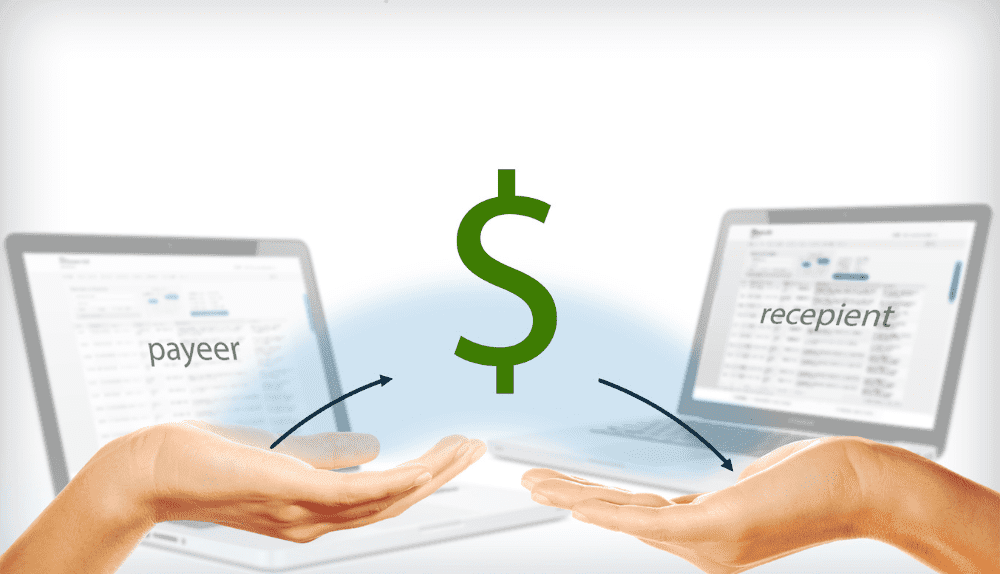
Many businesses in 2024 are adopting scheduled revenue models drawn to the reliability of steady income streams. If you’ve recently visited an online shopping site, you’ve likely encountered payment options like “pay-in-five,” “buy now and pay later,” or “just $X per month” offered by many businesses in different niches.
Scheduled payments have become a staple in the financial market, so managing them is now more than essential for consumers to handle their finances efficiently. This article will explain what payments scheduled mean, from implementation to benefits.
Scheduled or recurring payments are a convenient way to ensure that your bills are paid on time without the hassle of manually initiating payment every time. As implied by the name, you set up these payments to be automatically debited on a specific date you choose. This payment is usually an agreed-upon amount on an agreed-upon date between two parties – one being you and the other being the business from which you’re utilizing any product or service. These transactions are typically made from your checking account, linked to the vendor or creditor you’re paying.
You have two options for setting up payments scheduled. You can initiate it directly or through your bank’s online bill pay system. For example, if you want to pay for your Netflix subscription automatically, you can schedule a payment using your credit card. Similarly, if you have a car loan, you can set up a scheduled payment from your checking account each month until the loan is paid off.
All in all, scheduled payments can be an excellent tool for managing your finances, staying on top of your bills, and avoiding late fees or penalties. Just ensure you have enough funds in your account to cover the scheduled payments, and check your statements regularly to ensure that everything is processing correctly.
Setting up scheduled payments is an easy process that can be done in several ways. You can log into the service provider or vendor’s website/app and set up the scheduled payments.
An excellent example of this process is a car loan. For example, if you need to pay a set monthly amount to the loaner, you can set the date and the amount on their mobile app or website. The amount will be automatically transferred on the set dates.
Another way is to set up scheduled payments through one’s bank. For instance, one can set up scheduled payments for their care loan through their bank account. The bank will transfer the payment electronically through ACH, an electronic payment system that routes the funds from one’s bank to the company they are paying.
For any bill that can be paid through a credit card, enter the required CC information. For example, one can set up scheduled payments for their cell phone bill by logging into their account on the phone company’s website and entering their credit card details.
Various scheduled payment types exist, tailored to fit your financial situation, cash flow, and supplier agreements. A different scheduled payment method works best for each supplier relationship.
When setting up scheduled payments, you have various convenient methods at your disposal, like through a third-party application, via your banking application, or through your credit card. Below, we explain the process of each method.
1. Third-Party Applications
A car loan is the perfect example of a recurring payment through third-party applications that requires regular payments. One can use the loaner’s mobile app or website to set the date and amount they wish to pay each month to make payments on a car loan. Here’s how you can set up automatic payments:
The payment will be automatically transferred on the set dates, making it easier to ensure on-time payments.
2. Bank’s Website/App or Digital Wallet
Another way to make regular loan payments is to set up scheduled payments through one’s bank account or digital wallet. To establish scheduled payments via your bank, here’s what you can do:
The bank/digital wallet will transfer the payment electronically through the ACH or virtual cards.
3. Credit Card
Lastly, credit cards are also a top choice when paying bills, offering a convenient and hassle-free payment option. Many services, like streaming channels, gym memberships, and software subscriptions, allow customers to pay their bills by entering their credit card information on their website.
This payment method is easy to set up and can be done simply by adding card details like Card number, Cardholder name, Expiry date, Security code, Billing address, etc. Once the credit card information is saved, customers can schedule automatic payments for their bills, ensuring that they are always paid on time without any hassle. This payment method also records all transactions, making tracking expenses easier and staying on top of bills.
Recurring payments, scheduled payments, or subscription billing offer several benefits for businesses and consumers. Here are some of the key benefits:
Recurring payments eliminate the need for customers to remember to make manual payments each month, reducing the risk of missed payments and late fees.
For businesses, recurring payments provide a predictable source of revenue. This can help with budgeting and planning, as they can anticipate how much money will come each month.
Scheduled payments can significantly reduce the administrative costs associated with managing payments. This includes the time and resources required to process payments, send reminders, and follow up on missed payments.
Customers appreciate the convenience and predictability of recurring payments. This can improve their overall experience and increase customer loyalty.
Recurring payments can increase revenue by encouraging customers to sign up for ongoing services or subscriptions. This can help businesses to build a stable and loyal customer base.
Recurring payments offer a range of benefits for both businesses and customers. By automating the payment process, companies can save time and money while providing a better customer experience.
First, to halt automatic payments from a company, reach out to them directly. Contact the company via phone and request that they stop taking automatic payments from your account. Additionally, inquire about obtaining the billing department’s email, fax, or mailing address for further communication. You can cancel payments through mobile apps or online platforms if those options are available.
Simultaneously, if you have a scheduled payment option activated through your bank account, inform your bank about the situation. Call or compose a letter to your bank specifying that you are revoking authorization for the company to withdraw automatic payments from your account. It’s crucial to notify your bank at least three business days before the next scheduled payment to ensure timely action. Remember that your bank may impose a fee for this service, so it’s essential to be aware of any associated costs.
Once canceled, the recurring payment transfer will stop completely. The same process can be followed if you use a CC; it becomes even more accessible, as you can easily cancel the scheduled payment in the payment dashboard.
Here are a few situations where you might want to cancel scheduled payments:
If you change banks or credit cards, you must update your scheduled payments with the new information. Otherwise, your payments won’t go through, and you’ll risk late fees or damage your credit score.
If you’ve stopped using a service, such as a subscription to a magazine or streaming service, you should cancel your scheduled payments. Otherwise, you’ll keep paying for something you’re not using.
If you’re struggling to make ends meet, canceling scheduled payments can give you better control over your cash flow. You can prioritize which bills to pay when and make sure you have enough money for essentials like rent and groceries.
If you notice a charge you didn’t authorize on your account, cancel the automatic payment immediately. It could be a mistake or a fraudulent charge, and canceling the payment can help protect your finances.
If you’re dissatisfied with a service, canceling scheduled payments can tell the company you’re unhappy with their product or service. You might be able to negotiate a better deal or find a better service provider.
Setting up scheduled payments can be a great way to simplify your finances and reduce stress. Automating your bills can free up time and energy to focus on other things. Monitor your accounts regularly and cancel scheduled payments when necessary to avoid surprises or unnecessary charges.
Recurring payments are used by many businesses that offer subscription-based products or services. These businesses include:
Any business offering a product or service requiring regular payments can benefit from recurring payments.
While there are many benefits to using recurring payments, there are also some potential costs. Here are a few:
Depending on your payment processor, there may be fees associated with setting up and using recurring payments. These fees can add up over time and eat into your profits.
If you’re not careful, recurring payments can lead to overdrafts if you don’t have enough money to cover them. This can result in fees from your bank and potentially damage your credit score.
Recurring payments are automatic by nature, which means you don’t have as much control over when and how much you pay. This can be a problem if your income fluctuates or you need to change your budget.
Any time you’re sharing your financial information online, there’s a risk of that information being compromised. While reputable payment processors use encryption and other security measures to protect your data, there’s always a chance that your information could be hacked or stolen.
Some companies make it difficult to cancel recurring payments once you’ve signed up for them. This can be frustrating and time-consuming, especially if you’re trying to stop payments that you no longer need or want.
It’s essential to weigh recurring payments’ potential costs and benefits before deciding whether they’re right for you. If you choose to use them, use a reputable payment processor and keep an eye on your bank account to avoid overdrafts and other issues.
Here are some recurring payment service options that you should consider in 2024:
You can handle your recurring payments using PayPal Automatic Payments, which offers peace of mind and the assurance of Buyer Protection for eligible transactions. PayPal Subscriptions remains a dominant player in the payment platform landscape due to its flexibility in payment scheduling, ease of customer subscription management, and automatic billing and payment notifications.
PayPal charges 3.49% plus $0.49 for each transaction done using the recurring feature. PayPal is well-regarded for its broad user base and seamless integration with various tools, making it a top choice for individuals looking for reliable payment solutions.
Stripe Subscriptions offers a similar value proposition with flexible billing cycles; automated management features to reduce failed payments, and comprehensive reporting. Stripe maintains a standard fee for US-based transactions at 2.9% plus $0.30, mirroring the industry standard for online payment processing. Businesses benefit from Stripe’s wide range of payment options and its ability to cater to more specialized needs.
Recurly is designed to support businesses of all sizes with its diverse range of plans, including customizable invoicing options, automated dunning management, and multi-currency support.
Recurly’s feature set focuses on facilitating scalable subscription management, with offerings like revenue recognition for compliance with accounting standards, intelligent payment retries, and advanced billing scenarios, including a wide range of pricing models. For each transaction made via credit card, PayPal, or Amazon, you incur a fee of 1.25% plus $0.10. These charges are separate from the processing fees levied by your credit card processor. Recurly also provides a professional plan with additional features, priced at $299 monthly.
Chargebee presents itself as a robust platform for handling recurring billing and subscription management, with pricing plans designed to cater to the growth needs of businesses from launch to enterprise levels. Chargebee’s starter plan offers a generous threshold for cumulative billing, making it an attractive option for emerging businesses. The platform’s strength lies in its flexibility across billing cycles, pricing models, and payment methods. It supports everything from dunning management to advanced features like account hierarchy and contract terms for more complex business structures. The charges start at 0.75% per transaction with the Performance plan, which starts at $599 monthly.
Chargebee is recognized for its ease of integration with a multitude of payment gateways and its ability to manage subscriptions, billing, invoicing, and even tax compliance on a global scale. Notably, Chargebee emphasizes automation in dunning management and smart payment retries to enhance revenue recovery and reduce churn.
Recurring payment services offer businesses a convenient and reliable way to manage recurring payments. Companies can streamline their payment processes and focus on their core operations by choosing the right service with customizable invoicing plans and affordable payment processing fees.
Scheduled payments have become an essential part of modern financial management. They provide individuals and businesses with a convenient and efficient way to manage recurring transactions. Customers can ensure timely payments while enjoying flexibility by automating payments through online banking and credit cards. Scheduled payments also benefit businesses by improving cash flow predictability, reducing administrative costs, and enhancing customer satisfaction.
To stop payment scheduling, customers can directly contact the company or notify their bank to halt automatic withdrawals, thus maintaining control over their finances. With various service providers offering flexible solutions, scheduled payments play a significant role in modern commerce, facilitating efficient and hassle-free transactions across different industries.
Scheduled payments are regular recurring payments set by the payer. They occur at predetermined intervals, aiding customers in managing expenses and avoiding missed payments.
Scheduled or recurring payments involve automatic payments made towards a bill in installments at specified intervals and amounts until the balance is cleared.
Payment schedules are crucial for individuals to manage transactions effectively, ensuring timely and organized monetary exchanges. They act as guides, outlining when and how payments occur, thus vital to financial management.
Yes, scheduled payments can be canceled. Contact the company via phone or written correspondence to revoke authorization for automatic payments from your bank account. Customer service representatives should assist you, and online forms may also be available for this purpose.