
Tag Archives: holiday shopping

Payment Gateways: How They Help Your Business

The Official Merchant Services Blog delves into Payment Gateways today. We’re going to examine the pros that exist for businesses in using Payment Gateways to establish an online business presence and accept online payments. We also detail some of the basic questions you want to ask yourself about e-commerce, why you want an e-commerce presence for your business, and how much the two Host Merchant Services Payment Gateway options cost.

Why Do I Want To Start Collecting Online Payments In the First Place?

The easiest answer is that it opens up a new market for you and improves your cash-flow.

Online payments give you the ability to accept credit cards through a Payment Gateway itself, or through a third-party add-on, without a lot of trouble or delay. Your clients can pay you quickly with a credit card transaction and the money is in your bank fast.

This increases your cash-flow. You no longer need to wait for a physical check to show up in the mail, then spend time depositing that check in the bank, and then waiting days for the check to clear before you can access the money.

Accepting online payments also opens your business up to a wider potential customer base. Beyond just the local draw your brick and mortar business can attract, the ability to set up an effective e-commerce business lets you reach out to customers far away. Online shopping, especially as we close in on the holiday shopping season, is booming. And virtual shopping options for your website (e-commerce solutions) all hinge on having a way to process payments through your website. In short, to cash in on the online shopping potential your business has, you need a payment gateway in place to process those transactions.

Also, accepting online payments allows you the ability to charge your client’s credit card on a recurring basis (for monthly, quarterly or annual services). This process can be automated, making recurring revenue streams a reliable and predictable source of income.

What are the Costs of Using Payment Gateways?

Most Payment Gateways charge a base monthly fee as well as a “discount rate” for each sale (usually 2-4% of the sale). Monthly fees are generally charged for premium options that can include added support, personal branding for your business and other miscellaneous functions.

Host Merchant Services offers two basic Payment Gateway options: Authorize.net, and HMSExpress. Authorize.net, which is one of the three largest Payment Gateways offered, costs HMS Merchants a base fee of $10.00 a month and 5 cents per transaction. HMSExpress, the new virtual terminal solution that HMS offers, costs its merchants $10 a month and has no added fees for individual transactions.

When analyzing your options, you want to balance the costs of the services against the additional value these services bring to you and your business. One basic way to evaluate the cost of even having a payment gateway is: What is it worth to you to get paid faster for online transactions than you do for check transactions? What is it worth to your business to be able to process more transactions during the holiday season because you can attract business from all over the country?

Questions like that are what you have to consider when you decide if you want your business to transition to an online one. In our next part of the series, we’re going to get into the details of how Payment Gateways work and see what other questions you have to consider when trying to decide which Payment Gateway to use.
 

mobile payments

Magic 8-Ball on Mobile Payments [2023 Update]

Magic 8-Ball on Mobile Payments: Outlook Hazy, Ask Again Later

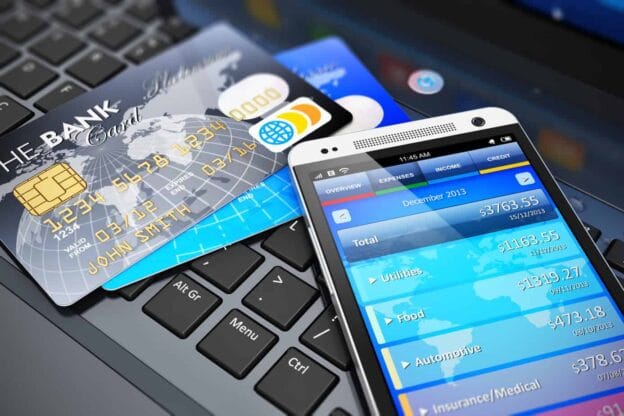
Mobile Payments are getting a lot of press right now and are being heralded as the future of commerce. There are quite a few media sources playing the role of prognosticator, tagging Mobile Payments as a billion-dollar boom waiting to explode. But as we creep right up on the 2011 holiday shopping season, the actual impact of Mobile Payments is still short of its predicted potential. So today The Official Merchant Services Blog is going to take a brief look at Mobile Payments, shaking the topic up vigorously and seeing what the Magic 8-Ball (a potential holiday gift in itself) has to say about the whole thing.

Sunshine and Positivity

One of the most commonly quoted statistics about Mobile Payments can already be found in Host Merchant Services Article Archive in a story about Mobile Payments and how bright the future is: A Juniper Research study that predicts the value of all mobile money transactions will grow from $240 billion to $670 billion. That’s a hefty number and makes for sexy copy. Other stats cited often from the Juniper Research study are that digital goods will make up nearly 40% of the market that the $670 billion figure is drawn from. And that Asia, Western Europe and North America will make up nearly 75% of the entire market for those goods.

So that’s the good news. What’s the bad news?

Two Big Problems

The bad news is mobile payments haven’t taken off as quickly in the U.S. as the media reports suggest. The Juniper study sets things in four years in the future. So the boom is still very much capable of happening. But two things are holding Mobile Payments back in this country:

  1. The technology isn’t developed fully yet.
  2. Security issues scare consumers.

The technology is sort of all over the place right now. You have a variety of different ways to process a mobile payment. And the biggest competitors in the industry (Google, PayPal, Amazon.com, MasterCard, Amex, Visa) are all still racing to outdevelop each other. Google Wallet is still not fully there yet. Near Field Communication (NFC)  is still only being tested on a small scale in the United States. The phenomenon simply hasn’t taken root.

Security Concerns

Mobile Payment Security Concerns

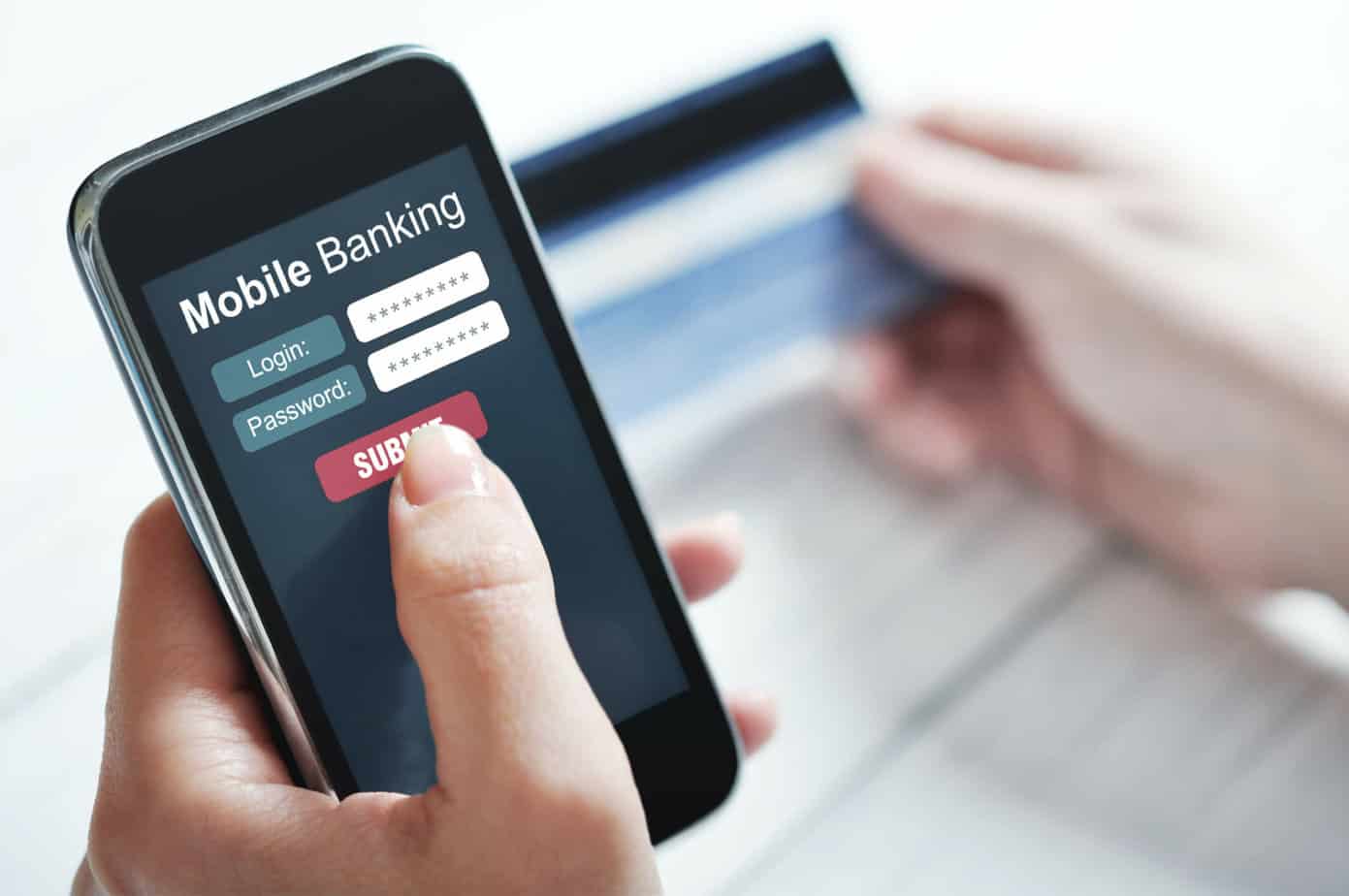
The other major problem holding a Mobile Payment boom back in the U.S. is security. People are already worried about credit card hacks, phishing scams and the security of their transactions with plastic or with online transactions. PCI Compliance is a hot button issue, especially in light of Sony’s security breach earlier this year as well as the recent DigiNotar Hack. So technology like NFC where people just wave their cell phone at a scanner make people nervous about how secure the transaction really is. And of course it was already shown this year at a security conference that the Square device from Square Up could be hacked and used to steal credit card information.

All is Not Doom and Gloom

While there isn’t much anyone can do but wait when it comes to the technology being developed, Host Merchant Services provides a nice set of tips for addressing the security concerns.

And the Mobey Forum provides a whitepaper extensively reviewing the ability for NFC mobile payments to take hold, and detailing ways to make that happen.

Blogger Keith Cowing also wrote this interesting read on mobile payments, addressing the issue of security and the worries consumers have over eReceipts. In his blog he asks: “The world of retail is changing faster than it ever has before. Nobody had heard of flash sales, group buying, or NFC three years ago. One of the most exciting changes will be the adoption of mobile payments and eReceipts, which will combine to provide a paperless way to checkout and manage your expenses. But when mobile payments and eReceipts become widespread, who will own your purchase data and how will they use it?”

A very compelling question. He goes on to touch on many of the same talking points The Official Merchant Services Blog brings up about mobile payments. I’ll leave you with Mr. Cowing’s final point: “When a customer visits your website, walks into your store, makes a purchase, gets an eReceipt, or talks about your brand on Facebook, these are all touch points in an ongoing customer experience. Your brand is represented by every step along the way and doing the right thing for your customer is doing the right thing for your business. When it comes to mobile payments and eReceipts, providing a convenient and simple solution is part of the customer experience. “

That’s exactly what it’s going to take for Mobile Payments to reach those lofty Juniper Research predictions. The customer has to experience mobile payment as a convenient and simple solution to their transactions. That’s when the mass of consumers will just seamlessly shift their gears (and their dollars) into mobile payments.