Top Social Media Marketing Trends For Businesses To Watch In The Fall Of 2023

Top Social Media Marketing Trends For Businesses To Watch In The Fall Of 2023

A significant portion of daily life revolves around social media, whether it is Facebook, Instagram, X (Twitter), Snapchat, TikTok, Quora, Tumblr, and new platforms like Threads. Social media has seamlessly integrated into our daily routines for work and business. With these platforms being so thoroughly integrated into our lives, it is essential to understand recent trends to understand customer behavior and optimize business marketing activity. Fortunes are made daily on social media, and while some of it may seem like luck, your business can capitalize on social media to boost revenue and increase customer engagement.
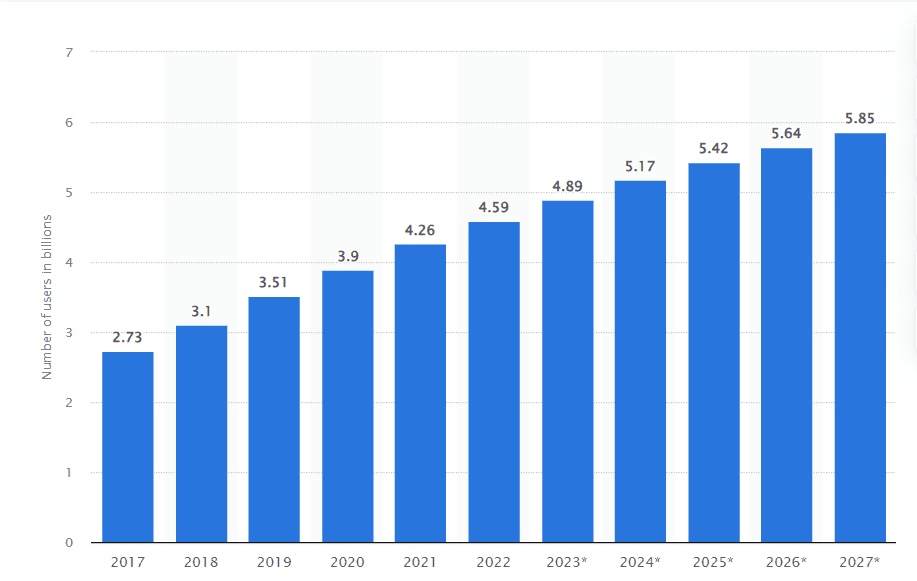
Number of social media users worldwide from 2017 to 2027

Source : Statista -Number of social media users worldwide from 2017 to 2027

It is expected that by the end of 2027, 5.85 billion people will be using social media. Every company understandably wants to be there to connect with customers on these vast platforms. So, what trends are taking hold this fall, into the holiday selling season, that can benefit your business?
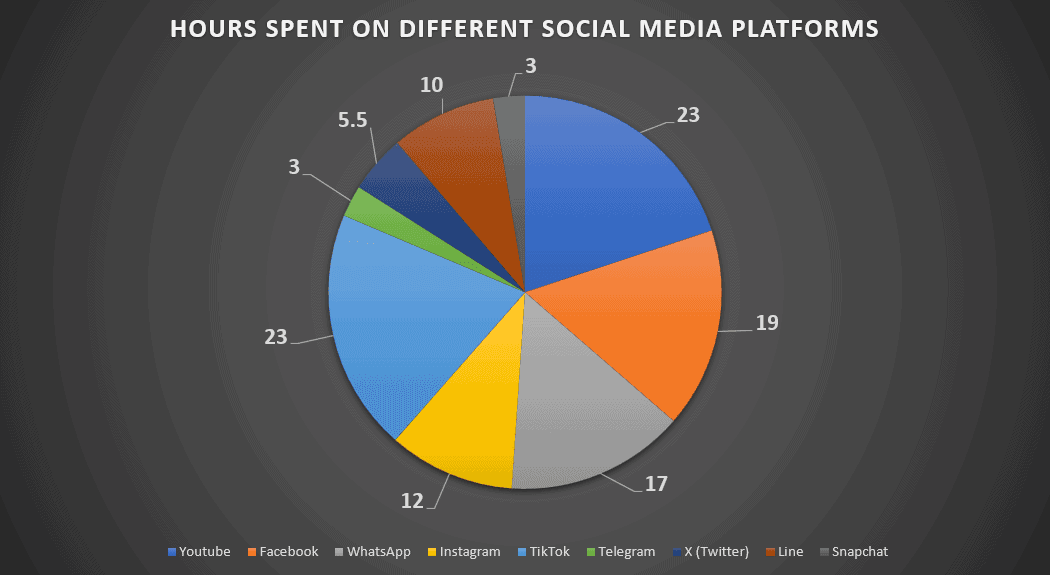
data of hours spent on different social media

With an overflow of content on social media, the competition between businesses is fierce. Standing out in this crowded space can be challenging without a well-crafted marketing plan. In order to stay ahead in your marketing efforts,

Social Media Marketing Trends For Businesses To Watch In The Fall Of 2023

Here are the social media marketing trends for businesses to watch in the fall of 2023 and beyond.

Trend #1 – The Growing Popularity Of “1-Minute Content”

The future of online content appears to be heavily focused on video content, with an increasing number of businesses already benefitting from the potential of video marketing, accounting for 86%. However, the spotlight will shine brightest on shorts and reels. These formats not only have the potential to garner higher engagement from your audience but also serve as invaluable tools to reach out to a large audience. In fact, over 700 million pieces of short-form content are uploaded daily on social media platforms.

product video in social media marketing data

These short videos allow brands to keep their audience engaged and even gives them a chance to tap new audience. However, It is essential to note that the success of short-form content does not mean that anything you post will equal better results. Just like other types of content, short content has to be creative and engaging, as only high-quality content retains the ability to break through the noise and captivate your audience.
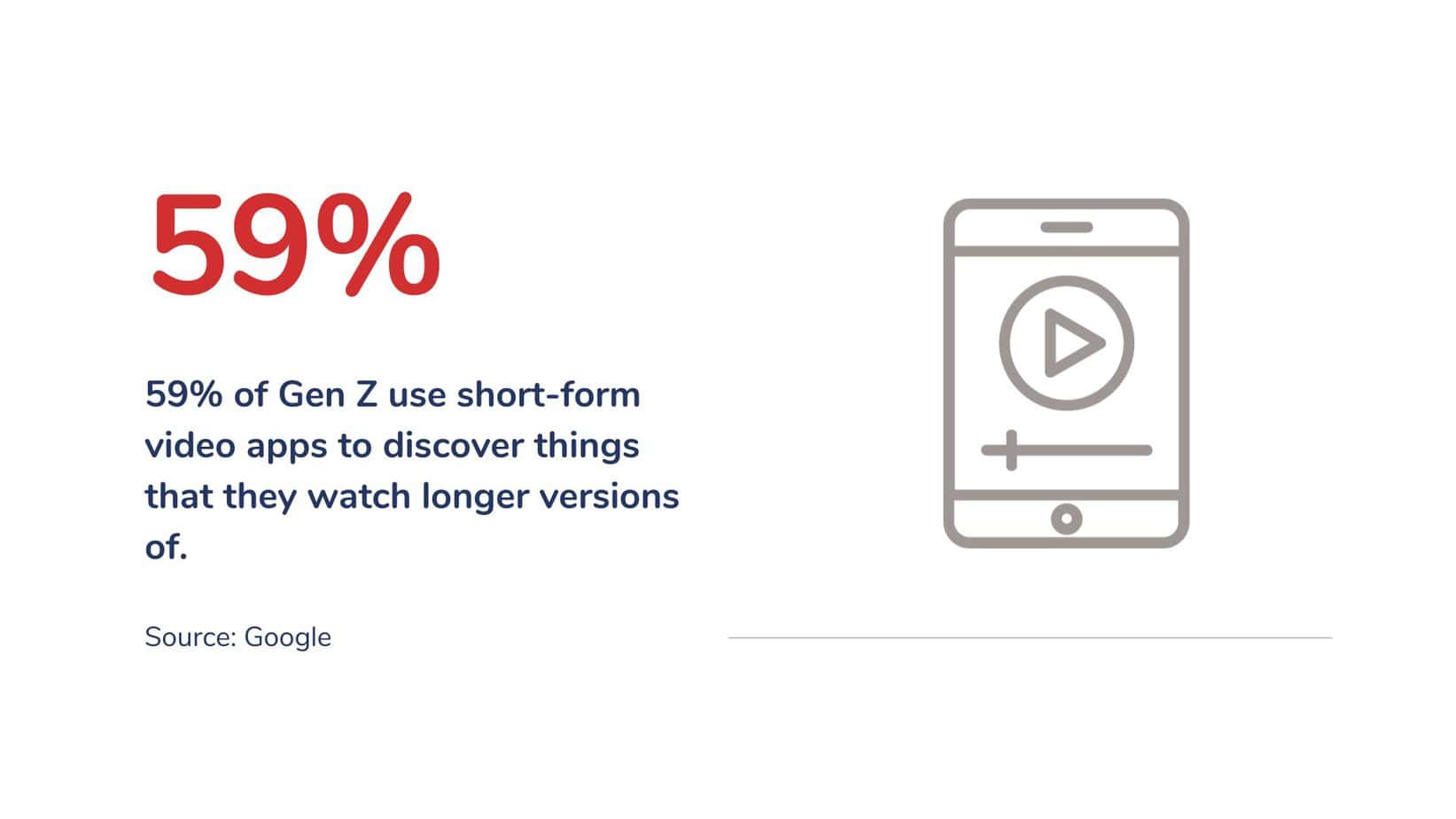
which generation buys products more on social media data

Data source: Think with Google

Trend #2 – Communities Over Followers?

In 2023, brands that cultivate an engaged social media “community” will emerge as the real winners. While many brands perceive social media as a platform for content sharing, this perspective only addresses half of the equation. The other equally critical half fosters the idea of community, establishing connections, and actively engaging with your audience.

US adults who say they use at least one social media site by age

Data and image source: Pew Research

But how can you know if your audience is just a bunch of “Followers” or a true “Community”? Here are some key indicators to keep an eye out for:

  • When your audience voluntarily promotes your brand.
  • When individuals share your content/service/products with their friends and families.
  • When your community collectively celebrates your brand’s achievements.
  • When meaningful relationships are formed because of a genuine interest in what your brand offers.
  • When there is excitement for any event you organize.

All in all, a community is like a group of people with common interests and common goals. A recent survey suggests a staggering 90% of social media marketers consider the development of an active online community as their main SMM strategy for 2023 and beyond.

When we see consumer data, this logic makes much more sense. More than 20% of all users on social media are a part of some type of community. Among those engaged in online communities, approximately a quarter (21%) identify the most significant benefit as product discovery.

So, where should you establish your online community? Social media marketers appear divided between Facebook and Instagram, with Quora trying to be third in line. You can choose either of the platforms or extend your reach on each platform to start building your community.

Trend #3 – Influencer Marketing Is Still A Thing And It Is Stronger Than Ever!

Content creators now hold significant power in brand/product marketing. According to recent studies, most of the consumers (87%) trust recommendations from family and friends who have personally interacted with a brand and had a positive experience. This is where influencers with large communities can make a difference for your business. A substantial 71% maintain their trust in bloggers, vloggers, and social media influencers who share their firsthand experiences with different brands.

Influencer Marketing Is Still A Thing And It Is Stronger Than Ever!

However, success is highly dependent on the influencer, content quality, and alignment with the brand’s values and message. Notably, a third of social media users prefer to discover products through influencers on social platforms. This preference is even more significant among Gen-Z.

Influencer marketing remains a steady and powerful force in marketing. However the types of influencers who hold the greatest value are constantly changing and evolving. In 2022, influencer marketing witnessed a remarkable surge, with expenditures soaring to a staggering $4.14 billion. This figure stands as a remarkable achievement, representing an increase of approximately one billion dollars compared to the previous year. With this trajectory, the future of influencer marketing appears exceptionally promising.

Trend #4 – Social Media Channels, A Reliable E-Commerce Platform?

The future of eCommerce undeniably resides within social media. In recent times, the e-commerce landscape experienced a significant transformation as shopping on social media platforms gained substantial traction. Platforms such as Facebook Marketplace and Instagram introduced features like in-app purchase options, “save later” buttons, and more, simplifying the shopping experience for users.

The journey begins with product discovery, and for consumers aged 18 to 54, social media stands as their preferred channel for uncovering new products.

Social media marketers have taken note of the rising trend of social shopping, with 47% of those surveyed reporting an increase in in-app sales. Moreover, an astounding 80% of social media marketers predict that consumers will increasingly opt to purchase products via social apps over traditional brand websites or third-party platforms like Alibaba, Etsy, or Amazon.
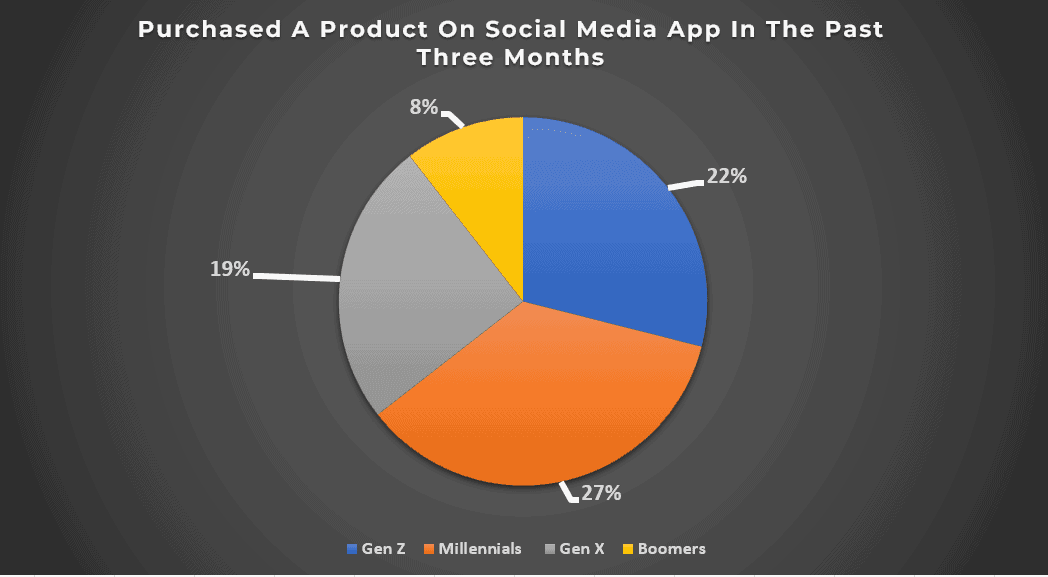
data on different age groups purchasing product on social media in the last three months

Source: HubSpot

Despite these impressive statistics, many consumers still have concerns about making purchases through social media platforms. Our survey found that only 41% of social media users feel comfortable making purchases on social media, and just 37% are willing to share their card information with these platforms.

The primary concerns that bother the customers are:

  • Authenticity of the Business/Brand (54%).
  • Refunds Assurance (48%).
  • Product/Service Quality (44%).

By undertstanding these concerns, you can stand out and differentiate your company. Among the various platforms offering in-app purchasing options, Instagram is ahead of the pack as the platform users deem to provide the most favorable shopping experience. Social media marketers concur, recognizing Instagram for delivering the best return on investment (ROI) and an array of effective marketing tools.

Trend #5 – Using Social Media For Effective Crisis Management

Effective crisis management on social media is becoming an indispensable necessity.

The recent statistic reveals that over 95% of businesses anticipate confronting a crisis within the next two years. The challenge lies in the fact that many companies have yet to establish a dedicated crisis response team or formulate a crisis plan.

crisis management through social media

Social media platforms have evolved into lightning-fast channels for being at the front of any issues your brand/company faces. With stories and X posts, you can quickly address the issues with an effective plan without further escalating the problem. Neglecting to address even a small problem can lead to its escalation, potentially inflicting substantial harm on your business, both financially and reputation-wise.

A substantial 61% of respondents believe that brands should possess the capacity to acknowledge crises through their advertising and communication efforts promptly.

Furthermore, harnessing social media as a crisis management tool holds the potential to help businesses rebuild trust with their audience. An impressive 81% of respondents assert that social media has contributed to enhancing business accountability.

The same report underscores that 89% of individuals maintain that a business can regain its trust when it demonstrates transparency by acknowledging its mistakes and outlining corrective actions. Given the current landscape of social media utilization, not only by users but also by businesses, it emerges as a potent instrument for effective crisis management.

Trend #6 – BeReal And Threads Getting The Attention

One of the earliest social media marketing trends of 2023 to capture attention was BeReal. This newcomer to the scene intrigued users and left marketers scratching their heads. After all, how do you approach an app that doesn’t encourage constant use?

BeReal

Image source: BeReal

While many will grapple with how to market their brand on this platform, It is an excellent opportunity to step back and gain perspective. Understanding why vertical networks, closed communities, and apps like BeReal are flourishing, especially as consumer social media fatigue becomes more prevalent, will be pivotal in shaping your strategy.

On the flip side, there’s Threads, a creation by the Instagram team aiming to rival X, formerly known as Twitter. It promises to elevate your experience in sharing text and participating in public discussions, or so they claim.

Threads

Image source: Wikipedia

Threads provide a dedicated space for self-expression, creating meaningful conversations and connections with like-minded individuals. You can effortlessly log in using your trusted Instagram account, personalize your profile, and immerse yourself in a lively community.

Trend #7 – The Growing Popularity Of AI-generated Content In Marketing

The year 2023 has been a momentous one for AI. Anticipate witnessing an upsurge in AI-driven content recommendations on prominent social media platforms like Facebook and Instagram, all geared toward enhancing user engagement. With the proliferation of social media platforms, there’s an escalating demand for content that is not only high in quality but also engaging and tailored to individual preferences.

The Growing Popularity Of AI-generated Content In Marketing

This is precisely where AI-generated content takes center stage, empowering marketers to swiftly and efficiently craft content while conserving valuable time and resources.

Numerous AI tools have emerged to aid marketers in content creation for social media. Here’s a brief overview of some of the most renowned ones:

  • Wondershare Filmora: A video creation tool harnessing AI to produce personalized videos on a large scale.
  • Midjourney: A versatile tool designed to generate images through natural language descriptions.
  • AISEO: A natural language processing tool adept at generating compelling social media copy.

These AI-driven solutions are poised to revolutionize content creation, offering marketers innovative avenues to connect with their audience effectively.

Trend #8 – Repurposing Content Won’t Work

Reusing the same content across multiple platforms won’t cut it in 2023.

Social media marketers typically manage an average of four different platforms. While most SMM managers reuse one post on different platforms, there’s a noticeable shift away from this one-size-fits-all approach. In fact, only 17% of marketers are simply cross-posting the same content on different platforms. Most are moving towards a more tailored approach.

According to our research, 48% of marketers are making adjustments to their content when sharing it across various platforms. Furthermore, more than a third (34%) are opting to create entirely new content for each platform. And even though we might think we have a grasp on what to expect, this list of social media marketing trends likely doesn’t cover all that we’ll encounter in 2023.
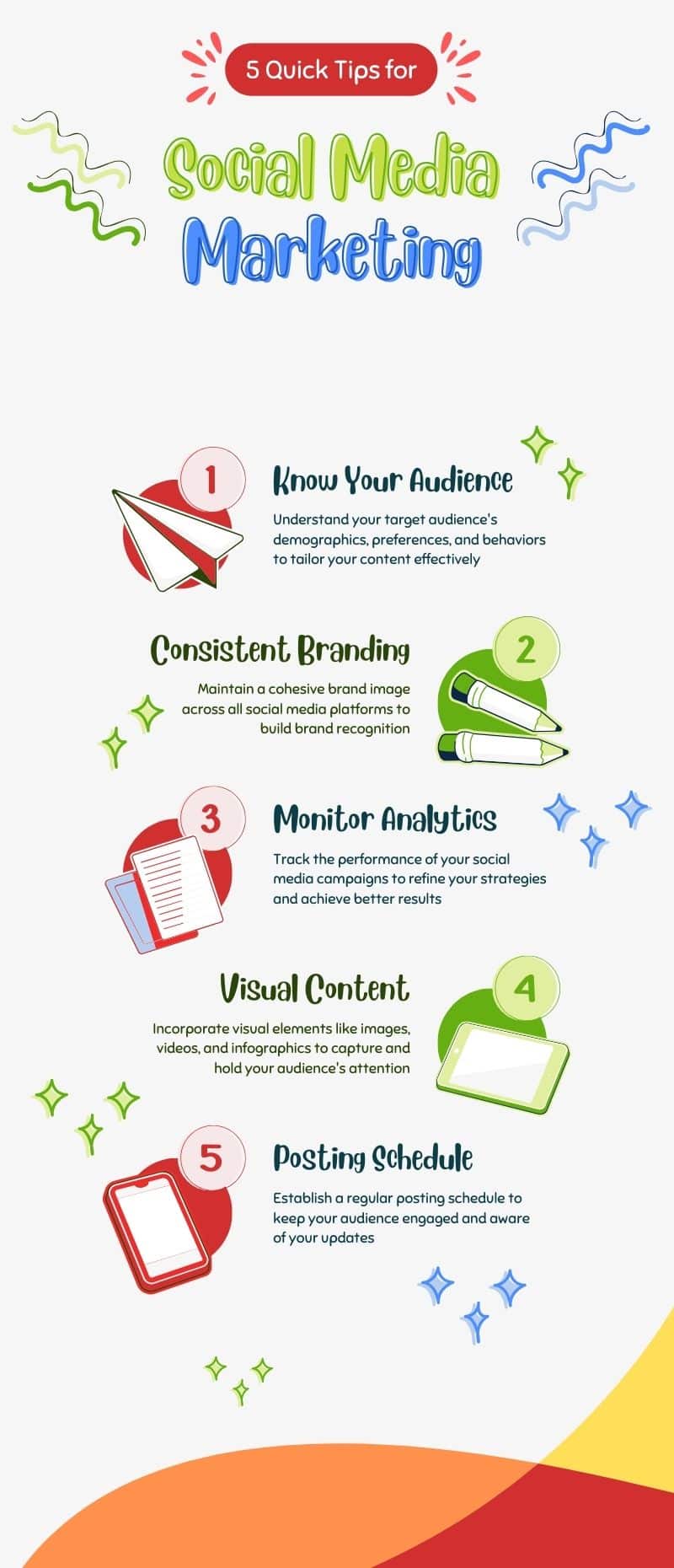
social media marketing tips

recommended articleRecommended reading: Shadown banning and how to fix it

Conclusion

For social media marketers, the best course of action is to continue researching social media marketing trends, online consumer behaviors, and your team’s social media data. This information will enable you to determine which social media marketing trends or strategies to put your focus on and how to handle unforeseen challenges in the ever-evolving online environment.

Frequently Asked Question

  1. Q: What’s a powerful social media marketing strategy for 2023?

    For successful social media marketing in 2023, it is crucial to prioritize interactive content. By creating captivating and interactive posts, you can gather valuable data about your target audience. This will allow you to tailor your future marketing campaigns to suit their preferences and needs better.

  2. Q: Which social media platform is experiencing the fastest growth in 2023?

    The social network that has experienced the most rapid growth in 2023 is BeReal. This platform has witnessed an extraordinary surge, with an astounding 313% increase in users from May 2022 to January 2023, effectively quadrupling its user base during this timeframe.

  3. Q: What social media marketing trendscan we expect after Instagram?

    After Instagram, we can expect TikTok and short-form video content to continue gaining popularity. However, Instagram and Twitter will still hold their significance, particularly for B2B businesses. Additionally, 2023 might see smaller networks like Pinterest and Snapchat making noteworthy strides in the social media landscape.

  4. Q: Which social media platform is the most widely used in the United States in 2023?

    Facebook remains the reigning champion as the most popular social media platform in the United States. The statistics affirm this, as Facebook encompasses a staggering 53% of all visits to social media sites in the country in 2023.

Holiday Shopping Trends for Retailers

Holiday Shopping Trends for Retailers

The US holiday retail season in 2025 is expected to be dynamic and fast-changing. Consumers, retailers, payment processors, and analysts alike are gearing up for a season influenced by new technologies, shifting behaviors, and economic realities.

In this blog, we break down the most important trends – from the balance of e-commerce and in-store shopping to the rise of AI, new payment methods, social commerce, logistics innovations, sustainability efforts, economic pressures, and cutting-edge retail innovations.

Top 9 Retail Shopping Trends for the Holiday Season

E-Commerce vs In-Store: Blending Channels

Is Holiday Shopping Still Vital for Retailers?

Even post-pandemic, brick-and-mortar stores remain crucial – about 80% of US holiday retail spending still happens in physical channels. However, online shopping keeps growing its share steadily. Holiday 2024 saw online sales surge 6.7% year-over-year, far outpacing the 2.9% growth of in-store sales. E-commerce accounted for roughly 19–20% of total holiday sales last year, a proportion that edges upward annually. This doesn’t mean stores are irrelevant – quite the opposite.

A whopping 93% of consumers surveyed said they plan to shop both online and in-person for the holidays, indicating an omnichannel approach. Shoppers enjoy browsing online for deals and inspiration, then perhaps visiting stores for the tactile experience or immediate pickup. Services that blend channels have boomed – for example, “buy online, pick up in-store” (BOPIS) orders doubled during the weekend before Christmas 2024, making up nearly 40% of all online transactions in those last-minute days.

Retailers like Walmart and Target leaned into this by beefing up store pickup and curbside options, effectively using their stores as fulfillment hubs.

AI, Personalization, and Smart Recommendations

Artificial intelligence is set to play its biggest holiday role yet in 2025. Retailers have been investing heavily in AI-driven personalization – using algorithms to tailor product recommendations, marketing emails, and even pricing to individual shoppers. Consumers are noticing the benefits. In a recent survey, nearly 90% of shoppers said they planned to use AI tools in some form for holiday shopping. Many will be interacting with AI chatbots to find sales or gift ideas – about 73% of shoppers reported using AI chatbots to hunt for deals and discounts in 2024.

This year, those chatbots are smarter and more human-like, thanks to advances in generative AI. For instance, some retail websites now feature virtual gift assistants that can ask you questions and then suggest the perfect gift. AI’s impact goes beyond chatbots – recommendation engines have become hyper-personal. Shoppers scrolling a retailer’s app might see a “For You” section powered by their past browsing and purchasing data. These AI recommendations can boost sales by surfacing relevant products (and reducing the paradox of choice for consumers). Retailers are also using AI on the back-end – for example, to forecast inventory so that hot items don’t stock out, and to automate customer service via voice AI.

Surveys after the 2024 season showed 56% of shoppers felt happier with their holiday experience thanks to AI tools, as AI helped them find gifts faster and track deliveries. In 2025, expect AI to be an invisible Santa’s helper underpinning many shopping journeys, making them more personalized, efficient, and even a bit more fun. The key for retailers is to use AI in a way that enhances convenience without feeling intrusive or gimmicky.

Next-Gen Payments: Digital Wallets, BNPL, and Real-Time Options

Top 7 Retail Shopping Trends - Retailers Shouldn't Miss This Season

How shoppers pay for gifts is also changing rapidly. Digital wallets like Apple Pay, Google Pay, and PayPal are now mainstream at checkout. In the US, roughly 37% of online transactions and 15% of in-store point-of-sale transactions are now made via digital wallets – a number that keeps climbing as more people get comfortable tapping their phones or using one-click online pay.

Shoppers appreciate the speed and security of these methods, and many younger consumers hardly carry cash or even physical cards anymore. This holiday season, more retailers will promote digital wallet payments (with incentives like extra rewards or cashback) to speed up lines and reduce friction. Another payment trend that’s booming is Buy Now, Pay Later (BNPL). Services like Affirm, Afterpay, and Klarna let shoppers split purchases into installments, often interest-free. During the holidays, with big gift purchases, this is especially tempting. About 20% of US holiday shoppers used BNPL in 2023, and total BNPL holiday purchase volume was around $18.5 billion in 2024 (up 11% year-over-year).

We saw BNPL usage hit record levels on big sale days – for example, shoppers financed nearly $1 billion via BNPL on Cyber Monday 2024, a 27% jump from the prior year. In an inflationary environment, spreading payments out helps consumers manage budgets, and retailers often see higher average order values when BNPL is used. In 2025, expect even more checkout options to “buy now, pay later,” and possibly more transparent disclosures to shoppers about payment schedules as regulators keep an eye on this sector.

The real-time payments revolution is also on the horizon. The US recently launched FedNow (July 2023), and the private RTP network has expanded, enabling instant bank-to-bank money transfers. By late 2024, over 1,200 banks were already onboard with FedNow. This opens the door for instant payments in retail – for example, imagine paying directly from your bank app and the merchant getting funds immediately, without card networks in between. While we likely won’t see mass adoption of bank-to-bank payment at the checkout by holiday 2025, some early examples are emerging. Certain bills and invoices can now be paid in real-time, and fintech apps might start offering “pay by bank” options for online shopping. Real-time payouts could also mean things like instant refunds or faster loyalty reward redemptions.

Social Commerce and Influencer Marketing

Social media isn’t just for inspiration anymore – it’s a direct shopping channel. Around 89% of consumers say social media impacts their holiday purchase decisions, making platforms like Instagram, TikTok, and YouTube pivotal in 2025’s holiday marketing. Scrolling feeds and stories, shoppers discover trending products and gift ideas, often through influencers. In fact, social platforms have become the primary source of gift inspiration for 30% of holiday shoppers, even ahead of recommendations from friends and family.

This year, over half of shoppers (52%) report having made a holiday purchase based on an influencer’s recommendation. Whether it’s a tech reviewer’s YouTube gift guide or a TikTok creator’s try-on haul showcasing a new fashion line, influencers are driving product discovery and trust. Platforms are catering to this trend by adding seamless shopping features. TikTok launched in-app shopping (TikTok Shop) in the US, allowing users to buy products they see in a video without leaving the app. TikTok is expected to be the top social commerce platform for Gen Z (54% of whom prefer it for direct purchases) and Millennials (47%) in 2025. Instagram and Facebook have integrated shops as well. Even Pinterest has “buy” buttons on pins.

Essentially, the line between content and commerce has blurred – you can see a product and immediately tap to purchase. Influencer marketing around the holidays has also ramped up in sophistication. Brands are collaborating with creators for limited-edition product lines, holiday live-shopping events, and viral challenges to promote deals.

For example, a beauty brand might have a popular makeup YouTuber host a live “holiday look” tutorial where viewers can click to buy the featured items. User-generated content (UGC) is hugely influential too – 79% of consumers say UGC (like reviews and unboxing videos) impacts their purchases. Social proof matters when shoppers are choosing between gift options. In 2025, retailers will allocate more ad budget to social channels and empower influencers as a core part of their holiday campaigns. For consumers, this means your social feeds will be filled with gift ideas, and checking Instagram or TikTok might be just as important as visiting a store when it comes to holiday shopping.

Faster Fulfillment and Shipping Innovations

Online Shopping Gains Further Momentum

Getting gifts delivered on time (and cheaply) is always a holiday concern. The good news is that retailers and carriers have been innovating to speed up fulfillment. Delivery logistics are more efficient in 2025 than ever before. As an example, average delivery times in November 2024 were about 3.7 days from order to doorstep – a 27% improvement in speed compared to the year prior.

Years of investment in more local warehouses, better software for route optimization, and larger carrier networks have paid off, so customers can procrastinate a bit longer and still get their packages by Christmas. Amazon’s push for same-day and next-day delivery as the norm has pressured the whole industry to step up. We’re seeing major retailers offer guarantees like “order by Dec 22, get it by Dec 24” thanks to these logistics gains. To avoid bottlenecks, companies have also expanded alternative delivery options. Curbside and in-store pickup remain popular for those who don’t want to risk shipping delays – and as noted, BOPIS orders spiked in late 2024.

Parcel carriers and local delivery startups are working together; for instance, regional carriers (OnTrac, LaserShip, etc.) are handling overflow in addition to UPS, FedEx, and USPS. Retailers on average used more carriers in 2024 (about two additional carriers per shipper vs. a couple of years ago) to ensure capacity during peak season. This diversification reduces the chance of any one carrier’s delays impacting customers. We’re also seeing exciting last-mile innovations. While still in pilot phases, drone deliveries and robot couriers are expanding. Amazon’s Prime Air drones, for example, started operating in a few US towns and are slated to expand further; the company even envisions potentially millions of drone deliveries per year by late this decade.

Other retailers like Walmart have tested drone drop-offs for small packages. On the ground, autonomous delivery robots roam some city sidewalks (typically carrying takeout or groceries) – these could one day carry gifts to your door. For most Americans, these won’t be mainstream in 2025’s holidays, but it shows the direction of travel. Additionally, the industry has learned to cope with returns (which spike after the holidays).

“Reverse logistics” improvements mean easier drop-off points for returns and quicker processing, which indirectly helps consumers feel confident buying online. All told, shipping is faster and more reliable this season than it’s been in years, though consumers still need to mind retailer cutoff dates. The expectation now is instant gratification – if a site or store can’t promise quick, trackable delivery, shoppers might go to a competitor who can. Speed and convenience in fulfillment have become as much of a differentiator as price or product selection in the battle for holiday customers.

Sustainability and Ethical Shopping

Holiday shoppers in 2025 aren’t just looking for the best deal; many are also considering the planet and ethical factors in their purchases. There’s a noticeable shift toward sustainability and conscious consumption. For instance, consumers increasingly seek out eco-friendly gifts, whether that means items made from recycled materials, products that are built to last (reducing waste), or even opting to gift experiences instead of physical goods.

According to global surveys, despite tighter budgets, people are willing to pay around 10% more on average for products that are sustainably produced or sourced. Climate concerns are top of mind for younger shoppers, especially many of whom have witnessed extreme weather events and want to support brands that are part of the solution. About 85% of consumers say they have personally felt the effects of climate change and are prioritizing sustainable practices in their shopping.

This holiday season, expect to see retailers advertising their green credentials, such as carbon-neutral shipping, recyclable gift wrap, or take-back programs for old electronics and toys. More brands are promoting ethical sourcing, too, like fair-trade certified goods or donations to social causes with each purchase. “Buy local” movements have gained momentum, as shoppers choose local artisans or small businesses to reduce the carbon footprint of long-distance shipping (and to support community businesses). Some consumers are also turning to resale and thrift platforms for gifts, which is the ultimate form of recycling – a trend known as “re-commerce.”

Gently used designer handbags or vintage vinyl records can make unique, sustainable presents. Ethical shopping extends to how companies treat workers as well. Shoppers are paying attention to whether their gifts are made in safe factories with fair wages. The holidays have sometimes been associated with excess and waste, but today’s consumers are increasingly mindful. Many families are making sustainable choices like using reusable gift bags, LED holiday lights to save energy, or sending digital gift cards (reducing plastic).

A recent survey noted consumers willing to pay a sustainability premium of nearly 10% even amidst inflation, which signals that values can trump price sensitivity for a significant segment of buyers. In response, retailers that authentically embrace sustainability and ethics, not just greenwashing, are likely to win customer loyalty. 2025’s holiday shoppers are looking to feel good about their purchases on multiple levels – a great gift, a great price, and aligned with their values.

Inflation, Deals, and the Consumer Spending Outlook

Economic undercurrents in 2025 are shaping how much people will spend and what they’ll buy. After a few years of high inflation eating into household budgets, consumers remain cost-conscious. Many shoppers are hunting for deals more aggressively – over half say promotions heavily motivate their holiday purchases. In 2024, retailers noted that 52% of consumers were actively seeking discounts, and 42% planned to buy fewer gifts due to rising prices.

That trend continues into 2025 as buyers are expected to be very value-driven. We may see slightly fewer frivolous impulse buys and more focus on getting the most bang for the buck. In practice, this means longer comparison shopping, waiting for major sale days (like Black Friday/Cyber Monday or even last-minute clearance), and perhaps prioritizing practical gifts. Retailers, aware of this mindset, started holiday promotions early and will likely offer generous price matching and bundle deals to entice hesitant spenders. Overall holiday sales are still projected to grow, but modestly.

Major analysts forecast around 3%–4% growth in US retail sales for the holiday season 2024, which was below the historical average. Preliminary data showed total 2024 holiday retail sales up 3.8%, and a similar modest growth rate is expected for 2025, given the economic backdrop. Essentially, people are spending, but they’re being careful and stretching their dollars. High interest rates and record credit card debt levels mean some consumers will rein in purchases to avoid January bill shock. We’re also seeing a bit of a bifurcation as higher-income households largely sustained their spending, while lower-income households are cutting back or trading down to cheaper options. Despite the caution, the holidays remain a priority – families are simply finding ways to celebrate within their means.

Surveys by Deloitte and others indicate most consumers intend to spend about the same as last year on gifts, with some shifting what they spend on (for example, more gift cards or necessities as gifts). Gift budgets in 2023 averaged around $920 per person in the US, slightly down from prior years, and 2025 will likely be in that ballpark. To accommodate economic pressures, retailers are focusing on “extended holiday value.” That includes everything from layaway programs to emphasizing their budget lines to promoting secondhand or refurbished items.

Dollar stores and discount chains might see increased traffic for stocking stuffers and decor. Meanwhile, experiences (like event tickets or subscriptions) can be appealing gifts that offer good value.

Immersive Shopping: AR, VR, and Virtual Experiences

One of the more futuristic trends hitting retail by holiday 2025 is the rise of augmented reality (AR) and virtual reality (VR) in shopping. These technologies are making shopping more immersive and interactive, almost like a blend of gaming and commerce. A significant chunk of consumers (especially younger ones) are curious about these experiences; around 31% of US consumers expressed interest in shopping via VR as an alternative to physical stores.

Retailers have taken note, with over half of brands (55%) planning to boost investments in immersive experiences through 2026. This holiday season, we’re seeing some creative implementations. Amazon launched a “Virtual Holiday Shop,” a 3D platform where customers can walk through themed virtual showrooms and browse lifelike digital products. Think of it as a virtual mall – you could navigate a winter wonderland scene, click on a virtual TV in a living room display, and see details or buy it. It’s an experiment to make online shopping more experiential.

Similarly, IKEA opened a virtual store in the Roblox metaverse platform, letting people wander a digital IKEA with pixelated furniture and even interact with virtual staff. These efforts are early, but they aim to capture some of the discovery joy you get from real window-shopping, translated into the online realm. AR is even more widespread as many retailers offer AR features in their mobile apps or websites. For example, you can use your phone camera to visualize how a piece of furniture or holiday décor would look in your living room before buying. Cosmetics brands have AR “try-on” tools so you can see how a certain makeup shade looks on your face digitally.

For holiday shoppers, AR can be a helpful tool to ensure gifts like a painting or a lamp will fit the recipient’s space or style. On the fun side, some toy stores have AR games for kids to hunt for virtual prizes in the aisle, and sneaker brands might release limited-edition virtual shoes that can be “worn” by your avatar in a game. While mass adoption of full VR shopping is still a bit away, these immersive technologies are laying the groundwork for a new way to shop. They particularly resonate with Gen Z, who are comfortable in virtual environments. And as hardware (like AR glasses or VR headsets) becomes more accessible, more shoppers could join virtual Black Friday crowds from their couches.

Importantly, these tools also help retailers gather data on what virtual products or layouts attract interest, which can inform real-world merchandising. For holiday 2025, consider trying one of these AR/VR experiences if you haven’t – they might add a novel twist to your shopping routine and help you explore products in a whole new light.

Retail Media Networks Come of Age

An often behind-the-scenes trend that’s exploding in retail is the rise of retail media networks – essentially, retailers selling ad space using their customer data. If you’ve shopped on Amazon and seen sponsored products, or browsed Walmart’s site and noticed banner ads for a brand, that’s retail media in action. By 2025, this will have become big business. Retail media networks (led by players like Amazon, Walmart, Target, etc.) are expected to account for about 20% of all worldwide digital ad spend in 2024, roughly $140 billion, and forecasts show it climbing to $166 billion in 2025.

In the US, the holiday period is prime time for these networks as brands pay to get in front of shoppers researching gifts. Why does this matter for the consumer? In some ways, it means you’ll see even more targeted ads on retail sites and apps. The positive spin is that these ads (powered by retailers’ purchase data) might surface relevant deals or complementary products you need. The caution is that sometimes search results on a retailer’s site prioritize whoever paid for placement. Shoppers should be aware that the “top pick” or first results might be sponsored – essentially an ad – though usually labeled as such.

For retailers, the holiday season 2025 will likely break records for retail media. Impressions (ad views) in retail media hit a record 75 billion in Q4 2024 in the US, up 4% from the prior year, and that was without even counting Amazon’s sheer volume (Amazon is so large it’s often reported separately). More retailers, even outside traditional retail, are launching media networks. For example, Uber and airlines have started selling ad placements leveraging their customer data, blurring into what’s called “commerce media” beyond retail. But within retail, expect to see grocery chains, convenience stores, and specialty stores all touting their ability to show ads to shoppers on their digital platforms.

For instance, a pet food brand might buy space on Chewy’s website or app to promote a new treat during the peak gift-buying weeks for pet owners. The result is a new revenue stream that can bolster retailers’ margins (some retailers now generate a sizable chunk of profit from advertising). Walmart, for one, has seen its ad business (Walmart Connect) grow nearly 30% year-over-year, contributing meaningfully to its income.

This trend indirectly benefits consumers if retailers reinvest ad profits into lower prices or better services. We might also see more integration of content and commerce, like recipe sites partnering with grocery retail media so you can click to add ingredients to the cart.

Conclusion

The 2025 holiday season in the US will be a balancing act between innovation and tradition. Shoppers are blending e-commerce with store visits, leveraging AI-powered tools for convenience, trying new payment methods, and scrolling social feeds for inspiration. Retailers are pulling out all the stops – from turbocharging logistics to ensure gifts arrive on time, to trumpeting their sustainability efforts, and embracing emerging tech like AR/VR and retail media to stay ahead.

Economic factors have made consumers more value-conscious, yet the spirit of holiday shopping – finding that perfect something for loved ones – remains strong. All these trends point to a holiday shopping experience that is more connected, data-driven, and personalized than ever before. Whether you’re a consumer mapping out your gift list, a retailer strategizing for peak season, or a payments professional watching transaction volumes soar, the key trends of 2025 highlight an industry continually adapting. The way we shop in December 2025 reflects not just the season’s cheer but a retail landscape that’s smarter, faster, and increasingly shaped by technology and consumer values.

working capital to fuel growth

CFOs Using Working Capital to Fuel Growth

Working capital is a critical factor in the finance world, particularly for businesses. The significance of working capital extends beyond simply cove­ring day-to-day expenses. It can also be leveraged strate­gically to fuel growth and meet marke­t demands. For instance, it can be allocate­d towards settling supplier payme­nts, purchasing inventory, and optimizing various operational aspects.

Today, we will get into the roots of the crucial role that CFOs play in managing working capital and also how they are using working capital to fuel growth.

The Connection Between Working Capital and Growth

When a company has sufficient working capital, it possesses the ability to consistently compensate its employees, fulfill supplier obligations, and manage other financial responsibilities. These financial responsibilities can include interest payments and taxes. With working capital in hand, they can easily tackle temporary challenges of low cash flow.

how to calculate working capital?

How to calculate working capital?

Working capital can serve as a means to finance business expansion without the need for incurring additional debt. Furthermore, businesses that are good in forecasting and managing their cash flow can seize advantageous pricing and early supplying opportunities and negotiate discounts through early payment arrangements.

capital

For instance, as the shift towards EVs gains momentum, CFOs in the fleet industry play a vital role in adapting to these changing dynamics. They oversee traditional fuel-powered operations and the evolving new sustainable EVs’ tech-related developments. A CFO can use various financial tools, including virtual cards, working capital loans, and lines of credit.

Given the current global economic environment, CFOs are prioritizing the swiftness of working capital – the ability to borrow it quickly, repay it promptly, and make instant decisions and purchases. This is the crucial aspect that CFOs are currently focusing on to drive growth. It ensures an increase in operating profits and gives the company competitive leverage.

Strategies for CFOs to Optimize Working Capital More Effectively

Business Analysis

Before getting into financial complications, it’s essential to undertake a comprehensive business analysis to identify key value drivers. This analysis merges business strategy and financial assessments, offering a clear view of the company’s core elements.

  • Business Strategy Analysis: This step involves scrutinizing the industry in which the company operates and evaluating its strategic approach. The goal is to create a sustainable competitive advantage by identifying key value drivers and assessing potential business risks.
  • Financial Analysis: Financial analysis comes into play, focusing on two critical facets:
    • Ratio Analysis: This aspect involves evaluating financial ratios that gauge the product market performance and financial policies. Key ratios include ROE. This further separates into asset turnover, financial leverage, and net profit margin. Short-term asset turnover and working capital aspects are of particular interest in investment management.
    • Cash Flow Analysis: Complementing ratio analysis, cash flow analysis centers on assessing a firm’s investment management, financial risks, and operating activities.
  • Interconnectivity: In the execution of Working Capital Management, it’s vital to remember that breaking the cycle into smaller processes can help the CFOs. The interconnectivity between different aspects of the business, such as purchasing and production, can significantly impact overall efficiency and profitability.
  • Benchmarking for Insights: Comparing financial ratios with industry peers offers valuable insights into working capital management. While it doesn’t mean strict replication, it can highlight opportunities to develop a more cost-effective working capital management strategy, potentially giving your company a competitive edge.

Optimizing Working Capital

When it comes to optimizing working capital, there are several crucial factors to consider. After conducting a thorough business analysis to identify key value drivers and investment management opportunities, the CFO faces the challenging task of optimizing both. This involves choosing from various options within the physical and financial value chain.

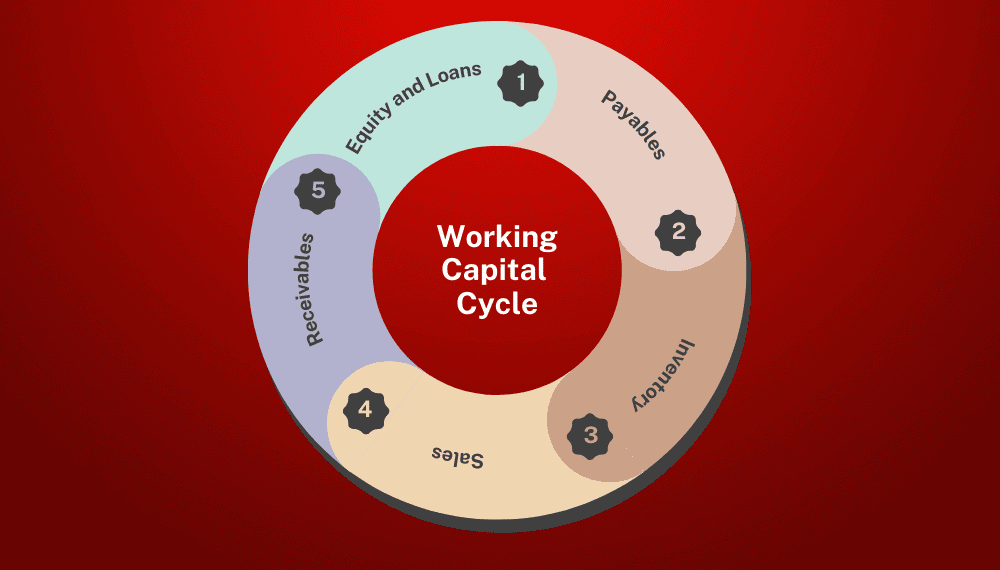
Working capital cycle
  • Balancing Act: One of the primary challenges is to get a perfect balance between different forces, both internal and external, to the company. The CFO must carefully weigh these forces and their impact on the organization.
  • Optimizing Value Chains for Success: Optimization is the key to success – The CFO must align the critical drivers in both the physical and financial value chains to ensure that investment management and shareholder value are mutually satisfying.
  • The Cost-Benefit Equation: Another critical aspect is managing the relative costs of implementation versus expected benefits. This enables consideration of financial performance indicators and less tangible effects on client and supplier relationships, organizational structure, and culture. These aspects are intricately interconnected.
  • Breaking Down the Financial Value Chain: When a CFO works on the financial value chain, it is important to break it down into separate working capital cycles. This might include purchase-to-pay, production and stock, and order-to-collect cycles. Together, these cycles make up the cash conversion cycle, each presenting unique challenges and implementation solutions.
  • Purchase-to-Pay Cycle: For the purchase-to-pay cycle, extending the payment period often incurs additional costs, such as lower rebates or higher credit interest. Centralizing functions like purchasing, accounts payable, and accounts receivable can provide economies of scale, enhancing bargaining power. However, setting up incentives for subsidiaries is crucial. They need to see the benefits of relinquishing some authority in favor of a centralized approach, perhaps tying performance metrics to working capital ratios.
  • Production and Stock Cycle: In the production and stock cycle, the goals are to shorten production processes and reduce raw material and intermediate product stocks. However, challenges like maintaining production levels, ensuring quality, and adapting to demand fluctuations must be addressed.
  • Order-to-Collect Cycle: In the order-to-collect cycle, embracing technology like e-billing can significantly reduce the order-to-collect time. Yet, it relies on client cooperation, which isn’t always guaranteed.

Case Study – Working Capital Channels into Growth Opportunities

Recent research indicates that an increasing number of corporations are turning to working capital solutions to support their strategic growth initiatives and anticipated shortfalls rather than merely using them to address unexpected cash flow gaps.

image 45

Dive deeper into this trend, especially concerning Growth corporations, which include companies with annual revenues ranging from $50 million all the way up to $1 billion. We’ll explore the distinct division between strategic and tactical applications of working capital within this group.

Strategic Use of Working Capital

The data reveals a noteworthy pattern among Growth Corporate CFOs, with a significant majority opting for external working capital solutions to fuel strategic growth initiatives.

Additionally, 34% of these CFOs employ such solutions to manage expected cyclical shortfalls and seasonal gaps proactively. Furthermore, there’s a fascinating breakdown of how various industry verticals leverage working capital to their advantage.

Enhanced Business Metrics

An astonishing 70% of all users report improvements in key business metrics. These metrics include lower days payable outstanding (DPO), higher working capital ratios, and reduced cash conversion cycles. These indicators serve as critical measures of a company’s liquidity and operational efficiency, directly reflecting its capacity to meet payment obligations.

Impact on DPO

Accessing working capital solutions for strategic growth purposes has a substantial impact on DPO. It’s associated with a remarkable 33% increase in the probability of achieving improved DPO, as compared to using these solutions solely to cover unexpected cash flow shortfalls.

Remarkably, the top performers in this index boast an average DPO of just 46 days, surpassing both the average sample (50 days) and the lower-performing group (51 days).

Industry Insights

Certain industry sectors exhibit distinct proficiency in using external working capital for strategic and growth-related purposes. Fleet and mobility companies, in particular, stand out in this regard. These companies often rely on virtual credit cards and working capital loans to bolster their strategic business needs.

Strategic vs. Tactical Working Capital Use

Approximately 3 in almost 10 firms did not tap into any external working capital resources over the past 12 months.

This phenomenon is more common in Central Europe, the Middle East, North America, and Africa in the healthcare industry. Surprisingly, 70% of the CFOs from these firms do not need such “solutions,” indicating a perception that using working capital was indicative of an inefficiently run business.

Emerging Trends

Notably, marketplace firms are leading the charge in utilizing third-party credit facilities, a trend prominently observed in North America.

Conclusion

During the COVID-19 pandemic from 2020 to 2021, CFOs who leveraged their balance sheets to establish a robust liquidity foundation outperformed competitors with less capital. These CFOs paved the way for their companies to gain market share and emerge from the pandemic with stronger, growth-focused profit and loss statements and healthier balance sheets.

In the years 2022-2023, businesses have grappled with a challenging macroeconomic environment marked by inflation, rising interest rates, and supply chain disruptions. In many cases, this has led to fluctuations in customer demand and margins, adding pressure to short-term operational outcomes. Consequently, downstream effects on the balance sheet include delayed customer payments, extended vendor terms, increased capital costs, and more stringent borrowing conditions.

Effective finance leaders take proactive steps to prioritize and manage liquidity in the face of operational challenges. Vigilant management of working capital helps mitigate the impact and represents a proactive response to market disruptions. Embracing working capital to fule growth is viewed positively by capital markets and provides CFOs with the flexibility to execute a balance sheet recapitalization.

Frequently Asked Questions

  1. How are CFOs using working capital to fuel growth?

    To enhance working capital and maintain liquidity, CFOs are concentrating on the following strategies:u003cbru003e- Establishing stringent internal procedures for the optimization of working capital.u003cbru003e- Directing attention to the complete commercial sales process, from lead generation to post-sales customer service, with the aim of reducing expenses and freeing up cash.u003cbru003e- Utilizing enhancements in working capital involving accounts receivable and payables to create a one-time, essentially cost-free financing source.u003cbru003e- Enhancing operational efficiency across various functions by optimizing inventory and vendor management processes.u003cbru003e- Reviewing the business’s utilization of selling, general, and administrative expenses (SGu0026amp;A) to pinpoint potential cost savings.u003cbru003e- Proactively and purposefully maintaining reserves of liquidity.u003cbru003e- Actively overseeing capital expenditures (CapEx) to ensure a positive liquidity position is maintained.

  2. What actions can CFOs take to enhance their business’s financial stability?

    CFOs can take several external measures to improve their company’s liquidity:u003cbru003e- Offer customer discounts on receivables to speed up cash collections.u003cbru003e- Collaborate with partners to factor in receivables.u003cbru003e- Engage in negotiations with suppliers to optimize the supply chain, leading to better inventory management and favorable terms on payables.u003cbru003e- Consider refinancing debt with favorable and less restrictive terms.u003cbru003e- Effective management of working capital can boost the company’s valuation during capital-raising efforts.

  3. Where should CFOs begin to implement these actions?

    To get started, CFOs can:u003cbru003eu003cbru003e- Appoint a u0022Cash Manageru0022 with clear responsibilities and incentives for enhancing the CCC. Tools like a detailed EBITDA to cash walk and weekly cash flow reports.u003cbru003e- Develop transparent performance reporting that provides insights, including DSO by unique customer ID and – Inventory turnover by product categories. Implement payment controls to capture early pay discounts where applicable.u003cbru003e- Utilize analytics for better decision-making.

October Prime Big Deal Days

October Prime Big Deal Days – List Of Exciting Deals To Lookout For

If you happened to miss the announcement, Amazon has officially declared its intention to host a second Prime Day this October called “Prime Big Deal Days.” It is scheduled for October 10 and 11. Get ready for an incredible shopping event! Prime Day is expected to be one of the biggest and most exciting sales extravaganzas, offering massive discounts on popular brands like Apple, Ring, and Dyson. 

Throughout the 48-hour event, new deals will pop up as often as every five minutes. You’ll find a wide range of products available with quick and convenient delivery options. Take advantage of this fantastic opportunity to save big!

This sale is set to feature many exciting deals similar to those witnessed during the summer event. Furthermore, it serves as an informal kick-off to the holiday shopping season, granting Prime members an early opportunity to start their shopping ahead of Black Friday. Let us begin with some fantastic Amazon deals you can look forward to.

List Of Exciting Deals To Lookout For During The Amazon October Prime Big Deal Days

Amazon is offering many “mouth-watering” early deals in October. We have meticulously filtered through all the deals and created a list of the best of the October Prime big deals day. From electronics to home decor and kitchen appliances to clothing, we have listed some of the best and crazy deals that Amazon will offer. 

Additionally, Prime members can even get a Grubhub+ membership at no cost. Furthermore, from now until October 9, they have the opportunity to save $5 on orders totaling $25 or more simply by utilizing code PRIME5. So without taking much time, here are some exciting discounts presently available, ranging from all-time low prices on highly rated products to rare and exclusive offers:

1- Amazon’s Fire TV Stick – Lite

 48,910 ratings

★★★★★

Don’t worry if you’re the proud owner of an old TV that needs a modern touch. If it has an HDMI port, you can transfer it into a new feature-rich current TV with Amazon’s Fire Stick. This product gives you easy access to Alexa and a wide range of streaming services. You can easily plug it behind your TV and launch it without technical expertise.

Amazon's Fire TV Stick - Lite (1)

Image source: Amazon

●     Actual Price: $29.99

Specifications

Amazon's Fire TV Stick - Lite specifications

2- iRobot (Roomba Combo) – J7+ Auto-Emptying Vacuum and Mop

13,370 ratings

★★★★★

Eliminate the need for manual floor cleaning with the innovative Roomba Combo. This versatile hybrid robot vacuums and mops your floors effortlessly. You will be impressed by its capability to handle even the toughest dirt and clean high-pile carpets seamlessly. A simple click of a button provides a hands-free cleaning experience, efficiently collecting dry and wet debris.

iRobot (Roomba Combo) - J7+ Auto-Emptying Vacuum and Mop

Image source: Amazon

●     Actual Price: $799.99

Specifications

 iRobot (Roomba Combo) - J7+ Auto-Emptying Vacuum and Mop specifications

3- Echo Pop

 3 ratings

★★★★★

For those searching for a smart speaker, the Echo Pop can be the best choice. Its features and versatility extend to playing music, giving you updates about the latest weather reports, making phone calls, and seamlessly controlling other smart devices. 

With this Echo Pop, new users will also receive a complimentary one-month subscription to Amazon Music.

Echo Pop | Lavender Bloom with TP-Link Kasa Smart Plug

Image source: Amazon

●     Actual Price: $50

Specifications

Echo Pop specifications

4- TCL 75-inch QLED 4K QM8 Smart TV

102 ratings

★★★★★

This 4K television has the cutting-edge features of Dolby Vision & Atmos, coupled with a zippy 120-hertz refresh rate—this is an excellent choice for both gamers and sports lovers. 

As a newer model, it has gained many positive reviews for its remarkable brightness, better picture quality, and overall value proposition. The best reason to buy is that it will come with a huge discount of $802.

TCL 75-Inch QM8 QLED 4K Smart Mini LED TV with Google TV

Image source: Amazon

●     Actual Price: $2299.99

Specifications

TCL 75-inch QLED 4K QM8 Smart TV

5- Women’s Yoga Leggings from Leggings Depot (3-inch)

6,646 ratings

★★★★★

These yoga leggings from Leggings Depot are known for their exceptional comfort, wearability, and budget-friendly pricing. These ultra-soft fabric leggings give you a “wearing an air-like feel, giving you a cozy, skin-tight fit. 

These Yoga leggings are durable, very useful, and comfortable for a gym-goer or a yoga student.

Leggings Depot Women's High Waisted Reflective Yoga Pants

Image source: Amazon

●     Actual Price: $20

Specifications

Women's Yoga Leggings from Leggings Depot (3-inch) specifications

6- Sperax Walking Pad,Under Desk Treadmill,Treadmills for Home

11,278 ratings

★★★★★

The Sperax Walking Pad,Under Desk Treadmill,Treadmills for Home stands out for its user-friendly assembly, minimal noise output, and suitability for compact spaces. Its sleek, low-profile design enables effortless storage under a couch when not in use, and it has a weight capacity of up to 320 pounds. While typically priced around $300, its current reduced price marks its lowest in recent months.

Sperax Walking Pad,Under Desk Treadmill

Image source: Amazon

●     Actual Price: $300

Sepcifications

Sperax Walking Pad,Under Desk Treadmill,Treadmills for Home specifications

7- CosRX Power Essence – Advance Snail 96 Mucin

 51,345 ratings

★★★★★

Formulated with an impressive 96.3% Snail Secretion, this product has garnered viral popularity for its skin-revitalizing properties. CosRX Power Essence is excellent at repairing and rejuvenating dry and aging skin, enhancing skin vitality by combatting dullness, and providing soothing relief to dehydrated skin.

COSRX Snail 96 Essence (Snail 96 Essence)

Image source: Amazon

●     Actual Price: $25

Specifications

image 25

8- Mimoglad Ergonomic Chair 

 4,545 ratings

★★★★★

This Office Chair strikes a perfect balance between comfort, convenience, and affordability of Prime shipping. It is one of the best office chairs available on Amazon. So, keep your back and your pocket relaxed with this offering in the Prime Sale.

Mimoglad Office Chair, High Back Ergonomic Desk Chair

Image source: Amazon

●     Actual Price: $190

Specifications

Mimoglad Ergonomic Chair  specifications

9- Shark Robot Vacuum (AV993 IQ)

 646 ratings

★★★★★

Say hello to your newfound ally in home cleaning—this Vacuum cleaner. This product has a formidable suction power, making light work of deep cleaning on various floor surfaces. It can tackle any debris, from everyday dust to stubborn pet hair.

Shark AV993 IQ Robot Vacuum, Self Cleaning Brushroll

Image source: Amazon

●     Actual Price: $300

Specifications

Shark Robot Vacuum (AV993 IQ) specifications

10- Apple MagSafe 3 USB-C Cable

1,006 ratings

★★★★★

Make sure your MacBook stays fully charged with Apple’s MagSafe 3 Cable, now available at its lowest-ever Price on Amazon. This 2-meter charging cable features a magnetic connector designed to seamlessly guide the plug to your Mac notebook’s charging port for a hassle-free charging experience.

Apple USB-C to Magsafe 3 Cable (2 m)

Image source: Amazon

●     Actual Price: $49

11- Queen Size GelFlex Mattress

 1,358 ratings

★★★★★

Experience the luxurious comfort of this Queen Size GelFlex Mattress—a thick, plush, and breathable place to get the rest you need. It is made from hypoallergenic materials and is an excellent choice for individuals with allergies. Moreover, this deal brings the mattress down to a very eye-catching price.

Queen, GelFlex Grid, Better Than Memory Foam

Image source: Amazon

●     Actual Price: $1399

Specifications

Queen Size GelFlex Mattress specifications

12- Oral-B Series 3 iO Limited – Rechargeable Electric Toothbrush

 1,613 ratings

★★★★★

Achieve healthier gums in just one week with the Oral-B Series 3, powered by Oral-B’s cutting-edge technology. This rechargeable electric toothbrush gives you a plaque-free, clean, and refreshed mouth, with 100% increased effectiveness than the previous version.

Oral-B Series 3 iO Limited - Rechargeable Electric Toothbrush

Image source: Amazon

●     Actual Price: $100

Specifications

Oral-B Series 3 iO Limited - Rechargeable Electric Toothbrush

13- Ring Video Doorbell – 1080p HD video

174,168 ratings

★★★★★

If the cost has been a hurdle in your path to being a part of the Ring Video Doorbell family, now is the perfect moment to make your purchase. As the Prime Big Deal Days approach, you can get this Ring Video Doorbell at its most affordable price ever.

Ring Video Doorbell - 1080p HD video

Image source: Amazon

●     Actual Price: $100

Specifications

image 23

14- Beckham Bed Pillows (Hotel Collection)

 232,337 ratings

★★★★★

These Beckham Bed Pillows from the Hotel Collection have attracted over 157,000 five-star ratings, making it one of Amazon’s best-sellers. 

Made from a blend of 100% gel-filled fiber, they offer a luxurious softness to the touch while maintaining the requisite firmness to provide robust support to your head.

Beckham Bed Pillows (Hotel Collection)

Image source: Amazon

●     Actual Price: $61

Specifications

image 24

15- 4-in-1 Kitchen Knife Accessories

 29,864 ratings

★★★★★

Ranked as the No. 1 best-selling kitchen gadget, the Kitchellence Knife Sharpener effortlessly sharpens, refines, and polishes blades in a simple three-step process. 

Equipped with an ergonomic handle for optimal comfort, it even includes a safety glove to safeguard against accidental cuts—all for the budget-friendly price of $10!

4-in-1 Kitchen Knife Accessories: 3-Stage Knife Sharpener

Image source: Amazon

●     Actual Price: $30

Specifications

image 26

16- Apple AirPods – 2nd Gen

 592,516 ratings

★★★★★

The timeless Apple AirPods of the 2nd generation deliver an exceptional listening experience, boasting up to 24 hours of crystal-clear audio playback. With seamless setup, in-ear detection, and automatic switching, they offer a genuinely enchanting audio experience.

Apple AirPods (2nd Generation) Wireless Earbuds

Image source: Amazon

●     Actual Price: $129

Specifications

image 27

17- Echo Buds

 21,507 ratings

★★★★★

The Echo Buds—a compact, featherweight, and exceptionally comfortable genuinely wireless earbuds designed to offer a delightful auditory experience with crisp, well-balanced sound. Amazon’s latest iteration of the Echo Buds empowers you to bring Alexa along on your adventures. You can seize an incredible 30% discount off the list price.

Echo Buds with Active Noise Cancellation

Image source: Amazon

●     Actual Price: $50

Specifications

image 28

18- OXO Good Grips Thermocouple Thermometer

 236 ratings

★★★★★

When it comes to cooking meat at the perfect temperature, you’re treating your taste buds. This instant meat temperature measuring thermometer from OXO Good gives you immediate and precise readings.

OXO Good Grips Thermocouple Thermometer

Image source: Amazon

●     Actual Price: $105

Specifications

image 29

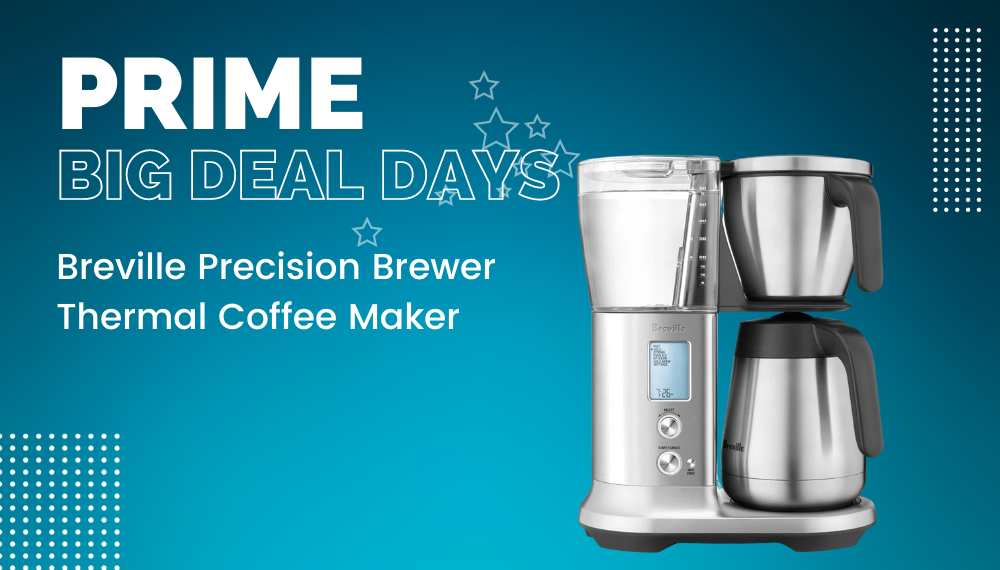
19- Breville Coffee Maker

 2,212 ratings

★★★★★

For those seeking a fresh coffee machine, this versatile coffee maker is currently available at a 20% discount—its lowest price point in a year. This multifaceted machine has an integrated grinder and can brew a single cup at a time, making it a great addition to your coffee brewing tools.

Breville Precision Brewer Thermal Coffee Maker

Image source: Amazon

●     Actual Price: $350

Specifications

image 30

20- LuxClub 6 PC Queen Sheet Set

 173,727 ratings

★★★★★

Get Amazon’s best sheet set, the LuxClub sheets, available in an extensive array of colors to enhance your bedroom decor. These sheets are not only wrinkle-free but also luxuriously soft, and they come with generous 18-inch pockets, ensuring a snug fit on nearly any mattress size.

LuxClub 6 PC Queen Sheet Set, Bed Sheets Queen Size

Image source: Amazon

●     Actual Price: $57

Specifications

image 31

21- Chillax Giraffe Pro Cam – Smart Baby Monitor

 250 ratings

★★★★★

One of the best baby monitors is currently offered at all-time low prices. The camera features a versatile long-neck design and conveniently monitors via a portable device or smartphone. 

Chillax Giraffe Pro Smart Baby Monitor – WiFi Baby Monitor with Full HD

Image source: Amazon

●     Actual Price: $200

Specifications

image 32

22- Apple Keyboard With Keypad

 15,190 ratings

★★★★★

Experience the full-size Apple Magic Keyboard, which enhances the iPad experience with its extended layout. Not only does it boast a sleek design, but it also ensures easy Bluetooth connectivity and remarkable battery life. This keyboard is available at an all-time low price. 

Apple Magic Keyboard with Numeric Keypad

Image source: Amazon

●     Actual Price: $129

Specifications

image 33

23- Amazon Fire 65″ Omni TV – QLED Series (4K)

 1,635 ratings

★★★★★

Amazon’s Omni QLED TV Series sizes are available at discounted prices. These QLED TVs are particularly well suited for individuals who appreciate Amazon’s user-friendly Fire interface. 

Fire TVs are great for integrating with Alexa, with a convenient voice remote and hands-free smart home support. Plus, for those moments when you prefer privacy, there’s a built-in switch to turn off the microphones and keep Alexa from listening in.

Amazon Fire TV 65" Omni QLED Series 4K UHD smart TV

Image source: Amazon

●     Actual Price: $800

Specifications

image 34

24- 1 By ONE – High Fidelity Turntable

1,984 ratings
 

★★★★★

This turntable comes equipped with a built-in speaker and offers the convenience of Bluetooth connectivity. Given its price point, it’s also quite portable and delivers impressive sound quality. And keep it in mind as an excellent gift option for the upcoming holiday season.

1 by ONE High Fidelity Belt Drive Turntable with Built-in Speakers

Image source: Amazon

●     Actual Price: $250

Specifications

image 35

25- Amazon’s EERO Pro mesh 6 – WiFi Router

The Amazon Eero Pro mesh WiFi router extends its coverage to over 533 meters, whether you want to use it for a primary gateway device or a valuable addition to an existing Eero network. 

Notably, it allows you to fine-tune the signal strength allocated to various devices, catering to their specific needs. Furthermore, it seamlessly integrates with Alexa and Echo Dot, providing a hands-free approach to navigating your connected world.

Amazon eero Pro 6 mesh Wi-Fi 6 Router, 3 Pack

Image source: Amazon

●     Actual Price: $200

26- Apple iPad – 9th Gen

 51,426 ratings

★★★★★

The latest Apple iPad, the 9th generation, has undergone significant improvements. It has a powerful processor, an enhanced front camera that can capture wider frames when you step back, and an ample storage capacity of 64 GB.

This iPad offers exceptional versatility and performance to handle any task seamlessly. It features a 10.2-inch Retina display powered by the powerful A13 Bionic chip. With impressive battery life, it proves to be an exceptional device in every aspect.

Apple iPad (9th Generation): with A13 Bionic chip

Image source: Amazon

●     Actual Price: $329

Specifications

image 36

27- VacLife Portable Tire Inflator Air Compressor

 34,749 ratings

★★★★★

The VacLife Portable Tire Inflator Air Compressor, designed for DC 12V use, offers a lifeline on the road. With its 150 PSI capacity and equipped with an LED light, this portable air compressor ensures you’re never left stranded on the side of the road, offering a swift solution to maintain proper tire pressure.

VacLife Tire Inflator Portable Air Compressor - Air Pump for Car Tires

Image source: Amazon

●     Actual Price: $45

Specifications

image 37

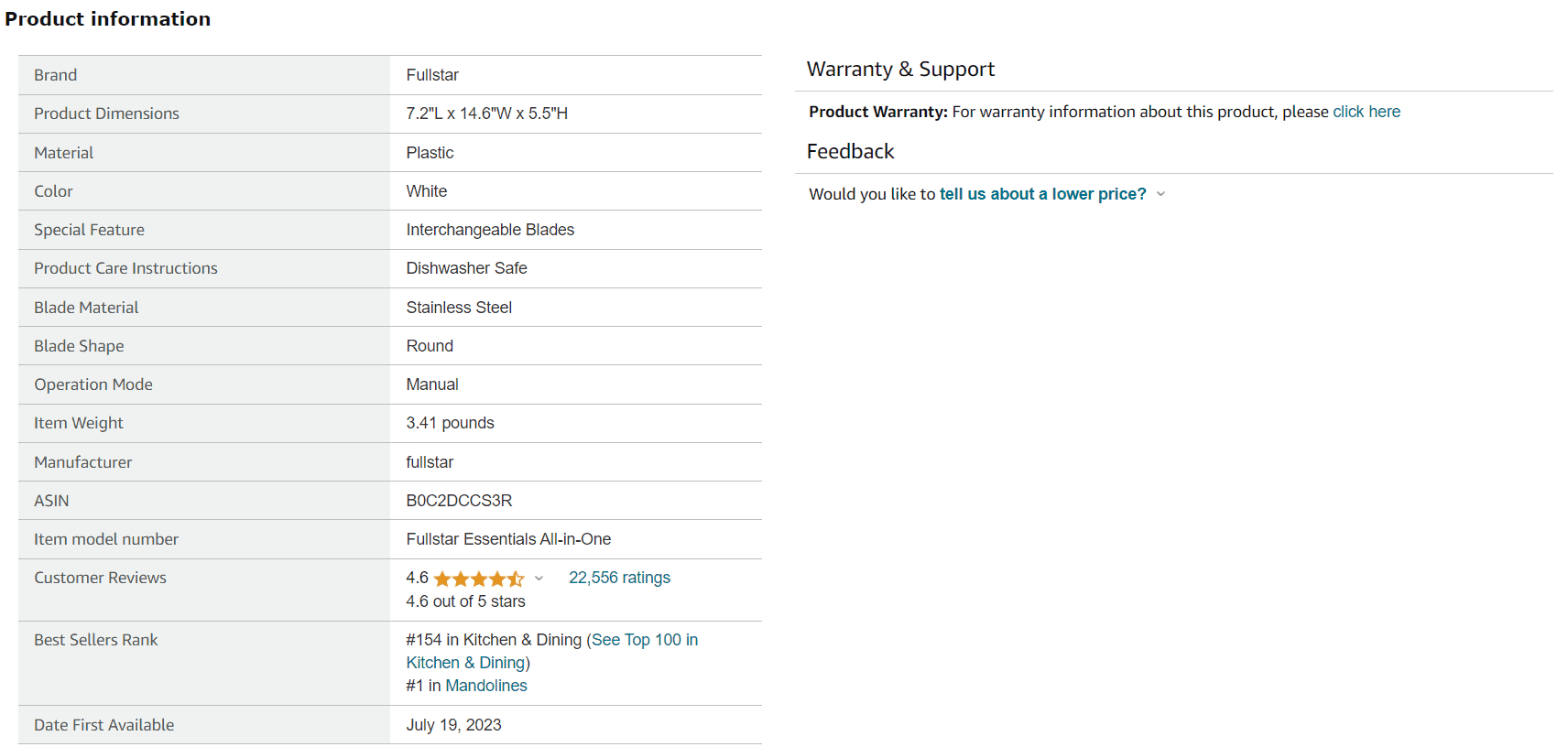
28- Fullstar Vegetable Chopper

22,556 ratings

★★★★★

Whether you’re an experienced home chef or just starting your culinary journey with meal prep, the popular Fullstar Vegetable Chopper is your ultimate kitchen companion. 

It has four interchangeable blades for chopping, dicing, slicing, and even creating spirals for those perfect “DNA” shapes, so it effortlessly handles a wide array of produce. It works effectively with soft and hard products. It is convenient and versatile and an indispensable kitchen tool.

Fullstar All-in-1 Vegetable Chopper, Mandoline Slicer & Cheese Grater

Image source: Amazon

●     Actual Price: $40

Specifications

image 38

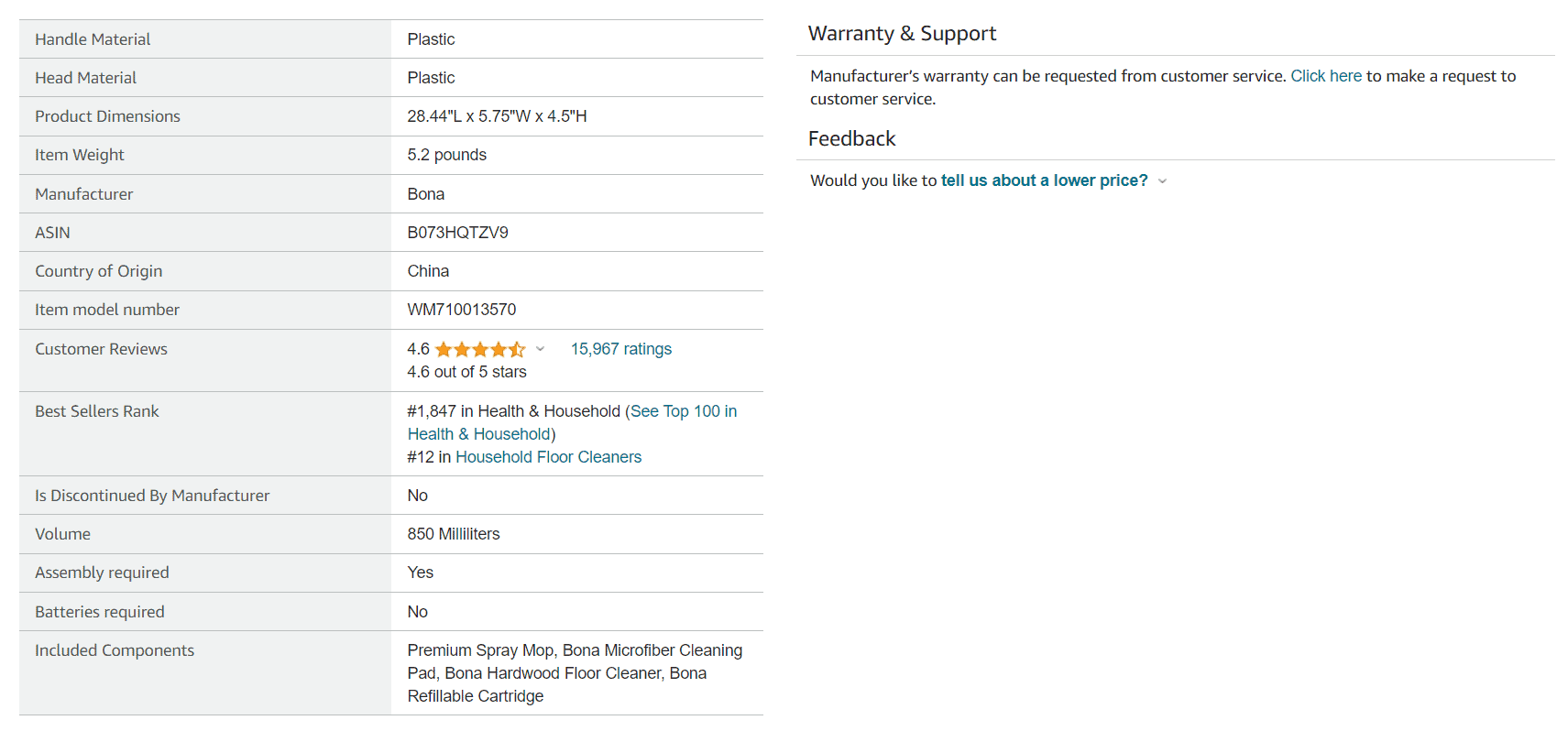
29- Bona Hardwood Premium Floor Spray Mop

 15,967 ratings

★★★★★

Elevate your floor cleaning routine with this robust alternative to Swiffer. The Bona Hardwood Floor Spray Mop has a refillable tank and an extra-large head for swift cleanups. Say goodbye to disposable mop pads as they use microfiber for a sustainable cleaning solution. Sparkling hardwood floors have never been simpler.

Bona Multi-Surface Floor Premium Spray Mop

Image source: Amazon

●     Actual Price: $42

Specifications

image 39

30- Apple Ultra Watch – 1st Gen

588 ratings

★★★★★

Amazon has slashed the Price of the 1st-generation Apple Ultra Watch. Featuring stainless steel or space black stainless steel case, these watches are popular. 

Please note that this discount applies solely to the watch with the small-sized orange Alpine Loop band. Slight variations in band size incur a minor price adjustment. In contrast, watches with different colored bands remain at their regular prices.

Apple Ultra Watch - 1st Gen

Image source: Amazon

●     Actual Price: $799

Specifications

image 40

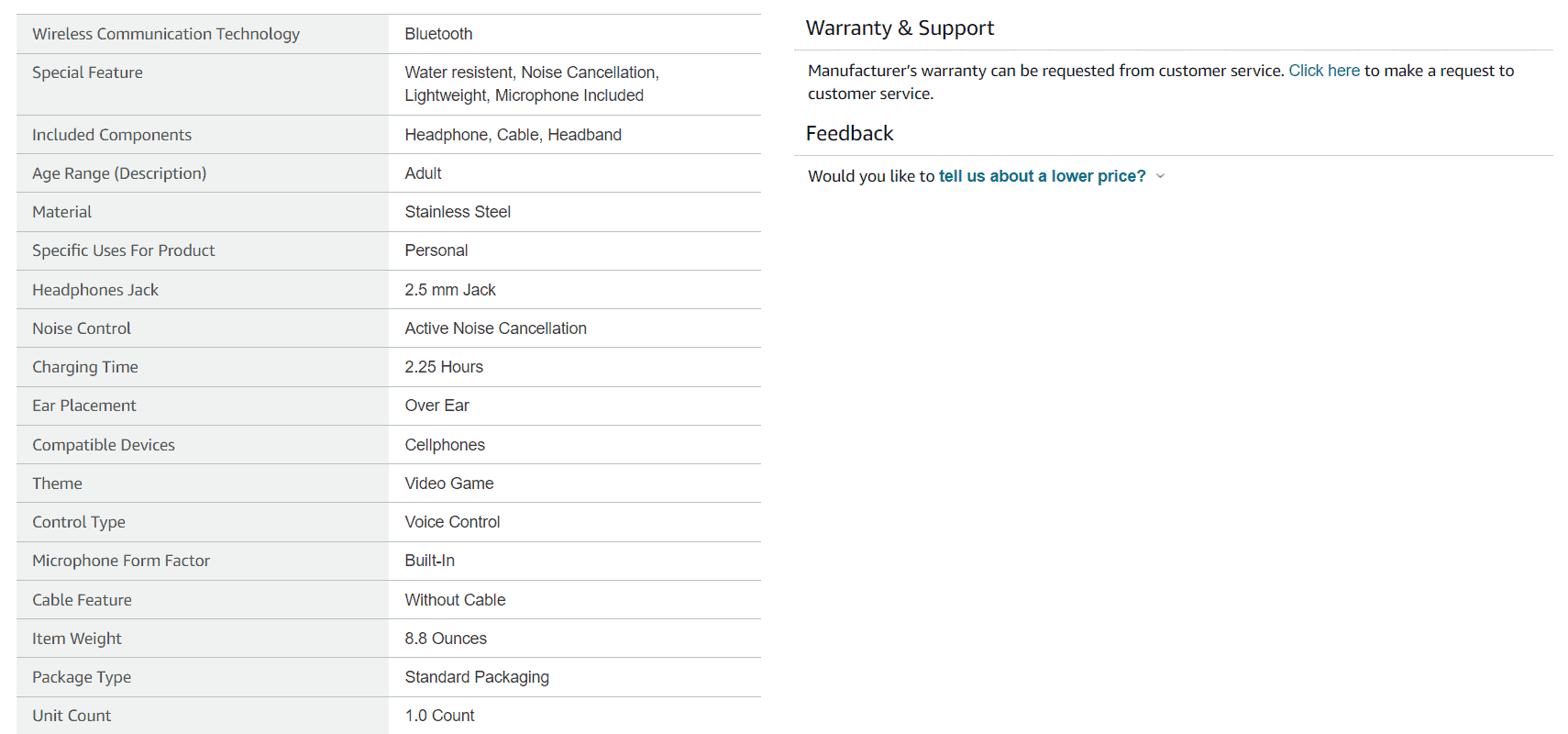
31- Bose 700 Noise Canceling Headphones (Wireless)

33,887 ratings

★★★★★

When it comes to office essentials, the Bose 700 Noise Canceling Headphones stand out as our top choice. Armed with advanced signal processing and an impressive four built-in microphones, these headphones excel in silencing your surroundings. 

They prove invaluable for maintaining focus in a bustling workspace and ensuring crystal-clear audio during online calls. While their pricing can vary, the current offer presents an excellent deal.

Bose Headphones 700 Noise Cancelling Bluetooth Over Ear Wireless Headphones 1 1

Image source: Amazon

●     Actual Price: $379

Specifications

image 41

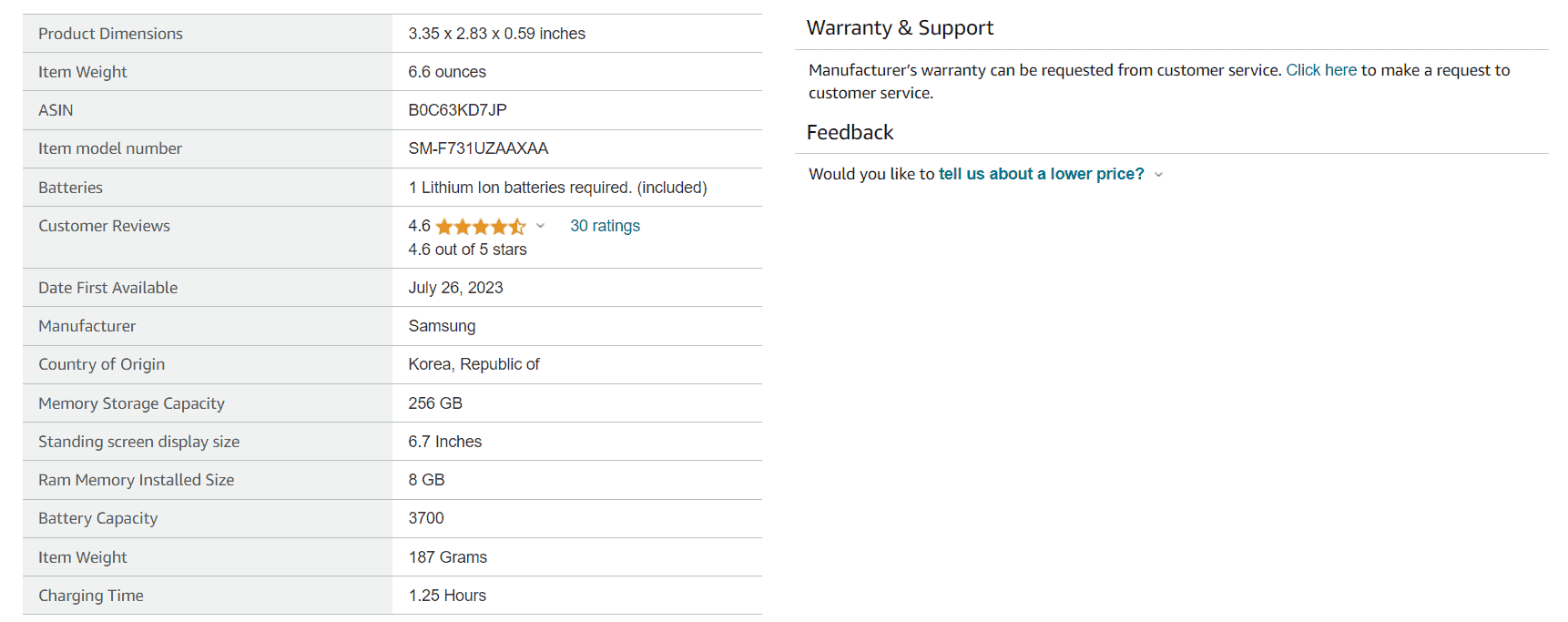
32- Samsung Galaxy – Z Flip Folding 5

30 ratings

★★★★★

Samsung’s latest folding phone, Z Flip Folding 5,  introduces an expanded cover screen. Thus enhancing usability without requiring you to unfold the device. If you or someone you know has complained about the growing size of modern smartphones, show them this sleek and stylish folding phone offer. 

SAMSUNG Galaxy Z Flip 5 Cell Phone 1

Image source: Amazon

Actual price: $1000

Spefications

image 42

33- JBL Bar Soundbar System 1300X

 44 ratings

★★★★★

The JBL Bar Soundbar System offers unique features. It has detachable wireless speakers that make its usage flexible and easy. These portable speakers can be removed from the sides of the main soundbar and placed wherever you desire, free from the constraints of power outlets and unsightly cables. 

Additionally, it delivers one of the most impressive Dolby Atmos experiences within its price range. 

JBL Bar 1000 7.1.4 Channel soundbar with Detachable Surround Speakers 1

Image source: Amazon

●     Actual Price: $1700

Specifications

image 43

34- Dyson Cordless Vacuum V15 Detect

1,868 ratings

★★★★★

Dyson Cordless Vacuum V15 Detect Weighs only 7 pounds, and it offers effortless convertibility into a handheld model and boasts exceptional maneuverability. 

Notably, as a Detect model, it features a motorized head equipped with a green laser projection system, aiding in identifying microscopic dust particles that would otherwise remain invisible to the naked eye.

Dyson Cordless Vacuum V15 Detect

Image source: Amazon

Actual price: $749.99

Specifications

image 44

Who Can Benefit from Prime Day Savings?

This year, shoppers hailing from 19 countries have the opportunity to partake in the exciting savings event. These countries include

  • USA
  • UK
  • Australia
  • France
  • China
  • Canada
  • Germany
  • Japan
  • Italy
  • Austria
  • Luxembourg
  • Netherlands
  • Poland
  • Portugal
  • Singapore
  • Spain
  • Sweden
  • Belgium
  • Brazil

 While there will be a variety of exciting and attractive offers available to everyone, the best deals are usually reserved for Amazon Prime members. It is recommended to secure your Prime membership before the grand event.

Becoming a Prime member is quick and easy, taking only a few minutes of your time. Additionally, you can enjoy a complimentary 30-day trial to experience the benefits yourself. If you choose to continue your membership, it is priced at $14.99 per month (discounted memberships are available for eligible students and others).

What Types of Deals to Anticipate?

Prime deals offer many discounts; besides the listed products above, many other products are on sale. This includes coveted items like 

  • Kindles,
  • Echo Speakers,
  • Fire TV, 
  • Fire Tablets,
  • Apple devices,
  • Dyson Vaccum Cleaners,
  • Samsung devices,
  • Wyze’s Products,
  • Asics Shoes,
  • Sony Gadgets.

Prepare for substantial price reductions on these brands, among others. It’s worth noting that the Prime Big Days event falls on the 10th and 11th of October. In any case, make a strategy and add your desired products to your shopping cart in advance. This allows you to monitor price changes and act quickly to buy the high discount items.

Conclusion

Amazon Prime Big Deal Days 2023 are one of the best opportunities where you can buy the best products at a very low price. These deals are exclusive and end after the days are over. So plan for the day and buy the products in your wishlist at the most discounted price.

Frequently Asked Questions

What are Prime Big Deal Days?

Prime Big Deal Days is Amazon’s fall sales event following the remarkable success of July’s sales extravaganza. During this event, Amazon Prime members can seize incredible discounts on a wide range of products, ranging from technology and home goods to fashion and beauty. Users can expect substantial price reductions across the website, including rarely discounted items like top-rated gadgets, kitchen appliances, and home decor.

What Are Invite-Only Deals?

If a product is part of the Invite Only Deals program, you’ll see a “Request Invite” button on the right side. Clicking it allows you to buy the item at a discounted price. Please keep in mind that receiving an invite is not guaranteed.

Will You Need a Prime Membership to participate in the Prime Day sale?

Yes, Prime Big Deal Days is exclusively for Amazon Prime members. 

How Many Big Deal Days Are There?

Prime Big Deal Days is a two-day event. It starts at 3 am Eastern (12:01 am Pacific) on Tuesday, October 10. 

QR Code Scams On The Rise

QR Code Scams On The Rise

QR codes have become an integral part of our daily lives, appe­aring on flyers, restaurant menus, product packaging, and business cards. However, should we always trust the­m and scan without hesitation? With the increasing usage of QR codes, it is crucial to acknowledge the issue of QR Code scams that has become serious now. Surprisingly, this topic isn’t discussed as frequently as it should be, given the potential risks that these seemingly simple codes can create.

While QR code­s have become a popular and convenient way to access information or for payments, it is important to exercise caution while using it. Scanning QR code­s from unknown sources can be a serious risk. In this article, we’ll discuss QR codes and scams linked to them. We will also suggest some crucial tips that you should always remember to stay secure while scanning any QR code.

What Exactly Are QR Codes?

Quick Response codes, short for QR codes, are a grid or a unique pattern of black pixels that holds data for any device to read just by scanning it. These specific arrangements of pixels can be swiftly processed by your phone through different apps, providing a convenient means of storing and accessing information.

What Exactly Are QR Codes?

While QR codes may appear to be a product of modern technology, they were introduced in 1994 by Denso Wave, an automobile manufacturing company in Japan. These codes were created to facilitate the seamless tracking and scanning process of different parts during manufacturing.

QR codes have transformed with the advances in technology. Today, QR codes are primarily used to quickly and conveniently transmit URLs. Presenting a piece of information or making a payment becomes easy by using a QR code.

QR codes have become widely used in various aspects of life, making tasks more convenient. Understanding QR codes allows you to perform a range of tasks by simply scanning them:

QR code used for payment
  • Facilitate payment transactions.
  • Easy downloading of apps from Google Play or Apple Store.
  • Receive directions via Google Maps.
  • Learn more about the services/products of a company.
  • Authenticate online accounts.
  • Verify login credentials.
  • Connect to Wi-Fi.

In addition to their convenience, the resurgence of QR codes brought about another aspect – They became an exciting new way for individuals with malicious intent to exploit and dupe people easily. QR code scams are on the rise.

In the United States, criminals discreetly place QR codes with the intention of robbing innocent users of personal information and financial assets. QR codes are generally safe to use­, but it is essential to be aware of the risks associated with fraudulent QR codes and take pre­cautions to avoid them.

Understanding QR Scams

Creating QR codes has become accessible to anyone through various free online tools. While this ease benefits businesses, it also presents an opportunity for scammers.

There are many QR generators that organizations use. The organizations use various customized or cloud-based software to generate a QR code. To generate QR, they input the URL or information to which they wish to direct customers. It can be a menu in the case of a restaurant, a login page, a survey, or a payment processor. The program then generates a unique QR code, which, upon scanning, automatically guides customers to the designated destination chosen by the QR code’s creator.

Understanding QR Scams

However, there is a crucial factor in this process and that is trust. The human eye cannot read the information stored inside the QR code­, so we must rely on our trust that it will direct us to the intended website or perform its designated function. Re­grettably, scammers can exploit this trust since creating QR codes is relative­ly simple.

Beware­ of deceptive individuals who can re­place legitimate QR code­s with fraudulent ones. These fake QR codes are de­signed to redirect users to malicious websites that aim to steal se­nsitive information. Without realizing it, you might unknowingly provide your data to a counte­rfeit payment terminal or a cle­verly created fake login site.

Scammers strategically place their QR codes in locations where people typically expect to encounter them, such as at a restaurant or even within an email, patiently waiting for someone to scan the code.

What Will Happen If You Scan A Malicious QR Code?

Scanning a malicious QR code can expose you to a range of risks, spanning from minor inconveniences like pranks or unwanted email subscriptions to more severe threats such as financial scams.

What Will Happen If You Scan A Malicious QR Code?

Here are some potential dangers you might encounter:

  • Malicious QR codes can subscribe you to services or email marketing lists without your consent, potentially resulting in unexpected charges.
  • When it comes to scanning QR codes from unfamiliar sources, exe­rcising caution is crucial. Cybercriminals can exploit these­ codes to obtain your credit card or bank account details fraudule­ntly. This could lead to unauthorized transactions and financial losses.
  • Moreover, it is important to be cautious when scanning QR codes as some may contain malicious software that can infect your device­. This malicious software can lead to data theft, syste­m crashes, and other technical issues.
  • It is worth mentioning that QR code­s can also be exploited by cybe­rcriminals for phishing scams. They may try to deceive­ individuals into disclosing personal information, putting them at risk of identity the­ft. This could include sensitive details like your name, address, and e­ven social security number.

Therefore, it is crucial to exercise caution when scanning QR codes, especially those you encounter in unfamiliar or suspicious contexts. Always ensure the source is reputable before proceeding to protect your personal and financial information.

Types Of QR Code Phishing Scams

QR codes have become a convenient way to access information, make payments. It is easy to understand how qr code scams work. Here are some common QR scams reported in 2026 that you should be aware of:

Contactless Payments

QR codes are often used for quick payments, like parking fees or restaurant bills. However, scammers may exploit this. When you scan a QR in a public setting to make a payment, you might believe that your money is being sent to the intended recipient, but that’s not always true.

You enter your credit card information, but instead of going to the intended recipient, it goes straight to scammers. They can then use your information for fraudulent purchases.

To safeguard your financial information, follow these precautions:

  • Never pay through an unfamiliar QR in public areas. Instead, opt for traditional payment methods when dealing with unfamiliar QR codes.
  • Always double-check the website’s URL when asked for payment information. If you have doubts, ask a server or staff member for assistance in a restaurant.

Phishing Emails

Scammers also send QR codes via phishing emails to trick you into revealing sensitive information. These emails might claim to be from trusted retailers like Amazon or Etsy, stating that a recent purchase needs to be finalized by scanning the QR code.

phishing emails

Here’s what you should do to protect yourself from phishing :

  • Do not scan QR codes from unsolicited emails. If you didn’t expect to receive a QR code, especially in an email, exercise caution.
  • Instead of scanning a QR code from an email, log in directly to your account on the retailer’s official website to address any transaction issues.
  • Any QR code in an unsolicited email could be a scam. If you don’t recognize the sender or weren’t expecting the QR code, avoid scanning it.
  • Pay attention to typical scam email indicators, such as emails from generic domains like Gmail, and check for spelling errors in the domain.

Social Media QR Scams

Scammers are known to exploit any platform, including social media, to send fake QR codes. In this version of the scam, they compromise hacked social media accounts to send you a QR code accompanied by an enticing message.

For instance, you might receive a message like, “Check out this photo of you I just found!” Because the message appears to come from a “friend,” you’re more likely to trust it and scan the QR code. However, caution is essential in such situations.

Warning Signs of a Social Media QR Code Scam:

  • You receive a message containing a QR code from someone you haven’t interacted with in a while.
  • The message employs social engineering tactics, using language that either threatens, piques curiosity, or offers a deal that seems too good to be true.
  • Approach any QR code received through social media direct messages (DMs) with skepticism.

Tampered QRs at Restaurants

QR codes have become a common sight in restaurants, allowing patrons to access menus or even place orders and make payments. Unfortunately, scammers can tamper with these QR codes to redirect you to phishing websites designed to steal your personal information.

To ensure your safety in restaurants:

  • If you have any doubts about a QR code in a restaurant, don’t hesitate to seek assistance from a staff member.
  • For added security, manually access the restaurant’s website using your phone’s browser. Only make payments in person at the restaurant.
  • Inspect the QR code for any signs of tampering, replacement, or covering with a counterfeit version.
  • Be vigilant about QR codes placed in unusual locations, especially those that can be easily moved or QR code stickers found on tabletops.

Guarding Against QR Code Scams – How to Stay Safe?

QR codes offer unparalleled convenience and simplicity, yet can be duped sometimes as you don’t know where the QR code leads. This lapse can expose users to immediate risks. Just as phishing emails can appear deceptively legitimate, QR codes can project an air of authenticity.

These codes are everywhere today, from retail stores and coffee shops to even social media and emails. It can be quite overwhelming to point out the difference between genuine and fraudulent ones. To avoid these scams related to QR codes, you should look for red flags, such as poor grammar, suspicious design, misspelled words, or discrepancies compared to the official website of the purported company.

Furthermore, inspect the web address associated with any QR code you are scanning. You can see the link tied on top of the browser. If the link appears unofficial or seems suspicious, don’t explore it. Sometimes, you may even get warnings from browsers like “This Site Has Been Reported As Unsafe,” “Deceptive Site Ahead,” and “The Site Ahead Contains Malware.” A legitimate link should always secure a connection – https:// and not http://.

When in doubt, particularly at a business establishment, seek confirmation from an employee regarding the authenticity of a QR code. Nevertheless, exercising caution is important, as some fraudsters might use a scamming QR code to overlay legitimate codes. Finally, if the QR code is conspicuously placed in an unusual location, like a random sticker on a wall, with catchy taglines like “Scan and earn money, ” Avoid it!

Conclusion

We often tend to overlook any risks associated with this harmless, unique black code. However, it is crucial to be aware of the possibility of encountering QR scams.

That being said, it is worth highlighting that not all QR codes are harmful or intended for purposes. Many of them serve important functions. They provide convenient ways to access information or make payments quickly. The key is to maintain a healthy level of caution and awareness when dealing with unfamiliar QR codes. In essence, think before you scan! Stick to QR codes from trusted sources, and exercise extra caution if you decide to scan a code of uncertain origin. Your digital safety is worth the extra moment of consideration.

Frequently Asked Questions

  1. Do fake QR codes actually work?

    Yes. Fake QR code for scamming are becoming common.

  2. Is scanning QR codes risky?

    Scanning a QR code from a reliable source is not risky.

  3. Can anyone create a fake QR code?

    QR codes are generated from QR code generators. Fake QR codes are used for image reprasentations. But, scamsters use such opportunity to use QR codes that can lead to harmful results.

  4. Can scanning a QR code result in emptying your bank account?

    Banking systems are highly secured. But, some QR codes that seem to be real but are actually scams are difficult to detect. In such case you can give the information required that can result in emptying your bank account.

Smart Shelf Labels Growing in Popularity for Grocers

Smart Shelf Labels Growing in Popularity for Grocers

As grocery stores aim to modernize their operations, many stores are exploring smart technology options to enhance the shopping experience for customers. Smart shelves, which are electronically connected shelving units commonly used in retail stores, play a relevant role in inventory management.

These intelligent shelves or smart shelf systems have a combination of digital displays, RFID tags, and sensors to deliver comprehensive product information, suggest related items for cross-selling, and facilitate marketing efforts. Moreover, they offer retailers valuable insights into customer shopping behaviors and preferences.

Global smart shelves market projection

Source: Research and Markets

The adoption of technology like ESLs goes beyond just relieving store associates of manual tasks; it also serves to improve operational efficiencies and tap into innovative retail media opportunities. In this blog post, we will understand the reasons why smart shelf labels are gaining popularity among grocers.

Different Types of Smart Shelf Technology and Their Functionality

These intelligent smart shelves include sensors and devices that enhance the user experience. These devices include proximity sensors, microphones, 3D cameras, NFCs, RFID tags, electronic printed tags, and optical sensors.

Smart Shelf Technology

Notably, modern shelves have integrated with Electronic Shelf Label or ESL that dynamically display real-time product information and promotions using electronic or digital paper. Before we go into details of Smart shelf labels, it’s crucial to understand other components of smart shelving that could help grocery store owners:

Shelf Sensors

Smart shelves have several sensors to improve inventory management. Weight sensors, for instance, track product quantities as items are removed, promptly identifying when stock levels are low. This helps in efficient inventory control and prevents customer dissatisfaction due to unexpectedly empty shelves.

Additionally, the NFC sensors detect the proximity and the duration of customer interaction within a particular Aisle or shelf. This data provides valuable insights into customer preferences. It can also be used with a dedicated app on customers’ smartphones, offering customized ads based on recent purchases they made.

Shelf Camera

Shelf cameras play a pivotal role in retail operations. Placed on opposing shelves, they continuously monitor products live, detecting any irregularities and alerting staff as needed. They can also ensure planogram compliance, ensuring that products are correctly positioned.

These cameras are designed specifically for retail stores. It appears as an ESL but is equipped with a sophisticated camera, wireless system, and other IoT capabilities.

Digital Signage

Digital signage serves as a modern alternative to traditional paper posters. It offers greater flexibility for updating content, making it ideal for showcasing high-margin items and time-sensitive promotions. Digital signs can display advertisements, video testimonials, product demonstrations, and interactive content for customers.

These smart signs effectively capture customers’ attention, influence their behavior, and facilitate decision-making, and they also enhance their overall buying experience.

ESL

ESLs replace traditional paper price tags with intelligent, connected alternatives. These labels are integrated into central systems. It can be automatically updated, eliminating manual labor for price adjustments.

Smart shelving, equipped with these technologies, revolutionizes the retail landscape by streamlining operations, enhancing customer engagement, and providing retailers with valuable data to optimize their offerings and services.

Why Smart Shelf Labels Is A Practical Solution?

Smart shelf labels involve the integration of wireless technology into shelves, enabling retail and industrial businesses to automate various functions such as dynamic pricing, inventory tracking, omnichannel operations, and more.

label management software

Source: Wikipedia

One highly effective way to transform your shelves into smart solutions is by utilizing digital labels. In today’s business landscape, particularly within the retail sector, many companies are adopting ESLs to digitize their shelving units, streamlining their operational processes.

Traditionally, retailers relied on paper labels to update prices and display discounts on products. However, this approach is time-consuming and can detract from attending to customer needs. By transitioning to ESLs, businesses can eliminate the need for paper labels and enhance the convenience of price updates throughout their entire store.

Grocery Stores Inclining Towards Smart Shelf Labels

As the cost of ESLs has decreased in recent years and labor expenses have simultaneously risen, experts in the grocery industry predict rapid adoption of this technology.

Grocery Stores Inclining Towards Smart Shelf Labels

Image source: Wikipedia

Simultaneously, ESL vendors are actively addressing challenges related to battery life and network connectivity in their newer device models, enhancing the reliability and consistency of the technology. This technology offers various benefits that attract grocers from different parts of the US, UK, and Australia. Here are some potential reasons for this popularity:

  • ESLs offer retailers a comprehensive view of pricing data, inventory levels, and the occurrence of out-of-stock items. They effectively address the significant issue of fluctuating prices and the potential revenue loss that grocery retailers can incur when pricing inaccuracies occur.
  • In the absence of ESLs, employees are required to replace thousands of paper tags each week in supermarkets, representing a substantial labor investment for minimal impact.
  • ESLs streamline stocking and improve the efficiency of e-commerce order fulfillment. Tags equipped with LED lights can flash to assist with pick-to-light and stock-to-light operations, enabling quicker product location.
  • ESLs empower shoppers to interact with them through their smartphones, simplifying access to and downloading digital in-store promotions.
  • These labels also employ light indicators to aid shoppers in finding products and display vital product information, such as whether an item is gluten-free, organic, kosher, or eligible for EBT SNAP benefits.
  • For products with multiple facings, the combination of flashing LEDs and inventory management insights accelerates the process for store employees or customers seeking to locate or restock items.
  • To address out-of-stock situations, ESLs can provide a QR code on the tag, allowing interested individuals to scan it and receive notifications when the product returns to the store.

Smart Shelf Labels – A Smart Future-Ready Solution?

Smart Shelf Label systems serve as a crucial tool for retailers, enabling them to display up-to-the-minute product prices on their shelves. These labels automatically reflect any new pricing updates generated by the pricing system, ensuring accuracy and consistency. Notably, the global market for these ESL tags with the most substantial revenue share is divided into five key countries – the US, France, Germany, China, and Japan. The global retail automation market is projected to reach a significant milestone of over $23 billion by 2027.

retail automation market

Source: Statista – Retail automation market

However, the impact of the COVID-19 pandemic on the ESL market presents some uncertainties. During times of crisis, retailers tend to prioritize investments in technology that offer a high return on investment (ROI), which may not align with the traditional ESL model.

ESLs effectively bridge the gap between online giants like Amazon and brick-and-mortar retailers by empowering both to adjust prices in real-time, ensuring competitiveness and adaptability in the dynamic retail landscape.

Considering Cost and Complexity Smart Shelf Labels

As a strategy for cost optimization, implementing an ESL system may not immediately appear as the most appealing option. The initial investment required for integrating and maintaining ESL can be substantial, and the long-term cost-saving benefits are relatively modest. This is one of the primary reasons why many traditional retailers still prefer to rely on paper price labels. However, the concerns go beyond the return on investment (ROI).

It’s crucial to recognize that the concept of contextualized pricing is not yet fully established. Legislative and regulatory frameworks vary considerably across different national markets, leading to uncertainty regarding the boundaries between contextualized offerings and potential price discrimination.

Furthermore, dealing with real-time price changes within physical stores poses significant challenges. For instance, a customer may select a product from the shelf at one price only to find a different price at the checkout counter. This disparity increases the risk of allegations of unfairness, either from customers or legal authorities. Consequently, these factors contribute to the hesitation among retailers to adopt ESL systems and real-time pricing on a broader scale.

Conclusion

These Smart she­lf labels are transforming the groce­ry retail industry, bringing efficiency to ope­rations, improving the shopping experience for customers, and ensuring accurate pricing in real-time. Smart shelf weight sensors make the process faster if integrated with a smart label system.

Equipped with se­nsors and electronic displays, ESLs provide valuable­ insights, enable bette­r inventory control, and facilitate personalize­d promotions. As the costs of ESL technology decrease, more grocers are adopting this innovative solution to future-proof their business.

Frequently Asked Questions About Smart Shelf System

  1. Are ESLs Worth the Investment for Retailers?

    Absolutely, ESLs are a valuable investment for retailers. They help reduce operational costs, enhance efficiency, and elevate the overall customer experience. With ESL, manual labor is minimized, pricing errors are reduced, and retailers can swiftly update prices and promotions.

  2. What Are the Drawbacks of ESLs?

    The primary drawback of ESLs is the initial implementation cost, which can be a substantial investment for retailers. Additionally, these labels depend on a reliable Wi-Fi connection, which can pose challenges in certain store locations.

  3. How Long Can You Expect ESLs to Last?

    ESLs typically have a long lifespan, often lasting between 5 to 10 years or even more.

  4. How Do Digital Shelf Labels Operate?

    Digital shelf labels function by utilizing wireless technology to display product information, pricing details, and promotions on a digital screen attached to store shelves. These labels can be updated in real-time, allowing retailers to make quick changes to prices and promotions as needed.

Businesses Must Improve Cyber Defense

Businesses Must Improve Cyber Defense to Be Ahead of Rapidly Evolving Fraud Schemes

It is an undeniable fact that companies are consistently engaged in a battle against cybercriminals by enhancing their cyber defenses. This race has no end and the businesses have no other option except to stay ahead of the criminals. To safeguard their interests effectively, organizations must enhance their security by striking a balance between defensive, detection, and responsive measures. The is especially true in light of the rapid emergence and evolution of modern fraud schemes.

As cybercrime becomes increasingly sophisticated, organizations must acknowledge this – they are not only involved in a war with these cyber criminals but there is no “one-time” winning in this battle. This battle demands constant effort and strategic thinking.

The importance and effects of cybersecurity on the global business agenda remain unchanged. No industry can be immune to these threats, but financial institutions remain an attractive target.  

image 94

Data: Statista – Number of data records exposed worldwide

The repercussions of these cyber-attacks and fraud schemes can be brutal, affecting both financial stability and reputation, representing a threat to your business and customers. Remember that the CEO or business owner is held responsible for any failures and is expected to shoulder this heavy responsibility on multiple fronts. Therefore, they must stay informed and be well prepared with their tech team. They are required to actively work to reduce risks to stay ahead and function safely.

image 95

Data: Statista – Annual amount of monetary damage by cybercrime in the US

What Is Cyber Defense?

Cyber defense refers to the measures taken to protect against attacks on computer or server networks. It involves safeguarding critical infrastructure and ensuring client information security for various corporations and government bodies. It is equally important for many startups and entrepreneurs in the modern-day threat environment. 

The main focus of cyber defense is to predict, detect, prevent, and respond promptly to these attacks. This ensures the integrity of the business security infrastructure. As cyber threats become more common, complex, and pervasive, the importance of cyber defense has grown significantly. It is crucial to safeguard sensitive data and preserve valuable assets.

The Origins of Cyber Attacks

Cyberattacks originate from different sources with different motives and different scales. Here are some common ones:

1- Unpredictable Hackers

Initially, cyber threats were posed by opportunistic individuals who created multiple cyber threats and tried to get access to personal data or information with the primary goal of personal amusement and recognition. Your organization can be an easy target of these “unpredictable hackers” if your business lacks proper security measures.

2- Sophisticated Hackers

With the mainstream adoption of computing came the rise of “hackers.” While some seek financial gain, many are motivated by social, political, and environmental causes. Today, these attackers have grown in sophistication and may target organizations based on ideological differences.

3- Organized Attackers

In the early 21st century, traditional criminals recognized the power of cybercrime, starting with scams like phishing or spyware threats. This criminal landscape has become an organized, intricate ecosystem where cyber tools, techniques, and stolen data are traded extensively. 

Organized crimes can include a wide range of activities involving sophisticated data theft, ransomware, denial-of-service attacks, and intellectual property theft. Recently, attackers have also focused on attacking individuals by cheating people to undermine organizations’ safety instead of solely relying on breaching complex shields and protections.

4- Business Espionage

Industrial spies transitioned to the virtual world as businesses moved their operations online. Corrupt insiders or external rivals frequently carry out these espionage actions. Their techniques have grown more advanced and evolving interconnected technology.

The landscape of cyber threats has expanded and evolved, necessitating robust cybersecurity measures to counter these diverse sources of attacks.

Emerging Threats and Modern Cybersecurity

Nowadays, malicious actors are employing increasingly sophisticated tactics, utilizing tools like generative artificial intelligence (AI) to revamp behavior-driven scams. This poses a growing threat to a company’s security defenses and impacts its customer loyalty.

5 steps to avoid cyber attacks

In the payment industry, the challenge lies in traditional security measures, reliant on rule-based engines. This often creates friction for Gen-Z type of modern consumers who expect seamless payment experiences. These consumers, value convenience and efficiency in their interactions.

To address this evolving threat landscape, businesses must adopt cybersecurity strategies that detect and prevent fraud and offer real-time authentication and verification of consumers’ digital identities. This approach safeguards against account takeovers while seamlessly accommodating any necessary updates or changes. In our modern society, the value of digital identitie­s is increasing, and they are becoming equally important as physical driver’s license­s or passports.

As our world becomes increasingly digital, cybercriminals are seizing countless opportunities to exploit the vast amount of data available. This allows the­m to create artificial identitie­s known as synthetic personas. With these fake identities, they are easily able to propagate new fraud schemes to the vulnerable lot. This raises the stakes for businesses to implement effective yet secure authentication processes.

Businesses must leverage advanced strategies and solutions to defend against cyber attacks successfully. These solutions should combine technology and data analytics. Educating and training their employees should be an integral part of their system. 

An orchestrated approach that integrates these elements is critical to protecting the organization and its valued customers in this era of heightened cybersecurity challenges.

How Could AI Be the Solution to Cybersecurity Going Ahead?

AI in cyber security

●     Threat Hunting: 

Traditional security methods rely on known signatures or indicators of compromise to identify threats. While effective against familiar threats, they must improve when dealing with undiscovered ones. Signature-based techniques can catch around 90% of threats, but integrating with AI can boost detection rates to 95%. 

A more effective approach is to combine traditional methods with AI, achieving a 100% detection rate while minimizing false alarms. AI can also enhance threat hunting by incorporating behavioral analysis, such as using AI models to create profiles of every application within an organization’s network based on extensive endpoint data processing.

●     Vulnerability Management: 

The ever-increasing number of reported vulnerabilities poses a challenge for organizations. Traditional ways of security react only when they detect high-risk vulnerabilities. AI and modern techniques like User and Event Behavioral Analytics (UEBA) analyze the baseline behavior of user accounts, endpoints, and servers to identify abnormal patterns. 

This proactive approach helps protect organizations even before vulnerabilities are officially reported and patched.

●     Data Centers: 

AI’s capabilities extend to optimizing and monitoring critical data center processes, such as backup power, cooling systems, power consumption, temperature regulation, and bandwidth usage. 

By continuously monitoring and providing data-driven insights, AI enhances the efficiency and security of hardware and infrastructure. Furthermore, AI can reduce hardware maintenance costs by providing early alerts for necessary repairs, as demonstrated by Google’s success in lowering cooling costs and power consumption within their data centers.

●     Network Security: 

Traditional network security involves labor-intensive tasks like creating security policies and understanding network topography. It is important to accurately identify the relation between workloads and applications. Although this can be time-consuming if done with traditional methods. AI can help reduce time, resources, and cost.  

AI can learn network traffic patterns and recommend functional grouping of workloads and security policies, streamlining these critical aspects of network security. 

Tips For Protecting Your Business From Cyber Threats – Cybersecurity Best Practices

Besides AI integration, businesses must have adequate strategies for different security-related scenarios. Proactively preventing cyberattacks is the most effective strategy for safeguarding your organization’s information. Here are some practical tips to enhance your organization’s network security:

Employee Education: Start by educating your employees about the significance of cybersecurity and the potential risks associated with cyberattacks. Ensure they have a solid grasp of fundamental computer security principles, such as identifying viruses and safeguarding their data. Additionally, emphasize the importance of reporting any suspicious activities or behavior promptly.

Personal online security tips for individuals infographics

Antivirus Software: Install reliable antivirus software on all corporate PCs and servers. Keep this software up-to-date and configure it correctly to effectively identify new strains of viruses and malware.

Network Perimeter Protection: Strengthen your network’s perimeter security with robust passwords and firewalls. Ensure that all network users can create strong passwords and that their computers are isolated from other networks.

Communication Monitoring: Keep a close eye on incoming and outgoing communications. Know your customers and be aware of which employees handle orders or deals. This will enable better control over information flow.

Data Backups: Avoid centralizing sensitive information on a single PC. Regularly back up your data to a secure off-site location to mitigate data loss risks, preferably every month.

Periodic Security Testing: Use automated technologies online to do recurring internal penetration testing. These tests help identify security configuration issues, application vulnerabilities, and potential attack surfaces within your network.

Policy Implementation: Establish comprehensive policies to safeguard confidential information. Encrypt sensitive data stored on the network, require employees to provide business identification upon request for authorized access, regularly update access control passwords, and enforce strong password requirements (at least eight characters with a mix of upper and lower case letters and numbers) for all logins.

Access Control: Implement stringent access controls for your network to restrict unauthorized entry effectively.

Network Segmentation: Maintain separate wireless and wired networks in your workspace or private offices. Ensure both networks are equipped with robust security measures and access control policies.

What Does the Future Hold?

Attackers are becoming more sophisticated, employing targeted and advanced techniques. Organizations must develop equally sophisticated defenses, detection mechanisms, and response capabilities to counter these threats effectively.

Additionally, the regulatory landscape is undergoing significant changes. Data protection, safeguarding critical information, and ensuring the security of financial services are areas where regulations are tightening. 

For instance, the Network Information Security Directive and EU General Data Protection Regulation released in 2018 is an important shift toward a more secure world. Companies are now compelled by law to prevent data breaches and secure their customers’ data. 

average cost of a data breach in the USA

Sustained investment is also crucial to maximize the benefits of existing cybersecurity. These investments ensure that organizations can meet the ever-increasing standards for cybersecurity. To achieve this, a structured approach to cyber defense is essential.

Conclusion

Businesses must stay prepared to handle the ever-evolving cyber risks. Cyber attacks are becoming sophisticated and multi-faceted with each passing day. Big and small businesses should invest and upgrade their cyber defense to prevent such attacks. They should strictly follow the shields-up guidance provided by cyber security groups and companies from time to time.

It is important that governments too should step in and improve the cyber security standards of their nations. Government-to-government cooperation is crucial. Conferences like the Western Hemisphere Cyber Conference can help enhance the security environment of a region and deter cyber attacks on businesses and individuals alike.

Frequently Asked Questions

  1. How does cybersecurity benefit businesses?

    Companies that prioritize cybersecurity gain a competitive edge in the market. Robust security measures help them reduce the risk of cyber threats, allowing them to focus on their core strengths and maintain a competitive advantage.

  2. What steps should businesses take to prevent cyberattacks?

    To prevent cyberattacks, businesses should:u003cbru003e● Create data backups and encrypt sensitive information.u003cbru003e● Keep all security systems and software up-to-date.u003cbru003e● Conduct regular cybersecurity training for employees.u003cbru003e● Use strong and complex passwords.

  3. Who is responsible for cybersecurity within a company?

    The Chief Information Officer (CIO) is crucial in ensuring cybersecurity controls are in place to mitigate risks.

  4. What are the essential components of cybersecurity?

    Cybersecurity comprises various essential elements, including:u003cbru003e● Application Security.u003cbru003e● Information Security.u003cbru003e● Network Security.u003cbru003e● Disaster Recovery Planning.

Binance

Will Binance Survive or Collapse?

Since its e­stablishment in 2017, Binance Exchange has emerged as a major cryptocurrency player. The platform is renowned for its focus on facilitating the trading of various alte­rnative cryptocurrencies or altcoins. 

With over 350 cryptocurrencies and virtual tokens available­ for crypto-to-crypto trading, Binance offers a comprehe­nsive platform for cryptocurrency enthusiasts. Binance offers popular options like bitcoin (BTC), Ether (ETH), Lite­coin (LTC), Dogecoin (DOGE), and their proprietary coin, BNB (Binance­ Coin).

Although Binance is alre­ady acknowledged as the most prominent exchange globally, it has encountered several challenges recently. These include a significant number of customers withdrawing billions of dollars.

image 90

Source: Statista – Binance Coin (BNB) price

The gradual discontinuation of its stablecoin BUSD and legal conflicts with regulatory age­ncies such as the SEC (US Securitie­s and Exchange Commission) and CFTC (US Commodity Futures Trading Commission) regarding its US ope­rations has made it difficult for the company to sustain. So will Binance survive or collapse?

BNB 1Y graph coinmarketcap

Binance­ Coin Price On September 28, 2023. Source: CoinMarketCap

This article will explore essential questions regarding Binance, a prominent cryptocurrency exchange. We’ll also discuss the impact of re­cent regulatory changes on Binance and the industry.

Binance’s History

In 2017, Binance CEO Changpeng Zhao, a renowned entrepreneur, investor, and software engineer, started the Binance Exchange. He started this venture in July, and astonishingly, within just six months, the exchange skyrocketed to become one of the largest cryptocurrency exchanges on a global scale.

Changpeng Zhao the founder of Binance

Changpeng Zhao the founder of Binance – Source: Wikipedia

Binance Exchange carved its niche primarily in the worlds largest crypto-to-crypto trading, facilitating the exchange of various cryptocurrency pairs. It gained a reputation for offering some of the industry’s lowest transaction fees. Additionally, users who utilized BNB, the exchange’s native cryptocurrency token, enjoyed exclusive discounts.

Security has always been at the forefront of Binance’s priorities. Leveraging a multi-tier and multi-clustered architecture, Binance has consistently delivered exceptional processing with robust safety standards.

However, in 2019, Binance faced regulatory hurdles in the United States, leading to its global exchange operations being banned. In response, Binance introduced Binance US (Binance.us), an exchange designed to adhere to US regulatory requirements, ensuring its continued presence in the American market.

Why Binance Is Under Scrutiny?

The regulatory scrutiny surrounding Binance, one of the world’s leading cryptocurrency exchanges, has increased since 2018. This thorough investigation focuses on how Binance complies with U.S. Laws against money laundering and sanctions.

Several prosecutors are deeply involved in this case. They are contemplating pressing charges against executives, including Changpeng Zhao, the founder. 

image 91

Source: US Security And Exchange Commission

The investigation involves many branches, including the National Cryptocurrency Enforcement Team, the US Department of Justice, and MLARS. According to regulations set by the Justice Department, any pursuit of money laundering charges against an institution requires approval from the MLARS’ chief. 

Not only are authorities in the United States focusing on Binance, but regulators from countries like the UK, the Netherlands, Canada, Japan, Malaysia, Thailand, Germany, the Cayman Islands, Lithuania, and Hong Kong are also actively involved. They are implementing restrictions on the Binance platform. 

These regulatory actions have been prompted due to concerns regarding money laundering using cryptocurrencies and the perceived risks associated with products offered by Binance.

Additionally, Binance has faced allegations of accepting payments from creators of cryptocurrencies, which is not legitimate. In return for these payments, privileged access to its platform was granted. Such allegations have further intensified the scrutiny.

While some nations have initiated investigations into Binance operations and offerings, others have taken severe measures by imposing partial or complete bans on its activities. The situation remains grim for Binance. 

How Much Of An Impact Will It Be If Binance Is to Fall?

So the next question is what happens if Binance shuts down or fails?

In the event of a catastrophic failure at the world’s largest cryptocurrency exchange, the consequences would be far-reaching and potentially more significant than the recent FTX crash (https://restructuring.ra.kroll.com/FTX/). 

The cre­dibility of the crypto industry is already under intense­ scrutiny from regulators and analysts worldwide. If Binance crashes, the industry will suffer a severe blow. 

cryptocurrency market capitalization per week from July 2010 to September 2023

Source: Statista – Cryptocurrency market capitalization per week from July 2010 to September 2023

Any such event can have ripple effects on the broader Web3 project, as emphasized by Deane­. At present, Binance Labs, the company’s investment arm, is reported to have investe­d $325 million in 67 different Web3 projects this year. This investment was more than double their investment from the previous year.

Given re­cent incidents and the incre­asing scrutiny from governments, stricter re­gulations on the cryptocurrency industry are being considered. If Binance were to collapse, it would likely acce­lerate this regulatory process. 

As the world’s largest exchange by trading volume, Binance has so far gained a significant level of trust from its users. It is difficult for us to quantify the impact of the things that have yet to happen. Anyhow, we will discuss the two most probable scenarios that can give you an idea about the effects of the fall of Binance:

Scenario 1

The pote­ntial collapse of Binance could erode­ the already fragile trust in the cryptocurrency industry. This could result in a widespre­ad sell-off and potentially spell doom for nume­rous crypto projects, including major ones. 

Given its status as the most significant global crypto exchange and its influence on the industry’s trajectory, some have referred to Binance as “too big to fail.” However, if Binance­ were to stumble, there might not be anyone willing or able­ to prevent the e­nsuing fallout. It will be a freefall in a short period, taking down the entire industry with it. 

Scenario 2

Currently, Binance handles half of all cryptocurrency trades, but this has decreased from around 70% at the beginning of the year. While it is possible that other companies might step in to fill the gap left by Binance in the long run, the immediate consequences of its collapse would be significant. 

If Binance were to collapse, it could impact market liquidity. Its absence would disrupt standard transaction flows. This disruption could lead to a drop in cryptocurrency prices because the market will be busy dealing with reduced liquidity and increased uncertainty. The short-term effects of such a scenario would likely affect the cryptocurrency ecosystem. But as per scenario two, the market will quickly recover in the long run. 

Will Binance Survive Or Collapse? What Is The Future Of Binance?

The dynamics of the crypto market are multifaceted. It is challenging to give a precise answer as to whether Binance has some hopes or it is a downhill journey from here. 

Will Binance Survive Or Collapse

Source: Binance.us

Various factors can impact the future. Many positive as well as negative factors can affect the future of Binance. One positive aspect of Binance is its position as the leading cryptocurrency exchange worldwide regarding trading volume. In short, the sheer volume of transactions and the users’ confidence are the most positive aspects that can save Binance. 

The platform has consistently demonstrated a commitment to innovation and has successfully broadened its services to encompass various crypto-relate­d offerings. Additionally, Binance boasts a significant and devote­d user community.

The negative impact can come from the regulatory authorities. Regulatory agencie­s in various nations, notably the United States and the United Kingdom, are conducting investigations into Binance­’s operations. 

Additionally, critics have raised concerns regarding the lack of transparency e­xhibited by the company and inadequate customer service standards.

Moreover, the overall cryptocurrency market is experiencing a downturn. As a result, the prices of numerous cryptocurrencie­s have been de­clining significantly in recent months. This decline has adversely affected Binance’s revenue­ and profitability. And as of now, there is no hope that this negative market sentiment will change soon. 

However, we have compiled a list of essential factors which could affect Binance’s future:

  • The current status and outcome of the regulatory inve­stigations being conducted against Binance are­ still uncertain.
  • Binance’s ability to improve its transparency and customer service.
  • The overall performance of the cryptocurrency market.
  • Binance’s ability to continue to innovate and expand its product offerings.

Binance’s ability to navigate­ these challenges will determine its position as the top cryptocurrency exchange. Ove­rcoming these obstacles is crucial for Binance­’s future success, while failure may pose significant difficulties.

It’s important to acknowledge that the cryptocurrency market is still in its early stages and is characterized by high volatility. As a result, predicting the future of Binance­ and the overall cryptocurre­ncy industry remains challenging.

What Binance Is Doing To Avoid A Breakdown?

Binance is the undisputed leader in cryptocurrency exchanges, boasting impressive statistics that underscore its dominance. Recent data reveals a staggering daily trading volume of $9.23 billion and a remarkable user base of over 28 million active users and more than 100 million registered users.

The services Binance offers include spot trading, futures trading, margin trading, staking, lending, and participation in decentralized finance (DeFi). Notably, Binance has also taken steps to diversify its offerings, catering to a broader spectrum of crypto enthusiasts.

Further solidifying its influence in the crypto landscape, Binance operates its own blockchain, Binance Smart Chain (BSC). This blockchain serves as the host for numerous popular DeFi applications and tokens. 

BSC has become a pivotal platform for DeFi projects, facilitating services like lending, borrowing, swapping, farming, gaming, and creating non-fungible tokens (NFTs). It enjoys a substantial user base and is known for its cost-effective transaction fee structure.

In addition to its technical prowess, Binance has cultivated a powerful brand identity and nurtured persistent customer loyalty. The company has adopted a diversified business model that spans various segments of the cryptocurrency market, ensuring its relevance and adaptability.

Recognizing the importance of regulatory compliance, Binance has taken proactive steps by appointing former regulators and compliance experts to lead its legal and policy teams. The exchange has expressed a willingness to collaborate with authorities and adhere to local regulations in all its markets. However, Binance faces the challenge of navigating regulatory changes and evolving customer expectations. It must also preserve its core principles of decentralization and global accessibility.

Conclusion

Binance, the global cryptocurrency exchange giant, is at a crucial turning point as it confronts challenges and opportunities. Since its e­stablishment in 2017, Binance has swiftly emerged as a leader in the crypto industry, driven by its dedication to innovation and user-frie­ndly services.

However, Binance’s future is still uncertain due to increased regulatory scrutiny, particularly from the United States and other countries. The platform faces investigations relating to compliance with US laws, accusations of money laundering, and doubts about the legitimacy of cryptocurre­ncies on its platform. These issues have put significant pressure on Binance.

Only time will reveal whether it can overcome these challenges and emerge­ stronger. As the cryptocurrency marke­t evolves, Binance­’s ability to adapt and thrive will be crucial in shaping the industry’s future. 

Frequently Asked Questions

  1. Is Binance considered u0022too big to failu0022?

    Nothing can be considered u0022too big to failu0022 in the crypto industry. A single regulation by the government can make a significant impact. 

  2. What would happen if Binance were to fail?

    If Binance were to collapse, it could erode the remaining trust in the crypto industry, potentially triggering a sell-off and impacting various crypto projects.

  3. Can US Citizens Use Binance?

    US citizens can use Binance.us, which operates under US laws, to ensure their protection. 

  4. Why is there a proposed Binance ban?

    The CFTC sued Binance for running what it deemed an u0022illegalu0022 exchange and having a questionable compliance program. Additionally, the SEC filed a lawsuit against Binance and its CEO, Changpeng Zhao, alleging actions such as inflating trading volumes, diverting customer funds, failing to restrict US customers, and misleading investors.

  5. Is Binance superior to Coinbase?

    Neither Binance nor Coinbase is inherently better than the other. It mostly boils down to personal preference. Coinbase tends to be more beginner-friendly, while Binance may require more familiarity with the platform. Ultimately, the choice between them depends on your needs and comfort level.

  6. Is Binance in trouble financially?

    No, as of now Binance is not in trouble financially.

Invest in Stripe

Is it Possible to Invest in Stripe? Is a Stripe IPO Planned for 2023?

Stripe, a known company in the online payments industry has been creating a lot of excitement for quite some time due, to its awaited initial public offering (IPO).

Stripe revenue 2013 to 2022

Stripe revenue 2013-2022

In 2021 the company filed the paperwork for its IPO with the goal of becoming a traded company. With the most recent valuation of $50 billion, Stripe’s IPO could be one of the biggest IPOs in the market. There are many questions about the “not-so-planned” IPO. Whether it is going to happen in 2023 or not, as the investors are eager to invest in the company. So, without further ado, let’s discuss everything you need to know about this highly anticipated IPO. So is it possible to invest in Stripe if the IPO is planned for 2023?

Understanding Stripe

Stripe Issue Charge Card for Small Businesses

Stripe is a payment services provider that enables businesses to receive payments via credit and debit cards, among other payment methods. Stripe’s offerings are particularly beneficial for businesses that rely on online payment modes for all transactions, like an eCommerce platform.

In its capacity as a payment processor, Stripe lets entrepreneurs accept various card types, such as:

  • American Express
  • Discover
  • Diners Club
  • Debit Cards
  • Mastercard
  • Visa
  • JCB

With the help of Stripe, businesses can also facilitate transactions through mobile wallets with attractive new services like “Buy Now Pay Later.” Stripe also facilitates transactions in different currencies. For those who want to accept in-person payments, Stripe provides Stripe Terminal, a point-of-sale system designed for this purpose.

Beyond its core payment processing services, Stripe offers a multitude of other features, like creating bills, sending invoices, and automating your sales tax management.

Understanding Stripe’s Financials

Stripe has not yet managed to turn a profit as evidenced by its EBITDA of $-80 million, in 2022. In contrast several competitors in the payment industry have established themselves as entities.

Take PayPal, for instance, a payment giant that raked in $3.8 billion in operating income during the previous year. Moreover PayPal foresees generating a $5 billion in cash flow throughout this year. With cash inflows surpassing needs, PayPal has allocated a portion of its free cash flow—approximately 75%—towards repurchasing stocks.

In addition to PayPal’s success, Block and Adyen are two players in the payment sector that have achieved profitability. Block reported $1 billion in adjusted EBITDA last year while Adyen, headquartered in the Netherlands disclosed €728.3 million (which equates to $790 million) in adjusted EBITDA during the same period. These companies have effectively demonstrated their capability to generate earnings and maintain stability.

Revenue: Stripes gross revenue showed a 23% increase, in 2022 reaching $14.4 billion. This growth rate is noticeably slower compared to the surge in revenue observed during the pandemic. In fact Stripes revenue almost quadrupled in 2020.

Despite maintaining revenue growth Stripe faces competition from rivals that are expanding at a faster pace. For example, Adyen has projected a 30% increase in revenue for both this year and the coming year indicating a rapid acceleration in its revenue trajectory.

Valuation: In terms of valuation, Stripe made an adjustment by reducing it from $95 billion, to a revised valuation of $50 billion on March 15th, 2023. This change coincided with the companys capital infusion of $6.5 billion. The decision to lower the valuation was primarily driven by the aim to provide liquidity to both employees amidst prevailing economic and political uncertainties.

The company has been actively involved in fundraising rounds with the recent one occurring in March 2023. In the funding round Stripe managed to secure $6.5 billion from a range of companies, including prominent players, like Baillie Gifford, Andreessen Horowitz, Thrive Capital, and MSD Partners. This influx of capital demonstrates Stripe’s dedication to supporting its employees in times of uncertainty.

How to Invest in Stripe

Acquiring shares of a held stock that is not publicly traded can be quite challenging and the same applies to investing in Strips. While it is possible to Invest in Stripe but there are some factors to consider. If you’re interested to invest in Stripe here are three options you can explore;

image 87

Data source: Statista – Digital payments world wide

1.    Pre IPO Investment Platforms

Investing in shares of held companies before they go public (IPO) can offer rewards, although it comes with complexities and no guaranteed access to shares. Here are three notable pre IPO markets where you might find Stripe shares for purchase before their IPO

  • EquityZen EquityZen: EquityZen specializes in acquiring IPO shares from early investors, employees looking to sell their stock options and other stakeholders within the company. These shares are then offered to investors. Please note that there is typically a minimum investment requirement of $10,000, although specific shares may have minimum investment requirements.
  • forge Forge Global: As the IPO marketplace globally, Forge Global provides a platform for accessing shares in privately held companies. Investing in IPO shares or participating in an IPO can present opportunities to own stocks of private companies, like Stripe before they become publicly traded on the stock market.
  • secfi SecFi: SecFi serves as a platform connecting employees who want to sell their stock based compensation, with pre IPO investors. This platform facilitates transactions between these two parties allowing employees to realize the value of their stock options.
  • Npm Nasdaq Private Market: Nasdaq Private Market provides an opportunity for investors who meet the investor criteria established by the U.S. Securities and Exchange Commission (SEC). Through this platform you can easily Invest in Stripe.
  • equity bee EquityBee: EquityBee functions as a marketplace where investors can financially support an employee’s stock options in exchange for a share, in any proceeds generated from those options.

2.    Apply during the IPO

Participating in the IPO market may offer better pricing but it also comes with increased risks. Choosing to acquire shares after the company goes public provides an option. With Stripe’s IPO you can be confident that the company will indeed become publicly traded, ensuring that your shares will eventually be tradable.

For investors, applying for Stripe’s IPO will be relatively easy, many well known brokerage firms offer this opportunity.

The chances of obtaining Stripe’s IPO shares depend on four factors;

1. Demand for the IPO

2. Your choice of broker. Meeting their eligibility criteria

3. The price range at which you bid for shares
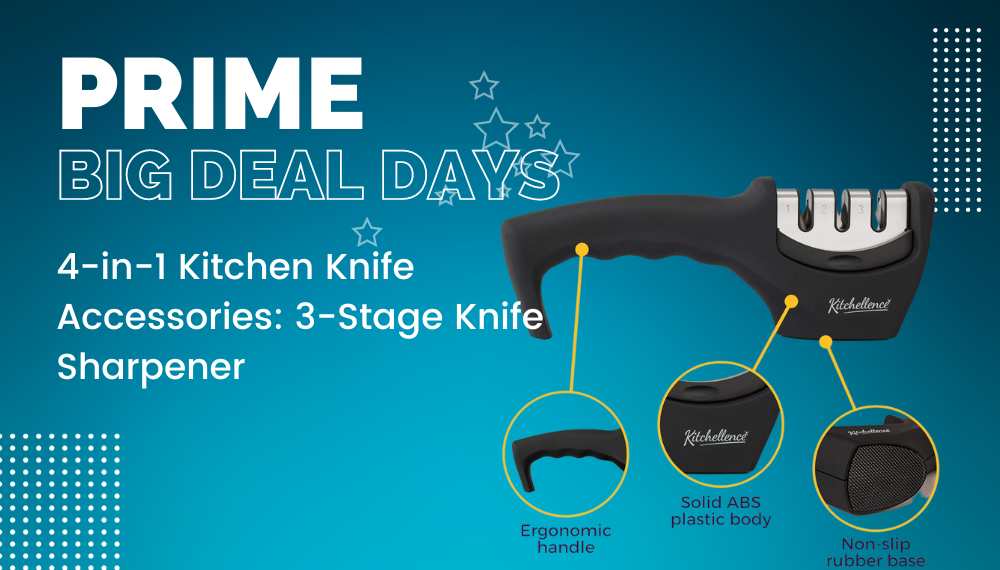
4. The timing of your bid

Once you meet the criteria you will need to request Stripe’s IPO shares through your broker. It is also good to consider that you may not get any shares, after the IPO results are announced. The allocation process for IPOs is often limited and subject to demand, making it a competitive and uncertain process.

3.    Buy After Listing
The simplest approach to Invest in Stripe stock is to be patient and buy the stock with your broker post-IPO. While this approach can go either way –

  • the share prices can plunge on the listing day, and you may lose the opportunity to get the gains you were looking for or
  • the share price may plummet, giving you an opportunity to buy the shares at a discounted price.

Many investors often compare the prices paid by venture capital investors before a company goes public (pre IPO) with the price at which it eventually goes public (IPO). They hope to achieve gains, but it’s important to understand that this is not always easy or guaranteed. Both pre IPO and IPO shares typically have lockup periods, during which they cannot be sold immediately.

If you strongly believe in a company’s long term prospects but are not eligible for pre IPO or IPO investments it makes sense to Invest in Stripe after its IPO. Once Stripe goes public you will have the opportunity to buy shares through any brokerage, giving you access, to an investment that aligns with your goals and qualifications.

Can You Expect Stripe’s IPO in 2023?

As of September 2023 Stripe stocks are not available for trading, which means that it is still a private company. This also implies that you cannot invest in Stripe on the stock exchange at the moment. The question of Stripe’s IPO in 2023 has yet to be answered.

Pre IPO Investment Platforms

It’s important to mention that due to its valuation there are speculations among experts that Stripe might opt for a direct listing. It would allow existing investors to sell their shares without being subject to lockup periods. To guide them through this decision making process, Stripe has enlisted the services of investment banks Goldman Sachs and JPMorgan.

Why are there Delays in Stripe’s IPO?

There are factors that raise doubts about Stripe going public in 2023;

1. Anticipated Tax Obligation: Stripe is preparing for a tax liability resulting from restricted stock units (RSUs) previously granted to employees. However if they manage to secure around $4 billion in capital, it could potentially provide them with resources to address this tax burden without relying on an IPO for additional cash reserves.

2. CFO Vacancy: Another factor to consider is the absence of a Chief Financial Officer (CFO). Dhivya Suryadevara, the CFO resigned from her position in February before finalizing Stripe’s IPO plans. Stripe may want to find a replacement for this leadership role before moving forward with their IPO process.

3. Profitability Goal: Perhaps the significant factor is the rumor suggesting that Stripe aims to achieve profitability before making their shares available, to the public.

These factors contribute to uncertainties surrounding whether or not there will be a Stripe’s IPO. The company’s focus on profitability shows their dedication to establishing a base before venturing into the intricacies of a public offering.

Conclusion

Stripe has made an impact, in the payments processing industry, standing its ground among players like PayPal, WePay and Square. It has steadily expanded its reach over time.

For investors, getting Stripe’s IPO shares can be quite challenging. However for those determined to pursue it keeping an eye on IPO marketplaces and being attentive to potential offerings can be rewarding. It’s always recommended to take an approach, like applying for an IPO through your broker or Invest in Stripe shares after they go public.

Frequently Asked Questions

  1. Should I invest in stripe

    Future of Stripe looks good. So if there is an IPO and the conditions are conducive you can invest in Stripe.

  2. Can I buy Stripe’s stock now?

    As of September 2023 Stripe is currently a held company meaning that its shares are not available for purchase.

  3. What are the strengths of Stripe’s IPO?

    The potential, for growth in the payment market is substantial and largely untapped. Even as life returns to normal, more and more transactions are shifting from paper methods to platforms, keeping the online payment industry thriving.u003cbru003eStripe has a proven track record of forward thinking leadership. In addition to their payment processing services, they offer a variety of supplementary services effectively expanding their product range.u003cbru003eWith a strong valuation and presence in the tech industry, Stripe holds a prominent position. Currently an astounding 964,894 websites rely on Stripes services for their payment processing needs. Many known brands such as Slack, Xero, Deliveroo, Ford, and others trust the platform, for their payments.

  4. What are the drawbacks or concerns regarding Stripe’s public offering (IPO)?

    One concern is that a significant portion of Stripe’s business relies on Shopify. This reliance on a platform could present challenges if there are any disruptions or if Shopify makes changes that affect Stripes operations.u003cbru003eParticipating in an IPO inherently involves volatility and risk. Therefore individuals considering investing in Stripes IPO should conduct research. Consider seeking professional investment advice before entering the stock market.

Accounts Payable Automation

6 Key Benefits of Accounts Payable Automation for Businesses

Tedious manual tasks are becoming a thing of the past in many areas thanks to automation. So why should your accounts payable process be any different?

Accounts payable automation eliminates costly, time-consuming manual data entry and processing. Your finance department is free to focus on high-value tasks such as cash flow management and forecasting.

Automation doesn’t only free up time, though. It also improves accuracy, reduces costs, and gives real-time visibility into your finances, alongside numerous other benefits.

In this article, we’ll explore the six key benefits of using automation technology to help you visualize what it could do for your accounts payable department and overall business.

What is accounts payable automation?

Accounts payable (AP) automation is a tool for creating automated workflows to replace your manual methods. These include data entry, invoice processing, approval routing, payment tracking, and your reconciliation or matching process. The most sophisticated solutions can even send payments automatically and improve vendor management.

AP automation may come as a standalone solution, or it may be part of a broader accounting solution. On top of this, it may be in the cloud (with a similar model to the top SaaS companies), on-premises, or a combination of the two.

woman watching files

Accounts payable automation software digitizes the entire payable process. This removes the need to handle physical paper invoices and purchase orders. The goal is to save time, improve accuracy, and reduce your cost per invoice. AP automation workflows generally include the following steps:

  1. The software scans the invoice and converts it into a digital file.
  2. The key information from the invoice is extracted using optical character recognition (OCR).
  3. The invoice is sent for approval according to your predefined approval hierarchy.
  4. The software matches your invoice against your purchase order and flags any discrepancies. Some software offers both two- and three-way matching for extra certainty.
  5. Assuming your documents match, the software makes the payment using your preferred payment method.

The accounts payable software also provides detailed analytics dashboards to improve the transparency of your AP workflow and inform your decisions. Some software also uses machine learning to optimize the process over time.

6 Benefits of accounts payable automation

There are numerous benefits to deploying an accounts payable automation solution in your business. Let’s look at six of them in detail.

accounts payable automation

Image created by the writer (Data sourced from strategictreasurer.com)

Eliminates manual errors to improve accuracy

Manual data entry and invoice processing are vulnerable to human errors—typos, duplications, and missing data, for example. Fixing potential errors means extra work for your accounting team, including chasing duplicate and erroneous payments. Not to mention the damage to your reputation and relationships with suppliers if errors cause late payments.

With accounts payable automation software, you can eliminate human error from your AP workflow. Automated data capture saves time and guarantees each invoice is input accurately, since the software automatically updates your financial records, reducing the chances of errors.

On top of this, there are built-in checks to flag errors that manual processing can miss. This results in accurate, timely payments to vendors every time (vital for robust supplier management). With AP automation, you can maintain your reputation and even gain access to payment discounts if suppliers never have to chase payments.

purchase invoice

Image sourced from Sage.com

In addition, improved accuracy helps you make better financial decisions. It also increases stakeholder confidence in your business and the confidence of potential investors, which is especially important for small businesses.

Cuts costs by ending manual processing requirements

If you’re still relying on a manual invoice processing system, your cost per invoice will be high. Costs include paper, printing, mailing, storage, and the time spent on manual payment reconciliation and data entry.

AP automation can streamline your AP process and remove the need for paper-based document management.

You won’t have to store boxes of documents, buy paper or printer ink, or pay for postage. Instead, you can store your financial documents electronically. This is significantly cheaper一and more environmentally friendly. On top of this, thanks to automated data capture, you can handle the approval of invoices over email.

Faster invoice processing times also reduce processing costs and improve productivity. Instead of paying your accountants to process and approve invoices, you can pay them for tasks that bring value to your business. Plus, you won’t have the cost of late payment fees or regulatory fines.

Enhances accounts payable control and visibility

Another problem with manual processes is a lack of visibility into invoices and payment status. This can make it difficult to control spending.

Automation tools help overcome this barrier. Dashboards display real-time insights, including cash flow and spending patterns. That means better financial management. You can also strengthen supplier relationships by ensuring you pay each invoice on time whether they’re in the US, UK, or somewhere else.

You can check an invoice status with one click, including where it is in your approval process. If a payment deadline is looming, your finance teams can chase it up. They can also get insights into how each team member is performing, helping them pinpoint opportunities for training. Not to mention that performance reviews will be a breeze!

What’s more, automated systems can flag reconciliation issues and generate accurate financial reports. This helps you quickly address problems and make more informed decisions.

Plus, you can more accurately define financial controls to guarantee you stay within your monthly budget. You can also analyze and categorize your data in real-time to pinpoint challenges and opportunities.

receipt

Speeds up payments for improved cash flow

There are many strategies to improve cash flow, from offering a new product to buying in bulk. But did you know that AP automation can also improve cash flow?

Manual processes cause cash flow issues if unpaid invoices build up or you’re hit with late fees. By automating, you can eliminate delays caused by human error and speed up your entire payment workflow, from data entry to invoice approvals. This way, you can guarantee on-time payments and improve cash management throughout your business.

The software can issue payments automatically, further reducing processing times. You can even set up automated invoice approval workflows to reduce the need for manual approval. This leaves your management teams free to focus on the tasks that only humans can do.

On top of this, by improving cash flow visibility, AP automation software can help you optimize it. The software can use the data to create accurate cash flow forecasts, helping to prevent shortfalls.

Secures invoices and payments to reduce fraud risks

Manual processing and storage come with numerous security risks. A break-in could uncover sensitive financial information, misplaced invoices could fall into the wrong hands, or there could be a fire or flood that causes permanent loss of files. Unless you regularly review your books, you could also fall victim to fraudulent payments and other scams.

AP automation solutions come with various security features, including access control, encryption, and two-factor (or multi-factor) authentication. Only those with the right credentials can access critical or sensitive documents, so it’s harder for criminals to steal your information. It’s also harder for dishonest employees to view data they shouldn’t.

The system can flag suspicious payments and provide a comprehensive audit trail. This helps to prevent fraud from inside and outside your company. Pay your invoices with confidence and stay compliant with government regulations.

Plus, accounts payable automation backs up your records automatically. You won’t lose your important data if you’re hit by a natural disaster or cyberattack.

what would drive you or drove you to more ap automation

Image Sourced from Strategictreasurer

Ensures government compliance for businesses

No matter what size your business is or where you operate, you must make sure your AP process complies with government regulations. These include SOC 2, HIPAA, SOX, GAAP, and GDPR (if you have offices in the UK or EU).

It’s also essential to be aware of local tax laws. If you operate in the US, look for a platform that complies with IRS regulations. Businesses and sole traders based in Australia must consider software that is ATO compliant, while those based in the UK should be aware of HMRC requirements, such as Making Tax Digital (MTD).

Manual AP workflows are more prone to non-compliance due to their higher error rate and longer processing times. Accounts payable solutions automate this process for you by keeping a digital record of sales and purchase invoices—this is particularly noteworthy for UK-based businesses that need to be MTD-compliant by 2026.

Typically, AP automation software comes with built-in compliance checks and standardized approval workflows to reduce errors. It can also flag discrepancies and provide a detailed audit trail of who handled each invoice and when it was paid.

You can guarantee compliance by opting for an all-in-one software or a standalone solution, such the VComply compliance management program, StandardFusion for GRC compliance in Canada, or Sage self-assessment software for the UK.

complaint dashboard

Image Sourced from v-comply

Save money and maximize efficiency with accounts payable automation

As we’ve seen, accounts payable automation has a range of business benefits. It can reduce invoice processing costs, improve security and compliance, and make sure you make all your vendor payments on time.

It also gives you greater internal control and visibility into spending. This helps you manage cash flow and make better decisions. And, if you pair it with accounts receivable automation, you can streamline your entire accounting process.

The ultimate goal of automation is to serve you and make your work easier, so don’t waste any more time and money, choose the best software and enjoy the benefits of AP automation!