
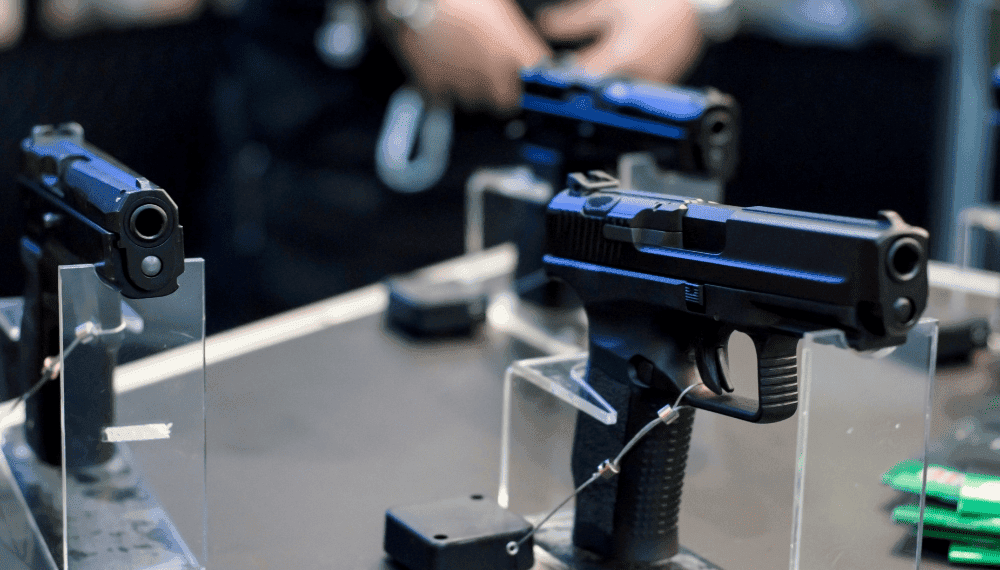
Are you someone who loves guns or collects them and wants to sell some at gun shows, but you’re not sure how it all works? Then you are at the right place.
Lately, more and more people are buying guns, with a huge 40% increase in first-time gun owners. People are searching online and in local markets to find the perfect firearms. That’s why gun shows have become really popular for private sellers like you to meet potential buyers.
Households with one or more guns: Data source Statista
If you’re interested in selling at these shows then here is a step by step guide that will help you understand the process.

Weapon sale in the USA – 2013 to 2022 (data)
Gun shows are events where people gather to buy, sell, and trade firearms and related items. These shows serve as marketplaces for both individual sellers and licensed dealers to showcase their firearms and accessories to potential buyers.
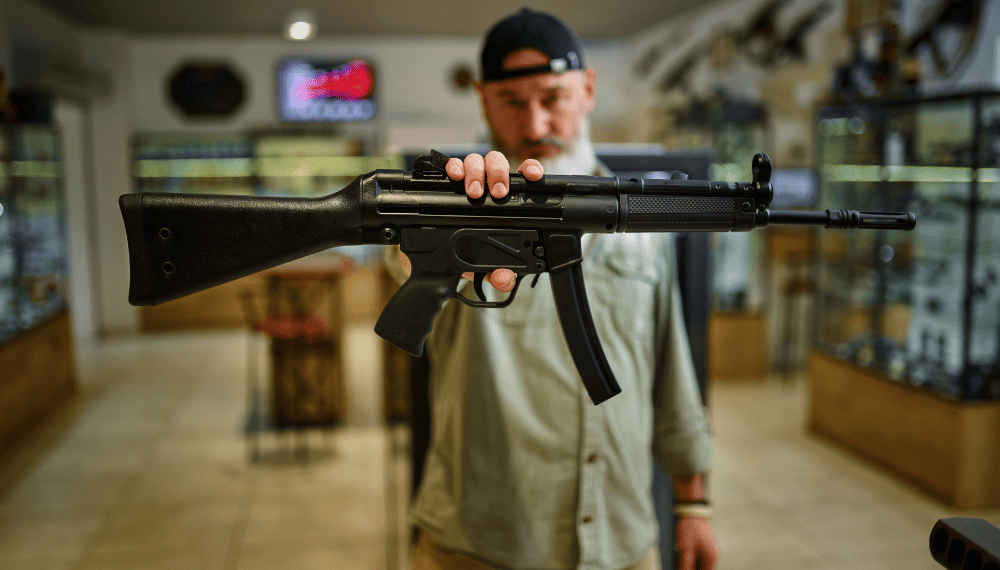
Typically held in convention centers, exhibition halls, or other large venues, gun shows attract a diverse crowd of gun enthusiasts, collectors, sportsmen, and curious individuals.
At gun shows, attendees can find a wide variety of firearms, ranging from handguns and rifles to shotguns and antique guns. Additionally, vendors often offer ammunition, gun parts, scopes, holsters, and other shooting-related gear.
These events create a unique opportunity for individuals to browse through a vast selection of firearms and accessories, compare prices, and engage in discussions with sellers and fellow enthusiasts.
One of the key features of gun shows is the chance for private sellers to connect with potential buyers in a face-to-face setting. Private sellers, who are not federally licensed firearms dealers, can legally sell their firearms to individuals residing in the same state without conducting background checks.
However, it’s important to note that federal and state laws regarding firearm sales still apply, and all transactions must comply with these regulations.
While gun shows provide a convenient platform for buying and selling firearms, they have also been subject to debates and discussions regarding gun control and the potential for unregulated sales. Some advocates argue for stricter regulations and background checks at gun shows to prevent firearms from falling into the wrong hands.
Overall, gun shows are complex gatherings that offer gun enthusiasts a chance to explore a wide array of firearms and accessories while also raising important questions about firearm regulations and safety.
1- NRA Annual Meeting and Exhibits – Visit
2- Tulsa Arms Show – Visit
3- Nations Gun Show – Visit
4- Central Florida Arms Show – Visit
5- Westchester Collectors Gun and Knife Shows – Visit
6- Great American Outdoor Show – Visit
Gun shows and FFL transfers are two distinct processes related to the buying and selling firearms, each with its own set of rules and regulations. Let’s explore the key differences between these two methods:
Overall, gun shows and FFL transfers are distinct processes with their own characteristics and legal requirements. Gun shows provide a marketplace for individuals and licensed dealers to buy and sell firearms, while FFL transfers are specifically designed to regulate firearm transactions between parties in different states or involving licensed dealers. Understanding these differences is crucial for both buyers and sellers to ensure compliance with firearm laws and regulations.
The legality of buying guns at gun shows depends on the state and local laws in the United States. Federal law does not prohibit individuals from buying firearms at gun shows, but certain regulations must be followed, such as conducting background checks for sales made by federally licensed firearms dealers.
However, there is often a misconception about the “gun show loophole.” Some private sellers at gun shows may not be required to conduct background checks on buyers, depending on state laws.
This means that in some states, private sellers can sell firearms to individuals without undergoing a background check, whether the sale occurs at a gun show or any other location. This aspect has been a subject of debate and discussion around gun control.
It’s important to emphasize that laws can change, and regulations may vary from one jurisdiction to another. To ensure compliance with all applicable laws and regulations, it is essential for both buyers and sellers to be aware of the specific requirements in their state and locality before participating in any firearm transactions at gun shows or elsewhere.
If you are considering buying or selling a firearm at a gun show, it is highly recommended that you consult local authorities, firearm dealers, or legal experts in your area to fully understand the relevant laws and responsibilities involved. Always prioritize safety and adherence to the law when dealing with firearms.
Gun shows are popular events that bring together sellers, buyers, and enthusiasts in the firearms community. To ensure the safety of attendees and compliance with local, state, and federal laws, gun shows are subject to specific rules and regulations. Let’s explore some of the key aspects that govern these events:
One of the fundamental regulations for gun shows involves licensed firearms dealers. Any licensed dealer who intends to sell firearms at the show must conduct background checks on prospective buyers. This requirement is mandated by federal law and applies to all transactions, regardless of whether they occur at a gun show or a traditional brick-and-mortar store.
In some states, private sellers who are not federally licensed firearms dealers may participate in gun shows without being required to conduct background checks on buyers. This loophole has been a subject of debate and criticism, as it allows certain sales to take place without the same level of scrutiny as sales by licensed dealers. However, it is essential to note that some states have taken steps to close this loophole by implementing laws that require background checks for all firearms sales, including those at gun shows.
Gun shows must adhere to the specific firearm laws and regulations of the state and locality in which they are held. These laws may include restrictions on certain types of firearms, magazine capacity limits, waiting periods, and age requirements for buyers. It is crucial for both sellers and buyers to be aware of and comply with these laws to avoid legal consequences.
Licensed firearms dealers who operate at gun shows are obligated to maintain proper records of their sales and transactions. They must follow reporting requirements set by the Bureau of Alcohol, Tobacco, Firearms, and Explosives (ATF) and keep records of firearm acquisitions and dispositions. These records are subject to inspection by ATF agents to ensure compliance with federal regulations.
Gun show organizers typically implement safety protocols to ensure the responsible handling and display of firearms. Exhibitors are expected to adhere to these protocols to prevent any accidents or unauthorized access to firearms. Firearms should be secured with trigger locks or rendered inoperable, and live ammunition should not be allowed inside the show unless sold by licensed dealers.
Gun show organizers and sellers must be vigilant in preventing sales to prohibited buyers, such as individuals convicted of certain crimes, those with restraining orders, or individuals with a history of mental illness. Ensuring compliance with background check requirements is critical to prevent firearms from falling into the wrong hands.
Overall, gun shows are subject to various rules and regulations aimed at promoting safety and legal compliance. These regulations cover background checks, private sales, state and local laws, reporting requirements, safe handling practices, and preventing sales to prohibited buyers. Staying informed about the specific rules governing gun shows in a particular area is crucial for both attendees and exhibitors to ensure a successful and law-abiding event.
In addition to the common requirements mentioned earlier, gun shows may have other specific regulations and guidelines in place to ensure safety, security, and legal compliance. Here are some additional requirements you may encounter at gun shows:
Gun show organizers or law enforcement personnel may conduct random inspections of firearms brought into the show. This is to check if the firearms are unloaded, secured properly, and comply with local laws. Exhibitors and attendees must cooperate with these inspections for everyone’s safety.
Gun shows often have a code of conduct that all attendees and exhibitors must follow. This code may include rules on appropriate behavior, respectful interactions, and prohibiting the consumption of alcohol or drugs during the event.
Attendees purchasing firearms may be required to present valid identification, such as a government-issued ID, to verify their age and eligibility to buy firearms. Some gun shows may issue entry badges or wristbands to track attendance.
Certain states may impose restrictions on magazine capacity for firearms sold at gun shows. This means that firearms with high-capacity magazines may not be allowed for sale or display in those areas.
Gun shows may have specific rules regarding the sale of ammunition. Some events may restrict the amount of ammunition a person can purchase, or there may be guidelines on how ammunition should be displayed and sold.
Even in states with more relaxed private seller regulations, gun show organizers may prohibit direct sales between private sellers and prohibited buyers, ensuring compliance with federal laws and preventing illegal transfers.
Gun show organizers may set guidelines for parking and transportation of firearms at the event. Attendees are often required to keep firearms securely stored in their vehicles until they are inside the designated exhibition area.
Some gun show organizers may require vendors and exhibitors to carry liability insurance to cover any potential accidents or incidents that might occur during the event.
It’s crucial for both sellers and buyers to familiarize themselves with the specific requirements of each gun show they plan to attend or participate in. By understanding and following these regulations, attendees can contribute to the overall safety and success of the gun show while complying with all applicable laws.
In conclusion, gun shows are events that bring together individuals, licensed dealers, and gun enthusiasts in the firearms community. These gatherings provide a marketplace for buyers and sellers to connect, explore a wide range of firearms and accessories, and engage in face-to-face transactions.
By staying informed about the rules and regulations governing these events, both attendees and exhibitors can contribute to a responsible and respectful gun community, fostering an atmosphere of safety, transparency, and adherence to the law.
No, background check requirements at gun shows depend on state laws. Federal law mandates background checks for purchases from licensed dealers, but private sellers may not always be required to conduct checks in certain states.
Yes, you can buy a firearm at a gun show from a licensed dealer if you are from a different state. However, the purchase must go through an FFL transfer to comply with federal law.
In most states, individuals can sell their firearms at gun shows without a license if they are private sellers. However, specific state laws may impose certain restrictions or require transactions to go through licensed dealers.
Yes, both federal and state laws may impose restrictions on certain types of firearms, such as fully automatic weapons or certain military-style firearms. It is essential to be aware of these restrictions before selling or buying at a gun show.
Yes, federal law requires that buyers of firearms from licensed dealers be at least 18 years old to purchase long guns and at least 21 years old to purchase handguns. Some states may have additional age restrictions or requirements.