Running a gym in 2025 means navigating a highly competitive, tech-driven market. Fitness facilities must strike a balance between cutting-edge technology, personalized services, and strong community ties to thrive. Members today expect more than just equipment – they demand engaging experiences both in-club and online. Successful gym owners will leverage the latest strategies to streamline operations, tailor services, and maximize revenue.
In this guide, we explore five expert tips that address software integration, personalization, community engagement, pricing strategy, and facility upgrades. Together, these approaches can help any gym stand out, retain members, and grow profitably in 2025’s fitness landscape.

Modern gyms run smoothly when administrative tasks are automated and data-driven. Integrated gym management software centralizes key functions – from member sign-ups and billing to class scheduling and attendance tracking. By moving routine tasks to a single platform, owners save time and reduce human error. For example, automated billing and payment reminders ensure fees are collected on time without manual follow-up, while digital class calendars let members book or cancel sessions instantly. Staff scheduling, payroll, inventory monitoring, and equipment maintenance can also be managed in one system.
Such software often includes built-in reporting dashboards. Real-time analytics allow owners to see trends in attendance, membership growth, and revenue at a glance. This data helps identify popular classes, underused equipment, and sales opportunities. Many platforms now integrate with mobile apps and access control, giving members easy check-ins and self-service features (such as updating their info or checking class reservations). The result is a more professional operation: owners and staff spend less time on paperwork and more time improving the gym experience.
Key benefits of gym management software include:

Members today seek fitness experiences tailored to their needs and lifestyles. A one-size-fits-all approach no longer suffices. To stand out, gyms should personalize workouts and offer both in-club and digital options. This begins with data: learning individual goals and preferences through assessments or app tracking. With that information, gyms can create customized programs or coaching recommendations. For instance, members could receive personalized training plans via a mobile app, which would adjust as they progress. Intelligent machines and fitness trackers now make it easier to monitor performance and adapt routines.
Offering hybrid fitness is also crucial. Hybrid models combine in-person classes with on-demand or live-streamed sessions. A member might attend a yoga class at the gym one day, then join a remote spin class from home the next. This flexibility accommodates busy schedules and maintains high engagement. Gyms can record popular classes or partner with virtual fitness platforms to supply on-demand workouts. Personal trainers can offer virtual check-ins or video sessions for clients who travel or prefer remote coaching.
At the same time, remember the human touch: technology should enable personalization, not replace it. Gym staff can use member data to send individualized emails or suggest classes. Wearable technology and apps can gamify progress, providing each person with feedback and encouragement. Even simple gestures like learning members’ names or greeting them can make the experience feel personal.
Strategies to personalize and diversify offerings:

A strong gym community is one of the most potent assets for retention. Members who feel connected are more likely to stay long-term. To build community, organize events and programs that bring people together. Group challenges (weight-loss contests, workout streaks, or team events) foster camaraderie. Social gatherings – like wellness workshops, nutrition talks, or member appreciation days – let people meet staff and fellow members outside the regular workout routine. Even informal initiatives, such as a member spotlight or celebrating milestones (birthdays, gym anniversaries, personal records), can make individuals feel recognized.
Referral incentives can turn the community into a growth. Encouraging current members to bring friends through referral bonuses (like a free month or merchandise credit) builds word-of-mouth and makes members feel invested in the gym’s success. Online communities also help: consider a members-only Facebook group or app chat where people share tips, success stories, or motivate each other.
Retention saves money in the long run: acquiring a new member is significantly more expensive than keeping an existing one. Industry data suggests it can cost five to seven times more to get a new member than to retain a current one. Moreover, satisfied members often spend more on additional services (personal training, classes) over time. To keep members engaged, regularly solicit feedback and act on it. For example, quick member surveys or suggestion boxes can surface issues early. Address minor problems (equipment repairs, class overcrowding, cleanliness) before they drive members away. A simple check-in (phone call or message) when a member hasn’t visited in a while can remind them they’re missed.
Community and retention tactics include:
Pricing and product strategy are critical for profitability. First, avoid racing to the bottom with the cheapest fees. Instead, adopt tiered or value-based pricing. For example, offer a basic membership for standard gym access and higher tiers that include extras (unlimited classes, personal training sessions, or premium amenities). This allows members to self-select what they want and provides an upsell path to higher-value packages. Another approach is flexible passes – such as class packs, off-peak memberships, or pay-as-you-go options – which can attract members who can’t commit to a full-year contract.
Discounts and promotions should be used strategically. Limited-time offers (e.g., free first month, waived enrollment fee) can boost sign-ups, but be careful not to train members to wait for sales. Instead, add value in offers: bundle in a free consultation, personal training session, or branded gear with specific plans. Transparency is essential too – clearly communicate what is included in each plan so members perceive the correct value.
Diversifying revenue beyond dues is essential. High-margin services, such as personal training or small group coaching, can dramatically boost income. Promote training packages (e.g., 10 sessions at a discount) and make it easy for members to sign up or upgrade. Nutrition counseling, wellness workshops, massage, or recovery services (such as stretch therapy or infrared sauna) are additional options that serve member needs while generating revenue. An onsite retail area can also contribute – stock popular supplements, water bottles, gym apparel, or even healthy snacks. Branded merchandise helps loyalty and marketing (members wearing your logo).
Events and partnerships create new income opportunities. Hosting a paid fitness boot camp, workshop, or challenge can attract both members and outsiders. Collaborate with local businesses (healthy cafes, sports shops) for cross-promotions or corporate wellness packages. Even renting unused space (like studios during off-hours) for community classes or clubs can generate extra cash.
Pricing and revenue tips:
Lastly, use data to track profitability. Monitor metrics like average revenue per member, churn rate, and lifetime value. Knowing these figures helps set realistic targets and identify areas where adjustments are needed. For instance, if monthly churn spikes, consider improving engagement or adjusting the pricing for that segment.
Effective pricing and diversified revenue streams are crucial. By giving members clear choices and value at each price point — and offering desirable extras — a gym can maximize income without alienating its customer base.
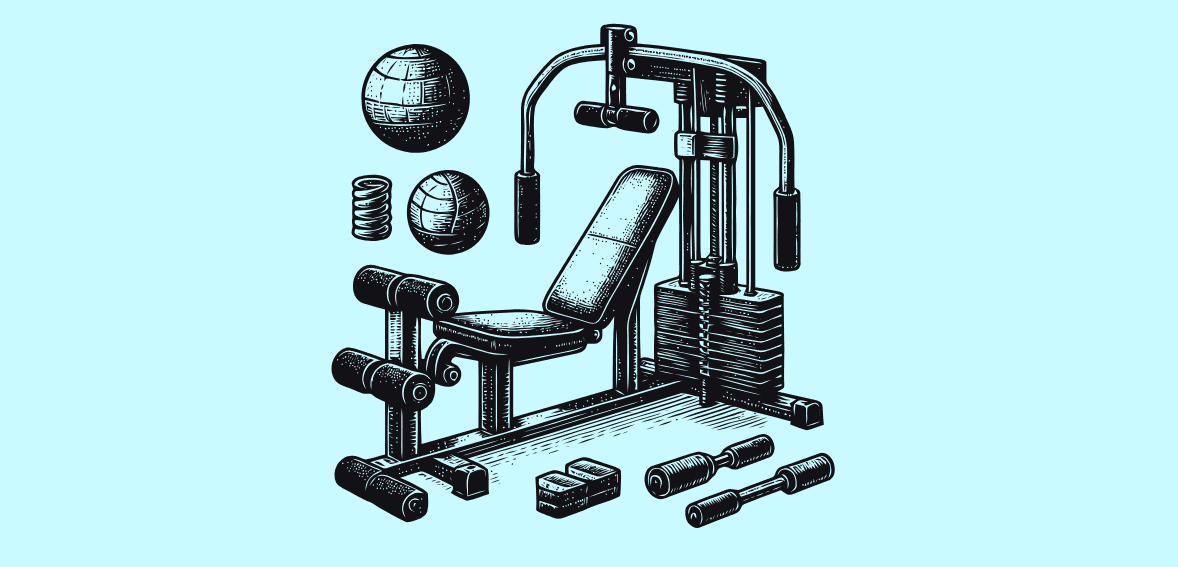
A gym’s environment greatly influences member satisfaction. First impressions matter: invest in modern, well-maintained equipment and an inviting space. Replace worn-out machines and expand your offerings to include both classic and trending gear. For example, alongside treadmills and bikes, consider adding functional training rigs, cable machines, and space for free weights or bodyweight workouts. Technology-savvy additions (like cardio machines with interactive screens or virtual reality fitness bikes) can also set your facility apart. Make sure all equipment is clean, safe, and regularly serviced to avoid downtime and accidents.
The gym’s look and feel – its aesthetic – also plays a significant role. Use a thoughtful color scheme (neutral tones with energetic accent colors) and good lighting to create an appealing atmosphere. Plenty of natural light and plants (biophilic design) can make the space feel more refreshing and reduce stress. Mirrors should be strategically placed, not just for form checking, but to open up the space visually. Provide comfortable amenities like lockers, showers, and a lounge or hydration station where members can relax or chat after workouts. Subtle branding (logos, motivational wall art) can reinforce your gym’s identity without overpowering the design. A clutter-free, well-organized layout ensures smooth traffic flow: clearly zone areas for cardio, strength, classes, and stretching, so members can move between zones without congestion.
Wellness features are increasingly expected. Consider offering wellness or recovery options to complement workouts. This could include yoga and meditation classes, foam-rolling stations, stretching zones, or even massage therapy chairs. On the recovery side, items such as massage guns, compression boots, or a partnership with local sports therapists can appeal to both serious athletes and older members alike. Nutrition support (such as on-site nutritionist consultations or healthy vending options) can round out the holistic approach. Remember, fitness is not just exercise anymore; it’s a lifestyle. The more your gym supports overall well-being (mental and physical), the more indispensable it becomes to members.
In a well-designed gym space, equipment, layout, and decor combine to create motivation. Invest in modern machines that are both functional and appealing (e.g., sleek treadmills, ergonomic bikes). Use durable, easy-to-clean materials (rubber flooring, anti-slip surfaces) that also look professional. Maintain high cleanliness standards – a shining facility tells members you care about their comfort.
Incorporate technology and sustainability, too. Smart lighting and climate control (which can adapt to occupancy) improve energy use and member comfort. Charging stations for devices, strong Wi-Fi, and screens for music or workout info cater to tech-savvy users. If possible, incorporate sustainable elements (such as energy-efficient machines, recycled materials, and water-saving fixtures) to appeal to eco-conscious members.
Health and wellness features beyond exercise equipment can be key differentiators. Even small additions like clean, spacious shower areas, Turkish baths, or a lounge with nutritious snacks can greatly enhance member satisfaction. Partner with wellness brands for pop-up events (e.g., smoothie tastings, health seminars) to add perceived value. By 2025, top gyms will resemble lifestyle centers – places where people not only lift weights, but also relax, recover, and connect.
Overall, upgrades should focus on member experience: if the environment feels cutting-edge, clean, and comfortable, people will stay longer and spread the word. A visually pleasing, well-equipped gym signals quality, encouraging members to keep their membership active rather than looking elsewhere.
In 2025, running a successful gym means blending technology, personalization, and community with innovative business practices. By using an integrated management system, you’ll operate more efficiently and offer members convenient tools (like mobile apps and online booking). Personalizing workouts and embracing hybrid classes (a combination of in-person and virtual) will meet modern expectations and keep members engaged.
Building a strong community through events, challenges, and attentive service will boost retention, which is far more cost-effective than constantly acquiring new members. Smart pricing – including multiple membership tiers and diverse revenue streams like personal training, merchandise, and special programs – will maximize profitability without alienating customers. Finally, continually upgrading equipment, design, and wellness amenities creates an inviting space that members look forward to visiting.
Together, these five tips create a comprehensive approach. They show how to make the gym a place where people not only exercise but also belong to a supportive fitness community. Adopting these strategies will help any gym owner stay competitive and grow in the ever-evolving fitness industry.
Integrated gym management software is an all-in-one digital system that handles memberships, billing, scheduling, and more. It’s essential because it automates tedious tasks, provides data analytics, and often includes member self-service (via apps or online portals). This saves time and reduces errors, allowing gym owners and staff to focus on serving members and growing the business.
Personalization makes members feel valued and understood. By offering tailored workout plans, nutritional advice, and flexible class options (including virtual or on-demand sessions), you match each person’s goals and schedule. This leads to higher member satisfaction and loyalty because they see that the gym meets their individual needs, not just a generic program.
Practical community activities include group fitness challenges, themed events, member appreciation parties, and regular social meetups (like workshops or seminars). Referral programs and member spotlights also strengthen community bonds. These activities encourage members to interact and support each other, creating a friendly atmosphere that keeps people coming back.
Offer multiple membership tiers (e.g., basic, premium, family) and add-ons so members can choose what fits them best. Price services based on value, not just being the cheapest option. Use bundles (like including a personal training session) or loyalty discounts to add value. Also, diversify your income by selling personal training packages, classes, merchandise, and hosting events. A mix of stable membership fees and high-margin services maximizes profit.
Prioritize modern, well-maintained machines (cardio and strength) and a clean, appealing layout. Add versatile equipment (like functional training rigs or recovery tools). Enhance aesthetics with adequate lighting, vibrant colors, and lush plants to create a welcoming environment. Include wellness features: yoga or meditation spaces, good locker rooms with showers, and recovery options like massage chairs. These upgrades enhance comfort and make your gym stand out.
Running a gym: one piece of running membership billing. The rest of our gym and studio payment guides are in Fitness and Gym Payment Resources.