
Tag Archives: cashless payments

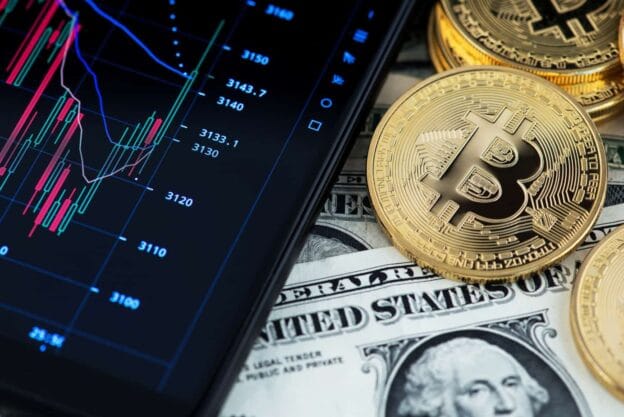
bitcoin cryptocurrency and banknotes of one us dollar next to mobile phone showing candlestick chart 142334515

Square Buys $170 Million Worth of Bitcoin

Bitcoin continues to remain one of the most intriguing investments on the market. Bitcoin has seen a massive rise in its value in the past year. Its value has risen from $30,000 at the start of 2021 to nearly $50,000 in March. Bitcoin also had a record high value of about $57,000 in late February.

One of the largest American financial service providers around is doubling down on its support for Bitcoin. Square announced it had purchased $170 million in Bitcoin. The total equals approximately 3,500 BTC as of March 4.

Much of Square’s support for Bitcoin comes as Cash App customers have helped boost the company’s revenue. Cash App is a mobile payment system developed by Square. Cash App consumers have been trading Bitcoin more than ever, leading to Square doubling its revenue in the fourth quarter of 2020. Cash App helps facilitate Bitcoin transactions to make them easier to run, helping boost peoples’ involvement with the currency.

Square’s purchase is the second such move the company has made. Square purchased $50 million in Bitcoin in October 2020. The total was about one percent of their assets. The company purchased Bitcoin, believing it would be a more viable currency for future international transactions. Bitcoin had a value of about $12,000 at the time.

Bitcoin now makes up about five percent of Square’s assets. These include its cash, securities, and cash equivalents.

Square is the latest company to focus on Bitcoin to diversify its investments and to bring in a potentially higher return on its cash. Other companies like Tesla have been investing in these currencies in the last few years. Tesla particularly acquired more than $1.5 billion in Bitcoin in early 2021, making it where Tesla’s share price is directly linked to Bitcoin’s value.

But the rise of Bitcoin for Square and others comes at high risk. Bitcoin is one of the most volatile investment options on the market today.

Statistics For Square

Square reported a few prominent statistics for Bitcoin and its Cash App use. These points are parts of why Square has invested so much money in Bitcoin:

  • Square reported there were about 36 million monthly Cash App users as of December 2020.
  • At least a million Cash App users bought Bitcoin for the first time in January 2021.
  • At least three million Cash App users utilized Bitcoin payments on the app in 2020. These include people who either purchased or sold Bitcoin.
  • The company’s fourth-quarter revenue from 2020 was $3.16 billion. The total is more than double the $1.31 billion it had in the fourth quarter of 2019. The value is also slightly over the $3.1 billion forecasts from industry analysts.
  • At least half of the quarterly income came from Bitcoin.
  • Square had a minimal customer acquisition cost in 2020. The company spent less than $5 per user. The effort is a sign of the company’s viral marketing efforts helping make it easier for the company to reach more people.
  • More money is flowing through Square’s platforms from both its mobile payments and its traditional storefront kiosks. The gross payment value in 2020 was $32 billion, a $4.6 billion rise from the prior year.

Cash App has also shown it is more viable to Square than its traditional seller business platform. Square had slightly less than $1 billion in revenue from its seller business platform in the fourth quarter of 2020. Part of the move could be due to many physical stores not being open and people focusing on online payments. But contactless payments and the simplicity of Cash App have helped, especially as people become more invested in the currency.

Focusing on Simplifying Bitcoin Efforts

Bitcoin trades are easy to complete with Cash App. Square developed the app to help people transfer funds, and its cryptocurrency feature helps people acquire Bitcoin and others in moments. The company focuses heavily on ensuring people can acquire these currencies while also helping them learn more about how they work. By providing these details, trading efforts can become more viable and accessible.

Stimulus Checks Helped

One reason why Square saw a significant amount of activity in 2020 came as Americans used Cash App to pick up their government stimulus checks. Americans were using Cash App to facilitate the collection process and to ensure they had the funds they needed as soon as possible. The app’s ability to convert funds to Bitcoin and other cryptocurrencies also helped people become more aware of these currencies and how they function.

How Square Stock Is Changing

Square’s Bitcoin investment has helped the company’s stock value rise in the past year. Square trades on the New York Stock Exchange with the symbol SQ.

Square has a value of about $215 as of early March 2021. The stock value grew from $65 in May 2020 to $150 in October 2020. The value went over the $200 mark in November and has stayed over that total since.

Square reports that its net income went from $391 million in the fourth quarter of 2019 to $294 million in the fourth quarter of 2020. Much of this may be due to the increased infrastructure necessary for keeping Square operational. But the ongoing growth of Square and the increased value of Bitcoin will help the company continue to grow and become useful for traders to explore.

Are There Risks?

There is one risk associated with Square’s move. While Square feels confident in Bitcoin, it remains one of the most volatile investments on the market. Bitcoin has a potential to rise or fall by thousands of dollars in value each day. Any investor who is interested in Bitcoin or any other similar investment should watch for the risks associated with doing so.

But the growth of Square and Cash App through Bitcoin shows how appealing the currency will be for many. Expect Square to become a more prominent company as it continues to support one of the most noteworthy trends on the market.
8

Payment Processing Trends for 2021

Payment processing is constantly evolving, but the pandemic pushed things even further along. In 2021, chances are we will see even more changes (all good) to help merchants make payment processing an even smoother process than before.

Understanding the payment processing trends for 2021 and how they affect your business is the key to staying competitive in the new year as we continue to fight the pandemic and all that it has caused.

Cashless Payment Options

Today, consumers don’t want to use cash. They want contactless payment options, whether that means paying online before coming into the store or using their phone to pay in store. The key is that no cash exchanges hands and consumers don’t have to touch shared machines that other people have touched.

Increased Use of Biometrics

With an increase in online and mobile payments being made, biometrics are even more important. Fraud, hacking, and lost phones are common and serious risks when opting to utilize mobile payments. Biometrics provides another mechanism to prevent fraud by requiring a higher level of security, either your face or your finger.

Peer-to-Peer Payments

Splitting checks, buying group gifts, and covering the rent with a roommate is easier today with peer-to-peer payments. But consumers are so accustomed to making instant payments to their peers that they want the same capabilities with merchants. Not only does it allow for contactless payments, but it allows faster payments pushing consumers through the purchasing channels quicker.

Buy Now Pay Later Options

medium shot woman holding her credit card looking tablet 1

With the onset of the pandemic and many people suffering financial losses, buy now pay later opportunities are in high demand. Merchants who sell high-ticket items do themselves a favor by offering buy now pay later options on their website. This helps increase sales and even consumer loyalty when merchant helps them out by making products more affordable over time.

Mobile Wallets

Mobile wallets like Apple Pay were already in high demand, but 2021 will bring even more popularity for these payment options. Customers want contactless payment options and merchants who don’t offer it will be left in the dust. Offering payment options like Apple Pay, Google Wallet, and Android Pay are the way of the future, merchants who don’t offer it will be left behind for stores that do.

Take Advantage of 2021 Payment Processing Trends

The payment processing trends for 2021 promise a lot of things for merchants, including more sales. In a competitive world where consumers are trying to do their best to remain socially distant, be as contactless as possible, and afford the items they need/want, merchants have to step up.

If you want to be competitive, it’s time to think outside of the box. Cash and swiped credit cards aren’t the only way to accept payment. In fact, they are the old school ways to collect payments. Most consumers today want something much more sophisticated, contactless, and cutting edge.

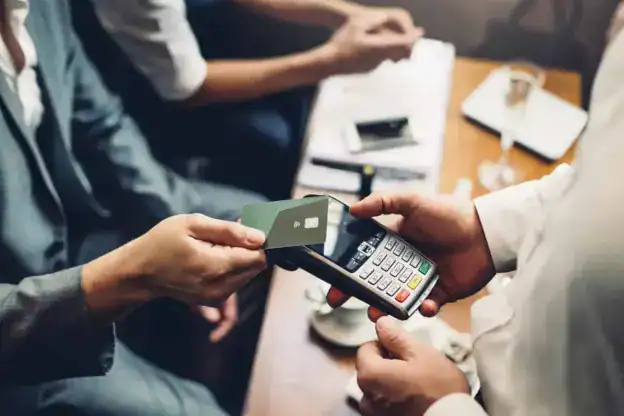
contactless card payment 74484201 1

Should my Business Adopt Contactless Payments? [2023 Update]

A Guide To Contactless Payments

What are contactless payments, and how do they work? Are they completely safe, and should you opt for the convenience of contactless payments? Over the years, technology has changed, and it has brought innovations in the way we conduct business and also in the way we many things. One of the innovations in technology is contactless payments and the tap and go form of payments. This article will talk about how you can use contactless payments, and it will also help you differentiate between contactless and cashless payments.

Contactless Vs. Cashless Payments

Contactless payments are two terms that are often used interchangeably, but these two terms are very different. Cashless payments are payments that are made without using cash and bank transfers, credit card payments, etc. are all categorized under cashless payments. Contactless payments are the form of payments that use radio frequency identification technology to make payments. Some examples include Apple Pay, Google Pay, and Samsung Pay. Instead of swiping your card, you simply wave your card to make payments, and you don’t require any signature or any pin number entered on the payment terminal. All you need to do is wave your card or smartphone near the payment terminal, and your payment is made. With smart phones, authentication may be required in the form of a pin, facial recognition, or a fingerprint scan.

What Are The Problems With Contactless Payments?

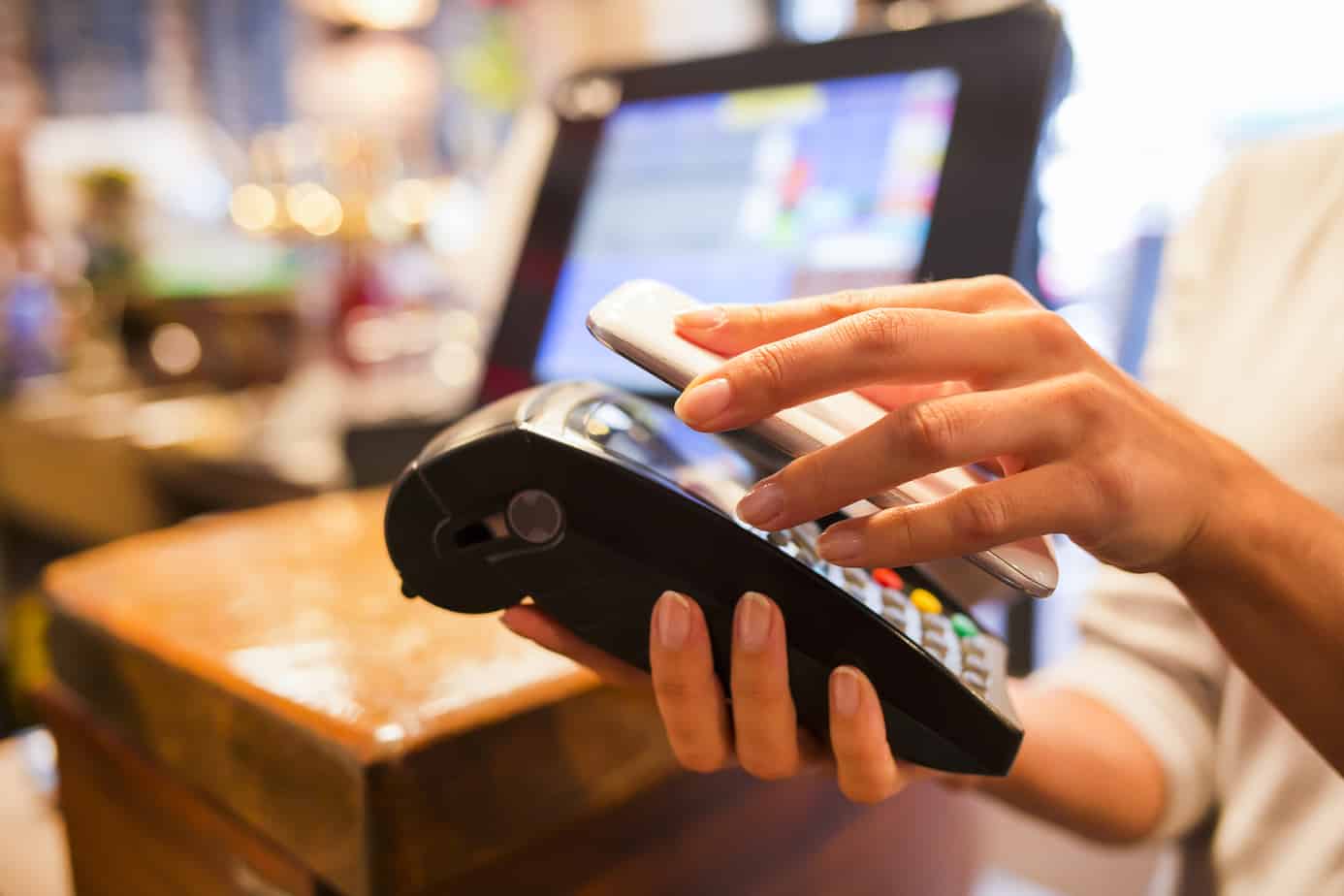
nfc apple pay google pay

Many customers are using contactless payments with their smartphones.

Like every form of payment, contactless payments are not that perfect, and they come in with their own share of problems. With contactless payments, many customers worry about fraud and whether or not their financial information will be safe. The perpetrator needs to gain access to your card to make contactless payments, and in most cases, you are notified by your bank about unusual transactions taking place, and you can easily block that card. Over time, in-person fraud has become more and more challenging to carry out, and most forms of contactless payments are PCI compliant, which protects consumers.

Why Should Businesses Adopt Contactless Payments?

Contactless payments are easy to carry out, and they are also convenient for your customers. Customer convenience is the topmost priority for businesses, and therefore companies should work on adapting measures that help make things easier for their clients. Your clients will think that you have an upgraded and futuristic approach towards the way you do business, and it will leave an overall positive impression. With the advent of technology, there are many more payment options available like Apple Pay and NFC, and many people don’t merely rely on their credit and debit cards for payments. Some customers also use their fitness watches and their wristbands for contactless payments. If you’re thinking about accepting contactless payments, then you should also consider the type of customers your business attracts. If your business attracts people that are more technologically oriented, then installing contactless payment systems can be a good option for your business, but even if not, most contactless payment terminals still allow more traditional payments like EMV chip cards. At Host Merchant Services, most solutions we offer are enabled for NFC and contactless payments at no extra cost, so our merchants are ready when their customers begin adopting these technologies.

Frequently Asked Questions

  1. Why should my business adopt contactless payments?

    Contactless payments offer numerous benefits for businesses. They provide a convenient and hygienic payment option, especially in the current landscape where people are increasingly concerned about germ transmission. Contactless payments also enable faster transactions, reducing checkout times and improving overall customer satisfaction. u003cbru003eu003cbru003eAdditionally, by embracing this technology, your business can stay ahead of the competition, attract tech-savvy customers, and align with the growing trend of digital payment solutions. Overall, adopting contactless payments can enhance customer experience, streamline operations, and position your business as modern and customer-centric.

  2. How do contactless payments work?

    Contactless payments utilize near-field communication (NFC) technology, allowing customers to make transactions by simply tapping their contactless-enabled cards, smartphones, or wearables on a compatible payment terminal. These devices exchange encrypted payment information over a short-range wireless connection, enabling quick and secure transactions. Contactless payments usually have a transaction limit, typically around $100, to ensure security. u003cbru003eu003cbru003eFor higher-value transactions, customers may need to enter a PIN or use an alternative payment method. With the widespread acceptance of contactless payments, customers can enjoy a hassle-free and swift payment experience.

  3. Are contactless payments secure?

    Yes, contactless payments are secure and provide robust protection against fraud. Contactless payment transactions use advanced encryption and tokenization methods to safeguard sensitive customer information. Each transaction generates a unique token that replaces the customer’s actual card details, ensuring that sensitive data is never transmitted or stored by the merchant. u003cbru003eu003cbru003eMoreover, contactless payments offer an added layer of security by leveraging the use of biometric authentication, such as fingerprint or facial recognition, on mobile devices. Businesses need to choose reputable payment processors and follow recommended security protocols to maintain a secure payment environment.

  4. What equipment do I need to accept contactless payments?

    To accept contactless payments, you’ll need a payment terminal that supports NFC technology. Many modern payment terminals already come equipped with contactless payment capabilities. If your existing terminal doesn’t support contactless payments, you may need to upgrade to a new one. Contact your payment processor or merchant service provider to inquire about compatible terminals. Additionally, it’s advisable to display contactless payment acceptance signs at your point of sale to inform customers that this payment option is available, helping to encourage its usage.

  5. Can I track and reconcile contactless payments?

    Yes, contactless payments can be easily tracked and reconciled like any other payment method. Most payment processors and merchant service providers offer robust reporting tools that allow you to monitor and analyze your contactless payment transactions. u003cbru003eu003cbru003eThese reports provide valuable insights into sales trends, customer behavior, and transaction volumes. Additionally, integrating your payment system with your point-of-sale or accounting software can streamline the reconciliation process and ensure accurate record-keeping. By leveraging these tools, you can effectively manage your contactless payments and gain valuable business intelligence to drive decision-making.