
Author Archives: hostmerchantservices

Article Head Image Template 2 1

CVV Codes: Why do They Exist?

CVV (Card Verification Value) codes are either three or four-digit numbers that are printed on either the front or back of credit and debit cards. This system was created to provide an extra layer of security to merchants and card-issuing banks against fraudulent transactions in card not present purchases.

Two Types of Codes

These codes come in two different forms: CVV 1 and 2. The CVV1 is integrated into the magnetic strip on the back of every card. In a retail, or other card present environment, where the card is physically swiped through a reader, the first CVV is used to verify the data on the track 2 mag strip is legitimate and matches up with the information the issuing bank has on file.

The second, and some might argue more important type, is the CVV2. Just to clarify, Visa and MasterCard use the three-digit CVV2 number printed on the back of the card next to the signature line. American Express uses a four-digit “Unique card code” that is located on the front of the card. Regardless of location or length, these both serve the same purpose: to prove that the person making the purchase has the original and real card in their possession.

man showing where CVV is located on a credit card

Skimming and Fraud

The CVV2 code is commonly requested by merchants in purchases over the Internet or in MOTO (Mail Order, Telephone Order) transactions. If a fraudulent card has been produced from a skimming device, the thief will not have the CVV2 number as it is only physically printed on the card and not stored electronically. Skimming is the practice of attaching a device over the top of a real magnetic strip reader, usually on ATMs or gas station pumps, to gather the sensitive information about the card. This information is used to make fraudulent cards and/or purchases.

If a thief attempts to make a purchase with a stolen card and does not have the CVV2 when the merchant requests it, the transaction will not be approved. The problem is that according to a recent study, only around 56% of online merchants request the CVV2 in order to complete transactions. Also, if a business does require the code, they can see around a 25% reduction in chargebacks.

The Bottom Line

It is important for consumers and merchants alike to protect sensitive information about their debit and credit cards. If a thief has your name, card number, expiry information, and CVV code they can very easily make fraudulent purchases or even create a duplicate copy of your card. For consumers it is important to ensure the business you are purchasing from is legitimate. For businesses, it is critical that proper procedures be followed when recording and storing your customers’ sensitive financial data.

Discover “On Us” Program Update

Last fall we wrote about the new Discover “On Us” Program that allows merchants that are new to accepting Discover to defer the cost for a whole year. For many businesses the summer months are their “busy season” and as such this program could add up to great savings all summer long. The “On Us” program offered from discovered is brought to merchants through Host Merchant services. When a customer uses a Discover card at checkout, merchants will not be charged any fees or interchange rates, so all the revenue stays in the businesses pocket.

More Details

First, to qualify for the program, merchants must not have accepted Discover cards in the last six months or be entirely new to accepting the following cards: Discover, Diners Club International, BCcard, China Union Pay, JCB, and DinaCard. To enroll in the program there are just four simple steps merchants must do:

  1. Apply before the deadline of December 31, 2013 (the sooner you apply the more you’ll save)
  2. Confirm your enrollment with a special test transaction
  3. Update signage in your brick and mortal retail store and/or update your website for ecommerce merchants
  4. Provide training on how to communicate the benefits of using Discover to pay for transactions


Voila. Once Discover has verified that your business qualifies you will receive written notice and within 10 business days a welcome packet with free signage and tips on how to increase sales by accepting Discover.


Test Transaction Instructions

You can use the following instructions to see if your terminal is currently set up to accept Discover cards.

Test your terminal using these simple steps:

  • Prompt your terminal or point-of-sale device for a manual sales transaction.
  • For BCcard, JCB, China UnionPay, DinaCard, and Rupay enter the following test card information:

Test card account: 6555 9000 0015 9720*
Expiration date: 09/14
Transaction amount: $1.00
CID: 458
Zip code (if necessary): 43054

  • For Discover and Diners Club International cards, enter the following test card information:

Test card account: 6011 2023 0029 5223**
Expiration date: 07/14
Transaction amount: $1.00
CID: 045
Zip code (if necessary): 43054

  • A “decline” status means the test was successful and your terminal is ready.


Benefits of the Program

While on the “On Us” program, every time you accept a Discover brand card, you will not have to pay the normal interchange rates and fees thus keeping more of the money from the sale in your pocket. Your customers also get the freedom of being able to choose their favorite card and possibly earning cash rewards or points. Host Merchant Services can even provide you with Discover signage to increase awareness that your business now accept Discover cards as payment.

Next Steps

This incredible offer only lasts until December 31, 2013. Pick up the phone right now and give us a call at 877-517-4678 to talk to one of our knowledgeable payment experts or fill out our quick sign up form and someone will be in touch with you shortly. The Discover “On Us” program, a quick easy way for your business to save more on credit card processing.

SBA Rule

Upcoming SBA Rule Changes to Affect Small Businesses [2023 Update]

During the events at National Small Business Week the Small Business Administration announced upcoming changes due to take effect on July 22, 2013. These changes shift what defines how “small business” is defined. The administration is increasing the size standards in 70 industries. These standards lay out the maximum size a firm can be and still be considered a small business.

This shift in classification is noteworthy because companies that do not currently qualify for this categorization will now be eligible for special SBA loans and government contracts set aside to help smaller firms. Defining much larger businesses as “small” could have costly implications for the “little guy”.

The indicator that the SBA looks to for this classification is the average annual revenue of the company. The threshold that is increasing in about 25 industries will increase over 500 percent from the current $7 million to $35.5. That translates into around 17,000 U.S. businesses that will now be considered a small business.

NAICS Sectors and One NAICS Subsector

There are four NAICS sectors and one NAICS subsector that are revised in the new standards. They are:

  • NAICS Sector 71, Arts, Entertainment, and Recreation
  • NAICS Sector 52, Finance and Insurance
  • NAICS Sector 55, Management of Companies and Enterprises
  • NAICS Sector 11, Agriculture, Forestry, Fishing and Hunting
  • NAICS Subsector 213, Support Activities for Mining

There is already controversy surrounding the amount of contracts that are to be awarded to smaller firms, a mark that the federal government has missed over the past 11 years, according to an article by the Washington Post. A total of 23 percent of federal contracts are earmarked to be granted to companies with the designation from the SBA. Adding more players to the mix will surely increase competition in an already competitive process.

Update on Visa MasterCard Settlement

Update on Visa & MasterCard Settlement [2026Update]

The Visa MasterCard Settlement that was reached last fall in the class-action lawsuit between Visa and MasterCard and a large group of retailers is still being argued over. The latest update comes with concerns from some of the class members such as Wal-Mart, Target, and national associations representing grocers, smaller retailers, etc.

At its core, a settlement is just that: settling.  The two parties agree to terms that include both sides giving up something in an attempt to mitigate the concerns of the plaintiffs but not at the full value of the original case. The defendants must also address the initial concerns of the case but are then granted protection from future legal action and costs for addressing those concerns.

The fear that the class members have is that the “Release” that the defendants sign will be too broad and protect Visa and MasterCard from legal actions in the future. This protection leads the associations, states, and others to believe that the banks and card brands might be abusive in the future. If there are future abusive practices, these members believe that they will be powerless to seek any relief in the court system.

Visa MasterCard Settlement And Processing Fees

Visa & MasterCard Settlement

Part of what the settlement established was the right for merchants to offset their processing fees by directly surcharging customers who use credit cards. On the surface, this looks like a good concession by the card brands in favor of the merchants. But considering that some large merchants, such as Wal-Mart, have publicly stated they will not be surcharging customers it is almost a tool in the belt that can’t be used.

On the flip side, if businesses choose to surcharge on credit card transactions it puts the customer in a direct decision-making situation. Customers could very easily make a shift back to using cash instead of cards, which equals a loss for payment processors.

As far as the appeal by the plaintiffs in this case it looks unlikely that Judge Gleeson (the judge for the case last year) reconsider the appeal as he has already heard the concerns and rejected the legitimacy of them. Furthermore, a separate appeals court heard the same argument and also dismissed them. Thus, as it stands currently, it appears that the settlement will move forward barring any unforeseen complications.

About Visa

Visa Inc. Is a known financial company that facilitates electronic money transfers, around the world. Established in 1958 Visa has grown into one of the most recognizable payment technology companies. It acts as a bridge between consumers, businesses, financial institutions, and governments enabling convenient transactions like credit and debit card payments.

visa card

Visa’s primary focus is on providing payment solutions through its branded credit and debit cards. These cards are widely accepted across millions of locations worldwide making Visa an essential player in the global payments network. The company’s innovative technologies like contactless payments and mobile wallets have further improved transaction efficiency and security.

By issuing cards to individuals Visa collaborates with financial institutions to offer Visa-branded cards. This approach allows Visa to concentrate on developing and maintaining the infrastructure for secure electronic payments.

In addition to card-based transactions Visa actively explores cutting-edge technologies such as blockchain and artificial intelligence to remain at the forefront of the changing financial landscape. With a commitment to promoting inclusion and a wide range of payment solutions available Visa continues to play a role, in shaping the future of digital transactions worldwide.

About Mastercard

Mastercard Incorporated is a known financial services company that specializes in facilitating electronic payments and transactions. Established back in 1966 Mastercard has emerged as one of the players, in the payment industry offering a range of products and services.

At its core Mastercard provides payment solutions, such as credit and debit cards to individuals, businesses, and governments worldwide. The company’s recognizable logo with interlocking circles represents its commitment to connecting people and businesses through electronic transactions.

master card

Mastercard operates a network that spans across countries and currencies. This enables users to conveniently make purchases withdraw cash and carry out transactions with security. Similar to Visa Mastercard works together with institutions globally to offer products branded under the Mastercard name of directly issuing cards to consumers.

Known for its focus on innovation Mastercard consistently introduces technologies and features to enhance the payment experience. This includes advancements in payments, mobile wallets, and robust cybersecurity measures for safeguarding transactions.

With a dedication towards inclusion and a vision, for a future where cash becomes less prevalent, Mastercard continues to shape the landscape of digital payments.

The company’s dedication, to state-of-the-art technology and international collaborations, solidifies its standing as a contributor to the advancement of transactions, on a global scale.

First EMV ATMs to Go Live in the U.S.

Just a few days ago we gave a brief overview of what EMV chip card technology is. With the payment technology firmly in place in almost every other region than the U.S. the only next step is to bring it stateside. Today news was released that the very first EMV enabled ATM machines are operational in the United States. The ATMs that are currently live are located at a bank branch on Park Avenue in New York City.

The more secure technology has been long tested in Europe as it has been in service in most of the continent since the late 1990s. According to one industry source, 36 percent of all bankcards and 65 percent of terminals, ATMs and other machines globally are EMV compatible. Also, since France adopted the EMV standard (and was the first country to do so) there has been a reported 80 percent reduction in credit card fraud.

Why a U.S. Rollout is More Complex

Many consider the U.S. payment industry to be one of, if not the most, complex in the world. This is due to several factors. For one, we lack the presence of a one central authority when it comes to issuing deadlines for implementation to issuing banks. In addition to this, there are a greater number of card issuers here, which increases the “moving parts” of a national overhaul.

Host Merchant Services image breaking down how chip cards work

Much of the decision making process lies with the issuing banks and credit unions. While they understand the importance of upgrading the existing infrastructure, decisions on scope and capabilities must be made and a roadmap for rollout designed.

ATM Specific Factors to Consider

ATM owners and operators have a few things to consider when deciding to upgrade or not. Because the liability of fraud and noncompliance rest on the operators of each machine the best route would be to analyze the number and type of transactions at each location. There are then three options:

  • Upgrade or replace the machine with EMV capability
  • Don’t upgrade and risk the chance of fraud or noncompliance
  • Take the machine out of service

Obviously most operators would like to keep as many locations operating to maintain revenue but it is possible that some locations just have too low of traffic to be worth upgrading or might be located in higher risk areas.

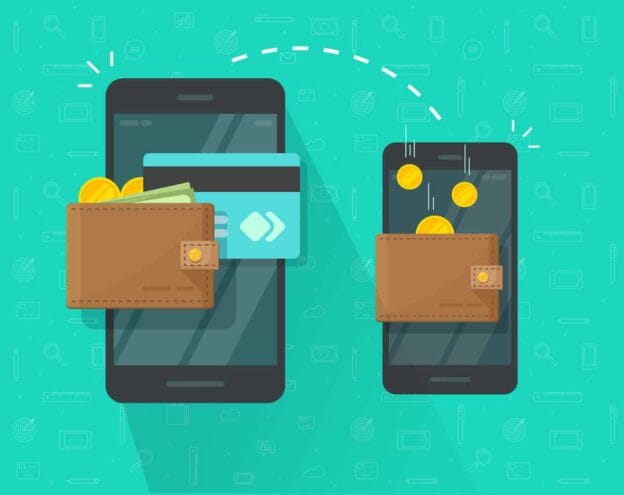
mobile wallet

$500 million Processed Through Mobile Wallets in [2023 Update]

U.S. consumers spent over $500 million through mobile wallets on their smartphones last year. While this is miniscule as compared to the overall merchant services industry, where trillions of dollars that are spent annually through plastic credit and debit cards, it does signal a growing trend in the industry. Mobile wallet apps have experienced slow adoption rates in the U.S. but are projected to grow. According to Berg Insight, the industry could reach $35 billion annually by 2017.

While this figure still is just a fraction of the overall payment processing industry, it is a technology that as consumers adopt they will start to expect the infrastructure in any store they wish to spend money in. This presents a problem for small-businesses. For one, the physical machines can be expensive and require complicated installation. Some systems might not integrate into existing POS terminals at all. In addition to the implementation hurdles, policies must be formed to train staff on the procedures of actually taking a payment.

A short time ago, HMS announced a partnership with Barclays US to get the word out about the bPay mobile wallet initiative. bPay is a mobile wallet that has been initially rolled out in the Wilmington and Newark areas of Delaware. In the initial rollout, Host and bPay are looking for small and medium-sized businesses that are interested in being setup to take payments via the customer’s smartphone and a QR code that is presented on the POS system. In addition to the time savings offered, the platform also supports mobile marketing features such as SMS text and in app advertising.

Some merchants wonder why they should implement a solution like this if taking plastic cards isn’t broken. The answer is that in reality, the consumer is king. And because of stores like Starbucks, which has a mobile wallet integrated into their mobile app, paying with your smartphone is creeping into mainstream culture. As the industry continues to grow consumers will want to buy more than just coffee on their iPhone. Forward thinking merchants that want to stay ahead of the curve should look to implement a solution now as to not fall behind.

Businesses that are interested in learning more about getting setup to accept bPay transactions should give our payment experts a call at 877-517-4678 today!

Mobile Payments at Farmers Markets

Mobile Payments at Farmers Markets [2023 Update]

I recently stopped down at the Cherry Creek farmers market here in Denver and noticed a couple things. One, there are way more vendors that have setup shop at this event than in years past. And two, very few of the businesses there were setup to accept credit cards. This surprised me. The amount of lost revenue that these small businesses were losing out on must have been substantial.

I spoke with one farmer that had peaches and tomatoes and asked him why he did not take cards. His response was pretty standard from what I have heard other merchants say: accepting credit cards is too expensive. While this misconception of the payment processing industry seems to have dwindled in recent years there are still business owners out there that are hesitant to sign up for a merchant account. This may be because of a bad experience with a shady processor in the past or simply hearing horror stories from friends, family, and other business owners.

The truth of the matter though is that we have come out of the dark ages of processing’s past. Where tiered pricing and hidden fees were rampant and the “norm”. Host Merchant Services believes in modern transparent pricing based on the interchange plus model. Anyone who takes cards has to pay the interchange rates set by the big boys, Visa, MasterCard, Discover, and American Express. No way around this. With that being said, our belief is that we should provide a fair price relative to the merchant’s volume, average ticket amount, and type of business.

But I digress, back to my conversation with the farmer at the booth. He was familiar with other “four sided” mobile payment processing solutions but was hesitant to go that route because of the one rate, flat pricing structure. He had researched enough online to know that there are hundreds of rates for all the various classifications of cards and that one rate for all them just didn’t add up.

He was not aware that companies like HMS existed with the same mobile swiper solution but also a fair pricing structure. Our solution is powered by HMSPay for iPhone and Android operating system. The handy mobile swiper turns your smart phone into a go anywhere POS. Some of the features that it performs are:

  • Authorize and capture charges immediately
  • Authorize and reserve funds immediately
  • Email receipts
  • Capture relevant data
  • Void transactions as needed
  • Process credits and refunds

With these features your customer get the same experience they are used to in brick and mortar locations and the convenience and speed of paying via card. Setup and installation of HMSPay is a 30-second, two-step process. Visit your appropriate app store on your phone to download the application and attach the device. To get setup with a merchant account contact our friendly payment experts today at 877-517-4678 or simply fill out the form on the right and we will get in touch with you.

What is EMV Chip Card Technology?

EMV® is a worldwide standard for credit and debit card payments based around the use of chip card technology. The acronym stands for Europay, MasterCard, and Visa, who collaborated to create the technology. The goal of this project was to create a card that worked based off of a microprocessor chip that is read by the payment terminal.

How it works

The transaction has a built in verification system that requires both the chip in the card and a PIN number the customer enters. This extra step verifies that the person with the card is in fact authorized to use it. This is just the first facet that makes these transactions more secure. Each chip contained in the card generates an original and unique code for each transaction. This unique identifier makes it easier to track transactions and identify fraud.

Comparison to Existing Magnetic Stripe

Everyone knows the magnetic stripes exist on almost every single card in the U.S. currently. These pass very simple data through the system at the time of the swipe, mainly just card number and expiry data. The data passed back and forth between the terminal and chip card is much more sophisticated and encrypted for added security. Another downside to the magnetic stripes is their shelf life. Many frustrated clerks can tell you that a card that is used often does not usually make it to its expiration date. Merchants should know that they need to swipe the card to get the lowest interchange rates for most cards. Often times, front line workers do not know that the business is paying a higher rate if the card is keyed as opposed to swiped.

Future Growth

EMV is already widely used worldwide. As of Q4 2012, there are roughly 1.62 billion EMV cards in consumers’ hands. Combine this with the 23.8 million terminals that have been deployed throughout Europe, Asia, and Africa and it’s easy to see that this technology is here to stay. HMS fully supports EMV processing and works with merchants to offer this to their customers. With Visa and MasterCard poised to really step on the gas concerning U.S. migration, merchants need to be up to speed on the new processes and technologies.

EMV-chart

This upgrade in technology will have an impact on a wide range of hardware including:

  • ATMs
  • Existing POS machines
  • Vending machines
  • Automated fuel pumps
  • Ticketing kiosks
  • Etc.

While replacing the vast amounts of existing hardware might seem daunting on a macro level , the time and capital committed to this migration is absolutely worth it when you consider the upside. The combination of both new terminals and chip cards will reduce risk for both consumer and business. Also, by making chip cards more universal, American tourists who travel abroad will have a consistent experience and won’t need a “special card” for overseas trips. This point is even more powerful when you consider that there are roughly 56 million trips outside the country by U.S. citizens just in 2012. So send us an email or better yet just give us a call at 877-517-4678 to discuss how Host Merchant Services can help your business stay ahead of the EMV curve.

Going Cashless

Your Business Should Consider Going Cashless [2026 Update]

The long-lived standard of paper and coin currency is nearing its end. The simple truth is that debit and credit cards, mobile wallets, and various other ways to pay are bringing about the beginning of the end of Washington, Jackson, and even Franklin. Businesses are going cashless.

The truth is that when businesses accept cash payments, there is a certain element of risk involved. First, you have the human element. A clerk has to take a payment and in most cases must give the customer back some change. This is assuming that the clerk has the ability to do the simple math it takes to subtract the transaction total from the amount tendered.

While the average third grader can do this, you know what your mother always told you about assuming. In addition to this oversight, bills can stick together, drop on the floor, or even be mistaken for a different denomination. Also, when employees do not have to worry about this exchange of currency they can focus on providing superior customer service.

cashless transactions

When cash is accepted as a payment it also decreases the speed of the transaction as compared to accepting credit cards. The clerk must take the extra time to count out the change and double-check to make sure it is accurate. Credit card transactions are mostly completed by the customers themselves through POS terminals and swipers. Thus freeing up time for the employee to wrap up the sale and provide the best customer service.

The next con about accepting cash payments is that it tends to not be very clean. With the average lifespan of a $1 bill being 18-22 months, you can imagine the amount of dirt, bacteria, and other generally gross germs. Decreasing the amount of cash used in transactions can help improve the overall health of the employees at your business. And may also keep your customers from getting sick too!

According to a 2009 University of Massachusetts study, 90 percent of 234 paper bank notes tested positive for traces of cocaine. Another 2001 study found traces of heroin, methamphetamine, and PCP. While these levels are very low and not enough to make someone sick, it still makes you think about what our paper money goes through.

It’s hard for anyone to deny that payments are shifting from greenbacks and coins to plastic and electronic. And while cash isn’t going to disappear overnight, it benefits merchants to adopt the technologies of the future to get ahead of the curve.

Benefits Of Business Going Cashless

Benefits Of Business Going Cashless

The shift, towards a cashless business model, has become increasingly popular in today’s landscape offering a range of benefits that go beyond mere convenience. As technology advances businesses are realizing the advantages of adopting cashless transactions. Here are some key advantages of a business going cashless;

  1. Improved Efficiency and Speed;
    One major benefit of embracing a cashless approach is the enhancement in efficiency and transaction speed. Electronic payment methods like credit cards and digital wallets streamline the payment process reducing the time required to complete transactions. This not only improves the customer experience but also enables businesses to serve more customers in less time ultimately boosting productivity.
  2. Lower Operating Costs;
    Handling cash involves expenses such as security measures, cash handling fees, and the need for physical infrastructure like safes and registers. By transitioning to a cashless system businesses can reduce these operating costs. Allocate resources effectively. This aspect is especially relevant for medium enterprises (SMEs) where every saved penny contributes significantly to overall profitability.
  3. Enhanced Security;
    Cash transactions inherently carry security risks such, as theft and counterfeiting.
    Going digital with transactions helps reduce these risks because electronic payments leave a trace and often have built-in security features. Digital payment systems use encryption and authentication measures creating an environment, for both businesses and customers. This can result in a decrease in fraud and unauthorized transactions.
  4. Insights from Data Analysis;
    Cashless transactions generate data that businesses can use to analyze customer behavior and gain insights. By studying purchasing patterns and preferences businesses can make decisions about inventory management, and marketing strategies. Engaging with customers. This data-driven approach allows businesses to customize their offerings to better meet customer needs building long-term relationships.
  5. Convenience for Customers;
    In today’s convenience-oriented world cashless transactions provide customers with a seamless and hassle-free payment experience. With the increasing availability of mobile payment options and contactless cards, customers can make purchases quickly without the need, for cash. This convenience not only enhances the customer experience but also appeals to tech-savvy consumers who prefer efficient modern payment methods.
  6. Global Access;
    Cashless transactions simplify business operations by eliminating the complexities of currency conversion and cross-border transactions.
    Digital payments offer advantages to businesses operating on a scale facilitating smoother operations and unlocking new market opportunities. This is particularly beneficial, for eCommerce companies that serve customers worldwide.
  7. Advancement of Financial Inclusion;
    Embracing cashless transactions can contribute to promoting inclusion by granting individuals who lack traditional banking relationships access to banking services. Mobile banking and digital wallets act as gateways for underbanked populations enabling their participation in the economy. This fosters growth, and reduces poverty. Creates a more inclusive society.

Conclusion

cashless business

To summarize the benefits of transitioning to a cashless system extend beyond convenience. The efficiency, cost savings, heightened security measures, and data-driven insights associated with cashless transactions position businesses, for growth and success in a digitalized and interconnected world. As technology continues to advance adopting a cashless approach is not merely a passing trend but rather a strategic decision that can significantly impact a business’s performance and enhance its competitive advantage within the market.

Contact one of our payment experts today at 877-517-4678 to learn more and get setup to take payments.