Did you ever think you would be able to pay a bill with a selfie? Facial recognition is being rolled out as a way to authorize online transactions in markets in Europe as you read this. MasterCard’s “Identity Check Mobile,” also known as Selfie Pay, is being launched in Austria, Belgium, the Czech Republic, Denmark, Finland, Germany, Hungary, the Netherlands, Norway, Spain, Sweden and the UK. In these markets, MasterCard customers (who wish to) can download an app and authorize online payments by snapping a selfie or scanning their fingerprint with their smartphone. This is following a trial introduction of a similar program using biometric technology in the U.S., Canada, and the Netherlands. According to MasterCard, the app will be accessible throughout the rest of the world at a later date in 2017.
The facial recognition authorization app was designed to enhance security and speed up transactions that don’t occur in face-to-face situations. With Selfie Pay, e-commerce is going to benefit, since customers won’t have to remember a password every time they make a purchase. Instead of memorizing a long password requiring a capital letter, a special character, and at least one number, the app works by memorizing your face with a digital ‘map’. After the Identity Check Mobile app is downloaded, users are asked to take a photo of their face. That picture is used as a point of reference for the user from then on. In the event that someone tries to bypass the system by holding up a picture of the person, for example, Identity Check Mobile sends a prompt for the user to blink.
So what kind of encryption is in place to protect the sensitive user data? A MasterCard spokeswoman said, “As an industry, we are moving toward storing biometrics in all instances at the device level. Fingerprints are stored at the device level, and we are currently prototyping facial recognition to be converted and stored as encrypted code on some devices.”
Just over 12 months have gone by since the merchant services and credit card processing industry in the United States faced the historical EMV liability shift. October 1, 2015 was the big day.
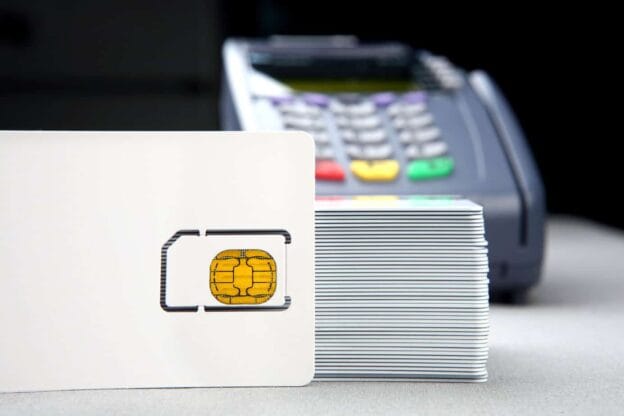
Switching to the Europay, MasterCard and Visa (EMV) system has been a major responsibility in terms of installing terminals and educating shoppers and merchants about the use of chip cards.
Credit card processing has not been affected as much; in fact, fraudulent transactions due to counterfeit cards have decreased substantially since October of last year. Nonetheless, the shift has also uncovered some realities that American retailers must confront.
The Good News about Chip Cards
In the United States, more than 700 million credit and debit chip cards are currently in circulation. This is certainly encouraging to learn a few weeks prior to the busy holiday shopping season. Nearly 45% of shoppers who have the new cards are using them more than three times per week. There are about 2 million merchants that have implemented the new chip card terminals, and more than half of these retailers are small-to-medium businesses.
The Current EMV in the United States
The most salient problem with the liability shift is related to the terminal experience. Merchant service providers report getting complaints from their clients about the extra time it takes to complete a chip card transaction with the new terminals, which require shoppers to insert or dip their cards and input a PIN on a keypad.
The old “swipe and sign” transaction of legacy credit and debit cards used to be a lot faster, but it was also very problematic in terms of counterfeiting and fraud. In Europe, chip cards have been around for more than a decade, and thus credit card companies such as MasterCard and Visa are working on ways to speed up the checkout experiences, and this is already being implemented in some places.
Credit card processing companies are reporting another unpleasant reality associated with the switch: the increase in chargebacks has been inversely proportionate to the reduction in counterfeit fraud cases. For businesses such as restaurants, chargebacks have been a major hindrance because owners were not prepared for the sudden deluge. Payment networks such as MasterCard have indicated that chargeback volume will decrease as chip cards become the new American standard.
Ever since its beginnings in the 1980s, Verifone has been known as a major global provider of point-of-sale (POS) technology and innovative solutions for the merchant payments industry.
After three decades of being a dominant market player, Verifone is more than just a provider of credit card terminals; the company is seen as a respected enabler of retail commerce around the world. The company, which these days is headquartered in Silicon Valley, believes that the introduction of the Europay, MasterCard and Visa (EMV) system in the United States is one of the most complex challenges it has faced during its corporate history.
In a recent interview with a renowned industry publication, Verifone’s CEO Rich Galant explained that the switch to the EMV chip card system is the best thing to happen to American retailers in years; however, the event that triggered the switch will always live in infamy.
The 2013 breach of the Target retail chain forced merchants and leaders of the payments industry to take a hard look at the national credit card processing infrastructure, which was seriously overdue for an overhaul. At the time the Target breach occurred, the legacy magnetic stripe system seemed to work well, at least on the surface; nonetheless, credit card fraud was rising to dangerous levels.
By forcing all retailers to switch to EMV, the payments industry has received a golden opportunity to reinvent their networks, systems and procedures so that merchants and shoppers can benefit alike. One of the first issues emerging from the switch is that shoppers noticed that register transactions took longer; this is an issue that is already being addressed by major payment networks such as Visa and MasterCard.
Even with the faster chip card system, American shoppers believe that more could be done to modernize payments. To this effect, Verifone is already looking towards a future of mobile payments that may not only do away with cash but also with credit card terminals; after all, cloud computing and the Internet of things are supposed to do away with bulky hardware.
Great news for the credit card processing industry: Just one year into the shift towards the Europay, MasterCard and Visa (EMV) system in the United States, and counterfeit fraud costs have been slashed by just over 50%.
According to a report issued by credit card giant MasterCard in mid-September, counterfeit fraud costs are being sharply reduced thanks to more American merchants adopting the EMV system for accepting chip cards.
The report covers the period from April 2015 to April 2016, and it looks at the two million American businesses that have successfully installed the new terminals. The situation for merchants who have not yet switched to the chip card system is not looking good, as their counterfeit fraud costs climbed an astonishing 77%.
MasterCard described the reduction in fraudulent transactions thanks to chip card terminals as being very positive for shoppers, merchants, and banks.
This positive trend can be attributed to a sharp drop in counterfeit credit and debit cards. When American shoppers complete transactions with their new chip cards, unique codes are being created for every purchase. These codes can only be produced when the chips on the cards communicate with the new EMV terminals. This level of sophistication was absent from the old magnetic stripe system.
Shifting to the chip card system initially brought about some technical and behavioral concerns. Although credit card processing has not been substantially changed by the shift, there has been a learning curve for consumers plus longer lines at the register in some stores.
The initial terminal woes are being alleviated by smart practices. When European merchants switched to the chip card system years ago, they also went through some growing pains; however, those were eventually overcome. The same can be expected to happen in the United States as MasterCard plans to roll out M/Chip Fast, which is an enhancement that will speed transactions at the register. This enhancement will hopefully be in place in time for the busy holiday shopping season.
In the fragmented world of mobile payments, one company is taking advantage of unifying existing technologies for the benefit of shoppers.
FitPay is a California company that was envisioned by veterans of the mobile payments industry. This innovative tech firm has paid close attention to shoppers who have been largely underwhelmed by “contactless” mobile payments powered by the near-field connectivity (NFC) chips found in select smartphones.
Tech giants from Apple to Google to PayPal have attempted to disrupt the mobile payments scene through various methods. Digital wallets, NFC smartphones, and even key chain fobs have not become ubiquitous, and one of the reasons for the lack of widespread adoption is that major tech firms are trying to establish a new standard of payment instead of leveraging existing technology.
FitPay sees a problem with coming up with a new payment standard. When it comes to transactions at the cash register, the United States has proven to be averse to change. One clear example of this aversion is the implementation of the Europay MasterCard and Visa (EMV), which is not moving along as swiftly as industry analysts expected.
FitPay: Taking Advantage Of The Emerging Technology
Instead of coming up with yet another new payment system, FitPay is taking advantage of two technologies on the rise: wearable smart devices and EMV terminals. The company has developed an API with a corresponding SDK that can marry credit and debit cards to wearable devices such as smartwatches. Part of the strategy is to give shoppers a functional enticement to wear their smartwatches by allowing them to make payments at EMV terminals.
The idea behind being able to pay with smartwatches and other wearable devices is that many shoppers do not feel comfortable taking out their smartphones at the checkout lines. With smartwatches, however, they are already wearing the device loaded with a credit or debit card that they can use anywhere an EMV system has been implemented. This new and exciting contactless payment platform is scheduled to launch in November, just in time for the busy holiday shopping season.
What Are Wearable Payment Options
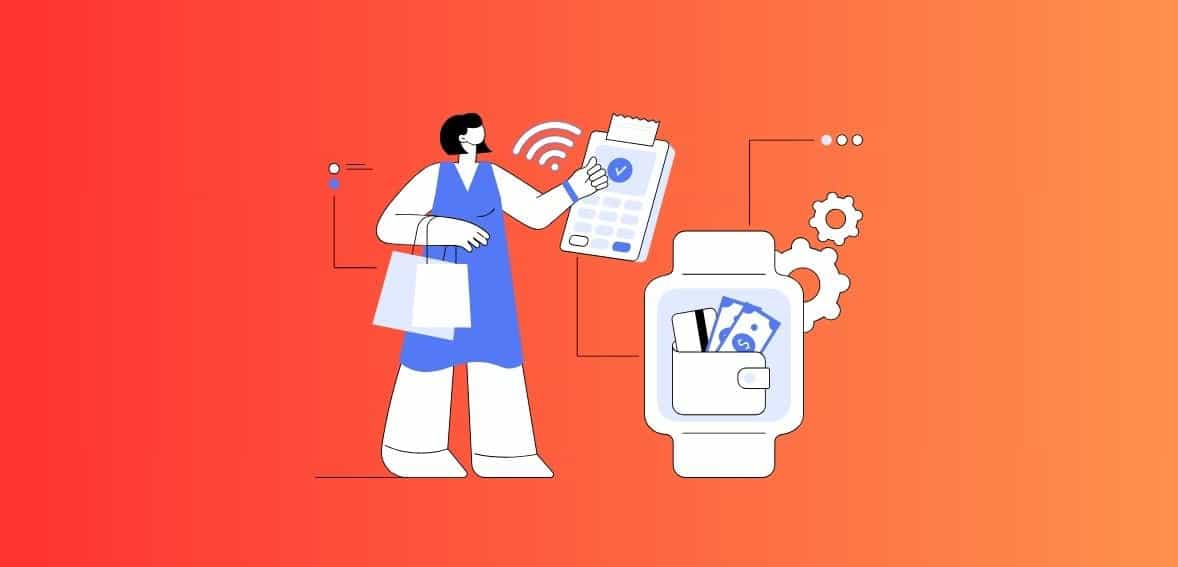
Well, it’s pretty straightforward. A wearable payment option refers to using devices that you wear on your body to make payments without needing cash or cards. These devices can come in forms like smartwatches, fitness trackers, bracelets, or embedded chips in clothes or accessories.
The way these wearable payment options function is through a technology called near-field communication (NFC). By connecting your device to your bank account or credit card information you can securely transfer money with a tap or wave of your wrist. This removes the hassle of rummaging through wallets and purses to find the card while waiting in line at a store.
One of the key benefits of using wearable payments is their convenience and ease of use. With this technology strapped to your wrist or attached to your clothing, making a purchase becomes as effortless as lifting an arm or touching a button. There’s no need to carry around bulky wallets filled with cards that could potentially be lost or stolen.
When it comes to security concerns about adopting this payment method, rest assured that wearable payments come with security features that safeguard against fraud and unauthorized transactions. Many devices nowadays require authentication, such, as fingerprint scans or facial recognition before processing any payments.
Like any technology wearables also have limitations and drawbacks. Some retailers haven’t upgraded their point-of-sale systems to accept NFC payments which limits the places where wearable payment options can be used for purchases.
However, we shouldn’t forget that these technologies offer exciting possibilities for developments in transaction methods. There might be some limitations as compared to cards and wallets that are common today, but the future is promising.
How Does It Work?
Wearable payment devices such as smartwatches or fitness bands allow individuals to link their bank accounts or credit cards through an app. This integration enables transactions with a tap or a swipe, on these devices. This feature enables individuals to make payments by tapping their device on a compatible point-of-sale terminal.
When you make a purchase the device uses Near Field Communication (NFC) technology to send encrypted payment data to the merchant’s terminal. The transaction is then processed instantly deducting the specified amount from your linked account.
This seamless integration eliminates the need to carry wallets or search for cards at checkout counters. With a tap of your wrist, you can effortlessly breeze through payments without dealing with cash or swiping cards.
In addition, many wearable devices offer features like transaction history tracking and budget management tools that help users stay organized and effortlessly keep track of their spending habits.
In terms of functionality wearable payment options are designed with user-friendliness and intuitiveness in mind. They utilize existing technologies such as NFC and biometrics to ensure transactions while providing convenience at every step.
Benefits Of Using Wearable Payment Options
The advantages of using payments are all about convenience and ease. Of fumbling through your wallet or bag to find your credit card you simply need to tap your wrist or wave your hand over a payment terminal. It’s quick and seamless. It removes the hassle of carrying cards.
Another great thing about wearable payments is how they simplify transactions in places. Especially during festivals when the shops are crowded, this payment option comes as a blessing.
Wearable payments also offer a layer of security compared to traditional methods. With features like authentication and tokenization, it becomes much harder for unauthorized individuals to access your information. This gives you peace of mind knowing that even if you misplace your device it would be challenging for someone to carry out fraudulent transactions.
Moreover, wearing smart devices that integrate payment capabilities means fewer items to carry around or potentially lose. By consolidating functions into one compact accessory – such as a smartwatch or fitness tracker – you have everything conveniently accessible on your wrist without the need for bulky wallets.
The advantages of utilizing wearable payments are centered around convenience, speed, enhanced security features, reduced clutter, from cards, and increased opportunities for integrating loyalty rewards programs.
Limitations Of Using Wearable Payments
However, it is important to acknowledge that wearable payment options also have their limitations and drawbacks. It is crucial to consider these factors before embracing this technology.
A key limitation is the issue of compatibility. Not all devices or merchants support wearable payment options, which means there may be situations where you cannot use your device for transactions. Additionally, different wearables may have varying levels of compatibility with payment platforms making it challenging to switch between devices without facing obstacles.
Another drawback is the reliance on technology and battery life. Wearable devices require a power source to function hence it becomes necessary to ensure that your device remains charged at all times. If your device runs out of battery while you’re, on the go you will be unable to make any payments until it is recharged.
There are concerns, about the security of payments. Even though encryption and authentication methods have improved there is always a risk of data breaches or hacking attempts. Storing information on a device that could potentially be lost or stolen raises understandable security concerns.
The cost can also be a barrier for some people considering payments. These devices often come with a high price tag compared to traditional payment methods like credit cards or cash. Additionally, there might be fees associated with using wearable payment platforms or services tied to wearables.
The Future Of Wearable Payment Options
Undoubtedly the future of payments looks promising. With technology advancing and a growing demand for convenience wearable devices are becoming a part of our daily lives. They seamlessly integrate into our routines. Enhance how we carry out transactions.
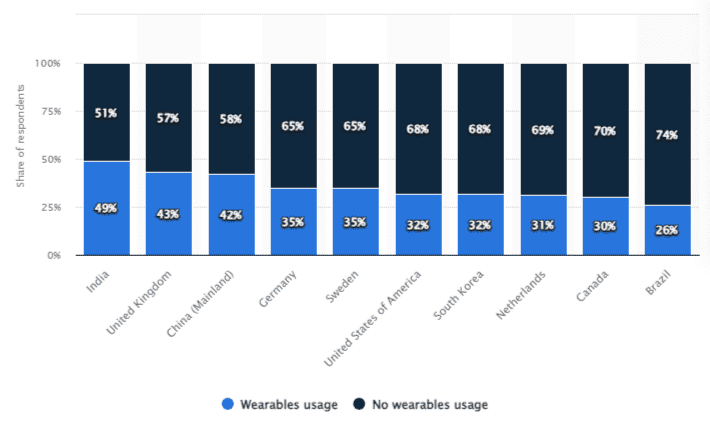
Source: Statista – Wearable devices usage in selected countries as of September 2023
One captivating aspect of the future of payments is the potential for convenience. Just imagine a world where you can effortlessly pay for your morning coffee or groceries by tapping your smartwatch or bracelet eliminating the need to rummage through your wallet or purse. Wearables can make transactions faster and more efficient than before.
Furthermore, as technology continues to evolve, so do security measures surrounding wearable payments. Biometric authentication such as fingerprint scanning or facial recognition can provide an extra layer of protection against fraud and unauthorized access to personal information.
We can anticipate innovations, in payment options as we move forward. There will likely be a range of wearables that cater to individual preferences and styles. The range of possibilities is vast, from fitness trackers that also function as payment devices to clothing that has payment capabilities built in.
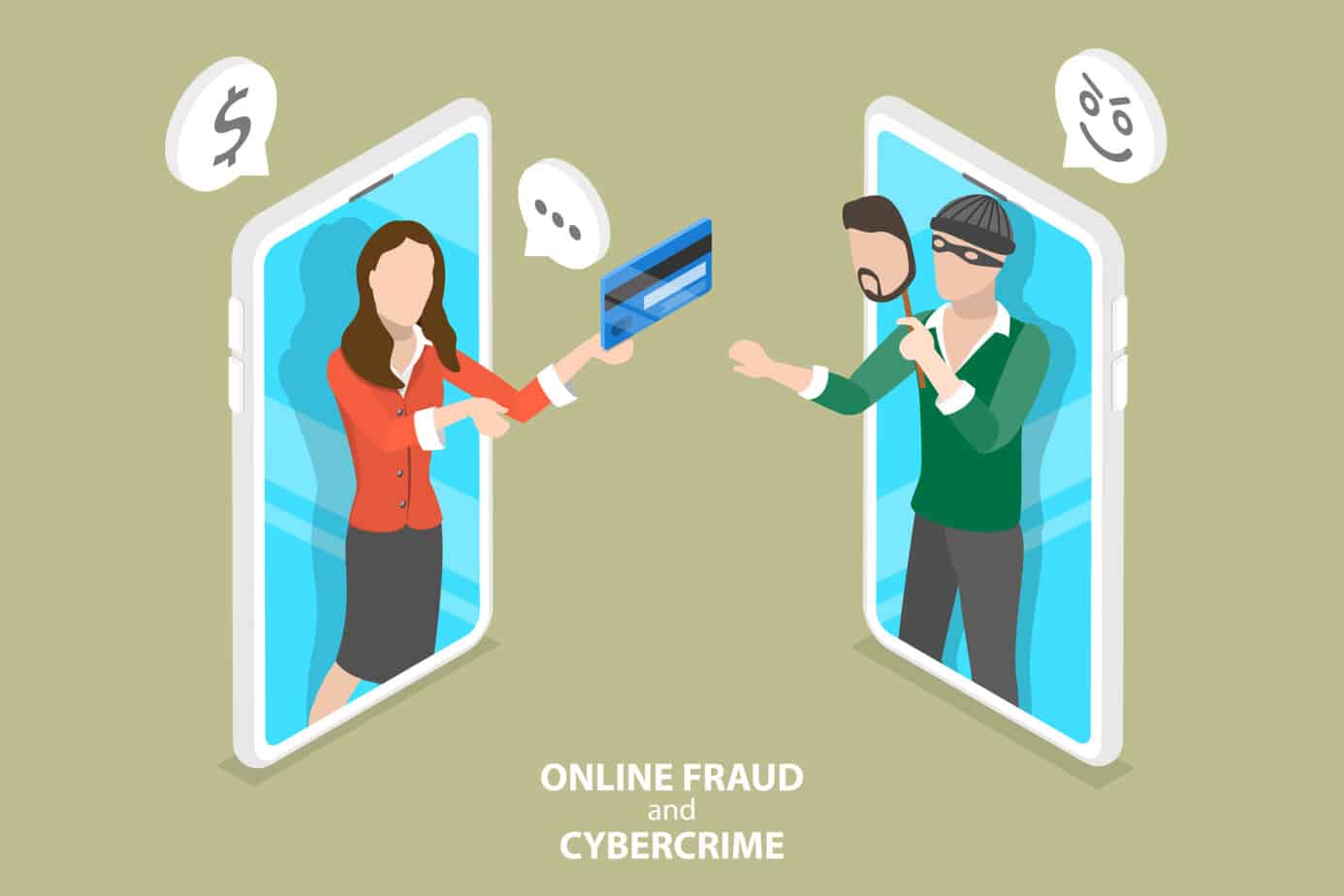
Dating sites pervade the Internet. This is nothing new. In fact, they have been around and in use almost since the World Wide Web became a global sensation. Scammers and fraudsters pervade society. This is also nothing new. What is new is that they have moved mainstream and have become more technological and innovative in their approach. These individuals have morphed together with online dating sites to create quite a problem. The new adage has become ‘If she sounds too good to be true, then click the ignore button.’ Sadly, too may are not heeding attention to this warning, resulting in more than a few online dating users being scammed out of millions.
Much of this problem arises from individuals hiding behind their computer screen to commit crimes. People who might otherwise never commit such crimes face to face now feel empowered and emboldened by their ability to swindle people out of their hard earned money without ever having to meet them. They become fraudsters in the truest sense. These are not just people across the globe we are talking about either. They are everyday people down the street. In fact, they might not even be women at all, as these scammers are true masters of disguise. They can be whoever the individual at the other end of the computer connection wants them to be.
Beware and Avoid Becoming the Next Victim
Online romance fraud affects nearly every type of individual. For some, the feeling of desperation and loneliness has become so bad that they want to believe the other person behind their online dating experience really does love them. They are willing to fork over thousands of dollars in order to fulfill this void. Still others are in a happily committed relationship already, yet they find something intriguing about having their own online persona. They can act out their wildest fantasies without anybody knowing about it. Then, fate steps in and scammers and fraudsters who know exactly how to play upon their emotions hoodwink them in.
Do not become the new victim of an online romance scam. Dating sites are working diligently to protect their customers, but individual vigilance is required here. Do not be afraid to meet others using this Internet revolution, but be cautious at the same time. If the other person sounds too good to be true, they probably are!
More Helpful Resources for Avoiding Online Romance Scams
Modern payment methods in the United States range from EMV chip cards to digital wallets to bitcoin; however, there’s one traditional form of payment that has managed to survive the shift towards digital.
Use of Paper Checks by American Business Entities
The use of paper checks by American business entities and individuals remains uncomfortably high in the 21st century. A 2013 survey by the Association of Financial Professionals indicated that half of all U.S. companies were happy using old-fashioned checks for their payment transactions.
In 2016, a survey conducted among 120 American retailers revealed that only half of respondents were interested in going digital for their payment methods; among those that were still using checks, 10% stated that they had no intention of switching to electronic payments ever.
The most surprising data of the aforementioned 2016 survey is that they half of the respondents explained that 3/4 of their payments were still made by writing out checks. Some of these retailers do not accept checks from shoppers, but they will still write and mail a check when they need to make a payment to a vendor. The only electronic payments they make are to international vendors.
When it comes to the adoption of electronic payment methods and advanced credit card processing, the U.S. is notorious for being a slow adopter. Many Latin American nations have virtually eliminated checking accounts in lieu of express deposit accounts with debit cards for consumers and electronic ledgers for business entities; this is a financial trend that dates back to 2005. Even the switch to EMV credit card processing is taking much longer than expected in the U.S.
Retailers and other businesses still using company checkbooks in the U.S. need to realize that a significant amount of fraud is perpetrated through gaining access to checking account information, which can be easily collected from each and every check printed.
Electronic payment platforms and credit card processing offer far more security measures to prevent theft and fraud, and they tend to be less costly than checking accounts. Automating the accounts payable process with digital platforms is clearly the most sensible way of doing business in the 21st century, and this is something that the American enterprise world should realize. Host Merchant Services takes pride in helping businesses switch over to using electronic payments, which are far more secure and up-to-date in the 2016 business world.
Over the last couple of years, more retailers and providers of merchant services in the United States have been settling into the new Europay, MasterCard and Visa (EMV) credit card processing system. As EMV acceptance expands, business owners will start to see more technology upgrades offered by through their merchant services providers.
One current quirk of chip card acceptance is that shoppers believe it takes too long in comparison to the old magnetic stripe system that enabled the swipe transaction. Current EMV implementations do not allow swiping; instead, shoppers have to insert their cards into the credit card processing terminals and wait for the processes of verification and authorization to be completed.
What is a Quick Chip?
Quick Chip, a new EMV technology improvement by Visa, which is starting to make its way to select merchants, aims to make transactions smoother at the register. With Quick Chip, chip card acceptance will be vastly improved for Visa chip card holders.
How Quick Chip Benefit the Shoppers and Business Owners
In essence, Quick Chip speeds up the checkout process for the benefit of shoppers and business owners. This new merchant services upgrade allows shoppers to insert their cards into the terminal and wait just one or two seconds. Upon receiving acknowledgment, shoppers can retrieve their cards and put them away in their wallets, purses or pockets.
To a certain extent, the Visa Quick Chip emulates the swipe transactions of yesteryear, which were very satisfying for both store clerks and consumers. With this upgrade, which rolled out in select California stores in late July, the crucial check out experience speeds up considerably for the purpose of making shoppers happier.
A very advantageous aspect of Quick Chip is that it can be rapidly implemented. The first installation in California was a network of chip card terminals at a chain of grocery stores with seven locations. In only one week, the new system was running flawlessly.
When it comes to credit card processing, speed is of the essence. The Quick Chip system comes at a time when shoppers at major metropolitan areas have noticed that lines at the cash register are getting longer and moving slower due to the new chip card systems. This could be a good argument in favor of near field communications (NFC) payment systems and smartphone wallets, but this transition will take a while. For the time being, solutions such as Visa Quick Chip are the kind of technology upgrades that merchants and shoppers are looking for.
American companies that use credit card processing and merchant services are on high alert after a Russian hacking group breached the servers of various POS or point of sale systems.
The first victim of the breach was tech giant Oracle, which in mid-2016 acquired MICROS Systems, a major provider of POS solutions for the retail and hospitality industries.
Cyber-Attack on Oracle MICROS
Following the cyber-attack on Oracle MICROS, five more providers of cash registers reported being hacked by the same Russian crew.
The companies targeted by the hacking group have an important business aspect in common: they all offer cloud cash registers, which are advanced POS or point of sale systems integrated with functions such as employee scheduling, customer relationship management (CRM), credit card processing, marketing intelligence, merchant services, and more.
Security analysts who covered the aforementioned incidents explained that the Russian hackers were specifically looking for individual customer account records, which means that they were trying to get their hands on credit card data. A likely suspect has already been mentioned, the Carbanak Gang.
An initial security investigation indicates that Oracle became aware of the breach when it detected a malicious code in a few servers used by nearly 700 customers. The attack also included a help desk system used by Oracle to provide technical support to clients. This is very concerning because hackers could gain the ability of intercepting service tickets and spoofing support agents.
It is not unusual to see hacking crews such as the Carbanak Gang being suspected of pulling off major cyber heists. Internet security experts have been following this cybercrime group for a while; they believe that this group may be associated with the Bratva, which is the name insiders use to describe the Russian mafia.
It is interesting to note that one of the reasons major cyber-attacks come from Russia is that computer education has major support in public schools and state-funded universities. It is believed that the Russian government often recruits malicious hackers to work as cyber warfare agents.
Software giant Oracle Corporation became the victim of a data breach last week when a Russian organized cybercrime group gained access to hundreds of their systems. According to security experts the group gained access through a customer support portal for companies that use the MICROS point-of-sale software from Oracle. The MICROS software payment system is an extremely widely used credit card processing system and is used in more than 330,000 cash registers throughout the world. This makes MICROS undoubtedly one of the most used POS systems worldwide, and its compromising is a cause of great concern to both consumers and businesses alike.
The extent of the breach is currently unknown as Oracle has been somewhat slow to comment on what exactly has occurred, so far only revealing that malware was found in some systems run by MICROS and both unauthorized network connections and malicious processes had to be blocked. Oracle has also informed consumers that their credit card processing system ensures that data is encrypted throughout MICROS systems and which means they are less likely to be at risk. It is unclear at this time if customer data was even seized, however MICROS is encouraging all of its customers to err on the side of caution and reset their passwords and check their credit card statements.
A source with ties to the Russian criminal underground has claimed that this same group is tied to or responsible for stealing over $1 billion from banks worldwide last year through a series of malicious data breaches and hacking of merchant services worldwide. If this claim is true, this gang certainly knows what they are doing and as a result the breach could potentially be much larger than anticipated. Oracle themselves say initially they expected the data breach to be somewhat localized to just a handful of systems but soon realized that it had reached in excess of 700 systems for merchant services.
MICROS is a massive service throughout industries ranging from hospitality to standard retail cash registers, and it’s wide span of use should be cause for concern for a great deal of businesses. While it is unlikely that this data breach was an attempt to steal personal info from consumers, given the gang’s past, it cannot be completely ruled out as a possibility. However, it is far more likely that this was a robbery, perhaps of funds or at worse accessing various credit card processing information through MICROS systems in order to steal from individuals.
Regardless of their intentions, the MICROS data breach is being touted as nothing less than a “very big deal.” It is potentially one of the largest data breaches in recent memory and one that certainly has the potential to be the most impactful to many consumers and businesses worldwide. It just goes to show that no company can be too secure when it comes to their merchant services and credit card processing systems.
Cookie Consent
We use cookies to enhance your browsing experience, analyze site traffic, and support our marketing.You can accept all cookies, reject non-essential ones, or manage your preferences below. Learn more in our Privacy Policy.
Cookie Preferences
Manage your cookie preferences below:
Essential cookies enable basic functions and are necessary for the proper function of the website.
Name
Description
Duration
Cookie Preferences
This cookie is used to store the user's cookie consent preferences.
180 days
These cookies are needed for adding comments on this website.
Name
Description
Duration
comment_author_email
Used to track the user across multiple sessions.
Session
comment_author_url
Used to track the user across multiple sessions.
Session
comment_author
Used to track the user across multiple sessions.
Session
Google Tag Manager simplifies the management of marketing tags on your website without code changes.
Name
Description
Duration
cookiePreferences
Registers cookie preferences of a user
2 years
td
Registers statistical data on users' behaviour on the website. Used for internal analytics by the website operator.
session
These cookies are used for managing login functionality on this website.
Name
Description
Duration
wordpress_logged_in
Used to store logged-in users.
Persistent
wordpress_sec
Used to track the user across multiple sessions.
15 days
wordpress_test_cookie
Used to determine if cookies are enabled.
Session
Statistics cookies collect information anonymously. This information helps us understand how visitors use our website.
Google Analytics is a powerful tool that tracks and analyzes website traffic for informed marketing decisions.
Contains information related to marketing campaigns of the user. These are shared with Google AdWords / Google Ads when the Google Ads and Google Analytics accounts are linked together.
90 days
__utma
ID used to identify users and sessions
2 years after last activity
__utmt
Used to monitor number of Google Analytics server requests
10 minutes
__utmb
Used to distinguish new sessions and visits. This cookie is set when the GA.js javascript library is loaded and there is no existing __utmb cookie. The cookie is updated every time data is sent to the Google Analytics server.
30 minutes after last activity
__utmc
Used only with old Urchin versions of Google Analytics and not with GA.js. Was used to distinguish between new sessions and visits at the end of a session.
End of session (browser)
__utmz
Contains information about the traffic source or campaign that directed user to the website. The cookie is set when the GA.js javascript is loaded and updated when data is sent to the Google Anaytics server
6 months after last activity
__utmv
Contains custom information set by the web developer via the _setCustomVar method in Google Analytics. This cookie is updated every time new data is sent to the Google Analytics server.
2 years after last activity
__utmx
Used to determine whether a user is included in an A / B or Multivariate test.
18 months
_ga
ID used to identify users
2 years
_gali
Used by Google Analytics to determine which links on a page are being clicked
30 seconds
_ga_
ID used to identify users
2 years
_gid
ID used to identify users for 24 hours after last activity
24 hours
_gat
Used to monitor number of Google Analytics server requests when using Google Tag Manager
1 minute
Marketing cookies are used to follow visitors to websites. The intention is to show ads that are relevant and engaging to the individual user.
Facebook Pixel is a web analytics service that tracks and reports website traffic.