
Tag Archives: checkout systems

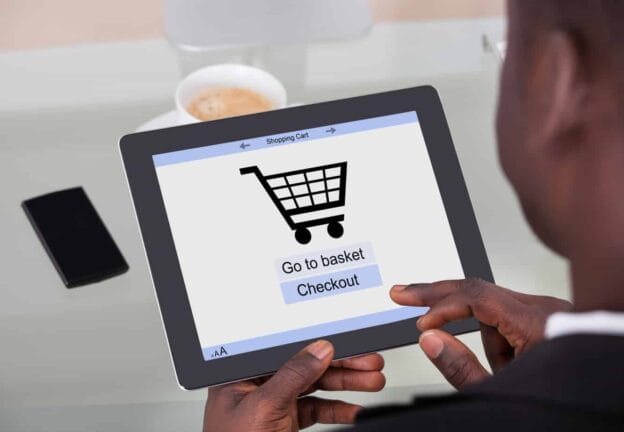
businessman shopping online 40190793

How to Continuously Innovate your eCommerce Checkout Process

More and more businesses have pivoted from brick-and-mortar operations to an online presence. The prohibitive costs of physical outlets in urban centers coupled with the growing success of online platforms such as Shopify, Facebook, and Instagram, among many more, have fueled the shift. The technology and payment platforms have also facilitated businesses to transact efficiently, making eCommerce and mobile commerce the commerce of choice among consumers.

As a result of these changes, major eCommerce businesses have invested in augmented reality and other technologies to recreate virtual rooms to “try on” their products to gauge fit and appearance. However, imagine ten people walking into a retail outlet and filling up their carts with items throughout the store, and then eight just decide to leave without making a purchase. They abandon their carts right there and walk out. That is the current state of the eCommerce business.

Businesses can continue to innovate in the current environment by focusing on areas of friction, such as the eCommerce checkout. There may be many drivers for the current predicament, but the checkout process is one worth examining. Below, we look at some reasons to continuously innovate the eCommerce checkout process to help nudge consumers past the finish line.

What is the checkout page?

The checkout page on an eCommerce site is the last step of a consumer’s online journey map. Consumers land on this page after selecting one or more items they’d like to purchase after navigating the eCommerce site. At the checkout page, the visitor would submit their order, enter the billing and shipping information, along with their payment method and details.

The state of the current eCommerce checkout process

According to market research by Baymard Institute, nearly 70% of online shopping carts are abandoned. These are for consumers shopping on their desktops. The abandonment rate is over 80% on mobile devices. These rates are a testament to the fact that the eCommerce checkout process requires continuous innovation.

There are several reasons that consumers abandon a purchase at the checkout stage. Some of these include:

Unforeseen charges – additional fees are a significant reason consumers abandon a purchase as they can start to question the value of the item being purchased in light of higher cost. When the likes of Amazon offers 2-day shipping, even same-day shipping in specific markets, consumers may be dissuaded by a particular site still charging for it.

Burdensome process – maybe the eCommerce site requires you to set up a new account or log in to an existing one. Perhaps the overall checkout process has too many details required adding to the friction of completing a purchase. Maybe the site is just too slow. These points create a strain for the consumer and work against the business, leading to lost customers and sales.

Payment options – More and more consumers are shifting spending from cash to non cash methods such as debit and credit cards or even mobile wallets. Is your business equipment able to process payments for all the major non-cash payment options currently preferred by consumers?

Why do you need to innovate continuously?

Businesses need to tweak the user interface and experience for optimal results continuously. They also need to understand the exact drivers behind consumer behavior on their site to leverage that to convert a more significant number of visitors into paying customers.

A/B testing is an excellent way to learn where the friction is the greatest. Maybe customers don’t mind setting up a user account as much as they pay for shipping costs. Businesses may be offering too much incentive to nudge clients to set up an account; 10% may have sufficed instead of 15%.

All are a great way and reason to continuously test and innovate scenarios to learn from them and utilize the results to grow the business optimally.

Some areas to continuously innovate your checkout process.

Don’t require users to log in – yes, your business would have a treasure trove of data on visitors if they set up an account. However, getting them to make a purchase is the goal. Once you have contact, shipping, and payment details after completed purchase, you can continue to monitor visitors, build a profile of them, and offer incentives to create an account.

Don’t charge for shipping – This is difficult to stomach for small businesses, especially with shipping logistics stressed, and prices increase for transportation of goods. However, many prominent companies have spoiled consumer expectations in offering specific shipping for free. You may want to default to next-day shipping at a cost, which the customer can change to 2-days for the free version or vice versa. Offering alternatives still offers the free-of-cost option and the control to pay more to get the product faster.

Accept the right payment types: Payments and Fintech is a fast-growing and thriving industry. Currently, the most valuable venture-backed company is Fintech. There’s a tremendous amount of innovation in Fintech, with mobile wallets and a host of other payment options quickly experiencing mass-market adoption. If customers prefer to transact via specific payment methods, ensure that your business can accept it.

There have been many iterations in the ways consumers shop to the benefit of online eCommerce businesses. However, there are challenges for eCommerce businesses in monetizing consumer interest, and web traffic as nearly three-quarters of online shopping carts are abandoned. There is a tremendous opportunity to capitalize on this friction and continuously innovate the e-commerce checkout to improve the customer journey and convert more visitors into customers.

Frequently Asked Questions

  1. What is the checkout process for e-commerce?

    The checkout process for e-commerce refers to the series of steps a customer goes through to complete a purchase online. It typically involves selecting items, adding them to the cart, providing shipping and billing information, selecting a payment method, reviewing the order details, and confirming the purchase. The checkout process may also include additional steps such as creating an account, applying discount codes, or selecting shipping options. A well-designed checkout process aims to make this journey seamless, intuitive, and secure for the customer.

  2. How can I improve my e-commerce checkout?

    To improve your e-commerce checkout, you can start by simplifying the process and minimizing the number of steps required. Streamline the form fields, offer guest checkout options, and enable auto-fill for a smoother experience. Incorporate progress indicators to show customers how far they are in the process. Optimize for mobile devices to accommodate the growing number of mobile shoppers. Additionally, consider implementing trusted payment options, offering multiple payment methods, and providing clear and transparent pricing information.

  3. How do I optimize my checkout process?

    To optimize your checkout process, focus on reducing friction and eliminating barriers to completion. Use A/B testing to experiment with different layouts, button placements, and messaging to find the most effective combination. Implement a simplified and intuitive design that guides customers through each step. Utilize address validation and auto-detection of card types to minimize errors. Offer real-time shipping quotes and communicate shipping and return policies. Lastly, integrate social proof elements, such as customer reviews and trust badges, to enhance credibility.

  4. How can I improve my checkout experience?

    To enhance the checkout experience, prioritize speed and efficiency. Implement an instant or one-click checkout option for returning customers. Offer saved payment information and address options for convenience. Provide clear and concise instructions and error messages to assist users. Optimize page load times to prevent frustration. Incorporate a responsive design that adapts to different screen sizes and devices. Test the checkout process regularly, gather feedback from customers, and make data-driven improvements to continually enhance the overall experience.


credit card phishing 45625405

Ways To Detect Phishing Attacks On Your E-Commerce Business

Phishing is a dangerous threat to every ecommerce business that no one should ignore. Phishing can entail people sending emails that claim to be from legitimate companies. It could also involve people getting links through text messages telling them to do something. There might even be emails or messages promoting unique things that you aren’t offering. 

Those emails and links will ask customers and other readers to send sensitive bits of data to them, including credit card numbers, tax identification numbers, passwords, and other things. Phishers can use these things to steal customer data and to make unauthorized purchases in their names. The effort can be risky and potentially harmful to anyone.

Your ecommerce business could experience a phishing attack. You can use a few points to help you identify phishing attacks and to keep them and the possible damage to your business’ reputation from becoming worse.

Review Your Communications

Phishing often comes from hackers and thieves using your identity to communicate with people. Thieves can create unique emails, texts, phone calls, and other forms of communication to try and reach others.

Check on the messages people are receiving and how you’re creating something unique and distinct. You can tell you’re dealing with phishing attacks if someone tries to create different messages that are different from what people might expect to find where you are.

Look At Your Checkout Page

Phishing attacks also entail hackers adding questionable JavaScript pieces to your website. They can add new JavaScript data to a WooCommerce or Magento page, for example. The extra data can move people towards a malicious website. Check how your checkout page is working and that the code here is the same as what you have been using for a while to ensure there are no threats.

You can also check on how often people access your checkout page. Sometimes you might experience less traffic than usual. The regular traffic you get might be going to a phisher’s checkout page. There might also be links on your current page that move people away from whatever you’re trying to support.

Your PayPal Account Is Suspended

PayPal is one of the most popular online payment platforms ecommerce businesses can use today. PayPal’s security measures are part of why it is popular. PayPal can temporarily suspend accounts if it notices unusual activities. These include cases where an outside party might get access to funds.

A phisher can collect enough data from your customers to where they can get access to their financial contents in moments. They can use those details to do illegitimate business with you, including making purchases that might be extremely expensive.

PayPal can temporarily shut off your account if it sees too many questionable things happening with your account. This problem is a sign you’re dealing with a phishing attack, as multiple users’ accounts will have been compromised.

What Are Other Parties Reporting?

You can also spot phishing attacks based on what other parties you work with are reporting surrounding your business. A delivery service or ordering platform might report it is receiving unusual amounts of data surrounding your business. But that data could be from a phishing attack as a party impersonates your business. The partner you work with might suspend your access to something, making it harder for you to get online and do business with others.

Check with your work partners to see how much business you’re getting at a time. Watch for sudden spikes or changes in your business efforts, and check why these things are happening. Anything unusual in your business could be a sign of a phishing attack.

Watch For URL Copycats

One trick that phishers use when stealing data is to copy your URL and make slight alterations to the content. They can use a slight change in spelling or a different extension to look legitimate. People often fall for these shifts because the URLs look similar to what you hold.

Check online to see if there are any URLs out there that are similar to what you utilize. Anything that looks too similar and is active could be a sign of a phishing scam.

Review the Tone of Messages

Sometimes people might contact your business and say they received harsh messages from you. These include messages that might feature aggressive wording and suggest that someone should do something or else face significant consequences. The note may also feel cold and emotionless to where it isn’t suggesting much of anything.

Look at what your customers are saying about whatever messages you are supposedly saying. Any situations where people say your messages aren’t like what you normally send could suggest you’re dealing with a phishing attack.

Account Numbers Aren’t Matching Together

The last tip to see when identifying phishing attacks is to look at how the account numbers on your invoices work. You’ll need a master list of all your account numbers. The list will include legitimate customers you routinely contact and how much they are spending with you. The numbers can be predictable after a while, as some people will use specific amounts of money or pay for things at particular times.

Sometimes the seller data and their sales totals aren’t adding up to whatever you are reporting. The totals could be dramatically higher than what you are showing. The point suggests these people are sending their funds to phishers instead of your business. You are not only losing money from people, but you are also losing their trust. They may wrongfully think you are handling their business the wrong way.

Be cautious when looking for phishers while online. Watch how your ecommerce business is running and that you have an idea of what people might do when engaging in phishing attacks while online. Be aware of any sudden changes in how your business is running, especially when it comes to how you’re taking in payments and receiving messages from other people.

chiang mai thailand july 7 2018 mobile phone using shopify ap 121690756

Shopify Expands Shop Pay To Facebook and Instagram

One-click checkouts are convenient for people to use. These checkouts help people pay for their items in moments. They can secure existing payment data and use that to cover whatever payments they wish to handle. Customers have been seeking out ways to make their transactions more convenient and efficient. Working with one-click payments is one of the top ways how companies can work for the unique needs people hold.

The Shop Pay payment tool from Shopify is one of the most convenient one-click checkout systems around. Shop Pay helps customers save their credit card and shipping and billing address info on their accounts. The customer can use Shop Pay to pay for an item in moments. The system is similar to what Amazon already uses for its One-Click setup.

Shopify estimates that by using Shop Pay, a customer can check out about 70 percent faster than through a traditional method. There are fewer forms to complete here, making the work easier. The system is also fully encrypted, ensuring the customer’s data stays safe.

Shop Pay is already useful, but it’s about to become even more helpful. Shopify will be expanding its Shop Pay feature to Facebook and Instagram merchants. The move marks the first time Shop Pay has been available outside of Shopify for payment purposes. It also adds a new approach to transactions that goes alongside what Facebook and its sister platform Instagram use when managing sales.

Shopify’s move is part of a long-term plan to offer more services to social media platforms. Shopify’s goal is to make social selling easier to follow. The work is also taking advantage of increased reliance on ecommerce sales, especially through social media platforms. Shopify has been expanding its social media reach for a while. This move is the most significant effort the company has made to date surrounding social media.

What Can a Facebook or Instagram Seller Do?

A Facebook or Instagram seller can use this new feature by signing up for a Shopify account. The seller can link one’s Shopify account to a Facebook or Instagram profile. The system lets the social media platform identify the profile as a Shopify seller. The effort then allows Shop Pay to be open for use.

The effort expands upon what sellers can manage for sales purposes. The only payment methods that customers used to utilize for Facebook or Instagram sales were from PayPal or from credit or debit card info that a customer manually enters. The Shop Pay integration feature marks the first one-click checkout option people can use on these social media platforms. The setup is one of the simplest for people to follow.

Also Works On Facebook Pay

Facebook Pay users can also use Shop Pay. Facebook Pay already features a convenient setup for transferring funds from Facebook accounts to sellers that use the platform. The Shop Pay system adds a new option for sales. It can work with whatever data is on a user’s Facebook Pay account and complete one-click transactions.

The process remains encrypted, as it uses the same security standards that Shopify already incorporates. The work ensures the safety of all transactions.

A Green Approach

Shop Pay will continue to offset all delivery emissions it produces with each order through Facebook or Instagram. Shopify has made a long-term commitment to offset the emissions it produces from its deliveries. Shopify has been planting trees and partaking in many other green activities based on the emissions it generates. The company is one of the world’s most sustainable businesses, and it will continue to be that way through its Facebook and Instagram sales.

A Possible Boon For Retailers and Facebook

The integration of Shop Pay in Facebook or Instagram could potentially provide more money to retailers. The ongoing pandemic has prompted a rise in online shopping this past year. Shopify saw its quarterly revenue nearly double over the past year. The company says it managed more than 135 million orders in 2020.

The company also expanded its services by offering buy-now pay-later sales options for some sellers. The solution is popular among those looking to purchase products but might have current economic struggles.  The system is not available for all transactions, but it is still popular with many platform users.

Facebook has also been actively trying to find new ways to utilize in-home shopping services. The new support for in-app transactions could also help Facebook expand its services soon.

Continued Growth of Shopify and Facebook

The expansion to Facebook and Instagram is the latest development in Shopify’s ongoing expansion. Shopify has launched a few share offerings in the past twelve months. The company brought in billions of dollars through its share sales.

Shopify already holds a partnership with the video-based platform TikTok. The company works with merchants on TikTok to advertise and sell products through that platform. The partnership with TikTok was first available only in the United States. The effort has since expanded to Canada and Europe.

Shopify is also continuing to sell stock to raise money. Shopify announced plans in February 2021 to raise more than $1.5 billion by selling more than a million subordinate voting shares. The money would be for expanding the company’s partnerships with various social media entities.

The move is also reflective of Facebook’s increasing effort to support online sales. Facebook has been heavily promoting many retailers who do business through the platform. Its Facebook Pay system has also expanded to include support for biometrics. It can read facial patterns or fingerprints to confirm a person’s identity before completing a sale. It also introduced a new payment feature on its Instagram system called Instagram Shops.

The increasing value of Shopify and Shop Pay has become a worthwhile point to spot. Expand Shopify’s sales to continue to rise as its Shop Pay one-click ordering system becomes available on Facebook and Instagram. Facebook and Instagram’s ongoing effort to increase ecommerce activities will also benefit from this work.