2 1

Direct-to-Consumer Brands Flourished in 2020, 2021 Looks Even More Promising

The COVID-19 pandemic has been tough for a whole lot of industries, and in fact, some have yet to recover from the hurt inflicted. However, the previous year has unexpectedly accelerated the growth of some sectors, including the direct-to-consumer (D2C) markets.

2020 witnessed a sudden shift in the consumers’ behaviors, preferences, and purchasing patterns, compelling brands to implement major changes in their marketing strategies to cater to their unique needs. E-Commerce has been growing rapidly in recent years, especially in 2020, and the trajectory shows no sign of dropping, at least for the next few years.

A majority of the e-Commerce market is occupied by the D2C sector, mostly in response to the need for maintaining social distancing norms. For example, D2C brands like Casper and Warby Parker have been flourishing continually for quite some time now.

What is the D2C Business Model?

workers office use cad software design house interior 1

As opposed to the B2C (business-to-consumer) model, D2C companies manufacture and deliver their products directly to the end-user without involving any middleman or traditional stores.

B2C companies manufacture the goods and pass them over to a retailer who then delivers them to the customers. In B2C models, there is typically an intermediary retailer, such as Walmart or Amazon, who sell the products of various manufacturers.

The best part about D2C models is that buyers can enjoy a more simplified and streamlined shopping experience. Moreover, retailers no longer need to worry about meeting another company’s policies and standards or stocking up their shelves.

As a result, D2C merchants can develop more meaningful relationships with their customers and build a stronger brand image. This new business model also enables retailers to receive instant feedback on their products and services, thus creating more positive reviews and testimonials.

The Rising Popularity of Online Shopping

The pandemic has greatly accelerated growth in online sales and the D2C movement. After the WHO declared COVID-19 a global pandemic in March 2020, e-Commerce stores and retailers have witnessed a surge in online shopping.

In May, some businesses started reopening, which further gave a significant boost to page views and order counts. The next month saw a steady growth with order count and page view up by 57% and 75% respectively over the previous year.

Since people avoided stepping out, and most of them were working from home, they were ordering their daily essentials online. Since consumers were shopping online and didn’t have to worry about limited cash issues, they were spending more while purchasing online. And this was a huge plus point for retailers, especially the D2C businesses.

Why 2020 Was a Year for D2C Brands

The obvious answer to this is that brands are realizing the benefits of creating direct sales channels to connect with their consumers better. D2C strategies focus on enhancing customer relationships by offering more personalized solutions.

Further, the new business model is encouraging the development of more advanced recurring revenue systems, such as through subscription payments. Some of the key reason behind the success of D2C include:

  1. Creating customized experiences. Direct-to-consumer business models are flexible enough to offer more personalized services to buyers. One can have complete control over the entire experience chain, be it product delivery, sending personalized messages, or offering a seamless website browsing experience. In short, D2C brands aim at providing more value-added services by building an emotional appeal around them.
  1. Improvement of profit margins. D2C brands are now able to cut down distribution costs by eliminating all intermediaries. This further enables them to have greater control over their profit margins.
  1. Taking control of data. If you are maintaining an excellent customer relationship, then you probably have access to all your buyers’ data in real-time. For example, tracking and analyzing vital consumer data like purchase histories, patterns, behaviors, trends, unique needs and preferences, etc., allow you to understand your shoppers better.

Since you know your customers’ tastes and have an idea about what they are likely to purchase next, you can explore new strategies to address their requirements at the right time. For instance, you can implement new marketing automation tools and workflows or try clustering new audiences.

  1. Digital-first marketing opportunities. D2C brands are exploring various opportunities and possibilities of the digital world, getting global control over all their channels. They are working on regulating their brand and merging all their conversion efforts under one funnel. The journey towards D2C models might be through the development of more intelligent workflows throughout the product cycle.

Some Tips for a Better Future!

Now that D2C is going to take center stage for at least the next few months, here are some tips you can try to grow your D2C brand.

1.   Don’t Close Your Physical Doors Entirely

Although online portals have a stronger presence within your target group, there are ways you need to improve your customer relationships. Offering efficient services and quality products at your brick-and-mortar store is among them. In fact, some brands are also providing the option of order pick-ups from a nearby retail store.

2.   Cultivate the Right Talent

Adopting the new D2C model might mean a shift to a new business environment, mindset, and even talents. Whatever your strategies and upgrades, make sure each of your plans is centered around your customers. Use the right talent and hire the right teams to create engaging customer experiences.

3.   Look Beyond SEM and Social Media

Consumer

No, we are not saying that you must abandon special media marketing and SEM strategies altogether. In fact, try to look for better ways to promote your brand side-by-side, making social media strategies.

For instance, try to tie up with the latest streaming and smart TV services to attract your audience better and in more engaging ways. These advertisers are able to reach wider audiences than expected due to the pandemic.

4.   Have a Specific Purpose

The pandemic crisis and lockdown restrictions have forced people to explore new hobbies and talents, which is why the previous year has seen a drastic change in customers’ behaviors and buying trends. Also, people have started to go for less expensive options and alternatives.

So, try to have a specific purpose, a unique value proposition, and a stronger way to engage your consumers.

Frequently Asked Questions

  1. Are direct-to-consumer (DTC) brands growing?

    Yes, DTC brands have experienced significant growth in recent years and continue to thrive. In 2020, they witnessed a surge in popularity, and the trend is expected to continue in 2021 and beyond. This growth can be attributed to various factors such as changing consumer preferences, advancements in e-commerce, and the ability of DTC brands to establish direct connections with customers.

  2. Why are direct-to-consumer brands growing?

    DTC brands are witnessing a surge in their expansion for various compelling reasons. Firstly, they provide customers with a seamless and tailor-made shopping journey, cutting out the middlemen typically found in conventional retail channels. Secondly, DTC brands prioritize delivering superior products at pocket-friendly prices, striking a chord with budget-conscious consumers. Lastly, the advent of social media and digital advertising has empowered DTC brands to efficiently connect with and captivate their desired customer base, cultivating brand allegiance and propelling revenue.

  3. What are direct-to-consumer (DTC) brands?

    DTC brands are enterprises that directly sell their goods or services to consumers, circumventing the involvement of middle entities such as wholesalers, retailers, or third-party distributors. By eliminating intermediaries, DTC brands have full command over the entire customer experience, encompassing production, distribution, and marketing. They predominantly operate through online platforms, harnessing the power of e-commerce and digital promotional tactics to connect with their intended clientele. DTC brands encompass diverse sectors, including fashion, cosmetics, culinary delights, household items, and beyond.

  4. What are the benefits of direct-to-consumer (DTC) brands?

    DTC brands offer several advantages both for businesses and consumers. For businesses, DTC eliminates the need for costly distribution networks and allows for direct customer feedback, enabling faster product iteration and improvement. It also provides greater control over brand messaging, customer experience, and data insights. For consumers, DTC brands often offer competitive pricing, unique product offerings, and personalized shopping experiences. Additionally, the direct relationship between DTC brands and customers fosters a sense of trust, transparency, and community engagement.

  5. How do direct-to-consumer (DTC) brands benefit consumers?

    DTC brands bring numerous advantages to consumers. Firstly, they help save money by cutting out the extra costs typically associated with traditional retail channels. This enables DTC brands to offer top-notch products at more reasonable prices. Secondly, DTC brands prioritize enhancing the customer experience by providing personalized recommendations, hassle-free returns, and prompt customer support. Thirdly, DTC brands often place a strong emphasis on sustainable and ethical practices, allowing consumers to make informed choices that are transparent and mindful. In summary, DTC brands empower consumers by offering greater convenience, value, and alignment with their preferences.

  6. Are direct-to-consumer (DTC) brands limited to specific industries?

    No, DTC brands are not limited to specific industries. While they gained initial popularity in sectors like fashion and beauty, the DTC model has expanded into various industries, including health and wellness, home goods, food and beverages, electronics, and more. The DTC approach is adaptable and can be applied to almost any consumer product or service. As long as there is a demand for direct purchasing and a brand can establish an online presence, DTC brands have the potential to succeed in different market segments.
Installment Plans Gain Traction Among Consumers, Predicted to Grow in 2021

Installment Plans Gain Traction Among Consumers, Predicted to Grow in 2021

The pandemic has been hard on almost all business owners and consumers across the world. With people losing their jobs and expenses rising, millions of consumers have been going through a financial crisis for the last 10-12 months.

Such wide economic gaps are compelling buyers to trim their shopping lists and finding better ways to save. Consumers are also seeking more flexible payment options, especially contactless payments, to prevent the spread of coronavirus.

As a result, the past few months have witnessed a drastic change in people’s purchasing trends and patterns, along with a massive shift in their interests and preferences. For example, according to research, about 4% of Americans preferred the ‘Buy Now, Pay Later’ option during the Black Friday season.

This is why installment payment providers gained significant traction during the past few months all over the US market. COVID-19 has been unexpectedly favorable for these companies and has opened doors for them to grow further.

As mentioned earlier, more shoppers are going for budget-friendly and more flexible purchases. Therefore, numerous merchants are pursuing several methods to accelerate their sales by offering more convenient payment options to their customers.

During lockdown restrictions imposed in various countries across the globe, consumers relied more on e–Commerce stores, which naturally gave a significant push to the growth of online sales for merchants. Another aspect that online shopping gave rise to is installment payments. These are the major causes of the rapid growth seen in M&A activities.

The new ‘Buy Now, Pay Later’ (BNPL) trend is an extremely convenient method for customers, so much so that a study shows that most of them are not willing to buy from merchants not providing this solution. The trend is not only popular in the online shopping platforms, but also in stores, especially during holiday seasons such as Black Friday.

What are Installment Payments?

Installment payments refer to the method by which a customer pays a bill in small parts over a fixed period of time. These kinds of payments are arranged and agreed upon between the buyer and the seller. Examples include ‘Buy Now, Pay Later’ models and point-of-sale financing, which provide buyers with the flexibility to pay their purchase bills over time as per their convenience.

Some merchants even offer installment payment solutions without charging any interest. This is convenient for customers and merchants as well, who get paid by installment providers, thus increasing their conversions and average order values (AOVs).

For this reason, installment payments are most suitable for merchants who are in the high-AOV categories, including furniture, electronics, travel, fashion, and apparel. This is why several market players are occupying the entire installment payments industry. Some popular names among them are PayPal, Afterpay, Credit, Klarna, Affirm, etc.

Benefits of Installment Payments

Some of the top advantages of installment payments for both buyers and sellers include:

For customers:

  • They help customers keep track of their finances.
  • Buyers can stay within their budget limits.
  • They allow consumers to stretch the cost of the purchase through a longer time period.
  • Customers can make low monthly payments easily.

For sellers:

  • You can provide more shopping flexibility for your customers.
  • You can regulate and stabilize your cash flows.
  • You can bring in more sales and boost your profit margins.

How to Track Installment Payments?

One excellent way to record or track your installment payments is through invoicing software, which ensures that your customers are paying their monthly installments on time. Two best methods to record installment payments are via recurring invoices per installment or partial payments for a single invoice.

If you use recurring invoices, you can set that up for every installment amount. The process will be smoother if you have your customer sign a payment contract, explaining to them the payment plan.

If you prefer partial payments, you would first need to generate the invoice for the particular consumer, ensuring you state the installment periods and payment terms clearly on the invoice. Next, when the time comes for the client to pay the first installment amount, you will need to add a partial payment to the created invoice.

Some software will have the option to update the status, such as partially paid, and the remaining amount to be paid.

The Current Status and Future of Installment Payments

For quite some time now, installment payments have been extremely popular in various markets, such as Australia and Europe. However, the trend has gradually been increasing in the United States for the last 12-18 months. The overall 2019 spending in the installment payments markets has been $623 billion.

The adoption of installment payment options has been especially prominent among Millennial and Gen Z customers. According to 451 Research, more than 1 out of 3 buyers within the age group of 18-37 believe that the availability of a flexible and convenient installment option has been a major factor affecting their buying decisions positively.

This is why merchants are noticing a rising demand in this trend and more successful order completions. Gradually, more than 40% of merchants from various industries have started offering this option during checkout, which has also reduced cart abandonment rates.

However, another 43% of the online-centric merchants are considering making the change or are discovering the benefits associated with it. A study in 451 Research’s Q2 2020 Voice of the Enterprise (VotE) revealed that among the top initiatives taken by merchants since the COVID-19 outbreak include adding flexible payment methods to their e-Commerce portals.

Some well-known merchants providing options for flexible installment payments in the US include Sunglass Hut, Walmart, Abercrombie, Peloton, Warby Parker, etc.

The mutual benefit that installment payment plans have for both consumers and merchants means that buyers will be more willing to return to your business and continue to make recurring purchases in the future.

Frequently Asked Questions

  1. What was the purpose of installment plans?

    The purpose of installment plans is to provide consumers with a flexible payment option for purchasing goods or services. Installment plans allow customers to pay for their purchases over time, breaking the total cost into smaller, manageable installments. This makes expensive products or services more accessible to a wider range of consumers who may not have the means to make a full upfront payment. The goal is to increase affordability and enable individuals to enjoy or benefit from a product or service immediately while spreading out the financial burden.

  2. What are the benefits of installment payments?

    Installment payments offer several benefits to consumers. Firstly, they provide a more budget-friendly approach, allowing customers to spread out the cost of a purchase over a set period. This can help individuals manage their finances more effectively and avoid the need for significant upfront payments. Secondly, installment plans often come with low or no interest rates, making them an attractive alternative to credit cards or loans. Additionally, installment payments provide convenience and flexibility, giving consumers the option to choose a payment plan that aligns with their financial situation and cash flow.

  3. How do installment payments work?

    Installment payments typically involve breaking down the total cost of a purchase into equal or predefined amounts to be paid over a specified period. When purchasing with an installment plan, the consumer agrees to pay a down payment (if required) and signs an agreement outlining the installment terms. The remaining balance is divided into regular installments, usually paid monthly, until the full amount is cleared. Depending on the arrangement, installment payments may be managed by the merchant directly or through third-party financing companies.

  4. What is the history of installment plans?

    The concept of installment plans has a long history, dating back to the early 20th century. Installment buying gained prominence in the 1920s when it became popularized as a way to make consumer goods more affordable. This approach revolutionized the retail industry by allowing customers to purchase items like automobiles, appliances, and furniture through installment payments. The availability of credit and the rise of installment plans fueled consumer spending and contributed to economic growth. Over time, installment plans have evolved and adapted to changing consumer needs and technological advancements, becoming a common feature in various industries today.

Stimulus Bill Provides Second Round of PPP Loans

Stimulus Bill Provides Second Round of PPP Loans

Congress finally passed the much-awaited bill of further COVID-19 relief, which is especially beneficial for small businesses. This second stimulus bill was passed this week and included a second round of PPP loans to support all the affected range of small businesses.

The bill is also quite favorable to PPP borrowers as it comes with loan-forgiveness rule changes. This second round of PPP loans made to help small businesses are known as “second draw loans”. However, the law is still awaiting President Trump’s signature.

Although the rules for these second draw loans are quite similar to the original one, and businesses would be quite familiar with it, there are some drastic changes compared to the original program. Therefore, lenders and small businesses need to speed up to get hold of the process.

The legislation, further, includes some favorable changes to the loan forgiveness taxation rules. It has also added a simplified single-page loan-forgiveness application eligible for loan amounts of $150,000 or less.

How Significant is the Second Draw PPP Loans for Small Businesses? How to Qualify for It?

The second draw of PPP loans is considered to be the most significant development in the US legislation, particularly for the small business owners. Besides, the new legislation bill allocates approximately $284 billion. Under this scheme, the new loans are termed as second draw loans.

The loan limit allowed is $2 million. Also, the amount a particular business will be qualified to draw is estimated by taking the average monthly payroll in the previous year, which is then multiplied by 2.5. This means that with the help of the second draw of PPP loans, you can get funding to support 2.5 months of your payroll expenses.

Furthermore, the bill has special provisions and calculations for food businesses and restaurants. For them, the legislation has offered a larger loan amount, which is estimated by taking the average monthly payroll of 3.5 months.

For instance, if you are a small business owner having an average monthly payroll of $100,000 in 2019, then it would qualify for a loan amount of $250,000. And if you are a restaurant or a food chain owner with the same average monthly payroll last year, then you would qualify for a loan amount of $350,000.

As per the eligibility criteria, to qualify for this second round of PPP loans, you must have less than or equal to 300 employees. This has been reduced from the 500 employee threshold seen in the first round. Next, being a small business owner, you must have already used or are planning to use your original funding.

As seen in the first draw, small businesses can use their loan proceeds within 24 weeks. Additionally, they can use the borrowed funds for rent, payroll, and mortgage expenses.

The good news is that the bill has added some new expenses to their original list of “qualifying expenses.” These include workplace protection costs to safeguard one’s employees from COVID-19, operating expenses, and property damage cover.

Additional Criteria: 25% Revenue Loss

A small business applying for the second draw of PPP loans must prove and certify that it has lost a total revenue of 25% or higher in order to get qualified. This new feature is quite different from the original rules set up for qualifying for PPP loans.

In this rule, the small business just needs to state that its financial instability and uncertainty have made the owner go for the PPP loan. Under this 25% loss-of-revenue estimation, small businesses will need to compare their 2020 quarterly revenue, that is, their gross receipts, with the first, second, and third revenue quarters in the previous year.

To qualify for the second round of PPP loan, a borrower must show a loss of 25% revenue or more from a minimum of one quarter of this year compared to that particular quarter last year.

Besides, the second round of PPP loans is forgivable. However, one must spend 60% of the funds on payroll costs. Also, a majority of the small businesses will likely be using 60% of the loan amount on their payroll costs, since the amount depends upon 2.5 months of average payroll. And because they can utilize the funds over a period of 24 weeks.

When Forgiven, PPP Loans Won’t Be Taxable

As per the new legislation, the forgiven PPP loans won’t be taxable for the small business owner. It is applicable to all the existing PPP loans that fall under the original CARES Act, while also including the new second draw ones.

Previously, before the legislation was framed, the IRS (Internal Revenue Service) used to levy taxes on small businesses for their PPP loans. One good news for all small business borrowers is that their PPP loan will be forgiven while still being capable of deducting all their qualifying expenses, such as payroll.

Further, the new law states that emergency EIDL Grants and Advances will also not be taxable to the small businesses. The emergency EIDL Grants and Advances don’t need repayment in most cases and are considered forgiven.

The Simplified Forgiveness Application

The legislation further said that the SBA needs to create a simplified version of the PPP forgiveness application form suitable for small businesses requiring less than $150,000 PPP loans. This simplified application should be designed in a way to fit in one page.

The application will also include loan information, along with a valid certification from the small business owner, wherein s/he must declare and prove that the funds were appropriately used for the purposes and expenses qualified for. However, the certification should not include any calculations or any other additional or unnecessary information.

In fact, the SBA (Small Business Administration) already launched a single-page simplified PPP forgiveness application for all borrowers requiring a loan amount of $50,000 or less. Moreover, it is quite likely that the SBA will be using a similar application for other borrowers with less than $150,000 loans.

After the President signs the law, which is likely to happen as indicated by the White House, the Treasury and SBA are responsible for offering detailed and interpretive guidance and forms associated with the updated forgiveness rules. They are also tasked to provide thorough guidance on loan guidelines and application processes for the second draw of PPP loans.

5 1

Visa Looks to Streamline B2B Payments

The best way to win your customers’ hearts is to provide them with a more flexible payment system and allowing them to choose how they conduct transactions. We live in a world where faster payment modes are given more preference. In this regard, Visa’s recent efforts to transform the B2B payments space need special attention.

Visa B2B Connect

Visa B2B Connect is an innovative non-card based payment network designed to streamline all cross-border, business-to-business payments. The technology enables the participating banks or other financial institutions together with their business customers to make secure, predictable, and streamlined global business payments.

Visa B2B Connect comes with a multilateral payment system that allows one to make bank-to-bank cross-border transactions between different businesses. In this network, one can make payments between any banks that are connected to one’s specific platform, thus having a more improved, streamlined, and consistent payment experience.

Difference Between Bilateral Network and Visa B2B Connect Multilateral Network

Legacy Bilateral Network

Payments via bilateral networks occur only between two parties or financial institutions at a time. Hence, they require multiple handshakes between disparate systems and banks present across different locations before finally reaching the beneficiary. This process, therefore, can create greater delays in payments while increasing the costs unpredictably and producing inconsistencies in the payment data.

For example, the transaction flow of a bilateral network looks something like this:

  1. The Originator Business starts the transaction process via its Originating Bank.
  2. The bank then sends the transaction information to a Domestic Correspondent Bank.
  3. Next, the Domestic Correspondent Bank sends passes over those payment institutions and information to an Intermediary Bank and then to a Foreign Correspondent Bank.
  4. After this, the amount gets deposited to the Beneficiary Bank, which belongs to the Beneficiary Business.

Therefore, it is quite a long-winding process.

Visa B2B Connect Multilateral Network

The Visa B2B Connect multilateral network, on the other hand, enables a system of one-to-many global payments that are transacted between any participating bank. It helps to streamline the payments with higher predictability, efficiency, and transparency.

In other words, with Visa B2B Connect multilateral network, there would be no multiple intermediary banks involved in the transaction made between the Originator Bank and the Participating Bank that is connected to the network. The funds will straightaway be transferred from Bank A of Company A to Bank B of Company B by passing via the Visa B2B Connect platform.

Benefits of Visa B2B Connect

Visa B2B Connect is designed to address all the limitations present in the existing bilateral wire transfer processes, thus enhancing transacting experiences. Some of the key benefits of Visa B2B Connect include:

●     Real-time Visibility and Predictability

You can gain improved real-time visibility into your transaction status as Visa B2B Connect reduces multiple handoffs or handshakes in the payment chain. It further helps to enhance the predictability of each of your transactions and have better insights into when and how your funds would land on the beneficiary’s bank account.

●     Payment Transparency and Finality

With Visa B2B Connect’s payment network, one can make seamless bank-to-bank transactions using the streamlined and robust data for easier reconciliation and enhanced transaction accuracy. The system offers clear and transparent transaction payment schedules and costs that reduce all payment uncertainties.

●     Digital Identity

All your sensitive business and payment data will be secure and protected as Visa B2B Connect uses unique digital identities to tokenize your data. This further reduced any cybersecurity attacks or fraudulent activities.

●     Consistency of Transaction Data

Visa B2B Connect’s consistent data makes way for a stable and seamless transaction experience for all businesses and financial institutions. Besides, the network allows a much more simplified and smooth reconciliation process.

●     Multilateral Network

Using Visa B2B Connect’s multilateral network, you can transform and streamline the payment path as it offers one-to-many global access. Besides, it boosts the peer-to-peer exchange of essential values and interconnects large-value payments in a multilateral ecosystem.

●     Interoperability

Visa B2B Connect has the ability to work alongside and together with legacy systems, which facilitates the bank’s transition to advanced future payments. Interoperability used in payment systems helps to reduce costs associated while establishing an acceptance network. Additionally, it also improved your value proposition by expanding the type and number of acceptance points for your customers/clients.

●     Reduced Complexity

Using Visa B2B Connect’s centralized network, you can reduce the number of connections and relationships a particular bank needs to manage, which in turn, reduces complexities in the entire payment environment.

●     Advanced Security and Fraud Protection

Visa B2B Connect’s network is strengthened by Visa’s security and advanced distributed ledger technology. In fact, Visa B2B Connect is built with a closed and permissioned network wherein all the members are trustworthy and known. Further, all your account data will be tokenized using a unique digital identity, which helps to prevent fraudulent attempts and opportunities.

●     Flexible and Compatible

Visa B2B Connect provides a wide array of implementation and application options, which caters to the unique requirements of the business. You can also shift to a modern and more improved payments experience, compatible with all your existing business solutions.

●     Global Connectivity and Easy Growth

This cross-border B2B payments network by Visa is developed using the brand’s unparalleled capabilities and core assets. Using Visa B2B Connect, you can enjoy a seamless same-day or next-day access to multiple currencies across the world via a single integration. The best part is the system is highly scalable, so that you can grow your brand and revenue.

Final Words

Visa, therefore, has tremendous abilities to offer a global and more flexible payment solution to all cross-border business transactions. The card brand has proven capabilities to achieve a unique and unsurpassed global network scale. Moreover, VisaNet has happily connected more than 15,500 banks and other financial institutions across the globe.

Visa, being a financial technology innovator, has successfully built thousands of strong relationships with several banks spread across multiple countries, creating a powerful network for the new Visa B2B Connect technology. Coming to the question of trust, Visa is a brand proudly carrying a decade-long track record of top-notch security, safety, and speed.

6

HEB Consumers Can Now Pay With SNAP EBT For H-E-B Curbside, Home Delivery

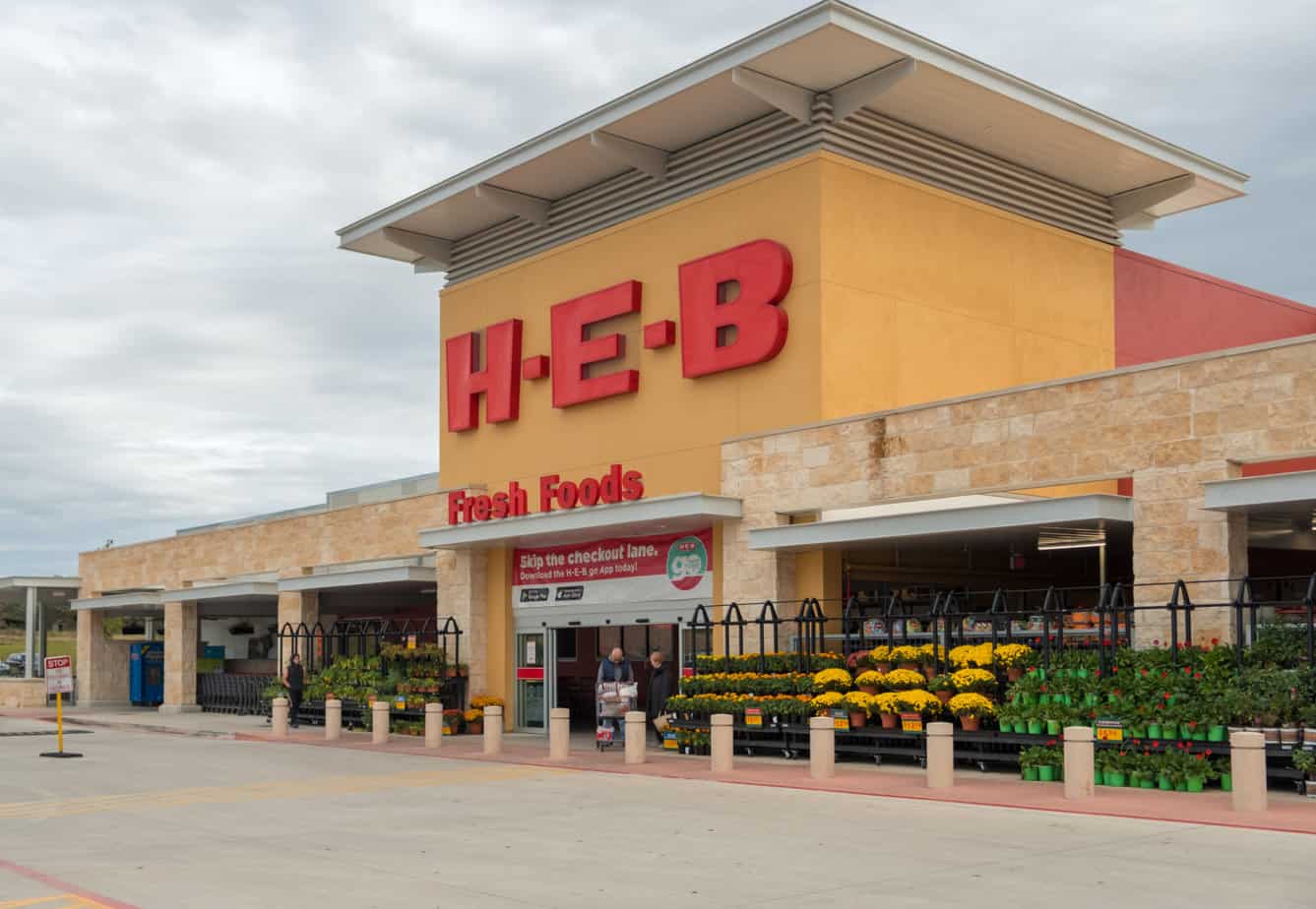
San Antonio-based grocery company H-E-B has recently announced that all of its stores will now accept SNAP EBT (Supplemental Nutrition Assistance Program Electronic Benefit Transfer) payments directly via its mobile app or website, www.heb.com, for all curbside and home delivery orders.

The Process – HEB.com

To do so, customers need to already have or sign up for a SNAP EBT account. Customers input their SNAP EBT information into their H-E-B account on their website, heb.com, or through the My H-E-B app. After the registration is done, customers can place their orders.

During checkout, they can choose the SNAP EBT option where they simply need to enter their PIN. Electronic Benefits Transfer, or EBT, is an electronic system designed to enable a SNAP participant to pay for their food order using the benefits offered by SNAP.

However, for items or payments not eligible on SNAP EBT, one would need a debit or credit card. The company offers options for making payments using gift cards as well. One can view their SNAP EBT card balance by logging into the My H-E-B app or at heb.com. The app is available for both Android and iOS devices and is easily accessible from mobile phones or tablets.

To ensure you are buying SNAP-eligible items at HEB, you can use the filter function while doing a product search. Moreover, one can also check which items are SNAP-eligible on their online shopping cart, which gives a clear indication of the same. The contactless payment option is available at all the curbside and delivery store locations of H-E-B.

This announcement made by the grocery giant on Friday, 18 December 2020, in a news release, has made it easier for consumers to make contactless digital payments for their food or grocery orders, both for curbside or home delivery.

Currently, the grocery chain has over 230 stores having curbside services. Further, the company is planning to expand across over 20 more locations in the state by the end of 2021. The company also added that most of those locations providing curbside services will be offering home delivery facilities as well.

As per the statements of the vice president of H-E-B digital commerce operations, Esther Castelo, this is one of the most essential initiatives that their team has come up with. He further said that the team members are excited to offer their customers this convenience.

According to Texas Health and Human Services, the total number of benefit cases associated with SNAP food purchases was higher than 131,000 in the previous month of November. The best thing about H-E-B is that they provide either same-day or next-day curbside pickup services, in which the stores load the customers’ vehicles with their groceries. This service carries a $4.95 personal shopper charge.

Further, all curbside orders are made free for those who have placed their orders more than 2 days out. And the company will charge a delivery fee of $5 for all home delivery orders. You can place your home delivery or curbside orders seven days in advance.

This new feature is considered a part of the company’s expansion of the SNAP EBT facility, which H-E-B implemented as a pilot to some of its locations in May.

Under the SNAP Online Purchasing Pilot, which was launched by FNS (Food and Nutrition Service) of the US Department of Agriculture, 46 states as well as the District of Columbia are now allowing SNAP beneficiaries to purchase and pay for food and groceries digitally. The retailers participating in this program include Amazon, Walmart, ShopRite, and Aldi, among many others.

SNAP food benefits are included onto a Lone Star Card, and is designed to help people having budget constraints. These cards let people meet certain program rules, such as work rules and income limits.

Previously, H-E-B has said that it will carry the COVID-19 vaccine after it is made available at its pharmaceutical chains, and will distribute it to the public.

In fact, the grocery brand began to foresee the aftermath of the coronavirus pandemic on their industry. Many of its stores started to see much reduced traffic since the lockdown restrictions were declared worldwide. The issue was more prominently seen by mid-April when the company was experiencing initial supply issues.

It also gave rise to the number of digital app use cases among the audience willing to purchase food and groceries, which are the daily essentials. According to research, food was seen as the number one pick to make expenses after federal stimulus funds were distributed to Americans during the early days of the pandemic outbreak.

Meal kit businesses emerged victorious from the crisis, especially when restaurants were closing their doors. Following this trend, the supermarkets like HEB attempted to sell pre-made meals to their consumers.

About H-E-B (and HEB.com)

H-E-B is an American supermarket chain based in the City of San Antonio, Texas. Today, it has more than 340 stores in 150+ communities spread across the state and in northeast Mexico.

As per the 2014 revenue reports, H-E-B was ranked the 20th largest retailer in the US. The grocer donates 5% of its annual pre-tax earnings to charity in and around its store locations. The common institutions the company distributes the money to include educational institutions and food banks.

H-E-B was founded on 26 November 1905 by Florence Butt, who first opened the C.C. Butt Grocery Store at her Kerrville family home. She opened the store with her savings of $60 by realizing her need to support her poor family. The current CEO of the brand is Charles Butt, who inherited his family business in 1971.

The H-E-B Plus team aims to cater to the unique needs of the different lifestyles followed by the people of Texas. HEB is known for selling and delivering a range of services, including fruits and vegetables, bakery products, meat and seafood items, dairy products, pantry items, deli and prepared foods, frozen foods, beverages, health and beauty products, everyday essentials, baby foods and healthcare products, home and outdoor decor items, pet supplies, etc.

The company also has provisions for allowing its visitors to make charity donations of their choice with a minimum of one dollar.

HEB H-E-B and HEB.com
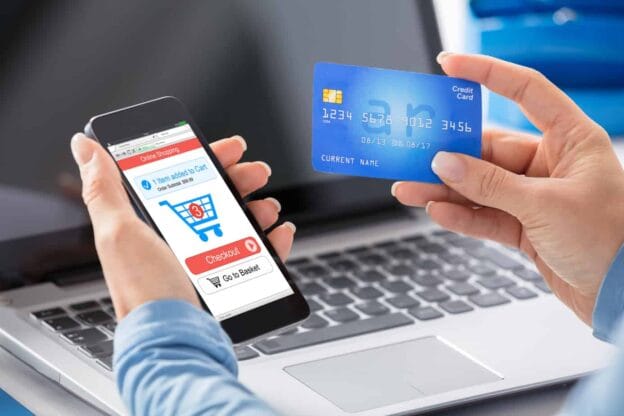
Woman Doing Online Shopping Using Credit Card 103311834

The Best Credit Card Offers for 2020 and 2021

If you have a New Year’s resolution to get your finances in order, that may include finding the right credit card. If you have a high-interest card that doesn’t provide you with any rewards or benefits, you could be missing out.

The Top Credit Card Offers for 2020 and 2021.

Here are the top credit card offers for 2020 and 2021.

Discover-It Cash Back

If you want a simple credit card that pays you for your purchases, Discover-It is it. You earn 5% back on your purchases up to $1,500 each quarter. The reward categories change, but you always have options, and they are typically categories everyone spends in or specific stores everyone shops at (such as Amazon).

Discover also doubles the cashback you earn after your first year. In other words, you earn ‘free money’ if you keep your card in good standing for the year.

Citi Double Cash Card

Earn 1% back on all purchases and an additional 1% when you pay your bill. Even if you pay your balance over a few months, you still earn 1% of what you pay. So it totals out to 2% cashback as long as you don’t let interest charges take over your rewards.

The Citi Double Cash card doesn’t have a reward bonus like most cards, but it comes with a 0% balance transfer APR for 18 months. That’s a nice long period to pay off your balance before interest accrues.

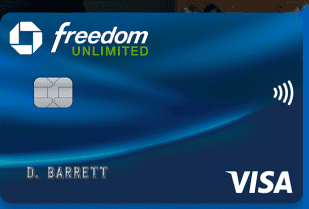
Chase Freedom Unlimited

chase freedom unlimited

If you like tiered rewards, check out the Chase Freedom Unlimited card. There’s no annual fee, and you earn cashback year-round in a tiered manner.

It’s best for people who travel as you get the largest reward on travel purchases (5%). It also pays 3% back on restaurant purchases, 3% back at drugstores like CVS, and 1.5% back on all other purchases. So, no matter where you spend money, you’ll earn cashback.

Bank of America Cash Rewards Credit Card for Students

Students sometimes have a hard time finding a credit card that provides them any benefits besides a small credit line. The Bank of America card is a great place to start and it offers students rewards.

Students earn 3% cashback on a category that you choose, whether it’s groceries, dining out, or gas. Students can also earn 2% cashback on groceries, including Sam’s Club and Costco, and 1% back on everything else.

The 3% bonus category and 2% rewards can be used up to $2,500 per quarter, and then it falls to 1%, which is the perfect amount for students.

Look at the Credit Card Rewards you Need

Rewards Cards

Before you take just any credit card, determine your needs. What rewards will you use and what categories do you spend money in the most? Why not take advantage of what credit cards have to offer by finding the card that pays you back in ways you’ll use it and for purchases you already make?

If you aren’t sure which one is right for you, pull out your bank and credit card statements for the last year and total up your spending in each category to make the right choice.  

Boy Internet Starbucks Coffee 25182893

Restaurant Trends for 2021 – How Restaurants will Succeed

COVID-19 has changed the way restaurants operate in a big way. In some states, they still aren’t fully operating, which leaves restaurants thinking outside the box longer than they ever thought necessary.

2021 looks like it will shape up much how 2020 ended, which means restaurant owners must continue being creative and figuring out ways to make the most of their business as it is right now.

Top Restaurant Trends for 2021

Focusing on Take-Out, Delivery, and Contactless Payments

No one knows when restaurants will open again (for indoor seating). This means all business owners must rely on take-out and delivery. Anything they can make contactless (including payments) is what will bring in the customers. Curbside delivery, online payments, and as little contact as possible are what will bring the business.

Creating a Brand for Themselves

Restaurants shouldn’t rely on just the food that they serve, but on the brand, they want to create. Think about what audience you serve. What are their pain points? What do you offer that helps them? That’s the brand you want to focus on and portray to your audience to bring in more business.

Providing Healthy Foods

Restaurant

Everyone loves to eat out (or order in), but today’s consumer is health conscious. You’ll still have those who love their favorite comfort foods, but including at least a few healthy foods on the menu will cater to a larger crowd.

Pop-Ups and Special Menus

Restaurants today are getting with the times and realizing many of their services may be short-lived. For example, if they can open for in-person dining, it may be for a short period. So instead, they think outside the box and have specials and limited opportunity pop-ups that bring a sense of urgency and excitement.

Online Reservations

Today consumers have to make reservations for just about everything, including any type of dining. The days of popping into a restaurant when you feel like are gone. Merchants need to adopt an easy reservation method, of which online reservations is the easiest. Whether you have a mobile app or just a website, enabling customers to reserve their time easily brings in more business.

Provide Quick Dining Opportunities

Anything you can do to make the diner’s experience contactless will take you far in 2021. Diners want to get in and get out. This includes when they’re taking the food to go. Self-service kiosks and contactless payments (online) let customers come in, get their food, and leave with little to no contact with others.

2021 is all about staying healthy. From serving healthy foods, ensuring the utmost safety precautions, and offering contactless opportunities for ordering, paying, and picking up food is important.

No one knows when the pandemic will end, but restaurants can stay strong by implementing the trends consumers want to see and that makes them feel safe. As we continue to navigate our new normal, it’s time to adapt to what’s in front of you and give your audience what they need to remain loyal.

Frequently Asked Questions

  1. How can restaurants adapt to the demand for contactless dining experiences?

    To meet the demand for contactless dining experiences, restaurants can implement various strategies. This includes adopting digital menus accessible via QR codes or mobile apps, allowing customers to browse offerings on their own devices. Implementing online ordering systems with curbside pickup or delivery options is also crucial. u003cbru003eu003cbru003eRestaurants can offer contactless payment options such as mobile payments or online transactions. Moreover, investing in technology like tableside ordering tablets or self-service kiosks can further enhance the contactless experience and streamline operations.

  2. What steps can restaurants take to incorporate sustainable and locally sourced ingredients?

    Restaurants can incorporate sustainable and locally sourced ingredients by building relationships with local farmers, growers, and suppliers. This involves researching and partnering with those who follow ethical and eco-friendly practices. Highlighting these partnerships and ingredient sources on menus can appeal to environmentally-conscious customers. u003cbru003eu003cbru003eAdditionally, implementing seasonal menus that showcase locally available products can be an effective strategy. Restaurants can also reduce food waste by implementing portion control measures, offering customizable dishes, and repurposing leftovers creatively, thus minimizing their environmental impact.

  3. How can restaurants leverage the concept of ghost kitchens and delivery-only models?

    Restaurants can leverage the concept of ghost kitchens and delivery-only models by expanding their reach and reducing overhead costs. They can establish virtual brands or delivery-only concepts that operate solely through third-party delivery platforms. This allows restaurants to tap into new markets, test innovative concepts, and cater to the growing demand for delivery and takeout. u003cbru003eu003cbru003eBy focusing on efficient delivery logistics, optimizing packaging, and ensuring high-quality food, restaurants can excel in this space. Collaboration with third-party delivery platforms and investing in robust online ordering systems are key steps to success.

  4. How important is customer engagement in the restaurant industry, and how can it be enhanced?

    Customer engagement is crucial for restaurants as it fosters loyalty, drives repeat business and generates positive word-of-mouth. Enhancing customer engagement can be achieved through various strategies, such as active social media presence and engagement. Restaurants should create compelling and shareable content, respond to customer reviews and comments promptly, and run engaging campaigns or contests. Personalized experiences, such as personalized recommendations based on previous orders or special occasion offers, can also strengthen customer relationships. Additionally, implementing loyalty programs that reward customers for their patronage can incentivize repeat visits and create a sense of exclusivity.

With restaurant trends on your list, the restaurant resources hub has the related guides.

Chef In Hotel Or Restaurant Kitchen Cooking Only Hands Prepared Beef Steak With Vegetable Decoration 81415061

Restaurants Feeling the Negative Effects of the Pandemic as Winter Approaches

More than 100,000 restaurants have closed since the start of the pandemic and as many as 40% of restaurant owners don’t think their restaurant will make it through the winter if things continue the way they are going according to the National Restaurant Association.

The pandemic isn’t just affecting independent restaurants either. Chain restaurants are just as much at risk as the smaller establishments.

Costs aren’t any Lower

A big part of the problem is not only that sales are down, but costs are just as high as they were before. In fact, some restaurants state their labor costs exceed their pre-pandemic level because of the stricter measures put in place to ensure everyone’s safety.

Relief isn’t Coming

Another big part of the problem is the lack of relief. While the restaurant industry is grateful for the relief they received, it’s not enough to keep them going. They’ve waited as long as they could and now with the winter months upon us and outdoor dining nearly impossible in many areas of the country, more restaurants will hurt in a big way.

More Workers will be Furloughed or Laid Off

The restaurant industry fully expects to have to lay off or furlough even more workers during the winter months. With most restaurants restricted to curbside pickup and delivery, there is a much lower need for employees in the restaurant. Beyond a few kitchen staff and one or two front-of-the-house employees, restaurants can’t afford to keep others on staff for much longer if they want to try to stay in business.

Most restaurants are running at less than 80% of their normal staffing levels and many other restaurants had to pull back even further.

A Bleak Outlook

Restaurants have a bleak outlook for the winter and even the spring months. Even the restaurants that are making it right now have a meager outlook for the future. Only 6% of restaurant owners think things will get better for them by March.

What can Restaurants Do?

Right now without more relief, there isn’t much restaurant owners can do but try their best. They can offer new services, foods, and market their curbside and delivery services, but beyond that, their hands are tied.

They have little money to do much else and have to preserve what they have so they can keep their doors open and potentially keep some staff working.

It’s a bitter pill to swallow for the entire country. No restaurants in any state are doing well right now. Everyone is just getting by, but with the winter coming, everyone can’t help but worry about what comes next.

Who will be the next restaurant to close? Will the government pull through in time to save more restaurants during their time of need? Only time, patience, and a lot of thinking outside of the box will tell what the future holds for our restaurant industry.

Restaurant Payment Resources collects our restaurant payment articles, news included.

Internet Technology 6249719

Five Ways to Boost Restaurant Sales During COVID19

If there’s one industry that’s been hit the hardest in COVID-19, it’s restaurants. Between the stay-at-home orders, limited capacities, and stark regulations to stay open, many restaurants are suffering with low restaurant sales.

Luckily there are ways to save your business and boost sales. Check out our top tips below.

  1. Offer online ordering

Everyone does everything online today. If you offer online ordering, you’ll increase the likelihood of sales. People today want convenience. If they look online and can’t find a way to order with you, they’ll move on quickly.

Don’t let that happen.

Here are a few ways to offer online ordering if you don’t already:

  • Set up mobile ordering on your restaurant’s app
  • Set up online ordering on your restaurant’s website
  • Contract with one of the delivery services, such as Grubhub or DoorDash

Offering online services is convenient and it gets your restaurant name out there more. If people aren’t familiar with your restaurant, but they come across it on Grubhub or DoorDash, they may give it a try.

  • Stay active on social media

Let your customers and future customers know that you care about them and their health. Post updates on social media regarding how your restaurant is handling the precautions. What do you do to keep customers safe?

How are you thinking outside of the box to cater to your customers? That’s what they want to see. They don’t want restaurants pushing sales for the sake of pushing sales. They want to patronize restaurants that are taking the bull by the horns and figuring out a way to get their favorite dishes and drinks in your hands safely.

Here are just a few things to share on social media:

  • Behind the scenes footage of how you handle the pandemic and everyone’s safety. This is big right now so you can’t post it too much.
  • New, creative offerings you have whether it’s a package deal to help families have a fun night at home or a new offering that customers have always wanted but didn’t have time to create. We all have nothing but time now.
  • Specials or deals, especially if they’re time sensitive. You give your customers a sense of urgency that they must come now or they’ll miss a great deal.
  • Streamline your offerings

With fewer (if any) customers in your restaurant, now is not the time to go all out on ingredients and supplies. Simply your offerings and you’ll make it easier on everyone. Keep the fan favorites and choose a few others. You’ll keep your costs down and simplify the process for your customers, increasing your restaurant sales.

Streamlining doesn’t mean cutting back or making less money. If anything, you may even increase your profits by reducing your expenses and focusing on the dishes, drinks, and products that your audience loves the most.

Here’s what you can do.

  • Take a poll. Ask your audience what they love the most. Social media is a great platform for this. This way you know you are keeping the right offerings and getting rid of the ones that aren’t so popular right now and may be a waste of your money.
  • Promote the products you are keeping. You can’t keep everyone happy, there will be people who miss your other products, but promote the items you are keeping. Create urgency in them with specials or even create fun contests, like if you sell X number of a certain dish on a Friday night you’ll offer a special the next day.
  • Increase your digital marketing efforts

If you’ve relied only on in-person marketing, you could be missing out today. Everyone relies on the internet, especially while they are stuck at home. If you want to expand your reach, you have to get online and promote yourself on social media and even via email newsletters.

Create an opt-in so your customers provide their email addresses in exchange for something. It could be a discount, like 10% off, or something free, like a free cookie with your next purchase. The idea is that you get their email address so you can advertise to them in the future.

Your digital marketing efforts could include:

  • Email newsletters that have specials, announcements for new dishes, or new offerings. It could also be a way to share with customers how you’re handling the pandemic and keeping everyone safe.
  • Social media posts and paid advertising. Sponsored posts aren’t as expensive as most people think and since they’re so targeted, they often have a great return on your investment.
  • Offer healthy options

Today everyone is concerned about staying healthy. Show your customers you are on board with what they need by offering healthy options. Whether you always offered healthy food or it’s a new offering for you, it gives families other alternatives.

Here are a few ways to advertise your new offerings.

  • Showcase your new offerings on the home page of your website.
  • Promote the new dishes on social media in a post that talks about COVID-19 and staying healthy.
  • Stay up-to-date with your customers via email newsletters.

Boost your Restaurant Sales Today

It’s never easy to see sales slipping, but if COVID-19 taught us anything, it’s that we need to pivot our offerings. There are many ways restaurants can serve the community even if you are on stay-at-home orders.

Find out what your audience wants and needs and find a way to do it. The restaurants thinking outside of the box, creating new offerings, and finding ways to serve their customers are the restaurants that will survive the pandemic. Are you one of them?

Related reading on boosting restaurant sales: Restaurant Payment Resources.

Couple In Restaurant Eating Fast Food 14084025

Tipping Goes Virtual as COVID19 Impacts US Restaurants

COVID-19 has affected restaurants harder than many other industries mainly due to the lack of cash flow. Not that restaurants aren’t making the money, they just make it differently. Most payments are electronic to avoid the risk of passing germs with cash (not necessarily because of the lower accessibility of it).

That leaves restaurant owners and wait staff with a problem. How do they get paid? If there’s no cash, owners have to run to the bank, which isn’t as easy as it used to be thanks to the pandemic. Wait staff, who deserve to have their tips right away, are now forced to wait, sometimes as long as two weeks until they receive their paycheck.

Fortunately, many restaurants have started tipping virtually, here’s what that means.

eTipping is an Option

Many restaurants have turned to eTipping, similar to what Uber and Lyft offer. At the end of the night when the restaurant closes out the tabs, they electronically send your tips to your bank account. You should have the funds within a day (usually less) this way.

Here’s the problem.

It doesn’t work for every restaurant or employee, for that matter. If an employee doesn’t have a traditional bank account, it could cause more trouble than it’s worth.

Pay Cards

Another more common solution is pay cards. They work like debit cards and restaurant owners can load the cards with the appropriate tips at the end of each night. Employees then have the money available on a card that they can use like a debit card.

Here’s the problem.

Not all retailers or businesses accept all cards. Many pay cards also have fees, sometimes a monthly fee and sometimes a fee for each use. This reduces an employee’s pay, which right now is the last thing anyone needs.

The Benefits of Electronic Tipping

No matter which method you choose, there are many benefits of electronic tipping including:

  • You don’t have to worry about cash flow. With fewer customers paying cash, you’d have to constantly run to the bank to payout tips in a timely manner.
  • You don’t have to resort to payroll tips. Waitstaff and bartenders are used to receiving tips the same day they earn them. Making employees wait until payday would mean putting them off for 2 weeks. This could cause bill paying problems and financial destruction.
  • There’s a lower risk of mistakes and theft. Dealing with cash is risky business. Withdrawing large amounts of cash and doling it out creates plenty of room for errors, misplaced cash, and even theft.

Virtual tipping isn’t as ‘new age’ as it sounds and it could be more beneficial for restaurant employees in the long run. Restaurant owners must work out the kinks, find the right program that suits their employees, and make sure it’s an easy enough system to adapt during these trying times when every aspect of our lives are changing whether we want it to or no.

Virtual tipping: one piece of running payments in a restaurant. The rest of our restaurant payment guides are in Restaurant Payment Resources.