Will cryptocurrency experience a surge, a decline, or continue to navigate a volatile path in the foreseeable future? Will Bitcoin maintain its erratic behavior? How will regulation impact the market? And which type of cryptocurrency might be the wisest investment this coming year? Here are countless crypto market predictions, reflecting the diverse opinions of numerous analysts.
Cryptocurrency will remain popular in 2026. Based on historical trends, cryptocurrency investors can expect an exhilarating journey ahead. The crypto world is rapidly evolving, and 2026 holds significant promise and potential for both investors and those involved in the industry. With groundbreaking technological innovations, regulatory changes, and shifts in market dynamics on the horizon, staying informed is essential for successfully navigating the complexities of the cryptocurrency landscape.
Let’s explore the key trends shaping the crypto environment in 2026 and their implications for the future of digital assets.
Recent Crypto Market Performance
In March, new spot bitcoin ETFs helped drive Bitcoin prices to record highs, surpassing $73,000. Bitcoin, the pioneering cryptocurrency, has demonstrated considerable resilience. Although it has slightly retreated from its peak earlier last month, Bitcoin’s value has been supported by the anticipation of the halving event.
This halving is expected to decrease the reward for mining new blocks, which, based on historical trends, tends to lead to a price increase as the supply of new bitcoins becomes more limited. Analysts believe that if Bitcoin can hold above the support level of $69,715, it may rise to $77,000, though it is currently trading under $60,000.
Ethereum also saw significant price movements, reaching up to $4,092 in March but ending April just below $3,000. Investors remain optimistic that the approval of spot bitcoin ETFs could pave the way for the U.S. Securities and Exchange Commission to greenlight spot Ethereum ETFs.
Solana showcased a strong performance, buoyed by substantial institutional interest and high transaction volumes on its decentralized exchange, Jupiter. This surge in interest pushed Solana’s price toward the $250 mark.
In contrast, Fantom encountered challenges, with analysts predicting a price drop of about 20% due to emerging bearish trends. This variance highlights the diverse outcomes in the cryptocurrency market, where some assets see growth while others face corrections. The broader market experienced an influx of new tokens, with over 540,000 created by early April, translating to an average of about 5,300 new tokens daily.
In April, Toncoin rose 5% among the top 10 cryptocurrencies by market capitalization. On the other hand, Avalanche dropped 37%, the greatest reduction.
Top Crypto Market Predictions for 2026
1. The Emergence of New Cryptocurrencies
In 2026, the cryptocurrency market is expected to witness a significant increase in the number of new cryptocurrencies. While established players like Bitcoin and Ethereum are likely to maintain their dominance, a new wave of emerging cryptocurrencies will compete for market attention.
Cryptocurrencies such as Polkadot, Solana, and Cardano are anticipated to make notable advances in 2026. These currencies are known for their innovative solutions and have attracted considerable interest from investors. Observing their performance over the next few years will be particularly intriguing.
Plus, the market might also see some unexpected successes from lesser-known cryptocurrencies. These potential dark horses could possess unique features or establish key partnerships that drive their success. For investors, it’s advisable to monitor these under-the-radar cryptocurrencies for unexpected opportunities.
2. Decentralized Finance (DeFi)
In the cryptocurrency sector, decentralized finance (DeFi) and decentralized autonomous organizations (DAOs) are expected to grow the fastest. DeFi seeks to replicate traditional financial services without intermediaries, while DAOs represent a new form of internet-based community.
The DeFi market has been experiencing significant growth lately. In fact, the Total Value Locked (TVL) recorded a 14% increase in March 2026. Among the leading blockchains, Base and Solana have shown remarkable gains, with increases of 94% and 143%, respectively. This rise in TVL is mainly due to the heightened interest in meme coins. Solana’s decentralized exchange (DEX) volume reached an all-time high of $60 billion, while Base also achieved a record volume of $7.82 billion. The role of meme coin trading in driving network adoption has become a hot topic within the crypto community.
3. Somewhat Uncertain Regulatory Landscape
As of 2026, the regulatory environment for cryptocurrencies in the U.S. is continually developing, with major repercussions for the industry. The U.S. Securities and Exchange Commission (SEC) has been actively applying securities laws, especially focusing on unregistered initial coin offerings deemed securities.
Significant legal actions include the U.S. Department of Justice charging the co-founders of Samourai Wallet on April 24 for allegedly facilitating over $100 million in money laundering. In early April, after receiving a Wells notice from the SEC, which signals potential enforcement, Consensys Software initiated a lawsuit against the SEC, contesting the regulator’s jurisdiction over Ethereum. Additionally, Uniswap Labs revealed on April 10 that it, too, had received a Wells notice, indicating that the SEC might pursue legal action against the crypto exchange.
However, with a divided Congress, the passing of new crypto regulation might face challenges. Analysts suggest that while there might be movement on specific crypto-related bills, broader regulatory frameworks might not see substantial progress until after 2026, particularly due to the political dynamics of a presidential election year.
4. J.P. Morgan Will Venture into Tokenized Assets
In October 2023, J.P. Morgan’s Onyx blockchain and Tokenized Collateral Network (TCN) facilitated tokenizing money market fund shares. This innovative process was applied during an over-the-counter derivatives trade between BlackRock and Barclays Bank, marking J.P. Morgan’s first live blockchain-based collateral settlement transaction.
J.P. Morgan has been delving into blockchain technology for years, with recent experiments involving tokenized portfolios on the Avalanche blockchain. These tests have streamlined numerous steps in the portfolio management cycle, such as subscriptions, redemptions, and rebalancing. By planning to launch a tokenized fund in 2026, J.P. Morgan aims to harness the efficiencies of on-chain assets and tap into a rapidly growing market.
5. Ethereum’s Financial Ascendancy
Ethereum operates like a vast global supercomputer, hosting thousands of crypto applications that are used daily. Users must pay a fee with the Ethereum cryptocurrency to utilize these applications, generating significant cash flow. As of May 2026, Ethereum’s financial performance is robust, with its total fees and gross profits increasing by approximately 100% year-over-year. The network boasts an 85% gross margin and a 23% net profit margin, even after factoring in non-cash token incentives.
Financial projections indicate that Ethereum’s revenue is expected to double to $5 billion in the coming year. The network recorded $2.3 billion in fees—its primary revenue source—nearly half of the $4.1 billion revenue reported in 2022.
Crypto trading platforms have undergone significant evolution, and as we move into 2026, these platforms are poised for further technological advancements. There’s a growing demand for intuitive and seamless user experiences, prompting these platforms to enhance their interfaces and trading functionalities. Automation and artificial intelligence are increasingly integral, streamlining trading processes and providing users with real-time data and actionable insights.
Security remains a critical concern, with trading platforms intensifying their security measures in response to rising cyber threats. Robust security protocols are being implemented to protect user funds and personal information, offering investors greater peace of mind.
Furthermore, 2023 marked a significant focus on data availability layers, which have started a new chapter in blockchain scalability and security. In 2026, these layers are expected to continue reducing blockchain congestion and enhancing security, thereby supporting the development of scalable, peer-to-peer networks. These innovations ensure that crypto trading platforms not only meet current user demands but are also prepared for future challenges and opportunities.
Conclusion
Looking into the future of the cryptocurrency landscape in 2026, we anticipate a year of growth and development. Although cryptocurrency is known for its volatility, it is expected to remain appealing to investors, as it has shown historical growth patterns and is continuously advancing. With the emergence of new digital currencies and the expansion of decentralized finance (DeFi), the crypto world is set to evolve and flourish.
The regulatory environment remains uncertain, with the actions of governing bodies like the U.S. Securities and Exchange Commission (SEC) casting a shadow of ambiguity. However, the entry of established financial institutions like J.P. Morgan into tokenized assets signals a maturation of the industry and a growing acceptance of digital assets.
Ethereum’s strong financial performance and the upcoming expansion of cryptocurrency trading platforms highlight the sector’s resilience and adaptability. These platforms prioritize technological innovation and security, making them well-equipped to meet users’ and investors’ changing needs.
Amidst this rapidly changing landscape, it is evident that those who remain well-informed and flexible will be best able to navigate the complexities and capitalize on the opportunities that lie ahead in the constantly evolving world of cryptocurrency.
As real-time payments gain traction across industries, CFOs are weighing the benefits against the potential risks. A significant majority of more than one thousand CFO respondents (68%), have expressed their intention to adopt real-time transaction solutions, also known as instant payments.
The promise of faster transactions, improved cash flow visibility, and streamlined operations is clear, but so are the challenges tied to fraud prevention, integration costs, and internal process changes. In this environment, finance leaders are taking a measured approach—exploring new opportunities while keeping a close eye on security and compliance.
Key Takeaways:
About half of U.S. companies now use instant-payment rails (FedNow or TCH’s RTP), up from 40% in 2023, with roughly 80% expecting to use them by 2026. The FedNow Service (launched July 2023) and the RTP network together now reach most regions – over 1,300 banks and credit unions are live on FedNow, and the RTP network serves 285,000+ businesses monthly.
Both rails have raised transaction limits. FedNow will soon allow $1 million transfers (up from $500K); The Clearing House increased RTP’s cap to $10 million. All real-time systems support ISO 20022, so payments carry rich remittance data (invoices, payer/payee details) for easy reconciliation.
New risk features help manage fraud. FedNow now offers account-velocity controls and “receive-only” modes to limit misuse, and both networks provide 24/7 monitoring. In fact, 42% of RTP transactions occur outside normal banking hours, underscoring round‑the‑clock use.
Today’s CFOs cite cost-cutting and risk management as top goals. Nearly 60% of finance leaders rank reducing payment risk as a priority. Instant payments can boost cash flow by speeding receivables (92% of firms say faster rails improve cash flow) and enable “just-in-time” payables. Many cite lower processing costs (versus wires) and richer data as benefits.
Despite the upside, many CFOs remain careful. Surveys show the cost of upgrading legacy systems is the biggest barrier (over half of businesses see real-time rails as “costly”). Treasury teams still rely on ACH for payroll and wires for large payments, so instant rails are often phased in selectively. A compelling business case is needed to rework established processes.
Other markets continue to make rapid gains. The UK’s Faster Payments (24/7 since 2008) now handles transactions up to £1 million, with volumes 15% higher in 2024. The EU is implementing an “Instant Credit Transfer” rule under PSD3 (effective late 2025) to make euro payments instant.
Rising U.S. Adoption of FedNow and Real-Time Payments
Adoption of real-time rails has accelerated. In late 2024, a major U.S. survey found 51% of firms were already using FedNow or RTP for business payments – a jump from 42% a year earlier. Crucially, 80% of companies plan to be on these instant systems within two years. In practical terms, 285,000+ businesses now send instant payments each month via TCH’s RTP network, which recently surpassed $500 billion in cumulative transaction value.
FedNow, though newer, has also scaled quickly; by April 2025, it counted 1,300+ participating banks and credit unions nationwide (95% of them small/mid-sized). In Q1 2025, FedNow settled about 1.3 million transactions (up 43% year-over-year) – roughly $540 million in value daily. Which simply means, instant payments have gone from niche to mainstream in U.S. corporate finance over just the past two years. This momentum is driven by expanding network reach. When FedNow launched in July 2023, it extended real-time rails to hundreds of banks and credit unions that were not on the RTP network.
The two systems now complement each other, One large U.S. bank reported that clients can send an “instant payment” without worrying which rail will be used – the bank routes it via FedNow or RTP as needed to hit the recipient. In practice, this means more payees (suppliers, payroll providers, etc.) can be reached instantly. As The Clearing House notes, nearly half of RTP activity happens overnight, on weekends or holidays, aligning with how a 24/7 business operates. All told, broader connectivity and availability have pulled more corporate treasury teams into experimenting with these rails.
Since 2023, both FedNow and RTP have rolled out significant enhancements. The Clearing House raised RTP’s single-payment limit from $1 million to $10 million (effective Feb 2025) to accommodate high-value B2B use cases like real estate closings or daily merchant settlements. The Federal Reserve likewise plans to double FedNow’s cap from $500K to $1 million in mid-2024, recognizing that larger supplier payments or urgent payroll top‑ups are needed for big corporations. (Notably, FedNow’s baseline $500K limit was already five times higher than the $100K it launched with in 2023.)
Both rails use the ISO 20022 messaging standard. This means each payment can include detailed invoice and remittance information – far beyond the minimal ACH fields. For example, a real-time corporate payment can carry the supplier’s name plus an itemized invoice breakdown, all instantly visible to the recipient. That data-rich transparency makes reconciliation easier and can reduce exceptions. In short, instant payments now rival wires in amount and exceed them in data, often at a fraction of the cost.
Additionally, instant transactions are irreversible “push” payments, so controlling fraud is critical. FedNow has introduced new built-in safeguards – banks can set velocity limits or account-level thresholds by customer segment (e.g., tiering limits for retail vs. corporate clients), and institutions may choose to be receive-only (able to accept but not send payments) while security is fine-tuned.
The Fed also offers payment inquiry support and optional monitoring; a fintech assessment notes that FedNow was launched with dedicated fraud-prevention tools and inquiry-of-sending features. On the RTP side, participant banks similarly use analytics and screening on their rails. Thus, while no system is impervious, both instant networks are adding controls to address the very bank and treasurer concerns around push-payment fraud. In practice, these upgrades are making real-time payments more versatile.
For example, FedNow now supports low-cost request-for-payment messages (invoices) for free (effective 2025), mirroring TCH’s Request-for-Payment, which streamlines billing and approval. Liquidity management features (instant transfers between Fed accounts) have also been enhanced. Combined with 24/7 availability, these evolving capabilities are closing the feature gap between instant rails and traditional methods, inching them toward ubiquity.
CFO Sentiment and Strategy
Today’s finance chiefs acknowledge the potential of real-time payments but remain deliberate in their approach. A 2024 U.S. Bank survey found that cutting costs and managing risk are top-of-mind priorities for CFOs. In payments specifically, 59% of finance leaders said “decreasing operational risk” is an important initiative, up sharply from past years.
This caution translates into the way treasurers handle new rails. Many firms continue to use the ACH network (batch-based, low-cost) for routine disbursements like payroll or vendor checks, and rely on wires for one-off large payments. Instant payments are often reserved for scenarios that justify the effort, late-stage payables, supply-chain finance, earned-wage access programs, or customer refunds, where speed directly improves business outcomes. Most treasurers agree that instant rails can improve cash management, but they ask if the benefits outweigh the work.
Altering long-established payment processes can be challenging, and a compelling business case is necessary to justify the transition.
For many companies, simply holding onto cash until the last moment using ACH already effectively stretches the float. To change that habit, CFOs need to see a clear ROI, for example, earning early-payment discounts or avoiding short‑term borrowing by using last-minute electronic payments. This balanced stance is echoed on the banking side. A January 2025 report notes 90% of banks agree customers would benefit from instant rails, yet many institutions remain hesitant. Roughly one-third of banks cite legacy core-system limitations and fraud concerns as barriers.
Indeed, a majority of banks and credit unions surveyed called the upfront cost of upgrading the biggest obstacle to offering faster payments. In other words, the ecosystem (both buyers and their banks) is still adapting. For now, many financial institutions have joined FedNow in a “receive only” mode to mitigate risk. CFOs, who must work through these banks, feel that caution, if the company’s bank has not fully embraced sending, can limit immediate use.
However, despite these hesitations, most CFOs recognize that instant payments offer clear financial benefits. The Federal Reserve’s 2024 Business Payments Study found that 92% of firms say faster payments improve cash flow by accelerating receipts and unlocking discounts. Over half of businesses reported instant rails lower transaction costs (versus checks or wires). Real-time confirmation of payment delivery also reduces errors and enables same-day reconciliation, which appeals to the treasury’s efficiency goals.
Many CFOs are therefore building real-time capabilities for key use cases rather than wholesale replacement – for example, sending large vendor payments or making ad-hoc “just-in-time” payables that previously could not clear. In parallel, they continue using instant rails for incoming payments (customers paying by same-day transfer, payroll feeds, or merchant payouts) to gain confidence in the system.
Benefits vs. Challenges for Businesses
Benefits
The chief appeal of instant payments for a company is liquidity management. When a payment clears in seconds, the recipient’s accounts receivable drops immediately, and the payer’s cash outflow is finalized (good funds), allowing finance to optimize cash on hand. Businesses can push out disbursements to the very end of the day, and likewise receive payments without delay, greatly improving working capital.
For example, some employers now use FedNow for off-cycle payroll runs, letting employees tap earned wages instantly while delaying the company’s funding by hours or days. Suppliers receive money faster and with detailed invoice data, which has been shown to improve relations and potentially negotiate better terms. Real-time rails also enhance transparency and accuracy. Unlike ACH entries or checks (where often little more than an ID or invoice number travels with the money), instant transfers can include the supplier’s name and a full breakdown of charges up front.
This two-way messaging (especially under ISO 20022) makes matching payments to invoices almost automatic. In practice, CFOs find that fewer staff hours are wasted chasing missing remittance info. Several studies highlight data as a top advantage, like in a FedPayments Council survey, 56% of businesses using instant payments said they experience lower payment-processing costs and fewer errors.
Finally, there is cost efficiency relative to wires. Typical domestic wire fees (often $15–$30 each) can be dozens of times higher than same-day credit transfer fees, which generally top out at a dollar or two per transaction. For midsize transactions, that difference adds up. As a result, treasurers view real-time credits somewhat like a hybrid of ACH and wires, immediate like a wire, but priced closer to an ACH or commercial card. Over time, large treasuries may even reroute some B2B payments (e.g. supplier draws, claims, rebates) from wires into instant rails to save fees while still meeting their payees’ timelines.
Challenges
These benefits come with caveats. The biggest practical hurdle is integration cost and complexity. Many companies’ ERP and treasury systems were built for batch processing and ACH/file-based uploads. Connecting them to FedNow or RTP’s APIs, or to a bank portal, requires IT investment. As one treasury survey put it, over half of businesses not using instant rails cite “cost and complexity” as the key barrier.
Similarly, smaller firms without a sophisticated treasury function may simply defer adoption until services are turnkey. Also, real-time rails are irreversible, so fraud protection is crucial. CFOs worry about authorized push-payment scams (where an employee is tricked into sending money) or about insufficient time to detect errors. Instant payments networks mitigate this by requiring payers to pre-validate recipients and by including fraud screening at the network level.
For instance, FedNow includes optional filters and the ability to quickly reverse unauthorized transactions under tight timeframes. Banks are also bolstering customer education around confirming payment requests. Nonetheless, many companies ramp up usage gradually while internal controls catch up, or use dedicated fraud-monitoring services as a supplement.
Another issue is that not every counterparty is reachable instantly yet. As of early 2025, roughly 1,300 institutions (out of 9,000 U.S. banks and credit unions) had joined FedNow, and about 400 institutions support RTP. This means a mid-market business may have some suppliers on instant rails, but others are still reliant on ACH. CFOs must therefore maintain dual processes during transition.
Over time, as more banks join and paytechs integrate (many payroll providers, bill-pay vendors, and AR platforms are enabling FedNow/RTP), this “network effect” will ease. But in the near term, CFOs often use instant payments primarily for suppliers and channels that explicitly accept them, while continuing legacy channels elsewhere.
Regulatory and Competitive Side
In the payments industry, competition and regulation are spurring improvements. In the U.S., regulators encourage instant-pay adoption. The Federal Reserve has waived FedNow participation fees for small banks through 2025 and has consulted on beneficial-rule enhancements. The Fed also carefully set FedNow’s initial pricing (e.g., just $0.045 per transfer in 2023) to build volume. On the wire-transfer side, the Federal Reserve’s wire system (Fedwire) and ACH continue alongside, but corporate governance increasingly demands that firms evaluate faster options.
Additionally, fintech providers and payment networks offer alternatives that target similar goals – payment-card networks (Visa Direct, Mastercard Send) and fintech services (Zelle, and business-centric push-to-card) allow faster payouts to vendors and consumers without needing bank details.
Many CFOs consider these alongside FedNow/RTP as part of a suite of “just-in-time” payment tools, especially for disbursements to individuals or international partners. On the legislative front, U.S. authorities are focused on fraud prevention (e.g., encouraging protections for push-pay scams) but have not mandated instant rails for businesses. In contrast, Europe’s regulators are moving more aggressively. A new “Instant Credit Transfer” requirement under PSD3 will mandate euro deposits be available within seconds across the EU (targeting Oct 2025).
Chinese and Indian real-time systems have already demonstrated that ubiquitous instant payments can become a de facto infrastructure. This global momentum puts pressure on the U.S. market to evolve, but U.S. innovation (with dual rails and open banking tools) offers flexibility. For CFOs, this means staying alert to changes. For example, interoperable cross-border schemes (like SWIFT’s GPI for instant transfers) and token-based payment rails may eventually link with domestic real-time networks, expanding reach.
Real-time payments are now common worldwide, and the U.S. trail is closing. The UK’s Faster Payments Service, long a success story, saw transaction volumes jump about 15% in 2024. Faster Payments now allows up to £1,000,000 per transfer, enabling large B2B and real-estate transactions instantly. In continental Europe, the Eurosystem’s TIPS platform (TARGET Instant Payment Settlement) already handles instant euro credit transfers 24/7, and most SEPA member banks support it. The upcoming EU Directive will push all euro-area banks to make instant credit transfers available as a default by late 2025.
In Asia, markets are even further along. For example, India’s UPI system processed 93.2 billion transactions in just H2 2024, demonstrating consumer and merchant comfort with instant pay. China and other countries also have prolific mobile-driven payment rails. While U.S. businesses deal mostly in domestic USD transfers, these global examples show the full potential; once nearly every party is “on network,” instant payments become the norm for nearly all disbursements and receipts. For American CFOs with overseas operations, these developments also signal that cross-border payment delays may become more unusual. Banks and fintechs are working on instant rails for global B2B settlements, and some service providers now link FedNow/RTP flows to foreign instant networks (for example, a U.S. supplier paid in USD could have the funds immediately released to a UK partner via Faster Payments). This “real-time globalization” is still emerging, but it underscores how interconnected payment infrastructures are.
Final Thoughts: The Road Ahead
By 2025, real-time payments will have shifted from a future concept to a core tool for corporate finance teams. Adoption is now essential for timely supply-chain and treasury operations. Still, CFOs and treasurers weigh the benefits of speed and visibility against implementation costs and the need for strong controls.
The next step is deeper integration with financial systems. ERPs and Treasury Management Systems are adding direct connections to FedNow and RTP APIs, making it easier to support new use cases. Banks are also upgrading, moving beyond ACH to offer real-time push payments as client demand grows.
Many companies are starting with targeted use cases, such as automating end-of-month supplier payments or offering instant refunds. ACH and wires will still be used where they make sense, but finance teams are learning to assess real-time payments like any other method.
Real-time payments in the U.S. are at a turning point. CFOs who stay proactive can gain a competitive edge, while waiting too long may mean missed opportunities.
Unlike many new corporate leaders, PayPal New CEO, Alex Chriss, has not hesitated to make significant directional changes early in his tenure. In the Q3 earnings call. Chriss, who took over as CEO after Dan Schulman on September 27th, emphasized his focus on achieving growth.
This marks a departure from Schulman’s emphasis on PayPal’s checkout service. Initially, this shift caused a decrease in investor confidence and a decline in the company’s stock value.
Key Takeaways:
New CEO’s Strategic Shift: Alex Chriss highlighted the importance of focusing on growth and moving away from the checkout service that Dan Schulman previously had priority on. Chriss’s leadership signifies a change in strategy aiming for an effective and growing organization.
Resilient Q3 Performance: Despite facing difficulties in the market and experiencing heightened competition, PayPal displayed a strong performance in Q3 of 2023. Some notable achievements during this period include a 15% rise in payment volume, an 8% increase in revenues, and a 20% growth in EPS. Moreover, the company exhibited good operating cash flow and free cash flow throughout this timeframe.
Strategic Overhaul: As part of its revamp, PayPal made notable changes to its operations, like divesting its logistics branch, Happy Returns to UPS. The company’s goal is to make operations more efficient and provide experiences for customers by implementing automation and enhancing the checkout process. Moreover, PayPal plans to utilize AI technology to engage consumers and improve its range of business solutions.
Financial Overview and Company Profile: PayPal provides an overview of its situation, including information about its cash holdings, investments, and debts. Additionally, the company demonstrates its dedication to rewarding shareholders through stock repurchases. Moreover, PayPal’s mission revolves around stimulating empowerment and focusing more on economic participation through its inclusive digital payment platform that serves millions of active account holders worldwide.
PayPal Stock Price On 12-18-2023 (11:00 am) ( Source Google Finance)
PayPal New CEO, Alex Chriss: Background
PayPal’s New CEO, Alex Chriss assumed the position of CEO on September 27, replacing Dan Schulman when PayPal was head-on with various challenges in the fintech industry. The company has faced a decrease in its stock value due to decreasing investor interest in fintech companies, tough competition from Apple, and slower growth in its branded checkout business over the past few years.
Given Chriss’s extensive experience at Intuit, he is expected to lead PayPal’s recovery. However, analysts on Wall Street caution that reviving the company might take a long time and extensive efforts.
The year 2023 proved difficult for PayPal, as its stock mostly traded at low levels compared to the long-term average. While this made the stock more affordable, potential investors were still worried about uncertainties in the economy and reduced consumer spending. However, there was a positive market response to the plans of PayPal’s new CEO, Alex Chriss. He aimed to streamline the company’s resources towards its growth priorities to create a leaner, more efficient, and effective organization. Overall, market observers hold a confident view of the stock’s long-term prospects.
Regarding growth, one of the primary hurdles facing the company is intense competition. The market dynamics have significantly changed since PayPal’s separation from eBay approximately eight years ago, with consumers now having alternative options, such as Apple Pay, that provide a fast and convenient checkout experience. The payment systems of Amazon and Google continue to gain traction, posing challenges for PayPal, which heavily relies on e-commerce for revenue generation. It is essential to note that the termination of PayPal’s operating agreement with eBay a few years ago has impeded its growth.
PayPal’s Third Quarter 2023 Earnings Reflect Resilience Amidst Market Challenges
Following a more-than-expected third-quarter report, PayPal experienced a much-needed upturn in its stock value, which had been struggling since its peak in 2021. Despite its position as a leading figure in the payments sector, PayPal has faced challenges in sustaining its growth momentum during the pandemic surge, leading to ongoing struggles in its stock performance.
Speaking about it, Alex Chriss, acknowledged the obstacles ahead, highlighting the competitive pressures from firms like Block (formerly Square) and Stripe, as well as traditional financial service providers such as Fiserv and FIS. To address these challenges and improve financial performance, PayPal aims to streamline certain aspects of its operations. Chriss emphasized the need to address the company’s high-cost structure, which has been impeding its agility and clarity of focus.
On November 1, 2023, PayPal disclosed its third quarter of 2023 earnings, showcasing a robust performance with notable growth in both revenue and EPS. The company’s Overall payment volume reached $387.7 billion, marking a 15% increase and a 13% growth on an FX-neutral basis. Notably, net revenues stood at $7.4 billion, demonstrating an 8% growth and a 9% FX-neutral increase. The GAAP operating income saw a 4% rise, amounting to $1.2 billion, while the operating income (excluding GAAP) showed an 8% increase, reaching $1.6 billion.
GAAP EPS was reported at $0.93, compared to $1.15 in the third quarter of 2022, whereas the EPS for non-GAAP showed an impressive 20% growth, totaling $1.30 compared to $1.08 in the prior year. Additionally, the company recorded a significant operating cash flow of $1.3 billion and a free cash flow of $1.1 billion.
PayPal’s Strategic Overhaul – Enhancing Consumer Experience and Streamlining Operations
PayPal recently divested its logistics arm, Happy Returns, to UPS, as part of its strategy to streamline operations and focus on its core payments model. CEO Chriss emphasized the need to address duplication and manual work, intending to invest in automation for improved efficiency.
During his initial month in the role, Chriss engaged with various stakeholders to outline a plan that aims to revolutionize product development and reporting practices. This plan, to be unveiled in the upcoming earnings call, involves a comprehensive overhaul of the consumer experience, centering on a seamless checkout process that adds value to each transaction.
For consumers, PayPal intends to leverage its rich database to power a sophisticated shopping recommendation engine and enhance incentive marketing using AI technology. In the business segment, the company plans to accelerate the advancement of PayPal Complete Payments, an offering tailored for digital merchants. Utilizing consumer data for refining checkout form autofill is also a focus.
PayPal’s New CEO also highlighted the potential of generative AI in fostering meaningful connections between consumers and merchants, ensuring responsible use of this technology. The company anticipates recruiting seasoned professionals to reinforce its talent pool in the upcoming months, recognizing the need for enhanced execution speed in driving growth and delivering on its promising outlook.
Jamie Miller has been appointed as the new CFO of PayPal to aid the company under its new expense management approach led by the new leader, Alex Chriss. Previously serving as the global CFO at EY, Miller brings a wealth of experience from her previous roles at General Electric and Cargill. She takes over from Gabrielle Rabinovitch, who has been serving as acting CFO during the transition period. In Q3, PayPal’s net income saw a 23% decline, settling down to around $1.02 billion YOY, with the company’s Q4 performance falling slightly below expectations till now, as noted by Rabinovitch.
Expanding Service Offerings to Braintree Customers
In a bid to cater to larger companies associated with Braintree, Chriss intends to broaden the range of services offered. Describing Braintree’s position as a foothold for future growth, Chriss emphasized the company’s commitment to addressing additional customer needs, including fraud management, payouts, chargeback automation, and Forex services.
According to William Blair, the company’s long-term prospects remain substantial, particularly as it has transitioned from a traditional checkout button to a comprehensive E2E solutions platform for both consumers and merchants. While it’s still early, the company’s sharp focus on leveraging its wealth of data for enhanced operational efficiency is encouraging for the future, as management emphasizes its commitment to pursuing profitable growth.
While acknowledging the dedication of PayPal’s current employees, Chriss also expressed the intention to bring in new talent to help achieve his objectives. In the meantime, he is diligently working to gain a comprehensive understanding of the company, with plans to present a more detailed strategy to analysts during the upcoming earnings call in February.
Key Highlights Of Q3 Results 2023
PayPal exhibited a robust performance in the third quarter of 2023, marked by an 8% increase in net revenues, which grew to 9% on an FX-neutral basis. The company saw a 4% rise in GAAP operating earnings, amounting to $1.2 billion, and an 8% increase in operating income (non-GAAP), reaching $1.6 billion. The GAAP EPS was $0.93, down from $1.15 in the third quarter of the prior year, while the EPS for non-GAAP stood at $1.30, demonstrating a 20% growth YOY.
As of September 30, 2023, PayPal’s cash equivalents and investments amounted to $15.4 billion, with a total debt of $10.6 billion. During the third quarter of 2023, the company bought back approximately 23 million common stocks, delivering $1.4 billion in returns to stockholders.
The company generated $1.3 billion in cash flow from operations and $1.1 billion in free cash flow during the quarter. These figures include a $0.8 billion of adverse impact from European BNPL loans originated as HFS in the period.
About PayPal
PayPal offers a secure and efficient way to send money, pay and create online invoices, and establish a merchant account. With a core belief in the transformative power of accessible financial services, PayPal is dedicated to democratizing financial opportunities and empowering individuals and businesses to participate and thrive in the global economy. Their inclusive digital payment platform empowers 277 million active account holders to transact with confidence, whether online, through a mobile device, an app, or in person.
Through a blend of innovative technology and strategic partnerships, PayPal continuously develops improved methods for managing and transferring funds, providing users with flexibility and options for sending, receiving, and paying. Operating in over 200 markets globally, the PayPal ecosystem, encompassing Venmo, Xoom, and Braintree, facilitates transactions in more than 100 currencies, allowing users to withdraw funds in 56 currencies and hold balances in their PayPal accounts in 25 currencies.
Conclusion
PayPal’s New CEO, Alex Chriss, left an indelible mark by charting a clear course for the company’s future. Departing from the previous strategy, Chriss outlined his vision for prioritizing profitable growth, setting the stage for a more efficient and agile organization. Despite market challenges, PayPal’s robust third-quarter performance, including notable increases in overall payment volume and net revenues, showcased the company’s resilience and enduring potential.
Moreover, the strategic overhaul, evidenced by the divestment of Happy Returns and a commitment to streamline operations, underscores Chriss’s dedication to optimizing consumer experiences and refining business offerings through advanced AI technologies. With the appointment of Jamie Miller as CFO, PayPal is poised to fortify its financial management and steer the company’s trajectory toward sustained growth.
As PayPal continues to empower millions of users worldwide through its secure and accessible financial services, Chriss’s leadership, coupled with the company’s continued dedication to innovation and strategic partnerships, bodes well for its continued success and enduring prominence in the global digital payment landscape.
After the pandemic, the world has experienced a disruption in the supply chain and economy. Inflation and economic downfall are two major outcomes. But, surprisingly in the US, the property market trends are positive. It is a unique situation where economists fear a recession but at the same time, the property market is booming.
Renter Occupied – Different Age Groups – Source: NMHC
So in this unique situation, what should you do as an investor or a property owner? To answer that question let us understand the property management trends for 2026. If you understand the management trends you will get a clear picture of what lies next.
What is Property Management?
In simple terms, property management is all about managing the property by the property managers. The property manager takes responsibility for the daily oversight of the rental properties.
Property management depends on the type of property. But overall it is all about maintenance of the property, daily repairs, and regular upkeep of the rental property.
As per the present property management trends, the industry is struggling with some of the ground realities. And to overcome these challenges the property managers have to alter and modify their policies. These new strategies are based on the facts of the property management industry trends of 2026. With these strategies, they ensure profitability and sustainability
Some common issues as per the latest property management trends are higher wage costs, a rise in interest rates, delays in rental payments, remote work options, unemployment, debt, and higher maintenance for property owners present.
Types of Property Management:
The four main property types are as follows:
Residential Property Management
The property manager has to manage single-family homes, rental apartments, townhouses, etc.
Commercial Property Management
Commercial property managers look after commercial properties like hotels, offices, commercial complexes, and other working spaces.
Industrial Property Management
Industrial property managers look after the warehouses, manufacturing facilities, and distribution facilities.
Special Purpose Property Management
Theatres, sports arenas, schools, universities, resorts, etc. fall under this category.
Property Management Trends in 2026
Let’s take a look at some of the latest emerging trends in real estate for property management in 2026:
The rise in interest rates and inflation:
When the banks increase the interest rates, the net income of people is reduced. They have to pay more on their mortgages.
When the net income is reduced, it reduces their purchasing capabilities. Furthermore, we are witnessing one of the highest inflation rates in the last few decades. Inflation also reduces the purchasing capacity of the people as they pay more for the same products and services.
All these factors that lead to lower purchasing and spending capacities ultimately lead to low demand for property and property management services.
High rates of the property market:
The income of people has not grown as compared to the inflation. The cost of buying a house or a property has also risen. And this has led people to rent a property rather than buy a new property. This ultimately has become the major factor in deciding the property management trends in 2026.
Renter migration has also increased the demand for rental stays. Due to the migration of renters to lower-tax states and work-from-home opportunities, people tend to demand good property maintenance and a higher standard of living at affordable rent prices.
Labor and Staff Challenge:
The role of a property manager is demanding. This includes managing labor staff, high pressure to work during the weekends, completing work within given time limits, and managing a team that is facing disturbances in their work-life balance due to many economic factors.
Data source: Statista – Labor costs in the United States
To improve the quality of work and workers, the company needs to provide flexibility in employees’ working hours, support, and maintenance, which gives satisfaction to the employees and results in good outcomes.
Increasing demand for single-family rentals
To maintain a high-quality lifestyle and due to the higher rates of property, single-family rentals are in great demand in 2026. Due to high interest rates people are reluctant to buy a property. This is one of the major rental property trends we are witnessing this year.
Therefore, the demand for single-family rental has sky-rocketed. Especially, the rentals that provide good apartment living standards, improved privacy, and without any long-term financial commitment is growing.
The construction market hasn’t subsided due to high-interest rates. And therefore, whether it is a single-family rental or a multi-family rental, people have more choices now than ever before.
Increasing demand for property management services
So now we know that the demand for rental is growing substantially. The impact of this on the property management trends in 2026is a direct increase in the responsibilities of landlords too. The competition is high, the renters have choices and the interest rates are not lowering soon.
Those landlords who are investing and pushing the limits of their property management services are high in demand. They are making good profits. They need to have a smooth and timely process for background checks, government compliance, maintenance advice, rent collection, etc. These are the key elements of property management that they cannot ignore.
Tenant requirements for better facilities:
As more people have the option to work from home, the demand for rentals that can provide a good environment for the same has grown. People prefer properties that they can use to complete their office work efficiently and at the same time use it as their home. Here is an important property management industry statistics chart for rentals that will help the property managers to decide which part of their rental property requires more focus and improvement.
The basic requirements have changed and this has impacted the property management trends in 2026 dramatically. A property manager now has to work on two fronts – Facilitating the environment for work-from-home and at the same time the basic necessities of a family home.
Surveys show that the demand for washers and dryers, sound-proof walls, high-speed internet, walk-in closets, etc. has grown drastically. Providing good amenities and meeting the requirements of these new demands by the tenants can bring great experiences as well as challenges for any property manager.
Increase in taxes:
When the government has to pay more to borrow and spend, the taxes on property might increase too. So property managers and landlords in high-tax states might face a new challenge in 2026 and beyond.
Good Marketing Strategies:
In this modern era, good marketing strategies are necessary to attract attention. The property managers are required to create mobile-friendly websites for easy accessibility for the renters to use your services. Social media has become a huge platform to promote management services, and good ratings and reviews may attract a number of quality tenants. This develops a good relationship between the tenant and the property owners.
Proper Use of Technology:
Another major factor that will affect the property management trends in 2026 is technology. With the growth in demand, quality of services, and high competition, property managers will have to use technology to automate important aspects like monthly rental collection, renewal of rental contracts, maintenance request platforms, and more.
This will help them save a lot of time and resources so that they can focus on their marketing strategies and beat the competition. This will also ensure liquidity and high customer compliance.
Any property manager who uses technology efficiently will have an edge over those who do not invest in technology upgradation.
Energy Efficiency:
Everybody wants to be eco-friendly nowadays and wants an energy-efficient home to reduce their carbon footprint. The demand for energy-efficient homes and offices is on the rise. Due to inflation, the spending capacity of people has decreased. The energy price might also increase due to inflation.
This has forced people to move to energy-efficient homes. This saves them money. This will be another unique feature of the modern property management trends.
Landlords will have to invest more in making their properties energy-efficient. A solar-based heating system and an electricity generation system is such an example. But this will add additional load and challenges to property managers. This will help them stay ahead of the competition in the long run.
How Property Management Companies Can Benefit Adopting Payment Trends?
As mentioned earlier, one of the major factors that will define the property management trends of 2026 is the adoption of better payment trends. But, how will the property management companies benefit by adopting the payment trends? Let us understand.
Ahead of Competitors: As a property manager one has to handle many things. Two important things are rent collection and addressing the grievance of the renter. If both these systems are automated it can bring in a big change. The renter will not have to worry anymore about paying the rent on a date. The renter will not have to worry more about calling the property manager for complaints and follow-ups.
Rather property management software software or a mobile app can help make things easy for all. A renter can register a complaint and the property manager gets the notification in the to-do list. Based on the complaint the property manager can assign the work to a vendor with just one click. And once the vendor completes the work the renter and the property manager are notified at the same time. In short, this automated system is fast, efficient, and automated. Such automation will set new property management trends in 2026 and beyond.
Payments without barrier: Property managers have to face many more new challenges than ever before due to the new property management trends in 2026. One of the major challenges is to collect the payment.
But, if the company upgrades to an automated payment system with the best payment processor, things can be totally different. It will lead to a barrier-free payment collection. For example, the company can use new technology for automated rent collection, upcoming rent reminders, a renter complaint management system, etc. This will not only help in the free flow and timely collection of revenue but also help the property managers save a lot of time for other important things.
Happy And Loyal Renters: When technology makes things easy for the renters, they are happy. With the new technology, their payment automatically gets transferred to the landlord without delay. Their complaints are easily registered and taken care of without multiple phone calls. They can see the history of their payments and complaints. And all these facilities make a renter satisfied and stay loyal.
Again, this gives you a better lead in the competition.
Data And Reports: With technology, you make life easy for the renters as well as the property managers. But the other thing that you get is a proper record or the data of all the transactions made by the renters. You also get a clear report of all the complaints raised, what solutions were done, how much time it took for a property manager or a vendor to provide the solution, what was the feedback of the renter, etc. A company can use this data to improve the efficiency of their team.
This data can also help the property managers to focus better on relevant areas.
How To Overcome Property Management Trends in 2026?
Let’s check out some steps needed to overcome these trends:
To stay ahead a landlord should fulfill the renters’ expectations and give them a satisfactory living experience. It will improve the owner’s reputation and boost their ratings and reviews.
Companies should clearly define the policies, guidelines, and principles related to rent collection, rental maintenance, rental screening and inspection, and communication. This will help all the parties involved. Well-defined documentation not only helps in improving transparency but also helps in resolving disputes easily.
Trained and updated staff are a must. Without a trained staff a company cannot stay ahead of its competitors. A trained staff also improves the renter’s experience leading to overall improvement of the company’s reputation. Therefore, it is important to train and review your staff regularly.
Technology and automation are the key factors in today’s era for getting quick and easy access to almost everything. Renters prefer to fill out their contracts online rather than bothering to do it offline. An automated payment and a robust complaint management system can be achieved with technology.
To manage the labor challenge, offer more competitive wages, benefits, flexibility in working hours, and a supportive work culture.
Single-family rentals are in high demand and the demand will stay there for long. So companies can focus on this segment for better returns.
Work-from-home amenities are in great demand. After the pandemic, more companies are opting to give their employees the option to work from home. Therefore, the demand for homes that provide various amenities and a positive environment to work from home is in great demand.
Automated payment is the key element in defining the property management trends in 2026. An automated rent collection system can be beneficial for the company and the renters. It facilitates barrier-free payment collection and customer satisfaction.
Another factor that may affect property management trends is the growth towards community-focused property management. Facilities such as community spaces, events, and various community activities can bring a warm, welcoming atmosphere to the tenants, which brings a sense of satisfaction and retention to them.
Conclusion
After analyzing the latest property management trends, it is clear that the demand for rental properties, especially single-family rentals, is at an all-time high. The work-from-home trends have pushed landlords to add more facilities to their properties. All this has further added challenges to the property managers.
Using technology to automate payment and complaint redressals can help companies achieve an efficient property management system. A company that understands property management trends and adapts accordingly will certainly stay ahead of the competition and make profits.
Sezzle, one of the fastest growing payment platforms, has just unveiled a game-changing solution – Sezzle Pay Anywhere – that is set to revolutionize the way consumers shop and pay. But it’s not just about convenience; it’s about leveling the playing field for those who have faced barriers to traditional financing.
With this latest innovation, Sezzle is heralding a new era of responsible financing, offering unparalleled choice and flexibility to consumers seeking a seamless shopping experience.
Company Overview
Sezzle is a dynamic and forward-thinking financial technology company that has rapidly grown to prominence in the bustling world of online payments. Headquartered in Minneapolis, U.S., with a widespread presence in both the United States and Canada, the company has solidified its position as a leading player in the alternative payment sector. At its core, Sezzle offers a groundbreaking platform that empowers consumers with interest-free installment plans, fostering a seamless and responsible shopping experience at a wide array of online stores.
Sezzle revenue in $ million
Driven by a mission to make finance more accessible and inclusive, Sezzle has disrupted the traditional payment landscape by redefining the way consumers shop and pay for their purchases. With a commitment to innovation and customer satisfaction, the company has garnered a loyal customer base while forging strong partnerships with renowned retailers. As a publicly traded entity, Sezzle continues to inspire confidence and trust among its stakeholders as it pioneers the future of modern, flexible, and responsible financing.
What is Sezzle Pay Anywhere?
Sezzle Pay Anywhere is a groundbreaking subscription-based service offered by Sezzle Inc., designed to revolutionize the world of payments. It enables consumers to utilize their Sezzle Virtual Card for interest-free installment payments at any retailer or merchant where Visa Inc. transactions are accepted. This innovative payment solution offers unparalleled flexibility and convenience, catering to modern consumers’ evolving preferences for responsible financing options.
Whether shopping online, making in-store purchases, or paying bills, Sezzle Pay Anywhere empowers users to split their purchase amount into multiple installments, eliminating the need for immediate full payment. With a seamless integration process, transparent fee structure, and the added benefit of rewards and credit-building opportunities, Sezzle Pay Anywhere stands at the forefront of financial inclusion, ensuring consumers have access to a frictionless shopping experience across a vast network of participating merchants and retailers.
Why is Sezzle Pay Making A Move To BNPL?
BNPL is getting quickly popular with Gen Z.
With the booming popularity of the buy now, pay later (BNPL) trend, Sezzle Inc., a prominent payment provider, recognizes the importance of catering to evolving consumer needs and preferences. As forecasts project the U.S. BNPL volume to soar to a staggering $6.5 billion by 2027, Sezzle is strategically positioning itself to empower consumers with more flexibility and accessibility.
To achieve this goal, the company has recently unveiled Sezzle Pay Anywhere, a revolutionary subscription-based service designed to enhance the BNPL experience by enabling consumers to use Sezzle’s virtual card across various shopping platforms, including online, in-store and anywhere Visa Inc. transactions are accepted. In this article, we delve into the key factors driving Sezzle’s move into BNPL, the benefits it offers to both consumers and merchants and its anticipated impact on the future of payment solutions.
Catering to Consumer Preferences
The rapid ascent of BNPL in recent years has been fueled by its ability to offer consumers an alternative to traditional payment methods. Shoppers, especially millennials and Gen Z, appreciate the convenience of making purchases without the immediate burden of paying the full amount upfront.
By making the move to BNPL, Sezzle acknowledges the changing dynamics of consumer behavior and the increasing demand for flexible payment options. Sezzle Pay Anywhere emerges as a strategic response to consumer preferences, ensuring they can utilize the installment payment service across a wide range of retail settings and payment channels. This inclusivity opens up new avenues for Sezzle to reach a broader customer base and foster stronger brand loyalty.
Expanding Market Presence
As the BNPL market continues its meteoric rise, competition among payment providers intensifies. To maintain its competitive edge and solidify its position as a market leader, Sezzle is proactively expanding its market presence with the introduction of Sezzle Pay Anywhere.
By offering consumers the freedom to shop online, in physical stores, and virtually anywhere Visa Inc. transactions are accepted, Sezzle taps into a diverse and vast ecosystem of retailers and merchants. This move not only enhances Sezzle’s brand visibility but also establishes it as a versatile and comprehensive BNPL solution provider.
Enhancing Financial Inclusion
One of the key driving forces behind Sezzle’s move to BNPL is its commitment to financial inclusion. Traditional financing options often pose significant barriers for consumers with limited credit histories or those who face challenges accessing credit. Sezzle Pay Anywhere aims to bridge this gap by offering an interest-free installment payment service to consumers, regardless of their credit scores.
This not only provides responsible financing options by Sezzle to a broader spectrum of consumers but also instills confidence and financial empowerment among those who have previously been excluded from traditional payment methods.
Benefits for Merchants
Sezzle Pay Anywhere not only benefits consumers but also offers numerous advantages to merchants. By integrating Sezzle’s installment payment service into their checkout process, merchants can tap into a larger customer base and increase conversions.
The convenience of BNPL attracts impulse purchases and encourages higher cart values, thus driving revenue growth for businesses. Moreover, Sezzle’s commitment to responsible financing mitigates the risk of defaults, ensuring that merchants receive timely payments while offering consumers a frictionless shopping experience.
As the BNPL landscape continues to evolve, Sezzle’s move to introduce Sezzle Pay Anywhere represents a strategic leap forward in the payment industry. By catering to consumer preferences, expanding market presence, enhancing financial inclusion, and providing benefits to merchants, Sezzle is poised to revolutionize the way consumers shop and pay for their purchases. As Sezzle Pay Anywhere gradually rolls out and gains broader availability, it is expected to shape the future of payment solutions, empowering consumers with greater financial flexibility and driving the growth of e-commerce and retail industries alike.
Sezzle Pay, the innovative installment payment platform from Sezzle Inc., stands out as a pioneering solution that redefines the way consumers shop and pay for their purchases. Designed to provide responsible financing to underrepresented consumers, Sezzle Pay offers a comprehensive set of features that not only empower shoppers with flexible payment options but also incentivize them with rewards and opportunities to build credit. Let’s explore the key features that make Sezzle Pay a game-changer in the world of payments.
Bridging the Financing Gap
Sezzle Pay takes pride in addressing a significant challenge faced by many consumers: lack of access to responsible and flexible financing. By launching Sezzle Pay Anywhere, Sezzle is bridging this gap, ensuring shoppers can use the installment payment service across a vast network of retailers and payment channels. Whether consumers are shopping online, paying bills, or making in-store purchases, Sezzle Pay Anywhere enables them to enjoy the convenience of BNPL wherever Visa is accepted.
Responsible Financing
The core philosophy of Sezzle Pay revolves around promoting responsible financial practices. Unlike traditional credit options that may come with high interest rates and hidden fees, Sezzle Pay offers interest-free installment plans, providing consumers with a transparent and manageable way to spread out their payments. This approach fosters financial discipline and helps consumers stay within their budget while making essential purchases.
1% Cashback on Eligible Transactions
Sezzle Pay goes beyond just facilitating installment payments; it also rewards consumers for their loyalty and usage. With Sezzle Pay Anywhere, shoppers have the opportunity to earn 1% cashback on eligible transactions. This enticing incentive not only encourages consumers to use Sezzle Pay more frequently but also adds value to their shopping experience.
Building Credit with Sezzle Up
Sezzle Pay demonstrates its commitment to the financial well-being of consumers through its innovative feature, Sezzle Up. This opt-in program allows users to build their credit while utilizing Sezzle’s installment payment service responsibly. By making timely payments, consumers can improve their credit scores, paving the way for better financial opportunities in the future.
Seamless Integration
Sezzle Pay boasts a user-friendly and seamless integration process that makes it easy for consumers to access the service across various platforms. Whether it’s integrating into an online store’s checkout process or facilitating in-store transactions, Sezzle Pay ensures a smooth and hassle-free experience for both consumers and merchants.
Increased Conversions for Merchants
Merchants partnering with Sezzle Pay benefit from increased conversions and higher cart values. The convenience of BNPL attracts more customers, leading to reduced cart abandonment rates and an uptick in sales. Moreover, Sezzle’s responsible financing approach reduces the risk of defaults, giving merchants peace of mind and a reliable payment solution for their businesses.
Sezzle Pay’s key features encompass a holistic approach to payments, focusing on responsible financing, consumer rewards, and building credit. By bridging the financing gap and making installment payments accessible at any Visa-accepting retailer, Sezzle Pay empowers consumers with a flexible and transparent payment solution.
As it incentivizes responsible financial behavior through cashback rewards and Sezzle Up, the platform not only benefits consumers but also proves to be a valuable asset for merchants seeking increased conversions and customer loyalty. With its user-friendly integration and commitment to financial well-being, Sezzle Pay is set to reshape the payment landscape, leading the charge towards a more inclusive and responsible financial future.
The primary advantage of Sezzle Pay Anywhere is its universal accessibility. Consumers can use Sezzle’s installment payment service not only for online purchases but also for in-store transactions and anywhere Visa transactions are accepted. This broad acceptance ensures a seamless and consistent shopping experience, whether customers are shopping online or visiting physical retail locations.
Bridging the Financing Gap
Sezzle Pay Anywhere is specifically designed to cater to consumers who may have had difficulty accessing traditional financing options. By offering interest-free installment plans, Sezzle bridges the financing gap and provides a responsible financing alternative to individuals with limited credit histories or those facing financial constraints.
Increased Shopping Power
With Sezzle Pay Anywhere, consumers can enjoy increased shopping power. They can make purchases without the need for immediate full payment, making higher-priced items more attainable and encouraging impulse buying, thereby benefiting both consumers and merchants.
Seamless Integration
Sezzle Pay Anywhere seamlessly integrates with various retailers and payment platforms. This user-friendly integration ensures a smooth checkout process for consumers and a straightforward implementation for merchants, making it a hassle-free solution for both parties.
Rewards and Credit Building
Sezzle Pay Anywhere offers additional incentives to consumers. Shoppers can earn 1% cashback on eligible transactions, providing an added benefit to their shopping experience. Moreover, the opt-in Sezzle Up program allows consumers to build their credit by making timely payments, potentially improving their financial standing in the long run.
Consumer Loyalty
By providing a flexible and rewarding payment option, Sezzle Pay Anywhere fosters customer loyalty. Satisfied consumers are more likely to return to merchants who offer Sezzle Pay, leading to increased repeat business and enhanced brand loyalty for participating retailers.
Risk Mitigation for Merchants
For merchants, Sezzle Pay Anywhere offers a risk-mitigation advantage. With Sezzle handling the installment payments and ensuring timely disbursements, merchants are protected from potential defaults, allowing them to focus on their core business operations without financial uncertainty.
Increased Conversions and Sales
The availability of Sezzle Pay Anywhere at the point of purchase can significantly boost conversions for merchants. The convenience and affordability of BNPL options attract a broader customer base, reduce cart abandonment rates, and ultimately lead to increased sales for participating retailers.
Enhanced Customer Experience
Sezzle Pay Anywhere enhances the overall customer experience by providing a payment option that aligns with the preferences and financial situations of a diverse range of consumers. It eliminates the need for credit checks and empowers shoppers with more control over their purchases.
Financial Inclusion
Sezzle Pay Anywhere contributes to financial inclusion by extending responsible financing options to individuals who may have been excluded from traditional credit avenues. This empowerment fosters financial stability and opens doors to broader economic opportunities for consumers.
Overall, Sezzle Pay Anywhere offers a comprehensive set of benefits to consumers and merchants alike. Its universal accessibility, flexibility, and rewards make it an appealing payment solution for consumers, while merchants benefit from increased sales, risk mitigation, and enhanced customer loyalty. With its commitment to responsible financing and financial inclusion, Sezzle Pay Anywhere stands as a pioneering force in the world of modern payment solutions.
Conclusion
In conclusion, Sezzle Pay Anywhere emerges as a trailblazing payment solution that not only meets the evolving demands of modern consumers but also empowers merchants to thrive in a competitive landscape. With its universal accessibility, flexibility, and focus on responsible financing, Sezzle Pay Anywhere bridges the financing gap and extends financial empowerment to a broader audience.
By seamlessly integrating with various retailers and offering rewards through cashback and credit-building opportunities, Sezzle Pay Anywhere fosters consumer loyalty and enhances the overall shopping experience.
Moreover, its risk mitigation benefits and potential for increased conversions make it an invaluable asset for merchants seeking growth and success in the digital marketplace. As Sezzle continues to revolutionize the payment industry with its commitment to financial inclusion and responsible financing, Sezzle Pay Anywhere sets the stage for a future where convenience, accessibility, and consumer satisfaction reign supreme.
Embracing Sezzle Pay Anywhere not only marks a step towards financial empowerment for shoppers but also signifies a strategic move towards a more inclusive and prosperous retail landscape.
Frequently Asked Questions (FAQs)
How does Sezzle Pay Anywhere work?
To use Sezzle Pay Anywhere, consumers must first subscribe to the service. They can then choose Sezzle as their payment method during checkout at participating retailers or merchants. By using their Sezzle Virtual Card, they can split their purchase amount into multiple interest-free installments and pay over time.
Is Sezzle Pay Anywhere available everywhere?
Sezzle Pay Anywhere aims to be available wherever Visa Inc. transactions are accepted. While it is gradually rolling out, it is anticipated to be broadly available by the end of the third quarter. Consumers can check the Sezzle website or app for a list of participating retailers and merchants.
Are there any fees for using Sezzle Pay Anywhere?
As Sezzle Pay Anywhere is still in the beta stage, the fee structure is yet to be finalized. However, Sezzle has a transparent fee system for its installment payment service, and consumers can expect to have a clear understanding of any applicable fees once the service is fully available.
Can I earn rewards or build credit with Sezzle Pay Anywhere?
Yes, Sezzle Pay Anywhere offers additional benefits to users. Consumers can earn 1% cashback on eligible transactions, adding value to their shopping experience. Moreover, by opting into the Sezzle Up program, consumers can build their credit by making timely payments, potentially improving their financial standing in the long run.
Is Sezzle Pay Anywhere secure?
Yes, Sezzle Pay Anywhere prioritizes the security and privacy of its users. The platform implements robust security measures to safeguard personal and financial information, ensuring a safe and protected shopping experience for consumers.
Can I use Sezzle Pay Anywhere for all types of purchases?
Sezzle Pay Anywhere is designed for everyday purchases, whether it’s shopping online, paying bills, or making in-store purchases. However, some merchants may have restrictions on certain product categories or transactions, so it’s essential to review the terms and conditions of individual retailers.
Welcome to the dynamic world of social media entrepreneurship, where the picturesque landscapes of Instagram have transcended far beyond mere photo-sharing, evolving into an extraordinary avenue for financial success. As we embark on a thrilling journey into 2026, the opportunities to make money on Instagram have never been more diverse and enticing.
From captivating influencers, trendsetting creators, and savvy marketers to ingenious e-commerce wizards, the digital landscape of this visual powerhouse offers a tempting array of avenues to turn your passion and creativity into a lucrative income stream. So, fasten your seatbelts and get ready to uncover the top ways to make money on Instagram in 2026– where the art of captivating content meets the science of shrewd business savvy!
Why You Should Learn to Make Money on Instagram?
In today’s digital era, learning to make money on Instagram has become a game-changing skill that holds the potential to unlock a world of opportunities. Instagram, with its vast user base and visually captivating platform, has emerged as a thriving marketplace where individuals can harness their creativity and turn their passions into profitable ventures. Here are compelling reasons why you should dive into the realm of Instagram money-making:
Firstly, Instagram offers a level playing field, providing everyone with a chance to build their personal brand and reach a global audience. Regardless of your background or location, with the right content and strategy, you can carve out a niche and attract loyal followers.
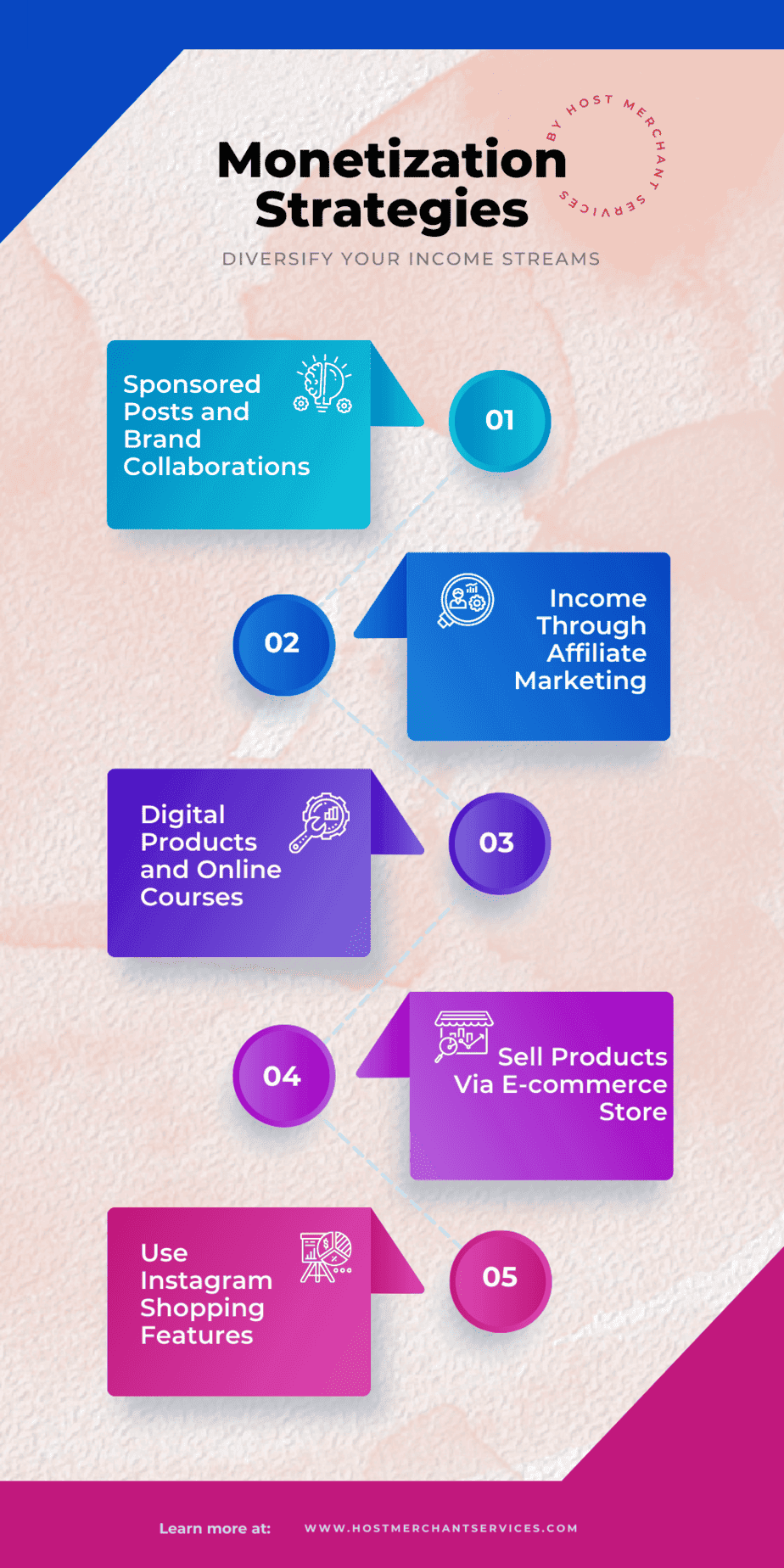
Secondly, the monetization options on Instagram are diverse. From sponsored posts, brand collaborations, and affiliate marketing to selling digital products, running online courses, and establishing your e-commerce store, the opportunities are boundless.
Moreover, the ever-growing influencer culture has demonstrated that authenticity and relatability hold significant value in the digital space. By staying true to your unique voice and style, you can build trust with your audience, leading to more fruitful partnerships and increased revenue.
Additionally, the flexibility of Instagram money-making allows you to pursue your passions and hobbies while generating income, making it an ideal side hustle or even a full-time career option.
Lastly, as social media continues to shape the modern business landscape, mastering the art of making money on Instagram equips you with valuable digital marketing skills, benefiting any future entrepreneurial ventures or marketing endeavors you might embark upon.
Overall, learning to make money on Instagram not only opens doors to financial gains but also cultivates creativity, community building, and business acumen. Embracing this ever-evolving platform can be a transformative journey that empowers you to turn your dreams into a reality while leaving a lasting impact in the vast digital world. So, why wait? It’s time to seize the moment and embark on this thrilling pathway to success.
What You Need to Make Money on Instagram?
In the bustling world of social media, Instagram stands out as a powerful platform for those seeking to transform their passions and creativity into a lucrative income stream. However, to embark on this journey of making money on Instagram, certain key elements and strategies are essential for success. Whether you’re an aspiring influencer, a budding entrepreneur, or a digital marketer, here’s a comprehensive guide on what you need to thrive in the Instagram money-making realm.
Compelling Content: The Backbone of Success
At the heart of any successful Instagram account lies compelling content that resonates with the target audience. To captivate users and keep them coming back for more, it’s crucial to curate visually appealing and engaging content. This may include stunning photos, eye-catching graphics, thought-provoking videos, or even entertaining reels and stories. Maintaining a consistent and authentic visual style will help establish your brand identity and make your content instantly recognizable amid the sea of posts on the platform.
Define Your Niche: Stand Out from the Crowd
In a competitive digital landscape, finding and establishing your niche is vital. Determine what sets you apart and what makes your content unique. Focusing on a specific niche allows you to build a loyal and engaged following of like-minded individuals who share a genuine interest in your content. Whether it’s fashion, fitness, travel, food, or any other passion, honing in on your niche will help you carve a distinctive place in the Instagram community.
Building a Strong Follower Base: Quality Over Quantity
While having a large number of followers can be enticing, the true value lies in building a quality follower base. Aim to attract genuine followers who are genuinely interested in your content and are likely to engage with your posts. Organic growth is not an overnight process, but it’s essential to focus on creating meaningful connections with your audience. Respond to comments, engage in conversations, and show appreciation for your followers to foster a sense of community and loyalty.
Monetization Strategies: Diversify Your Income Streams
Instagram offers various monetization opportunities to help you generate income from your account. Some popular strategies include:
Sponsored Posts and Brand Collaborations: Partnering with brands that align with your niche can be a lucrative way to make money. Brands may pay you to promote their products or services to your followers.
Affiliate Marketing: Recommend products or services through affiliate links, and earn a commission for every sale that originates from your referral.
Digital Products and Online Courses: If you have valuable expertise, consider creating and selling digital products or online courses to your audience.
E-commerce Store: Set up an online store to sell merchandise, such as branded merchandise or products related to your niche.
Instagram Shopping: If you have a business account and sell physical products, you can take advantage of Instagram Shopping features to tag and sell products directly in your posts and stories.
Consistency and Frequency: Stay Active and Engaging
To stay relevant and maintain your audience’s interest, consistency and frequency are vital. Develop a content schedule and stick to it. Whether you post daily, a few times a week, or at specific times, ensure you remain consistent. However, don’t compromise on quality for quantity. Deliver valuable and engaging content that keeps your audience excited and coming back for more.
Utilize Instagram Analytics: Data-Driven Decision Making
Leverage the insights provided by Instagram analytics to understand your audience better. Analyze metrics like reach, engagement, and audience demographics to gain valuable insights into what content resonates most with your followers. Use this data to make informed decisions about your content strategy and optimize your approach for better results.
Stay Updated: Embrace Platform Changes
Instagram continuously evolves with updates, new features, and algorithm changes. To thrive on the platform, stay informed about the latest trends and features. Embrace new opportunities like Instagram Reels, IGTV, and any other features that can help expand your reach and engagement.
Overall, making money on Instagram requires dedication, creativity, and business acumen. By curating compelling content, defining your niche, building a strong follower base, diversifying your income streams, maintaining consistency, leveraging analytics, and staying updated with platform changes, you can position yourself for success in the ever-evolving world of Instagram money-making. Remember, success may not come overnight, but with persistence and a genuine passion for your craft, you can unlock the potential for financial growth and fulfillment on this visually enchanting platform.
Top 10 Proven Ways to Make Money on Instagram in 2026
In the fast-paced world of social media, Instagram remains a dominant force for individuals seeking to turn their content into a lucrative source of income. As the platform continues to evolve, new and innovative opportunities have emerged for creators, influencers, and entrepreneurs to monetize their presence. In this comprehensive guide, we will explore the top 10 ways to make money on Instagram in 2026, focusing on leveraging your content to unlock a world of financial possibilities.
One of the most prominent avenues to make money on Instagram is by becoming an influencer. Influencers are individuals who have amassed a substantial following and possess the power to influence their audience’s opinions and purchasing decisions. Brands are keen to collaborate with influencers who can effectively promote their products or services to a targeted audience.
To become a successful influencer, identify and establish your niche. Focus on creating high-quality, engaging content that resonates with your audience. Showcase your unique personality and expertise, allowing your authenticity to shine through. As an influencer, you can monetize your account through sponsored posts, brand collaborations, and even long-term partnerships with businesses.
Embrace Instagram Reels
Instagram Reels, short-form videos set to music or audio, have become a dominant content format on the platform. By embracing Reels, you can tap into a vast audience and showcase your creativity in fun and exciting ways. As Reels continue to gain popularity, brands are eager to collaborate with creators who can incorporate their products or services into compelling Reel content.
To make money through Reels, consider partnering with brands for sponsored Reels or creating engaging Reel series that showcase your expertise or niche. Reels’ discovery algorithm is potent, making it a fantastic opportunity to reach new audiences and grow your following.
Leverage Instagram Live
Instagram Live provides an interactive and real-time way to connect with your audience. You can use this feature to host Q&A sessions, tutorials, behind-the-scenes glimpses, and virtual events. By leveraging Instagram Live, you can engage with your followers on a deeper level, fostering a sense of community and loyalty.
To monetize Instagram Live, consider hosting paid live sessions, where participants pay a fee to attend exclusive events or receive personalized advice. Additionally, brands may approach you for sponsored live sessions, where you promote their products or services in real-time.
Sell Digital Products and E-books
Creating and selling digital products and e-books can be a profitable venture on Instagram. If you possess specialized knowledge or expertise in a particular field, consider packaging it into a digital product or e-book. This could include guides, tutorials, templates, presets, or any other valuable content that appeals to your audience.
Promote your digital products through captivating posts, stories, and even Instagram Shopping. Utilize call-to-action (CTA) features to direct your followers to a link in your bio where they can make purchases. Selling digital products allows you to generate passive income while showcasing your expertise.
Affiliate Marketing and Sponsored Content
Affiliate marketing remains a popular strategy for making money on Instagram. Partner with brands and use unique affiliate links to promote their products or services. When someone makes a purchase through your affiliate link, you earn a commission.
In addition to affiliate marketing, sponsored content continues to be a lucrative avenue for creators. Brands may approach you to create sponsored posts, where you showcase their products or services in exchange for compensation.
Host Virtual Workshops and Masterclasses
With the rise of remote work and online learning, virtual workshops, and masterclasses have become highly sought after. If you possess expertise in a particular field, consider hosting virtual workshops or masterclasses through Instagram Live or IGTV.
Promote your workshops through engaging posts and stories, highlighting the value participants will gain from attending. Charge a fee for entry, and ensure you deliver valuable content that meets your audience’s expectations.
Launch an Online Shop
If you offer physical products, consider setting up an online shop on Instagram. Instagram Shopping features allow you to tag your products directly in your posts and stories, streamlining the purchasing process for your followers.
Invest in eye-catching product photography and compelling captions that drive your audience to make purchases. Engage with your customers, provide excellent customer service, and maintain a strong brand presence to encourage repeat business.
Provide Social Media Management Services
If you have a knack for managing social media accounts and creating engaging content, consider offering social media management services to businesses and individuals. Many businesses are willing to outsource their social media efforts to professionals who can effectively curate their online presence and drive engagement.
Use your Instagram account as a portfolio to showcase your social media expertise. Highlight case studies and success stories to demonstrate your ability to grow and manage accounts effectively.
Sell Merchandise and Branded Products
If you have a substantial following and a strong brand identity, consider selling merchandise and branded products. Create unique and appealing merchandise, such as clothing, accessories, or novelty items that resonate with your audience.
Promote your merchandise through Instagram posts, stories, and highlights. Collaborate with other creators or influencers to increase the visibility of your products and expand your customer base.
Offer Personalized Services
Personalized services can be an excellent source of income on Instagram. Whether it’s one-on-one coaching, consulting, or personalized content creation, many individuals are willing to pay for tailored experiences.
Promote your personalized services through your Instagram bio and highlight the benefits of working with you. Use engaging content to showcase your expertise and build trust with potential clients.
As Instagram continues to evolve in 2026, so do the opportunities to make money on the platform. From becoming an influencer, embracing Instagram Reels and Live, selling digital products and e-books, to affiliate marketing, hosting workshops, launching an online shop, providing social media management services, selling merchandise, and offering personalized services, there are numerous avenues for creators, influencers, and entrepreneurs to monetize their content and turn their passions into profitable ventures.
To succeed in the competitive Instagram landscape, focus on creating authentic and engaging content that resonates with your audience. Build meaningful connections with your followers and consistently provide value to nurture a loyal and dedicated community. With dedication, creativity, and strategic planning, you can unlock the full potential of Instagram and turn it into a thriving source of income in 2026 and beyond.
Final Words
Instagram has undoubtedly become a dynamic and lucrative platform for individuals to transform their passions and creativity into profitable ventures. As we explore the top 10 ways to make money on Instagram in 2026, it becomes evident that authenticity, dedication, and engaging content are the cornerstones of success in this ever-evolving digital landscape.
Whether you choose to become an influencer, leverage Instagram Reels and Live, sell digital products, engage in affiliate marketing, host workshops, launch an online shop, provide social media management services, sell merchandise, or offer personalized services, the key to thriving on Instagram lies in building genuine connections with your audience and consistently delivering value.
Embrace the diverse opportunities Instagram presents, stay updated with the latest trends, and above all, stay true to your unique voice and vision. By doing so, you can unlock the full potential of Instagram and embark on an exciting journey towards financial success and fulfillment in the thriving world of social media entrepreneurship.
Frequently Asked Questions (FAQs)
How do I become an influencer on Instagram?
To become an influencer on Instagram, focus on finding your niche and creating high-quality content that resonates with your target audience. Engage with your followers regularly, collaborate with other creators, and use relevant hashtags to increase visibility. Consistency, authenticity, and dedication are key to building a loyal and engaged follower base.
What are sponsored posts, and how do I get them?
Sponsored posts are collaborations between influencers and brands, where influencers promote the brand’s products or services in their content. To get sponsored posts, focus on growing your following and engagement, and create a media kit showcasing your expertise and audience demographics. Reach out to brands directly or join influencer marketing platforms to connect with potential sponsors.
How can I make money through affiliate marketing on Instagram?
Affiliate marketing on Instagram involves promoting products or services through unique affiliate links. When someone makes a purchase through your link, you earn a commission. To succeed in affiliate marketing, select products that align with your niche and genuinely appeal to your audience. Create engaging content and provide honest product reviews to build trust with your followers.
What types of digital products can I sell on Instagram?
You can sell a wide range of digital products on Instagram, including e-books, online courses, presets, templates, guides, and digital artwork. Choose products that showcase your expertise or cater to your audience’s interests. Promote your digital products through captivating visuals and clear calls-to-action.
Can I sell physical products on Instagram?
Yes, you can sell physical products on Instagram through Instagram Shopping. Set up your Instagram account as a business profile, connect it to a Facebook catalog, and tag your products in your posts and stories. This allows users to purchase products directly from your Instagram feed, streamlining the shopping process.
How can I attract brands for collaborations and sponsored content?
To attract brands for collaborations and sponsored content, focus on creating a strong personal brand and showcasing your expertise in your niche. Engage with brands on their social media channels and express your interest in collaborating. You can also join influencer marketing platforms or work with influencer agencies to connect with potential brand partners.
Can I make money on Instagram without a large following?
Yes, you can make money on Instagram even with a smaller following if you have a highly engaged and niche-specific audience. Focus on building a loyal and dedicated community by delivering value and connecting with your followers on a personal level. Brands may still be interested in partnering with you if you can effectively reach their target audience.
In today’s ever-evolving business landscape, remote work has become a prevalent and necessary practice for companies worldwide. As the year 2026 unfolds, organizations are increasingly recognizing the potential of remote teams to enhance productivity and drive success. However, effectively managing a remote workforce requires a different approach and a unique set of strategies.
In this article, we will explore the question, “Can your remote team increase your company productivity?” and delve into valuable tips and tricks to maximize the potential of your distributed workforce in 2026. Whether you are a seasoned remote team manager or new to the concept, this guide will equip you with practical insights to optimize productivity, foster collaboration, and ensure the success of your remote team in the digital age.
Can your remote team increase your company productivity?
Remote work has witnessed a significant surge in recent years, with more companies adopting flexible work arrangements and distributed teams. While remote work offers numerous benefits, such as increased flexibility and reduced commuting time, there are ongoing debates about its impact on productivity. Here, we will explore the potential effects of remote work on productivity, examining both the advantages and challenges that organizations face in managing remote teams.
Advantages of Remote Work on Productivity
Flexibility and Work-Life Balance
One of the major benefits of remote work is the flexibility it provides employees. Remote workers often have the freedom to choose their work hours, creating a conducive environment for increased productivity. They can structure their day to accommodate personal commitments and work during their most productive hours, resulting in higher efficiency and improved work-life balance.
Reduced Commuting and Distractions
By eliminating the commuting need to a physical office, employees can save their valuable time in remote work. This decrease in commuting-related stress and distractions can lead to a more focused work environment, allowing individuals to dedicate more time to their tasks and projects. Remote workers can create personalized workspaces that suit their preferences, further minimizing distractions and enhancing productivity.
Challenges of Remote Work on Productivity
Potential for Communication and Collaboration Gaps
Effective communication and collaboration are vital for any team’s success. In remote work settings, there may be challenges in maintaining clear and consistent communication channels. Miscommunication or delayed responses can hinder productivity and result in misunderstandings. Employing robust communication tools and establishing regular check-ins can help mitigate these challenges and foster effective collaboration.
Lack of Work-Life Boundaries
While remote work offers flexibility, it can also blur the boundaries between work and personal life. Without clear separation, remote workers may find it challenging to maintain a healthy work-life balance, leading to potential burnout and reduced productivity. Encouraging employees to establish routines, set boundaries, and prioritize self-care can help alleviate these concerns.
The impact of remote work on productivity can be significant, with advantages such as increased flexibility and reduced distractions. However, challenges related to communication and work-life boundaries need to be effectively addressed to ensure optimal productivity in remote teams. By implementing appropriate strategies, leveraging technology, and fostering a supportive work culture, organizations can harness the full potential of remote work and create an environment where productivity flourishes.
How Remote Work Increases Productivity
Remote work has transformed the traditional office-based work model, offering employees the flexibility to work from anywhere and at any time. Contrary to initial skepticism, remote work has demonstrated its ability to increase productivity in numerous ways. Here, we will explore how remote work can boost productivity and contribute to the success of both individuals and organizations.
Reduced Commuting and Increased Focus
One of the primary advantages of remote work is the elimination of commuting time and associated stress. Without the need to travel to a physical office, employees can start their workday promptly, allowing them to dedicate more time and energy to their tasks. This increased focus leads to improved productivity and efficiency.
Personalized Work Environment
Remote work empowers individuals to create personalized work environments tailored to their preferences. Whether it’s a quiet home office, a favorite coffee shop, or a co-working space, remote workers can choose a setting that promotes their productivity. Being able to work in an environment that suits their needs can have a significant positive impact on their output and overall job satisfaction.
Fewer Interruptions and Distractions
Traditional office settings often entail various interruptions, such as impromptu meetings, colleagues dropping by for quick discussions or excessive noise. Remote work minimizes these interruptions, allowing employees to maintain a more focused and uninterrupted workflow. With fewer distractions, individuals can concentrate on their tasks, resulting in higher productivity levels.
Increased Autonomy and Ownership
Remote work empowers employees with a sense of autonomy and ownership over their work. With greater flexibility in managing their time and tasks, remote workers can take control of their productivity. This increased autonomy fosters a sense of responsibility and accountability, motivating individuals to deliver their best work and meet deadlines consistently.
Access to a Global Talent Pool
One of the significant advantages of remote work is the ability to tap into a global talent pool. Organizations are no longer restricted by geographical limitations when hiring talent. This expanded access to a diverse range of skills, and expertise enables companies to assemble high-performing teams. By bringing together top talent from different locations, remote work promotes collaboration and innovation, ultimately driving productivity.
Improved Work-Life Balance
Remote work provides employees with the opportunity to achieve a healthier work-life balance. The flexibility to set their own schedules and integrate personal commitments seamlessly allows individuals to prioritize their well-being. When employees have a balanced life outside of work, they are more likely to be energized, focused, and motivated, resulting in enhanced productivity during working hours.
The shift towards remote work has demonstrated its potential to increase productivity by eliminating commuting time, reducing distractions, and providing individuals with autonomy and a personalized work environment. As organizations continue to embrace remote work, it is crucial to leverage the advantages it offers and address any challenges effectively. By fostering a supportive remote work culture, implementing clear communication strategies, and empowering employees, organizations can unlock the full potential of remote work and achieve heightened productivity levels.
Why Companies Should Consider Remote Work in 2026
The world of work has undergone a paradigm shift in recent years, and remote work has emerged as a prominent and viable option for companies worldwide. As we step into 2026, the significance of remote work has become even more apparent. This section will outline compelling reasons why companies should consider embracing remote work in 2026 and explore the numerous benefits it can offer.
Attract and Retain Top Talent
Remote work has become a highly sought-after perk among job seekers. By offering remote work options, companies can attract and retain top talent, regardless of geographical boundaries. This flexibility allows organizations to tap into a wider pool of skilled professionals, expanding their talent acquisition possibilities and gaining a competitive edge in the market.
Enhanced Productivity and Efficiency
Contrary to the initial concerns, remote work has demonstrated its ability to enhance productivity and efficiency. Without the distractions and time-consuming elements associated with traditional office settings, employees can focus on their tasks, leading to higher output and improved work quality. Studies have shown that remote workers often exhibit higher levels of job satisfaction, which directly correlates with increased productivity.
Cost Savings
Remote work offers significant cost savings for both companies and employees. Companies can reduce expenses related to office space, utilities, and other overhead costs. By allowing employees to work remotely, organizations can optimize their resources and allocate funds to more critical areas of their operations. Additionally, employees can save money on commuting, meals, and work attire, contributing to their overall satisfaction and well-being.
Business Continuity and Resilience
The COVID-19 pandemic highlighted the importance of business continuity and resilience. Remote work provides companies with the ability to adapt quickly to unforeseen circumstances, such as natural disasters, public health crises, or transportation disruptions. By establishing remote work capabilities, organizations can ensure uninterrupted operations and mitigate the impact of external factors on their business.
Improved Work-Life Balance
In 2026, work-life balance continues to be a priority for employees. Remote work allows individuals to strike a healthier balance between their personal and professional lives. The flexibility to manage their schedules and integrate personal commitments reduces stress and burnout, leading to happier and more engaged employees. Companies prioritizing work-life balance through remote work options are more likely to attract and retain top talent.
Environmental Sustainability
Remote work contributes to environmental sustainability by reducing carbon emissions associated with commuting. With fewer employees commuting to the office, there is a significant reduction in traffic congestion and pollution. Embracing remote work aligns with corporate social responsibility initiatives and demonstrates a commitment to environmental sustainability, appealing to eco-conscious employees and customers alike.
Global Collaboration and Diversity
Remote work enables companies to foster collaboration and diversity on a global scale. By leveraging technology and communication tools, teams can collaborate seamlessly across different time zones and locations. This allows organizations to tap into diverse perspectives, expertise, and cultural backgrounds, leading to innovative solutions and improved decision-making.
In 2026, remote work has become more than just a trend; it is a strategic advantage for companies looking to thrive in a rapidly evolving business landscape. The benefits of remote work, including attracting top talent, enhancing productivity, reducing costs, ensuring business continuity, promoting work-life balance, supporting environmental sustainability, and enabling global collaboration, are compelling reasons for companies to consider implementing remote work options. By embracing remote work, organizations can position themselves as forward-thinking, agile, and inclusive, setting the stage for continued success in the years to come.
How to Manage Teams Effectively in Remote Work Environment
Managing teams in a remote work environment require a different set of strategies and approaches compared to traditional office settings. As remote work continues to gain prominence in the professional landscape, managers must adapt and develop effective practices to ensure productivity, collaboration, and team success. Here, we will explore essential tips and strategies for managing teams effectively in a remote work environment.
Clear Communication Channels and Expectations
Establishing clear communication channels is paramount in a remote work environment. Utilize various communication tools such as video conferencing, instant messaging, and project management platforms to foster regular and transparent communication. Set expectations for response times, availability, and preferred modes of communication to ensure everyone is on the same page. Encourage open dialogue, active listening, and provide opportunities for team members to voice their ideas, concerns, and feedback.
Goal Setting and Performance Management
Set clear goals and expectations for individual team members and the team as a whole. Define key performance indicators (KPIs) and milestones to measure progress and ensure alignment with organizational objectives. Regularly monitor and review performance, providing constructive feedback and recognition for achievements. Implement performance management systems that allow for ongoing tracking and evaluation of remote team members’ contributions.
Foster Collaboration and Engagement
Promote a collaborative and engaged team culture by leveraging technology and virtual collaboration tools. Encourage teamwork through various team-building activities, collaborative project management platforms, and brainstorming sessions. Create opportunities for social interactions and team bonding via virtual team lunches, coffee breaks, or team-building games. Recognize and celebrate team achievements to foster a sense of camaraderie and motivation.
Trust and Empowerment
Trust is crucial in remote teams. Provide autonomy and empower team members to take ownership of their work. Avoid micromanagement and focus on outcomes rather than monitoring every step. Trusting your team members fosters a sense of responsibility and accountability, increasing motivation and productivity. Regular check-ins and one-on-one meetings are essential for building trust, addressing concerns, and providing support when needed.
Clear Communication of Expectations and Deadlines
Ensure that team members have a clear understanding of their roles, responsibilities, and deadlines. Clearly communicate project objectives, milestones, and deliverables. Use project management tools to track progress and provide visibility into task assignments. Regularly communicate updates and any changes to deadlines or priorities to keep the team aligned and informed.
Support and Resources
Provide the necessary support and resources for your remote team members to excel in their roles. Ensure they have access to the tools, software, and training they need to perform their tasks efficiently. Be proactive in addressing any technological or logistical challenges they may encounter and provide solutions or assistance promptly.
Encourage Work-Life Balance
Promote work-life balance among your remote team members. Encourage them to establish boundaries between work and personal life and respect their non-working hours. Encourage breaks, vacations, and time off to prevent burnout and maintain well-being. Lead by example and communicate the importance of maintaining a healthy work-life balance.
Effectively managing remote teams requires a combination of clear communication, goal setting, trust, collaboration, and support. By implementing these strategies, managers can foster an environment where remote team members feel engaged, empowered, and motivated to deliver their best work. As remote work becomes increasingly prevalent, adapting these practices will contribute to team success, productivity, and overall organizational growth.
Challenges to Avoid in Remote Work
While remote work offers numerous advantages, it also presents unique challenges that managers and employees must navigate. Understanding and addressing these challenges proactively is crucial to ensure a successful remote work environment. Here, we will discuss common challenges that arise in remote work and provide strategies to avoid or overcome them.
Communication Gaps
One of the most significant challenges in remote work is communication. Without the ability to have face-to-face interactions, misunderstandings can occur, and important information may be lost. To address this, establish clear and efficient communication channels. Encourage regular check-ins, use video conferencing whenever possible, and leverage collaboration tools for real-time communication. Foster a culture of open and transparent communication where team members feel comfortable asking questions and seeking clarification.
Lack of Collaboration and Team Connection
Building a sense of teamwork and camaraderie can be challenging when working remotely. To foster collaboration, create virtual spaces for team discussions, brainstorming, and knowledge sharing. Encourage regular virtual meetings or video conferences to maintain connections and build relationships. Implement team-building activities or social events, such as virtual happy hours or online games, to strengthen bonds.
Distractions and Work-Life Balance
Remote work can blur the boundaries between work and personal life, leading to distractions and difficulties in maintaining a healthy work-life balance. Encourage employees to establish dedicated workspaces and routines that separate work from home life. Set clear expectations around work hours and encourage breaks to prevent burnout. Promote self-care and emphasize the importance of disconnecting from work when needed.
Time Zone Differences
Remote teams often span different time zones, which can pose challenges for scheduling meetings and collaboration. To address this, establish core hours when all team members are available for synchronous communication. Foster a culture of flexibility and understanding, allowing team members to adjust their schedules when necessary. Leverage technology to facilitate asynchronous collaboration, such as using shared documents as well as project management tools.
Monitoring and Accountability
Monitoring the progress and productivity of remote team members can be challenging without in-person supervision. Focus on outcomes and results rather than micromanaging every step. Set clear goals, deliverables, and deadlines, and establish a system for tracking and reporting progress. Implement project management tools that provide visibility into tasks and milestones. Regular check-ins and performance evaluations can ensure accountability and provide opportunities for feedback and support.
Technology and Connectivity Issues
Reliance on technology in remote work means that technical difficulties and connectivity issues can disrupt productivity. Encourage team members to have reliable internet connections and access necessary hardware and software. Provide support and resources for troubleshooting technical issues promptly. Have backup plans in place for critical tasks or meetings in case of technology failures.
Remote work comes with its own set of challenges, but with proactive strategies, they can be effectively managed. By addressing communication gaps, fostering collaboration and team connection, promoting work-life balance, ensuring accountability, and being prepared for technology issues, organizations can create a productive and successful remote work environment. Embracing these strategies and continuously adapting to the evolving needs of remote teams will contribute to long-term success and employee satisfaction in the remote work era.
Final Words
Remote work has become a prevalent and transformative aspect of the modern work landscape. While it presents numerous benefits, it also brings its share of challenges that need to be addressed to ensure a productive and successful remote work environment. By considering the strategies and insights discussed in this chat, organizations can navigate the challenges of remote work effectively.
From clear communication channels and fostering collaboration to promoting work-life balance and addressing technology issues, these approaches can help managers and employees thrive in the remote work era. By embracing the opportunities remote work offers and proactively managing its challenges, organizations can unlock the full potential of their remote teams, leading to increased productivity, employee satisfaction, and overall success in the ever-evolving world of work.
Frequently Asked Questions (FAQs)
How can I ensure effective communication with my remote team?
To ensure effective communication with your remote team, establish clear communication channels, set expectations for response times and preferred modes of communication, leverage technology tools like video conferencing and instant messaging, and encourage open and transparent communication. Regular check-ins and one-on-one meetings can also help facilitate effective communication.
How can I foster collaboration in a remote work environment?
To foster collaboration in a remote work environment, leverage virtual collaboration tools and project management platforms, create opportunities for virtual team discussions and brainstorming sessions, encourage teamwork and knowledge sharing, and organize team-building activities or social events to build rapport among team members.
How can I manage remote team productivity?
Managing remote team productivity involves setting clear goals and expectations, providing regular feedback and performance evaluations, leveraging project management tools to track progress, promoting accountability, encouraging a healthy work-life balance, and fostering a supportive and empowering work culture.
How can I address work-life balance challenges in remote work?
To address work-life balance challenges in remote work, encourage employees to establish dedicated workspaces, set boundaries between work and personal life, promote breaks and time off, lead by example in maintaining a healthy work-life balance, and provide resources or support for managing stress and burnout.
What are some common challenges in remote work?
Common challenges in remote work include communication gaps, lack of collaboration and team connection, distractions, time zone differences, monitoring and accountability, and technology or connectivity issues. However, these challenges can be addressed through effective communication strategies, fostering a positive team culture, establishing clear expectations, providing support and resources, and leveraging technology solutions.
Making money without having to work is the endgame for many of us, but few people really understand how this works. Earning money with little to no ongoing effort may sound impossible, but that’s far from the truth. With passive income, you can earn extra money through projects or investments that continue to generate revenue on their own. And if you are looking to learn how to do that, you’ve come to the right place.
In this article, we’ll explain what passive income is and give you some tips on how to start earning money passively. Let’s get right into it.
What is Passive Income?
Passive income is a recurring stream of revenue earned without putting in a lot of effort. All you need to do is identify an income stream that can continue to provide you with money after its initial setup. Think of things like renting out a place, investing in stocks, or licensing out a product.
However, that doesn’t mean you won’t have to work at all; it just means your passive income won’t require you to put in as many hours as a full-time job.
Now that you understand what passive income is, let’s look at some ways you can start earning money passively.
Top 19 Passive Income Ideas
Here are some popular ways to earn money passively in 2022:
Real Estate Investment Trust (REIT)
If you want to invest in real estate but are not yet an accredited investor or don’t want the stress of buying and managing the property yourself, Real Estate Investment Trust (REIT) can help. REITs are corporations that own and operate income-producing real estate assets such as office buildings, apartments, and hotels. They are similar to mutual funds because they allow individual investors to earn real estate dividends without having to purchase any personal property.
Peer to Peer Lending
If you’re looking for a way to earn money passively in less than five years, peer-to-peer lending may be an ideal income stream for you. Peer-to-peer lending, also known as social lending, allows you to act as a middleman and lend borrowers money, thus cutting out financial institutions. You can choose who you want to lend to and earn higher returns compared to having your money in a savings account. Plus, you can make as much as 5% interest on your loan.
Affiliate Marketing
Affiliate marketing allows you to earn passive income if you are a social media influencer, blogger, or website owner. All you have to do is include a link to a brand’s product on your website, social media page, or email list. When a visitor clicks on the link and purchases the product, you earn money (affiliate commission). You can earn anywhere from 5% to 8% back on every purchase.
Rental Property
If you have a large capital and want to earn consistent passive income, purchasing a real estate property and renting it out could be the best option for you. However, if you don’t have the time to manage a long-term rental property, you might consider short-term rentals like Airbnb or renting out a spare room in your home.
Vending Machines
If you’re looking for a low-maintenance side business, consider starting a vending machine business. All you have to do is purchase a vending machine, place it in a strategic location, stock it with desired products, and begin earning passively. You can start a vending machine business with less than $2000.
Create an Online Course
Coursera, Udemy, and Skillshare are online platforms that allow you to create courses and earn money when someone buys them. If you have extensive knowledge of a subject, you can use these platforms to earn a comfortable passive income.
Dividend Stocks
Earning passive income from dividend stocks is a tried and true method. However, to receive large dividend checks as a shareholder, you may need to invest a significant amount of money. The company in which you invested will pay you a cash dividend from their profits quarterly, which will be deposited into your brokerage account.
Sell an eBook
You can write an eBook and sell it on Amazon, just like you can sell a course online. Writing an eBook will require little capital because you will not need to pay for publishing. eBooks are typically 30 to 50 pages long, so if you’re knowledgeable about a variety of subjects, you can write and publish as many as you want to earn passive income.
Start a Blog or YouTube Channel
One of the most interesting ways to generate passive income is to start a blog or a YouTube channel. You can turn your interest in traveling, painting, or singing into a source of passive income. You will be able to earn money from advertisements or sponsorships. All you have to do is pick a niche or topic that interests you and become an expert on it.
Stock Photos
One way to generate low-maintenance passive income is by selling stock photographs. If you enjoy taking photographs, you can sell your work on stock photo websites and profit from every purchase.
Make an App
Do you have a fun game or photo editing app in mind? Then you can generate passive income by putting these ideas into action. If you are not a programmer, you can create a no-code app and earn money passively.
Sell T-shirt Designs Online
Do you have design skills? Then you could turn them into a source of income by selling items with your printed designs. You can sell your designs on T-shirts, hats, mugs, and other items on platforms like CafePress and Zazzle.
Bond Index Fund
Instead of buying stocks from a company and becoming a shareholder, bonds allow you to lend money to businesses and receive interest on your loan. While they are generally safer than stocks, the interest is usually low.
Rent Out Your Car
You can rent out your car on Turo or rent it to someone who needs a car for Uber or Lyft and make money when you aren’t using it.
Cashback Rewards
Cashback rewards platforms such as Swagbucks, Rakuten, and MyPoint allow you to earn money while you shop. All you have to do is sign up, shop, and earn rewards – the more you shop, the more money you get.
NFTs
If you are a digital creator, you can earn passive income by minting your designs into Non-Fungible Tokens (NFTs) and selling them on platforms such as OpenSea, where you can earn cryptocurrency.
Laundromat
Starting a laundromat is a good way to earn passive income. While it’ll require large capital, it is often a low-maintenance passive income stream.
Start a Storage Rental Business
You can make money from letting people keep their items in your storage space. You get monthly checks with little to no effort.
License Your Music
Just like the stock photos idea, you can make money off your music by licensing it. You make money off it whenever someone uses your songs.
Conclusion
Passive income can be used to pay bills and even build wealth without having to work much, beyond the initial setup. The interesting thing is that you can have multiple passive income streams simultaneously. For example, you could earn money from books while renting out a place. There’s no limit to how many you can have. If you start working on passive income sources today, you’ll be much more relaxed tomorrow.
Planning, conducting market research, and learning about the legal requirements for launching a company are all necessary before starting a business. You must address various questions, such as “How do I find new ideas for products?” What is the ideal business strategy? What are the most effective marketing channels?
Many people have already taken the risk of starting their businesses. And you can, too, if you have the correct business concepts and ideas on new products. But you need a lot of effort to find an idea for new products and selling those products to the right audience. Here are 30 amazing product ideas to ignite your business in 2023
Benefits of Choosing the Right Product for Your Business
Selecting a product involves more than just estimating its sales potential. A business needs specific products to act as a magnet to draw customers in. Some are necessary items due to their large profit margin, while others are advantageous due to their rapid sales turnover.
It is advised to conduct market surveys to understand the needs of the consumers. Market research gives business owners suggestions on what products to sell and how to organize and carry out their marketing campaigns. The study should consider the competitors’ strategies, what products they offer, at what prices, and their target audience, whose preferences for current and potential items should be considered. Focus groups, polls, and other research methods, as well as interviews and studies, can all be used for market analysis.
But, if you think that conducting market research and market analysis would be hectic, there is no need to fret. We have compiled 30 incredible product ideas to spark your business in 2023 to assist you in finding profitable online business ideas.
30 Amazing Product Ideas in 2023
You might be looking for winning product ideas whether you’re beginning an eCommerce business or already have one. In reality, choosing what to sell is one of the most difficult challenges faced by business owners running an eCommerce operation. It might be challenging to develop new product ideas, regardless of whether you want to run a firm with a single item or a variety of connected products.
1. Jewelry
Jewelry is an excellent commercial idea for a business. You can manage a profitable business if you have the abilities and the capacity to create fresh, cutting-edge designs. However, it’s always a good idea to start modest and ensure you have insurance in case of theft while selling jewelry. You may also promote your jewelry on the Facebook Marketplace and other websites. Demonstrating your items to coworkers, friends, and family can stimulate curiosity and grab buyers’ attention.
2. Skincare products
Consumers are constantly looking for goods that can improve their appearance and well-being. You can succeed in the multibillion-dollar skincare sector if you have the correct products. The most important thing is to have affordable, effective products. Due to licensing regulations, there are numerous obstacles to joining the skincare market, but if you do it right and have the required knowledge and experience, it can be a goldmine.
3. Smartphone accessories
Today, smartphones are used by billions of people. However, these gadgets have grown highly complicated and need a variety of add-ons, such as tripods, headphones, chargers, and earbuds. Additionally, there is a persistent demand for these items because they are delicate and break easily. Selling items and accessories like phone chargers, earbuds, air pods, SD cards, and cell phone batteries are an excellent place to start modestly.
4. Art products
You can do well if you have good manual dexterity and can produce beautiful woodwork, pottery, paintings, and other works of art. Although there is little competition, you must produce high-quality work to attract the proper clients.
These products can be sold online, at festivals, weekend markets, and from the comfort of your home. To make these goods, you will need the appropriate machinery, but if you do a good job, you should see steady sales.
5. Home office products
Another extremely lucrative possibility exists here, especially in light of the increasing increase in remote employment. Selling fewer actual products, such as laptops, printers, cell phones, chargers, desktop computers, iPads, files and folders, and stationery, will help you get started. If your firm succeeds, you can expand your product range to include more oversized products like desks, bookshelves, file cabinets, lights, office chairs, and home office furniture.
6. Air quality appliances
The COVID-19 pandemic and growing worry over climate change are both responsible for the heightened interest in air quality. Humidifiers and air purifiers are two of the most accessible product ideas to enter this industry out of all the equipment that claims to handle air quality issues.
Humidifiers solve the problem of dry air that can irritate and swell airways by increasing the humidity in a room. Humidifiers can help with colds, flu, bronchitis, asthma, and sinusitis symptoms without curing the condition. They aren’t intended for continuous usage; instead, they are designed to precisely address dry air when it manifests, which is frequently in the winter owing to the use of heaters.
In contrast, air purifiers employ a fan and a filter as their two main parts to remove contaminants from the air. Depending on the product, air purifiers can remove dust mites, pet dander, pollen, and mold spores from the air. Such decreases allergy and asthma triggers by being detachable.
7. Car Accessories
According to estimates, the typical American spends eight hours and 22 minutes per week on the road, or 18 days a year. The average one-way commute time in the US reached a new high of 27.6 minutes in 2019. Additionally, meal delivery apps and ride-hailing apps like Lyft and Uber have made using one’s automobile to clock into a job possible. Cars are now an essential component of the workweek, whether getting to work or getting around while working.
Nevertheless, the market for automotive accessories is expanding and offers a wide range of potential products for you to market. Air fresheners, organizers, seat covers, rear cameras, and USB chargers are this sector’s most often used products.
8. IoT devices
The term “Internet of Things” (IoT) refers to items that have software, sensors, and other technologies that enable Internet-based connections with other systems or devices. Smartphones, smart watches, smart refrigerators, intelligent automobiles, smart security sensors, and smart lightbulbs are some of these goods. A reasonable rule of thumb is that an IoT gadget starts with the word “smart.”
As technology improves, more and more things will be turned into IoT devices, thereby creating an ever-expanding range of product ideas to offer. Of course, the disadvantage of these products is that they can be out of your company’s price range.
9. Reusable water bottles
The demand for reusable water bottles has increased due to rising environmental awareness. According to reports, younger generations, especially Millennials and Generation Z, are much more concerned about sustainability than previous generations are. This indicates that the movement for eco-friendly goods, including reusable water bottles, is here to stay.
The beautiful thing about this product concept is that any company may sell reusable water bottles to further establish its brand through form, logo, color, or other water bottle design options. It is eco-friendly advertising.
10. Air fryers
Since technology is advancing and people are becoming more health concerned, air fryers, in particular, are predicted to become more popular. Some of the technological breakthroughs are LED screens, sophisticated sensors, touchpads, and improved energy efficiency. Regarding the effects on health, some customers have reduced or eliminated oil from their meals to lower cholesterol levels. Without using oil, air fryers still produce crunchy treats.
11. Candles
Unlike many things on this list, candles have the added advantage of being consumable in that they are discarded after all the wax has been consumed. The customer will have to repurchase the candle if they enjoy the aroma. This market is therefore primed for repeat business. The candle industry does well during recessions as people who stay home to conserve money occasionally treat themselves to candles.
All varieties of candles are fantastic product ideas to take into consideration because they can easily fit into a variety of different businesses. To sell candles, you don’t necessarily have to run a candle business. Hotels, cosmetics shops, and other businesses already sell candles. Business owners can promote their brands by selling candles to these locations and drastically increase sales.
12. Baby products
The market for infant products is expected to expand due to growing economies, particularly those of China and India. The rising purchasing power of industrialized nations like North America, Europe, and others also aids the expansion of this industry. Infant safety awareness among expectant parents and technological advancements in the industry have created a market for novel and essential products. Baby carrying straps, breast pumps, and baby bouncers are particularly well-liked items to sell in this market.
13. Digital Products
Selling digital products is the quickest way to start earning a passive income. You don’t have to sell a set number of items to make money, and you can do it even while you sleep. When you have money in your account when you wake up in the morning, a company is worthwhile.
Because you can produce your products once and sell them to customers repeatedly, selling digital products is a lucrative internet business idea. You should also consider user feedback and enhance the product’s quality.
Furthermore, this business model may grow endlessly without ever having to worry about restocking, is cost-free, and is highly profitable. Digital products come in various forms, including e-books, templates, programs, online courses, applications, and more. Do you have the necessary skills to develop goods that improve the operations of other businesses? If yes, then get ready to produce and sell digital products.
14. Sell Your Crafts
Selling your crafts is one of the top small business ideas for 2023 if you’re a creative person. You can include anything from sculptures and paintings to clothing and jewelry under this product section.
You must first compile a portfolio of your work to get started. After that, you can start promoting your company on your blog and social media pages. You can also sell your handmade goods at regional craft fairs, consignment stores, and on websites like Etsy and Amazon Handmade. You’ll need to be resourceful and think outside the box if you want to market your crafts, as many opportunities are available.
15. Car LED Light
Every day, new lighting sources are discovered. Most auto manufacturers employed halogen lighting in their vehicles about 15 years ago. Then, because of its superior performance, the xenon technology of producing light replaced the halogen. Today, a lot of individuals utilize LED lights in their cars. This light source has better luminous flux properties while using less energy.
LED lamps truly gained popularity as soon as people from all over the world learned they could purchase them for a reasonable price. Google Trends reports high demand for automotive LED lamps, and as nothing new has occurred in the world of light sources, these lamps will continue to rank well shortly. By the way, the volume of orders for this product category might also be impressive.
16. Smart temperature sensors
Consider smart temperature sensors while shopping for affordable smart home products. You were given access to a climate-controlled chamber. These sensors measure the room’s temperature, humidity, and other factors and send the information to smart hubs, which control all the other smart appliances like smart heaters and drapes.
Smart temperature sensors are becoming one of the most well-liked eCommerce items worldwide because of their extensive versatility! Additionally, if you offer household appliances online, they could be among your top-selling products because of their low price.
17. Hair catcher
People must look for methods of catching these things since some foreign objects, such as pet hair and loose threads, might seriously damage their washing machines and sewage systems. Fortunately, some manufacturers have created a product known as a handy hair catcher. It is a filter that keeps everything redundant out of your kitchen sink or washing machine.
18. Fitness products
This is another sizable market that has been expanding steadily. Selling items like pedometers, sneakers, fitness trackers, towels, and armbands are an excellent place to start. If enough money comes in, you can add more products to your lineups, such as treadmills, bicycles, and other fitness gear.
19. Sterilizer Dryers
There has been a long-running trend with this product. Sterilizer dryers have been consistently trending since the end of 2018. Their appeal is limited to North America, though. Test this product on your store if you were selling in the US and Canada.
20. Lip Balms
Another affordable, top-selling item to offer online in 2023 is lip balm, which, as you can see from the trend graph, is still quite popular worldwide.
21. Matcha Tea
Another product that frequently appears on trending and best-seller lists is matcha tea. And as you can see, it has consistently high levels of popularity and global acclaim.
22. Laptop batteries
Another one of the top-selling products in 2023 will be laptop batteries. Laptop batteries are an excellent resource for those who want to revive an old laptop or create their own devices. A spare laptop battery ensures that mobile users never go without a computer.
Selling in the laptop sector gives you many chances to grow your product offering. You may market cases, wireless adapters, external hard drives, power supplies, and laptop memory.
23. Wall plates and covers
Coverings and plates you can put on the wall enable you to personalize your space. This is why many people are opting for this option over others. You can market ultra-modern decorative plates or classic ones with a finishing touch. Additionally, HDMI wall plates allow you to plug in HDMI-enabled devices and screwless wall plates with a sleek design.
24. Watch accessories
Watch accessories are among the most profitable popular items. Although the craze fluctuates in popularity, individuals typically hunt for watch accessories all year round. The market is also enormous, with a projected market volume of $335 billion in 2022.
25. Signage
Next on the list of currently popular products are signs. There are 135,000 searches per month for the term “signage” in the search volume. Marketing signage via social media is a brilliant idea. Determine who your main audience is.
26. Neck Massager
Neck massagers have become one of the most helpful self-care items you can get, possibly due to the shift to a work-from-home model and the need to get used to spending all day in uncomfortable positions! They come in a wide range of sizes and forms.
The data shows that there have been significant increases in the demand for neck massagers. As more and more individuals start purchasing self-care items to take care of their bodies, it will only increase with time.
27. Portable Blender
Fitness fans can benefit significantly from a portable blender, as maintaining fitness is becoming more popular. What is the most effective strategy to fulfill many people’s resolutions to maintain physical fitness? By eating a balanced diet! They can accomplish it because a variety of businesses sell the juice. Therefore, be sure it is authentic while selling this item because replicas need better received.
28. Car Phone Holder
Our lives are now more straightforward, thanks to technology. Before, we had to ask others for directions; now, our smartphone provides such information. But how can you use a smartphone to seek directions while driving? Car phone holders can be helpful in this situation. Automobile phone holders are becoming a necessary car component. They have been on the market for some time. The car phone holder will undoubtedly increase sales, regardless of whether you run a general or car-specific business.
29. Laptop Accessories
What could be better than a laptop that is compatible with your working environment as you incorporate work into the home? There are always more accessories to add to your business laptop, whether an HDMI cable to link it to the living room TV or your favorite skins. The market for laptop accessories is still on the rise significantly. They continue to be popular products to buy year after year.
30. Breathable Mesh Running Shoes
Because breathable fabrics are durable and provide movement comfort, athletes are now seeking footwear made of these materials. The airy sneakers are ideal for those who have only recently begun running. Since they are constructed of organic materials, breathable shoes are trendy. You can keep them for as long as possible because they don’t wear out.
Conclusion
It’s crucial to develop digital and physical product ideas depending on your target market, regardless of whether you’re a fledgling eCommerce business or an established player in the field. You can produce more quickly with great product ideas, stay one step ahead of the competition, satisfy your customers, and increase sales.
Now that you have the tools, it will be easier to start thinking of a great list of winning product ideas. Get outside and begin your explorations!
Frequently Asked Questions
How can I come up with product ideas for my business in 2023?
Generating product ideas can be an exciting process. Start by identifying current trends and consumer needs within your target market. Conduct market research to gain insights into emerging industries and areas of opportunity. Consider brainstorming sessions with your team, exploring customer feedback and suggestions, and analyzing competitor products for inspiration. Additionally, stay updated with technology advancements, societal changes, and environmental concerns to identify potential product ideas that align with the current zeitgeist.
How do I validate the potential success of a product idea?
Validating the potential success of a product idea is crucial before investing significant resources. Begin by conducting market research to determine the demand, competition, and target audience for your proposed product. Collect feedback through surveys, focus groups, or prototype testing to gauge interest and gather insights for further improvement. Analyze market trends, consumer behavior, and competitor offerings to assess the viability and uniqueness of your product. Additionally, consider conducting a small-scale trial or soft launch to gauge initial customer response.
What factors should I consider when selecting a product idea for my business?
When selecting a product idea for your business, several factors should be considered. Firstly, ensure that the product aligns with your target market’s needs and preferences. Assess the market demand and potential profitability of the product. Evaluate the production and supply chain feasibility, including sourcing materials, manufacturing, and distribution. Consider the scalability and long-term growth potential of the product. Additionally, factor in the competitive landscape and the uniqueness or competitive advantage your product brings to the market.
How can I differentiate my product from competitors in a saturated market?
In a saturated market, differentiation is key to standing out and capturing customer attention. Start by conducting a thorough competitive analysis to understand what sets your competitors’ products apart. Identify gaps or pain points that your product can address more effectively. Focus on creating a unique value proposition, whether it’s through superior quality, innovative features, eco-friendly materials, or exceptional customer service. Tailor your marketing messages to highlight the distinct benefits and advantages your product offers, and consistently deliver on your promises to build a strong brand reputation.
How do I protect my product idea from being copied by competitors?
Protecting your product idea from being copied by competitors involves taking appropriate legal measures. Consider obtaining intellectual property protection, such as patents, trademarks, or copyrights, depending on the nature of your product. Consult with an intellectual property attorney to navigate the legal processes and ensure your rights are safeguarded. Additionally, maintain confidentiality during product development by utilizing non-disclosure agreements (NDAs) with suppliers, manufacturers, and team members. Monitor the market for any potential infringements and be prepared to take legal action if necessary.
Many merchants may scroll through their merchant account statements to review their processed transactions and see unsuccessful payments with the code: ‘05: DoNotHonor.’ So why does the do not honor error code show up? Who’s to blame for the do not honor decline; the merchant, the banks, or the customer?
Unfortunately, the answer is not always straightforward. Most merchants have seen the standard credit card transaction code ‘05’, also known as the Do Not Honor code. While frustratingly vague, this code can be challenging to explain to customers waiting expectantly to complete their transactions.
In this article, we are going to go into detail about what does do not honor mean, some reasons why a do not honor decline occurs, how to fix it, and why it would be necessary for merchants to familiarize themselves with this error code and the reasons for its occurrence. We also offer some recommendations on how to mitigate the fallout in regard to the customer experience once a do not honor decline is fired off from the issuer.
What does Do Not Honor mean?
Decline code 05, also known as the do not honor code, indicates that the credit card issuer has declined the transaction. It occurs when the credit card authorization request returns a decline because the cardholder’s issuing bank refuses to validate the transaction.
There are a variety of reasons that prompt the issuing bank to send back the do not honor decline.
Some reasons for a do no honor decline
There are many issues that the do not honor code may be referring to. The code is very similar to the Error 404 code many online customers encounter on websites they are trying to make purchases on. Much like the error 404 code, the 05: donothonor code is used because even the issuing bank may not be exactly sure why the charge is denied. As a result, this error code is issued by the issuing bank message as a blanket response to encompass the long list of possible defects in the transaction or in the cardholder’s actions that may have caused it.
Some of the main reasons this code is most commonly used include the following:
There is an outstanding preauthorization charge on the cardholder’s account, resulting in insufficient funds to process the current transaction
The client has attempted to make this payment after a series of denials on behalf of their issuing bank. After those repeated attempts, the bank has decided to block any activity on the card, flagging it as a risk of being a stolen card or otherwise used fraudulently.
The issuing bank is situated in a different country. As a result, the issuer has placed a geographical block on the customer’s card, blocking them from using it if they have not been informed that the cardholder may be traveling.
In rare cases, the payment is flagged by the issuing bank’s fraud prevention team because the transaction appears unusual in nature for several reasons, such as the payment being processed late at night or at a unique time based on the cardholder’s traditional shopping patterns, several transactions having occurred together in rapid succession, or the amount being charged is unusually high based on the client’s spending history.
The cardholder may be exceeding the card’s credit limit and thus cannot pay for the transaction.
It’s also a good idea to check if the card is valid and whether the merchant or the customer has entered all the information incorrectly, as these errors could also cause a decline.
There may also be a discrepancy in the security codes used. A mismatch between the AVS or CVC code on the card and what the cardholder or an employee entered when processing the transaction can also result in a do not honor decline.
There may be a problem authenticating the transaction. 3D Secure is a security protocol that Visa and Mastercard developed to help reduce the risk of fraud in online credit card transactions. It is also known as the “Verified by Visa” or “Mastercard SecureCode” program.
For online purchases with a credit card enrolled in 3D Secure, the consumer may be prompted to enter an additional security code, usually sent to your phone via SMS or your email address. This code must be entered before the transaction can be completed, providing the cardholder with an extra layer of protection. 3D Secure is designed to verify the cardholder’s identity and ensure that the person making the purchase is the actual owner of the card. This can help reduce the risk of fraudulent transactions, as it makes it more difficult for someone else to use your credit card without your knowledge.
At other times, a do not honor decline is the best way for the issuer to stop a transaction. The decline could stem from any abovementioned options and may be a precautionary effort to mitigate risk. However, in some instances where actual fraud is suspected, there are limitations around how the issuer can communicate that back to the merchant, based on an international standard messaging format called ISO 8583.
ISO 8583 is widely used in the payment card industry and is supported by many payment card networks, including Visa, Mastercard, and American Express. ISO 8583 defines a common set of data elements and rules for the exchange of payment card data between financial institutions. The standard is used for the exchange of payment card transactions and related messages between payment card issuers, acquirers, and other financial institutions. It is widely used in the banking and financial industry to facilitate the authorization, clearing, and settlement of payment card transactions.
There is a specific code issuer can use to communicate the potential of fraudulent activity, “59: Suspected fraud.” However, Visa maps a 59: Suspected fraud decline to the 05: donothonor decline option. The card network takes this action to avoid an uncomfortable or possibly dangerous situation in an in-store setting.
It is important to note that the 05: donothonor code doesn’t necessarily imply fraudulent behavior. According to an explanation issued by Visa, most Do Not Honor declines happened for transactions that had less to do with fraud than with a customer error.
According to Visa’s analysis of global declined transactions, do not honor declines are on the rise. In fact, 76% of all international do not honor declines were either a result of insufficient funds or do not honor.
How to fix do not honor declines?
The simplest solution is to ask the customer to use a different payment method or another card to process the transaction. If that is not an option, the next best alternative is to request the client that they contact their issuing bank and inform them of the transaction and the issue they are facing, explaining to the issuer any possible reason that may be causing the do not honor decline that is applicable for the customer. If it is the case, the customer should inform their issuing bank that the decline may be happening because they are traveling, are out of the country, and are trying to purchase a large ticket item that exceeds their usual spending behavior.
Finally, you can ask the client to wait for an extended period, for around three to four hours, before trying the transaction again. The client may attempt too many successive purchases simultaneously, failing card networks’ velocity checks.
Outside of the solutions outlined above, the unfortunate reality is that there are not many other options available for solving this error code as in most or almost every case, it is beyond rare to find out what exactly the specific cause for the error code to show up is.
Using automation to mitigate do not honor declines
Do not honor declines for online transactions can be a cause for concern for most merchants due to the potential loss of sales and customers, possibly permanently. Especially if the merchant cannot explain the reason for the decline, it’s possible that customers may attribute the do not honor decline to some issue with the merchant’s system. However, this does not have to be the case. Below are some potential solutions that merchants can use to fortify their processing platform to reduce any impact on revenue and customer relationships.
The first option is to over-communicate and start by sending automated emails to customers impacted by do not honor declines, informing them of the error code so you can work with them to remedy the situation. Proactiveness would be the best weapon to turn a skeptical, possibly angry, customer into one that views the merchant as a trusted partner and adviser.
Another solution would be to issue a coupon with a follow-up email to those customers explaining what happened, some potential reasons as to why do not honor decline may have occurred, and reminding them of specific steps they should have taken by now. If the client was trying to buy particular items on sale or other limited-time offers, explain to the customer that they will still be eligible for the offer, extending the limited-time offer for a certain number of days upon receipt of the latest email.
These automated outreach options are just some of the few ways merchants can stay proactive to mitigate the potentially adverse impacts of a complex transaction decline code. Once implemented, these options can immediately over-communicate with customers, not just for not honor code declines but for any possible error code or chargebacks. These efforts can go a long way in improving the customer experience and can be easily scaled.
Conclusion
The error code ‘05: DoNotHonor’ is very common and also vague in its appearance. Essentially Decline code 05, also known as the Do Not Honor code, is when the payment processing attempt results in a rejection of the transaction’s authentication because the issuer refuses to validate the transaction. The ability to pinpoint the exact source of the ‘05: DoNotHonor’ code is complex as there are many issues that this error code could potentially be referring to. The issuing bank issued the do not honor decline code as an umbrella code to encompass the long list of possible defects that may have caused it.
The best solution for the merchant when they receive these decline codes is to try to attempt the processing of the transaction again; if that doesn’t work, then it is recommended to ask the client to either use another card or pay by cash. The client should immediately try to contact their bank to resolve the issue.
Just because the code has shown up doesn’t mean you have lost the revenue. When it comes to online transactions, make sure your payment gateway is not experiencing any issues and communicate to your client about the error code. Most of the time, the do not honor code results from actions taken by the consumer or the merchant. Maybe the client didn’t inform the issuer that they would be traveling, resulting in a geographical block of their card. Perhaps the security code is being entered erroneously.
That’s not to say there is no cause for alarm, and merchants should not be vigilant. Just as there’s an increase in eCommerce sales and noncash payment methods, there has also been a spike in payments fraud. Merchants should be aware that do not honor code declines are very common, and they should have a firm grasp of what such a decline code means some possible reasons it occurs, and some steps to take to remedy the situation.
Frequently Asked Questions
What does it mean when your bank declined the transaction with a u0022Do Not Honouru0022 message?
When your bank declines a transaction with a u0022Do Not Honouru0022 message, it means that they have chosen not to authorize the transaction. This can happen for various reasons, such as insufficient funds, suspected fraudulent activity, or a security concern. It’s advisable to contact your bank to understand the specific reason for the declined transaction and to address any issues that may have led to the u0022Do Not Honouru0022 response.
What is the meaning of u0022honor creditu0022?
u0022Honor creditu0022 typically refers to the act of fulfilling financial obligations, particularly in the context of credit or loan agreements. It means making timely payments and meeting the terms and conditions outlined in the agreement, demonstrating responsible financial behavior. By honoring credit obligations, individuals or businesses establish a positive credit history, which can enhance their credibility and improve their chances of obtaining future credit or loan approvals.
What does u0022Do Not Honoru0022 due to AVS CVV settings mean?
When a transaction is declined with a u0022Do Not Honoru0022 message due to AVS (Address Verification System) CVV (Card Verification Value) settings, it suggests that the information provided during the transaction does not match the cardholder’s billing address or the CVV code on the credit card. This could be due to entering incorrect or incomplete information or using a card that has expired. It’s important to verify and enter accurate billing addresses and CVV information to ensure a successful transaction.
What does u0022honoru0022 mean in banking?
In the context of banking, u0022honoru0022 typically refers to the act of fulfilling financial obligations or commitments, particularly related to payments or transactions. When a bank honors a payment or transaction, it means they have approved and executed it as per the agreed terms and conditions. This includes processing checks, authorizing credit card transactions, or executing other financial services by the customer’s instructions and the bank’s policies.
How do I fix my u0022Do Not Honoru0022 credit card?
To address a u0022Do Not Honoru0022 issue with your credit card, there are a few steps you can take. First, ensure that you have sufficient funds in your account or available credit to cover the transaction. If funds are not the issue, contact your bank or credit card issuer to inquire about the specific reason for the declined transaction. They can provide guidance on resolving the issue, which may involve updating your account information, verifying transaction details, or resolving any security concerns.
What is an example of u0022honoru0022 in a banking context?
An example of u0022honoru0022 in a banking context is when a bank honors a check presented for payment. If a customer writes a check to another party, and there are sufficient funds in the customer’s account, the bank will honor the check by processing it and transferring the specified amount to the payee’s account. This demonstrates the bank’s fulfillment of its obligation to facilitate the payment as per the customer’s instruction and maintains the integrity of the banking system.
Cookie Consent
We use cookies to enhance your browsing experience, analyze site traffic, and support our marketing.You can accept all cookies, reject non-essential ones, or manage your preferences below. Learn more in our Privacy Policy.
Cookie Preferences
Manage your cookie preferences below:
Essential cookies enable basic functions and are necessary for the proper function of the website.
Name
Description
Duration
Cookie Preferences
This cookie is used to store the user's cookie consent preferences.
180 days
These cookies are needed for adding comments on this website.
Name
Description
Duration
comment_author_email
Used to track the user across multiple sessions.
Session
comment_author_url
Used to track the user across multiple sessions.
Session
comment_author
Used to track the user across multiple sessions.
Session
Google Tag Manager simplifies the management of marketing tags on your website without code changes.
Name
Description
Duration
cookiePreferences
Registers cookie preferences of a user
2 years
td
Registers statistical data on users' behaviour on the website. Used for internal analytics by the website operator.
session
These cookies are used for managing login functionality on this website.
Name
Description
Duration
wordpress_logged_in
Used to store logged-in users.
Persistent
wordpress_sec
Used to track the user across multiple sessions.
15 days
wordpress_test_cookie
Used to determine if cookies are enabled.
Session
Statistics cookies collect information anonymously. This information helps us understand how visitors use our website.
Google Analytics is a powerful tool that tracks and analyzes website traffic for informed marketing decisions.
Contains information related to marketing campaigns of the user. These are shared with Google AdWords / Google Ads when the Google Ads and Google Analytics accounts are linked together.
90 days
__utma
ID used to identify users and sessions
2 years after last activity
__utmt
Used to monitor number of Google Analytics server requests
10 minutes
__utmb
Used to distinguish new sessions and visits. This cookie is set when the GA.js javascript library is loaded and there is no existing __utmb cookie. The cookie is updated every time data is sent to the Google Analytics server.
30 minutes after last activity
__utmc
Used only with old Urchin versions of Google Analytics and not with GA.js. Was used to distinguish between new sessions and visits at the end of a session.
End of session (browser)
__utmz
Contains information about the traffic source or campaign that directed user to the website. The cookie is set when the GA.js javascript is loaded and updated when data is sent to the Google Anaytics server
6 months after last activity
__utmv
Contains custom information set by the web developer via the _setCustomVar method in Google Analytics. This cookie is updated every time new data is sent to the Google Analytics server.
2 years after last activity
__utmx
Used to determine whether a user is included in an A / B or Multivariate test.
18 months
_ga
ID used to identify users
2 years
_gali
Used by Google Analytics to determine which links on a page are being clicked
30 seconds
_ga_
ID used to identify users
2 years
_gid
ID used to identify users for 24 hours after last activity
24 hours
_gat
Used to monitor number of Google Analytics server requests when using Google Tag Manager
1 minute
Marketing cookies are used to follow visitors to websites. The intention is to show ads that are relevant and engaging to the individual user.
Facebook Pixel is a web analytics service that tracks and reports website traffic.










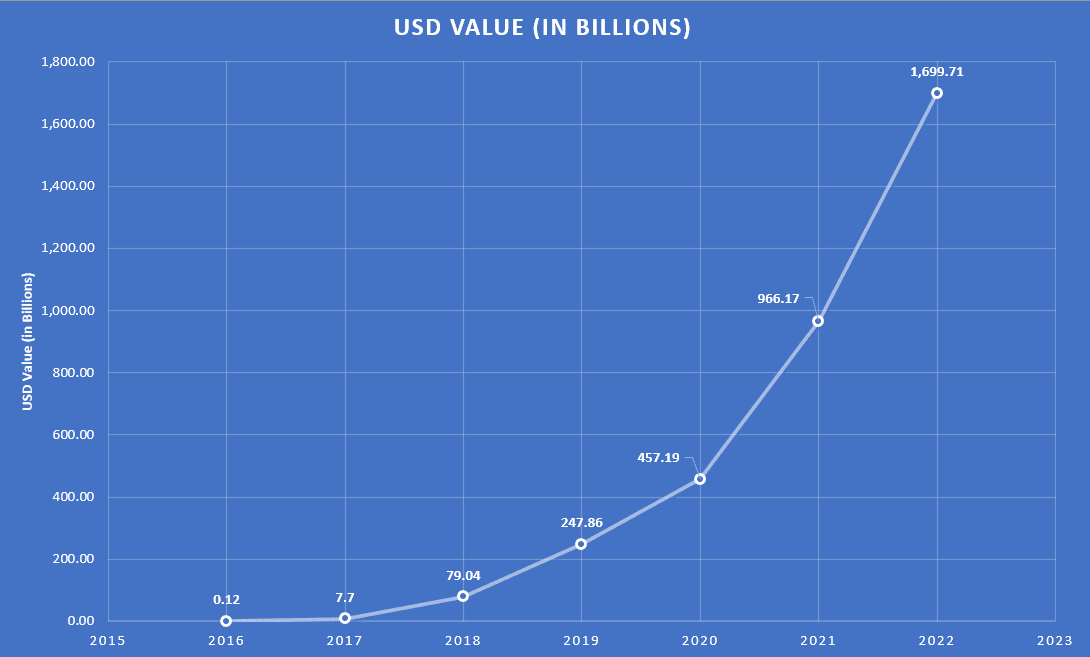
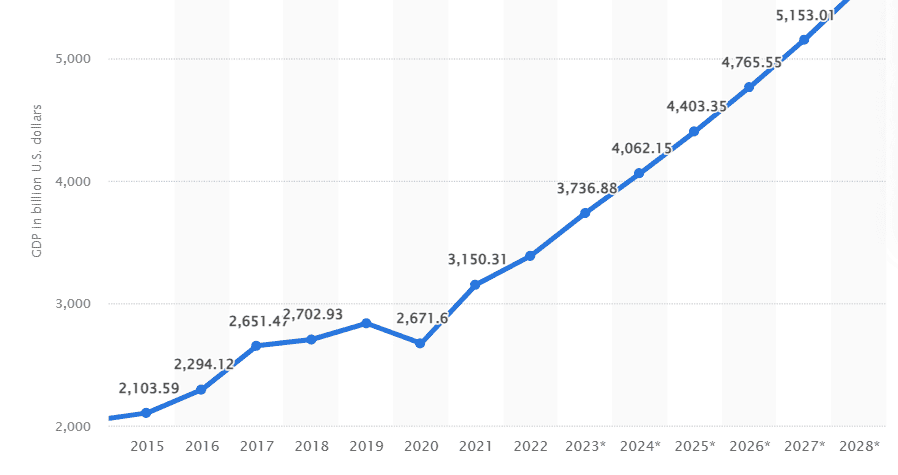


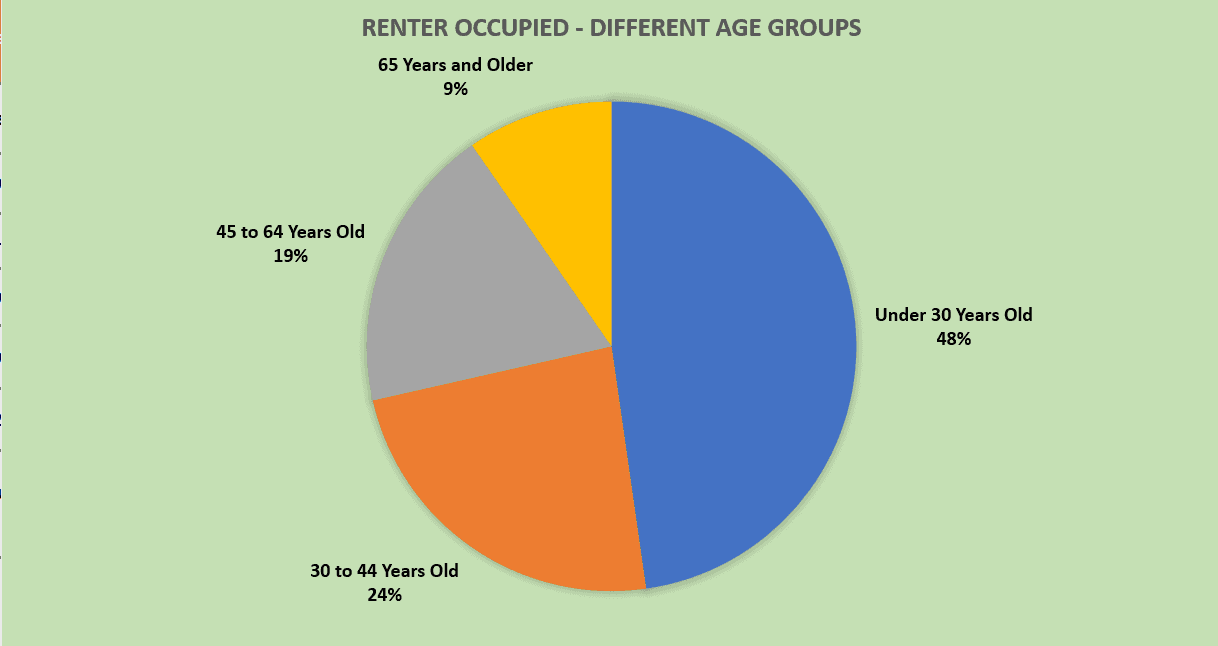
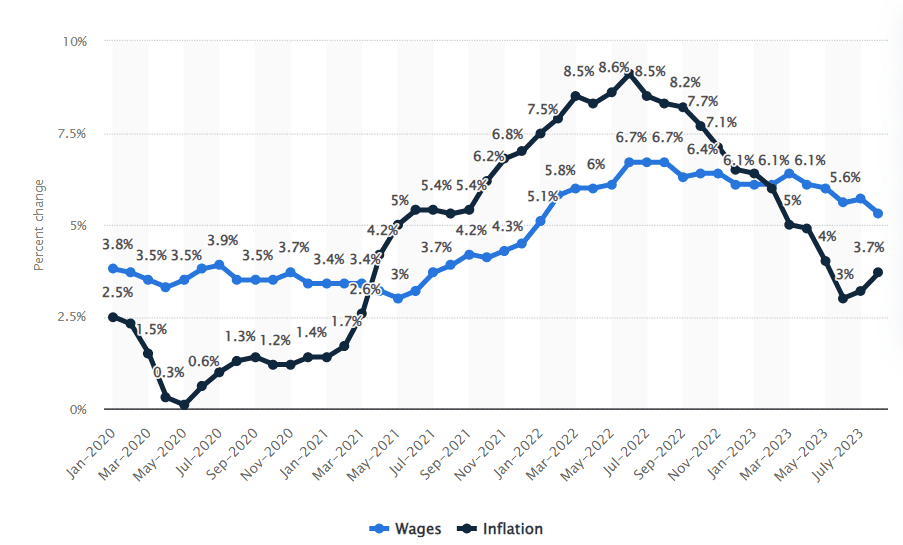
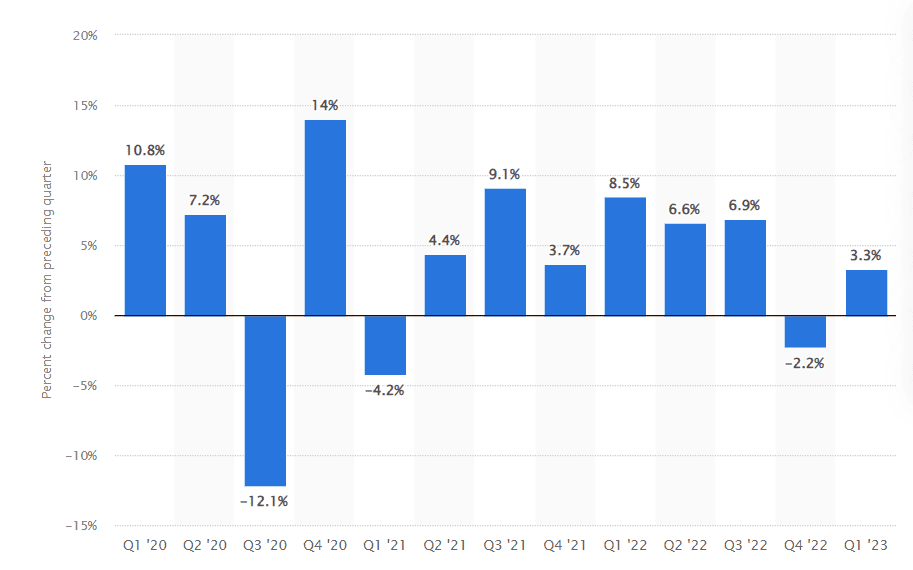
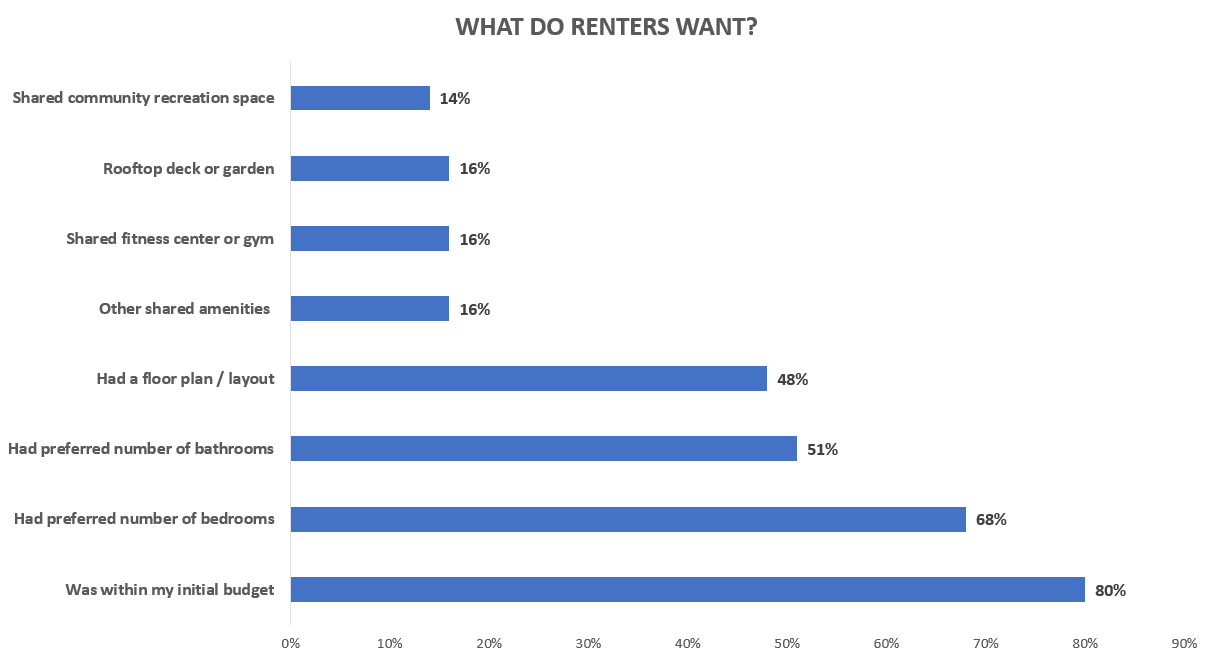
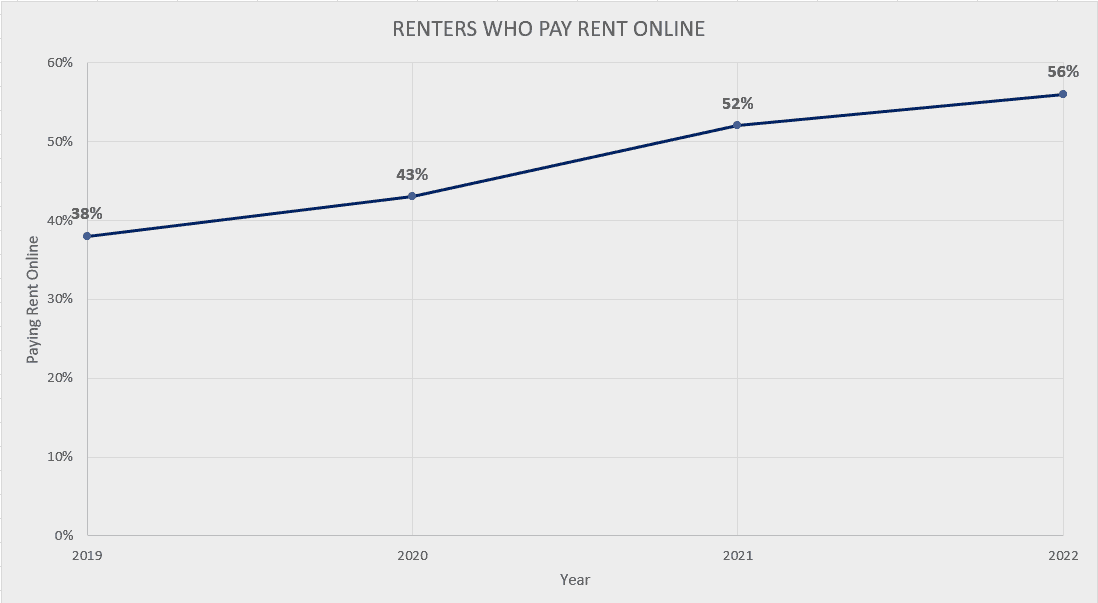
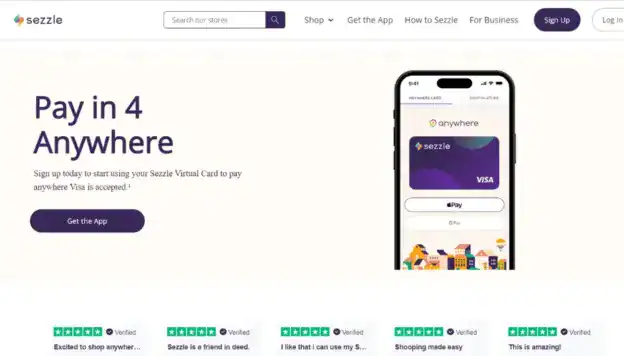
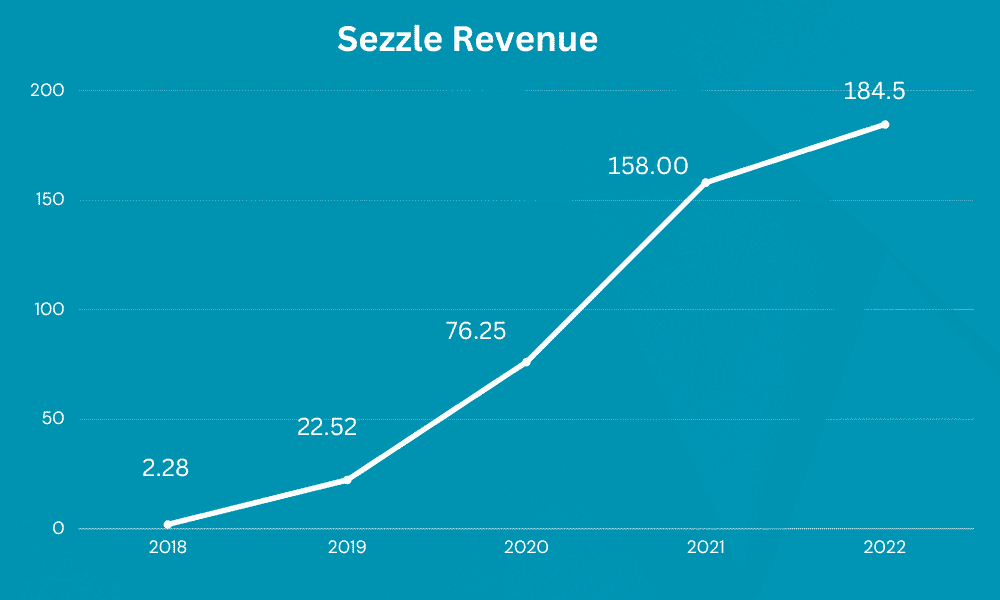

 Recommended :