Near field communication (NFC) transactions have been rising steadily all over the world for several years now, and in Canada, the dominance of mobile payment technology is no exception.
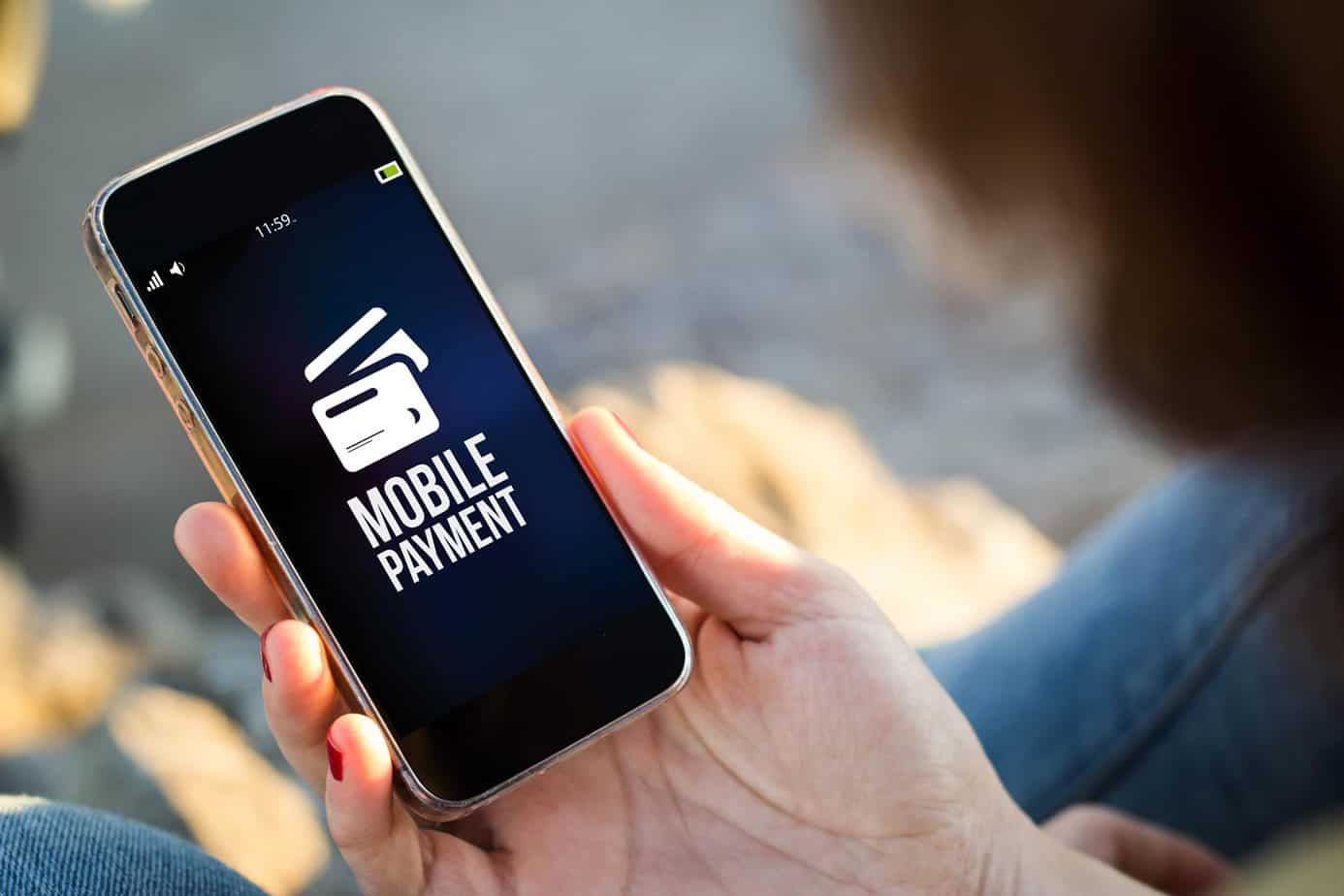 According to Visa Inc’s Canadian unit, Canadians are now more comfortable than ever with the use of mobile payment technology, with as many as 52% of 1,000 people polled in a recent survey saying that they contactless transactions regularly. In addition to this, 80% said that they consider contactless payments as “a very convenient way to pay,” and 45% praised their security.
In the first quarter of 2019 alone, near field communication made via platforms such as contactless credit cards, wearables, and mobile devices saw an increase of almost 25% since the previous year, accounting overall for 51.5% of total transactions made.
There are eight stand-out provinces of Canada that are really leading the way when it comes to contactless payments. The province of New Brunswick has seen 51% of its transactions become contactless followed by Saskatchewan (51.6%), Alberta (52.1%), British Columbia (53.5%), Ontario (54%), Nova Scotia (55.2%), Manitoba (58.2%), and Prince Edward Island leading the charge at 59.2% of all transactions.
One huge factor that has contributed to the increase in contactless payments is the recent rise of the digital wallet. Technologies such as Apple Pay and Google Pay, while they may have started somewhat slowly, soon started to pick up speed as Canadians started to realize the benefits and ease of simply paying with their phones, which most of us, especially the millennial and Gen Z generations, will more than likely have in our hands already anyway, as opposed to searching for their credit cards.
It should be worth noting too that, while contactless transactions in Canada make up 51.5% of all transactions, in the neighboring U.S., that figure drops to a pretty staggeringly low 3%. In spite of being one of the highest adopters of smartphones in the whole world (at a rate of 77% in 2018), statistics show that as much as 89% of all U.S. consumers are still shunning mobile payments, making the U.S. one of the lowest adopters of contactless technologies in the world, and Canada one of the highest.

 The data breach was reported to authorities last Thursday, October 24th, while a company representative relayed the information to Reuters. While there were no details with regards to how the breach was able to happen, the spokesman did confirm that there is an internal investigation ongoing. Italian police are also examining the possibility that other crimes may have been committed in conjunction with the security breach.


 If a merchant is willing to speak with you during your visit to their business, they are a good prospect. Don’t spend time or energy trying to talk to someone who doesn’t want to talk to you. You may not find a willing merchant until you’ve visited 10, 20, or more unwilling businesses. Keep going until a prospect is willing to speak with you. And when a merchant does finally speak with you, let them do the talking. Only talk half as much as your prospect does.
 People who already have active Venmo accounts will be granted access to manage their new credit card with the Venmo mobile app. All the main features of the credit card will be accessible through the Venmo mobile app. However, PayPal is yet to disclose the exact features of the credit card.
 For these reason codes, issuers must get supporting documentation. For disputes over digital goods or recurring transactions, there must be a cardholder email, letter, or expedited transaction dispute form.