

We all know that time is money, and in the world of small and medium enterprises, time is intrinsically tied to cash flow. When business owners have sufficient cash on hand, things have a great chance of going smoothly. Once the cash flow is drastically reduced or even depleted, operations suffer even if the promise of a cash injection is somewhere between one to seven days away. We have all heard about American families living from one paycheck to the next; a similar situation is endured by many small business owners, but the time frames tend to be tighter.
Settlement Speed is of the Essence for Small Business Owners

A recent survey conducted by MasterCard illustrates the importance of quick settlements, and providers of merchant services should be paying close attention to what American business owners are going through. More than 60% of small companies start feeling the deleterious effects of waiting around for money to arrive. Imagine a convenience store owner who is left with less than $20 in the register; he may be waiting for a nice $900 transfer from his payment processing provider, but this could take another day or two. The same thing goes for an architect who is stuck waiting for an ACH transaction to switch from pending to available in her bank account.
 The reality of access to capital these days is that more than half of all small business owners, particularly retailers, are more than willing to switch to a merchant services provider who offers who offers quick payouts. The bigger names in the payment processing sector are offering faster delivery of funds, and they are hardly alone in this regard. We have already seen credit card processing firms such as Square speed up their payments considerably, and their clients have been signing up for instant payments, which generally cost them more, at a healthy pace. Big financial institutions such as JPMorgan Chase are taking advantage of their status as established financial institutions to speed up payment processing to completion almost in real-time.
Analysts who cover the merchant services and credit card processing sector have been warning about the rise of digital currencies and their potential for instant settlements. In emerging markets, small business owners skip payment processors and deal directly with shoppers who wish to settle purchases from one digital wallet to another. What merchants do in this case is tap the cryptocurrency exchanges to convert their funds into fiat, but this is sometimes faster than waiting on credit card payments to be deposited. In the United States, automated clearing houses are in danger of becoming a relic because even the most nimble providers can take up to 24 hours to complete transactions.

 Overall, a company such as Walmart, for example, will be losing out on money for each digital order. If they are able to convince a customer to make their own way to an actual physical store to collect the item themselves, however, it can start to save Walmart some money. And it all soon adds up.



 Quick Chip and M/Chip Fast: The Card Issuer Response to Slow Chip Transactions
 This week, the Consumer Financial Protection Bureau (CFPB), a consumer protection agency created by the Dodd-Frank Act of 2010, has filed lawsuits against a number of people and companies involved in student loan debt relief services.
 In addition to violations of the FCRA, the CFPB alleges that several defendants violated the Consumer Financial Protection Act of 2010 and the Telemarketing Sales Rule (TSR) while marketing and providing student debt relief services through deceptive representation about services. Defendants allegedly misrepresented to consumers that their interest rates would be reduced, their credit scores would improve, and the Department of Education would become their loan servicer. Several defendants also illegally charged over $15 million in fees in advance of consumers receiving adjustments to their loans or making payments toward the adjusted student loans.
 The worst month for retail sales in Hong Kong was October, which posted a 24.4% drop on an annual basis. Amazingly, market analysts expected an even more calamitous report for November when considering just how violent the protests have turned since October. The resolve of activists in Hong Kong has not shown any signs of abatement; on New Year’s Day, one of the most impressive rallies drew hundreds of thousands out onto the streets of the Kowloon district, and leaders who spoke to international journalists explained that they are not ready to stop until the Communist Party of China gets the message: People of Hong Kong do not want to abandon the democratic system.
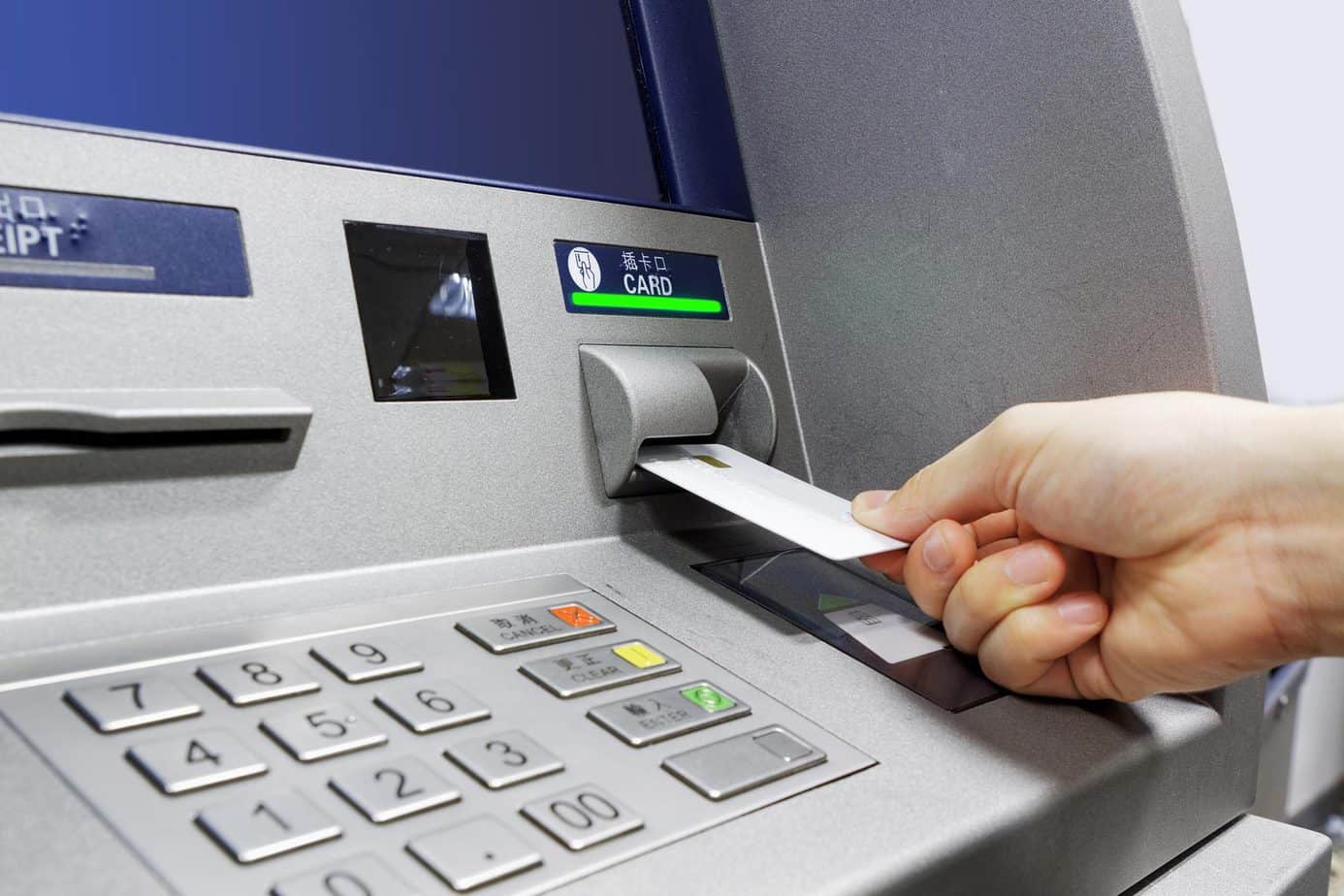 LINK, the business entity that controls the national network of cash machines located within corners shops across the United Kingdom, has sharply reduced the interchange fees, and it is planning even more cuts in the near future. ATM operators have taken swift action to cut their losses by removing machines from corner shops. The Association of Convenience Stores is now urging LINK to scrap the next fee reduction so that ATM operators do not end up removing all their cash machines, particularly in communities where residents do not have easy access to their banks.
 Before discussing details about this security incident, it should be noted that Landry’s POS system was not breached. In fact, the restaurant chain operates a system that not only encrypts data but also blocks all scripts it does not recognize which means that unrecognized malware would have no effect. There was another card-reader system affected, but not one used for payments. With this in mind, the scope of the incident is sharply reduced because the credit and debit cards that may have been intercepted were not supposed to be swiped in the targeted system anyway.