Author Archives: hostmerchantservices

European-Countries-Trend-Cashless

European Countries Trend Towards Cashless Societies [2023 Update]

In the United States and other countries around the Americas, “Cash Only” signs can still be found in many retail establishments; however, the opposite situation can be observed in Sweden, a country where hundreds of bank branches no longer accept or store cash deposits.

Sweden is on track to becoming the first truly cashless society, and other nations in Europe are also moving towards a future where electronic transactions enabled by payment processing networks are the preferred monetary settlement methods.

No Cash? No Problem in Europe

In 2016, a market research study conducted by payment processing giant Visa showed the extent of cashless electronic transactions in Sweden, where consumers are three times more likely to use debit cards or their smartphones to pay for anything from snacks to groceries and from rent to concert tickets. What is interesting about Sweden is that this is a country where consumer credit is nowhere near as popular as it is in the U.S. Swedish people simply love paying with debit cards and smartphones; they have simply fallen out of love with their national currency, the kronor.

Another European country that seems to be headed towards a cashless future is Greece, and this is surprising due to the restrictions on money transfers imposed by the government during the financial crisis of 2015. Over a period of two years, Greek consumers did not trust electronic transactions because they were handled by the banks they had grown to mistrust; by 2017, however, people in Greece had become tired of handling cash. These days, bank account holders in Greece demand services such as mobile transfers and smartphone wallets that they can link to their banks.

In April 2017, Dutch banking giant ING surveyed 15,000 European account holders to gauge their feelings about using cash in the 21st century. Not surprisingly, one out of every three survey respondents indicated their desire to stop using cash altogether; in fact, many respondents stated that they think payment processing networks are advanced enough to handle 100 percent of all transactions.

Final Words

What is interesting about the ING survey is that countries such as Italy, Turkey and Poland are where people feel the strongest towards a cashless future. These happen to be the nations with the highest incidence of money laundering and corruption, which may explain why their citizens feel that doing away with cash will improve the current situation by removing temptation and forcing greater transparency.


Apple store chicago 1

Retail isn’t Dying, it’s Evolving

Millennials cause retail to evolve
The Retail Industry is Far from Dead

For all the talk about how e-commerce has advanced to the point that online shopping has obliterated the brick-and-mortar experience, the evidence cited in this regard is tenuous at best. Those who believe that e-commerce will make shopping mall disappear will often mention the meteoric rise of Amazon and the fact that Cyber Monday creates more revenue than Black Friday; the problem with these assumptions is that they do not take into account what is really taking place at the retail level.

Apple Retail Concept StoreIn recent weeks, tech giant Apple has unveiled some very interesting expansion plans for its Apple Stores, which have been crucial for the company’s massive success since 2010. Apple wants to offer more than just gadgets and repairs at its stores; the company plans to hold town hall meetings, give programming classes and even partner with café brands, perhaps Starbucks. Apple’s new location will have a large aesthetically pleasing courtyard with trees that shade you from the interior lighting. The goal is to become a location where people want to gather. The products and services will be viewed a secondary reason for being there.


Speaking of Starbucks, the company is once again considering expanding its menu with craft beers, select wines and gourmet foods. Again, becoming a location for not just coffee drinkers to hang out at. Even Nordstrom is talking about opening locations on the west coast that won’t sell clothes – instead they’ll focus on spa and beauty services in a, you guessed it, fun environment to hang out with the girls.

Urban Outfitters, the trendy clothing store for the Millennial generation, recently acquired a gourmet pizza chain. It is clear that Urban Outfitters intends to provide a shopping experience that may include offering pizza and Italian delicacies to customers. It is also important to note that the clothing chain’s young customers are less likely to pay with cash; which is why they are expanding to accept EMV and NFC so they can pay with everything from Apple Pay to debit cards. The Millennial generation leverages electronic payments more than any other market segment, and thus it makes sense for Urban Outfitters to upgrade its merchant services.

It is clear that the American retail industry is in a transitional period that is shifting to meet the desires of the Millennial generation. Companies are creating concept locations that are supposed to be a fun hangout spot rather than the place to buy a smart phone or a cup of coffee. This business model seems logical. Give the younger adults a place where they can congregate, and they will inevitably spend money on whatever is around. The top 10 retailers in the U.S. are department and discount store chains; Amazon is the only e-commerce giant in this club, and even Amazon is getting into the brick-and-mortar world with its recent purchase of Whole Foods.

Retail is here to stay. It definitely won’t be the same retail that we grew up with, it will be better. It’s possible that the old retail shopping was, on a whole, so un-enjoyable and non-aesthetically pleasing that it pushed people to e-commerce. If retail does evolve to give the shopper an exceptional experience, e-commerce might just take a hit. The fact that giants like Apple and Amazon focusing on physical locations means retail has huge opportunities that merchants can capitalize on. I for one am excited. So, here’s to the future of retail. A new retail that will pull you away from your computer and make you want to shop in reality again.


VR changing Retail Shopping 1

Virtual Reality is Shaping Retail and E-commerce… Re-commerce?

Virtual Reality Shopping
What Virtual Reality Means for Merchants and Retailers

The video game industry has already made the most out of augmented reality and virtual reality, two advanced technologies that were originally developed for military applications; has the time arrived for the retail and e-commerce sectors to embrace them?

Augmented and virtual reality technologies, respectively known as AR and VR, are indeed making inroads in the retail sector, and their future is very promising. Long before the wildly popular AR mobile game Pokemon Go made its debut, footwear brand Converse was already using The Sampler, an interesting AR app that allowed shoppers to use their smartphone cameras for the purpose of seeing how a pair of sneakers would fit them before heading to the store. In the case of VR, IKEA and Lowe’s have both introduced virtual experiences for shoppers who can don headsets for the purpose of decorating their home interiors; this is a classic example of VR being used to drive store traffic and add excitement to the retail shopping experience.

Continue reading

Heartland Charges Customers 2 1

Heartland Payments Charging $299 EMV Non-Acceptance Fee

Heartland Payments charging EMV non-acceptance fee


EMV cards have been in a talking point for the last couple of years. In 2015 card companies started switching over to EMV “chip” cards. Two years later we’ve all seen these cards, and probably have at least one by now. The chip side of an EMV card gets inserted into a credit card machine ensuring a more secure transfer. This is due to the fact that fraudsters can recreate magnetic stripes but not EMV chips, therefore making them harder to steal and use. Now that merchants have had two years to switch to EMV capable credit card machines, many merchant services providers including Heartland Payments will start implementing EMV non-acceptance fees.

EMV Non-Acceptance fees

In November Heartland Payments, one of the largest merchant services providers in the US, will start charging $299 EMV non-acceptance fees to it’s customers who do not yet accept EMV payments. This may not seem like a big issue – just get a new credit card machine, right? Wrong. Many merchants have point of sale systems that they have put tens of thousands of dollars into that do not accept EMV chip cards. That leaves the merchant with a large bill to upgrade their point of sale system that they may have just purchased and are most likely still in a contract for. The other options are A) adding on an EMV pin pad to the existing point of sale system which may cost hundreds of dollars and will remove integrated payment processing from the point of sale system or B) pay the EMV non-acceptance fee. Unfortunately, paying the fee may be the cheapest option besides the fact that you will be forced to upgrade to EMV at some point.

Why are merchant services providers charging EMV non-acceptance fees?

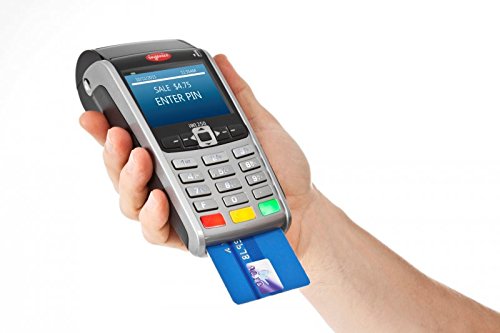
Ingenico iWL250 EMV Credit Card MachineWell, it depends on how you look at it. The banks are saying it’s an incentive to switch over to EMV because EMV is safer for both the merchant and the customer. Others see it as a money grab – just another fee that merchant services providers can charge for.

It does make sense that EMV payment processing is safer, but it doesn’t make sense that the shift to EMV should cost merchants hundreds to tens of thousands of dollars. Many merchants don’t even have a need for the upgrade for example; if they are already keying in transactions on a non EMV capable terminal, or are low risk of counterfeit and fraud such as charities or religious organizations.  Such companies shouldn’t be charged for EMV non-acceptance.

As for those who do need the upgrade, payment processing and merchant services companies should provide compliant hardware without cost to the customer. Here’s the good news; the non-acceptance fee isn’t mandatory in the industry. Some payment processing companies are making sure their customers are taken care of free of charge.

Can I get out of paying?

Yes. Merchants can easily switch their payment processing to a company, like Host Merchant Services, that will not charge you an EMV non-acceptance fee. You will probably end up with a better rate and spending less overall by making a switch. Even if a merchant has a point of sale system with another company, the payment processing can most likely be switched to another service provider that won’t charge an EMV fee. If you don’t know if your payment processing company is going to charge you, give them a call and find out. Many companies hide EMV compliance fees in their contracts and you might not know until it’s too late.

Are EMV compliance and PCI compliance the same thing?

No.

PCI compliance has to do with secure processing of cards, not accepting EMV. For example, using tokenization rather than storing customer data in your system has to do with PCI compliance. EMV compliance is just having the ability to accept a chip card using a credit card machine that accepts EMV chip cards.

How is Host Merchant Services handling EMV compliance?

Good business practices.

Host Merchant Services values their customers and make sure that all of them are EMV compliant at no cost. If they have a point of sale system that can’t accept EMV, Host Merchant Services will find a solution. Merchants are never charged hidden fees and we don’t try to get extra money from our customers. In fact we have a lowest cost guarantee. We will match or beat any company or you get $100.

Host Merchant Services also offer Bonsai point of Sale systems, all of which accept electronic payments including EMV, NFC, Apple Pay, Android Pay and PayPal.


Stocks vs Bitcoin 1 1

Stocks and Bitcoin Battle for Millennials’ Investing Dollars

 Bitcoin vs the Stock Market

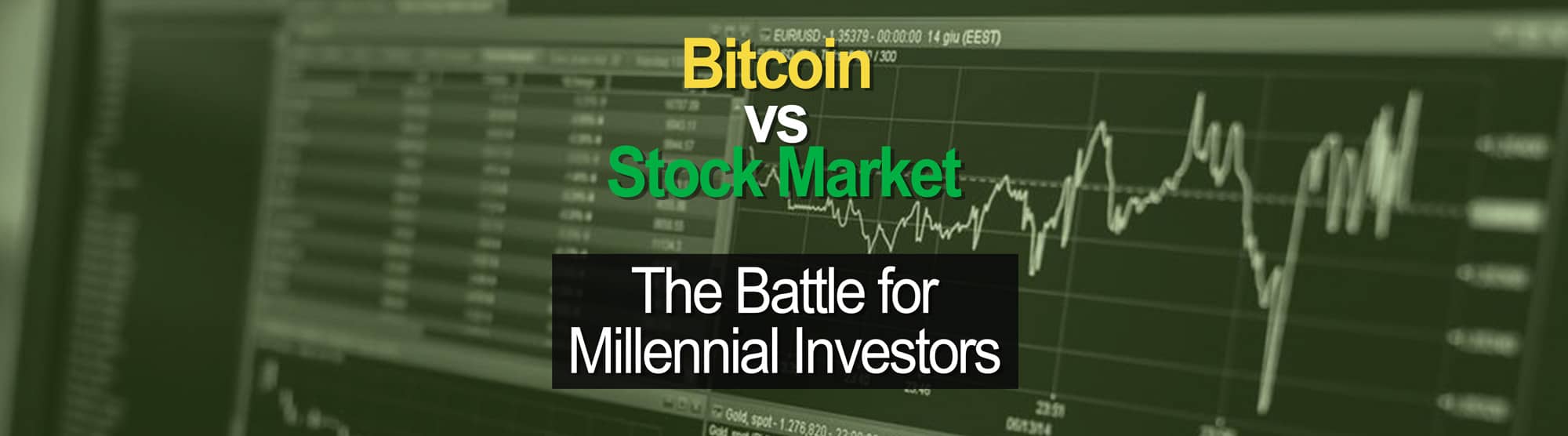
Though the high-profit potential of Bitcoin and other cryptocurrencies offers irresistible bait to that powerful under-36 demographic we call millennials, it’s not time to write the stock market obituary just yet. Popular stock market apps have made online trading of stodgy old Wall Street firms seem cool and new again. The truth is that this generation has shown an affinity for cryptocurrencies and the stock market that will likely drive digital trading trends for the foreseeable future.

Millennials Love Stocks

Even though Bitcoin and other kinds of digital currency are the sexy new beast of today’s trading world, only an insane analyst would think that the stock market will assume a secondary position of importance any time soon. As long as actual business drives the world’s economic engine, stocks will stay popular with millennials traders. They have stood the test of time, which appeals to any investor who chooses a balanced approach. Stock apps are popular with young traders because it’s free and plugs them directly into the trading space without fees or commissions of any sort. For this self-directed generation, the trade-off in fewer research or tools is an easy one to make.

And Millennials Love Cryptocurrencies Too

Bitcoins Cryptocurrency Bitcoin and its brethren have a few things going for them when it comes to popularity with the under-36 crowd. First of all, it’s new, techie, and the latest shiny object. This generation, the first to spend their lives in an internet and smartphone world, automatically love it. Digital currency is only nine years old as an industry, but the past few years have seen the potential for incredible returns the like of which we haven’t seen since the dot-com boom and bust of the late 1990’s.

The Bottom Line

Regardless of the generation, smart investing still equals smart investing, and though the particular assets might change, tried and true principles remain the same. Expect millennials to continue their stock-investing ways for the majority of the portfolio, with a much smaller percentage dedicated to holding cryptocurrencies. It’s the same theory as that implemented by previous generations who loaded up on proven stocks but reserved a portion of their money to take chances on small companies with bright prospects. One thing is certain. Millennials have taken over the reins and will steer the direction of trading trends for the time being. You can bet that will include both stocks and digital currencies.

Whole-Foods-Breach

Whole Foods Data Breach [2023 Update]

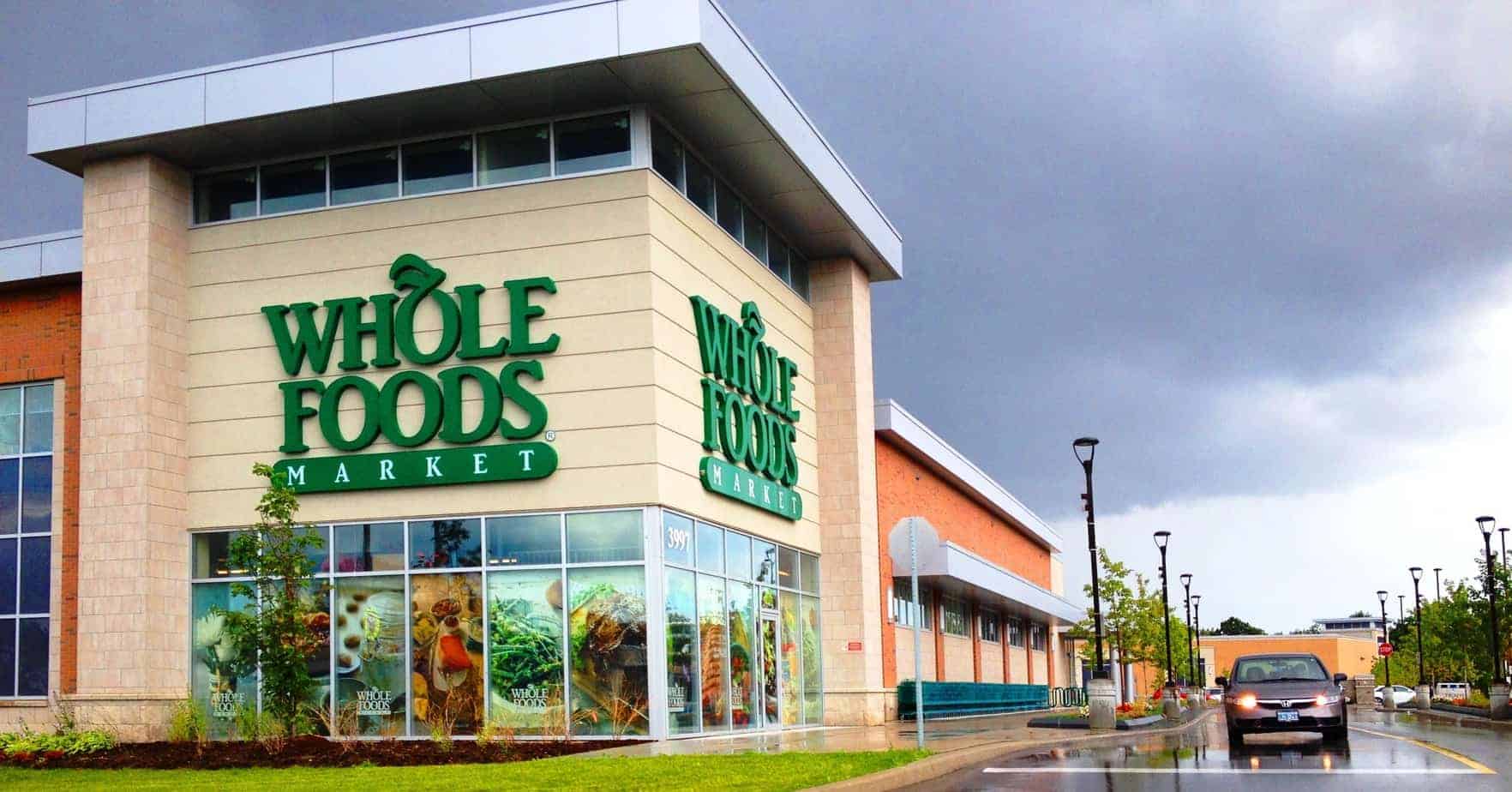
 Whole Foods has been in the news lately due to its recent acquisition by Amazon, which brought about in-store discounts for Amazon Prime members. Unfortunately, not everything is peachy at Whole Foods: in late September, the grocery outlet suffered a large-scale data breach, in which several of its point-of-sale systems in their taprooms and full table-service restaurants lost customers’ private information to hackers in an invasion of their payment processing system.

Redefining Whole Foods with Cloud Retailing

Despite their acquisition by Amazon, Whole Foods assured their customers in a press release on September 28th that Whole Foods systems are not connected to Amazon’s, and that customers’ purchases and payment information at Amazon were not in jeopardy. They also stressed that the credit card processing systems used on their main checkout terminals were not breached.

Whole Foods MarketIn an attempt to further secure their merchant services, Whole Foods announced that they had begun an investigation through a cyber security forensics firm, and had also reported the breach to law enforcement. Interestingly enough, neither Whole Foods nor Amazon suffered a significant hit in after hours trading.

Gizmodo reported that as many as 117 venues could have been impacted by the breach—and yet Whole Foods has been alarmingly silent about the exact nature and extent of the breach. They declined to reveal when they first discovered the breach, or how many customers may have been affected by it. In the wake of the devastating Equifax scandal in which millions of Americans’ private information was stolen, transparency following a data breach is more important than ever, and Whole Foods’ tight-lipped response—or lack thereof—is troubling.

Final Words

Whether or not you were affected by this specific flub, it’s always important to keep in mind that this sort of thing can happen anywhere you shop, and it’s imperative that you know how to protect yourself in the event of a leak or attack. You should always monitor your accounts and ensure that no fraudulent purchases have been made without your knowledge, especially if you’re information might have been breached by hackers. If they have, immediately contact your financial institution to cancel the card and refute those charges.

manual entry

Was I affected by the Equifax data breach? How do I protect myself?

Equifax Security Breach

Data Breach after Data Breach

The chaos of the Equifax data breach has left nearly every American feeling violated and confused. Hackers stole Social Security Numbers, birthdates, addresses, driver’s license numbers, and credit card numbers. Now they can use this information to rack up charges, open new accounts, steal benefit checks, and more.

Secure payment processing through merchant services can limit fraud, but mainly protects information being transferred not information stored in computer systems. The liability in this case stands with Equifax. You need to take action ,if you haven’t already, to find out if you were affected and take action to protect yourself.

Did the Hackers Get Your Info?

Equifax lost the trust of 143 million Americans, or about half the country. Are hackers targeting your identity right now? To find out, you must register at EquifaxSecurity2017.com. Equifax will assess the risk of identity fraud and suggest your next steps.

Protect yourself from hackersSix Ways to Protect Yourself:

The Equifax data breach is just one of several recent incidents. The merchant services industry relies on upgrades and patches to keep technology up to date. When organizations fall behind on security and compliance, consumers lose out.

While you can’t get your personal information back, you can take action to guard yourself. Here are some extra layers of protection:

  1. Register at EquifaxSecurity2017.com. The data breach gives you free credit monitoring for one year.
  2. Freeze your credit reports. Contact Equifax, TransUnion, and Experian to stop scammers from opening new accounts in your name. You can lift the freeze at any time.
  3. Place a flag on your driver’s license. The Department of Motor Vehicles can watch for suspicious activity.
  4. File your taxes early in 2018. If the hackers have your Social Security Number, they may try to claim your tax refund before you can.
  5. Check your statements regularly. Report unauthorized transactions to your lender or credit card company.
  6. Download your free credit reports each year. AnnualCreditReport.com gives you access to credit history from the three major reporting bureaus.
Wells fargo shut down 1

Regulators Consider Shutting Down Wells Fargo

Wells fargo scandal shutdown
Calls to Shutdown Wells Fargo in Wake of Scandal

Wells Fargo faces pressure from Congress and government regulators as allegations continue to surface about their business practices. The bank has admitted that they created millions of unauthorized accounts for existing customers. Senator Elizabeth Warren has called for the firing of Wells Fargo CEO Tim Sloan. Representative Maxine Waters has gone a step further and suggested that Wells Fargo be shut down entirely. How did a bank that was once considered too big to fail find itself in a position where the top Democrat on the Financial Services Committee is recommending that they lose their charter to operate?

In 2011, Wells Fargo employees began opening checking and savings accounts for millions of customers, without their knowledge. Many also received credit and debit cards for accounts they did not apply for. Customers began noticing this when they received statements that included fees for accounts and credit card processing. About 570,000 customers were forced into buying auto insurance that they did not need. Thousands of these people had their cars repossessed.

This practice continued for nearly five years, until regulators responded to complaints by customers. Then CEO, John Stumpf, was called before the Senate Banking Committee to explain what happened. Three weeks after a contentious appearance in Congress, Stumpf resigned as CEO and Sloan took over.

In the aftermath of that fall 2016 hearing, the Consumer Financial Protection Bureau fined Wells Fargo $185 million for misleading customers in ways that resulted in unnecessary account and credit card processing fees. A class action suit, brought by customers of the bank, was settled for $142 million. The bank fired over 5,000 people related to the scandal. They recently rehired more than 1,000 that they claim should not have been terminated during their internal investigation. Sloan also points to changes in practices in cross selling financial products and encouraging employees to speak up without fear of retaliation from management if they spot wrong doing.

It is unlikely that Wells Fargo will be shut down, having approximately 70 million customers and over 270,000 employees. The investigation continues into all aspects of their operations, including credit card processing. Wells Fargo could face more fines and even closer scrutiny from regulators as they continue to revise numbers on customers affected by the scandal.

sonicdrivein 580x300 1

Sonic Drive-In Hit With Major Data Security Breach

Hackers breach sonic drive-in
Protecting Yourself After the Sonic Drive-In Breach

Customers who have recently been to a Sonic Drive-In may want to keep an eye on their debit or credit cards. The company recently reported that there was a breach in their merchant services system that resulted in the theft of debit and credit card information for five million consumers. Sonic Drive-In joins a long line of retailers and restaurants who have experienced similar theft of customer’s personal financial information.

Data breaches of credit card processing systems are expected to continue as thieves seek access to financial information. It’s important that as a consumer you know what steps you can take to decrease your chances of being impacted by breaches of the merchant services systems in the future.

Use Your Credit Card
Sonic Drive-inStart using your credit card rather than your debit card when making a purchase through a merchant services system. Laws limit your liability for fraudulent charges when using a credit card. In addition, it eliminates the risk that the thieves will have access to your bank account information which is possible if using a debit card and PIN number.

Sign for Transactions
Banks and financial institutions set consumers up with PIN numbers for debit cards and merchants have enabled their credit card processing systems to ask for PIN numbers by default. Your PIN number is stored along with your debit card information in the merchant services system. If a thief hacks into the system they could get your debit card information and your PIN, making it very easy for them to fraudulently make purchases or access the money in your bank account. Signatures eliminate the system from having your PIN information. In addition, Visa and MasterCard offer zero liability coverage on purchases made with signature transactions.

A Continuing Story
This isn’t the first breach to a payment processing system recently. Earlier this year Chipotle confirmed that hackers installed software in the point of sale system to steal customer information. Amazon and Whole Foods were also the target of a data breaches this year. As breaches become more common, stronger security measures will undoubtably be put in place in an effort to prevent hackers.

Shakeshack location small 1

Shake Shack Goes Cashless

Shakeshack goes Cashless
How and Why Shake Shack is Opening Cashless Burger Joints

Just when the world thought buzzers were the most cutting-edge ideas of the food industry, Shake Shack, a burger joint based in New York City, decided to try something different and innovative.

They will be opening a cashless Shake Shack New York City at Astor Place with the implementation of cashless kiosks, credit card machines that allow online ordering of food.

In today’s fast food restaurant chains, the companies of the fast food industry understand the importance of getting the job done right and getting paid for the services accurately and swiftly. Through careful payment processing set ups via carefully selected merchant services, credit and debit cards as well as cash have been the main methods of payment.

Fortunately, Shake Shack may have found the groundbreaking innovation that may revolutionize how they run their restaurants. The good news is they won’t have to look elsewhere for merchant services, as the payment processing won’t change at all.

NYC Shakeshack Kiosk goes cashlessCustomers will be able to send their orders straight to the kitchen to eliminate ‘friction time,’ according to CEO Randy Garutti.

This is an innovative experiment for Shake Shack that makes the payment process much easier and quicker for both the customer and the cash handler. Shake Shack’s kiosks are based on the user experience already created for their mobile ordering app, available for iOS and Android. This also means customers won’t need the app to order food. They can simply access the on-site kiosk to make an order.

When the food is ready, customers will receive a text.

Considering its level of innovation and the ease of payment processing, the new Shake Shack is said to have a starting pay of $15 an hour, as they are searching for the best talent. These workers will be called ‘Hospitality Champions’.

These kiosks are totally cashless. By putting emphasis on online ordering, credit and debit cards will become the main form of payment.

This is an amazing opportunity for merchant services, as their reliability in delivering the services they promised will be put to the test.

This new cashless location will be the playgrounds for testing new innovations before applying them universally.

Being cashless means all customers will not be able to use cash. Luckily, Shake Shack may be able to pull it off, as many customers and tourists have access to electronic forms of payment anyways.