After 15 years, the eBay-PayPal partnership is coming to an end. The e-commerce giant has announced that it will replace the payment processing company it purchased in 2002 for $1.5 billion with Adyen (commonly misspelled as Ayden). The news caused eBay’s shares to rise to a record high while its long-time partner took a hit.
Adyen (or Ayden) is a smaller start-up formed in the Netherlands. This online credit card processing company offers backend payment services for businesses that include payment processing and credit card machines. With it offers point-of-sale credit card machines, online transactions are at the heart of the Dutch company, which already works with tech giants like Netflix and Uber. The company was last valued at $2.3 billion and there have been rumors that it will go public.
PayPal, on the other hand, is one of the world’s most well known and most established credit card processing companies, although it has faced growing competition in recent years. eBay’s ownership of the company ended in 2015. After the spinoff, the processing company was valued at $50 billion — a figure that is now more than $100 billion.
So why has the e-commerce giant made such a move to end this partnership? The company’s strategy is transitioning to full payment intermediation. It plans to integrate the Dutch company’s payment processing for lower costs and greater control for the company’s merchants.
With the new partnership, eBay merchants will have a central view of their information through the company’s merchant services. They will also be able to track and manage all customer interactions and transactions with greater ease. The company says the move will reduce costs for sellers.
Customers will not interact directly with Adyen’s system. With the new merchant services, customers can pay in 150 different currencies with more than 200 unique payment options. Buyers will no longer get directed to a third-party payment system to complete a purchase.
Most payments on the e-commerce giant will be processed by the new merchant services provider by 2021. Customers can still use the existing system until 2023. The shift will begin gradually in North America this year.
PayPal shares may be down on the move as the e-commerce giant is a big part of the payment processor’s business, but these transactions have not been growing as fast as other areas of the processor’s business. The e-commerce website accounts for about 13% of all payments handled by the processor in the fourth quarter, a decline from 16% last year.
As a merchant, network security should be a top concern when it comes to credit card processing. The most vulnerable place for credit card data is on the merchant side of the transaction before it’s sent to the payment processor. This is why PCI compliance is important to ensure the security of a merchant’s payment processing system. While some businesses view PCI compliance as an expensive and unnecessary step, the rise of data breaches and the fines and negative publicity that come with them should be noted.
The latest credit card processing breach to hit the news is the OnePlus breach. According to smartphone maker OnePlus, it discovered fraudulent charges were appearing on customers’ credit cards. After shutting down payment processing on its website and beginning an investigation, OnePlus revealed that the credit card information of up to 40,000 people was stolen since November 2017.
The breach occurred when an entity gained access to one of OnePlus’s servers and inserted a script to capture credit card information as it was typed into a payment form on the OnePlus website. The payment processor for OnePlus was originally blamed, but the investigation showed that the payment processing occurred as it should and the breach occurred on the merchant side of the transaction.
This breach underscores just how important PCI compliance is for merchant services with rules that apply to merchants, processors, card issuers, and any entity that handles payment information. PCI compliance comes in many forms depending on the types of credit card transactions your business processes. There are even guidelines that apply specifically to a credit card machine used for in-person transactions. For example, a credit card machine or any other piece of equipment cannot store sensitive information and equipment must be kept updated.
Remember: every PCI requirement is in place because a breach could be prevented with this control, even requirements that may seem unnecessary or overboard.
At Host Merchant Services, we always ensure our customers are PCI compliant. This is done for the safety of our merchants as well as their clients. Following this standard can protect card data from thieves, keep sensitive information secure, and avoid expensive data breaches.
When considering the trends that have been shaping the retail industry over the last few years, it is easy to infer that 2018 will be the year of mobile first shopping. Online retail giants such as Amazon have noticed that shoppers are not quite ready to completely abandon the brick-and-mortar model; however, they expect to be able to use a combination of mobile apps and online ordering along with more sophisticated physical experiences and interactions.
Two major Amazon developments in 2017 illustrate how the e-commerce leader plans to change the rules of mobile first shopping game: the acquisition of the Whole Foods supermarket chain and the testing of the Amazon Go neighborhood convenience stores. It is clear that the company is looking to expand its physical presence beyond the Fulfillment by Amazon (FBA) centers across the United States. This is what Amazon is thinking about: shoppers who use smartphone apps during their lunch break at work will prefer to pick up their purchases at Whole Foods or Amazon Go stores on their way home.
In Florida, supermarket chain Publix has perfected its online ordering and delivery options to include the option of shoppers arriving to pick up their groceries; this gives them an opportunity to make a purchase they may have forgotten to include in their smartphone order. Something else that Publix executives have realized is that online shoppers engage in window shopping at their stores; this means that they enjoy getting acquainted with the products during their visit so that they know what to order online in the future.
Needless to say, the shift towards the new mobile-first retail paradigm will require merchants to give shoppers plenty of payment options. In 2018, the diversity of mobile payments providers will continue, which means that store owners should look for merchant processors that can handle as many options as possible. Google recently announced that it would merge Android Pay with the Google Wallet, and Apple is rolling out a new option called Apple Pay Cash. Venmo and PayPal will continue to develop their systems with the hope of increasing their market share. Various cryptocurrencies are marketing their respective blockchains in an effort to gain acceptance. All in all, 2018 will be a competitive year in terms of electronic payments format, and the possibility of a mobile wallet standard being set this year is very unlikely.
In the end, 2018 will be an exciting year for the retail industry, particularly for brick-and-mortar store owners who properly leverage their physical and mobile presences for the benefit of shoppers.
Beginning in April, Visa will no longer require signatures for contactless payments and EMV chip cards. This means North American users of Samsung Pay, Google Pay (previously Android Pay and Google Wallet), and Apple Pay will be able to complete transactions with a touch of their device to the contactless credit card machine.
The signature requirement was once a common method to ensure a transaction was genuine. Depending on the credit card issuer, a signature was required for a transaction exceeding $25 or $50 to confirm the transaction was authentic. Despite the requirement, some vendors were already skipping signature validation.
Credit card issuers cite better security technology as a reason to abandon the method. EMV chip cards have been required in the United States since 2015, generating unique codes with every transaction for a lower risk of fraud. Contactless payments also use one-time codes for each transaction.
EMV chip technology has become the standard in secure credit card processing. Fraud in the credit card processing industry has declined 66% in the U.S. since EMV chip cards were launched just two years ago. In 2016, while the launch of chip payment processing was underway, Visa reported that fraudulent transactions dropped 18% among merchants who began processing chip-enabled cards and rose 11% among merchants who had not yet adopted chip technology.
Visa isn’t the first credit card issuer to end its signature requirement. Mastercard started the trend in October, followed by Discover in December. American Express has also announced it will end the signature requirement on purchases globally effective next April.
All four issuers will drop signature requirements beginning in April in Canada and the U.S. American Express is eliminating signature requirements globally while Discover will eliminate the method in the Caribbean and Mexico. Visa has only waived the signature requirement for merchants who have upgraded to a chip-enabled credit card machine or contactless payment processing. The signature requirement will be optional as retailers can choose to require a signature.
Android Pay is no more. On January 8, Google announced that it will combine Google Wallet and Android Pay under a single brand called Google Pay. This move will merge all of the ways to send payments and make purchases with Google into a single product.
Prior to this merge, Google’s payment system was a bit confusing. Android Pay was used to complete transactions in checkout lines while Google Wallet was for sending money to friends or by using the Chrome autofill feature to complete online purchases. Combining the services offers a more consistent experience for consumers shopping online, in-store, and through mobile apps.
The new system makes it easier for consumers to use saved payment information for a faster checkout. Google Pay will appear online, in-store, and across other Google products in the coming weeks. Right now, it’s available on Fandango, Airbnb, and a handful of other websites and apps.
This news comes as Google pushes to make its payment system available everywhere. In fall 2017, Google announced it would speed up the online checkout process when Google is used as a mobile wallet.
For business owners, the change will be simple: the name “Google Pay” will appear when a customer uses their phone at the checkout, purchases something online, or sends money for services. While this is largely just a functional change, it’s overdue. The separation of the services was arbitrary and led to confusion for consumers. Apple’s system with Apple Pay and Apple Pay Cash has always been straightforward in comparison.
Our world is shifting quickly. We have unleashed the beast that is smart tech and it can never be put back. The “the mobile revolution” has taken hold. This isn’t “good” or “bad”, it is just the way we humans are innovating and moving forward into the future. That being said we do have a lot of changes to cope with. Mobile devices changed everything from how we interact with each other to how we shop. The catalyst for this revolution was the ability to deliver better user experience, thus making the user interact with a brand more. This shift in technology is affecting human nature as well as how we conduct business and market to customers.
We use our phones a lot. Too much, probably. Research group Dscout found the average smart phone owner touches their smart phone screen 2,600 times a day! To note just how much we as humans are being effected by our smart phones look at a company called Yondr. They have made a booming business from a product that takes your smartphone away and shifts society, temporarily, back to pre-smart device times. Yondr created a locking bag for your cell phone that is currently used at conventions, concerts, and even in courtrooms. When attendees enter the event, they have their cell phones locked in a bag (on silent) so that they are cut off from the outside world. Why? Because people pay more attention without a phone! Also, they can’t leak information or pictures of sensitive material. The necessity for a locking phone bag shows how ingrained our digital lives are with our physical lives, but what shows it even more is how people act when they lose that digital connection.
Imagine, your phone gets locked down and you enter the event. You see people wandering around, not sure where to go, looking frantically for their friend they lost in the crowd that they can’t just text. You resort to looking for signs to get information about where to go. There are people sitting at the bar literally ripping up napkins, fidgeting with straws, or rubbing their legs awkwardly because they don’t know what to do with their hands. Everyone instantly has ADHD and apparent withdrawals from temporarily loosing use of their phone. The mass un-comfortability with the situation is palpable. Over there are a bunch of people who couldn’t take it any longer packed into a designated “cellphone area” that is exactly like a smoking area but for smartphone addicts. It’s quite a funny spectacle. Most people eventually relax and forget they don’t have access to their phone. This is followed by brief looks of horror, disappointment, and anger as they later reach for their phone and remember it’s all locked up. The shocking thing about this behavior, to me, is that we have only had smart phones for 10 years. Most people for much less than that. How fast we change. I lived for decades without a smartphone and now I’m one of the crowd – lost without it.
We accepted smart phones into our lives out of convenience. At first it was a music player and a phone in-one. Then a camera as well. After that a social media access point. More and more tools came out to the point that we can now ask our phones a question and it answers. The largest sector for profit isn’t music and social media though. It’s shopping. How can we forget the rise of Amazon from an online book retailer to Walmart rival? Newer tools gave us all kinds delivery, coupons, gift cards, and even payment methods through apps. Providing these benefits makes us more likely to shop at businesses who deliver such functionality. The rise of digital shopping tools is here to stay and we merchants must conform.
Shopping apps tell us what we want and make it as easy as possible to purchase a product or service. This trend is great for consumers but can be stressful for merchants. The bar has been raised. Sunday ads in the local paper don’t work anymore. Problem is you own a business, you’re not a digital marketer. How can you keep up with the big brands? Luckily, the rise of digital shopping tools has also made way for companies that help smaller merchants get such tools. Businesses that do not conform will be left behind struggling, and those who embrace it will have the opportunity to flourish, seriously. Imagine increasing sales without increasing employees or overhead. Here’s a prime example of a merchant taking advantage of the new trends – Shake Shack is opening stores in NYC that are cashless and have no cashiers. Order through the app and pick it up at the window. Brilliant! BestBuy allows you to order and pick up at the store and Publix now delivers! These companies are stealing business from others who don’t offer such services.
So, what do you do now? You have no digital shopping tools for your business. Start simple. Don’t overwhelm yourself or your business with big changes. Start with the basics. Whether you run a restaurant or retail store – get online ordering on your site and an app version that your customers can download. Promote the ordering site and app in store. Have a small discount incentive for the first use of the app. Later you can add more functionality. Maybe a loyalty program for your customers to build points towards coupons or freebies would be good. you can also start sending notifications strait to patrons’ phones, say, when they haven’t opened the app in a week – “What’s for dinner? Joe’s diner! Take home a family meal tonight for $15.99”. This is powerful marketing! When else could you automatically get your brand in front of somebody when they haven’t thought about you?! Best of all this isn’t like paying for Google AdWords where you must keep pouring money in to keep getting results. There’s an initial investment to online ordering and an app but that will more than pay for itself. And once it’s set up, it’s set up.
Our cellphone dependencies aren’t going away. If anything, the addiction is getting worse. From a sociology and human behavior aspect we may be doomed – forever slaves to our pocket computers. Good or bad – one thing is for sure; our tech addiction makes it easier to market to customers. To get in front of customers, your business needs to be popping up on their phone. The best thing you can do your business in 2018 is to get up to speed with mobile sales. The second-best thing you can do might just be putting the phone in a locking bag every now and then to remind you how it is to be… just human.
Many retailers impose a fee on customers when they use a credit card as they are charged a fee for using a credit card machine to process a transaction. This practice has long been illegal in California, however. In 1985, California passed a law banning businesses from charging these fees, which forced many businesses to either raise all of their prices or offer creative discounts for customers who choose a different payment method. While the law prohibits merchants from charging a fee for customers who use a credit card, they are allowed to offer discounts for check and cash purchases.
A new federal appeals court ruling in January has overturned the California law banning merchants from placing surcharges on credit card transactions. The 9th Circuit ruled that this law was unconstitutional.
Italian Colors Restaurant and four other California businesses that challenged the law can post a single price on items for sale and charge an additional fee when customers choose to pay with a credit card. A lower court had gone further to strike down the entire law, but the 9th Circuit said its decision only applies to the five plaintiffs.
Plantiffs Arguement
The plantiffs had argued that customers are averse to losing money and are more likely to change their behavior to avoid a penalty than to receive a financial benefit. They also claimed that advertising an extra fee for credit card purchases was the most effective way to encourage customers to switch from a credit card to cash.
Attorney General Bacerra countered the plaintiffs’ argument by stating that it regulates conduct and not speech. Last year, the Supreme Court ruled that an anti-surcharge law in New York regulated speech. The Supreme Court ruling closes the door on this argument, according to the 9th Circuit, and restricts the paintiffs’ commercial speech. The court said the law does regulate speech, not conduct, as it controls how prices must be presented to customers but not the prices themselves.
To avoid consumer deception, the 9th Circuit suggested that California use less restrictive options like requiring retailers disclose the fee before and at the point of sale as in states like Minnesota or enforce existing laws on misleading advertising.
This ruling has been viewed as a big win for small businesses as they have more options for covering the costs of payment processing. Credit card processing fees can hit small businesses hard, especially on small dollar transactions. This is because transactions processed with a credit card machine come with a flat-rate fee plus a percentage of the transaction amount. In fact, many businesses in other states have chosen to impose a surcharge when transactions are below a certain dollar amount like $10.
Conclusion
Merchants that wish to charge a fee for customers who use a credit card still need to abide certain rules. Visa, Discover, and Mastercard require at least 30 days notice prior to collecting fees. Each also has specific rules for surcharges. In most cases, the maximum allowable charge is the fee the retailers pay their payment processing company per transaction.
If you plan to sell guns online or in a retail setting with a credit card machine, you will quickly discover that merchant services can be hard to acquire. Transactions that involve gun sales — including those by gun stores, firearms dealers, and gunsmiths — are considered high risk. Many payment processing companies will turn your business away or worse — freeze your account with no warning after you begin sales. This has happened to many high-risk businesses that signed up for processing platforms like PayPal and Square.
The firearms industry generates about $5 billion every year in revenue and employs more than 35,000 people in manufacturing alone. Unfortunately, many merchant account providers do not accept businesses that process gun transactions or charge very high fees and rates.
While your options are more limited, signing up for payment processing services in the gun industry isn’t as difficult as you may think.
Gun Retailers Face Discrimination in the Payment Industry
The firearm industry often faces chargebacks, a higher risk of fraud, and stringent restrictions put in place by federal and state governments. These factors are responsible for the high-risk classification many gun stores and dealers face when applying for a merchant account.
Many payment processing companies specifically prohibit the use of their system for the sale of guns, ammunition, and accessories. Many in-store transactions are prohibited, but ecommerce gun merchants face the greatest challenges in accessing processing services. The trend of banning gun dealers or adding them to “high-risk” categories has only grown over the last decade. For these reasons it is important to find a payment processor that is experienced and specializes in firearm merchant accounts.
We Serve Gun Dealers and Gun Retailers
At Host Merchant Services, we take pride in offering competitive rates and quality credit card processing within the firearms community. Unlike other payment processors, we understand that gun stores, manufacturers, and detailers operate under heavily regulated processes with very good oversight.
Our merchant account allows you to process transactions online or conduct sales in person with a credit card machine, whether you operate a retail store or sell at gun shows. We support the sale of guns, ammunition, accessories, gun parts, and other transactions related to the industry. You can count on us for a dedication to customer service with competitive rates and no hidden costs. We are experts at getting firearm merchant accounts approved with a streamlined process and partnership with multiple banks. We get all types of firearm merchants up and running in no time.
Just because you are considered a high-risk business does not mean you need to settle for less from your payment processor. Contact Host Merchant Services today for a quote to get started.
If you’re planning to sell vapes online, one of the first hurdles you will need to overcome is finding merchant services that accept your business. The sale of electronic cigarettes, vape, and related products is considered high risk. This means many merchant account providers will turn you away. Even Square, PayPal, and other processing platforms have been known to freeze high-risk merchant accounts with no warning. So, how can you get payment processing for vape products online? Let us understand today.
Vaping is a massively growing industry that generates over $1 billion in revenue every year and has been shown to help many people quit tobacco use for good. Unfortunately, banks have not been accepting of the industry, and new FDA rules have made many banks and merchant account providers even more skittish.
The good news is you can get credit card processing services even with a high-risk business as long as you know where to look.
Factors that Affect Online Vape Sales
Given that merchant accounts for vape companies are considered high-risk, it makes it inherently more difficult to get credit card processing. When you add sales online where card not present transactions are taking place, banks up the risk factor. What do you mean by risk? Good question! Banks consider the chance of chargebacks or fraudulent charges the largest risk factor. Any card not present transactions, therefore, have a higher risk level. So, selling vape products online is doubly risky to the banks.
Beyond the banks, New rules enacted in 2016 by the FDA directly impact payment processing for vape products and the types of products you can offer as a merchant. The new FDA rules prohibit manufacturers and companies that change bottle size and flavor from selling new vape products without registering their vape products for FDA approval. You will also have significant hurdles if you want to mix your own liquids, as each new mix is considered a new product subject to FDA approval, a process that can cost up to $1 million and take years.
The biggest change affecting online vape sales is a rule regarding registration with MasterCard and Visa. In the past, online businesses that sold e-cigarette-related products but did not actually sell tobacco were not required to register with Visa and Mastercard or pay the high $1,000 annual fee to accept credit cards. This is no longer true. Now, you must pay a fee of $1,000 every year (which goes to MasterCard and Visa) and register your website to sell vape. In many cases, you are also required to get a letter from a lawyer stating that your business complies with applicable laws like age verification as well.
How to Get a High-Risk Vape Merchant Account
As I previously mentioned, when your business conducts online vape sales, you are considered high-risk. With a standard merchant account, you may not get approved at all, or worse — your account can be reviewed months after you begin accepting credit cards only to get frozen with no warning. A high-risk merchant account is the best option to process vape sales.
While “high risk” may sound shady or expensive, it doesn’t need to be. All this means is your industry is highly regulated by the government, and there are additional hoops to jump through when it comes to payment processing. It can also refer to industries with higher-than-average chargebacks or fraud.
Don’t assume that you have no options just because your business is considered high-risk. Vape merchants need to choose a company that is expert in getting vape accounts approved the right way. HMS is one such company that serves all types of high-risk businesses with quality merchant services and the best in customer service. Unlike many credit card processing companies, They even offer high-risk merchant accounts that work with Shopify to help your business grow without the stress, strict policies, and unreasonable fees other processors may charge.
If you’re looking for cost-effective payment processing to sell vape products on Shopify or anywhere else online, contact us today, and we will help you make the right decision. We look forward to showing you the difference a great card processing company can make in your business!
The Growth of the Vaping Industry
The vaping sector has witnessed huge growth across the world in recent years. Especially the retail market for vapes has increased exponentially. Retailers nowadays sell a huge range of vaping products like e-liquids and accessories. A few years back, the vaping industry was considered a niche market, and now it is a billion-dollar industry.
Vaping culture has gained popularity among both enthusiasts and those seeking alternatives to tobacco products. The shift toward healthier choices and customizable vaping experiences has propelled the growth of the vape industry. Online sellers have taken advantage of this increasing demand by providing access to various vape products at competitive prices.
With technology advancing and consumer preferences changing, the vape industry shows no signs of slowing down. Innovation fuels product development, leading to trends regularly emerging to meet evolving tastes and needs. Whether you’re a vaper or simply curious about exploring this field, expanding the vape industry offers exciting opportunities for businesses and consumers alike.
Obstacles Faced by Vape Companies in Processing Online Payments
The vaping sector has experienced expansion in the past few years, witnessing a rise in online businesses catering to the increasing demand for vaping goods. However, a key issue these businesses encounter is that not many merchant service providers are willing to give payment processing to them. The reason is that the vaping industry is considered to be a high-risk industry.
Numerous traditional payment processors are reluctant to collaborate with vape companies due to uncertainties regarding regulations. This major hurdle can make it challenging for vape businesses to secure a payment processor willing to assist them.
Furthermore, some financial institutions may categorize vape products as high-risk commodities, resulting in higher transaction fees or even outright refusal of services. Such circumstances can greatly impact the vaping companies.
Additionally, stringent age verification protocols required for selling vaping items further complicate the payment processing journey for these businesses. Upholding compliance with regulations while providing customers with a seamless checkout experience poses challenges for vape merchants seeking to accept payments. And therefore, payment processing for vape products become even more relevant.
Understanding Payment Processing in the Vaping Industry
There are many regulations and restrictions associated with the vaping industry. Therefore, only those merchant service providers who understand these rules and restrictions can successfully cater to the requirements of online vaping merchants. Traditional payment processors who deal with non-risky businesses cannot handle the challenges posed by the online vaping industry.
Handling payments for vape products typically involves scrutiny and adherence to compliance measures aimed at mitigating risks related to sales or product safety issues. Vape companies must prioritize transparency regarding their products and business practices to meet the criteria set by payment processors.
Tips to Find a Trustworthy Payment Processing for Vape Products Online
To begin with, it is highly recommended that you start comparing the services provided by payment processors who are experts in high-risk businesses or the vaping industry specifically. After you make a list of some of the best companies that are willing to give you the merchant account for an online vaping store, check their reviews and what other merchants are saying. You should always trust reputed sources when it comes to reviews.
Once you shortlist some of the best providers in the industry you should then compare the fees they charge. Remember, the vaping industry is a high-risk industry, and the charges might be high. You should also thoroughly check the hidden charges. Sometimes, the visible charges are lower, but hidden charges might be high.
There are a few merchant service providers who also offer tailored products. As a vaping merchant, an age verification tool might be very useful. Feel free to reach out to discuss your needs and concerns before deciding.
Conclusion
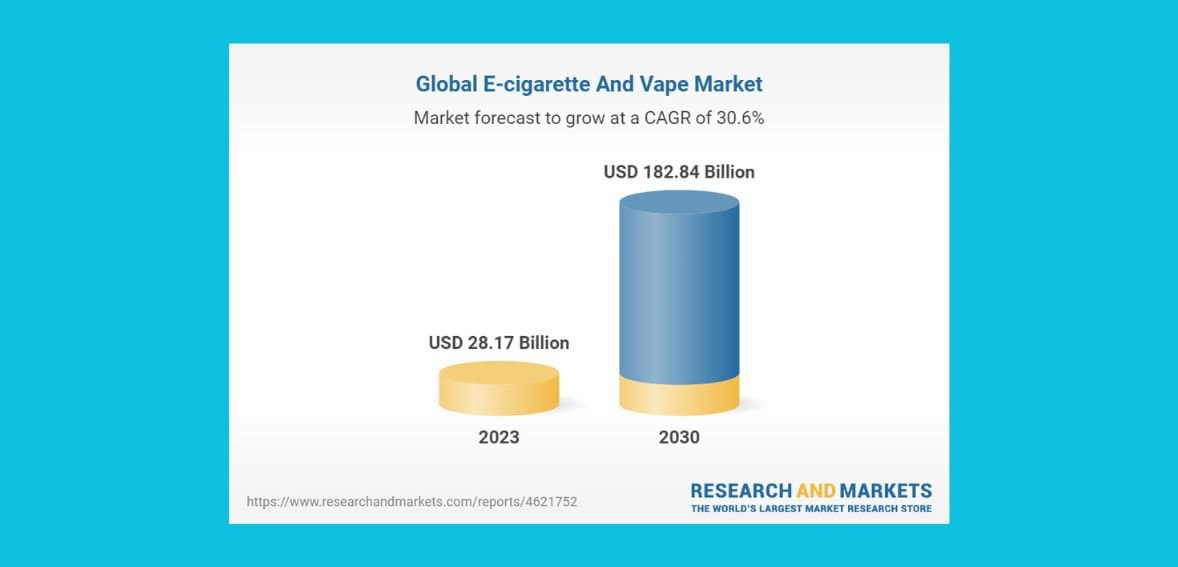
The vape product industry is growing at a rate of 10 percent per year. And this is the right time to get involved and make some profits. And in this endevour, a robust payment processor can make a big difference. Although it is difficult to find payment processing for vape products online. But with a little understanding and research, you can find one. Remember to explore processors, go through reviews, and compare fees to discover the best processor.
Most business owners loathe payment processing fees. They logically know that paying for merchant services is no different than their customers paying them for services. Yet, after investing a lot of time and money in starting or building a business, the seemingly high cost of credit card equipment and year-to-year increase in fees tends to make every business owner cringe. Some owners ask themselves, “Is it even worth it for me to take anything other than cash?”
The most important point to keep in mind is that you do not have to pay outrageously high processing costs to accept other forms of payment. The most common reason that some merchants experience high costs is because they fail to treat payment processing the same way they treat other services that are the “cost of doing business” like electric and internet utilities. Consider these four tips:
Don’t Lease Credit Card Machines
If you purchased your computers and office equipment, you likely did so because you understand that purchases are typically cheaper than leases in the long run. Whether you need a credit card machine and PIN pad or a POS system, you can save hundreds of dollars by buying your equipment. Although lease agreement low monthly payments look great on paper, you can save more money over the same time frame by comparing equipment pricing online and making purchases as needed. Some companies will even give you a discount on your purchases if you ship your old equipment to them.
Negotiate a New Deal
If you’ve fought with a internet service provider over your billing charges to negotiate lower prices, then you know that negotiating and renegotiating down the line is critical to cost-cutting. It doesn’t matter if you already have a merchant account or you’re starting a new business either. Always do everything you can to negotiate the best deal possible. Research options before you call, make certain that you have offers from several processors and then contact the one that you like the most to discuss credit card processing fees.
Accept More Payment Methods
It might sound crazy to take on even more fees by processing other forms of payment like PIN and signature debit cards, checks and gift cards, but offering more payment options both saves you money and increases your revenues over time. In fact, this concept is similar to paying for apps to drive traffic to a business website and improve productivity. Accepting PIN based debit usually costs less to process when compared to credit cards and signature-based debit. Offering additional payment options also increases the likelihood that someone who only wants to pay by check, for example, won’t spend the money they planned to spend with you elsewhere. Gift cards always bring more traffic and potential repeat customers through the door. As a result, even though you pay a small fee to process each transaction, gift cards cut promotional and marketing costs.
Educate Yourself About Rates
Of course, before you negotiate any deal for credit card processing services or a merchant account, you should do everything possible to learn about the equipment and rates that would likely work best with your specific business. For example, buffet-style restaurant owners often prefer desktop POS systems that give them more customization options while artists who sell their creations at craft shows often prefer wireless credit card machines that allow them more mobility. You also need to pay close attention to your average ticket amount. There are several types of rate structures and some save small ticket merchants more while others are better for large ticket merchants. Lastly, take the time to learn the savings differences between flat and variable, bundled and tiered rates.
At Host Merchant Services, we understand that you want the best possible rates. Unlike many other processors, we do everything we can to make that happen by providing honest, superior service every time. For more tips on saving money on your payment processing or to discuss our rates, contact one of our experienced merchant services representatives today.
Cookie Consent
We use cookies to enhance your browsing experience, analyze site traffic, and support our marketing.You can accept all cookies, reject non-essential ones, or manage your preferences below. Learn more in our Privacy Policy.
Cookie Preferences
Manage your cookie preferences below:
Essential cookies enable basic functions and are necessary for the proper function of the website.
Name
Description
Duration
Cookie Preferences
This cookie is used to store the user's cookie consent preferences.
180 days
These cookies are needed for adding comments on this website.
Name
Description
Duration
comment_author_email
Used to track the user across multiple sessions.
Session
comment_author_url
Used to track the user across multiple sessions.
Session
comment_author
Used to track the user across multiple sessions.
Session
Google Tag Manager simplifies the management of marketing tags on your website without code changes.
Name
Description
Duration
cookiePreferences
Registers cookie preferences of a user
2 years
td
Registers statistical data on users' behaviour on the website. Used for internal analytics by the website operator.
session
These cookies are used for managing login functionality on this website.
Name
Description
Duration
wordpress_logged_in
Used to store logged-in users.
Persistent
wordpress_sec
Used to track the user across multiple sessions.
15 days
wordpress_test_cookie
Used to determine if cookies are enabled.
Session
Statistics cookies collect information anonymously. This information helps us understand how visitors use our website.
Google Analytics is a powerful tool that tracks and analyzes website traffic for informed marketing decisions.
Contains information related to marketing campaigns of the user. These are shared with Google AdWords / Google Ads when the Google Ads and Google Analytics accounts are linked together.
90 days
__utma
ID used to identify users and sessions
2 years after last activity
__utmt
Used to monitor number of Google Analytics server requests
10 minutes
__utmb
Used to distinguish new sessions and visits. This cookie is set when the GA.js javascript library is loaded and there is no existing __utmb cookie. The cookie is updated every time data is sent to the Google Analytics server.
30 minutes after last activity
__utmc
Used only with old Urchin versions of Google Analytics and not with GA.js. Was used to distinguish between new sessions and visits at the end of a session.
End of session (browser)
__utmz
Contains information about the traffic source or campaign that directed user to the website. The cookie is set when the GA.js javascript is loaded and updated when data is sent to the Google Anaytics server
6 months after last activity
__utmv
Contains custom information set by the web developer via the _setCustomVar method in Google Analytics. This cookie is updated every time new data is sent to the Google Analytics server.
2 years after last activity
__utmx
Used to determine whether a user is included in an A / B or Multivariate test.
18 months
_ga
ID used to identify users
2 years
_gali
Used by Google Analytics to determine which links on a page are being clicked
30 seconds
_ga_
ID used to identify users
2 years
_gid
ID used to identify users for 24 hours after last activity
24 hours
_gat
Used to monitor number of Google Analytics server requests when using Google Tag Manager
1 minute
Marketing cookies are used to follow visitors to websites. The intention is to show ads that are relevant and engaging to the individual user.
Facebook Pixel is a web analytics service that tracks and reports website traffic.










 Android Pay is no more. On January 8, Google announced that it will combine Google Wallet and Android Pay under a single brand called Google Pay. This move will merge all of the ways to send payments and make purchases with Google into a single product.