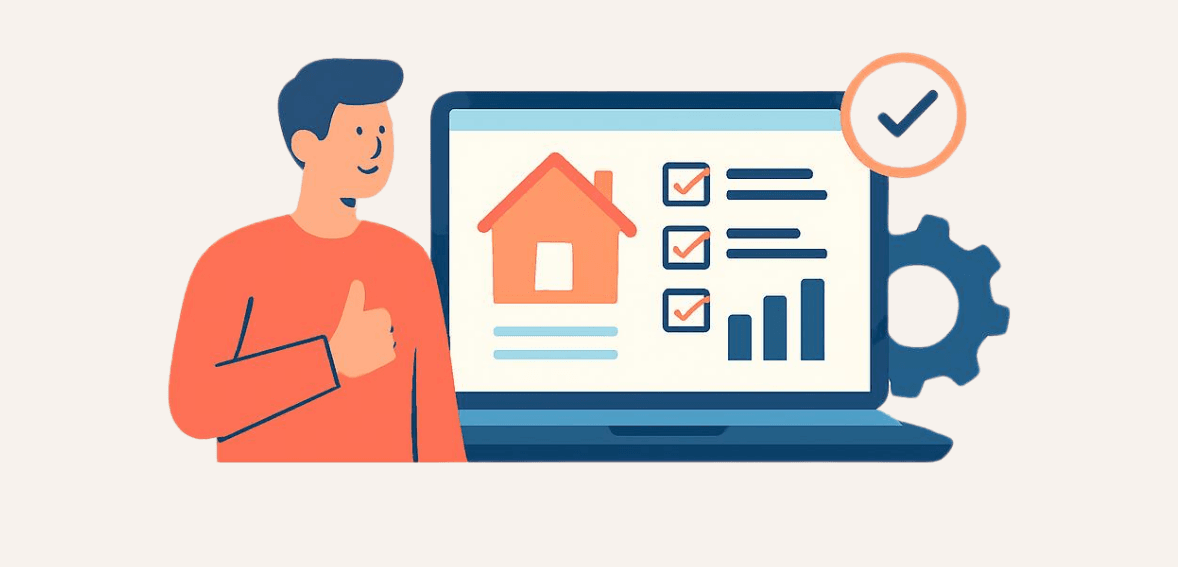
Proptech is a trending buzzword in the property management landscape. Property technology, also known as proptech, refers to the software or technology solutions available in the market for property management businesses.
Manual spreadsheets track rent and expenses on Excel or paper, which are highly susceptible to human error, data loss, and lack automation capabilities. It creates massive liability for landlords. It often leads to forgotten fees, missed deadlines, disorganized tax records, and unsecured sensitive tenant data.
In the market, there are a variety of options, ranging from free to paid software. Most property managers think that free property and rental payment management software means a compromise on the features. However, with growing competition, many software platforms are available offering premium management features.
In the plethora of free software available, our focus in today’s article is on one of the most feature-packed software programs — Cloud Rental Manager. Cloud Rental Manager claims to offer enterprise-grade solutions and premium features for property managers. This blog will delve into its features so you can better understand whether it is the right fit for you.
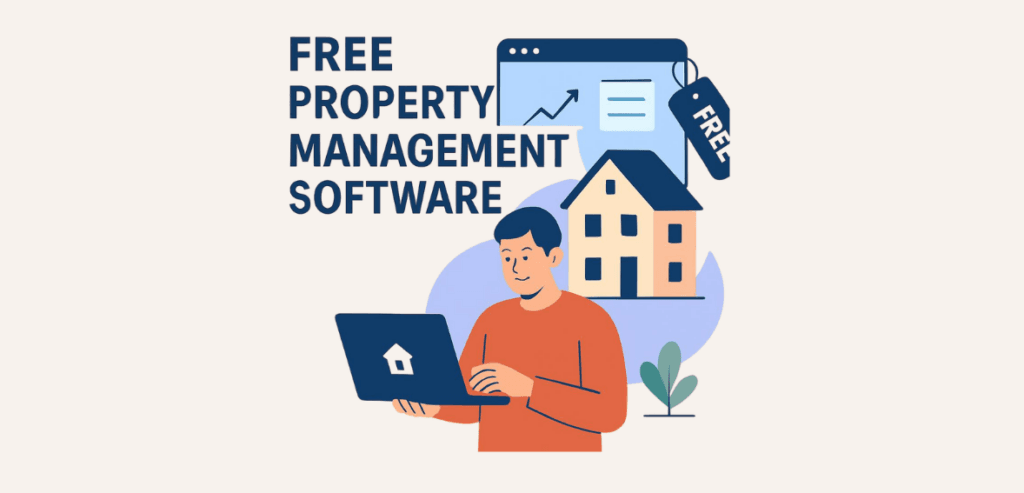
Whenever we hear the word “free”, whether it is for software or any other service, our minds race to answer one burning question: What is the catch? While it may be true that physical products cannot be offered for “free” without a catch, the software business is fundamentally different. To understand how “free” software offers services, you must understand how transaction-based revenue and cost shifting work.
Transaction-based revenue is a business model in which the software is free to use, but the provider charges a small percentage on every transaction processed through the platform. This means the software effectively remains free without incurring any additional overhead. On the other hand, cost-shifting is the practice of moving a fee from the landlord to the tenant. In general, it is also used in retail to preserve the merchant’s revenue by shifting additional costs, such as payment processing fees, to the customer.
Most users assume “free” means a limited trial, but modern proptech uses a transaction-based model that keeps the software effectively free for life. One additional way landlords reduce overhead costs is by shifting expenses to the tenant. For example, the software charges the tenant for the background check.
Tenant screening is a major revenue source for proptech providers. Apart from that, they also earn by charging a percentage on every transaction, resulting in a slightly higher payment processing fee for the landlord. Another source of revenue is collaborations and integrations. Many proptech software companies integrate with insurance companies, payment providers, and other companies’ cloud services to generate revenue. Since their incentives are aligned, it becomes a win-win situation for all parties.
One of the most discussed free property management software available on the internet is the Cloud Rental Manager. It is a cloud-based Property Management Software (PMS). A cloud-based PMS is software hosted on remote servers and accessed via the internet. Having a local server and a physical office computer that stores all data is simply inefficient; a cloud-based PMS lets you access your data from any device, anywhere in the world, so you can monitor your business hassle-free.
Cloud Rental Manager is a cloud-based PMS. It integrates all the features required by property managers into a single platform. Everything, from rent collection to security deposit handling and automated documentation, can be achieved. Rather than using separate apps for rent, lease, documentation, and deposits, you can use a single platform.
Cloud Rental Manager combines all your business metrics into a centralized dashboard, allowing you to track tenant status, lease expiry dates, and refund deadlines all in one place. It is specifically engineered for small to medium enterprises, i.e., businesses with a portfolio of 1 to 50 units, making it extremely to-the-point. By stripping off the additional features that create confusion, it provides all the essentials and keeps the learning curve easy.
The biggest problem with software is keeping it up to date. Laws change, new regulations come into existence, or late fees need to be applied — Cloud Rental Manager allows automatic updates, which helps you stay clear of legal minefields.
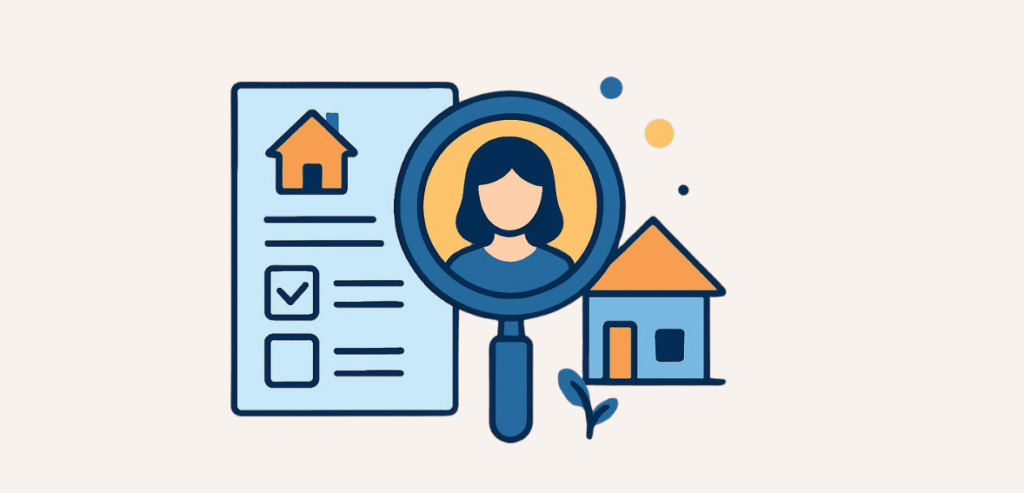
Cloud Rental Manager offers powerful onboarding features. It reduces the manual load on your administrative staff, freeing them up to focus on tenant well-being and business growth.
Cloud Rental Manager allows one-click syndication. Rental syndication is a feature that lets you create a single property listing in the software; the software then pushes it to multiple listing platforms, such as Zillow, Trulia, and Apartments.com. With built-in syndication features, it reduces wasted time on manual outreach and ensures uniformity in brand value across platforms.
To help landlords maintain a consistent brand image, it provides standardized digital application features. To every tenant, Cloud Rental Manager provides a uniform, legally compliant application form that ensures fair evaluation and compliance with the Fair Housing Act.
Background checks involve the applicant entering their sensitive information, such as their Social Security Number, on the platform. Cloud Rental Manager provides secure digital storage, eliminating the landlord’s liability by eliminating the need to physically handle, store, or share highly personal data.
When a landlord initiates a background check, Cloud Rental Manager automatically emails the applicant to authorize the check and to submit the required payment on the platform. It pulls the data from national criminal databases, prior eviction records, and full credit history to provide a comprehensive risk profile of the applicant. This allows you to make data-driven decisions. It is crucial because it prevents emotional bias and guesswork while selecting a tenant.
After application and background checks, if the applicant qualifies to be a tenant, the next step is to formulate a lease agreement. This is a crucial step in the rental paperwork as the lease is the foundational document that states the terms and conditions of the tenancy. Any mistake in the lease agreement could potentially lead to legal problems.
Cloud Rental Manager provides standard lease templates that landlords can modify with specific clauses, such as pet policies or quiet hours. These lease documents can be generated and emailed to the tenant directly from the software, saving paper costs and preventing time delays. Cloud Rental Manager also enables e-signing of lease documents by both parties, further accelerating the move-in process.
Another challenge landlords face is maintaining proper audit trails and documentation. With Cloud Rental Manager, landlords can upload inspection notes, lease documents, photos, and vendor bills to the software, keeping them organized. These documents can also be viewed by the tenant, ensuring transparency and fostering trust between the landlord and tenant.
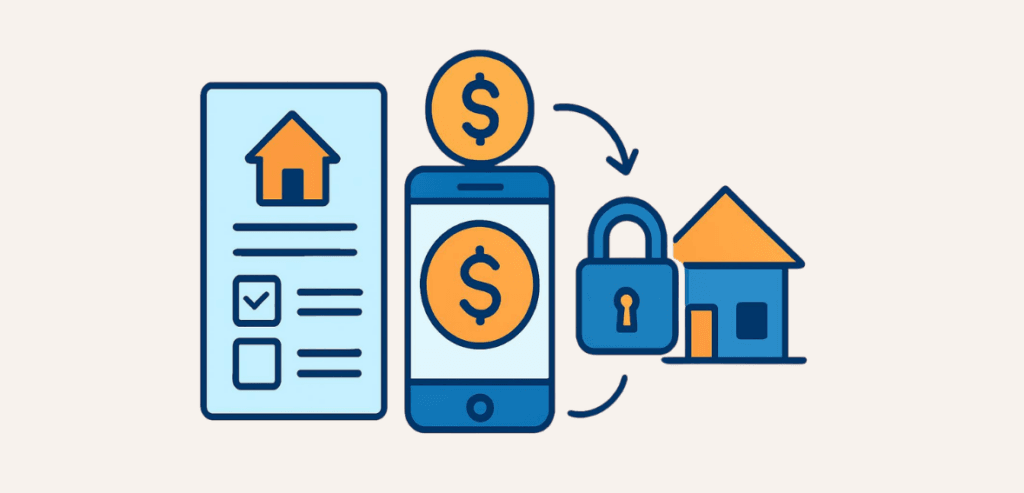
It allows the tenant to link their bank accounts and set rent to draft automatically before the due date. Data shows that properties with auto-pay features can reduce late payments by up to 30% to 50%. This is the most effective way to eliminate excuses for late payments and stabilize the landlord’s cash flow. It allows the tenant to choose from multiple payment methods, including ACH, debit cards, and credit cards. This gives tenants flexibility in payment methods. For example, if the tenant is unable to pay via ACH, offering the option of credit card payment ensures timely payment.
Cloud Rental Manager provides automated late fee calculation on rent. If the tenant exceeds the grace period deadline, the software automatically applies a late fee to the tenant’s account and notifies them. This prevents the awkward face-to-face exchange and keeps processes streamlined and uniform. The payments are updated in the ledger in real time. This eliminates the need for manual data entry and reconciliation from bank statements.
Cloud Rental Manager helps to manage maintenance requests and tenant communication from a single interface. With its in-app messaging features and maintenance ticketing system, communication tracking becomes more efficient.
Cloud Rental Manager requires tenants to submit maintenance requests to the platform. It prevents repair requests from getting lost in personal messaging apps. It also allows tenants to attach photos and videos of the damaged fixtures, such as leaky faucets or broken blinds. Landlords can forward these work orders directly to their preferred vendors. This streamlines the dispatch process and gives the vendor all the required context.
Since all maintenance requests and updates are recorded in the software with timestamps, it provides a solid legal audit trail for the landlord in case of future legal issues.
Software also helps you streamline financial reporting and tax preparation by eliminating the need to manually sift through multiple bank statements, files, and records. An important document in tax reporting is the Schedule E form. It is an IRS tax form that real estate investors use to report supplemental income and loss.
Since all the rent flows through the platform, Cloud Rental Manager automatically logs and categorizes all payments. This eliminates the need for manual reconciliation and reduces the margin of human error. Moreover, landlords can upload photos of repair bills, efficiently documenting maintenance and repair requests.
Cloud Rental Manager also generates a real estate-specific P&L report for each unit. This allows landlords to see exactly which properties are generating positive cash flow and which are bleeding money. During tax periods, Cloud Rental Manager can generate comprehensive, legally compliant tax reports in a single click.
Landlords can see their financial health in real time. This means that they can track and make data-driven decisions about their business, such as purchasing a new property.
Unlike the common assumption, “free” software is not a scam; truly free property management software does exist. It is a fully realized business model, funded by percentage-based transaction revenue, and allows you to use it without any operational overhead. Software like Cloud Rental Manager replaces risky manual operational processes with streamlined management, helping you ensure sustained cash flow and achieve sustained growth.
“Free” software does not carry operational overhead for the landlord. However, the providers take a percentage of revenue on every transaction processed through them and implement cost-shifting as their primary revenue source.
You can absolutely use free property management software, regardless of how many properties you have. Having software streamlines processes and allows you to avoid awkward interactions, such as late fee notifications.
Cloud Rental Manager allows you to generate P&L reports and track the financial health of your rental properties in real time. In tax season, it can also generate legally compliant tax reports in a single click.
Most reputable free software, such as Cloud Rental Manager, allows you to export your previous data into CSV files, making it easier to migrate to enterprise software when needed.
Generally, most free platforms offer free ACH transfers. However, additional charges are usually applied if the tenant chooses to pay via credit cards or requires instant fund settlement.