Shift4 to Acquire GiveX Corp

Shift4 to Acquire GiveX Corp

Shift4, a leading company in integrated payments and commerce technology, has entered into a definitive agreement to acquire Givex Corp., a global provider of gift cards, loyalty programs, and point-of-sale (POS) solutions, in a deal valued at C$200 million (approximately USD 148 million). The acquisition will take Givex private and be executed as an all-cash transaction.

Givex, founded in 1999 and based in Toronto, has become a prominent provider of cloud-based payment systems, customer engagement tools, and omnichannel POS solutions. Operating in 10 countries, including Brazil, China, and the United Kingdom, Givex serves major brands like Marriott, Nike, and Wendy’s.

The agreement is subject to standard closing conditions, with the transaction expected to be finalized in the fourth quarter of this year. This acquisition aligns with Shift4’s strategy of expanding its global payments network by acquiring companies with complementary offerings and strong customer bases.

Key Takeaways
  • Shift4 to Acquire Givex for C$200 Million: Shift4 will acquire Givex in an all-cash transaction valued at C$200 million, taking Givex private and adding its gift card, loyalty, and POS solutions to Shift4’s offerings.
  • Expanded Global Reach: With Givex operating in 130,000 locations across 10 countries, this acquisition will significantly expand Shift4’s international presence and enhance its customer engagement capabilities.
  • Strategic Fit for Shift4’s Growth Plan: The deal aligns with Shift4’s strategy of acquiring companies with complimentary services at a low customer acquisition cost, adding value for Shift4’s existing clients.
  • Substantial Premium for Givex Shareholders: Givex shareholders will receive C$1.50 per share, representing a 64% premium over the 20-day average price. This will provide immediate cash liquidity and a definitive exit.

Givex Acquisition Enhances Shift4’s Global Reach and Service Offerings

Givex Acquisition Enhances Shift4's Global Reach and Service Offerings

Image source

Founded in 1999 and led by CEO Don Gray, Givex specializes in providing merchants with cloud-based software solutions for payments, customer engagement (including loyalty programs), and omnichannel point-of-sale (POS) systems. The company also offers data mining capabilities to help clients gain valuable insights from their operations. Operating in 130,000 locations across ten countries, Givex has demonstrated strong growth, reporting annual revenue of C$80.8 million in the most recent period, a significant increase from C$49.3 million in 2019.

Shift4 President Taylor Lauber highlighted Givex’s extensive global presence, noting that its acquisition will significantly expand Shift4’s customer base. He also emphasized the strength of Givex’s gift card and loyalty solutions, which will enhance Shift4’s offerings, foster deeper customer relationships, and strengthen the overall value proposition for clients.

Taylor mentioned that, like their other recent acquisitions, this deal is a strategic fit for their capital allocation strategy, which focuses on acquiring premier merchants inexpensively and enhancing customer value.

Shift4, a publicly traded company with a market valuation of approximately $7 billion, has recently been the subject of acquisition rumors. After putting itself on the market in December, the company received multiple offers but rejected them due to disagreements over valuation.

In recent months, Shift4 has been actively pursuing its acquisitions. It secured a majority stake in European hospitality POS provider Vectron and completed its acquisition of U.S.-based Revel Systems in June. Commenting on the Givex acquisition, Lauber noted that, like their recent deals, this transaction aligns with Shift4’s strategy of deploying capital to acquire blue-chip merchants at a low customer acquisition cost while offering enhanced benefits to its existing customer base.

givex to be acquired by shift4

In a separate press release regarding the acquisition, Shift4 highlighted some of Givex’s major clients, including global brands such as Marriott, Nike, Wendy’s, 7/11, Texas Roadhouse, Best Western, and many more.

Don Gray, CEO of Givex, expressed enthusiasm about the merger with Shift4, highlighting the opportunity to introduce their enterprise gift card solutions and loyalty programs to a vast new customer pool. He noted that integrating Shift4’s comprehensive payment solutions with Givex’s engagement services will provide unmatched offerings to the customers of both companies.

Transaction Details

In the agreed acquisition of Givex by Shift4 Payments, Givex shareholders are set to receive C$1.50 per share in cash. The purchase price pegs Givex’s value at around C$200 million, marking a 64% premium relative to the 20-day volume-weighted average price of Givex’s shares before the announcement. Furthermore, Givex shareholders who possess in-the-money options or warrants will be compensated at an equivalent rate, and any outstanding options or warrants will be terminated.

The acquisition process will proceed through a statutory plan of arrangement according to the Business Corporations Act (Ontario). It will require the green light from both the Ontario Superior Court of Justice and Givex’s shareholders. Approval must come from at least two-thirds of the votes at a special shareholder meeting. Additionally, a majority approval may be needed, excluding votes from specific shareholders as per MI 61-101 regulations.

The arrangement includes typical provisions for such agreements, including a no-solicitation clause and a C$7.75 million breakup fee that Shift4 will receive if the agreement is terminated under certain conditions. Shift4 also reserves the right to match any better offers that may appear.

The board of directors of Givex, guided by an independent fairness opinion from Canaccord Genuity, has unanimously endorsed the agreement, with significant shareholders holding 57.4% of Givex’s shares already backing the transaction. The acquisition is expected to be finalized by November 2024, pending approvals and other standard conditions. Following completion, Givex’s shares will be removed from the Toronto Stock Exchange, and the company will aim to discontinue its status as a reporting issuer by Canadian securities regulations.

This deal gives Givex shareholders immediate cash liquidity and a definitive exit, securing a substantial premium on their shares and sidestepping the uncertainties of Givex’s future business trajectory.

Shift4 Expands with Key Acquisitions While Facing Speculation of Being a Buyout Target

Shift4 Expands with Key Acquisitions While Facing Speculation of Being a Buyout Target

Shift4 has been on an acquisition spree as part of its strategy to become a dominant player in the payments industry and expand into various market segments. Earlier this year, the company announced its purchase of Atlanta-based point-of-sale vendor Revel Systems for $250 million, a deal finalized in June. Around the same time, Shift4 also acquired a majority stake in Vectron Systems AG, a German software company specializing in point-of-sale systems for Europe’s restaurant and hospitality sectors.

These acquisitions come amid earlier reports suggesting that Shift4 could be an acquisition target. CEO Jared Isaacman has been vocal about his disappointment with the company’s stock performance, which led to a strategic review last year, including the option of taking the company private. Despite the speculation, Shift4 has continued to operate as a publicly traded entity.

As the payments industry grows increasingly competitive, Shift4 is positioning itself to expand its footprint, particularly in its core market of serving merchants across sectors like stadiums, restaurants, and retail. Competitors like Adyen, Toast, and Fiserv’s Clover also aggressively target various parts of this merchant-focused market, fueling intense competition.

Advisors

Goldman Sachs & Co. LLC served as the exclusive financial advisor to Shift4 in acquiring Givex, a global provider of gift cards, loyalty programs, and point-of-sale solutions, with Bennett Jones LLP providing legal counsel. On the Givex side, Canaccord Genuity Corp. acted as the exclusive financial advisor and Wildeboer Dellelce LLP offered legal counsel. Torys LLP also served as legal counsel to the Special Committee, representing Givex’s interests throughout the transaction.

This strategic acquisition is expected to significantly expand Shift4’s customer base, adding over 130,000 locations in more than 100 countries and integrating Givex’s advanced technology solutions and customer engagement tools into Shift4’s platform.

About Shift4

Shift4 CEO Deemed the Buyout Offers Insufficient

Shift4 Payments, Inc. delivers a comprehensive range of software and payment processing services domestically and globally. The company’s offerings encompass an all-in-one payment platform that supports diverse payment modes, including debit, credit, contactless, and mobile payments, along with QR Pay and various alternative payment options.

Shift4 Payments also develops specialized technology solutions to enhance business scale and operational efficiencies. These include SkyTab POS, a versatile point-of-sale (POS) system; VenueNext, a suite for mobile ordering and digital transactions; Lighthouse, a cloud-based business intelligence hub; and SkyTab Mobile, which supports mobile dining and feedback management.

Additionally, the company operates The Giving Block, a platform for cryptocurrency donations, and Shift4Shop, an ecommerce system for managing online stores. Its Marketplace facilitates integration with third-party applications and manages loyalty and inventory systems. Shift4 Payments also provides a range of services, including payment security, risk management, merchant services, and compliance. Established in 1999, the company is based in Center Valley, Pennsylvania, and sells its products via a mix of software vendors, internal teams, and resellers.

.

About GiveX Corp

Givex Corp. delivers integrated solutions across multiple channels, specializing in gift cards, loyalty programs, payment processing, and cloud-based POS systems. Operating in regions such as the US, Canada, the UK, Australia, and beyond, the company’s offerings include processing and managing gift card transactions, designing points-based or tailored loyalty schemes and providing self-service kiosks for streamlined shopping and payment processes. Givex Corp. also offers data analytics services that transform complex business data into clear, actionable insights through digital dashboards, Uptix Ticketing, enhancing the spectator experience with advanced ticketing solutions, and GivexPay, a robust payment processing platform.

The company’s GivexPOS system also supports quick-service restaurants by expediting order processing to minimize wait times, offers specialized POS systems for restaurant and retail environments, and manages high-volume sales at event venues. Originally named Givex Information Technology Group Limited, the company rebranded to Givex Corp. in November 2022. Founded in 1999, Givex is based in Toronto, Canada.

Conclusion

Shift4’s acquisition of Givex Corp. represents a significant strategic move to enhance its position in the global payments and commerce technology market. By integrating Givex’s advanced solutions for gift cards, loyalty programs, and point-of-sale systems, Shift4 is set to broaden its service offerings and expand its customer base across over 130,000 locations worldwide.

The all-cash transaction, valued at C$200 million, provides Givex shareholders with immediate liquidity and aligns with Shift4’s ongoing strategy of acquiring complementary companies to drive growth and strengthen its market presence. With both companies poised to benefit from the merger, the deal is expected to close by the end of the year, marking another milestone in Shift4’s ambitious expansion efforts.

IDEX Biometrics Solution Certified by Visa

IDEX Biometrics Solution Certified by Visa

IDEX Biometrics has achieved a significant breakthrough with its IDEX Pay product by securing Visa’s certification through the latest VBSS biometric payment application. This IDEX Pay biometric solution integrates IDEX Biometrics’ exclusive card operating system and advanced technology fingerprint sensor alongside Infineon’s robust SLC38 secure element.

This certification marks the culmination of extensive biometric performance evaluations and verifies that the solution complies with Visa’s security and functional standards. This achievement paved the way for IDEX Pay to be commercially scaled across Visa’s payment network.

Key Takeaways
  • IDEX Pay Gets Visa Certification: IDEX Biometrics’ IDEX Pay solution has received Visa’s certification under the Visa Biometric Sensor Standard, confirming its compliance with stringent security and functional requirements for global deployment.
  • Strategic Market Expansion: With certifications from Visa and Mastercard, IDEX Pay is not just ready but poised for commercial rollout across major markets. This expansion, supported by partnerships in APAC, Latin America, and Africa, is a testament to its commitment to expanding access to biometric payment technology and its potential for significant growth.
  • Growing Demand for Biometric Cards: IDEX Biometrics is entering new markets, including India, where over 90% of affluent consumers show interest in biometric payment solutions. This positions the company for significant adoption and growth.
  • Enhanced Accessibility and Security: IDEX Biometrics is collaborating with partners like TaluCard to develop biometric payment systems that improve accessibility for visually impaired and elderly users, emphasizing security and inclusivity.
idex website

Image source

IDEX Biometric Gets Visa Certification, Paving the Way for Global Expansion

IDEX biometric has been certified by Visa under the Visa Biometric Sensor Standard (VBSS). This certification confirms that this payment system offers the minimum security and functional standards required under Visa’s network. Strict testing was required for the certification in a number of areas, including security, biometric performance, and payment card operation. With this approval, Idex Pay can now be widely used commercially.

This payment system consists of a robust Infineon SLC38 security chip, software to control the biometric features in payment cards, and a fingerprint sensor that verifies biometric queries. This certification gives card manufacturers worldwide more influence, as Visa has issued over 3 billion cards and is well-established in emerging countries in APAC, Africa, and Latin America.

IDEX Biometric Gets Visa Certification, Paving the Way for Global Expansion

IDEX Pay has also received certification from Mastercard, and several card manufacturers have either approved or are nearing completion of their Mastercard Letter of Approval process. Visa and Mastercard account for 64% of the annual 687 billion payment transactions, providing extensive global reach for IDEX Pay.

Catharina Eklof, CEO at IDEX Biometrics, stated that the company is at the forefront of transforming the payment industry by being one of the initial firms to launch a certified biometric solution utilizing the Visa payment applet. She highlighted that this development confirms the solution’s adherence to global card manufacturers’ and banks’ stringent security and functionality standards.

Recently, TaluCard has partnered with IDEX Biometrics to roll out a new biometric payment system designed to increase accessibility and security, catering to the visually impaired and senior citizens.

Additionally, following its debut in South Asia through collaboration with a progressive bank, IDEX Biometrics plans to broaden its digital reach with its technology. This initiative supports the bank’s objective of offering advanced, ethical financial services and promoting economic growth.  With a production capacity of 25 million cards per month, the partner was poised to assist the company in driving its expansion and growth across the Middle East, the US, and Africa.

As an accredited Mastercard, Visa, and RuPay provider, and with a client base that spans banks, government agencies, telecom companies, transportation authorities, and corporate enterprises, the collaboration was strategically positioned to accelerate the market entry of biometric payment and access cards. Leveraging IDEX Pay and IDEX Access technologies, these biometric smart cards are expected to launch by the end of 2024.

idex details

Furthermore, IDEX plans to improve its biometric card offerings throughout Asia. More than 1 billion cards are currently in use in India, where IDEX Biometrics recently announced its entry into the market. The corporation’s biometric payment cards are anticipated to acquire popularity rapidly, as data indicates that more than 90% of India’s affluent consumers are leaning toward utilizing this technology.

Catharina Eklof emphasized that Idex Biometrics’ intuitive card solution is key in advancing payment digitization efforts in India while addressing every aspect of market implementation. This growth is further bolstered by integrating local card manufacturing facilities and customized IDEX Pay implementation programs, paving the way for wider adoption of biometric payment solutions in the region.

IDEX Pay’s biometric card, which has earned Visa certification, was initially reported by Electronic Payments International, a division of GlobalData.

About IDEX Biometrics

about IDEX biometrics

Image source

IDEX Biometrics operates internationally, developing and distributing fingerprint-based identification technologies for payment authentication, access management, and digital identity verification. Their offerings are designed for optimal security, ease of use, and simplicity. The company has crafted a comprehensive fingerprint biometric platform encompassing sensors or modules, various reference designs and integration kits, biometric algorithms, and solutions for remote enrollment.

Their technologies enhance convenience, bolster security, and provide peace of mind while delivering smooth user experiences. Leveraging patented and proprietary sensor technologies, innovative integrated circuit designs, and advanced software, IDEX Biometrics focuses on card-based applications for secure payments and digital authentication. As a pivotal player in the industry, they collaborate with top card manufacturers and technology firms to advance and distribute their biometric solutions.

Conclusion

The Visa certification of IDEX Pay marks a critical step for IDEX Biometrics as it prepares to scale its biometric payment solution across global markets. With certifications from both Visa and Mastercard, the company is well-positioned to capitalize on the growing demand for secure, user-friendly payment technologies.

Strategic partnerships, such as those with TaluCard and a leading South Asian bank, further enhance IDEX’s market presence. As IDEX Biometrics continues to expand into key regions like India, its innovative solution

PayPal Partners with Fiserv to Improve Checkout Experience

PayPal Partners with Fiserv to Improve Checkout Experience

In August 2024, PayPal, a well-known global payments platform, and Fiserv, a prominent provider of financial services technology, announced they are broadening their collaboration to enhance the checkout process for US merchants. This PayPal Fiserv partnership will integrate PayPal’s payment solutions—including PayPal itself, Venmo, and the Fastlane service—into Fiserv’s extensive merchant-serving ecosystem, which includes small businesses and large enterprises. Through this partnership, businesses will access a unified connection point to Fastlane by PayPal to streamline and quicken the guest checkout flow.

Key Takeaways
  • PayPal Expands Checkout Efficiency with Fiserv: PayPal and Fiserv have deepened their collaboration to streamline the checkout process for US businesses by integrating PayPal’s Fastlane, PayPal, and Venmo services into Fiserv’s ecosystem.
  • Boosting Conversion Rates: The Fastlane solution is designed to reduce checkout times by 32% and increase conversion rates by up to 50%, significantly improving the efficiency of guest checkouts and reducing cart abandonment.
  • Simplifying Guest Checkout: Fastlane by PayPal enables users to complete purchases with fewer clicks, eliminating the need to re-enter personal information and creating a faster and smoother checkout process.
  • Long-Standing Partnership: This expanded collaboration builds on a decade-long partnership. Offering a range of payment solutions to millions of businesses reinforces PayPal and Fiserv’s commitment to simplifying commerce operations for their clients.

PayPal Expands Partnership with Fiserv to Streamline Checkout and Boost Conversion Rates

PayPal has broadened its collaboration with Fiserv to improve the checkout process for businesses across the US. This initiative aims to facilitate integrating PayPal and Venmo services within Fiserv’s client network, enhancing the efficiency of guest checkouts via PayPal’s Fastlane.

This development enhances a longstanding partnership between the two firms, which has provided a wide array of merchant and payment services to millions of businesses worldwide over the past decade. With this expansion, Fiserv’s clients will have more straightforward access to PayPal’s offerings, including the Fastlane service, known for significantly boosting conversion rates and decreasing checkout durations for guest shoppers.

Fastlane by PayPal utilizes the company’s payment expertise to enable users to complete purchases with fewer clicks. PayPal’s updated guest checkout service enables shoppers to buy online items without the need to re-enter passwords, shipping addresses, or other card payment details if this information is already stored in PayPal’s system.

Fastlane by PayPal

Image source

A standout feature of the collaboration is the integration of PayPal’s Fastlane, a guest checkout solution that leverages PayPal’s payment expertise. Fastlane offers merchants a fast, streamlined checkout option for customers not logged into an account.

PayPal’s data indicates that Fastlane can boost conversion rates by as much as 50% and shorten checkout times by 32%, markedly enhancing payment process efficiency. Speeding up the checkout experience, particularly for guest shoppers, can increase sales and reduce abandoned shopping carts, a frequent issue in e-commerce.

Businesses utilizing Fastlane have experienced significant improvements in their checkout metrics. PayPal’s reports show that guest shoppers at these businesses convert at rates over 80%. This substantial rise in conversions—50% higher than those experienced by non-Fastlane users—demonstrates the effectiveness of a seamless checkout process in influencing customer decisions.

Reducing obstacles during checkout is crucial, as it increases the likelihood of purchase completion. In the competitive e-commerce landscape, where enhancing user experience and boosting sales are paramount, minimizing checkout barriers is essential.

Frank Keller, Executive Vice President and General Manager of the Large Enterprise and Merchant Platform Group at PayPal, expressed enthusiasm about expanding their partnership with Fiserv, aiming to offer their innovative products and solutions to a wider market. He highlighted this alliance as a step forward in their goal to improve checkout efficiency by collaborating with top-tier payment service providers and e-commerce platforms.

For over ten years, PayPal and Fiserv have collaborated on a range of superior merchant and payment services, including payment processing, payouts, network services, and other e-commerce functionalities, impacting millions of merchants worldwide. PayPal regards Fiserv as a fundamental strategic partner that provides the technology and capabilities essential for PayPal’s focus on customer-centric innovations across various domains and product lines.

Jennifer LaClair, Head of Merchant Solutions at Fiserv, remarked that their company is dedicated to reducing the complexities of commerce, thereby generating value for their clients. By simplifying business operations to foster new, engaging customer experiences, their enhanced partnership with PayPal aligns with Fiserv’s commitment to boosting client success through straightforward, advanced solutions that improve and expedite the commerce process.

Alongside its partnership with Fiserv, PayPal has recently expanded its new guest checkout features to include Adyen and Shopify clients. This enhancement allows merchants within these networks to utilize PayPal’s services.

Previously, PayPal and Adyen had collaborated to offer PayPal’s Venmo and buy now, pay later options to Adyen’s merchant base.

Similarly, other major payment companies are also forging partnerships to boost their checkout capabilities. Stripe has entered into a partnership with the buy now, pay later firm Zip to integrate installment payment options at the checkout stage. Additionally, American Express has partnered with Nigerian payment provider Flutterwave, enabling AmEx cardholders to make payments for selected online businesses.

About PayPal

paypal

PayPal Holdings Inc.’s technology platform facilitates digital transactions and enhances commerce experiences. The company primarily focuses on processing monetary transactions for individuals and businesses and provides various payment options, including person-to-person transfers.

Key services offered by PayPal include proprietary payment systems, transaction authorization and completion capabilities, and immediate fund access and distribution. PayPal is linked with prominent brands like Venmo, Braintree, and Xoom. Its services are widely utilized by both consumers and merchants for online and offline transactions and payment management. PayPal supports a comprehensive international network that bridges merchants with consumers. It is based in San Jose, California, USA.

In January, PayPal launched Fastlane, an initiative designed to streamline the checkout process by facilitating one-click guest checkouts for users who store their information with PayPal. According to PayPal’s announcement, Fastlane improves the checkout by removing common obstacles such as the need to update credit card and shipping information and avoiding disruptions like password requests and slow response times, which can hinder the shopping experience.

On August 6, the company broadened its access to this one-click checkout tool, making it available to any business utilizing PayPal’s Complete Payments or Braintree platforms.

About Fiserv

Fiserv

Fiserv, Inc. offers a comprehensive suite of integrated information management and electronic commerce systems and services. The company delivers a variety of solutions, including transaction processing, electronic bill presentation and payment, business process outsourcing, document distribution services, and software and system solutions. Within its Payments segment, Fiserv provides services that encompass electronic bill presentation, mobile and online banking software, person-to-person and account-to-account transfer services, and credit and debit card processing.

This segment also covers payment infrastructure and other related electronic payment services. The Financial segment caters to financial institutions by offering services like item and account processing, source capture, servicing products, loan origination, consulting, cash management, and other support for financial transactions. The Corporate and Other segment includes intercompany eliminations, amortization of acquisition-related intangible assets, unallocated corporate costs, and other non-operational activities such as business sales gains and associated transition services. Fiserv was established by Leslie M. Muma and George D. Dalton on July 31, 1984, and is based in Brookfield, WI.

Conclusion

The expanded collaboration between PayPal and Fiserv marks a significant advancement in optimizing the checkout experience for US merchants. By integrating PayPal’s payment solutions, including Fastlane, into Fiserv’s extensive ecosystem, the partnership aims to simplify and expedite the checkout process for both businesses and their customers. This integration promises to enhance transaction efficiency, boost conversion rates, and reduce checkout times, addressing key pain points in e-commerce.

With Fastlane’s one-click checkout functionality, merchants can offer a more streamlined and user-friendly payment experience, which is crucial for minimizing cart abandonment and driving sales. This partnership not only reinforces the longstanding relationship between PayPal and Fiserv but also aligns with broader industry trends where improving checkout efficiency remains a top priority. As both companies continue to innovate and expand their offerings, the enhanced collaboration is set to deliver significant benefits to a wide range of businesses and their customers.

Shopify Partners with PayPal

Shopify Partners with PayPal

In an ongoing partnership, PayPal will be responsible for processing specific credit and debit card transactions for Shopify Payments in the United States. Additionally, Shopify Payments, a comprehensive payment solution for Shopify merchants, will include PayPal’s wallet, streamlining various merchant services such as payouts, chargebacks, and reporting into a single, comprehensive solution. This solution will be further enhanced by integrating PayPal’s Complete Payments, a robust payment processing platform.

This partnership is similar to PayPal’s establishment for Shopify users in France a few years ago. The integration for US users is expected to be operational in a matter of weeks, positioning PayPal as an additional processor for online credit and debit transactions through its PayPal Complete Payments solution.

Key Takeaways
  • Expanded Payment Options: PayPal will be a processing provider for online debit and credit card payments on Shopify Payments in the US. This allows merchants to use PayPal’s Complete Payments system, providing more flexibility in payment processing options​.
  • Unified Transaction Management: Shopify Payments will incorporate PayPal wallet transactions, resulting in a more efficient solution for retailers. This integration simplifies tasks like payouts, order management, reporting, and handling chargebacks, enhancing overall operational efficiency.​
  • Strengthened Partnership: This partnership builds on a previous collaboration in 2022, where PayPal supported Shopify Payments in France. The new US expansion demonstrates a continued commitment to strengthening their relationship and improving payment solutions for merchants​.
  • Impact on Merchant Experience: The enhanced features resulting from this partnership aim to make the checkout process smoother and more efficient, which is crucial for merchants. Studies have shown that a streamlined checkout experience can significantly impact customer satisfaction and repeat business​.

Shopify and PayPal Expand Partnership to Enhance Payment Solutions in the US

The US-based financial technology giant PayPal, known for its expertise in global payment solutions, has revealed an expansion of its partnership with Shopify in the United States. In this expanded collaboration, PayPal, with its proven track record, will process additional online credit and debit card payments for Shopify through the PayPal Complete Payments solution. This platform, tailored for marketplaces, includes versatile, optimized developer tools. The partnership began in 2022 with the launch of Shopify Payments in France, showcasing Shopify’s innovative approach to e-commerce.

Shopify and PayPal Expand Partnership to Enhance Payment Solutions in the US

PayPal is also set to enhance Shopify Payments in the US by integrating its wallet services and streamlining transaction management, including payouts, orders, chargebacks, and reporting. This initiative aims to create a coherent experience for both PayPal and Shopify merchants, providing them with more advanced payment solutions and enhanced operational efficiency.

In a press release, Alex Chriss, PayPal’s president and CEO, expressed enthusiasm for the strong partnership with Shopify. He highlighted that this collaboration aims to deliver superior experiences to their mutual customers, underscoring PayPal’s prominence as a top choice for major global commerce brands, payment processors, and technology companies.

Recent earnings reports from Shopify and PayPal, among other platforms, highlight a shared focus: optimizing the final stages of online transactions. The checkout process is a crucial aspect of e-commerce, as it can either complete or derail a purchase. Platforms are working to simplify and speed up checkout, making it a competitive advantage that could attract more merchants.

Data shows that 50% of consumers consider ease of checkout when choosing where to shop, and 91% say a good experience at checkout affects their willingness to return. As a result, improving this step in the transaction process is seen as a key driver of future growth for these companies.

Shopify has also observed a growing demand for advanced in-store features replicating digital capabilities, reflecting consumers’ expectations for a seamless experience between online and offline shopping. Shopify’s President Harley Finkelstein explained that the company is introducing new tools for merchants, such as features that allow better customization of in-store point-of-sale systems. Offline sales are becoming more significant, with Shopify’s in-store gross merchandise volume increasing 27% YOY.

shopify balance

Finkelstein emphasized the continuing significance of in-store transactions and detailed new features designed to enhance merchant operations. These include a remote smart grid layout editor, omnichannel return policies, and the ability to apply multiple discounts at checkout, all of which aim to help merchants refine their promotional strategies and improve operational efficiency.

Over the past few months, PayPal has focused on expanding its partnerships with key industry players such as Adyen and Fiserv. In August 2024, significant developments were announced: PayPal and Fiserv enhanced their global strategic partnership to streamline the integration of PayPal solutions for Fiserv’s merchant clients. This extended cooperation includes integrating PayPal and Venmo services, making it easier for Fiserv’s clients to offer these options.

Additionally, they aimed to facilitate access to PayPal’s Fastlane, a service designed to expedite guest checkout processes in the US by as much as 40% with its one-click functionality. Recently, PayPal also upgraded its debit card features, which now support physical store transactions and integration with Apple Wallet.

Before this, PayPal collaborated with Adyen to roll out Fastlane in the US, targeting enterprise and marketplace clients. This partnership enhanced checkout speeds and supported Adyen’s global expansion and service offerings.

About Shopify

About Shopify

Shopify Inc. offers a comprehensive suite of services on its platform across the United States, Canada, the Middle East, Europe, Asia Pacific, Africa, China, Australia, and Latin America. The platform allows merchants to display, manage, market, and sell products across various channels, such as mobile and web storefronts, physical stores, social media platforms, pop-up shops, buy buttons and marketplaces, and mobile apps. It facilitates inventory and product management, payment handling and order processing, order fulfillment and shipping, customer acquisition, relationship development, data analytics, product sourcing, financing access, and other financial management tools.

Additionally, Shopify provides customizable themes and apps, domain name registration, and merchant solutions, including shipping services, payment processing, and capital financing. Originally named Jaded Pixel Technologies Inc., the company rebranded to Shopify Inc. in November 2011. Founded in 2004, Shopify is headquartered in Ottawa, Canada.

About PayPal

paypal

PayPal Holdings, Inc. manages a technological platform designed to facilitate digital payments globally for merchants and consumers. The company oversees a dual-sided network that links merchants with consumers, allowing for seamless transactions and the movement of funds in person and online. With its user-friendly interface and diverse payment options, PayPal ensures all users a convenient and secure payment experience.

Users can utilize a variety of payment sources, including bank accounts, balances from Venmo or PayPal accounts, PayPal and Venmo branded credit offerings like installment plans, and credit and debit cards. Additionally, PayPal supports cryptocurrency transactions and other value storage options, such as gift cards and applicable rewards. The company offers its payment solutions under several brands, including PayPal, Braintree, PayPal Credit, Xoom, Venmo, Hyperwallet, Zettle, Paidy, and Honey. Founded in 1998, PayPal is based in San Jose, California.

Conclusion

The partnership between Shopify and PayPal marks a significant step in enhancing payment solutions for merchants in the United States. By integrating PayPal’s wallet and its Complete Payments solution into Shopify Payments, this collaboration aims to streamline transaction management for merchants, offering more efficient handling of payouts, chargebacks, and reporting. This promising development is set to significantly improve merchants’ operational efficiency and financial management, paving the way for a more successful e-commerce payment experience.

As both companies prioritize improving the checkout experience, the partnership is expected to benefit merchants by optimizing online and in-store transactions. This development not only reflects broader trends in e-commerce, with a growing emphasis on speed, convenience, and operational efficiency in payment processing, but also sets a new standard for collaboration in the financial technology industry.

10 Top Performing AI Stocks for 2024

10 Top Performing AI Stocks for 2024

AI is increasingly vital across various sectors. It enhances business efficiency by automating processes, tailoring customer interactions, and refining operational tactics. The surge in investment interest in AI stocks, particularly following the global impact of OpenAI’s chatbot ChatGPT, underscores AI technologies’ significant, enduring value. If you are one of the optimistic investors wanting to bet on the future of AI, this blog is for you. This blog will detail the leading AI companies to consider for investment in 2024.

Computers are adept at handling extensive numerical calculations but need help with tasks that humans find intuitive, such as language processing, object manipulation, visual perception, planning, reasoning, and learning. Artificial intelligence (AI), along with its subsets like deep learning and machine learning, enables computers to undertake functions traditionally associated with human intellect, including language generation and facial recognition.

What Are AI Stocks?

AI stocks refer to shares of companies actively involved in the artificial intelligence sector. As technology firms recognize AI’s value, many have either established new AI-focused branches or partnered with leading global companies to tap into the AI market. Additionally, numerous startups are preparing to go public to secure funding for themselves and their investors.

These stocks encompass various AI applications, from hardware and software to cloud computing and robotic process automation (RPA). Investing in AI stocks generally supports the development of AI technology or its applications across various industries.

Like other types of stocks, AI stocks fall into two categories:

Firstly, large, established tech companies (often called blue-chip companies) have invested in AI technologies or formed partnerships in the AI sector. These firms have the necessary resources, infrastructure, and capital to develop and extensively implement AI technologies. Investors often view these companies as more secure due to their solid market position and financial health.

Secondly, smaller, newer companies focus solely on AI development. These firms often invest more directly in AI technologies but carry greater financial risks. Although these companies may create groundbreaking AI models, they frequently lack the means to market these innovations independently. They typically must seek partnerships or acquisitions by larger entities to bring their products to market.

Should You Invest in AI Stocks in 2024?

Investing in AI stocks in 2024 might be a wise decision, yet it requires a solid grasp of the industry context. AI remains a significant driver of change in various industries, with leaders such as NVIDIA, Microsoft, and Alphabet at the forefront. These companies have experienced considerable growth from their AI initiatives and seem well-placed to gain further as AI’s role expands in different areas.

Nevertheless, the AI market has its challenges. It is fiercely competitive, and shifts in regulations or technology could affect these companies’ growth trajectories. Additionally, while companies like NVIDIA have demonstrated strong returns, their high stock valuations might contribute to market volatility.

Investing in AI-focused ETFs could offer a more balanced approach for those hesitant to choose specific stocks. These ETFs represent a variety of firms, both developing AI and those likely to benefit from its advancements, providing a broader, less risky investment option while still tapping into the sector’s expansion.

Top 10 AI Stocks to Invest in 2024

(*All the information related to Market Cap, Current Price, and Year-Over-Year (YoY) Performance is current as of 3rd September 2024)

Here are the top 10 AI stocks you should focus on in 2024 (All data source: Google Finance:

1. Nvidia (NVDA)

Nvidia (NVDA)

Nvidia has made significant gains from the AI expansion, with its GPUs now critical in data centers worldwide. Created for gaming, these graphics cards are pivotal in machine learning training and inference stages, especially in the expanding field of generative AI.

The increased need for AI infrastructure has made Nvidia’s data center business the company’s top revenue generator. Throughout 2023 and into 2024, Nvidia has experienced significant financial growth, leading to a noticeable rise in its stock value. Nvidia’s GPUs are particularly in demand for the complex tasks required by large language models and other AI applications.

Recently, Nvidia introduced the HGX H200, an advanced AI computing platform using the Hopper architecture. This platform is equipped to manage the extensive computational demands of generative AI and high-performance computing applications. Set to be available from mid-2024, the HGX H200 features the H200 Tensor Core GPU with upgraded HBM3e memory, offering major speed and memory capacity improvements over earlier versions.

2. PROCEPT BioRobotics (PRCT)

PROCEPT BioRobotics (PRCT)

PROCEPT BioRobotics, a company engaged in surgical robotics, develops minimally invasive tools for urologic surgeries. Their primary product, the AquaBeam Robotic System, utilizes Aquablation therapy to address benign prostatic hyperplasia (BPH). This procedure, which involves a robot-assisted, heat-free waterjet, uses real-time ultrasound for a clear view of the prostate, enabling accurate tissue removal while preserving critical sexual and urinary functions.

In 2023, PROCEPT BioRobotics announced its plans to incorporate artificial intelligence (AI) into its Aquablation therapy. This enhancement uses data from many procedures to improve the system’s performance using AI and machine learning. The latest outcome of this effort is the HYDROS Robotic System. HYDROS incorporates AI-powered treatment planning with its FirstAssist AI, which employs advanced image recognition to recommend the best treatment plans. Integrating AI aims to make the procedure more consistent and simplify its execution, enhancing precision for surgeons.

3. Microsoft (MSFT)

Microsoft (MSFT)

Microsoft has increased its investments in AI, building on its partnership with OpenAI. In addition to investing billions in OpenAI, Microsoft has developed its AI-driven products, such as Bing AI and Copilot, utilizing technology licensed from OpenAI since 2020.

In 2023, Microsoft incorporated Bing AI into the Windows 11 search bar, which is accessible via Microsoft’s Edge browser and also compatible with Chrome and Safari browsers. This integration is part of Microsoft’s strategy to fully incorporate AI into its ecosystem.

Microsoft’s proactive expansion into generative AI has increased revenues for its Azure cloud computing service, helping its market value exceed $3 trillion in January 2024. In May 2024, Microsoft launched its first series of AI-powered personal computers, Copilot+ PCs. These computers, equipped with advanced AI features, aim to boost productivity and creativity by processing AI tasks directly on the devices, using built-in neural processing units (NPUs).

4. Advanced Micro Devices (AMD)

Advanced Micro Devices (AMD)

AMD announced strong results for Q2 2024, with a significant increase in demand for AI-related products driving performance. The company’s data center revenue more than doubled from the previous year, reaching a record $2.8 billion. This growth was largely attributed to strong sales of its Instinct accelerators, including the MI300 series. This represented a 115% increase in data center revenues and outlined AMD’s expanding role in the AI market, where it competes with Nvidia.

AMD’s AI-enabled Ryzen processors have also contributed to growth, especially in the client segment. These processors are noted for their top performance and advanced neural processing units, and they have been in high demand from major OEMs like HP and Lenovo. The Ryzen AI 300 series launch has been successful, leading to a 49% increase in client segment revenue year-over-year.

Despite a nearly 40% drop from its March 2024 highs, AMD’s robust performance in the AI sector and its strategic investments make it an attractive option for investors interested in the expanding AI technology market.

5. MicroStrategy (MSTR)

MicroStrategy (MSTR)

MicroStrategy, a company known for its enterprise analytics and mobility software, has been enhancing the AI features of its MicroStrategy ONE platform. In 2023, the company grew its partnership with Microsoft by integrating its advanced analytics tools with the Azure OpenAI Service. This collaboration aims to empower businesses to maximize their data usage by incorporating AI-driven insights directly into their workflows. MicroStrategy also integrates its analytics capabilities with Microsoft 365, Teams, and PowerPoint, facilitating easier access to AI-powered analytics across various platforms.

Over the last two years, MicroStrategy has capitalized on two major trends: AI and cryptocurrency. The company has accumulated 190,000 bitcoins, making it the largest corporate holder of bitcoin worldwide. This focus on AI innovation and strategic cryptocurrency investments has uniquely positioned MicroStrategy in the market, merging advanced technology with a robust financial strategy.

6. Taiwan Semiconductor Manufacturing (TSM)

Taiwan Semiconductor Manufacturing (TSM)

TSM remains a major contributor to the AI-driven semiconductor market, gaining substantially from the high demand for advanced chips. In the second quarter of 2024, TSMC reported revenues of $20.82 billion, a 32.8% increase from the previous year and a 10.3% increase from the previous quarter. This growth is primarily attributed to robust demand for advanced 3nm and 5nm technologies, especially in the AI and high-performance computing (HPC) sectors. Consequently, TSMC has increased its 2024 revenue growth forecast to just above the mid-20% range. Additionally, Taiwan Semi leads the foundry business, producing over 60% of the world’s logic semiconductors.

Despite its strong market position, TSMC’s stock is still reasonably priced, trading at 25 times forward earnings, which is appealing considering its growth potential. With limited competition in leading-edge production, TSMC is expected to continue leading the market, particularly as demand for AI technologies is projected to increase through 2026.

7. Alphabet Inc (GOOGL) (GOOG)

Alphabet Inc (GOOGL)

image 18

Alphabet Inc., the parent company of Google and YouTube, has increasingly used AI and automation. Google initially launched its Bard AI chatbot in March 2023, but in December 2023, it was rebranded as Gemini. This change introduced Google’s most sophisticated AI model yet, Gemini Ultra 1.0, which is equipped to manage complex tasks, including coding, logical reasoning, and collaborative creativity.

Gemini technology has also been integrated into a broad range of Google products. A notable addition is the AI Overview feature, which offers AI-generated summaries at the top of Google search results. This feature aims to enhance the user experience by providing relevant information swiftly. This feature is a key part of the “Gemini era,” highlighting Google’s dedication to leading in AI innovation.

Furthermore, Google has launched a dedicated Gemini app, improving accessibility for mobile users. Gemini is also essential in Google’s Workspace and Cloud services, contributing to their significant expansion. Alphabet’s strategy to incorporate Gemini into its main products emphasizes its deep commitment to AI.

8. Meta Platforms Inc. (META)

Meta Platforms Inc. (META)

Meta Platforms Inc. is advancing its use of AI across its applications, focusing especially on WhatsApp. In September 2024, Meta announced its intention to launch AI-powered customer service chatbots for businesses on WhatsApp. These chatbots, integral to Meta’s AI strategy, aim to equip businesses with sophisticated customer engagement tools, such as text summarization, creative assistance, and language translation.

This initiative is in line with CEO Mark Zuckerberg’s goal to broaden the accessibility of Meta’s AI technology, which could transform the competitive landscape by reducing prices and expanding market share. WhatsApp’s AI features are supported by Meta’s LLaMA (Large Language Model Meta AI) 3.1, which offers enhanced user interactions through a variety of functions, transforming the platform into a comprehensive tool for business operations.

9. Adobe Inc. (ADBE)

Adobe Inc. (ADBE)

Adobe uses its AI technologies, including the Firefly generative AI model and Sensei AI, to improve its creative and marketing software. Firefly has been integrated into widely used applications like Photoshop, Illustrator, and Adobe Express, allowing users to create content more efficiently.

Trained on a carefully selected dataset that includes Adobe Stock images and public domain content, Firefly ensures that the generated outputs are suitable for commercial use and respect intellectual property rights. This initiative aligns with Adobe’s broader goal of supporting creators and helping them monetize their work through platforms like Adobe Stock.

Beyond Firefly, Adobe continues to utilize its Sensei AI across its product suite, including Adobe Analytics, Campaign, and Target. These tools employ AI to assist businesses in personalizing customer interactions, refining marketing strategies, and analyzing large data sets to extract actionable insights.

10. AeroVironment (AVAV)

AeroVironment (AVAV)

AeroVironment has strengthened its position in the defense industry by acquiring Tomahawk Robotics in September 2023 for $120 million. This acquisition brings Tomahawk’s AI-enabled control system, Kinesis, into AeroVironment’s portfolio. Kinesis, which allows the management of multiple unmanned systems through a single interface, enhances AeroVironment’s capabilities by providing improved situational awareness and control, essential for modern battlefield operations.

The integration of Tomahawk’s AI technology with AeroVironment’s unmanned systems facilitates more efficient operation across various platforms, increasing the adaptability and effectiveness of these systems in different combat scenarios. This acquisition is expected to strengthen AeroVironment’s standing in the defense sector, particularly as rising geopolitical tensions, such as those in Ukraine and the Middle East, drive demand for advanced defense technologies.

With Kinesis already in use by the US Department of Defense and allied nations, AeroVironment’s ongoing integration of AI into its systems will likely boost its market presence and operational capabilities, positioning the company to take advantage of the continued AI-driven advancements in military technology.

How to Invest in AI Stocks?

If you’re starting with stock trading and interested in AI stocks, open a brokerage account. Online brokers like E*TRADE, Merrill Edge, and Interactive Brokers offer commission-free trading, which benefits beginners. Choose a platform that meets your investment goals, considering factors such as fees, account minimums, and research tools available.

After setting up your brokerage account, decide how to invest in AI stocks. You can invest directly in individual AI companies like NVIDIA, Microsoft, or Amazon, which require more research and involve higher risk. Alternatively, you can invest in AI-focused Exchange-Traded Funds (ETFs) for a broader, less risky strategy.

AI ETFs like the iShares Exponential Technologies ETF (XT) or the Roundhill Generative AI & Technology ETF (CHAT) are suitable options for those who prefer a diversified investment. These funds include a range of AI stocks managed by professionals, allowing you to invest in the overall AI sector without the need to select individual stocks.

Conclusion

AI stocks present significant opportunities for investors in 2024, driven by the rapid advancements and integration of AI across various sectors. Leading companies like NVIDIA, Microsoft, and Alphabet have shown strong performance, underpinned by their substantial investments and innovations in AI.

While large, established firms offer stability and robust growth potential, emerging companies focusing solely on AI development present high-reward opportunities, albeit with greater risk. AI-focused ETFs provide diversified exposure to the sector for those seeking a balanced approach. As AI continues transforming industries, carefully chosen investments in this space could yield substantial returns, but staying informed and mindful of the associated risks is essential.

Frequently Asked Questions

  1. What are AI stocks, and why are they significant?

    AI stocks are shares in companies developing or using artificial intelligence technologies. They are significant because AI is rapidly growing across industries, potentially driving significant advancements in efficiency and profitability.

  2. Are there specific risks associated with investing in AI stocks in 2024?

    Yes, AI stocks are risky due to intense competition, fast-paced technological changes, and potential new regulations on privacy and AI ethics. High valuations can also lead to market volatility.

  3. How can investors start investing in AI stocks, and what are some recommended strategies?

    Investors can start by opening a brokerage account and choosing either individual AI stocks requiring more research or AI-focused ETFs like iShares Exponential Technologies ETF for broader, lower-risk exposure.

Top 17 Direct Mail Ideas to Market Your Small Business

Top 17 Direct Mail Ideas to Market Your Small Business

In 2024, marketing is dominated by digital channels, with email and social media marketing becoming more popular due to their convenience and wide reach. Startups and even big corporations are allocating high budgets just for online marketing. Yet, direct mail marketing always stands out from many “offline” marketing options. By incorporating direct mail ideas for marketing into your broader marketing strategy, you can offer your customers a distinct, personalized experience that differentiates your business from competitors. This discussion will cover the use of direct mail for business purposes and provide insights on developing an effective and memorable direct mail campaign.

What Is Direct Mail Marketing?

Before the internet was everywhere, we used to get many things in the mail—newspapers, coupons, bills, magazines, birthday cards, ads, and more. Now that many things have moved online, our digital spaces are getting crowded. Because of this, many people feel like they’re getting too much information online, especially since we spend so much time on social media. This is making it more expensive for businesses to advertise online, and people are starting to ignore those online ads more and more.

With email inboxes becoming increasingly crowded, direct mail is an appealing option for businesses. Daily, over 360 billion emails are sent, marking a nearly 20% increase since 2017. In this saturated digital environment, direct mail offers marketers a tangible way to stand out. Direct mail options include:

  • Catalogs
  • Postcards
  • Checks
  • Booklets
  • Flyers
  • Self-mailers
  • Sales letters
  • Coupons
  • Free samples

In 2024, 61% of marketers increased their direct mail investments. The tangible nature of direct mailers adds a personal touch that can engage customers more effectively than the typical, often ignored email. Receiving a personalized piece of direct mail can make customers feel valued and recognized beyond just an email address in a database. This sense of appreciation can enhance customer loyalty and increase your returns. Additionally, a physical mail item can remain in view in a home for weeks, continuously reminding the recipient of your message.

infographic : In 2024, 61% of marketers increased their direct mail investments

Source: Forbes

Why Is Direct Mail Effective?

Direct mail marketing offers distinct advantages that enhance its effectiveness within a comprehensive marketing strategy. Below is an analysis of its benefits:

  • High ROI:

Direct mail consistently shows high engagement rates, with an open rate of 80-90%, compared to email’s 20-30%. It achieves the highest return on investment (ROI) among marketing mediums, at 112%, outperforming SMS (102%), email (93%), and paid search (88%). The physical nature of direct mail, coupled with the option for personalized offers, significantly drives up engagement.

  • Precise Targeting:

Tools like the Every Door Direct Mail (EDDM) (by USPS) enable targeting by geographic areas without requiring individual addresses. Utilizing the USPS database alleviates the need to gather personal address information independently. Additionally, businesses can employ their own mailing lists for further precision.

 This method is exceptionally beneficial for local businesses aiming to connect with nearby customers. Demographic targeting by age, income, or household size helps ensure your message reaches the most appropriate recipients.

  • Reliable Delivery:

Direct mail avoids the pitfalls of digital mail filters and is consistently delivered to a recipient’s physical mailbox, ensuring visibility among their daily mail. This reliability helps your message get noticed.

  • Trackable Results:

The ability to monitor the impact of direct mail campaigns has significantly improved. Businesses can track responses directly by setting up unique contact details for each campaign—such as specific phone numbers, personalized URLs, or QR codes.

For instance, directing recipients to a specific website landing page or using unique tracking tags helps identify traffic originating from the mail. Including QR codes or shortened URLs simplifies the user experience, while unique phone numbers for calls can pinpoint the source of inquiries. This systematic approach allows for precise measurement of campaign success.

  • No Prior Consent Needed:

Direct mail does not require recipients to opt in, which simplifies the process of reaching new potential customers. This avoids the complications associated with email marketing, such as users unsubscribing from mailing lists. However, there are no broad prohibitions against sending direct mail advertisements.

No Prior Consent Needed:
  • Enhances Digital Efforts:

Direct mail can boost online engagement when combined with digital marketing strategies. Including QR codes, personalized URLs, and social media links in mailings can drive recipients to digital platforms, supporting a unified marketing approach.

  • Building Brand Recognition:

Ongoing direct mail campaigns help enhance brand awareness, even if recipients don’t respond immediately. Regular exposure to your brand builds recognition and trust, which may encourage future interactions or purchases when a need arises for your products or services.

To capture attention, include appealing offers such as a discount coupon for a local eatery, a gift card for a florist, or an invite to a newly opened mall. These items often find a place on a fridge or a tabletop, keeping your brand visible until the recipient requires similar services, possibly giving your business an edge over competitors.

  • Physical Presence:

Direct mail’s tangible aspect ensures it remains in homes for potentially longer periods, increasing the chances of interaction. Unlike quickly disappearing online ads, direct mail can be revisited, giving it a longer-lasting impact.

  • A Unique Approach in Modern Marketing:

In an era where digital marketing dominates, direct mail offers a unique touch that can capture a consumer’s attention amidst the usual influx of emails and online ads. Personalized elements, like handwritten notes, can make communication even more striking, distinguishing it from commonplace digital messages.

17 of the Best Direct Mail Ideas to Market Your Small Business

17 of the Best Direct Mail Ideas to Market Your Small Business

Direct mail remains a powerful tool for small businesses to reach their target audience. Here are 17 of the best direct mail ideas to help you effectively market your business and stand out.

1. Send Postcards (With a Coupon)

Postcards remain an effective yet often underutilized tool in direct marketing. They offer a simple way to draw attention to your brand from your desired audience. Opt for a clean design on your postcards, incorporating essential details such as a call to action (CTA) (we will talk about this one later), contact information, and potentially your physical address.

Including an incentive, like a coupon, can prompt immediate action on your CTA–This is because

80% of consumers are more inclined to purchase from a new brand when offered a discount coupon, rising to 89% among millennials.

For an added touch, add a map of your location directly on the postcard to capture the recipient’s interest and guide them to your storefront. If your business operates online, adding a URL linked to the direct mail campaign allows you to track its success rate effectively.

Consider using oversized mailers to make your postcard more noticeable among daily mailers. While standard postcards measure 4 x 6 inches, oversized versions are 6 x 11 inches, making them more conspicuous. Additionally, leverage online design platforms that offer a variety of free templates to create visually appealing postcards that stand out.

2. Offer Anniversary/Birthday Discounts

Direct mail is an effective method for maintaining customer relationships by showing appreciation. A great example is sending discounts or promo codes for customer anniversaries and birthdays.
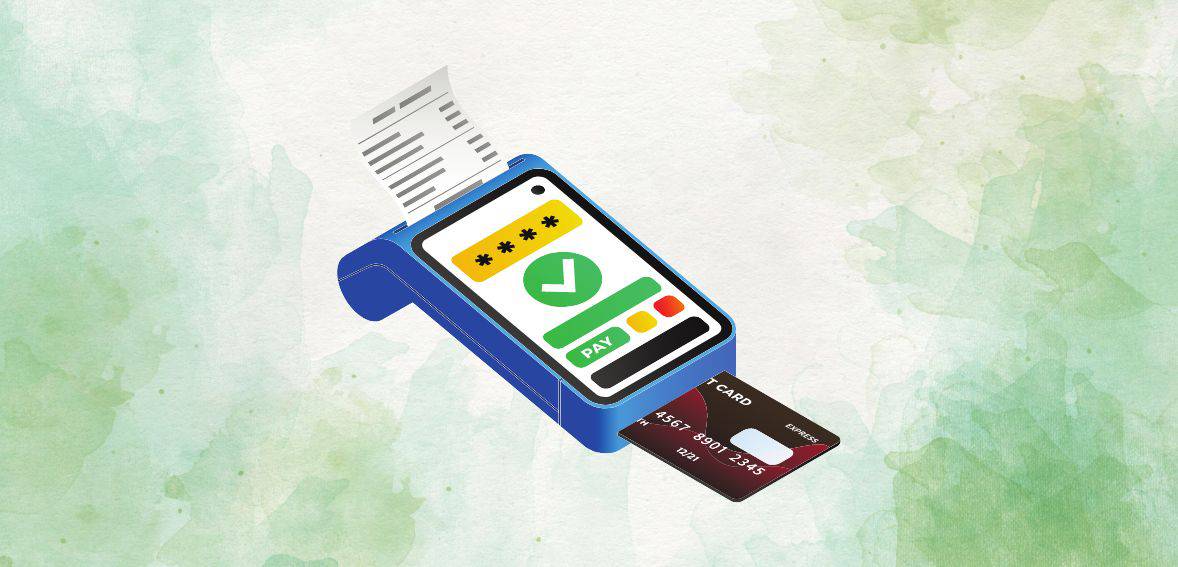
These discounts can enhance customer loyalty and keep your brand in their minds. This approach can be implemented with a simple postcard or included in a catalog, brochure, or mailing type. Although sending these offers via email is possible, studies show that direct mail typically receives a higher response rate.

Timing is crucial for these promotions; ideally, the postcard should arrive on or near the special day, particularly if the discount expires.

3. Focus on Bold (Yet Meaningful) Designs to Stand Out

To grab recipients’ attention in a full mailbox, creating a visually appealing design is crucial. This can be achieved using strong typography, high-quality images, and innovative layouts highlighting your main message. However, it’s crucial to maintain a balance between creativity and clarity. The design should catch the eye and convey the important aspects of your offer or message.

If you lack an in-house designer, consider hiring a freelancer from platforms like Fiverr to produce professional postcards, brochures, or catalogs representing your brand well. While loading your materials with extensive details about your business may be tempting, a more effective approach is to focus on the most pertinent information. A straightforward design with a single, clear CTA often yields better results than a cluttered one.

4. Giveaway Free Catalogs and Product Samples

Including free product catalogs and samples is a proven strategy to increase engagement in direct marketing campaigns. People appreciate receiving complimentary items, and incorporating small sample packs in your direct mail can effectively demonstrate your product’s value. Indeed, offering free samples has led to significant sales increases, sometimes by up to 2,000%.

Some instances, including an actual product sample, might need to be more practical due to the product’s characteristics. For example, Function of Beauty, which specializes in customizable hair care products, used scented paper strips to let customers experience the fragrance of their offerings. This creative solution allowed them to conduct a successful direct mail campaign using just an added piece of paper.

5. Add QR Codes and Links

Add QR Codes and Links

Direct mail marketing can effectively initiate customer engagement by directing them to perform specific actions like visiting your website. A practical way to achieve this is by incorporating QR codes or concise, trackable URLs into your direct mail pieces, guiding customers to your website, store, or particular landing pages.

QR codes link your physical mail campaigns to your digital marketing initiatives. These simple barcodes are easily printed on mail items and can be scanned with any smartphone.

A single scan of a QR code can direct your customers to a designated landing page or other digital destinations. Given the widespread familiarity with QR codes, including them in your mail is straightforward and user-friendly.

6. Add Handwritten Notes

Sending handwritten messages can create a memorable impact, particularly for a smaller, more defined audience. This method demonstrates a strong commitment to personal service, which can enhance customer loyalty. Although unsuitable for large-scale campaigns, it effectively maintains relationships with high-value customers or clients in specialized markets.

7. Provide Detailed Information Through Brochures

While postcards are effective for quick communication about your business, they often need more space for more comprehensive details about your services. In such cases, brochures are an excellent alternative.

Brochures allow for an expanded presentation, including photographs, icons, illustrations, product descriptions, and menu options—typically too extensive for a postcard format.

For small businesses, brochures serve as a powerful marketing tool by offering ample space for detailed content, including product information and visual aids like images and infographics, enhancing both appeal and clarity. Additionally, distributing small batches of brochures to similar customer segments can help identify the most effective version for consistent results.

8. Enhance Your Mail with Embossed Envelopes

Embossed envelopes can significantly enhance your direct mail’s visual and tactile appeal, making it stand out. An embossed envelope introduces a tactile quality that can spark curiosity and motivate recipients to open your mail. This technique is handy when aiming for a sleek, minimalist design but still wanting to leave a strong impression.

9. Use Creativity in Mail Pieces

Not all businesses require detailed information about the product through catalogs or brochures; sometimes, you will require a little creativity to attract the audience. Invest effort into crafting mail that distinctly represents your brand. By adopting creative approaches, you can convey your product’s purpose more effectively with mail that stands out visually. This could involve unique designs such as fold-out letters, interactive cut-outs that become three-dimensional upon opening, or mail pieces that defy the conventional appearance of a letter.

For example, Papa John has utilized this strategy by sending out physical paper representations of their pizzas to customers, with each paper slice featuring a coupon for pizza deals. Employing creative and unusual mail designs can capture your target audience’s attention more quickly than traditional direct mail methods.

Nike set another great example with direct mail. Nike aimed to inspire young people to engage in sports. To this end, they distributed limited edition shoeboxes that featured a stadium print on the interior. Additionally, upon opening, these boxes would emit the sounds of a cheering crowd, aiming to motivate the recipient to get active.

10. Personalized Messages

Direct mail that acknowledges each customer’s unique preferences significantly boosts how valued they feel. By noting past purchases or particular interests, you deepen their connection to your brand.

For instance, HelloFresh enhances customer relations by sending personalized thank-you notes acknowledging customer loyalty and preferences. Adopting this method in your direct mail campaigns could make each recipient feel more recognized.

11. Promote Environmental Responsibility in Your Marketing

Consumers are increasingly aware of their purchases and the companies they support, particularly when these interactions are frequent. Brands must acknowledge the impact of their operations on the environment, especially when employing direct mail campaigns. Companies that demonstrate a real commitment to sustainability often gain a competitive edge.

You can opt for recycled paper or soy-based inks for your mailers. Make it a point to communicate these eco-friendly choices in your marketing materials, informing customers about your sustainable efforts. This transparency attracts consumers who prioritize environmental responsibility and boosts your brand’s image. Additionally, a note stating “Printed on 100% recycled paper” can positively impact your audience and possibly sway their preference towards your business instead of competitors who do not prioritize eco-friendly practices.

12. Focus on Solutions, Not Just Products

When crafting a direct mail marketing plan, it’s beneficial for companies to concentrate on how their services or products address specific customer problems rather than just listing features.

This shift in focus from merely selling a product to providing a solution makes your communication more effective and pertinent. For example, rather than detailing a water filter’s specifications, emphasize how it improves water quality and supports health. This method will likely increase engagement and response rates as customers perceive the tangible benefits of your offerings.

13. Distribute Branded Merchandise

Sending branded merchandise through direct mail effectively keeps your business prominent in customers’ minds. These items are physical reminders of your brand, leaving a lasting impact. The key is to select practical and relevant items for your business.

These gifts connect positively with your brand and prompt recipients to consider your business for related products or services first. This approach smartly blends the allure of a physical gift with ongoing brand reinforcement, ensuring your business remains memorable.

14. Enhance Engagement Through Storytelling

Enhance Engagement Through Storytelling

Incorporating storytelling into direct mail campaigns is an excellent strategy for emotionally engaging your audience and memorably delivering your message. Rather than just listing facts or promotions, sharing a story that connects with your audience can forge a stronger bond.

This tactic is equally effective for commercial enterprises. Sharing tales of customer successes or how your products or services have beneficially influenced someone’s life can incentivize recipients to trust and interact with your brand.

15. Use Infographics

Incorporating clear and informative infographics in your direct mail can help break down complex information and make it easier to understand.

This technique is useful in sectors like finance, where companies such as American Express use infographics to explain complicated subjects clearly and attractively. Infographics draw attention and improve the chances that your message will be understood and remembered.

16. Consider Implementing an EDDM Strategy

EDDM is a cost-effective way to reach a broad local audience without requiring a specific mailing list. With EDDM, you can target particular zip codes or neighborhoods, perfect for businesses aiming to grow their local customer base. This approach is beneficial for distributing postcards highlighting special deals, events, or new store openings.

For the best results in your EDDM campaign, select a dependable direct mail service that can assist with design and distribution.

17. Include a Clear CTA

The success of a direct mail campaign largely depends on a clear and motivating CTA. Your CTA should be noticeable and easy to understand, directing the recipient to the next steps. This can be enhanced by using contrasting colors, bold fonts, or design elements like arrows highlighting the CTA.

Your CTA language should be straightforward and prompt immediate action, such as “Call now for a free consultation” or “Visit our store today for exclusive discounts.” To prevent confusion, it’s crucial to direct your customers to a single destination, be it a website, a phone number, or a physical address.

Conclusion

Direct mail remains a potent tool for small businesses despite the dominance of digital marketing. Its tangible nature and personal touch offer advantages that online channels often need to improve. Integrating direct mail into your marketing strategy provides a unique customer experience that stands out in an era of digital overload. From postcards and catalogs to QR codes and personalized messages, direct mail allows for creative, targeted approaches that can significantly enhance customer engagement and brand recognition.

As businesses increasingly recognize the value of direct mail, those who leverage its benefits can effectively complement their digital efforts and foster deeper connections with their audience. With its ability to offer high ROI and reliable delivery, direct mail should be a key component in any comprehensive marketing plan, ensuring your business remains memorable and impactful in a crowded marketplace.

Frequently Asked Questions

  1. How can I effectively integrate digital elements into my direct mail campaigns?

    Use QR codes, personalized URLs, or augmented reality (AR) to enhance direct mail campaigns. QR codes can lead recipients to specific web pages, while AR can create interactive experiences, making your campaign more engaging and more accessible to track.

  2. What are the most effective strategies for personalizing direct mail to increase customer engagement?

    Personalize direct mail by addressing recipients by name, tailoring content to their past purchases or interests, and including personalized offers. Adding handwritten notes or customized maps can further enhance the personal connection and improve response rates.

  3. What cost-effective direct mail ideas can deliver high ROI for small businesses?

    Use Every Door Direct Mail (EDDM) to target local areas without a mailing list or include practical branded items like magnets. Simple, well-designed postcards with a solid call to action or offering free samples can also effectively convert leads without a large budget.

Fiserv SpendTrend Report July 2024

Fiserv SpendTrend Report July 2024: Spending Slows on Lighter Foot Traffic

Fiserv, Inc., a prominent provider of payments and financial services technology worldwide, has released the Fiserv Small Business Index for July 2024. This index measures the performance of small businesses across the United States, focusing on national, state, and industry-specific levels.

The July 2024 Fiserv SpendTrend report offers substantial information on declining consumer spending, specifically highlighting the effects of reduced foot traffic. Fiserv’s thorough analysis presents changes in spending habits and provides detailed performance metrics across various sectors, offering essential information for businesses operating in the current economic environment. Read on for further details.

Key Takeaways
  • Decline in Consumer Spending Due to Reduced Foot Traffic: The report highlights a slowdown in consumer spending, with year-over-year (YOY) growth slowing to 4% in July, primarily driven by reduced foot traffic. Sectors reliant on in-person visits, such as retail and restaurants, faced significant declines, with retail seeing a 1.4% YOY drop in spending.
  • Shift Toward Essential Services: While discretionary spending in areas like dining and travel declined, essential services, including insurance premiums and utilities, experienced robust growth. For instance, insurance spending surged by 18.2% YOY, reflecting consumers’ focus on necessary expenditures despite the overall economic slowdown.
  • Regional Variations in Spending Growth: The report identifies notable regional differences. New England and the Midwest showed strong spending growth, at 6.8% and 4.2% YOY, respectively. By comparison, the Southwest exhibited the weakest growth, with spending rising by just 1.3%, indicating regional disparities in economic activity.
  • Changes in Payment Method Preferences: Signature debit transactions saw significant growth, with a 7.5% increase in spending and a 5.4% rise in transactions, outpacing other payment methods. However, credit card usage grew more modestly, and PIN debit transactions declined, reflecting shifts in consumer payment behavior amid economic uncertainty.

Spending Growth Slows as Foot Traffic Declines Across Key Sectors

The latest Fiserv data indicate a slowdown in spending growth, a noticeable change from the stronger growth earlier in the year. In July, spending increased only 4% yearly, which is lower than previous rates.

Small Business Sales Regain Footing in July

Source: Fiserv

Sectors dependent on in-person attendance, like retail, restaurants, and accommodations, saw more significant drops. This downturn can be partly linked to seasonal trends that typically lead to lower consumer activity and spending in the summer months.

Small businesses, especially those in industries hit hard by decreased foot traffic, experienced the adverse effects of this slowdown. For example, retail stores faced difficulties as reduced customer visits led to lower sales and revenue. However, while some areas, like insurance and digital subscriptions, reported gains, physical stores struggled.

In July, same-store consumer spending also dropped. YOY sales growth fell to 3.3%, a decrease from June’s 5.0%. This downturn was mainly due to reduced foot traffic, with transaction growth slowing to 2.8% from the previous month’s 4.5%, marking the slowest since January.

Fiserv Small
Business IndexTM

Source: Fiserv

The average ticket size showed a minimal rise of 0.5%, suggesting that consumers spend approximately the same per transaction as they did the previous year despite a general decline in economic activity.

The report points out that the decrease in foot traffic plays a significant role in this overall slowdown. With fewer consumers visiting physical stores, there is a corresponding drop in the number of transactions, affecting revenue growth. This trend appears common across different sectors, indicating that the change in consumer behavior could be broad rather than limited to certain industries.

Essential Services Show Growth Amid Declines in Retail and Dining Spending

In July, the food and beverage sector saw a slight increase in spending, climbing to 3.5% YOY, up from 3.1% in June. This growth suggests that consumers focus more on essential purchases than discretionary spending. On the other hand, the restaurant industry faced setbacks, encompassing food services and drinking places. Spending growth dropped to 2.4% YOY in July from 3.7% in June, and foot traffic in restaurants also decreased to a mere 1.0%, the lowest since January 2024. This trend indicates a reduction in dining out, possibly due to economic uncertainties or altered spending habits.

The broader retail sector saw a downturn, with spending decreasing by 1.4% in July YOY, a sharper fall than June’s 0.4% decline. Transaction growth dipped into the negatives for the first time since October 2023, falling to -0.7%. Despite this general downturn, some areas, such as merchandise and other retail stores, experienced minor growth, 1.5% and 0.7%, respectively.

The travel sector faced significant cutbacks in discretionary spending, with growth plummeting to 7.1% in July from 18.6% in June. Similarly, travel spending slowed to 1.1%, down from 2.1% in June, with notable declines in short-term vacation and car rentals. However, hotel spending remained nearly unchanged, showing a minimal decrease of 0.4%.

The services sector, on the other hand, showed robust growth in July, increasing by 8.8% YOY. This was led mainly by essential areas like insurance premiums, which surged by 18.2%, utilities, which grew by 13.0%, and deferred tax payments, which saw a dramatic increase of 40.0%. This strong performance in essential services suggests that despite a decrease in discretionary spending, consumers continue to prioritize necessary expenditures.

Regional Spending Trends Highlight Strong Growth in New England and the Midwest, Slowdown in the Southwest

Most active state

Source: Fiserv

The report details consumer spending trends across various regions. New England led with the most robust performance, with overall spending growing by 6.8% and transactions growing by 5.6%, with an average ticket size increase of 1.2%. The Midwest also saw strong activity, with spending growth at 4.2% and transaction growth at 2.6%, accompanied by a significant ticket size increase of 1.6%.

Alternatively, the Southwest showed the weakest growth among the regions, with only a 1.3% increase in spending and a 0.9% rise in transactions. The average ticket size in this region grew marginally by 0.3%. The South, West, and Middle Atlantic regions experienced moderate growth, with spending increases ranging from 2.5% to 3.8% and transaction growth from 2.0% to 3.1%. Changes in the average ticket size in these areas were negligible or minimal.

Credit Card Usage Slows While Signature Debit Transactions Lead in Consumer Spending Growth

The report sheds light on trends in consumer payment methods. Credit card usage saw a spending increase of 2.5%, with transaction growth higher at 3.9%, although the average ticket size for these transactions decreased by 1.3%. Meanwhile, signature debit transactions outperformed other methods, showing a 7.5% rise in spending, a 5.4% increase in transactions, and a 2.0% growth in the average ticket size.

PIN debit transactions, however, moved in the opposite direction, experiencing a decline with spending falling by 3.3% and transaction growth decreasing by 4.6%, coupled with a 1.4% reduction in the average ticket size. Transactions using EBT, predominantly for food and beverage purchases, had marginal increases, with spending slightly up by 0.2% and transaction growth at 1.5%.

About Fiserv SpendTrend Report

The Fiserv Small Business Index is released during the first week of each month and is unique in its approach, which directly aggregates consumer spending data from the US small business sector. Unlike other reports that rely on surveys or sentiment analysis, this index is based on actual point-of-sale transaction data, including card, cash, and check transactions made both in-store and online, across approximately 2 million small businesses in the US.

Using 2019 as a baseline, the index offers a numerical value reflecting consumer spending and a separate transaction index that tracks customer traffic. The data can be accessed through a straightforward interface, allowing users to explore information by region, state, or business category, which are classified according to the North American Industry Classification System (NAICS). The index is calculated monthly for 16 sectors and 34 sub-sectors, providing a timely and consistent measure of small business performance, even in industries typically dominated by larger companies.

About Fiserv

Fiserv, Inc. operates in the financial services technology sector. The company is divided into three segments: Payments, Financial, Corporate, and Other. The Payments segment offers services like electronic bill payments, internet and mobile banking solutions, inter-account transfers, personal payment services, and debit and credit card processing. It also covers payment infrastructure and various other electronic payment-related services.

The Financial segment delivers services to financial institutions, including account processing, transaction processing services, loan management products, cash management, consulting, and other financial transaction support services.

The Corporate and Other segment includes activities not directly tied to segment performance evaluations such as intercompany adjustments, amortization of acquired intangible assets, unallocated corporate expenses, profits from business sales, and related transition services. Fiserv was established by Leslie M. Muma and George D. Dalton on July 31, 1984, and has its headquarters in Brookfield, WI.

Conclusion

The July 2024 Fiserv SpendTrend Report underscores a notable slowdown in consumer spending, attributed primarily to reduced foot traffic across critical sectors. While essential services like insurance and utilities have grown significantly, sectors reliant on in-person visits, such as retail and dining, have struggled. Regional disparities highlight more robust performance in New England and the Midwest, contrasting with slower growth in the Southwest.

The shift in payment methods also reflects changing consumer preferences, with signature debit transactions leading in growth. This report is a crucial tool for small businesses to navigate the current economic climate and adapt to evolving consumer behaviors. As companies adjust to these trends, understanding regional and sector-specific dynamics will be essential for strategic planning and resilience.

JP Morgan Introduces Biometric Payment Processing

JP Morgan Introduces Biometric Payment Processing

JP Morgan Payments is introducing biometric payment technology at specific pilot merchant locations in the US through a growing partnership with PopID, a facial recognition company based in California. This system allows customers to use facial recognition for payment verification, removing the need for physical cards or mobile wallets.

The technology, developed by PopID, a subsidiary of Cali Group, oversees the enrollment process, while JP Morgan Payments handles the transaction processing. The technology was initially launched in March of the previous year among physical retail stores, with South Florida Motorsports being one of the first to adopt it. A proof of concept demonstrated a 100% rate of transaction verification, with transactions being processed in less than a second.

Recently, the American restaurant chain Whataburger started to incorporate this technology, aiming to improve its existing biometric payment setup with the processing services provided by JP Morgan Payments.

Key Takeaways
  • Expansion of Biometric Payments: JP Morgan is testing its biometric payment system, which was developed in partnership with PopID, at various retail and restaurant locations across the US. This move is part of a broader effort to evaluate and expand the use of facial recognition technology for payment processing.
  • Enhanced Transaction Efficiency: The biometric payment system, which uses facial recognition for verification, aims to streamline transactions by eliminating the need for physical payment methods like cards and mobile wallets. This technology has demonstrated the potential to speed up transactions and improve overall efficiency significantly.
  • Pilot Programs and Early Adoption: Initial tests have involved notable participants, including Whataburger and the Formula 1 Crypto.com Miami Grand Prix. Both have reported improvements in transaction speed and customer engagement, indicating a positive reception to the new payment method.
  • Broader Industry Trends: JP Morgan’s initiative reflects a growing trend in the payments industry, with other major companies like Visa, Mastercard, and Amazon also exploring biometric solutions. These advancements highlight a shift towards more secure and convenient payment methods using biometric technology.

JP Morgan Expands Biometric Payments Testing with PopID at US Retailers and Restaurants

JP Morgan is testing biometric payments with PopID’s identification technology at increasing numbers of US retail stores and restaurants, preparing for a broader deployment next year. This initiative extends JP Morgan’s ongoing partnership with PopID, which specializes in biometric identification, to explore this technology with various US retailers.

JP Mrogan

Image source

Biometric technologies are increasingly used for various purposes, from unlocking smartphones to securing building access. JP Morgan’s system is designed to simplify the checkout process by reducing reliance on physical payment methods and enhancing transaction security.

This technology involves securely capturing and storing biometric data, such as facial structures and palm and fingerprint scans. Once customers register their biometric data, they can pay by showing their face or hand at the checkout point. This approach eliminates the need for conventional payment methods like credit cards or mobile wallets, quickening transactions and minimizing physical contact.

According to research conducted by PopID, their platform reduces transaction times by 90 seconds each and can potentially increase average purchase amounts by 4%.

Jean-Marc Thienpont, Managing Director of Omnichannel & Biometric Solutions at JP Morgan Payments, stated that this initiative represents a significant advancement in enhancing the retail experience for their clients and introducing top-tier biometric payment solutions. He added that their offering is uniquely competitive, combining the reliability, scope, and credibility of a leading global bank with a fintech company’s innovative technology and flexibility.

The Formula 1 Crypto.com Miami Grand Prix was one of the first events to test JP Morgan’s biometric payment system, making it the inaugural Formula 1 race to incorporate such technology.

PopID

Image source

Ramon M Peneda, VP & Chief Information Officer of the Formula 1 Crypto.com Miami Grand Prix 2023, expressed enthusiasm about collaborating with JP Morgan Payments on this innovative technology. He emphasized that Formula 1 is dedicated to adopting groundbreaking solutions and advanced technology. Implementing this biometric payment method, he noted, would improve the event experience by streamlining the payment process for attendees. He highlighted that the Miami International Autodrome aims to provide a premier experience, and this technology plays a key role in achieving that goal.

Whataburger, a fast food chain, is also testing the biometric payment method and has already implemented it. Whataburger has observed notable improvements with this system, including quicker transactions and more active participation in its loyalty program at both the counter and self-ordering kiosks. Once customers register their biometric data in the Whataburger mobile app, they can bypass the need to use their phones to scan QR codes for loyalty check-ins or payment authentication, streamlining the process with a simple biometric scan.

Whataburger, headquartered in San Antonio, Texas, operates over 1,000 locations across 16 states. The chain still needs to implement the new facial scan technology at all of its outlets.

Jerry Phillips, VP of Technology at Whataburger, expressed enthusiasm for the continued adoption of biometric payments, aiming to transform how customers purchase their food securely and dependably. Phillips noted that innovation is a core value at Whataburger, and this technology represents a key advancement in improving the dining experience. He highlighted that this new system allows for a quicker, safer checkout experience for customers, supported by the robust infrastructure of a leading financial institution.

Should these pilot tests continue to show positive results, the biometric payment system will be introduced to a wide range of merchants across the country, including quick-service restaurants, event venues, and stores. However, it will be available to all sectors.

JP Morgan’s announcement also referenced a forecast that biometric payments will engage 3 billion users and account for $5.8 trillion in transactions worldwide by 2026.

The Mechanics of Biometric Payment Processing

The Mechanics of Biometric Payment Processing

The biometric checkout system from JP Morgan Payments, developed in collaboration with PopID, utilizes facial recognition technology to authenticate customer identities and process payments. Initially, customers register by having their facial image captured and converted into a digital format, which is then encrypted and stored in the PopID cloud database. For purchases, the system compares a live facial scan with the encrypted template to confirm the transaction.

This system eliminates the need for physical IDs, phones, or cards, allowing payments through facial recognition at any participating store. It is compatible with various merchants, facilitating a universal application once customers register. Furthermore, customers can join or leave the service at their discretion, giving them full control over their involvement.

John Miller, CEO at PopID, expressed enthusiasm about advancing biometric payment and check-in solutions in partnership with JP Morgan Payments. He noted significant improvements in transaction speed and customer loyalty when implementing biometric solutions. He emphasized the importance of providing consumers with secure, flexible payment and authentication options in today’s market.

Additionally, JP Morgan commits to implementing standards for privacy, consent, transparency, and data minimization. Prashant Sharma, executive director of biometrics and identity solutions at JP Morgan, acknowledges biometrics’ concerns and emphasizes the company’s responsibility to build trust in this area.

Merchants can purchase tablets from JP Morgan Payments or use existing devices. They are also required to pay ongoing support fees and transaction and processing fees.

JP Morgan Is Not Alone in the Biometric Payment Processing Race

About JP Morgan’s Corporate & Investment Bank

JP Morgan is not alone in pursuing biometric solutions for in-person payments. Visa is demonstrating its pay-by-palm technology at its Innovation Center in Singapore, anticipating a mainstream adoption of biometric payments within the next ten years. Similarly, Mastercard has partnered with NEC to incorporate facial recognition technology into its retail biometric offerings, having initially tested the service with Aramark, a food service company in Texas.

Amazon is also advancing in this space with its Amazon One system, which integrates into a retailer’s existing IT framework to merge loyalty programs and personalization features with payment processes. Amazon One, which combines palm and sub-surface imaging techniques, is claimed to be highly accurate and is currently implemented in over 500 Whole Foods stores, among other Amazon and third-party locations.

About JP Morgan’s Corporate & Investment Bank

JP Morgan’s Corporate & Investment Bank (CIB) is a major component of JP Morgan Chase & Co., one of the largest financial services firms worldwide. This division provides a comprehensive suite of services, including corporate banking, investment banking, treasury, and securities services, catering to governments, corporations, institutional investors, and financial institutions.

In particular, the CIB specializes in mergers and acquisitions (M&A), offering strategic advice for complex global transactions. The division is also a leader in capital markets, with deep expertise in debt and equity markets. It provides corporate financial advisory services as well, assisting clients in understanding market challenges and achieving their long-term objectives.

Additionally, JP Morgan’s CIB engages in financial transaction processing and asset management and offers strategies related to Environmental, Social, and Governance (ESG) issues. With a focus on technology and innovation, the CIB aids clients across various industries worldwide, supporting activities ranging from daily treasury operations to long-term strategic investments.

About PopID

PopID is a private entity specializing in developing facial recognition technology for identity verification. Established in 2016 by founders Sean Olson, Kourosh Gohar, Virginia Dadey, Dimitar Dyankov, and John Miller, the company is based in Los Angeles, CA. PopID’s system leverages biometric verification, enabling users to confirm their identity using facial or palm recognition for various purposes, such as loyalty programs, check-ins, ordering, building access, payments, event entry, and temperature screenings.

The software serves both individual consumers and businesses. Consumers benefit from using PopID for quick, device-independent payments at places like drive-thrus, while businesses can offer their customers and staff quicker, simpler, and touch-free interactions.

Conclusion

JP Morgan’s integration of biometric payment technology, in collaboration with PopID, represents a significant shift in the retail and restaurant payment landscape. By using facial recognition for transaction verification, this system aims to streamline the payment process, enhance security, and reduce reliance on physical payment methods. The successful pilot tests with various partners, including Whataburger and the Formula 1 Crypto.com Miami Grand Prix, highlight the technology’s potential to transform customer experiences through faster and more secure transactions.

As biometric payments become more prevalent, JP Morgan’s efforts, backed by robust privacy and data protection measures, are set to pave the way for wider adoption. The anticipated growth in biometric payment users and transaction volumes underscores the potential for this technology to redefine the future of payment processing. If these pilot programs continue to succeed, we can expect a broader rollout, significantly impacting how transactions are conducted across different sectors.

NCR Voyix Sells Digital Banking Division for $2.5 Billion

NCR Voyix Sells Digital Banking Division for $2.5 Billion

NCR Voyix has agreed to sell its digital banking division to a New York-based investment firm for approximately $2.45 billion in cash.

The deal, set to be completed by the end of the year, will see Veritas Capital acquire NCR Voyix’s digital banking operations. This business is recognized as the biggest independent platform in the country, supporting over 1,300 financial institutions and 20 million users. The sale is an important development for both companies and will likely impact the wider fintech and digital banking industries.

Key Takeaways
  • Sale of Digital Banking Division: NCR Voyix is selling its digital banking division to Veritas Capital for $2.45 billion in cash, with a potential additional payment of up to $100 million. The transaction is expected to close by the end of 2024.
  • Strategic Focus: The sale is not just a transaction but a strategic move by NCR Voyix to streamline operations and focus on its core businesses, specifically the restaurant and retail sectors. This decision, made with foresight and planning, will allow the company to reduce debt and invest in key business areas, instilling confidence in its future direction.
  • Impact on Digital Banking Platform: Under Veritas Capital’s ownership, NCR Voyix’s digital banking platform, which currently supports over 1,300 financial institutions and 20 million users, is poised for significant growth and innovation. The investment firm’s plans to expand and enhance the platform, focusing on its capacity for growth and innovation, should inspire optimism about the platform’s future.
  • Market Context: NCR Voyix has faced challenges since becoming an independent entity in 2023, with its market value decreasing by around 20%. This transaction is seen as a move to enhance shareholder value and stabilize the company’s financial position. The sale is expected to significantly reduce NCR Voyix’s debt and provide a substantial cash influx, which could potentially improve its financial standing and future growth prospects.

NCR Voyix to Sell Digital Banking Division to Veritas Capital for Up to $2.55 Billion

NCR Voyix, a fintech firm in Georgia, is modifying its business structure. The company has agreed to divest its cloud-based digital banking unit to a subsidiary of Veritas Capital. As part of the agreement, NCR Voyix will be paid $2.45 billion in cash. Up to $100 million may be paid based on future performance, potentially elevating the total value of the deal to $2.55 billion. The transaction is anticipated to close by the end of 2024.

NCR Voyix

Image source

Launched in 2014, NCR Voyix’s digital banking platform has expanded significantly. It serves 1,300 financial institutions with 20 million active retail and commercial banking users. The platform offers mobile and online banking, customer interaction tools, and personal financial management for retail clients. For commercial clients, it includes features like treasury services, business banking, and cash management solutions.

David Wilkinson, CEO of NCR Voyix, stated that Veritas Capital is the perfect new owner of its digital banking business, with its strong technology investment background. He noted that Veritas Capital is expected to continue developing leading products and solutions that will serve the needs of its financial institution customers well. This sale will enhance value for their shareholders by improving their financial standing and allowing them to concentrate on their primary restaurant and retail clients.

Ramzi Musallam, Managing Partner and CEO of Veritas commented that the digital-first banking platform is a leader in mobile and online banking, offering outstanding value and substantial potential for growth. He expressed confidence that the platform provides an attractive investment opportunity in essential solutions that will support both community and larger financial institutions and deliver innovative banking tools to millions of customers.

NCR Voyix offerings

The company’s recent financial supplements revealed that average revenues per unit in the segment increased by 6% yearly, with the active user count rising 3% to 19.8 million. NCR Voyix reported that its digital banking revenues grew 9% in the second quarter, reaching $154 million. However, the company’s overall revenues fell by 7%, totaling $876 million.

During a conference call, CEO David Wilkinson highlighted that digital banking provides a unique end-to-end service spanning both physical and digital channels.

Brendan Tansill, Executive Vice President and President of NCR’s digital banking unit, discussed the general perception of private equity firms. He noted two common scenarios: one where the firm minimizes costs aggressively to boost cash flow and plans a rapid exit, and another where the firm invests significantly in the target to spur long-term growth through enhancements in technology and personnel.

According to Tansill, Veritas Capital exemplifies the latter approach, having invested in technology companies for over twenty years. Veritas focuses intensely on a limited number of investments, each supported by substantial financial commitment.

Tansill also mentioned considerable interest in the business, which allowed them to select a strategic partner thoughtfully.

This sale is part of the company’s strategy to streamline operations and focus on its primary software and services targeted at global restaurants and retailers. NCR Voyix intends to use the proceeds from this sale to meet specific financial targets, such as lowering its debt, enabling more focused investments in its key business sectors, and potentially expanding its offerings in the restaurant and retail sectors.

image 83

Image source

NCR Voyix was previously a division of NCR Corp before the latter divided into two separate entities in 2023: Voyix, which specializes in digital commerce, and NCR Atleos, which concentrates on automatic teller machines (ATMs). Since becoming an independent entity last year, NCR Voyix has faced challenges in the competitive fintech and digital banking industries, leading to a decrease in its market value by approximately 20%. As of early July, its market capitalization was around $4.6 billion, debt included.

About NCR Voyix

NCR Voyix is a global technology company that delivers digital commerce solutions to the restaurant, digital banking, and retail sectors. It is a leading point-of-sale (POS) software provider, servicing over 100,000 retail and restaurant stores and caters to grocery and convenience stores.

NCR Voyix assists brands in gaining loyal customers, managing their operations, and increasing sales. The company works closely with clients to streamline and manage their technology systems, helping their businesses thrive. NCR Voyix’s platform-led SaaS and services enhance the functionality of retail stores, restaurant operations, and digital banking experiences. The company’s main office is in Midtown Atlanta, Georgia, and it employs around 15,000 people in 35 countries worldwide.

Conclusion

The sale of NCR Voyix’s digital banking division to Veritas Capital for $2.45 billion marks a significant shift as it refocuses on its core retail and restaurant sectors. Given the platform’s extensive reach and user base, the transaction is poised to influence the broader fintech and digital banking landscapes. NCR Voyix’s decision aligns with its strategy to streamline operations and strengthen its financial position, particularly by reducing debt.

Meanwhile, Veritas Capital’s acquisition reflects its commitment to investing in technology-driven solutions with long-term growth potential. This deal, expected to close by year-end, is a crucial move for both companies as they pursue their strategic goals.

Payoneer Looks to Grow Through Acquisitions

Payoneer Looks to Grow Through Acquisitions

Payoneer, a global financial technology company, is expanding by acquiring other businesses to enhance its standing in the competitive fintech sector. Under the leadership of CEO John Caplan, the company recently purchased the Singapore-based firm Skuad for $61 million.

This move is part of Payoneer’s effort to broaden its range of services, particularly in the B2B area, by integrating companies that align with its current infrastructure and clientele.

Key Takeaways
  • Strategic Acquisitions Drive Growth: Payoneer is actively pursuing acquisitions, such as its $61 million purchase of Skuad, to expand its service offerings and strengthen its position in the B2B fintech sector.
  • Focus on B2B Services: Under CEO John Caplan, Payoneer is pivoting towards the B2B cross-border payment market, aiming to capitalize on the growing demand for comprehensive financial and workforce management solutions.
  • Revenue and Market Expansion: Payoneer’s focus on acquisitions and organic growth in key regions like Asia-Pacific, China, and Latin America has led to significant revenue increases, reaching $239.5 million in Q2 2024.
  • Ongoing Growth Strategy: Payoneer plans to expand its global reach and service capabilities through further acquisitions, particularly in the accounts payable and workforce management sectors, to serve SMBs better worldwide.

Payoneer Expands Global Reach with Strategic Acquisitions

Payoneer, a FinTech company that supports small businesses, recently completed a $61 million cash purchase of Skuad, a payroll and HR platform based in Singapore. This acquisition enhances Payoneer’s capabilities to provide a comprehensive financial framework for small and medium-sized businesses (SMBs) operating globally.

Additionally, Payoneer may spend up to $10 million more if Skuad achieves certain performance targets within the first 18 months following the acquisition. Payoneer has also agreed to issue $10 million in restricted stock units, which depend on the continued employment of essential staff. The potential expenditure for Payoneer is approximately $81 million.

Skuad

Image source

B2B transaction volume has increased by 40% year-over-year, indicating strong demand for Payoneer’s solutions in cross-border commerce. Payoneer aims to stand out from competitors by providing a comprehensive suite of services tailored to the specific needs of SMBs in the global market.

A recent news release revealed that 25% of Payoneer’s B2B customers need better workforce management tools, including payroll, employer of record, and contractor management services. This demand suggests a substantial opportunity for increased sales through this acquisition.

During Payoneer’s earnings call on Wednesday, CEO John Caplan highlighted the acquisition’s role in enhancing the company’s accounts payable (AP) services and expanding its presence in Singapore.

Caplan emphasized the critical nature of workforce and payroll management within AP, noting the importance of ensuring these processes are prompt, precise, and compliant with local regulations.

This transaction marks John Caplan’s third acquisition since he became CEO in March of the previous year. He took over from Scott Galit, who was the former CEO and also served as a co-CEO.

Payoneer’s financial results have improved due to its focus on acquisitions and organic growth in key markets. In the second quarter of 2024, the company reported revenues of $239.5 million, a rise from $206.7 million in the previous year. This increase is attributed to more active integrated channel partners (ICPs) and higher average revenue per user (ARPU), both of which are vital for the company’s ongoing success.

Gaining larger customers and boosting transaction volumes have been vital, especially in regions like Asia-Pacific, China, and Latin America, where Payoneer has concentrated its expansion.

All-in-one platform for your global
employment needs

Payoneer’s pricing strategies, such as introducing account and transaction fees, have also contributed to its revenue growth and are expected to continue. The company’s ability to expand its customer base and increase its take rate (the percentage of transaction volume retained as revenue) demonstrates its successful growth strategy execution.

In a recent interview, Caplan revealed significant changes to the management team since he assumed his leadership role. He has shifted Payoneer’s focus towards catering to the B2B market’s need for cross-border payment services, although it still supports its original marketplace niche.

Historically, Payoneer facilitated payments for small business owners on platforms like Upwork and Amazon, holding a 20% share in that $300 billion market, according to Caplan. Caplan highlighted a more significant potential in the $6 trillion B2B cross-border payment sector, noting that he has been steering the company assertively into this area. This strategic pivot includes targeting larger clients, particularly those transacting at least $10,000 monthly.

Despite these shifts, Payoneer primarily serves small to mid-sized enterprises, especially those with fewer than 500 employees in emerging markets.

Payoneer recently expanded its services, operating in 190 countries with a customer base of two million, including significant markets like China, Argentina, and the Philippines. Following the acquisition of Skuad, it now offers payroll and workforce management services. Payoneer has integrated Skuad’s 200 employees into its workforce, totaling about 2,150. Caplan committed to further acquisitions to enhance service capabilities, actively exploring more opportunities in the AP sector.

About Payoneer

About Payoneer

Image source

Payoneer Global Inc. is a financial technology company that provides a comprehensive payment infrastructure platform. This platform enables customers to manage their accounts receivable and payable by offering a unified, global, multi-currency account. The company offers various services, including cross-border payments, physical and virtual MasterCard cards, working capital, and risk management.

Additionally, it provides various payment solutions with minimal integration, complete back-office functions, and customer support. Payoneer ensures bank-level security, stability, and redundancy in its services. The company caters to small and medium-sized businesses across around 190 countries and territories globally. Founded in 2005, Payoneer Global Inc. is headquartered in New York, New York.

Conclusion

Payoneer’s strategic acquisitions, particularly the $61 million purchase of Skuad, illustrate its commitment to expanding its global reach and enhancing its B2B service offerings. By focusing on the rapidly growing cross-border payment market and workforce management solutions, Payoneer positions itself to meet the increasing demands of small and medium-sized businesses worldwide.

The company’s recent financial success, marked by a significant revenue rise, reflects its effective growth strategy under CEO John Caplan’s leadership. With continued acquisitions and a clear focus on expanding services, Payoneer is well-poised to strengthen its market position and drive further growth in the fintech sector.