Purple Innovation logo

Purple Innovation’s Factory Closures and Corporate Layoffs

Mattress manufacturer Purple Innovation is shutting down its production facilities in Salt Lake City and Grantsville, Utah, and plans to centralize its mattress production in a single factory located in Georgia.

This restructuring will also involve corporate layoffs and the termination of operations at its Utah locations. The transition to the Georgia facility is projected to finish by the end of this year, with the Utah sites expected to close by the end of the first quarter of 2025.

Key Takeaways
  • Factory Consolidation: Purple Innovation is shutting down its production sites in Salt Lake City and Grantsville, Utah, to consolidate manufacturing at its Georgia facility. The project is expected to be completed by early 2025.
  • Corporate Layoffs: The restructuring will lead to Purple Mattress layoffs, affecting fewer than 300 employees. The company offers impacted staff the option to relocate to Georgia with full financial relocation support.
  • Cost-Cutting Measures: The company estimates that the restructuring will cost $35 million to $45 million but will save $15 million to $20 million annually in EBITDA.
  • Focus on Innovation and Expansion: While reducing costs, Purple reinvests in technology and marketing to drive long-term growth, emphasizing its “Path to Premium Sleep” strategy to increase market share and improve profitability.
Purple Innovation Inc. stock price 5 years

Source: Yahoo Finance

Purple Innovation’s Strategic Restructuring and Operational Improvements in 2024

Purple Innovation, a mattress manufacturer, has struggled financially over the past year. In 2023, the company’s revenue fell by 10.9% to $510.5 million, while operating expenses increased by 13.8% due to higher costs. The company saw a consistent decline in sales across seven quarters before showing some signs of recovery towards the end of 2023.

In the second quarter of 2024, Purple Innovation broke even, a significant recovery from a $50 million net loss in the previous quarter. This recent performance indicates operational improvement, with the operating loss reduced to $14.5 million from $40.3 million in the same quarter last year. Total revenue for the quarter increased by 2% to $120.3 million. Wholesale sales increased by 7.2%, though direct-to-consumer sales fell by 1.8%.

Throughout 2024, the company has focused on reducing costs to alleviate cash flow issues and enhance profit margins. As part of its strategy to streamline operations, the mattress manufacturer will shut down its production sites in Salt Lake City and Grantsville, Utah, with plans to complete these closures by the first quarter of 2025. Manufacturing consolidation will take place in its Georgia facility.

Purple Innovation's Strategic Restructuring and Operational Improvements in 2024

Additionally, Purple plans to open a distribution center in Utah in February to handle light assembly tasks. All manufacturing processes will be transferred to the 850,000-square-foot facility in McDonough, Georgia. Alongside shutting down its factories, Purple is also cutting jobs at its corporate headquarters. Rob DeMartini, Purple’s CEO, informed Furniture Today that the restructuring will impact fewer than 300 employees.

Rob DeMartini, CEO of Purple, stated that these changes are crucial for enhancing operational efficiency and will allow the company to reinvest in technology and marketing efforts to expand the market. Over the past year, Purple has achieved cost savings through enhanced manufacturing and supply chain management. DeMartini expressed confidence that manufacturing consolidation sites are vital to advancing their Grid technology and reinforcing their “Path to Premium Sleep” strategy. This strategy aims to achieve positive cash flow and increase market share over the long term.

Discussing the Purple Mattress layoffs, Rob mentioned that today marks a difficult day for those adversely affected. He noted that there is significant enthusiasm for the company and its activities. DeMartini mentioned that Purple has allowed employees to move to Georgia, where their job status, salary, and seniority would be preserved. The company is also providing full financial support for relocation.

Although Purple Innovation is shutting down its manufacturing operations in Utah, it will keep its headquarters in Lehi, Utah, and continue its research and development activities at its Draper-based Innovation Center. The company has also announced plans to establish a new distribution center in Utah and will maintain four showrooms in the state.

Rob clarified that this strategy is not about defense but about aggressively investing in innovation and marketing to better position the company for increased demand. He admitted that he had been mistakenly waiting for the market conditions to improve, which did not happen. As a result, they will boost their spending on marketing and innovation starting today.

The Georgia plant, which opened in 2020, represents Purple’s initial venture outside Utah. It incorporates production, fulfillment, and customer service functions. Situated approximately 30 miles southwest of Atlanta, the facility underwent an expansion one year following its inauguration.

DeMartini explained that the expansion is not driven by financial necessity; the company is not running low on funds. Instead, he pointed out that their financial reserves are stable and that the existing facility can support a tripling of their business volume.

He further highlighted that the Georgia site is newer and larger, potentially expandable to one million square feet, and it is the production location for Purple’s innovative new grid technology.

Purple Innovation has presented its employees affected by these changes the opportunity to transfer to the Georgia facility, assuring them that their roles, salaries, and seniority will remain intact. The company has pledged to cover all relocation costs. Additionally, as mandated by the U.S. Worker Adjustment and Retraining Notification Act, employees affected by these changes will receive severance based on their tenure. They will continue to receive compensation until October 22, despite ceasing certain operations on October 1.

The company estimates that the restructuring will incur costs ranging from $35 million to $45 million from the third quarter of 2024 to the second quarter of 2025, including $26 million to $32 million in non-cash charges due to equipment disposals and other adjustments. These cost-cutting measures are expected to result in annual EBITDA savings of $15 million to $20 million.

About Purple Innovation

About Purple Innovation

Image source

Purple Innovation, Inc. is a company based in the United States that creates and produces sleep-related products and other items domestically and internationally. Under the Purple brand, the company offers various products, including mattresses, cushions, pillows, sheets, bases, adjustable bases, mattress protectors, duvets, blankets, seat cushions, duvet covers, and pet beds.

Purple Innovation distributes its products through several channels: its e-commerce platforms, physical retail and wholesale partners, third-party online retailers, and dedicated Purple showrooms. Additionally, products are available on its website, Purple.com. The company, established in 2010, is headquartered in Lehi, Utah.

Conclusion

Purple Innovation’s decision to close its Utah manufacturing plants and centralize operations in Georgia represents a significant restructuring to improve efficiency and reduce costs. Despite the Purple Mattress layoffs and the operational changes, the company remains committed to innovation and enhancing its market position.

By consolidating its production and reinvesting in technology and marketing, Purple aims to recover financially and increase profitability in the long run. These changes are intended to streamline operations while maintaining core functions like research and development, ensuring the company remains competitive in a challenging market.

LL Flooring logo

LL Flooring’s Chapter 11 Filing and Store Closure Plans

LL Flooring, a specialty retail store previously recognized as a strong competitor to Home Depot under the name Lumber Liquidators, announced the closure of all 400+ stores just weeks after declaring bankruptcy. The company, which specialized in flooring, had initially stated it would shut down 94 stores nationwide.

In attempts to sell the business as a going concern, LL Flooring negotiated with potential buyers but failed to receive any bids. Citing Chapter 11 regulations, which mandate securing the highest or best offer for its business assets, the company found itself without any viable offers. Consequently, LL Flooring concluded that selling off its assets individually would yield the greatest return for its creditors.

Key Takeaways
  • LL Flooring’s Bankruptcy and Closure: After 30 years, LL Flooring (formerly Lumber Liquidators) declared bankruptcy and shut down all of its 442 stores due to failed negotiations to secure a buyer.
  • Financial Struggles: LL Flooring faced severe financial challenges, including reduced consumer spending and vendor issues, which led to its Chapter 11 filing in August 2023 with liabilities up to $500 million.
  • Liquidation Efforts: The company liquidated its assets to maximize creditor returns, selling off its distribution center and conducting store-closing sales.
  • Founder’s Acquisition: LL Flooring founder Tom Sullivan’s F9 Investments acquired 219 stores and the company’s intellectual property, with potential plans to revive the Lumber Liquidators brand, though about 1,000 employees will be laid off.
LL Flooring Shuts Down After 30 Years Following Bankruptcy

Image source

LL Flooring Shuts Down After 30 Years Following Bankruptcy and Unsuccessful Buyer Negotiations

LL Flooring, formerly Lumber Liquidators, ceased operations after 30 years in the market due to failed attempts to secure a buyer shortly after declaring bankruptcy. Based in Richmond, Virginia, the company operated 442 stores across the United States but has permanently closed its doors. This decision follows unsuccessful negotiations with several potential buyers, as disclosed on the company’s website. In August this year, LL Flooring began closing 94 of its stores.

LL Flooring entered Chapter 11 bankruptcy proceedings on August 11 at the U.S. Bankruptcy Court for the District of Delaware. At the filing of LL Flooring’s bankruptcy, the company reported liabilities between $100 million and $500 million and assets ranging from $500 million to $1 billion. It had secured $130 million in debtor-in-possession financing from its lenders led by Bank of America.

Court filings reveal that LL Flooring’s financial struggles were due to decreased consumer spending on home improvements, reduced discretionary purchases, and a general decline in demand within the sector following the pandemic’s peak. As financial pressures mounted, the company reduced payments to vendors and suppliers to preserve cash. In response, some vendors stopped or reduced shipments to LL Flooring, further complicating the company’s financial situation.

LL Flooring announced on its website that it had been diligently working to secure a going-concern sale by negotiating with various potential buyers during store closures. Despite these efforts, the retailer confirmed that the negotiations resulted in only a few financially viable offers to maximize the company’s value.

According to the provisions of Chapter 11, LL Flooring was obligated to obtain the highest or best possible offer for its business assets. Facing the absence of any viable offers, LL Flooring opted to maximize creditor returns by liquidating its assets. This included holding store-closing sales, managed by Hilco Merchant Resources, and winding down operations.

image 25

Charles Tyson, CEO of LL Flooring, expressed in an open letter at the time that, with regret, the company must announce the initiation of the process to close down LL Flooring and shut all its stores. This outcome was different from what anyone had anticipated.

More recently, regarding the liquidation efforts, LL Flooring has already sold its one-million-square-foot distribution center in Sandston, Virginia, to QTS Data Centers for approximately $104.75 million. As part of the deal, the company will lease back part of the facility for two years, paying over $8 million in rent.

Additionally, on October 1st, F9 Investments, led by LL Flooring founder Tom Sullivan, acquired 219 stores, the company’s intellectual property, and other assets, with possible plans to revive the Lumber Liquidators brand. However, about 1,000 employees not retained in the acquisition are expected to be laid off.

At the time of its bankruptcy filing and store closures, the company operated more than 440 stores and employed around 1,960 workers. Orders placed before September 6 will be installed within 30 days. After this date, the company discontinued installation services, making all sales final and no longer allowing cancellations or refunds.

Established in 1994, Lumber Liquidators became one of the top hardwood flooring retailers in the U.S. However, in 2015, the company encountered a major challenge when a CBS’s 60 Minutes report exposed that some of its laminate flooring from China had unsafe levels of formaldehyde. This chemical, associated with cancer risks, was detected at levels up to 20 times above the legal limit, breaching California’s Air Resources Board (CARB) standards and new federal composite wood emissions regulations.

The 60 Minutes report also featured hidden camera footage from Chinese factories where workers confessed to falsely labeling products to pass them off as compliant with U.S. standards. Additionally, it was revealed that these mills were using lower-cost core boards with high formaldehyde content to save 10-15% on expenses. Despite initial denials and claims that the report was influenced by short-sellers looking to impact the stock price negatively, the brand faced significant reputation damage.

In response to the findings, Lumber Liquidators was forced to plead guilty to federal environmental crimes and making false statements. The company also dealt with lawsuits, including class actions and state legal proceedings, which led to substantial financial settlements. In a move to shed its past negative image, the company changed its name to LL Flooring in 2022.

About LL Flooring Holdings

About LL Flooring Holdings

LL Flooring Holdings, Inc., along with its subsidiaries, is a retailer specializing in hard and soft flooring types and related products. The company’s product lineup includes waterproof vinyl plank, hybrid resilient flooring, laminate, solid and engineered hardwood, tile, bamboo, and cork. It also sells flooring accessories such as underlayment, moldings, tools, and adhesives. These products are available under brand names like Coreluxe, Bellawood, ReNature by Coreluxe, and Duravana.

Additionally, LL Flooring offers delivery and installation services and sells products through its website, catalogs, and physical stores. Previously known as Lumber Liquidators Holdings, Inc., the company rebranded to LL Flooring Holdings, Inc. in January 2022. Founded in 1993, it is based in Richmond, Virginia. On August 11, 2024, the company filed for Chapter 11 bankruptcy reorganization in the U.S. Bankruptcy Court for the District of Delaware.

Conclusion

LL Flooring’s downfall after three decades in the market highlights the significant financial pressures retailers face due to changing economic conditions. Despite attempts to find a buyer and continue operations, the company was forced into Chapter 11 bankruptcy due to reduced consumer spending and rising operational challenges.

Its efforts to secure a going-concern sale were unsuccessful, leading to liquidating assets to maximize creditor returns. While the company’s founder has acquired some of its stores and intellectual property, the closure of all its locations marks the end of an era for the once-prominent flooring retailer.

Conn's Store Closures Amid Bankruptcy Speculation

Conn’s Store Closures Amid Bankruptcy Speculation

Furniture retailer Conn’s Inc. is preparing to close more than 70 stores and liquidate its inventory as it approaches a bankruptcy filing expected in the next few weeks. Florida will experience the most store closures, with 18 locations set to close, while Texas will see nine stores shut down.

The company expanded significantly last year after acquiring W.S. Badcock, a furniture retailer with almost 380 stores in the Southeast. This expansion has since contributed to its financial difficulties. Conn’s is also discussing securing financing to support its bankruptcy proceedings with investors.

Key Takeaways
  • Store Closures Across 13 States: Conn’s Inc. is closing 71 stores, representing about 13% of its total locations. Florida will see the highest number of closures with 18 stores, followed by Texas with nine.
  • Financial Struggles and Bankruptcy Risks: The company’s financial difficulties, worsened by declining consumer spending and competition, have led to speculation of an imminent Chapter 11 bankruptcy filing, with the possibility of further Conn’s store closures.
  • Impact of W.S. Badcock Acquisition: Conn’s expansion following its acquisition of W.S. Badcock, a Southeast-based furniture retailer, has contributed to its financial woes due to integration challenges and operational inefficiencies.
  • Significant Losses and Declining Stock: Conn’s reported a net loss of $77 million in 2023, marking its third consecutive year of losses. The company’s stock has dropped over 80% this year, reflecting its worsening financial health.

Conn’s Announces Closure of 71 Stores Amid Financial Struggles and Bankruptcy Concerns

Conn’s Announces Closure of 71 Stores Amid Financial Struggles and Bankruptcy Concerns

Image source

Conn’s has announced the closure of 71 stores across 13 states, detailed on its website. As of June, these closures account for approximately 13% of the 550 locations it managed under two brands. The affected states include Arizona (7), Alabama (1), Florida (18), Colorado (6), Louisiana (6), Georgia (2), North Carolina (4), Mississippi (2), South Carolina (3), Oklahoma (4), Texas (9), Virginia (5), and Tennessee (4), with Florida facing the largest number of closures at 18, followed by Texas with nine.

Conn’s store closures operate under Conn’s HomePlus brand. Conn’s also owns the W.S. Badcock brand, a furniture retailer it acquired last year. Together, the brands maintained just over 550 locations by April, with around 172 owned by the company. Conn’s uses a franchise model, with approximately 380 dealer-owned locations. Recent reports indicate potential total closures could reach 100, including 30 under the Badcock brand. Earlier this month, bankruptcy rumors surrounded Conn’s, as many reports started floating around that Conn’s might be considering a Chapter 11 bankruptcy filing.

Conn’s

Conn’s has been experiencing difficulties due to heightened competition and a broader decline in consumer spending on non-essential items like furniture. In 2023, the company’s total consolidated revenue fell by 7.8% to $1.24 billion. This included a 9.1% decrease in net sales and a 3.6% drop in finance charges and other revenues. Conn’s concluded 2023 with a net loss of nearly $77 million, a 30% increase from the previous year’s loss of $59.3 million, or $2.46 per diluted share, to $3.17 per diluted share.

The company has sustained losses for three consecutive fiscal years as consumers have reduced their spending on discretionary items to manage the increased costs of essentials. Conn’s stock has dropped over 80% this year, with shares currently trading below $1.

This announcement about store closures comes after the company disclosed in June that it received a delinquency notice from Nasdaq for failing to submit its Q1 report on time. Conn’s has until August 19 to present a plan to regain compliance.

Conn’s current financial status is also cause for concern, as indicated by its FRISK® score. This score, created by CreditRiskMonitor to assess bankruptcy risk, is presently at 2, suggesting a 4% to 9.99% chance of bankruptcy within the next year. This is a decline from May’s score of 4, representing a 1.4% to 2.1% risk, signaling worsening financial health. The company has been maintaining low FRISK scores over the past year, highlighting an increased risk compared to the retail industry average.

CEO Norm Miller had initially expected the acquisition to enhance operational efficiency, yet the anticipated synergies have not been realized. During an earnings call, Miller discussed possible store consolidations in areas where Conn’s and Badcock overlap, including Florida and North Carolina, attributing delays in benefits to integration challenges.

Earlier this year, Miller acknowledged that the acquisition would impact Q1 results but expressed optimism that the benefits of the company’s new integrated operating model would start to become evident in Q2 and continue through the rest of the year, with expectations of faster revenue and earnings growth.

At the time, Miller said that he was confident that the company would see the advantages of its financial strategy in the coming quarters. He highlighted key components driving this model, including an upgraded shopping experience, improved payment options, strong e-commerce capabilities, and a unique dealer network.

However, despite management’s positive forecasts, significant improvements in revenue and earnings have yet to materialize. Miller had promoted a “powerful financial model” centered on improved shopping experiences and enhanced payment options, but these have not yielded the projected results, leading to skepticism among employees and analysts.

Home Retail Sector Faces Financial Struggles and Rising Bankruptcy Risk Since Pandemic

The home goods retail sector has encountered significant financial challenges in recent years, notably since 2021. It has been a major contributor to retail bankruptcy filings in 2023, with significant failures like Bed, Bath & Beyond and the second Chapter 11 filing by Tuesday Morning. Data from S&P Global Market Intelligence indicates that this sector has the highest default risk among retail categories, showing considerable financial difficulties for these companies.

The origin of these issues dates back to the COVID-19 pandemic, which initially prompted a surge in home furnishings purchases as individuals improved their living spaces and home offices during lockdowns. Yet, as the pandemic waned and employees started returning to their workplaces, even if only part-time, consumer spending shifted from home improvements to work-related expenses such as clothing. This shift in spending priorities has severely impacted home retailers, especially those serving lower-income consumers like Conn’s.

Additionally, the sector has faced significant pressure from supply chain disruptions. Increased transportation costs have reduced profit margins for retailers specializing in large, bulky items like furniture. These logistics problems and rising inflation have weakened consumer purchasing power, exacerbating the challenges for businesses reliant on non-essential spending.

About Conn’s Inc

About Conn's Inc

Conn’s Inc. is a specialty retailer focused on home goods, including appliances, furniture, consumer electronics, and home office products. The company also provides branded consumer goods and services and proprietary credit solutions tailored for its primary customers. Conn’s operates through two main segments: retail and credit. The retail operations are conducted through its physical stores and website.

The retail segment offers products such as furniture and mattresses, home appliances, consumer electronics, and home office items from well-known international brands across various price levels. The credit segment delivers financing options to a significant number of credit-limited consumers who typically have few credit alternatives. The available home appliances range from refrigerators and freezers to washers, dryers, dishwashers, and cooking ranges. The furniture and mattresses segment includes a variety of living room, dining room, and bedroom furniture, along with mattresses and related accessories.

Conclusion

Conn’s Inc. faces significant challenges as it prepares to close 71 stores and potentially file for bankruptcy. The company’s financial troubles have been exacerbated by declining consumer spending and the difficulties of integrating its acquisition of W.S. Badcock.

Despite management’s efforts to implement a new financial strategy, the anticipated revenue and operational efficiency improvements have not materialized. With store closures affecting 13 states and speculation of further shutdowns, Conn’s is seeking financing to support its bankruptcy proceedings as it navigates this critical period.

Express

Express Bankruptcy: Implications for Distribution Centers

In 2024, the retail industry continued to experience significant instability, leading to the financial downfall of several key players. This instability was driven by persistent inflation and evolving consumer preferences, often called “retail distress.” Among the affected, Express filed for Chapter 11 bankruptcy protection. Subsequently, the company announced the closure of nearly 100 stores due to decreased demand impacting its supply chain.

Following the Express bankruptcy, the company faced reduced order volumes, which led one of its logistics partners to minimize the retail distribution services offered to the company.

Express Bankruptcy: Implications for Distribution Centers

Image source

Key Takeaways
  • Store Closures: After the announcement of Express bankruptcy, the company plans to close 95 retail locations and all 12 UpWest stores, significantly shrinking its physical footprint and impacting distribution needs.
  • Distribution Center Layoffs: The bankruptcy has led to layoffs at retail distribution centers, including the one in Columbus, Ohio, due to reduced demand and restructuring efforts.
  • Cost-Cutting Measures: Express is streamlining operations and cutting workforce costs to improve financial stability.
  • Asset Sales: The company is exploring the sale of assets to stabilize finances during the restructuring process​

Express, Inc. Files for Chapter 11 Bankruptcy and Announces Store Closures Amid Acquisition Talks

Express, Inc. announced on April 22 that it has filed for Chapter 11 bankruptcy protection in the U.S. The company will close 95 of its approximately 530 Express stores and all 12 UpWest locations, simultaneously initiating closing sales. Express also oversees the Bonobo brand.

Express has retail locations at Greenwood Park Mall, Hamilton Town Center in Noblesville, Castleton Square Mall, and stores in Lafayette, Bloomington, Merrillville, and Mishawaka. The company also operates factory outlet stores in Evansville, Edinburgh, Michigan City, Fort Wayne, and Schererville.

According to the bankruptcy documents, the Lafayette, Bloomington, Evansville, and Merrillville stores are scheduled to close.

The possibility of bankruptcy had been anticipated earlier in the year. Creditsafe noted that Express had consistently struggled with late payments, a sign of ongoing financial difficulties. Express has announced that the operating hours of the remaining stores will remain unchanged, and the stores will continue to process orders and accept returns as usual.

Express, Inc. Files for Chapter 11 Bankruptcy and Announces Store Closures Amid Acquisition Talks

Other store policies, including the procedures for returning merchandise, along with the use of gift cards and store credits, will stay the same. Additionally, there are no anticipated changes to its loyalty program, Express Insider. Express also mentioned that its Bonobos brand will continue to serve its premium wholesale customers.

However in all this, a consortium led by brand management firm WHP Global is attempting to rescue the company through acquisition.

The company has received a nonbinding letter of intent from a group including WHP Global, Brookfield Properties, and Simon Property Group, expressing their interest in acquiring a majority stake in Express’s retail stores and operations. Kirkland & Ellis is providing legal advice to Express, while M3 remains its financial advisor.

Although the offer is not binding, other parties may express interest. Sycamore Partners, which considered buying Express in 2014, is reportedly considering another bid. WHP holds a significant position with a 7.4% investment in Express and a 60% ownership interest in a joint venture licensing agreement.

CEO Stewart Glendinning stated that the company is actively improving its product selection, increasing demand, enhancing customer connections, and strengthening its operations. He described the bankruptcy filing as a critical move to bolster Express’s financial health and support the advancement of its business strategies. According to Glendinning, WHP has been a supportive partner since 2023, and the prospective deal is expected to supply additional financial resources, position the company for profitable growth, and maximize value for stakeholders.

Express, in the court filing, also mentioned that it secured a $35 million commitment from some lenders for new financing to support its bankruptcy, pending court approval. Additionally, on April 15, the company received a $49 million cash tax refund from the Internal Revenue Service related to the CARES Act.

Founded in 1980 by Les Wexner’s Limited Brands, Express is a business casual apparel brand that has experienced declining sales in recent years. High debt and expensive mall leases negatively affect its operations. In a legal document, Express reported having $1.3 billion in total assets and $1.2 billion in total liabilities as of March 2.

Last spring, in a transaction with WHP, Express purchased Bonobos’ operating assets and associated liabilities from Walmart for $25 million. This acquisition occurred when Express was struggling with weak business performance and limited cash flow, according to Neil Saunders, managing director at GlobalData, in a note issued on Monday.

Impact of Express Inc. Bankruptcy on Distribution Centers

However, Saunders noted that Express’s primary issue has been a consistent decrease in revenue, which has dropped by about 10% since 2019.

Additionally, the proposed sale to the WHP consortium, acting as the initial bidder, requires securing a definitive deal within 30 days, as stipulated by the $35 million debtor-in-possession (DIP) financing agreement terms. According to Glendinning in the court filing, failure to finalize a deal within this period will necessitate Express transitioning to a structured liquidation process.

In a separate announcement on Monday, Express appointed Mark Still as the senior vice president and CFO. Having served as interim CFO since November 2023 and as senior vice president of brand finance, planning, and allocation since January 2023, Still has been with the company since 2005, ascending through various financial roles.

In its primary Chapter 11 filing, Express reported total assets of $1.298 billion and liabilities of $1.199 billion. Li & Fung was noted as the largest trade creditor with an unsecured claim of $38.6 million. The list of other trade creditors includes manufacturers and sourcing firms from Istanbul, Turkey; Hong Kong, Taipei, and Kowloon, Taiwan, and within the U.S.

Impact of Express Inc. Bankruptcy on Distribution Centers

Express Inc.’s bankruptcy has a substantial supply chain impact on its retail distribution networks. During its restructuring phase, the company intends to shut down more than 100 stores, directly affecting its distribution operations. Specifically, the Columbus, Ohio, distribution center has already announced layoffs in response to diminished product demand.

These adjustments are part of wider cost-reduction strategies to decrease logistics and shipping capabilities. Consequently, distribution centers are experiencing lower volumes, downsizing of operations, and possible changes in logistics partnerships, aligning with Express’s strategy to streamline its business model.

About Express Inc.

Express Inc. is a fashion retailer with multiple brands. It operates specialty apparel stores and sells items such as sweaters, jeans, suits, dresses, and coats, primarily in the United States.

The company has a multi-channel retail approach, including brick-and-mortar stores and an online presence. It operates under two main brand segments: Express, UpWest, and Bonobos. The Express brand is committed to delivering style, quality, and value. UpWest offers clothing, accessories, and home goods, focusing on comfort and sustainability. Bonobos is recognized for its well-fitting menswear and innovative retail approach.

Express, Inc. manages over 500 stores in the United States, Puerto Rico, Mexico, Costa Rica, Panama, El Salvador, and Guatemala. Its headquarters are in Columbus, Ohio.

Conclusion

The retailer’s Chapter 11 bankruptcy filing marks a significant turning point for the retailer and its associated distribution centers. As Express moves to close a substantial number of stores, the supply chain impact on its distribution network is profound, with immediate layoffs and reduced order volumes affecting operations across the board. The company’s decision to streamline operations in response to financial difficulties indicates a broader trend within the retail sector, where agility and cost management are increasingly critical.

While the potential acquisition by WHP Global and other partners may offer a pathway to recovery, the future remains uncertain. As Express navigates this restructuring process, its ability to adapt to changing consumer preferences and stabilize its operations will be vital for its long-term sustainability. The situation reminds us of the challenges faced by retailers in an evolving market, emphasizing the importance of strategic planning and responsiveness in maintaining operational effectiveness amidst financial adversity.

Verisign Raises .com Price to $10.26

Verisign Raises .com Price to $10.26

Starting September 1, 2024, Verisign will raise the price of .com domains, impacting website owners and businesses globally. Verisign, the leading provider of domain name registry services, has announced that the .com domain price will increase from $9.59 to $10.26. This 7% rise is part of an ongoing series of annual hikes permitted by Verisign’s agreement with the US government.

This blog explores the significance of this trend and its potential effects on millions of domain registrants and the broader internet environment. Understanding these changes is important for all stakeholders in the digital domain economy.

Key Takeaways
  • Price Increase Announcement: Effective September 1, 2024, Verisign will raise the price of .com domains from $9.59 to $10.26, marking a 7% increase as allowed by its agreement with the US government. This adjustment continues the trend of annual price hikes, which are capped at 7% during specific contract periods.
  • Impact on Domain Registrants: The price increase is expected to affect millions of website owners and businesses globally, potentially leading to higher retail prices from domain registrars. This could impact both new registrations and the renewal of existing domains.
  • Ongoing Regulatory Discussions: The US National Telecommunications and Information Administration (NTIA) has initiated discussions with Verisign regarding the implications of these price hikes on the .com ecosystem. Advocacy groups have criticized Verisign’s monopolistic control over the .com domain, raising concerns about fairness and accessibility for small businesses.
  • Financial Context: Verisign reported revenue of $1.49 billion for 2023, which included the effects of previous price increases. Despite a decline in managed domains, the company experienced a revenue growth of 4.8%, underscoring the significant impact of its pricing strategies on overall financial performance.

Verisign Increases .com Domain Prices by 7% Starting September 2024: What It Means for Website Owners and Businesses?

Effective September 1, 2024, Verisign implemented a 7% increase in the wholesale price of “.com” domain registrations, raising the cost from $9.59 to $10.26 annually. This adjustment marks the fourth consecutive annual increase at the maximum rate permissible under Verisign’s current agreement with the US government. The terms of this contract restrict yearly increases to no more than 7% during the final four years of each six-year cycle.

Verisign’s history of price adjustments shows a consistent upward trajectory over the recent years under its agreement with ICANN. Notably, the price of .com domains climbed from $8.97 to $9.59 in September 2023, and then to $10.26 in September 2024. These price changes reflect Verisign’s controlled authority to modulate .com domain costs.

Verisign Increases .com Domain Prices by 7%

Image source

Recently, the US National Telecommunications and Information Administration (NTIA) announced the renewal of its Cooperative Agreement with Verisign, which maintains the .com domain registry. In a communication from NTIA’s head, Alan Davidson, dated August 2, 2024, he praised Verisign for its contributions to maintaining internet stability and security. This renewed agreement stipulates a price freeze, preventing any further increases for the following two years, after which Verisign can resume its price modification cycle.

Controversy surrounds Verisign’s management of the .com registry. Advocacy groups like the Economic Freedom Project and the Demand Progress Education Foundation have expressed disapproval of Verisign’s monopolistic control, asserting that it negatively affects small businesses and individual website owners who rely on .com domains. They criticize the lack of competitive bidding in granting control to Verisign and suggest that this exclusivity leads to unfairly high prices.

In response to rising concerns, NTIA has initiated dialogues with Verisign to assess the impact of these pricing strategies on the broader .com ecosystem, including the retail and secondary markets. Despite Verisign’s openness to discussions, no concrete amendments have been agreed upon. Verisign argues that existing price controls have indirectly supported the growth of an unregulated secondary market, contrary to the interests of end-users.

Verisign’s CEO, D. James Bidzos, in his letter to NTIA, remarked that the regulated price increases have not uniformly benefited consumers, a sentiment echoed by Assistant Secretary Davidson. They highlighted the necessity to address concerns in both retail and secondary markets.

According to a study by Economic Liberties, the power of retail domain registrars to influence final consumer prices is minimal due to the vast distribution of the market among numerous registrars. Indeed, 77% of the .com domain retail market is divided among various companies. This highlights a significant gap between Verisign’s wholesale price hikes—almost 25 times the typical retail markup—and the burden on consumers, particularly small businesses. These users encounter increased costs for maintaining domain name registrations, an essential service for online presence.

Verisign

Plus, Verisign disclosed to its investors that the price caps have stimulated the proliferation of a sizable, unregulated secondary market, valued in billions. The company seems to favor the removal of these caps, although it is widely acknowledged that very few .com domains fetch high prices on the secondary market. Removing price controls is unlikely to resolve issues with high-value secondary sales but may lead to broader price increases across the market.

These discussions might potentially reshape the terms of the Cooperative Agreement, though no definitive commitments have been made yet.

Following Verisign’s announcement of the price increase, it is expected that domain resellers and registrars will adjust their pricing upwards, possibly by more than 7%. Such changes could impact both new registrations and the renewal of existing domains, thus increasing the operational costs of maintaining a .com presence for many users.

Verisign shared this pricing update in conjunction with its 2023 financial results, revealing that the company’s revenue reached $1.49 billion. Despite a decline in total managed domains, the revenue saw a 4.8% increase, partly due to the previous year’s 7% price hike. This revenue growth underscores the significant financial implications of Verisign’s pricing strategy on its overall business performance.

Are These Costs Justified?

Several factors are behind the recent price increases; while some of these reasons might be reasonable, some simply do not justify hiking prices by 7% every year!

  • Infrastructure and Security Investments: Verisign dedicates considerable resources to maintaining and securing the .com domain infrastructure. This ensures it remains highly available and protected from cyber threats, which is essential given the .com domain’s importance for both global business and personal use.
  • Regulatory and Compliance Costs: Managing a top-level domain such as .com involves adhering to various regulations. These regulations are designed to ensure transparency and fairness in domain management, but they also contribute to higher operational costs. These expenses are then passed on to consumers in the form of higher prices for domain registrations and renewals.
  • Market Conditions: Economic factors such as inflation and the rising costs of technology impact prices. Verisign adjusts its pricing to sustain profitability and support its continued operations in a competitive market.

About Verisign

About Verisign

Verisign, a global company founded in 1995 by D. James Bidzos, is headquartered in Reston, Virginia. The company manages the infrastructure for various top-level domains, including .com, .tv, .net, .name, .cc, .edu, .jobs, and .gov, and operates two of the world’s 13 Internet root servers, specifically servers A and J. Verisign handles the DNS infrastructure for approximately 121 million domain names. It processes over 77 billion Internet queries each day.

In addition to its core services, Verisign offers infrastructure assurance services such as Managed DNS, DDoS Protection, and iDefense Security Intelligence, which help maintain online businesses’ availability and the web’s overall reliability. The company aims to enable global connectivity with reliability and confidence through its comprehensive services and extensive network infrastructure, which includes a vast array of hardware and software as well as hundreds of points of presence worldwide.

Conclusion

Verisign’s decision to raise .com domain prices to $10.26 highlights a trend of annual increases under its agreement with the US government. While Verisign argues that the hikes are necessary to maintain infrastructure and security and comply with regulations, they have sparked concerns among small businesses and advocacy groups.

These groups argue that the price increases could disproportionately affect smaller entities that rely on .com domains for their online presence. As the NTIA and Verisign engage in discussions, the broader implications on the domain market and potential regulatory adjustments remain to be seen.

The Rise of Contactless Payments and Innovations for 2024

The Rise of Contactless Payments and Innovations for 2024

In recent years, especially following the pandemic, there has been a significant increase in contactless payments and innovations in the US. More consumers choose this method for its safety and speed over traditional card payments and cash transactions. The ease and security provided by contactless payments have changed how US merchants conduct business, setting a trend toward less reliance on cash.

The Rise of Contactless Payments and Innovations

The use of contactless and tap-to-pay technology is increasing significantly. Currently, nearly 90% of U.S. consumers utilize contactless payments, with the market expected to expand at an annual growth rate of 19.1% through 2030. Adoption rates are exceptionally high in several regions, with the United Kingdom at 93.4%, Singapore at 97%, and Australia at 95%,. Mastercard reports that half of all global face-to-face transactions now use contactless methods, which will likely continue.

These transactions, recognized for their speed, security, and broad acceptance, involve customers completing purchases by tapping NFC-enabled cards or smartphones on a payment terminal. They offer a straightforward transaction process.

90% of U.S. consumers utilize contactless payments

Contactless payment operates through technologies like radio-frequency identification (RFID), near-field communication (NFC), or quick response (QR) codes. These methods allow payments by tapping or waving a card, smartphone, or wearable over a compatible reader, eliminating direct contact with the terminal and promoting a quick, clean way to pay.

Available in multiple forms, such as mobile wallets, cards, wearables, and apps, contactless payment appeals to those who tend to leave their wallets or phones behind. With just a wearable, they can still complete transactions.

In RFID payments, a chip and antenna in the card emit a signal to an RFID reader nearby, which then processes the payment. For NFC payments, the card or device must be close to an NFC-enabled reader, which captures and processes the payment details.

Contactless Cards Leading the Way in Contactless Payments?

The global adoption of contactless payments has been primarily driven by the increased issuance of contactless cards, which has outpaced mobile wallets in most markets. Even in countries like Russia, where contactless cards and mobile wallets were introduced around the same time, contactless card transactions have significantly outnumbered mobile wallet transactions. This trend is also observed in other major markets such as the UK, Canada, and the U.S.

For instance, in the U.S., Visa has noted a sharp rise in contactless card usage, with over 300 million contactless-enabled Visa cards now in circulation. Over 75% of all point-of-sale (POS) terminals in the U.S. are contactless-enabled. This surge in contactless card usage has been driven by consumer demand for convenience and faster checkout experiences, particularly in everyday segments like groceries and transit systems. A similar pattern is evident in the UK and Canada. EMV technology adoption and infrastructure upgrades have made contactless payments even more accessible, further boosting card-based transactions over mobile wallets.

Contactless Cards Leading the Way in Contactless Payments?

This does not mean mobile wallets lagging in the “contactless transactions” race. Consumers often stick with familiar methods, and in many cases, cards provide similar convenience without requiring additional steps like downloading and setting up an app, but this is evolving, in fact in 2021, over 40% of US smartphone users made a contactless payment, with projections suggesting that this number will almost double by 2027.

Covid-19 as a Catalyst for Growth

Contactless payments emerged well before the COVID-19 pandemic, with initial developments dating back to 2008. Originally adopted as a health precaution in 2020, these payments have reshaped the payments industry.

The pandemic changed consumer behavior towards making purchases. As people became more health-conscious, the tap-and-go feature of contactless payments gained favor. A Mastercard survey indicated that 82% of Americans view contactless payments as cleaner than traditional methods. This shift in preference continues to persist, with many people now avoiding cash and direct contact with payment terminals. In fact, during the pandemic, 47% of consumers stated they would avoid stores without contactless payment options.

By 2023, contactless payments made up about 25% of all card transactions in the U.S., a significant rise from only 3% in 2017—an increase of over 800% in six years. This surge can be attributed to the public’s increased concern about virus transmission and related governmental policies. For instance, many banks and card issuers worldwide increased the transaction limits for contactless payments during the pandemic.

Covid-19 as a Catalyst for Growth

By 2023, the volume of contactless transactions reached approximately 17.9 billion, a substantial growth from 4.7 billion transactions recorded in 2019.

The integration of contactless payments into public transit systems further represented a significant change, particularly after the pandemic. In New York, the Metropolitan Transportation Authority’s OMNY system allows travelers to pay fares using contactless cards, smartphones, and wearable devices. By 2023, over 35 million uses were recorded, and 75% of all in-person transactions in the city were contactless. Additionally, more than 30 U.S. cities have over 60% of transactions conducted through contactless methods, showing a significant shift in how public transport fares are paid.

Improvements in anti-fraud technologies have significantly contributed to the broader adoption of contactless payments. Tokenization, which replaces sensitive payment information with unique identifiers, has minimized fraud. This technology, combined with EMV chip and NFC technologies, helps reduce card skimming risks, enhancing security for both users and merchants while boosting transaction approval rates and the secure storage of payment information.

Quick Transaction Times, Enhanced Security, and Broad Acceptance Among Retailers – More Reasons for Adoption in 2024 and Beyond

Other reasons why contactless payments have become increasingly popular is due to these reasons:

1. Efficiency and Quicker Transactions:

Contactless payments expedite the checkout process. Transactions take only seconds, as there is no need to swipe, insert, or enter a PIN. This reduces line lengths and increases transaction speed, benefiting consumers and businesses. Retailers experience quicker service and increased turnover.

2. Enhanced Security:

Contactless payments are secure, employing NFC and RFID to safeguard transactions. Each transaction is protected by a unique code, preventing theft of payment details. More significant transactions may require additional verification and steps, such as:

  • Dynamic Data Authentication (DDA): Each payment generates a one-time cryptographic code that prevents the reuse of transaction data, thwarting potential fraud.
  • Tokenization: The tokenization process substitutes sensitive payment information with a unique token during each transaction, rendering the data unusable for anyone outside of that transaction.
  • Secure Element (SE): A robust, tamper-resistant chip within devices securely stores card data, safeguarding sensitive information from theft or unauthorized access.
  • Biometric Authentication: Digital wallets often include biometric security such as fingerprint scans or facial recognition, enhancing protection against unauthorized access.
  • Real-Time Monitoring: Payment systems continuously monitor for unusual activity, enabling prompt detection and response to suspicious actions.
  • Contactless Payment Limits: To reduce the risk of significant loss through fraud, tap-to-pay transactions are subject to limits on the amount that can be spent without additional authentication.
  • Two-Factor Authentication (2FA): Requiring a second form of verification, such as a one-time code sent to the user’s mobile device, provides an additional layer of security.

This security has built strong trust among consumers, with about 90% of U.S. consumers feeling confident in the safety of contactless methods.

3. Retail Adoption:

This was also a significant move that surged the adoption of contactless payment during the pandemic. By 2023, more than 70% of U.S. retailers, including major brands like Starbucks and Walmart, had implemented contactless payment systems.

Smaller businesses also upgraded their payment methods to accommodate this growing preference, making it widely available.

4. Advancements in Mobile Wallet Technology:

The proliferation of mobile wallets like Apple Pay, Samsung Pay, and Google Pay has also contributed to the rise of contactless payments.

These platforms handle payments and integrate loyalty programs and transit passes, providing a more integrated user experience. Apple Pay, for instance, is a leading contactless method in the U.S., and a substantial number of iPhone users are adopting it.

Impact on U.S. Merchants from Contactless Payments

The adoption of contactless payments has significantly changed the way U.S. merchants operate. A primary advantage is the faster checkout process. By allowing customers to tap their cards or smartphones, these payments considerably shorten waiting times at registers. This is particularly useful in busy places like grocery stores and fast-food restaurants, helping businesses handle more customers efficiently.

Contactless payments also improve customer satisfaction by offering a quicker and easier way to pay, which can lead to repeat business and increased customer loyalty. Additionally, the convenience of these payments encourages quick purchasing decisions, as customers can swiftly complete transactions without the hassle of cash.

Businesses see a reduction in operational expenses. With fewer cash transactions, there’s less need to manage cash drawers and address cash-related issues such as discrepancies or theft. Moving to digital payments also reduces the costs of handling physical money. Plus, contactless transactions typically register a higher average spending per transaction. Studies suggest that customers spend 15-20% more in transactions using contactless methods than traditional ones, potentially boosting a retailer’s total sales and revenue.

Security is another major benefit. Contactless payments employ advanced encryption and tokenization, reducing fraud risk more effectively than older methods like card swiping or entering a PIN. This enhanced security is advantageous for merchants as it helps prevent fraud and protect their business and customers.

Expansion of Contactless Payments in the U.S. in 2024 and Beyond

Contactless payments in the U.S. will grow quickly in the second half of 2024. Tap-to-pay methods, mobile wallets, and devices such as smartwatches and smart rings are already popular. This trend is fueled by consumer preferences for quick, secure, and easy payment options and by the advantages merchants gain from shorter checkout times and reduced transaction fees.

A significant development in this area is Visa’s Tap to Phone initiative. This solution allows small and medium-sized businesses to turn their smartphones or tablets into payment terminals, avoiding the need for traditional POS equipment. This particularly appeals to smaller merchants looking to cut initial costs while offering digital payment options. The technology is currently being tested in several U.S. cities, including Washington D.C., with plans for a nationwide rollout.

In scenarios such as vending machines and parking meters, where minimal interaction is needed, contactless-only terminals make sense. These settings benefit from the lower technological investment compared to traditional readers that require a chip or magnetic stripe. As contactless payment adoption grows, more merchants are likely to adopt these readers.

Looking ahead, it’s expected that contactless payments will broaden to include more devices and new formats. Future systems could integrate wearables, mobile phones, and even biometric verification like facial recognition or fingerprint scans for making payments and processing them. The ongoing development in this sector will prioritize user-friendliness, security, and broader access to digital payment options for consumers and sellers.

Conclusion

The rise of contactless payments has transformed the way transactions are made in the U.S., driven by consumer demand for speed, security, and convenience. With rapid technological advancements, this payment method has shifted from an optional luxury to a widely adopted standard. Large and small merchants are benefiting from operational efficiencies and reduced costs associated with contactless payments.

As innovations such as Visa’s Tap to Phone and the expansion of wearables and biometric verification continue to evolve, the future of contactless payments looks promising. The U.S. is poised for further growth in this area, ensuring a secure and seamless payment experience for consumers and businesses alike.

2 7

Payment Solutions for the Gig Economy: Addressing the Needs of Freelancers and Contractors

The gig economy has grown substantially, with an estimated 76.4 million freelancers in the United States as of 2024. This number represents a consistent annual increase of at least 2 million freelancers since 2017 and is projected to surpass 90 million by 2028.

The flexibility of the gig economy provides significant advantages for freelancers, particularly the ability to achieve financial stability on their terms. This self-directed work model is also beneficial for companies. Hiring freelancers allows businesses to adjust their workforce size as necessary, reduce costs by avoiding permanent employment expenses, and access a vast talent pool.

However, gig economy payment processing to freelancers can be problematic. Traditional methods like checks or money orders are often too slow, and cash payments are impractical for long-distance arrangements. Thankfully, more efficient payment solutions are available. Continue reading to discover effective methods for compensating freelancers promptly and securely.

What Is a Gig Economy?

What Is a Gig Economy?

The gig economy is a labor market sector characterized by short-term, flexible jobs, often coordinated through digital platforms like apps or websites. Workers in this economy are independent contractors, not permanent employees, and are paid per task instead of a regular salary. This structure provides flexibility in work hours but typically lacks employee benefits such as health insurance or paid leave.

Jobs within the gig economy include various services such as ride-sharing (Uber, Lyft), food delivery (DoorDash, UberEats), and freelance roles in writing, design, and software development. It also encompasses asset-sharing services like property rentals through Airbnb. Digital platforms have significantly contributed to the growth of this sector by simplifying the process of connecting freelancers with short-term jobs or clients.

Many individuals are drawn to the gig economy for the flexibility it offers in scheduling and the potential to work from different locations, including remotely. For some, it serves as an additional source of income, while for others, it is their main financial support.

The Rise of the Gig Economy

infographics: 15 percent of Gen Z reported that they worked as freelancers. In comparison, around 45 percent were Millennials. The source adds that the rise of influencer culture and content is attracting younger people to freelance in higher numbers.

Source: Statista

The gig economy has expanded significantly over the last ten years, influenced by various economic, technological, and social factors. This growth is primarily fueled by the widespread availability of digital platforms like Uber, Fiverr, and Upwork, which link gig workers with potential clients. Technological advances, particularly in remote collaboration tools, have simplified the process for individuals to freelance or pursue side jobs from almost any location.

Economic factors also play a crucial role in this growth. The flexibility of gig work attracts many, especially younger individuals and immigrants, who view it as an opportunity for financial independence. For some, gig jobs supplement their primary income; for others, they become a main source of earnings due to economic needs. The COVID-19 pandemic has had a significant impact, forcing many into freelancing as they lost traditional jobs, and rising inflation has driven more people to seek gig work for extra income.

infographics: It is projected that in 2027, 86.5 million people will be freelancing in the United States and will make up 50.9 percent of the total U.S. workforce.

Source: Statista

Companies see the advantage of hiring independent contractors to tap into specialized skills without the commitment of full-time hires. This strategy helps businesses control costs and adjust their workforce size as necessary.

The Challenges with Paying Gig Workers

Several gig economy payments-related obstacles can affect their cash flow and overall business operations. Common issues include:

  • Delayed or Inconsistent Payments:

Freelancers frequently face delays in receiving payments from clients. This can be especially problematic when payments are made via checks or other slower methods like mailed invoices, which can take weeks to process.

Freelancers who rely on regular payments for their living expenses or business costs may experience financial strain when payments are delayed by 30, 60, or even 90 days. While setting clear payment terms and sending reminders can help, freelancers often have limited control over when clients actually pay their invoices.

  • Costly International Transactions:

Freelancers working with clients in other countries often face high fees for international payments. Banks and transfer services charge varying fees for international wire transfers, which can be substantial. For instance, U.S. banks such as Fifth Third Bank charge up to $85 for outgoing transfers, and others like Wells Fargo and Bank of America charge between $40 and $65.

Additionally, freelancers may incur intermediary bank fees, currency conversion costs (typically between 4% and 8%), and taxes, which all reduce their earnings. These costs make cross-border work more expensive and challenging to manage financially.

Costly International Transactions
  • Currency Conversion Fluctuations:

Freelancers paid in foreign currencies can see their earnings decrease due to fluctuations in exchange rates. The freelancer may receive less than expected if a currency weakens after a payment agreement.

Some banks and payment platforms offer automatic currency conversions, but their rates are often less competitive, further reducing the freelancer’s income. Using specialized platforms like Payoneer can sometimes provide more favorable exchange rates and quicker transactions.

  • Tax Management and Record Keeping:

Handling taxes is another challenge, especially for freelancers with international clients or multiple revenue streams. U.S. freelancers, in particular, must navigate forms like the 1099-K and W-8BEN-E, depending on their residency and income sources.

Accurate record-keeping, understanding tax deductions, and complying with regulations add complexity to their workload. Many freelancers outsource tax preparation or rely on accounting software to track earnings and ensure proper tax filing.

How Modern Payment Innovations Are Shaping the Future of the Gig Economy?

How Modern Payment Innovations Are Shaping the Future of the Gig Economy?

Modern payment innovations have significantly transformed the gig economy by enhancing the efficiency, flexibility, and security with which freelancers and gig workers manage their finances. These innovations’ solutions stand out as pivotal elements driving this change. They offer faster, more accessible solutions than traditional payment methods like cash or checks.

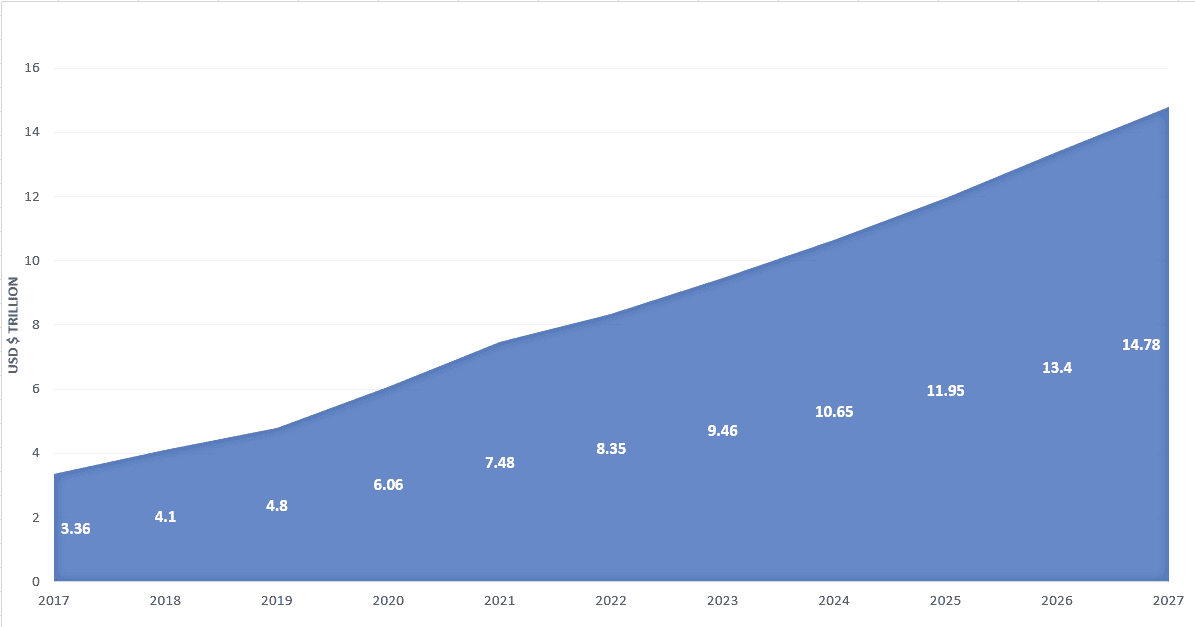
  • Digital wallets, including popular platforms like PayPal, Venmo, and Cash App, have become vital for gig workers to manage and receive payments securely and conveniently via smartphones. The ease of use provided by these platforms has led to their widespread adoption. The mobile payment market is projected to grow to $12.06 trillion by 2027, reflecting an increasing consumer preference for cashless transactions. This growth is particularly relevant in the gig economy, where workers depend on swift and efficient payment methods.
  • Cross-border payment solutions effectively tackle the complexities of international transactions within the gig economy. Notable companies such as TransferWise, Payoneer, and Revolut provide freelancers with multi-currency accounts, enabling receipt of payments in various currencies while minimizing conversion costs. These platforms also offer competitive exchange rates and quicker transaction settlements, thus improving the overall efficiency of international payments.
  • Instant payout solutions like those provided by Stripe or Square enable workers to access their earnings immediately, enhancing liquidity and reducing dependence on traditional bank processing times. In 2022, there was a 41% increase in global real-time payments, underscoring a shift toward immediate fund access. This capability is especially beneficial for gig workers who frequently experience unpredictable cash flows.
  • For gig workers who operate in physical settings, mobile point-of-sale (mPOS) systems deliver a practical solution for processing payments anywhere. Services like Shopify POS, Square, and SumUp equip freelancers with compact, portable card readers that pair with smartphones or tablets, allowing them to process credit and debit card payments on-site. This adaptability is especially valuable for retail, food service, and event professionals, facilitating seamless financial transactions in mobile environments.
  • Furthermore, cryptocurrencies such as Bitcoin and Ethereum are gaining traction as payment options, especially among gig workers engaged in international markets. These digital currencies facilitate decentralized, low-fee, and borderless transactions, appealing to international freelancers seeking financial autonomy. With the global blockchain market anticipated to reach $39.7 billion by 2025, cryptocurrencies are expected to play an increasingly prominent role in the payment landscape.
  • Freelance management platforms combine payment processing with comprehensive project management tools to streamline the entire workflow for freelancers. Platforms such as Upwork, Freelancer.com, and Fiverr facilitate employer funding of escrow accounts, enable secure payment releases upon project completion, and allow efficient invoice tracking. These freelance payment systems also manage tax withholdings and compliance, significantly reducing the administrative load on freelancers and enhancing their focus on project execution.

Top Payment Solutions for Freelancers and Contractors

Here are various payment methods for freelancers, focusing on their transaction fees and suitability based on ease of use:

1. PayPal

Fee: 2.9% + $0.30 per transaction; up to 4.4% for international transfers.

Effective for rapid, reliable payments on a global scale. PayPal facilitates instant payouts, though these come with fees, and is widely recognized in many countries. The main drawback is the elevated fees for international transactions.

2. Payoneer

Fee: Ranges from 0% to 3%, plus 2% for conversions to foreign currencies.

Payoneer is a viable option for low-cost international payments. It supports local bank accounts in various currencies, making it beneficial for freelancers dealing with clients abroad and a solid alternative for PayPal for substantial international transactions.

3. Skrill

Fee: 3.99% for currency exchanges.

Skrill is suitable for low-expense transactions and secure payments. It is useful for freelancers requiring quick payment processes and those who operate internationally, although it imposes certain limits on high withdrawal amounts.

4. Escrow

Fee: 6.5% of the transaction value.

Escrow is ideal for larger payments that need secure handling. It secures funds until project completion, adding a layer of protection for all involved parties. Escrow is particularly useful for sizable projects where mutual trust is crucial.

5. Wire Transfer

Fee: Varies from $0 to $50, based on the banks and geographical regions involved.

Traditional yet less common. Wire transfers are reliable and suitable for large transactions, especially international ones, but tend to be slower and may incur higher fees compared to other methods.

6. Debit/Credit Card

Fee: Typically between 3% and 5%.

It is ideal for quick, direct payments and is widely used on Upwork, Freelancer, and Fiverr platforms. While suitable for international transactions, they might attract higher fees.

Strategies for Reliable Payment as a Freelancer

For freelancers, consistent and prompt payment can be a challenge, but implementing certain strategies can increase your chances of getting paid on time:

  • Implement a Time Tracker: Utilize a time tracker, such as Apploye, to keep accurate records, especially for projects billed by the hour. This ensures you can bill clients accurately and transparently. Time trackers like Clockify or Toggl also let you generate reports and invoices directly from the hours logged, simplifying the process of demonstrating your work to clients and facilitating payment.
  • Always Use a Contract: A contract is crucial for establishing clear client expectations. It should detail payment terms, project scope, and deadlines. A contract legally commits clients to the agreed terms, which helps reduce the risk of delayed payments or disputes.
  • Opt for Simple Payment Methods: Choose widely recognized and easy-to-use payment methods, such as PayPal, Stripe, or bank transfers. Digital wallets like Google Pay and Venmo provide easy payment solutions for clients worldwide. Using well-known, straightforward payment platforms helps minimize complications and encourages clients to pay quickly.
  • Use Professional Invoice Software: Employing professional invoicing tools like Invoicely or Invoice Fly helps make the payment process more efficient. These platforms often feature the option to add payment links directly in the invoices, facilitating immediate payment with just a click. Making it easy for clients to pay increases the likelihood of swift payments.

Conclusion

The gig economy continues to grow, driven by its flexibility and the demand for specialized, on-demand services. However, the challenges freelancers and contractors face, particularly around timely and efficient payments, remain significant. Addressing these challenges requires adopting modern payment solutions catering to gig workers’ unique needs.

Digital wallets, cross-border payment platforms, instant payment services, and freelance management tools offer promising ways to enhance payment efficiency and security. By leveraging these innovations, freelancers can maintain better control over their earnings, reduce financial uncertainties, and thrive in the evolving gig economy.

Open Banking and Payment APIs and Their Impact on the Payment Processing Industry    

Open Banking and Its Impact on the Payment Processing Industry    

Open banking is significantly transforming the payments landscape. It can be compared to a significant software upgrade for traditional banking, enhancing functionality and efficiency throughout the financial system and creating numerous opportunities for businesses and consumers. What do open banking and Payment APIs mean for the payments industry, and why are startups and large banks eager to adopt them? Let’s explore how this significant change is reshaping the flow of money.

What Is Open Banking?

bank

Open banking is a system that encourages the distribution of financial information among banks and approved external services. This approach utilizes application programming interfaces (APIs), facilitating consumer data’s secure sharing and retrieval. The core of open banking is the belief that consumers and businesses should have increased control over their financial information.

Banks previously controlled access to financial information such as account balances and transaction histories, sharing it sparingly. This shift introduces empowering consumers and businesses to distribute their financial information and payment details to various financial service providers, including budgeting tools, investment platforms, etc.

The creation of payment APIs has been crucial to enabling open banking. These APIs allow different software systems to communicate, allowing external financial service providers to access customer data securely and effectively.

The adoption of open banking is expanding rapidly. In 2023, there were over 102 billion API calls related to open banking, expected to surge to 580 billion by 2027. Similarly, transaction values through open banking are anticipated to grow significantly, from $57 billion in 2023 to over $330 billion in 2027.

API calls statistics infographics

Source: Statista

The Evolution of Open Banking Throughout the Years

The history of open banking has seen significant milestones since the 1980s, transforming how customers interact with financial services. Open banking took root with Citibank’s early efforts in the 1980s to enable transactions from home, alongside similar innovations in Germany. By 1998, Germany’s Home Banking Computer Interface (HBCI) set a benchmark for secure electronic banking, evolving into Financial Transaction Services (FinTS) by 2002. In 2004, SOFORT enhanced digital payments by integrating HBCI with screen scraping technology.

In 2007, the European Payment Services Directive (PSD1) was introduced to standardize European payment services, enhancing competition and transparency. The industry’s growth also saw legal challenges, such as the 2009 Giropay vs. SOFORT case, emphasizing increasing security needs and the complexity of digital transactions.

During the 2010s, the U.S. experienced its open banking developments through companies like Plaid and Yodlee, although it faced a more fragmented regulatory environment than Europe. In the UK, initiatives like Midata in 2011 and the Open Data Initiative in 2013 empowered consumers with better control and transparency over their data. This culminated in the Competition and Markets Authority’s (CMA) 2017 directive, the CMA9, mandating open-source payment APIs for safe data sharing.

The introduction of the Second Payment Services Directive (PSD2) in 2018 marked a turning point. PSD2 required banks to provide third-party access to consumer banking data through APIs, enhancing innovation and security with Strong Customer Authentication (SCA). It has since expanded globally, with notable initiatives in India, Brazil, Australia, Bahrain, and Saudi Arabia, each introducing regulatory frameworks to advance its financial sectors.

These developments underscore the global trend towards more secure, transparent, and customer-focused financial ecosystems.

Understanding the Impact of Open Banking on the Payment Processing Industry in Today’s Market

Understanding the Impact of Open Banking on the Payment Processing Industry in Today’s Market

Open Banking is reshaping the payment processing industry by introducing efficient transaction methods, reducing costs, and improving user experiences. Open Banking enables third-party financial service providers to securely access and share customer financial data through APIs, leading to several industry advancements.

A primary effect of open Banking is the heightened market competition. It allows emerging fintech companies and competitor banks to easily enter the market, offering innovative payment solutions that compete with traditional banking systems. This competition increases the available payment options, such as direct account-to-account (A2A) transfers, which avoid conventional payment networks like card processors. These alternative payment methods typically offer quicker transactions and reduced fees by eliminating intermediaries. As competition intensifies, consumers and businesses could benefit from reduced costs and improved service options. Startups like Monzo and Revolut have already demonstrated this potential by offering more user-friendly, lower-cost financial services.​

Merchants benefit from open Banking as it decreases their dependence on conventional payment gateways. This leads to substantial cost savings and operational advantages by lowering transaction fees, enabling businesses to offer customers a 20% savings. Utilizing A2A payments lets merchants circumvent card networks and lower transaction fees, usually inflated by the multiple intermediaries involved in card-based transactions. Direct transfers from customers’ bank accounts to merchants through open Banking can slash transaction fees by up to 70% compared to traditional card payments.

Furthermore, open Banking minimizes fraud risks by using secure bank authentication methods instead of sharing sensitive card information. Real-time data sharing enables more sophisticated transaction monitoring, allowing for quicker identification of suspicious activity. Biometric authentication and continuous transaction monitoring also help reduce the risks of fraud and identity theft​.

Reducing fraud risks helps merchants prevent issues such as chargebacks, which are frequent in card transactions. The improved security and cost efficiency make open Banking an appealing choice for businesses aiming to enhance their payment systems.

Reducing costs can significantly bolster profit margins for merchants handling numerous transactions, particularly in cross-border transactions involving currency conversion and payment gateway fees. Additionally, open banking can expedite transaction times and enhance cash flow visibility, providing merchants with immediate insights into their financial statuses.

A Solution Impacting Multiple Industries

Open banking is reshaping various industries by enabling access to bank data via APIs and facilitating the creation of new financial services and innovations.

  • Traditional Banks:

Open banking allows traditional banks to broaden their digital services and strengthen their competitive position.

By adopting open banking technologies, these banks can deliver personalized services that improve customer loyalty and attract new clients. Many banks use these tools to refine customer interactions, enhance their financial product offerings, and accelerate digital transformation.

  • Fintech Startups:

Open banking levels the playing field for fintech companies by providing the necessary data and tools to develop innovative financial products. APIs grant these startups access to customer data previously exclusive to traditional banks, allowing them to create customized solutions that challenge existing banking models.

This financial technology shift promotes competition and encourages partnerships between fintechs and established financial institutions.

  • Independent Software Vendors (ISVs):

It enables ISVs to integrate financial services into their software platforms, offering instant bank transfers or real-time fraud detection features. These improvements are crucial for addressing the changing needs of both businesses and consumers, allowing ISVs to provide more comprehensive payment solutions.

  • Payment Service Providers (PSPs):

PSPs benefit significantly from open banking by broadening their payment options. While traditional PSPs primarily managed credit card processing, they can now facilitate bank-to-bank transfers and real-time payments. This expansion allows them to serve a wider customer base and reduce transaction fees.

  • Merchants:

Merchants benefit from open banking through enhanced payment solutions like direct A2A transfers.

These innovations lower transaction costs and quicken settlement times, improving cash flow and providing customers with a smoother shopping experience. Open banking also revolutionizes payment processing by enabling real-time payments and more efficient billing methods.

  • Independent Sales Organizations (ISOs):

ISOs, intermediaries in payment processing, can improve their services through open banking by offering more secure and flexible payment technologies. This financial technology helps them stay competitive in a fast-evolving market while providing merchants with the latest payment innovations.

Conclusion

Open banking is revolutionizing the payment processing industry by introducing greater efficiency, reduced costs, and enhanced security. Its impact is felt across various sectors, from traditional banks to fintech startups, ISVs, and merchants. Open banking fosters innovation and competition by allowing third-party access to customer financial data through secure payment APIs, offering more flexible and cost-effective payment options such as direct account-to-account transfers.

As the technology continues to evolve, businesses and consumers alike stand to benefit from faster transactions, reduced fraud, and more personalized financial services. The future of payments is increasingly shaped by the opportunities that open banking presents.

Increase Revenue for eCommerce: Using Modern Payment Solutions

Payments as a Revenue Driver: How eCommerce Companies Benefit from Modern Payment Solutions

Payments might seem complex, but ignoring them can be expensive for your business. Many merchants need help shifting to digital, and some overlook the importance of modern payment systems to increase revenue. Others attempt to integrate new technology with old systems, which can lead to ineffective outcomes and increased costs. Brands must reconsider integrating modern payment systems to serve their customers best and attract today’s tech-savvy consumers.

Digital eCommerce payment solutions provide innovative responses to challenges, streamline complexity, and make payment processes a strategic part of your business, often simplifying other financial tasks. Adopting new technologies can lead to numerous improvements and generate long-term value. Your customers also appreciate it when payments are straightforward. In this blog, you will find different ways modernizing payments can enhance your business.

The Transformation of Payment Systems

Historically, processing payments was considered a basic yet cumbersome aspect of business operations. Merchants depended on external gateways for credit card transactions, often involving high fees and delays in receiving funds. However, this landscape has shifted significantly with new technologies such as digital wallets, embedded payments, and buy-now-pay-later (BNPL) services. These advancements have altered the role of payment systems in eCommerce, making them essential for revenue generation.

Companies like Stripe and PayPal have transformed online payments by providing quick, secure, and adaptable options suitable for international customers. This enables businesses to offer specific payment methods like iDEAL in the Netherlands and PIX in Brazil, meeting the payment preferences of a global customer base. Such localized payment solutions are vital for businesses seeking to enter and succeed in varied markets with unique consumer demands.

The Transformation of Payment Systems

Meanwhile, BNPL services, popular among younger consumers, are reshaping purchase behaviors. Many in Gen Z prefer BNPL to traditional credit options because it allows them to spread the cost over time without interest, benefiting businesses with higher conversion rates and increased average order values. Similarly, the growing importance of digital wallets for online and in-store transactions illustrates a shift towards more convenient and user-friendly payment methods than traditional ones.

Furthermore, embedded payments integrate directly into platforms like social media and apps, introducing novel ways for businesses to connect with customers. The rise of social commerce, particularly on platforms like Instagram, enables small businesses to conduct transactions directly through social media, bypassing the need for independent websites or gateways.

These developments highlight how payment systems have evolved from operational costs to valuable strategic tools that help businesses enhance customer engagement, boost sales, and access new markets.

Understanding How eCommerce Companies Benefit from Modern Payment Solutions

1. Makes Real-Time Payments a Reality

The rollout of real-time clearing and settlement mechanisms across various markets, including eCommerce payments, has enabled almost instantaneous payment processing. This swift processing is likely to become standard for most consumers. Real-time payment platforms like FedNow allow organizations to offer innovative products and services previously unfeasible due to payment delays and inadequate payment data. Furthermore, these rapid payments encourage customers to abandon checks and other costlier payment methods.

Many organizations’ messaging systems were established before the capability to manage the volume of data needed for real-time services was necessary. By adopting cloud-native messaging, organizations can leverage the scalability of cloud platforms, which enhances the processing speed throughout the payment transaction chain. This improvement can lead to fewer processing errors due to immediate feedback upon payment initiation, distinguishing organizations that invest in these technologies from those that do not.

2. Adjusting to New Industry Standards Promptly

Adjusting to new standards such as ISO 20022 and PSD2 is essential for payment organizations as these frameworks keep evolving, requiring ongoing updates and compliance efforts. ISO 20022, first released in 2004, has been frequently updated, reflecting its increased relevance in global payments. While the advantages of adopting these standards—including enhanced data quality and improved cross-border transaction efficiency—are significant, the challenge for many organizations is the rapid implementation of these updates within their existing systems.

Older systems often face difficulties incorporating new message formats, hampering organizations’ ability to adapt quickly to standard updates like ISO 20022. Cloud-native integration offers a solution by enhancing flexibility and operational efficiency. It supports running multiple versions of the message standards simultaneously, enabling a smoother transition without necessitating a complete overhaul immediately. This phased approach minimizes compliance delays and allows organizations to test and implement changes more effectively without interrupting current operations.

 Adjusting to New Industry Standards Promptly

Furthermore, cloud-native systems aid in scaling up operations, helping organizations manage higher payment volumes while remaining compliant with newer regulations, such as those under PSD2. These advanced infrastructures also simplify the testing of new standards, reducing the effort typically required for adopting new message formats.

The shift to cloud-native platforms and the gradual introduction of new standards assist payment organizations in staying competitive, upholding regulatory compliance, and maintaining operational efficiency in a constantly evolving financial environment.

3. Scaling Becomes Easier and Sometimes More Affordable

As digital commerce expands and payment volumes hit new peaks worldwide, businesses are challenged to grow their payment infrastructures while staying profitable. Increasing competition and regulatory pressures leading to lower fees are also stressing existing payment systems.

A primary solution for these issues is the use of cloud platforms. These platforms allow organizations to scale their operations dynamically based on fluctuations in payment volume. This payment strategy ensures flexibility, ensuring that the infrastructure can manage sudden increases in activity without significant investments in physical hardware. Cloud services, for instance, offer automated scaling and monitoring, aiding companies in fulfilling the uptime demands of critical payment services. Automation tools improve operational efficiency by streamlining routine tasks and reducing the costs of managing extensive payment systems.

Another notable advantage is the option to select among various infrastructure providers, which can optimize hosting expenses. Utilizing cloud infrastructure helps businesses reduce operating costs while keeping up with the need to handle more transactions. Moving to cloud-based systems not only aids in scalability but also meets the changing requirements of the payment sector by facilitating immediate updates, enhancing fraud detection, and adhering to regulatory standards.

4. Helps Businesses Create More Revenue Streams

Traditionally, payments were viewed primarily as an operational expense for businesses, essential for completing transactions, but not seen as a revenue generator. This view has changed significantly in recent times. Now, eCommerce businesses can utilize payment processing to increase their income in various ways.

Many eCommerce platforms have introduced transaction fees that consumers or merchants must pay when using specific payment methods, such as credit card transactions. This approach creates a dependable income source for companies with high transaction volumes. For example, businesses can apply a markup to the fees they incur from payment processors by adding a surcharge to consumer payments. Even a modest surcharge, like 0.7% over the standard processing fee, can lead to substantial earnings when applied to many transactions.

eCommerce platforms enhance their services by integrating payment processing, providing customers with a smooth and integrated payment experience. Companies like Shopify use this strategy, combining payment processing with their eCommerce offerings. This integration improves the user experience and opens new avenues for revenue through monthly subscriptions or premium service options.

With the growth of global eCommerce, there is an increase in cross-border transactions, offering companies opportunities to profit from multicurrency payment options. These options make it simpler for eCommerce businesses to attract international customers and earn revenue from currency conversion fees. Additionally, adopting localized payment methods, such as Brazil’s PIX or iDEAL in the Netherlands, increases transaction acceptance rates, boosts sales, and further diversifies revenue streams.

5. Enhancing Customer Loyalty and Growth with Advanced Payment Systems

Enhancing Customer Loyalty and Growth with Advanced Payment Systems

Advanced payment systems play a crucial role in improving customer experiences, which is pivotal for both retaining existing customers and acquiring new ones:

  • Streamlined Checkout Process:

A key advancement in digital payments is minimizing disruption during checkout. In a digital marketplace where customers can easily abandon shopping carts, offering a quick, simple, and secure payment process is essential for securing sales and preventing customer loss.

Implementing one-click payments, digital wallets, and saved payment information simplifies the purchase process and encourages ongoing patronage. These improvements not only decrease cart abandonment rates but also build customer loyalty.

  • Customizable Payment Offerings:

Contemporary payment technologies enable businesses to provide a variety of payment methods that cater to individual customer preferences, including options like BNPL services, digital wallets, and cryptocurrencies.

Payment flexibility can boost conversion rates, particularly for expensive or optional purchases. For instance, BNPL options might prompt customers to proceed with purchases they might otherwise postpone.

  • Market Expansion through Local Payment Integration:

Entering new markets typically involves adapting payment solutions to meet local preferences. In regions with significant numbers of unbanked individuals, options like prepaid cards or mobile wallets can dramatically enhance transaction completion rates.

For example, introducing PIX in Brazil, an instant payment system, has become crucial for companies entering this market. Supporting local payment methods enables eCommerce businesses to serve a broader audience, enhance their international presence, and increase revenue.

6. Improves the Efficiency of Financial Crime Prevention

Enhancing the efficiency of financial crime prevention in digital payments is crucial given their rapid growth and complexity. The swift rise in digital payments has brought new challenges, particularly in compliance and fraud detection, as criminals leverage technology to exploit system weaknesses. Payment Service Providers (PSPs) are particularly affected, needing to update their systems to combat evolving threats like money laundering and fraud.

A practical method involves adopting cloud-native technologies and integrating the ISO 20022 messaging standard. Cloud-native infrastructures allow payment processors to update compliance and fraud detection rules dynamically, offering more flexibility than older systems. The ISO 20022 standard delivers more detailed data, enabling quicker identification of suspicious transactions than traditional payment methods.

Artificial Intelligence (AI) and Machine Learning (ML) represent the next step. By incorporating AI/ML, companies can improve the detection of financial crime patterns and reduce false positives, which often burden financial crime teams. AI can analyze large datasets continuously and refine detection models to spot trends that might elude manual reviews or fixed rules. For instance, real-time risk assessments with AI help pinpoint high-risk transactions, lowering operational costs and enhancing detection precision. These technologies also assist companies in meeting increasingly strict anti-money laundering (AML) and Know Your Customer (KYC) regulations.

AI also enhances back-office operations by optimizing fraud prevention workflows, accelerating payment validation, and lowering rejection rates for valid transactions. PSPs are implementing strategies that segment data by risk, allowing financial institutions to allocate resources more effectively to higher-risk areas.

These improvements highlight the importance of data governance frameworks to ensure the ethical use of AI, safeguarding customer information while enhancing compliance. Payment providers must continually evaluate and refine their AI models as these technologies advance to address new fraudulent strategies.

7. Leveraging Payment Data for Payment Optimization

Modern payment systems generate extensive data with each transaction, which can be utilized to enhance revenue in multiple ways.

This transaction data provides valuable insights into customer habits, preferences, and buying trends. Companies can use this information to tailor offers, suggest products, and craft targeted marketing strategies that encourage repeat business, increase revenue, and increase the average transaction value. For example, identifying a customer’s preferred payment method can lead to tailored incentives that enhance loyalty and increase sales conversions.

Payment platforms leverage this data to fine-tune transaction routing, ensuring payments are processed via the most effective and economical channels. This optimization can lower the costs associated with payment processing and boost authorization rates, resulting in more completed transactions and elevated revenue. Offering alternative payment methods when transactions are declined also helps companies capture sales that might otherwise be lost.

Plus, payment data is pivotal in boosting security measures, such as tokenization, where sensitive payment details are replaced with a secure token. This security enhancement reduces fraud and builds consumer trust, which is essential for sustaining high transaction volumes. Strengthening payment system security helps businesses reduce chargebacks and losses associated with fraud.

Conclusion

Modern payment solutions have transformed from a simple transaction tool into a strategic asset for eCommerce businesses. Companies can streamline their operations, enhance customer experience, and create new revenue streams by adopting new technologies like digital wallets, embedded payments, and real-time processing.

Plus, keeping up with evolving industry standards and utilizing cloud-native infrastructures ensures scalability and compliance in a rapidly changing environment. As these advancements continue, eCommerce businesses that embrace modern payment systems will be better equipped to meet customer demands, expand into new markets, and optimize their financial processes for long-term success.

The Challenges and Opportunities in Modernizing B2B Payments

The Challenges and Opportunities in Modernizing B2B Payments

In recent years, the B2B industry has invested much of its technical budget in optimizing and modernizing B2B payments. These transactions vary widely, from simple cash exchanges to sophisticated tools like artificial intelligence and machine learning, each designed to meet the specific demands of business-to-business commerce. By 2023, the B2B payments sector in the United States had grown to an impressive $197 billion and is projected to almost double, reaching $390 billion by 2031.

Despite the growth, the processes involved in business transactions continue to pose challenges, presenting substantial opportunities for vendors in this space. This blog delves into the complexities of refining the methods by which companies manage financial transactions, providing a detailed analysis of both ongoing issues and the solutions that are starting to take shape.

real time payments 1

Source: Statista

The Need to Modernize B2B Payments Infrastructure

Many small and medium-sized businesses (SMBs) continue to depend on manual procedures for their B2B payments and financial management. Around 40% of B2B payments in the US are conducted using paper checks, and 81% of businesses persist in this practice, even as interest in digital solutions increases.

This reliance often leads to uncertainties in cash flow management and squanders time on tasks that could be automated using available technology. If your company faces similar issues, consider exploring other business sectors that could benefit from updating your payment processes.

  • Improving Efficiency and Lowering Costs

Electronic B2B payments can significantly reduce the time spent on manual processes, replacing them with advanced financial technology solutions. B2B payment software efficiently tracks recurring payments and ensures transactions are completed on time, reducing human errors that could harm your company’s reputation.

  • Improving Compliance and Security

Implementing automated payment methods in your company enables real-time tracking and analysis of transactions throughout the payment process. Utilizing blockchain and AI technology helps boost transaction security and identify unusual activities that could result in financial losses.

Both the United States and European Union countries are adopting electronic invoicing within their jurisdictions to decrease the chances of financial fraud and to compel companies to upgrade their existing billing systems. Electronic invoice registries replace older software with updated, standardized systems that improve security and make the exchange of payment documents more efficient.

  • Imperative for Competing in the Market

Relying on outdated payment technologies today is risky and less competitive. Similarly to individual consumers, business-to-business decision-makers are drawn to digital transaction methods that significantly reduce transaction times and improve the overall customer experience.

91% of banks and insurers have begun adopting cloud technologies. These statistics indicate that lacking these advancements may reflect an obsolete approach to business-to-business payments.

Opportunities in Modernizing B2B Payments

Opportunities in Modernizing B2B Payments

In 2024, the need to enhance efficiency, security, and adaptability is driving significant modernization efforts in B2B payments within the competitive global marketplace. Here are the detailed forces behind this transformation:

Expansion of Real-Time Payments (RTP)

Real-time payments are becoming a norm in B2B transactions, providing businesses with the ability to execute faster and more transparent transactions. In the US, the introduction of platforms like FedNow in 2023 has been crucial in promoting real-time payments, which offer a substantial improvement over traditional methods such as Automated Clearing House (ACH) and paper checks, known for their multi-day processing times.

According to a report, global real-time transactions are projected to hit approximately 575 billion by 2028, with a compound annual growth rate (CAGR) of around 17% over five years. In the US, real-time transactions are expected to reach about 14 billion by the same year, marking a five-year CAGR of approximately 32%.

The appeal of RTP is growing rapidly as businesses prioritize quicker access to cash and enhanced liquidity management. The shift toward real-time transactions reflects a broader movement towards immediacy and precision in financial dealings.

Increased Digitization and Automation

Companies are increasingly turning to digital transaction solutions to simplify transaction processes, minimize manual labor, and enhance cash flow management. Automation is becoming particularly transformative in areas like accounts payable (AP) and accounts receivable (AR), where it helps reduce errors and increase processing speed. This move towards automation is supported by the adoption of technologies such as robotic process automation (RPA) and cloud-based payment systems.

These technologies facilitate real-time tracking and detailed reporting of payments, which are essential for better financial and compliance management. The trend indicates a shift towards more streamlined, error-free financial operations that can adapt more dynamically to changing business needs.

Growth in Cross-Border Payments

As global trade expands, the importance of efficient cross-border payments escalates. Traditional methods, often characterized by the involvement of multiple intermediaries, high transaction costs, and lengthy processing times, are becoming outdated. More streamlined and transparent solutions are taking their place, with innovations like blockchain technology and AI-powered platforms leading the charge.

In 2023, it is projected that the United States will have 69.8 million people making purchases from other countries, making it the second-largest group of international buyers globally. Additionally, the volume of cross-border payments was valued at $190.1 trillion in 2023, with expectations to increase to $290.2 trillion by 2030.

The market for cross-border e-commerce is also expanding quickly, anticipated to grow to $4,911.4 billion by 2030, driven by increasing consumer demand for international brands and a wider selection of products.

These advancements significantly enhance the efficiency and security of cross-border transactions, enabling businesses to engage with international markets more effectively and with reduced risk. This shift is critical for businesses looking to capitalize on global opportunities and navigate the complexities of international trade regulations and currency fluctuations.

In the evolving landscape of B2B payments, several trends are reshaping how businesses manage transactions, enhance security, and ensure compliance. Here’s an in-depth look at each key trend:

Virtual Cards

The use of virtual cards in B2B payments is increasing due to their enhanced security, control, and flexibility. Virtual cards provide businesses the ability to generate one-time-use or purpose-specific payment instruments, which are crucial in managing expenses and mitigating fraud risks. The application of virtual cards is becoming more prevalent in sectors such as travel, entertainment, and supplier payments.

By 2026, their use is expected to rise significantly, positioning them as an essential tool for corporate finance teams. The increasing reliance on virtual cards reflects a broader shift towards more secure and controlled financial transaction methods that adapt quickly to varying business needs.

Virtual Cards

Adoption of Artificial Intelligence (AI)

AI is significantly transforming B2B payments, especially in the realms of fraud detection, cash flow optimization, and transaction process automation. AI-driven systems enable businesses to lower risk, reduce errors, and enhance the efficiency of payments.

The deployment of AI in finance departments is on an upward trajectory, with expectations for continued growth in 2024 as companies further integrate advanced predictive analytics and payment automation solutions. This trend underscores a move towards smarter, data-driven approaches that streamline operations and bolster financial insights.
Regulatory Compliance and E-Invoicing

Global governments are advocating for the digitization of business processes, including B2B payments. For instance, the implementation of e-invoicing mandates in the US and Europe is compelling businesses to shift to electronic invoicing systems.

These systems offer better tracking of payments, reduce opportunities for fraud, and enable faster transaction processing. Such regulatory changes are major catalysts prompting businesses to overhaul their traditional payment systems. The push towards e-invoicing not only facilitates compliance with new regulations but also enhances operational efficiencies, leading to quicker, more transparent transactions.
Challenges in Modernizing B2B Payments

Challenges in Modernizing B2B Payments

The push towards digitalizing B2B payments in 2024 encounters several notable obstacles, despite increasing efforts to adopt more modern payment technologies.

Reluctance to Abandon Legacy Systems

A major barrier to the advancement of global B2B payments is the hesitance of some businesses, particularly medium-sized ones, to embrace new methods and technologies. These companies often lag behind their larger counterparts in transitioning to modern, automated systems.

This reluctance usually originates from leadership’s apprehension about undertaking substantial transformation projects, which demand significant investments of time, money, and other resources. Leaders are concerned that by the time they replace their old systems, the benchmarks for successful modernization will have evolved, potentially rendering their new systems outdated once again.

Additionally, the financial burden associated with implementing and maintaining new systems can be overwhelming, making less costly and familiar processes more attractive by comparison. There’s also a tendency to resist change due to concerns from risk and compliance departments about potential issues arising from abandoning proven manual systems.

Consequently, many businesses continue to depend on manual operations for B2B payments, leading to frequent manual interventions that not only heighten the risk of errors but also slow down the transaction process.

Standardization Difficulties

Although the use of digital wallets, real-time payments, and AI-enhanced payment solutions is increasing, the absence of standardized practices across different industries poses a considerable challenge. The specific needs of each industry and company complicate the deployment of uniform solutions.
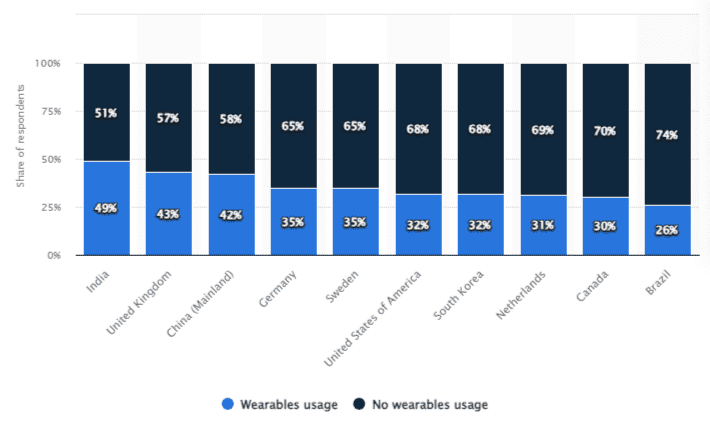
Achieving system interoperability is essential for broad adoption but continues to be a difficult goal.

Security Risks

As companies update their payment infrastructures, they face heightened security risks such as fraud and cyberattacks. While digital transaction methods incorporate advanced security features, the complexity and frequency of cyber threats necessitate continuous updates to security measures.

Companies must ensure they have strong fraud detection capabilities and protect sensitive financial information, which is crucial as technologies like blockchain and AI are integrated.

Integration Difficulties

Incorporating real-time payment systems and sophisticated financial technologies, such as APIs, into existing infrastructures can be daunting. Many older systems are not equipped to support real-time transaction processing, which complicates the integration process, particularly on international platforms.

Challenges in Cross-Border Payments

Cross-border payments often encounter significant delays and frustrations due to the complex web of legal and regulatory requirements they must navigate. Regulations such as Anti-money laundering (AML) laws often cause substantial delays because they depend heavily on time-consuming manual processes. Given that delays are a common issue even in domestic B2B payments, with 52% in the US experiencing some form of delay, these additional hurdles in international transactions only amplify business frustrations.

Moreover, the inherently slow pace and increased costs associated with currency conversions for international payments further complicate matters. Inefficient handling of these issues results in slow and unreliable payments, which can severely impact cash flow and overall business performance. Companies without sufficient cash reserves to withstand periods of delayed or disrupted payments may find themselves forced to rely on expensive short-term financing options to bridge the financial gap.

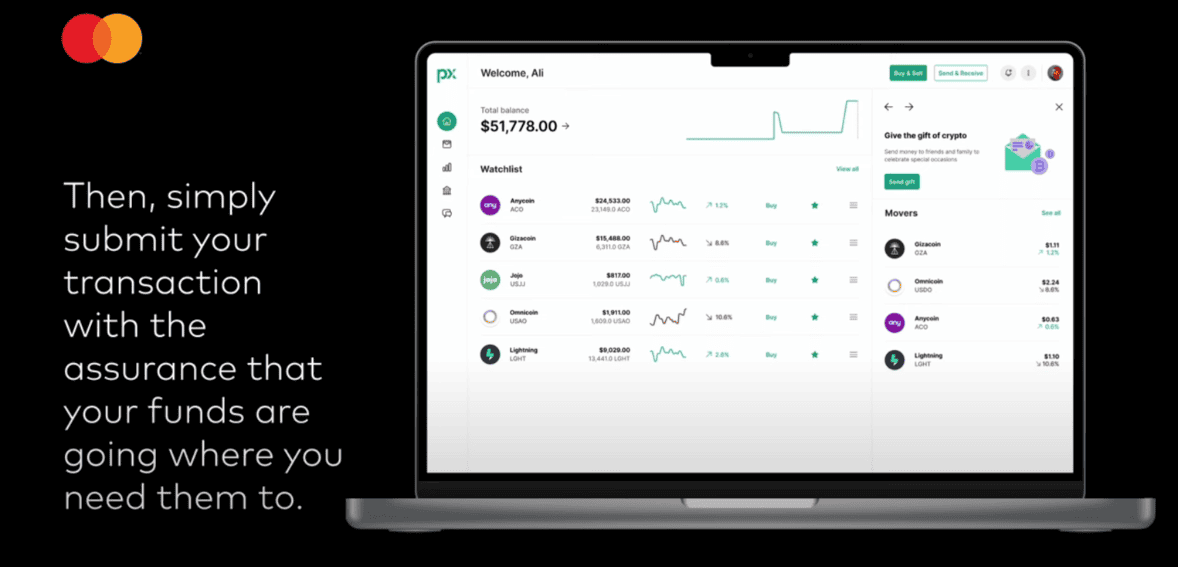
Regulatory and Compliance Hurdles:

The regulatory environment for B2B payments is dynamic, with new requirements on electronic invoicing and data privacy emerging. Major compliance concerns include regulations related to AML, Know Your Customer (KYC) protocols, counter-terrorism financing (CTF), and data protection rules.

Adhering to these regulations demands considerable effort, particularly for businesses that operate in multiple countries with different legal frameworks, adding layers of complexity to compliance efforts.

Conclusion

Modernizing B2B payments presents both significant challenges and opportunities. Businesses, particularly small and medium-sized ones, often struggle with transitioning from legacy systems due to concerns over cost, complexity, and security risks. Manual payment processes, although familiar, introduce inefficiencies that can slow down operations and increase the likelihood of errors. However, the drive toward digital solutions, such as real-time payments, AI-powered payment automation, and enhanced security features, offers a clear path forward.

As global commerce evolves, embracing digital payment technologies becomes increasingly crucial for maintaining competitiveness, improving cash flow management, and reducing transaction delays. The ongoing advancements in cross-border payment solutions and regulatory compliance, particularly with e-invoicing, signal a shift toward a more streamlined and secure B2B payments landscape. Companies that adopt these innovations will not only enhance their operational efficiency but also better position themselves to capitalize on global opportunities in the years ahead.