In 2025, the point-of-sale (POS) system will have become more than just a tool for handling transactions. For retailers and restaurants, it now plays a key role in how the business operates day to day. From managing inventory and payments to tracking customer behavior and enabling remote access, today’s POS systems are built to handle more than sales – they’re built to run the business.
This guide breaks down what to look for when choosing a POS system in 2025. Whether you’re managing a small boutique, a busy coffee shop, or a multi-location restaurant, we’ll cover the core features, hardware considerations, and cost factors to help you make an informed choice.
Choosing the Right POS in 2025: Key Features to Look For
Choosing the best point-of-sale (POS) system in 2025 means balancing modern technology with practical needs. An ideal POS must go beyond basic sales processing to become a central business tool – integrating inventory, customers, payments, and analytics.
Key features now include cloud-based access for remote management and data syncing, omnichannel inventory tracking, support for all payment types (EMV chip, contactless tap, mobile wallets, etc.), and, for restaurants, tableside ordering and built-in tip/ticket management. Equally important are ease of use and rock-solid reliability: a user-friendly interface minimizes staff training time, while offline modes and robust security ensure the system never disrupts service.
Modern POS software often offers advanced inventory control and loyalty integrations, too, allowing retailers and restaurateurs to use their sales data for reorder triggers and targeted marketing.
Cloud access and data sync:
Most cutting-edge POS platforms are cloud-based, meaning owners can log in anywhere to view real-time sales, inventory, and customer data. In practice, this means a manager on vacation can still monitor store performance or even process a sale from a phone. Cloud systems also simplify software updates and backups. (Industry sources note well over half of businesses now use cloud POS for exactly this flexibility.)
Omnichannel inventory management:
As retail and dining blur online/offline lines, the POS should unify stock across channels. Look for “multi-channel” inventory tools that update on every sale – online or in-store – to prevent stockouts or overselling.
For example, a boutique that also sells on its website needs one system tracking all SKU levels and reorder points in real time.
Payments:
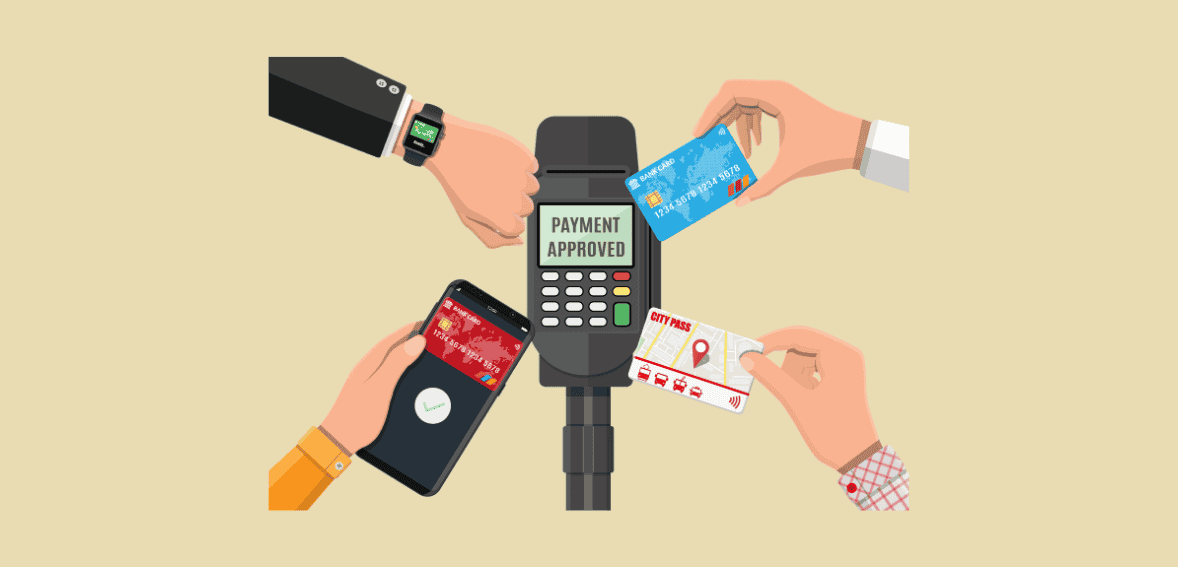
Every modern POS must handle chip cards and NFC wallets. This includes EMV-compliant readers (chip & PIN), tap-to-pay (Apple Pay, Google Pay), and traditional magstripe if needed. Many providers even let a smartphone or tablet act as a card terminal.
Some mobile POS apps let a phone accept contactless payments directly. Supporting all major payment methods not only pleases customers, but banks often require it for best security.
Restaurant-specific features
For foodservice, seek built-in table and tip management. This means the POS can draw or manage a floor plan, track open checks by table, split bills and tips, and route orders automatically to kitchen printers or display screens. Leading guides emphasize “table management” and integrated kitchen/printer support as must-haves – they help turn tables.
Similarly, built-in tip pooling or auto-gratuity options streamline back-of-house pay. In short, the right system replaces not just your cash register but also your reservation/ticketing system.
Robust reporting and analytics:
Beyond day-to-day sales, the system should deliver reports and dashboards. Good POS analytics show sales trends, top products, customer buying patterns, and even staff performance. These insights guide restocking and marketing decisions.
For example, one review notes that a strong POS “will give you details on how your business is performing… [with] detailed information about customers’ buying habits and your best-performing employees,” helping you decide what’s selling or which staff need training.
Ease of use and reliability
Even the most innovative features fail if staff can’t use them. Prioritize a system with an intuitive interface and thorough onboarding. Industry advice is clear: choose a user-friendly POS with ample training resources to minimize disruption, especially in high-turnover retail or seasonal restaurant environments.
Likewise, ensure the system is rock-solid. Good POS providers offer “always-on” or offline modes so you can process sales even if the internet drops. Fast, local customer support and routine updates also contribute to reliability. (One recent survey underscored that ease-of-use, functionality, and reliability are among the top attributes buyers seek in modern POS software.)
Collectively, these features – cloud connectivity, omnichannel inventory, multi-payments, restaurant tools, analytics, and usability – form the backbone of a 2025-ready POS. Ultimately, the system should fit your workflow: an intuitively laid-out touchscreen for your staff, and the right set of software tools (menus, modifiers, barcode scanning, etc.) that match your products or menu items.
POS Hardware and Mobility Considerations
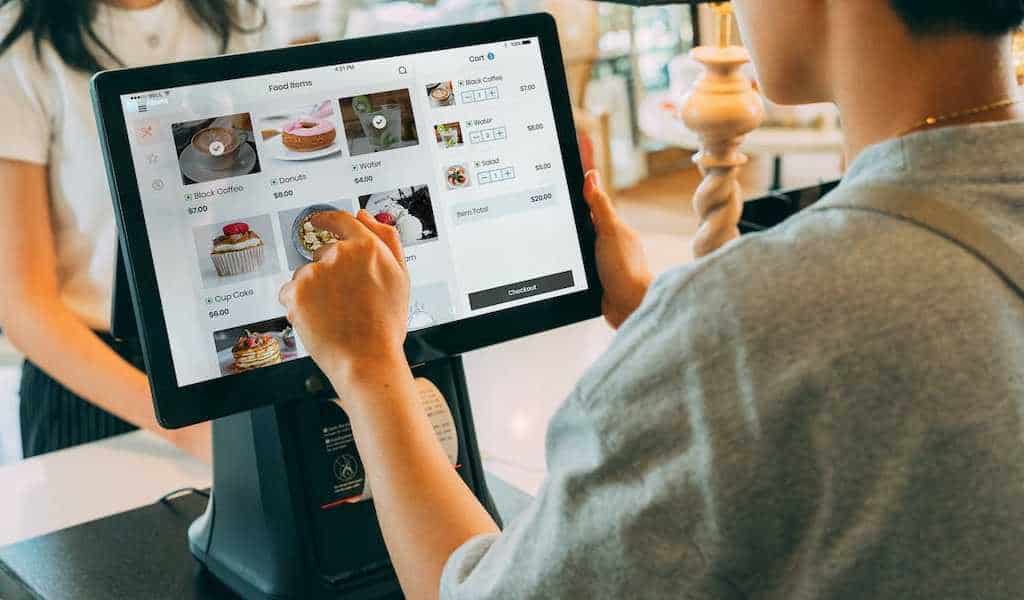
Hardware needs hinge on your setting. A fixed terminal (all-in-one PC or iPad on a stand) is common in stores and sit-down restaurants. For example, a branch hardware store might use a countertop POS with a built-in barcode scanner, receipt printer, and cash drawer. These setups offer stability, ease of use, and room for multiple devices (screen, printer, scanner) at one checkout station. They also often include a large touchscreen display, which helps during busy periods. In contrast, smaller retailers or quick-service spots usually favor tablet or mobile setups.
These use an iPad, Android tablet, or even a smartphone as the POS screen, usually docked to a stand or held in hand. Such systems run the same POS software but at a lower cost and greater portability. For instance, a boutique clothing store might use an iPad on a small base, paired with a wireless card reader for line-busting. Or a food truck could run POS software on an iPad and attach a compact receipt printer via Bluetooth.
When staff move around – in a busy deli, at a farmers market, or on a restaurant patio – mobile POS devices (handheld terminals) let you ring up sales anywhere. For example, ruggedized tablets or dedicated handheld terminals (much like a smartphone) can take orders and payments at tables or in line.
All-in-One vs. Modular:
All-in-one terminals (a single touchscreen with built-in computer and peripherals) are sleek and user-friendly, but can be pricier. A modular approach (separate tablet plus peripherals) can save money and allow mixing brands (e.g., use your tablets with a chosen POS).
Be sure any existing scanners/printers you own are compatible, or plan to buy new ones. Some POS solutions support third-party hardware to save costs.
Peripheral devices:
Don’t forget extras. A retail store typically needs a barcode scanner (for SKU checkout), a receipt printer (for sales receipts), a cash drawer, and possibly a customer-facing display. Restaurants need kitchen printers or display screens so orders can print in the kitchen automatically.
Fuel station stores or groceries might add age-verification scanners or scale integration. Also consider speed – faster thermal printers and faster Wi-Fi/Ethernet connections speed up transactions.
Environment specifics:
Think durability and hygiene. A coffee shop POS may need a splash-proof terminal. A busy restaurant might require shatterproof screens or sealed keyboards. For a food truck or outdoor market, battery life or backup power could be crucial. By contrast, a quiet boutique might prioritize aesthetics over industrial toughness.
Match the hardware to the environment – for example, rugged handheld payment devices exist for line-busting in retail, while lighter-weight options suffice for low-traffic venues.
POS Costs and Support
Budgeting for a POS involves both upfront and ongoing costs. Hardware expenses are typically a one-time purchase. A basic setup (tablet + reader) can cost only a few hundred dollars, but a full restaurant or retail workstation with registers, printers, and cash drawers can run from $800 up to $1,500 or more. Shop around: some providers sell hardware bundles, others allow you to use generic tablets or third-party devices. If you already own a printer or scanner, check compatibility to save money.
Software pricing varies by provider. Cloud POS platforms generally charge monthly fees per register/user, which can range from free/basic plans up to hundreds of dollars per month for advanced plans. Small businesses often choose a tier with unlimited registers if they have multiple terminals. Remember to factor in extra modules: loyalty programs, table management, online-ordering add-ons, or advanced reporting may cost extra. Also, watch for hidden fees – some vendors charge setup fees or require an extended contract. Ask about annual vs. month-to-month plans, and whether you can switch plans as you grow.
Payment processing fees are another significant cost. Most POS providers either bundle processing or let you use your merchant account. Expect around 1.5%–3.5% per transaction (often 2.2% + 10¢ for card-present). Compare rates carefully, especially if you process high volumes. For small businesses, flat-rate processing (e.g., fixed percentage) may be simplest; others prefer interchange-plus pricing.
Beyond price, customer support and training are crucial. A system is only as good as the help behind it. Look for providers with U.S.-based phone support, online resources, and installation assistance. Especially for restaurants or retailers with few tech staff, 24/7 support can prevent nightmares if something breaks on a Friday night. Evaluate vendor support plans: do they charge extra for priority help? Good providers often include training, setup guidance, or on-site installation in their packages.
A helpful tip is to shortlist a few well-known vendors, then compare their offerings: cloud vs. on-premises options, integration capabilities, and reviews of support. While we won’t name brands here, note that by 2025, most leading systems will integrate with popular accounting and e-commerce platforms. For example, your POS should sync with QuickBooks or Xero for seamless bookkeeping, and plug into online storefronts (Shopify, WooCommerce, Amazon) if you sell online. This future-proofs your choice: a flexible POS can grow as you add new sales channels.
Finally, don’t forget future costs: ask about contract length, cancellation fees, and update policies. A good POS partner will update their software regularly (often at no extra cost) to comply with new regulations (like evolving payment security standards) and add features. As one market analysis notes, most vendors now use subscription pricing (about 80% offer monthly SaaS plans), which helps small businesses stay up-to-date without huge upfront software fees.
Conclusion
Choosing the right POS system in 2025 means evaluating how well it fits your business needs – not just for today, but for the years ahead. The best systems handle more than transactions; they support day-to-day operations, streamline payments, provide insights, and grow with your business.
Whether you run a busy restaurant or a small retail store, look for a POS that’s reliable, easy to use, and built to adapt. Factor in the full cost – hardware, software, and processing fees – and don’t overlook support and training. A system that saves time, reduces errors, and helps you make smarter decisions will offer long-term value far beyond the initial setup.
Before committing, compare a few trusted providers, test the interface if possible, and make sure it supports your current and future workflow. The right POS system won’t just help your checkout – it will support your entire operation.
Customer loyalty has become a cornerstone of sustainable business growth, especially in 2025’s competitive market. Retaining customers is not only more cost-effective than acquiring new ones, but loyal customers also tend to spend more and advocate for the brands they love. In an age where consumers are bombarded with options and can switch with a click, building loyalty through effective programs and rewards is more critical than ever.
This article explores why loyalty matters so much today, how to design a loyalty program that truly works, and the tech tools that can personalize and enhance the customer loyalty experience.
Why Customer Loyalty Matters More Than Ever?
Customer retention pays off substantially. While chasing new customers might grab attention, it’s far more expensive than nurturing the ones you already have. Studies show it costs about 5 times more to acquire a new customer than to retain an existing one. Meanwhile, improving your retention even slightly has an outsized impact on profitability – increasing customer retention by just 5% can boost profits by 25% to 95%.
This is a compelling case for making loyalty a priority. Existing customers not only cost less to keep, but they also deliver greater lifetime value. They tend to make more purchases, and their repeat business can stabilize revenue even during tough times. Loyal customers are also more valuable on a per-customer basis than new shoppers. Research indicates that returning customers spend about 67% more than first-time customers on average.
They’re more likely to explore other offerings from the brand. According to one analysis, half of your existing customers are likely to try new products you introduce, and about 31% will spend more than new customers for those products. Furthermore, loyal buyers have intangible benefits: they’re 5× more likely to make repeat purchases and 4× more likely to refer your brand to others.
In other words, a base of loyal patrons becomes a virtuous cycle, bringing you more business through word-of-mouth and forgiveness for the occasional slip-up. All these factors contribute to why retaining customers can significantly boost profitability and long-term growth. Equally important, modern consumers expect to be rewarded for their loyalty. Roughly 75% of consumers say they favor brands that have a loyalty program available, indicating how prevalent the expectation of rewards and perks has become.
Customers in 2025 are quick to recognize when a brand offers VIP treatment – early access to sales, exclusive discounts, free upgrades – and they tend to stick with those that make them feel valued. It’s telling that loyalty program membership and usage have been on the rise; for example, loyalty program usage jumped by about 28% in 2024 as consumers flocked to programs with meaningful, personalized rewards.
Put, shoppers are actively seeking out the extra value from loyalty incentives. And these programs do influence behavior: about 83% of consumers say loyalty programs make them more likely to continue doing business with a brand. Companies see the payoff too – around 90% of businesses with loyalty initiatives report positive returns on their investment, with an average of nearly 4.8× ROI from their programs.
At the same time, loyalty isn’t something companies can take for granted in 2025. The digital marketplace has made it easier than ever for people to compare options and switch brands. The share of consumers who consider themselves loyal to specific brands has been slipping – one survey found brand loyalty self-reporting dropped from 77% to 69% between 2022 and 2024, mainly due to the ease of finding alternatives online.
This means brands must work harder to earn genuine loyalty. The good news is that when you make customers feel valued and understood, they respond in kind. Even small gestures like birthday rewards or personalized thank-yous can deepen the emotional connection. And broader trends show consumers will reward brands that reward them: for instance, over 57% of shoppers (especially in categories like consumer packaged goods) stay loyal to brands that offer incentives like discounts or reward points.
Designing a Customer Loyalty Program
Designing an effective loyalty program in 2025 means choosing a model that fits your business and motivates your customers. There is no one-size-fits-all approach – the best loyalty program for a coffee shop may differ from that of an online retailer or a boutique service provider. Below, we compare several common types of loyalty programs and offer guidance on how to choose and implement rewards that incentivize repeat business.
The key is to make rewards attainable and appealing, so customers feel excited to engage rather than daunted by unreachable perks.
1. Points-Based Loyalty Programs
A points system is one of the most popular and straightforward loyalty structures. Customers earn points for their purchases (for example, a typical scheme might grant 1 point per dollar spent) and can redeem those points for rewards like discounts, free products, or other benefits. The appeal of point-based programs lies in their simplicity and familiarity – shoppers immediately understand the concept of “earn points now, redeem for something later.” It’s easy to implement and track, especially with modern point-of-sale systems that tally points automatically. As points accumulate, customers can visualize their progress toward the next reward, which motivates them to keep coming back.
For the business, a digital points program provides valuable data on purchasing habits, since each transaction is recorded. This data can be analyzed to identify your most frequent buyers and tailor marketing strategies accordingly. When designing a points program, make sure the conversion rate of points to rewards is generous enough to feel worthwhile. For instance, offering $5 off for every 50 points earned might encourage more engagement than a stingier reward. The rewards should be valuable but attainable – if it takes an unrealistic amount of spending to get a small benefit, customers could lose interest. Done right, points programs strike a balance where customers feel they are getting a bonus for their loyalty without the system being too costly for the business.
2. Tiered VIP Programs
A tiered loyalty program introduces levels or “status” tiers that customers can achieve, typically building on a basic points system. The idea is to reward your most loyal customers with increasing perks as they move up the ranks. For example, a brand might offer Silver, Gold, and Platinum tiers – each tier comes with greater benefits (exclusive discounts, free shipping, VIP customer service, etc.) once a customer meets a specific purchase or point threshold.
This structure creates a game-like sense of progression: as customers spend more and engage more, they unlock the next level of rewards. Exclusivity is a powerful motivator – customers often aspire to reach elite tiers for the special treatment and recognition it confers. A real-world illustration is the airline and hotel industry, where tiered loyalty (frequent flyer status or hotel elite status) provides valuable perks that keep travelers fiercely loyal.
Small and mid-sized businesses use tiered schemes too, sometimes with creative branding (e.g., naming tiers after themes related to the brand). When implementing a tiered program, be careful to set attainable but strategic thresholds. If the bar for reaching the next tier is set too high, customers may give up; too low, and the program might become too costly for you. Analyze your customer purchase frequency and values to determine reasonable tier levels.
Also, ensure you have the technical ability (usually via your POS or CRM software) to track customer status in real time, since tiered programs are a bit more complex to manage than simple point systems. The payoff, however, can be significant: tiered rewards make loyal customers feel like VIPs, and they incentivize increased spending because the next reward level is always in sight. Many customers will push their spending a bit (or consolidate more of their purchases with one brand) specifically to reach a higher tier with better perks.
About 73% of consumers say they will adjust their spending to gain more benefits from a loyalty program – a statistic that underscores how a well-designed tier structure can drive additional revenue.
3. Punch-Card Rewards (Buy X, Get 1 Free)
For small shops, local businesses, or anyone looking for a low-tech solution, the classic punch card is a tried-and-true loyalty program. This is the familiar “buy 10, get one free” style of program, often implemented with physical cards that get stamped or punched with each purchase. The punch card approach is straightforward and cost-effective – there’s no software needed, just printed cards and a stamp.
Customers appreciate punch cards for their immediacy and clarity: they can see how many punches they need before earning a free item. This model works exceptionally well for businesses like coffee shops, smoothie bars, sandwich shops, etc., where encouraging frequent visits is key. For example, a café might give a stamp per coffee, and the 10th one is on the house. The simplicity of punch cards is their strength: it’s easy for both the customer and the staff to understand and use, and it provides a tangible sense of progress.
However, there are some limitations to consider. Traditional punch cards don’t capture any customer data – you don’t learn who that customer is or what their preferences are, since the card is anonymous. If someone loses their card, there’s also no backup of their points.
Additionally, paper cards can be forgotten or damaged, which might frustrate customers. Despite these drawbacks, punch cards remain popular for their low barrier to entry. Many small businesses start here as a first step into loyalty programs. To make a punch card program effective, ensure the free reward is something that excites customers (a free drink, a discount, or a small free item related to your business) and that the required number of purchases is reasonable.
You can also get creative, as some cafes have done, by tying punch cards to desirable behaviors (for instance, punching the card only when customers bring a reusable cup – rewarding loyalty and sustainability at once). The bottom line is that a punch-card style program can boost repeat visits without the need for any complex infrastructure.
4. Subscription or Paid Membership Programs
Another loyalty strategy gaining traction is the fee-based membership program, where customers pay an upfront fee (monthly or annually) to unlock exclusive benefits. This model effectively turns loyalty into a two-way street – the customer shows commitment by subscribing, and the brand delivers VIP perks in return. A well-known example is Amazon Prime, where members pay an annual fee and receive free expedited shipping, streaming media, and other benefits; Prime members tend to be extremely loyal, in part because they’ve invested in the membership.
In other cases, retailers or even small chains have launched paid loyalty clubs that offer things like monthly store credits, special pricing, or access to exclusive products. For instance, some coffee chains have tested subscription programs (e.g., pay $9.99 a month and get one free coffee every day). The advantage of a subscription loyalty program is deep engagement with your core customers – those who join are usually your most frequent shoppers, and the perks ensure they keep coming back to make the most of the membership.
It can also create a steady revenue stream from the fees. However, designing a successful paid program requires a clear value proposition. Customers will ask, “Is this membership worth it?” So, the perks must be compelling enough to justify the cost. Typically, the benefits in a paid program are richer than what you’d offer for free – think bigger discounts, faster service, gifts, or other VIP treatment that a casual customer wouldn’t get. Consistency is key: once members pay, you have to deliver the promised rewards reliably, or you risk damaging trust.
Also, consider the audience size – a fee can be a barrier for some, so this approach usually targets a segment of enthusiasts rather than every customer. When done right, subscription loyalty programs can foster a sense of community and exclusivity. Members often feel like they’re part of an “insider” club. For example, many membership programs frame it as joining a VIP community rather than just a subscription, which can increase the perceived prestige and stickiness of the program.
5. Referral Bonuses
While not a loyalty program format on its own, referral incentives are an excellent complement to any loyalty strategy. Referral bonuses reward your existing customers for bringing in new customers, effectively turning loyal customers into brand ambassadors. A common approach is to provide a two-sided incentive: for instance, if a current member refers a friend, the friend gets a welcome discount or bonus and the referrer receives a reward too (like a discount coupon, bonus points, or a free item).
This tactic leverages the trust between friends – people are more likely to try a new brand when recommended by someone they know – and it rewards the advocate for helping your business grow. Including referral bonuses in your loyalty program can significantly expand its impact. Not only do you encourage repeat business from the referrer (who is motivated to earn the bonus), but you also gain a new customer who is now more likely to stick around because they enter already receiving a benefit.
For example, many online services give users credits for each successful referral, and retailers might offer something like “Refer a friend and you both get 20% off your next purchase.” When designing referral incentives, ensure the reward is meaningful enough to spur action (few people will bother referring over a negligible benefit), and make the referral process easy (provide a shareable link or a simple code). By weaving referrals into your loyalty program, you create a cycle where loyal customers help generate more loyal customers – a cost-effective win-win for growth.
When choosing the right program structure for your business, consider your product/service type, customer purchase frequency, and what motivates your customer base. A small coffee shop might start with punch cards or a basic points app, which is simple and aligns with daily purchase habits. A high-end retailer or airline might lean into tiered programs to encourage big spenders and frequent usage.
An e-commerce or subscription-heavy business could experiment with paid memberships for its most devoted fans. The best loyalty program is one that feels natural to your customers and sustainable for your business. Whichever model you choose, set clear and achievable reward milestones (customers should feel progress, not frustration) and test the program, gathering feedback.
Remember that loyalty programs can evolve – many companies refresh their loyalty schemes every few years. Around 90% of companies with loyalty programs plan to revamp them within the next three years to keep up with changing customer expectations. Don’t be afraid to adjust your program if something isn’t working; the goal is to find the incentives that genuinely resonate with your customers and keep them coming back.
Tech Tools for Personalization and Engagement
Implementing a loyalty program in 2025 goes hand-in-hand with technology. Today’s consumers are tech-savvy and expect seamless, personalized experiences. Fortunately, a range of tools can help businesses track customer activity, deliver rewards digitally, and tailor offerings to individual preferences.
The right tech not only makes your loyalty program more convenient but also more engaging. Here we discuss how to leverage point-of-sale systems, mobile apps, and customer data to supercharge your loyalty program – all while keeping it user-friendly and valuable to the customer.
1. Integrated Tracking through POS and CRM
A successful loyalty program needs to recognize customers and tally their rewards, whether they shop in-store, on a website, or via an app. This is where integrating your loyalty program with your Point-of-Sale (POS) system and Customer Relationship Management (CRM) software becomes crucial. Modern loyalty platforms can sync with your sales channels so that points accumulation, rewards redemption, and purchase history all update in real time, no matter how the customer interacts with you. This unified tracking ensures a customer who buys online one day and in-store the next still enjoys a consistent loyalty experience across channels.
For example, if a customer has earned enough points for a reward, the POS can notify the cashier or the e-commerce checkout to apply it, removing friction for the customer. Integration with CRM means you’re building a rich profile of each loyalty member – you can see what they bought, when they last visited, and what offers they responded to. These insights are incredibly valuable. They allow businesses to segment customers into groups (e.g., loyal VIPs, lapsed customers, bargain-seekers) and then send targeted promotions or deals to each segment.
An integrated system might, for instance, flag customers who haven’t visited in a while so you can send them a “We miss you – here’s 20% off” coupon to re-engage them. It might identify your top spenders so you can invite them to an exclusive event. In short, using tech to tie your loyalty program into your sales and customer data systems enables a level of personalization and proactivity that manual punch cards could never achieve. When setting up your loyalty infrastructure, look for solutions that offer omnichannel support and robust data security (since you’ll be handling personal information). Also, ensure employees are trained on using these tools so they can smoothly enroll customers and answer questions at checkout.
2. Mobile Apps and Digital Loyalty Cards
In 2025, the smartphone is essentially a loyalty card for many consumers. Brands large and small are swapping out paper cards for mobile apps or digital wallet passes that customers can carry on their phones. There are a few significant advantages to going digital. First, convenience: customers are far more likely to have their phone on them than a specific loyalty card, so participation in the program becomes easier.
No one forgets their app at home. Digital loyalty apps can show users their point balance, available rewards, and even personalized offers right on the screen, keeping them engaged. Small businesses that don’t want to build a complete app can use digital loyalty card services that add a card to Apple Wallet or Google Wallet, functioning like a virtual stamp card. For example, a digital punch card on a phone can be scanned or tapped at purchase to add points – eliminating the need for physical punches.
Another upside of mobile-based loyalty programs is the ability to use features like push notifications and geo-location for engagement. Companies can send targeted messages straight to a customer’s smartphone, which is excellent for promoting timely offers. You might send a push notification about a double points weekend, or a reminder to use a coupon that’s about to expire. Some apps use location data to ping a loyalty member when they’re near a store – for instance, “You’re near our downtown location – pop in today for a free sample available to Gold members!” These tactics, when used judiciously, can gently nudge customers to interact without feeling intrusive.
Additionally, mobile loyalty apps often incorporate gamification elements like progress bars, badges for achievements (“5 visits this month – you earned a bonus!”), or even surprise mini-games to win extra points. Gamification keeps the experience fun and encourages frequent app check-ins. A famous case is Starbucks, which turned its app into a highly interactive loyalty experience with challenges and games to collect “stars,” resulting in increased customer engagement.
The takeaway is that digital tools make loyalty programs more interactive and accessible: they remove friction (no physical cards), enable direct communication, and can create a more immersive loyalty experience that strengthens the customer’s bond with the brand.
3. Personalized Rewards and Communications
Perhaps the most significant advantage of using modern tech in loyalty programs is the ability to personalize what you offer each customer. We live in the age of big data, and customers know that brands have plenty of information about their buying habits – in return, they expect you to use that information to make their experience better.
Around 80% of consumers say they are more likely to do business with a company that offers personalized experiences. Loyalty programs provide the perfect framework for personalization. By analyzing a customer’s purchase history and engagement, you can start tailoring the rewards and messages they receive.
For example, suppose your data shows that a customer always buys a particular product line. In that case, you might send them an exclusive preview of a new arrival in that category, or a special discount on their favorite item. Many loyalty programs also implement birthday rewards or anniversary perks, granting a gift or extra points to celebrate a customer’s special day. This personal touch goes a long way in making people feel valued.
You can also personalize the communication channel: some customers might prefer email, others respond better to SMS or app notifications. Targeted offers based on past behavior are highly effective; one survey found almost 50% of customers have made impulse purchases after receiving a personalized recommendation. That’s a strong incentive to use your CRM insights to craft offers that genuinely interest each customer.
However, personalization must be done thoughtfully and respectfully. It requires responsible handling of customer data and privacy – only use data that customers have agreed to share, and focus on adding value, not being creepy. The good news is consumers are often willing to share data if it leads to tangible benefits: nearly two-thirds of shoppers said they’d share personal info for perks like loyalty rewards and personalized offers. This underscores a mutual understanding: customers trade data for a better experience, and businesses need to uphold their end of that deal.
4. Keep it Easy and Valuable
No matter what technology or program structure you employ, one rule stands above all – make your loyalty program easy to use and worthwhile. The best-designed loyalty app or card is useless if customers find it confusing or if the rewards feel stingy. Simplicity starts with enrollment: let customers sign up with minimal hassle (a quick form or just a phone number at checkout). Next, ensure that earning and redeeming rewards is straightforward. If there are too many rules or exclusions (“points don’t count on these products” or “cannot combine with other offers” in fine print), people will disengage out of frustration.
Transparency is key: show them clearly how to earn points, what their balance is, and how to redeem. On the value side, continuously evaluate whether your rewards are compelling. If you notice that few customers redeem a particular reward, it might be a sign that the reward isn’t attractive enough or requires too much effort to obtain. Loyalty program data can tell you a lot here – for example, a low redemption rate could suggest you need to lower the point cost of rewards or improve the reward selection.
Remember, a loyalty program is a two-way relationship. As one set of industry observers put it, loyalty programs are a way for brands to show loyalty to their customers as much as the reverse. If customers don’t feel appreciated, the program isn’t doing its job. It’s notable that currently only about 29% of Americans say they receive communications from loyalty programs that feel highly relevant to them.
This indicates there’s plenty of room for businesses to stand out by tailoring offers and making members feel truly seen. Strive to be among the brands that get this right. Regularly solicit feedback – ask your members if they are enjoying the program and what could make it better. Not only can this uncover issues, but it also signals that you care about their experience. Lastly, celebrate your loyal customers.
Little gestures like a personalized thank-you email, an early access invite to a sale, or a bonus reward “just because” can surprise and delight people. The goal is to create an emotional connection where customers feel that sticking with your brand brings continuous benefits and recognition. When a loyalty program is easy, fun, and rewarding, customers will not only participate – they’ll remain loyal out of genuine appreciation.
Conclusion
Building customer loyalty in 2025 is about combining timeless principles with modern tools. The timeless part is making customers feel valued, rewarded, and part of something special. The contemporary part is leveraging technology and data to deliver those feelings in a seamless, personalized way. A well-designed loyalty program – whether it’s a simple points card at a local shop or a sophisticated multi-tier digital platform – can significantly boost customer retention and satisfaction.
By choosing the proper program structure for your audience and using tech to enhance the experience (without overcomplicating it), you create a win-win scenario: customers get more value for sticking with you, and your business enjoys greater loyalty, higher spend, and stronger customer relationships as we advance. The effort you invest in loyalty now will pay dividends in sustained growth and a community of customers who not only buy from you, but also advocate for your brand. And in the competitive landscape of 2025, that kind of customer loyalty is one of the most powerful assets a business can have.
Social media has become an indispensable marketing channel for businesses of all sizes. As of 2025, over 5.4 billion people worldwide use social platforms, accounting for roughly two-thirds of the global population. For small businesses, this represents a golden opportunity to reach and engage customers on a personal level without massive budgets.
But social media marketing trends are constantly evolving. New trends, technologies, and consumer behaviors are transforming the way brands engage with their online audiences. In this guide, we’ll explore the key social media marketing trends in 2025, outline practical strategies for small businesses to engage customers, and share statistics that highlight why social media is more important than ever for business success. The goal is to provide an informative, accessible overview that helps your small business thrive on social media in 2025.
Social Media Marketing Trends in 2025
1. Short-Form Video Remains King
Quick, catchy videos continue to dominate social content. Platforms like TikTok, Instagram Reels, and YouTube Shorts are hotter than ever, capturing users’ attention with bite-sized entertainment.
Seventy-eight percent of people prefer to learn about new products through short videos. The most popular social networks of 2025, like YouTube, Instagram, and TikTok, all emphasize visual storytelling and video content. Small businesses are leaning into this trend by creating fun, authentic video snippets (product demos, behind-the-scenes clips, etc.) to reach audiences with minimal time commitment.
2. Social Commerce & In-App Shopping
Social media is not just for awareness; it’s become a direct sales channel. From Instagram Shop to TikTok Shop and Facebook Marketplace, platforms now let customers discover and purchase products without leaving the app. This seamless shopping experience has boosted impulse buys and conversion rates. TikTok alone boasts over 2 billion users and an algorithm that helps content (and products) go viral.
For small businesses, social commerce tools are a game-changer: you can showcase a product in a post or short video and let customers buy it on the spot. U.S. social commerce sales are projected to surpass $100 billion by 2025. Moreover, 78% of shoppers research products on social media before making a purchase, so having your products visible and purchasable on social platforms is increasingly essential.
3. Authenticity and Brand Values Matter
In 2025, consumers expect brands to be authentic, transparent, and aligned with their values. People are savvier and more skeptical of overly polished advertising. Instead, they respond to genuine storytelling and companies that “keep it real.” Surveys show that 89% of consumers stay loyal to brands that share their values.
Transparency is also key; many consumers feel that brands could be more open about their business practices. For small businesses, this trend is an invitation to let your personality and mission shine through. Engaging customers with honest content (like sharing your company’s story, highlighting staff or community involvement, or admitting mistakes openly) helps humanize your business. The payoff is deeper emotional connections with your audience and stronger customer loyalty.
4. AI-Powered Marketing on the Rise
The year 2025 has seen artificial intelligence tools go mainstream in social media marketing. From AI-driven content creation to chatbot customer service, small companies are leveraging AI to work smarter. For example, generative AI tools can help produce captions, social posts, or even images in a fraction of the time. Notably, 71% of marketers who used generative AI for content say it improved performance over non-AI content.
AI is also powering better ad targeting and analytics insights, enabling brands to reach the right audience with the right message. However, savvy businesses use AI as a support tool, not a replacement for human creativity. The trend is to automate routine tasks (scheduling posts, answering common FAQs via chatbot, etc.) while freeing up time to focus on creative strategy and personal engagement.
5. Micro-Influencers and Creator Collaborations
Influencer marketing remains alive in 2025, but it has evolved. Instead of only partnering with big-name influencers, many brands (small businesses especially) are turning to micro-influencers, creators with smaller followings (e.g., 5,000 to 50,000 followers) who have highly engaged, niche audiences. These collaborations feel more authentic and often come at a fraction of the cost of celebrity endorsements.
According to recent data, businesses are working with 33% more micro-influencers each year because these partnerships help companies build genuine customer relationships. A local bakery, for instance, might team up with a hometown food blogger, or a boutique fitness studio might partner with a micro-influencer personal trainer. The trust and relatability that micro-influencers foster can translate into higher engagement and conversions for small brands.
6. Community Building and User-Generated Content
Social media in 2025 isn’t just about broadcasting your message; it’s about building a community around your brand. Businesses are encouraging and sharing user-generated content (UGC) more than ever, whether it’s customer reviews, unboxing videos, or photos of real customers using their products. Why? Because UGC is seen as more authentic and trustworthy. User-generated posts earn 8.7 times higher engagement than brand-produced content.
Small businesses can leverage this trend by highlighting customer testimonials on Instagram, reposting tagged photos from happy clients, or creating hashtags that fans can use. Fostering a community also means facilitating conversation: brands are hosting Q&A sessions, discussion groups, or online communities (e.g. Facebook Groups) where customers can interact with the brand and with each other. This not only boosts engagement but also turns your most enthusiastic followers into brand advocates.
Strategies for Small Businesses to Engage Customers on Social Media
Staying on top of trends is crucial, but how can your small business effectively boost engagement and cultivate a loyal social media following? Here are some effective strategies, with tips tailored for 2025:
Embrace Video and Visual Content:
Take advantage of the ongoing video surge by incorporating short videos, Stories, and eye-catching visuals into your content strategy. You don’t need a big production budget; authenticity matters more than perfection. Show quick product demos, before-and-after shots, or a day-in-the-life at your business.
Since so many consumers prefer video content (short clips under 2 minutes are ideal), posting engaging videos can significantly increase your reach and interaction.
Tip: Grab attention within the first few seconds of a video (hook the viewer early) and leverage trending audio or challenges to boost discoverability.
Show Authenticity and Personality:
Let your brand’s human side shine through. Share the story behind your business, the values that drive you, and even the occasional behind-the-scenes blooper. Authentic content builds trust. Remember that 94% of customers are more likely to be loyal to a brand that offers complete transparency.
A practical rule of thumb is the 80/20 rule: ~80% of your posts should aim to entertain, educate, or inspire your audience, and only about 20% should be direct promotions. Constant sales pitches can turn audiences off; in fact, 36% of consumers say too much self-promotion is a major deterrent on social media. By focusing on helpful or relatable content (and incorporating your personality and humor), you keep followers engaged and receptive when you do promote an offer.
Be Responsive and Engage in Two-Way Conversations:
Social media isn’t a one-way broadcast; it’s a dialogue. Make it a priority to reply to comments and messages promptly, and proactively interact with your followers. Thank customers for positive feedback, address concerns or complaints openly, and ask questions to spark conversations. This responsiveness not only boosts your engagement metrics (platform algorithms reward active interaction), but it also improves customer satisfaction.
Consider that 76% of consumers expect companies to offer customer service via social media, and those who receive a quick and helpful response are more likely to remain loyal. 76% of people who have a positive social media experience with a brand will recommend it to others. Being attentive on social media can turn a casual follower into a vocal advocate for your business.
Tip: If managing messages becomes overwhelming, consider using chatbot assistants for common queries. Be transparent when an AI is replying, and hand off to a human for complex issues.
Encourage User-Generated Content and Testimonials:
Actively invite your customers to participate in your social media presence. You might run contests or campaigns asking followers to share photos of themselves using your product, or use a branded hashtag to collect stories. Feature customer testimonials or re-post user photos (with permission and credit) to show you value your community.
Not only does this provide you with a stream of ready-made content, it also serves as powerful social proof to new followers. As noted, user-generated content tends to drive much higher engagement than purely branded content. For example, a small fashion boutique could encourage customers to tag them in outfit posts, then repost some of those images, celebrating the customer and subtly promoting the product.
Bonus: UGC makes your brand feel more like a community, strengthening the emotional bond customers have with your business.
Leverage Micro-Influencers and Local Partnerships:
You don’t need a celebrity influencer to boost your reach. Look for micro-influencers or enthusiastic customers in your niche who align with your brand values. Partnering with these individuals can expose your business to a highly relevant audience. Often, micro-influencers have more trust and engagement with their followers compared to bigger influencers.
Collaborate on a product review, a live takeover, or a sponsored post that feels authentic. Such partnerships are on the rise, and companies are engaging 33% more micro-influencers each year because of the results they deliver. For a local business, this might even mean working with community figures (a local foodie, a neighborhood mom blogger, etc.) who have a loyal local following. The key is to find partners who genuinely love what you offer; their genuine enthusiasm will translate into credible recommendations.
Use Social Commerce Features to Streamline Sales:
If you sell products, make it as easy as possible for your social followers to become customers. Take advantage of built-in shopping features on platforms, such as setting up an Instagram Shop or Facebook Shop with your product catalog, or using product tagging in posts and Stories. This allows users to click on a product and purchase it almost instantly. Reducing friction in the buying process can dramatically improve conversion rates.
Also, consider showcasing customer reviews or unboxing videos on your social page to build purchase confidence. For service-based businesses, utilize call-to-action buttons (such as “Book Now” or “Contact Us”) on your profiles and keep your bio link updated with any current promotions or booking links. Social commerce is booming for a reason: it meets customers where they already are. By embracing it, your small business can capture more impulse buys and simplify the path from browsing to buying.
Post Consistently and Optimize with Data:
Consistency is key to staying visible in social feeds. Develop a posting schedule you can maintain, so your audience knows you’re active and engaged. Consistent branding (using the same tone, visual style, logos, etc.) across your posts also reinforces recognition; studies show a consistent brand presentation can increase revenue by up to 23%. However, it’s not just about posting frequently; it’s about posting strategically. Utilize built-in analytics (insights from Facebook, Instagram, Twitter, etc.) to determine when your audience is online and what content resonates most with them. If you notice your tutorial videos get the most comments, do more of those.
If engagement dips, experiment with new content types or posting times. Social platforms in 2025 offer sophisticated analytics, many of which are augmented by AI, to help even small accounts identify their most effective content. Pay attention to metrics like engagement rate, click-throughs, and reach; they will guide you in fine-tuning your strategy over time. So, let data be your compass, but let your brand’s personality and your customers’ feedback be the heart of your content.
Why Social Media Marketing Matters in 2025: Key Stats
Still not convinced how vital social media is for your business in 2025? Consider these telling statistics that underscore its impact and importance:
There are an estimated 5.42 billion social media users worldwide in 2025. Platforms like Facebook alone have over 3 billion monthly users, and Instagram has over 2 billion. The average person uses nearly seven different social networks per month. Social media is where the people are and by extension, where your customers are.
Users spend an average of about 2 hours and 20 minutes per day on social media. That’s a significant portion of people’s daily attention up for grabs. For many consumers (especially younger generations), social apps are the go-to source of entertainment, news, and interaction with brands.
Ninety percent of small businesses leverage social media as part of their marketing strategy, and 78% report that social media helps drive their sales and revenue. What was once optional is now a cornerstone of small business marketing, from local restaurants posting daily specials on Facebook to artisans selling via Instagram, nearly all small firms are active on social.
78% of shoppers research a company’s social media before making a purchase. Consumers often check a brand’s social feed for reviews, product demos, or to gauge its credibility and personality. Additionally, 58% of consumers discover new businesses on social media (often through friends’ recommendations or viral content). A strong social presence can thus directly contribute to customer acquisition.
When customers interact with a small business on social media, they tend to spend more and stay longer. It’s reported that customers who interact with a company on social end up paying 35-40% more with that brand. And as mentioned, a positive social media experience (helpful responses, relatable content) makes 76% of people more likely to recommend your business to others, effectively turning your engaged followers into a word-of-mouth marketing force.
Businesses are investing heavily in social media because it works. Global social media ad spending is projected to reach $276.7 billion in 2025. Almost 30% of all digital advertising dollars now go into social media ads. Why? Because social advertising and content have proven effective at driving brand awareness, website traffic, and sales. Even if you’re not buying ads, the organic reach and engagement from good social content are valuable assets, ones that over 90% of marketers credit for increasing their exposure to potential customers.
Conclusion
For small businesses, social media can seem like a big ocean, but with the right approach, you can navigate it successfully and even outshine larger competitors with deeper pockets. 2025’s key social media trends (from short-form videos and social shopping to authenticity and AI tools) all lean in favor of creativity, agility, and genuine connection, areas where small businesses often excel. By applying the strategies outlined above, you can turn casual scrollers into enthusiastic customers and loyal fans.
Remember, effective social media marketing isn’t about chasing every new feature or going viral overnight. It’s about understanding your audience, being consistent and authentic in your message, and fostering genuine relationships one post at a time. The landscape will continue to evolve, but a focus on engaging your customers, listening, responding, adding value, and showing genuine care will ensure your small business thrives on social media in 2025 and beyond.
In today’s competitive online retail landscape, small businesses need innovative e-commerce strategies to maximize sales. By 2025, shopper expectations and technology trends will continue to evolve.
Successful small e-commerce sites will be those that create a seamless customer experience on their storefronts, offer convenient payment and delivery choices, and actively recover customers who nearly buy. Here are the top tactics to strengthen each of these areas and drive more online revenue.
Key Takeaways
Mobile shoppers account for 60% of e-commerce sales, and sites that load in 1 second convert 3x better than those taking 5 seconds.
AI-driven product recommendations can generate 10–30% of online revenue and are used by 30% of retailers.
Digital wallets now handle 50% of global e-commerce transactions, while BNPL makes up 5% and is growing.
Cart reminder emails have a 42% conversion rate, and exit popups with discounts can recover 10–15% of abandoned carts.
E-Commerce Strategies for Small Businesses in 2025
Optimize the Online Storefront
A well-designed, user-friendly website is the foundation of online sales. Nearly two-thirds of global e-commerce comes from mobile devices, so mobile-first design is mandatory. Research shows that mobile shoppers make up about 60% of all e-commerce purchases in 2023 (and this share is projected to rise).
In practice, this means choosing a responsive website template or theme that automatically adapts to any screen size. Keep menus simple, use large buttons for touchscreens, and ensure key features (like the cart and search bar) are easy to use on a phone. Fast page loads are also essential. Even a one- or two-second delay can cause severe drop-offs: studies found a site that loads in one second can convert roughly three times as many visitors as one that takes five seconds.
To speed up your site, compress and lazy-load images, leverage browser caching, and use a reliable hosting service. Regularly test performance with tools like Google PageSpeed Insights or GTmetrix and fix any bottlenecks. Clear product images and descriptions build trust and reduce hesitation. Use high-resolution photos and even 360° views or videos so customers feel like they’re seeing the product in person.
Write concise descriptions that highlight key features and benefits in plain language. Include relevant keywords (in a natural way) so search engines can find your products. Don’t forget to fill out image alt-text and descriptive titles – good SEO can drive organic traffic to your store. As one expert guide notes, using unique, keyword-rich content on product pages helps improve search rankings while informing customers.
Personalization and AI-powered tools can take the user experience further. Consider adding a chatbot for instant customer support. AI chatbots can answer common questions (about sizing, shipping, returns, etc.) 24/7, reducing support costs and keeping shoppers engaged. Many retailers report strong growth in AI-assisted shopping; for example, AI-driven product recommendation (“suggestive selling”) can account for 10–30% of online revenue. By analyzing each visitor’s browsing history or cart contents, your site can suggest relevant products (“Customers who viewed X also liked Y”) and increase average order value.
Even simple personalization, like greeting return visitors by name or offering items based on their past purchases, can make the experience feel curated and friendly. (Industry data shows roughly 30% of companies already use chatbots or virtual shopping assistants to boost sales.)
Checklist to Optimize the Online Storefront:
Use a responsive, mobile-first design so pages work on any device (phones, tablets, desktops). Test on actual phones often.
Optimize page speed by compressing images, enabling caching, and minimizing code. Aim for loads under 2 seconds; slow sites lose customers.
Showcase high-quality visuals and clear copy. Professional photos, consistent branding, and easy-to-read descriptions (with SEO keywords) build trust.
Add live chat or AI chatbots for instant help, and use product recommendation widgets to suggest related items. Personalized suggestions can drive a significant portion of sales.
Ensure a search bar and logical category menus so shoppers find products quickly.
Offer Diverse Payment and Shipping Options
Modern shoppers expect flexibility at checkout. Accepting multiple payment methods removes barriers. In particular, digital wallets have become hugely popular worldwide. Recent data show that half of all global e-commerce spending is done via digital/mobile wallets (Apple Pay, Google Pay, PayPal, etc.). Credit cards remain common (around 20–30% of transactions), but covering both cards and digital wallets will catch the majority of buyers.
Don’t overlook “Buy Now, Pay Later” (BNPL) options either: services like Klarna, Afterpay, or Affirm let customers split payments, which can boost conversions, especially among younger shoppers. (BNPL transactions are growing fast – about 5% of purchases in 2023 and rising – as shoppers appreciate the flexibility of installment plans.)
In practice, integrate payment providers like Stripe or PayPal that bundle many options together, so customers see familiar logos. The more ways a customer can pay – debit, credit, wallet, even buy-now-pay-later plans – the fewer will drop off at the last second due to a lack of their preferred method. On the shipping side, transparency and choice are key. Always display shipping costs and delivery estimates up front, ideally early in the checkout flow, to avoid sticker shock. (Unexpected fees constitute a significant abandonment trigger: nearly half of shoppers will abandon a cart if hidden shipping or tax is revealed at the end.)
Offering free shipping thresholds can be a powerful motivator. For example, many retailers advertise “Free shipping on orders over $50.” Data show that 4 out of 10 US e-commerce orders already include free shipping. Encouraging shoppers to add a little more to reach a free-shipping cutoff both increases average order size and reduces abandonment. In a survey, 62% of customers said they would buy again from a store that offered free shipping – and 70% cite free delivery as a top reason to shop online.
Also consider multiple shipping speeds: offer a low-cost standard option and a faster (paid) alternative. Some customers will happily pay more for next-day or 2-day delivery, especially when their needs are urgent. And if you have a local presence, enable in-store or curbside pickup.
This “click-and-collect” model has grown by double digits in recent years; it appeals to those who want to avoid shipping waits or fees. (For instance, one report notes that over one-third of consumers have used curbside pickup.) Finally, make returns hassle-free: post your return policy and consider offering free returns. A lenient, no-hassle return process reassures shoppers and can even increase loyalty.
Strategies to Offer Diverse Payment and Shipping Options:
Accept all principal payments like credit/debit cards, PayPal, digital wallets (Google/Apple Pay), and at least one BNPL option. This means no customer is turned away by their payment choice.
Show real-time shipping costs early, using a calculator or estimator if needed. Be upfront about any extra fees.
Offer free shipping thresholds, e.g. “Free shipping on orders over $X.” Many shoppers will add items to their cart to hit the threshold.
Provide delivery choices, standard vs. expedited shipping. If applicable, add local pickup or curbside delivery options for customers nearby.
Promote easy returns and exchanges so buyers feel comfortable making a purchase (and know they can return without hassle if needed).
Reduce Cart Abandonment
A huge untapped opportunity is recovering the nearly 70% of carts that are abandoned before purchase. High cart abandonment is a cross-industry problem: on average, seven out of ten shoppers leave without buying. To combat this, implement strategies at every stage of checkout:
Simplify the checkout:
Eliminate friction. Allow guest checkout so users aren’t forced to create an account – one study found nearly 20% of shoppers quit if asked to register. Limit form fields to only what’s necessary (name, address, payment); use address lookup and auto-fill where possible. Show a progress indicator if it’s multi-step, so users know how many steps remain.
The goal is to make checkout so easy that an impatient or first-time shopper isn’t driven away by complexity.
Build trust with security signals:
Display recognizable trust badges (SSL certificate, secure payment logos, money-back guarantee seals) near the payment button. Also show customer reviews or testimonials on product and checkout pages – social proof reassures buyers.
If shoppers see that others have bought and rated the product positively, they feel safer completing the order.
Use cart reminder emails and notifications.
If a shopper adds items but doesn’t finish, send them a friendly reminder. Research shows abandoned-cart emails yield strong results: roughly 1-in-3 people who click an automated cart email will return and purchase (about a 42% click-to-order rate).
Time these emails soon after abandonment (often within 24 hours) to keep the sale warm. You can also try SMS reminders if you have consent. The key is to make it easy for the shopper to come back with one click.
Retarget with ads
Run retargeting ads on social media or Google for visitors who dropped out. Show them the exact product(s) they left behind, possibly with a small promotional message (e.g., “Still interested? Free shipping if you order today!”). This keeps your store top-of-mind and can nudge back window-shoppers.
Offer incentives carefully
If a cart sits too long, consider an incentive. An exit-intent popup or email with a limited-time coupon (e.g., 10% off) can recover a portion of almost all sales. Industry data suggests that using an exit popup with a discount can recoup about 10–15% of potential lost sales.
Similarly, offering free shipping on that order can tip the decision: surveys consistently find around 48–50% of shoppers will abandon if surprise shipping fees pop up, so proactively avoiding that surprise (or covering shipping as a promo) can seal the deal.
Communicate transparently
Above all, reduce surprises. If shipping isn’t free, state the cost early. If tax is added, let them know. Unexpected costs are the #1 reason for abandonment (about half of shoppers say this stops them). Keeping checkout honest and transparent is the simplest prevention.
Checklist to Reduce Cart Recovery:
Send quick follow-up emails/SMS to abandoned carts. Personalize the message (“You left these items…”). Remember the stat: ~33% of those who click will convert.
Run retargeting ads showing the exact products they left behind. Ads can remind browsers to come back.
Make checkout frictionless: no forced login, minimal fields, and mobile-optimized entry. Every extra step loses customers.
Display trust badges and reviews at checkout. Demonstrating secure checkout and social proof can reassure a last-minute doubter.
Use exit-intent popups or final offers if someone tries to leave. A small discount or free shipping offer can often recover 10–15% of carts.
Conclusion
By proactively addressing these points, small merchants can turn many near-misses into completed sales. Remember that winning back even a few extra customers per week adds up significantly for a growing small business. Boosting online sales in 2025 and beyond comes down to making shopping easy, trustworthy, and delightful. Optimize your store’s design and content for speed and clarity.
Give customers all the payment and delivery options they want. And when visitors hesitate or leave a cart behind, gently bring them back with reminders and reassurance. Together, these strategies can significantly lift conversions and revenue for small e-commerce businesses.
Retailers in 2025 face shaky economics, shifting shopper habits, and quick tech changes. Growth no longer comes from one channel. It depends on how well stores, websites, and data work together for the customer. Shoppers move across channels without thinking, so retailers must look and feel the same everywhere.
Market forecasts reflect this complex reality. Nominal US retail sales are projected to grow by a respectable 4.0% in 2025, but this growth is uneven. It is fueled primarily by a 10% year-over-year increase in non-store (e-commerce) sales, while traditional in-store sales are expected to see only modest 2% gains. This gap shows why online and in‑store must improve together.
Retail executives identify increasing business costs, intensifying price wars, and strained consumer trust due to the rapid deployment of new technologies like AI as significant challenges to growth. To thrive, retailers must move beyond familiar tactics and embrace retail growth strategies that build resilience, deepen customer relationships, and create unique value in a crowded marketplace.
Retail Growth Strategies: Conquer the Marketplace in 2025
Elevating the In-Store Experience – The New Role of Brick-and-Mortar
Despite the rapid growth of e-commerce, the physical store is not becoming obsolete. Its role has evolved from a simple point of transaction into a powerful engine for brand building, customer engagement, and experiential marketing.
The store’s primary value is shifting from sales-per-square-foot to experience-per-square-foot, which includes fostering brand affinity, collecting valuable first-party data, and building community.
The Store as a Destination: Beyond Transactions to Experiences
Data shows an apparent resurgence in the relevance of physical retail. Approximately 80% of all shopping still happens in brick-and-mortar stores, and shopping center vacancy rates have fallen to a two-decade low.
This is not a return to the past but a reflection of a new consumer demand. Shoppers, particularly younger generations like Gen Z, are looking for immersive, futuristic, and creative physical shopping experiences. A significant 78% of retail leaders now believe that creating compelling in-store experiences is critical to their future business growth.
The strategy, therefore, is to transform the store into a destination that online-only competitors cannot replicate. This involves focusing less on pure sales volume and more on creating engaging, unique moments that build lasting brand loyalty.
Hosting Events and Workshops: Retailers can position their stores as community hubs by hosting events. For example, Unilever’s St. Ives brand launched a successful in-store concert series called “Mixing Bar” to attract foot traffic. Other effective strategies include offering DIY workshops, such as jewelry making or clothing styling sessions, and hosting educational seminars on topics relevant to the brand’s products.
Creating Immersive Environments: The physical space itself can become a powerful brand statement. The footwear brand Vans converted a series of underground tunnels in London into 30,000 square feet of skateparks and art galleries, creating an environment that embodies its culture. Other brands use interactive technology, like Kraft’s motion-tracking floor games in grocery stores, or visually striking art installations, like those in L’Occitane stores, to make the space “Instagrammable” and encourage user-generated social media content.
Pop-Ups and Unconventional Venues: Experiential retail is not confined to the traditional store. Pop-up shops and brand activations at events like the Coachella music festival create a sense of excitement and exclusivity. Brands are also moving into concert venues and sports arenas, capitalizing on the high energy and emotional connection of fans to create powerful retail moments.
Strategic Store Design and Merchandising
A store’s layout shapes how people shop. In North America, most customers turn right after they walk in, so the first steps matter. Keep the space just inside the door clear – this “decompression zone” lets shoppers adjust before they notice products. Put your strongest display on the right‑hand wall, then guide traffic along a simple counter‑clockwise loop. Break that path with small, eye‑catching stops so shoppers don’t get aisle fatigue and leave early.
Fixtures should fade into the background; the merchandise is the star. Place key items at eye level where they are easiest to see. Use the checkout line for one last nudge: stock the queue with low-priced impulse buys, a tactic chains like Old Navy and TJ Maxx use to turn waiting time into extra sales.
The Human Element: Empowering Staff for Personalized Service
Technology can personalize a store visit, but absolute loyalty grows from human contact. Shoppers trust confident staff who act like true brand advocates, not sales machines. That starts with training that focuses on people skills – active listening, empathy, and matching each customer’s style.
A quick “Can I help you?” rarely works; a question like “What brings you in today?” opens a real conversation.
Managers can build these habits through role‑play, letting employees rehearse challenging moments, calm an upset shopper, or suggest add‑on items without sounding pushy. Deep product knowledge matters too. Give staff time to try the merchandise, study clear guides, and run hands‑on demos so they can speak with authority. Finally, write a simple service playbook. Clear standards make sure every visitor gets the same solid experience, no matter who is on the floor.
Integrating In-Store Technology
In the modern retail environment, technology plays a starring role. The goal of in-store technology is twofold: to enhance the customer experience with engaging new features or to streamline operations to make shopping more convenient.
Augmented Reality (AR): AR is a powerful tool for blending the digital and physical worlds. It allows customers to use their smartphones to visualize how a piece of furniture would look in their home (IKEA) or to virtually try on makeup (CoverGirl) or clothing (Zara, AIUTA). This reduces purchase uncertainty and creates a novel, engaging experience.
Interactive Kiosks and Displays: Digital signage and interactive kiosks can provide detailed product information, allow customers to check inventory levels, and even offer self-service checkout. This empowers customers and frees up staff to focus on more complex, value-added interactions.
Smart Shelves and RFID: Technologies like smart shelves and RFID tags provide real-time inventory data. This helps retailers prevent costly stockouts of popular items, enables dynamic pricing adjustments, and streamlines overall inventory management. The operational efficiency gained from these technologies directly translates to a better and more reliable customer experience.
Omnichannel and Online Expansion – Reaching Customers Everywhere
A modern retail strategy requires a seamless and integrated presence across all physical and digital channels. This means moving beyond the simple concept of having an online store to orchestrating a completely unified customer journey. This operational imperative is driven by the need to deliver the convenience customers expect while unlocking significant efficiencies.
The ability to fulfill an order from any location – be it a warehouse, a distribution center, or another store – based on cost, speed, and customer preference is a decisive competitive advantage. This reality blurs the lines between “e-commerce operations” and “store operations,” requiring unified leadership with visibility over the entire network.
Building a High-Performance E-commerce Foundation
A brand’s website is its digital flagship store. With 55% of consumers showing a clear preference for online retail platforms and half of all shoppers prioritizing purchasing directly from brand websites, a high-performance e-commerce site is non-negotiable. The primary drivers for online shopping are convenience (cited by 71% of shoppers) and better prices (64%). Therefore, a brand’s site must be fast, intuitive, and trustworthy.
Optimize for Speed and Mobile: Website loading speed is critical. Retailers should use tools like Google’s PageSpeed Insights to analyze and improve performance. A responsive, mobile-first design is essential, featuring prominent, clear calls-to-action (CTAs) that are easy to use on a smaller screen.
Streamline Navigation: A prominent and effective search bar, combined with straightforward category navigation, is crucial for helping shoppers find what they need quickly. The content visible “above-the-fold” on the homepage – what a user sees without scrolling – creates the first impression and must communicate the brand’s identity and value proposition.
Enhance Product Pages: Product pages must build confidence. This is achieved through high-quality images and videos, compelling and detailed product descriptions, and user-generated content such as customer reviews and ratings, which provide powerful social proof.
Reduce Cart Abandonment: To combat cart abandonment, retailers should streamline the checkout process by offering a guest checkout option, providing clear and upfront shipping information, and ensuring a variety of payment methods are available. Exit-intent technology, which presents a special offer or discount when a user is about to leave the site, can also be effective at recapturing hesitant shoppers.
Leveraging Online Marketplaces for Growth
Marketplaces increasingly dominate the retail landscape. Major industry disruptors like Shein, Temu, and Amazon are all built on a marketplace model. Their influence is growing; 57% of shoppers now use online marketplaces like Amazon as their primary channel for discovering new products, a 10% increase from the previous year.
For retailers, marketplaces offer a relatively low-risk way to expand their reach, tap into a large and established customer base, and even test new international markets without the significant upfront investment required to build a standalone e-commerce infrastructure.
The choice of platform should align with the brand. Broad marketplaces like Amazon offer massive scale, while niche platforms like Etsy (for handmade and craft goods) or Zalando (for fashion) provide access to a more targeted, high-intent audience that is already committed to purchasing that category.
Remember, marketplaces operate on trust, which is heavily influenced by customer reviews. Retailers should actively encourage customers to leave reviews, as they are a primary factor in other consumers’ purchasing decisions and can quickly build a brand’s reputation on the platform.
The Core of Omnichannel: Unified Systems for a Single Customer View
Omnichannel retail is about giving shoppers one smooth experience, no matter how they switch between website, app, or store. Sixty‑one percent of customers expect their data and history to follow them, so the systems behind the scenes must work as one. Start with inventory: every warehouse and store needs to share the exact live stock count, so services like “buy online, pick up in store” or ship‑from‑store never disappoint.
Add a customer data platform that pulls orders, loyalty activity, and social interactions into a single profile; that way, offers and messages stay relevant everywhere. None of this sticks unless teams talk – marketing, sales, IT, and operations have to plan together to keep the journey seamless.
Data-Driven Marketing and Loyalty – Building Lasting Customer Relationships
In the 2025 retail environment, data is a retailer’s most valuable asset. The ability to collect, analyze, and act on customer data is what separates market leaders from the rest. This data is the key to moving beyond generic, transactional relationships and building deep, lasting customer loyalty. This process creates a virtuous cycle: data helps identify a brand’s best customers and understand their motivations.
Community platforms and loyalty programs then provide the means to engage those customers in a meaningful, non-transactional way. This engagement strengthens their loyalty, which in turn generates more data and attracts new customers through advocacy. This shifts the role of marketing from simply broadcasting messages to facilitating conversations and nurturing relationships.
Unlocking Insights from POS and CRM Data
The integration of a retailer’s Point-of-Sale (POS) system with its Customer Relationship Management (CRM) software is foundational. This connection creates a unified platform that links every transaction to a specific customer profile, providing a rich, detailed view of their behavior. Retailers can track not only what a customer buys but also their purchase frequency, their preferences for specific brands or categories, and their total lifetime spending.
This integrated data is a treasure trove that allows for precise, data-driven decisions on everything from inventory management to marketing promotions.
Identify Top Customers: POS and CRM data make it easy to pinpoint a retailer’s most loyal and high-spending customers. These are the individuals who should be targeted with VIP rewards, exclusive offers, and special treatment to reinforce their loyalty.
Optimize Product Offerings: By analyzing sales data, retailers can identify which products are best-sellers and which are slow-moving. This insight is crucial for optimizing inventory, ensuring popular items are always in stock, and avoiding costly overstocking of products that customers do not want.
Inform Store Layout and Pricing: Data can also inform physical store strategy. By analyzing foot traffic patterns and correlating them with purchase data, retailers can optimize product placement to increase sales. This data can also be used to implement dynamic pricing strategies that adjust based on demand, seasonality, and customer behavior.
Designing a Modern Loyalty Program
Strengthening loyalty programs is a top priority for retail executives, with 46% citing it as a key growth strategy for 2025. The impact of a successful program is significant. For example, members of Adidas’s adiClub loyalty program buy 50% more often and have twice the lifetime value of non-members.
However, modern loyalty programs are about more than just transactional discounts. The most effective programs create value, foster a sense of community, and provide exclusive experiences that build a deep, emotional connection to the brand. Retailers have several models to choose from, each with distinct advantages.
Loyalty Model
How It Works
Pros
Cons
Best For
Examples
Points-Based
Customers earn points for purchases, which can be redeemed for rewards.
Simple to understand; encourages repeat purchases.
Can feel transactional; points can be devalued.
Retailers with frequent, lower-cost purchases (e.g., coffee, groceries).
Starbucks Rewards, Walgreens
Tiered
Members unlock higher levels of benefits and exclusivity as spending increases.
Creates aspiration; fosters a sense of status and VIP treatment.
Can alienate lower-spending customers; complex to manage.
High entry cost; must deliver consistent, clear value.
High-frequency retailers where convenience is key.
Amazon Prime, Walmart+, Barnes & Noble
Case studies of leading programs reveal these principles in action:
Starbucks Rewards is a masterclass in mobile integration and personalization. Its app makes it seamless to order, pay, and track “Stars.” The company uses AI to deliver personalized offers, which drives high levels of engagement and accounts for over 55% of its revenue.
Nike Membership focuses on exclusivity and community. Members get early access to limited-edition product drops, tickets to sporting events, and access to premium training apps. The program is less about earning discounts and more about being part of an exclusive club.
Sephora’s Beauty Insider is a premier example of a tiered program. It effectively combines points that can be redeemed for products with unique experiential rewards and a strong online community, successfully encouraging customers to spend more to unlock the higher VIB and Rouge status levels.
Executing Personalized Marketing Campaigns
Generic marketing is no longer effective. Today’s consumers not only prefer but also expect personalized interactions. Research shows that 71% of consumers expect companies to deliver personalized experiences, and 76% get frustrated when they do not. The business case is just as compelling: effective personalization can lift total sales by 1-2% and boost sales-conversion rates by 10-15%.
Segmented Email and SMS Campaigns: Using POS and CRM data, retailers can segment their customer base by purchase history, purchase frequency, location, or other attributes. This allows for highly targeted campaigns, such as sending restock alerts for a previously purchased item, special promotions for a customer’s favorite brand, or win-back offers to lapsed customers who have not shopped in a while.
Personalized Product Recommendations: A customer’s browsing and purchase history can be used to power a recommendation engine that suggests similar or complementary products. These recommendations can be displayed on the website, included in marketing emails, or even used by store associates for in-person clienteling.
Lifecycle Marketing: This strategy involves sending automated but personalized messages at key moments in the customer journey. Examples include a welcome offer for a new customer, a special discount for a birthday or anniversary, or a thank-you message after a particularly high-value purchase.
The Power of Community: From Customers to Advocates
A brand community turns shoppers into loyal advocates and lifts revenue – engaged members spend about 23% more than others. The key is purpose. Give people an apparent reason to gather, whether it’s a shared passion, co‑creating new products, or backing a cause. Create a welcoming online home – your forum, a private social group, wherever your customers already hang out. Keep it lively with behind‑the‑scenes posts, Q&As, and member stories, and moderate it so the tone stays friendly.
Link the digital space to real life. Host events and workshops in your stores, team up with local partners, or organize volunteer days that reflect your values. Finally, spot your biggest fans and treat them like insiders. Offer early product previews, special access, or ambassador roles. When people feel seen and valued, they pay it back with steady loyalty and word‑of‑mouth you can’t buy.
Conclusion
Success in the competitive 2025 retail market will not be determined by choosing between physical and digital, or between technology and the human touch. It will be defined by orchestration – the ability to skillfully coordinate all of these elements into a single, seamless, and customer-centric strategy. Retailers who can make their various channels and functions work in harmony will build the resilience and agility needed to thrive.
The foundational layers for this orchestration are non-negotiable: unified data and unified inventory. Without a single, real-time view of the customer and a single, accurate view of stock across the entire network, higher-level strategies like AI-powered personalization, frictionless click-and-collect, and effective supply chain management will inevitably fail. These systems are not just IT projects; they are the core infrastructure for modern retail.
New restaurant technologies in 2025 will transform the dining experience. If you work in the restaurant industry, you need to be aware of these trends. They help you stand out and improve the way your restaurant operates, allowing you to serve customers more effectively. If you run a restaurant, keep an eye on these restaurant tech trends.
They can help you work smarter and give guests better service than your rivals.
Key Takeaways
Digital menu boards can increase average order value by up to 30%, while self-service kiosks boost check sizes by 8-15%.
AI-driven recommendations raise order values by 10-35% and improve customer retention by 20-30%.
Cloud POS systems reduce setup time from weeks to days and offer remote access without heavy upfront costs.
The food automation market reached $15 billion in 2024, with robots helping cut labor costs and speed up service.
Advanced analytics can reduce food waste by up to 20%, and over 70% of operators have increased their tech budgets to support data-driven decisions.
Why Does Restaurant Technology Impact Sales?
Technology helps your team work more efficiently and makes services run more smoothly. Digital menu boards at drive-thrus, for instance, can increase average orders by approximately 30%. Self-service kiosks can boost check totals by up to 15% in fast-casual restaurants and around 8% in quick-service chains.
Tools like AI and data analytics show which dishes sell best. With that insight, you can promote high‑margin items and tweak your menu on the fly. One major chain saw its digital sales jump by about 15% after rolling out an AI system.
First‑party ordering platforms also play a significant role. When customers order directly through your site or app, you avoid extra fees and build stronger customer ties. In 2025, approximately 40% of brands reported that their online ordering drove the most significant revenue gains.
Mobile wallets and contactless pay speed up checkout. Quick taps or scans mean shorter waits and happier guests. Adding simple perks, such as loyalty points at checkout, can help turn first-time visitors into regular customers.
Top 5 Restaurant Tech Trends 2025
Trend 1: Contactless Ordering and Payments
Most diners now tap or scan instead of touching menus, cash, or cards. Many restaurants now allow guests to pay with their phones at the table. They also add QR-code menus, allowing people to order directly from their devices at their seats.
Over half of U.S. restaurants offer QR‑code menus. Nearly seven in ten let guests pay by scanning a code. Small spots know a smooth checkout is key, so they accept Apple Pay, Google Pay, and other wallets.
Table‑side tablets and self‑service kiosks are on the rise, as well. At the end of 2023, tablets accounted for almost $12 billion in orders. Guests can reorder or pay without waiting for staff.
Looking ahead, more brands are expected to roll out their digital wallets in the future. That is because it cuts transaction fees and ties in loyalty rewards. You get direct data on guest habits, boost repeat visits, and lower swipe costs.
Trend 2: AI‑powered Recommendations and Upselling
Approximately 95% of restaurants now utilize some form of AI, ranging from basic chatbots to advanced personalization engines. AI tools track what each guest likes and suggest add‑ons. If someone orders a burger, the system might offer fries or a drink. This can increase the value of average checks by 10-15%.
These suggestions show up on apps, kiosks, and online menus. Delivery platforms with intelligent recommendations can boost order values by up to 35%. In-store kiosks using AI for upselling can increase ticket sizes by 20-30% while reducing staff workload.
AI is not solely about pushing guests to spend more; it’s more than that. It’s about making visits smoother and more personal. Restaurants that use innovative suggestions often see 20-30% better customer retention. And more than 80% of operators plan to invest more in AI next year to sharpen these recommendations.
Trend 3: Cloud‑Based POS Systems
Point‑of‑sale systems now run online instead of on a single computer in your restaurant. This shift means you can:
Check sales, inventory, and staff data from anywhere on a phone or laptop.
Push menu updates or price changes live in a few clicks.
Scale easily for one location or ten without extra hardware costs.
Cloud POS also ties into delivery apps and loyalty programs at the platform level. These systems include automatic software updates and remote troubleshooting. If your internet goes down, offline mode keeps sales flowing and then syncs data once you’re back online.
With data stored in the cloud, you reduce setup time from weeks to days. You also avoid hefty up‑front fees, since most providers work on a subscription model. That helps small and mid-sized businesses adopt full POS features, such as order management, inventory control, and customer profiles, without a heavy investment.
Cloud‑based POS puts your restaurant in your pocket. You get real‑time insights, easy updates, and a system that grows with you.
Trend 4: Automated Table-Side Service with Robots
Robotic servers can deliver meals, clear tables, and buss dishes while your staff focuses on guests. The global market for food automation, including service robots, reached $15 billion in 2024 and is projected to increase to $16.7 billion in 2025. In the U.S., half of all restaurants plan to add some form of automation in the next two to three years.
Models like PuduTech’s BellaBot cost around $15,000 each. They carry multiple trays and navigate dining rooms using sensors, which speeds up delivery and raises table turns. Some venues take it a step further: a California burger joint utilizes ABB Robotics arms to assemble a sandwich in just 27 seconds, then hands it off to either a human or robot server.
Automation can cut labor costs and shrink errors. Experts forecast that fast-food chains could save over $12 billion in wages each year by automating repetitive tasks with robots. Meanwhile, diners are growing more open to robots; about 40% say they’d be fine with robotic servers alongside human staff.
Over the coming year, expect more brands to test or roll out robots for table service and bussing, blending efficiency with a touch of novelty.
Trend 5: Advanced Data Analytics for Better Decision‑Making
Advanced analytics tools pull together data from your POS, online orders, inventory systems, and customer feedback. Over 70% of operators have boosted their tech budgets to add analytics this year, tapping into insights on sales trends, peak hours, and item performance.
Meanwhile, the global restaurant intelligence software market reached $645 million in 2024 and is projected to nearly double by 2032, demonstrating the rapid growth of this space.
Predictive analytics utilizes historical sales data, weather information, and local events to forecast demand and minimize waste. Fast‑food chains like McDonald’s and Taco Bell now run AI models that sync POS data with supply‑chain systems, helping reduce stockouts and slash food waste by up to 20%. These forecasts also guide ingredient orders, so you’re not over‑ordering perishable goods and can lock in better prices.
Cloud dashboards and real‑time reports put these insights at your fingertips, on phones or tablets, so you can spot slow‑moving dishes and swap in specials on the fly. Integrations between your POS and online platforms enable you to track customer behavior across channels, from in-store visits to delivery orders.
As operators utilize enhanced reporting in POS systems, they gain clearer insights into labor costs, reservation trends, and menu margins, enabling them to make informed, data-driven decisions that boost profits.
Conclusion
Restaurant technology in 2025 is not just about keeping up; it’s about staying ahead. From AI-driven upselling to robot servers and cloud-based POS systems, these tools are reshaping how restaurants operate and compete. They improve order accuracy, speed up service, and help staff focus more on the customer.
For operators, the takeaway is clear: adopting the right technology can improve margins, reduce waste, and drive sales growth. Whether you’re running a single-location diner or managing a fast-casual chain, these trends provide practical ways to stay efficient and meet the rising expectations of your customers.
The restaurants that succeed in the next few years won’t necessarily be the biggest; they’ll be the ones that adapt the fastest.
We keep our restaurant payment articles together in Restaurant Payment Resources; see it for more on restaurant tech trends.
Artificial intelligence has rapidly moved from a novelty to a necessity in the world of payments. By 2025, even small businesses will be tapping AI-driven tools that were once reserved for big enterprises. The payoff is clear: over 90% of small firms that have adopted AI report increased revenue and greater operational efficiency.
From detecting fraud before it happens to personalizing customer checkouts and automating bookkeeping, AI-powered payments are transforming how small businesses handle transactions. The following sections explore how intelligent technology is enhancing fraud security, enriching customer experiences, and streamlining operations for merchants – allowing even the smallest shops to achieve more with less in 2025.
AI-Powered Payments: Fraud Detection and Security
Fraud is a constant threat to businesses, and it’s especially costly for smaller merchants who often lack dedicated risk teams. Each $1 lost to fraud now costs U.S. merchants an estimated $4.61 in 2025 (once you factor in chargebacks, fees, and other expenses). AI-powered payment systems are stepping up to combat this by identifying suspicious transactions in real-time and adapting to new fraud patterns faster than any human team could. Machine learning algorithms can sift through massive volumes of transaction data in an instant and immediately flag anomalies or red flags.
This means that potentially fraudulent payments are stopped or reviewed before they cause losses, providing small businesses with a shield of protection that requires much less manual effort.
How AI Fights Fraud and Reduces Chargebacks?
Payment processors and banks now leverage AI to analyze transaction data and stay ahead of evolving scams continuously. For example, modern fraud detection programs can:
Spot evolving tactics in real time: AI models analyze incoming transactions on the fly and recognize changes in fraud techniques, minimizing false declines of legitimate customer purchases. This real-time vigilance helps catch new fraud patterns (like novel phishing methods or bot attacks) as soon as they emerge.
Uncover hidden threats: Intelligent systems continuously scan for subtle anomalies hidden in transaction flows that might indicate fraud attempts – far beyond what simple rules or human reviews might catch.
Adapt to “friendly fraud”: By collecting data on customer purchasing habits, AI can even identify so-called friendly fraud (e.g. a customer disputing a legitimate charge) and help reduce wrongful chargebacks.
Reinforce security checks: AI enhances traditional security by rapidly cross-verifying customer details. It bolsters KYC (Know Your Customer) frameworks, quickly scanning data to flag suspicious activities or account inconsistencies.
These AI-driven measures lead to fewer fraudulent transactions slipping through and fewer chargebacks for merchants. Significantly, more intelligent fraud detection also reduces false positives – those “false alarm” declines of genuine customers. Advanced AI models can better distinguish between legitimate purchases and fraudulent transactions, thereby avoiding the inconvenience of shutting down valid transactions.
This not only protects the business’s revenue but also its reputation, since customers aren’t erroneously turned away due to overzealous fraud filters. AI’s adaptability is key in the cat-and-mouse game of security. Criminals are, unfortunately, also using AI to craft convincing phishing emails and attacks at scale.
In response, payment platforms utilize AI to learn from each new fraud attempt and dynamically update their detection rules. The result is a system that evolves in tandem with fraud tactics. AI systems can leverage vast data to recognize fraud patterns and identify fraudulent transactions more quickly than manual checks ever could.
In practice, many payment companies (from global card networks to fintech startups) now rely on AI to monitor transactions at scale and catch the “needle in a haystack” anomalies that signal fraud.
Personalized Customer Experiences
AI is not only protecting transactions – it’s also making them smoother and more personal. Small businesses in 2025 can leverage intelligent tech to deliver checkout and service experiences that feel tailored to each customer, much like big companies do. Payment platforms enriched with AI can learn from a customer’s past behavior and preferences to streamline the checkout process. For instance, AI can analyze a shopper’s transaction history and instantly determine a risk profile, allowing the merchant to offer alternative payment options, such as “Buy Now, Pay Later,” on the spot with no paperwork.
This means a customer in a small online store might see an installment payment offer or a suggestion to use their favorite digital wallet at checkout – all intelligently generated to match their profile and increase the chances of a sale. Intelligent payment gateways can also dynamically recommend the payment method a customer is most likely to prefer. If the system recognizes that you consistently use a specific credit card or mobile wallet, it can highlight that option first for your convenience.
Loyalty programs also benefit from this: AI can automatically apply loyalty points or eligible discounts to a customer’s purchase without requiring them to remember coupon codes. Modern point-of-sale (POS) systems use AI to analyze customer purchase history and suggest personalized promotions or rewards – for example, offering a returning customer a discount on an item they frequently buy. By tailoring deals to individual habits, businesses not only delight customers but also encourage repeat visits and higher spending.
AI-driven personalization in retail can increase average transaction values through smart upselling and cross-selling, while also making customers feel understood.
Beyond the transaction itself, AI is enhancing the overall customer service experience for small businesses. A prime example is the rise of AI chatbots and virtual assistants handling customer inquiries about orders and payments 24/7. Unlike a small business’s staff, which can’t be available all the time, an AI chatbot never sleeps. It can instantly answer questions like “Where is my order?” or “How do I update my payment method?” at any hour, which is precisely what many customers want.
Roughly 64% of customers say that around-the-clock availability is their favorite feature of chatbots. These virtual agents can resolve common issues or FAQs immediately, saving customers from waiting hours (or days) for a response when a small support team is offline. Importantly, today’s AI assistants are getting better at providing helpful, even personalized, answers rather than feeling like “robots.” They can pull up a customer’s order history, provide shipping updates, process refund requests, or recommend related products – all through a quick chat interface.
And if a query is too complex, the AI can seamlessly pass it to a human employee with the necessary context, ensuring that nothing falls through the cracks. The impact on service quality is significant: approximately 37% of businesses now utilize chatbots for customer support, and these bots respond to queries three times faster on average than human agents.
Faster responses mean happier customers, and studies report that 90% of companies saw quicker complaint resolution thanks to chatbots. For a small business, this kind of efficiency can translate to higher customer satisfaction scores without needing a large call center. Crucially, AI-driven customer service levels the playing field – a boutique shop can offer 24/7 instant support just like an e-commerce giant.
Many consumers have come to expect immediate, self-service assistance; around 70% now expect chatbots to resolve their problems independently without requiring human intervention. AI makes that possible at scale. Up to 80% of routine customer questions (e.g., “What are your store hours?” or “Can I change my order?”) can be handled automatically by intelligent assistants in some cases.
This relieves the burden on small business owners and their staff, who can focus on in-person customers or complex inquiries while the AI handles the repetitive stuff. The result is a smoother, more personalized experience for shoppers, as they receive relevant payment options, loyalty rewards, and immediate support whenever needed. In 2025, intelligent technology enables even small businesses to deliver big-company customer experiences, driving loyalty and sales in a highly competitive market.
Operational Efficiency for Merchants
Perhaps one of the greatest boons of AI for small businesses comes behind the scenes – in automating and optimizing everyday operations. Many merchants spend countless hours on administrative tasks, such as bookkeeping, reconciling transactions, managing inventory, and forecasting sales. AI-powered tools are now handling a lot of that heavy lifting automatically, freeing up entrepreneurs to spend more time running the business instead of wrestling with spreadsheets. AI is helping smaller enterprises scale faster and compete with larger firms by taking over routine tasks.
Even if a business doesn’t have a dedicated finance or analytics team, modern software can act as a virtual analyst and accountant rolled into one.
Automated bookkeeping and reconciliation
AI has become adept at the number-crunching chores of commerce. For example, intelligent systems can categorize transactions, match invoices to payments, and reconcile accounts without manual input. A merchant’s point-of-sale system or accounting software can automatically tally sales, fees, and taxes, then alert the owner if any discrepancies are found.
This drastically reduces human error and the tedious effort of closing the books. There is a significant administrative burden in back-office payment processes (such as reconciling daily sales or monthly accounts), and AI is now advanced enough to start taking over these tasks. The efficiency gains are tangible – for instance, when Intuit QuickBooks introduced an AI assistant to send invoice payment reminders, small businesses started getting paid about 45% faster (on average, five days sooner) than they did with manual reminders. Faster payments and fewer outstanding invoices improve cash flow, which is the lifeblood of a small enterprise.
More intelligent forecasting and inventory management
AI also helps merchants make data-driven decisions about the future. By analyzing historical sales patterns and external trends (such as seasonality and local events), AI algorithms can forecast upcoming demand with impressive accuracy. This means a small retailer can predict which products will sell briskly next month and stock up, while avoiding overstock on items likely to lag.
Using predictive analytics, modern POS systems enable businesses to prepare for busy seasons and prevent disappointing customers by avoiding out-of-stock items. For example, a café’s AI might learn that rainy days drive up sales of hot drinks and suggest ordering extra coffee during those weeks. These forecasts help optimize inventory levels and even staff scheduling, ensuring the business runs smoothly during peak times and doesn’t overspend during lulls. By aligning purchasing and staffing with AI-driven demand predictions, merchants can improve their cash flow and reduce waste.
Streamlined workflows and cost savings
Beyond finance and inventory, AI integration can automate a host of operational tasks. Many modern POS or commerce platforms come with AI features built in – essentially giving small businesses a virtual operations manager. Routine tasks, such as generating sales reports, reordering stock when levels are low, or scheduling employees, can be delegated to AI logic.
This not only saves time, but also reduces errors (for example, an AI won’t forget to order new supplies or accidentally double-book a staff shift). By maintaining accurate data and handling repetitive processes, AI ensures nothing falls through the cracks. One immediate benefit is that owners and employees can then focus on higher-value activities, such as engaging with customers or developing new products, instead of being overwhelmed by paperwork. Surveys of businesses adopting these tools support the benefits: the vast majority of companies report that AI has improved the quality of their work and helped them make better decisions by providing real-time insights.
Crucially, these AI capabilities are increasingly accessible to small merchants through affordable software and devices. In 2025, cloud-based POS systems will often include AI-driven dashboards and recommendations as standard features. This means a small shop can plug in a new tablet-based POS and immediately get features like automated sales analytics, fraud alerts, and customer purchase trends that would have required a whole IT department in the past. AI in POS systems has essentially turned what used to be a simple cash register into an intelligent business assistant.
It helps store owners adapt quickly to changing conditions, optimize prices and promotions on the fly, and maintain customer satisfaction with personalized service. Crucial operational decisions – from determining how much stock to buy to when to offer a discount to whether a transaction appears suspicious – can be informed by AI recommendations rather than hunches. The playing field is leveling: a neighborhood boutique can now harness data analytics and automation similar to those of a nationwide chain, simply by subscribing to the right tools.
Conclusion
The overall effect on operational efficiency is profound. Studies show that 90% of small businesses implementing AI feel it makes their day-to-day processes more efficient—many report saving significant time and costs by automating tasks that were previously done manually. For example, AI-based inventory management can reduce storage costs by minimizing excess stock, and AI chatbots handling support queries can save on labor costs for customer service. Even compliance and fraud dispute handling are sped up by AI – Salesforce introduced a system with generative AI in 2024 to help banks resolve payment disputes faster and with less effort, a concept now filtering into merchant tools as well.
All these incremental improvements mean a small business owner can devote more energy to strategy and customer relationships, rather than paperwork. In 2025, AI-powered payments and operations will truly enhance small business transactions from every angle. Entrepreneurs who embrace these intelligent technologies find that they can offer top-tier security and personalized service, all while running a more efficient and streamlined operation internally. The result is a win-win: customers enjoy faster, safer, and more convenient payment experiences, and merchants benefit from time savings, reduced fraud losses, and data-informed growth.
AI is no magic wand, but for small businesses willing to adopt it, it functions like an extra pair of (tireless) hands and an analytics brain on call 24/7. As technology continues to evolve, small companies that leverage AI in payments and beyond are well-positioned to thrive – serving their customers better and operating more efficiently than ever before. The intelligent future of commerce isn’t just for the giants; by 2025, it will significantly benefit the smaller players.
Voice-activated shopping isn’t a futuristic concept anymore – it’s here now, and it’s growing fast. Consumers are increasingly comfortable talking to smart speakers, phones, and other devices to search for products and even complete purchases. This trend, known as voice commerce, combines the convenience of voice assistants (like Amazon’s Alexa, Google Assistant, or Apple’s Siri) with online shopping.
At the same time, the Internet of Things (IoT) is enabling smart devices such as fridges, cars, and wearables to make purchases or payments on our behalf. The big question for businesses is: Are you ready to serve customers who shop by voice and through IoT devices? In this blog, we’ll explore the rise of voice commerce, how to optimize your business for voice search and ordering, and the new payment channels emerging from IoT devices.
The Growth of Voice Commerce
Voice shopping is experiencing explosive growth: Global voice commerce sales have increased from $4.6 billion in 2021 to an estimated $19.4 billion in 2023, and are projected to reach $81.8 billion by 2025. This staggering growth of over 320% in two years highlights how quickly consumers are embracing voice-activated shopping. The popularity of smart speakers and virtual assistants plays a massive role in this trend. 8.4 billion digital voice assistants are active worldwide in 2024 (on phones, speakers, TVs, etc.), a number expected to double to 16.8 billion by 2028.
With voice assistants now ubiquitous, more people are trying voice shopping for its sheer convenience.
Consumers are using voice for product research and purchases. Nearly half of U.S. consumers (about 49%) report using voice search to shop or find product information. Many start by asking their assistant questions like “What’s the best running shoes for flat feet?” or “Find me a good deal on wireless earbuds.” Voice searches tend to be conversational and often question-based, which aligns with how people naturally speak.
Crucially, a significant segment of shoppers also goes beyond just searching – roughly 22% of consumers have made purchases directly through voice commands, and about 17% have even used voice to reorder items they previously bought. In other words, millions of people are comfortable saying, “Alexa, buy more paper towels,” and trusting the device to handle the rest.
Smart speakers are fueling hands-free shopping. Devices like Amazon Echo (Alexa), Google Nest/Home (Google Assistant), and Apple’s HomePod (Siri) have brought voice commerce into many living rooms. It’s estimated that over 15% of U.S. digital consumers use smart speakers for voice shopping, and approximately 47.8 million Americans who own smart speakers are expected to make at least one voice purchase in 2024. People find it faster and easier to speak a command than to type on a screen – especially for routine purchases.
For example, someone cooking in the kitchen can say, “Alexa, add olive oil to my cart,” without needing to stop and grab a phone or laptop. Surveys show the top reasons consumers shop via voice are its speed and convenience, as well as the ability to multitask while shopping.
Major companies have already jumped on the voice commerce trend. Amazon leads the pack – Alexa enables voice ordering of millions of Amazon products, and 60% of online consumers in the U.S. say they’ve bought something using a voice-assistant at home. But it’s not just Amazon’s platform. Walmart partnered with Google Assistant to let customers add groceries to their Walmart cart by voice command on Google Home devices.
Shoppers could link their Walmart account and say things like, “Hey Google, add milk to my Walmart order,” making grocery shopping a conversational experience. Domino’s Pizza has also integrated voice ordering, allowing customers to place an order via Amazon Alexa or other assistants, as well as from specific car systems, simply by speaking. And Starbucks experimented with allowing customers to reorder coffee by voice through their mobile app or Alexa integration in Ford cars.
These examples show that voice-activated retail is not a niche novelty; it’s becoming a new commerce channel. Businesses of all sizes, from e-commerce brands to local shops, should anticipate that some of their customers will prefer to request products rather than navigate through menus.
Optimizing for Voice Search & Ordering
Voice queries are very different from typed searches – and businesses need to adjust their online content and shopping experience accordingly. When someone uses voice search, they tend to use natural, conversational language rather than terse keywords.
For example, a typed search might be “weather New York today,” but a voice query would be, “What’s the weather like today in New York?” This means optimizing for voice involves adopting a more human tone and anticipating the full range of questions customers might ask. Below are some strategies to ensure your product information and online store are voice-ready for search and ordering:
1. Use a conversational tone and long-tail keywords
Ensure that the text on your website (product descriptions, blog posts, FAQs) reflects the way people speak. Voice searches often include question phrases or complete sentences. For instance, instead of focusing only on the keyword “shipping policy,” include a question-and-answer like “How long does shipping take?” followed by a concise answer.
Incorporate natural-sounding phrases and FAQ-style content that directly answers common questions about your products or services. This increases the chance that a voice assistant will pick up your content to answer a user’s query. FAQ pages optimized with conversational questions are highly effective for capturing voice search traffic.
2. Target question-based searches and featured snippets
Try to provide clear answers to the who/what/when/where/how questions that relate to your business. Voice assistants like Google Assistant often read out a single result (usually a featured snippet) in response to a question. To earn that spot, structure some of your content in a straightforward Q&A format and answer questions concisely within the first few sentences.
For example, if you sell coffee makers, have a snippet on your site that answers “What is the best way to clean a coffee maker?” in a brief, step-by-step manner. Also use schema markup (structured data) for FAQ sections on your site – this code helps search engines understand your Q&A content and can improve the chances of your answers being used in voice results.
3. Ensure your site is mobile-friendly and fast
Many voice searches happen on mobile devices or involve quick, on-the-go queries. Google and other search engines tend to favor websites that load quickly and display well on mobile devices.
Optimize your website’s performance and responsiveness so that when a voice search leads a user to your page, it’s a seamless experience. This also helps your overall ranking, which indirectly impacts voice search visibility.
4. Optimize for local voice search (if applicable)
A large portion of voice queries are local, such as “Where is the nearest pharmacy?” or “Is [store] open now?”. Make sure your business’s address, phone, and opening hours are up to date on Google Business Profile, Apple Maps, and other directories that voice assistants pull data from.
Use natural language in your descriptions (e.g., “family-owned bakery serving fresh pastries” instead of just keyword stuffing). According to recent findings, 58% of consumers have used voice search to find local business information, like store hours or product availability nearby. By keeping your local SEO polished, you increase the chance that Alexa or Siri will mention your business when someone asks for a product “near me.”
5. Integrate with voice commerce platforms
Beyond search optimization, consider connecting your shopping system with popular voice assistants. This could mean developing a custom Alexa Skill or Google Assistant Action for your store. For example, a clothing retailer might build an Alexa Skill that lets loyal customers ask, “Alexa, ask [Store Name] to check my order status,” or “Alexa, ask [Store Name] to reorder my last purchase.”
Integration can range from simple (voice commands that direct users to your app or website) to advanced (full voice-enabled purchase flow). Amazon offers APIs for voice shopping, and many brands have taken advantage of this – for instance, Domino’s created an Alexa skill that allows customers to order their favorite pizza by voice. Similarly, Google’s platform once enabled ordering with Google Assistant for retailers like Walmart.
Even if you don’t build a custom skill, ensure your products are listed or compatible with major voice-commerce marketplaces. For example, if you sell through Amazon, optimize your product listings (titles, descriptions, keywords) so that Alexa can easily find and recommend them when users ask for a product in your category.
6. Streamline the voice ordering experience
If you offer voice ordering through your app or integration, design it to be quick and user-friendly. Voice shoppers typically want to accomplish tasks with minimal friction. Implement features like reorder prompts (e.g., “Would you like to repurchase this item?”), and use account data to recognize customers.
It’s wise to include confirmation steps to prevent mistakes – for instance, have the voice assistant read back the order and ask for confirmation (“Okay, two bottles of shampoo for $15, shall I place the order now?”). Additionally, allow users to set up a PIN or passcode for voice purchases if they are concerned about accidental orders (Amazon’s Alexa supports this feature). The goal is to strike a balance between convenience and a safeguard or two, ensuring customers trust voice ordering with their money.
IoT and Smart Device Payments – The Next Frontier
Voice commerce isn’t limited to smart speakers or phones. The Internet of Things (IoT) is turning many everyday devices into connected commerce tools. Imagine your refrigerator reordering milk when it’s running low, or your car paying for fuel and drive-thru orders via voice command.
And it’s starting to happen now, and it could create entirely new sales channels. Here’s a look at some emerging IoT payment scenarios and what businesses can do to stay ahead of the curve:
1. Smart fridges and home appliances reordering supplies
Several appliance makers and platforms have introduced features that enable the appliance itself to sense needs and initiate orders. For example, modern smart refrigerators can monitor their contents and inventory levels. Some have internal cameras and AI that recognize when staples (such as eggs or juice) are running low. These fridges can sync with grocery delivery services and automatically place an order for you – or at least draft one for approval.
One prominent system was Amazon’s Dash Replenishment service, which enabled devices (such as printers or refrigerators) to order consumables from Amazon when needed automatically. While Amazon retired the standalone Dash buttons, the auto-replenishment concept lives on. For instance, Brother “Smart Reorder” printers work with Amazon Alexa to automatically order new ink or toner when levels run low – no user action required.
In these cases, the voice assistant or IoT device acts on pre-set preferences. For merchants, this trend means that your products could be ordered without the customer even visiting a website or store – the appliance makes the decision based on pre-established rules. To stay competitive, consider partnering with IoT platforms or subscription services that facilitate auto-reordering. If you sell consumable goods (such as detergent, pet food, or printer ink), consider programs that allow customers to connect their devices to your product supply. Being part of an auto-replenishment ecosystem can secure you repeat sales whenever the device triggers a reorder.
2. Connected cars enabling voice payments on the go
Cars are becoming increasingly intelligent and connected, essentially transforming into mobile smart devices. Many new vehicles have built-in voice assistants (Alexa Auto, Google Assistant, or proprietary AI) that let drivers do things hands-free – including shopping and payments. Automakers and tech companies are exploring in-car voice commerce, which could become a $35 billion market in the coming years. What does this look like in practice? One example: specific Ford models integrated Amazon Alexa, so a driver could say, “Alexa, ask Starbucks to start my order,” and have their favorite drink ordered ahead at a nearby store.
By the time they arrive, the coffee is ready for pickup. Another significant development is the use of voice for fuel payments. Amazon has collaborated with ExxonMobil, allowing drivers at a gas station to say, “Alexa, pay for gas,” and the pump is activated and paid through Amazon Pay, eliminating the need for a physical card swipe.
In essence, your car’s assistant can handle the transaction. Quick-service restaurants are also piloting voice ordering in drive-thrus (some using AI to take your order via the intercom). For businesses, especially those in the food, fuel, or convenience retail sectors, it’s time to watch the connected car space. Partnerships between brands and car platforms (or navigation apps) could open new commerce channels.
For instance, a chain of cafés might integrate with a car’s voice system to let drivers order and pay safely while en route. The key is to be present where these voice interactions happen – whether through an official integration or ensuring your mobile app works with Apple CarPlay/Android Auto for easy use.
3. Wearables and voice-enabled gadgets for quick payments
Wearable devices, such as smartwatches and fitness trackers, are also becoming payment devices. We’ve seen the rise of contactless payments via devices like the Apple Watch and Samsung Galaxy Watch, where users can tap their watch to pay at a store. Now add voice to the mix – many of these wearables also have voice assistants (Siri on Apple Watch, Google Assistant on Wear OS, Alexa on certain earbuds or glasses). A user might not be able to do complex shopping on a tiny watch screen, but they could use voice commands for simple transactions.
For example, using a smartwatch, someone could say, “Hey Siri, send $20 to John for lunch” or “Hey Google, order me an Uber” and have it handled behind the scenes. The common theme is ultra-convenience: consumers can transact anytime, anywhere, on whatever device is handy. The statistics show that adoption is growing: roughly one in three smartwatch owners has used their wearable device to make a contactless payment in recent years, and that number is only increasing. Merchants should prepare for a world where payments may come from any device – a watch, a smart speaker, or even a smart ring – and the user may authorize it by voice or biometrics rather than typing a password.
4. New sales channels and opportunities
All these IoT payment scenarios create opportunities for forward-thinking businesses. If a smart fridge is auto-ordering groceries, brands have an incentive to be the default choice (similar to the battle for search rankings, but now for pantry restocks). If voice assistants in cars promote certain restaurants or stores, that’s a new marketing channel. We may see voice-based recommendation engines – for instance, a car assistant suggesting, “I see you’re on a long drive, would you like me to order coffee at the next service area?”
For merchants, staying ahead might mean integrating with IoT commerce platforms or middleware. There are companies specializing in connecting product vendors with IoT triggers (Amazon’s ecosystem is one, but others exist). Consider partnering with IoT solution providers relevant to your industry. A good starting step is ensuring you have robust APIs or e-commerce feeds that such platforms can tap into (so your inventory and pricing info can be accessed by, say, a fridge’s shopping app or a car’s assistant). Flexibility and openness to tech partnerships will be a competitive advantage.
5. Enable tokenized, secure payments for frictionless orders
With devices handling the ordering, you won’t have customers manually entering credit card details each time – it will rely on stored payment credentials. As a business, you should implement tokenized card-on-file systems for your customers. Tokenization means a customer’s actual card number is stored securely by a payment processor and replaced with a non-sensitive “token” that can be used for future charges. This is crucial for IoT and voice payments because it enables transactions to be initiated by a device with minimal user intervention while remaining secure.
For example, when a customer sets up voice purchasing on Amazon or Google, they link their account to a credit card, which is then charged in the background for any voice orders. You can mirror this by encouraging customers to create accounts on your platform with a saved payment method (and, of course, assuring them it’s safely encrypted/tokenized). That way, whether it’s a voice assistant reordering a product or a subscription IoT service triggering a sale, the payment flows smoothly.
Additionally, having a robust authentication method (like confirmed voice IDs or PINs for voice orders) can protect against unauthorized purchases. In short, security and convenience must go hand in hand. Customers will embrace voice/IoT shopping only if they feel their data is safe and the process is trustworthy.
Preparing Your Business for the Voice/IoT Era
The rise of voice commerce and IoT payments is transforming how consumers interact with merchants. It’s making transactions more effortless and embedded in daily life – sometimes happening without any visual interface at all. To ensure your business is ready, focus on these priorities:
Adapt your SEO and content for voice – make information easy to retrieve in a spoken query.
Integrate with popular voice and IoT platforms – whether it’s Alexa, Google Assistant, smart home services, or auto dashboards – to find the channels most relevant to your customers.
Invest in technology and partnerships – this could mean upgrading your e-commerce software to support voice-enabled commands, or working with third-party IoT services that include your products in their automatic reordering programs.
Prioritize a seamless payment experience – implement tokenization and store payment information on file (with user consent) so that repeat orders via voice/IoT are one-click (or rather, “one-word”) experiences. Ensure that you and your payment processors follow the latest security standards, as nothing will kill emerging technology faster than high-profile security failures.
Educate and encourage your customers – as you roll out voice commerce features, inform them about these new capabilities. For example, if you launch an Alexa skill, promote it: “Now you can reorder via Alexa just by saying ‘Alexa, open [Store Name]’.” Often, there’s a novelty factor that can also drive engagement and loyalty if customers find it genuinely useful.
Conclusion
Voice-activated shopping and IoT-driven payments are no longer experimental ideas – they’re becoming part of everyday commerce. Consumers love the ease of simply asking for what they want and getting it, whether through a smart speaker at home or a smart device in their car or kitchen. For businesses, this shift presents both challenges and opportunities. The challenge is to keep pace with changing consumer behaviors and technological advancements.
The opportunity lies in tapping into new channels for sales and customer engagement that didn’t exist a few years ago. A business that optimizes for voice search might get featured as the answer to a question on hundreds of thousands of Alexa devices. A retailer that partners with IoT platforms could become the default supplier for auto-replenished goods in many households.
Buy Now, Pay Later (BNPL) has become a mainstream payment method for online shopping. In just a few years, annual global BNPL transactions have surged dramatically – one analysis reports growth from about $2.3 billion in 2014 to $342 billion by 2024. By 2024, BNPL options were expected to account for roughly 5% of all e-commerce spending worldwide. Millions of consumers now use BNPL at checkout – for example, an industry forecast projected nearly 93 million BNPL users globally by 2024. In the United States, about 14% of adults reported using a BNPL service in the past year (up from 10% in 2021).
Major providers (Klarna, Affirm, Afterpay, etc.) each operate on a colossal scale – for instance, Klarna alone claims a network of over 600,000 merchant partners worldwide. This rapid adoption demonstrates that BNPL has evolved from a niche fintech offering into a standard payment option at checkout.
Key Takeaways
Explosive transaction growth: E-commerce BNPL volume has roughly doubled each year during the pandemic years. By 2024, BNPL was used for a sizable share of online orders.
Millions of users: Tens of millions of consumers worldwide use BNPL now – in the U.S., an estimated 14% of adults used it in 2023 (versus only 10% in 2021).
Thousands of merchants: Major BNPL services each partner with hundreds of thousands of merchants (e.g., Klarna ~600,000, Affirm ~358,000, Afterpay ~348,000). New banks and card networks are rapidly joining this channel.
Broader payment landscape: By 2025, most large retailers will likely offer BNPL or equivalent financing (via Klarna, Afterpay, PayPal Pay-in-4, etc.), and even small merchants can plug in finance options through aggregators or payment providers.
BNPL’s Continued Rise (and Transformation)
BNPL continues to expand, especially in e-commerce. Global BNPL volume is projected to grow steadily – one market analysis estimates the global BNPL market will reach $560 billion in 2025 (up ~13.7% from 2024). In 2024, BNPL accounted for a substantial share of online shopping; an industry report predicted that BNPL transactions would total $680 billion of global e-commerce by the mid-2020s. In Europe, BNPL already makes up about 9% of online purchases (≈€90 billion annually). U.S. BNPL usage is also climbing – nearly one in seven U.S. adults used BNPL in 2023, and survey data show usage rising each year. These trends indicate BNPL is no longer a fad but a sustained payment channel.
Major BNPL providers reach hundreds of thousands of merchants. For example, Klarna’s merchant network exceeds 600,000 retailers worldwide.
The BNPL sector is diversifying too. Traditional banks and credit-card companies have begun offering installment payment plans. For example, some large U.S. banks have launched their own BNPL-style products (one major bank’s program even has a special brand name). Fintech platforms are emerging to enable any bank or credit card issuer to tap into the BNPL market. New API-based services allow banks to present in-checkout installment offers, just like fintech BNPL players. Even payment networks are getting involved – both Visa and Mastercard now support “installment” products that merchants can offer at checkout (effectively turning any credit card into a pay-later plan).
BNPL was first popular for online retail, such as fashion and electronics, but it is now spreading into virtually every selling channel. Major online and brick‑and‑mortar retailers now routinely offer BNPL options at checkout. In-store solutions utilize features like QR codes or linked cards, allowing shoppers to split in-store purchases into installments. Travel companies, home furnishing stores, health and wellness services, and even grocery and food delivery companies are testing BNPL or installment offers. (For example, BNPL arrangements are common at companies selling higher-priced items or enabling vacations.)
This broad industry uptake – from apparel to appliances to travel – means that in 2025, more merchants will be expected to support pay-later financing to stay competitive.
Benefits of Offering BNPL to Customers
When merchants offer BNPL, they tend to see higher sales and larger orders. By giving shoppers the option to split payments, businesses can turn tentative interest into completed sales. Studies consistently show that retailers accepting BNPL experience meaningful increases in conversion rates and average order values (AOV).
In practical terms, customers tend to buy more – adding extra items or higher-end products – once they can pay over time.
Some key advantages of BNPL for merchants include:
Higher conversion rates:
Customers are more likely to complete their purchase if they can postpone payment. Research shows BNPL at checkout can reduce cart abandonment and boost conversions. Giving consumers an installment option often makes shoppers more likely to complete their purchases.
Increased order size:
Shoppers tend to spend more per order. With payments split, buyers often add extra items to the cart. Multiple sources find AOV gains in the tens of percent. For instance, Amazon’s merchant services found offering BNPL can increase basket size by 20–25%. Even outside that region, providers report similar uplifts (in some cases doubling AOV) when financing is available.
New customers and loyalty:
BNPL attracts younger and credit‑averse consumers who might otherwise abandon the sale. Merchants often note that flexible payment options foster goodwill, as buyers appreciate the convenience and may return in the future. BNPL attracts consumers who might otherwise have hesitated and can drive repeat business.
Immediate payment to merchant:
Importantly, merchants receive the full purchase price (minus fees) immediately from the BNPL provider, rather than being spread out over months. This means merchants get a cash flow boost: they don’t have to wait for consumer payments, and there’s no need to chase installments. The merchant receives payment upfront, and the financing firm assumes the responsibility of collecting from the customer, which many retailers cite as a significant benefit.
Industries Benefiting from BNPL
Specific sectors see robust gains from offering installment payments. High-ticket retail – including electronics, furniture, home goods, and sports equipment – benefits from customers being able to afford expensive items by spreading payments. Fashion and beauty also heavily adopt BNPL, as even modest clothing orders can grow when paid in installments.
Non-retail industries, such as travel and leisure, are also expanding their use of BNPL (many airlines and booking sites now partner with BNPL firms). Even healthcare, home services, and educational courses are beginning to offer pay‑later plans to reduce sticker shock for patients or students.
Managing BNPL Risks and Costs
While BNPL offers clear upsides, merchants must carefully manage its trade-offs. Key concerns include the fees paid to providers, impacts on profit margins and cash flow, and potential changes in returns or fraud. Regulators are also tightening rules around BNPL, which merchants should monitor.
1. Provider Fees and Margins
BNPL platforms charge merchants a fee for each transaction, typically ranging from 2% to 8% of the sale amount. This is generally higher than standard credit-card processing fees (around 1–3%). These fees reduce the merchant’s profit margin, so retailers must weigh the increased sales volume against the higher costs.
In low-margin industries, high BNPL fees can be a serious expense. Some BNPL plans with longer terms or interest may also split any finance charges with the merchant. However, many pay‑later services negotiate flat “merchant discount rates” (often advertised as “0% financing to the buyer” but a fee for the seller). Merchants should shop around among BNPL partners, as fees vary by provider, volume, and plan length.
2. Cash Flow and Funding
On the positive side, BNPL providers typically pay merchants promptly and in full (minus fees), thereby improving their cash flow. However, merchants should read the fine print: some arrangements reserve a portion of the funds (an “reserve”) to cover potential returns or chargebacks. If many purchases are returned or disputed, the merchant’s actual cash inflow could be delayed or reduced.
In practice, major BNPL firms pledge to fund merchants up front, which most retailers find attractive. Still, merchants must understand any delay terms in their agreements – for example, if payment is only released after shipping confirmation or a waiting period.
3. Returns, Refunds, and Invoicing
Accepting BNPL tends to increase return rates. Because customers face no immediate out-of-pocket cost, they may be more willing to buy multiple items and then return the unwanted ones. Returns can cost the merchant up to two-thirds of the item price to process, so higher return rates significantly eat into margins.
Furthermore, BNPL introduces complexity in refunds. By industry rule, the BNPL provider handles the customer’s refund process (primarily if regulations soon treat BNPL like a credit card). Still, the merchant ultimately reimburses the provider for the returned order. In some jurisdictions, new rules even require the lender to refund the consumer immediately upon return, before the merchant has physically received the item back.
This means a merchant might lose both the product and the sale if returns are abused. For instance, analysts warn that BNPL can encourage “bracketing” fraud (ordering multiple sizes/colors and returning all but one), with merchants bearing the cost. Retailers report having to repay BNPL firms via monthly invoices for any refunds or disputes.
4. Fraud and Abuse
First-party fraud (stolen cards, fake identities) is generally covered by BNPL companies, but merchants are still exposed to specific schemes. Because BNPL shifts payment liability to the lending platform, some fraudsters exploit new loopholes. For example, criminals might attempt transaction “triangulation” or make fake BNPL accounts. More commonly, “friendly fraud” rises: customers claim non-delivery or ask to cancel payments after receiving goods.
BNPL customers often have multiple accounts, so a payment dispute with one provider can coincide with returns of goods purchased through another. Merchants should implement strong fraud detection at checkout even when BNPL is chosen. They should also monitor suspiciously frequent returns or cancellations on BNPL orders.
5. Operations and Customer Service
Since payments are not processed like regular card sales, merchants must coordinate closely with BNPL partners. Customer service teams need to be trained: queries about delayed BNPL payments or questions about installment plans sometimes come back to the merchant.
Additionally, multi-platform reconciliation can become complicated if customers receive partial refunds. Some merchants have reported customer confusion (e.g., not understanding why they still owe on a BNPL loan for a returned item). Clear communication at the time of purchase and on receipts is essential.
6. Regulatory Compliance
The BNPL landscape is attracting new regulation aimed at consumer protection, which affects merchants. In the UK and EU, regulators are moving to treat BNPL loans like other credit products. For example, the forthcoming EU Consumer Credit Directive classifies all BNPL plans under credit law – meaning providers will need to conduct affordability checks and cap fees by late 2026.
In the UK, the Financial Conduct Authority (FCA) has indicated that BNPL will fall under its regulatory framework by 2026, requiring more transparent disclosure and stricter lending controls. This means merchants must ensure BNPL offers on their sites are accompanied by the mandated disclosures (just like credit offers) and cannot encourage customers to overextend themselves. In the US, regulators are also stepping in: a 2024 CFPB rule interpretation treats BNPL firms as credit card issuers for dispute purposes.
As a result, if a customer returns a product purchased with BNPL, the lender must credit the customer, and the merchant will be required to refund the lender. US states are enacting similar rules (e.g., New York’s BNPL Act requires lenders to disclose terms and handle refunds starting 2025). Merchants should prepare for these changes. This means clearly describing BNPL terms (fees, payment schedule) at checkout, avoiding aggressive promotion of BNPL, and coordinating with providers to comply with new refund rules.
Trade associations caution that merchants “promoting BNPL” are responsible for not misleading consumers. Any deceptive marketing or failure to alert shoppers to the credit nature of BNPL could draw regulatory scrutiny. In practice, reputable merchants will work with their BNPL partners to update checkout flows and terms of service by 2025, ensuring affordability and disclosure requirements are met.
Conclusion
Offering Buy Now, Pay Later in 2025 can be a powerful growth driver for merchants – boosting sales, conversions, and average order size. However, it entails higher payment fees, increased complexity surrounding returns and fraud, and evolving compliance obligations.
Savvy retailers will weigh these factors – structuring their BNPL program to maximize the upside (new customers and larger carts) while managing the costs (fees, refunds) and staying on top of consumer protection rules. Done thoughtfully, BNPL can be a competitive tool – done carelessly, it can squeeze profits and invite risk.
The rise of digital currencies is expected to continue into 2025, with Bitcoin, Ethereum, and a new generation of USD-pegged stablecoins becoming increasingly commonplace. Today’s crypto landscape includes highly volatile coins (like Bitcoin and Ethereum) as well as fiat-backed stablecoins that hold steady at one dollar each.
For merchants, this means new opportunities and associated risks of accepting digital currency. Below, we explain how cryptocurrencies and stablecoins work, outline the advantages and drawbacks of receiving them, and show how a business can accept digital currency and implement crypto payments safely in the U.S. context of 2025.
What Are the Popular Cryptocurrencies Today?
Bitcoin (BTC) is the first and largest cryptocurrency, a decentralized digital currency running on a peer-to-peer network. It has no central authority, and its transaction history is secured on a public blockchain by cryptography. Bitcoin is highly volatile – its price has swung dramatically over the years (for example, reaching new highs after 2024). Ethereum (ETH) is a similar blockchain platform that supports smart contracts and decentralized applications. Ethereum’s native coin Ether has the second-largest market cap after Bitcoin.
Other popular cryptocurrencies include Litecoin, Polygon, Dogecoin, and numerous altcoins. All these currencies fluctuate widely in value, since none is tied to a stable asset.
What Are Stablecoins?
Stablecoins are cryptocurrency tokens designed to maintain a stable value of exactly $1 (or another fiat currency value). Most stablecoins are “fiat-backed” – each token is redeemable for one U.S. dollar held in reserve, so they maintain a constant price.
For example, USD Coin (USDC) and Tether (USDT) are large U.S. dollar–pegged stablecoins. In practice, stablecoins combine the fast, borderless payment rails of cryptocurrency with the price stability of the dollar. (By contrast, algorithmic stablecoins or uncollateralized coins have proven risky; the TerraUSD “UST” collapse in 2022 was a dramatic example.)
How Crypto Payments Work?
To accept any crypto payment, a merchant needs a digital wallet (a secured account on a blockchain). When a customer pays, they send coins from their wallet to the merchant’s wallet address. In physical stores, this often utilizes QR codes: the register displays a code linked to the merchant’s wallet, and the customer scans it with their mobile crypto app to complete the payment. Online, crypto can be added as a checkout option (many e-commerce platforms and plugins support it).
Behind the scenes, a crypto transaction is broadcast on the blockchain; once confirmed it deposits the crypto into the merchant’s wallet. Stablecoins function similarly to other coins at a technical level, but since each stablecoin is worth $1, merchants can avoid crypto price fluctuations. In practice, many merchants use payment processors (like BitPay, Coinbase Commerce, Stripe, or Shopify) that handle crypto transactions. These services generate wallet addresses or payment buttons for the merchant, accept the crypto, and can instantly convert it to dollars.
This “hands-off” approach keeps crypto off the business’s balance sheet (payments are immediately cashed out to USD).
Accept Digital Currency – Pros and Cons
Accepting crypto can cut fees and open new markets, but it also demands vigilance. Many businesses strike a balance by not holding coins themselves; instead, they use a payment processor to collect crypto, immediately convert it to USD, and deposit it as with any other currency. This way, the business enjoys the speed and novelty of crypto (a marketing plus) without holding volatile assets.
Therefore, merchants should weigh the benefits and risks of crypto payments.
Pros
Crypto payments can attract tech-savvy or international customers. Accepting a trendy payment method can generate press and social media buzz, especially if competitors aren’t doing the same. For example, Shopify’s merchants began taking USDC in 2025, touting it as “borderless” commerce.
Cryptocurrency fees can be significantly lower than those of credit cards. Credit card processing often costs 2–4% per sale; many crypto networks charge under 1% (and some charge nothing beyond network gas fees). This is especially helpful for cross-border sales, as crypto payments bypass foreign transaction fees and bank delays.
Crypto transactions are final once confirmed. There is no bank or network mediation to reverse a sale, so scammers cannot easily force chargebacks. This allows businesses to manage their cash flow more effectively, reducing the risk of fraud. (On the flip side, merchants must handle any refunds themselves, since there is no automatic reversal.)
If a merchant accepts a U.S. dollar stablecoin (such as USDC), they enjoy all the crypto speed advantages without price volatility. The stablecoin remains at $1, allowing the merchant to accept it and convert it to USD on demand. This hybrid model gives the benefits of crypto rails with the predictability of cash.
Cons
If you accept Bitcoin or other non-stable coins, their market value can plunge suddenly. A sale that earns $100 worth of crypto today might be worth only $80 tomorrow, unless the crypto is converted immediately. Merchants exposed to this risk must either convert promptly or be prepared for that uncertainty. (Converting immediately avoids the risk, but adds the need for a reliable payout service.)
Rules for crypto are rapidly evolving. In the U.S., the IRS treats crypto as property, so every transaction is a taxable event. Businesses must record the fair market value of crypto receipts and account for gains/losses. More broadly, laws are in flux: new federal bills (the GENIUS, STABLE, and Clarity Acts passed in 2025) will impose regulations on stablecoin issuers and clarify crypto classifications. This evolving landscape means compliance risks – for instance, a sudden requirement could force changes in how merchants handle crypto funds.
Accepting crypto requires some technical setup and bookkeeping. Staff need training on wallets and security, and accounting must track crypto valuations. If a customer demands a refund, the merchant must manually issue a crypto payment or convert to dollars first (unlike instant card refunds). These extra steps can introduce inefficiency, especially during busy seasons.
If a business holds crypto, it can be stolen by hacking if the keys are not adequately protected. (See next section for safeguards.) Even with payment providers, there is some risk of service outages or integration errors. Fraud can still occur if a merchant’s crypto address or QR code is tampered with, although reputable gateways mitigate this risk.
How to Implement Crypto Payments Safely
If a business decides to enable crypto payments, the key is safety and compliance. Below are practical steps and options to do this securely:
1. Use a Payment Processor or Gateway
For most merchants, the most straightforward path is to partner with a trusted crypto payment service (for example, BitPay, Coinbase Commerce, Stripe, or NOWPayments). These providers handle the technical integration (online plugins, invoice links, or point-of-sale terminals), security, and often the fiat settlement.
For instance, Shopify’s native checkout allows merchants to accept USDC via Coinbase and Stripe with no additional integration – customers pay in stablecoin, and Shopify credits the merchant in their local currency immediately. Such services typically employ strong security measures (encryption, two-factor authentication) and KYC/AML checks to protect transactions and comply with relevant laws.
Importantly, they can instantly convert cryptocurrency into dollars at the point of receipt. This “hands-off” approach keeps crypto off the company’s books, since the third-party vendor converts all payments in and out of fiat currency. Using a payment processor means you never hold the crypto yourself – you receive the USD amount of each sale after conversion, much like a card transaction.
2. Enable a Crypto Checkout or QR Code
Whether via a processor or self-hosted solution, offer a clear crypto payment option at checkout. In an online store, this could be a “Pay with Bitcoin/Ethereum/USDC” button that generates a payment request and QR code.
In a physical store, display a QR code linked to your wallet address (or, better yet, use a secure terminal that interfaces with the processor). Brick-and-mortar shops that accept crypto usually display “Bitcoin Accepted Here,” and the sale is completed by scanning a QR code to transfer the coins. Ensure the displayed address matches your own, and never share private keys.
3. Protect Your Wallet Keys
If the business holds any cryptocurrency (for example, if you allow customers to donate in cryptocurrency or accept stablecoins into your wallet), use strong security measures. Keep private keys offline in a hardware wallet or a multi-signature vault. Only transfer small amounts into an online “hot” wallet as needed for transactions.
Require multi-factor authentication on any web wallets or exchange accounts. Enforce strong password policies and regular security audits. Regularly update all wallet and gateway software.
4. Comply with Taxes and Regulations
Because the IRS calls crypto “property,” every time you receive crypto, you must record its dollar value and report it as income. Maintain a ledger of cryptocurrency transactions for accounting purposes. If using a gateway, many provide statements of conversions and USD deposits, which can simplify bookkeeping.
Also, ensure you follow any state or federal money-transmitter laws. Using a major processor generally covers regulatory compliance, but verify this for your specific situation. Starting in 2025, new U.S. laws (like the GENIUS Act) will require stablecoin issuers to hold reserves and disclose them. Businesses should choose stablecoins from regulated issuers, knowing there is now federal oversight.
5. Follow Strict Security Practices
Work with providers that employ industry-standard protections. Reputable crypto payment gateways use encryption, fraud monitoring, and two-factor authentication to safeguard transactions. Encourage your team to enable 2FA on all admin accounts. Requiring a secondary code significantly reduces the risk of unauthorized access.
Be vigilant for phishing attempts or scams. Train employees on security and have a clear incident plan. If integrating crypto into existing systems, patch and test thoroughly. You should also consider transaction monitoring – for high-value or unusual crypto sales, have an alert system to flag suspicious patterns.
By following these measures, merchants can accept cryptocurrency with minimal risk. Payment processors like BitPay and Coinbase also advise businesses to convert quickly to cash to avoid exposure to price swings. In practice, a small business might keep one or two stablecoins on hand for liquidity (since their value won’t nosedive) and immediately cash out any volatile coins.
Conclusion
Cryptocurrencies and stablecoins are no longer just a niche – by 2025, they will have entered mainstream commerce and regulation. For U.S. merchants, accepting cryptocurrency can boost sales and reduce costs, but it requires an understanding of the technology and adherence to best practices. In short, businesses should weigh the marketing and fee benefits against volatility, tax complexity, and legal developments.
With the new federal stablecoin laws passed and payment platforms now supporting USD-pegged tokens, the environment is safer than ever to experiment. Companies can start small (perhaps offering only stablecoins) and use a credible payment processor to handle the tricky parts. If done carefully, accepting crypto can open a “global market” of digital dollars for your business, tapping into tech-savvy customers without risking financial stability.
Cookie Consent
We use cookies to enhance your browsing experience, analyze site traffic, and support our marketing.You can accept all cookies, reject non-essential ones, or manage your preferences below. Learn more in our Privacy Policy.
Cookie Preferences
Manage your cookie preferences below:
Essential cookies enable basic functions and are necessary for the proper function of the website.
Name
Description
Duration
Cookie Preferences
This cookie is used to store the user's cookie consent preferences.
180 days
These cookies are needed for adding comments on this website.
Name
Description
Duration
comment_author_email
Used to track the user across multiple sessions.
Session
comment_author_url
Used to track the user across multiple sessions.
Session
comment_author
Used to track the user across multiple sessions.
Session
Google Tag Manager simplifies the management of marketing tags on your website without code changes.
Name
Description
Duration
cookiePreferences
Registers cookie preferences of a user
2 years
td
Registers statistical data on users' behaviour on the website. Used for internal analytics by the website operator.
session
These cookies are used for managing login functionality on this website.
Name
Description
Duration
wordpress_logged_in
Used to store logged-in users.
Persistent
wordpress_sec
Used to track the user across multiple sessions.
15 days
wordpress_test_cookie
Used to determine if cookies are enabled.
Session
Statistics cookies collect information anonymously. This information helps us understand how visitors use our website.
Google Analytics is a powerful tool that tracks and analyzes website traffic for informed marketing decisions.
Contains information related to marketing campaigns of the user. These are shared with Google AdWords / Google Ads when the Google Ads and Google Analytics accounts are linked together.
90 days
__utma
ID used to identify users and sessions
2 years after last activity
__utmt
Used to monitor number of Google Analytics server requests
10 minutes
__utmb
Used to distinguish new sessions and visits. This cookie is set when the GA.js javascript library is loaded and there is no existing __utmb cookie. The cookie is updated every time data is sent to the Google Analytics server.
30 minutes after last activity
__utmc
Used only with old Urchin versions of Google Analytics and not with GA.js. Was used to distinguish between new sessions and visits at the end of a session.
End of session (browser)
__utmz
Contains information about the traffic source or campaign that directed user to the website. The cookie is set when the GA.js javascript is loaded and updated when data is sent to the Google Anaytics server
6 months after last activity
__utmv
Contains custom information set by the web developer via the _setCustomVar method in Google Analytics. This cookie is updated every time new data is sent to the Google Analytics server.
2 years after last activity
__utmx
Used to determine whether a user is included in an A / B or Multivariate test.
18 months
_ga
ID used to identify users
2 years
_gali
Used by Google Analytics to determine which links on a page are being clicked
30 seconds
_ga_
ID used to identify users
2 years
_gid
ID used to identify users for 24 hours after last activity
24 hours
_gat
Used to monitor number of Google Analytics server requests when using Google Tag Manager
1 minute
Marketing cookies are used to follow visitors to websites. The intention is to show ads that are relevant and engaging to the individual user.
Facebook Pixel is a web analytics service that tracks and reports website traffic.