It is often difficult to gauge the real size of an iceberg just by seeing its tip. The same scenario applies to real-life debts. It starts small but culminates in a huge amount. The primary reasons people take loans include education, medical emergencies, or managing sudden household expenses. In today’s world, however, the scenario is a bit different, with the rapidly increasing use of credit cards.
People often get trapped in the loan maze simply because they expect to lead a luxurious life without keeping pace with their salaries. In most cases of debt, it starts with a small amount, but over time, interest accumulates; installments pile up, and suddenly, the amount that once felt manageable starts giving nightmares.
Debt relief, as the name suggests, refers to the strategies designed to help individuals or companies get rid of debt traps. Along with suggesting strategies, debt relief also aims to help individuals recognize when debt has become a burden. The concept of debt relief helps people understand the consequences that might await them and the best way to address them, choosing the right path that aligns with the individual’s or the company’s financial reality and supports their long-term goals.
This article explores the nuances of debt. It will provide you with clear insight into what a debt is, when to seek help, the common debt relief options available, and a real-world perspective on debt relief.
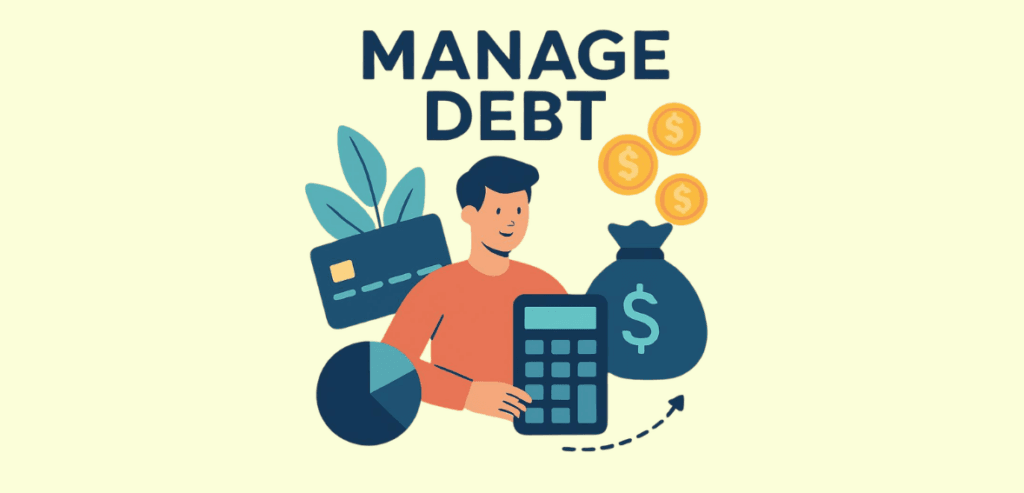
To put it simply, debt relief is a way to make debts more manageable and prevent future financial losses by implementing strategies tailored to individual needs. There are multiple debt relief strategies available, including lower interest rates, extended loan repayment periods, partial loan forgiveness, or, in some extreme cases, a complete loan waiver.
However, it must be kept in mind that debt relief doesn’t come at no cost and involves escaping responsibilities. Rather, it is about finding the best available way to safeguard an individual’s or an organization’s financial stability. It is necessary to understand the available debt relief options and choose the one that best suits your interests. Debt relief options are made available to help prevent a debtor from making abrupt decisions in a state of vulnerability, urgency, or fear, and eventually favor the rebuilding of confidence and a sense of security.
Before understanding the available methods of help, it is important to identify when to seek help. It is time for you to seek help if your debt has started interfering with your daily life and sense of security, both social and financial. Some of the most common indicators include repeated missed payments, taking one loan to pay another, or a constant feeling of stress and insecurity about financial conditions. Along with this, if you feel that a substantial amount of your monthly income is going towards paying debt installments, then it is high time that you should seek help.
Debtors often ignore these indicators, worsening the situation. Avoiding or ignoring these signals only results in rapid growth in the interest amount, waiting for penalties, and, most importantly, a decline in the credit score. Hence, it is necessary to identify these situations and act as early as possible. If applied effectively and at the right time, Debt relief can be the most beneficial of all.

Although there are multiple debt relief options available to suit the varied needs of people, self-managed repayments are usually the first option advised to a debtor. It simply means managing your expenses tactfully, such as cutting down on nonessential expenses, to maintain a steady payment of the balance. Needless to say, this method does not, at all, reduce your loan amount or the amount of your installments; hence, it is only suitable for debtors with a manageable amount of debt and a stable income.
Debtors who have exhausted self-managed repayment options need to rely on more structured solutions, such as consolidation, counseling, management plans, settlement, and, in some cases, legal aid. Below is a list of some effective debt relief options to choose from:
This option is best for people with multiple loans but a stable and standard monthly income. A debt consolidation loan consolidates all outstanding loans into a single loan, making monthly repayments more timely. In a few cases, this method also reduces interest rates.
This method isn’t used to waive off loans; rather, it is designed to restructure your loan into a simpler form. If you opt for debt consolidation to manage your debt, you must also incorporate self-managed repayments. Careless spending can worsen the situation.
This method is usually chosen by debtors who feel trapped, overwhelmed, or confused about how to proceed with their loans. Credit counseling educates debtors about the intricacies of debt and debt management plans, and it helps ensure long-term stability.
In this method, a debtor is made to understand the distinction between credit counseling and debt settlement. The former refers to repayments and negotiation, while the latter focuses on getting away with the debt by paying an amount that’s less than the due amount. Expert counseling waves the way for further aggressive or awful ways to deal with the debt.
There is also a debt management plan, NFCC, that debtors often enroll in. A reduced interest rate and waived fees are the two key operating factors in this scheme. This makes the repayment manageable for the debtor.
In this process, the individual, under pressure from a loan, negotiates directly with the debtor to secure a reduced interest rate or, in some cases, an extended repayment period. With proper preparation and good negotiation skills, this method could achieve good results.
For this, the debtor needs to be transparent with the creditor, understand their own payment abilities, and their financial limits. In some cases, debtors can relieve the pressure of a loan by negotiating directly with the creditor at the earliest.
Although this method is proven to give guaranteed results, it can help people who, above anything else, like to have hands-on control.
In debt settlement, the debtor pays an amount less than the full amount due. This helps the person close the loan account. When debts become unmanageable and full repayment is no longer feasible, debt settlement can be a helpful option.
Although debt settlement reduces the total amount payable, it has some negative consequences for the debtors. Your credit score can drop drastically. In some cases, debtors experience tax implications on the forgiven amount. Along with all these risks, there is emotional taxation that comes with a long series of recurring negotiation deals. Hence, it is advised to opt for debt settlement only after carefully weighing the pros and cons.
The Telemarketing Sales Rule Debt Relief is one of the most important regulations available to protect consumers from taking drastic measures under the pressure of an ongoing loan. This regulation is designed to curb how debt relief services promote their offerings and collect fees, creating a safer environment for debtors.
If you are someone struggling with pending installments, you should learn and have a clear understanding of these protection schemes and laws. This will give you transparency and a more logical environment to think, decide, and protect yourself from a disguised scam.
To find the best debt relief program for yourself, you need a clear evaluation of all available programs. To do so, first get a clear idea of the total amount. Then get a clear, realistic insight into your income and the mandatory, hard-to-cut living expenses.
Along with these, make sure to choose a program that is transparent and addresses all your queries and concerns realistically, without promising quick or unrealistic outcomes. It is important for a debtor to understand that debt relief programs are a long, gradual process, not a miracle that works overnight.
Another crucial thing is to avoid falling for debt relief scams. When a person is burdened by a large amount of debt, they are very likely to look for options that promise an extravagant outcome. To avoid falling into a debt relief scam, a person should look for warning signs such as upfront fees, unrealistic promises, and, most commonly, pressure to act instantly. Don’t fall for any promise that sounds too good to be true.
For a debt relief program to yield the best results, a debtor should act as early as possible. By understanding choices, priorities, and the right path, a debt relief program can prove to be of great help. It can be a turning point for a debtor struggling to manage their debts.
Debt relief programs not only offer ways to manage debt but also help an individual regain lost self-esteem and confidence, ensuring lasting stability.
The answer is No. Debt forgiveness refers to a portion of your debt being waived, while debt relief involves methods that help manage your debt more effectively.
While some debt relief programs can ruin your credit score, not all are designed the same way. So, it is advisable to read and learn about the debt relief program you are planning to opt for.
It operates on a transparent understanding of your income, expenses, total debt, and the types of debt you have.
Yes, you can handle your debts on your own. In that case, the primary focus should be on budgeting and managing repayment in a planned way.
Debt relief programs are not miracles, and timelines vary for everyone depending on the type of debt and the program chosen.