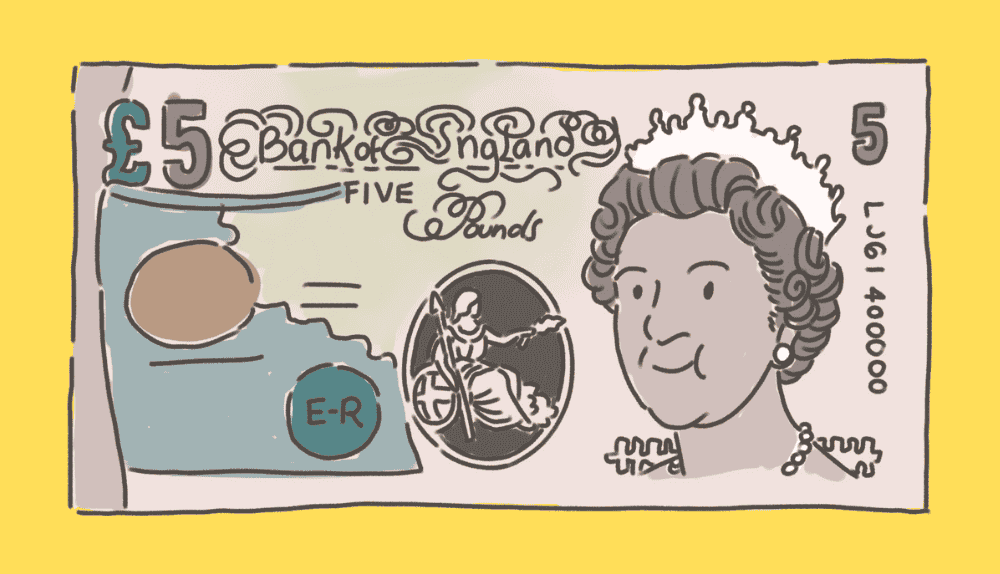
The British Pound, previously known as the pound sterling (symbol: £, ISO code: GBP), is probably one of the oldest and currently the most influential currencies (besides the US Dollar). Despite its centuries-old history and global prominence, the British pound is officially used in limited jurisdictions today.
Below, we take a peek at its historical significance, which countries currently use the British Pound as a primary payment transaction, and more.
The origins of the British Pound can be traced back centuries (about 775 AD), making it one of the oldest continuously used currencies in the world. Initially, the currency was based on silver coins, and over the centuries, it evolved through various monetary reforms. During this period, Anglo-Saxon England saw the introduction of silver coins known as “sterlings,” with a pound of these coins equating to 240 sterlings, hence the name “pound sterling.”
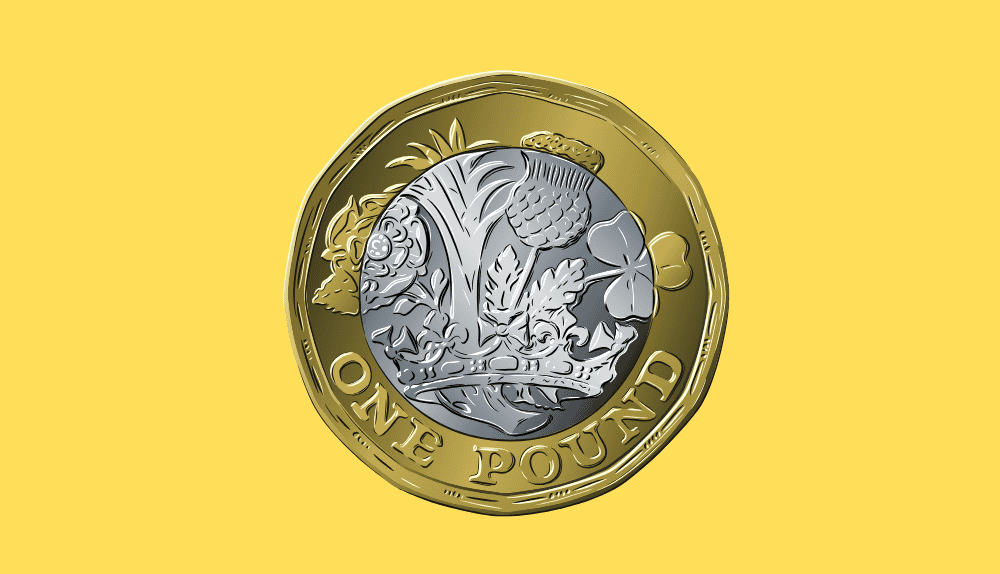
The currency was formally adopted as the national currency in 928 AD under King Athelstan, the first recognized King of England, who set up mints throughout the nation. At that time, the value of one pound was equivalent to about 15 cows, highlighting its substantial worth.
Gold coins, referred to as sovereigns, were first minted in 1489 under Henry VII, signaling the inception of a renowned gold bullion coin. The establishment of the Bank of England by King William III in 1694 followed a naval defeat to France, intended to finance military efforts. This led to the introduction of the first handwritten pound notes, pioneering paper currency in England.
The 1816 Coinage Act introduced a gold standard for all transactions, solidifying the pound’s role in fostering London’s status as a central financial hub.
However, the economic strains of the World Wars and the dissolution of the British Empire impacted the pound. The UK moved off the gold standard in 1931 and experienced several devaluations, particularly in 1949 and 1967. The currency system was decimalized on February 15, 1971, simplifying it to where one pound equals 100 new pence.
Despite facing competition from the euro in the late 20th and early 21st centuries, the pound has maintained its significance as a primary global reserve currency and a symbol of British sovereignty, reflecting its enduring influence in both economic and cultural spheres.
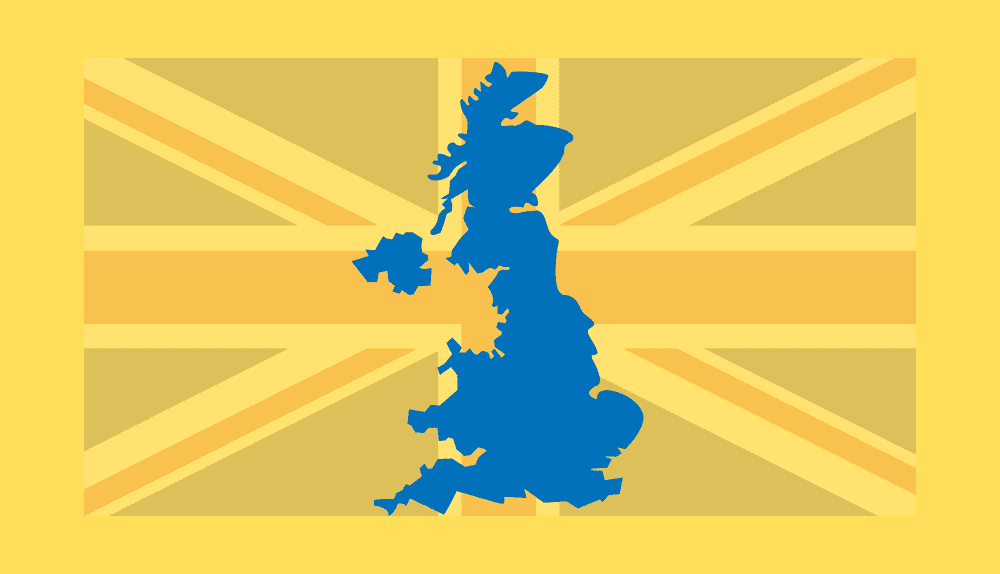
The only sovereign nation that officially uses the pound sterling as its national currency is the United Kingdom (UK). The UK comprises four constituent countries—England, Scotland, Wales, and Northern Ireland—and the Pound is the standard currency across all these regions. The Bank of England, established in 1694, is the central bank responsible for issuing banknotes and maintaining monetary stability in England and Wales. In Scotland and Northern Ireland, several banks issue their banknotes, all accepted as sterling and fully backed by their respective authorities.
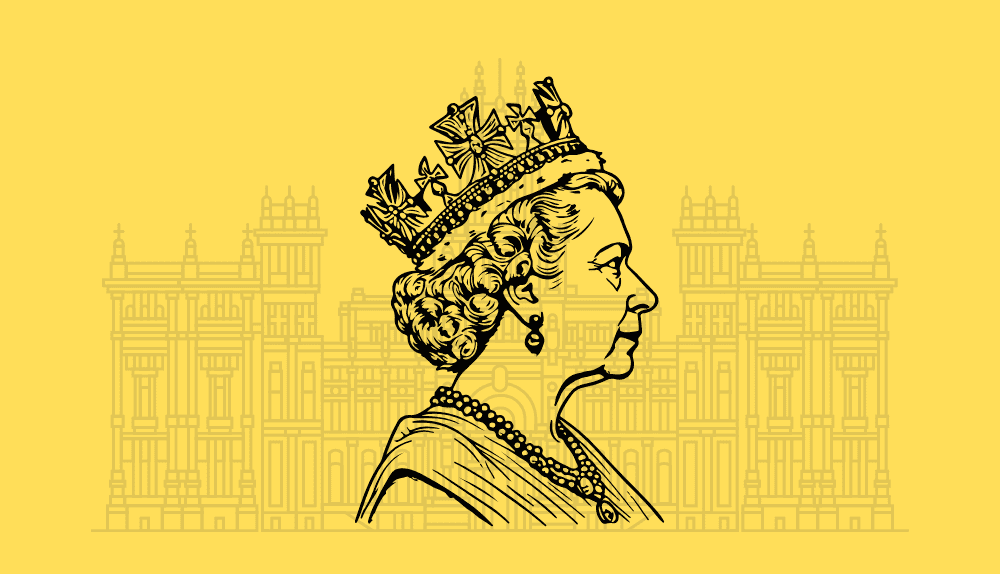
The British Pound is issued in coin and banknote form in the United Kingdom. Coins range from 1p (one penny) to £2, and they often carry images reflecting national heritage, famous historical figures, and symbolic landmarks. Banknotes are issued in denominations such as £5, £10, £20, and £50, featuring portraits of prominent British personalities—most notably Queen Elizabeth II (until the recent updates with the transition following her long reign) and other significant historical figures.
The diversity in banknote issuance—primarily that Scottish and Northern Irish banks issue their designs—illustrates the rich regional histories and identities within the UK while maintaining parity with the official sterling value. Despite these variations, all sterling banknotes and coins are interchangeable and have the same value, ensuring a unified monetary system throughout the United Kingdom.
United Kingdom – comprising England, Scotland, Wales, and Northern Ireland, the UK uses the pound sterling as its official currency.
Crown Dependencies are territories not part of the United Kingdom but are self-governing possessions of the Crown. They include the Isle of Man, Guernsey, and Jersey. While they have their own governments and distinct legal systems, these dependencies have chosen to issue their versions of the pound, which are pegged at par with the British Pound sterling. This arrangement allows them to manage local currency design and issuance while ensuring that their money maintains the value and stability of sterling.
The Isle of Man, located in the Irish Sea between Great Britain and Ireland, issues its version of the currency known as the Manx pound. The Manx pound is used exclusively on the island and circulates alongside British sterling. Although it has distinctive designs and local motifs, its value is fixed to the British Pound, meaning that British notes and coins are generally accepted in everyday transactions on the Isle of Man. The Manx pound reflects the island’s unique cultural identity while benefiting from the long-standing stability of the sterling system.
Guernsey and Jersey, two of the principal Channel Islands, have similarly chosen to issue their pound versions. The Guernsey and the Jersey pound are pegged at par with the British Pound. Local notes, coins, and British currency circulate interchangeably in daily commerce on these islands. Each island’s currency incorporates local symbols and heritage, celebrating their distinct identities. Although these currencies are not used outside their respective islands, the peg to sterling anchors economic stability and international confidence.
British Overseas Territories are regions under the jurisdiction and sovereignty of the United Kingdom but are not part of the United Kingdom itself. Many of these territories maintain their currency systems, often issuing currencies separate from the pound sterling but pegged to its value. This arrangement provides local flexibility and economic stability, ensuring the local currency remains as reliable as sterling.
Gibraltar, located at the southern tip of the Iberian Peninsula, is one territory that issues its currency, the Gibraltar pound (GIP). While Gibraltar’s economy is closely tied to that of the United Kingdom, the Gibraltar pound features its unique designs and symbols reflective of local history and its strategic maritime importance. Despite these differences, the Gibraltar pound is pegged at par with the British Pound, meaning that the two currencies are exchangeable at a one-to-one rate within Gibraltar. This peg helps facilitate trade, tourism, and financial transactions between Gibraltar and the UK and with international markets.
The Falkland Islands, located in the South Atlantic Ocean, also use a currency pegged to the British Pound—the Falkland Islands pound (FKP). The island’s remote location and small population have necessitated a system to ensure economic stability and confidence among residents and international visitors. Like other sterling-linked currencies, the Falkland Islands pound features local imagery that reflects the region’s natural beauty and historical narrative. Although primarily used within the islands, the FKP’s fixed exchange rate with the sterling assures consistency in value and trust in its financial system.
Another notable example is the currency used by the British Overseas Territory, comprising Saint Helena, Ascension Island, and Tristan da Cunha—the Saint Helena pound (SHP). This currency, issued by the government of Saint Helena, is pegged at par with the British Pound and circulates exclusively within these islands. The Saint Helena pound incorporates distinctive design elements that evoke the islands’ maritime heritage and rugged landscapes. Its peg to sterling guarantees that despite the territory’s remote location, its residents and businesses can operate within a stable and internationally recognized monetary framework.
South Georgia and the South Sandwich Islands region also use the British pound as a British overseas territory. Additionally, the British pound is the official currency here in the British Antarctic Territory. Lastly, While the British pound is the official currency in the British Indian Ocean Territory, the US dollar is more commonly used.
It’s important to note that while these territories and dependencies use currencies pegged to the British pound, the designs and issuing authorities of the banknotes and coins can vary. However, the value remains equivalent to the British pound sterling.
A common thread among the currencies used in the Crown Dependencies and British Overseas Territories is pegging their local currencies to the British Pound. A currency peg means that the local currency’s value is fixed relative to the British Pound at a set exchange rate—usually 1:1. This arrangement provides several advantages:
The peg does not mean that the currencies are identical; each territory issues its own currency with unique design features and local symbols, yet the underlying monetary value remains equivalent to the British Pound. This system helps preserve local identity while maintaining economic integration with the UK.
The British Pound’s long history—from its origins in early medieval England to its role as the United Kingdom’s national currency today—reflects its enduring legacy and adaptability to modern economic demands. While its use is now confined to the UK and select territories such as the Crown Dependencies and British Overseas Territories, the Pound remains a stable benchmark in a rapidly changing global financial landscape.
Pegging local currencies to the Pound has helped maintain economic stability in these regions, underscoring the strength of sterling as a symbol of national heritage and financial consistency. Overall, the story of the British Pound is one of gradual evolution and resilience, illustrating its ability to remain relevant despite centuries of change.