Credit cards are quickly rising as the most popular form of payment, which has led to a massive increase in available products. However, when your credit status isn’t great, finding a good credit card isn’t easy.
If you’ve struggled to find a credit card that qualifies individuals without great credit and still has many great perks, you’ve come to the right place.
This article we take a look at some of the best unsecured credit cards for people with poor or bad credit.
Here are the five best unsecured credit cards for people that are starting to build their credit:
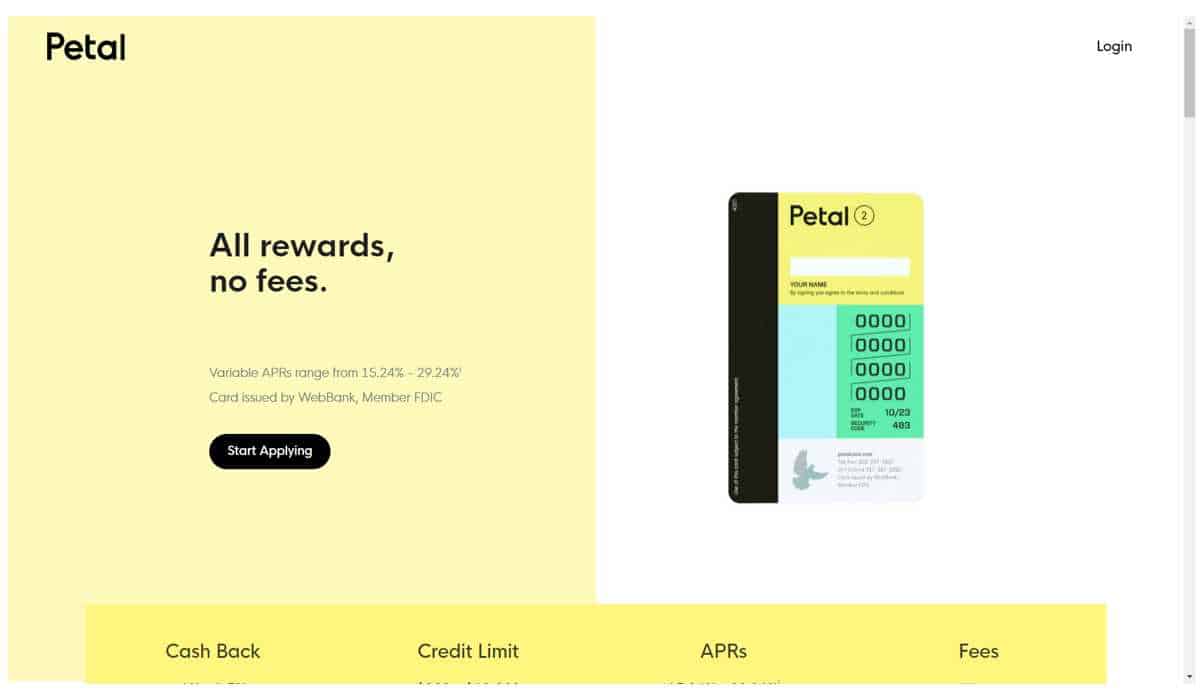
There are no fees associated with the Petal 2 Visa Credit Card. Petal has eliminated annual fees, late fines, returned payment costs, and all additional expenses. That’s impressive for any card, but especially for an unsecured card that caters to customers with poor credit.
Petal has created a credit approval algorithm that considers your full financial picture rather than your credit scores. According to Petal, you can be approved even if you have no credit score or credit history.
In addition, the Petal 2 Visa Credit Card provides 1% to 1.5% cash back incentives to cardholders. You begin with 1% cash back on all purchases. After 12 on-time monthly payments, you’ll advance to earning 1.5% cash back.
It’s important to note that although there are no fees with the Visa Petal 2, the card still charges interest.
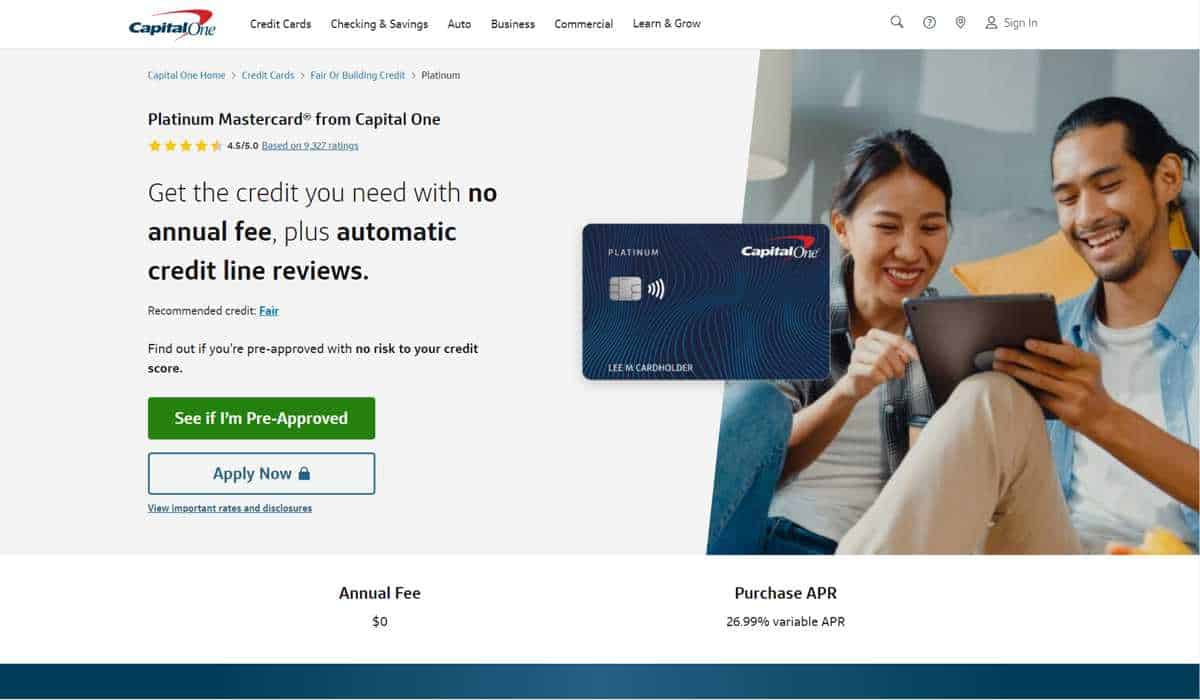
Cardholders can obtain increased credit limits in as little as six months with a Platinum Capital One. That’s an excellent incentive to pay your payments on time each month. And if you can maintain your spending habits after receiving a bigger credit limit, your credit utilization rate may improve, which may also benefit your credit ratings!
The Capital One Platinum Credit Card has no yearly or international transaction fees. However, you will not receive any rewards either.
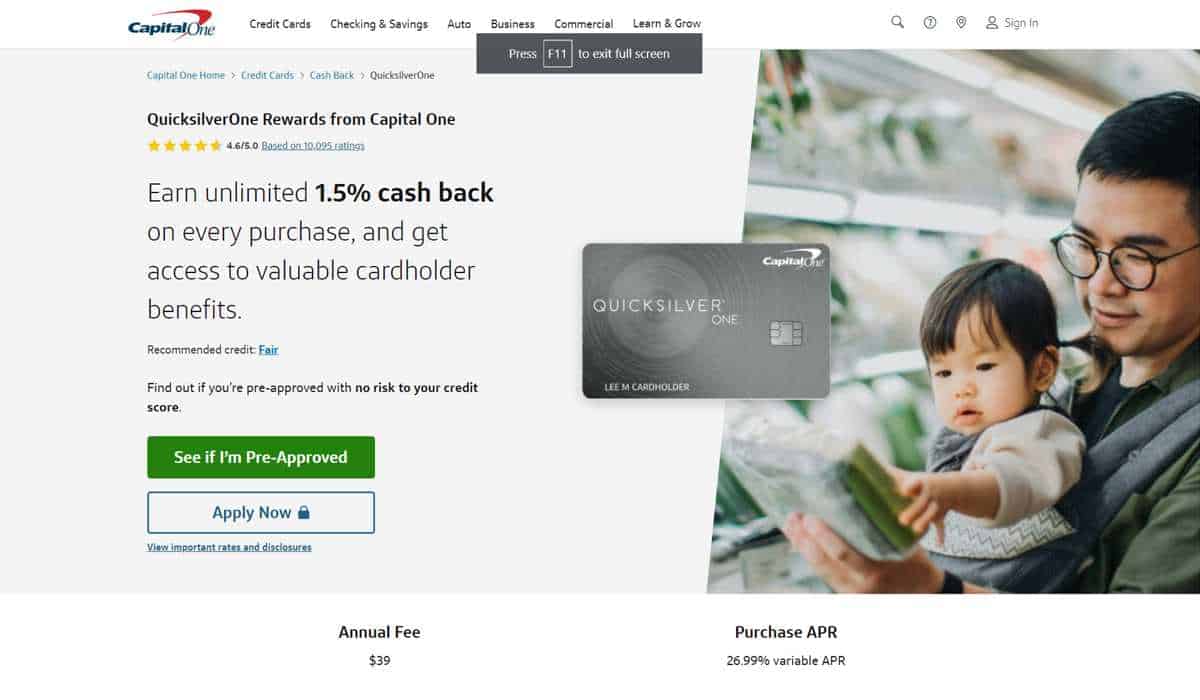
Capital One QuicksilverOne Cash Rewards Credit Card offers unlimited 1.5% cash back on all transactions. There are no reward caps with the Capital One QuicksilverOne Cash Rewards Credit Card. Simply said, you get 1.5% back on anything you buy with the card. That’s noteworthy for a card that accepts applicants with “fair” credit, according to Capital One.
The yearly cost for this card is $39 per year. However, with a 1.5% cash back return, you’ll only need to spend $2,600 to earn that much in rewards with this card, which equates to around $217 each month for a year. This card could be an excellent fit if you expect to spend more than that each month.
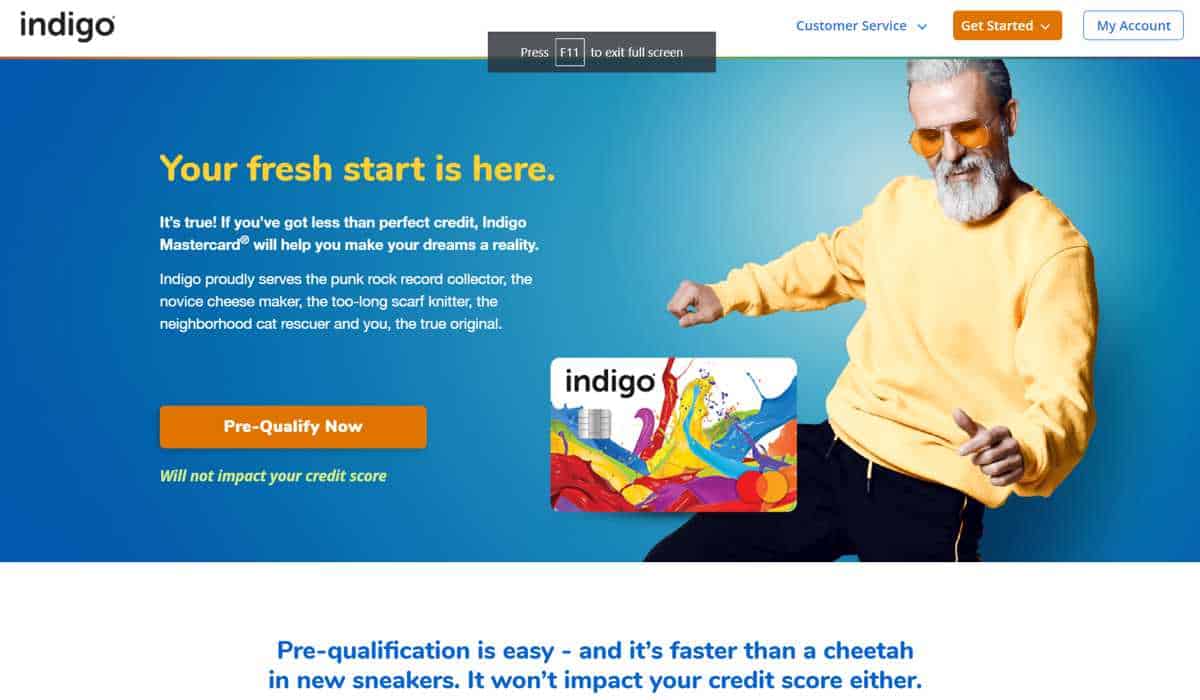
With a credit limit of $300 or more and no security deposit, the Indigo Credit Card is a good option for people with bad credit. If you have poor credit and require a credit card for emergency borrowing, the Indigo Card is worth considering.
Interested individuals who aren’t quite ready to commit can apply for Indigo credit card pre-approval without affecting their credit score. Unless you need to borrow money for an emergency, there are cheaper credit cards to develop credit with, including some that offer rewards. Their annual fee ranges from $0 to $99.
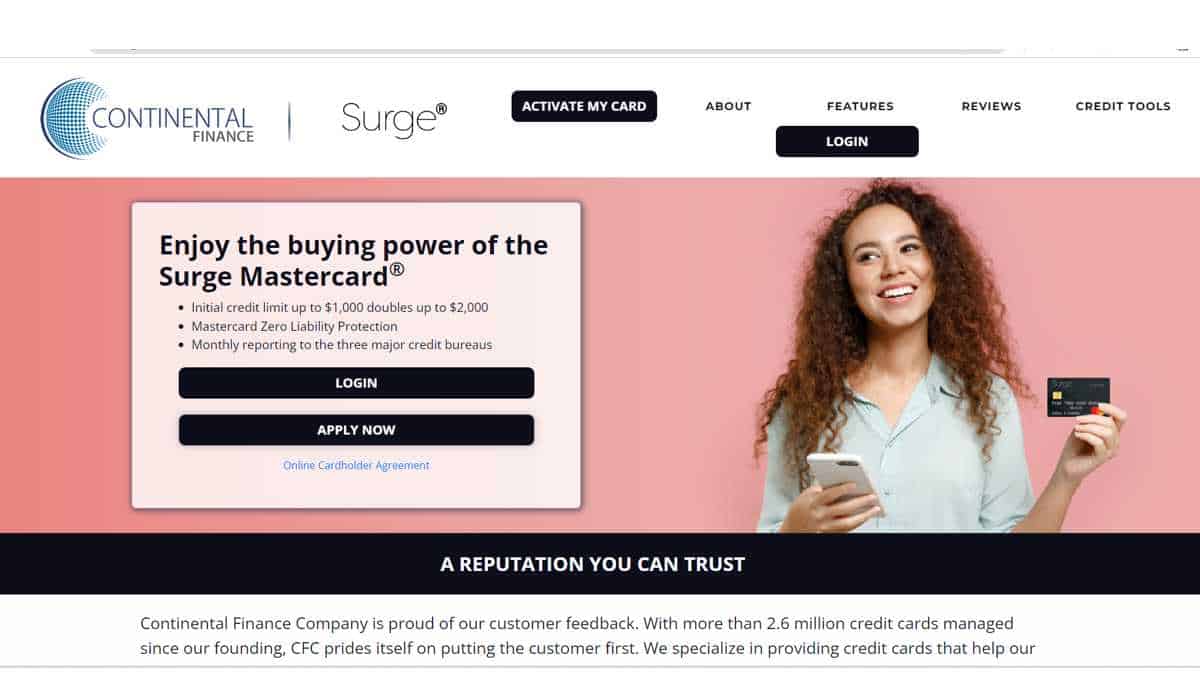
The Surge Mastercard is not a fraud but a legitimate credit card for people with weak credit. It sends monthly reports to the three major credit agencies, allowing cardholders to improve credit by paying on time and utilizing only a percentage of their credit limit.
The issue is that the Surge Credit Card’s costs can be quite high: $75 – $99 for the yearly fee and up to $120 in monthly fees beginning in the second year. And, at 24.99% – 29.99% (Variable), its APR is among the market’s highest. The Surge Card also does not provide purchase incentives.
As a result, more affordable credit cards are available to help you rehabilitate your credit.
The possibility of a high beginning credit limit on the Surge Card is likely its most tempting feature. However, when you apply, it all depends on your general creditworthiness. In addition, following the first six on-time monthly minimum payments, cardholders can quadruple their credit limit.
The majority of credit cards on the market are unsecured. An unsecured credit card provides you with a line of credit you can draw from and then pay off each month. An unsecured credit card’s eligibility and credit limit depending on the issuer’s assessment of your ability to pay off any balances you have.
When you apply for an unsecured credit card, the company will look at your details, such as your annual income and credit score, to establish your eligibility. Because there isn’t a deposit to backup unsecured credit cards, your card issuer will not have access to funds to settle any overdue debt on your account, which is why, before approving an application, issuers analyze several factors to determine the chance that you’ll be able to pay off the charges you put on your card.
Unsecured credit cards for bad credit are intended for people who cannot obtain standard credit cards. They can be a fantastic way to restore or establish your credit, but they frequently have downsides, such as high-interest rates and fees. Because these credit cards have lower approval requirements, you may be authorized even with a fair credit score.
Unsecured credit cards for those with bad credit are beneficial to those who:
Using an unsecured credit card might provide several benefits. The most significant advantage is having more options to pick from. Unsecured credit cards can range from student cards to travel rewards cards to cash back cards, among other options. You may almost certainly find an unsecured credit card to help you meet your spending objectives.
Consider the following pros and cons of unsecured credit cards:
If you have fair credit and want an unsecured credit card, look into the following aspects before applying:
Unsecured credit cards for people with bad credit often carry APRs 10 to 15% higher than standard cards for people with strong credit. Carrying a balance on a high-interest card might result in substantial interest costs, so look for the lowest-interest card.
Most credit cards for fair credit impose an annual fee to keep the account open, which can be paid in one lump sum or monthly installments. Many credit card options charge additional monthly maintenance fees, account verification fees, and credit limit increase fees.
These expenses are added to your balance and earn interest just like a purchase. Even if you never use the card, holding it and incurring fees will cost you money.
Furthermore, credit limitations on unsecured cards for good credit are often substantially lower than those on standard cards. These costs might add up to a high utilization ratio, which can harm your credit score.
When you have poor credit and are looking for an unsecured credit card, you shouldn’t just go with whoever will accept you. You need to consider the fees, policies, whether they report to all bureaus and their interest rates. If you want a credit card that doesn’t have fees, the Visa Petal 2 is probably the way to go, but if you are looking for something that helps you keep track of your credit, the Capital One cards are probably a better choice. It’s important to note that this is different from a high risk merchant account. Whatever you choose, make sure you are making your payments on time so that you can help build your credit.