
Posted: February 20, 2026 | Updated: October 06, 2026 at 6:04 PM
The restaurant business has always required care, compassion, and warmth. Food brings people together around tables, sharing stories, laughter, and making memories. Over the last decade, the restaurant business has evolved and changed drastically. The way people choose their favorite restaurants, the dishes they order, and the brands they stay loyal to highlight some of the era’s quickest shifts.
This blog explores marketing strategies for restaurants that feel modern, real, and yet personal. Strategies that are smartly curated for better results. If you run a small café or a large-scale restaurant, you have come to the right place. This blog will provide ideas to help you stay relevant in the coming days.
Not only for restaurants but for businesses of all sorts, traditional marketing still matters; those who stick to it alone are bound to lose hold of customers’ evolving needs, preferences, and outlooks. Although flyers, discount coupons, or generic social media posts are common ways to promote a restaurant, they are easily ignored by customers on the go.
Modern customers prefer to be informed, more selective, and emotionally driven when choosing restaurants. Good food alone does not serve as the yardstick. People want experience, transparency, and connection. Restaurants that not only serve food but also tell stories and build real relationships.

People nowadays do not only look for or follow a certain restaurant brand. They are more eager to know the entire story behind the brand. Stories are what help a restaurant brand become a personal brand in no time. Customers are interested in the who and what of the restaurant they are visiting. Say, for instance, they want to know who cooks the food, the history behind a certain dish, or, on a broader level, what inspired an owner to open the restaurant. If you have a story to tell or a unique strategy of your own, you ought to stand out in the crowd.
In other words, restaurants have to humanize their brand while focusing on the quality of the food they offer. Step out of the logo and tell people how a recipe was inspired by a grandmother, or what inspired the items on the menu. Try to be authentic and real. Rustic, exotic stories associated with food will help you grab attention more than a formal, flowery promotional advertisement.
When customers know the restaurant’s tidbits, they feel connected, and it is more likely they will choose you, even if competitors are out there serving food at a lower price. Personalized experience and authenticity are the two major assets for a restaurant to possess in 2026.

Along with online promotions, hyper-local marketing can be an effective strategy for attracting people. Local relevance paired with big reach and appeal drives real business in this era. It is unlikely that a restaurant can attract everyone through online promotions. Neighborhood-level engagement, or local partnership, can help you stay a step ahead of your competitors. Incorporating strategies such as community storytelling or engaging local farmers or suppliers can help catch people’s attention. Focus on becoming a community landmark rather than generic promotions. Get involved in local events and festivals to increase your visibility in your area.
Curate promotional strategies that feel personal, not just a generic food promotion. Try to associate the emotion of a community with the food you serve. All these will help you grow your food business and facilitate customer retention.
Short-form content such as videos, has become a powerful promotional tool over the last few years. Try creating short-form videos that feel real and unfiltered. To build customer trust, keep your reel real with natural moments rather than polished visuals. Use minimal arrangements like retaining the natural conversational tone instead of a polished voice-over. Use good lighting that exhibits a sense of warmth without being too artificial.
Make videos highlighting emotional connections. Make a collage of footage featuring real-time cooking, raw glimpses of staff enjoying their work, making mistakes, laughing, and honest customer feedback. Instead of videos shot at artificially designed studios, these kinds of videos build familiarity, which in turn builds trust, the key element behind the growth of a restaurant chain. The kitchen should be kept secluded from customers; they should not be part of the chaos behind the kitchen doors.
The way people find restaurants online has changed recently. Instead of asking direct questions like “best Chinese restaurant near me”, diners have switched to asking “where can I find a good Chinese dinner nearby?” Hence, restaurants must also keep up with changes in how people search. Your online presence should feel natural. Instead of writing websites in overly ornate language, stick to simple, lucid, conversational language that is easier to read.
Design the menu, write descriptions, and answer FAQs in a welcoming tone. The customer should feel like they’re talking to a person, not just reading a brochure. While updating a business listing, try to be as descriptive as possible. People nowadays want to learn about all the vital experiences that they plan to undergo. Long story short: make your online presence sound cordial and communicative.

The 21st century is the era of customized experience. In 2026, people just don’t enjoy point-based loyalty programs. They expect recognition and personalized rewards and offers based on their relationship with the restaurant chain. Some new-age loyalty strategies could include birthday or anniversary messages that make customers feel valued.
A free dish or a dessert as a surprise perk on the 5th or 10th visit sounds way more engaging and appealing than the same old predictable discounts. Instead of collecting generic points, people in 2026 love to feel seen and remembered. This will foster emotional loyalty rather than just transactional loyalty. History has it that emotional loyalty lasts the longest of all.
Purpose-driven marketing has become one of the most trending strategies to elevate food businesses in 2026. As a restaurant, you must have an element that makes you stand beyond just monetary profit. Make your audience believe that you are not focused entirely on money-making; instead, have good intentions, and by choosing your brand, they, too, can be a part of this intention.
Customers value and choose restaurants that aim to reduce food waste, engage in social work, support local causes, donate leftover food, offer fair working policies for staff, and uphold their own ethics. For example, you may maintain a board showing the amount of food waste from the previous day, with a message that asks people to stop wasting food and to order mindfully. The other way to stand beyond profit is to switch to sustainable packaging. Replace plastic with eco-friendly cutlery made from Sal Leaf and add a message promoting reduced plastic use.
Craft marketing stories out of all the things you practice. Your policy, purpose, values, and ethics, if marketed honestly and attractively, are bound to fascinate people and thereby increase customer engagement.

Gone are the days when people chose their brands based on the likelihood of paid promotion. In 2026, people trust people more than brands or paid promotions. A real customer’s photo, video, or review is more impactful than a paid promotion.
In order to attain this strategy of using user-generated content for promotion, you need to focus on actively engaging customers. Without pressuring or imposing, ask customers to share their honest dining experience on social media and tag the restaurant.
Reposting customers’ content not only appreciates that particular customer but also helps in building a community. As said earlier, people trust people, and hence, when a person sees a fellow acquaintance enjoying the food, ambience, and the overall experience of a particular place, they too feel the urge to experience the same.
It is needless to say that with the advent of AI, the marketing industry has changed significantly. In restaurants, AI should be used thoughtfully and quietly, without losing its human essence.
People can now get personalized AI recommendations, get heads-up on traffic jams during busy hours, or manage reservations. However, customers still seek human warmth, maybe unknowingly. Restaurants that have mastered the art of balancing between AI and the human touch have a long way to go.
You may use AI to curate automated messages, but make sure they sound humane and friendly, without being rude or disrespectful, and always leave room for human interaction when needed. AI should be used to support your staff in curating the entire marketing and promotional strategy, without replacing them. Make AI a backstage worker and allow staff to lead the experience. This will make the customers feel cared for and valued.
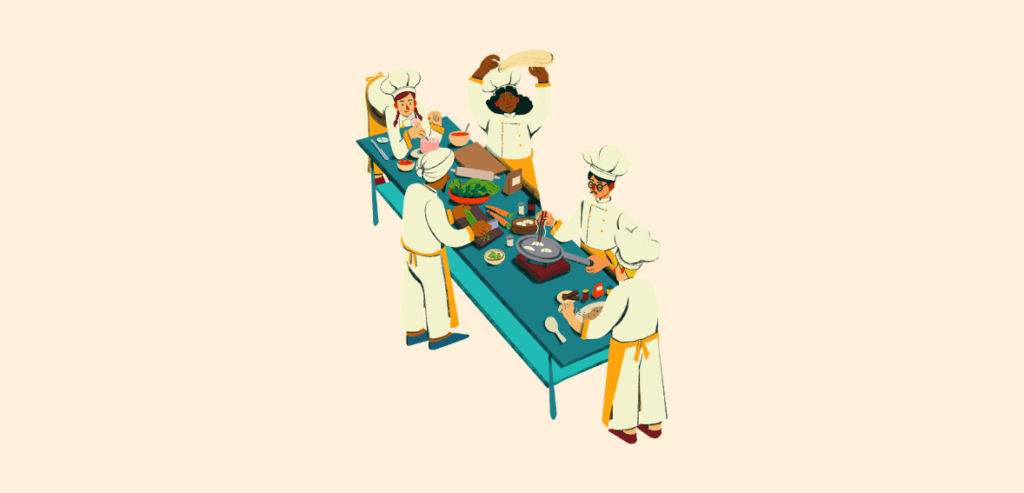
Diners of this era do not go out to eat just for the sake of eating. Although the quality of the food matters, they don’t want to compromise on the experience. They go out to feel, create memories, and dine. Incorporate this experience into marketing in a subtle way. Make it grand without breaking the bank.
Design menus that are available for a limited period of time. Arrange themed evenings like the “Chef Special evening” where the dishes will come along with a story from the chef. It can be the chef’s memory of the dish associated with a particular song, a smell, or a place. Never miss cultural or seasonal food events that happen throughout the year. Add items made from raw materials that are associated with a particular season or festival. These small strategies will curate an experience that fosters memories, which in turn help your restaurant get promoted through word of mouth.
The strength of a good storytelling strategy is beyond imagination. In 2026, if you can tell your story with honesty and simplicity, consistently across the website, social media handle, and even in menus, you are bound to create a good set of loyal customers.
Now, to the content of your story: it should be nothing but honest answers to the very generic questions customers often want to know. “Who are you?” “What do you cook?” “Your motive behind opening the food chain”, and so on. Customers remember brands based on their stories. If you can serve a good story to the customer along with drool-worthy cuisine, your business in 2026 is sure to take flight.
Marketing for restaurants in 2026 is simply about making connections and understanding diners’ pulse. The general trend among diners in 2026 is to choose warmth, peace, and a cozy place over loud, flashy eateries. Focus on building campaign strategies that don’t sound like a pitch and can build a relationship with the customer. Well-maintained, cordial relationships with customers mean they will come back, bring friends, and contribute to your part of the story.
Food is one such thing that blurs distance, creates new bonds, and brings people together. Hence, food marketing should always have a touch of warmth and a sense of connectivity, while remaining true to its motto.
Restaurant Payment Resources covers restaurant marketing strategies alongside tips, POS and card fees, all in one place.
Yes. These strategies are well-suited for both small-scale and large-scale restaurants.
No. These strategies require honesty and effort. The way you execute the strategies matters more than the budget.
Social media marketing plays a huge role even in 2026. Real, consistent content for promotion can significantly improve the brand.
No. AI should be used as support while the real executions should be done by humans.
These depend on how well you are hooked and how consistently you apply these strategies.