
Posted: January 10, 2026 | Updated: January 12, 2026 at 7:34 AM
Stripe, the global payments giant, is doubling down on cryptocurrency – particularly on stablecoins – as it makes another strategic acquisition in the crypto space. In its latest move, Stripe has acquired the entire team behind Valora, a mobile crypto wallet startup. This quiet talent grab is designed to accelerate Stripe’s growing stablecoin initiatives and signals Stripe’s intent to make stablecoin payments a mainstream part of its platform.
The Valora team’s expertise in user-friendly crypto apps and emerging markets will now be applied at Stripe, strengthening the company’s push to integrate stablecoins into everyday payments. This development comes on the heels of Stripe’s other big crypto bets – including a $1+ billion acquisition of a stablecoin infrastructure startup in 2024, and even the launch of Stripe’s own blockchain project.
In this blog, we’ll break down what the Valora acqui-hire means, how Stripe might leverage Valora’s self-custody and global crypto know-how, and how it fits into Stripe’s broader crypto roadmap.
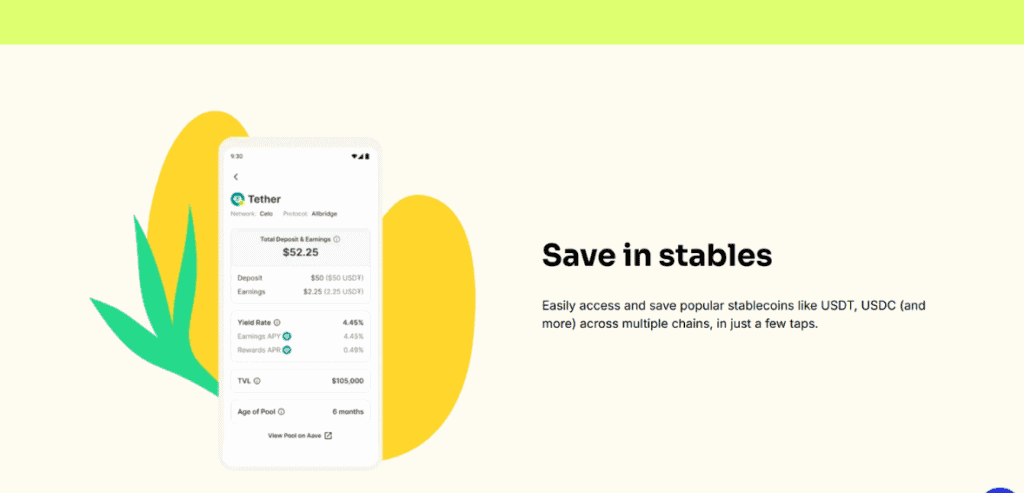
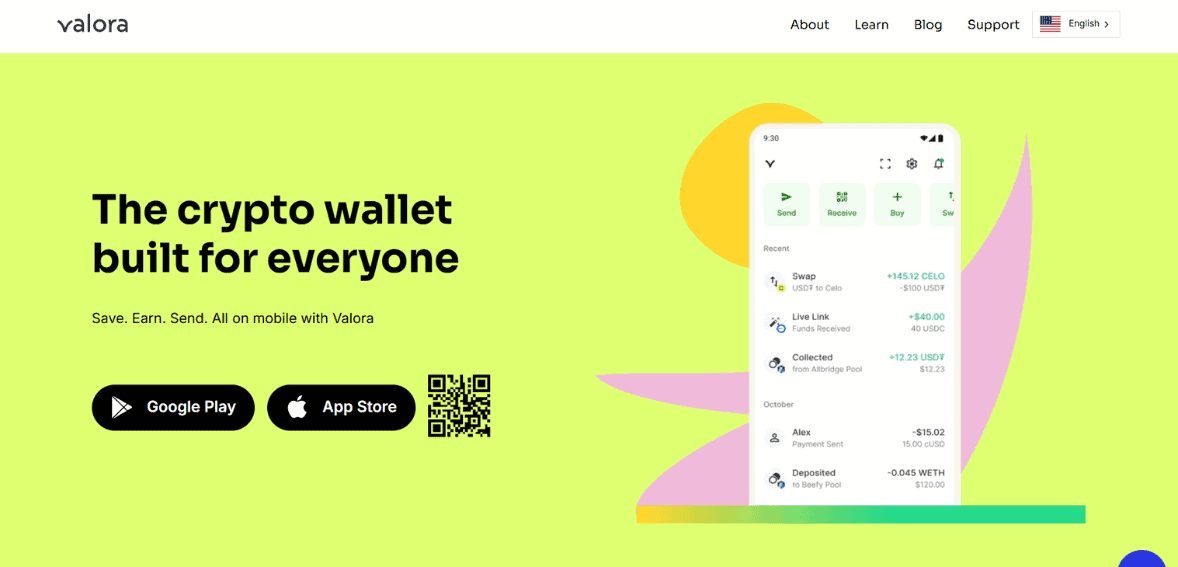
Valora is a crypto payments app best known in the Celo blockchain community. Launched in 2021 as a spin-off from Celo’s development lab (cLabs), Valora set out with a clear mission to make it easy for anyone to access and use digital money on their smartphone. The Valora app became a simple way to send, save, and spend stablecoins and other crypto assets with a mobile-first experience. It was designed for users in emerging markets who often lack access to traditional banking, offering a friendly, low-barrier gateway to crypto finance.
Valora enabled peer-to-peer transfers of Celo Dollar stablecoins as easily as sending a text, even in regions such as Africa, where stablecoins can provide a safe dollar-based currency amid local inflation.
Valora is a self-custodial wallet; users hold their own crypto keys, but it abstracts away much of the complexity of blockchain. The app links to your phone number and provides an intuitive interface, so users may not even realize they’re interacting with multiple blockchains under the hood. (In fact, Valora expanded beyond Celo to support assets on Ethereum and layer-2 networks like Optimism, to give users more access.)
Through a “user-first” design, Valora demonstrated that even non-technical users can leverage cryptocurrencies and stablecoins for everyday needs. Over a few years, Valora has grown into a trusted tool for moving money globally, demonstrating that digital transactions can be more inclusive than the traditional banking system. The team also gained experience in training new users and developing secure, lightweight wallet technology for low-end mobile devices.
All of this made the Valora team an attractive target for a company like Stripe, which is now aiming to bring crypto to millions of mainstream users. Then, in December 2025, Valora CEO Jackie Bona announced that her entire team would be “joining Stripe” to “accelerate our mission” of expanding financial access globally.
Notably, Stripe is not buying the Valora app or brand outright – the Valora wallet app will actually remain with cLabs (its original home) to continue serving existing users independently. Instead, Stripe is effectively hiring the people behind Valora. This kind of deal underscores that Stripe values talent and expertise above the product itself. So what expertise does Valora’s team bring that Stripe is eager to leverage?

Stripe’s core business is payments infrastructure, serving millions of online businesses. Historically, Stripe has focused on traditional payment methods (cards, bank transfers) in developed markets.
So why bring in a crypto wallet team from the Celo ecosystem? To supercharge Stripe’s stablecoin and crypto payments strategy with battle-tested crypto UX talent. The Valora team offers several strategic advantages:
Valora’s team has deep experience building payment products for mobile-first users in developing countries. They understand how to design ultra-lightweight, intuitive apps that work even on basic smartphones and in spotty internet conditions common in regions where crypto is most useful.
This complements Stripe’s goal of reaching global users outside the formal financial system. Stripe’s CEO, Patrick Collison, has noted that stablecoins could dramatically widen global economic participation, and Valora lived that vision on the ground.
The Valora engineers and designers solved tricky problems around self-custody and security while keeping the user experience simple. They made sending a stablecoin as easy as sending an email.
Stripe can leverage this expertise to ensure its upcoming crypto features are easy for everyday consumers and small businesses to use. In other words, if Stripe wants to hide the complexity of blockchain from its users, Valora’s team has done exactly that before.
Valora was built around stablecoins. The team has seen how people actually use stablecoins for daily needs, from remittances to savings, and the challenges involved (like volatility of other cryptos, or cashing in and out to local currency).
This real-world insight is invaluable as Stripe integrates stablecoins into its products. It aligns with Stripe’s view that stablecoins will be a “core upgrade to global money movement.”
Beyond the wallet app, Valora’s team also dabbled in new decentralized app features (even a mobile-friendly dApp marketplace).
Bringing in this Web3-savvy talent gives Stripe a stronger bench to develop crypto features at scale, without having to hire from scratch in a competitive market. This marks Stripe’s third crypto-focused acquisition in just over a year, underscoring its aggressive effort to recruit top crypto talent.
Jackie Bona herself highlighted the synergy, noting that Stripe shares Valora’s conviction in the power of stablecoins and that, by joining Stripe, they can “contribute our expertise in web3 and user-first experiences to a platform with unparalleled reach.”
In other words, Stripe’s massive merchant and user base provides the scale to truly mainstream the kind of inclusive crypto tools Valora was building. For Stripe, absorbing Valora’s team is a way to accelerate product development on several fronts – whether that’s creating a seamless crypto wallet for Stripe users, enabling stablecoin payouts in more countries, or something else entirely.
We don’t yet know which projects this team will tackle within Stripe. Still, given Stripe’s recent initiatives (more on those next), it’s likely to involve making stablecoin use ubiquitous and easy across Stripe’s ecosystem.

Stripe has spent the past two years pivoting hard into stablecoins as the future of payments. Let’s recap Stripe’s key moves:
Stripe made headlines by acquiring Bridge, a little-known stablecoin infrastructure startup, for a whopping $1.1 billion. This was Stripe’s largest crypto acquisition to date. Bridge provides a suite of APIs that enable developers to integrate stablecoins into payments applications, handling complex components such as fiat on- and off-ramps and blockchain interactions.
Stripe’s CEO even described stablecoins as “room-temperature superconductors” for finance, implying they can transmit value with near-zero friction and revolutionize payments. Buying Bridge gave Stripe an engine to enable low-cost, instant cross-border transactions using stablecoins.
Next, Stripe acquired Privy, a crypto wallet infrastructure provider, for an undisclosed sum. Privy specializes in tools that let companies build user-friendly crypto wallets and identity management into their apps. By bringing Privy in-house, Stripe gained technology to support digital wallets and secure crypto storage for its customers.
In fact, Stripe’s Privy unit has already partnered with fintech giant Klarna to design a prototype crypto wallet for everyday shoppers. Klarna has launched its own stablecoin, indicating that prominent fintechs are also exploring this space. The Privy acquisition signaled that Stripe wants to make holding and using crypto seamless for mainstream users, not just back-end developers.
About a year after buying Bridge, Stripe rolled out Open Issuance, a new platform that allows any business to launch and manage its own stablecoin with just a few lines of code. This Stablecoin-as-a-Service offering enables a company (e.g., a large e-commerce or fintech firm) to create a branded, fully reserved stablecoin and use it in its products.
Importantly, Stripe’s platform handles compliance, reserve management, and blockchain connectivity, making it easy for non-crypto companies to leverage this technology. Open Issuance even lets businesses capture interest on stablecoin reserves (typically held in safe assets such as U.S. Treasuries), creating a new revenue stream.
Early partners using Stripe’s Open Issuance include crypto-native firms (Phantom wallet launched a token, as have others). Still, Stripe predicts “dozens, if not hundreds,” of companies could issue stablecoins in the coming months. This move positions Stripe as a key enabler in the proliferation of stablecoins beyond just Circle’s USDC or Tether – potentially every major company could one day have its own stablecoin running on Stripe’s rails.
Perhaps the boldest piece of Stripe’s plan: building its own blockchain. Stripe has unveiled Tempo, a new Layer-1 blockchain network optimized for stablecoin payments. Developed in collaboration with crypto VC firm Paradigm, Tempo is designed to be a high-performance, low-cost settlement network for digital money.
Its public testnet went live in December 2025, allowing developers to experiment. One notable demo feature: developers can spin up new stablecoins directly in their web browser with minimal code.
This suggests Tempo’s aim to significantly lower the barrier to entry for creating and transacting in stablecoins. Stripe has indicated that stablecoins issued through its Open Issuance will be interoperable across multiple chains, including Ethereum, Solana, and, eventually, Stripe’s own Tempo network.
That means if Tempo becomes fully operational, it could serve as a unifying backbone for stablecoin liquidity, connecting all these custom stablecoins and enabling them to move freely at scale. Essentially, Stripe is not just using existing blockchains; it’s building one tailored to global payments.
Stripe is assembling a full-stack stablecoin ecosystem: infrastructure (Bridge), wallets (Privy & Valora), issuance (Open Issuance), and a payment network (Tempo). The Valora team fits into this puzzle by strengthening the wallet/user-experience side and lending their perspective on how people actually use stablecoins day-to-day.
Their arrival at Stripe comes at an exciting juncture – right as Stripe’s stablecoin ambitions are shifting from development phase to real-world rollout.
Stripe’s recent crypto moves, capped by the Valora acqui-hire, reflect an apparent belief that stablecoins are becoming a practical layer of mainstream finance. Stablecoins enable fast, low-cost cross-border payments that traditional systems struggle to match, which explains the growing interest from companies like Visa, PayPal, and now Stripe. For Stripe, stablecoins fit naturally with its goal of supporting global commerce.
What sets Stripe apart is its focus on user experience. Instead of pushing crypto complexity onto consumers, Stripe is embedding stablecoins into familiar payment flows. With Valora’s expertise, Stripe can design products where users hold or send “digital dollars” through simple interfaces, without dealing with wallets, keys, or blockchains directly.
For businesses, this strategy could unlock faster settlements, global payouts, and new digital currencies issued through Stripe’s infrastructure. Regulatory and competitive pressures remain, but Stripe’s scale, compliance track record, and platform-first approach suggest stablecoins will increasingly feel like a regular part of online payments rather than a niche crypto feature.
Stripe’s acqui-hire of the Valora wallet team signals a deep commitment to crypto, especially stablecoins, as future payment rails. With talent spanning consumer wallets, infrastructure, and issuance, Stripe is positioned to launch fast, global, stablecoin payments. Regulatory response and user adoption remain open questions, but Stripe’s strategy shows long-term conviction rather than experimentation over the next several years worldwide.
Stripe acqui-hired the Valora team to strengthen its crypto and stablecoin capabilities. The team brings experience in building user-friendly crypto wallets and mobile-first stablecoin payments.
Stripe aims to make stablecoins a core part of global payments. It is building a full infrastructure for issuing, holding, and using stablecoins, with a focus on speed, access, and usability.
Yes. Stripe did not acquire the Valora app itself; it acquired only the team. The app will continue under its original organization, while the team now works on Stripe’s crypto products.
Stablecoins could enable faster, always-on payments with lower cross-border costs. Merchants may see quicker settlement, while consumers gain more flexible ways to pay globally.
Yes. Major payment companies are exploring stablecoins to enable faster, cheaper transactions. Stripe’s move reflects a broader shift toward crypto talent and blockchain-based payment infrastructure.