Discover has unveiled a checking account with dedicated cashback rewards for its customers. Along with lucrative rewards, Discover also aims at providing early access to customer paychecks along with the mobile-first digital banking experience.
The all-new Cashback Debit account by Discover is built on the foundation of the Cashback Bonus Rewards of the payment service giant and follows a no-fee structure throughout.
Carlos Minetti, President of Discover in Consumer Banking, revealed that the all-new Cashback Debit Account by the company is designed to be a one-stop checking account for everything a customer needs. The unique Cashback Bonus rewards program is aimed at making it simpler for individuals to earn cashback and other rewards with their day-to-day debit card expenses.
Understanding the Cashback Rewards Program by Discover
Minetti further added that the company is designing a dedicated program that has been successful in rewarding millions of customers in the form of cashback offers since 2017, achieved by delivering a number of industry-leading functionalities and features to the program. Discover also strives to accumulate more benefits throughout the year and beyond.
The new product, “Cash Debit Account” by Discover, aligns with the company’s goal of providing its customers easier access to money. The program is committed to meeting consumer expectations that the management of bank accounts should be seamless and will aid in effectively managing the account digitally while offering the best innovations.
According to a research report by Discover, around 90 percent of consumers regard the overall absence of fees as an important feature of a checking account, and 72 percent of consumers revealed that cashback rewards are also important features of a bank account. However, only 28 percent of them stated that it is a feature that is being offered by their current banks.
The same study states that features of the checking account that are highly sought-after by around 80 percent of end consumers are 24/7 access to consumer services, improved security, and free access to ATM services. Minetti added that as the competitors of Discover have started lowering the overall fees, Discover aims at setting an example for the entire industry. It had proactively removed all fees related to deposit accounts in 2019, and has been successful in saving customers huge amounts. The latest release of the all-new Cashback Debit checking account is aimed at helping customers ensure ease of movement while managing their overall money seamlessly. It also makes overall banking operations more accessible for end customers with the ability to apply without any fees within minutes.
Features of the Discover Cashback Debit Account
Some of the notable features of the all-new Discover Cashback Debit Account include:
Absence of fees throughout the account -including overdraft, insufficient funds, or monthly maintenance
Rewards with one percent cash back on $3000 with respect to debit card purchases every month
Access to paychecks for up to 2 days in advance with the help of Early Pay
Access to more than 60,000 ATMs without any fees in the United States
24/7 customer services in the United States
Fraud management and security offerings like the ability to freeze the debit card temporarily
Easy onboarding and digital application experience -without any impact on the credit score
Mobile wallet access with the help of Apple Pay
Discover has plans to continue expanding its Cashback Debit product with additional features like e-wallets, tools, and debit card enhancements to allow customers to manage their overall credit score.
Discover Cashback Credit Card Overview
As you earn cashback from your credit card, it serves to be a simple way to save some money on your day-to-day expenses. The Discover Cashback Credit Card is the ideal low-risk manner to get started with it. The credit card charges no annual fees, it is also capable of offering around 5 percent on up to $1500 within the rotating category upon activating the bonus category. Moreover, consumers will also receive one percent cashback on all purchases.
In combination with low fees, the power of reward-earning can make the Discover Cashback Credit Card a forerunner if you wish to get the most for your money. Some of the benefits of the Discover Cashback Credit Card are:
Earning 5 percent cashback on up to $1500 as purchases on rotating categories
Absence of annual fees, penalty APR, foreign transaction fees, or fees on the first late payment
Delivery of Cashback Match program for doubling all earned cash in one year
Zero percent into balance transfer APR and purchases for 15 months
Rewards checking accounts by Discover can be a great option for people who wish to be clear of credit cards. Some of the benefits of the rewards checking account by Discover are:
Earning cash back easily -Discover Cash Back Debit account allows you to earn around one percent cashback on $3000 in purchases out of debit cards every month. This implies that you are capable of earning $360 every year in the form of a cashback bonus.
Less Opportunity for Overspending: One of the major benefits of the rewards checking account by Discover is that it helps in making expensive overspending quite difficult, because you are only capable of withdrawing money that you have in the account. The best part about rewards checking accounts is that you do not have to worry about going into debt.
Allowing You to Stick to a Budget: You can receive additional benefits of rewards checking accounts by Discover when you regard the same as a budgeting tool. You can easily go through your account to track the overall spending, adjust the budget, and find places to cut towards saving.
Conclusion
This checking account has many great features, but experts recommend that you should go through these features and terms of the account and its specifications before committing to it.
It’s been two years into the Covid-19 pandemic; the mode of operation of many businesses has been altered during this time and many of them have had to adapt or go extinct. For example, the logistics industry is one industry that has faced challenges because of the sudden halt in supply chains and flow of products.
While many logistics businesses had to close, logistics companies that were forward-thinking and fast to adapting digitization through e-commerce were the ones that were able to weather the storm of change. According to the World Economic Forum, in 2020, there was a 25% rise in consumer e-commerce deliveries.
Paying particular attention to DHL, an international shipping and courier company, alongside its regular services, DHL includes a specific set of services for online sellers called DHL eCommerce.
What is DHL E-Commerce?
With the current changes in the world and the unexpected shift experienced in 2020, one question businesses have to constantly ask is, “what chance does the business have in reaching customers and suppliers globally and still fulfil their product needs?”
This is where DHL eCommerce comes in. DHL E-Commerce can do this, which makes it one of the best options on the market for shipping, tracking, and logistics.
The way the business world works, people purchase goods from anywhere around the globe and there have to be companies who have to step in to ship these products. DHL E-Commerce connects sellers to buyers across the globe at affordable prices for high-volume shippers.
This service is quite flexible as it provides dealers with the opportunity to ship lightweight items. One thing which stands out about this service is the fact that it is quite economical for eCommerce shipping, its transit times are very reliable, and when it comes to commercial clearance it is done properly. Below are some of the domestic services for DHL E-Commerce.
Domestic offering for DHL eCommerce:
Pays more attention to low volume packages, particularly packages weighing less than 5 lbs, and for ounce-based pricing under 1 lb.
Interstate coverage, delivery to every US zip code, with the last mile service offered by the USPS
End-to-end tracking is available for packages.
Connect to domestic delivery networks for faster shipping
Deliver to a pickup location, to a customer’s door, an authorized neighbor’s home, or to a guarded location
There are three service levels to DHL E-Commerce which are:
Expedited Max- 2/3 day-definite service
Expedited- 2–5-day service
Ground- 3–8-day service
What are the Pros and Cons of DHL eCommerce?
DHL E-Commerce has its high points and low points; however, we must state that the high points are more than the lows. Here are a few pros and cons of DHL E-Commerce:
PROS
DHL E-Commerce has good plans and equipment for international shipping
Precision when tracking packages
Simple to the use-web portal
Blends perfectly with common software for eCommerce
Global shipping and fulfilment with delivery to over 220 countries
CONS
Small quantity shippers do not have access to use the site
Shipping in the US on Saturdays and Sundays is not possible
Extra costs based on weight, fuel, and peak season
How Can Your Business Benefit from DHL E-Commerce?
The good part of this service is that it offers businesses much more than shipping services. With its amazing logistics and fulfilment, shipping is connected back to your eCommerce site which enables orders to be synchronized and automated.
With its flexible order management system, businesses need not worry about sending orders to DHL as this system helps to generate shipping labels and merchandise fulfilment from warehouses across the country and the globe.
Additionally, businesses that run on a tight budget can benefit tremendously from this service. While DHL is trustworthy and fast, DHL’s eCommerce offers a cost-effective option for businesses that sell lightweight products (i.e., less than five pounds) in large volumes. For businesses on the internet with ample volume in sales, there’s also a DHL fulfilment option that assists in getting deliveries to the end-users faster. With this option, merchandise is shipped to a DHL fulfilment warehouse, there is an option to keep products stored until the customer has a need for them. Then, the order is picked and delivered.
DHL transports billions of packages globally every year. Offering delivery six days of delivery service weekly, DHL eCommerce focuses on prompt and efficient delivery of packages to the customers of eCommerce merchants. On time delivery can be assured through DHL eCommerce’s exceptional focus on customer delivery options . Merchants have outstanding options for their products, including next day and same day delivery. Customs clearance for B2C shipments make cross-border shipping simple, and a wide array of delivery choices enable end customers to select the optimal shipping service at time of purchase.
In addition to all these benefits, DHL brings merchandise closer to the consumers with its warehouses and also as distribution centers, reducing delivery timelines. DHL Fulfilment is an ideal shipping service for businesses with higher volume shipping needs. With DHL Fulfilment, businesses send products to a fulfilment warehouse, which is then kept in storage until needed to fill an order. This greatly reduces delivery timeframes and enables DHL to rapidly fulfil orders.
Final Thoughts
If a business ships lightweight products in high volume both domestically and globally, then exploring DHL eCommerce makes sense. One out of the many things which make DHL eCommerce an excellent service is the use of global supply-chain logistics to deliver and track packages from your warehouse or business straight to the customer.
Because of its outstanding order management software which synchronizes with your eCommerce orders, businesses are assured that every package is shipped. In addition, its easy-to-use web portal assists you in finding tracking numbers and following the delivery.
If your business meets the appropriate parameters for online selling, then you can’t go wrong with DHL eCommerce.
SMS payments are becoming one of the growing alternatives for making payments in business transactions. As a result, small and medium-scale businesses must consider this viable option. This article will discuss everything needed to know about SME payments and how businesses can leverage them in their payment operations.
What Are SMS Payments?
SMS is the abbreviation for Short Messaging Service. SMS payment means making payments through text messages. While few businesses already use this payment method, many others are new. An SMS payment is when a customer sends a payment via text. It is also when the business sends a purchase invoice to the customer by text.
In SMS payments, a link is attached to the message. This link redirects to a payment form where the transaction details are entered and confirmed. The process is secure and relatively easy, making purchases convenient for both buyers and sellers. It is a contactless payment procedure. A business should know how it works if it is interested in an SMS payment system.
How SMS Payments Work
SMS payments are pretty easy and fast compared to other payment systems. Although SMS payment service providers operate differently, there are some basic processes they all generally possess. When it comes to how it works, below is what every business should expect from a typical SMS payment process:
The business must enable the SMS payment option with an SMS payment service provider to start an SMS payment system. These service providers integrate messaging with payment-compliant features.
The business texts a shortcode number to the customer’s phone number. The code contains a link that shows the purchase invoice. The customer can initiate the sale procedure by sending a shortcode text containing the link.
The link redirects to a secured payment system where the customer can fill in the required details and finalize the sale procedure.
The customer approves the payment. They can also save their debit card information to ease subsequent payments.
The customer may receive a unique code to complete the procedure, depending on the SMS payment service provider.
Some SMS payment service providers operate credit card systems. So, if the business is already working with a credit card facilitator, it can also inquire if an SMS payment system is available. This makes the messaging-payment integration faster. A purely SMS payment service company can also work.
Benefits Of SMS Payment Systems
SMS payments offer some benefits that may not be available in other payment systems. These are why some big businesses now make the payment alternative available to their customers. Below are some of the advantages SMS payments have over other systems:
All Devices Are SMS-Enabled: Virtually every phone has access to a mobile text messaging feature. This means texts are easily received and read quickly.
Quick Payment: Since text messages are scanned, payments are made quickly. So, generally, SMS payments make payment delivery more efficient and time-saving. This is a very good leverage if the business has a lot of customers in the payment queue.
Contactless Payment: Contactless buying is when the buyer orders online and receives the package at their doorstep. It only makes sense that there is contactless payment. SMS payments offer contactless payment, which became more popular during the coronavirus pandemic.
Invoices Are Read Quickly: Customers can read the invoice quickly when received via SMS. This also means payment can be made immediately. It is fast and convenient for both the seller and the buyer.
Limits Fraud: SMS payments are a way to curb fraudulent transactions and fake credit card payments. It also prevents counterfeit cash payment since funds are sends virtually through a secured channel.
Multiple Payment Types: With SMS payments, there are several payment types depending on what the business requires or what the customer wants. For instance, there are credit and debit card options, ACH payments, and digital wallet options (PayPal, Google Pay).
Convenient Initiation: SMS payments can be initiated from anywhere. There is no need for any hardware purchasing instrument like POS.
What To Consider Before Choosing An SMS Payment System
To be safe when choosing an SMS payment system for any business, below are some considerations that should be made:
The SMS payment service provider must be PCI compliant and have high data security.
The operation of the SMS interface and all other functions must be easy to navigate.
Backup systems to ensure data are saved, and transactions are recorded.
The provider should provide a unique dedicated number for the business, which can be used by the business and its customers only.
Check for a provider that boosts high-quality connections to ensure messaging is trouble-free.
Compare the subscription fees of the providers.
Popular Text-To-Pay Services For Businesses
There are a few SMS payment service providers. However, it is best to get started with a provider that offers what fits your business. Service providers are unique when it comes to functionality and fees so it’s best to go for the one that works well with your business operation. Below are some popular SMS services for businesses.
Paysley: This service integrates messaging payment through text or email. It also allows POS to scan a QR code linked to the payment. Text and email fees are different and are charged per message.
PaymentSavvy: This service uses multiple payment options all in one SMS payment package. Customers can also store their payment information here for future use.
Relay: Formerly Rhombus, this service uses Stripe to initiate payments through debit and credit cards. The service also attaches marketing and customer service features to its functionality. Relay fees are charged monthly, and a specific number of “tickets” is given.
Everyware: This service pairs with Visa’s CyberSource to provide credit card functions with SMS payments. It is a new, growing system SMBs are using.
Podium Payments: PP combines marketing features, automated messaging, debit/credit cards processing, and customer service system. The service operates a robust system that large businesses can work with.
Is SMS Payment Option Good For Your Business?
SMS payments are a suitable payment option for all businesses. They are fast, reliable, and secure. Every business should find an SMS payment that works with its processes. An effective SMS payment service helps the business connect with its customers and makes payment easy and convenient.
Pros and Cons of SMS Payments
Pros of SMS Payment
Convenience: SMS payments offer unparalleled convenience, allowing customers to transact anytime and anywhere using their mobile phones. This ease of use can significantly enhance the customer experience.
Wide Accessibility: Since SMS payments only require a mobile phone and not necessarily a smartphone or internet connection, they are accessible to a broader range of customers, including those in areas with limited internet service.
Speed: Transactions via SMS are typically fast, with payments being processed almost instantly. This speed ensures that services or products can be accessed quickly, improving business and consumer efficiency.
Simplified Transactions: SMS payments streamline the payment process, eliminating the need for physical cards, cash, oran app. This simplification can reduce barriers to purchasing, potentially increasing sales.
Security: Many SMS payment systems incorporate security measures such as encryption and one-time passwords, helping to protect users’ financial information from unauthorized access.
Cons of SMS Payment
Transaction Limits: SMS payments often have lower transaction limits than other payment forms, which might not be suitable for larger purchases.
Dependence on Mobile Network: The reliability of SMS payments is contingent on the mobile network’s stability. Network issues can delay or disrupt transactions, impacting the payment process.
Security Concerns: SMS-based transactions can still be vulnerable to fraud and phishing attacks despite security measures. Users may receive fraudulent messages attempting to steal personal information.
Fees: Some SMS payment services charge fees to the sender or receiver, which can deter users from utilizing these services, especially for smaller transactions.
Limited Acceptance: Not all businesses accept SMS payments, which can limit where customers can use this payment method. The acceptance range is growing but still not as widespread as traditional credit or debit cards.
Conclusion
In conclusion, SMS payments are a convenient and accessible payment solution. They provide quick transactions with the benefits of ease, speed, security, and broader accessibility. There are some limits, though, like security concerns, transaction limits, and variable fees, which must be handled carefully. As digital payment technology continues to evolve, SMS payments represent a vital component, offering a unique blend of accessibility and convenience for today’s mobile-centric world.
Frequently Asked Questions
What are SMS payments?
SMS payments involve sending money or making payments through text messages (SMS) from a mobile phone. This method is often used for small transactions, donations, or purchasing digital goods and services.
How do I make an SMS payment?
To make an SMS payment, you typically send a text message to a specific number provided by the merchant or service provider, including a code or keyword related to your purchase. You may also need to confirm the transaction with a follow-up message or through a mobile payment app linked to your phone.
Are SMS payments secure?
SMS payments incorporate several security measures like encryption and sometimes a PIN or one-time password (OTP) for transaction confirmation. However, users should remain cautious of phishing scams and ensure they only send payments to trusted numbers.
Can I use SMS payments without an internet connection?
Yes, one of the key advantages of SMS payments is that they do not require an internet connection, making them accessible even in areas with limited or no data service.
What are the costs associated with SMS payments?
Transaction fees for SMS payments can vary depending on your mobile carrier, payment processor, and the receiving entity. Some services might charge a flat fee or a percentage of the transaction amount. Always check the fee structure before completing a transaction.
Is there a limit to how much I can send with an SMS payment?
Yes, most SMS payment services have transaction limits to mitigate fraud and manage risk. These limits can vary by service and may be adjusted based on your transaction history and the service provider’s policies.
Can I use SMS payments for international transactions?
The availability of SMS payments for international transactions depends on the service provider and mobile carriers involved. While possible, international SMS payments may incur higher fees and require additional steps for currency conversion.
Can I receive refunds through SMS payments?
The ability to receive refunds through SMS payments depends on the merchant’s refund policy and the capabilities of the SMS payment platform. In some cases, refunds may be credited back to your linked account or provided as credit for future purchases.
How can I track my SMS payment transactions?
You can track your SMS payment transactions through your mobile carrier’s billing statements, the payment service’s app or website, or your linked bank account or credit card statement. Some services also send confirmation messages with transaction details after each purchase.
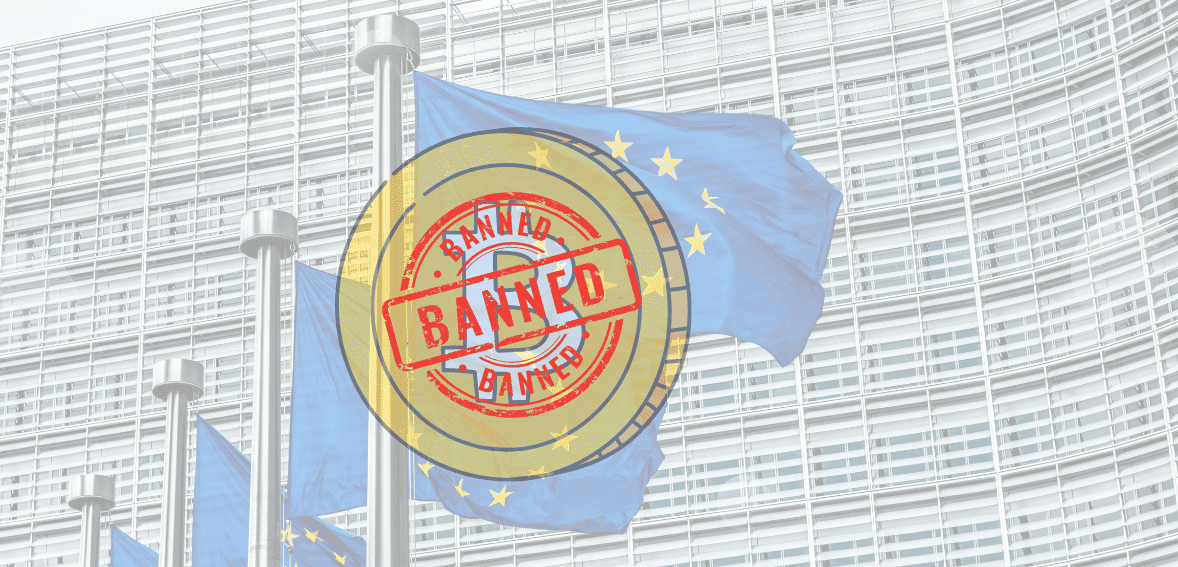
The ECON or Committee on Economic and Monetary Affairs by the European Parliament has spent several days struggling with the proposed MiCA (Markets in Crypto Assets Regulation) to coordinate the approach of the EU (European Union) to cryptocurrency.
Recently, ECON went ahead with rejecting different versions of the legislative package containing what has been referred to as the ‘de facto’ ban on cryptocurrency mining. It is typically utilized by leading cryptocurrencies like Ethereum and Bitcoin.
An advisor who had been involved in the negotiation revealed that there had been two alternative compromises that had been linked to the weathered-down version of the ban on unacceptable and unsustainable protocols. The advisor added that the proposal that had been responsible for the existing mobilization would no longer be a part of the MiCA text. The advisor referred to the overall opposition from the cryptocurrency industry to all prospective bans on proof-of-work blockchains.
The vote towards rejecting language on the existing mining ban had been succeeded by the count of around 32-33, with 6 individuals abstaining.
What is POW or Proof-of-Work?
POW or Proof-of-Work is a dedicated system of rewarding the miners of cryptocurrency. In the existing system, every miner on the network is rewarded for lending their computer power to execute some transaction. POW is utilized by Bitcoin. While Ethereum continues moving to some different proof-of-stake mechanisms, POW continues to serve as the primary governing methodology on the given blockchain.
The POW system has been significantly reported to be highly energy-intensive because cryptocurrency miners are capable of using as much power as a data center. One study estimates that bitcoin mining will consume around 133.65 TWh of power annually.
The issue related to significant energy consumption turns out to be a major one for most countries, including China. China had recently banned crypto mining within the country. As per the reports of The Cambridge Index, bitcoin mining will end up ranking 27th in the entire world concerning electricity consumption if it serves to be a nation in itself.
On the other hand, a relatively newer form of cryptocurrency mining – referred to as POS or Proof-of-Stake, is known to be more energy-efficient. According to The Ethereum Foundation, it is estimated that POS will help reduce the overall energy consumption of the Ethereum Foundation by around 99.5 percent when the system completely shifts to the dedicated POS system.
Ban on Cryptocurrency Mining – Power Play
It is highly unlikely for Bitcoin to follow suit because Ethereum is famous and has an influential impact on pushing the development of cryptocurrency mining. Also, bitcoin does not have any pressing need in comparison to other cryptocurrencies.
Currently, around 15,000 node operators of Bitcoin are widespread across the globe, but it still hasn’t reached the coordination levels of Ethereum.
Crypto Mining and MiCA
The proposed cryptocurrency regulatory framework by the European Union has generated ample controversy for quite a long time.
As per the original arrangements, the legislative package was expected to include a dedicated section that called upon the respective proof-of-work blockchains to meet minimum standards for environmental sustainability. They were expected to be mined, used, or exchanged within the borders of the European Union.
However, some lawmakers of the European Union were not content with the decision. On February 28th, the vote got delayed amidst the fears that the package might have been misinterpreted in the form of a de facto ban on Bitcoin, according to Stefan Berger – the Chairman of the Economics Committee of the European Parliament.
Recently, the European Union went ahead with rejecting a deeper version of the original text observed by Decrypt and listed by the European Green Party. The reviewed proposal went ahead with stating that cryptocurrency assets should be subject to ensuring minimum standards for environmental sustainability. It will be by the respective consensus mechanism that is utilized for the validation of transactions, before the issue, admission, or offering to trade within the European Union.
The Environment and Proof of Work Mining
Proof-of-work cryptocurrency mining is utilized by some of the largest cryptocurrencies including Ethereum and Bitcoin. The concept has generated ample scrutiny from major environmentalists from all corners of the globe.
According to Cambridge University, bitcoin is known to consume more units of electricity every year than most of the major countries in the world. Based on the source of energy being used, it could leave a significant carbon footprint.
Previous research by a team at Decrypt revealed that the greenhouse gas emissions due to Bitcoin mining are equivalent to 60 billion pounds of coal that gets burned. They continued hoping that something would come up in the legislation that would end up opening the debate at least. The group also aimed to extend its discussion on specific measures that would be centered on addressing the overall environmental impact of the respective crypto assets.
Alex De Vries, Founder of Digiconomist, revealed in a statement that the vote of an individual might not be the last time everyone will watch authorities contemplate how to deal with the problem. The reality is that the cryptocurrency or bitcoin industry will have no subsequent plans to do anything about the issue, so these numbers will not get better on their own.
What is the Future?
Until now, ECON has only presented votes for approving the language of the legislative package. It has not voted on whether or not approval should be given to MiCA.
Whatever might be the case, even when MiCA goes through ECON, it will have to be agreed upon when discussing subsequent debates that involve the European Commission and the European Council.
The global business of BNPL or Buy Now Pay Later had laid out its report to announce its earnings and outlook. According to the latest survey of BNPL through Q4 2021, it is estimated that the global BNPL industry will be growing by around 60.7 percent on an annual basis and is expected to reach $409901 million by the end of 2022.
The overall story of medium to high-scale and long-term growth of the global BNPL industry is quite strong and reliable. The adoption of BNPL payment schemes is estimated to grow at a rapid rate and is anticipated to record a CAGR of 32.7 percent during the period of 2022 to 2028. The gross merchandise value of the global BNPL industry in the nation is expected to rise from $255147.1 million in 2021 and reach around $2240349.1 million by 2028.
BNPL Market in the Asia-Pacific Region
The market of the BNPL industry in the Asia-Pacific region has recently recorded major growth during the past 4-6 quarters. Asia takes pride in being home to some of the leading BNPL companies in the world, with nations like China, Australia, Indonesia, Malaysia, and Singapore having estimated stronger demands for BNPL payment schemes during the time frame.
It is believed that a large-scale younger population is significantly driving the overall demand as well as market growth opportunities. The experts believe that with the ever-increasing demands for BNPL payments and transactions, the region of Asia-Pacific will be attracting more investment – both in the short-term and long-term perspective.
In Europe, the concept of BNPL payments is becoming increasingly popular amongst consumers because of the overall rise in consumer preferences towards deferred payment for online shopping experiences. Consumers prefer BNPL transactions due to the widespread convenience and affordability the concept has to offer. Consumer credit, after pay, or BNPL transactions allow consumers to pay money only once they have met their specific expectations. Some of the major players involved in the BNPL industry across the globe are Splitit, PayPal Credit, and Klarna.
BNPL Market in the Middle East and Africa
The adoption of the BNPL products and services has been on the significant rise in the Middle East and Africa regions, and has recorded a rapid rise in the period of last 4-8 quarters. A number of global BNPL giants and startups continue offering a wide range of innovative products along with deferred payment services for end customers in the area.
At the same time, the adoption of BNPL payment systems from merchants’ end is also on the rise. This is because an increasing number of consumers are demanding the ease of BNPL payments – both for online purchases and in-store shopping experiences.
BNPL Market in the Latin American Region
The Latin American region has also been successful in recording substantial growth within the BNPL market in the last 4-8 quarters. The region has experienced significant growth amongst both consumers and merchants. Experts believe that the ongoing trend is going to thrive in terms of both short-term and long-term perspectives, as consumers from the end of an informal economy perceive the revolutionary payment mechanism to receive ample credit.
BNPL Market in the United States of America
In the period of the previous 4-8 quarters, the overall popularity of BNPL transactions has increased significantly in the United States as well. The ever-growing need for dividing the costs of purchases, and the advent of the global pandemic has resulted in the widespread adoption of the BNPL method or payment trend. Some of the leading providers of BNPL services in the country are PayPal, Klarna, Affirm, and Afterpay. The rapid growth in volumes of the respective BNPL payment providers has also been driven in specific parts by the sudden increase in online shopping due to the pandemic.
Leading BNPL giants or players continue redesigning the respective products and services to improve the market share in the United States. As competition in the BNPL market in the United States continues to grow, service providers look forward to innovating this service to ensure improved flexibility and more traction from the end customer.
Some of the instances to consider in the context are:
In November 2021, Afterpay – a leading BNPL service provider, made the announcement that the organization will be introducing installment payment services for subscriptions across the United States. The organization further announced that users could use BNPL payments on gym memberships, entertainment subscriptions, and other types of online services. The organization is also expected to extend its BNPL services in Australia and the United States by the end of 2022.
An increasing number of initial merchants that might offer this type of service in the United States are Savage X Fenty, IPSY, BoxyCharm, and Fabletics. In addition to ensuring payments for subscriptions, the organization aims at offering BNPL payment services for other pre-ordered items as well. This way, the consumer is capable of paying in four installments once the product has been shipped.
As of November 2021, Afterpay has been successful in partnering with around 100,000 retailers- boasting the presence of over 10.5 million users on the platform in the regions of North America. It is one of the largest regions with respect to underlying sales.
Affirm – another leading BNPL service provider, reported a major boost in the overall business performance outlook for 3rd quarter and entire 2022 from the original version. The company revealed that its fiscal quarterly financial performance has exceeded overall expectations. The company featured stronger GMV (Gross Merchandise Volume) with the help of enterprise partnerships. It is estimated to be a minimum of $3.71 billion for the ongoing quarter.
Buy Now Pay Later, or BNPL, has gone from a niche payment method to one of the leading trends in the payment industry in just the past few years. One study estimates that BNPL transaction volume will reach the $680 billion mark by 2025, and it is expected to serve as the mainstream mode of payment in future as well.
The overall need to balance oversight with consumer safety, along with impending regulation will give way to the rise of all-new innovations and business models. With competition heating up and new players entering the market, banks will effectively get into the relevant action to ensure the protection of the entire market share.
Top Trends Revolutionizing the BNPL Industry
Although the concept of installment payments is not new, the concept of BNPL brings the payment method into the digital age by allowing retailers to offer installment payments for any service or product – both in-store and online.
The rapid surge in BNPL transactions has been attributed to a number of factors – from omnichannel application of the technology to its flexibility, increasing merchant adoption, and loyal young customers. Some of the latest trends to observe in the BNPL industry are:
BNPL Expanding Across Industries
There are some key differentiators between different BNPL services. This is because the model is typically based on two core aspects: ability to divide payments in equal proportions and the ability to ensure later payments. This makes the overall process easy to replicate across multiple industries. As such, BNPL companies tend to differentiate themselves by launching within new markets – whether it is fintech, travel, B2B trading, healthcare, cryptocurrency, blockchain, or insurance – and all of these industries are hopping on the BNPL bandwagon.
For example, Klarna – a leading Swedish fintech company – recently partnered with Expedia to allow travel-related customers to “travel now, pay later”. The company also acquired Inspirorock – an online travel and trip planner that makes use of AI to recommend trips to travelers based on their specific interests. Another financial company called Affirm has partnered with American Airlines to create a “fly now, pay later” concept.
BNPL technology continues to expand amongst other industries as well, like Ascend – who aims to expand BNPL commercial service with the help of payment APIs for automating end-to-end insurance related payments. Another is Walnut, a fintech startup that has worked with healthcare providers in the USA to allow patients to utilize BNPL for healthcare costs.
Banks Entering the BNPL Market
Banks are observing how some consumer loan and credit card revenues are taken over by BNPL service providers, making it the perfect time for them to enter the BNPL market. As banking is a highly regulated industry, not only are banks expected to be experienced in credit underwriting and regulatory compliance, but they should also have access to the customer base and data necessary in order to compete in the existing market.
Banks are also well-positioned to personalize BNPL offers for customers depending on their risk profile with the help of financial data. Some banks such as Revolut, Monzo, Santander, and Barclays have already paved the way for entering the BNPL market.
For example, Santander launched Zinia – its own BNPL in Germany that allows shoppers to divide their purchases into interest-free monthly payments. Monzo has also launched its own product called Flex, which allows up to 3 interest-free installments
As regulations continue evolving, one can observe a number of banks entering the BNPL market, whether it be through acquisitions, partnerships, or the development of in-house solutions. Whatever might be the marketing strategy of the banks, they will have a better chance of success if they are capable of integrating across the complete purchase journey of consumers and the integrations that they adopt will continue contributing to engagement and scale. At the same time, it will also deliver improved visibility into the credit behavior of consumers.
Open Banking Transforming Affordable Checks and Credit Risks
Most BNPL providers out there tend to use standard credit assessments such as previous repayment history and soft credit checks to determine consumer eligibility, and the practice is expected to motivate changes to regulatory oversight in the industry. For example, in the United Kingdom, the FCA or Financial Conduct Authority seeks affordability to become aligned with proper credit risk checks to balance existing risk with a satisfactory customer experience.
Fraud systems in the payment industry should be capable of analyzing data in real-time and generating accurate predictions related to credit risks without compromising on the entire merchant checkout experience. With the help of real-time open banking access to customer data, decisioning software, and predictive analysis, BNPL providers are able to successfully assess the creditworthiness of end customers. More importantly, they are able to deliver frictionless consumer experiences.
BNPL should come up with a proper Open Banking strategy for building the platform and partner with third-providers to ensure acquisitions toward regulations. Open Banking will help in transforming the manner in which affordability checks and credit risks are executed, and allow BNPL providers to ensure highly accurate lending and affordability decisions.
Conclusion
BNPL or Buy Now Pay Later is continually expanding across multiple industries and continues to compete with banks and financial institutions for revenue shares. Banks, along with large competitors making an entry into the BNPL market, should effectively look into effective strategies in order to be able to compete within the industry.
In the modern era, ‘digital’ is the talk of the town. We come across terms like digital data, digital transformation, digital marketing, and so on. Everyone wants to adopt digital. What is digital transformation? What are its benefits to different industries?
What is Digital Transformation?
Digital transformation is the effective integration of high-end digital technology into different areas of any business, resulting in fundamental changes to the way in which businesses operate. Organizations across different industries can benefit from rapid digital transformation. It allows businesses to conceptualize legacy processes, ensure efficient workflows, improve security, and enhance profitability.
It is estimated that around 90 percent of businesses across the world conduct operations on the cloud. As companies continue migrating data to the cloud, a majority of what is required to be done is only replicating existing services in the digital format. However, true digital transformation is much deeper than that. In-depth digital transformation should be transformative throughout the organization, involving the creation of a dedicated technology framework to streamline these data and services into meaningful, actionable insights. The framework designed should be capable of improving almost any facet of the entire organization.
Instead of only migrating data to the cloud, organizations can harness digital transformation to re-evaluate as well as optimize different processes and systems. This will ensure that organizations are interoperable and have ample flexibility to deliver robust business intelligence while setting the future for your company.
Why is Digital Transformation Important?
Digital transformation is responsible for changing the way an organization operates. Workflow, processes, culture, and systems within an organization become integral parts of the process of digital transformation. The transformation is responsible for affecting all possible levels of an organization while bringing together data across specific areas to work more efficiently.
By leveraging the benefits of advanced processing and workflow automation, including Machine Learning and Artificial Intelligence, organizations are capable of connecting the dots across the customer journey in new ways.
Top Benefits of Digital Transformation
For most organizations, the driving force behind digital transformation is related to costs. Moving data to some public, private, or hybrid cloud environment will help in reducing operational costs. It minimizes software and hardware costs while allowing team members to focus on other core projects of the organization.
Improved Data Collection
A number of businesses have to gather huge amounts of data. The real benefit lies in optimizing existing data to ensure in-depth analysis for driving the business forward. Digital transformation helps in creating a system for collecting relevant data while incorporating it to ensure business intelligence at some higher level.
Analyzing how customer data is collected, stored, evaluated, and shared as a part of the digital transformation process is important. As organizations analyze the customer journey as an integral part of digital transformation, they should think about how they can offer clients improved autonomy over their data.
Better Resource Management
Digital transformation helps in consolidating resources and information into a single suite of important tools for organizations. Instead of dispersed databases and software, the process helps in consolidating company resources and reducing vendor overlap. Digital transformation is capable of integrating databases, software, and applications into a centralized repository for improved business intelligence.
Digital transformation is not any specific functional or departmental unit. It is important to optimize as well as secure data at all possible departments. Organizations should also equip teams with high-end, easy-to-use tools to execute the job effectively.
Improved Customer Experiences
Customers in the modern era have higher expectations for digital experiences. Consumers are habituated to having endless options, faster delivery, and low prices. CX or Customer Experience is the all-new battleground for modern brands. As per a report, over two-thirds of organizations reveal that they are competing significantly on the overall customer experience.
CX has evolved as a major driver for ensuring sustainable business growth. One effective way of differentiating your brand from customers is to analyze that you pay attention to their privacy. Offer customers ample control on how their data is gathered and used while empowering them with relevant autonomy to ensure decisions around the data.
Data-driven Customer Insights
Data is the key to unlocking important customer insights. By effectively understanding the customers and their specific needs, you can come up with a relevant business strategy that is highly customer-centric. With the help of both unstructured and structured data, including social media metrics, such insights can help in driving maximum business growth.
Data allows strategies to deliver highly relevant, agile, and personalized content,
Collaborative Digital Culture
By offering team members the right tools, customized to your work environment, the process of digital transformation helps in encouraging a digital culture.
While these strategies and tools offer a seamless way to ensure collaboration, they also help in moving the entire organization digitally. The digital culture shift is important for businesses to be sustainable throughout. It enforces digital learning and upskilling to team members for leveraging the benefits of digital transformation.
Better Agility
Digital transformation makes organizations highly agile. Businesses can look forward to improving agility with effective digital transformation to enhance speed-to-market and make use of CI (Continuous Improvement) strategies. This allows for rapid adaptation and innovation while offering a dedicated pathway to ensuring improvement.
Improved Productivity
When you have access to the right technology tools working together, it can help in streamlining overall workflow and improving productivity. When manual tasks are automated, and integration of data takes place across the entire organization, it empowers respective teams to function efficiently.
Getting Started with Digital Transformation for Your Organization
A digital transformation strategy can be regarded as a dedicated plan of action for analyzing, introducing, and driving the digital transformation initiative forward. Coming up with a strategy will help in defining what business goals you wish to achieve with the help of digital transformation. A proper digital transformation strategy will help in creating a framework for following the ever-evolving process.
Running a business is challenging, and there can be instances where some are searching for ways to increase the turnover of a business. Although recurring billing is commonplace, it is still avoided by many businesses. As such, this could mean that the company is missing out on revenue regularly. Recurring billing can significantly boost cash flow and customer lifetime value for businesses in 2025. The subscription economy has unlocked a lucrative revenue stream — it’s estimated at $3 trillion globally in 2025.
Companies from e-commerce retailers to SaaS vendors, streaming services to online educators, are adding subscription and membership options. Implementing these models well can turn one-time buyers into loyal, repeat customers. However, succeeding with recurring billing in 2025 requires attention to new challenges and trends.
The following is an overview of steps that can be taken to introduce recurring billing into a business model and use it effectively.
More Revenue Using Recurring Billing
Be Aware of The Challenges
Although recurring billing is a fantastic way of collecting more revenue, it is vital to be aware of the challenges that could be faced. When subscriptions have varying renewal dates or when promotional pricing ends, you need systems in place to deliver products or services on time and bill correctly. Customer churn is another reality. Across industries, average subscriber churn hovers around 4–5% per month, meaning nearly one in twenty customers may cancel monthly. Consumer-facing sectors often see even higher churn: for example, digital media subscriptions had roughly 6.9% monthly churn in 2023.
These figures underline the importance of planning retention strategies up front. Use analytics to track usage and cancellations, and define clear renewal and exit processes so changes are not disruptive. Being aware of these challenges lets you prepare contingency plans (e.g., automated notifications for renewals or flagging at-risk accounts) to keep revenue steady.
Ensure Security Is the Best it Can Be
Regardless of the product or service being sold using recurring billing, the security of the website needs to be the best it can be. As well as instilling confidence in customers entering their details, it also ensures the sensitive information doesn’t fall into the wrong hands, which will do little to raise the profile of a brand.
Use a PCI-compliant payment system or subscription platform that tokenizes credit card data – this way, actual card numbers never reside in your database. Many billing providers offer a secure “vault” to store cards, which greatly simplifies PCI-DSS compliance. Encrypt all data in transit and at rest, and implement fraud prevention measures (such as 3D Secure or machine-learning fraud filters). Remember that subscription businesses are attractive targets for hackers since they hold stored cards. In practice, rely on proven payment gateways and update them regularly. Keeping security strong not only protects customer trust, it also avoids costly breaches and fines.
Provide Clear Terms and Contracts
Transparency is key to avoiding disputes and cancellations. When customers sign up for a subscription, give them a clear agreement or terms of service that outlines billing frequency, price (including any future price changes), refund policy, and cancellation rules. Many jurisdictions now require auto-renewal terms to be disclosed clearly (bold or larger font), so make sure your checkout and confirmation emails summarize the plan details. It’s best practice to email subscribers each invoice or renewal notice; this reminds them of the upcoming charge and provides an easy link to manage or cancel if needed.
By setting expectations (for example, “Your membership will renew automatically every 30 days at $X. You can cancel at any time.”), You reduce the risk of chargebacks and build trust. Providing a customer-friendly portal or account page for viewing and accepting the agreement is also effective. Clear communication about terms keeps customers informed and prevents misunderstandings.
Diversify Payment Methods and Streamline Billing
Make it easy for customers to pay and prevent failed transactions. In 2025, consumers expect to pay with digital wallets and alternative methods. Over half of Americans already use mobile wallets (Apple Pay, Google Pay, etc.) more often than traditional cards. Enable these wallet options alongside cards and ACH/bank debits. Payment surveys predict that QR-code checkout (33% of merchants), Buy-Now-Pay-Later plans (25%), and even cryptocurrencies (21%) will gain traction.
While BNPL isn’t typically used for recurring charges today, just accepting it on initial orders can capture more customers. At minimum, support major credit/debit cards, top mobile wallets, and local popular methods (e.g., PayPal, SEPA, UPI, etc.), so you don’t lose sales to payment friction. Equally important is handling failed payments gracefully.
A common cause of involuntary churn is expired or declined cards. Provide customers with an easy way to update expired cards or switch payment methods (e.g. a link in their account settings or reminder emails). Use your processor’s account updater service to refresh changed card details automatically. Also implement smart retry and dunning processes: if a payment fails, send polite reminder emails and retry the charge after a short interval. These tactics pay off: one subscription platform reported saving 72% of at-risk subscribers with recovery events (dunning emails and retries), resulting in an 8.6% lift in revenue. By broadening payment options and automating decline handling, you’ll reduce churn and keep monthly revenue more consistent.
Consider Products and Services That Can Be Used for Recurring Billing
Almost any consumable or ongoing service can be sold on a subscription basis. Look beyond the obvious SaaS or streaming examples. Think in terms of repeated customer needs. For instance, you could offer:
E-commerce Consumables: Set up “replenishment” subscriptions for products that run out regularly. This could be pet food, vitamins, coffee, personal care items or office supplies. Customers love not having to reorder these items manually.
Subscription Boxes: Curated monthly boxes (beauty, snacks, books, hobby kits, etc.) continue to grow. A personalized box can delight customers and create a habit. Offer customization so subscribers feel it’s tailored to them.
SaaS and Digital Services: The classic model. Offer tiered plans (basic, premium, enterprise) with monthly or annual billing. Consider usage-based add-ons (e.g. extra storage or premium features for an additional fee). For example, many accounting or marketing tools charge a base rate plus per-seat fees.
Education & E-Learning: Charge a monthly membership for access to a library of courses, tutoring hours, or professional training content. Many online learning platforms now bundle courses and charge a recurring fee. This can open your market to customers who prefer smaller monthly payments over a large one-time course fee.
Digital Media & Entertainment: Streaming video, music, podcasts, and digital news sites are obvious examples. You can also sell premium tiers (ad-free, offline access) or exclusive content via subscription. Think beyond media giants: even niche content creators (e.g. specialty magazines, indie game developers) can use membership fees.
Other Services: Many physical and service businesses are adding subscriptions. This includes gyms and fitness apps (monthly membership), meal-kit deliveries, automotive services (routine maintenance plans), pet-care services, or even curated fashion rentals. Even traditional retailers can add VIP clubs or maintenance programs on a subscription basis.
A recent study predicts that by 2025, about 75% of direct-to-consumer (DTC) businesses will offer some kind of subscription service. Meanwhile, customers value subscription models: in 2024, the average consumer had over 8 active subscriptions.
These trends mean it’s never been easier to justify finding a way to offer recurring billing in your niche. Audit your products and services for opportunities – you might discover new revenue simply by packaging things differently.
Recurring Billing Can Be Used for Gift Subscriptions
Practicality and affordability can be two of the most important components of a gift, so a subscription that allows people access to products and services they love can yield increased revenue for a business. The global gift market is worth tens of billions – for example, about $72.6 billion in 2024.
You can capture some of this spend by making your subscription a gift. For instance, allow customers to purchase a 3-, 6- or 12-month prepaid subscription as a gift card or package. E-commerce sites do this by selling gift vouchers that auto-apply to a recurring plan when redeemed.
Bundles also work: offer a “starter kit” or welcome box for new subscribers, or partner with other brands to create co-branded gift subscriptions (e.g. a coffee company and a book club). Promote these especially around holidays, birthdays, and special events. By marketing subscriptions as gifts, with enticing options and packaging, you attract one-time buyers who can become recurring customers.
Recurring Billing in Digital Media and Entertainment
The media and streaming industry exemplifies how powerful recurring revenue can be. Platforms like Netflix, Disney+, Spotify and others have hundreds of millions of paying subscribers worldwide. Video streaming alone is a massive market: global streaming revenue was about $129.3 billion in 2024 and is projected to reach $416.8 billion by 2030. It’s no surprise 88% of U.S. households now have at least one paid video streaming subscription.
For any business with digital content, adding subscriptions is critical. Consider offering subscription packages or bundles of content (for example, grouping back-catalog movies, podcasts, or premium articles). Create multiple access tiers (e.g. basic/standard/premium or monthly/annual) and highlight features like ad-free viewing or offline access. The data shows consumers are willing to pay: on average, people spend about $61 per month across roughly four streaming services.
To capture your share, focus on convenience and content — for instance, exclusive releases, bundled memberships with partners, or special rates for longer commitments. Flexible access (paying monthly) is especially attractive in media: a recent survey found 63% of subscribers prefer monthly billing over annual plans
Offer Flexible Plans and Billing Options
Flexibility can dramatically improve retention. Offer multiple billing cycles (monthly, quarterly, annual) so customers can choose their preferred commitment. It’s common to discount longer-term plans, but don’t force annual billing if customers want to pay-as-you-go. Surveys show 46% of subscribers would stay if allowed to downgrade to a lower plan instead of leaving, and 39% would stay if they could pause their subscription.
With this in mind, build features like “pause” or temporary hold on subscriptions (often used in fitness or meal plans). Allow easy plan changes (upgrading or downgrading tiers) without penalties. Also offer add-ons or one-time purchase upgrades (e.g. gift a workout class, book an expert session) to let customers customize their plan. In short, the easier you make it for customers to adjust their plan to fit their needs, the less likely they are to cancel entirely. Tracking trials and new sign-ups by plan type can also reveal which options are most appealing, so you can refine your offerings over time.
Proactively Engage Customers at Renewal and After Cancellation
Don’t wait until a subscription lapses to reach out. As a subscriber’s term nears its end (or a free trial expires), engage them: send an email or notification checking in on their experience. Ask for feedback (“We hope you’re enjoying X. Can we do anything to improve your experience?”) and be ready to act on it. Offer a limited-time discount or bonus if they renew (e.g. “Renew now and get 10% off your next 3 months”).
Small gestures at renewal time can pay off: research shows 63% of subscribers will stay if given an attractive offer at renewal time. Even after cancellation, keep the door open. Many customers return when their circumstances change or your offerings improve. In fact, studies find up to 20% of people who cancel a subscription reactivate it within six months. They might come back with new pricing or added features. To capitalize on this, maintain a “win-back” campaign: add cancelled accounts to a nurture list and periodically send them updates on product news, special promotions, or changes they liked.
Also, make it easy to resubscribe (for example, by not deleting their account data immediately). Treat customer relationships as ongoing – check in with feedback surveys, loyalty rewards, and helpful content – and you’ll find many cancellations can turn into reactivations or positive reviews.
Leverage Automation, Analytics, and Smart Billing Tools
Use modern subscription management tools to automate the heavy lifting. A good recurring-billing platform can handle invoicing, payment collection, taxes, and compliance automatically. Look for systems with built-in analytics dashboards that track MRR (Monthly Recurring Revenue), churn, ARPU (average revenue per user), and other key metrics. These insights help you spot trends (e.g., which plan tiers lose customers) and make data-driven decisions. Many platforms now offer AI-driven features: for example, predictive analytics to identify accounts at risk of churning (based on usage patterns or payment history), enabling you to intervene early.
Equally, automate your dunning workflows: send scheduled reminder emails or SMS for upcoming payments and failed charges. Personalize these messages – for instance, a gentle “Your subscription renews in 3 days” or “Your payment failed; update details here” – to recover more revenue. One platform’s data shows that targeted recovery emails can reclaim nearly 50% of failed payments, extending subscriber lifetimes by over four months.
Finally, tie your billing system into marketing and CRM tools. When billing is integrated, you can trigger marketing campaigns (e.g. win-back offers) and personalize outreach based on subscription status. For example, if analytics show a segment of users is highly engaged but still on the basic plan, send them an upgrade offer. The combination of robust automation and constant measurement means you can fine-tune your strategy rapidly and focus on growth rather than manual billing chores.
Engage Customers and Build Loyalty
Even with automation, never underestimate the value of human-centered engagement. Use customer data to send personalized communications: birthday or anniversary discounts, usage tips, or thank-you notes for milestone renewals. Consider a loyalty or referral program that rewards long-term subscribers with perks (exclusive content, freebies, or credits). Engage subscribers outside the billing relationship too – for example, create a community (forums or social groups) or send newsletters featuring new features and how-tos.
As industry experts note, combining technology with a personal touch is most effective. Use affordable marketing tools like email automation, chatbots, and analytics to stay in touch at scale, but complement them with real human interaction on critical accounts. When customers feel valued and part of a relationship (not just a number), they’re much more likely to stick around and even become advocates for your brand.
Conclusion
In 2025, maximizing recurring revenue means balancing solid technology with customer-centric strategies. By securing payments, offering flexible options, automating intelligently, and continuously engaging subscribers, you turn one-time buyers into loyal, long-term customers. Applying the tips above — updated for today’s market data and tools — will help your business capture more value from every subscriber and grow sustainably in the subscription economy.
Frequently Asked Questions
What is recurring billing, and how can it grow my business?
Recurring billing lets customers pay automatically on a set schedule. It creates steady cash flow, makes revenue easier to predict, and turns one-time buyers into long-term customers.
What challenges should I expect when setting up recurring billing?
You’ll need to manage renewals, promo expirations, and failed payments. Customer churn is common, so plan ahead with retention strategies and automated systems to reduce cancellations.
How do I keep my recurring billing system secure and compliant?
Use a PCI-compliant gateway, encrypt payment data, and store tokens securely. Add fraud tools like 3D Secure and clearly explain payment terms to protect both your business and your customers.
Which payment methods should I offer for better results?
Support cards, ACH/bank debits, and digital wallets like Apple Pay or Google Pay. Adding Buy Now, Pay Later can also increase sales and average order value.
How can I reduce churn and keep subscribers longer?
Let users pause their subscription instead of canceling, and run win-back campaigns with special offers. These small steps can lead to big gains in retention.
The modern payment industry keeps evolving at a rapid pace. As more businesses go digital amidst the pandemic, the concept of virtual credit card payments is becoming the go-to business solution for businesses – both offline as well as online.
There has been an overall increase of around 85 million active virtual credit card payment users. The global economy has managed to improve during the second half of 2021, and most businesses are now in a better position to handle the pandemic now than they were during the first wave of the COVID-19 pandemic. For the payments industry, offering support to businesses as they plan their way beyond the COVID-19 pandemic will be an overarching narrative of 2022.
The Rise of Virtual Credit Card Payments 2022
Throughout the pandemic, the dependence of consumers on digital payment technology has made modern transaction methods quite an expectation rather than just a feature. It is estimated that over 80 percent of consumers using leading digital wallet options remain satisfied with those services. The methodology is known to extend past the sales of traditional B2C or Business to Consumer methods. However, nowadays, B2B or Business to Business organizations are becoming increasingly dependent on alternative methods of payments for sending and receiving funds to buyers and vendors.
The main component of the digital payment industry that is evolving rapidly is the concept of virtual cards. Businesses all around are beginning to understand the efficiency and importance of virtual cards for AP (Accounts Payable) and expense management operations.
Top Benefits of Virtual Credit Cards
Typically, a virtual credit card payment through a dedicated credit card will help you in performing all the core functions of a traditional card payment solution – only better.
Everything is carried out online. Therefore, it will include some basic steps towards adding money, performing transactions, paying buyers or suppliers, and so on. Some of the core benefits of ensuring virtual credit card payment solutions for businesses in 2022 are:
Improved Security
With the wide range of security challenges for traditional payment cards, physical credit cards have become quite a common target for fraud.
The main reason why virtual cards are considered more safe and secure is that you are capable of pre-setting a particular spending limit you would like to have at any time. There is also the option of terminating the account anytime you would like, with just a single click in case of any data breach. During every transaction, there is a one-time bank number to use for performing the payment.
In contrast to the ACH payments and checks, it can significantly help in improving the data security of the respective bank account details while protecting your privacy – even in the case of transactions. With the help of virtual cards, it is impossible to execute account theft on e-commerce.
E-commerce Convenience
Unlike conventional banking institutions with fixed working hours, virtual financial institutions work round-the-clock. Therefore, they can be on standby for international businesses whenever you require. The best part is that there is no need to waste time going to a physical branch. All you are required to do is make a few taps on your mobile device, and you can easily implement online transactions to make your business more efficient.
With virtual credit card payments, you can forget manual mistakes or paperwork. You can embrace streamlined accounts for ensuring that you are covered throughout. The single-issued virtual credit card enables the Accounts Payable department to focus on core financial matters and focus on your business.
Reduced Cost
A number of virtual banks or institutions deliver access to reduced fees needed for customers. With every amount that you spend, you can look forward to earning cash rebates for paying your buyers or suppliers, and virtual credit cards come at low or no cost.
As everything is executed online, the overall operating costs can be reduced with the help of virtual transactions. In turn, finance service providers will be charging less to customers.
Revolutionizing the B2B Digital Payment Space
Electronic payments are on the rise. It is estimated that more than 80 percent of B2B payments will go entirely digital by 2025. Accounts Receivable and Accounts Payable departments are increasingly shifting to digitization over complicated manual processes for completing vendor payments and improving overall cash flow. The innovative set of tools is offering B2B organizations improved consistency and transparency into how they are spending money or obtaining the highest revenues.
Virtual card payment is one such innovative application for revolutionizing the modern payment industry. The virtual credit card payment industry is expected to reach a value of around $6.8 trillion by 2026, a major jump from the value of $1.9 trillion in 2021. It is becoming increasingly popular amongst B2B firms relying on buyers to buy bulk items for the purpose of resale. This is because virtual credit card payment helps employers in tracking the business expenses of workers while setting spending limits for preventing fun exploitation or overspending.
To top it all, modern gig economies like food delivery or ride-sharing services can make use of virtual cards for appointing benefits of earned wages to contract-based workers.
Conclusion
The pandemic has accelerated the pace of digital payments while focusing on the shortcomings of outdated, complicated manual processes for a number of organizations around the world. Due to this, an increasing number of B2B companies are tapping into newer technologies like virtual credit card payments for improving the overall operations and security mechanisms for high-value transactions.
The digital shift during the ongoing pandemic has resulted in permanent behavioral changes amongst businesses and customers alike. Due to this, e-commerce transactions have accelerated while being anticipated to keep moving forward in the upwards trajectory – especially for B2B organizations.
With leading brands like Taco Bell and McDonald’s shifting toward pop culture and garnering a spot in social conversation, millennials have made food marketers realize that food is fuel.
The advent of the global pandemic only complicated the existing connection, however. Restaurants have been asked to ensure safer food delivery while minimizing overall contact. Later, as the category started getting crowded, restaurants all around were expected to execute this in a way that differentiated them across different channels.
The concept of loyalty programs in the restaurant industry came about in 2020. In most cases, consumers all around link loyalty programs – along with the discounts, convenience, and benefits that they provide – with improved customer experiences. In a recent study, it was revealed that around 69 percent of respondents claimed that loyalty programs brought them back to the restaurant culture.
An Insight into the Loyalty Programs in the Restaurant Industry
According to one report, it is estimated that around 47 percent of modern diners make use of at least one loyalty program. The overall share of consumers using loyalty programs in restaurants has increased by around 12 percent in 2022. The QSR segment has experienced the highest growth, with 24 percent of chain QSR customers using restaurant loyalty programs in 2022.
The increased utilization of loyalty programs can highlight the increasing number of lucrative reward programs in the modern restaurant industry. There are several restaurant chains that have already launched or improved their loyalty offerings to win over the existing market share, while generating return visits and improved spending.
For instance, Popeyes has recently come up with their first-ever loyalty program, and McDonald’s is planning to extend MyMcDonald’s Rewards in the upcoming months. Chipotle and Taco Bell are also committed towards enhancing the existing programs. The loyalty programs help restaurants target the consumer base that spends money most and market to them.
The Role of Loyalty Programs in the Restaurant Industry
It is possible that a highly saturated loyalty program can end up turning off some consumers who don’t want to dedicate space on their mobile devices for restaurant loyalty apps. However, it is believed that young consumers especially look forward to taking advantage of such programs. The leading loyalty program consumers are bridge millennials and millennials. They continue signing up for new loyalty programs quickly in comparison to other age groups.
A majority of modern diners do not appear to mind the inclusion of more applications to their smartphones. Around 60 percent of consumers who are already using at least one restaurant-based loyalty program revealed that they would consider spending more money on food orders from different restaurants if they had access to a dedicated loyalty program.
While a number of restaurants have launched different types of loyalty programs in the span of the past few years, research reveals that there is still more room for growth. Restaurants can still consider improving diner awareness. Both QSR and full-service customers are more likely to interpret program unavailability as a major reason for not using loyalty programs.
The Change in Consumer Behavior
Consumer behavior all around has experienced a major shift towards the concept of digital ordering, and modern habits are expected to stick around. Another report revealed that digital sales will be on the upward scale to span around 54 percent of the entire QSR business by 2025, a 70 percent increase per pre-COVID estimates. As consumers continue adopting the notion of digital ordering, the delivery of a dedicated loyalty program in a digital space can be a great way to incentivize end consumers to ensure returns.
It could also feature trials. According to a study, around 19 percent of consumers revealed that a loyalty program would be sufficient for them to try out new QSR, and 30 percent of consumers revealed that they would go ahead with downloading a restaurant app to get access to loyalty points.
Leveraging the Benefits of Loyalty Programs in Restaurants
Restaurants are rapidly turning to loyalty or reward programs to encourage the overall sales – especially amidst the pandemic-induced economic changes, as a number of diners are choosing to eat at home rather than dining out.
Coupons or loyalty rewards seek the attention of deal consumers. Loyalty programs – like a simple app-based service or a punch card – are aimed at targeting individuals who might have already visited the restaurant. It encourages them to return.
It is regarded as more budget-friendly to retain a customer than to bring in new ones. Therefore, loyalty programs help in delivering more ROI than other relevant marketing strategies, because it targets the customers directly, and not prospective customers.
At the same time, customers want to feel special. They are looking for a relationship with the brand and not just to do some transactions. Loyalty programs allow them to enter an exclusive group or club while helping them feel more connected to the brand. When a frequent customer receives an app notification that they have received a meal box combo or a free drink, they are more likely to return while spending money at the restaurant.
Conclusion
There are a multitude of options for loyalty programs for restaurants. It could include traditional punch cards and swipe cards to modern restaurant apps. Regardless of the approach adopted, the loyalty program can help in attracting and retaining repeat customers.
Repeat consumers serve to be the lifeblood of any restaurant. They could also depict the role of brand ambassadors. A loyalty program is helpful in ensuring that these customers keep coming back.
Restaurant Payment Resources covers restaurant loyalty programs alongside tips, POS and card fees, all in one place.
Cookie Consent
We use cookies to enhance your browsing experience, analyze site traffic, and support our marketing.You can accept all cookies, reject non-essential ones, or manage your preferences below. Learn more in our Privacy Policy.
Cookie Preferences
Manage your cookie preferences below:
Essential cookies enable basic functions and are necessary for the proper function of the website.
Name
Description
Duration
Cookie Preferences
This cookie is used to store the user's cookie consent preferences.
180 days
These cookies are needed for adding comments on this website.
Name
Description
Duration
comment_author_email
Used to track the user across multiple sessions.
Session
comment_author_url
Used to track the user across multiple sessions.
Session
comment_author
Used to track the user across multiple sessions.
Session
Google Tag Manager simplifies the management of marketing tags on your website without code changes.
Name
Description
Duration
cookiePreferences
Registers cookie preferences of a user
2 years
td
Registers statistical data on users' behaviour on the website. Used for internal analytics by the website operator.
session
These cookies are used for managing login functionality on this website.
Name
Description
Duration
wordpress_logged_in
Used to store logged-in users.
Persistent
wordpress_sec
Used to track the user across multiple sessions.
15 days
wordpress_test_cookie
Used to determine if cookies are enabled.
Session
Statistics cookies collect information anonymously. This information helps us understand how visitors use our website.
Google Analytics is a powerful tool that tracks and analyzes website traffic for informed marketing decisions.
Contains information related to marketing campaigns of the user. These are shared with Google AdWords / Google Ads when the Google Ads and Google Analytics accounts are linked together.
90 days
__utma
ID used to identify users and sessions
2 years after last activity
__utmt
Used to monitor number of Google Analytics server requests
10 minutes
__utmb
Used to distinguish new sessions and visits. This cookie is set when the GA.js javascript library is loaded and there is no existing __utmb cookie. The cookie is updated every time data is sent to the Google Analytics server.
30 minutes after last activity
__utmc
Used only with old Urchin versions of Google Analytics and not with GA.js. Was used to distinguish between new sessions and visits at the end of a session.
End of session (browser)
__utmz
Contains information about the traffic source or campaign that directed user to the website. The cookie is set when the GA.js javascript is loaded and updated when data is sent to the Google Anaytics server
6 months after last activity
__utmv
Contains custom information set by the web developer via the _setCustomVar method in Google Analytics. This cookie is updated every time new data is sent to the Google Analytics server.
2 years after last activity
__utmx
Used to determine whether a user is included in an A / B or Multivariate test.
18 months
_ga
ID used to identify users
2 years
_gali
Used by Google Analytics to determine which links on a page are being clicked
30 seconds
_ga_
ID used to identify users
2 years
_gid
ID used to identify users for 24 hours after last activity
24 hours
_gat
Used to monitor number of Google Analytics server requests when using Google Tag Manager
1 minute
Marketing cookies are used to follow visitors to websites. The intention is to show ads that are relevant and engaging to the individual user.
Facebook Pixel is a web analytics service that tracks and reports website traffic.