Kaspersky Labs, a significant antivirus provider, is on the verge of exiting the US market following a ban imposed by the US government. The Biden administration initiated this ban in response to heightened US-Russia tensions after Russia invaded Ukraine. Concerns had been raised about the potential for Russian authorities to compel Kaspersky to surrender user data.
The ban, which prohibits the sale of Kaspersky software in the US directly or through US-based resellers, took effect on July 20. A subsequent phase of the ban, set for September 29, will prevent Kaspersky from delivering security updates or software patches to its US customers, impacting the effectiveness of its antivirus products.
The Commerce Department designed the ban in two stages, providing US consumers time to transition to alternative antivirus solutions. As part of this move, Kaspersky has been added to the Commerce Department’s trade restriction list, which bars US companies from engaging in commerce with the Moscow-headquartered firm.
Key Takeaways
Ban Implementation and Impact: The US government banned the sale of Kaspersky software starting July 20, with a second phase on September 29 preventing security updates, affecting the software’s effectiveness for US customers.
Reason for the Ban: The ban was initiated due to concerns over potential data security threats, with fears that Russian authorities could compel Kaspersky to hand over user data amid heightened US-Russia tensions.
Kaspersky’s Response and Future: Kaspersky decided to cease its US operations, affecting fewer than 50 employees, after concluding that continuing business in the US was not feasible. The company had initially intended to contest the ban.
Broader Implications: The ban on Kaspersky adds to the ongoing US-Russia conflict and reflects the Biden administration’s heightened scrutiny of companies with potential links to foreign governments, including other firms like TikTok.
Kaspersky to Cease US Operations Following Commerce Department Ban
Cybersecurity company Kaspersky has announced the closure of its operations in the United States following a ban by the Commerce Department on the use of its software. Starting from July 20, Kaspersky will progressively shut down its activities in the US, as outlined in a statement from the company based in Moscow. This will also lead to the elimination of all US-based positions. The company later clarified that this action will affect fewer than 50 employees.
Kaspersky has been active in the US for nearly 20 years, actively supporting the nation’s strategic cybersecurity objectives by protecting organizations and individuals from constantly changing cyber threats. After a thorough review of the implications of US legal requirements, the company has made the difficult decision to cease operations in the US, citing that continuing business there is no longer feasible.
Kaspersky at first intended to contest the ban in court, staring at the time of the announcement that it does not engage in any activities that compromise US national security. The company also intended to use all legal avenues to maintain its operations and partnerships.
In June, the US Commerce Department implemented an unprecedented ban on selling Kaspersky’s antivirus software to US consumers, pointing to increased security and privacy threats due to the company’s headquarters in Russia. US Commerce Secretary Gina Raimondo noted that Russia has demonstrated not only the capability but also the intent to use companies like Kaspersky to gather and exploit Americans’ personal data.
Following the enforcement of this ban, Kaspersky will be prohibited from selling its software directly to US consumers or through US-based resellers, some of whom have voiced concerns that the ban negatively affects their businesses. Starting September 29, Kaspersky will also be unable to distribute software or security updates to its US customers, resulting in less effective antivirus protection.
The US government has added OOO Kaspersky Group (Russia), Kaspersky Labs Limited (United Kingdom), and AO Kaspersky Lab to its list of companies barred from doing business with US-based organizations.
Following an extensive investigation, US authorities also concluded that allowing the company to continue its operations in the United States poses a national security threat, given the Russian Government’s advanced cyber capabilities and potential to control or influence Kaspersky’s activities.
These prohibitions fuel the tension between the US and Russia, which worsens with each company departure. The Biden administration is also scrutinizing another firm, the social media platform TikTok.
Established in 1997 in Russia by Eugene Kaspersky, the prominent antivirus company serves over 400 million users and stands out as one of Moscow’s few IT enterprises to achieve international success. Kaspersky has refuted all accusations from the US government, stating that the decision was influenced by the geopolitical environment and hypothetical issues rather than being based on independent verification.
The US government had previously prohibited Kaspersky software from federal networks in 2017, at the time, media coverage suggested that Kaspersky Lab had accessed hacking tools from a National Security Agency employee, which subsequently found their way to the Russian government. In response, Kaspersky acknowledged discovering the code but asserted that it was not seen by any third parties. That ban was challenged in the court.
The recent scrutiny of its US activities underscores the increasing difficulties Kaspersky encounters in preserving its market share in the United States.
For American customers, Kaspersky’s winding down of operations necessitates a prompt search for other cybersecurity providers ahead of the Commerce Department’s deadlines. This cessation marks a notable change in the cybersecurity environment, leading American companies and government entities to explore alternative suppliers for their security requirements.
Kaspersky Lab is the world’s largest privately owned provider of endpoint protection solutions. It ranks among the top four global security solution vendors for endpoint users. The company is a leader in IT security, offering robust digital security solutions and threat management systems for individual consumers, small to medium businesses, and large enterprises.
The antivirus engine developed by Kaspersky also underpins products and solutions offered by other security companies, including Bluecoat, Check Point, Sybari, Juniper Networks, Clearswift, Netintelligence, Netasq, FrontBridge, Wedge Networks, among others. Kaspersky Lab’s headquarters are in Moscow, Russia, and it operates 30 regional offices across various countries including Austria, Australia, the Benelux countries, Canada, Brazil, France, China, Hong Kong, Germany, Italy, India, Japan, Taiwan, Korea, Kazakhstan, Malaysia, Latvia, Portugal, Poland, the Russian Federation, Romania, Spain, South Africa, Switzerland, Sweden, Ukraine, Turkey, the UK, the UAE, and the US.
Founded by Eugene and Natalia Kaspersky in 1997, Kaspersky Lab employs more than 2,500 people, including over 800 specialists in research and development. It provides security for more than 300 million users worldwide.
Conclusion
The recent US government ban on Kaspersky software marks a significant turning point in the cybersecurity company’s long standing presence in the American market. Prompted by security concerns and geopolitical tensions, the ban underscores the broader conflict between the US and Russia. As of July 20, Kaspersky is prohibited from selling its products in the US, with a further restriction on security updates taking effect on September 29. This phased approach aims to give consumers time to find alternative solutions.
The decision to cease US operations affects fewer than 50 employees and concludes nearly two decades of Kaspersky’s efforts to support US cybersecurity. While Kaspersky contests the allegations, stating the decision is politically motivated, the move highlights increasing scrutiny of foreign tech firms operating in the US. The broader implications of this ban may further strain US-Russia relations and signal future actions against other international companies.
Endpoint security systems detect malicious software and security incidents, issue warnings, automate investigative processes, and execute corrective actions. CrowdStrike stands out as a prominent figure in global cybersecurity, offering a flexible and extensive platform designed to address significant security challenges businesses face. This comprehensive guide will discuss and analyze some other effective CrowdStrike alternatives.
What Is Endpoint Security?
Endpoint security safeguards devices like smartphones, laptops, tablets, and desktop computers from cyber threats. Businesses use endpoint security systems to secure devices that employees use for work, whether these devices are connected to the cloud or to the company’s own network.
Each device that connects to a company’s network or cloud services can be a point of vulnerability, possibly allowing unauthorized access. Cybercriminals can exploit these points by deploying malware to access and steal sensitive information.
To counter these threats, organizations implement tools that manage cyber risks on these devices by detecting, analyzing, and blocking them. Current endpoint security solutions are often available as an Endpoint Protection Platform (EPP), incorporating various security measures such as advanced antivirus software, firewalls, and endpoint detection and response (EDR) systems.
Why Is Endpoint Security Essential?
Endpoint security is crucial for every organization to manage the risks associated with both local and remote devices. Each device that connects to the network may serve as a potential entry point for attacks, a risk that has grown with the increase in remote working and the expanding number of endpoint devices.
Attacks that exploit human errors, like phishing, are on the rise, while servers remain primary targets for attackers due to their critical role in operations. Data breaches can be costly, often resulting in millions of dollars in losses, primarily due to the revenue impact from disrupted business activities.
Robust endpoint security protects against such social engineering tactics and significantly narrows the possible points of attack. It establishes multiple protective barriers to ward off frequent attacks. Crucially, it equips security teams with the necessary tools to detect and address threats that evade initial defenses, thereby mitigating the consequences of security breaches.
An Overview of CrowdStrike
CrowdStrike is a global cybersecurity firm that provides antivirus and endpoint security solutions that are widely adopted by various international companies and organizations. Additionally, CrowdStrike offers services in threat intelligence and responses to cyber-attacks. Through its software platform, it offers cloud-based endpoint security. This platform is designed to prevent, detect, and respond to cyber threats. At the heart of CrowdStrike’s offerings is the Falcon platform, a unified, lightweight agent that is native to the cloud and enhances threat visibility.
The platform includes real-time monitoring and recording features that increase an organization’s awareness of its threat environment, facilitating easier identification and management of potential vulnerabilities.
Why Look for CrowdStrike Alternatives?
Recently, CrowdStrike was implicated in a significant incident linked to a Microsoft outage on 19th July 2024, impacting banks, airlines, and other businesses globally.
The disruption led to the widespread return of the infamous blue screen of death, traced to a flaw in a content update for Windows hosts associated with CrowdStrike’s Falcon Sensor software. This update introduced a file that altered the logic used to detect malicious actors, but unfortunately, it triggered problems exclusively within the Microsoft ecosystem due to a specific bug.
Despite this incident, several other factors might lead businesses to reassess their relationship with CrowdStrike:
Deployment Challenges
Setting up and configuring the CrowdStrike platform requires substantial technical know-how, which can be a significant hurdle for companies lacking a specialized IT team or those with minimal technical staff. Also, even though CrowdStrike is a cloud solution, it necessitates installing an agent on each device it protects. This requirement can lead to a labor-intensive and complex deployment process, particularly for large organizations with many endpoints.
Cost Concerns
CrowdStrike’s pricing is notably high, which can be a barrier for some businesses, particularly minimal-to-medium-sized enterprises, that may find the costs daunting. The company employs a subscription-based pricing strategy, which, while offering flexibility, may become costly over time compared to one-time purchase licenses. This model might not align well with organizations operating on limited budgets.
Incompatibility with Older Systems
Another limitation is CrowdStrike’s inadequate support for older legacy systems. Businesses that depend on such systems for essential operations might encounter compatibility issues with CrowdStrike’s technology. This incompatibility can prevent these organizations from fully integrating or benefiting from CrowdStrike’s security solutions.
Issue of False Positives
CrowdStrike occasionally misidentifies harmless activities as threats, resulting in false alarms. These erroneous alerts disrupt operations and consume valuable time and resources as staff investigate non-existent threats. A high frequency of false positives may also lead to alert fatigue, where real threats could be ignored due to frequent false alarms.
Essential Features to Look Out for in an Endpoint Security System
When selecting any endpoint security system, these features are essential for safeguarding sensitive information and maintaining transparency in cyber security efforts:
Firewalls and Access Management
The primary component of an endpoint protection strategy is the firewall. Today’s firewalls handle more specific responsibilities than older versions, particularly in distributed networks. As employees increasingly work outside the traditional office setting, the effectiveness of a centralized hardware firewall diminishes. However, this shift does not eliminate the need for firewalls to secure endpoint devices. These devices can be safeguarded through tailored access controls that govern device usage based on custom policies.
Additionally, the increasing variety in network endpoints necessitates a unique approach to protection. Like firewalls, ring-fencing restricts network access to specific applications, effectively isolating them to prevent the misuse of known and potential vulnerabilities. This approach leverages detailed policies tailored to individual users and devices to manage network access meticulously.
Threat Intelligence
Your security platform should integrate with external providers to enhance threat intelligence capabilities. The system should be able to collect and analyze data on current or developing threats from various sources, transforming it into actionable insights. Such intelligence offers real-time alerts and supports the development of anticipatory security measures to reduce risks.
Endpoint Device Tracking
Effective endpoint protection systems usually feature device tracking capabilities to address the risk of data breaches from lost or stolen devices. This feature is crucial not only for portable devices like laptops but also for others less prone to theft, such as printers and cameras.
Security tools need to monitor the status of these devices, even tracking them across different locations globally, and provide options for remote actions like wiping data if the device remains connected.
Cloud Storage and USB Protection
Endpoints frequently connect to cloud storage solutions, from local servers to major cloud platforms. Alternately, when cloud services aren’t used, USB devices become common for data storage and are also vulnerable to cyber threats. Security measures for cloud storage should guard against phishing, malware, and other attacks aimed at cloud infrastructure.
For USB devices, security protocols might include enabling or disabling connections, potentially prohibiting USB storage across networks, and extending to other types of USB-connected equipment. Implementing endpoint security that manages both cloud and USB interactions is advisable to ensure comprehensive protection.
Adaptive Protection
Adaptive protection in endpoint security dynamically adjusts to the evolving threat landscape. This type of protection leverages machine learning and artificial intelligence to analyze behaviors and identify anomalies that could indicate threats.
This proactive stance allows the system to detect and respond more effectively to advanced threats like zero-day attacks and ransomware. The technology continuously learns from new data, improving its predictive capabilities and thus fortifying the organization’s security posture against known and unknown threats.
Data Loss Protection (DLP)
Data Loss Protection is an integral aspect of advanced endpoint security systems. It ensures that sensitive information does not leave the secure confines of the network without authorization. DLP tools monitor and regulate data transfer across various channels through removable media, network exchanges, or applications.
By implementing stringent policies, DLP systems can prevent unauthorized file transfers, including through emails and collaborative platforms, and restrict access to sensitive data. This layer of protection is crucial for preventing data breaches and ensuring that critical information remains protected within the organizational network.
Content Control
The system you choose must have content control, as endpoint security systems allow for the granular management of web access across an organization. This can include blocking or allowing access to specific websites and managing the categories of content that can be accessed.
For example, categories such as adult content, gambling, and sites promoting violence can be specifically blocked to maintain compliance and protect network integrity. These systems ensure that organizational policies on internet use are enforced without requiring manual oversight for every decision, which helps mitigate potential legal liabilities and enhance productivity.
Reports and Alerts
Effective endpoint security solutions must include robust reporting and alert mechanisms to provide administrators with timely and accurate insights into the security health of their network endpoints.
These tools deliver detailed alerts and prioritized notifications about potential vulnerabilities, aiding in promptly identifying and mitigating threats. The availability of comprehensive dashboards and reports enhances visibility into the business’s security, allowing for quick responses and minimizing the risk of widespread damage from security breaches. Rapidly detecting threats is essential, as the longer a threat remains undetected, the greater the potential for extensive harm to the system.
Top 9 Alternatives to CrowdStrike Currently Available in the Market
1. Heimdal
Heimdal Endpoint Security offers extensive security features to protect devices from cyber threats. It includes advanced tools such as Next-Generation Antivirus, Endpoint Detection and Response, Application Control, Firewall, and Mobile Device Management. Heimdal provides a robust defense against malware, unusual activities, and unapproved applications.
Key advantages of using Heimdal include increased operational efficiency through automation, centralized control for easier management, and early threat detection. Additionally, it offers specialized security options for mobile devices. Heimdal Endpoint Security is designed for businesses and organizations of all sizes, addressing the complex cybersecurity challenges today’s enterprises face with effective and comprehensive protection.
Key Features of Heimdal
Content Control: Organizations can regulate web traffic using the Content Control feature, which blocks access to harmful or undesired websites through DNS filtering. This method intercepts harmful domains, reducing the risk of phishing and malware infections.
Custom Block Pages: When users try to visit blocked sites, they are greeted with custom block pages. These pages can be tailored with the organization’s branding and specific messages explaining access restrictions.
Application Control: This functionality allows for the management of application usage on endpoint devices by either approving (whitelisting) or denying (blacklisting) specific applications. This helps curb the use of unauthorized software, mitigates the risk of shadow IT, and ensures adherence to security protocols.
Patch Management: Integrated with Heimdal’s patch management system, Content Control ensures that all software and operating systems on network devices are regularly updated. This feature automatically installs patches and updates, minimizing vulnerabilities.
Proactive Threat Detection: Heimdal employs a proactive stance and offers detection capabilities through Indicators of Compromise (IOC) and Indicators of Attack (IOA) at the traffic layer. This preemptively identifies threats at the network level before they escalate to endpoint processes, thwarting potential attacks early.
Remote Device Management: Heimdal’s platform also facilitates remote management of devices, enabling administrators to locate, lock, or erase devices that are lost or stolen. This feature is essential for effective mobile device management (MDM), enhancing security for devices operating beyond the corporate network.
Heimdal Pricing
Heimdal Endpoint Security pricing details can be obtained by contacting their sales team. The licensing cost differs based on the subscription length, including monthly, yearly, three-year, and five-year options. Additionally, Heimdal offers a free demo that can be signed up for on their website.
2. Cynet
Cynet offers a comprehensive security package that safeguards against threats targeting endpoints and extends across your entire network. This system enables centralized control of endpoint security throughout your organization. With Cynet, proactive monitoring of your entire internal environment is possible, encompassing endpoints, networks, files, and hosts. This approach helps to minimize potential attack surfaces and reduce the chances of simultaneous attacks.
Next-Generation Antivirus (NGAV): Cynet’s NGAV offers enhanced threat protection by scrutinizing both static files and active processes. It effectively identifies and halts new malware types that bypass traditional antivirus tools by altering their binary signatures.
Endpoint Detection and Response (EDR): Cynet’s EDR system consistently monitors endpoints, delivering sophisticated threat detection and response. It anticipates potential attacker actions through ongoing monitoring and behavioral analysis, facilitating quick threat resolution and mitigation.
Automated Response and Orchestration: The Cynet platform features automated mechanisms for threat investigation and resolution, rapidly addressing all aspects of an attack throughout the network. This automation lightens the load on security personnel and accelerates the resolution of security incidents.
Deception Technology: Cynet employs deception to divert attackers from real assets to decoy setups. This strategy isolates the attackers, gathers intelligence on their tactics, and promptly notifies the security team.
Centralized Log Management: Cynet’s centralized log management automatically collects and analyzes essential log data, aiding in quickly and precisely detecting threats across the network.
User and Entity Behavior Analytics (UEBA): Utilizing artificial intelligence, Cynet’s UEBA identifies advanced threats, including file-less attacks and advanced persistent threats (APTs), by examining unusual patterns and suspicious behaviors in user and entity activities.
Cynet Pricing
Cynet offers two main cybersecurity packages with clear pricing. The Elite package includes an industry-leading XDR platform supported by 24/7 MDR, costing $7 per month per endpoint. Their All-in-one package provides a comprehensive Enterprise Security Platform backed by 24/7 MDR support, priced at $9 per month per endpoint.
3. SentinelOne
Unlike CrowdStrike, having the SentinelOne platform may prove quite challenging and time-intensive. It integrates Unified Endpoint Protection (EPP), Next-Generation Antivirus (NGAV), Extended Detection and Response (XDR), and Endpoint Detection and Response (EDR) with AI-driven automation, enhancing security across endpoints, cloud environments, and Active Directory identities.
Achieving full functionality requires installing several substantial agents, undergoing system reboots during setup, and manually configuring exclusions to address software compatibility issues. Furthermore, the lack of an automatic sensor update feature necessitates additional maintenance efforts.
While the platform employs AI and automation, these technologies are primarily utilized at the sensor level, similar to conventional antivirus systems. Overall, the system is crafted to identify sophisticated threats, serve as a firewall, and support Security Operations (SecOps) teams with incident response capabilities.
Key Features of SentinelOne
Proactive Threat Hunting with SentinelOne Active EDR: This feature empowers security analysts to actively seek out and mitigate potential threats within their network environment before they escalate. SentinelOne’s advanced search functions and extensive endpoint visibility facilitate the swift discovery of compromise indicators and enable thorough forensic analyses.
EDR Customization with STAR: The STAR module allows for tailored adjustments to EDR configurations and policies. It provides security teams with the tools to devise bespoke detection rules, set up response protocols, and handle exceptions, enhancing an organization’s security measures while reducing the likelihood of false alerts.
Rapid Incident Investigations with SentinelOne Active EDR: Designed for swift investigative and responsive actions, SentinelOne provides detailed insights into each threat, including processes, network connections, and file changes. These insights allow analysts to quickly evaluate threat severity, identify impacted systems, and determine necessary actions. The platform’s targeted search capabilities also aid analysts in focusing on specific investigative interests.
High-Velocity Threat Detection with Storyline Technology: SentinelOne Active EDR utilizes Storyline technology to enhance the speed of threat detection. It synthesizes data from diverse sources into a coherent narrative, simplifying the task for analysts to grasp the full extent of a threat. This automated event correlation expedites detection, minimizes manual analysis time, and quickens incident response.
Cloud Upload with Binary Vault: Integrating with Binary Vault, SentinelOne Active EDR offers a secure cloud space to store and analyze suspicious files for 30 days. This facilitates automatic cloud-based threat analysis to assess the risk of executable files, enhancing the ability to recognize threats and gather preemptively intelligence on evolving attack strategies.
End-to-End Attack Remediation: SentinelOne Active EDR employs AI technology for autonomous containment and remediation of threats. Its capabilities include isolating compromised files, severing harmful network connections, and restoring systems to their state before the attack occurred.
SentinelOne Pricing
SentinelOne provides various cybersecurity solutions at different pricing levels depending on the package selected. The prices per endpoint for each package are as follows: Singularity Core is priced at $69.99, Singularity Control at $79.99, Singularity Complete at $159.99, and Singularity Commercial at $209.99. For the Singularity Enterprise package, the price is available upon inquiry.
These pricing structures apply to environments with 5 to 100 workstations. Each package offers different features and services, catering to a spectrum of basic and advanced business security needs.
4. Microsoft Defender
If you use a Microsoft-based operating system, you should know about Microsoft Defender for Endpoint, their security platform. This system utilizes advanced AI, featuring “Copilot for Security” as a key feature. It processes 78 trillion daily signals from various sources, enabling it to detect new threats effectively.
This is one of the safest options available. Although Microsoft has had its share of subpar software releases, these have generally not caused significant issues. As one of the largest software companies globally, Microsoft has robust capabilities for developing fixes. Additionally, using Microsoft’s own security services can simplify aspects like customer support. Therefore, if consistent and reliable customer support is a priority for you, Microsoft Defender for Endpoint might be the optimal choice.
Key Features of Microsoft Defender
Endpoint Behavioral Sensors: Integrated within Windows 10, these sensors collect and analyze behavioral data from the operating system. The gathered information is then transmitted to a cloud-hosted, private version of Microsoft Defender for Endpoint.
Automatic Attack Disruption: This feature proactively disrupts ransomware attacks by blocking their ability to move laterally and encrypt remotely across decentralized devices.
Cloud Security Analytics: This capability leverages data from Microsoft’s extensive ecosystem, including online resources and enterprise cloud services like Office 365. Utilizing advanced big-data analytics and machine learning, it interprets behavioral signals to provide threat detections, insights, and recommended actions for mitigating risks.
Threat Intelligence: Contributed by third-party partners and Microsoft’s security experts and hunters, this intelligence is crucial for Defender for Endpoint. It enables the identification of specific attacker methodologies, techniques, and tools, generating alerts when these indicators are detected in the sensor data.
Microsoft Defender Pricing
Microsoft provides its Defender for Endpoint solution in two tiers: P1 and P2. The P1 plan emphasizes preventive measures and includes unified security tools under centralized management, such as advanced antimalware, device controls, and an endpoint firewall. The P2 plan encompasses all features of P1 along with additional capabilities like automated investigation and remediation, threat intelligence, and sandboxing. For pricing details, please reach out to Microsoft directly.
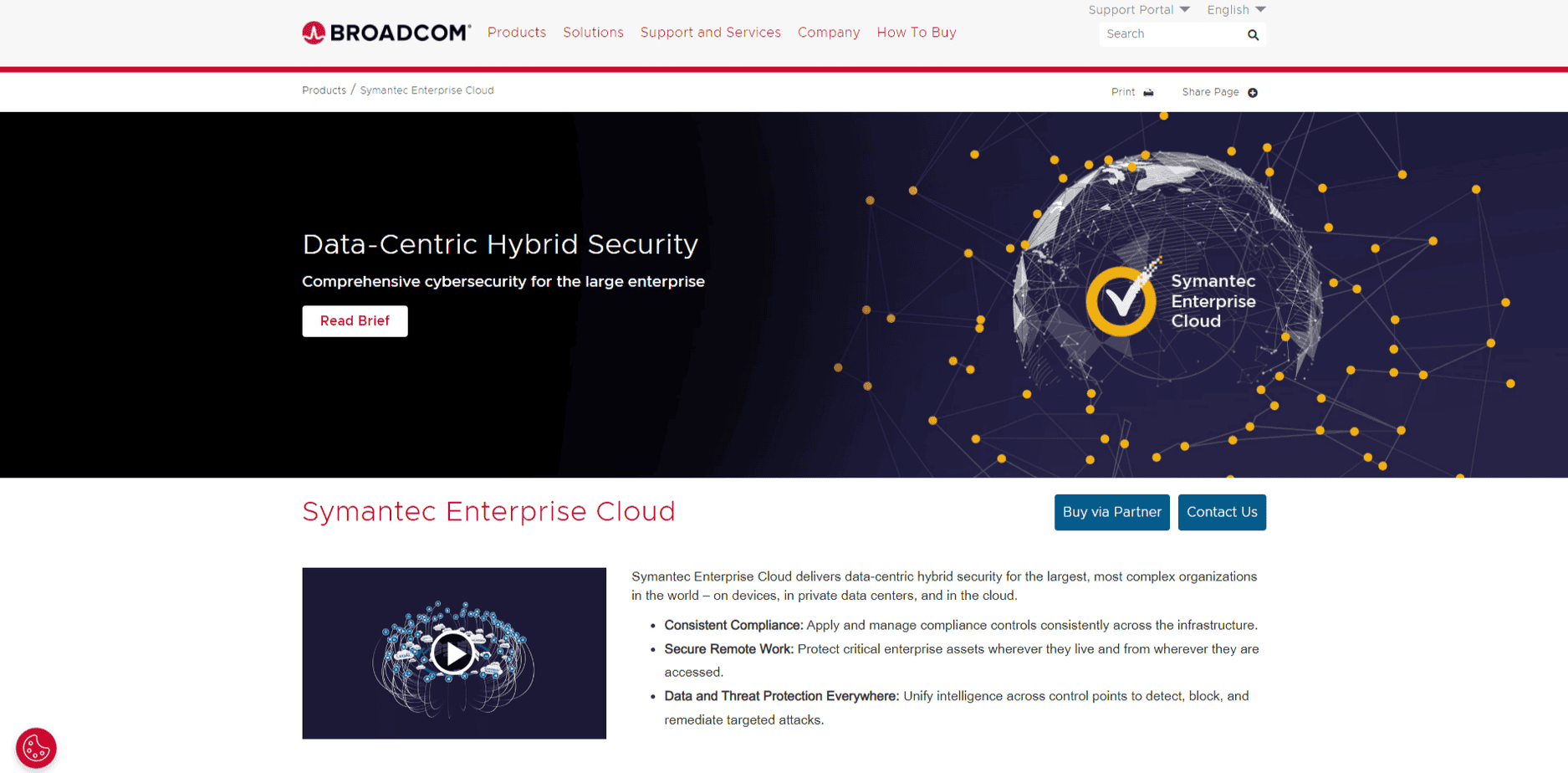
5. Symantec
Symantec provides various cybersecurity services, such as endpoint protection, cloud security, and threat intelligence. A key advantage of Symantec is its extensive threat intelligence network. This allows the company to collect and analyze data from diverse sources worldwide, offering businesses critical insights into potential threats. These insights help shape effective security strategies to address emerging risks.
The endpoint protection offered by Symantec employs a comprehensive strategy to guard against various threats, including malware, ransomware, and zero-day attacks. It features an automated threat response capability, enabling the system to respond to threats promptly.
Key Features of Symantec
Anti-malware and Antivirus Protection: Symantec Endpoint Protection employs multiple detection engines and behavioral analysis to identify and neutralize familiar and emerging threats. This proactive defense mechanism is effective against various types of malware, such as viruses, ransomware, and fileless attacks.
Intrusion Prevention System (IPS): The IPS feature actively monitors and analyzes network traffic to intercept and block malicious activities before they compromise your device. It plays a crucial role in thwarting unauthorized access and mitigating the risk of cyber attacks by detecting and neutralizing threats instantaneously.
Firewall Protection: Symantec’s integrated firewall oversees incoming and outgoing network traffic, blocking unauthorized access attempts. It enhances security by enforcing traffic rules based on established security protocols.
Application Control: This functionality enables organizations to manage application usage by authorizing (whitelisting) or prohibiting (blacklisting) certain applications. This control helps prevent malware infections and enforces compliance with internal software policies.
Data Loss Prevention (DLP): Included in Symantec Endpoint Protection, the DLP feature monitors and controls the movement of sensitive data to prevent unauthorized disclosure. This capability is essential for safeguarding intellectual property and adhering to data protection laws.
Endpoint Detection and Response (EDR): Symantec Endpoint Protection’s EDR capability provides comprehensive visibility into endpoint behaviors, facilitating swift responses to detected threats. It allows for quick identification, investigation, and resolution of security incidents, reducing the impact and downtime caused by such events.
Symantec Pricing
Symantec Endpoint Security does not offer a free version; the paid version costs $39 per year.
6. Palo Alto Networks
Palo Alto Networks stands as a significant competitor to CrowdStrike, particularly in the area of endpoint security. This company is recognized as a leader in the field and provides extensive solutions that can fulfill the requirements of almost any business. Like many contemporary cybersecurity firms, Palo Alto Networks incorporates artificial intelligence. Its “Precision AI” is designed to mitigate AI-driven threats from external entities, offering protection against bots that might scan networks for vulnerabilities. Palo Alto also includes all the standard features expected from a top-tier cybersecurity provider.
Palo Alto Networks boasts a notable list of high-profile clients, including Caesars Entertainment, Michelin, the Formula E racing team Envision Racing, and Autodesk. It is widely regarded as one of the major players in the industry and serves as a direct alternative to CrowdStrike for businesses considering a change.
Key Features of Palo Alto Networks
Next-Generation Firewalls (NGFWs): Palo Alto Networks equips its NGFWs with machine learning to tackle and avert elusive threats. These firewalls feature inline deep learning and are supported by the insights of the Unit 42 Threat Research team, enabling them to halt a wide array of threats, including zero-day and previously unknown threats, more effectively than traditional methods. This advanced technology not only decreases the number of security incidents but also enhances operational efficiency, providing a substantial return on investment.
Cortex XSIAM: Utilizing AI, the Cortex XSIAM platform augments the capabilities of Security Operations Centers (SOCs). It provides enhanced visibility into cloud assets and incidents through its Cloud Detection and Response (CDR) feature and is integrated with Prisma Cloud to streamline incident management. With support for over 1,000 integrations, the platform facilitates extensive threat detection and responsive actions across diverse environments.
Precision AI: Embedded within its various platforms, Palo Alto Networks’ Precision AI delivers self-reliant security solutions. This technology focuses on context-driven, actionable, and proactive security interventions that enhance operational efficiency and user experiences. Its AI-driven functions are critical in spotting vulnerabilities, securing AI applications, and ensuring comprehensive threat prevention.
Prisma Cloud: Prisma Cloud ensures the security of applications, data, and the broader cloud infrastructure. It incorporates AI Security Posture Management (AI-SPM) and runtime security to safeguard AI-driven applications against threats. This helps maintain data integrity and compliance throughout the application lifecycle, from development to deployment.
Private 5G Security: Palo Alto Networks offers robust security solutions tailored for private 5G networks, collaborating with partners such as Celona, Druid, and NVIDIA. These solutions provide critical visibility, enforce policies, and facilitate threat detection across enterprise devices utilizing 5G networks, ensuring that these networks are both secure and efficient.
Palo Alto Networks Pricing
Palo Alto Networks offers a range of cybersecurity solutions priced to accommodate businesses of various sizes and budgets. Prices start at around $3,000 for an entry-level package suitable for small companies or startups and scale up to between $50,000 and $100,000 for mid-sized companies.
Large enterprises requiring advanced security measures can expect to invest around $1,000,000 for the most comprehensive packages. These prices reflect the sophisticated technology and capabilities provided by Palo Alto Networks, representing a significant investment for prospective buyers.
7. ESET
ESET is a leading provider of endpoint security and antivirus solutions, known for its robust yet efficient products that cater to the security demands of organizations across more than 200 countries. Their flagship product, ESET Endpoint Security, is a cloud-based solution offering comprehensive protection capabilities to address existing and emerging threats. This platform utilizes ESET’s advanced machine learning technology, expert human insights, and a wide-reaching global threat detection network to deliver layered security protection.
ESET Endpoint Security includes several key components: a proactive anti-phishing module, threat detection mechanisms, a cloud-based scanning tool, an exploit blocker, and a bidirectional firewall. These elements are designed to meet general cybersecurity standards and the specific needs of various industries. The software is available in multiple versions, each with unique features tailored to enhance security for different operating systems and device types.
Key Features of ESET
Antivirus and Antispyware Protection: ESET provides comprehensive antivirus coverage, defending against online and offline threats. It effectively prevents the spread of malware within the network, safeguarding other devices and users.
Full Disk Encryption: ESET’s full disk encryption feature secures entire disks or specific partitions, protecting sensitive data. This is critical for businesses needing to adhere to data protection regulations and is available in the Protect Advanced, Protect Complete, and Protect Enterprise editions.
Cloud Sandbox: ESET utilizes a cloud sandbox environment to analyze suspicious files in a contained setting, protecting your network from zero-day threats and ransomware by preventing these potential threats from penetrating your system.
Endpoint Detection and Response (EDR): In the Protect Enterprise edition, ESET’s EDR capabilities offer real-time surveillance and response to security incidents and anomalies, equipping organizations with sophisticated threat detection and response tools.
Multi-Factor Authentication (MFA): To bolster security, ESET incorporates MFA, which requires additional verification methods before allowing access to systems, significantly reducing the risk of unauthorized entry.
Advanced Machine Learning: ESET leverages machine learning techniques both locally and in the cloud to efficiently identify and combat sophisticated threats, minimizing the impact on system performance and aiding in controlling advanced persistent threats.
Firewall and Botnet Protection: ESET’s firewall safeguards your network from unauthorized access, and its botnet protection halts malicious communications. Together, these features protect your network from the disruptions caused by large-scale botnet threats.
ESET Endpoint Pricing
ESET Endpoint Security offers three pricing plans. There is no free version, although a free trial option does not require a credit card. Discounts are provided and can vary depending on the number of seats and the frequency of the plan. The ESET PROTECT Entry is priced at $304 per year and includes file server security, modern endpoint protection, and a console for management.
The ESET PROTECT Advanced plan adds mobile threat defense, full disk encryption, and advanced threat defense for $396 per year. The most comprehensive package, ESET PROTECT Complete, costs $414 annually and encompasses cloud app protection, mail server security, and vulnerability and patch management. Each of these plans is billed annually.
8. VMware Carbon Black
VMware Carbon Black Endpoint Security is an all-encompassing endpoint protection platform (EPP) crafted to shield organizations from complex cyber threats like malware, ransomware, and other harmful attacks. Utilizing a cloud-native framework, it offers a comprehensive suite of tools for detecting, preventing, investigating, and reacting to environmental cybersecurity events. Its standout features include advanced behavioral analytics, real-time threat hunting, and flexible policy customization, making it an optimal solution for companies aiming to enhance their defenses amidst the evolving cyber threat landscape.
The platform utilizes Predictive Security Cloud (PSC) technology, a sophisticated big data and analytics cloud platform that processes customers’ raw data to identify potential threats. Carbon Black Cloud delivers SaaS-based services for threat mitigation and automated attack detection. This system employs a Zero-Trust approach, supporting risk-based security protocols and providing immediate insight into endpoint activities, establishing a strong endpoint defense record.
Key Features of VMware Carbon Black
Advanced Threat Detection and Response: VMware Carbon Black combines next-generation antivirus (NGAV) with behavioral endpoint detection and response (EDR) to tackle cyber threats. By leveraging behavioral analytics, it identifies and mitigates malicious activities before they inflict significant harm. This includes protection against sophisticated threats like fileless and malwareless attacks that traditional antivirus programs often overlook.
Consolidated Security Management: The platform merges multiple security functions into a single agent and console. This streamlines management reduces downtime and enhances the efficiency of overseeing security operations. Administrators benefit from a simplified process for monitoring and responding to incidents, improving overall threat detection and remediation efforts.
Adaptable Security Policies: VMware Carbon Black allows users to implement and tailor security policies to their specific requirements. While the platform provides predefined policies, users can also create, modify, and manage their own. This adaptability allows organizations to fine-tune their defenses to address evolving threats better.
Optional Managed Detection and Response (MDR): VMware Carbon Black provides optional managed detection services for organizations seeking additional support. These services offer ongoing monitoring and triaging security alerts, enhancing threat identification and mitigation. This is especially beneficial for organizations with limited internal security resources.
Advanced EDR and Threat Hunting: Enterprise EDR delivers advanced threat hunting and incident response capabilities. It offers continuous visibility into endpoint activities, enabling security teams to detect, investigate, and respond to threats in real time. This feature also supports comprehensive threat hunting by allowing analysts to search for compromise indicators across the network.
Vulnerability Management and Real-Time Assessment: VMware Carbon Black includes features for assessing vulnerabilities and managing endpoint risks. It performs real-time assessments and offers remediation tools to address vulnerabilities promptly. This proactive approach helps to minimize the attack surface and prevent potential exploits, enhancing overall security resilience.
VMware Carbon Black Pricing
VMware keeps the pricing for Carbon Black confidential. However, Carbon Black Endpoint partners offer it at various rates – $52.99 per endpoint per year for a one-year plan, and $38.40 per endpoint per year for a five-year plan.
A three-year subscription to Carbon Black MDR costs $32.99 per endpoint per year. Costs vary from $36 per endpoint per year for a 36-month commitment to Cloud Endpoint Standard to $90 per year for a 12-month subscription to Cloud Endpoint Enterprise.
9. Cisco Secure
Cisco Secure Endpoint is an all-inclusive endpoint security solution with built-in extended detection and response (XDR) and advanced endpoint detection and response (EDR) capabilities. Using cloud-native technology, this product effectively enhances the detection, prevention, investigation, and response to cybersecurity threats across various environments. It safeguards your hybrid workforce by delivering robust endpoint security powered by insights from 300,000 security customers and extensive visibility from a leading network provider.
Additionally, Cisco Secure Endpoint includes XDR functionalities, offering a cohesive view and simplified incident management through automated playbooks. This is critical for managing today’s dispersed and dynamic IT environments.
On the administrative side, Cisco Secure Endpoint provides centralized management tools that ease the control of security protocols and aid in efficiently implementing and administering cybersecurity measures. This includes USB device control and built-in rules management to better protect against threats from physical devices. The solution includes Talos Threat Hunting and integrated risk-based vulnerability management, which help proactively identify threats and swiftly respond to prevent potential breaches from developing.
Key Features of Cisco Secure
Zero Trust Security Model: Cisco Secure Endpoint supports the Zero Trust security model, which operates on the principle of “never trust, always verify.” It consistently checks the security status of endpoints, assisting organizations in shifting from traditional perimeter-based security to a dynamic, adaptive approach.
Endpoint Visibility and Control: Cisco Secure Endpoint provides detailed insights into endpoint activities, helping organizations understand their device security status. This increased visibility improves the management of endpoints, facilitating the enforcement of security policies and compliance across the network.
Response Automation and Orchestration: The solution incorporates automation and orchestration capabilities, enabling security teams to streamline routine tasks and responses. This efficiency boosts incident response times and lightens the load on security analysts, freeing them to tackle more complex security challenges.
Threat Hunting Capabilities: Cisco Secure Endpoint also allows security teams to search for threats proactively. Analysts can leverage its features for threat-hunting exercises to uncover and address potential threats that automated tools might miss.
Cross-Platform Protection: Cisco Secure Endpoint protects multiple operating systems, including Windows, macOS, Linux, and mobile platforms. This broad compatibility ensures a uniform security strategy, accommodating an organization’s diverse devices and operating systems.
Secure Access Service Edge (SASE) Integration: The solution integrates with the Secure Access Service Edge (SASE) framework, merging network security functions with WAN capabilities to enhance secure access for dynamic organizational needs. This integration boosts overall network security by extending protections to include remote and branch office locations.
Scalability for Large Enterprises: Cisco Secure Endpoint is built to scale, making it ideal for large enterprises with complex and broad network infrastructures. It manages many endpoints efficiently, maintaining strong performance and effective threat detection.
Cisco Secure Pricing
Pricing details are not disclosed publicly.
Conclusion
Reviewing the current landscape of endpoint security, it becomes clear that while CrowdStrike remains a notable player, alternatives must be considered. This necessity arises from various factors, including high costs, deployment complexities, and occasional inaccuracies in threat detection, which could lead to disruption and unnecessary alarms. As organizations increasingly rely on digital infrastructure, the demand for robust, versatile, and efficient endpoint security solutions escalates.
The alternatives highlighted offer a range of features tailored to meet these needs, from advanced threat detection to comprehensive management tools, ensuring that businesses can choose solutions that align well with their specific operational requirements and budget constraints. Selecting the right endpoint security system is crucial for safeguarding sensitive information and maintaining operational integrity in an ever-evolving threat landscape. Therefore, businesses need to assess their specific needs, consider the strengths and limitations of each option, and select a solution that not only meets their security requirements but also integrates seamlessly with their existing systems and processes.
The financial services sector has recently experienced significant changes driven by digitization and evolving payment trends, reshaping consumer and retailer interactions. Payment trends for 2024 and beyond will be driven by the evolution of mobile payments, which have seen a noticeable rise, accompanied by increased cooperation between traditional banks and the fintech sector. This will make the field of payment innovation more dynamic than ever.
Meeting high customer expectations is a priority for companies and financial institutions, as the demand for making and receiving payments quickly and from any location has become a standard expectation. Looking ahead, payment technology promises to bring unexpected developments that could benefit businesses globally.
What Is the Future of Payments?
Over the past decade, the landscape of financial technology has evolved dramatically. In the United States, it has become increasingly common for individuals to use their smartphones for payments simply by tapping them against merchant terminals. Diverse digital payment methods are gaining traction, including text message payments to designated accounts and QR codes for immediate bank-to-bank transfers. In contrast, check usage has steadily declined since 2000, with little indication of a resurgence.
The trajectory of the payments industry is pointing towards digitalization. The primary catalyst for this shift is the convenience offered to consumers, which also benefits merchants and financial institutions. Traditional cash processing incurs higher costs and demands more time, whereas digital transactions typically require minimal human intervention once the necessary systems are established.
The transition to digital payments also enhances security, compatibility, regulatory adherence, and transaction speed. This article will discuss these improvements further.
The ongoing transformation in the payment industry is driven by several pivotal trends that are set to redefine how global transactions are managed. Details of these trends will be provided later in this discussion.
Key Payment Trends for 2024 to Watch
The financial landscape is continually evolving, and several key trends are shaping the future of payments.
From the rise of account-to-account payments to the increasing sophistication of payment fraud, these trends highlight the ongoing changes and innovations within the industry. Here are some of the significant trends to watch:
1. Account-to-account (A2A) Payments Will Boost Profits
The rapid increase in A2A payments is set to change the global payments landscape significantly by 2024. Digital wallet services such as Apple Pay and Google Pay are commonly used in the US. However, countries like Brazil, India, and China are leading the adoption of A2A payments, fueled by open banking, instant transactions, and strong merchant support. These nations are adopting A2A payments due to their benefits: quicker, less costly, and more secure transactions that attract both consumers and businesses.
The rise of instant payments and merchant support are key factors driving the popularity of A2A payments. Instant transactions meet consumers’ expectations for quick service, while strong merchant support encourages broader use. Challenges arise when banks’ digital transformations are inadequate, or their infrastructure needs to be developed.
In 2024, the U.S. is expected to see a notable increase in pay-by-bank services, influenced by several developments:
Enhanced availability of real-time payment systems: The introduction of the Federal Reserve’s FedNow service and The Clearing House’s Real Time Payments network will boost A2A payments.
Increased business interest: Many businesses are adopting pay-by-bank methods to avoid card processing fees and to access funds more quickly.
Wider access to payment options: The trend toward more user-friendly payment methods will likely lead consumers to choose pay-by-bank services.
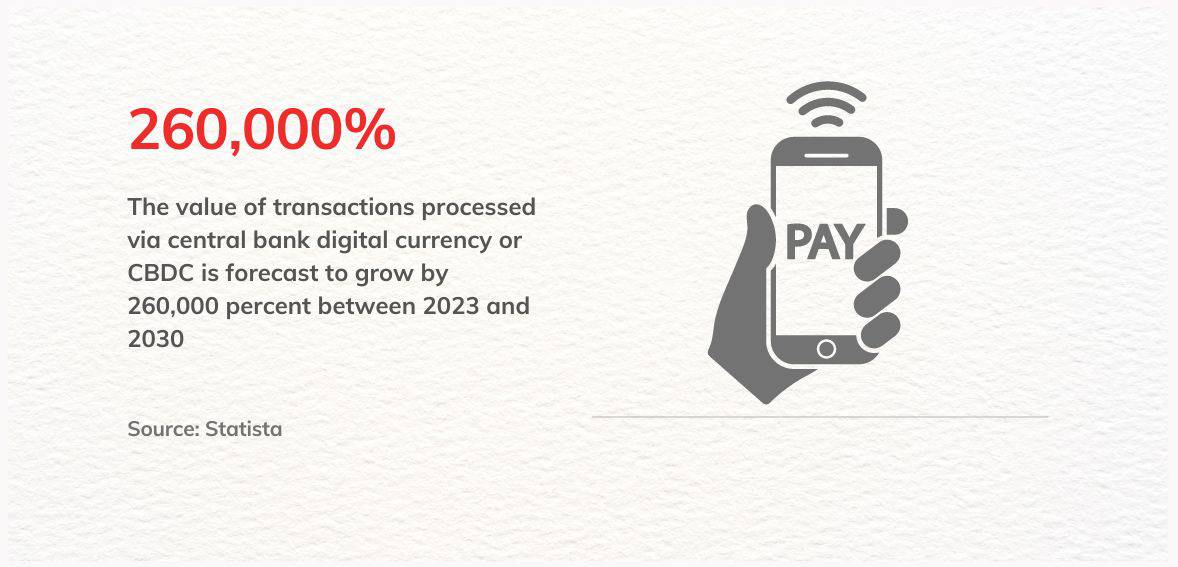
A2A payments are also anticipated to influence international and business-to-business transactions increasingly. Regulatory discussions and pilot programs initiated in 2023 prepare the ground for expected significant growth in 2024. Projections indicate a potential growth of over 260,000% in global CBDC transaction value by 2030, underscoring the critical role of A2A payments in the financial sector.
If you need software development teams experienced in finance, our expertise encompasses payment processing and security, expense management systems, prepaid cards, money transfer operations, and more.
Numerous additional banks and payment service providers are projected to introduce faster A2A payment options by the end of 2024, motivated by merchant concerns over card fees and banks’ efforts to offer payment solutions that support open banking.
2. The Craze of Mobile Payments and Mobile Wallets Is Not Going Down!
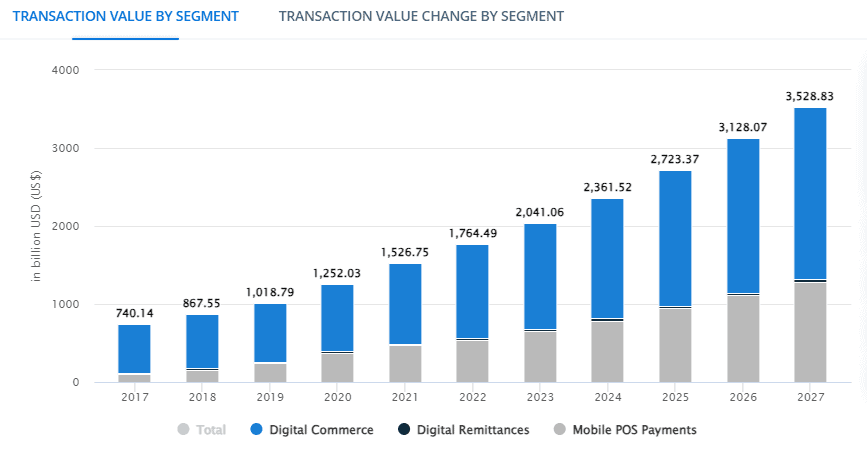
The trajectory of mobile payments is set for remarkable growth. In 2022, the mobile payment market in the United States was valued at $53.5 billion and is expected to surge to over $607.9 billion. Mobile payments can be made through various methods, including point-of-sale (POS) devices, SMS payments, mobile wallets, mobile e-commerce platforms, and peer-to-peer payment systems. These payments are appealing for their ease of use, speed, and simplicity. They allow business representatives to process transactions on the go with a smart device, bypassing the need for physical cards or memorizing sensitive information.
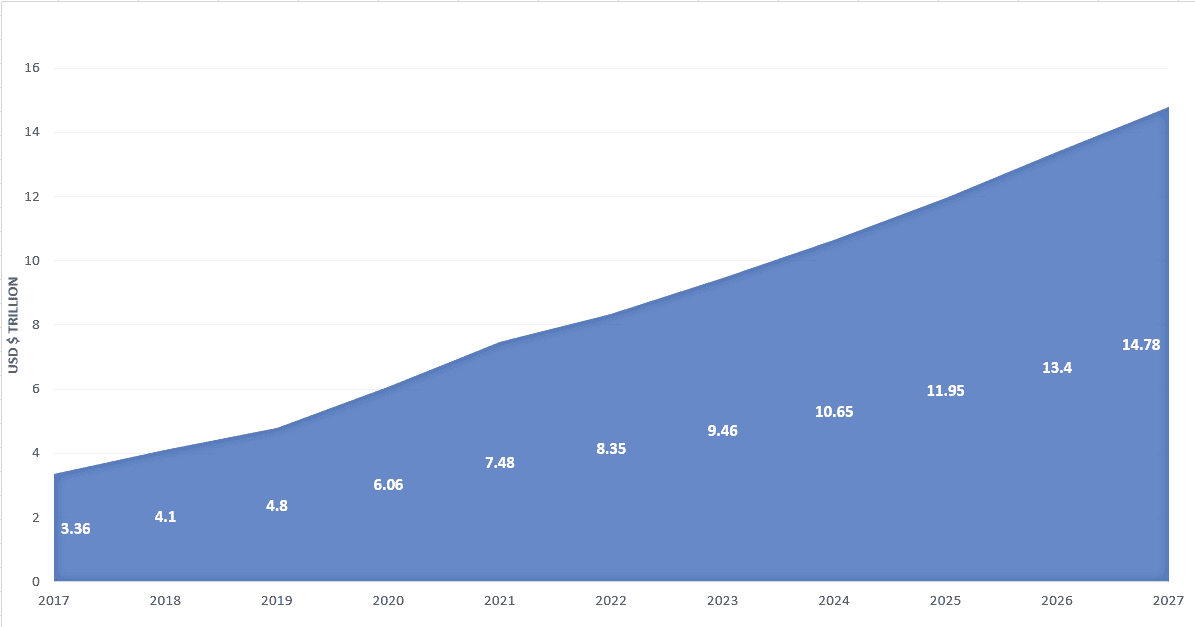
On the other hand, in terms of mobile wallets, the global digital wallet market is anticipated to reach $7.6 trillion by 2024. A mobile or digital wallet app lets users send or receive money digitally. Popular mobile wallet options include Google Pay, Apple Pay, and Samsung Pay, which hold 56%, 53%, and 52% of the market, respectively, applications that facilitate the sending and receiving money. These wallets support transactions using digital currencies in exchange for goods and services.
Surprisingly, over 50% of Americans prefer using digital wallets over traditional payment methods, including credit and debit cards. Despite America’s continued reliance on card payments, the shift toward digital wallets is driven by their reliability, security, and unmatched convenience.
3. Payment Fraud Is Rising
Combatting Authorized Push Payment (APP) fraud is becoming increasingly important as this type of fraud has escalated with the adoption of real-time payment systems. APP fraud involves tricking individuals into willingly making payments to fraudsters, and since the victim authorizes these transactions, they are particularly challenging to reverse.
The Scamscope Fraud Report by ACI Worldwide projects that losses from APP scams will increase at an annual rate of 11% over the period from 2022 to 2027, culminating in total losses of approximately $6.8 billion.
A major tool in the fight against APP fraud is the wider implementation of “Confirmation of Payee” (CoP) systems. These systems work by ensuring that the account details provided by a payer match the intended recipient’s details before the payment is authorized, which helps prevent payments to fraudulent accounts.
Despite these measures, the real-time nature of these transactions continues to pose challenges for both consumers and financial institutions. Financial institutions are developing more sophisticated fraud detection systems, yet the pace of fraud attempts continues to increase. Enhanced measures, including educational campaigns on the nature of these scams and improved verification techniques, are also being deployed to mitigate these risks.
To address the issue more effectively, there are ongoing discussions and moves toward regulatory changes that would mandate increased protections or reimbursement schemes for victims of APP fraud. This includes potential liability shifts where both the sending and receiving financial institutions might share responsibility for the losses victims incur.
4. Growing Popularity of BNPL Among Younger Consumers in North America
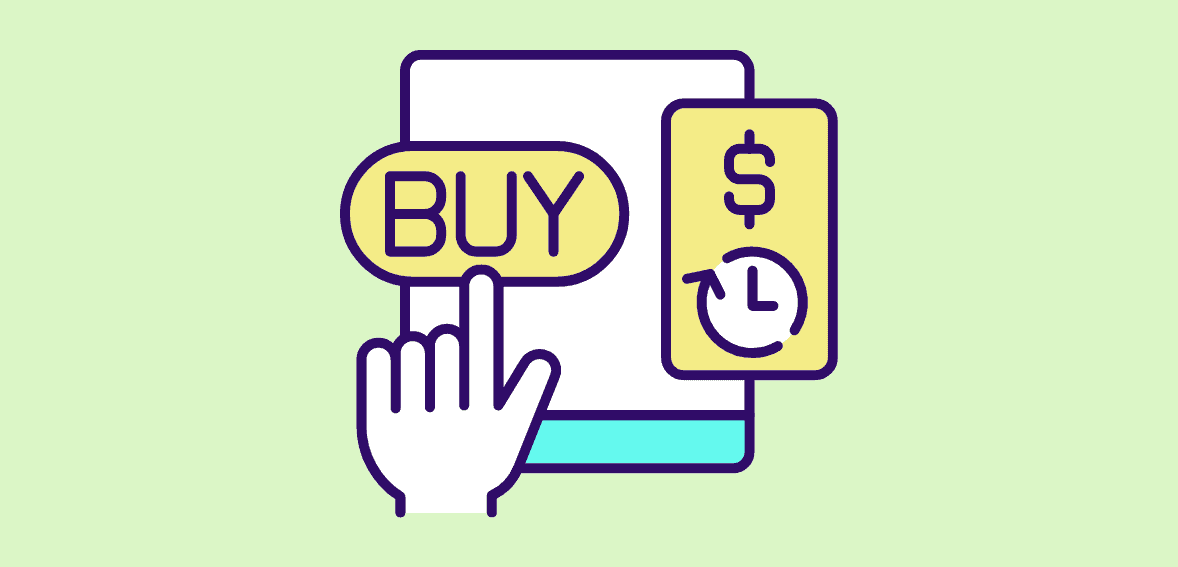
The concept of “Buy Now, Pay Later” (BNPL) directs to a financial arrangement that allows buyers like you to make purchases immediately to pay later in installments over time. As the cost of living increases, BNPL has become an attractive option for many consumers, offering a way to spread out the cost of large purchases without interest charges or initial credit checks. This system typically breaks down the total cost into several equal payments, with the first installment due at the point of sale.
In North America, the adoption of BNPL is on the rise, particularly for significant purchases that might otherwise be unaffordable in a single payment. This method is popular among younger shoppers, notably Generation Z, who appreciate the ability to manage cash flow more effectively. Statistics indicate that Gen Z’s involvement in the BNPL market is substantial, with over half of this demographic using such services and about a quarter of them engaging multiple times within three months.
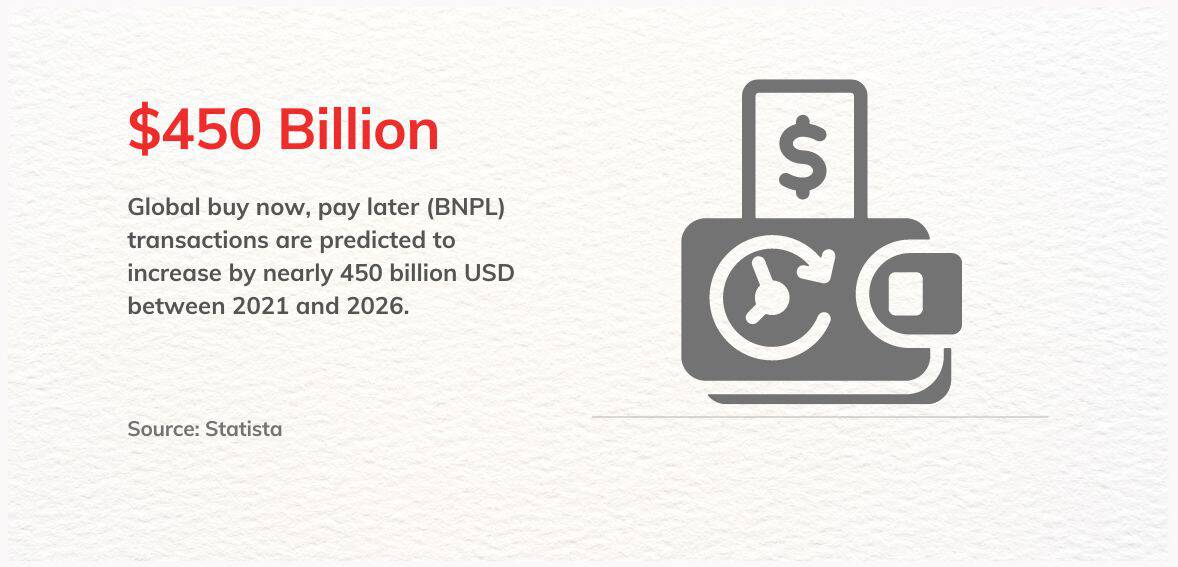
The BNPL sector is forecasted to increase its total market valuation by nearly $450 billion by 2026. This growth is attributed to the model’s provision of interest-free purchases, which has proven especially attractive to younger shoppers. Particularly noteworthy is the adoption rate among Gen Z consumers, where 55% are engaged with BNPL offerings, and 26% report using these services up to three times within a recent three-month period.
Artificial intelligence (AI) is increasingly important in advancing payment technology across various sectors. AI-enhanced systems transform transaction methods, security, and customization within the financial technology sector by processing extensive data sets and recognizing patterns.
AI systems can detect and counteract security threats within the global payment network, enhancing transaction safety. AI also streamlines payment processes, speeding up transactions and increasing efficiency. Through machine learning, AI tailors payment experiences detects fraudulent activities and automates transaction reconciliation.
The adoption of AI in payment technologies is significantly altering the financial sector, facilitating the development of smart payment solutions, and influencing the evolution of digital transactions.
6. Enhancing Customer Engagement Through Rewards and Loyalty Programs
Loyalty and rewards programs are essential tools for customer retention, prominently used by well-known brands such as Starbucks Rewards and Sephora’s Insider program. Increasingly, smaller retailers are also embracing these strategies to promote repeat business. An application used during checkout is a common method for implementing these programs.
Many brands have successfully implemented loyalty programs that offer immediate discounts at checkout. These programs boost sales and encourage customers to try new products, potentially increasing the overall size of their purchases.
From a psychological perspective, leveraging loyalty programs at crucial purchasing moments can significantly enhance customer loyalty. Personalization in payment options, such as tailored credit card offers that correspond with specific life stages, continues to be a significant trend. These rewards serve as a powerful motivator for customers.
Similarly, smaller retailers incorporate loyalty schemes into their payment processes, primarily through applications. These programs often provide points for each purchase, which customers can later redeem for discounts or products. Thus, they encourage larger purchases and frequent store visits.
7. Strategic Alliance Between Traditional Banks and Fintech Companies in the Payment Industry
The collaboration between traditional banks and fintech companies is one of the most dynamic trends in the payment industry, proving to be both inevitable and beneficial for all parties involved. Fintechs benefit significantly from this alliance, leveraging traditional banks’ established global presence and regulatory expertise. This partnership aids fintechs in navigating legal complexities, reducing risks, and entering new markets smoothly, all while ensuring compliance and fostering trust. Known for their agility and innovative technologies, fintechs can swiftly develop and deploy new solutions without the constraints of outdated systems.
This synergy allows them to expand their services across various regions and tailor their offerings to meet diverse customer needs. For banks, collaborating with fintechs offers access to modern, scalable technologies, enhancing their operations and allowing them to stay competitive in the digital era. This relationship also helps banks to adapt to market trends quickly, meet evolving customer demands, and adjust to regulatory changes, all while tapping into the established trust and credibility that banks have with their customers.
Conclusion
The payment landscape of 2024 is marked by rapid evolution driven by digital transformation and consumer demand for convenience and security. The rise of mobile payments and digital wallets underscores a shift from traditional methods, with significant growth anticipated globally. Key trends such as Account-to-Account (A2A) payments and Buy Now, Pay Later (BNPL) options are reshaping transactions, catering to diverse consumer preferences, and enhancing financial inclusivity.
However, alongside these advancements, challenges like increasing payment fraud necessitate continuous innovation in security measures. Artificial intelligence plays a pivotal role in mitigating risks and improving transaction efficiency. Also, the strategic collaboration between traditional banks and fintech firms encourages innovation and expanding service capabilities, ensuring robust growth and adaptability in a competitive market.
As businesses prepare for the future, understanding these trends and leveraging technological advancements will be crucial for navigating the evolving payments landscape and meeting the dynamic expectations of global consumers.
Small business content marketing fulfills several objectives, such as improving your website’s visibility in search engine results, attracting new potential customers, engaging a specific audience, and boosting revenue.
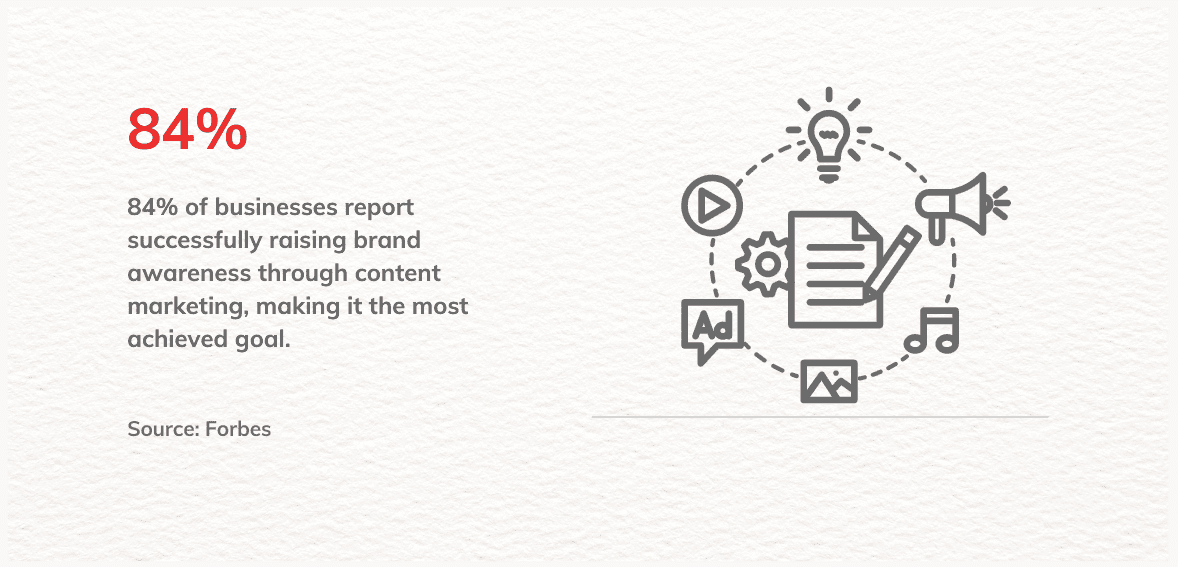
Research indicates that 84% of marketers recognize content as a crucial business asset contributing to long-term return on investment (ROI). The average ROI from content marketing reportedly exceeds 170% profit. Yet, the main challenge is determining the correct type of content to produce. The decision-making process can be complex and confusing with many formats and platforms, especially for small businesses with limited resources.
This article will define content marketing, identify effective content types for small businesses, and outline steps to create a successful content marketing strategy.
Understanding Content Marketing
Content marketing involves businesses developing and sharing informative materials such as videos, blog posts, and infographics. This strategy aims to generate interest in their products or services while primarily enhancing brand visibility rather than directly promoting specific items. Content marketing can also be an effective tool for introducing new products.
There are numerous advantages to content marketing compared to traditional advertising methods. Firstly, well-executed content marketing can capture wide attention, regardless of whether potential customers are initially aware of a brand, helping to drive web traffic and elevate brand recognition organically.
Furthermore, content marketing is cost-effective. Small businesses can produce high-quality content with minimal expenditure and distribute it on their blogs or social media platforms at no cost. Social media enhances the potential for exposure, as users can share the content, extending the brand’s reach without additional expense.
The Importance of Content Marketing for Small Businesses
Providing relevant and timely content positions your business as an authority in your field, enhancing recognition and establishing consumer trust, respect, and loyalty. Content marketing also helps you pinpoint and address your customers’ central issues, showing how your products provide solutions, which can lead directly to increased sales.
A significant advantage of content marketing is the creation of evergreen content—materials that remain relevant over time, such as blog posts on the history of your industry or infographics about a timeless process.
Content marketing is versatile, allowing you to repurpose materials across various channels and campaigns. For example, a blog post targeting specific community needs can be expanded into a YouTube video, which can be featured in the original blog post.
Investing in content marketing is crucial for businesses aiming to connect with their audience through search engines, social media, email, and other platforms. If you’re considering starting a content strategy, here are the ways it can benefit a small business:
Building and Sustaining Brand Awareness: Content is a powerful tool for increasing visibility and keeping your brand relevant to your intended audience. Whether you’re just starting or are already established, consistently offering valuable content helps build trust and maintain your brand’s reputation.
Engaging With Your Target Audience: Content marketing serves to both educate and entertain, allowing you to connect deeply with your audience. Whether through empathetic problem-solving or engaging humor, content marketing enables you to establish a significant relationship with your customers.
Lead Generation and Sales on Autopilot: Though it takes time to see results, a robust content strategy can evolve into a self-sustaining lead generation system. Small businesses can use content to educate potential users and encourage sign-ups without direct sales involvement, creating a cycle that attracts and converts new customers autonomously.
10 Expert-Approved Content Marketing Tips and Strategies for Small Businesses
Content marketing can significantly boost website traffic for small businesses. Here are some effective content marketing strategies and tips designed to improve marketing outcomes for small businesses.
1. Know Your Audience
Successful content marketing focuses on a well-defined audience. Begin by identifying your ideal customer. Analyze your current customers to understand their concerns, how they discovered your business (through email, social media, Google search, or any other method), and their interests.
Compile detailed characteristics of your target audience to ensure your content is relevant and engaging. Use tools like Google Analytics and social media insights to gather data on your audience’s demographics and online behaviors. The better you understand your audience, the more effectively you can produce content that resonates with them.
For instance, if your target market includes educators who use software, these customers are interested in enhancing their teaching methods. Connect with your audience through impressive videos showcasing product demonstrations, tutorials, and success stories, or create brief, engaging videos or vlogs that address common productivity issues in small businesses. Alternatively, you can publish articles and blogs (which we’ll explore in more detail later) that offer quick tips and how-to guides, complemented by engaging graphics.
2. Identify Your KPIs
Your small business content marketing strategy needs to have a clear set of objectives. Establishing measurable goals and KPIs will assist you in crafting a more effective content marketing strategy that delivers greater results for your business. Goals help you assess the effectiveness of your content marketing efforts and identify opportunities for enhancement.
Some common objectives might include:
Achievable improvements in search engine rankings
Acquiring a specific number of email subscribers
Boosting your website traffic by a set percentage
Increasing unique page views
Enhancing the referral rate
Boosting the number of downloads
Raising net revenue
Improving conversion rates
Ensure your business content marketing goals are quantifiable, trackable, and contribute significantly to your business’s growth.
3. Focus on Blogging
It’s highly beneficial for small businesses aiming to deliver value, demonstrate their expertise, and enhance their website’s search engine optimization. View a blog as an integral part of your website. While your website should contain detailed information about your products or services, a blog allows you to discuss the practical applications of these offerings and how customers use them. It also provides a platform to cover topics related to your business and leverage current news stories to gain visibility.
Consistently producing quality blog posts that respond to your customers’ questions and interests can increase website traffic and improve your online visibility.
When beginning your blog, consider topics that would engage your target audience and are related to your business but not overtly sales-focused. Drawing on your experience as a small business owner, you can craft insightful, educational articles that address your audience’s inquiries. Consider these proven blog topic ideas for small business owners:
Discuss your enthusiasm for certain facets of your industry.
Offer your top tips for customers interested in your field.
Create a comprehensive guide on a subject within your niche.
Write informative guides addressing common challenges faced by your audience.
Share stories of customer successes.
Highlight innovative uses of your product.
Conduct interviews with a team member or an expert within your industry.
Answer common customer questions on your blog.
Share your video content through blog posts.
Simplify complex industry topics into easy-to-understand articles.
4. Using Social Media Your Target Audience Uses
Social media platforms are invaluable for small businesses, providing a direct line to a wider audience. Each platform caters to specific styles, purposes, and demographics, so it’s important to select those that align with your business and target audience. Engage your followers by sharing behind-the-scenes content, industry insights, and user contributions to build a dedicated community around your brand.
However, mere presence on these platforms is insufficient. It’s crucial to engage on the sites your audience frequents actively. How do you determine which social media channels are appropriate for your brand among the many available?
Start by identifying your target audience. Social media messaging is not generic; it targets a particular group of consumers with specific interests. Once you know whom you’re addressing, you’ll need to figure out how to connect with them.
Consider these tips when using social media for content marketing:
Select the appropriate social media channels, as managing content across multiple channels requires significant time and effort. Only use the channels that align with your content marketing strategy.
Social media platforms support different content formats. Review your content and match it to the appropriate social media channel.
Gather all available customer data to understand where they spend their time online.
Review your competitors’ social profiles to see where they interact most with their audience.
Tools like Google Analytics can be used to monitor online consumer behavior.
Here are some platforms, along with the content formats that suit them best:
Instagram: Best suited for high-resolution videos, images, and stories to capture and engage visually oriented audiences.
Facebook: Optimal for one-minute videos, live streaming content, blog posts, and curated content that encourages engagement and community interaction.
LinkedIn is ideal for sharing short informative videos, company updates, and professional blog posts catering to a business-focused audience.
Pinterest: Works well with photo guides, infographics, and visually appealing posts such as videos and images designed to be saved and shared.
TikTok: Highly effective for short, engaging videos that include challenges, dance routines, and quick tutorials.
These strategies will help you focus your social media efforts effectively. Additionally, be prepared to deal with social media trolls and handle them professionally. Depending on the situation, you might need to delete negative comments or block disruptive users. Providing excellent customer service is vital in social media—consider exploring additional tips on managing customer interactions effectively.
5. Setting Up Email Newsletters
Businesses today have numerous methods to connect with their customers, and despite being considered traditional, email marketing continues to be an effective strategy. A weekly or monthly email newsletter keeps a brand fresh in the minds of consumers, often yielding a high return on investment for marketing campaigns. Creating and sending email newsletters has been simplified with the development of various content creation and automation tools, making it easier to incorporate email marketing into a business’s overall strategy.
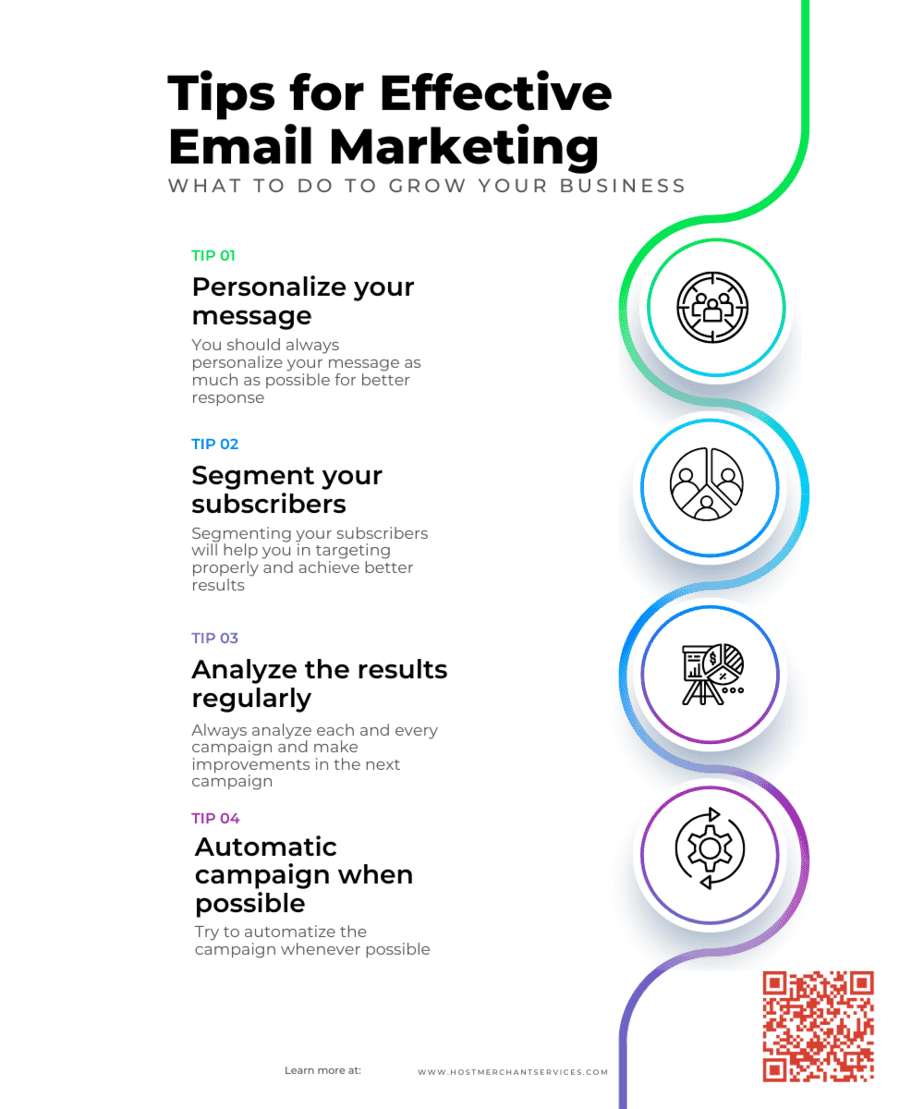
Several best practices should be followed to maximize engagement when crafting email content. Firstly, the subject line should be creative and compelling to increase the likelihood of the email being opened. Personalization enhances engagement further; utilizing a customer’s purchase history to send tailored recommendations or updates on sales and new products that might interest them can be particularly effective.
Additionally, transactional emails play a crucial role. These include a welcome email upon registration, follow-up emails post-purchase soliciting feedback, reminders for abandoned shopping carts, and re-engagement emails aimed at customers who haven’t made recent purchases, possibly offering incentives like discounts or free shipping. Such strategies ensure continuous customer interaction, fostering a stronger connection and enhancing customer retention.
6. Developing Content to Complement the Sales Funnel for Customers
It’s crucial to craft content that meets the specific needs of your customers at each stage of their purchasing journey. By understanding and utilizing a basic customer sales funnel and a tailored content strategy, you can identify which stage a customer is in and supply them with the pertinent information they need.
A marketing funnel outlines the path prospects follow to become customers, beginning with brand awareness and culminating in a purchase.
For small businesses, it’s essential not to produce content haphazardly. A well-thought-out content strategy should reflect the stages of your marketing funnel, which depicts a customer’s steps toward purchasing. This journey is a series of progressive stages that guide the customer closer to buying.
When crafting your content strategy, aim to develop materials corresponding to each phase of your customer’s journey. This approach makes the content more applicable to the customer, potentially increasing its effectiveness in boosting your sales.
For instance, start with content to capture attention and introduce your small business. Next, produce material that builds interest in what you offer. Follow this with content to encourage a decision to engage further, and finally, provide content that prompts the customer to act.
To implement these steps effectively, customize your content to address customers’ specific needs at various points in the funnel, such as providing introductory information for newcomers or more detailed content for those closer to a purchase decision.
7. Create a Content Calendar
Generating content ideas, crafting them, and maintaining a consistent publishing schedule can be challenging. To simplify this process, develop a content calendar. Marketers rely on these calendars for an overview of their content strategy, which aids in ensuring a steady release of material across their platforms.
Dedicate a portion of your week to content creation and set specific publishing days and times. It is crucial to establish a regular publishing routine and adhere to it as closely as possible.
Consider times that could maximize audience engagement when deciding on your posting schedule. Research suggests the average blog post garners the most traffic on Mondays around 11 a.m. On Instagram, the best time is on Thursdays, with most traffic at 4 a.m.
However, be flexible with your schedule as needed. Perform A/B testing to find optimal times for high traffic.
Utilize online tools to manage your content calendar effectively. Consider platforms like WordPress to manage blog content. Tools like Hootsuite, Sendible, and Buffer are useful for scheduling social media posts.
8. Add Your Business’s Unique Element in Content Marketing
The vast amount of content on the internet often results in repetitive messaging. Standing out can make a significant difference. Consider adopting a unique or bold approach to increase the likelihood of your content being shared and driving more traffic.
For example, a video series featuring customer testimonials can effectively build trust, demonstrate the value of your product or service, and personalize your brand.
For your skincare business, you could offer your audience a detailed guide on the science behind your product formulations. Explain the research involved, the choice of ingredients, and the skin benefits they provide.
As you focus on such detailed educational content, be prepared to engage with your audience. Respond promptly to any questions or comments on your website or social media platforms. Customers appreciate quick and informative responses.
9. Maximize Your Content’s Reach
Enhance the utility of your existing content by repurposing it into various formats. Transform a well-received blog post into a dynamic video, a visually appealing infographic, or engaging snippets for social media. This strategy extends the life of your original content and opens it up to new audiences who may prefer different types of media.
By diversifying the presentation of your content, you can cater to a wider range of preferences and increase engagement across different platforms. This approach ensures that your valuable insights reach as many people as possible in formats that resonate with them.
10. Work With Other Creators and Influencers
Working with influencers or other companies can expand your creative influence. Creating content together introduces new ideas and can help your small business reach different people. Seek partnership opportunities with brands and individuals who align with your values and have audiences that complement yours.
This approach isn’t about quick gains; it demands careful attention and time spent researching potential partners. While partnering with a well-known celebrity could quickly boost your visibility, not every business can secure a high-profile endorsement, and that’s perfectly acceptable. There are many influencers available. If your budget allows, hiring an influencer agency can be an excellent method to connect with reputable influencers who can help extend your small business’s visibility.
Why Is Quality Content Essential for Content Marketing?
Creating excellent content is crucial for engaging your users. If your website offers poor-quality content, visitors are less likely to remain engaged. However, the importance of high-quality content extends beyond user retention; it also plays a critical role in SEO.
Search engines like Google continuously improve their algorithms. Recently, Google announced advancements in identifying low-quality content through the “helpful content update.” This initiative aims to evaluate the prevalence of substandard pages on a website. If the general content quality is deemed insufficient, it could lead to lower search rankings for all your pages. Therefore, prioritizing high-quality content is more critical than ever.
How Do You Produce High-Quality Content?
Good content, irrespective of the platform, target audience, or format, should elicit two responses from your audience: an emotional response (like enlightenment or joy) and a behavioral response (such as engaging further or saving the content for later review). For instance, if you produce a humorous video, does it make people laugh? If you simplify a complex topic, do the comments reflect that people now understand it better? If it’s a personal story about acquiring a new skill, are people prompted to ask more questions?
If you’re already seeing these responses, you’re likely doing well. However, if not, you might need to enhance your content creation approach beyond just generating and posting ideas. This doesn’t mean you have to strip away all spontaneity and enjoyment; rather, it involves implementing a strategy that allows you to deliver content that connects with your audience consistently.
Here are five key principles to keep in mind as you prepare to develop content and before you adopt a systematic approach, ranked by their potential impact on your audience’s experience with your content:
Making Content Engaging and Clear:
It is crucial to capture your audience’s interest quickly. Utilize compelling introductions to retain their attention. Following the initial engagement, your content should be straightforward and concise. If the content is educational, focus on clarity over complexity. For entertainment, leverage dynamic editing and platform-specific features to enhance viewer interaction and break the monotony of conventional formats.
Evaluating Production Quality:
Ensuring high production standards is a practical yet critical aspect of content creation. When developing any content—whether a blog, a podcast, or a video—pay attention to the quality of audio, visuals, and editing. Achieving consistency in style, tone, and quality across all productions strengthens brand identity and meets your audience’s expectations.
Ensuring Relevance and Value:
Your content should address the needs and interests of your specific audience, potentially defining your niche. For instance, Adam Karpiak uses humor and transparency in his LinkedIn content about recruitment, which resonates well with his followers. To better understand your audience, consider their frequent questions and infuse your responses with personal stories to add relatability and trust.
Maintaining Originality and Authenticity:
Avoid merely replicating existing content. Your unique perspective is what distinguishes you. Jayde Powell, for example, maintains her genuine expression on LinkedIn, which has earned her a loyal following. Authenticity attracts; therefore, create content that truly represents your individuality, even if it deviates from conventional trends.
Assessing Content Performance:
When assessing the impact of your content, look beyond simple metrics such as likes or shares. Consider deeper engagement like questions and feedback, which indicate the content’s value. Encourage your audience to offer feedback, which can be invaluable for future improvements.
Spend a few minutes checking these factors to evaluate your content’s effectiveness better. This approach will guide you in creating content that reaches and resonates with your audience.
Conclusion
Effective content marketing is crucial for small businesses aiming to enhance their online presence and boost sales. By developing content that aligns with each stage of the customer sales funnel, businesses can provide valuable information that meets the specific needs of their audience. This targeted approach not only improves user engagement but also fosters trust and loyalty among customers.
Quality content helps improve search engine rankings, drives web traffic, and supports long-term business growth. Small businesses should prioritize creating relevant, high-quality content and leverage various platforms to maximize their reach. Small businesses can achieve significant marketing success and sustain growth over time by continuously refining their content strategy and measuring its effectiveness.
Frequently Asked Questions
How should small businesses approach the creation and organization of content marketing?
Small businesses should streamline content creation using both in-house and outsourced resources. A content calendar helps manage timelines and themes, and tools for SEO, content planning, and management improve productivity.
What innovative content formats can small businesses use to engage their audience?
Small businesses can use podcasts, educational videos, and customer testimonials to engage audiences. Hosting live Qu0026amp;A sessions on social media also provides real-time interaction and makes content more personal.
How can small businesses leverage video content for content marketing?
Small businesses can use video content to demonstrate products, share testimonials, and educate customers. Behind-the-scenes videos on platforms like TikTok or Instagram can show the human side of the business, enhancing brand authenticity.
What strategic considerations should guide the distribution of content for small businesses?
Choose distribution channels based on where the target audience is most active, like social media or email. Use analytics and customer feedback to assess channel effectiveness and tailor content to fit each platform’s audience.
The job market is vast, with about 50% of employees considering changing jobs in 2024 and 85% planning to explore new job opportunities. Many are turning to job portal sites and apps to find new roles, locations, and better compensation.
Indeed is currently one of the most popular job-seeking platforms. However, it has several issues, including scams, irrelevant job matches, and intense competition. Consequently, job seekers are exploring additional platforms beyond Indeed to increase their visibility.
This blog will be useful if you have encountered these issues and are searching for reliable alternatives to Indeed. We will guide you through some well-reviewed platforms to enhance your job search. Let’s explore these alternatives before downloading any apps or visiting any websites.
In today’s dynamic environment, locating suitable talent for your business can be difficult. However, job portals offer a solution to streamline your recruitment efforts. Here are some top job portals for posting vacancies in 2024.
1. LinkedIn
Advantages
Excellent for professional networking
Simplifies the process of locating and contacting recruiters and managers
Facilitates the display of past employment and achievements
Disadvantages
Frequent spam and scam messages
Some job postings are outdated or already filled
Top job search functionalities are exclusive to premium members
LinkedIn, founded in 2003, is the largest global professional networking platform, boasting 875 million users from various industries worldwide. It functions simultaneously as a repository for job openings, a digital resume hub, and a platform for professional social networking.
Your LinkedIn profile acts as a public digital resume and portfolio. Once you apply for a position, it is shared with recruiters, making it crucial to dedicate time and effort to ensure it is comprehensive, accurate, and optimized for searches. Creating a LinkedIn profile and exploring job opportunities is free, but a monthly premium subscription is available for $39.99. This subscription offers additional features like seeing who has viewed your profile, obtaining detailed insights about other candidates for the jobs you are interested in, and the option to message people you haven’t connected with yet.
You can use your LinkedIn profile to apply for jobs and send connection requests—similar to friend requests on Facebook—to expand your professional network. If your profile is search-optimized, recruiters might also contact you directly to discuss specific job opportunities.
LinkedIn Key Features
Strong professional networking features
Job listings across various industries
Resources for skill validation and peer recommendations
Accessible via both web and mobile applications
LinkedIn Pricing
LinkedIn provides multiple Premium subscription options tailored to different needs, all available at varying prices. As mentioned, the Premium Career plan costs $39.99 monthly and is designed for individuals looking to advance their careers.
The Premium Business plan is available for businesses expanding their professional networks at $47.99 monthly. The Sales Navigator Core, priced at $79.99 per user monthly, offers specialized tools for sales professionals. Lastly, the Recruiter Lite option, which costs $140 per month, caters to those in hiring and recruitment.
2. ZipRecruiter
Advantages
Unlike other job platforms that require a 30-day commitment to job postings,
ZipRecruiter offers flexibility by allowing employers to replace job openings as soon as they are filled.
The platform’s candidate search and application review tools simplify organizing and filtering applicants to identify suitable candidates efficiently.
ZipRecruiter’s distribution network helps employers quickly attract more qualified candidates.
Disadvantages
Users sometimes receive applicants who need to meet the job qualifications.
ZipRecruiter may be too expensive for some smaller companies.
The platform needs to include features to assess candidates’ skills effectively.
ZipRecruiter is recognized as a leading model in the online job market that many businesses aim to replicate. As a job portal, it facilitates the connection between job seekers and employers, offering a straightforward way to match skilled candidates with recruiters.
Since its launch in 2010, it has become a popular choice among online recruitment platforms, with 430 million applications submitted through the site to date. It stands out as a top alternative to other job portals like Indeed.
ZipRecruiter Key Features
Distribute your job posting to over 100 sites with a single click.
Organize and evaluate candidates using a unified dashboard.
Encourage applications by sending pre-written, personalized invitations to candidates.
Receive personalized job recommendations through AI-driven matching.
Get immediate notifications for updates on new job listings.
ZipRecruiter Pricing
ZipRecruiter offers a four-day free trial with various pricing plans tailored for SMBs. The cost of using ZipRecruiter’s Standard and Premium plans is based on the number of job postings an employer needs.
Employers can opt for a discounted monthly rate, paying a flat rate for each job posting monthly. After the trial, the Standard plan is $16 per day per job or $299 monthly. The Premium plan is $24 per day per job or $419 monthly. The Pro plan is available at $719 per month.
3. Monster
Advantages
Intuitive interface for straightforward use.
Community-based networking possibilities.
Customized job suggestions according to user profiles.Includes a tool for comparing salaries.
Disadvantages
Some users experience intermittent problems during the application process.
Intense competition for sought-after job positions.
Monster has been a prominent job search platform for 25 years, continually adapting to maintain its competitiveness. The website provides essential tools such as job search engines that allow users to filter opportunities by keywords and companies, and it also enables users to upload their resumes directly.
To set itself apart, Monster has significantly invested in developing its mobile applications for iOS and Android. The app is well-regarded for its user-friendly design and includes features like one-click applications and swipe-to-apply functionality.
Additionally, the site offers extra resources aimed at job seekers, especially recent college graduates in need of guidance for job hunting. Among these resources, its free resume assessment is precious, providing users with useful feedback alongside tools for salary and career advice.
Monster Key Features
Unlimited access to resume searches
Unlimited number of job applicants
Job postings that can be used multiple times
Email notifications sent to potential candidates about your job
Email notifications are sent to you about new resumes that match your criteria
A performance enhancement feature that distributes your listing across hundreds of additional sites
Monster Pricing
Monster offers three different plans. Monster+ offers job listings at $12 per day for each posting. For those seeking more features, the Standard Upgrade is $399 per month and includes up to three active job listings. Alternatively, the Premium Upgrade provides up to five active monthly job listings for $649.
4. Glassdoor
Advantages
No cost for job seekers.
Transparent access to salary and employer details.
Numerous company reviews from employees.
Disadvantages
Limited profile customization options.
Employee reviews may exhibit positive or negative biases.
Glassdoor is a job search website where employees can anonymously post details about their companies, including salary data, benefits, and company reviews. As one of the pioneering platforms to gather such data, Glassdoor has accumulated a vast database of salary information, which is highly useful for job seekers researching potential employers.
However, it’s important to approach the information on Glassdoor with caution since it predominantly comes from user submissions. The data may not always be reliable, and employees can post negative reviews about their employers. Job candidates should consider this information alongside more verifiable data to make well-rounded employment decisions.
Glassdoor Key Features
Allows job seekers to make informed decisions by providing reviews and ratings from current and former employees.
Provides detailed information about salary ranges and benefits
Users can find job postings spanning a wide range of sectors
Job seekers can create profiles where they upload resumes and detail their job preferences
Users can set alerts for specific types of jobs, ensuring they receive immediate updates when new postings that fit their criteria become available
Glassdoor provides valuable educational materials that offer guidance on job market trends and tips for job seekers
Glassdoor Pricing
Glassdoor provides its services for free to job seekers but charges businesses based on their size and selected service tier. The cost ranges from $13,400 to $27,000 for businesses with up to 200 employees. This price increases for larger organizations; businesses with around 1,000 employees can expect to pay between $13,900 and $25,700. For those exceeding 1,000 employees, prices vary from $33,900 to $64,700.
Additionally, Glassdoor has three service tiers. The ‘Standard’ tier costs between $252 and $356, while the ‘Select’ tier ranges from $744 to $4,719. The ‘Free’ tier is available at no cost. Contact Glassdoor’s sales department directly for more detailed pricing, particularly for the ‘Select’ tier. Keep in mind these prices are approximate and may change. Always verify the current rates with Glassdoor before making a decision.
5. Snagajob
Advantages
Straightforward employee onboarding.
Attentive customer support.Adaptable to specific company requirements.
Disadvantages
Limited options for customizing reports.
Advertisements around job postings can create a cluttered appearance.
Snagajob is a job platform tailored for hourly workers. It allows employers to post jobs at no cost while also offering premium services to enhance the visibility of their job listings. The platform includes advanced search filters and an applicant tracking system to help employers manage hiring processes efficiently.
Established in 2000, Snagajob has grown to be a leading online marketplace for hourly employment, connecting workers with local job opportunities.
The site primarily lists hourly positions in sectors such as healthcare, best resume writers, customer service, hospitality, retail sales, security, and food delivery. Job seekers can filter their search to find part-time or full-time jobs, including those labeled as “Urgently Hiring.”
To apply for a job, click the “Apply Now” button, which will direct you to the employer’s website. Additionally, by registering with Snagajob, you can sign up to receive email alerts for new job listings that align with your interests.
Snagajob Key Features
Specializes in hourly and part-time job listings
Mobile-optimized platform for job searching on the move
Tools for tracking applications, simplifying management
Snagajob Pricing
Snagajob necessitates contacting the company directly to obtain comprehensive pricing information. However, their job posting registration page indicates that pricing begins at $89 per month.
6. Wellfound
Advantages
Ideal platform for discovering startup companies
Efficient job listing search capabilities
Robust profile creation tools for job seekers
Specialized website for locating startup job opportunities
Transparent information on salary and equity
Offers both local and remote positions at startups
Disadvantages
There is a smaller selection of jobs than on some other platforms
Wellfound is dedicated to startup and tech job listings. It features a comprehensive job board where job seekers can access extensive details about each position, such as salary and benefits. The website’s application process is streamlined, enabling users to upload their resumes and apply for jobs with a single click. Additionally, the platform offers a feature to monitor the status of job applications directly on the site.
A notable aspect of Wellfound is the customizable profile settings, which allow users to outline preferences such as desired company size, location, and other attributes. Users can also indicate the type of work environment and company culture they seek.
Wellfound Key Features
Enables job seekers to connect directly with founders and hiring managers at top startups
Allows job seekers to create detailed profiles
Wellfound provides sophisticated search filters and an applicant tracking system.
Clear and user-friendly interface
Effective job seeker profiling via quizzes
Wellfound Pricing
Wellfound, previously known as AngelList Talent, provides job posting services at no cost, targeting individuals in the technology and startup sectors. The platform boasts a reach of over 10 million potential candidates and includes features such as sophisticated search filters, direct messaging capabilities, and an applicant tracking system. For those seeking more specialized functionalities, Wellfound offers a variety of paid plans.
The “Recruit Pro” plan is $499 per month and comes with enhanced search capabilities, pitch templates, instant scheduling, and options to access resumes and social media profiles. Additionally, Wellfound has a “Curated” service that gives recruiters access to select candidates who are prepared for interviews, with the possibility to negotiate custom packages tailored to meet specific recruitment needs.
Conclusion
Navigating the job market can be challenging, especially with the pitfalls some popular platforms like Indeed present. Job seekers facing issues such as scams, irrelevant matches, and high competition can benefit from exploring alternative job portals. Each highlighted platform—LinkedIn, ZipRecruiter, Monster, Glassdoor, Snagajob, and Wellfound—offers unique advantages tailored to different needs.
LinkedIn stands out for professional networking and comprehensive profile management, while ZipRecruiter’s flexibility and powerful search tools are excellent for employers. Monster’s user-friendly interface and additional resources are great for job seekers, particularly recent graduates. Glassdoor provides valuable insights into company cultures and salaries, though its user-generated content should be considered carefully. Snagajob specializes in hourly and part-time positions, making it ideal for those sectors. Finally, Wellfound caters to the tech and startup community with a focus on transparency and efficient application processes.
Manufacturing a product involves crucial steps that transform raw materials into finished goods ready for market. This process requires meticulous planning, precise execution, and a deep understanding of various production techniques. This guide outlines the seven essential steps for manufacturing a product, offering insights and best practices to ensure efficiency, quality, and compliance with industry standards.
What Is Manufacturing?
Manufacturing involves transforming raw materials into finished products through multiple steps. This includes design, material selection, processing, assembly, and quality assurance. The goal is to enhance the value and utility of the original materials, resulting in diverse products such as household items, electronics, vehicles, and construction materials. This complex process is crucial for economic growth as it generates employment, encourages innovation, and drives technological progress.
Manufacturing goes beyond just assembling items. It combines innovation, efficiency, and sustainability. It incorporates advanced technologies and methods to address changing societal needs. Manufacturing is not limited to heavy machinery or large-scale production; it also involves precision, customization, and various skills across different industries and sizes.
7 Steps for Manufacturing a Product
1. Conceptualize and Ideate the Product
At this initial stage, a product’s functional and performance specifications and detailed profiles of target customers and their needs are established. During this phase, customer needs and ideas for innovative functions are discussed and evaluated to identify effective solutions that meet specific market demands.
This stage serves as the foundation for the final product. If you don’t yet have a concept, you can generate one through team brainstorming sessions. Key topics for discussion should include:
Demand:
When assessing the need for a product, it is essential to determine if there is an actual demand for it. Consider whether the product addresses a specific issue or enhances the user experience. Analyze the market to see if other products meet this need and identify how your product differs from these offerings.
It’s crucial to pinpoint what unique value or innovation your product brings to the market that sets it apart from the competition.
Target Market:
For the market aspect, it is important to identify who the product is intended for. It is vital to clearly understand the target audience’s demographics, behaviors, and preferences. Assess who will use the product and how they will use it, ensuring the market you are targeting is accessible.
Additionally, determine the potential market size and thoroughly analyze the competition to gauge your product’s position and what market share it might capture.
Resources:
In terms of resources, evaluate your company’s resources, including manpower, space, and financial capacity, to ensure you can meet production and distribution demands. Consider operational needs such as storage, handling, and inventory management and whether you have the infrastructure and staff to support these functions.
Also, assess your ability to dedicate time to manage all stages of the product life cycle, from production through to delivery and customer support.
Budget:
Understanding the cost structure is critical to maintaining profitability. This includes analyzing expenses related to raw materials, labor, and overhead. While precise cost figures may not be available initially, obtaining preliminary estimates will help establish a baseline for expected costs.
Engage with multiple suppliers to secure competitive pricing and gain insights into cost variability, vital for effective budgeting and financial planning.
2. Design Your Product
At this stage, armed with insights from your research, begin designing your product. Always prioritize the customer’s needs and usage expectations. Also, any production constraints identified during the research phase should be considered. This is when the design process is closely integrated with research and development.
Expressing your vision clearly is crucial, as others cannot visualize your ideas without assistance.
If you possess skills in graphic design, leverage them to create your product design. However, artistic expertise is not required; the primary goal is to convey your concept clearly to others, such as local craftsmen, who will help realize your vision. Do your best, and remember to record the date of your design to secure your ideas when discussing them with others.
To document the date of your idea, consider these methods:
Metadata of digital files: This can verify the original date of your concept.
Physical documentation: Date any drawings, photograph them, and email the images to yourself to create a timestamp.
Obtain notarization: While it may seem excessive, having a notary witness authenticate your signature and the date on the document could be beneficial if the idea holds significant value.
3. Develop a Prototype
Creating a prototype of your product is essential before seeking a manufacturer. It doesn’t need to be the final version; start with a basic, functional model.
This phase is crucial in product development, allowing you to refine your design through various iterations until it’s ready for mass production. However, not all prototypes can be made at home—constructing complex items like wireless headphones or high-performance computers is more challenging than simpler projects like lamps or wallets. If creating a prototype on your own isn’t feasible, you might need to collaborate with others during this step.
Many entrepreneurs turn to third parties for prototyping. However, small to medium businesses often find that they don’t require the services of expensive product development consulting firms. Instead, tap into your own network for support. Seek advice from someone experienced in manufacturing who can offer mentorship. Utilizing the expertise within your circle can be invaluable and help pave the way for your product’s success.
Remember to Protect Your Idea
At this point, it is important to secure legal measures to prevent others from copying and selling your product. You might consider a Non-Disclosure Agreement (NDA). An NDA formed between you and your collaborators limits the disclosure of details about your product and its manufacturing process.
Another protective measure is the Non-Compete Agreement, typically established between you and your manufacturer or other crucial partners. This agreement prevents these parties from using your ideas to establish a competing business or to develop similar products.
In the United States, you can also apply for a patent on your product within one year after its first sale. Holding a patent grants you the sole rights to manufacture, use, and sell your invention, which bars others in the U.S. from doing so. However, it’s important to note that a U.S. patent does not prevent international entities from duplicating your design since they do not fall under U.S. jurisdiction.
4. Find a Manufacturer
After finalizing a product prototype that meets your expectations, the next step is to collect the necessary materials and establish relationships with production partners. This phase involves creating your supply chain, which includes selecting vendors, organizing activities, and managing resources essential for manufacturing and delivering the product to customers.
Finding a manufacturing partner involves several steps, especially if you move beyond small-scale, home-based production like sewing dresses. Begin by leveraging your existing connections; inquire within your network for any recommended manufacturers. If you’re starting without contacts, search for contract manufacturers who have experience with products akin to what you intend to make.
Research is crucial. Examine their websites, look up customer reviews, and, if possible, visit their facilities to gain a firsthand understanding of their operations. This effort is essential to ensuring thoroughness in your selection process.
Consider the following when evaluating potential partners:
Do they have experience with new products in your specific category?
Are they based locally or situated in a different region?
Can they handle the volume you need at a minimum order level?
What are their production lead times and overall turnaround?
What does their reputation suggest about their reliability and quality?
It’s advisable to contact other businesses directly to gather insights into their experiences with the manufacturer. This can help you avoid being misled by overly positive website descriptions or counterfeit reviews.
5. Ask for Quotes From Multiple Sources
When choosing manufacturers, it is important to gather quotes from various sources to compare costs, check each manufacturer’s capabilities, and develop effective production strategies. Start by giving each potential manufacturer detailed specifications, such as product designs, materials, quantities, and any specific requirements. Clear, detailed initial communication will help ensure the accuracy of the quotes you receive and reduce the risk of misunderstandings.
Contact a range of domestic and international suppliers using methods like email, phone calls, or online platforms. Be sure to follow up regularly to get timely responses. After collecting the quotes, carefully analyze them, looking at costs, lead times, quality guarantees, and any additional services. Watch for hidden fees or extra charges that could increase your production costs. Also consider other expenses like shipping, taxes, and customs duties to fully understand the total cost of working with overseas suppliers.
Do not hesitate to negotiate after receiving the quotes. Encourage suppliers to match or lower their competitors’ prices to get the best deal. Discuss options for discounts on large orders or favorable payment terms that meet your budget, timeline, and quality requirements.
While cost is a key factor, each supplier’s reliability, reputation, history, and communication skills are also considered for delivering quality products on time. Choose a supplier that offers competitive pricing and fits well with your broader business goals.
Finish the selection process by choosing a manufacturing partner who offers competitive pricing, quality service, and strong customer support. Before proceeding with production, make sure all agreements and relevant details are documented in writing. This detailed approach will help you choose a manufacturer who best meets your needs and supports your long-term goals.
Consider Your ROI
By now, you should better understand the costs of producing your product. And it’s time you analyze all the data you’ve collected to determine your cost of goods sold (COGS), set a retail price, and calculate your gross margin.
Your calculation should include raw materials, initial factory setup costs, manufacturing, and shipping. It should also include additional expenses such as import fees and any duties required to deliver the product to your customer. These charges can significantly affect your COGS, especially if your production is located internationally.
A sample of a product costing sheet in a spreadsheet is included here. You can use and modify this example to construct your own sheet.
If you have received multiple quotes for materials or manufacturers during the sourcing stage, consider adding various columns to your spreadsheet for each line item to compare costs. Alternatively, you could make a second version of the spreadsheet to assess the costs of local versus overseas production.
6. Testing, Feedback and Conditions
Evaluating your product’s design based on initial reactions is helpful, but understanding its real-world resilience requires thorough quality testing. Your testing should mimic typical customer usage and expose the product to daily wear and tear to assess its long-term performance.
Product testing can vary in complexity. It might involve simple repeated use or advanced simulations of environmental impacts like vibrations and temperature changes. The type of testing depends on the nature of your product and its specific applications.
Gathering feedback and possibly conducting additional tests before launching your product is crucial to guaranteeing the highest quality product. This feedback can be sourced from focus groups and input from your team, friends, and family. The broader the feedback, the better. Any improvements should be made before the official launch. It’s important to listen and pose open questions actively to elicit genuine feedback.
Once your product is ready, visiting your supplier at the production site is an essential step in evaluating them and establishing a relationship. An on-site visit allows you to inspect the factory and helps build a solid working relationship.
On-site visits also serve as a safeguard against scams, particularly with suppliers abroad who may misrepresent themselves as manufacturers when they are merely resellers. By visiting the manufacturing site, you ensure direct dealings with the actual manufacturer.
Meeting with suppliers in person is an effective way to choose your final options. If in-person visiting isn’t feasible, arranging video meetings is an excellent alternative to interacting with and viewing the manufacturing facilities.
So, How Do You Start With the Terms?
When beginning discussions about a contract with a manufacturer following the approval of a product sample, it is important to clearly define and discuss key elements such as payment terms, order quantities, and delivery details.
Minimum Order Quantities (MOQs):
Negotiate MOQs that align with your sales capacity and the manufacturer’s production limits. Although manufacturers may initially propose high MOQs, these figures are typically open to negotiation. Aim for a quantity that supports profitability and ongoing operations for both parties. It helps to enter these discussions with a solid understanding of your projected sales and storage capacity.
Payment Terms:
It is crucial to negotiate fair payment terms. Manufacturers often require full payment upfront, especially from new clients. As your business relationship develops, consider proposing a split payment arrangement where half of the payment is made in advance and the remainder when the goods are received. This method reduces financial risk for both parties.
Logistics:
Address logistics to determine the expected production-to-delivery schedule and identify potential delays that could impact the supply chain. Important points include securing your place in the production line and understanding shipping costs. Ensure the manufacturer commits to a specific production, packaging, shipping, and delivery timeline for effective planning and accountability.
Establish Quality Control Protocols:
Implement rigorous quality control measures to guarantee that your products meet your specifications and expectations. Develop inspection procedures and testing protocols and set criteria for acceptance with your manufacturing partners. Create detailed procedures for addressing any issues related to quality, such as defects or deviations from the agreed standards.
Set Liability and Warranty Clauses:
Define the terms of liability and warranty to safeguard both parties in case of product faults or performance shortcomings. Specify the duration of warranties, the conditions under which warranty claims can be made, and the responsibilities regarding the repair or replacement of products. Also, delineate who bears the liability for any damages, losses, or legal obligations stemming from product issues or regulatory non-compliance.
Protect Intellectual Property:
Secure your intellectual property by enforcing confidentiality agreements, non-disclosure clauses, and clearly defined ownership rights over designs and proprietary information. Detail the ownership of any intellectual property developed during manufacturing, including how it may be used or shared.
Review and Confirm Contractual Agreements:
Thoroughly review all contractual terms to ensure they are accurate, comprehensive, and compliant with applicable laws. Consider consulting with a legal expert to draft or assess agreements and contracts. Once all documents meet the necessary standards, ensure they are signed by all involved parties to formalize the agreement before beginning production.
7. Launch and Promote the Product
At this point, you have a profitable product that is ready to be introduced to consumers. The final step in this process is the product launch, where the product development team passes responsibility to the marketing team.
If your budget does not allow for expensive advertising, there are still effective strategies you can use:
Optimize Your Website: Develop a professional, user-friendly website that facilitates easy online purchasing. Investing in a skilled graphic design firm can enhance your site’s appeal and functionality.
Gift Guide Features: Aim to include your product in popular gift guides, increasing visibility during key shopping periods.
Enable Instagram Shopping: Use Instagram Shopping to make your products easily purchasable directly through Instagram, tapping into a large and engaged audience.
Collect Customer Reviews: Encourage early customers to leave reviews, boosting credibility and attracting more buyers.
Marketing the Product
While the process may seem daunting, it is manageable with diligent planning and execution. After manufacturing the product and launching it, it’s time to establish business demands by focusing on marketing.
Utilize Social Media Platforms:
Establish social media profiles to represent your business online. Marketing through social media is a cost-effective method of engaging with a targeted audience. The followers you acquire should be considered prospective leads and customers, which can grow your business’s outreach.
Implement Email Marketing Strategies:
Email marketing offers a significant return on investment, making it a valuable tool for manufacturers. Initiate campaigns targeting registered users on your website, potentially converting these leads into substantial business gains.
Optimize with SEO Techniques:
Incorporate search engine optimization (SEO) into your content creation strategy. Learning and applying SEO techniques may require time and effort, but it is a cost-free approach that can increase your visibility and attract more followers and customers.
Launch Targeted Advertising Campaigns:
Use platforms like Google Ads and LinkedIn for targeted advertising. These platforms allow you to define your audience by industry, job roles, and other demographics. This strategy ensures the appropriate audience sees your marketing efforts, enhancing ad effectiveness and boosting your marketing ROI.
Apply Advanced Analytics:
Use analytical tools such as Google Analytics to monitor and evaluate your marketing activities’ performance continuously. Track metrics like website traffic, user engagement, and the efficacy of different campaigns. This analysis helps you understand which strategies succeed and which need adjustment, enabling strategic improvements to better meet your business goals and adapt to market changes.
Conclusion
Starting the process of manufacturing a product involves a detailed procedure that combines creativity with practicality. The seven essential steps include conceptualizing, designing, prototyping, protecting your idea, finding a manufacturer, obtaining quotes, and considering your ROI. Following these steps sets the foundation for a successful venture. Each stage requires careful attention and strategic decision-making to ensure your product effectively meets market demands.
Plus, safeguarding intellectual property and establishing robust quality control measures are crucial for long-term success and brand integrity. As you navigate these steps, remember the importance of market research, budgeting, and forging strong partnerships with manufacturers. Finally, launching and marketing your product marks the culmination of this process, requiring savvy promotional strategies to reach and resonate with your target audience.
Adhering to these principles and adapting to market feedback will allow you to confidently bring your vision to life and thrive in the competitive manufacturing landscape.
Frequently Asked Questions
What should I consider when designing my product?
When designing a product, it’s crucial to consider the materials you’ll use, as they impact its functionality, aesthetics, and durability. Research various materials and consult with manufacturers to understand your options. The design phase should also involve creating detailed sketches or models of your product, which will guide the manufacturing process.
How do I find the right manufacturer for my product?
Finding a suitable manufacturer involves assessing their reliability, production capabilities, and cost-effectiveness. You can use platforms like Alibaba or ThomasNet to find manufacturers. It’s beneficial to get multiple quotes and samples before making a decision. Consider domestic and overseas options, weighing costs, communication ease, and shipping logistics.
What is the importance of prototyping, and how do I go about it?
Prototyping is essential for testing the design and functionality of your product before mass production. It allows you to make necessary adjustments based on feedback and performance. Depending on the complexity of your product, you may need to work with a manufacturer that can produce a prototype or use online tools and software if it’s a digital product.
How should I handle the quoting process with manufacturers?
When obtaining quotes, provide detailed information about your product, including specifications and quantities. This helps manufacturers give you accurate pricing. It is recommended that you request quotes from multiple manufacturers to compare prices and services. Ensure that the quotes include all potential costs to avoid surprises later.
Once your small business begins earning profits and incurring expenses, you will need a business bank account for daily operations and managing cash flow. A dedicated account enhances your business’s credibility, keeps personal and business finances separate, and might improve your chances of securing a line of credit (LOC). However, with over 4,800 banks in the US, this article aims to guide you in selecting the best banks for small businesses in 2024.
According to a 2023 survey, 96% of small-business owners report having a business banking account. Choosing a top bank for small businesses can assist with various tasks, from managing payroll to allocating funds for office supplies, even if you need to improve with numbers. For entrepreneurs, while opening a business bank account may initially seem cumbersome, it ultimately simplifies financial management by clearly showing expenses, payments, and paid bills.
Things to Factor In While Choosing the Right Bank for Your Business
While several personal/business-related preferences come into play when choosing a business account for your small business, here are some important aspects to consider:
1. Online or In-Person?
For small business owners, selecting a bank offering online and in-person banking services is crucial. Whether you operate a digital storefront or a physical one, the ability to manage your finances through online and mobile banking applications is essential. This allows you to oversee your financial activities and transactions at your convenience.
However, the availability of online banking does not diminish the necessity for physical branch services. This is particularly true for businesses that handle cash transactions, as frequent cash deposits are a routine requirement. Physical branches also provide more comprehensive customer support.
2. What Services Do You Need?
When choosing a bank, certain fundamental services are essential for business operations. These include:
Checking and savings accounts
Business credit and debit cards
Checkbooks and deposit-only cards
Online business banking platforms
Accounts for employees
It’s important to investigate each service, paying close attention to any associated fees or requirements. While some banks charge fees for checking accounts, others may offer free business checking with no required minimum balance. Since fees and requirements can vary significantly between banks, it’s beneficial to compare options thoroughly.
Additionally, if your business may need further financial services like LOCs, inquire about these upfront to avoid surprises after you’ve committed to a banking relationship.
3. Bank’s Location
The location of a bank should be another major factor in your decision. Evaluate the bank’s distance from your office, home, and frequent travel destinations. Consider how often you need to make deposits or withdrawals, require bank-issued certified checks, or use ATMs during travel.
The frequency with which you’ll need to visit a bank and your travel needs should influence your choice. If your business operations require frequent bank visits or if you travel widely and rely on accessible ATMs, choose a bank that aligns with these needs.
4. Fees and Charges
The cumulative impact of banking fees, even those that seem small, can be significant over time. Selecting a bank that minimizes fees on business accounts and maximizes the availability of free transactions and services is advisable.
Important fees to compare among banks include ATM usage fees, transaction fees, maintenance fees, and monthly service charges.
5. Incentives for Businesses
Banks and credit unions often provide benefits and incentives to attract business account holders. For example, startups might receive a cash bonus for opening a new business checking account, or banks might eliminate minimum deposit requirements for business savings accounts.
Other incentives to consider include:
Unlimited free transactions
High interest rates on savings and money market accounts
No-fee business checking accounts
Complimentary online bill payment
Competitive interest rates on business credit cards
No annual fees on business debit cards
Complimentary cash deposits
Unlimited free check deposits
Free use of ATMs
No minimum balance requirements
ATM fee reimbursements while using machines from other banks
6. Integration Options
While benefits like low fees and free accounts are important, don’t overlook essential operational services such as payroll management. Payroll can become complex as your business expands.
Choose a bank that offers comprehensive payroll services, including direct deposit payments to employees, payroll tax filing, and HR task management. These services help simplify the complexities associated with growing business operations.
7. Support Options
When selecting a bank for your business, consider the support and expertise available. Many banks offer dedicated staff to assist in managing and developing your business. These specialists can guide managing finances, funding expansion, and handling operations such as taxes and payroll.
As you evaluate your banking options, consider not only your current needs but also the potential future demands as your business expands. Access to knowledgeable bank staff who understand your business and its financial background can be invaluable. While you can hire external consultants, having access to advice from someone within the bank who is already familiar with your account details and business history can be extremely beneficial.
How to Open a Business Checking Account?
To open a business checking account, you can visit a bank branch, call, use the bank’s website, or access mobile banking services. However, keep in mind that not all banks offer all these methods.
You may also have the opportunity to establish additional accounts, such as a business savings account, a business credit card account, or a merchant services account, which allows you to process credit and debit card payments from customers.
Before opening your account, decide on the location and method, then collect all necessary information to provide to a bank representative or enter it through an online application. Be aware that the bank may perform a credit check when you apply for a business checking account.
Choosing the right business bank account depends on your specific business needs. Still, all accounts should meet basic functions like receiving customer payments, handling payroll, and managing costs to suppliers and other business partners.
Top Banks for Small Businesses in 2024
Based on extensive research and key factors for opening a business bank account, we have selected our top choice for 2024:
1. Axos Bank
Pros
No monthly fees or initial deposit is required.
Unlimited transactions without fees and no charge for incoming wires.Provides unlimited reimbursements for domestic ATM fees.
Customer support is available 24/7.
A welcome bonus is available for new customers (subject to terms).
Offers integration with QuickBooks to simplify business management.
Cons
Depositing cash may be challenging for business owners.
Bonuses are only available for accounts with an average daily balance of $25,000 or more.
Axos Bank offers various checking accounts suitable for different types of businesses, making it a top choice for small businesses. You can easily get interest rates up to 1.01% APY for balances under $50,000 with a Business Interest Checking account, which requires no monthly fee with a minimum balance of $5,000. This account allows up to 100 monthly free transactions and 60 remote deposit items. The Axos Bank Basic Business Checking account also eliminates the monthly fee regardless of the balance. It offers unlimited transactions and ATM reimbursements, ideal for newer businesses or those with frequent banking activities.
The bank also provides several savings products, including the Axos Bank Business Savings, Business Money Market Account, Non-Profit Money Market Account, and Business Certificate of Deposit. However, these savings options typically offer a maximum yield of 0.20% APY, which is relatively low compared to other online banks. Axos Bank may be a good option for those seeking a business checking account. However, other institutions might offer better options if your priority is a savings account or certificate of deposit with higher returns.
2. Chase
Pros
No charge for credit card payment processing via the mobile app
Unlimited electronic transactionsSelf-managed escrow services are available
The mobile app has received high ratingsBanking fees waived for military members.
Cons
Limited to 20 paper transactions per month
Does not reimburse fees for using ATMs outside its network
As the largest bank in the US by assets, Chase Bank offers a range of banking products and services tailored to support small businesses. Chase is an appealing option for both well-established companies and those just starting out. Operating under the broader umbrella of J.P. Morgan Chase and headquartered in New York City, Chase Bank commands over $2.6 trillion in assets and maintains a global presence. It boasts a network of 15,000 ATMs and more than 4,700 branches.
The bank’s extensive resources offer significant advantages to small business owners, including substantial rewards, account bonuses, and the convenience of physical branches across North America for face-to-face services. Additionally, Chase provides other financial products such as small business loans, credit cards, and savings accounts.
Chase Bank offers various checking account options designed to meet the diverse needs of different businesses. The Business Complete Banking℠ account charges a monthly fee of $15, which can be waived under certain conditions. It allows unlimited electronic transactions and includes 20 free paper transactions monthly. The cash deposit limit is $5,000 per month without fees, and after that, a fee of $2.50 per $1,000 deposited applies. Incoming wire transfers are free, while outgoing transfers incur a $35 fee.
The Performance Business Checking® account has a monthly fee of $30, which is also waivable. This account offers unlimited electronic deposits and up to 250 free transactions monthly. The free monthly cash deposit limit is set at $20,000; deposits exceeding this amount are charged at $2.50 per $1,000. The wire transfer policy includes no fees for incoming transfers and allows for two free outgoing transfers per month, with each subsequent transfer costing $35.
Lastly, the Platinum Business Checking℠ account features a higher monthly fee of $95, which can be waived under specific conditions. It includes unlimited electronic deposits and up to 500 free transactions each month. The account allows up to $25,000 in cash deposits each month free of charge, with additional deposits incurring a fee of $2.50 per $1,000. Wire transfers are free for incoming, and the first four outgoing transfers each month are also free, with a $35 fee applying to further outgoing transfers.
3. Capital One
Pros
Unlimited transactions without fees.
Comprehensive range of business services, such as credit cards and loans.
Access to 70,000 ATMs without fees, including those in the Capital One, Allpoint, and MoneyPass networks.
Cons
No options for free business checking accounts.
Restricted service areas; applications must be made in person.
Capital One provides two types of business checking accounts. The Basic account features include unlimited electronic deposits, mobile and online banking access, and a low minimum balance to waive fees.
The Unlimited business account combines the benefits of two Basic accounts and suits businesses with more complex financial needs. Additionally, Capital One offers various business credit cards with cash back or travel rewards, which are ideal for international travel due to the absence of foreign transaction fees. The bank is known for its responsive and well-informed customer service.
It’s important to note that the small business account is limited to particular states and requires an in-branch application.
Capital One’s services and fee structures are competitive compared to other major banks. It also provides a vast ATM network, which is convenient for customers who prefer banking in person. The network includes over 70,000 Allpoint and MoneyPass ATMs nationwide, accessible without fees. While Capital One’s checking accounts do not offer an Annual Percentage Yield (APY), opening a savings account can provide an interest rate of 0.2%. Capital One also offers small business loans and LOCs, but only to customers with a checking account, with credit lines up to $5 million.
Capital One’s Basic Checking account has a monthly fee of $15, which is higher than American Express, which does not charge a maintenance fee. This fee is waived if the balance exceeds $2,000. The account allows up to $5,000 in free cash deposits per month and charges standard fees for wire transfers. The Unlimited Checking account has a $35 monthly fee, waived if the balance is $25,000 or more. This account allows unlimited free cash deposits and does not charge for incoming wires. Customers can also make up to five free outgoing wire transfers each month.
4. Bluevine
Pros
Account balances up to $250,000 earn an interest of 2.00%; conditions apply.
There are no monthly fees or requirements for a minimum opening deposit.
Account holders can access up to $3 million in FDIC insurance through the Insured Cash Sweep service.
The account offers unlimited transactions without any fees and does not charge for overdrafts.
Incoming wires are free, and the fees for outgoing wire transfers are low.
There are no fees for using MoneyPass ATMs.
Cons
There is a fee for cash deposits.
Fees apply when using ATMs outside of the network.
Unlike most traditional accounts, Bluevine, a fintech lender, offers small business checking accounts that earn interest. This service is particularly beneficial if you’re considering a LOC, as your banking history with Bluevine could improve your chances of approval. In 2020, Bluevine partnered with banks to provide these accounts, utilizing sweep accounts to offer up to $3 million in FDIC coverage through various partner banks.
Bluevine operates digitally, allowing unlimited transactions while enforcing limits on monthly deposits and withdrawals. The company does not charge fees for ACH transactions, overdrafts, incoming wire transfers, or ATM use within its network. Additionally, Bluevine offers a 1.5% annual percentage yield (APY) on balances up to $100,000 under certain conditions. Balances up to $250,000 can earn 2.00% APY if you spend $500 monthly using the BlueVine Business Debit Mastercard or receive $2,500 in customer payments.
Clients receive two free checkbooks annually and can manage their finances with up to five subaccounts. The checking account includes features like unlimited transactions, overdraft protection, and QuickBooks integration without a monthly fee. BlueVine customers have access to 37,000 surcharge-free ATMs and 90,000 retail locations for cash deposits.
5. Bank of America
Pros
Comprehensive business banking options that combine checking and savings accounts.
The choice between two tiers of business banking accounts.
Digital resources such as Cash Flow Monitor and Erica assist in monitoring expenditures.
Access to specialized support from small business experts.
Cons
Customer service is not available 24 hours a day.
A limited number of ATMs compared to some competitors.
Bank of America is a major financial institution that offers banking products and wealth management services to individuals, businesses, corporations, and governments. It operates branches across most US states and provides access to 16,000 ATMs for free. The bank also supports online banking and a mobile application, which holds a rating of over four stars on both the App Store and Google Play.
Bank of America is recognized for its provision of unlimited electronic transactions, high cash deposit limits, and multiple account opening methods.
The Bank of America Business Advantage Fundamentals Banking account allows for up to $7,500 in cash deposits each month without a fee and includes business and employee debit cards. Features such as the Cash Flow Monitor help users with cash flow projections, transaction monitoring, and balance tracking. Access to dedicated small business specialists is also provided.
To avoid the $16 monthly service fee, customers can maintain a $5,000 combined average monthly balance or make at least $250 in new qualified debit card purchases monthly.
6. US Bank
Pros
The Silver Business Checking account does not require a monthly service fee.
New customers can receive a welcome bonus, subject to specific conditions.
Customers can use 4,700 U.S. Bank ATMs without incurring fees and have access to 2,900 bank branches.
Accounts overdrawn by $50 or less are not subject to overdraft fees.
Cons
There are restrictions on the amount of cash that can be deposited.
The bank’s website has complex information regarding terms and fees.
There is a cap of 125 transactions per month without fees.
There is a $1 charge for each outgoing domestic ACH transfer.
US Bank is distinguished among large banks for its free business checking option. The Silver Business Checking account is free of monthly maintenance fees and minimum balance requirements. It is ideal for businesses with a relatively small number of monthly transactions, such as a contractor with a primary client. US Bank operates over 2,000 branches, mainly on the West Coast, catering to small, regional businesses that value in-person banking and tailored support.
As businesses expand, US Bank provides various services, such as payment processing solutions, SBA loans, payroll support, and cash management services.
US Bank provides three tiers of checking accounts. The Platinum package, costing $30 monthly, allows 500 transactions, with each additional transaction priced at $0.40. The Gold package includes 300 monthly transactions for a $20 fee, with each extra transaction costing $0.45. The Silver Business Checking Account allows 125 free monthly transactions, with additional transactions costing $0.50 each. In comparison, some competitors like Bluevine do not charge transaction fees, which could make US Bank’s fees appear steep.
The bank provides a variety of borrowing options, including business credit cards, lines of credit, and various loans. Its business credit cards offer advantages such as no annual fees, cash back, rewards programs, and competitive interest rates. Additionally, the bank’s selection of small business loans is tailored to accommodate a range of business needs, with loan amounts up to $250,000 available through Quick Online loans and up to $12.375 million for government-backed loans.
7. Lili
Pros
Lili does not require monthly fees, a minimum balance, or a minimum opening deposit.
There is no limit on the number of transactions without fees.
Customers have free access to any MoneyPass ATM.
Cash can be deposited through the Green Dot Network.
Lili offers tools for managing business expenses and tax planning.
Direct deposit with Lili allows for early access to funds, potentially two days earlier than usual.
Cons
Lili lacks advanced business features, such as third-party integrations, provision of multiple debit cards, and options for joint accounts.
ATMs outside the network are charged $2.50, and international ATM use is charged $5.
Lili Premium Business Banking offers free overdraft protection up to $200 and includes a Metal Visa Business Pro debit card that earns cash-back rewards. This card can be used at over 38,000 in-network ATMs across the nation. Account holders benefit from dedicated account specialists and priority customer support.
The service features Smart Bookkeeping, which allows you to attach expense receipts and organize finances for easier tax preparation and offers tools for creating on-demand profit and loss and cash flow statements. Additionally, you can instantly accept payments, create and send invoices and manage business income taxes.
Lili is a digital bank ideal for small businesses that primarily operate electronically and rarely handle cash or checks. The Lili business checking account has a Visa debit card, which is widely accepted and secured against unauthorized charges. Lili also provides a comprehensive suite of services, including banking, accounting, invoicing, and tax preparation. The bank offers four account tiers, with the first basic level being free and higher tiers priced between $15 and $55 per month, offering more advanced features.
With low or no fees on ACH transactions, ATM use, foreign transactions, incoming domestic wire transfers, and no minimum balance requirement, Lili is a cost-effective choice for sole proprietors and owner-operators in information-centric businesses. However, companies that handle a lot of cash might find the account less accommodating. Other benefits include a $0 minimum deposit requirement, the ability to transfer excess funds to a savings account, and the opportunity to earn 2% APY on those savings.
8. American Express
Pros
There are no monthly maintenance fees.
Accounts with balances up to $500,000 earn an annual percentage yield (APY) of 1.30%.
Users earn Membership Rewards® points with business debit card purchases.
American Express Business Checking responds to current business banking needs by offering a fee-free service and not requiring a minimum balance in its standard business checking account. The account supports unlimited transactions.
American Express has integrated with Kabbage, enhancing its offerings with ready access to Kabbage’s financial products. This integration positions American Express Business Checking as an attractive option for business owners seeking banking solutions and LOCs. It provides easy approval for small business LOCs up to $250,000 through Kabbage Funding.
American Express Business Checking is tailored to suit businesses’ specific requirements. It incorporates advanced fraud protection measures to protect against unauthorized activities and ensure financial security.
This account offers no monthly fees, no minimum balance requirements, and unlimited transactions; plus, it is an interest-bearing account with a 1.30% APY. Users of the Business Debit Card can earn membership rewards points that may be redeemed directly or transferred to travel partners like Delta Air Lines, Hilton, and Marriott. Additionally, American Express customers can access over 70,000 ATMs nationwide via Allpoint and MoneyPass networks.
Conclusion
Selecting the best bank for your small business in 2024 depends on various factors, including your specific needs and priorities. Whether you prioritize low fees, comprehensive online services, or access to physical branches, options like Axos Bank, Chase, Capital One, Bluevine, Bank of America, US Bank, Lili, and American Express offer diverse features to meet these needs. By evaluating the pros and cons of each bank, you can find the one that aligns with your business goals and operational requirements.
A well-chosen bank can simplify financial management, support business growth, and provide valuable resources and incentives to enhance your business operations.
Frequently Asked Questions
What should I consider when choosing a bank for my small business?
When choosing a bank, consider these factors: available online and in-person services, fees for account maintenance and transactions, business-friendly features like high transaction limits and mobile apps, and the quality of customer support and financial expertise offered.
How do I open a business checking account?
To open a business checking account, choose a bank, gather necessary documents like your business license and EIN, apply online or at a branch, and review the account’s terms and fees before finalizing.
Are there any benefits to opening a business account at a bank rather than using personal accounts for business transactions?
Yes, benefits include enhanced professionalism, easier financial management, improved credit opportunities, and access to services tailored to business needs, like higher transaction limits and merchant services.
Can I switch my business banking to another bank if I am dissatisfied with my current bank?
Yes, you can switch banks. Research and select a new bank, open a new business account, transfer funds, update automatic payments, and close your old account once all transactions are settled.
If you run a business, you understand the value of having additional funds available. A business credit card can be extremely helpful for many reasons. It assists in separating personal and business expenses, simplifying financial management, especially during tax season. It also provides crucial financial support during tough times. Additionally, many business cards offer the option to issue free cards for employees. We have evaluated many widely used options and selected the best business credit cards for 2024 that may be ideal for your business, regardless of the industry. Continue reading to find out more.
Top Business Credit Cards for 2024
Below is a list of popular business credit cards. These cards are sorted based on their diverse features, which are suitable for different customer types. Detailed information about each card’s welcome bonuses and other features is below.
The Ink Business Unlimited Credit Card may be suitable if you want a versatile cash-back credit card without an annual fee. It’s particularly advantageous for small business owners who prefer simplicity and cost-effectiveness in their financial tools.
Here are some of the highlights of the Ink Business Unlimited:
Receive 1.5% cash back on all your business-related purchases continuously.
When you spend $6,000 in the first three months after creating your account, you will receive a $750 extra cash back.
There is no annual fee.
This account is FDIC-backed.
Redeem rewards for gift cards, travel, cash back, and more through Chase Ultimate Rewards®.
A 3% fee applies to foreign transactions.
Your account is monitored continuously to detect unusual credit card activity.
Add employee cards, too, at no additional cost. You can set individual spending limits for improved financial management.
Benefit from an introductory 0% APR on purchases for the first 12 months.
Zero Liability protection means you are not held responsible for unauthorized charges made with your card or account information.
2. American Express Blue Business® Plus Credit Card
The Blue Business Plus Credit Card from AmEx offers a straightforward way for business owners to accumulate American Express Membership Rewards points. This card provides a competitive earning rate of 2 Membership Rewards points per dollar on standard business expenses such as office supplies or dining with clients, up to the first $50,000 spent annually, and then 1 point per dollar on subsequent purchases. Additionally, this card does not require an annual fee.
Here are some of the highlights of the Blue Business Plus Credit Card:
An introductory APR of 0% on purchases for 12 months from the date of account opening, followed by a variable rate of 18.49% to 26.49%, depending on creditworthiness and other factors. The APR will not exceed 29.99%.
A welcome offer of 15,000 Membership Rewards® points after making $3,000 in eligible purchases within the first three months of membership.
The Expanded Buying Power feature allows you to spend beyond the set credit limit. The amount you can spend above your credit limit varies based on card usage, payment history, credit record, financial resources, and other factors.
The Capital One Spark Cash Plus card is well-suited for businesses with substantial spending requirements. It offers 2% cash back on all purchases without any limitations or specific categories to monitor.
This card includes a $150 annual fee, which is waived for the first year. Additionally, it provides an opportunity to earn a substantial cash bonus: $500 after you spend $5,000 in the first three months and another $500 after spending $50,000 within the first six months of account opening.
The card features complimentary employee cards, enhancing your ability to monitor and control team expenditures. You also gain access to advanced security measures such as fraud alerts and a $0 fraud liability policy to safeguard your business finances. With a simple rewards structure and significant benefits, the Capital One Spark Cash Plus card is a strong option for businesses aiming to optimize their cash-back earnings and streamline expense management.
Here are some of the highlights of the Capital One Spark Cash Plus:
A one-time $1,200 cash bonus after spending $30,000 within the first three months.
Free additional cards for employees, with all purchases on these cards also earning unlimited 2% cash back.
The spending limit is flexible and adjusted according to your spending habits, payment history, and credit profile.
The card operates on a pay-in-full model each month—Hence, there is no APR.
Unlimited 5% cash back on hotel and car rentals booked through Capital One Travel.
The annual fee is refundable if your yearly spending reaches $150,000.
The Business Platinum Card from AmEx offers substantial rewards and benefits, making it a suitable choice for business owners. It features a strong welcome bonus, especially beneficial for those with significant initial spending. The card provides tiered rewards on purchases in key business categories, increasing the value of each dollar spent.
Additionally, it offers statement credits on various business essentials, which can improve cash flow and add value to the card. The card includes excellent travel benefits for those who travel frequently, providing comfort and convenience. Despite its high annual fee, the potential returns from spending can offset this cost for businesses with high expenditures.
Here are some of the highlights of the Business Platinum Card:
Earn 150,000 Membership Rewards® points after spending $20,000 on eligible purchases within the first three months.
Receive 5X Membership Rewards® points on flights and prepaid hotels booked through AmexTravel.com.
Earn an additional 0.5 points per dollar on large purchases of $5,000 or more at U.S. suppliers of construction materials, hardware, electronics, cloud services, and shipping, up to $2 million per calendar year. Earn 1X points on other eligible purchases.
Receive a $200 credit each calendar year for incidental airline fees.
Access over $1,000 in credits for select business expenses in the first year (enrollment required).
Enjoy complimentary access to more than 1,400 airport lounges worldwide with the American Express Global Lounge Collection®.
Receive up to $189 in credits annually for CLEAR® Plus membership.
The Ink Business Cash® Credit Card is a practical choice for small businesses, offering rewarding benefits for typical business expenses. This card features an appealing introductory offer and does not charge an annual fee. It also provides a zero percent introductory APR on purchases. Employees can be added to this account without additional costs.
However, be aware of the foreign transaction fees and the necessity to manage repayments effectively once the promotional period ends to avoid high interest rates.
Here are some of the highlights of the Ink Business Cash:
Receive 5% cash back on the first $25,000 spent annually on combined purchases at office supply stores and on cable, internet, and phone services.
Receive a $350 bonus after $3,000 worth of spending within the first three months and a $400 bonus after spending $6,000 within the first six months of opening your account.
Benefit from a 10% Business Relationship Bonus when you hold both the Ink Business Cash card and a Chase Business Checking account by the end of your first year.
Earn 2% cash back on transactions up to $25,000 annual spending at restaurants and gas stations. All other transactions receive 1% cash back.
Redeem your rewards for cash back, gift cards, travel, and more through Chase Ultimate Rewards®.
Zero Liability protection means you are not held accountable for unauthorized charges made with your card or account information.
Take advantage of 0% APR for the first 12 months on purchases.
The Capital One Venture X Business card offers a diverse rewards program for small business owners. This card allows you to earn 2x miles on every purchase, potentially earning up to 10x miles for bookings made through Capital One Travel. It operates on a pay-in-full basis with no preset spending limit, requiring the full balance to be cleared monthly. An annual fee of $395 is charged, but cardholders receive a $300 travel credit annually for bookings made via Capital One Travel and an additional 10,000 bonus miles each renewal year.
Card benefits include reimbursement for TSA PreCheck or Global Entry fees and complimentary access to over 1,300 lounges globally. Miles can be redeemed for travel, statement credits, and more, and can also be transferred to over 15 airline and hotel partners for potentially greater value.
Here are some of the highlights of the Capital One Venture X Business:
Receive 150,000 bonus miles after spending $30,000 within the first three months from account opening.
Earn unlimited 2X miles on every purchase without any restrictions.
Enjoy 10,000 bonus miles on your annual account anniversary and a $300 travel booking credit.
Earn 10X miles on rental cars and hotels and 5X miles on the flights booked from Capital One Travel.
Get up to $100 credit for TSA PreCheck® or Global Entry and unlimited pass to Capital One, including affiliated lounges worldwide.
Provide your team with free employee and virtual cards, facilitating the easy accumulation of rewards and integration with accounting systems.
Enhance your experience at select luxury hotels and resorts with a $100 credit and additional premium benefits per stay.
The Ink Business Preferred Credit Card is designed for business owners who want to maximize rewards on typical expenses like travel, shipping, and telecommunications services.
Points earned with this card can be used for cash back, gift cards, or unique experiences, with each point valued at one cent – When used for travel via Chase TravelSM, points gain a 25% increase in value, offering 1.25 cents per point. Points can be transferred to 14 airline and hotel partners affiliated with Chase for additional value.
Here are some of the highlights of the Ink Business Preferred:
A bonus of 100,000 points after spending $8,000 within the first three months of account opening, equivalent to $1,000 cash back or $1,250 for travel when redeemed through Chase Travel℠.
Three points per dollar on the first $150,000 spent annually on travel and selected business categories, and one point per dollar on all other transactions.
Continuous monitoring to detect unusual purchases on your card.
Zero Liability protection, ensuring you are not responsible for unauthorized charges.
Points redemption options include cash back, gift cards, and travel, with no expiration as long as the account remains active.
Points are valued 25% higher when redeemed for travel through Chase Travel℠.
Purchase Protection covers new purchases for 120 days against damage or theft, up to $10,000 per claim and $50,000 per account.
The Ramp Corporate Card is suitable for startups needing a credit history. To qualify, startups need an Employer Identification Number (EIN) and at least $50,000 in a business bank account. Ramp does not require a credit check or personal guarantee. The card provides cash back on purchases and includes expense management software to help organize your business finances.
Key features of the Ramp Corporate Card include receipt matching, subscription management, and AI-driven spending analysis. It is a good option for startups looking to manage expenses and earn rewards on business purchases.
Here are some of the highlights of the Ramp Corporate Card:
Unlimited 1.5% cash back on all purchases without a minimum spending requirement.
Ability to issue an unlimited number of virtual and physical cards for employees.
Built-in controls to prevent spending that violates company policies, with restrictions possible by category or merchant.
As a Visa-powered corporate charge card, businesses must settle their full balance monthly.
A minimum of $75,000 in any U.S. business bank account is required.
Primary operations and spending must be within the U.S., although Ramp does support international transactions without transaction fees.
This offer is available to corporations, LLCs, and limited partnerships only. Individuals, sole proprietorships, and unregistered businesses do not qualify.
Which Credit Card Is Best for Your Business?
Choosing the best business credit card for your company involves understanding your business’s unique needs and spending habits. Here’s a guide to help you select a card that maximizes benefits for your company:
Assess Your Spending Patterns: Consider where your business spends the most money. Different cards offer rewards for various categories, such as travel, office supplies, or dining. For example, the Ink Business Cash® Credit Card offers significant cash back on office supply purchases and telecommunications services, making it a strong choice for businesses with high office-related expenses.
Consider Cash Flow Needs: If your business experiences seasonal fluctuations or you often face delayed payments, a card offering a 0% introductory APR, like the American Express Blue Business® Plus, can provide a buffer by allowing you to carry a balance without incurring interest for a set period.
Evaluate Fee Structures: Weigh the benefits of any rewards against potential fees. Cards like the Capital One Spark Cash Plus have an annual fee, but the cash-back benefits can offset this cost if your spending is high enough. Conversely, a card with no annual fee, like the Ink Business Unlimited®, might be more appealing if you’re cost-conscious.
Look at Additional Perks: Some cards come packed with extras that can be highly beneficial. For instance, the Business Platinum Card® from American Express offers extensive travel benefits, including access to airport lounges and hotel credits, which are valuable for businesses with frequent travel needs.
Employee Management: If you need to issue cards to employees, look for options that allow you to set individual spending limits and monitor transactions easily. The Capital One Spark Cash Plus and others offer free employee cards, which can simplify expense tracking and reinforce spending controls.
Conclusion
Selecting your company’s best business credit card can significantly improve financial management and provide valuable rewards. Each card offers unique benefits tailored to business needs, from cash-back rewards and travel perks to streamlined expense management and zero liability protection.
Cards like the Ink Business Unlimited® Credit Card and the American Express Blue Business® Plus Credit Card provide versatile rewards without annual fees, making them ideal for small businesses. For larger spending, the Capital One Spark Cash Plus and the Business Platinum Card® from American Express offer substantial cash-back and rewards opportunities. Choosing the right card can enhance your business’s financial flexibility and support its growth in 2024.
Financial technology products and solutions are integral to daily life. The methods consumers use to access bank accounts, make purchases, and obtain loans are undergoing significant changes. The fintech sector has experienced rapid growth and challenging periods. However, emerging trends are shaping its future direction. For those interested in what lies ahead for this expanding industry, we have listed the key fintech trends to watch in the second half of 2024. These trends, derived from research and data from various fintech sources, aim to provide valuable insights for fintech developers and service providers.
Currently, approximately 90% of people in the US utilize fintech services. The global fintech market is projected to grow from $209.7 billion in 2024 to $644.6 billion by 2029.
Top 7 Fintech Trends to Watch in the Second Half of 2024
1. Embedded Finance on the Rise
Embedded finance involves incorporating financial services within non-financial websites and applications. A recent study predicts that the embedded finance market will grow significantly, expecting to generate around $320 billion in revenues by 2030, primarily driven by payments, lending, and insurance.
This approach allows financial services to be integrated directly into various non-financial platforms, facilitating the everyday use of financial features. It effectively eliminates the barriers between financial services and other sectors, providing users easy access to financial tools without needing separate banking or financial apps. For fintech companies, it increases customer access, enabling the use of digital wallets and other fintech payment methods during online transactions, including the use of online savings accounts.
Notable trends in fintech include offering interest-free loans at the point of online checkout, creating straightforward one-click payment applications, and launching branded checking accounts and debit cards tailored for primary users.
2. Growing Adoption of Open Banking
Recent data suggests the open banking market is set to expand significantly. Statista forecasts that by 2024, 63.8 million people will utilize open banking services. Open banking represents a significant transformation in financial services, primarily focusing on efficiently sharing and using financial data. This technology provides enhanced payment experiences through API-driven services, responding to the need for quicker, more secure, and customer-focused solutions.
Open banking allows for the regulated exchange of financial information. Account holders can approve the secure sharing of their financial data with alternative financial institutions. These third-party providers can access client financial information through accessible APIs. This setup benefits numerous fintech startups and companies involved in budgeting, expense tracking, financial planning, lending, and more.
As more entities adopt open banking, regulatory bodies worldwide are updating their frameworks to support this shift, ensuring consumer protection and data security. The European Union’s PSD2 and the UK’s Open Banking Standard are leading examples of such regulations. These rules not only require the secure sharing of data but also demand customer consent, setting benchmarks for other regions.
Despite its potential, only 10% of open banking’s capabilities have been tapped into. The sector continues to hold considerable potential, with users gradually recognizing the benefits of open data. This exchange of information fosters academic research, software development, and the improvement of financial services.
3. NeoBank’s Appeal to GenZ
The shift toward home-based activities during the pandemic has also impacted the financial sector, leading to a rise in neo-banks. These digital-only banks mirror the services of traditional banks but operate without physical branches, instead relying entirely on digital platforms.
Neo-banks maintain the essential features of traditional banks but offer a smaller range of services, focusing on quality and reduced fees. Interest in neo-banks is increasing, with projections suggesting nearly 400 million users by the end of 2024, underscoring the growth of digital banking.
Gen Z, a key demographic for this global fintech trend, typically makes its first purchases earlier than prior generations. They prefer a fluid digital experience and are receptive to automated customer service. Disliking paperwork and valuing time efficiency, Gen Z finds the neo-bank model appealing for its ease in setting up accounts and integrating with digital wallets, banking systems, or eCommerce platforms.
Many traditional banks are rebranding or establishing neo-bank subsidiaries to keep up with this trend. As of January 2023, over 350 neo-banks were operational. Bloomberg predicts that by 2026, the number of neo-bank users will reach 224 million.
4. AI’s Growing Role in Banking and Financial Services
AI machine learning and large language models (LLMs) are poised to continue their transformative impact on banking and financial services into late 2024 and 2025. The focus will shift from enhancing internal efficiencies to deploying more customer-oriented services.
Financial service companies will increasingly use AI-driven chat agents, offering users real-time support and insights. Banks and financial institutions are set to use AI to tailor financial solutions and streamline loan application processes. AI and ML algorithms will evaluate data to determine creditworthiness, detect trends, and optimize loan conditions.
Additionally, AI will personalize user experiences in embedded payment solutions while boosting security with sophisticated fraud detection techniques. AI, combined with robotic process automation (RPA), will enable firms to refine internal operations, thereby increasing efficiency and allowing staff to concentrate on higher-value tasks.
However, deploying customer-facing AI applications involves greater challenges than internal applications, primarily due to increased regulatory oversight. As a result, fintechs will likely approach this area with caution.
5. Regtech Solutions Will Streamline Operations
Financial institutions handle vast quantities of data every day. This data is too intricate and extensive to sift through manually. Additionally, these companies must deeply understand the extensive array of laws and regulations they are required to follow.
This is the role of regtech, or regulatory technology.
Regtech solutions employ cloud computing, machine learning, and big data analytics to detect and mitigate risks, ensuring compliance with regulations.
Such technologies deliver increased operational efficiency, enhanced precision, and deeper insights across the organization. The regtech sector is projected to grow by 200% by 2026.
Financial institutions investing in regtech solutions anticipate significant cost savings, particularly as penalties for non-compliance can reach millions of dollars. For example, Bank of America once incurred a $42 million penalty from New York State for inadequate disclosures regarding the handling of client share orders.
RegTech simplifies how organizations interact with regulatory bodies, allowing for uninterrupted data transmission, ongoing compliance monitoring (such as adherence to PCI compliance standards), and the tracking of financial crimes.
6. ESG Drives New Fintech Opportunities
The imminent climate-related disclosure requirement from the U.S. Securities and Exchange Commission marks a significant change in business regulations. Fintech companies must know their emissions and demonstrate efforts to reduce climate risk. Leaders must establish systems, possibly collaborating with their finance teams, to report ESG data publicly.
This requirement shift paves the way for the rise of new fintechs dedicated to ESG-oriented activities. These include tracking carbon and managing supply chains, financing alternative energy and climate projects, and managing property and energy.
Fintechs focusing on ESG stand to increase and draw significant investment to bolster these initiatives.
7. Robotic Process Automation to Streamline Routine Finance Tasks
Robotic Process Automation (RPA) is reshaping finance departments in numerous industries by automating routine and labor-intensive tasks, thus improving efficiency and accuracy. Several financial institutions have adopted RPA to streamline processes like data collection for customer due diligence and KYC, reducing the time required from minutes to mere seconds.
RPA is progressing from automating individual tasks to entire processes, significantly enhancing the precision of financial analysis and forecasts. This advancement aids finance functions such as invoice management and account reconciliation and extends to more complex activities like tax calculations and financial reporting.
Plus, combining RPA with cognitive automation technologies, such as machine learning and natural language processing, creates new opportunities for finance departments. These technologies enable more sophisticated applications like auditing expense reports and managing compliance more effectively.
Financial leaders increasingly acknowledge the benefits of RPA in driving cost reductions and operational efficiencies. The global RPA market size is projected to reach $50.50 billion by 2030.
Conclusion
As the fintech sector evolves, developers and service providers must stay informed on emerging trends. The second half of 2024 promises significant developments, including the rise of embedded finance, the expanding adoption of open banking, and the growing appeal of neo-banks among GenZ. AI continues to revolutionize banking and financial services, offering enhanced customer experiences and improved operational efficiencies. Regtech solutions are set to streamline regulatory compliance, reducing risks and costs.
Additionally, ESG initiatives are creating new fintech opportunities, while Robotic Process Automation (RPA) is transforming routine finance tasks. Embracing these trends will enable fintech companies to innovate, stay competitive, and meet the evolving needs of their customers.
With rising inflation, the prices of many items have reached new heights. It’s worthwhile for everyone to consider earning a side income tailored to their skills and knowledge. There are numerous ways to make money online, offline, and from home.
You’ll find a variety of simple tasks that can help you earn extra money. Almost daily, new platforms emerge designed to facilitate money-making through online freelancing in innovative ways. Traditional methods are also viable; for instance, driving for ride-sharing services remains a popular way to earn. From teenagers to senior citizens, everyone has the opportunity to earn quick extra cash.
In the following sections, we’ll explore diverse ways to make money quickly, whether online, offline, or from home.
What Are the Best Ways to Make Money Online?
Many people aspire to work online, drawn by the potential benefits, but weighing these against the possible drawbacks before committing is essential. The primary advantage of online work is its flexibility; you can choose your work environment and schedule. This also eliminates the need for commuting, saving both time and money.
If you’re looking for effective ways to start earning money online today, here are some viable options to explore:
1. Launch Your Blog
Expected Earning: $500 to $10,000+ per month
If you have a passion for writing and prefer to avoid the traditional 9-5 job structure, starting a blog might be the right choice. A blog is a platform where you can consistently share your insights or expertise with an audience. Initially, you’ll need to set up a website, which you can either build yourself using user-friendly platforms like Wix or outsource to a professional developer.
Once your website is operational, the focus shifts to producing engaging content regularly and promoting your blog to draw in readers and subscribers. Building a sizable audience is essential for generating income from your blog. Revenue can be earned through affiliate marketing, where you recommend products, or through advertisements. Additionally, you could develop and sell your products or services directly on your blog.
2. Exploring Freelance Opportunities
Freelancing opens a realm of income opportunities for various skills and interests. Here are some of the most sought-after freelance roles:
Web Developer ($30 to $150 per hour): If you’re proficient in web development, you can earn by building websites for clients. Successful web developers combine functionality with aesthetic appeal to create websites that meet client needs.
Graphic Designer ($25 to $85 per hour): For those with a knack for art, freelancing as a graphic designer might be ideal. This role involves creating eye-catching graphics for logos, posters, and ads, providing a profitable avenue for those with creative skills.
Social Media Manager ($50 to $75 per hour): As a freelance social media manager, you would manage the online presence of businesses or individuals, crafting content, developing strategies, engaging with audiences, and analyzing performance metrics.
Virtual Assistant ($15 to $30 per hour): This role supports businesses remotely by managing emails, scheduling appointments, and preparing documents, offering a flexible way to work from anywhere.
Data Entry Specialist ($10 to $20 per hour): If you have a keen eye for detail, data entry could be a suitable freelance job. This role involves accurately entering information into digital systems like spreadsheets or databases.
Websites like Freelancer, Fiverr, and Upwork are excellent places to start looking for freelance work. These platforms cater to freelancers seeking to supplement their income or considering a full transition to self-employment.
Additionally, our virtual job board is an invaluable resource for expanding your online career. It offers a comprehensive list of remote and freelance job opportunities, including virtual assistant roles and other freelance positions.
Your earnings as a freelancer will vary based on your skills, specialization, location, and market demand. Freelancers can earn anything from a few hundred to several thousand dollars per project, with highly experienced professionals potentially commanding even higher fees.
3. Transcription Work
Expected Earning: $2 to $25 per hour
Transcription involves converting audio files into written text, similar to data entry but with a focus on audio content. This job requires fast and accurate typing skills.
Websites like Rev and Transcribe Me offer opportunities for transcriptionists. Initially, the pay might be modest, but as you improve your typing speed and accuracy, your potential to earn more will increase.
4. Affiliate Marketing
Expected Earning: $100 to $10,000+ per month
Leveraging a strong online presence can make affiliate marketing a profitable venture. In affiliate marketing, you promote products or services from other companies on your platform and earn a commission for each purchase made via your referral links.
The key to success in this field is to partner with the right companies and tailor your promotions to match your audience’s interests.
5. Online Courses and Tutoring
Expected Earning: $20 to $60 per hour
The demand for online learning is continuously growing. If you possess specialized knowledge in a particular area, you might consider creating an online course on platforms like Thinkific.
Additionally, online tutoring offers an opportunity to impart math, science, or languages expertise through platforms like Tutor.com.
6 Starting a YouTube Channel
Expected Earning: $3 to $5 per 1,000 views
Creating a YouTube channel offers multiple avenues to generate income online. A common method is incorporating AdSense ads into your videos, which earns you money each time an ad is clicked. Additionally, you can promote products directly in your videos by using or wearing them, linking to your online store where viewers can purchase these items or partnering with third parties to advertise their products. Ensure your promotions are attractive to your audience.
Another revenue option is through sponsored content, where you can profit by featuring branded products or producing content specifically for marketing purposes.
7. Launching a Dropshipping Business
Expected Earning: $500 to $5,000+ per month
Dropshipping is a straightforward and potentially profitable business model. It eliminates the need for inventory storage, as you serve as an intermediary. Source products at wholesale prices from suppliers online, then sell them at a markup to make a profit.
With thousands of suppliers, you can deal in a wide range of products, from electronics and apparel to jewelry and health foods. For this business, you’ll need your website or online store to market and sell the products effectively.
8. Participating in Online Surveys
Expected Earning: $1 to $5 per survey
You can indeed earn money by participating in online surveys. Numerous survey sites allow you to fill out surveys during your free time in exchange for gift cards or cash. However, it’s important to note that some survey sites offer better rewards than others.
Branded surveys, for instance, are popular for their attractive features, like sign-up bonuses, competitions, loyalty programs, and competitive payouts, with potential earnings of up to $5 per survey. Payment methods vary among survey programs: some may offer a bonus upon registration, others might credit cash to your online account, and some provide loyalty points redeemable for gift cards at popular stores or restaurants.
It’s also crucial to choose surveys that match your background to increase your chances of qualifying and maximizing your earnings.
9. Writing and Publishing an Ebook
Expected Earning: $500 to $5,000 per book
Another approach if you are a keen writer and possess knowledge on a specific topic is to consider writing and publishing an ebook as a way to earn money online.
Ensure that your ebook’s subject aligns with your blog’s theme to enhance sales prospects, as your blog audience is already interested in your niche. Additionally, you could grow a newsletter list to promote your ebook to potential buyers.
10. Begin Investing
Expected Earning: Varies widely based on market performance
Although it’s worth exploring alternative investment options such as real estate and cryptocurrency, take notice of the traditional stock market. Many people think they can’t invest in stocks due to a lack of funds.
Fortunately, entering the stock market usually doesn’t require a minimum balance. Numerous brokerage platforms are available, and you should watch a YouTube channel that reviews these platforms to help you choose the one that best suits your needs.
However, investing in the stock market requires caution. Predicting market movements is challenging, and anyone claiming certainty about future trends likely doesn’t have your best interests in mind.
Therefore, consider taking some courses, watching videos, or reading books about the stock market. It’s wise to diversify your investments, and investing in an industry you are familiar with can be a strategic move.
What Are the Best Ways to Earn Money at Home?
Apart from all the “online” options that we have discussed above, here are some more ideas to earn some extra bucks while sitting at your home:
1. In-Home Daycare
Expected Earning: $200 to $800 per week
Starting an in-home daycare could be a rewarding option if you enjoy caring for children or are already watching your own kids at home. These daycares often offer lower rates than traditional centers, potentially drawing a consistent clientele.
Your earnings will vary based on your location, how many children you can accommodate, and their ages. Typically, providers set a daily or weekly fee.
2. Pet Sitting
Expected Earning: $15 to $40 per visit
For those who love animals, pet sitting is another viable income source. This role involves caring for pets, often at the owner’s residence. If you choose to host pets at your own home, consider investing in marketing and insurance to enhance your business’s credibility.
Consulting with an accountant, bookkeeper, or lawyer about liability issues is also advisable.
3. Room Rentals
Expected Earning: $50 to $200 per night
Renting out an unused bedroom or basement can provide extra income with platforms like Vrbo or Airbnb.
You can attract guests by creating an appealing listing that highlights your space’s features and amenities. Simplifying access, such as using a lockbox for keys and employing a cleaning service, can help streamline the process, turning it into a source of passive income.
4. Selling Handmade Crafts and Art
Expected Earning: $500 to $3,000+ per month
Consider selling your creations online if you’re skilled in arts or crafts, including painting, sewing, or crafting. You can establish a personal website with an e-commerce platform or utilize established online marketplaces like Redbubble, Amazon, or Etsy.
Selling through these marketplaces can simplify the process as they handle much of the marketing and traffic, but they take a portion of your earnings or charge fees. If you prefer to retain full profit, creating your website might be the way to go, although it requires more investment in terms of design, security, and overall management.
5. Car Rental
Expected Earning: $30 to $100 per day
Renting out your car is an alternative if you’re hesitant to rent out your home. Ensure your vehicle meets the necessary standards for cleanliness and maintenance as required by the rental platform. Additionally, confirm that your car insurance covers this type of usage.
It’s also important to understand the insurance and liability coverage offered by the rental platform, especially if the renter incurs traffic violations or is involved in an accident.
6. Remote Customer Service Jobs
Expected Earning: $12 to $20 per hour
For those interested in more traditional employment that allows you to work from home, remote customer service positions are a good choice.
Many customer service jobs today are home-based rather than in call centers. This role typically requires specific equipment like a headset with a microphone and a quiet work environment to handle calls effectively.
What Are the Best Ways to Earn Money Offline?
1. Work as a Rideshare or Delivery Driver
Expected Earning: $15 to $25 per hour
Working as a driver for popular delivery or rideshare companies offers a way to earn money quickly with a flexible schedule. This type of job is active and allows you to set your own hours. It provides opportunities to interact with new people and discover different areas.
To drive for companies like Uber or Lyft, you need a vehicle insured and in good condition, typically no older than 10 years, a clean driving record, and a valid driver’s license. The entry requirements are minimal, and you can start driving once approved.
Consider these platforms if you’re interested in such work:
Uber
Lyft
Uber Eats
Instacart
Grubhub
Amazon Flex
DoorDash
2. Work as a Fitness Instructor or Personal Trainer
Expected Earning: $30 to $70 per hour
If fitness is your passion and you have knowledge in a particular exercise discipline, working as a fitness instructor or personal trainer could be a rewarding career path. You could lead group fitness classes or conduct individual training sessions to assist others in reaching their health and fitness objectives.
Start by acquiring the required certifications and qualifications. Then, advertise your services at local gyms, community centers, or through social media. Design customized workout plans for your clients to keep active, motivate others, and make money from your passion.
3. Launch a Food Truck or Side Food Venture
Expected Earning: $1,000 to $5,000+ per month
In the world of culinary delights, great and unique offerings are always sought after. If you have a distinct concept for a food item or service, pursuing it could lead to substantial rewards. Food trucks, especially, have carved out a niche in various sectors, including events like weddings where they are becoming increasingly popular.
Remember, every successful product in a grocery store began as an idea. Consider local preferences, health and safety regulations, and potential hotspots for parking your food truck to maximize visibility and attract a steady stream of customers.
4. Start an Errand or Cleaning Service
Expected Earning: $20 to $50 per hour
In today’s fast-paced world, many people, including busy professionals and seniors, struggle to find time for everyday chores like cleaning or running errands. Starting a service that offers high-quality, reliable help in these areas can be lucrative. Focus on building a reputation for dependable and efficient service to command premium rates. Market your services through local community centers, social media, and by word of mouth.
Consider leveraging or emulating platforms that connect consumers with immediate help for daily tasks. These platforms include services such as cleaning, moving, delivery, and handyman tasks. By creating or joining a similar platform, you can reach a broader audience that seeks quick and efficient solutions to their routine needs. This approach not only diversifies your service offerings but also enhances your accessibility to potential clients looking for flexible and prompt service solutions.
Conclusion
In today’s economy, there are numerous opportunities to generate supplementary income. Whether you prefer working online, offline, or from home, the options available cater to a wide range of skill sets and preferences. From blogging and freelancing to more traditional roles like providing ride-sharing services, each avenue comes with its own set of advantages.
Flexibility and accessibility are key perks, allowing individuals from diverse backgrounds to seek out additional income. Exploring these opportunities can assist you in identifying the best fit for your lifestyle, enabling you to effectively capitalize on your skills and interests to increase your earnings.
Cookie Consent
We use cookies to enhance your browsing experience, analyze site traffic, and support our marketing.You can accept all cookies, reject non-essential ones, or manage your preferences below. Learn more in our Privacy Policy.
Cookie Preferences
Manage your cookie preferences below:
Essential cookies enable basic functions and are necessary for the proper function of the website.
Name
Description
Duration
Cookie Preferences
This cookie is used to store the user's cookie consent preferences.
180 days
These cookies are needed for adding comments on this website.
Name
Description
Duration
comment_author_email
Used to track the user across multiple sessions.
Session
comment_author_url
Used to track the user across multiple sessions.
Session
comment_author
Used to track the user across multiple sessions.
Session
Google Tag Manager simplifies the management of marketing tags on your website without code changes.
Name
Description
Duration
cookiePreferences
Registers cookie preferences of a user
2 years
td
Registers statistical data on users' behaviour on the website. Used for internal analytics by the website operator.
session
These cookies are used for managing login functionality on this website.
Name
Description
Duration
wordpress_logged_in
Used to store logged-in users.
Persistent
wordpress_sec
Used to track the user across multiple sessions.
15 days
wordpress_test_cookie
Used to determine if cookies are enabled.
Session
Statistics cookies collect information anonymously. This information helps us understand how visitors use our website.
Google Analytics is a powerful tool that tracks and analyzes website traffic for informed marketing decisions.
Contains information related to marketing campaigns of the user. These are shared with Google AdWords / Google Ads when the Google Ads and Google Analytics accounts are linked together.
90 days
__utma
ID used to identify users and sessions
2 years after last activity
__utmt
Used to monitor number of Google Analytics server requests
10 minutes
__utmb
Used to distinguish new sessions and visits. This cookie is set when the GA.js javascript library is loaded and there is no existing __utmb cookie. The cookie is updated every time data is sent to the Google Analytics server.
30 minutes after last activity
__utmc
Used only with old Urchin versions of Google Analytics and not with GA.js. Was used to distinguish between new sessions and visits at the end of a session.
End of session (browser)
__utmz
Contains information about the traffic source or campaign that directed user to the website. The cookie is set when the GA.js javascript is loaded and updated when data is sent to the Google Anaytics server
6 months after last activity
__utmv
Contains custom information set by the web developer via the _setCustomVar method in Google Analytics. This cookie is updated every time new data is sent to the Google Analytics server.
2 years after last activity
__utmx
Used to determine whether a user is included in an A / B or Multivariate test.
18 months
_ga
ID used to identify users
2 years
_gali
Used by Google Analytics to determine which links on a page are being clicked
30 seconds
_ga_
ID used to identify users
2 years
_gid
ID used to identify users for 24 hours after last activity
24 hours
_gat
Used to monitor number of Google Analytics server requests when using Google Tag Manager
1 minute
Marketing cookies are used to follow visitors to websites. The intention is to show ads that are relevant and engaging to the individual user.
Facebook Pixel is a web analytics service that tracks and reports website traffic.