
Obtaining a Firearm Merchant Account
Firearms are a big ticket item. The ability to process credit card payments can make or break a firearms business. However, securing merchant services like credit card processing can be challenging for firearms dealers because this type of operation is considered high risk from the perspective of potential merchant partners. “High risk” simply means that, in terms of merchant services, this type of business tends to generate more chargebacks, and experience a higher volume of credit card fraud than a business considered to be low risk. Being high risk does not mean that it will be impossible to find an outfit to provide payment processing services. Understanding how to shop for these services for a high-risk operation is crucial to finding the right fit for your own unique business. Following are eight important items to put on your checklist when looking for a payment processing partner:
#1. Specialization – Does the company specialize in working with businesses like yours? Companies that specialize are likely easier to work with. Host Merchant Services has a firearm sales division specializing in gun shop merchants.
#2. Types of Sales – Do you plan to engage in internet sales? Some payment processors are not able to accommodate this. Internet Sales are very different from face to face sales for guns. It takes experience and know-how to get some of these accounts approved. We have the ability to process in person and online, and with years of experience, we know how to get you set up.
#3. Rates – Is the quote clear? Does it explain how the rate is calculated, how close to the wholesale rate it is, and whether it is flat or tiered? Will those rates change at the end of a certain period of time, or are they guaranteed for the duration of your relationship with that credit card processing company? This part can be challenging and deserves close attention.
#4. Fees – Are there fees–hidden or otherwise? Fees should be divulged on the quote and it should be noted that hidden fees are never assessed.
#5. Term Commitment – Does the company require that you commit to their company for a certain length of time? If so, you may face penalties for trying to take your business elsewhere before that term is up.
#6. Customer Service – Are they open when your business is open? Are they as committed to good customer service as you are?
#7. Additional Services – Offering additional services like credit card machines, or point of sale software and equipment could save you tons of time. Do you want to locate a processor, and then hunt down a credit card machine?
#8. Reputation – How is the company rated by entities like the Better Business Bureau and Consumer Affairs? A solid company works hard at maintaining a solid reputation.
This seems daunting, but the field will narrow quickly. You will likely find that most companies will not make it past the third or fourth point on your checklist. Host Merchant Services can certainly help!
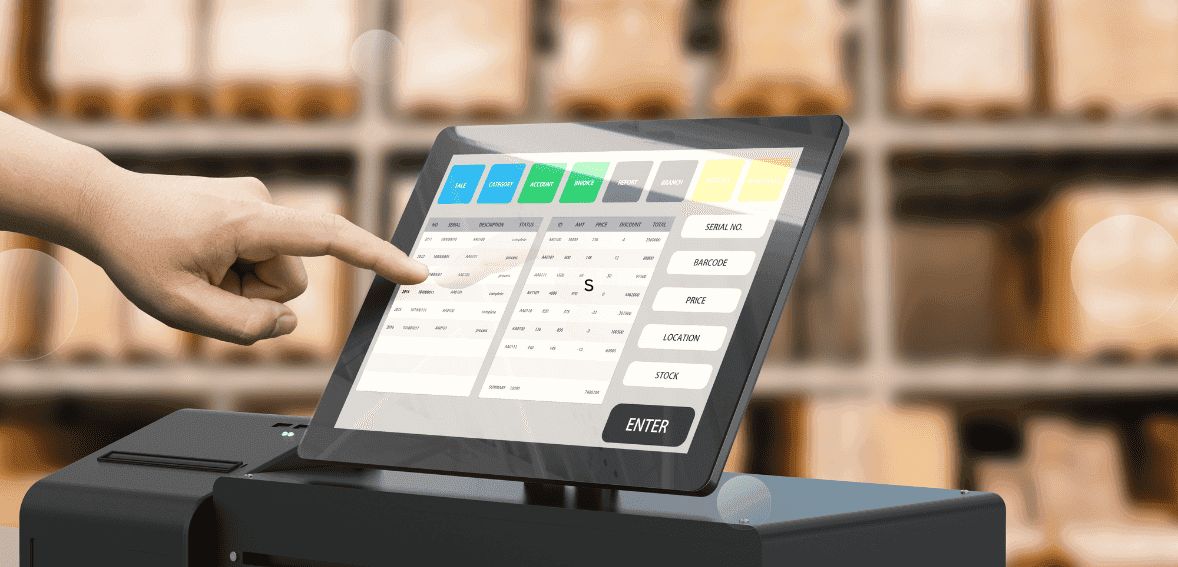
A POS system, or point of sale, offered by merchant services providers, refers to a combination of hardware and software that enables merchants to centralize business operations. An up to date point of sale system, such as Bonsai Point of Sale workstation simplifies day to day functions.
It is designed with speed and efficiency in mind so it makes work faster and easier. It is operated by the main computer and linked to several checkout terminals. Here are four tips on how a point of sale can improve your business;
1. Inventory Management
Proper management of your inventory ensures few lost items and enables you to keep track of the items sales while monitoring how fast or slow an item is selling. Point of sale system is a step up from the use of cash registers in the case of inventory management.
With POS, you don’t have to be worried about how much inventory you have as it keeps track of all the inventory in all business locations. Access this system from anywhere in the world with an internet connection.
2. Integrated system
An up to date integrated point of sale system enables business owners to go mobile. The owner can, therefore, work from home and even work when the internet is down. With an integrated system, all locations sync to a centralized database. This ensures all your information is in one place, secure, and up to date. An integrated POS reduces human error and therefore increases accuracy ultimately making business easier.
3. Payroll management and time tracking
A POS system is essential to an employer in payment processing and tracking their employees’ working hours in order to pay them accordingly. Using POS, time clocks are regulated such that an employee clocks in and out using a secured pin allowing the employer to keep track of the exact working hours thus making payments easier. It calculates the hours worked, the rates and the employee’s deduction, giving the ability to process each employee’s payslips easily.
4. Reporting
The point of sale system allows the employer to monitor the trends in the business. It provides custom reports on sales, employees’ time, and inventory among others. See trends, averages, and comparisons giving you the tools you need to optimize your business. Restaurant analytics include table seating data, table turnover times, rush analysis and real-time operating costs vs real time profits.
Reporting is important as it enables the business owner to improve their business, prevent future mistakes, proactively avoid problems, save time, and cut out unnecessary operation costs and thus improving the business. Reporting also provides the owner with daily reports on revenue.
For more information about point of sale tips and leaders in the market simply contact us today. We offer full-time support for all your needs.
Accepting credit cards is essential for today’s businesses: over 90% of U.S. adults carry a credit or debit card, and many customers expect to pay by card or mobile wallet. However, processing card payments comes with fees and security requirements that can cut into profits if not managed carefully.
When you have a complete understanding of the pricing structures, you avoid hidden costs, maintain strong security, and, by leveraging modern payment technology, businesses can streamline their card payments and save money. Below are five key credit card processing tips to help your company optimize.
Credit Card Processing Tips: Best 5 For Businesses To Use
1. Compare and Understand All Pricing Components
Credit card processing involves multiple fee types. Before choosing a processor, review pricing examples to see exactly what you’ll pay. Standard charges include interchange and transaction fees, monthly or statement fees, and one-time costs.
Interchange fees (paid to card issuers) typically run about 2 to 3% of each sale, and processors often add a fixed per-transaction fee on top. There may also be monthly account fees, PCI compliance fees, or gateway fees, regardless of sales volume.
Interchange and transaction fees: These are usually a percentage of the sale amount plus a small flat fee. Rates vary by card type (credit vs. debit) and how it’s processed (swiped, keyed, or online).
Monthly and statement fees: Processors often charge a monthly account fee or a fee for paper statements. Some impose a monthly minimum fee (typically $10–$25) if you don’t reach a sales threshold. Look for providers that waive these if you qualify.
Equipment and setup fees: One-time costs can include setup fees and the price or lease of card readers and terminals. In general, buying your own POS terminals (often around $200-$300 each) avoids the extra cost of leasing.
Chargeback fees: If customers dispute transactions, the processor may charge a chargeback fee. Review how these are handled to avoid surprises.
You should always ask potential processors for a sample monthly statement or fee schedule when evaluating options. This lets you see all line-item costs, ensuring no hidden charges slip through.
Compare pricing models directly – interchange-plus (pass-through) pricing tends to be most transparent, while flat or tiered rates can obscure true costs. Whenever possible, negotiate rates or ask to have fees waived as your sales volume grows.
2. Avoid Long-Term Contracts and Hidden Costs
Contracts can easily lock businesses into unfavorable terms, mainly when processors rely on multi-year agreements with hidden penalties. To maintain flexibility and control costs, it’s best to seek arrangements that avoid long-term commitments. A month-to-month contract or one that clearly permits cancellation with minimal notice generally offers the most protection. Before agreeing to anything, read the contract closely for auto-renewal clauses and high early-termination fees. Some providers renew automatically at higher rates if you miss a cancellation deadline, so it’s important to track those dates.
Choosing flexible terms is essential, and processors that avoid locking you in are typically the safest option. It’s critical to compare fee structures, contract terms, and available features, and to prioritize no-contract or short-term agreements whenever possible. Early termination fees also deserve careful attention, as they can reach thousands of dollars. While some companies may waive penalties if asked, it’s better to choose providers known for short or no-commitment terms rather than rely on exceptions.
Another area to review is equipment leases. Hardware offered as “free” in a contract is often paid for indirectly through higher rates or added fees. It is recommended to purchase your own terminals whenever possible, since a reliable EMV terminal can cost around $250 and often saves money compared with leasing.
Overall, negotiation is key. Ask directly about cancellation and renegotiation policies, and if a provider insists on a long-term contract, make sure rates are stable and the agreement has no hidden surprises. A processor that lets you exit or adjust your plan without punitive fees will protect you from being stuck in a costly arrangement later.
3. Strengthen Security and Compliance
Protecting customer data is both legally required and good business. All merchants must comply with PCI DSS standards for handling payment data. Ensure your processor handles the heavy lifting of PCI compliance (such as network scans and validation), but remember that some responsibility remains with you (such as using secure equipment and training staff).
Use a processor that keeps customer card data encrypted from the moment of swipe or entry (point-to-point encryption) and tokenizes information in your systems. This guards against breaches: even if hackers intercept data, encrypted numbers and tokens are useless without the decryption key.
Encryption and tokenization: Verify that your point-of-sale (POS) system encrypts card data immediately and that the processor uses tokenization. This means that once a card is read, the actual card number is never stored or transmitted in plain text.
Fraud prevention tools: Use AVS (Address Verification Service) and CVV checks for card-not-present (online or phone) transactions. AVS compares the billing ZIP or address to the card issuer’s record to catch mismatches. Also, enable any fraud filters, velocity checks, or AI-based tools offered by your processor. These can flag unusual patterns (like very high ticket sales or foreign usage) before you process bad transactions.
PCI compliance: Stay up to date with PCI requirements. This includes using compliant card readers and terminals, applying software updates, and undergoing any required quarterly scans. Non-compliance can lead to fines and even liability for fraud losses.
Staff training: Human error is often the weakest link in security. Train your employees on secure payment handling: ensure they never leave unattended receipts with card data, they use strong passwords and two-factor authentication for systems, and they recognize phishing or social-engineering attempts. A breach not only costs in fines but can also drive away customers – as one high-profile retailer learned: a security lapse dramatically hurt its sales and reputation.
Regularly audit your security. Confirm that all payment processing devices are up to date and that your team understands safe procedures.
Providing staff education on handling customer data can help prevent breaches caused by even well-intentioned employees. Making security a priority saves money by reducing fraud losses and compliance costs.
4. Accept Many Payment Methods and Integrate Systems
Modern customers expect to pay however they prefer, so your business should support all major card brands along with popular digital payment methods. Many shoppers are relying on digital wallets more frequently, and offering contactless tap-to-pay and mobile wallet options such as Apple Pay. Google Pay can significantly improve satisfaction and checkout speed.
A good payment processor should enable these features without added complexity. It’s equally important to align your in-store and online systems by integrating your e-commerce checkout with the same merchant account to create a consistent, seamless experience.
Taking payments across multiple channels strengthens convenience and efficiency. Accepting transactions in person, online, and on the go through a single provider unifies POS terminals, e-commerce gateways, and mobile readers under a single system, reducing vendor management and controlling costs. Digital wallets and contactless payments should be standard, since tap-to-pay shortens wait times and uses dynamic security codes for stronger protection.
Your payment setup should also connect smoothly with your accounting or ERP software. Many processors and POS platforms can sync sales data directly to systems like QuickBooks or Xero, eliminating manual entry and reducing errors. Beyond basic processing, advanced features such as detailed reporting and analytics offer valuable insights. Comprehensive transaction data can reveal which products perform best, when traffic peaks, and how inventory moves, helping you make better operational decisions.
Regularly evaluate whether you are providing the payment options your customers prefer. For retail locations, ensure your terminals support NFC. For online sales, confirm that your checkout gateway is PCI compliant and optimized for mobile users. Consider adding features such as buy now, pay later or invoicing tools, as these options continue to grow in popularity. A modern, flexible payment stack not only increases sales but also reduces friction and improves accuracy across your operations.
5. Optimize Operations with Analytics and Maintenance
A well-tuned payment system dashes, improves customer satisfaction, and saves money. Outdated equipment or sluggish checkout flows can frustrate customers and even lead to lost sales. Keeping your hardware and software up to date is essential: use modern POS terminals, ensure you have a stable internet connection, and streamline the checkout process by removing unnecessary prompts. These improvements not only make the customer experience smoother but also help increase throughput during busy periods.
Regular maintenance plays a significant role in performance. Update payment terminal firmware and POS software on a routine schedule, and verify that your routers and network configuration are not slowing transactions. A practical guideline is simple: if your checkout ever feels sluggish, it’s time to upgrade your equipment or internet service.
Your system’s data is another valuable resource. Built-in reporting tools can reveal patterns such as which locations or product categories generate the most revenue, when peak purchasing times occur, or where fraud risks may be emerging. Using these insights allows you to optimize inventory, tailor marketing efforts, and adjust staffing to match demand.
Monitoring chargebacks is equally essential. Rising dispute rates may indicate fraud issues or customer dissatisfaction, and resolving them quickly helps prevent unnecessary fees while protecting your revenue. Explicit billing descriptors and responsive customer communication can also reduce disputes.
Continuous improvement keeps your payment stack aligned with your business needs. As your transaction volume increases, it may be time to renegotiate for better rates. If your current provider lacks essential features such as strong mobile payment support or robust analytics, consider alternatives that can scale with you and adapt to new payment methods.
Conduct a complete payment processing audit at least once a year. Compare your fees with competitive offerings, gather staff feedback on system pain points, and determine whether any hardware or software updates are needed. Combine your processor’s analytics with your accounting data to confirm that you’re getting real value. Ongoing optimization ensures your checkout process stays efficient, fast, and cost-effective.
Conclusion
By following these five tips—understanding all fees, avoiding bad contracts, securing transactions, embracing modern payment channels, and continuously optimizing- you’ll keep credit card processing costs in check and provide a smooth experience for customers.
Careful management of your merchant services boosts your bottom line and helps your business grow.
There has been a lot of talk about cash discount programs and surcharging recently. Though these two payment processing programs have similarities they are not the same. Here is how the two differ.
What are credit card surcharges?
A credit card surcharge is a fee that is assessed at the time a credit card is charged. The small fee is usually added to an existing tax at checkout. This fee is only applied because the transaction was completed with a credit card and is used to pass the cost of the transaction on to the customer. With this program, only credit and transactions see a surcharge and that charge is specifically for processing that card. Problem is with surcharging you are not allowed to apply fees to debit cards and surcharging credit cards is not allowed in all states. Only 40 of our 50 states allow for credit card surcharges.
What are cash discounts?
Cash discount programs apply a “service fee” to all transactions (rather than just credit cards). When a customer pays in cash the fee is discounted. The federal government has ruled that it is illegal to not allow merchants to give a discount for using cash. So in this program, not only is it available in every state, but it is also able to apply the service charge to debit card transactions as well. The fee is usually around 3.5% and covers the cost of the transaction. With cash discount, the merchant receives 100% revenue from their sales. Since the customers pay the cost of their own transactions the merchant pays nothing for transaction costs. The only cost to the merchant using the cash discount program is a small monthly fee for the processing account. The resulting savings for the merchant are considerable.
Conclusion
Both the cash discount program and surcharging result in the customer paying their own credit card transaction fees. Surcharging is not allowed everywhere and only credit cards can be surcharged. The cash discount program is federally recognized and legal everywhere. It also allows the merchant to apply the service fee to debit cards as well as credit cards. Utilizing the cash discount program, merchants can receive up to 100% of their revenue and only pay a small flat fee for the merchant account each month. The cash discount program is by far the least costly merchant account available.
Reduce Your Merchant Services Cost With Cash Discount Program.
Most people are paperless. In fact, many have become so accustomed to paying for goods and services in this manner, it has become a necessity for merchants to have credit card processing solutions. If the merchant wants to do business, he or she must have a merchant solution in place. How do merchants offset the costs associated with card payments? Cash card payments just make sense for most business owners.
Reasons to implement a cash discount program
Cutting costs where it won’t affect the quality of service is good business. If your business has been getting rave reviews and you are pleased with how well you service your clients, then cutting costs there wouldn’t make much sense. Implementing a cash discount program is harmless and won’t affect the quality of the service you provide.
Customers embrace easy ways to save money, and they appreciate you being considerate about their wallet. When you encourage customers to pay in cash, they may be on the fence about doing so. When you tell them you want them to save their hard-earned dollars by switching to cash, it becomes palatable in that this directly benefits them.
Cash discount programs don’t require tracking. Promo codes and loyalty cards all come with added responsibilities. There may be an extra card to punch. If the programs change, the person has to swap out the discount card and push people to download the new app. With a cash discount program, the process is automated by merchant services, and there are no additional maintenance steps required once fully implemented.
Cash discount programs are commonplace, so there is no adjustment to be made. Cash discount programs are commonplace. Most customers who purchase gas have seen these programs in action. There won’t be much resistance or opposition to a system that has become the norm at most convenience stores. Government agencies even have cash discount programs in place.
Collect 100 percent of your revenue with cash discount programs, and avoid jacking up the prices on customers. Getting a merchant service discount program in place will reduce your operating costs, and keep your business competitive among its peers. Implement a discount program today for cash paying customers, and protect your revenue.
Two of the most common payment processing pricing models you will encounter today are flat rate pricing and interchange plus pricing. Here’s how they compare and why interchange plus pricing is the superior choice for most merchants.
Choosing the right credit card processor can be a difficult task when you consider there are several types of pricing models the processor can offer — some more transparent than others. This means looking for the lowest rate is probably not going to come with the lowest cost.
Understanding Interchange Rates
Interchange rates are payment processing fees set by credit card associations like Visa, Mastercard, and Discover. These interchange fees are paid to the bank that issues the credit card. There are hundreds of different interchange fees based on the type of card (such as Gold, Platinum, or rewards), whether the card is present or not present, and more.
Flat Rate Pricing
Many popular processors today advertise great flat rates with no fees or hassles but this comes at a price: the fee is probably much higher than you would pay with a different pricing system.
It’s easy to see the appeal of flat-rate pricing. While many merchant services come with a long list of fees and different rates for different transactions, a flat-rate provider gives you just one rate to worry about. You always know what you’re going to pay for every transaction.
Of course, flat-rate credit card processing companies have to cover the same fees as other processors. This is how they come up with their rates: they’re high enough to include a huge profit margin.
There’s a very good chance that most of the transactions you process would qualify for a much lower rate with a different pricing model. If you are a small- to medium-sized retailer, for example, most of your transactions are probably debit cards swiped at a credit card machine. These transactions have the lowest interchange rates available. With an interchange plus or cost-plus pricing model, you could be paying 0.50% to 1% — far lower than the 2.75% rate advertised with a flat rate model.
Interchange Plus Pricing
Interchange plus pricing, also known as cost plus, is a transparent pricing model that helps you understand the real cost of credit card processing to get the lowest possible rate. Cost-plus pricing is based on the actual interchange rate “plus” a markup the processor charges. The “plus” component of interchange plus pricing may be a percentage or a flat fee per transaction.
With interchange plus pricing, you can better understand the true cost of merchant services. This pricing method is simple and shows you how much of your processing fee goes toward interchange fees and how much goes to your payment processor. The only drawback to cost-plus pricing is it can make your statements a bit more confusing until you understand the different rates you pay for different transactions.
In the past, cost plus processing was only offered to high-volume merchants but it’s now available to even new and small businesses. With only two rates to consider and transparent pricing, interchange plus is the clear choice for most businesses.
No one wants to pay more than necessary for credit card processing, which can already eat into profits. When comparing merchant services, it’s important to understand how different pricing systems work. Many merchant account providers advertise very low fees as a teaser, even though most transactions do not qualify for these rates.
There are two common pricing models used for payment processing: tiered pricing and interchange plus pricing. Here’s how they compare.
Tiered Pricing
Tiered pricing is probably the most common pricing model for merchant services. While it’s advertised as an easy pricing method that makes statements simpler, the truth is it merely lumps hundreds of interchange rates into just three tiers or buckets. The processor may advertise the rate of the lowest tier, but most transactions will fall into tiers with a much higher rate. A debit card, which usually has the lowest interchange rate, can be billed using the same high rate as a rewards credit card, for example.
There are no set guidelines that determine which cards go in which category which leads to massive overcharging to merchants. Some payment processors have an incentive to downgrade transactions into a lower tier to boost profits. Transactions can be downgraded for any number of reasons, including using terminal software that isn’t updated, tips and tax that aren’t entered separately, or batches that aren’t settled within 48 hours. Not all of these factors are in your control.
As a merchant, you will have no way to predict which rate you will pay for transactions or how much you are being charged above the set interchange rate. You can’t even effectively compare tiered pricing quotes between payment processors because you don’t know what the mid- or non-qualified rates are — just the lowest available rate — and you won’t know the criteria the processor uses to categorize transactions.
Interchange Plus Pricing
Rather than using tiers, the interchange plus pricing model passes the set interchange rates directly to the merchant “plus” a small markup. Because the interchange rates are not changed or lumped into arbitrary categories, you can predict your payment processing costs and know what you are paying above interchange.
The only downside of interchange plus pricing is it does take time to understand the different rates you will pay for different types of transactions and credit cards. Your statements will be longer, but with greater clarity and transparency.
In the not so distant past, interchange plus pricing was only available to merchants with high credit card volume of $25,000 or more. Today, interchange plus credit card processing can be available to small and even new businesses. Interchange plus pricing is a smart choice with only two rates to consider: the transaction fee and the interchange markup fee. This pricing model is the safe and transparent choice with no arbitrary criteria you must meet.
In the healthcare sector, where patient well-being and confidentiality are paramount, the security of financial transactions is critical. This isn’t just about processing payments but it is also about protecting sensitive patient information, from medical histories to financial records, with the highest level of diligence.
The industry is uniquely challenged and tasked with adhering to stringent regulations like the Health Insurance Portability and Accountability Act (HIPAA) while accommodating diverse services and their associated costs. This article aims to unravel the complexities of payment processing for medical practices, emphasizing the importance of selecting services that not only meet compliance standards but also enhance operational efficiency and patient satisfaction. With healthcare providers facing everything from routine preventive care charges to unforeseen emergency fees, the choice of merchant services and payment processing systems is pivotal in streamlining care delivery and ensuring the security and convenience of patient transactions.
Recurring Payments and Payment Plans
Medical care can be expensive. When patients cannot afford to pay their entire bill, they need credit card processing services that support payment plans and recurring payment options. This service allows patients to make payments online or during visits to your medical practice.
Online Bill Pay
If patients are not required to pay their bills when services are rendered, an online bill pay option can make it easier and more convenient for patients to pay. This option can also reduce the need for collections and reminders. If your merchant services include an online payment portal, patients can pay their bill on their terms when they receive it in the mail.
Accept FSA/HSA
Flexible Spending Accounts (FSAs) and Health Savings Accounts (HRAs) give consumers a flexible option to pay for medical expenses with a tax-exempt trust. Today, these accounts come with a debit card that can be used on qualified medical expenses. HRA and FSA use are on the rise and it’s important for your practice to be set up to receive these payments, not just for patient convenience but also to increase collection activity.
A specialized medical merchant account can allow your practice to accept FSA and HRA debit cards by giving your practice a special MCC code that alerts the card issuer that your services or products are related to medical care.
Intuitive Dashboard for Staff
Your staff can benefit from a user-friendly system that shows updated patient balances and streamlines the checkout process. This also improves patient satisfaction and reduces unnecessary wait time. A good system will provide prompts to staff for outstanding patient balances with a real-time POS collection dashboard and other tools to manage billing.
Secure Data Storage
Security is always a big concern with payment processing, but medical offices face unique security concerns and requirements to keep patients’ data safe. Patients should be confident that their payments will be secure and their information will remain private at your practice. Medical merchant services specialize in payment solutions designed for medical providers that are PCI- and HIPAA-compliant.
If your practice is ready to begin accepting credit cards and HRA/FSA cards, or you are unhappy with your current payment processor, it’s time to make a change. Be sure you choose a processor that offers specialized tools to help your medical practice grow. At Host Merchant Services, we offer merchant accounts customized to your practice’s needs without hidden fees or costly term commitments.
Use Of Payment Processing In Medical Practices
Using payment processing for medical practices brings many benefits that extend beyond the mere transaction of funds. These advantages enhance operational efficiency, patient satisfaction, and financial security within the healthcare sector. Here are some key benefits:
Improved Cash Flow Management: Payment processing solutions facilitate faster transaction times, reducing the waiting period for payments to clear. This efficiency in processing payments leads to improved cash flow management, ensuring that medical practices have the necessary funds for daily operations, purchasing supplies, or investing in new technologies.
Enhanced Security: Security is paramount in healthcare, especially when dealing with sensitive patient information, including financial data. Modern payment processing systems have advanced security features like encryption and tokenization, significantly reducing the risk of data breaches and fraud. Compliance with regulations such as HIPAA is also ensured, protecting both the practice and its patients.
Increased Patient Satisfaction: The convenience offered by versatile payment processing options, such as credit/debit cards, online payments, and mobile wallets, meets the expectations of today’s tech-savvy patients. Easy and flexible payment solutions contribute to a better overall patient experience, increasing satisfaction and loyalty.
Streamlined Billing and Accounting Processes: Payment processing systems often come with integrated billing and accounting features that automate many of the tasks associated with financial management. This automation reduces errors, saves time, and allows staff to focus more on patient care than administrative tasks.
Access to Reporting and Analytics: Comprehensive reporting tools provided by payment processing systems offer valuable insights into financial trends, patient payment behaviors, and overall practice performance. These analytics can inform strategic decisions and help practices identify areas for improvement or investment.
Reduced Administrative Burden: Automating the payment process reduces the administrative burden on staff, freeing them from manual entry tasks and minimizing the chances of errors. This efficiency saves time and reduces the costs associated with managing payments, billing, and collections.
Compliance and Risk Management: Payment processors that comply with industry standards and regulations help medical practices manage risk more effectively. By ensuring that payment processing meets legal and regulatory requirements, practices can avoid costly fines and penalties associated with non-compliance.
Tips To Choose the Right Payment Processing Services for Medical Practices?
When selecting payment processing services for medical practices, it’s crucial to choose a system that handles transactions efficiently and meets the healthcare industry’s unique needs. Here are essential features to look for:
Compliance and Security: The service should adhere to industry standards, including the Health Insurance Portability and Accountability Act (HIPAA), to protect sensitive patient information. It should also employ robust security measures, such as encryption, tokenization, and PCI DSS compliance, to safeguard financial data against breaches and fraud.
Integration Capabilities: Look for a payment processor that seamlessly integrates with your existing healthcare management systems, such as electronic health records (EHR), practice management software, and accounting systems. This integration streamlines workflows, reduces manual data entry, and minimizes errors.
Multiple Payment Options: To enhance patient satisfaction and convenience, the service should support a variety of payment methods, including credit and debit cards, online payments, mobile payments, and possibly even payment plans for higher-cost procedures.
Transparent Pricing: Opt for a payment processor with clear, straightforward pricing structures without hidden fees. This transparency helps medical practices manage finances better and avoid unexpected costs.
Recurring Billing and Payment Plans: For practices that offer payment plans or manage recurring payments for ongoing treatments, the payment processor should provide features that automate these processes, including automatic billing and notifications.
Robust Reporting and Analytics: Access to detailed reports and analytics enables practices to track financial performance, patient payment trends, and other vital metrics. This information is crucial for informed decision-making and financial planning.
Customer Support: Reliable, responsive customer support is essential, especially in the healthcare sector, where timely payment processing is crucial. Ensure the service offers comprehensive support through various channels and has a strong reputation for resolving issues promptly.
Ease of Use: The payment processing service should offer a user-friendly interface for staff and patients. Simplifying the payment process can reduce administrative burdens and improve patient experience.
Mobile Payments and Portability: With the increasing use of smartphones and tablets in healthcare settings, the ability to process payments on mobile devices offers flexibility for practitioners and patients. This makes transactions possible anywhere, from bedside to remote consultations.
Security of Patient Data: Beyond financial data, ensure the payment processor can securely handle and store patient health information if it’s involved in the transaction process, maintaining compliance with HIPAA and other relevant privacy laws.
Selecting a payment processing service that encompasses these features can significantly contribute to the efficiency, security, and patient satisfaction of medical practice, ultimately supporting its financial health and compliance with industry regulations.
Conclusion
To sum up, selecting the right payment processing solution is a crucial decision for medical practices, essential for safeguarding patient information, enhancing operational efficiency, and ensuring seamless financial transactions. The perfect blend of compliance, security, convenience, and integration capabilities not only streamlines the payment process but also reinforces patient trust and satisfaction.
As healthcare continues to evolve in its embrace of digital solutions, prioritizing a payment processing system that meets the unique demands of the medical field is indispensable. Ultimately, the right payment processing service empowers medical practices to focus on their primary goal: delivering exemplary patient care underpinned by a robust, secure, and efficient financial infrastructure.
If your business is considered high-risk, it can seem impossible to find a payment processing company that will accept you. The truth is getting merchant services when your business is risky isn’t as difficult as it may seem. The key is taking steps to improve your chances before you apply for a high risk merchant account and working with a company that specializes in potentially risky businesses. The following tips can help you get approved for a merchant account and minimize your costs, whether you accept credit cards online or with a credit card machine.
#1. Be Upfront With the Processor
Don’t make the mistake of trying to lie or misrepresent your business when you apply for merchant services. If you do not fully disclose the services or products you offer, the credit card processing company will find out anyway. Your merchant account will probably be closed without notice and your business will be disrupted. If you are honest and work with a reliable processing company, you can still qualify for merchant account services.
Remember: getting a high-risk merchant account isn’t a bad thing; it just means the payment processor knows the risks associated with your business and is prepared for certain issues like higher-than-average chargebacks.
#2. Provide Previous History
If you have had a merchant account before, provide your previous processing history when you apply for a new merchant account. This will allow the processor to review your history and make an informed decision. Even if you have been denied service or dropped in the past, you can still find a payment processor who will work with you.
#3. Renegotiate Later
If your business is new, you will probably have a more restrictive account with higher terms because you do not have any processing history. You can renegotiate your reserves, rates, and other terms with your processor in a few months once you have sufficient history to review.
#4. Manage Chargebacks
A high chargeback ratio is one of the most common reasons for a high-risk merchant to have their account closed. The good news is there are several steps you can take to prevent chargebacks and address them before they become a problem. You can keep your chargeback ratio low by:
Making your refund policy clear on the receipt. Make sure you direct customers to contact you directly if they are unsatisfied rather than contacting their credit card issuer. A clear refund policy can also help you win invalid disputes.
Look for red flags that indicate fraud. You may require information that a hacker or thief is unlikely to have, such as the card CVV and address verification to make sure the billing address matches the card issuer’s provided contact information.
Use a chargeback alert system to alert you to chargebacks. This will give you 3 days to issue a full refund before the chargeback is initiated.
Send follow-up emails or a confirmation phone call after sales to confirm a customer is happy.
#5. Choose the Right Processor
There are many choices for high-risk merchants today, but they are not equal. Just because your business is considered risky does not mean you can’t qualify for excellent customer service and quality payment processing service. Make sure you choose the right processor by selecting a company that handles PCI compliance without cancellation fees and costly term commitments. A high-quality processor will guarantee to not increase your markup rate later.
At Host Merchant Services, we understand how important card processing is to your business. No matter what type of business you operate, your volume, or your past processing history, we offer top-rated merchant account services to help your business grow.
Accepting credit cards increases customer convenience and helps increase your sales, but the cost of merchant services can be a bit confusing and eat into your profits. You don’t want to pay more than you need to for payment processing, but how do you choose a merchant account provider that charges the best rates? Knowing how much you will pay in advance for credit card processing isn’t easy, especially when the provider uses a complicated pricing system like tiered pricing.
As a merchant, the safest and most upfront pricing model is interchange plus pricing, also known as cost plus pricing. Unlike other pricing models, the interchange plus system breaks down the charges so you can see the markup you are charged to process a transaction. Here’s a look at how interchange plus pricing works and how it protects you from being overcharged.
Understanding Interchange Fees
When a credit card transaction is processed, there are several entities involved. The first is the acquiring bank or merchant services provider. The card issuing bank physically issues the card that the customer is using. The credit card association, which may be Mastercard, Visa, or Discover, is responsible for setting the credit card processing rates for these transactions.
Every debit and credit card has a pre-set interchange rate that the merchant account provider pays to the issuing bank. This is the interchange rate. Debit cards have the lowest interchange rates while high-end rewards cards have the highest rates. Rates can also be lower if the credit card is dipped or swiped on a credit card machine compared to online or keyed sales.
There are hundreds of interchange fees that are comprised of a percentage fee of the volume of the sale and a flat fee per transaction.
How Interchange Plus Pricing Works
Interchange plus pricing is the most beneficial for merchants due to its simplicity and transparency. With this pricing model, merchants pay the actual interchange fee “plus” an additional markup. The “plus” is the amount that exceeds the interchange costs and it covers expenses for the merchant account provider. The markup may be a per-transaction fee or a percentage.
A common alternative to interchange plus pricing is a tiered pricing system, which turns the hundreds of interchange rates into just three tiers: qualified, mid-qualified, and non-qualified. The processor determines which transactions fall into which categories based on criteria like whether a credit card machine is used and whether the transaction was processed same-day.
With tiered pricing, you can never tell which percentage of the processing fee goes tot he credit card association and issuing bank and how much goes to the merchant account provider. This pricing model makes it very easy to hide interchange fees so the processing company can charge a higher markup.
Why Cost Plus Pricing Makes Sense
Tiered and flat-rate pricing models make it easy to overcharge merchants because you never know how much you are paying over interchange. Interchange plus pricing shows you the actual interchange costs for every transaction to see precisely what you are paying over interchange. The cost plus model encourages competition and reasonable markups to save you money on payment processing. While payment processors can still charge whatever they want as a markup, you can easily compare merchant accounts to find the service with the lowest effective rate.
Cookie Consent
We use cookies to enhance your browsing experience, analyze site traffic, and support our marketing.You can accept all cookies, reject non-essential ones, or manage your preferences below. Learn more in our Privacy Policy.
Cookie Preferences
Manage your cookie preferences below:
Essential cookies enable basic functions and are necessary for the proper function of the website.
Name
Description
Duration
Cookie Preferences
This cookie is used to store the user's cookie consent preferences.
180 days
These cookies are needed for adding comments on this website.
Name
Description
Duration
comment_author_email
Used to track the user across multiple sessions.
Session
comment_author_url
Used to track the user across multiple sessions.
Session
comment_author
Used to track the user across multiple sessions.
Session
Google Tag Manager simplifies the management of marketing tags on your website without code changes.
Name
Description
Duration
cookiePreferences
Registers cookie preferences of a user
2 years
td
Registers statistical data on users' behaviour on the website. Used for internal analytics by the website operator.
session
These cookies are used for managing login functionality on this website.
Name
Description
Duration
wordpress_logged_in
Used to store logged-in users.
Persistent
wordpress_sec
Used to track the user across multiple sessions.
15 days
wordpress_test_cookie
Used to determine if cookies are enabled.
Session
Statistics cookies collect information anonymously. This information helps us understand how visitors use our website.
Google Analytics is a powerful tool that tracks and analyzes website traffic for informed marketing decisions.
Contains information related to marketing campaigns of the user. These are shared with Google AdWords / Google Ads when the Google Ads and Google Analytics accounts are linked together.
90 days
__utma
ID used to identify users and sessions
2 years after last activity
__utmt
Used to monitor number of Google Analytics server requests
10 minutes
__utmb
Used to distinguish new sessions and visits. This cookie is set when the GA.js javascript library is loaded and there is no existing __utmb cookie. The cookie is updated every time data is sent to the Google Analytics server.
30 minutes after last activity
__utmc
Used only with old Urchin versions of Google Analytics and not with GA.js. Was used to distinguish between new sessions and visits at the end of a session.
End of session (browser)
__utmz
Contains information about the traffic source or campaign that directed user to the website. The cookie is set when the GA.js javascript is loaded and updated when data is sent to the Google Anaytics server
6 months after last activity
__utmv
Contains custom information set by the web developer via the _setCustomVar method in Google Analytics. This cookie is updated every time new data is sent to the Google Analytics server.
2 years after last activity
__utmx
Used to determine whether a user is included in an A / B or Multivariate test.
18 months
_ga
ID used to identify users
2 years
_gali
Used by Google Analytics to determine which links on a page are being clicked
30 seconds
_ga_
ID used to identify users
2 years
_gid
ID used to identify users for 24 hours after last activity
24 hours
_gat
Used to monitor number of Google Analytics server requests when using Google Tag Manager
1 minute
Marketing cookies are used to follow visitors to websites. The intention is to show ads that are relevant and engaging to the individual user.
Facebook Pixel is a web analytics service that tracks and reports website traffic.