

Mobile payments have moved from a novelty to a necessity in recent years. In the United States, over three-quarters of consumers now use some form of mobile payment, and more businesses are adapting to this cashless, app-driven economy. With digital wallets, tap-to-pay cards, and phone apps becoming ubiquitous, in-store contactless transactions accounted for over 50% of U.S. in-person payments in 2023.
This rapid shift means that business owners – from small retailers to enterprise executives – must stay on top of the latest mobile payment trends. Adopting the right payment technologies can enhance customer experience, improve security, and even boost sales. Below, we break down the new mobile payment trends in the U.S. that your business should investigate.
Mobile Payment Trends: Businesses Should Watch Out for in 2026
1. Mobile Wallets Go Mainstream
Digital mobile wallets like Apple Pay, Google Pay, and Samsung Pay have become the most popular payment method worldwide, accounting for 49% of all transactions in 2022. In the U.S., adoption has skyrocketed in the past couple of years – a 2023 study found that the share of consumers using digital wallets jumped from 12% in 2022 to 48% in 2023. Mobile wallets let customers store credit/debit cards, loyalty cards, transit passes, and more on their phone, enabling fast, contactless payments with a tap or scan.
This matters because accepting mobile wallets at checkout (both in-store and online) is increasingly expected by customers. Over 75% of U.S. consumers now use mobile payment apps or accounts like PayPal, Venmo, Zelle, or Cash App, meaning your patrons likely have a preferred mobile wallet ready to use.
By enabling Apple Pay, Google Pay, and similar options in your point-of-sale (POS) system or e-commerce site, you offer a faster, more convenient checkout experience. Mobile wallet transactions are encrypted and tokenized (a random token replaces the card number), which also improves security and trust. In short, mobile wallets have gone mainstream – and businesses that don’t accommodate them risk falling behind customer expectations.
2. Contactless Payments Are the New Normal
Hand-in-hand with mobile wallets is the rise of contactless payments – tapping a phone or contactless card on a reader for instant payment. What was once a nice-to-have convenience is now the norm across the United States. The COVID-19 pandemic dramatically accelerated this trend as consumers and merchants sought safer, touch-free payment methods. The result? By 2023, more than 50% of all in-store transactions in the U.S. were contactless.
Additionally, over 70% of U.S. merchants now offer contactless payment options to their customers. Whether it’s tapping a physical NFC-enabled credit card or using a smartphone’s wallet app, Americans have come to love the speed and ease of “tap-and-go” payments.
If your business hasn’t upgraded to contactless-capable payment terminals, now is the time. Customers increasingly expect to “tap to pay” at checkout for speed and hygiene reasons – one survey found 79% of Americans view contactless payments as more hygienic than handling cash or cards. Contactless transactions are also faster, resulting in shorter lines and higher throughput for stores or restaurants.
Security is strong as well: each tap transaction uses one-time encrypted tokens, making it extremely difficult for fraudsters to intercept payment info. Embracing contactless payments (including mobile wallet taps) not only meets customer demand but can also lead to higher customer satisfaction and loyalty. Many retailers report that once they accepted contactless, a majority of customers quickly adopted it for the convenience, speed, and safety it offers.
3. Mobile Point-of-Sale (mPOS) and Phone-as-Terminal Technology
Accepting payments via mobile point-of-sale (mPOS) is nothing new – for years, small businesses have used plugins or dongles (like Square readers) with phones or tablets to swipe cards at farmers’ markets and pop-up shops. What’s new is the evolution of this trend into truly hardware-free POS solutions. Tech giants have introduced “Tap to Pay” functionality that turns a standard smartphone into a payment terminal. For example, Apple’s Tap to Pay on iPhone now allows merchants to accept any contactless card or mobile wallet payment using only an iPhone – no extra card reader needed.
The phone itself can securely receive a tap from a customer’s card or smartphone. This SoftPOS (Software Point-of-Sale) approach is rolling out via payment providers like Stripe, Square, and PayPal, as well as Apple and Android solutions.
mPOS and SoftPOS technology empower businesses to take payments anywhere, anytime, with minimal equipment. A craft vendor at a street fair, a food truck operator, or even an in-home service provider can accept a quick tap payment on a phone, eliminating the need to carry cash or set up a bulky register. Even in retail stores, sales associates with a phone or tablet can bust checkout lines by ringing up customers on the sales floor.
This flexibility not only improves customer experience (no one likes waiting in long lines) but can also boost sales – customers are more likely to complete a purchase if you make payment frictionless. Additionally, using phones as terminals can be cost-effective for small businesses, since you don’t need to invest in dedicated POS hardware or pay high card terminal rental fees. The bottom line: modern mobile POS solutions let you meet your customers where they are and never miss a sale, whether in-store, curbside, or at an off-site event.
4. Buy Now, Pay Later (BNPL) Options

Another payment trend that has surged via mobile and online channels is Buy Now, Pay Later (BNPL) financing. BNPL services like Affirm, Klarna, Afterpay, and PayPal Pay in 4 allow customers to split purchases into installment payments (often interest-free) at checkout. This trend took off in the past few years, especially among younger shoppers who prefer not to rack up credit card debt. Global BNPL transaction volume has boomed, reaching around $310 billion in 2023 and projected to exceed $565 billion by 2026.
In the U.S., millions of consumers have embraced BNPL for both online and in-store purchases (e.g., using a BNPL app’s virtual card via a mobile wallet). Retailers, from fashion brands to travel sites, now prominently offer these flexible payment plans at checkout.
Offering BNPL at checkout can be a powerful tool to boost sales and customer acquisition. Many shoppers are more likely to make a purchase or buy a more expensive item if they can pay in smaller chunks over time. Studies show BNPL can increase conversion rates and average order values for merchants, especially in e-commerce. It’s essentially modern layaway, but the customer gets the product immediately while the BNPL provider pays the merchant upfront (the merchant then pays the provider a fee).
For businesses, partnering with a BNPL provider requires minimal integration – often it’s an API or plugin for your online store or POS. Given the rapid growth of BNPL, customers may start to expect it as a payment choice alongside credit cards and PayPal. However, use it judiciously: consider your customer demographics and ticket sizes. When deployed well, “buy now, pay later” options can attract budget-conscious shoppers and reduce cart abandonment, giving your business an edge in conversion.
5. Social Commerce and In-App Purchases
Social media is no longer just for marketing – it’s becoming a direct sales channel. Social commerce refers to selling products directly through social media platforms, and it’s a trend driven heavily by mobile usage. Shoppers can discover and purchase items without ever leaving apps like Instagram, Facebook, Pinterest, or TikTok.
Instagram and Facebook offer in-app checkout for products featured in posts or ads, and TikTok launched its TikTok Shop for seamless buying while scrolling through videos. This fusion of social media and e-commerce is growing fast: U.S. social commerce sales jumped 26% in 2024 to reach $71.6 billion, and are expected to surpass $100 billion by 2026. A major portion of this growth comes from mobile users seeing a product on social media and instantly tapping “Buy” or “Shop Now.”
If your business has a social media presence, integrating shopping features can open a new revenue stream. Rather than redirecting a follower to your website, you can enable them to purchase the item they see in your post right within the app. This streamlines the customer journey and reduces friction – fewer clicks increase the likelihood of conversion. Social commerce is especially popular with younger demographics (Gen Z and Millennials) who are very comfortable with mobile shopping.
Businesses can start by setting up a product catalog on Facebook/Instagram Shops or experimenting with TikTok Shop if it fits the brand. Additionally, chatbot-assisted purchases (for instance, a customer buys through Facebook Messenger or WhatsApp after interacting with a bot) are emerging, making the buying process feel like a natural conversation. While social commerce is still developing – and some users remain hesitant due to trust concerns – it’s definitely a mobile-driven trend to watch. Even if you don’t sell directly in-app yet, ensure your social profiles showcase your products and link to a mobile-friendly store, because consumers are increasingly inspired to buy through social feeds.
6. Biometric Authentication and Enhanced Security
As mobile payments proliferate, security and fraud prevention have become top priorities. One major trend is the use of biometric authentication – leveraging unique user traits such as fingerprints, facial recognition, or iris scans to verify identity for payments. If you use Apple Pay or Google Pay, you’re already familiar with this: a fingerprint or Face ID scan authorizes the transaction instead of a PIN. Biometrics are also used to unlock banking apps, approve payments, and even at physical checkouts (e.g., Amazon’s palm-scanning payments at some stores). The biometric payments market is growing rapidly – valued at $7.4 billion in 2022 and expected to exceed $19 billion by 2029.
Beyond biometrics, tokenization and encryption are being employed everywhere to secure mobile transactions. For example, mobile wallet payments never transmit your actual card number, only a scrambled token. And amid high-profile data breaches and card fraud, many platforms now require multi-factor authentication (such as an SMS code or biometric scan) for higher-risk transactions.
All of this matters because trust and security are critical for any payment method – customers won’t use mobile payments if they feel unsafe. Fortunately, the latest mobile payment technology is making transactions more secure than traditional card transactions in many ways. Merchants benefit from lower fraud and chargebacks when strong authentication (like biometrics) is in place. You should ensure your payment systems support the newest security standards – for instance, if you have a mobile app or website, use payment gateways that offer 3D Secure 2.0, biometric verification, or tokenization to protect card data.
Embracing biometric-enabled payments can also speed up checkout. Customers appreciate the convenience of paying with a touch of a finger or a quick face scan, and they’re increasingly confident in the safety – 90% of U.S. consumers feel confident about the security of contactless payments (which often use biometrics on smartphones). By staying current with security trends such as biometrics and encryption, and complying with standards like PCI DSS, your business can prevent fraud and build customer trust, all while providing a seamless payment experience.
7. Artificial Intelligence in Payments
Artificial Intelligence (AI) and Machine Learning are injecting new intelligence into the payments process. In fact, 2023 saw AI take center stage in tech (with the popularity of ChatGPT), and this is spilling into fintech and payments. AI is being used to fight fraud, personalize customer experiences, and even enable new payment interfaces. For example, machine learning models can analyze transaction patterns in real time and flag suspicious activity far more effectively than older rule-based systems. This helps payment providers and banks prevent fraud before it happens, saving merchants from costly chargebacks.
AI can also power smarter chatbots and voice assistants – we’re seeing early versions of voice-enabled shopping where you might ask Alexa or Google Assistant to order and pay for an item. On the back end, AI helps with risk assessment (deciding to approve or decline a transaction within milliseconds) and with personalized offers (such as your banking app suggesting a better credit product based on your spending). AI technology could add trillions of dollars in value across industries, and the payments sector is tapping into it by using AI to enhance everything from fraud detection to customer service.
Many of these AI-driven improvements operate behind the scenes, but they have real impacts on merchants. Advanced fraud detection means fewer fraudulent transactions and chargeback headaches for business owners. If you’ve ever had to deal with chargeback disputes, you’ll appreciate that AI is helping catch fraudsters using stolen cards or testing card numbers on websites, etc. AI can also enable smoother customer experiences – for instance, an AI might auto-fill payment details, recommend the best payment option for a customer, or power a virtual assistant that answers billing questions.
AI could enable innovations such as dynamic pricing and optimized payment routing to minimize fees. For a business, the key is to partner with payment processors or platforms that leverage modern AI tools. You may not implement these technologies yourself, but when evaluating payment solutions, ask about their fraud prevention and AI capabilities. A forward-thinking payment provider using AI and machine learning will help ensure your transactions are secure and your customers have a frictionless experience.
8. Open Banking and Account-to-Account Payments
Open banking is an emerging trend that could reshape how payments work, even though it’s still early-stage in the U.S. Open banking refers to banks securely sharing financial data and payment capabilities with third-party fintech apps via APIs (with customer consent). One result of open banking is the rise of account-to-account (A2A) payments, in which money moves directly from the customer’s bank account to the merchant’s account, bypassing card networks as middlemen.
In some regions like Europe and the UK (where open banking is mandated by regulations), A2A payments and instant bank transfers are becoming popular alternatives to card payments. Globally, this trend is picking up speed – in 2022, A2A payments accounted for an estimated $525 billion in e-commerce transaction value (about 13% of online payments), and they’re projected to reach 11% of e-commerce payments by 2026. In the U.S., we don’t have a blanket open banking law yet, but fintech companies like Plaid enable consumers to link their bank accounts to apps, and new instant payment networks like FedNow (launched in 2023) and Zelle are facilitating bank-to-bank transfers in real time.
Open banking and A2A payment solutions can offer merchants lower-cost, faster payments. When a customer pays directly from their bank account (such as an ACH transfer or an open banking instant payment), the transaction fees are often much smaller than credit card processing fees. This can be especially attractive for industries with thin margins or for accepting large payments (where the percentage-based card fees really cut in). Open banking can also enable innovative financial services – for instance, an app that integrates with a user’s bank could combine payments with personal finance insights or lending offers.
While still emerging, some U.S. businesses are already taking bank-to-bank payments via services like Venmo (which ultimately pulls from bank accounts), or via eCheck/ACH at checkout for online bill pay. As open banking technology matures, we may see more customers opt to pay through their banking app or via ACH on mobile, skipping card entry entirely. For now, consider offering an ACH or bank transfer option for large transactions, or keep an eye on open banking payment apps making inroads. This trend promises a future with more payment options beyond traditional card networks, which could lead to cost savings and better financial control for businesses.
Conclusion
Mobile payment technology is evolving at a blistering pace, and U.S. consumers are embracing these new options for convenience and security. From the ubiquity of mobile wallets and contactless taps to the rise of BNPL financing and social commerce, the way people pay is fundamentally changing. Small business owners and enterprise leaders alike should regularly assess which of these trends align with their customer needs and business goals.
Adopting mobile payment innovations can lead to faster checkouts, higher sales, and more satisfied customers – but it’s important to prioritize those that add real value to your operations. As you investigate these trends, consider starting with the basics (such as enabling mobile wallets and contactless payments if you haven’t yet), then explore strategic additions (such as offering BNPL or experimenting with social selling) based on your industry. Ensure that security measures, such as biometrics and tokenization, are in place as you expand payment options, and choose payment partners that leverage modern technologies, such as AI and open banking, to support future growth.
Frequently Asked Questions
What are the most important mobile payment trends to focus on first?
Start with the “table stakes”: mobile wallets (Apple Pay/Google Pay) and contactless tap-to-pay, because customers increasingly expect them and they speed up checkout. Then evaluate BNPL, social commerce, and mobile POS/phone-as-terminal based on your average order value, sales channels, and where customers buy.
Do I need new hardware to accept mobile wallets and contactless payments?
Often, yes, you need NFC- or contactless-capable terminals to accept tap payments in-store. The good news is that many businesses can upgrade easily through their existing payment processor or POS provider, and some “phone-as-terminal” options may reduce or eliminate the need for extra hardware in specific setups.
Are mobile wallets and contactless payments secure for my customers and my business?
Generally, they’re very secure because they use protections like tokenization and encryption, and many payments require biometric authentication (Face ID/fingerprint). For businesses, this can reduce exposure to card data and help lower fraud risk, especially when paired with strong security standards and updated payment gateways.
Will offering Buy Now, Pay Later (BNPL) actually increase sales?
It often can—BNPL can increase conversion rates and average order value, especially for higher-priced items and online purchases. It’s best for businesses with customers who want flexibility (often younger shoppers), but you should factor in provider fees and ensure it fits your brand and ticket sizes.
How do I know which payment options my customers actually want?
Use a mix of data and direct feedback: check your POS/e-commerce reports for abandoned carts and payment-method usage, ask customers at checkout, and test options (e.g., add BNPL for 60-90 days). If you sell on social platforms, monitor which posts drive clicks and consider enabling in-app checkout where it makes sense.
 Unlike other countries where the regulation of prepaid wireless services tends to be more relaxed in terms of requesting information from users, a prepaid SIM account in the U.S. requires the collection of personally identifiable information; moreover, each prepaid customer becomes an account record, one that can be tied to financial information to make it easier to add credit, airtime, and services. With regard to data security, there is no difference between wireless contracts and prepaid arrangements, and this is something that T-Mobile was recently forced to contend with.

 The top 25 imitated brands were examined in Vade Secure’s report, and it also shined a light on many of the tactics employed by the phishers as they pose as these various websites in an attempt to break security and obtain users’ data and information. Ever since the Vade Secure reports first began in the second quarter of 2018, Microsoft has had the privilege of owning the number 1 spot when it comes to the company most targeted for phishing. As of the first quarter of 2019, however, Microsoft lost that top spot to PayPal. Online streaming service Netflix, with its 158 million subscribers worldwide, is next in line at 3rd place.
 Beyond
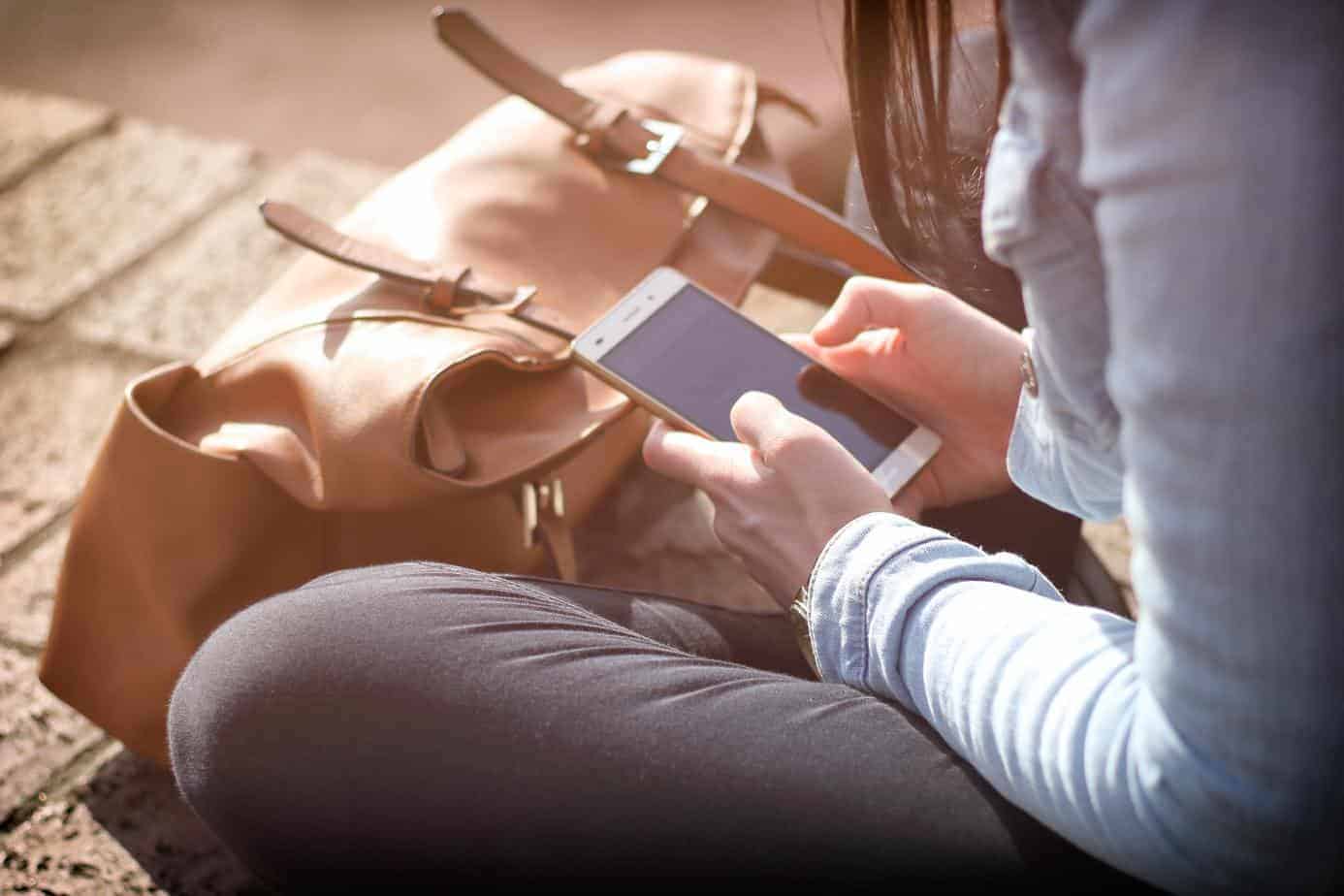 Until Ant Financial, the Alibaba affiliate that runs Alipay’s platform, made the following announcement earlier this month, users of the Alipay platform were required to have a Chinese bank account. Until now, that is, with Alipay announcing a program called “Tour Pass” through which the company will introduce a version of the Alipay app that will launch and feature full support for international debit and credit cards. Once users have download the Alipay app onto their iOS or Android device, they will be able to use their phone number to set themselves up for the international version of the app.
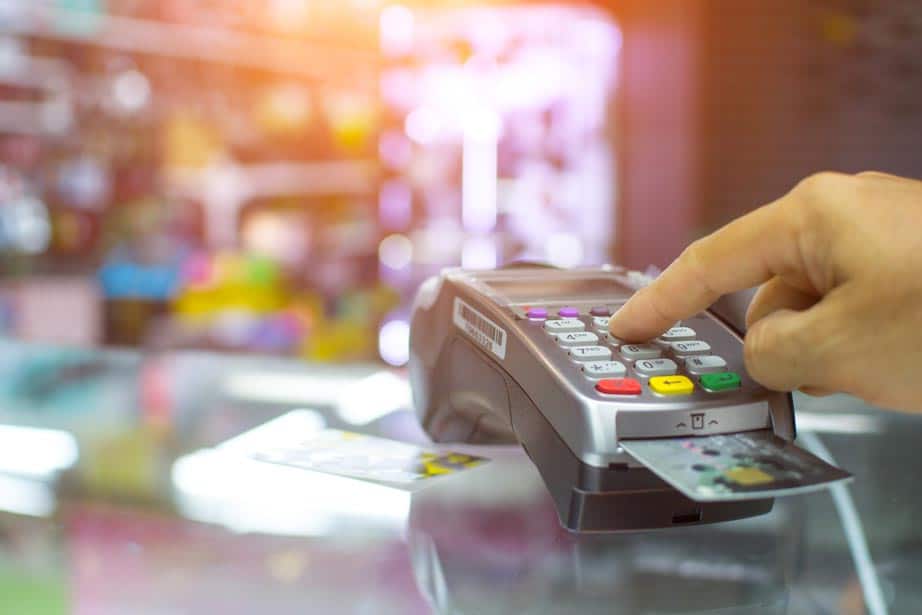 Rather than pay interchange fees directly, businesses pay credit card processors according to these tiered rates. The processors then pay the interchange fees on behalf of the businesses. Instead of listing the actual interchange fees, credit card processors list only the qualified, mid-qualified, and non-qualified rates under tiered pricing.