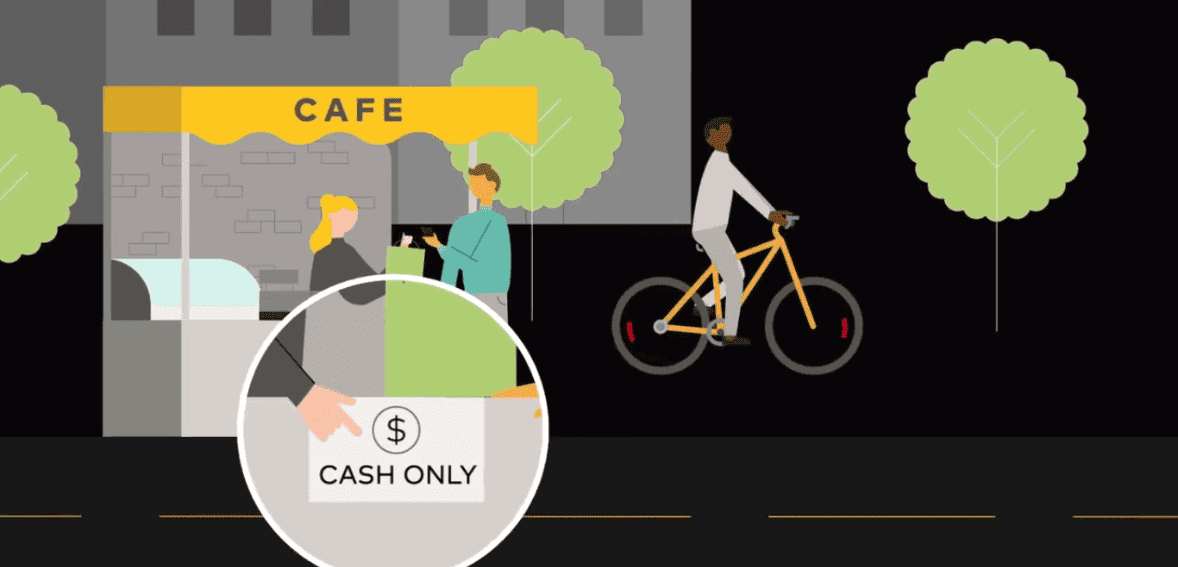
Today, consumers either don’t use cash or they try to avoid it as much as possible. Many even avoid using their credit card, and thanks to NFC, or ‘Near Field Communication,’ it’s possible.
What is NFC?
NFC allows two devices near one another to ‘talk’ to exchange payment information. Apple Pay and Google Pay are two of the most common NFC type payments used today, although there are others. How do they work and what should users pay with them?
Apple Pay – How it Works
As you probably guessed, Apple Pay is a payment option for Apple users. Customers may also use their Apple Watch to make payments. When a user is near an NFC terminal where they want to make a payment, they do the following:
Unlock the phone or watch using face ID or entering the passcode
Hold the phone near the NFC reader
They’ll hear a beep or feel a tap when the transaction is complete
The screen will show a check mark to show it’s done
Using these steps will pay with the default card set up in Apple Pay. If you want to use a different card, you must switch cards in the app before paying.
Google Pay – How it Works
Google Pay is the equivalent of Apple Pay but for Android phones. Users store a credit card in the Google Pay app and use the default card for contactless payments.
Users use these steps to pay with Google Pay:
Unlock the phone or watch
Hold the phone or watch near the NFC reader
Their device will show a blue checkmark when it’s complete
The user’s device will buzz when the payment is complete
Are NFC Payments Safe?
Consumers and merchants have reason to worry about NFC payments’ safety. It seems like it would be riskier, but there is less risk using NFC payments than a credit card.
Since you don’t have to share any personal information or even show a picture ID, there’s a lower risk of the consumer’s information being stolen. Users also have to unlock their phone for the payment to take place, so unless a thief has the passcode, they couldn’t use the Apple or Google Pay function.
Also, both Apple and Google Pay have the option to switch the function off from any device. If a user’s phone is stolen, they can shut off the payment app via any internet-enabled device.
Why is NFC the Wave of the Future?
NFC payments were popular before, but the pandemic further popularized NFC. People were almost forced to adopt the technology, which made it more widely spread. Now that people know how it works and that it’s safe, they are more likely to use NFC payments moving forward.
As a merchant, it works to your benefit to adopt the technology in your store. Consumers will patronize businesses they know keep them safe, and adding NFC payments to your checkout process is a sign of safety.
An unfortunate part of running a business is the risk of chargebacks. While they are a natural part of accepting credit card payments, if they get too excessive, it can make you a ‘risky’ merchant, causing you to lose your merchant account.
Here’s what you must know.
What is a Chargeback?
A chargeback is a charge reversal. The customer initiates it and it’s usually due to wrongdoing on the merchant’s part, or at least that’s what most people think. Since a chargeback protects the consumer and not the merchant, you’re on the losing end right from the start.
Common Reasons for Chargebacks
Chargebacks happen for a million reasons, but some of the most common include:
Customer dissatisfaction
Fraudulent charges
Clerical error
The most common reason is identity theft or fraudulent charges. But anything can happen, and customers can initiate them if they feel warranted.
So how do you avoid chargebacks? Here are some tried and true methods.
Make your Payment Description Clear
How often have you seen a charge on your credit card you don’t recognize? Your first instinct is to dispute it. Sometimes, it’s from a company you did initiate a transaction with, but the name differs from the name customers know of you. Use the same name or description and you’ll avoid chargebacks.
Have a Friendly Return Policy
You are in business to make money, but if customers aren’t happy, you won’t make money. Instead, make your customer service and return policy so friendly that customers won’t have a reason to initiate a chargeback. If they know you will figure out the issue, they will most likely trust you rather than making you go through the investigation process.
Watch for Suspicious Transactions
It’s hard to figure out which transactions are legit and which aren’t, but here are a few key areas to watch for:
Multiple attempts to use the same card
Unusually large purchases for your business and/or industry
Questionable answer when you accept a card-not-present transaction
Despite your best efforts, you may not prevent all chargebacks, but you can still ‘win’ at them. Here’s how to win at chargebacks.
Watch the Timeframe
You have only a few days to answer the chargeback. If you ignore it, the dispute will count against you. If you respond right away and can work things out, you may win it. Missing a dispute is like letting your opponent knock you out in a boxing match.
Have the Right Documentation
Don’t let the timeline stress you out. Instead, have your documentation ready so you have everything the merchant processor needs to decide about the chargeback. The more information you have, the better your chances of it going in your favor.
Write a Great Rebuttal
A chargeback is a he said/she said situation, but if you draft a proper rebuttal, you may get your way. While you don’t want to make customers mad, if you have a valid point, it should be taken when going through the process.
Chargebacks are a part of doing business, but when you have great customer service and proper protocols in place, you can minimize them. If they happen, don’t worry, but do your best to ‘win’ so you don’t ruin your rating with the merchant processor.
What’s the first word that comes to mind when you think of credit cards? If it’s fraud, you’re onto something. Hacking and identity theft are at all-time highs, especially during the pandemic. As a merchant, it’s your job to minimize the risk for your consumers in order to stay in business.
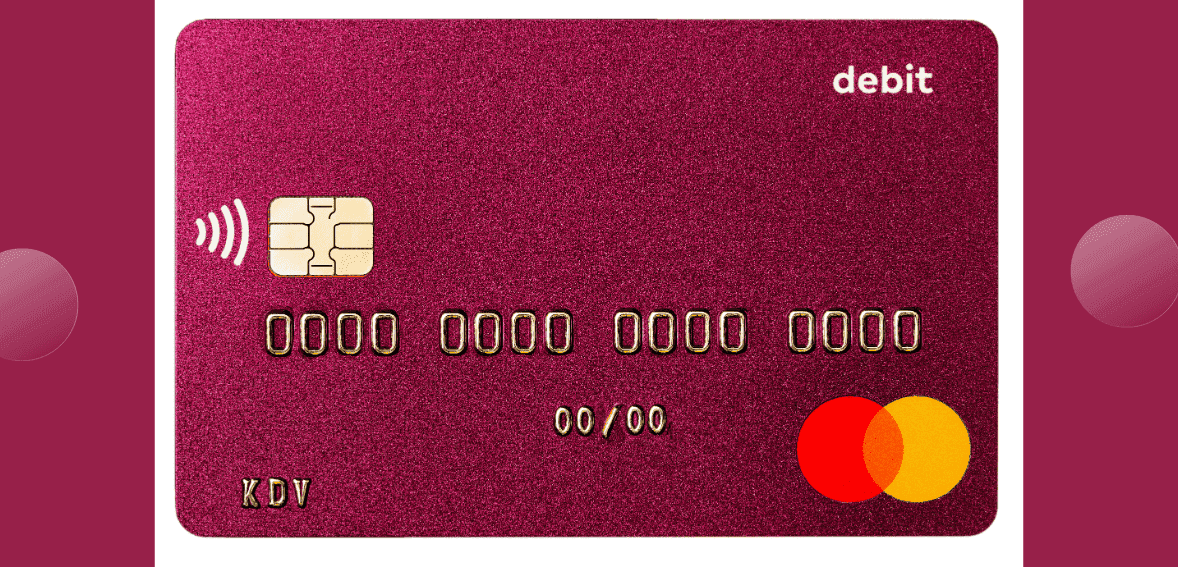
One of the best ways to do that is to switch to EMV or chip technology rather than magnetic strip credit cards. Even though it’s an added expense on your part and will require a little work, there are many reasons you should consider it.
EMV is Harder to Hack
Thieves have an easy time stealing information from a magnetic strip credit card. EMV credit card processing encrypts the data, so it’s harder to hack. EMV transactions each have a unique code that’s for that transaction only. Even if hackers got a hold of it, the code wouldn’t help them on any other transaction.
When you make it harder for thieves to hack information, customers are more likely to visit your business. They don’t want to put their information at risk and when you show you’ll minimize the risk, they’ll visit your business.
Customers Want It
By now, most customers realize the importance of the chip card. Most credit card companies have replaced consumers’ credit cards with EMV cards and consumers know it’s safer. Some customers won’t visit a business if they don’t accept chip cards because they know their information is protected.
Merchant Processors May Hold You Accountable
Some merchant processors hold their merchants liable for counterfeit transactions. If a customer’s information is stolen at your place of business and it’s because you don’t accept EMV cards, the merchant processor can hold you liable for the damages.
It’s the Standard
People everywhere, including internationally, expect to pay with a chip card. If your business doesn’t have it, they may not trust you as much. Consumers want businesses up with the times, especially when it comes to security, so it’s important to show you are with the times and willing to do whatever is necessary to keep them safe.
How to Switch to EMV
It’s not as hard as you think to switch over to EMV credit card processing. You may need new equipment and there may be set up fees, but it’s a one-time charge that will pay off in spades when your customers see you taking their safety seriously.
Take Credit Card Processing Seriously
It’s important to always take credit card processing seriously. Consumers need you to protect their information and merchant processors want you to hold up your end of the bargain, too. It’s a collective effort to keep hackers away. While no one can prevent it 100%, if everyone works together, you can minimize the risk for everyone.
Adding EMV chip cards to your credit card processing protocol is the best way to keep your customers safe today.
As the pandemic continues and more people turn to online shopping versus running into local convenience stores, the industry has seen a decline of almost 2 percent since 2019. Consumer spending habits changed drastically as everyone tries to stay safe.
Fortunately, smart tech helps keep convenience stores relevant in society by thinking outside the box and helping stores offer services they didn’t offer before.
How are Convenience Stores Changing?
With fewer people commuting and/or fewer people making traditional brick-and-mortar purchases, merchants are finding ways to meet customers where they need it.
For example, 7-Eleven and other large convenience stores implemented delivery services. Some partnered with companies like Shipt and DoorDash, while others offer their own delivery services within a specific radius.
Convenience stores also offer contactless payments for their credit card customers and self-checkout choices for consumers who want as little contact as possible.
Some convenience stores in large areas, such as airports, are utilizing Amazon’s ‘Just Walk Out’ technology which recognizes the items a customer takes and charges the purchases to their credit card. Amazon has used the technology in their retail stores for a while and convenience stores are taking advantage, too.
Focus on How you can Instill Convenience
The name of the store says it all – ‘convenience.’ It’s why millions of people subscribe to Amazon Prime – they can have what they need/want to be delivered the next day usually. They don’t have to leave their home and still have the convenience of what they need in hand.
As the pandemic continues and the convenience store industry sees almost a 2 percent decline, it’s important to think outside the box.
How can smart technology help you give your customers the convenience they desire?
Credit card processing is big. While most stores already accept credit cards, instilling contactless payment methods is the key. Customers want as little contact as possible. When they feel safe shopping in your store because of the minimal contact, they’re more likely to shop at your store.
Smart apps and mobile payments are another great option. Whether you partner with a delivery company like DoorDash or you do your own thing – providing customers with contactless delivery gives them the option to stay loyal and safe.
If delivery isn’t an option for your convenience store, consider curbside pickup. This offers your customers another way to get the products they need without unnecessary contact.
Think Outside the Box
Today, it’s all about convenience and safety. Customers are even willing to pay more in certain situations if they know their safety is protected.
Show your audience you care about their wellbeing and will do whatever is necessary to keep them safe while providing the products they know and love.
As the pandemic continues and the industry continues declining, it’s about who stays in front of the issues, utilizing smart technology and giving customers alternative ways to shop and pay so they have the products they need and continue to patronize your business.
As we near the one-year anniversary of the pandemic, it’s apparent that the latest payment trends that took place at swift speeds are here to stay.
The most common changes businesses are implementing include contactless payments, ‘buy now, pay later’ options, and increased security protection. In short, small and micro businesses need to cater to customers in the areas they need it most – they want to stay safe, yet still conduct business as usual.
According to the Visa ‘Back to Business Study,’ more than 80 percent of small and micro businesses changed the way they accepted payments and/or did business. The study also found that business owners are still looking for ways to implement new strategies to protect consumers from fraudulent transactions, accept contactless payments, and offer additional payment opportunities.
What Most Businesses are Doing Today
Contactless payments – The largest surge of payment changes are how merchants collect payments. In-person swipe or chip cards aren’t nearly as common as contactless payment options. In the summer of 2020, only 20 percent of small businesses offered contactless payments. Today, that number is at 40 percent of businesses and climbing.
Increased digital payment options – Many small businesses also reported meeting customers where they are – online. Most customers want to do business digitally to avoid unnecessary contact that could put them at risk. Whether that means curbside pickup or home delivery options, many small businesses are adapting to what consumers need.
Protecting against fraud – Protecting against fraudulent transactions is the key to successful business transactions. Many businesses still have a long way to go in this department, but many businesses are going in the right direction.
Why Contactless Payments are so Important
Many businesses focused first on mask use in-store, which is a large concern. But consumers have more concerns than the airborne risk not wearing a mask poses. They want to know they’re protected from all shared devices which include pens, credit card machines, and handling cash.
Offering contactless payment options for credit card processing keeps your customers safe and gives them a reason to come back. If they don’t feel supported or validated in their concerns, they’ll take their business elsewhere.
What Else are Businesses Doing?
Besides the precautions taking place in the store with credit card processing and avoiding shared devices, customers want an online shopping option too.
Businesses that didn’t sell anything online are now online. According to the Visa study, in the summer of 2020, only 27 percent of small businesses jumped online, while by winter of 2020 43 percent of businesses are online and the number keeps growing.
Small businesses that want to see their business through to the end of this pandemic must meet the customer where they are. The trends that the pandemic started aren’t going to go away when the pandemic dies down. Instead, it will be the ‘new normal’ for most consumers, so the sooner you jump on the bandwagon, the more your business will grow.
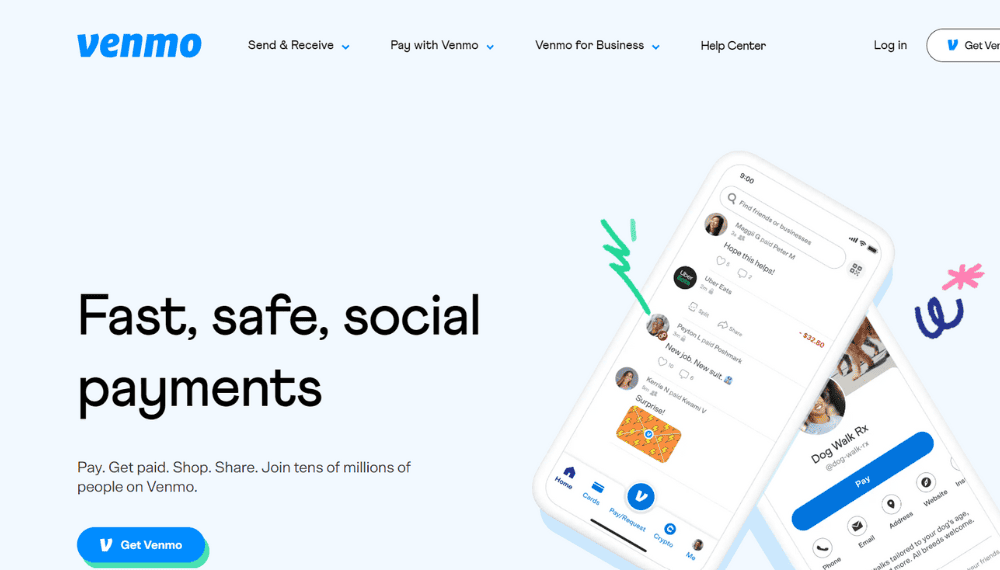
Venmo started as a fun way for peers to pay one another, but it’s quickly becoming the payment method of choice at retailers too.
Venmo has become a household brand – it’s the brand consumers trust when paying friends and family, and now they want retailers to use it too. While contactless payment options are more available than ever before, consumers don’t trust all of them, but Venmo is an exception.
Venmo Has an Incredible Following
Over 65 million people use Venmo to send and receive funds. Much of the audience is the younger generations, but it also includes affluent and educated older generations who’ve embraced contactless payments today.
Venmo users love the versatility Venmo offers including splitting the bill with family and friends. It’s a natural transition to use it to pay retailers, especially in restaurants when out with a group, and splitting the bill always causes that award silence everyone hates.
Consumers Want to Change Their Habits
At the start of the pandemic, consumers shopped mostly online as many retailers were closed while the entire country was shut down. The trend continued for a while, but slowly, retail trends indicate that consumers are shopping in-store again.
When they do, they want options to stay safe and that includes contactless payment options, of which Venmo is a top choice.
Since consumers are already comfortable with it, they don’t have to learn a new platform or discover if it’s safe or not. They know Venmo is safe. With consumers able to add funds to their Venmo account and/or pay their balance over time, Venmo is quickly the most popular choice.
What Troubles Would Retailers Face?
While consumers are on board with paying for retail purchases via Venmo, the platform itself isn’t quite ready.
While some retailers use Venmo, they are few and far between. It’s primarily a peer-to-peer app that doesn’t need to consider taxes or fees. With the onslaught of changes accepting retail payments would offer, Venmo’s platform would have to change considerably to handle the pressure of accepting retail payments.
As the pandemic continues, consumers want contactless payment options. It creates the best of both worlds for consumers – they can shop safely, in person, and not have to worry about touching shared devices or even exchanging payment with the cashier.
The more hands-off the shopping experience can be, the better off we’ll be in the end. Not using cash and using phones to pay is the epitome of cashless spending. You can check out with ease, shop in person, but not have to worry about the risk the virus poses with shared devices.
Will Venmo Jump on Board?
The jury is still out if Venmo will become the way of the future. But one thing is for certain, all consumers want contactless credit card processing systems. Whatever you can do to make that happen in your store will help increase your sales.
The Paycheck Protection Program is back and supposedly better than before, helping small businesses stay open during the pandemic. If you didn’t make the first cut or were confused by what was required and/or offered, here’s your second chance to get funds to help you stay afloat. Here’s what you need to know.
The Requirements
Businesses eligible for the second round of PPP loans must meet one or more of these requirements:
Proof of at least a 25 percent revenue deduction in any 2020 quarter versus your 2019 revenue for the same quarter
Proof you expended all or most of the first round of your PPP loan if applicable
Proof you have 300 employees or fewer
If you didn’t receive a PPP loan in 2020, the requirements differ slightly:
Proof you started your business before February 15, 2020
Prove you have no more than 500 employees
Proof you are still open and operating despite the pandemic
Proving the 25% Revenue Reduction
Businesses have two ways to prove the 25 percent revenue reduction, which is a requirement if you received the first round of PPP loans:
Prove your gross annual revenue was at least 25 percent lower in 2020 than in 2019
Choose a specific quarter from 2020 versus 2019 and prove the revenues decreased at least 20 percent for that quarter
How can you Use the PPP Funds?
The first round of PPP funds was limited to payroll, rent, and utility expenses.
The second round of PPP loans has looser guidelines and may be used for:
Operating expenses
Property damage costs (e.g., from public disturbances)
Supplier costs
Purchase of PPE for employees
Loan Forgiveness
The loan you receive and the amount that’s forgivable may vary. The forgiveness rules for the second round are similar to the first.
You must use at least 60 percent of the funds for payroll and your staffing level must be similar to the staffing levels before the pandemic. Any remaining funds beyond the 60 percent used on payroll must be spent on eligible operating expenses to keep the business running.
Businesses must apply for forgiveness when they expend all loan proceeds and before the loan’s maturity date. Businesses that don’t apply for forgiveness within 10 months of the covered time must make payments on the loan.
You apply for PPP forgiveness through the lender providing the PPP loan.
Ensure you Qualify Before Applying
The first PPP round was questionable as many businesses who claimed were ‘small businesses’ technically didn’t qualify for the loan.
The second round has tighter restrictions for qualifying and threatens an audit and legal trouble if the loans were taken under false pretenses.
If you’re a small business struggling and you meet the above requirements, contact your local bank authorized to offer the PPP loans and see if you qualify. It’s the best way to keep your company afloat while we navigate the rest of the pandemic throughout 2021.
The pandemic has been harsh on our financial infrastructure and has brought sea changes in the fintech industry. Fintech companies started coming to the forefront since the previous year, helping to shape digital payments.
In the previous year, people have taken to online shopping in large numbers, and today, almost every buyer is looking for contactless payment modes. As 2020 was approaching its end, the next one has already begun forming a new era with a promising future for the fintech world.
According to research conducted by the deVere Group, the coronavirus pandemic has been a major cause of the rapid growth of fintech apps, the usage of which increased by 72% in Europe.
The situation is similar in the US too, where around 73% of Americans are now viewing fintech tools and solutions as the new normal, as per another report. What’s more, 67% of the American shoppers have planned to continue using fintech apps for managing their day-to-day finances even in the post-COVID-19 period.
Experts have predicted the acceleration of the more fintech trends that are believed to impact every financial area, ranging from making transactions to banking. Some of the top fintech trends for 2023 are:
Digital-Only Banks
The rise of digital-only Fintech banks is one of the recent trends that made headway in 2020. Digital-only banks is the name given to those banks that offer several virtual banking solutions. These include crypto payment gateways, P2P transfers, contactless MasterCard providing free transaction fees, international remittance, and the ability to purchase different cryptocurrencies, such as Bitcoin, Litecoin, Ethereum, etc.
Digital-only banks are extremely convenient to consumers as it eliminates waiting in long queues, tedious paperwork, and the need to make frequent visits to the bank. This trend is expected to gain momentum in 2023, which in turn, would reduce the number of bank visitors.
Because of this new trend in banking, the number of people visiting banks physically is predicted to drop by 36% from 2017 to 2023. Some of the top reasons to go digital-only with your banking are:
You can reset pins right from your home.
You can manage your expenses conveniently.
They offer quick balance review features.
Enjoy instant bill payments on-the-go by snapping pictures.
Digital-only banks come with real-time data analytics.
Blockchain
The cutting-edge technology of Blockchain has transformed the fintech world completely. Since one can make payments faster and more securely, financial institutions like banks can confidently adopt Blockchain technology to stay ahead of the competition. It also comes with low processing fees and has a global reach.
According to a Business Insider Intelligence report, nearly 48% of the banking representatives believe that Blockchain technology will significantly impact the banking industry in 2021 and the years to follow.
The US and China are the leading users of Blockchain technology, which ensures its fast adoption in other markets across the world. Blockchain makes sure that all cross-border payments and the data stored are safe and secure.
One vital aspect of Blockchain is its new philosophy of decentralized finance that works on minimizing centralized procedures. The reason why Blockchain is so popular is its highly protected environment. Once your data is recorded into its system, it is extremely difficult for hacklers or malicious users to modify or access that data.
RPA
Robotic Process Automation, or RPA, refers to the process automation technology that uses digital workers or software robots to automate several tasks, thus saving time and human labor. RPA is designed to manage repetitive business processes using software robots that can fully or partially replace manual operations.
Since the process involves software robots and other digital workers, it is error-free, fast, and more accurate. The RPA technology has been largely beneficial for the financial service industry, as it improves the entire organizational efficiency in a more cost-effective manner.
Additionally, financial institutions can automate several back-end office tasks, including customer onboarding, security checks, trial balancing, account maintenance and closing, mortgage processing, credit card processing, and the list is endless! With RPA, banks can automate their core processes, thus saving time to focus on other vital areas.
Artificial Intelligence and Machine Learning
Banks across the world have started embracing AI to handle their day-to-day operations. According to Autonomous Research, AI is predicted to reduce 22% of the operational expenses of financial institutions by the year 2030. In short, banks will be able to save around $1 trillion by incorporating Artificial Intelligence technologies into their processes.
Artificial Intelligence and Machine Learning go hand-in-hand, since the algorithms of both have the ability to record each transaction with utmost preciseness and accuracy. What’s more, AI can be used to manage and mitigate the increasing cybersecurity risks and threats, as it can identify fraudulent activities immediately.
Besides, AI and ML, together, have tremendous capabilities of managing your customers through top-notch client service solutions, such as Chatbots. With such rapid growth in AI technologies and their increasing adoption by numerous industries, banks, and other financial institutions will soon implement them for better customer service.
Biometric Security Systems
In the face of rising cybercrime cases, customers are looking for more secure payment environments, since digital transactions are more of a necessity than a trend in this pandemic crisis. Therefore, companies in the fintech industry are implementing new ways to offer more secure payment infrastructures, such as biometric security systems.
Biometrics like fingerprint authentication, facial recognition, etc., is the best way to add an extra layer of protection and security to one’s payment solutions. Biometric systems help consumers to be confident while making digital transactions.
Since the current COVID-19 restrictions have made it necessary to go contactless, or more specifically cashless, biometrics is the need of the hour. However, contactless biometrics like face ID recognition is having a higher adoption rate in COVID-19 times, while the touch-based fingerprint reading market is witnessing a downfall.
Open Banking
Open banking is a revolutionary technology that enables users to manage their money more efficiently and get the best deals on products and services. It helps consumers make smarter and more cost-effective buying decisions while also accessing all their accounts in one place.
Open banking is a practice of sharing one’s financial information between authorized service providers at the users’ consent. The technology enables banks and Fintech companies together, allowing seamless data networking across multiple institutions.
Experts and industry leaders predict that open banking will reshape the banking sector as we know it. In fact, a report has proven that open banking has already generated $7.29 billion in the year 2018. The numbers are expected to hit $43.15 billion by 2026!
Open banking has the potential to benefit various banking and other financial institutions, consumers, fintech workers, API industry figures and app developers, and even underserved markets.
According to new research, open banking users are expected to double up and reach 40 million by the end of 2021. On the other hand, payments are predicted to hit $9 billion by 2024.
Juniper Research has predicted that the total number of API technology users aggregating bank accounts and gaining access to new services would rise from 18 million by the end of 2019 to 40 million in 2021.
Another report named, “Open Banking: Opportunities, Challenges & Market Forecasts 2020-2024” found that the pandemic was a reason behind the increasing demand among consumers to aggregate their accounts.
The main motivation behind such a change in behavior was to gain better insights into one’s financial health and how to manage one’s money more efficiently. Since the COVID-19 outbreak people have become more conscious about how and where to make expenses, and how to cut down on their costs by making only the best purchases.
What is Open Banking?
Open banking is the practice of securely sharing the consumer’s financial information with service providers, to help them provide better user experiences. The process enables you to bring all your accounts into a single place.
For instance, open banking can let consumers view account information, and even access their funds across multiple banks, all without switching platforms.
However, none of your sensitive information would be shared with any third party without your consent. You will never be asked for login details or passwords. The shared data enables service providers to develop and innovate better apps and solutions around banks and other financial institutions.
Open banking has shown consumers new ways to spend and manage their money and purchase more responsibly and cost-effectively. The practice of open banking has been incredibly beneficial for startups, SMBs (small- and medium-sized businesses), financial institutions (like banks), and consumers.
Additionally, open banking can also help businesses explore new revenue streams, have an extended market reach, and have better operational efficiency. It is a more sustainable service model, specifically for the underserved markets. App developers, too, can find it much easier to work with open APIs, saving time and labor.
Since open banking apps have proper access to your financial data, these solutions can recommend you the best products and services to save your money. This improved user experience provided by open banking tools boosted momentum for adopting open banking technologies and principles.
Key Points to Know About the New Research
Juniper reported that the rapid growth seen in open banking practices was pioneered in Europe. In Europe, regulators pushed beyond standardization and minimized the barriers to entry. The reports further showed that the practice was later taken up and advanced by the Chinese and the Far Eastern markets.
The principle of open banking originated from the 2015 European Union reforms, which were designed to help consumers switch between banks more seamlessly. The technology that supports and enhances this also enables users to make faster and easier real-time money transfers or payments. This alone has boosted the rise of numerous digital payment solutions and so-called “challenger banks.”
In the Juniper Research release, Nick Maynard, Juniper analyst, said, “Banks must embrace open banking” to capitalize and accelerate their ongoing digital transformation endeavors. Maynard further said that the practice of adopting open banking could enable banks to introduce more innovative services to their consumers backed by open APIs. Otherwise, they might risk their market position in the face of increasing, digitally agile competition.
The research company also states that payments will be vital for accelerating the growth of the industry. In fact, the total volume of payments to be made through open banking technology is predicted to be around $9 billion by the year 2024. It is mostly because open APIs are promising enough to facilitate more secure and protected “direct from account” payments.
Further, the report said debit and credit card providers should also adopt the new open banking practices and technologies to avoid falling behind in the market competition during this vital shift.
Previously in 2020, Juniper had already reported that open banking “has made significant progress,” in spite of the challenges faced due to the pandemic outbreak.
The report added that providing an enhanced open banking experience can be a compelling selling point that differentiates and labels the service provider as a part of a superior digital app experience.
Juniper researchers believe that open banking can create a high-level playing field across several markets in which regulatory intervention has resulted in the deployment of open banking practices.
However, Juniper highlighted that open banking can be both an opportunity and a threat for many traditional banks and other financial institutions. It is an opportunity because it offers improved consumer experiences and helps them get better deals while efficiently managing their money. It’s a threat because open banking exposes users’ financial information, which can be a boon for potential competitors gaining access to it. And the report states that this threat can be equal for all the players in a specific market.
Hence, established banks must build more innovative and advanced open banking services to provide high levels of security. They must offer better benefits to attract users from the still-developing or less innovative markets.
The Future
With the increasing popularity of open banking technologies, the practice opens doors to several other innovations to be made in the digital payment industry in the upcoming years. It is expected to cause rapid growth in the financial service industry as well, which is keen on taking consumer experiences to the next level.
Besides bringing financial freedom to customers, open banking is also expected to redesign the entire financial service industry and revise the current user flow to eliminate any potential friction points. This is why it is supposed to add value to the consumers while improving their financial lives in the years to come.
FinTech companies and banks have got a new opportunity and way to improve their services, and fix issues such as:
Outdated banking solutions,
Unintuitive user interfaces,
The hassle of switching multiple accounts, and
Lack of resources to bring innovative tools and technologies to the forefront
It’s clear how the adoption of the open banking model by the financial industry can positively impact the future of online banking. If the financial institutions’ transition to open banking becomes successful, then that day is not far when the banking infrastructure or the security and ownership of consumers’ data would not be a decisive factor anymore.
The factors that will matter are a smoother and more convenient user interface, and faster and more secure payment. The banking industry’s transparent future promises to offer seamless access to different accounts, payments, financial data, etc., through any third-party financial solution that can offer limitless financial freedom to users.
The past few months, especially since the pandemic outbreak, saw rapid development in contactless payments. The rising need to accept or adopt cashless or contactless payment modes was mainly in response to preventing the spread of coronavirus.
Nowadays, more advanced and smarter technologies are being deployed across several mobile devices, mostly due to factors like convenience, flexibility, and speed. And this is the reason why contactless payments are gradually being moved to the cloud.
With that, the card brand, MasterCard announced on January 11, 2021, that it has partnered with payments gateway NMI, financial tech company Global Payments, and IT services provider CEG (Computer Engineering Group) to launch its first pilot for the new cloud-based point of sale (POS) technology, called Cloud Tap on Phone.
Their aim is to broaden the acceptance of contactless payments for merchants since today’s consumers prefer paying for their purchases using mobile payments on their smartphones. In addition to enhancing and expanding its point-of-sale solutions, MasterCard is also working on improving its cloud POS systems.
The card network’s goal is to make its Cloud Tap on Phone openly available across various cloud-based environments. It will empower different solution providers and ecosystem partners to build their own cloud POS offerings by integrating newer features, tools, and functionalities. The process, therefore, is also expanding the acceptance of this new cloud-based payment and POS technology.
Nili Klenoff, Senior Vice President, Global Acceptance Solutions at MasterCard, revealed that the pilot for their new cloud POS system is based on three major dynamics in the marketplace:
The digital shift, which she believes won’t change soon, even if the pandemic recedes.
The acceleration in the need for adopting a contactless infrastructure within the retail industry.
The advantage of switching to cloud solutions, which Klenoff believes is democratizing access to digital payments solutions and apps.
MasterCard has further said that in Q3 2020, contactless payments accounted for 41% of global in-person transactions. This was a significant increase from the previous year’s 30%. It indicates that amid the pandemic situation, this new offering received much popularity and acceptance.
As a result of this launch, other payment players have innovated their digital POS solutions to make them more widely accessible.
For example, towards the end of 2020, Visa came up with its Tap-to-Phone solution across several global markets. Just like MasterCard’s Tap on Phone solution, Visa provides businesses with a mobile POS solution that one can deploy without requiring any additional hardware.
Klenoff reportedly said that the company’s new cloud solution is designed to help users develop and expand the entire payment ecosystem. This is mainly targeted at enabling businesses to enhance their customer engagement and improve their shopping experiences.
This new system from the card company can be especially beneficial for SMBs (small- and medium-sized businesses), who are affected by the pandemic outbreak. Hence, the cloud-based POS solution might also accelerate the global expansion and evolution of digital transactions.
MasterCard Contactless Payments – Key Points
Cloud Tap on Phone is one of the card network’s next-gen innovative acceptance products. Furthermore, the software is hosted on the powerful Azure Cloud platform from Microsoft.
Microbusinesses and SMBs can gain access to a more cost-efficient contactless POS system without investing in any external hardware. MasterCard’s Cloud Tap on Phone can help businesses with fewer resources for purchasing additional POS hardware.
During the COVID-19 crisis, 34% of SMBs have adopted contactless payment solutions to optimize their checkout processes. This was a result of a study conducted by Paysafe that analyzed several SMB checkout processes used in various countries like the US, UK, Italy, Canada, Austria, Bulgaria, and Germany.
The Tap on Phone solution from MasterCard is also designed to expand the acceptance of contactless payments across global markets.
By introducing this cloud-based POS system, SMBs can also keep pace with larger enterprises that provide a number of different payment modes. It further enables MasterCard to increase their volume of payments.
Since the company’s new offering is spreading across numerous countries, businesses operating in markets where digital transaction infrastructures are developing, such as parts of Asia and Africa, are expected to gain access to this cloud POS system. It will further push contactless payment acceptance forward, thus accelerating MasterCard’s payment volume potential.
For instance, micromerchants running in India who have seen significant growth in cashless payments are more likely to take up the card network’s offering. Therefore, it will expand the overall acceptance of contactless payments in the near future.
Using the Tap on Phone solution, businesses, irrespective of their size, can deliver the best-in-class contactless payment expenses to their consumers via their own smartphones.
MasterCard’s new cloud system democratizes POS technology by converting an Android device into an acceptance device. It enables businesses to implement more contactless payment systems at checkout, while cutting down costs on external hardware terminals and other tools or features.
The system will help merchants to provide better curbside pay on delivery or pickup facilities for faster checkouts at the store, thus eliminating long queues. It’s a convenient, touch-free, cash alternative for consumers.
MasterCard’s cloud POS has become a new channel for businesses to provide more meaningful and value-added services to their consumers.
At present, MasterCard’s Tap on Phone software has been rolled out across 16 markets, including Asia Pacific, Europe, Latin America, North America, Africa, and the Middle East. Additionally, pilots are occurring with respective partners in Hong Kong, Costa Rica, Poland, Romania, Kazakhstan, Russia, Canada, the UK, Belarus, Turkey, and several other markets.
The card network’s new product development wing, MasterCard Labs, spearheaded the development of the cloud POS technology and its new cloud-based Tap on Phone product. The pilot working with CEG is following product testing sessions on the New York campus of MasterCard’s Purchase.
The product, Cloud POS, is a result of the company’s multi-cloud strength, meeting several businesses, financial institutions, partners, and consumers in the Cloud using innovative solutions and applications.
MasterCard has been planning this transition to contactless digital transactions for years. The rising demand for faster, safer, more convenient, and flexible methods to make payments has been a driving force behind this transition.
Today, consumers are willing to use this touch-free transaction experience permanently, even after the pandemic ends.
Cookie Consent
We use cookies to enhance your browsing experience, analyze site traffic, and support our marketing.You can accept all cookies, reject non-essential ones, or manage your preferences below. Learn more in our Privacy Policy.
Cookie Preferences
Manage your cookie preferences below:
Essential cookies enable basic functions and are necessary for the proper function of the website.
Name
Description
Duration
Cookie Preferences
This cookie is used to store the user's cookie consent preferences.
180 days
These cookies are needed for adding comments on this website.
Name
Description
Duration
comment_author_email
Used to track the user across multiple sessions.
Session
comment_author_url
Used to track the user across multiple sessions.
Session
comment_author
Used to track the user across multiple sessions.
Session
Google Tag Manager simplifies the management of marketing tags on your website without code changes.
Name
Description
Duration
cookiePreferences
Registers cookie preferences of a user
2 years
td
Registers statistical data on users' behaviour on the website. Used for internal analytics by the website operator.
session
These cookies are used for managing login functionality on this website.
Name
Description
Duration
wordpress_logged_in
Used to store logged-in users.
Persistent
wordpress_sec
Used to track the user across multiple sessions.
15 days
wordpress_test_cookie
Used to determine if cookies are enabled.
Session
Statistics cookies collect information anonymously. This information helps us understand how visitors use our website.
Google Analytics is a powerful tool that tracks and analyzes website traffic for informed marketing decisions.
Contains information related to marketing campaigns of the user. These are shared with Google AdWords / Google Ads when the Google Ads and Google Analytics accounts are linked together.
90 days
__utma
ID used to identify users and sessions
2 years after last activity
__utmt
Used to monitor number of Google Analytics server requests
10 minutes
__utmb
Used to distinguish new sessions and visits. This cookie is set when the GA.js javascript library is loaded and there is no existing __utmb cookie. The cookie is updated every time data is sent to the Google Analytics server.
30 minutes after last activity
__utmc
Used only with old Urchin versions of Google Analytics and not with GA.js. Was used to distinguish between new sessions and visits at the end of a session.
End of session (browser)
__utmz
Contains information about the traffic source or campaign that directed user to the website. The cookie is set when the GA.js javascript is loaded and updated when data is sent to the Google Anaytics server
6 months after last activity
__utmv
Contains custom information set by the web developer via the _setCustomVar method in Google Analytics. This cookie is updated every time new data is sent to the Google Analytics server.
2 years after last activity
__utmx
Used to determine whether a user is included in an A / B or Multivariate test.
18 months
_ga
ID used to identify users
2 years
_gali
Used by Google Analytics to determine which links on a page are being clicked
30 seconds
_ga_
ID used to identify users
2 years
_gid
ID used to identify users for 24 hours after last activity
24 hours
_gat
Used to monitor number of Google Analytics server requests when using Google Tag Manager
1 minute
Marketing cookies are used to follow visitors to websites. The intention is to show ads that are relevant and engaging to the individual user.
Facebook Pixel is a web analytics service that tracks and reports website traffic.