Making money without having to work is the endgame for many of us, but few people really understand how this works. Earning money with little to no ongoing effort may sound impossible, but that’s far from the truth. With passive income, you can earn extra money through projects or investments that continue to generate revenue on their own. And if you are looking to learn how to do that, you’ve come to the right place.
In this article, we’ll explain what passive income is and give you some tips on how to start earning money passively. Let’s get right into it.
What is Passive Income?
Passive income is a recurring stream of revenue earned without putting in a lot of effort. All you need to do is identify an income stream that can continue to provide you with money after its initial setup. Think of things like renting out a place, investing in stocks, or licensing out a product.
However, that doesn’t mean you won’t have to work at all; it just means your passive income won’t require you to put in as many hours as a full-time job.
Now that you understand what passive income is, let’s look at some ways you can start earning money passively.
Top 19 Passive Income Ideas
Here are some popular ways to earn money passively in 2022:
Real Estate Investment Trust (REIT)
If you want to invest in real estate but are not yet an accredited investor or don’t want the stress of buying and managing the property yourself, Real Estate Investment Trust (REIT) can help. REITs are corporations that own and operate income-producing real estate assets such as office buildings, apartments, and hotels. They are similar to mutual funds because they allow individual investors to earn real estate dividends without having to purchase any personal property.
Peer to Peer Lending
If you’re looking for a way to earn money passively in less than five years, peer-to-peer lending may be an ideal income stream for you. Peer-to-peer lending, also known as social lending, allows you to act as a middleman and lend borrowers money, thus cutting out financial institutions. You can choose who you want to lend to and earn higher returns compared to having your money in a savings account. Plus, you can make as much as 5% interest on your loan.
Affiliate Marketing
Affiliate marketing allows you to earn passive income if you are a social media influencer, blogger, or website owner. All you have to do is include a link to a brand’s product on your website, social media page, or email list. When a visitor clicks on the link and purchases the product, you earn money (affiliate commission). You can earn anywhere from 5% to 8% back on every purchase.
Rental Property
If you have a large capital and want to earn consistent passive income, purchasing a real estate property and renting it out could be the best option for you. However, if you don’t have the time to manage a long-term rental property, you might consider short-term rentals like Airbnb or renting out a spare room in your home.
Vending Machines
If you’re looking for a low-maintenance side business, consider starting a vending machine business. All you have to do is purchase a vending machine, place it in a strategic location, stock it with desired products, and begin earning passively. You can start a vending machine business with less than $2000.
Create an Online Course
Coursera, Udemy, and Skillshare are online platforms that allow you to create courses and earn money when someone buys them. If you have extensive knowledge of a subject, you can use these platforms to earn a comfortable passive income.
Dividend Stocks
Earning passive income from dividend stocks is a tried and true method. However, to receive large dividend checks as a shareholder, you may need to invest a significant amount of money. The company in which you invested will pay you a cash dividend from their profits quarterly, which will be deposited into your brokerage account.
Sell an eBook
You can write an eBook and sell it on Amazon, just like you can sell a course online. Writing an eBook will require little capital because you will not need to pay for publishing. eBooks are typically 30 to 50 pages long, so if you’re knowledgeable about a variety of subjects, you can write and publish as many as you want to earn passive income.
Start a Blog or YouTube Channel
One of the most interesting ways to generate passive income is to start a blog or a YouTube channel. You can turn your interest in traveling, painting, or singing into a source of passive income. You will be able to earn money from advertisements or sponsorships. All you have to do is pick a niche or topic that interests you and become an expert on it.
Stock Photos
One way to generate low-maintenance passive income is by selling stock photographs. If you enjoy taking photographs, you can sell your work on stock photo websites and profit from every purchase.
Make an App
Do you have a fun game or photo editing app in mind? Then you can generate passive income by putting these ideas into action. If you are not a programmer, you can create a no-code app and earn money passively.
Sell T-shirt Designs Online
Do you have design skills? Then you could turn them into a source of income by selling items with your printed designs. You can sell your designs on T-shirts, hats, mugs, and other items on platforms like CafePress and Zazzle.
Bond Index Fund
Instead of buying stocks from a company and becoming a shareholder, bonds allow you to lend money to businesses and receive interest on your loan. While they are generally safer than stocks, the interest is usually low.
Rent Out Your Car
You can rent out your car on Turo or rent it to someone who needs a car for Uber or Lyft and make money when you aren’t using it.
Cashback Rewards
Cashback rewards platforms such as Swagbucks, Rakuten, and MyPoint allow you to earn money while you shop. All you have to do is sign up, shop, and earn rewards – the more you shop, the more money you get.
NFTs
If you are a digital creator, you can earn passive income by minting your designs into Non-Fungible Tokens (NFTs) and selling them on platforms such as OpenSea, where you can earn cryptocurrency.
Laundromat
Starting a laundromat is a good way to earn passive income. While it’ll require large capital, it is often a low-maintenance passive income stream.
Start a Storage Rental Business
You can make money from letting people keep their items in your storage space. You get monthly checks with little to no effort.
License Your Music
Just like the stock photos idea, you can make money off your music by licensing it. You make money off it whenever someone uses your songs.
Conclusion
Passive income can be used to pay bills and even build wealth without having to work much, beyond the initial setup. The interesting thing is that you can have multiple passive income streams simultaneously. For example, you could earn money from books while renting out a place. There’s no limit to how many you can have. If you start working on passive income sources today, you’ll be much more relaxed tomorrow.
Major healthcare payment trends are emerging, and they will transform the healthcare industry in the next few years. These trends revolve around frictionless experiences, personalization and patient-centered care, transparency and accountability, data sharing, and value-based reimbursement.
Payers are now transitioning to value-based reimbursement models while patients demand greater transparency and control over their data. In addition, providers need to adopt telemedicine services to improve care outcomes and reduce costs wherever possible. Let’s take a closer look at these trends to get ahead of the game before they become commonplace.
Major Healthcare Payments Trends to Follow in 2023
Customers in today’s market expect their interactions with healthcare providers to be open, honest, user-friendly, and cost-effective. Providers who operate healthcare payment systems that are difficult to understand run the danger of seeing a decrease in their patient population, as well as a tarnished online reputation, should dissatisfied individuals take their complaints to social media.
Healthcare providers can boost their revenue as well as patient satisfaction rates by implementing payment systems that are streamlined, up-to-date, and convenient. This would result in a huge win for the revenue cycle of any healthcare provider.
Consumerism
One of the biggest healthcare payment trends is the rise of consumerism in healthcare. Consumers are demanding greater transparency, better experiences, and more control over their data, which is reshaping the industry.
In terms of transparency, patients want to understand how providers deliver care and where costs come from. They want to be able to hold providers accountable, and they want to know that they are receiving value for their insurance premiums.
To achieve this level of transparency and accountability, healthcare organizations must adopt standardized data formats, open APIs, and other mechanisms that allow data to flow freely between organizations. Consumers will also expect more control over their data, such as which providers they share data with and what information they can access.
Blockchain
Blockchain is a distributed ledger technology that allows organizations to track supply chain activities in real-time and with transparency. It also enables secure peer-to-peer transactions, eliminating the need for a third-party intermediary. Blockchain can improve data transparency, security in the healthcare industry, and patient engagement.
For instance, blockchain can be used to store patient data and create health records that are accessible to healthcare providers. The blockchain healthcare payments trend is expected to grow in the next few years because it can help organizations reduce costs and improve transparency and data security.
Data Sharing and Transparency
Healthcare organizations are collecting increasing data, yet they are not always using it to provide better care. Many organizations are not even sure how to use their data.
For example, approximately 70% of U.S. hospitals are not using available EHR systems to their fullest potential. Healthcare providers are collecting data without actually using it to improve care. However, providers are starting to recognize that they need to use data to improve care and reduce costs.
Millennials are especially interested in data-driven healthcare because they are more likely to seek preventive care. As these individuals grow older and start families, they expect providers to use data to improve care and ensure that patients receive the right care at the right time.
B2B Collaboration
Healthcare organizations are collecting an increasing amount of data, yet most providers are storing and analyzing data at the organizational level. This means that data is not making its way to other providers.
As a result, healthcare organizations are not reaping the full benefits of data. For example, patients may visit different providers, yet these organizations may not share information. This is a missed opportunity to improve care outcomes and lower costs.
Collaboration between healthcare organizations will be a top healthcare payment trend in the next few years. As health organizations transition to value-based care and start sharing data, they can provide patients with personalized care and reduce costs.
Electronic Health Records (EHR)
Healthcare organizations are investing heavily in EHR systems to improve workflow and outcomes. Yet many providers struggle to achieve their full potential with their EHR systems.
According to a recent survey, approximately 70% of hospitals need to improve their EHR systems. Providers struggle to implement their systems effectively and are not reaping the benefits. EHR systems are a major healthcare payment trend because they can improve workflow, reduce administrative costs, and facilitate better care outcomes.
For example, EHR systems can help providers organize patient data and improve care quality by enabling providers to access the latest information about patients, such as lab results and allergies.
Patient engagement
Patients are seeking ways to reduce costs as healthcare costs grow. One method to accomplish this is to get more involved in their care. Engaged patients are more likely to adopt a healthy lifestyle, stick to treatment regimens, and avoid avoidable hospitalizations.
Healthcare organizations are beginning to appreciate the value of patient participation and are taking initiatives to promote it. Patient portals are one example.
EFT with fees
While more providers are using EFT for transactions with payer systems, only 1% of providers accept EFT with a cost, while over 87% prefer EFT sans fees over personal checks. According to MGMA statistics, over 17% of insurers levy a fee for third-party vendor EFT payments. Even though prices may have hampered the electronic payments system, ERA/EFT transactions increased by 102% between 2018 and 2021.
These statistics are critical indicators for the creation of RCM hospital billing plans for healthcare businesses in the future. Keep this market intelligence in mind as you plan the next stage in revenue cycle management.
What is The Structure of The Healthcare Payment System?
Doctors, clinics, and other health professionals have traditionally been paid fee-for-service. Each doctor visit or operation component is billed separately under the fee-for-service paradigm. The doctor, anesthesiologist, and facility all bill a patient who has surgery. They are charged for their lodging, drugs, and medical supplies.
For example, the ambulance provider will bill them for transportation if a person is involved in a car accident. They will also be examined in the emergency department and billed at the higher emergency room charge.
Many experts believe that fee-for-service healthcare increases healthcare expenses. This is because clinicians are paid to prescribe medication, order testing, and execute medical procedures.
Are Healthcare Payment Solutions Evolving?
To put it more simply, changes are being made to healthcare payment mechanisms, however, gradually. But, business-to-business (B2B) payer-to-provider corporate medical transactions have been slower to embrace electronic payment methods despite the rapid transition to digital payments in consumer-based payment systems.
Conclusion
Healthcare organizations have many payment trends to contend with, and the ones discussed above are particularly relevant. Given the state of affairs in healthcare, all organizations should be prepared to face changes in the coming years. As providers transition to value-based reimbursement models, they will be expected to achieve better outcomes at lower costs.
As patients, they will expect more personalized care, more control over their data, and higher transparency from providers. Organizations should integrate emerging technologies, such as blockchain and EHR systems, wherever possible to facilitate better data sharing and engagement.
Planning, conducting market research, and learning about the legal requirements for launching a company are all necessary before starting a business. You must address various questions, such as “How do I find new ideas for products?” What is the ideal business strategy? What are the most effective marketing channels?
Many people have already taken the risk of starting their businesses. And you can, too, if you have the correct business concepts and ideas on new products. But you need a lot of effort to find an idea for new products and selling those products to the right audience. Here are 30 amazing product ideas to ignite your business in 2023
Benefits of Choosing the Right Product for Your Business
Selecting a product involves more than just estimating its sales potential. A business needs specific products to act as a magnet to draw customers in. Some are necessary items due to their large profit margin, while others are advantageous due to their rapid sales turnover.
It is advised to conduct market surveys to understand the needs of the consumers. Market research gives business owners suggestions on what products to sell and how to organize and carry out their marketing campaigns. The study should consider the competitors’ strategies, what products they offer, at what prices, and their target audience, whose preferences for current and potential items should be considered. Focus groups, polls, and other research methods, as well as interviews and studies, can all be used for market analysis.
But, if you think that conducting market research and market analysis would be hectic, there is no need to fret. We have compiled 30 incredible product ideas to spark your business in 2023 to assist you in finding profitable online business ideas.
30 Amazing Product Ideas in 2023
You might be looking for winning product ideas whether you’re beginning an eCommerce business or already have one. In reality, choosing what to sell is one of the most difficult challenges faced by business owners running an eCommerce operation. It might be challenging to develop new product ideas, regardless of whether you want to run a firm with a single item or a variety of connected products.
1. Jewelry
Jewelry is an excellent commercial idea for a business. You can manage a profitable business if you have the abilities and the capacity to create fresh, cutting-edge designs. However, it’s always a good idea to start modest and ensure you have insurance in case of theft while selling jewelry. You may also promote your jewelry on the Facebook Marketplace and other websites. Demonstrating your items to coworkers, friends, and family can stimulate curiosity and grab buyers’ attention.
2. Skincare products
Consumers are constantly looking for goods that can improve their appearance and well-being. You can succeed in the multibillion-dollar skincare sector if you have the correct products. The most important thing is to have affordable, effective products. Due to licensing regulations, there are numerous obstacles to joining the skincare market, but if you do it right and have the required knowledge and experience, it can be a goldmine.
3. Smartphone accessories
Today, smartphones are used by billions of people. However, these gadgets have grown highly complicated and need a variety of add-ons, such as tripods, headphones, chargers, and earbuds. Additionally, there is a persistent demand for these items because they are delicate and break easily. Selling items and accessories like phone chargers, earbuds, air pods, SD cards, and cell phone batteries are an excellent place to start modestly.
4. Art products
You can do well if you have good manual dexterity and can produce beautiful woodwork, pottery, paintings, and other works of art. Although there is little competition, you must produce high-quality work to attract the proper clients.
These products can be sold online, at festivals, weekend markets, and from the comfort of your home. To make these goods, you will need the appropriate machinery, but if you do a good job, you should see steady sales.
5. Home office products
Another extremely lucrative possibility exists here, especially in light of the increasing increase in remote employment. Selling fewer actual products, such as laptops, printers, cell phones, chargers, desktop computers, iPads, files and folders, and stationery, will help you get started. If your firm succeeds, you can expand your product range to include more oversized products like desks, bookshelves, file cabinets, lights, office chairs, and home office furniture.
6. Air quality appliances
The COVID-19 pandemic and growing worry over climate change are both responsible for the heightened interest in air quality. Humidifiers and air purifiers are two of the most accessible product ideas to enter this industry out of all the equipment that claims to handle air quality issues.
Humidifiers solve the problem of dry air that can irritate and swell airways by increasing the humidity in a room. Humidifiers can help with colds, flu, bronchitis, asthma, and sinusitis symptoms without curing the condition. They aren’t intended for continuous usage; instead, they are designed to precisely address dry air when it manifests, which is frequently in the winter owing to the use of heaters.
In contrast, air purifiers employ a fan and a filter as their two main parts to remove contaminants from the air. Depending on the product, air purifiers can remove dust mites, pet dander, pollen, and mold spores from the air. Such decreases allergy and asthma triggers by being detachable.
7. Car Accessories
According to estimates, the typical American spends eight hours and 22 minutes per week on the road, or 18 days a year. The average one-way commute time in the US reached a new high of 27.6 minutes in 2019. Additionally, meal delivery apps and ride-hailing apps like Lyft and Uber have made using one’s automobile to clock into a job possible. Cars are now an essential component of the workweek, whether getting to work or getting around while working.
Nevertheless, the market for automotive accessories is expanding and offers a wide range of potential products for you to market. Air fresheners, organizers, seat covers, rear cameras, and USB chargers are this sector’s most often used products.
8. IoT devices
The term “Internet of Things” (IoT) refers to items that have software, sensors, and other technologies that enable Internet-based connections with other systems or devices. Smartphones, smart watches, smart refrigerators, intelligent automobiles, smart security sensors, and smart lightbulbs are some of these goods. A reasonable rule of thumb is that an IoT gadget starts with the word “smart.”
As technology improves, more and more things will be turned into IoT devices, thereby creating an ever-expanding range of product ideas to offer. Of course, the disadvantage of these products is that they can be out of your company’s price range.
9. Reusable water bottles
The demand for reusable water bottles has increased due to rising environmental awareness. According to reports, younger generations, especially Millennials and Generation Z, are much more concerned about sustainability than previous generations are. This indicates that the movement for eco-friendly goods, including reusable water bottles, is here to stay.
The beautiful thing about this product concept is that any company may sell reusable water bottles to further establish its brand through form, logo, color, or other water bottle design options. It is eco-friendly advertising.
10. Air fryers
Since technology is advancing and people are becoming more health concerned, air fryers, in particular, are predicted to become more popular. Some of the technological breakthroughs are LED screens, sophisticated sensors, touchpads, and improved energy efficiency. Regarding the effects on health, some customers have reduced or eliminated oil from their meals to lower cholesterol levels. Without using oil, air fryers still produce crunchy treats.
11. Candles
Unlike many things on this list, candles have the added advantage of being consumable in that they are discarded after all the wax has been consumed. The customer will have to repurchase the candle if they enjoy the aroma. This market is therefore primed for repeat business. The candle industry does well during recessions as people who stay home to conserve money occasionally treat themselves to candles.
All varieties of candles are fantastic product ideas to take into consideration because they can easily fit into a variety of different businesses. To sell candles, you don’t necessarily have to run a candle business. Hotels, cosmetics shops, and other businesses already sell candles. Business owners can promote their brands by selling candles to these locations and drastically increase sales.
12. Baby products
The market for infant products is expected to expand due to growing economies, particularly those of China and India. The rising purchasing power of industrialized nations like North America, Europe, and others also aids the expansion of this industry. Infant safety awareness among expectant parents and technological advancements in the industry have created a market for novel and essential products. Baby carrying straps, breast pumps, and baby bouncers are particularly well-liked items to sell in this market.
13. Digital Products
Selling digital products is the quickest way to start earning a passive income. You don’t have to sell a set number of items to make money, and you can do it even while you sleep. When you have money in your account when you wake up in the morning, a company is worthwhile.
Because you can produce your products once and sell them to customers repeatedly, selling digital products is a lucrative internet business idea. You should also consider user feedback and enhance the product’s quality.
Furthermore, this business model may grow endlessly without ever having to worry about restocking, is cost-free, and is highly profitable. Digital products come in various forms, including e-books, templates, programs, online courses, applications, and more. Do you have the necessary skills to develop goods that improve the operations of other businesses? If yes, then get ready to produce and sell digital products.
14. Sell Your Crafts
Selling your crafts is one of the top small business ideas for 2023 if you’re a creative person. You can include anything from sculptures and paintings to clothing and jewelry under this product section.
You must first compile a portfolio of your work to get started. After that, you can start promoting your company on your blog and social media pages. You can also sell your handmade goods at regional craft fairs, consignment stores, and on websites like Etsy and Amazon Handmade. You’ll need to be resourceful and think outside the box if you want to market your crafts, as many opportunities are available.
15. Car LED Light
Every day, new lighting sources are discovered. Most auto manufacturers employed halogen lighting in their vehicles about 15 years ago. Then, because of its superior performance, the xenon technology of producing light replaced the halogen. Today, a lot of individuals utilize LED lights in their cars. This light source has better luminous flux properties while using less energy.
LED lamps truly gained popularity as soon as people from all over the world learned they could purchase them for a reasonable price. Google Trends reports high demand for automotive LED lamps, and as nothing new has occurred in the world of light sources, these lamps will continue to rank well shortly. By the way, the volume of orders for this product category might also be impressive.
16. Smart temperature sensors
Consider smart temperature sensors while shopping for affordable smart home products. You were given access to a climate-controlled chamber. These sensors measure the room’s temperature, humidity, and other factors and send the information to smart hubs, which control all the other smart appliances like smart heaters and drapes.
Smart temperature sensors are becoming one of the most well-liked eCommerce items worldwide because of their extensive versatility! Additionally, if you offer household appliances online, they could be among your top-selling products because of their low price.
17. Hair catcher
People must look for methods of catching these things since some foreign objects, such as pet hair and loose threads, might seriously damage their washing machines and sewage systems. Fortunately, some manufacturers have created a product known as a handy hair catcher. It is a filter that keeps everything redundant out of your kitchen sink or washing machine.
18. Fitness products
This is another sizable market that has been expanding steadily. Selling items like pedometers, sneakers, fitness trackers, towels, and armbands are an excellent place to start. If enough money comes in, you can add more products to your lineups, such as treadmills, bicycles, and other fitness gear.
19. Sterilizer Dryers
There has been a long-running trend with this product. Sterilizer dryers have been consistently trending since the end of 2018. Their appeal is limited to North America, though. Test this product on your store if you were selling in the US and Canada.
20. Lip Balms
Another affordable, top-selling item to offer online in 2023 is lip balm, which, as you can see from the trend graph, is still quite popular worldwide.
21. Matcha Tea
Another product that frequently appears on trending and best-seller lists is matcha tea. And as you can see, it has consistently high levels of popularity and global acclaim.
22. Laptop batteries
Another one of the top-selling products in 2023 will be laptop batteries. Laptop batteries are an excellent resource for those who want to revive an old laptop or create their own devices. A spare laptop battery ensures that mobile users never go without a computer.
Selling in the laptop sector gives you many chances to grow your product offering. You may market cases, wireless adapters, external hard drives, power supplies, and laptop memory.
23. Wall plates and covers
Coverings and plates you can put on the wall enable you to personalize your space. This is why many people are opting for this option over others. You can market ultra-modern decorative plates or classic ones with a finishing touch. Additionally, HDMI wall plates allow you to plug in HDMI-enabled devices and screwless wall plates with a sleek design.
24. Watch accessories
Watch accessories are among the most profitable popular items. Although the craze fluctuates in popularity, individuals typically hunt for watch accessories all year round. The market is also enormous, with a projected market volume of $335 billion in 2022.
25. Signage
Next on the list of currently popular products are signs. There are 135,000 searches per month for the term “signage” in the search volume. Marketing signage via social media is a brilliant idea. Determine who your main audience is.
26. Neck Massager
Neck massagers have become one of the most helpful self-care items you can get, possibly due to the shift to a work-from-home model and the need to get used to spending all day in uncomfortable positions! They come in a wide range of sizes and forms.
The data shows that there have been significant increases in the demand for neck massagers. As more and more individuals start purchasing self-care items to take care of their bodies, it will only increase with time.
27. Portable Blender
Fitness fans can benefit significantly from a portable blender, as maintaining fitness is becoming more popular. What is the most effective strategy to fulfill many people’s resolutions to maintain physical fitness? By eating a balanced diet! They can accomplish it because a variety of businesses sell the juice. Therefore, be sure it is authentic while selling this item because replicas need better received.
28. Car Phone Holder
Our lives are now more straightforward, thanks to technology. Before, we had to ask others for directions; now, our smartphone provides such information. But how can you use a smartphone to seek directions while driving? Car phone holders can be helpful in this situation. Automobile phone holders are becoming a necessary car component. They have been on the market for some time. The car phone holder will undoubtedly increase sales, regardless of whether you run a general or car-specific business.
29. Laptop Accessories
What could be better than a laptop that is compatible with your working environment as you incorporate work into the home? There are always more accessories to add to your business laptop, whether an HDMI cable to link it to the living room TV or your favorite skins. The market for laptop accessories is still on the rise significantly. They continue to be popular products to buy year after year.
30. Breathable Mesh Running Shoes
Because breathable fabrics are durable and provide movement comfort, athletes are now seeking footwear made of these materials. The airy sneakers are ideal for those who have only recently begun running. Since they are constructed of organic materials, breathable shoes are trendy. You can keep them for as long as possible because they don’t wear out.
Conclusion
It’s crucial to develop digital and physical product ideas depending on your target market, regardless of whether you’re a fledgling eCommerce business or an established player in the field. You can produce more quickly with great product ideas, stay one step ahead of the competition, satisfy your customers, and increase sales.
Now that you have the tools, it will be easier to start thinking of a great list of winning product ideas. Get outside and begin your explorations!
Frequently Asked Questions
How can I come up with product ideas for my business in 2023?
Generating product ideas can be an exciting process. Start by identifying current trends and consumer needs within your target market. Conduct market research to gain insights into emerging industries and areas of opportunity. Consider brainstorming sessions with your team, exploring customer feedback and suggestions, and analyzing competitor products for inspiration. Additionally, stay updated with technology advancements, societal changes, and environmental concerns to identify potential product ideas that align with the current zeitgeist.
How do I validate the potential success of a product idea?
Validating the potential success of a product idea is crucial before investing significant resources. Begin by conducting market research to determine the demand, competition, and target audience for your proposed product. Collect feedback through surveys, focus groups, or prototype testing to gauge interest and gather insights for further improvement. Analyze market trends, consumer behavior, and competitor offerings to assess the viability and uniqueness of your product. Additionally, consider conducting a small-scale trial or soft launch to gauge initial customer response.
What factors should I consider when selecting a product idea for my business?
When selecting a product idea for your business, several factors should be considered. Firstly, ensure that the product aligns with your target market’s needs and preferences. Assess the market demand and potential profitability of the product. Evaluate the production and supply chain feasibility, including sourcing materials, manufacturing, and distribution. Consider the scalability and long-term growth potential of the product. Additionally, factor in the competitive landscape and the uniqueness or competitive advantage your product brings to the market.
How can I differentiate my product from competitors in a saturated market?
In a saturated market, differentiation is key to standing out and capturing customer attention. Start by conducting a thorough competitive analysis to understand what sets your competitors’ products apart. Identify gaps or pain points that your product can address more effectively. Focus on creating a unique value proposition, whether it’s through superior quality, innovative features, eco-friendly materials, or exceptional customer service. Tailor your marketing messages to highlight the distinct benefits and advantages your product offers, and consistently deliver on your promises to build a strong brand reputation.
How do I protect my product idea from being copied by competitors?
Protecting your product idea from being copied by competitors involves taking appropriate legal measures. Consider obtaining intellectual property protection, such as patents, trademarks, or copyrights, depending on the nature of your product. Consult with an intellectual property attorney to navigate the legal processes and ensure your rights are safeguarded. Additionally, maintain confidentiality during product development by utilizing non-disclosure agreements (NDAs) with suppliers, manufacturers, and team members. Monitor the market for any potential infringements and be prepared to take legal action if necessary.
Planning, conducting market research, and learning about the legal requirements for launching a company are all necessary before starting a business. You must address various questions, such as “How do I find new ideas for products?” What is the ideal business strategy? What are the most effective marketing channels?
Many people have already taken the risk of starting their businesses. And you can, too, if you have the correct business concepts and ideas on new products. But you need a lot of effort to find an idea for new products and selling those products to the right audience. Here are 30 amazing product ideas to ignite your business in 2023
Benefits of Choosing the Right Product for Your Business
Selecting a product involves more than just estimating its sales potential. A business needs specific products to act as a magnet to draw customers in. Some are necessary items due to their large profit margin, while others are advantageous due to their rapid sales turnover.
It is advised to conduct market surveys to understand the needs of the consumers. Market research gives business owners suggestions on what products to sell and how to organize and carry out their marketing campaigns. The study should consider the competitors’ strategies, what products they offer, at what prices, and their target audience, whose preferences for current and potential items should be considered. Focus groups, polls, and other research methods, as well as interviews and studies, can all be used for market analysis.
But, if you think that conducting market research and market analysis would be hectic, there is no need to fret. We have compiled 30 incredible product ideas to spark your business in 2023 to assist you in finding profitable online business ideas.
30 Amazing Product Ideas in 2023
You might be looking for winning product ideas whether you’re beginning an eCommerce business or already have one. In reality, choosing what to sell is one of the most difficult challenges faced by business owners running an eCommerce operation. It might be challenging to develop new product ideas, regardless of whether you want to run a firm with a single item or a variety of connected products.
1. Jewelry
Jewelry is an excellent commercial idea for a business. You can manage a profitable business if you have the abilities and the capacity to create fresh, cutting-edge designs. However, it’s always a good idea to start modest and ensure you have insurance in case of theft while selling jewelry. You may also promote your jewelry on the Facebook Marketplace and other websites. Demonstrating your items to coworkers, friends, and family can stimulate curiosity and grab buyers’ attention.
2. Skincare products
Consumers are constantly looking for goods that can improve their appearance and well-being. You can succeed in the multibillion-dollar skincare sector if you have the correct products. The most important thing is to have affordable, effective products. Due to licensing regulations, there are numerous obstacles to joining the skincare market, but if you do it right and have the required knowledge and experience, it can be a goldmine.
3. Smartphone accessories
Today, smartphones are used by billions of people. However, these gadgets have grown highly complicated and need a variety of add-ons, such as tripods, headphones, chargers, and earbuds. Additionally, there is a persistent demand for these items because they are delicate and break easily. Selling items and accessories like phone chargers, earbuds, air pods, SD cards, and cell phone batteries are an excellent place to start modestly.
4. Art products
You can do well if you have good manual dexterity and can produce beautiful woodwork, pottery, paintings, and other works of art. Although there is little competition, you must produce high-quality work to attract the proper clients.
These products can be sold online, at festivals, weekend markets, and from the comfort of your home. To make these goods, you will need the appropriate machinery, but if you do a good job, you should see steady sales.
5. Home office products
Another extremely lucrative possibility exists here, especially in light of the increasing increase in remote employment. Selling fewer actual products, such as laptops, printers, cell phones, chargers, desktop computers, iPads, files and folders, and stationery, will help you get started. If your firm succeeds, you can expand your product range to include more oversized products like desks, bookshelves, file cabinets, lights, office chairs, and home office furniture.
6. Air quality appliances
The COVID-19 pandemic and growing worry over climate change are both responsible for the heightened interest in air quality. Humidifiers and air purifiers are two of the most accessible product ideas to enter this industry out of all the equipment that claims to handle air quality issues.
Humidifiers solve the problem of dry air that can irritate and swell airways by increasing the humidity in a room. Humidifiers can help with colds, flu, bronchitis, asthma, and sinusitis symptoms without curing the condition. They aren’t intended for continuous usage; instead, they are designed to precisely address dry air when it manifests, which is frequently in the winter owing to the use of heaters.
In contrast, air purifiers employ a fan and a filter as their two main parts to remove contaminants from the air. Depending on the product, air purifiers can remove dust mites, pet dander, pollen, and mold spores from the air. Such decreases allergy and asthma triggers by being detachable.
7. Car Accessories
According to estimates, the typical American spends eight hours and 22 minutes per week on the road, or 18 days a year. The average one-way commute time in the US reached a new high of 27.6 minutes in 2019. Additionally, meal delivery apps and ride-hailing apps like Lyft and Uber have made using one’s automobile to clock into a job possible. Cars are now an essential component of the workweek, whether getting to work or getting around while working.
Nevertheless, the market for automotive accessories is expanding and offers a wide range of potential products for you to market. Air fresheners, organizers, seat covers, rear cameras, and USB chargers are this sector’s most often used products.
8. IoT devices
The term “Internet of Things” (IoT) refers to items that have software, sensors, and other technologies that enable Internet-based connections with other systems or devices. Smartphones, smart watches, smart refrigerators, intelligent automobiles, smart security sensors, and smart lightbulbs are some of these goods. A reasonable rule of thumb is that an IoT gadget starts with the word “smart.”
As technology improves, more and more things will be turned into IoT devices, thereby creating an ever-expanding range of product ideas to offer. Of course, the disadvantage of these products is that they can be out of your company’s price range.
9. Reusable water bottles
The demand for reusable water bottles has increased due to rising environmental awareness. According to reports, younger generations, especially Millennials and Generation Z, are much more concerned about sustainability than previous generations are. This indicates that the movement for eco-friendly goods, including reusable water bottles, is here to stay.
The beautiful thing about this product concept is that any company may sell reusable water bottles to further establish its brand through form, logo, color, or other water bottle design options. It is eco-friendly advertising.
10. Air fryers
Since technology is advancing and people are becoming more health concerned, air fryers, in particular, are predicted to become more popular. Some of the technological breakthroughs are LED screens, sophisticated sensors, touchpads, and improved energy efficiency. Regarding the effects on health, some customers have reduced or eliminated oil from their meals to lower cholesterol levels. Without using oil, air fryers still produce crunchy treats.
11. Candles
Unlike many things on this list, candles have the added advantage of being consumable in that they are discarded after all the wax has been consumed. The customer will have to repurchase the candle if they enjoy the aroma. This market is therefore primed for repeat business. The candle industry does well during recessions as people who stay home to conserve money occasionally treat themselves to candles.
All varieties of candles are fantastic product ideas to take into consideration because they can easily fit into a variety of different businesses. To sell candles, you don’t necessarily have to run a candle business. Hotels, cosmetics shops, and other businesses already sell candles. Business owners can promote their brands by selling candles to these locations and drastically increase sales.
12. Baby products
The market for infant products is expected to expand due to growing economies, particularly those of China and India. The rising purchasing power of industrialized nations like North America, Europe, and others also aids the expansion of this industry. Infant safety awareness among expectant parents and technological advancements in the industry have created a market for novel and essential products. Baby carrying straps, breast pumps, and baby bouncers are particularly well-liked items to sell in this market.
13. Digital Products
Selling digital products is the quickest way to start earning a passive income. You don’t have to sell a set number of items to make money, and you can do it even while you sleep. When you have money in your account when you wake up in the morning, a company is worthwhile.
Because you can produce your products once and sell them to customers repeatedly, selling digital products is a lucrative internet business idea. You should also consider user feedback and enhance the product’s quality.
Furthermore, this business model may grow endlessly without ever having to worry about restocking, is cost-free, and is highly profitable. Digital products come in various forms, including e-books, templates, programs, online courses, applications, and more. Do you have the necessary skills to develop goods that improve the operations of other businesses? If yes, then get ready to produce and sell digital products.
14. Sell Your Crafts
Selling your crafts is one of the top small business ideas for 2023 if you’re a creative person. You can include anything from sculptures and paintings to clothing and jewelry under this product section.
You must first compile a portfolio of your work to get started. After that, you can start promoting your company on your blog and social media pages. You can also sell your handmade goods at regional craft fairs, consignment stores, and on websites like Etsy and Amazon Handmade. You’ll need to be resourceful and think outside the box if you want to market your crafts, as many opportunities are available.
15. Car LED Light
Every day, new lighting sources are discovered. Most auto manufacturers employed halogen lighting in their vehicles about 15 years ago. Then, because of its superior performance, the xenon technology of producing light replaced the halogen. Today, a lot of individuals utilize LED lights in their cars. This light source has better luminous flux properties while using less energy.
LED lamps truly gained popularity as soon as people from all over the world learned they could purchase them for a reasonable price. Google Trends reports high demand for automotive LED lamps, and as nothing new has occurred in the world of light sources, these lamps will continue to rank well shortly. By the way, the volume of orders for this product category might also be impressive.
16. Smart temperature sensors
Consider smart temperature sensors while shopping for affordable smart home products. You were given access to a climate-controlled chamber. These sensors measure the room’s temperature, humidity, and other factors and send the information to smart hubs, which control all the other smart appliances like smart heaters and drapes.
Smart temperature sensors are becoming one of the most well-liked eCommerce items worldwide because of their extensive versatility! Additionally, if you offer household appliances online, they could be among your top-selling products because of their low price.
17. Hair catcher
People must look for methods of catching these things since some foreign objects, such as pet hair and loose threads, might seriously damage their washing machines and sewage systems. Fortunately, some manufacturers have created a product known as a handy hair catcher. It is a filter that keeps everything redundant out of your kitchen sink or washing machine.
18. Fitness products
This is another sizable market that has been expanding steadily. Selling items like pedometers, sneakers, fitness trackers, towels, and armbands are an excellent place to start. If enough money comes in, you can add more products to your lineups, such as treadmills, bicycles, and other fitness gear.
19. Sterilizer Dryers
There has been a long-running trend with this product. Sterilizer dryers have been consistently trending since the end of 2018. Their appeal is limited to North America, though. Test this product on your store if you were selling in the US and Canada.
20. Lip Balms
Another affordable, top-selling item to offer online in 2023 is lip balm, which, as you can see from the trend graph, is still quite popular worldwide.
21. Matcha Tea
Another product that frequently appears on trending and best-seller lists is matcha tea. And as you can see, it has consistently high levels of popularity and global acclaim.
22. Laptop batteries
Another one of the top-selling products in 2023 will be laptop batteries. Laptop batteries are an excellent resource for those who want to revive an old laptop or create their own devices. A spare laptop battery ensures that mobile users never go without a computer.
Selling in the laptop sector gives you many chances to grow your product offering. You may market cases, wireless adapters, external hard drives, power supplies, and laptop memory.
23. Wall plates and covers
Coverings and plates you can put on the wall enable you to personalize your space. This is why many people are opting for this option over others. You can market ultra-modern decorative plates or classic ones with a finishing touch. Additionally, HDMI wall plates allow you to plug in HDMI-enabled devices and screwless wall plates with a sleek design.
24. Watch accessories
Watch accessories are among the most profitable popular items. Although the craze fluctuates in popularity, individuals typically hunt for watch accessories all year round. The market is also enormous, with a projected market volume of $335 billion in 2022.
25. Signage
Next on the list of currently popular products are signs. There are 135,000 searches per month for the term “signage” in the search volume. Marketing signage via social media is a brilliant idea. Determine who your main audience is.
26. Neck Massager
Neck massagers have become one of the most helpful self-care items you can get, possibly due to the shift to a work-from-home model and the need to get used to spending all day in uncomfortable positions! They come in a wide range of sizes and forms.
The data shows that there have been significant increases in the demand for neck massagers. As more and more individuals start purchasing self-care items to take care of their bodies, it will only increase with time.
27. Portable Blender
Fitness fans can benefit significantly from a portable blender, as maintaining fitness is becoming more popular. What is the most effective strategy to fulfill many people’s resolutions to maintain physical fitness? By eating a balanced diet! They can accomplish it because a variety of businesses sell the juice. Therefore, be sure it is authentic while selling this item because replicas need better received.
28. Car Phone Holder
Our lives are now more straightforward, thanks to technology. Before, we had to ask others for directions; now, our smartphone provides such information. But how can you use a smartphone to seek directions while driving? Car phone holders can be helpful in this situation. Automobile phone holders are becoming a necessary car component. They have been on the market for some time. The car phone holder will undoubtedly increase sales, regardless of whether you run a general or car-specific business.
29. Laptop Accessories
What could be better than a laptop that is compatible with your working environment as you incorporate work into the home? There are always more accessories to add to your business laptop, whether an HDMI cable to link it to the living room TV or your favorite skins. The market for laptop accessories is still on the rise significantly. They continue to be popular products to buy year after year.
30. Breathable Mesh Running Shoes
Because breathable fabrics are durable and provide movement comfort, athletes are now seeking footwear made of these materials. The airy sneakers are ideal for those who have only recently begun running. Since they are constructed of organic materials, breathable shoes are trendy. You can keep them for as long as possible because they don’t wear out.
Conclusion
It’s crucial to develop digital and physical product ideas depending on your target market, regardless of whether you’re a fledgling eCommerce business or an established player in the field. You can produce more quickly with great product ideas, stay one step ahead of the competition, satisfy your customers, and increase sales.
Now that you have the tools, it will be easier to start thinking of a great list of winning product ideas. Get outside and begin your explorations!
Frequently Asked Questions
How can I come up with product ideas for my business in 2023?
Generating product ideas can be an exciting process. Start by identifying current trends and consumer needs within your target market. Conduct market research to gain insights into emerging industries and areas of opportunity. Consider brainstorming sessions with your team, exploring customer feedback and suggestions, and analyzing competitor products for inspiration. Additionally, stay updated with technology advancements, societal changes, and environmental concerns to identify potential product ideas that align with the current zeitgeist.
How do I validate the potential success of a product idea?
Validating the potential success of a product idea is crucial before investing significant resources. Begin by conducting market research to determine the demand, competition, and target audience for your proposed product. Collect feedback through surveys, focus groups, or prototype testing to gauge interest and gather insights for further improvement. Analyze market trends, consumer behavior, and competitor offerings to assess the viability and uniqueness of your product. Additionally, consider conducting a small-scale trial or soft launch to gauge initial customer response.
What factors should I consider when selecting a product idea for my business?
When selecting a product idea for your business, several factors should be considered. Firstly, ensure that the product aligns with your target market’s needs and preferences. Assess the market demand and potential profitability of the product. Evaluate the production and supply chain feasibility, including sourcing materials, manufacturing, and distribution. Consider the scalability and long-term growth potential of the product. Additionally, factor in the competitive landscape and the uniqueness or competitive advantage your product brings to the market.
How can I differentiate my product from competitors in a saturated market?
In a saturated market, differentiation is key to standing out and capturing customer attention. Start by conducting a thorough competitive analysis to understand what sets your competitors’ products apart. Identify gaps or pain points that your product can address more effectively. Focus on creating a unique value proposition, whether it’s through superior quality, innovative features, eco-friendly materials, or exceptional customer service. Tailor your marketing messages to highlight the distinct benefits and advantages your product offers, and consistently deliver on your promises to build a strong brand reputation.
How do I protect my product idea from being copied by competitors?
Protecting your product idea from being copied by competitors involves taking appropriate legal measures. Consider obtaining intellectual property protection, such as patents, trademarks, or copyrights, depending on the nature of your product. Consult with an intellectual property attorney to navigate the legal processes and ensure your rights are safeguarded. Additionally, maintain confidentiality during product development by utilizing non-disclosure agreements (NDAs) with suppliers, manufacturers, and team members. Monitor the market for any potential infringements and be prepared to take legal action if necessary.
Accepting payment options other than cash and having the ability to process those payments is an absolute must in today’s business environment. Luckily, there are many ways to process payments in 2023. As more and more businesses have embraced the acceptance of non-cash payments, technological advancements and competitive forces in the payments industry have made the process affordable, seamless, and accompanied by many other tertiary benefits.
Over the past couple of years, the ways to process payments have multiplied as consumers have shifted towards touchless means of buying and paying. Benefits such as not using a physical wallet to pay for something or paying much more quickly with a card or your phone have introduced consumers to non-cash transactions, and the habits they have spawned are impossible to reverse.
As a result, we have many ways to process payments in 2023. Increasingly, technology has enabled speedy, secure and seamless payment processing. Below we look at some of the top ways to process payments, such as point of sale terminals, mobile wallets, cloud payments, EMV cards, and real time payments.
Top Ways to Process Payments in 2023
Point of Sale Terminals
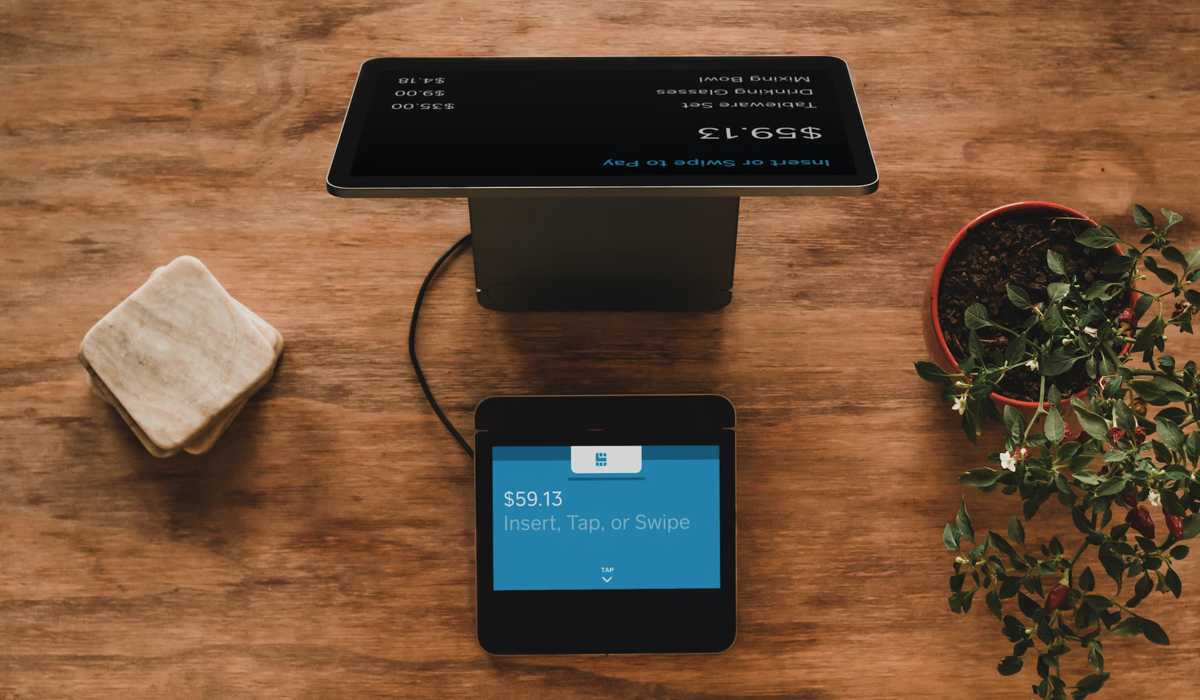
For most businesses, the main ways to process payments in 2023 is via point of sale terminals, also known as POS terminals. These are now very traditional methods of payments often found in all types of businesses, both small and large, and even used in kiosks and numerous other small mobile companies that operate on the go. A POS solution can include a stand-alone handheld wireless device or be available in various arrangements, including handheld devices, monitors, tablets, card readers, cash registers, and receipt printers.
Which combination a business chooses often depends on merchants’ needs; a food truck may only require a card reader that can connect to their phones to process payments. A restaurant may have multiple checkout registers and tablets for order-taking, which route orders to the kitchen’s screens, whose team can then communicate via their terminals once meals have been prepared.
Contactless payments
Contactless payments have gained a lot of traction over the past few years and is one of the newer ways to process payments in 2023. As more and more consumers shift their spending habits towards digital, one of the main ways they choose to pay is via contactless payments. There is a technological component involved in processing payments with this payment type. Nonetheless, the majority of the POS terminals and capable of processing such payments. From the consumer’s end, there are a couple of critical technologies to process contactless payments found on almost all mobile phones and tablets today, hence the mass adoption by consumers since a device they already carry around, their smartphone, can now double as their wallet.
Near-field communication (NFC) – included in all the latest smartphones and tablets, NFC allows customers to simply swipe their mobile device in front of a POS terminal. The payment is processed in a matter of microseconds as the encrypted data is transferred from the phone to the terminal.
Payment by QR Code – with this technology, customers simply use their app that scans a given QR code at checkout, resulting in processing payments for transactions.
The Mobile Wallet Option
Paying via a mobile wallet is one of the best many ways to process payments in 2023. With the smartphone being such an integral part of consumers’ daily life, it is only a matter of time before the smartphone becomes a replacement for a physical wallet for users. Dubbed the mobile wallet, smartphones have been taking up more and more of the tasks of numerous other personal gadgets. We used to need physical maps, cameras, and video recorders when traveling. The cool crowd had their Walkman and Gameboys, and there were also mundane items such as calculators, flashlights, newspapers, books, a watch, and even a stopwatch. Today, the smartphone combines all of that into a single device.
Slowly, it became acceptable to use your smartphone as identification, board planes and buses, or be used anywhere that required a ticket. Now, slowly but surely, the consumer is pivoting to the smartphone to pay for things.
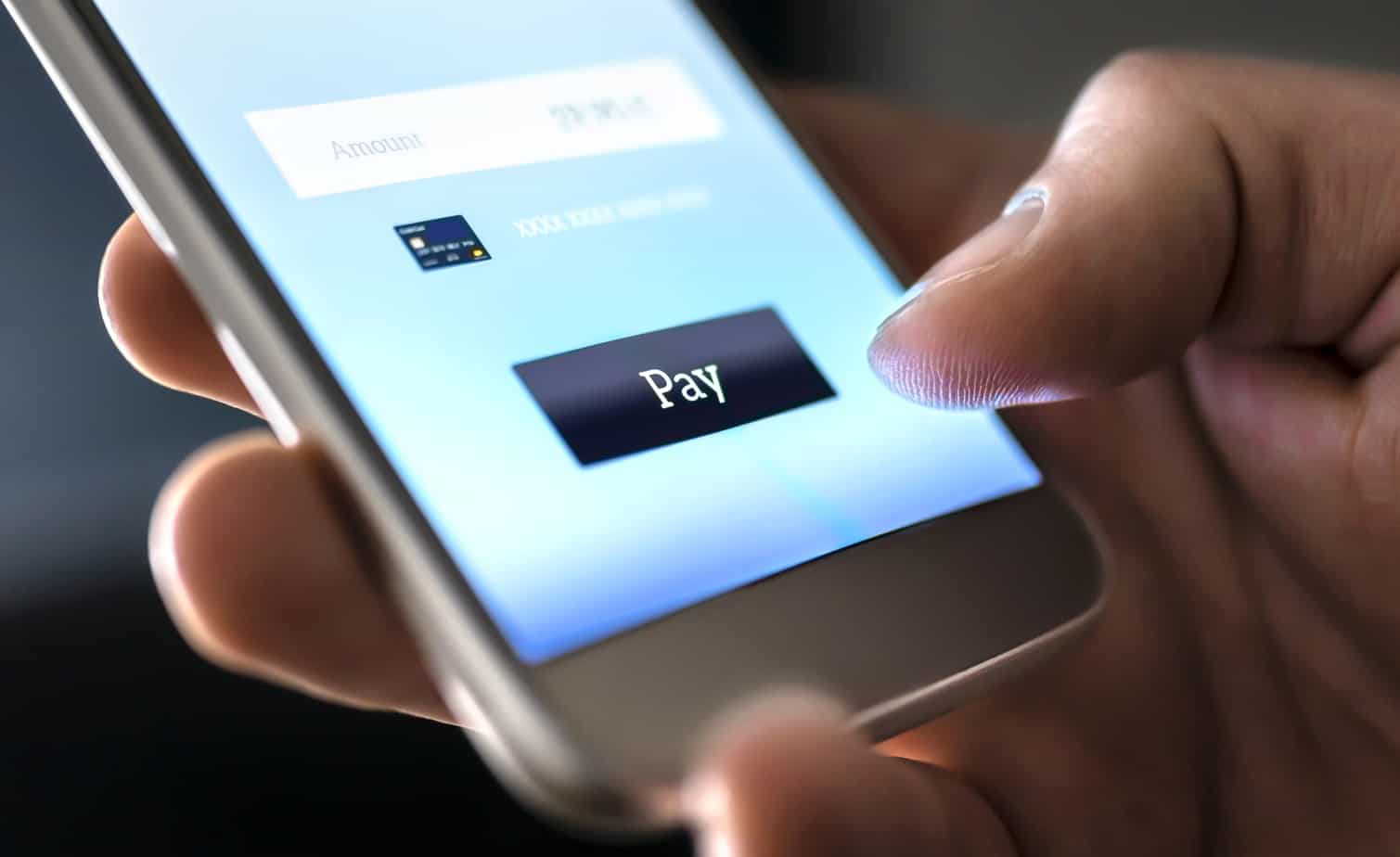
Mobile wallets, also called digital wallets, are a catch-all phrase that combines many different options to pay for a transaction. Almost every bank and credit card company now has its own app that users can download to their smartphones. There are also third-party apps that connect directly to consumers’ credit cards and bank accounts to draw money from them in the backend and use their own app to make purchases at the front end.
The underlying feature of a smartphone that turns it into a digital wallet is its ability to securely store various financial details on one device, which can then be used at the time of a transaction. Below are examples of how consumers use their smartphones as wallets to pay for purchases.
At a point of sale terminal – a smartphone uses the process of tokenization to transmit encrypted financial data stored on an app to a merchant’s point of sale terminal via the devices’ near-field communication sensors. After that, the regular course of payment processing begins as if a credit card or debit card was used to pay.
P2P transactions are the peer-to-peer transfer of funds completed by users of a common app. So, anyone with a Venmo or PayPal app can transfer funds to another person as long as that person has an account on that App. As a result, merchants process payments by setting up accounts and accepting payments on a slew of P2P apps such as Venmo, PayPal, CashApp, Apple Pay, Google Pay, Amazon Pay, and Facebook Pay, just to name a few.
Added security with EMV
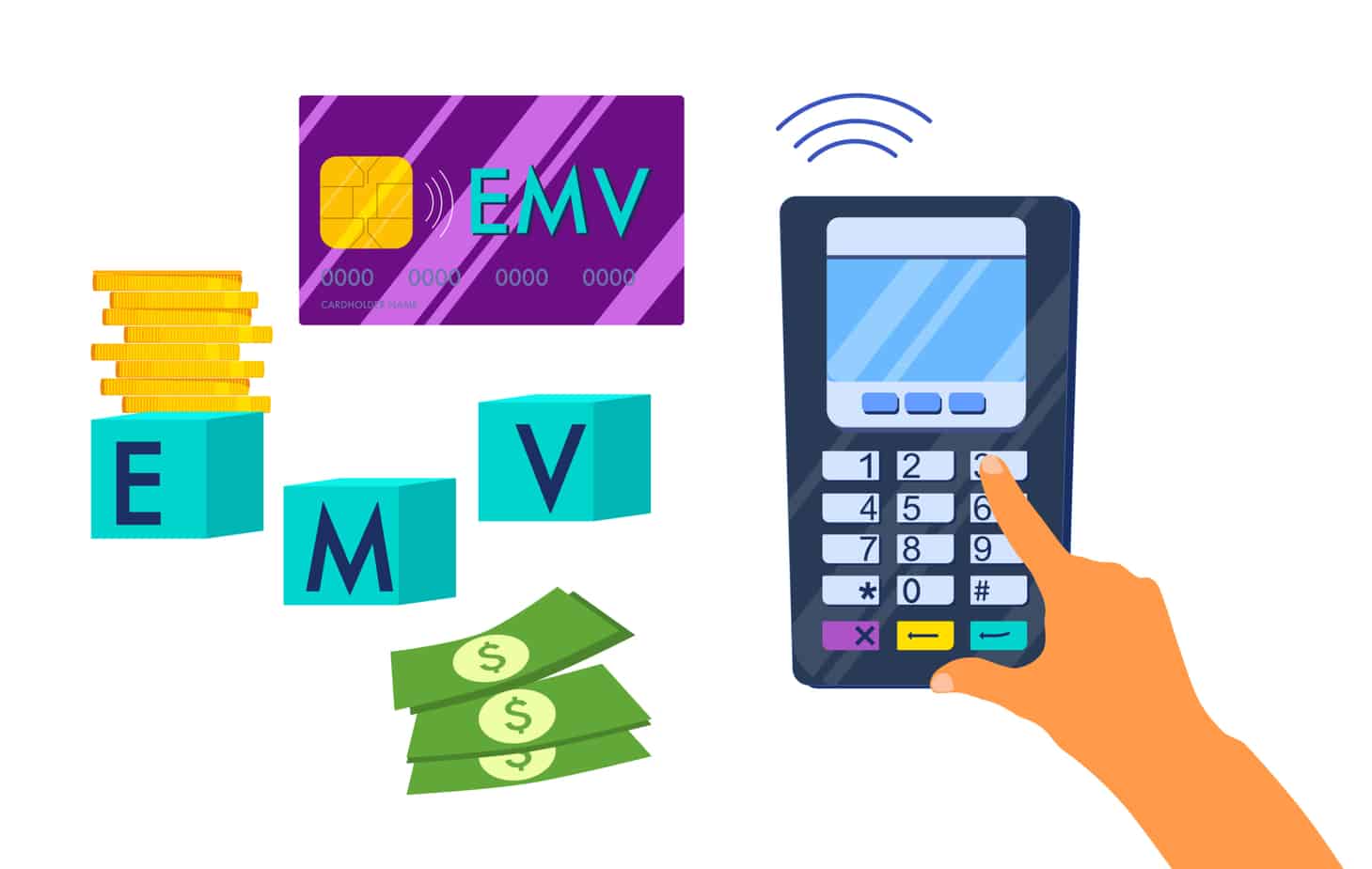
EMV credit cards are quickly catching on in usage in the US. Although the technology has long been the de facto standard outside of the US, it has just started gaining traction here. Built out of a nano computer, the EMV chip is embedded into a credit or debit card that stores the user’s encrypted data and is transmitted via a process of tokenization to the point of sale terminal to process a payment.
A significant driver of EMV card adoption is the unanimous liability shift guidelines outlined by the major card networks since 2015. The guidelines state that any claims stemming from fraudulent activity on transactions processed by merchants on a non-EMV-equipped point of sale terminal will be the responsibility of that merchant. As a result, EMV-equipped terminals are an absolute must-have for any merchant processing payments in 2023.
Cloud-Based Payments
What started as a technological revolution has begun to impact the field of finance. It is indelibly leaving its mark on the payments industry. Cloud computing has been a growing solution for IT teams for over two decades. By 2023 cloud computing spending by users worldwide is forecast to touch nearly $600 billion, an increase of more than 20% from the prior year, according to Gartner[MF1] . This is even more pronounced since the world economic outlook is expected to slow down to 2.7% during that same time, according to the IMF[MF2] .
Cloud computing allows users to access their entire tech stack anywhere at any time, as long as there is internet connectivity. One of the mainstays of cloud computing is its self-service model that allows customers to scale operations up or down based on their specific tech needs.
Since its inception, the payments industry, with its first charge card, has continuously improved to offer a better, quicker, and safer alternative to transact. It was only natural for the industry to adopt the latest technology to deliver its service better to a growing market of end-users.
With cloud-based payments, merchants can process payments regardless of the physical infrastructure, i.e., a point of sale terminal. Businesses must ensure they have internet capabilities and can access their merchant services via an app or software. Any authorized user can access the service from any device, whether a point of sale terminal, a desktop, or a mobile device, at any time, from anywhere.
Cloud-based payments are part of an innovation wave within finance known as decentralized finance or DeFi. There has been a lot of hype and hysteria around blockchain and cryptography over the past few years; this is one of the few areas where practical use cases are starting to emerge.
Real-time payments
Decades of advancement and iterations on the shoulder of prior innovations have made payment processing the behemoth it is today. As a result, only about 18% of the global point of sale transactions are made with cash as of 2021, according to Insider Intelligence[MF3] . That number is expected to be reduced to about 10% by 2025. These trends did not emerge overnight. The payment industry worked for years to mitigate noncash payments’ friction and hassle. One area of focus has been the speed at which card and digital payments are processed and settled. With cash, settlement is instantaneous, and the merchant has the money in hand at the very moment goods or services are sold.
With payment processing, it took almost three days for the payment to settle and for the funds to hit the merchant’s bank account. Automated Clearing House (ACH) has made great strides in reducing the settlement time, bringing it down to one day. But that still isn’t instantaneous like cash. Some initiatives by many payment processors offer a tertiary service to merchants offering to pay out a certain percentage of total daily revenue the same day. This is an additional service known as Same Day Funding and is provided at a fee, accompanied by a level of due diligence the equivalent of a loan contract by the payor.
However, the US Federal Reserve is making real advancements in this space with its FedNow program. Announced in 2019 with an expected launch date in 2023, over 200 banks, financial institutions, and FinTech firms are participating in the pilot program setting up the rails for the country’s first real time payments program.
Once online, the program is expected to operate 24 hours a day, seven days a week, 365 days a year, including holidays. The FedNow program will allow merchants and consumers to transact anytime, clearing the payment and settling funds immediately.
Other considerations to be mindful of for payment processing in 2023
Merchants must keep a finger on the pulse of the latest payment processing methods to understand where consumers’ preferences are headed to avoid losing sales by being behind the curve. However, there are other considerations that merchants need to be mindful of.
The merchant service provider a business decides to work with is critical. What type of customer support is available by that payment processor? Is the service provider capable of handling all the latest payment technologies? Do they offer all the pertinent POS terminals? Are they sold for a one-time cost or leased? What are the contract terms of their services, tertiary products, and their third-party integrations? These are all important considerations that all merchants need to be mindful of, along with the latest ways to process payments in 2023.
Conclusion
The various ways to process payments in 2023 have expanded tremendously. The industry has achieved new heights of technological innovation for over seven decades to become the colossal global payment network connecting billions of consumers and merchants and processing trillions of transactions.
It started with the concept of a charge card after an entrepreneur left his wallet at home one night in the late ‘40s. It kicked off a new era of payments via card networks throughout the country. The ’60s brought about more organizations and the banking and financial services industry collaborating to develop the industry further.
The ’70s transformed those local industry networks into global initiatives. During the ’80s, it was the era of the point of sale terminal, which started becoming wireless during the 90s internet boom. All that infrastructure buildout facilitated the expansion of eCommerce during the 2000s that further transformed into mobile apps during the last decade. Today we are at the forefront of cloud-based payments processed in real time. These are all different ways to process payments today and help merchants grow their businesses in 2023 and beyond.
Online businesses and marketplaces are booming not just in the US but across the world. In 2023, eCommerce is expected to hit the $1 trillion sales mark in the US alone. That’s after the industry saw an increase of 50% in the year prior. As a result, more businesses are wanting to add payment processing to websites they own.
Marketplace platforms such as Amazon, eBay, Etsy, and Shopify have flourished, and more and more entrepreneurs are starting up eCommerce and online businesses daily. How to add payment processing to a website is a constant inquiry among merchants.
Considering the current trends, we compiled this article to share our expertise on how to get started with adding payment processing to a website. We explore what businesses need, whether that’s a merchant account or just a payment gateway, and explain what a payment gateway is. We also explain whom merchants may need to hire and what to expect to pay for the process. Finally, we remind merchants of security considerations that they should keep in mind when looking to accept payments online.
How do you get started if you want to add payment processing to websites?
Payment processing has started to find new spaces in which it can operate over the decades. It started with physical locations via a point-of-sale system. With the advent of the internet, payment processing went online. As smartphones entered the conversation and businesses became mobile, smart card readers that connected with smart devices started gaining traction. Then there was the introduction of mobile payment processing, and now there are even cloud payments.
Although this may sound complex, payment processing, regardless of whether it is in a physical store or for a website, has the same basic steps. Below are specific components online merchants need to have in place to get started with payment processing on a website.
Web hosting – this service is offered by a company that specializes in providing a facility to set up a website, offer the server space to store information of that website, and connect that website to the World Wide Web network. Web hosting service providers, also known as web hosts or hosts, also provide the infrastructure to add additional widgets to a website, such as expanding server space to accommodate an eCommerce store, setting up emails, a payment gateway, and a virtual terminal. This step is vital when a business is setting up a website or an eCommerce store.
Merchant Account – this is also known as a payment processing account and is the process of businesses setting up a specific bank account to accept credit and debit card payments. This step allows the merchant to accept payment via credit and debit cards, or any other non-cash means consumers wish to pay with.
Payment Gateway – this is the software businesses use that allows them to process payments on a website or other eCommerce sites and marketplaces. Customers enter their card data into the client-facing interface of the gateway, which communicates those financial details via a secure, encrypted transfer protocol to the issuing bank for the online payment to be authorized and the transaction to be completed. This step digitizes the process of accepting non-cash payments that have been set up with the merchant account for the digital and mobile environment.
Transparent (Direct) vs. External Gateways – payment gateways can be set up in a way that they are integrated into a merchant’s website. That is known as a transparent or direct gateway. An integrated payment gateway allows customers of the site to make the purchase and enter their card data to complete the transaction without leaving that specific environment. Alternatively, the gateway can be set up to process the payment on the website, and the customer would have to leave the website to go to a third-party site to enter the card data and process the payment. That is known as an external gateway.
A direct gateway is better as it allows customers to store their card data on the merchant’s website without entering their card data for every transaction. This process also doesn’t require the customer to leave the merchant’s website. Businesses have more control over the security of managing the client’s personal and financial data.
Who do you need to hire?
customer self-service orders a drink menu with a tablet screen and pays bills online at the cafe counter bar, seller coffee shop accepts payment by mobile. digital lifestyle concept
As an established business, merchants would need to hire professionals who bring value with their domain expertise. To add payment processing to a website, companies will likely need the help of a web developer first to develop a website, as well as eCommerce functionality on that website if that is not already done. The next step will be to embed code and plugins for the virtual terminal and payment gateway of choice if business owners decide to pursue one directly.
Business owners have enough to manage as it is with running a company. Hiring specialists can help merchants gain insight and recommendations from experts in that industry. Furthermore, a more technical person can offer the best advice on specific software or programming language to use for the best results and what would be the appropriate hosting space given the need of the merchant’s website.
It is essential to carefully evaluate any professional you are hiring and look for projects they’ve worked on in the past, such as the types of sites developed, if they included eCommerce or merchant sites, and if payment processing was added to those websites.
Finally, when adding payment processing to a website, merchants should know their risk profile increases as more nefarious individuals try to commit fraud using stolen card information to make purchases on their websites. There may also be attempts to hack the website to steal any stored card data on the hosted space. As a result, having a cyber security specialist who can advise on how to protect the website and customer data will be another area businesses need to focus on as they start adding payment processing to a website.
How much does it all cost?
There will be various costs associated with businesses wanting to add payment processing to a website. For this article, we will focus on the payment processing side of the charges, as it is difficult to put a number on how much web hosting or web development will cost as those are specific to the nature, size, and complexity of a website build.
Payment processing is generally made up of three specific fees outlined below.
Interchange fee – this is a fee charged by the Issuing Bank or the bank that issued the card used to pay for the transaction. An example would be when Joe Smith pays using his Citibank-issued Mastercard credit card, Citibank will receive the interchange fee. This fee is set, cannot be negotiated to a lower rate, and gets paid directly to the issuing bank.
Assessment fee – this is a fee charged by the payment network. As in the example above of Joe Smith, Mastercard is the payment network and will receive this fee. This fee is also set, cannot be negotiated to a lower rate, and must be paid directly to the card network.
Merchant services fee – this is a fee charged by the acquiring bank. That is the bank that set up the payment processing account for the merchant. The acquiring bank is responsible for accepting the credit card details and securely routing those details through the payment lifecycle. This is the fee that is negotiable to some degree for the merchant. This fee covers expenses associated with the cost of every transaction, a fixed monthly fee, and any expenses related to the merchant’s use of point-of-sale terminals and systems offered by the merchant service provider.
Furthermore, there are costs associated with a payment gateway. Although the prices vary depending on which vendor is chosen, it is essential to note that often merchant service providers have negotiated lower rates that they can pass along to their customers. So, merchants may want to leverage those relationships to get competitive rates via their merchant account provider rather than contract directly with a payment gateway solution provider.
Finally, an important topic related to costs, especially when businesses add payment processing to a website, is card not present transactions. It’s crucial because as companies start accepting online payments via their website, they are classified as a high-risk merchant. That high-risk classification results in higher payment processing rates for merchants.
The primary reason for that classification is that the transaction is conducted online, without any physically visible interaction between the customer and the business. Hence it can never be verified that the person entering that card data is the rightful owner of that card. Other steps are used to ensure that verification, increases the complexity, cost, and risk of these transactions, resulting in higher processing rates.
Building security and resiliency
Most consumers today prefer to shop online, either on their laptop or computer, but mainly via their mobile phone. Changing shopping, and spending habits brought about by advancements in smartphones and mobile technology. Consumers find the smartphone an integral part of their lives – more of it is lived using that device. As great as eCommerce has been, a subsection of eCommerce, mCommerce, which is commerce via smartphones and tablets, was slated to surpass $400 billion[MF1] in annual sales as of 2021.
eCommerce, mobile commerce, and contactless payments offer tremendous benefits for consumers and merchants. Consumers experience convenient and expedited transactions, while merchants get quick and easy checkouts and happy customers, and the prospect of increased business activity is facilitated by this ease. However, that convenience and ease also pose real threats. Those include increased risks of fraud leading to huge losses. According to Statista, a market research firm, in 2021, 75% of merchants globally reported experiencing some degree of fraud, totaling losses of nearly $20 billion.[MF2]
If merchants decide to add payment processing to a website, they also have to mitigate the potential of losses for fraudulent activities. As such, by 2025, global spending on fraud prevention and security buildup related to eCommerce is expected to explode and reach $70 billion annually.
Businesses are changing operating standards, requiring customers to create accounts on their websites, which verify their information before accepting any orders. Staff training is another area businesses are bulking up security measures, focused on helping their team identify the difference between a genuine error and an actual fraudulent threat and how to ask the right questions to ascertain which is which.
Conclusion
Consumers’ habits are changing rapidly, and they want to be able to shop and pay on their own terms. As eCommerce and mCommerce continue to flourish, businesses must quickly adapt to these demographic paradigm shifts. They need to quickly understand the latest preferred payment methods and how to accept them.
To add payment processing to a website requires a simple list of steps that must be followed. However, following that list requires deep expertise. So, it’s not hard, but there can be challenging steps. Merchants have many questions about whether they need a merchant account, whether their merchant service provider is their only option, whether they should go directly with a payments gateway, how much it all costs, and if they need to hire any additional help to get this all done. Partnering with the right specialists can make all the difference in the setup becoming a seamless breeze.
Here at Host Merchant Services, we guide businesses and merchants daily on how to quickly start accepting payments on their website and what to expect. We specialize in eCommerce and mobile payment processing with decades of expertise in the payments industry. Finally, with Host Merchant Business Solutions, merchants can easily set up their website and email and seamlessly integrate payment gateways to process payments on their websites.
In the ever-evolving globalized market, as services transition to eCommerce and online setups – merchants are increasingly relying on ever-expanding cashless payment methods. The plus side to this is that the individuals benefitting the most from these changes are the merchants themselves. The credit card processing business is at the front line of this exciting modernization, capitalizing on this developing and evolving new niche in the globalized market.
The benefits of this career path for anyone interested in how to become a credit card processing agent are not just financial – this industry is a surefire way to implement professional growth and build a sense of accomplishment as you work hand in hand with the innovators.
This article will explore why setting up a credit card processing business is an exceptional opportunity to place yourself at the forefront in the rapidly essential payments industry and how to become a credit card processor.
What does a Credit Card Processing Business entail?
A credit card processing business, a Merchant Service Provider (MSP), or an Independent Sales Organization (ISO) are all titles used interchangeably within the payment processing industry. As a credit card processing business, you are representing an issuing bank to sell their payment processing services.
However, an essential aspect of being a credit card agent is that you must make an upfront investment before the issuing bank officially initiates the credit card processing business into its reseller program. Benefits of doing so include low buy rates – which is the charge for the payment processing service which the credit card agent sells to merchants – something we will dive deeper into below. Another major part of their job is to provide ongoing support to help effectively market the merchant account services.
As always, there is a downside, which in this case would be the upfront investment required to set up the credit card processing business. Often, the issuing bank may not even consider an individual credit card agent for the program, instead requiring the person to become a part of an already existing ISO/MSP.
What are some key traits that make a credit card processing agent successful?
What exactly does being a credit card agent entail? What are you responsible for as a credit card processing business? Well, as with any type of sales agent, the name of the game is to ABC – always be closing. How exactly do you do that?
Approach merchants as respected partners: Credit card agents that can carefully pay attention to and anticipate merchants’ needs are who will be successful. What are the main concerns of the merchants? What can make them successful? Merchants who’ve agreed to have a discussion with a credit card agent in the first place is a great sign and an opportunity to learn more about their business and their pain points. To successfully set up a credit card processing business, entrepreneurs need to address these pain points to ensure a frictionless and hassle-free path to winning over customers.
Be a fast learner: What products are available? What are the types of merchants you may be servicing? Who are the major competitors? What’s Cash Discounting? Is it legal? Will my existing POS system integrate with your merchant account? What is the EMV liability shift? How expansive are the omnichannel payment options with your offering?
What paperwork would the merchant need to fill out? How can the credit card agent support them in the process? The ability to answer these questions, and many others, is the path to how to become a credit card processor. Anyone running a credit processing business should readily have the answers to these questions at their fingertips. That is how you earn trust and get merchants to come to you for honest and reliable solutions.
Never give up: Keep on keeping on, as the saying goes. Be proactive when it comes to expanding your client base. It will be hard to start with, but you must remember you’re playing the long game. You’re in it to win it. Remember to keep checking in and seeing if they need anything. Advise and inform them of changes within the industry. Be honest with them about how what you have to offer is a more suited solution for their needs.
The benefits of having your own credit card processing business
Freedom
The 9-5 model grows increasingly outdated with every passing day. The gig and freelance economy are being prioritized along with passive income so people can focus on doing what they want to do in the time they have.
Setting up your own credit card processing business full-time allows credit card agents to dictate how they operate. You decide which customers to pitch, which industries work in, how hard you work, and how much risk you are going to take on.
Innovation
The payment processing industry has been in a state of innovation since Frank McNamara [MF1] left his wallet at home and was inspired to create the first charge card back in the late-‘40s. Since then, businesses have sought to accentuate trade by removing barriers and synergizing the customer’s journey.
Today, the payments industry experiences immense growth from consumers’ interest in mobile and eCommerce transactions – mainly thanks to the shift to online shopping and contactless payments precipitated by shoppers worldwide. Now, with the implementation of digital wallets accelerating more commerce, including cross-border trade, the payment processing industry is at the center of it all to effect change and profit. The question on many entrepreneurs’ minds now is how to become a digital payments agent.
Be your own boss
Running your own credit card processing business requires effort, discipline, and critical communication skills, among other techniques that you must learn. Like most things, you get back as much as you put in.
Unlike businesses such as franchises or retail companies, the up-front costs of starting your own credit card processing business are comparatively minimal. Resellers of payment processing should expect some initial costs for relationship management and marketing software, travel, and office supplies to get started.
Choose your customers
Your success is directly dependent upon whom you work with. That’s why it’s essential to seriously research your options when deciding which merchant service provider to partner with. Merchants demand an omnichannel payment processing solution – because that is what their customers want.
However, a credit card processing business wanting to build trust and loyalty with merchants will not accomplish this if the merchant service provider they are reselling services for offers prohibitive prices on POS equipment leases and has strong contractual language for long-term agreements with excessive early terminations fees such as liquidated damages.
Choosing the right partner will lead to a credit card agent focusing on building long-lasting relationships. It is essential to partner with a merchant acquirer whose values are in tandem with your own.
Fast-growth Industry
eCommerce is expected to cross one trillion dollars in sales in 2022, according to digital research firm eMarketer[MF2] . That’s just in the US. These flourishing businesses will want to partner with a credit card agent to process payments. Payment processing, online payment capabilities, fraud security, and PCI compliance are just some of the things that you can help them with. Additional consultation on which POS equipment is best for their needs, assisting businesses to implement gift card and loyalty programs, integrating with other workflow tools, or doing something as simple as building a website, are all opportunities to expand the credit card processing business or build more loyal customers.
That is the growth potential of the current market. The potential for growth increases when considering the existing pool of customers unsatisfied with current industry incumbents who have equated size with quality.
Shifts in key demographic
Flourishing opportunities are nurturing the payment processing industries’ economy – where potential lies with both past and future customers. It’s essential to consider the increasing number of people whose preferences have moved from cash to cashless, and businesses refusing to acknowledge this change will suffer. A prime example is the retail industry, where consumer spending has shifted from the physical to online shopping. 67% of Generation [MF3] Z and 56% of Generation X prefer online shopping over going into a store. Data reflect those of consumers between the ages of 25-44 years[MF4] , less than 20% prefer to use cash, with the remainder preferring card or digital payment solutions.
The trend in the data is clear – there is an overwhelming shift that proves that the payment processing industry will only get more lucrative as there is an ever-growing number of merchants and consumers looking to avoid cash. The demand for credit card processing businesses will only grow.
How can you choose the best credit card processing business partnership program?
The credit card processing business program you partner with will determine the amount you earn. An important factor that some credit card agents fail to understand is that building a business on trust and loyalty will always yield a more effective result than threatening merchants with the legalese of long-term non-cancelable contracts.
You want to build your credit card processing business without requiring any long-term commitments from merchants. The product and service level will be the differentiator to win more customers. Will your business offer 24/7 support? Can you easily integrate merchants’ prior POS equipment and offer additional tertiary services? Having these options on offer with transparent pricing makes your job as a credit card agent much more effortless.
The demographic trends and what they mean for the payment processing industry and the fast-growing career are all factors too appealing to ignore. If building meaningful relationships and developing transferrable skills while being rewarded for it in a secular growth industry sounds of interest to you, then carefully consider being a credit card processing agent.
The economics of setting up a credit card processing business
The buy rate is significant. This is the rate offered to the credit card agent from the merchant acquirer, or MSP. The buy rate includes the rate which the issuing bank and the MSP take at a minimum to process payments. It also consists of the fee available to the credit card agent.
A simple example, the buy rate in an MSP reseller program a credit card agent is part of may be 2.0% + $0.10. The credit card processing business can offer the merchant a rate of 2.5% + $0.15. The margin for the credit card agent in this example is 0.5% + $0.05 on every transaction. It may sound small, but if the merchant you signed up processes 100 transactions per day, averaging $10 per transaction, the credit card earns $10 (100*$10*0.5%) + $5 (100*$0.05), totaling $15 from that one merchant, daily.
Imagine how that can be scaled based on your efforts as a credit card agent working with existing leads and expanding the pipeline every day. This is a tremendous opportunity as more entrepreneurs start businesses and as more consumers shift their spending habits towards cashless.
Conclusion
In closing, the merchant services industry is primed for growth, with all the stars aligning for success for anyone looking to start a credit card processing business. The demographic trends, the industry’s growth potential, and the independence of managing yourself and your fate are just too rewarding to overlook. Suppose you want to build meaningful relationships and transferrable skills in an industry with a history of innovation and a flair for entrepreneurship. In that case, you should consider being a credit card agent full-time.
[MF1]Hyperlink to the history of CC industry article??
When starting your own business, there are many departments that you need to prioritize in the beginning. One such department is the accounting department, which manages your finances through the use of accounting principles.
There are many reasons why setting up an accounting department is important for your company, but the main reason is that it can keep your financial records in an organized fashion. Furthermore, by using various accounting principles, it can make sure that all of the financial records are accurate and updated, ensuring financial safety and efficiency.
Let us discuss this in a bit more detail, taking a look at the importance of accounting, and exploring the five accounting general principles as well.
Basic Accounting: Why Is It Important?
Before understanding the five important principles of accounting, lets first take a look at accounting and why it is an important part of any company. By definition, accounting is a term that is used to explain the process which involves strengthening the financial position of the company, and also ensuring financial transparency and responsibility.
The main purpose of an accounting department is to keep a record of any transactions that they make, the cash flow, and generate profit and loss reports based on the financial information.
In addition to solidifying the finances of a company, the account is also important due to other benefits that it brings to the table:
· Records All Business Transactions
One of the most important reasons why accounting is essential for every company is because it is through these processes that the company is capable of keeping a systematic record of the company’s finances.
Having access to updated financial records at all times can help companies when comparing their current situation with that of the previous years, allowing them to evaluate their financial position.
· Helps in Decision Making for the Management
One of the greatest benefits of having a capable accounting department is that the accumulated financial information greatly helps in the decision-making process.
The management team needs accounting in order to make any important decision, mainly due to the fact that accurate financial information can help them evaluate their position when it comes to capital, allowing them to make a well-informed decision.
· They Meet Legal Requirements
Tax authorities such as the Internal Revenue Service, also known as the IRS, require accurate financial statements in order to properly evaluate the net income and total revenue of the company.
This is done to ensure the legality of the inflow and outflow of capital that is involved with the organization, and this is where accounting comes in.
It is the job of the accounting department to ensure that all of the financial documents are constantly updated and reach the IRS in order to ensure the legality of all the transactions that have occurred within the company.
Basics of Accounting Principles and the Five Types
Information is key in building a trusting relationship with both your clients and your stakeholders as well.
The best way to do that is to keep a record of all of the financial exchanges that have taken place within the company, and the best way to do that is to adopt the basic principles of accounting.
Although there are many regulations and different requirements when it comes to the preparation and organization of the financial statements that are comprised of all the transactions that have taken place in a company, they follow the same accounting principles.
Let us take a look into these five cornerstones of financial development and accounting and understand them in a bit more detail.
The Accrual Principle
When shipping goods to a customer, an exception that may arise may be that the product may be sent in one accounting period, but the customer might have sent you the payment in the next accounting period.
The Accrual accounting principle takes a look at this situation and helps understand when a sale in this particular situation should be recorded in the books.
According to this principle, it is advisable to you recognize the income at the time it is earned regardless of the time you receive it, after which you should recognize the expenses at the time you incur them.
When doing so, the time duration does not hold any importance, and you can recognize the incurring expense at any point in time.
When dealing with financial statements in accordance with the Accrual principle, transaction recognition is closely related to when the business activities take place and not the time at which the money is exchanged.
The Matching Principle
Another key principle that is part of basic accounting is the matching principle, and it normally explores the situation involving the time when a company buys a piece of equipment in one quarter and then uses it for the upcoming quarters.
When facing such a situation, this principle looks at the expenditure that takes place and the time that it should take place.
The main function of the matching principle is to make sure that the company revenue is aligned with the expenses that have taken place.
This means that the company should be able to recognize the expenses around the same time as when they are earning the revenues for them and vice versa.
This is done primarily because recognizing the expenses at the same time can help the organization evenly divide the cost of the equipment over the span of the increasing number of quarters they have used it for.
The Historic Cost Principle
Most of the functionality that is concerned with accounting ties closely to past events. This is partly why comparison and consistency are such important aspects, and in order to ensure that the financial records remain consistent, this principle is taken into account.
Before understanding the historic cost principle, let us first understand what the term “historic cost” exactly means, as it is important to ascertain the purpose behind this key principle.
By definition, the historic cost of a transaction means the real value of the involved resource, such as any cash or liability that is related to the exchange.
The main requirement for a company to implement this principle into its accounting regulation is to record any transaction that takes place at its historic cost.
How it works is that if the resource involved in the exchange goes through an increase in value due to some internal or external factors, it does not affect its value in the official financial records unless allowed by the accounting standards.
This principle and the overall concept behind historic cost are essential, mainly in the case of property.
This is because the real estate market is a volatile one, and if organizations did not follow the concept of historic costs when recording the value of their assets, it could greatly impair future comparisons to evaluate the overall financial situation.
Conservatism Principle
There are times when a company is already aware that an event is about to occur that will incur massive costs for the company. The principle deals with this manner of potential expenditure, and whether it will be recognized in the records.
There are a number of different ways to record such transactions, meaning that there is a possibility that different accountants make a decision that is distinct from each other, and this is where the conservatism principle comes in.
In accordance with this accounting principle, accountants are required to adopt an approach that results in the lowest possible net income, or the utilization of the lowest net assets, when engaging with any merchant services.
Furthermore, accountants should also keep all anticipated costs into account and recognize only the gains that are projected to occur and when they occur.
Principle of Substance Over Form
What makes this different from the other accounting principles is that it requires your company to record the economic value of the transaction and the events as well, rather than just their legal form.
There may be a possibility that the lease can be very brief, lasting for only a few months. In this case, the statement should show the entirety of the expenses paid by the company without having the need to list any asset.
However, if the piece of equipment has been leased for a considerable amount of time, the resulting exchange is similar to a sale and loan in terms of economic value because of the fact that the lease covers the majority of the life of the asset.
When dealing with such a situation, the regulations and laws in accounting dictate that the lease should be treated as a purchase that is done by your company and viewed as a debt that is owed to the individual who has leased the equipment.
Conclusion
The main reason why many accountants and teams integrate the use of proper principles is due to the fact that they offer staff members and management a very easy-to-follow and streamlined path that is tailor-made for different situations. Having strong accounting principles in place in your organization can help you maintain a clean understanding of what your current financial situation is, and help you make accurate decisions based on where you need to go.
Data is said to be the new oil. As a result, businesses collect data and commoditize it for various use cases. As data has begun to proliferate in abundance with the advent of the latest mobile technology, such as smartphones and tablets, businesses collect data to the tune of quintillions of bytes generated by billions of consumers worldwide. Data is always waiting to be collected, warehoused, cleansed, organized, analyzed, visualized, and used for a more refined targeting of each smartphone owner.
Some of the most successful publicly listed IT businesses have made a business model of collecting and commoditizing consumer data. In this article, we dive deep into what types of businesses collect data, why they do it, what is it used for, and how do businesses collect data. In this article we will explore the numerous data privacy regulations businesses must adhere to when collecting data and what rights and powers consumers have to protect their data.
Different types of data: How do businesses collect data?
There is a treasure trove of online data generated by consumers. As businesses collect data, they are increasingly hungry to extract as much of that consumer-generated data as possible and analyze it. As a result, companies are building sophisticated tools such as algorithms and combining that with the advent of big data and artificial intelligence to curate highly customized marketing catered to consumers’ preferences. This phenomenon led to the Harvard Business Review publishing an article calling a data scientist the “Sexiest Job of the 21st Century[MF1] .” And that was a decade ago! Today businesses collect data that fall into four main areas. These include:
Personal data – This is any information that includes data that can personally identify an individual and non-personally identifiable data. Data that can personally identify an individual can include gender, address, phone number, social security number, date of birth, etc. Data that fall into non-personally identifying data have web tracking technology that gathers internet search and browser history, IP address that identifies the consumers’ location, and information about the device, such as the type of laptop, tablet, or smartphone used.
Data on user engagement – this category of data collected is the details of how customers use and interact with a company’s various platforms, such as its website, smartphone apps, social media channels, email outreach, customer support portals, and paid advertising.
Behavioral Analytics – data collected to build a behavioral profile of consumers include how often customers shop, the purchases they’ve made, how often and in what ways they use certain products, what pages of a website they often browse, and how long they remain on that page. Detailed qualitative data is also collected that track the movement of a mouse on a laptop/desktop or the scrolling of the page and eyeball tracker on mobile webpage visits.
Attitudinal study of consumers – this data set builds a profile on consumers’ perception of a business’s brand, their favorability and overall customer satisfaction scoring, how desirably a customer views a business’s products and how the company fits into the consumers’ purchasing habits, and criterion.
Why do businesses collect data?
Keyword Research
There are many reasons why businesses collect data of consumers. Some of these include:
Customer experience – behavioral data on the customer truly does impact business strategy. If the data suggests that certain business strategies on products or the sourcing of specific supply chains do not fit well with consumer preferences and timelines, those areas of operations and product mix are modified for a better fit for the customer.
Targeted marketing – Businesses can better target their audience based on the likes and preferences data collected on consumers. Analyzing consumer data and better understanding the contexts and consumer journeys that drive spending allow businesses to target only those customers who prefer to engage with that business.
To build a more clear profile of the customer – Some businesses already have a certain amount of data about their customers. They look to add additional layers of that data about the customer to have a more wholesome profile of the customer for a better customer experience and safety precautions. A perfect example of this may be a bank app looking to supplement biometric data about its customers to protect the customer account better so that only that person is accessing the data regardless of location or device used.
Pure profit motivation – not all data collection efforts are well-intentioned. Some data collectors are in it only for the money. A new industry known as data brokers is collecting and compiling large, vast amounts of data, often without the customers’ knowledge or consent, simply to sell it for a profit.
How is data collected by businesses?
There is a myriad of ways businesses collect data about customers. Some businesses ask their customers for the data directly. Others gather that information indirectly on consumers that may be existing or potential customers. Many companies simply append supplementary data onto their own data sets to enhance consumer profiles.
For starters, businesses build their database on customers when they signup for their services. That profile is expanded as the customer uses the company’s products, visits other products on their website, follows and comments on the company’s social media sites, and calls in or chats about any inquiries or complaints.
This data is enhanced by other information collected, such as the type of device used to access the website, and inferences are made regarding how and when the customer accesses and uses their product. Additional insight is driven by the type of conversations the customer had with the company’s various departments, such as when did the customer talk to the support team, was the customer ever routed to the sales team, or if there has ever been a request for product enhancements shared by the client.
What data privacy regulations must businesses adhere to when collecting data?
Smartphones and mobile technology are used for every day human interaction and so much more. Although regulators and lawmakers have been behind the curve in adjusting to this new reality of businesses collecting data and understanding how it is used, there is new vigor with four major privacy laws protecting consumer data.
General Data Protection Requirements (GDPR) – issued by the European Union for all businesses targeting the collection of personal data of EU citizens, the regulation sets forth specific guidelines about how data can be collected, where it is stored, and how it is used and shared. There are steep penalties for violators, as much as 4% of annual revenue.
California Consumer Privacy Act – similar to the GDPR but requires consumers to opt out of any effort to collect data by businesses.
Colorado Privacy Act – Scheduled to come into effect on July 1, 2023, CPA is very similar to the California Consumer Privacy Act in that it requires the consumer to opt out of any data collection efforts by businesses.
Virginia Consumer Data Protection Act – This is Virginia’s version of the California Consumer Privacy Act, which requires consumers to opt out of any effort to collect data by businesses. It also requires companies only to collect data needed for their business and inform the consumer of their rights around this law and the different recourse they have. The law will come into effect on January 1, 2023.
How to protect your data?
In an Ipsos poll conducted in 2022[MF2] , 70% of consumers in the US think it has become more difficult to control who has access to their data. Only a third of respondents believed that businesses collecting that data have appropriate controls in place to protect that data. According to that same poll, Ipsos presented six security safeguards around data protection and asked the respondent how many of those safeguards they had implemented. Only a sixth of those questioned had implemented those safeguards. Less than half the respondents had implemented three or fewer safeguards.
The survey found a correlation between those who had the fewest safeguards implemented and how despondent they felt about the ability of regulators and companies to protect their data. More than 70% of those surveyed wanted their online presence to remain anonymous or wanted the ability to erase whatever online data had been collected about them. Nearly 80% of those who participated in the poll wanted a permission-based system for collecting and accessing their data.
All in all, the findings of the survey point to the fact that consumers are concerned about their data being collected but don’t understand how to protect their privacy. Below are some safeguards that privacy experts advise consumers should implement to protect their data and their privacy.
Advertising and tracking app blockers – many websites you visit have trackers that track every move made while on their website. These trackers can collect IP addresses to locate you, which device and browser you used to access the website, what pages were visited, and how long you stayed on a particular page. Some trackers even track your activity once you leave the site, tracking activity across the internet to build an entire profile of your online habits, search inquiries, and preferences. Consumers are advised to install browser extensions blocking those ads and tracking technologies.
VPN is an encrypted virtual tunnel between the user and the internet. All data goes through this virtual tunnel, masking the user’s IP address. Using a VPN means no one can see what you are visiting online as it is encrypted, and since the IP address is masked, your location is also indecipherable.
When the product is free – you’re the product. Social media and hundreds of apps and tools are free to use and share your data. These platforms and apps collect your data to accurately target you for advertisements or to outright sell the information such apps have collected about you. Privacy experts have recommended to avoid free apps and platforms where possible.
You don’t always have to use your actual information. That’s not to say one should use fake information on their tax returns. Instead, you don’t need to sign up for the latest cheese or razor blade subscription with your data. Using phony information for such services can safeguard your privacy.
These companies have established trillion-dollar business empires built on collecting and harvesting consumer data and then micro-targeting marketing and advertisements on behalf of their customers. This is the birth of surveillance capitalism, with its widespread data collection and the commoditization of that data in the name of capitalism. This is due to the fact that there is a profit-making motive that arises from the advertising industry seeing endless possibilities from the use of specific personal data points generated from almost every human action possible and then gathered to target consumer behavior with immense accuracy.
Regulators and lawmakers are finally waking up to the power of big tech and looking to enact safeguards to protect consumers’ privacy and data. However, the practice that businesses collect data and the for-profit model that the practice has spawned will not go away. The process will continue to proliferate, albeit with the guardrails of regulation. These companies will continue to operate and flourish around the law with even newer and more clever ways to hook consumers to the latest technological innovation and extract even more data.
Consumers must understand and stay aware of the latest data collection practices that businesses employ and the impact their actions and the use of technology have on the data they are disclosing.
Merchant service agreements and the contract terms within it are vital for businesses to carefully review and consider. Many merchants often go to great lengths to evaluate all the different fee arrangements and learn the minutiae of tiered pricing and interchange plus.
They may look at all the payment processors that offer various platform integrations, the latest point of sale equipment, or all the additional tertiary services available. However, there are specific contract terms to avoid and understanding how to spot them is the cornerstone of the process of inquiring about merchant services.
In this article, we will explore why the merchant services contract is so essential and the different contract terms to avoid within them, such as service length clauses, early termination fees, liquidated damages, automatic renewals, and equipment leasing. Additionally, the language associated with these contracts will be highlighted so that merchants can understand what to look out for.
Contract Terms To Avoid- Why understanding merchant services contracts is so important?
The legal relationship between the merchant and the payment processor will be based on the contract that is signed. The most impactful step a business owner can take is to read the contract they sign for their merchant account. Given how necessary payment processing is to businesses, we have identified three significant benefits of understanding merchant services contract terms below.
The incentives of payment processing sales teams and merchant services providers don’t always align with the merchant. Often their incentives don’t even align with merchant services providers, the entity that has hired them. Usually, it’s not the sales teams’ fault as they are engaged and retained based on aggressive targets, and failure to meet them results in termination or closing less deals. So, it’s vital to identify how knowledgeable the sales agents are about the product of their specific company and particularly how the payments industry works overall. If they fail that test, it is primarily because the payment processor has not sufficiently invested in training the team and does not have a system in place for a long-term customer retention.
Understanding the contract terms spells out what merchants are paying for. They will know what they are liable for and all the applicable fees. Most importantly, they can make an informed decision on whether it is a fair agreement.
Finally, until the merchant has signed the dotted line, they can still walk away from the deal. Once merchants have read and clearly understood all that they will be responsible for, they still have the chance to walk away and take their business elsewhere where they may find a better alternative that they are more comfortable with.
Clauses for the length of service
This is also known as the term of the agreement. A typical term period of a merchant service agreement is usually three years. Although three years is the most common in the payments industry, some merchant service providers offer contract terms ranging from one year to as long as five years. After that, the length of services is continued on a twelve-month cycle that auto-renews annually.
It is important to note that clauses for the length of service within merchant service agreements are quickly falling out of favor. There are two specific clauses relating to the term length of the contract. One defines the term commitment, the period for which the merchant is contractually obligated to retain the merchant services account with the service provider. The second is the early termination fee, a penalty for ending the agreement before the completion of the term commitment. When negotiating the elimination of length of service clauses, both those clauses need to be waived and written into the contract.
Contract terms that specify term commitments are very unpopular with business owners as they are meant to prohibit businesses from quickly ending the arrangement in order to switch to another payment processor. Merchants are increasingly negotiating to have the term commitment waived and replaced with a monthly billing cycle. At Host Merchant Services, our payment processing service requires no term commitments. Instead of contractually binding terms, we rely entirely on our excellent customer service and low rates to retain customers.
Early termination fees or Liquidated Damages
Contract terms such as early termination fees are a penalty fee levied against merchants for ending their agreement before the contractually obligated term commitment is over. This is usually identified as a fixed fee ranging from $300 to thousands of dollars.
Do not rely on a verbal agreement to waive explicit early termination fees. The most egregious form of an early termination fee is liquidated damages. NEVER sign an agreement includes contract terms such as liquidated damages! This fee is assessed based on the average monthly payment processing fees multiplied by the number of months remaining in the term commitment. Ending an agreement with a merchant service provider that levies liquidated damages can be extremely expensive, specifically if the merchant has a high volume of payments processed and just recently started the contract with the payment processor.
The good news for merchants is that early termination fees and liquidated damages are one of the most common clauses in the merchant services agreement that are waived in a sales negotiation. However, it is vital not to rely on a verbal agreement to waive these fees but to have it written into the merchant services agreement.
Equipment leasing
Payment processors will often market equipment leasing of mobile card readers, countertop systems, or point of sale terminals. Although these leases carry no upfront charges as merchants don’t have to pay their total costs just as they are starting their business, the actual cost of that equipment throughout the duration of the lease may end up being much higher, usually four to five times higher than the original cost of the machines.
Furthermore, equipment leases cannot be canceled and often last the duration of the term commitment identified in the merchant service agreement, anywhere from three to five years—even more reason to clearly understand the contract terms before signing anything. In the event merchants decide to cancel their lease, they must pay the entire amount remaining in the lease.
To put it in perspective, most point of sale countertop terminals that make up those systems cost anywhere from $150 to $300. Most often, mobile card readers are either provided for free or cost no more than $100. A simple online search on sites such as Amazon or eBay can quickly provide comparable equipment rates that are offered in a lease.
Merchants need to ensure that the payment processor does not require proprietary equipment for payment processing. Once merchants have a list of compatible equipment, they can easily compare and shop around for the best rates.
Finally, merchants should beware of any offer for free equipment. What is marketed as free is, in fact, a convoluted form of a combined noncancelable equipment lease and term commitment that locks merchants into long-duration contracts at higher payment processing rates. Once again, carefully read your agreement.
Hidden fees
On top of the standard payment processing fees and the potential of early termination fees, there are myriad hidden fees that a payment processor can levy on a recurring basis. These regular or one-off fees are disclosed in the merchant service agreement. They simply need to be located, and therein lies the challenge.
Merchants can find most of the fees in the Merchant Application section of the merchant service agreement. Furthermore, the area of Terms and Conditions will most often disclose details of chargeback fees. It is essential to beware that many contracts include language, which gives the merchant the liberty to add additional fees not previously outlined in the agreement.
How do you get started? How to spot the contract terms to avoid
Most merchant service agreements are riddled with contract terms that should be avoided. Although business owners can identify those terms that need to be avoided, they still need to negotiate on those terms to a point where the contract becomes acceptable. With an industry ripe with disreputable participants, unfortunately it is on the merchants to ensure they are not treated dishonestly and unfairly. Below are some simple ways to get started.
Foremost, read the contract! Carefully! There is no other way to say it. The only way to know that merchant service contracts have terms that need to be avoided and then use one’s expertise to spot them successfully is to read the agreement thoroughly.
Merchants need to set aside time to read a contract. They should be rested and be able to think clearly to understand all the legal verbiage with which contact terms are written. This is not a task that can be completed within 15 minutes. Instead, expect it to take at least a few hours, possibly three to four hours.
Take regular coffee breaks to maintain focus and remain tenacious when devoting time to reading a contract.
Use highlighters, post-it notes, and stickers to identify terms and clauses of importance or those which are confusing. Make notes of any clarification that may be required from the sales agent. When in doubt, make a note to request clarification – don’t assume anything!
Try to read a digital copy of the contract, which can be easily zoomed into, making reading the fine print more feasible. This also allows the reader to find important terms and conditions via the search function easily.
Also, get the physical copy of the agreement, mainly to track any changes that were added explicitly for you, such as any fee waivers.
Even if the payment processor is highly reputable, merchants must read the contract they sign. The idea is to be aware of what you’re signing up for and clearly understand all applicable charges and what the merchant is responsible for to avoid surprises.
Conclusion
Internet forums and the website of the Better Business Bureau are littered with complaints from merchants who said they were promised one thing by the sales agent, and the merchant service provider failed to live up to that promise. The most common response from the payment processor was, ‘It was clearly written in the contract. We can’t be held liable for the client failing to read it and having other expectations.’ Not reading the contract thoroughly and not understanding the terms outlined in it are the root cause of most disputes among merchants and payment processors.
It is crucial for business owners to understand what a merchant account agreement looks like and stipulates. Knowing how those agreements are structured, the important clauses and terms, and how they can be identified and interpreted is essential. Before signing a merchant service agreement, a merchant must be accurately familiar with the length of that service contract, how to cancel that service agreement, what penalties may arise as a result of that cancelation, and if there is a waiver policy for those fees.
That familiarity with important contract terms must be based on what the merchant has read in the contract and not what has been told or promised by the payment processor’s sales team. Merchants should also be familiar with the red flags and how to spot them. It is vital that such contract terms and strictly avoided.
We don’t live in an ideal world. Although the payments industry has come a long way, with many merchant service providers adhering to honest and transparent best practices, many payment processors still slip into contract terms that should be avoided. Building the acumen to spot those terms is an essential part of doing business as merchants increasingly depend on non-cash methods of payments for purchases.
Frequently Asked Questions
What are some contract terms to avoid?
It’s important to be cautious of contract terms that may be unfavorable or disadvantageous. Some terms to avoid include excessive termination fees, automatic renewal clauses, unilateral modification clauses, and broad indemnification clauses that place all liability on one party. Additionally, be wary of non-compete clauses that restrict your ability to work in the same industry after the contract ends and any terms that limit your ability to seek legal recourse in case of disputes.
How can I spot unfavorable contract terms?
To spot unfavorable contract terms, carefully review the entire contract and pay attention to the following aspects: termination clauses, renewal provisions, dispute resolution mechanisms, indemnification clauses, liability limitations, intellectual property ownership, non-disclosure and non-compete provisions, and any hidden or ambiguous language. Look for terms that heavily favor the other party or unreasonably restrict your rights. If you’re uncertain about any terms, seek legal advice to ensure you fully understand the implications and potential risks.
What should I do if I come across unfavorable contract terms?
If you come across unfavorable contract terms, it’s crucial to address them before signing the agreement. Negotiate with the other party to modify or remove the unfair terms to achieve a more balanced agreement. Communicate your concerns and propose alternative language that better protects your interests. If negotiations fail and the other party is unwilling to make reasonable changes, consider whether it’s worth proceeding with the contract or if it’s more prudent to seek other alternatives.
Why is it important to avoid one-sided indemnification clauses?
One-sided indemnification clauses can be problematic because they disproportionately shift liability and risk onto one party, typically the party with less bargaining power. Such clauses may require one party to fully indemnify the other party for any damages, losses, or legal costs, regardless of fault or negligence. This can leave one party financially exposed and vulnerable to excessive liability. It’s important to negotiate for a more balanced indemnification provision that allocates responsibility fairly based on the actual fault or negligence of each party.
How can I protect myself from unfair contract terms?
To protect yourself from unfair contract terms, it’s essential to be proactive and thorough in contract review and negotiation. Read contracts carefully and seek legal advice if needed. Clearly understand the terms and their implications before signing. Negotiate for more favorable terms, particularly those that mitigate risks and allocate responsibilities fairly. Consider including clauses that allow for termination or modification under certain circumstances. Remember that contracts are legally binding, so taking the time to ensure fairness and clarity is crucial for protecting your rights and interests.
Cookie Consent
We use cookies to enhance your browsing experience, analyze site traffic, and support our marketing.You can accept all cookies, reject non-essential ones, or manage your preferences below. Learn more in our Privacy Policy.
Cookie Preferences
Manage your cookie preferences below:
Essential cookies enable basic functions and are necessary for the proper function of the website.
Name
Description
Duration
Cookie Preferences
This cookie is used to store the user's cookie consent preferences.
180 days
These cookies are needed for adding comments on this website.
Name
Description
Duration
comment_author_email
Used to track the user across multiple sessions.
Session
comment_author_url
Used to track the user across multiple sessions.
Session
comment_author
Used to track the user across multiple sessions.
Session
Google Tag Manager simplifies the management of marketing tags on your website without code changes.
Name
Description
Duration
cookiePreferences
Registers cookie preferences of a user
2 years
td
Registers statistical data on users' behaviour on the website. Used for internal analytics by the website operator.
session
These cookies are used for managing login functionality on this website.
Name
Description
Duration
wordpress_logged_in
Used to store logged-in users.
Persistent
wordpress_sec
Used to track the user across multiple sessions.
15 days
wordpress_test_cookie
Used to determine if cookies are enabled.
Session
Statistics cookies collect information anonymously. This information helps us understand how visitors use our website.
Google Analytics is a powerful tool that tracks and analyzes website traffic for informed marketing decisions.
Contains information related to marketing campaigns of the user. These are shared with Google AdWords / Google Ads when the Google Ads and Google Analytics accounts are linked together.
90 days
__utma
ID used to identify users and sessions
2 years after last activity
__utmt
Used to monitor number of Google Analytics server requests
10 minutes
__utmb
Used to distinguish new sessions and visits. This cookie is set when the GA.js javascript library is loaded and there is no existing __utmb cookie. The cookie is updated every time data is sent to the Google Analytics server.
30 minutes after last activity
__utmc
Used only with old Urchin versions of Google Analytics and not with GA.js. Was used to distinguish between new sessions and visits at the end of a session.
End of session (browser)
__utmz
Contains information about the traffic source or campaign that directed user to the website. The cookie is set when the GA.js javascript is loaded and updated when data is sent to the Google Anaytics server
6 months after last activity
__utmv
Contains custom information set by the web developer via the _setCustomVar method in Google Analytics. This cookie is updated every time new data is sent to the Google Analytics server.
2 years after last activity
__utmx
Used to determine whether a user is included in an A / B or Multivariate test.
18 months
_ga
ID used to identify users
2 years
_gali
Used by Google Analytics to determine which links on a page are being clicked
30 seconds
_ga_
ID used to identify users
2 years
_gid
ID used to identify users for 24 hours after last activity
24 hours
_gat
Used to monitor number of Google Analytics server requests when using Google Tag Manager
1 minute
Marketing cookies are used to follow visitors to websites. The intention is to show ads that are relevant and engaging to the individual user.
Facebook Pixel is a web analytics service that tracks and reports website traffic.