As a business owner, you know that there are times when you need immediate access to cash. For various reasons, seeking a loan out via traditional lending institutions is not always in your best interest. Thankfully, merchant services are available with most online financial institutions. If you can properly manage your cash flow, getting money quickly should not be a problem. However, avoiding costly fees is obviously a primary concern. With that in mind, consider the following five tips for getting a good deal on a cash advance.
Manage Your Credit Score
It is important to maintain both your personal and business financial health in order to get the best rates. You will want to keep an eye on both credit scores, as this is what any lender will look at to determine the risk of providing access to quick money. The lower the perceived risk that you carry, the better your rate is likely to be in the end.
Maintain a Positive Daily Balance
It is important to demonstrate that you have the ability to make money, as this is how you will be paying back the advance that you ultimately do receive. The best way to do this is to show the lender that you can maintain a positive daily balance, primarily in the form of credit card processing receipts that you are able to show.
Avoid Delinquent Activity
Make sure that you demonstrate a record of always paying your loans back on time. Stay away from delinquent activity of any sort.
Make Use of Your Merchant Account
When you use your own merchant account for credit card processing, you will often be offered better rates on lending products. This is likely the quickest way to gain access to funding.
Provide Accurate Financial Information
You will want to provide lenders with access to your business financial information. Keep this information up to date and readily available.
If you can follow these five tips, you will be well positioned for getting a better deal on a cash advance than would otherwise be afforded to you. It is important to maintain your own financial health. If you do that, merchant services will become more readily available to you. This will help you manage your business flow and give you the breathing room that you need to succeed.
Getting a bank loan is not the only option available to people in need of cash. Neither is getting a high-interest payday loan from shady online lenders. There is the cash advance that is the alternative to short-term financial needs. Learn more about the different benefits of using this method to borrow money.
The Basics of Advancing Money
An advance allows for the withdrawal of cash from your credit line. The withdrawal limit is based on a certain percentage or the total amount of credit in your account. For each advance, there is a 3 to 5% fee based on the amount. Borrowers pay compound interest, making this withdrawal more expensive than some loans.
Withdraw this cash at an ATM or bank like a debit card transaction. However, this advance is a loan that must be repaid. Some people claim that receiving this money is convenient, but others claim that the fees make it an expensive long-term option.
The Benefits of Merchant Cash Advances
These advances are extended to merchant services. Business owners borrow merchant cash advances that work similarly to loans. However, they make repayments using the money that they earn on their credit card sales.
Qualifying to obtain an advance is easier than qualifying for a regular business loan. Borrowers do not need good credit, but they must have tools for credit card processing. They also need to show proof of stable credit card earnings. Any business owner who makes steady monthly sales will have no problems in repaying the money.
Completing the application for a merchant advance is less complicated. On average, it takes several hours or days to get approved. This is shorter than the few weeks or months that it takes to get a bank loan.
There are money advances available to both individuals and businesses. The process of withdrawing cash from a personal bank account is convenient yet expensive in the long run. For merchants, receiving an advance is simple and possible for any business to do regardless of credit. In general, this method is one of the fastest and easiest ways to borrow money.
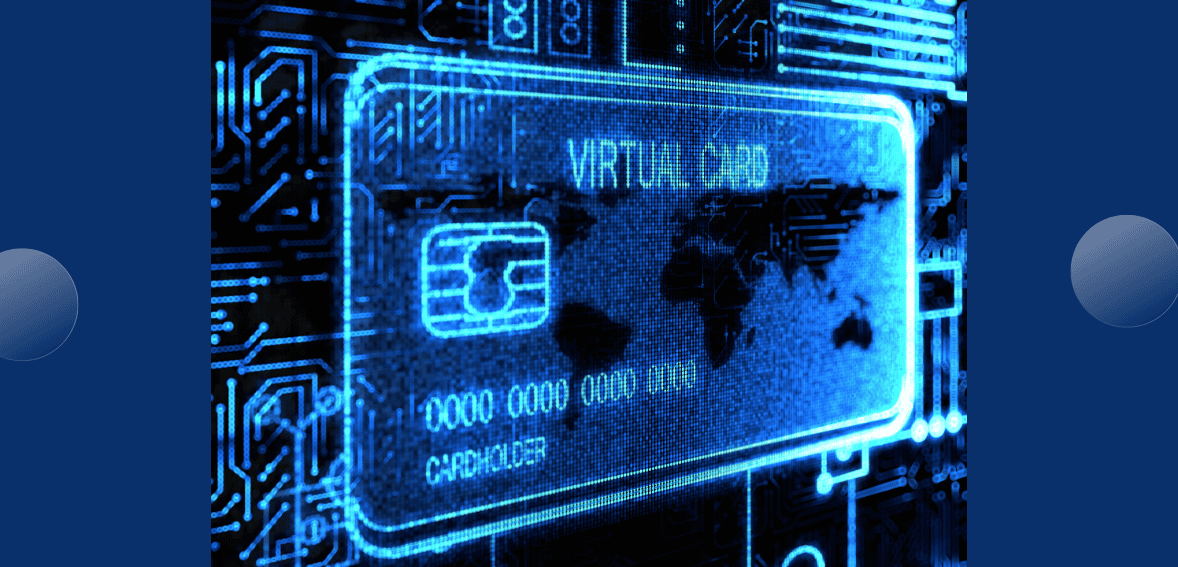
Regarding credit card processing for your business, have you ever considered using virtual credit cards? They are digital numbers that represent a plastic credit card. With the right card, your customers can often decide the maximum amount that can be charged to the card. They can also set an expiration date for the card so it cannot be used for over one year. Many consumers are embracing virtual credit cards because they protect their actual credit card numbers from most businesses.
Since consumers are getting in on the virtual credit card, you might wonder if your business can do the same. Protecting corporate credit card accounts is now being accomplished with virtual cards. Many top credit card companies worldwide use this technology to their advantage.
Businesses and Virtual Credit Cards
There is more than one use for corporate virtual credit cards. Businesses now use them for employee expenses such as travel and invoice payments. These days, almost 40% of all companies that process payments electronically use virtual credit cards for this purpose.
Depending on the size of your business, you may greatly benefit from their use. Most small businesses are discovering that business credit cards give them fewer options than virtual cards. Issuing a corporate credit card to eligible employees can be quite an undertaking, but virtual cards make it much more manageable. They provide a great alternative to your employees using their credit cards for business expenses and eliminate the need for them to submit paperwork to receive reimbursement.
Advantages of Virtual Credit Cards
Security Benefits
One primary advantage of virtual credit cards is enhanced security. Unlike traditional credit cards, virtual cards come with dynamic numbers generated for each transaction, reducing the risk of fraud and unauthorized use. Additionally, virtual cards can be easily deactivated or restricted, giving businesses greater control over spending.
Convenience and Flexibility
Virtual credit cards offer unparalleled convenience and flexibility, allowing businesses to purchase online without needing physical cards. It makes them ideal for remote work environments and business travel, where access to physical cards may be limited. Moreover, online banking portals can easily manage and track virtual cards, giving businesses real-time visibility into their expenses.
Cost-Effectiveness
Virtual credit cards can also lead to cost savings for businesses. Companies can reduce administrative overhead and streamline their payment workflows by eliminating the need for physical cards and paper-based processes. Additionally, virtual cards may offer rewards and incentives similar to traditional credit cards, further enhancing cost-effectiveness.
Challenges and Risks
Despite their numerous benefits, virtual credit cards also present specific business challenges and risks.
Fraud and Security Concerns
While virtual credit cards offer enhanced security features, they are not immune to fraud and security breaches. Cybercriminals may attempt to intercept card details or exploit vulnerabilities in online payment systems, posing a risk to businesses and their financial assets.
Limited Acceptance
Another challenge associated with virtual credit cards is their limited acceptance. While virtual cards can be used for most online transactions, some merchants may not accept them or impose additional fees. It can inconvenience businesses and limit their ability to leverage virtual cards for all their purchasing needs.
Potential for Overspending
Virtual credit cards may also pose a risk of overspending for businesses. The ease of making online purchases with virtual cards can lead to impulsive buying behavior and unchecked spending. To mitigate this risk, companies must establish clear spending limits and controls for virtual card usage.
Impact on Business Operations
Despite these challenges, virtual credit cards profoundly impact business operations.
Streamlining Payments
Virtual credit cards streamline the payment process for businesses by providing a convenient and secure online purchase method. By digitizing their payment workflows, companies can eliminate manual processes and reduce the risk of errors and delays.
Enhanced Security Measures
Virtual credit cards offer enhanced security measures compared to traditional credit cards. With features such as dynamic card numbers and real-time transaction monitoring, businesses can better protect themselves against fraud and unauthorized use.
Improved Expense Tracking
Virtual credit cards enable businesses to track their expenses more effectively. By consolidating all transactions into a single online portal, companies can easily monitor their spending patterns and identify areas for cost savings and optimization.
Adoption Trends
The adoption of virtual credit cards is on the rise across various industries.
Growth in Virtual Credit Card Usage
Businesses are increasingly recognizing the benefits of virtual credit cards and are adopting them rapidly. According to industry reports, the global market for virtual credit cards is expected to grow significantly in the coming years, driven by factors such as increasing digitization and the need for enhanced security.
Industries Benefiting the Most
Specific industries stand to benefit the most from the adoption of virtual credit cards. These include e-commerce, travel and hospitality, and professional services, where online transactions are prevalent and security is paramount.
Integration with Accounting Systems
Virtual credit cards can seamlessly integrate with accounting systems, providing businesses with greater automation and efficiency.
Automation and Efficiency Gains
By integrating virtual credit cards with accounting software, businesses can automate the reconciliation process and eliminate manual data entry. It saves time and reduces the risk of errors, allowing companies to focus on more strategic activities.
Compatibility with Popular Software
Virtual credit cards are compatible with various accounting software, including QuickBooks, Xero, and FreshBooks. It makes it easy for businesses to integrate virtual card transactions into their existing workflows and reporting processes.
Regulatory Compliance
Businesses must ensure compliance with regulatory requirements when using virtual credit cards.
Compliance Requirements
Virtual credit cards are subject to the exact regulatory requirements as traditional credit cards, including data security standards such as PCI DSS. Businesses must adhere to these regulations to protect sensitive customer information and avoid potential fines and penalties.
Implications for Businesses
Non-compliance with regulatory requirements can seriously affect businesses, including reputational damage and financial losses. Therefore, companies must implement robust security measures and compliance programs to safeguard against potential risks.
Strategies for Effective Implementation
Businesses can maximize the benefits of virtual credit cards through effective implementation strategies.
Employee Training and Education
Providing employees with training and education on using virtual credit cards is essential for successful implementation. It ensures employees understand how to use virtual cards responsibly and know security best practices.
Setting Spending Limits and Controls
Businesses should establish clear spending limits and controls for virtual card usage. It helps prevent overspending and unauthorized transactions, ensuring that virtual cards are used responsibly.
Regular Audits and Monitoring
Regular audits and monitoring of virtual card transactions are crucial for detecting and preventing fraud. Businesses should conduct periodic reviews of their virtual card activity to identify suspicious or unauthorized transactions and take appropriate action.
Case Studies
Several businesses have successfully implemented virtual credit card programs.
Examples of Successful Implementation
Companies like XYZ Inc. and ABC Corp. have implemented virtual credit card programs to streamline payment processes and enhance security. By leveraging virtual cards, these companies have reduced administrative overhead and mitigated the risk of fraud.
Lessons Learned from Real-World Experiences
From these case studies, businesses can learn valuable lessons about the benefits and challenges of virtual credit card usage. By studying the experiences of others, businesses can better understand how to implement virtual card programs and maximize their benefits effectively.
Future Outlook
The future of virtual credit cards looks promising, with continued innovation and adoption expected in the coming years.
Predicted Trends in Virtual Credit Card Usage
Industry experts predict that virtual credit card usage will grow as businesses seek more secure and efficient payment solutions. Technological advancements such as tokenization and biometric authentication are expected to enhance virtual card security and usability further.
Technological Advancements
Advancements in technology will drive further innovation in virtual credit card offerings. For example, the integration of virtual cards with mobile payment platforms and digital wallets will make them even more convenient and accessible for businesses and consumers alike.
Conclusion
In conclusion, virtual credit cards are revolutionizing the way businesses conduct transactions. With their enhanced security features, convenience, and cost-effectiveness, virtual cards offer numerous benefits for businesses of all sizes. However, companies must also be aware of the challenges and risks associated with virtual credit card usage and implement robust security measures and compliance programs to mitigate these risks effectively.
FAQs
What are virtual credit cards?
Virtual credit cards are digital representations of traditional credit cards that can be used for online transactions.
How secure are virtual credit cards compared to traditional ones?
Virtual credit cards offer enhanced security features such as dynamic card numbers and real-time transaction monitoring, making them more secure than traditional credit cards.
Can virtual credit cards be used for international transactions?
Yes, virtual credit cards can be used for international transactions, provided the merchant accepts them and any applicable currency conversion fees are paid.
Are there any fees associated with virtual credit cards?
Some financial institutions may charge fees for virtual credit card issuance or usage. However, these fees are typically lower than those of traditional credit cards.
How can businesses mitigate the risks associated with virtual credit cards?
Businesses can mitigate the risks associated with virtual credit cards by implementing robust security measures, such as setting spending limits and controls, conducting regular audits and monitoring, and ensuring compliance with regulatory requirements.
Data breaches have become a significant concern for businesses and consumers in recent years. One such incident that garnered attention was the Chili’s data breach, which raised questions about cybersecurity practices and the protection of customer information.
Chili’s Data Breach
Chili’s, renowned for its Tex-Mex cuisine, faced a significant data breach that profoundly impacted its operations and customer trust. This breach underscored the vulnerabilities within modern businesses’ digital frameworks, emphasizing the critical necessity for robust cybersecurity measures. As a popular restaurant chain, Chili’s breach served as a wake-up call, echoing the broader trend of cyber threats targeting businesses globally. The incident not only compromised sensitive customer data but also shook the foundation of trust that customers place in companies to safeguard their information. Consequently, Chili’s and other businesses were compelled to reassess their cybersecurity strategies, recognizing the imperative of fortifying their digital infrastructure against evolving cyber threats to preserve customer trust and uphold their reputation.
What Happened in the Chili’s Data Breach?
The Chili’s data breach resulted from unauthorized entry into its systems, compromising sensitive customer data. Hackers targeted vulnerabilities within the restaurant’s payment processing systems, enabling them to access the credit and debit card details of patrons who had dined at specific locations. This breach not only breached Chili’s security protocols but also jeopardized its customers’ privacy and financial security. Such unauthorized access highlights the constant threat cybercriminals pose to businesses and individuals. Like many other companies, Chili fell victim to these sophisticated cyber attacks, emphasizing the importance of implementing robust cybersecurity measures to safeguard customer information and prevent future breaches.
Impact of the Data Breach
Financial Losses
The Chili’s data breach inflicted substantial financial consequences. The company bore the burden of legal expenses, fines, and compensating affected customers, leading to significant economic losses. Moreover, the incident triggered a downturn in sales and decreased stock value, adversely affecting Chili’s bottom line. This breach incurred immediate financial costs and tarnished the restaurant chain’s reputation, potentially leading to long-term repercussions. Like many businesses, Chili’s faced the dual challenge of managing both the financial fallout and rebuilding trust with customers in the aftermath of the breach.
Reputation Damage
The data breach severely damaged Chili’s reputation as a reliable dining destination. Word of the breach quickly circulated, stirring unease among current patrons and dissuading prospective ones. Trust erosion could have lasting ramifications for Chili’s brand perception and customer allegiance. Rebuilding trust requires transparent communication and concrete actions to address the breach’s aftermath. Like any business facing a violation, Chili’s must work diligently to restore confidence in its commitment to customer security and privacy. Failure to do so risks short-term repercussions and enduring harm to its reputation and market standing.
Customer Trust Erosion
Chili’s data breach profoundly impacted customer trust, arguably its most damaging consequence. Many felt betrayed and vulnerable upon learning their personal information was compromised. Rebuilding trust necessitates Chili’s commitment to transparent communication and tangible measures. Openly addressing the breach, providing security enhancements updates, and assisting affected customers are crucial steps. Demonstrating accountability and prioritizing customer security can help Chili regain trust and confidence. However, restoring trust is a continual process that requires sustained effort and vigilance to reassure customers of their safety and privacy. Chili must remain proactive in its response to the breach to rebuild and maintain trust in the long term.
Response and Actions Taken
Investigation
Upon detecting the breach, Chili swiftly initiated an exhaustive investigation to gauge its scope. They enlisted forensic experts to meticulously analyze to the violation and uncover any vulnerabilities in Chili’s systems. This proactive approach demonstrated Chili’s commitment to addressing the issue promptly and comprehensively. By conducting a thorough investigation, Chili aimed to understand the extent of the incident and implement effective measures to prevent similar breaches. This proactive stance underscores Chili’s dedication to safeguarding customer data and serves as a model for other businesses facing similar challenges.
Communication with Customers
Chili’s proactively engaged with affected customers by promptly notifying them of the breach and providing guidance on protecting their financial data. Transparent and timely communication played a pivotal role in minimizing the repercussions of the breach and restoring trust with customers. By openly addressing the situation and offering support, Chili demonstrated accountability and a commitment to customer welfare. This approach helped alleviate concerns among affected patrons and showcased Chili’s dedication to prioritizing customer security. Such proactive communication is essential in mitigating the impact of data breaches and fostering long-term trust and loyalty among customers.
Security Enhancements
In light of the data breach, Chili took decisive action by bolstering its security measures to prevent future incidents. This involved upgrading encryption protocols, implementing multi-factor authentication, and conducting routine security audits. These proactive steps aimed to strengthen Chili’s systems against potential vulnerabilities and thwart any future cyber attacks. By investing in enhanced security measures, Chili’s demonstrated a commitment to safeguarding customer data and protecting against unauthorized access. This proactive approach helps mitigate the risk of future breaches and reinforces Chili’s reputation as a responsible custodian of sensitive information.
Lessons Learned from Chili’s Data Breach
Importance of Cybersecurity Measures
The Chili’s data breach emphasized the vital significance of robust cybersecurity measures in protecting customer data. It served as a stark reminder for businesses to prioritize investments in cybersecurity and implement proactive strategies to mitigate risks and threats effectively. In today’s digital landscape, where cyber attacks are prevalent, safeguarding sensitive information is paramount. Companies must recognize the potential consequences of lax cybersecurity protocols and take proactive steps to fortify their defenses. By prioritizing cybersecurity investments and adopting proactive measures, businesses can better safeguard customer data, maintain trust, and mitigate the financial and reputational damages associated with data breaches.
Vigilance in Handling Customer Data
The incident served as a reminder of businesses’ responsibility to protect customer data. It underscored the crucial need for vigilance and diligence in safeguarding sensitive information and preventing unauthorized access. Maintaining robust security measures is imperative in today’s interconnected digital landscape, where data breaches are a looming threat. Businesses must remain vigilant in monitoring their systems, identifying potential vulnerabilities, and implementing stringent security protocols. By prioritizing the protection of customer data, companies not only fulfill their ethical obligations but also mitigate the risks of financial losses and reputational damage associated with data breaches. This incident serves as a wake-up call for businesses to prioritize cybersecurity and uphold the trust of their customers.
Preventive Measures for Businesses
Data Encryption
Encrypting sensitive data provides additional protection against unauthorized access and potential data breaches. By implementing robust encryption protocols, businesses can effectively secure customer information and mitigate the risk of cyber threats. Robust encryption algorithms scramble data into unreadable formats, making it difficult for unauthorized parties to decipher. It helps safeguard sensitive information, such as personal and financial data, from being compromised. Businesses should prioritize adopting encryption technologies to ensure the confidentiality and integrity of customer data. By implementing strong encryption measures, companies can enhance their cybersecurity posture and build trust with their customers, demonstrating a commitment to protecting their privacy and security.
Regular Security Audits
Regular security audits and assessments are critical in identifying vulnerabilities and weaknesses within a company’s digital infrastructure. These audits involve thoroughly examining systems, processes, and protocols to pinpoint potential security gaps. By conducting comprehensive audits, businesses can proactively detect and address security threats before malicious actors exploit them. This proactive approach helps safeguard sensitive data and ensures compliance with regulatory requirements. Additionally, regular security audits instill confidence among customers and stakeholders, demonstrating a commitment to maintaining a secure and trustworthy environment. Investing in regular security assessments is essential for bolstering cybersecurity defenses and mitigating the risk of data breaches and cyber-attacks.
Employee Training
Educating employees about cybersecurity best practices is paramount in preventing data breaches. Training programs should encompass a range of topics, including phishing awareness, password security, and incident response protocols. By providing comprehensive training, businesses empower employees to effectively recognize and respond to potential threats. Phishing awareness training, for instance, teaches employees to identify suspicious emails and avoid falling victim to phishing scams. Password security training emphasizes the importance of creating strong, unique passwords and regularly updating them. Additionally, educating employees on incident response protocols ensures they know how to report security incidents promptly. By investing in cybersecurity training, businesses can foster a culture of security awareness and equip employees with the knowledge and skills needed to mitigate cyber risks effectively.
Conclusion
The Chili’s data breach is a cautionary tale for businesses in the digital age. It highlights the far-reaching consequences of inadequate cybersecurity measures and the importance of proactive risk management strategies. By learning from this incident and implementing preventive measures, businesses can better protect themselves and their customers from future data breaches.
FAQs
How did the Chili’s data breach occur?
The data breach at Chili’s resulted from unauthorized access to its payment processing systems, allowing hackers to obtain sensitive customer information.
What information was compromised in the Chili’s data breach?
The data breach exposed the credit and debit card information of customers who dined at specific Chili’s locations.
How did Chili respond to the data breach?
Chili’s responded to the data breach by investigating, communicating with affected customers, and implementing enhanced security measures.
What are some preventive measures businesses can take to avoid data breaches?
Businesses can prevent data breaches by implementing data encryption, conducting regular security audits, and providing employee training on cybersecurity best practices.
What lessons can businesses learn from the Chili’s data breach?
The Chili’s data breach underscores the importance of prioritizing cybersecurity measures, handling customer data with vigilance, and investing in proactive risk management strategies.
The advent of social media platforms such as Instagram has been a boon for hair and beauty salons. As the most popular photo sharing social network, Instagram is redefining personal style and aesthetics; users of this network, particularly women, will often share photos that highlight salon services they recently received and paid for. As can be expected, followers of Instagram users whose hair, makeup, nails, and skin are always looking great are often asked for recommendations, and this is an excellent great marketing opportunity for salons.
While salon operators will certainly welcome an influx of new customers coming from Instagram, they should be prepared to deal with the payment demands of a young, tech-savvy crowd. A young woman whose life is ruled by her smartphone and a few mobile apps, and who wants her hair and nails done every Friday, is not likely to pay cash; at the minimum, she will pay with a credit or debit card, but she may prefer to do so via a mobile app.
A solid payment processing and solution is essential for today’s salon operators. Simply installing a credit card machine to accept Visa and MasterCard payments is no longer acceptable for salon operators; it is more important to choose a provider that can handle more than just credit card processing.
If you are the owner or manager of a beauty salon, the first thing you should look for when evaluating merchant services providers is their level of involvement in your particular industry. One observation to make in this regard is whether the provider offers a point of sale (POS) terminal or software specifically developed for salons, ideally one that features built-in payment processing options or that connects to a legacy credit card machine.
Advanced POS solutions offer customer relationship management (CRM) functionality to connect with social media platforms such as Instagram and Facebook. If your customers are not coming from social media, a CRM strategy can point you in the right direction.
Credit card processing is just one of the pieces of the merchant services puzzle for salon owners. You will want an option that allows you to collect and distribute tips that customers wish to leave for your staff. Even though all stylists love getting cash tips from customers who place them inside neat envelopes, this custom has been mostly abandoned. Your POS system should allow customers to tip from their credit cards, and it should also route tips for you.
Chargeback and fraud protection are two other features that you should consider when choosing a merchant services provider for your salon. The last thing you want is a breach of your salon’s payments processing system, such a situation could put your customer’s financial data at risk; to this effect, your system should offer endpoint security and encryption.
Today, credit card processing for businesses is based on EMV chip technology. PIN debit and EMV acceptance is a must for any veterinarian that accepts credit cards.
Payment Processing Services and Equipment
Why should I accept credit cards?
Think of the staff hours spent preparing invoices and manually processing checks. Accepting credit and debit card payments saves you time and money when compared to traditional billing and check processing. Additionally, credit and debit card payments are posted to your bank account daily. This improves your cash flow and significantly speeds up your service to payment cycle.
If you sell retail items, either in your office or through your website or online store, accepting credit and debit cards is a must. Most buyers prefer to pay with cards for ease and convenience. For you, it’s a way to increase your revenue potential. People often buy on impulse, and when they use credit cards, they are likely to spend more than they would if paying with cash.
What features should you look for when selecting credit card processing equipment?
There is a wide range of card processing equipment to choose from. Depending on how your veterinary office is set up, you may need multiple types of equipment.
For example, if your clients pay for services at check-in or check out, you may want a self-serve credit card terminal that allows the client to swipe their card and enter their PIN from your countertop terminal and PIN pad. If you send invoices, you may want the ability to key in phone payments on your credit card terminal or from your desktop PC.
At a minimum, make sure your payment processing equipment includes these key features:
• Debit card enabled
• Equipped for EMV acceptance
• Mobile credit card processing integration
What items are most important for your veterinary merchant services account?
When you choose a merchant account provider, make sure they can process all the types of transactions you encounter most often. To protect your business against fraud and chargebacks, make sure that your processor offers security features including a PCI compliance package. Also, make sure that your processing terminal is EMV enabled so that you can accept chip-enabled credit and debit cards.
When selecting a merchant services provider for your veterinary practice be sure to focus on EMV acceptance for fraud protection. PIN debit and EMV technology make credit card processing an effective way to improve your bottom line.
If you work for a non-profit organization you will need to know certain facts about its payment processing. Knowing and understanding these facts will help your organization run smoothly and enjoy years of lasting success.
It starts with understanding merchant services. The payment processing for a non-profit organization is one that should always be monitored carefully. Since people are donating their hard earned money it is important that each transaction is completed quickly and efficiently. While in many cases an organization will have a merchant account, you also have the option of using a shared aggregrator account instead. With this type of account, your organization works with a large processing company. However, it also leaves you on your own, as an aggregrator does not provide support for non-profits. For full support, your organization is better off opening a merchant account.
Being able to process payments from donors is the backbone of any non-profit company. Having a payment processor in place is the only thing that enables an organization to not only accept donations but to also sell either tickets or items online. The collection of membership fees is also made possible by payment processing. When members can pay any necessary fees online it is always convenient for them. This makes it more likely that members will continue to pay their fees on time. It also gives your non-profit an edge over others that may not use the same services.
In order to instill a sense of security in donors and members, it is essential to take proper security precautions to protect every payment made to your organization. This is where the idea of credit card processing becomes relevant. Most people will want to pay their dues/make a donation using a credit card, but they want to be sure their money will go where it is supposed to. While in real life, credit card machines are often safe, online there are risks involved in any type of financial transaction.
PCI compliance is always needed in order to reassure those contributing financially to your organization. The payment card industry sets certain standards for this and PCI compliance means that your organization will always meet those standards.
Other security measures that should be taken include CVV numbers, an address verification system and a minimum amount donors are required to give. When donors enter the CVV number from their credit card, their payment can be identified in your system multiple ways, adding extra protection against fraud. Address verification is equally important for secure credit card processing. Depending on the processor used, it may require donors to meet the minimum amount of contributions.
Knowing these facts helps make your merchant services work for your organization.
For more on nonprofit payment processing and other nonprofit payment questions, see Nonprofit Payment Resources.
As a business owner, it is important that you understand how to properly process payments to other businesses you work with. Failure to do so often results in negative and damaging consequences. Here are some tips for processing payments accurately in a B2B environment.
Online shopping carts are a valuable tool that you should never overlook. Using them results in the creation of an automated payment processing which often leads to a significant rise in revenues. With so many options at your fingertips for online shopping carts, you can choose the type that suits your business the best. Researching each type will help you choose the shopping carts that are the most suitable.
Using payment card industry compliance absolves your business of liability when it comes to the data gained from each of your customers’ credit card accounts. It then becomes the responsibility of your business’s payment processor, freeing you up to focus on other matters at hand. Your merchant services will be much more reliable and trustworthy when using a PCI.
It is also important to use a payment processing solution that has been integrated into your business. This allows you to directly process payments your customers make using their credit cards. It results in less work for your business and ensures that your ledger is always balanced and that any invoices found in your system are labeled as having been paid.
You will also find that credit card processing is made much easier by using mobile apps to get the job done. This is the best way to ensure your payments are completed in a timely manner. It can also boost your business as it allows your salespersons to make instant sales to customers.
Conclusion
B2B payment processing is a task that must be taken seriously for any business to be successful. PCI compliance is an important part of the process and one you shouldn’t neglect. Your credit card processing and merchant services can go a long way in helping your business appeal to a wide customer base. Following the tips discussed above means that your business will be able to thrive.
Though E-Commerce is an important part of today’s world, it also comes with some risks. It is not unusual for something to go wrong in the area of payment processing. There are several red flags that indicate problems with credit card processing that everyone should be familiar with.
Providing merchant services is a process that should go smoothly, but doesn’t always. It can go wrong before anyone realizes what happened. One red flag to keep an eye out for is any hidden fees. There are two compelling reasons why hidden fees happen. One of them is a lack of understanding and clarity about pricing and the other one is deceptive salespersons. When reviewing statements search for anything that doesn’t seem right. Merchant services contracts should always be read in full before being entered into. It is best to avoid any contract which includes costs that seem unnecessary excessive.
Another red flag to be aware of with e-commerce payment processing is a lack of next-day funding. Any service that fails to offer this is passing a huge disadvantage to their clients. No next-day funding often leads to the efficiency and cash flow of any operation being affected in a negative way.
Reliable merchant services make it a point to answer any questions their clients pose to them. Questions which are asked but go unanswered are a red flag that simply cannot and should not be ignored. Business expenses can be quite costly and it never pays to be under-informed or misinformed.
Credit card processing can be adversely affected by those who don’t feel safe using a particular merchant. Security is a huge concern in today’s world and credit card processing is where this is most prevalent. If consumers don’t see any reassurance that the site they are using is secure they often come to distrust the site and may even choose to take their business somewhere else. This is evidenced by the fact that 29% of consumers in the United States won’t give their personal or financial information to any site that fails to display a trust mark.
These are the red flags to look out for when using e-commerce.
American Express has announced a fundamental change to its business model in a move that is designed to increase acceptance of American Express cards. Historically, Amex has attempted to position itself as a premium credit card issuer which has come with higher credit card processing fees than other card issuers. This was based on the logic that the company’s cardmembers typically have higher incomes and spending habits and therefore, merchants should be willing to pay more to accept their cards.
Of course, the high cost of American Express payment processing has led the company to lag behind Mastercard, Visa, and Discover when it comes to acceptance, especially outside the United States, where Amex cards are not commonly accepted. Due to the higher fees, Amex is accepted at 1.3 million fewer locations in the U.S. than Mastercard and Visa.
The company hopes to lower this acceptance gap between their credit cards and Mastercard and Visa by decreasing merchant fees by the greatest amount in 20 years. On average, Amex will lower average merchant fees by 5 to 6 basis points to 2.37%. According to the Financial Times, these lower fees will reduce profits by $585 million.
This isn’t the only step American Express has taken to become more competitive. In 2014, it introduced the OptBlue program, a new merchant acquisition program for small businesses in the United States. Businesses can qualify for lower pricing through OptBlue, which is open to businesses that process less than $1 million in Amex cards per year. Along with discounted interchange rates for smaller transaction volumes, the OptBlue program also offers transparent interchange fees with three flat-fee tiers based on transaction size.
Who Benefits from the Decision?
Typically, swipe fees at a credit card machine for Discover, Mastercard, and Visa range from 1.5% to 2.5%. Merchants generally pay more like 2.5% to 3.5% to accept American Express. By reducing their merchant fees, the company is hoping more merchants begin accepting their cards, especially small and medium-sized businesses that were normally priced out of the market.
American Express has always been separated from other card issuers in the credit card processing landscape with businesses forced to go through extra steps and paperwork to begin accepting their cards. Host Merchant Services makes it easy to begin accepting Amex cards just as you would accept other major cards with a streamlined process and just one contract. With the new business model, you’ll pay less than ever to get access to new customers and improve customer service.
Cookie Consent
We use cookies to enhance your browsing experience, analyze site traffic, and support our marketing.You can accept all cookies, reject non-essential ones, or manage your preferences below. Learn more in our Privacy Policy.
Cookie Preferences
Manage your cookie preferences below:
Essential cookies enable basic functions and are necessary for the proper function of the website.
Name
Description
Duration
Cookie Preferences
This cookie is used to store the user's cookie consent preferences.
180 days
These cookies are needed for adding comments on this website.
Name
Description
Duration
comment_author_email
Used to track the user across multiple sessions.
Session
comment_author_url
Used to track the user across multiple sessions.
Session
comment_author
Used to track the user across multiple sessions.
Session
Google Tag Manager simplifies the management of marketing tags on your website without code changes.
Name
Description
Duration
cookiePreferences
Registers cookie preferences of a user
2 years
td
Registers statistical data on users' behaviour on the website. Used for internal analytics by the website operator.
session
These cookies are used for managing login functionality on this website.
Name
Description
Duration
wordpress_logged_in
Used to store logged-in users.
Persistent
wordpress_sec
Used to track the user across multiple sessions.
15 days
wordpress_test_cookie
Used to determine if cookies are enabled.
Session
Statistics cookies collect information anonymously. This information helps us understand how visitors use our website.
Google Analytics is a powerful tool that tracks and analyzes website traffic for informed marketing decisions.
Contains information related to marketing campaigns of the user. These are shared with Google AdWords / Google Ads when the Google Ads and Google Analytics accounts are linked together.
90 days
__utma
ID used to identify users and sessions
2 years after last activity
__utmt
Used to monitor number of Google Analytics server requests
10 minutes
__utmb
Used to distinguish new sessions and visits. This cookie is set when the GA.js javascript library is loaded and there is no existing __utmb cookie. The cookie is updated every time data is sent to the Google Analytics server.
30 minutes after last activity
__utmc
Used only with old Urchin versions of Google Analytics and not with GA.js. Was used to distinguish between new sessions and visits at the end of a session.
End of session (browser)
__utmz
Contains information about the traffic source or campaign that directed user to the website. The cookie is set when the GA.js javascript is loaded and updated when data is sent to the Google Anaytics server
6 months after last activity
__utmv
Contains custom information set by the web developer via the _setCustomVar method in Google Analytics. This cookie is updated every time new data is sent to the Google Analytics server.
2 years after last activity
__utmx
Used to determine whether a user is included in an A / B or Multivariate test.
18 months
_ga
ID used to identify users
2 years
_gali
Used by Google Analytics to determine which links on a page are being clicked
30 seconds
_ga_
ID used to identify users
2 years
_gid
ID used to identify users for 24 hours after last activity
24 hours
_gat
Used to monitor number of Google Analytics server requests when using Google Tag Manager
1 minute
Marketing cookies are used to follow visitors to websites. The intention is to show ads that are relevant and engaging to the individual user.
Facebook Pixel is a web analytics service that tracks and reports website traffic.