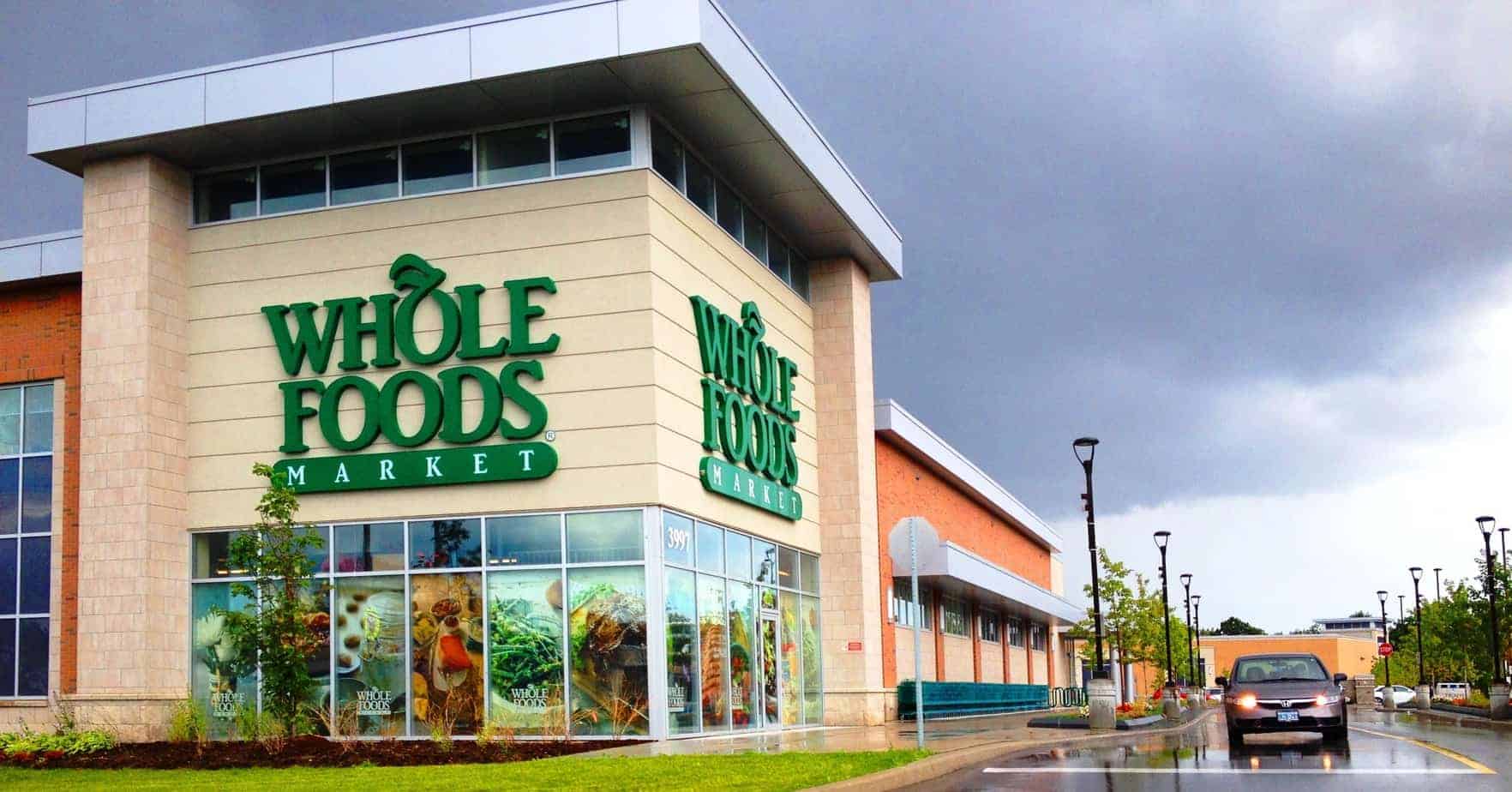
Get Payment Processing for Firearms

Firearm merchant banner 1
How to Get Payment Processing for Firearms

If you plan to sell guns online or in a retail setting with a credit card machine, you will quickly discover that merchant services can be hard to acquire. Transactions that involve gun sales — including those by gun stores, firearms dealers, and gunsmiths — are considered high risk. Many payment processing companies will turn your business away or worse — freeze your account with no warning after you begin sales. This has happened to many high-risk businesses that signed up for processing platforms like PayPal and Square.

The firearms industry generates about $5 billion every year in revenue and employs more than 35,000 people in manufacturing alone. Unfortunately, many merchant account providers do not accept businesses that process gun transactions or charge very high fees and rates.

While your options are more limited, signing up for payment processing services in the gun industry isn’t as difficult as you may think.

Gun Retailers Face Discrimination in the Payment Industry
The firearm industry often faces chargebacks, a higher risk of fraud, and stringent restrictions put in place by federal and state governments. These factors are responsible for the high-risk classification many gun stores and dealers face when applying for a merchant account.

Many payment processing companies specifically prohibit the use of their system for the sale of guns, ammunition, and accessories. Many in-store transactions are prohibited, but ecommerce gun merchants face the greatest challenges in accessing processing services. The trend of banning gun dealers or adding them to “high-risk” categories has only grown over the last decade. For these reasons it is important to find a payment processor that is experienced and specializes in firearm merchant accounts.

Blog Call To Action 1 2 1

We Serve Gun Dealers and Gun Retailers
At Host Merchant Services, we take pride in offering competitive rates and quality credit card processing within the firearms community. Unlike other payment processors, we understand that gun stores, manufacturers, and detailers operate under heavily regulated processes with very good oversight.

Our merchant account allows you to process transactions online or conduct sales in person with a credit card machine, whether you operate a retail store or sell at gun shows. We support the sale of guns, ammunition, accessories, gun parts, and other transactions related to the industry. You can count on us for a dedication to customer service with competitive rates and no hidden costs. We are experts at getting firearm merchant accounts approved with a streamlined process and partnership with multiple banks. We get all types of firearm merchants up and running in no time.

Just because you are considered a high-risk business does not mean you need to settle for less from your payment processor. Contact Host Merchant Services today for a quote to get started.

1

How to Get Payment Processing for Vape Products Online

If you’re planning to sell vapes online, one of the first hurdles you will need to overcome is finding merchant services that accept your business. The sale of electronic cigarettes, vape, and related products is considered high risk. This means many merchant account providers will turn you away. Even Square, PayPal, and other processing platforms have been known to freeze high-risk merchant accounts with no warning. So, how can you get payment processing for vape products online? Let us understand today.

Vaping is a massively growing industry that generates over $1 billion in revenue every year and has been shown to help many people quit tobacco use for good. Unfortunately, banks have not been accepting of the industry, and new FDA rules have made many banks and merchant account providers even more skittish.

The good news is you can get credit card processing services even with a high-risk business as long as you know where to look.

Factors that Affect Online Vape Sales

Given that merchant accounts for vape companies are considered high-risk, it makes it inherently more difficult to get credit card processing. When you add sales online where card not present transactions are taking place, banks up the risk factor. What do you mean by risk? Good question! Banks consider the chance of chargebacks or fraudulent charges the largest risk factor. Any card not present transactions, therefore, have a higher risk level. So, selling vape products online is doubly risky to the banks.

Beyond the banks, New rules enacted in 2016 by the FDA directly impact payment processing for vape products and the types of products you can offer as a merchant. The new FDA rules prohibit manufacturers and companies that change bottle size and flavor from selling new vape products without registering their vape products for FDA approval. You will also have significant hurdles if you want to mix your own liquids, as each new mix is considered a new product subject to FDA approval, a process that can cost up to $1 million and take years.

The biggest change affecting online vape sales is a rule regarding registration with MasterCard and Visa. In the past, online businesses that sold e-cigarette-related products but did not actually sell tobacco were not required to register with Visa and Mastercard or pay the high $1,000 annual fee to accept credit cards. This is no longer true. Now, you must pay a fee of $1,000 every year (which goes to MasterCard and Visa) and register your website to sell vape. In many cases, you are also required to get a letter from a lawyer stating that your business complies with applicable laws like age verification as well.

How to Get a High-Risk Vape Merchant Account

How to Get a High-Risk Vape Merchant Account

As I previously mentioned, when your business conducts online vape sales, you are considered high-risk. With a standard merchant account, you may not get approved at all, or worse — your account can be reviewed months after you begin accepting credit cards only to get frozen with no warning. A high-risk merchant account is the best option to process vape sales.

While “high risk” may sound shady or expensive, it doesn’t need to be. All this means is your industry is highly regulated by the government, and there are additional hoops to jump through when it comes to payment processing. It can also refer to industries with higher-than-average chargebacks or fraud.

Don’t assume that you have no options just because your business is considered high-risk. Vape merchants need to choose a company that is expert in getting vape accounts approved the right way. HMS is one such company that serves all types of high-risk businesses with quality merchant services and the best in customer service. Unlike many credit card processing companies, They even offer high-risk merchant accounts that work with Shopify to help your business grow without the stress, strict policies, and unreasonable fees other processors may charge.

If you’re looking for cost-effective payment processing to sell vape products on Shopify or anywhere else online, contact us today, and we will help you make the right decision. We look forward to showing you the difference a great card processing company can make in your business!

The Growth of the Vaping Industry

The vaping sector has witnessed huge growth across the world in recent years. Especially the retail market for vapes has increased exponentially. Retailers nowadays sell a huge range of vaping products like e-liquids and accessories. A few years back, the vaping industry was considered a niche market, and now it is a billion-dollar industry.

The Growth of the Vaping Industry graphic

Vaping culture has gained popularity among both enthusiasts and those seeking alternatives to tobacco products. The shift toward healthier choices and customizable vaping experiences has propelled the growth of the vape industry. Online sellers have taken advantage of this increasing demand by providing access to various vape products at competitive prices.

With technology advancing and consumer preferences changing, the vape industry shows no signs of slowing down. Innovation fuels product development, leading to trends regularly emerging to meet evolving tastes and needs. Whether you’re a vaper or simply curious about exploring this field, expanding the vape industry offers exciting opportunities for businesses and consumers alike.

Obstacles Faced by Vape Companies in Processing Online Payments

The vaping sector has experienced expansion in the past few years, witnessing a rise in online businesses catering to the increasing demand for vaping goods. However, a key issue these businesses encounter is that not many merchant service providers are willing to give payment processing to them. The reason is that the vaping industry is considered to be a high-risk industry.

Numerous traditional payment processors are reluctant to collaborate with vape companies due to uncertainties regarding regulations. This major hurdle can make it challenging for vape businesses to secure a payment processor willing to assist them.

Furthermore, some financial institutions may categorize vape products as high-risk commodities, resulting in higher transaction fees or even outright refusal of services. Such circumstances can greatly impact the vaping companies.

Additionally, stringent age verification protocols required for selling vaping items further complicate the payment processing journey for these businesses. Upholding compliance with regulations while providing customers with a seamless checkout experience poses challenges for vape merchants seeking to accept payments. And therefore, payment processing for vape products become even more relevant.

Understanding Payment Processing in the Vaping Industry

Understanding Payment Processing in the Vaping Industry

There are many regulations and restrictions associated with the vaping industry. Therefore, only those merchant service providers who understand these rules and restrictions can successfully cater to the requirements of online vaping merchants. Traditional payment processors who deal with non-risky businesses cannot handle the challenges posed by the online vaping industry.

Handling payments for vape products typically involves scrutiny and adherence to compliance measures aimed at mitigating risks related to sales or product safety issues. Vape companies must prioritize transparency regarding their products and business practices to meet the criteria set by payment processors.

Tips to Find a Trustworthy Payment Processing for Vape Products Online

To begin with, it is highly recommended that you start comparing the services provided by payment processors who are experts in high-risk businesses or the vaping industry specifically. After you make a list of some of the best companies that are willing to give you the merchant account for an online vaping store, check their reviews and what other merchants are saying. You should always trust reputed sources when it comes to reviews.

Once you shortlist some of the best providers in the industry you should then compare the fees they charge. Remember, the vaping industry is a high-risk industry, and the charges might be high. You should also thoroughly check the hidden charges. Sometimes, the visible charges are lower, but hidden charges might be high.

There are a few merchant service providers who also offer tailored products. As a vaping merchant, an age verification tool might be very useful. Feel free to reach out to discuss your needs and concerns before deciding.

Conclusion

The vape product industry is growing at a rate of 10 percent per year. And this is the right time to get involved and make some profits. And in this endevour, a robust payment processor can make a big difference. Although it is difficult to find payment processing for vape products online. But with a little understanding and research, you can find one. Remember to explore processors, go through reviews, and compare fees to discover the best processor.

What is blockchain cryptocurrency 1

How to save money on payment processing for your business

 save money on payment processing

Most business owners loathe payment processing fees. They logically know that paying for merchant services is no different than their customers paying them for services. Yet, after investing a lot of time and money in starting or building a business, the seemingly high cost of credit card equipment and year-to-year increase in fees tends to make every business owner cringe. Some owners ask themselves, “Is it even worth it for me to take anything other than cash?”

The most important point to keep in mind is that you do not have to pay outrageously high processing costs to accept other forms of payment. The most common reason that some merchants experience high costs is because they fail to treat payment processing the same way they treat other services that are the “cost of doing business” like electric and internet utilities. Consider these four tips:

Don’t Lease Credit Card Machines

If you purchased your computers and office equipment, you likely did so because you understand that purchases are typically cheaper than leases in the long run. Whether you need a credit card machine and PIN pad or a POS system, you can save hundreds of dollars by buying your equipment. Although lease agreement low monthly payments look great on paper, you can save more money over the same time frame by comparing equipment pricing online and making purchases as needed. Some companies will even give you a discount on your purchases if you ship your old equipment to them.

Negotiate a New Deal

If you’ve fought with a internet service provider over your billing charges to negotiate lower prices, then you know that negotiating and renegotiating down the line is critical to cost-cutting. It doesn’t matter if you already have a merchant account or you’re starting a new business either. Always do everything you can to negotiate the best deal possible. Research options before you call, make certain that you have offers from several processors and then contact the one that you like the most to discuss credit card processing fees.

Accept More Payment Methods

It might sound crazy to take on even more fees by processing other forms of payment like PIN and signature debit cards, checks and gift cards, but offering more payment options both saves you money and increases your revenues over time. In fact, this concept is similar to paying for apps to drive traffic to a business website and improve productivity. Accepting PIN based debit usually costs less to process when compared to credit cards and signature-based debit. Offering additional payment options also increases the likelihood that someone who only wants to pay by check, for example, won’t spend the money they planned to spend with you elsewhere. Gift cards always bring more traffic and potential repeat customers through the door. As a result, even though you pay a small fee to process each transaction, gift cards cut promotional and marketing costs.

Educate Yourself About Rates

Of course, before you negotiate any deal for credit card processing services or a merchant account, you should do everything possible to learn about the equipment and rates that would likely work best with your specific business. For example, buffet-style restaurant owners often prefer desktop POS systems that give them more customization options while artists who sell their creations at craft shows often prefer wireless credit card machines that allow them more mobility. You also need to pay close attention to your average ticket amount. There are several types of rate structures and some save small ticket merchants more while others are better for large ticket merchants. Lastly, take the time to learn the savings differences between flat and variable, bundled and tiered rates.

At Host Merchant Services, we understand that you want the best possible rates. Unlike many other processors, we do everything we can to make that happen by providing honest, superior service every time. For more tips on saving money on your payment processing or to discuss our rates, contact one of our experienced merchant services representatives today.

How to avoid holds and freezes 1

How to avoid merchant account holds or freezes

Merchant Account Holds and freezes

How to Avoid Merchant Account Holds or Freezes

Many merchants do not understand why freezes or holds occur, but these are important topics to understand. Both are for the merchant’s protection, but they can be financially stressful to your business when they occur unexpectedly. Here’s why holds and freezes occur and what you need to do to make sure you never get one.

Holds and Freezes. What’s the Difference?
A hold is when a merchant services provider withholds some of the merchant’s processing volume and puts it into a reserve fund. Think of it like a security deposit. When a hold is placed on your merchant account, some amount of your funds are withheld as a guarantee against chargebacks and fraud, but the money still belongs to you. These holds are done as a protective measure in case of fraud, refund, or chargeback. A hold can be applied to a total percentage of your volume or individual transactions. Holds are not required for every merchant account. Generally, low risk accounts with good processing history are less likely to require a hold.  Though this is standard practice, it is important to understand any holds required by your merchant account.

A freeze is used as a fraud protection measure for a merchant when suspicious activity occurs. During a freeze, your credit card processing ability is temporarily shut down. A freeze allows your processor to look into the suspicious activity or processing anomaly to make sure everything is secure before reactivating the account. It is important to understand the activities that could cause your account to be flagged for a freeze. Most freezes can be avoided by understanding the causes and communicating with your processor.

How to Avoid Freezes and Holds
Most holds and freezes are the result of poor communication and suspicious activities. Follow these tips to avoid disruptions in your credit card processing ability.

  • Call your processor before an abnormally large transaction. This will ensure your processor allows the transaction to go through without a hold rather than being flagged. You should also contact your processor if you expect to have a busy month or you are going to launch a new product or service for the same reason.
  • Inform your processor of changes to your business. If you are going to change directions with your business — such as expanding services or going into a new industry — your processor needs to know. Otherwise, transactions can look suspicious, especially if you get a chargeback for an item or service that is outside of what your provider believes you offer. This can trigger a review of your merchant account and a hold or even termination.
  • Get a high risk account if necessary. It can be tempting to misrepresent your business or services a bit to qualify for better rates and fees. Just remember that doing so can get your account terminated. A high risk account can be more stable and affordable than a regular account if your business is classified as high risk. This is because the payment processing company will expect more problems with your transactions and you will not be flagged for review.
  • Reduce chargebacks. A large number of chargebacks can make your payment processing provider believe you are not delivering what you promise or that you are accepting fraudulent credit cards. A sudden spike in chargebacks can easily lead to a freeze and the requirement of a reserve fund.

Avoid EMV Non-Compliance Fees

Unfair Processors EMV Fee 1
Some credit card processing companies are now charging “EMV non-compliance fees”.  For those who don’t know, the acronym EMV refers to the technology embedded in what are commonly called chip cards. Developed originally to increase security for customers when making a “card present” payment at a retailer, the date for merchants to install a chip-enabled credit card machine to complete payment processing has come and gone.
So now, card processors may choose to apply a non-compliance fee to customers who don’t have an EMV capable credit card machine. Here’s the thing- this fee isn’t mandatory and you don’t have to use EMV technology. No laws or regulations require it. These payment processors are choosing to hit their customers with a fee for… well… not purchasing a new EVM credit card machine from them. Such companies use the guise of,”EMV is higher security” and “it’s safer for the merchant”. This is true. EMV is higher security for merchants but some companies, like Heartland payment systems, are charging $299 to non-EMV-compliant customers which is way more than the EMV machine even costs. That doesn’t make sense.

This is what I have to say to such payment processing companies: “If you care so much about your merchant’s security, supply them with an EMV credit card machine and above all else don’t charge them a fee.” This is the textbook definition of a poor customer service model. How can you expect customers to be happy with a service that treats them that way?

We, at Host Merchant Services, do things differently. First of all, we aren’t going to charge you an EMV non-compliance fee ever. Secondly, when a merchant sets up an account they get an EMV capable terminal as part of our complementary security kit. We also handle your PCI compliance free of charge for you. That’s our job.

Our business model revolves around delivering a higher level of service and high customer satisfaction. That’s why we don’t believe in term agreements and cancellation fees. Our customers stay with Host Merchant Services because they are happy, not because they have to. Put us to the test! We guarantee our quote will be lower than your current statements or we will give you a $100 gift card and thank you for your time. Better Rates. Better Service. Switch to Host Merchant Services.

Upgrade Your Point of Sale System

Five Reasons You Should Upgrade Your Point of Sale System Now

Point-of-sale systems have come a long way since they were introduced as advanced replacements for cash registers in the 20th century. Modern point-of-sale (POS) solutions offer more than just the ability to ring up purchases; they integrate multiple functions such as merchant services, inventory control, payment processing, scheduling employee shifts, collecting customer data, and even automating marketing functions. If you are also looking to upgrade your point of sale system now, this article is just for you.

With the right POS system, a small business owner can do more than replace her credit card machine and upgrade her checkout routines. POS solutions can significantly boost the competitive edge of retail and hospitality businesses by increasing accuracy and presenting information to enable analysis of sales and operations.

Over time, developers of POS solutions upgrade their solutions according to changes in the industry and market demands. If you still use the same POS system you installed five years ago, consider upgrading it.

Five Reasons To Upgrade Your Point of Sale System

Salon POS Software

Energy Efficiency and Saving Space

New business owners often turn to liquidators and used equipment dealers in the restaurant industry to acquire their first POS (Point of Sale) system. This approach provides an affordable way to get started without the hefty investment of purchasing brand-new equipment. Many of these systems have been refurbished or gently used, making them suitable for small businesses operating on a tight budget.

Upgrading to newer, more efficient systems is essential for those still using outdated POS units with bulky hardware and sluggish performance. Modern POS systems offer sleek designs, compact sizes, and faster processing speeds, maximizing space and improving operational efficiency. With a smaller footprint, these systems free up valuable counter space for food preparation or additional revenue-generating activities.

Furthermore, energy-efficient features of newer POS systems contribute to cost savings and environmental sustainability. By reducing power consumption, businesses can lower their utility bills and minimize their carbon footprint.

Convenience and Security

Modern POS (Point of Sale) systems are transitioning to cloud-based hosting, offering numerous business advantages. Cloud-based POS systems provide enhanced protection against data breaches and unauthorized access by storing data in secure data centers with PCI-compliant security measures. These data centers employ robust encryption protocols and regular security updates to safeguard sensitive information, such as customer payment details and transaction records.

One significant benefit of cloud-based POS systems is their resilience against unforeseen disasters. In the event of theft, fire, or natural disasters that may damage or destroy physical equipment, your business data remains safe and accessible. This ensures business continuity and minimizes disruption to operations, as you can quickly resume transactions and access critical information from any internet-connected device.

Additionally, cloud-based POS systems offer scalability and flexibility, allowing businesses to quickly expand or adapt their operations without costly hardware upgrades or extensive IT infrastructure. With data stored securely in the cloud, companies can focus on providing excellent service to customers without worrying about data loss or system downtime.

Advanced Merchant Services and Payment Processing

Merchant services providers often offer low-cost POS (Point of Sale) solutions that leverage cloud technology. While some may view these offers skeptically, dismissing them as gimmicks, they represent a significant business opportunity. Cloud-based POS systems enable merchant processors to deliver advanced services seamlessly, enhancing the overall efficiency and functionality of the system.

For instance, a cloud-based POS solution may include custom gift card integration, online ordering capabilities, and robust business analytics tools. These additional functionalities can streamline operations, improve customer engagement, and provide valuable insights into business performance.

Business owners should pay attention to the value of these low-cost POS solutions, as they offer access to essential features and services that can drive growth and success. By embracing cloud technology, businesses can stay competitive in a rapidly evolving market landscape and meet the expectations of modern consumers.

Omnichannel Customer Services

omnichannel

Cloud POS (Point of Sale) systems offer more than enhanced security; they provide business owners valuable omnichannel advantages. By leveraging cloud technology, businesses can seamlessly integrate multiple sales channels into a cohesive system, such as online ordering, mobile payments, and in-store transactions. It enables greater convenience for customers and increases operational efficiency for businesses.

For instance, a deli store owner can implement a cloud POS system that allows customers to place orders and make payments directly from their smartphones. This omnichannel approach provides flexibility and convenience, catering to the preferences of modern consumers who seek convenience and efficiency in their shopping experience.

Moreover, cloud POS systems enable automated processes that enhance customer engagement and loyalty. For example, businesses can automatically offer loyalty coupons or rewards based on customer spending patterns, encouraging repeat business and fostering customer loyalty.

Customer Relationship Management

Modern POS (Point of Sale) systems offer potent sales tools to enhance business efficiency and customer satisfaction. One of the most compelling features of these systems is CRM (Customer Relationship Management) integration. This functionality seamlessly allows businesses to manage customer data, preferences, and interactions, enabling personalized marketing strategies and promotions.

For example, consider a boutique hotel that wishes to reward frequent guests with a special discount on their birthday. With CRM integration in their POS system, the hotel can easily identify and track loyal customers, including their birthdays, preferences, and past purchases. It enables the hotel to implement targeted marketing campaigns, such as offering a 60 percent discount to guests on their birthday, thereby enhancing customer loyalty and driving repeat business.

Unlike older POS systems that lack CRM capabilities, modern POS systems empower businesses to implement sophisticated marketing strategies and promotions tailored to individual customer needs and preferences. By leveraging CRM integration, companies can build stronger customer relationships, increase customer satisfaction, and drive revenue growth.

How to Choose the Right POS System

When choosing a new POS system for your restaurant, aligning the system with your unique business requirements, financial limitations, and feature preferences is crucial. One of the primary considerations should be customization options. Opt for a system that allows you to customize menu layouts, modify order workflows, or integrate loyalty programs.

Budget constraints play a significant role in the decision-making process. While opting for the most feature-rich system available is tempting, balancing functionality with affordability is essential. Consider the upfront and long-term expenses, including software updates, maintenance fees, and potential expansion costs.

Seamless integration with other software is another crucial factor to consider. Your POS system should effortlessly sync with existing tools such as accounting software, inventory management systems, and online ordering platforms. This integration streamlines operations, reduces manual data entry, and enhances efficiency.

Furthermore, reliable customer support ensures smooth implementation and ongoing assistance. Choose a POS provider known for responsive customer service, comprehensive training programs, and readily available technical support. It ensures that any issues or questions can be promptly addressed, minimizing disruptions to your restaurant’s operations.

Selecting the right POS system involves careful consideration of your business’s specific needs, financial constraints, and desired features. Look for a customizable system that integrates seamlessly with existing software and offers reliable customer support. By making an informed decision, you can invest in a POS system that enhances efficiency, improves customer service, and drives the success of your restaurant.

The Role of Liquidators and Used Equipment Dealers

Liquidators and used equipment dealers offer cost-effective solutions for restaurant owners seeking to upgrade their POS systems affordably. These vendors often provide refurbished or pre-owned equipment at discounted prices, making them attractive options for businesses on a budget. However, conducting thorough research and inspection is essential before finalizing a purchase.

While the cost savings may be appealing, quality and reliability should be maintained. Restaurant owners must carefully examine the equipment to ensure it meets their standards and operational needs. It includes testing the functionality of the POS system, inspecting for any signs of damage or wear, and verifying the vendor’s reputation for selling reliable products.

By taking the time to research and inspect the equipment, restaurant owners can mitigate the risks associated with purchasing from liquidators and used equipment dealers. With proper diligence, they can find a high-quality POS system that meets their requirements and provides long-term value for their business.

Importance of Investing in Quality POS Systems

quality pos

Investing in a quality POS (Point of Sale) system may initially incur a higher cost, but the long-term benefits far outweigh the upfront investment. These systems contribute to improved efficiency within the restaurant, facilitating smoother transactions, faster order processing, and reduced wait times for customers. Enhanced efficiency leads to increased productivity and, ultimately, higher revenue generation.

Moreover, a quality POS system enhances customer satisfaction by providing a seamless and enjoyable dining experience. Features such as quick order processing, accurate billing, and loyalty program integration contribute to positive customer interactions and repeat business.

Streamlined operations are another significant advantage of investing in a quality POS system. These systems offer advanced reporting and analytics tools, enabling better decision-making, inventory management, and staff scheduling. Owners can minimize waste, maximize profits, and ensure long-term sustainability by optimizing restaurant operations.

Conclusion

Upgrading your restaurant’s POS system is not just a necessary expense; it’s a strategic investment in your business’s future success and growth. Whether you’re a new business owner or seeking to replace outdated equipment, investing in a modern POS system is essential for remaining competitive and thriving in today’s restaurant industry.

Dont have online ordering You should 1

Don’t Have Online Ordering? You Should.

restaurant online ordering

If you’ve ever wondered if you should add online ordering capability to your retail establishment, we’re here to tell you, “Yes, you should.” It’s a no-brainer really. While we’ll get into more particular reasons why in the following discussion, there’s one very basic reason merchants should provide this option for customers – because they expect it. Like it or not, we now live in an Internet world, and those who don’t accept that reality are likely to join the roll call of failed businesses.

Expanded Customer Base

Ask yourself this: “Would I rather have fewer customers at my business or more?” Hopefully, you answered the latter. Online ordering, especially when it comes to restaurants who offer pick-up or delivery options, can greatly expand the number of people who decide to do business with you. As an example, let’s think about pizza. Sometimes the prospect even of making a simple trip to the local pizza pie slinger is too much to contemplate. Embarrassingly, I have actually opted to order pizza I enjoy less because they had an app that made it much easier to get an order in. That’s the power of online ordering, and that’s why you need to have it. Even if you make the best NY style pizza in town, Domino’s is still stealing your business because they have online ordering and you don’t.

What if you could shave minutes off your customers ordering experience? Think your customers would like that and tell their friends how easy it was to place an order? You bet they would! And the signs promoting your new ordering system would attract repeat customers like crazy! This is the kind of convenience that would help local restaurants compete with the name brands that implemented the ability to order online a long time ago.

Beyond attracting more business, the online ordering system in automated meaning you don’t have to hire staff to handle the increased business. The orders that come through the online ordering system cost you less overhead, employees prepare food and get it out the door rather than taking orders. The overall process is much more efficient.

Blog Call To Action 1 1 1

The Wonderful World of Analytics

In today’s frantically competitive world, statistics often stands between a business and profit. When customers can place an order online it allows you to easily collect more precise data than through a traditional point of sale interaction. That means identifying your customer demographics so that you can target more business through advertising. Need a boost in sales? You can utilize your list of previous online customers and send promotional offers that will increase business immediately! Statistically, businesses that collect, analyze, and make decisions based on customer data are shown to increase sales by 26% in the first year.

Final Thoughts

These are only a few of the plethora of reasons for merchants to get an online ordering system up and going sooner rather than later. As the Digital Age marches on, people will only become more insistent that the businesses they choose to patronize offers a robust online presence.

1

What Are Blockchain Cryptocurrencies? 2026 Updated

Digital or virtual currencies have gained popularity over the years. They have completely transformed our perception of money and transactions. Today we will delve into the world of blockchain cryptocurrencies exploring their definition, potential future uses, as well as, their advantages and disadvantages.

Defining Blockchain Cryptocurrencies

Blockchain cryptocurrencies often referred to as cryptocurrencies are forms of virtual currencies that rely on blockchain technology for secure and decentralized transactions. Unlike currencies, like the US dollar or Euro issued by governments, blockchain cryptocurrencies exist solely in a format.

At the core of cryptocurrencies lies a distributed ledger called the blockchain. This technology enables unchangeable record-keeping for all transactions conducted using a cryptocurrency. Each transaction is verified by participants within the network to ensure its validity and prevent fraud.

Defining Blockchain Cryptocurrencies

What truly sets apart cryptocurrencies from financial systems is their decentralized nature. Of being controlled by an authority such, as a bank or government these currencies are collectively managed by users who participate in the network.

Decentralization brings about security. Eliminates the need, for middlemen in financial transactions.

Bitcoin, introduced in 2009 was the pioneer in implementing a blockchain-based cryptocurrency. Since then numerous other cryptocurrencies like Ethereum, Ripple, Litecoin, and more have emerged with their features and applications.

Where Can Blockchain Cryptocurrencies Be Used In The Future

The underlying technology of cryptocurrencies has opened up opportunities across various industries beyond finance. Smart contracts powered by blockchains have the potential to automate agreements between parties without relying on intermediaries or legal enforcement. This can be a game changer for fields such as supply chain management and real estate.

Looking ahead there are possibilities and potential applications for cryptocurrencies. Finance and payment processing is one area where they can make an impact. By leveraging technology traditional banking systems can be revolutionized through transactions, reduced costs, and enhanced security.

Another promising use case for cryptocurrencies lies in supply chain management. With the help of blockchain, businesses can establish immutable records that document every stage of a product journey from production to delivery. This not only ensures authenticity but also combats fraud and counterfeiting.

Furthermore, healthcare is another domain where blockchain currencies could play a role. By storing data on a decentralized network medical professionals can access accurate information efficiently while maintaining patient privacy.

Moreover the automation of insurance claims processing, through contracts powered by blockchain can bring about simplification to the healthcare system.

In the field of entertainment and intellectual property rights blockchain cryptocurrencies present opportunities for artists to safeguard their creations and receive compensation without relying on intermediaries.

Additionally, governments across the globe are exploring the use of currencies in voting systems due to their provision of transparency, security, and immutability that traditional methods lack.

As we delve deeper into exploring the possibilities of cryptocurrencies further research will undoubtedly unveil more innovative applications across various industries worldwide!

Benefits Of Blockchain Cryptocurrencies

Benefits Of Blockchain Cryptocurrencies

Blockchain cryptocurrencies offer numerous advantages that distinguish them in the world of finance and digital transactions. One key advantage is decentralization, which means that no single entity controls the system. This eliminates the need for intermediaries like banks resulting in reduced transaction costs and increased efficiency.

Another benefit lies in transparency. The use of technology in cryptocurrencies enables a ledger where all transactions are recorded and can be verified by anyone on the network. This helps prevent fraud and fosters trust, among users.

Furthermore, blockchain cryptocurrencies ensure security through cryptography. Transactions conducted using these currencies are. Become unalterable once recorded on the blockchain.

Blockchain technology provides a level of security making it difficult for hackers or unauthorized individuals to gain access.

Furthermore compared to banking systems that often involve processes and high fees blockchain cryptocurrencies enable faster cross-border transactions. Regardless of boundaries, transactions can be completed within minutes or even seconds.

In addition, to its applications blockchain technology holds the potential to revolutionize industries like supply chain management healthcare recordkeeping, and voting systems. By offering a tamper-proof and transparent platform for data storage and verification it can bring about changes.

The advantages of cryptocurrencies include decentralization, transparency, security, fast cross-border transactions, and diverse applications beyond finance. These benefits make them an attractive choice for individuals and businesses seeking efficient and secure transactions. Moreover, their potential impact on industries should not be underestimated.

Drawbacks of Blockchain Cryptocurrencies

Drawbacks of Blockchain Cryptocurrencies

However, there are also some drawbacks associated with cryptocurrencies;

1. Scalability Issues; One major limitation is the scalability of cryptocurrencies. As the number of transactions increases so does the size of the blockchain. This can pose challenges, in processing and verifying transactions quickly. This may result in transaction times and higher fees.

2. Energy Consumption; Another concern is the energy consumption associated with cryptocurrencies.

The process of mining which involves verifying and adding transactions to the blockchain requires an amount of computational power and electricity. This has led to concerns that cryptocurrencies, like Bitcoin may have impacts.

One issue with blockchain-based cryptocurrencies is the lack of regulation. Because they operate outside frameworks due to their decentralized nature it creates opportunities for illegal activities such as money laundering and fraud although some people appreciate the privacy and autonomy this offers.

Another challenge is the volatility of these cryptocurrencies. Their values can fluctuate dramatically within periods due to factors like market speculation or news events. This makes them less reliable as a medium of exchange or store of value.

Conclusion

In conclusion, blockchain cryptocurrencies have emerged as a technology with the potential to transform industries in the future. They offer benefits such as transparency, immutability, and efficiency thanks to their secure nature.

However, it’s crucial to acknowledge that there are also drawbacks associated with these currencies. The high volatility and regulatory uncertainties pose risks for both investors and businesses. Additionally, scalability issues need to be addressed along with concerns about energy consumption, for adoption.

Despite these challenges, it is undeniable that blockchain cryptocurrencies hold potential.

As more and more organizations realize the value of decentralization and look for ways to streamline their processes blockchain technologies are likely to play a role, in shaping our future.

Blockchain cryptocurrencies hold promise in areas such as facilitating cross-border transactions without intermediaries or enabling secure sharing of data across industries like healthcare or supply chain management. They have the potential to create an ecosystem that’s more transparent and efficient.

To stay up to date with the developments in technology it is crucial for individuals to keep themselves informed. By understanding the applications of blockchain and being aware of both its benefits and limitations people can make informed decisions when interacting with blockchain cryptocurrencies.

In summary, embracing this transformative technology requires consideration of its implications while making use of its advantages. Blockchain cryptocurrencies have paved the way for an era of innovation where trust is established through the cryptography of traditional intermediaries. It’s time to embrace this shift because whether we like it or not blockchain cryptocurrencies are here, for the run!

Mastercard Implements Blockchain Technology

Mastercard Implements Blockchain Technology

MasterCard has announced upgrades to its payment processing operations for business-to-business transactions. The company will now allow businesses to use blockchain technology to transfer money via its MasterCard Blockchain API, which recently debuted at the Money20/20 Hack-a-thon in Las Vegas.

MasterCard has joined the growing list of companies using blockchain technology, including Google, Citibank, Goldman Sachs, and others.

Unlike Bitcoin, MasterCard’s blockchain technology does not rely on a cryptocurrency to operate. Instead, it transfers currencies in the same way as bitcoin, with complete ledgers included. In this way, the sender and receiver have transaction records in the currency. MasterCard says the blockchain transfer is safer and faster than the existing system. MasterCard ensures that the new blockchain technology used to process the payments is only shared between those participating in the transaction, with the blockchain guaranteeing an accurate payment record.

MasterCard and Use of Technology in Payments

MasterCard uses technology in business-to-business transactions to address international payment processing needs. Technology could make it less expensive for businesses to pay international bills. When money is sent overseas, it usually passes through several banks before arriving at its final destination and is hit with fees all along the way. MasterCard’s technology could directly connect the buyer and seller, allowing the money transfer to be completed more promptly.

According to MasterCard, the technology can be used to move more than just the transfer of money. It can also be used to track pharmaceuticals and luxury items such as handbags and diamonds by providing what is known as a proof of provenance (Documented evidence of provenance for an object can help to establish that it has not been altered and is not a forgery, a reproduction, stolen or looted art.).

MasterCard and Use of Technology

The technology can be used with other MasterCard APIs for application development purposes, and software development kits are currently available in six languages. The ability to send money via the new technology must be available to the average MasterCard credit card holder. With over 35 patents on file for the cryptocurrency technology, MasterCard is the second Fortune 500 company to use the payment method. It has a settlement network of 22,000 banks and other financial institutions with offices worldwide.

Understanding Blockchain Technology

What is Blockchain?

Blockchain is a decentralized system that acts as a digital ledger, storing transaction records across a network of computers. Its transparency ensures that all participants can view transactions, enhancing trust. Each block in the chain is linked to the previous one, forming an unbroken sequence. This structure and cryptographic hashing make it virtually impossible to alter past transactions, ensuring immutability. Timestamped transaction data provides a chronological order, which is crucial for auditing and accountability.

The decentralized nature distributes copies of the ledger across multiple nodes, enhancing security by eliminating single points of failure. Blockchain’s combination of decentralization, transparency, immutability, and security makes it a groundbreaking technology with applications in various sectors beyond finance, including supply chain management, healthcare, and voting systems.

Key Features of Blockchain Technology:

  1. Decentralization
  2. Transparency
  3. Immutability
  4. Security

MasterCard Blockchain API: The Way Ahead

MasterCard Blockchain API

Exploring Mastercard’s Interest in Blockchain:

Mastercard has been closely observing advancements in blockchain technology for years. Recognizing its potential to revolutionize payment systems, Mastercard actively seeks ways to incorporate blockchain into its infrastructure. They aim to streamline payment procedures, lower expenses, and bolster security through blockchain integration. This proactive stance demonstrates Mastercard’s commitment to staying abreast of emerging technologies and leveraging them to enhance its services. By embracing blockchain, Mastercard anticipates improving efficiency and reinforcing trust and reliability in its payment network.

Partnerships and Collaborations:

Mastercard has strategically partnered with numerous blockchain technology firms and startups to delve into pioneering solutions. By collaborating with entities specializing in blockchain development, Mastercard gains access to their specialized knowledge and resources. These partnerships empower Mastercard to harness its expertise and resources effectively, facilitating the implementation of blockchain-based solutions. Through such collaborations, Mastercard endeavors to stay at the forefront of technological advancements in the payments industry. By leveraging its partners’ expertise and innovative ideas, Mastercard aims to explore and integrate blockchain technology seamlessly into its operations. This approach underscores Mastercard’s commitment to fostering innovation and driving forward-thinking solutions in digital payments.

Piloting Blockchain Projects:

Mastercard is actively testing various blockchain initiatives across multiple sectors of its operations. These pilot projects serve as real-world experiments to assess the viability and efficacy of blockchain technology. Mastercard’s exploration extends to various applications, including cross-border payments and supply chain management. By piloting blockchain projects in diverse areas of its business, Mastercard gains valuable insights into the potential benefits and challenges of integrating blockchain solutions. These initiatives demonstrate Mastercard’s commitment to innovation and willingness to embrace emerging technologies to enhance its services. Mastercard aims to identify practical use cases for blockchain technology through these pilot programs and pave the way for its broader adoption within the payments industry.

Benefits of Mastercard Blockchain Implementation

Benefits of Mastercard's Blockchain Implementation

Enhanced Security:

Blockchain technology enhances security by encrypting and dispersing transaction data across a decentralized network. Mastercard can leverage this technology to fortify its security protocols and reduce vulnerabilities to fraud and data breaches. Through blockchain’s decentralized architecture, sensitive information becomes less susceptible to unauthorized access or manipulation, enhancing overall security measures. By embracing blockchain, Mastercard demonstrates its commitment to safeguarding transactions and protecting user data from potential threats, fostering greater trust and confidence among consumers and businesses.

Improved Efficiency:

Blockchain technology can streamline payment processes and shorten transaction times significantly. Through blockchain technology, Mastercard can optimize the efficiency of its payment network, resulting in quicker and more cost-effective transactions for consumers and businesses. By leveraging blockchain’s decentralized and transparent nature, Mastercard can eliminate intermediaries, simplify verification processes, and expedite settlements. It enhances the overall speed of transactions and reduces associated costs. As a result, Mastercard can provide a more seamless and economical payment experience, catering to the evolving needs of its users and reinforcing its position as a leading player in the global payments industry.

Greater Transparency:

Blockchain technology’s transparency and immutability ensure that transactions are visible and unalterable, enhancing transparency. Mastercard’s blockchain integration can improve trust and accountability within its payment ecosystem, strengthening stakeholder relationships. By leveraging blockchain’s transparent ledger, Mastercard enables stakeholders to access transactional data securely and verify the authenticity of transactions. This increased transparency fosters trust among users, merchants, and financial institutions, enhancing overall confidence in Mastercard’s payment network. Additionally, the immutable nature of blockchain ensures that transaction records cannot be tampered with, further bolstering accountability. Through the adoption of blockchain technology, Mastercard reinforces its commitment to integrity and reliability in facilitating secure and transparent transactions for all stakeholders.

Challenges and Considerations

Regulatory Compliance:

Implementing blockchain technology poses a challenge due to navigating complex regulations. Mastercard must ensure compliance with stringent rules governing financial transactions and data privacy. Adhering to existing regulatory frameworks is essential to mitigate legal risks and provide the security and confidentiality of user data. Mastercard can confidently navigate the evolving regulatory landscape by addressing regulatory concerns, fostering trust and reliability among users and regulators.

Scalability Issues:

As blockchain technology progresses, scalability emerges as a pressing concern. Mastercard must confront scalability challenges to accommodate the increasing transaction volume on its network while maintaining speed and efficiency. Addressing scalability issues ensures that Mastercard’s payment infrastructure can handle expanding demands without sacrificing performance. Mastercard can sustain its position as a reliable and efficient payment provider by implementing scalable solutions in an ever-growing digital landscape.

Future Outlook

Continued Innovation:

Mastercard is dedicated to innovation and continually explores ways to harness blockchain technology. Positioned at the forefront of advancements, Mastercard is prepared to unveil advanced solutions that elevate its services and capabilities as blockchain evolves. With a proactive stance, Mastercard aims to integrate cutting-edge blockchain features to enhance its offerings. By embracing emerging technologies, Mastercard ensures it stays ahead in providing efficient and secure payment solutions, meeting the dynamic needs of its users in an ever-changing digital landscape.

Industry Collaboration:

Mastercard acknowledges the significance of industry collaboration in promoting the widespread adoption of blockchain technology. By collaborating with various stakeholders such as banks, merchants, and technology providers, Mastercard seeks to expedite blockchain integration into the global payments ecosystem. Through partnerships and joint efforts, Mastercard endeavors to leverage collective expertise and resources to drive innovation and advance blockchain solutions. Mastercard aims to facilitate the seamless integration of blockchain technology by fostering collaboration within the industry, ultimately enhancing efficiency and security in the payments landscape.

Conclusion

Mastercard’s implementation of blockchain technology marks a significant milestone in the evolution of digital payments. Mastercard is poised to enhance security, improve efficiency, and drive innovation in the payments industry by embracing blockchain. As blockchain continues to disrupt traditional business models, Mastercard’s proactive approach ensures it remains at the forefront of technological innovation.

FAQ

  1. How does blockchain technology enhance security in payments?

    Blockchain encrypts transaction data and decentralizes it across multiple nodes, making it highly secure and resistant to tampering.

  2. Can blockchain technology improve transaction speeds?

    Yes, blockchain has the potential to significantly reduce transaction times by eliminating intermediaries and streamlining the verification process.

  3. What are some potential applications of blockchain beyond payments?

    Aside from payments, blockchain technology can be applied to various industries, including supply chain management, healthcare, and voting systems, to name a few.

  4. Is blockchain technology regulated?

    While blockchain technology is not regulated, its applications in finance and other industries are subject to existing regulatory frameworks governing data privacy and financial transactions.

  5. How does Mastercard collaborate with blockchain technology firms?

    Mastercard collaborates with blockchain technology firms through partnerships, joint ventures, and investment initiatives to explore innovative solutions and pilot projects.

Millennial's Financial Services

How Banks Are Adapting to the Demands of Millennials

Millennials between 18 and 34 are a significant market segment for banks and other financial institutions to attract and retain. More than 83 million millennials are now in the U.S., representing one-quarter of the country’s population and a larger share than baby boomers. Most millennials have spent their entire lives with technology and have very different desires and demands regarding financial services than previous generations.

What is the key to attracting and keeping pace with millennial’s financial services? Researchers say it offers better services, products, and experience than its competitors.

Millennial’s Financial Services – Bias To Digital Services

Research firm CCG Catalyst conducted an extensive survey of millennial consumers to learn more about how they use banking services and what they want from a financial institution. With a reputation for living on their phones, it’s unsurprising that the study found millennials prefer digital services. 44% said they send money digitally, 68% use online banking, and 39% use remote deposit capture for checks.

Still, the survey found that millennials still use traditional services: 46% also use checks. Many also regularly use ATMs and put money away in a savings account. While millennials use traditional services, they don’t want them to be average; they want them to be better. Millennials seek premium features like no fees, high-interest rates, and transparency.

The bottom line of this survey is that while millennials want more automation from their financial institutions and greater control, they still want a human connection when necessary.

What Makes Millennials Switch Financial Institutions?

A recent research study by Harris Poll asked Americans about their perceptions of banks and what would make them conduct business with one institution over another. The study found that 83% of millennials would switch to a different financial institution if it offered better rewards, such as cash back on purchases or a high-interest rate on a checking account. 65% of millennials would consider switching to a smaller credit union or bank if it offered mobile services. Almost half of millennials also said choosing a locally owned institution over a national chain is essential.

Not surprisingly, 93% of millennials said no-fee banking is essential when choosing a financial institution. While a convenient location is almost as important, millennials are more likely to sacrifice their area if the institution offers online tools.

What Are Millennial Entrepreneurs Looking for?

What Are Millennial Entrepreneurs Looking for

Despite more student loan debt than other generations, stagnant wage growth, and a higher cost of living, millennials are optimistic about finances, and a growing number are starting their own business. 49% of millennials want to become entrepreneurs in the next three years, and over half would quit their jobs in the next six months with the right resources.

The problem is that these “right resources” are challenging to find. Over 40% of millennials feel that major financial institutions are unlikely to give them a small business loan due to their age, forcing many to rely on personal credit rather than business loans.

Financial institutions are in an excellent position to help millennials close this gap toward owning a business. One survey found that three-quarters of millennials will pay more for financial services and products to ensure the success of their business. To get there, financial institutions need a long-term approach to guide millennials toward economic stability and greater availability of mobile tools and technology. Millennials don’t just need greater availability of small business banking services; they also demand more convenient and faster lending experiences.

In today’s fast-paced digital era, banks are constantly evolving to meet consumers’ changing needs and preferences, particularly the millennial generation. Born between the early 1980s and mid-1990s, millennials have emerged as a significant demographic segment, wielding considerable influence over various industries, including banking.

Challenges Faced by Traditional Banks

Challenges Faced by Traditional Banks for millennial's financial services

While adapting to the demands of millennials is essential for banks to remain competitive, they often encounter various challenges along the way.

Resistance to Change

Traditional banks may need more support for digital transformation initiatives from legacy systems, outdated processes, and organizational culture. Overcoming these barriers requires a commitment to innovation and a willingness to embrace change at all levels of the organization.

Competition from Fintech Startups

The rise of fintech startups poses a significant threat to traditional banks, as these agile and tech-driven companies are adept at meeting the evolving needs of millennials. To stay ahead of the competition, banks must foster a culture of innovation and agility and leverage partnerships or acquisitions to integrate fintech solutions into their offerings.

Strategies Implemented by Banks

To address the challenges posed by millennials’ changing preferences, banks are implementing various strategies to enhance customer engagement and satisfaction.

Digital Transformation

Banks invest heavily in digital transformation initiatives to modernize their operations and streamline customer interactions. By digitizing processes, reducing paperwork, and offering omnichannel experiences, banks can improve efficiency and deliver superior service to millennials.

Enhancing Customer Experience

In addition to digital channels, banks focus on enhancing the overall customer experience by providing personalized support and proactive communication. Whether through AI-powered chatbots or dedicated relationship managers, banks aim to build long-term relationships with millennial customers based on trust and transparency.

Technological Innovations

Technological advancements play a crucial role in shaping the future of banking and meeting the evolving needs of millennials.

Mobile Banking Apps

Mobile banking apps have become indispensable tools for millennials, offering features such as real-time account access, bill payments, and budgeting tools. Banks continually enhance their mobile apps with new features and functionalities to provide a seamless banking experience.

AI and Chatbots

AI-powered chatbots are revolutionizing customer service in the banking industry, providing instant assistance and personalized recommendations to users. Banks can deliver highly responsive and efficient customer support round the clock by leveraging natural language processing and machine learning algorithms.

Social Responsibility and Sustainability

Millennials are increasingly conscious of social and environmental issues and expect the companies they engage with to share their values.

Ethical Investing

Banks respond to this trend by offering ethical investing options, such as sustainable funds and socially responsible portfolios. By aligning their investment strategies with millennial values, banks can attract socially conscious customers and drive positive societal change.

Community Engagement Initiatives

Furthermore, banks are actively involved in community engagement initiatives, supporting local causes, and volunteering efforts. By demonstrating a commitment to social responsibility, banks can foster goodwill and loyalty among millennial customers who value corporate citizenship.

Financial Education Initiatives

In addition to providing financial products and services, banks are prioritizing financial education initiatives to empower millennials with the knowledge and skills needed to make informed financial decisions.

Online Resources and Tools

Banks are developing educational resources like articles, videos, and interactive tools to help millennials improve their financial literacy and achieve their long-term goals. By offering accessible and engaging content, banks can equip millennials with the necessary skills to navigate complex financial landscapes effectively.

Educational Workshops

Furthermore, banks organize educational workshops and seminars on budgeting, investing, and debt management. These events provide millennials with valuable insights and practical strategies for managing their finances responsibly.

Conclusion

In conclusion, banks are adapting to the demands of millennials by embracing digital transformation, enhancing customer experience, and promoting social responsibility. By leveraging technology, innovation, and a customer-centric approach, banks can stay relevant in an increasingly competitive landscape and meet the evolving needs of today’s generation.

FAQs

  1. How are banks catering to the digital preferences of millennials?

    Banks invest in mobile banking apps, online account management, and contactless payment options to provide seamless digital experiences.

  2. What challenges do traditional banks face in adapting to millennials’ preferences?

    Traditional banks may encounter resistance to change and competition from fintech startups, which may require them to innovate and modernize their operations.

  3. What role does technology play in shaping the future of banking?

    Technology like AI and chatbots enables banks to deliver personalized services, enhance customer engagement, and streamline operations.

  4. How are banks addressing the social and environmental concerns of millennials?

    Banks offer ethical investing options and engage in community initiatives to demonstrate their commitment to social responsibility.

  5. What resources are available for millennials to improve their financial literacy?

    Banks provide online resources, educational tools, and workshops to empower millennials with the knowledge and skills to make informed financial decisions.