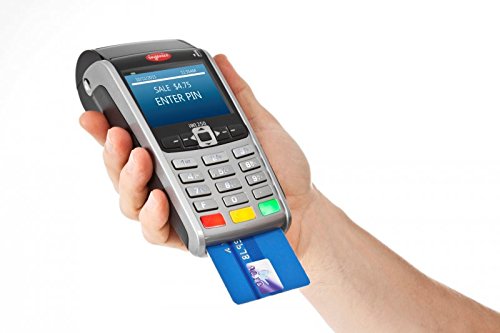
Each year, companies sign on to take advantage of merchant services offered for credit card processing. Skimmers are quickly becoming a threat to unsuspecting customers as companies rely more heavily than ever on point of sale services for their businesses. As a merchant, you want to protect your customer from all potential forms of credit card scams.
Gone are the days where businesses must rely solely on traditional terminal solutions to manage customer payments. Now business has more options than ever to complete customer transactions. Small businesses leverage advancements in payment processing to move about flexibly serving their customers. Credit card processing has changed the way the small business community handles transactions.
These services also cut down on costs in removing the need for paper invoices. Paper invoices cost businesses, contributing to a significant amount of overhead. The paper invoices also add to a company’s carbon footprint. If a paperless invoice is received and subsequently rejected by the recipient, the company adds time to the invoicing process when they issue a correction. Tracking the status of an invoice can be very cumbersome for the typical business, especially when they grow in volume. Conducting payments on site allows the SMB the advantage of eliminating the paper invoice altogether. Companies can go from hundreds of invoices to none.
Mobile Credit Card Processing Effects
Employees are paid more quickly with credit card processing purchases. Shortening the payment cycle is something the SMB community has always been inclined to improve. Having to send an invoice online or offline, and then waiting for the recipient to make the payment within a specified amount of time lengthens the cycle to 20 or more days. Equipped with a mobile swiper, the customer can be invoiced and handle payment right on the spot. This means that employees are paid sooner.
Companies can manage invoices from practically anywhere. This means that the business has the freedom to expand their business to new locations and areas. Companies no longer have to do business exclusively in their immediate areas with flexible credit card processing options. Brick-and-mortar businesses are often required to conduct business in close proximity to their locations.
Greater accuracy is also an advantage in using newer merchant services to include mobile swiper technology. Errors could take months to identify. They can even go undetected if audits aren’t routinely conducted. Fewer people involved in managing the invoicing process reduces the likelihood of clerical errors. When a payment can be handled right then and there on the spot, an error could be addressed simultaneously.
Thanks to the advancement in merchant services, SMB representatives can conduct business anywhere with improved efficiency. Businesses can open and close work orders more easily. They can offer flexible payment options that are more convenient for their customers.
Businesses often face a double-edged sword when accepting credit cards. Credit card processing comes with fees that can eat into your profits, but defraying the cost with a surcharge for shoppers can turn away business. As a business owner, it’s essential to decide which option makes sense for your business, as a growing number of states now allow companies to offer a cash discount or add a credit card fee for electronic payments.
Research suggests that while surcharges can help offset costs, they may impact customer satisfaction in some cases. It seems likely that cash discounts are viewed more positively by consumers. Evidence suggests that careful implementation is crucial to maintain loyalty, especially in competitive markets. Here’s a look at the pros and cons of defraying your costs, when legal.
What Are Credit Card Processing Fees?
Credit card processing fees are charges that merchants pay to accept card payments. These fees fund the ecosystem that involves issuing banks, card networks (such as Visa and Mastercard), and payment processors.
In 2025, average fees range from 1.5% to 3.5% per transaction, depending on factors such as card type (rewards cards incur higher costs), transaction method (in-person vs. online), and business volume. For example, a $100 sale might incur $2.50 in fees.
Components of Fees
When a business accepts card payments, the total cost is made up of several components, each serving a different party in the payment ecosystem. The most significant portion is interchange fees, which go to the card-issuing bank. These typically range from 1.5% to 3% of the transaction amount, plus approximately $0.10 per transaction. Interchange rates vary depending on the type of card used (credit vs. debit, rewards vs. standard) and whether the card was present in the transaction.
Next are assessment fees, which are relatively small but unavoidable charges from the card networks (e.g., Visa, Mastercard). These average around 0.13%–0.15% of the transaction value and are standardized across all processors.
The final layer is the processor markup, which is the charge your payment processor or merchant service provider applies to facilitate the transaction. This markup often runs between 0.2%–0.5% plus $0.10, though it can be negotiable—especially for merchants with significant sales volumes.
High-volume businesses often benefit from interchange-plus pricing, where each component is broken out and open to negotiation. Smaller companies, however, are usually offered flat-rate pricing models, which simplify billing but may ultimately prove more expensive overall. Understanding these fee structures is key to managing payment costs effectively.
Transaction Type
Average Fee Range
In-Person Debit
1.5%-2.0%
In-Person Credit
2.0%-2.9%
Online Credit
2.5%-3.5%
Rewards Card
3.0%-3.5%
Can You Add a Fee for a Card Payment?
Before you even consider adding a fee for shoppers who pay with a credit card, make sure you are allowed to do so. As of 2025, only four jurisdictions forbid surcharges outright: Connecticut, Maine, Massachusetts, and Puerto Rico. This represents a significant shift from 2018, when nine states prohibited them; legal challenges and court rulings have since overturned bans in places like Florida, Kansas, Oklahoma, and Texas. For example, Florida’s ban was deemed unenforceable by federal courts.
Even if your state allows it, you will likely want to be careful of restrictions and regulations. Many states cap surcharges at the merchant’s processing cost or a percentage (e.g., Colorado, 2%; Montana, 3%). Card networks also impose rules: Visa caps transactions at 3%, while Mastercard caps them at 4%. Additionally, surcharges must be disclosed clearly. In general, it’s always advised to place signs warning customers of the charge, especially near your credit card machine. The sign should be legible and clearly display the amount of the charge and the period during which it applies. For online or phone sales, disclose verbally or in text.
Category
States
Key Rules
Prohibited
Connecticut, Maine, Massachusetts, Puerto Rico
No surcharges allowed.
Restricted
Colorado (2% cap), New York (not exceed cost), New Jersey (not exceed cost), Nevada (not exceed cost), South Dakota (up to 4% or cost), Illinois (1% cap), Montana (3% cap), Minnesota (avoidable, changes Jan 2025), California (disclosure-heavy under SB478), Florida (unenforceable ban, follow federal), Oklahoma (unenforceable), Texas (convenience fees ok), etc.
Must disclose; caps apply.
Fully Allowed
Alabama, Alaska, Arizona, Arkansas, Delaware, Hawaii, Idaho, Indiana, Iowa, Kentucky, Louisiana, Maryland, Mississippi, Missouri, Nebraska, New Hampshire, New Mexico, North Carolina, North Dakota, Ohio, Oregon, Pennsylvania, Rhode Island, South Carolina, Tennessee, Utah, Vermont, Virginia, Washington, West Virginia, Wisconsin, Wyoming
Follow card network rules: up to 4%, disclosure required.
Always consult a legal expert or your processor for compliance, as penalties can reach $500-$25,000 per violation.
Understanding Your Options
Options like surcharges, cash discounts, and convenience fees each have nuances. Surcharges pass fees directly, while cash discounts incentivize the use of non-card payments. Consider your industry and customer base before choosing.
Surcharging: Adding a fee directly to card transactions allows you to pass processing costs entirely to customers. While this protects your margins, it may deter some buyers and is subject to regulation in certain regions.
Cash Discount: Offering a lower price for cash or non-card payments encourages customers to avoid card use. This approach is often viewed positively but requires careful pricing adjustments and clear communication.
Pay Fees Yourself: Absorbing the fees as part of your business costs ensures a smooth customer experience and maintains goodwill. However, this reduces your profit margins and can add up quickly for businesses with high volumes or low margins.
Reasons to Avoid Surcharging Customers
The biggest drawback of surcharging is its potential to damage public perception of your business. Many shoppers dislike seeing an extra fee added at checkout, and some may even switch to competitors who don’t surcharge. A survey by creditcards.com showed that most consumers claim they are unwilling to pay a fee to use their credit card, though actual behavior may differ. Some customers may initially resist, but they will later adapt to the surcharge or opt for alternative payment methods. However, data from the 2025 J.D. Power study reinforces this concern: customer satisfaction scores dropped by 39 points when surcharges were applied, and 65% of respondents reported experiencing them.
For businesses with high debit card usage, surcharging is even less effective. Since surcharges apply only to credit cards, the recovered costs cover only a fraction of total transactions, while still risking reputation loss and customer frustration. Department stores and online retailers tend to process a higher volume of credit transactions, making surcharging more relevant. In contrast, gas stations and discount stores typically see higher debit card use, where surcharges offer little benefit.
Common drawbacks include customer loss (71% switch to cash or debit, which can be mitigated by offering alternatives), reputation concerns (87% feel “nickel-and-dimed,” which can be reduced through transparent communication), and accounting complexity (manual tracking is required, but compliant software can help).
What About a Cash Discount?
Another option is to price your merchandise as if shoppers will pay by credit and offer a cash discount. This option can have the same advantages as surcharging without negative opinions. After all, shoppers will be less averse to receiving a discount if they choose to pay cash rather than pay a fee to cover your payment processing costs. In practice, discounts of 3-4% encourage cash use, and they’re legal nationwide, including in states where surcharging is prohibited.
Surcharging vs. Convenience Fees
When evaluating strategies to manage card processing costs, it’s important to distinguish between surcharges and convenience fees, as the rules, applications, and customer impact differ.
Surcharges are fees explicitly added to credit card transactions to offset processing costs. They are capped at 3-4%, depending on card network rules, and are subject to strict regulations in certain states. Surcharges cannot be applied to debit or prepaid cards, and businesses must provide clear disclosures to remain compliant. While surcharging helps recover costs, it risks frustrating customers who feel penalized for using credit.
Convenience fees, on the other hand, apply to any card type or payment method, but only in specific circumstances. They are typically charged when a customer uses a “non-standard” payment channel, such as online, by phone, or through a mobile app, rather than in person. Unlike surcharges, convenience fees often take the form of a flat fee (e.g., $2.50) but may also be percentage-based depending on the provider. States like Texas favor convenience fees over surcharges, making them legally safer in some markets.
Pros include greater flexibility and broader legal acceptance. Cons include the requirement always to offer a fee-free payment alternative to avoid alienating customers.
How to Implement Surcharging Compliantly
Implementing surcharging can help recover credit card processing costs, but it must be handled carefully to avoid fines and damage to reputation. Compliance requires attention to both card network rules and customer transparency. Below are the key steps explained in detail:
Notify Your Processor: Most major card networks (Visa and Mastercard) require you to inform both your acquiring bank and your payment processor at least 30 days before implementing a surcharge. This gives them time to update records and ensure compliance. Discover and American Express do not have this requirement, but confirming with your provider is always best practice.
Disclose Clearly: Transparency is non-negotiable. You must display clear signage at the entrance and point of sale, in at least 32-point font, stating that credit card transactions will include a surcharge. Additionally, every receipt must list the surcharge as a separate line item, so customers understand exactly what they are paying for. Hidden fees can lead to disputes, chargebacks, and fines.
Set Up Technology: Use payment gateways or POS systems that automatically identify the card type. This ensures surcharges are only applied to eligible credit cards and not to debit or prepaid cards, where surcharging is prohibited. Automated systems reduce the risk of human error and help maintain compliance.
Train Your Staff: Employees should be fully briefed on the surcharge policy. This includes knowing how to explain it to customers in a professional and reassuring manner. Training prevents awkward interactions at checkout and ensures customers understand the rationale behind the fee.
Monitor Compliance: Compliance doesn’t end after implementation. Regular audits and updates are essential to stay current with card network changes and evolving state laws. Non-compliance can lead to fines of up to $25,000, as well as potential suspension of processing privileges. Utilizing compliance software and maintaining regular contact with your processor helps minimize these risks.
Industry-Specific Considerations
Payment strategies like surcharging, convenience fees, and cash discounts don’t work the same way across all industries. Customer payment habits, transaction sizes, and competitive pressures shape which approach is most effective.
Understanding these differences helps businesses select a cost-recovery model that minimizes fees without compromising customer trust.
Retail and Online Businesses
In retail and e-commerce, credit card usage tends to dominate over debit, making surcharging a more viable option for recovering processing costs. However, these industries are also highly competitive, where customer experience has a direct impact on sales. Online shoppers in particular are prone to cart abandonment when unexpected fees appear at checkout.
Even small surcharges can trigger adverse reactions, as customers can easily switch to competitors offering “no extra fee” experiences. To minimize the risk, businesses should disclose surcharges early in the purchasing process, provide apparent alternatives such as ACH or PayPal, and consider offering loyalty incentives to offset any negative perceptions.
Gas Stations
Gas stations typically experience higher debit card usage, making surcharging less effective because it can only be applied to credit transactions. For this industry, cash discount programs are usually a better fit. Customers are accustomed to seeing dual pricing—“cash” vs. “credit”—on fuel signage, which makes discounts more acceptable and easier to communicate.
By promoting cash payments, stations can reduce processing costs without alienating their debit-heavy customer base. Since fuel margins are already thin, a well-structured cash discount program can deliver significant savings while maintaining competitive pricing. Compliance with signage requirements remains critical in this model.
Professional Services
Industries such as legal, healthcare, consulting, or education often collect payments via invoices rather than in-person transactions. For these businesses, convenience fees are a more effective tool than surcharges. They allow providers to pass on costs when customers pay online, by phone, or through other non-standard channels, while still offering fee-free alternatives, such as checks or ACH transfers.
Because professional services often deal with larger transaction amounts, even modest fees can recoup significant costs. However, clear communication is essential: positioning the fee as covering the “convenience” of using credit helps reduce resistance and maintains a professional relationship with clients.
Small Businesses
For small businesses, absorbing card processing fees can eat into already thin margins, making surcharging particularly attractive. Studies show that around 33% of small businesses apply surcharges, especially in sectors where competition is less price-sensitive. By passing costs on to customers, small merchants can protect their profitability and reinvest the savings into growth.
However, loyalty risks must be monitored closely—longtime customers may perceive surcharges negatively and seek alternatives. Transparency and customer education are key. Pairing surcharges with loyalty programs, cash discounts, or bundled offers can help mitigate the impact and preserve goodwill while offsetting payment processing expenses.
Tax Implications
Surcharges are generally not considered taxable revenue in the same way as fees or income, but they must still be accounted for separately and with care. While the IRS doesn’t treat surcharges as income for tax purposes, businesses should maintain clear records to differentiate them from sales revenue when filing. However, state-level regulations may differ; several jurisdictions, including Washington and California, require that surcharges be included in the total taxable amount.
Any surcharge added must be included in the “selling price” and is subject to retail sales tax under the same category as the underlying good or service. This means that while surcharges help offset processing costs, they can inadvertently increase your tax liability if not handled properly. Always consult IRS guidance along with your state’s tax regulations, or consider working with a tax professional to ensure accurate and compliant reporting.
Alternatives to Surcharging
While surcharging can help recover card processing costs, it isn’t always the best fit for every business or customer base. Fortunately, as we have discussed before, several alternatives allow merchants to manage expenses while maintaining a positive customer experience.
Negotiate Fees: One of the most effective ways to lower costs is by negotiating directly with your payment processor. Different providers have different markups, and high-volume businesses often have the leverage to secure lower rates. Even small reductions in interchange-plus pricing or processor markups can translate into significant annual savings.
Encourage ACH: Promoting ACH (Automated Clearing House) transfers is another cost-efficient option. These bank-to-bank payments typically carry much lower fees than card transactions. For businesses handling recurring or large payments—such as service providers, landlords, or B2B companies—ACH can significantly reduce processing costs while still offering customers a convenient digital option.
Dual Pricing: Listing both cash and card prices promotes transparency, allowing customers to choose their preferred payment method. This model, commonly used in fuel and convenience retail, encourages cash use without penalizing cardholders directly. It can reduce card usage over time and protect margins while maintaining customer trust.
Absorb Costs: Some businesses choose to simplify the checkout experience by building processing costs into their overall pricing. This approach avoids customer resistance and keeps transactions seamless, especially in competitive markets where hidden fees might drive buyers away. While it reduces margin per transaction, it can strengthen customer loyalty and streamline operations.
Choosing a Merchant Processor
Selecting the right merchant processor is one of the most critical decisions for managing payment costs and compliance. Beyond low rates, businesses should consider transparency, technology, and support for surcharging or alternative pricing models.
Transparent Pricing: Processors should clearly separate interchange fees, assessments, and markups so you know exactly what you’re paying for. Avoid providers that only offer flat rates without transparency, as this often results in higher costs over time.
Compliance Tools: Since surcharging and fee structures are subject to strict network and state rules, choose a processor that provides built-in compliance safeguards—such as automated card detection, receipt formatting, and state-by-state rule guidance.
Surcharge Support: Not all processors allow surcharging, so if this strategy is central to your business, ensure the provider explicitly supports it. Some even specialize in surcharge-friendly solutions.
Top 5 Merchant Processor Picks
1. Stripe
Stripe is highly flexible and developer-friendly, making it a top choice for online and subscription-based businesses. It offers powerful APIs, integrations with e-commerce platforms, and advanced fraud detection tools.
Stripe’s transparent pricing ensures you know exactly what you’re paying, and its ability to scale globally makes it ideal for fast-growing digital-first companies.
2. Square
Square is known for its simplicity and accessibility, making it particularly attractive for small businesses, retail shops, and restaurants.
It provides flat-rate pricing, easy-to-use hardware, and no long-term contracts. Square also bundles inventory management, invoicing, and payroll tools, providing small merchants with an all-in-one solution that eliminates the need for complex setup or negotiation.
3. Stax
Stax focuses on interchange-plus pricing and is one of the few processors that openly supports surcharge programs. This makes it especially appealing to high-volume merchants looking to offset credit card fees without hiding costs.
Stax charges a monthly membership instead of transaction markups, which can deliver substantial savings for businesses processing larger amounts.
4. PayPal
PayPal remains a leader in online and peer-to-peer transactions, offering instant brand recognition and customer trust. It’s powerful for e-commerce, marketplaces, and freelancers who need quick setup and seamless integration with websites or apps.
While fees can be higher than some competitors, PayPal’s global reach and built-in buyer protection are unmatched advantages.
5. Fiserv (Clover)
Fiserv’s Clover platform is a robust option for established retailers and restaurants that need both in-person and online processing. It offers a wide range of POS hardware, inventory systems, and employee management tools.
Clover supports flexible pricing models and surcharge features, making it an ideal solution for businesses that require scalability with enterprise-grade reliability.
Conclusion
Managing credit card processing fees is a balancing act between protecting margins and maintaining customer satisfaction. Surcharging, cash discounts, and convenience fees all have their place, but the right choice depends on your industry, transaction volume, and customer expectations. While surcharges can offset costs, they must be implemented carefully to avoid reputational risks and compliance penalties.
Many businesses find that negotiating better rates, encouraging alternative payment methods, or adopting dual pricing can provide a smoother path to success. Ultimately, success comes from staying transparent, compliant, and customer-focused while choosing the solution that best aligns with long-term growth.
FAQs
Should I surcharge or pay credit card fees myself?
It depends on your business model. Surcharging protects margins but risks customer pushback, while absorbing fees builds goodwill but reduces profit. Many businesses blend strategies with cash discounts or negotiated rates.
Is surcharging legal everywhere?
No. As of 2025, surcharges are prohibited in Connecticut, Maine, Massachusetts, and Puerto Rico, and capped or restricted in several other states. Always check state laws and card network rules before implementing.
Can I surcharge debit card transactions?
No. Card network rules forbid surcharging debit or prepaid cards, even if processed as “credit.” Surcharges apply only to true credit card transactions.
Are surcharges taxable?
At the federal level, surcharges are not considered taxable income but must be reported separately. However, some states, such as California and Washington, require sales tax on the full amount, including the surcharge.
What are alternatives to surcharging?
Alternatives include negotiating lower processor fees, encouraging ACH or bank transfers, using dual pricing (cash vs. card), or absorbing costs by building them into your pricing. These approaches can reduce fees while minimizing customer friction.
After 15 years, the eBay-PayPal partnership is coming to an end. The e-commerce giant has announced that it will replace the payment processing company it purchased in 2002 for $1.5 billion with Adyen (commonly misspelled as Ayden). The news caused eBay’s shares to rise to a record high while its long-time partner took a hit.
Adyen (or Ayden) is a smaller start-up formed in the Netherlands. This online credit card processing company offers backend payment services for businesses that include payment processing and credit card machines. With it offers point-of-sale credit card machines, online transactions are at the heart of the Dutch company, which already works with tech giants like Netflix and Uber. The company was last valued at $2.3 billion and there have been rumors that it will go public.
PayPal, on the other hand, is one of the world’s most well known and most established credit card processing companies, although it has faced growing competition in recent years. eBay’s ownership of the company ended in 2015. After the spinoff, the processing company was valued at $50 billion — a figure that is now more than $100 billion.
So why has the e-commerce giant made such a move to end this partnership? The company’s strategy is transitioning to full payment intermediation. It plans to integrate the Dutch company’s payment processing for lower costs and greater control for the company’s merchants.
With the new partnership, eBay merchants will have a central view of their information through the company’s merchant services. They will also be able to track and manage all customer interactions and transactions with greater ease. The company says the move will reduce costs for sellers.
Customers will not interact directly with Adyen’s system. With the new merchant services, customers can pay in 150 different currencies with more than 200 unique payment options. Buyers will no longer get directed to a third-party payment system to complete a purchase.
Most payments on the e-commerce giant will be processed by the new merchant services provider by 2021. Customers can still use the existing system until 2023. The shift will begin gradually in North America this year.
PayPal shares may be down on the move as the e-commerce giant is a big part of the payment processor’s business, but these transactions have not been growing as fast as other areas of the processor’s business. The e-commerce website accounts for about 13% of all payments handled by the processor in the fourth quarter, a decline from 16% last year.
As a merchant, network security should be a top concern when it comes to credit card processing. The most vulnerable place for credit card data is on the merchant side of the transaction before it’s sent to the payment processor. This is why PCI compliance is important to ensure the security of a merchant’s payment processing system. While some businesses view PCI compliance as an expensive and unnecessary step, the rise of data breaches and the fines and negative publicity that come with them should be noted.
The latest credit card processing breach to hit the news is the OnePlus breach. According to smartphone maker OnePlus, it discovered fraudulent charges were appearing on customers’ credit cards. After shutting down payment processing on its website and beginning an investigation, OnePlus revealed that the credit card information of up to 40,000 people was stolen since November 2017.
The breach occurred when an entity gained access to one of OnePlus’s servers and inserted a script to capture credit card information as it was typed into a payment form on the OnePlus website. The payment processor for OnePlus was originally blamed, but the investigation showed that the payment processing occurred as it should and the breach occurred on the merchant side of the transaction.
This breach underscores just how important PCI compliance is for merchant services with rules that apply to merchants, processors, card issuers, and any entity that handles payment information. PCI compliance comes in many forms depending on the types of credit card transactions your business processes. There are even guidelines that apply specifically to a credit card machine used for in-person transactions. For example, a credit card machine or any other piece of equipment cannot store sensitive information and equipment must be kept updated.
Remember: every PCI requirement is in place because a breach could be prevented with this control, even requirements that may seem unnecessary or overboard.
At Host Merchant Services, we always ensure our customers are PCI compliant. This is done for the safety of our merchants as well as their clients. Following this standard can protect card data from thieves, keep sensitive information secure, and avoid expensive data breaches.
When considering the trends that have been shaping the retail industry over the last few years, it is easy to infer that 2018 will be the year of mobile first shopping. Online retail giants such as Amazon have noticed that shoppers are not quite ready to completely abandon the brick-and-mortar model; however, they expect to be able to use a combination of mobile apps and online ordering along with more sophisticated physical experiences and interactions.
Two major Amazon developments in 2017 illustrate how the e-commerce leader plans to change the rules of mobile first shopping game: the acquisition of the Whole Foods supermarket chain and the testing of the Amazon Go neighborhood convenience stores. It is clear that the company is looking to expand its physical presence beyond the Fulfillment by Amazon (FBA) centers across the United States. This is what Amazon is thinking about: shoppers who use smartphone apps during their lunch break at work will prefer to pick up their purchases at Whole Foods or Amazon Go stores on their way home.
In Florida, supermarket chain Publix has perfected its online ordering and delivery options to include the option of shoppers arriving to pick up their groceries; this gives them an opportunity to make a purchase they may have forgotten to include in their smartphone order. Something else that Publix executives have realized is that online shoppers engage in window shopping at their stores; this means that they enjoy getting acquainted with the products during their visit so that they know what to order online in the future.
Needless to say, the shift towards the new mobile-first retail paradigm will require merchants to give shoppers plenty of payment options. In 2018, the diversity of mobile payments providers will continue, which means that store owners should look for merchant processors that can handle as many options as possible. Google recently announced that it would merge Android Pay with the Google Wallet, and Apple is rolling out a new option called Apple Pay Cash. Venmo and PayPal will continue to develop their systems with the hope of increasing their market share. Various cryptocurrencies are marketing their respective blockchains in an effort to gain acceptance. All in all, 2018 will be a competitive year in terms of electronic payments format, and the possibility of a mobile wallet standard being set this year is very unlikely.
In the end, 2018 will be an exciting year for the retail industry, particularly for brick-and-mortar store owners who properly leverage their physical and mobile presences for the benefit of shoppers.
Beginning in April, Visa will no longer require signatures for contactless payments and EMV chip cards. This means North American users of Samsung Pay, Google Pay (previously Android Pay and Google Wallet), and Apple Pay will be able to complete transactions with a touch of their device to the contactless credit card machine.
The signature requirement was once a common method to ensure a transaction was genuine. Depending on the credit card issuer, a signature was required for a transaction exceeding $25 or $50 to confirm the transaction was authentic. Despite the requirement, some vendors were already skipping signature validation.
Credit card issuers cite better security technology as a reason to abandon the method. EMV chip cards have been required in the United States since 2015, generating unique codes with every transaction for a lower risk of fraud. Contactless payments also use one-time codes for each transaction.
EMV chip technology has become the standard in secure credit card processing. Fraud in the credit card processing industry has declined 66% in the U.S. since EMV chip cards were launched just two years ago. In 2016, while the launch of chip payment processing was underway, Visa reported that fraudulent transactions dropped 18% among merchants who began processing chip-enabled cards and rose 11% among merchants who had not yet adopted chip technology.
Visa isn’t the first credit card issuer to end its signature requirement. Mastercard started the trend in October, followed by Discover in December. American Express has also announced it will end the signature requirement on purchases globally effective next April.
All four issuers will drop signature requirements beginning in April in Canada and the U.S. American Express is eliminating signature requirements globally while Discover will eliminate the method in the Caribbean and Mexico. Visa has only waived the signature requirement for merchants who have upgraded to a chip-enabled credit card machine or contactless payment processing. The signature requirement will be optional as retailers can choose to require a signature.
Android Pay is no more. On January 8, Google announced that it will combine Google Wallet and Android Pay under a single brand called Google Pay. This move will merge all of the ways to send payments and make purchases with Google into a single product.
Prior to this merge, Google’s payment system was a bit confusing. Android Pay was used to complete transactions in checkout lines while Google Wallet was for sending money to friends or by using the Chrome autofill feature to complete online purchases. Combining the services offers a more consistent experience for consumers shopping online, in-store, and through mobile apps.
The new system makes it easier for consumers to use saved payment information for a faster checkout. Google Pay will appear online, in-store, and across other Google products in the coming weeks. Right now, it’s available on Fandango, Airbnb, and a handful of other websites and apps.
This news comes as Google pushes to make its payment system available everywhere. In fall 2017, Google announced it would speed up the online checkout process when Google is used as a mobile wallet.
For business owners, the change will be simple: the name “Google Pay” will appear when a customer uses their phone at the checkout, purchases something online, or sends money for services. While this is largely just a functional change, it’s overdue. The separation of the services was arbitrary and led to confusion for consumers. Apple’s system with Apple Pay and Apple Pay Cash has always been straightforward in comparison.
Our world is shifting quickly. We have unleashed the beast that is smart tech and it can never be put back. The “the mobile revolution” has taken hold. This isn’t “good” or “bad”, it is just the way we humans are innovating and moving forward into the future. That being said we do have a lot of changes to cope with. Mobile devices changed everything from how we interact with each other to how we shop. The catalyst for this revolution was the ability to deliver better user experience, thus making the user interact with a brand more. This shift in technology is affecting human nature as well as how we conduct business and market to customers.
We use our phones a lot. Too much, probably. Research group Dscout found the average smart phone owner touches their smart phone screen 2,600 times a day! To note just how much we as humans are being effected by our smart phones look at a company called Yondr. They have made a booming business from a product that takes your smartphone away and shifts society, temporarily, back to pre-smart device times. Yondr created a locking bag for your cell phone that is currently used at conventions, concerts, and even in courtrooms. When attendees enter the event, they have their cell phones locked in a bag (on silent) so that they are cut off from the outside world. Why? Because people pay more attention without a phone! Also, they can’t leak information or pictures of sensitive material. The necessity for a locking phone bag shows how ingrained our digital lives are with our physical lives, but what shows it even more is how people act when they lose that digital connection.
Imagine, your phone gets locked down and you enter the event. You see people wandering around, not sure where to go, looking frantically for their friend they lost in the crowd that they can’t just text. You resort to looking for signs to get information about where to go. There are people sitting at the bar literally ripping up napkins, fidgeting with straws, or rubbing their legs awkwardly because they don’t know what to do with their hands. Everyone instantly has ADHD and apparent withdrawals from temporarily loosing use of their phone. The mass un-comfortability with the situation is palpable. Over there are a bunch of people who couldn’t take it any longer packed into a designated “cellphone area” that is exactly like a smoking area but for smartphone addicts. It’s quite a funny spectacle. Most people eventually relax and forget they don’t have access to their phone. This is followed by brief looks of horror, disappointment, and anger as they later reach for their phone and remember it’s all locked up. The shocking thing about this behavior, to me, is that we have only had smart phones for 10 years. Most people for much less than that. How fast we change. I lived for decades without a smartphone and now I’m one of the crowd – lost without it.
We accepted smart phones into our lives out of convenience. At first it was a music player and a phone in-one. Then a camera as well. After that a social media access point. More and more tools came out to the point that we can now ask our phones a question and it answers. The largest sector for profit isn’t music and social media though. It’s shopping. How can we forget the rise of Amazon from an online book retailer to Walmart rival? Newer tools gave us all kinds delivery, coupons, gift cards, and even payment methods through apps. Providing these benefits makes us more likely to shop at businesses who deliver such functionality. The rise of digital shopping tools is here to stay and we merchants must conform.
Shopping apps tell us what we want and make it as easy as possible to purchase a product or service. This trend is great for consumers but can be stressful for merchants. The bar has been raised. Sunday ads in the local paper don’t work anymore. Problem is you own a business, you’re not a digital marketer. How can you keep up with the big brands? Luckily, the rise of digital shopping tools has also made way for companies that help smaller merchants get such tools. Businesses that do not conform will be left behind struggling, and those who embrace it will have the opportunity to flourish, seriously. Imagine increasing sales without increasing employees or overhead. Here’s a prime example of a merchant taking advantage of the new trends – Shake Shack is opening stores in NYC that are cashless and have no cashiers. Order through the app and pick it up at the window. Brilliant! BestBuy allows you to order and pick up at the store and Publix now delivers! These companies are stealing business from others who don’t offer such services.
So, what do you do now? You have no digital shopping tools for your business. Start simple. Don’t overwhelm yourself or your business with big changes. Start with the basics. Whether you run a restaurant or retail store – get online ordering on your site and an app version that your customers can download. Promote the ordering site and app in store. Have a small discount incentive for the first use of the app. Later you can add more functionality. Maybe a loyalty program for your customers to build points towards coupons or freebies would be good. you can also start sending notifications strait to patrons’ phones, say, when they haven’t opened the app in a week – “What’s for dinner? Joe’s diner! Take home a family meal tonight for $15.99”. This is powerful marketing! When else could you automatically get your brand in front of somebody when they haven’t thought about you?! Best of all this isn’t like paying for Google AdWords where you must keep pouring money in to keep getting results. There’s an initial investment to online ordering and an app but that will more than pay for itself. And once it’s set up, it’s set up.
Our cellphone dependencies aren’t going away. If anything, the addiction is getting worse. From a sociology and human behavior aspect we may be doomed – forever slaves to our pocket computers. Good or bad – one thing is for sure; our tech addiction makes it easier to market to customers. To get in front of customers, your business needs to be popping up on their phone. The best thing you can do your business in 2018 is to get up to speed with mobile sales. The second-best thing you can do might just be putting the phone in a locking bag every now and then to remind you how it is to be… just human.
Many retailers impose a fee on customers when they use a credit card as they are charged a fee for using a credit card machine to process a transaction. This practice has long been illegal in California, however. In 1985, California passed a law banning businesses from charging these fees, which forced many businesses to either raise all of their prices or offer creative discounts for customers who choose a different payment method. While the law prohibits merchants from charging a fee for customers who use a credit card, they are allowed to offer discounts for check and cash purchases.
A new federal appeals court ruling in January has overturned the California law banning merchants from placing surcharges on credit card transactions. The 9th Circuit ruled that this law was unconstitutional.
Italian Colors Restaurant and four other California businesses that challenged the law can post a single price on items for sale and charge an additional fee when customers choose to pay with a credit card. A lower court had gone further to strike down the entire law, but the 9th Circuit said its decision only applies to the five plaintiffs.
Plantiffs Arguement
The plantiffs had argued that customers are averse to losing money and are more likely to change their behavior to avoid a penalty than to receive a financial benefit. They also claimed that advertising an extra fee for credit card purchases was the most effective way to encourage customers to switch from a credit card to cash.
Attorney General Bacerra countered the plaintiffs’ argument by stating that it regulates conduct and not speech. Last year, the Supreme Court ruled that an anti-surcharge law in New York regulated speech. The Supreme Court ruling closes the door on this argument, according to the 9th Circuit, and restricts the paintiffs’ commercial speech. The court said the law does regulate speech, not conduct, as it controls how prices must be presented to customers but not the prices themselves.
To avoid consumer deception, the 9th Circuit suggested that California use less restrictive options like requiring retailers disclose the fee before and at the point of sale as in states like Minnesota or enforce existing laws on misleading advertising.
This ruling has been viewed as a big win for small businesses as they have more options for covering the costs of payment processing. Credit card processing fees can hit small businesses hard, especially on small dollar transactions. This is because transactions processed with a credit card machine come with a flat-rate fee plus a percentage of the transaction amount. In fact, many businesses in other states have chosen to impose a surcharge when transactions are below a certain dollar amount like $10.
Conclusion
Merchants that wish to charge a fee for customers who use a credit card still need to abide certain rules. Visa, Discover, and Mastercard require at least 30 days notice prior to collecting fees. Each also has specific rules for surcharges. In most cases, the maximum allowable charge is the fee the retailers pay their payment processing company per transaction.
Cookie Consent
We use cookies to enhance your browsing experience, analyze site traffic, and support our marketing.You can accept all cookies, reject non-essential ones, or manage your preferences below. Learn more in our Privacy Policy.
Cookie Preferences
Manage your cookie preferences below:
Essential cookies enable basic functions and are necessary for the proper function of the website.
Name
Description
Duration
Cookie Preferences
This cookie is used to store the user's cookie consent preferences.
180 days
These cookies are needed for adding comments on this website.
Name
Description
Duration
comment_author_email
Used to track the user across multiple sessions.
Session
comment_author_url
Used to track the user across multiple sessions.
Session
comment_author
Used to track the user across multiple sessions.
Session
Google Tag Manager simplifies the management of marketing tags on your website without code changes.
Name
Description
Duration
cookiePreferences
Registers cookie preferences of a user
2 years
td
Registers statistical data on users' behaviour on the website. Used for internal analytics by the website operator.
session
These cookies are used for managing login functionality on this website.
Name
Description
Duration
wordpress_logged_in
Used to store logged-in users.
Persistent
wordpress_sec
Used to track the user across multiple sessions.
15 days
wordpress_test_cookie
Used to determine if cookies are enabled.
Session
Statistics cookies collect information anonymously. This information helps us understand how visitors use our website.
Google Analytics is a powerful tool that tracks and analyzes website traffic for informed marketing decisions.
Contains information related to marketing campaigns of the user. These are shared with Google AdWords / Google Ads when the Google Ads and Google Analytics accounts are linked together.
90 days
__utma
ID used to identify users and sessions
2 years after last activity
__utmt
Used to monitor number of Google Analytics server requests
10 minutes
__utmb
Used to distinguish new sessions and visits. This cookie is set when the GA.js javascript library is loaded and there is no existing __utmb cookie. The cookie is updated every time data is sent to the Google Analytics server.
30 minutes after last activity
__utmc
Used only with old Urchin versions of Google Analytics and not with GA.js. Was used to distinguish between new sessions and visits at the end of a session.
End of session (browser)
__utmz
Contains information about the traffic source or campaign that directed user to the website. The cookie is set when the GA.js javascript is loaded and updated when data is sent to the Google Anaytics server
6 months after last activity
__utmv
Contains custom information set by the web developer via the _setCustomVar method in Google Analytics. This cookie is updated every time new data is sent to the Google Analytics server.
2 years after last activity
__utmx
Used to determine whether a user is included in an A / B or Multivariate test.
18 months
_ga
ID used to identify users
2 years
_gali
Used by Google Analytics to determine which links on a page are being clicked
30 seconds
_ga_
ID used to identify users
2 years
_gid
ID used to identify users for 24 hours after last activity
24 hours
_gat
Used to monitor number of Google Analytics server requests when using Google Tag Manager
1 minute
Marketing cookies are used to follow visitors to websites. The intention is to show ads that are relevant and engaging to the individual user.
Facebook Pixel is a web analytics service that tracks and reports website traffic.