Mobile Payment Trends

New Mobile Payment Trends Your Business Should Investigate [2025 Update]

Mobile payments have moved from a novelty to a necessity in recent years. In the United States, over three-quarters of consumers now use some form of mobile payment, and more businesses are adapting to this cashless, app-driven economy. With digital wallets, tap-to-pay cards, and phone apps becoming ubiquitous, in-store contactless transactions accounted for over 50% of U.S. in-person payments in 2023.

This rapid shift means that business owners – from small retailers to enterprise executives – must stay on top of the latest mobile payment trends. Adopting the right payment technologies can enhance customer experience, improve security, and even boost sales. Below, we break down the new mobile payment trends in the U.S. that your business should investigate.

New Mobile Payment Trends – Watch Out in 2025

1. Mobile Wallets Go Mainstream

Mobile Wallets Go Mainstream

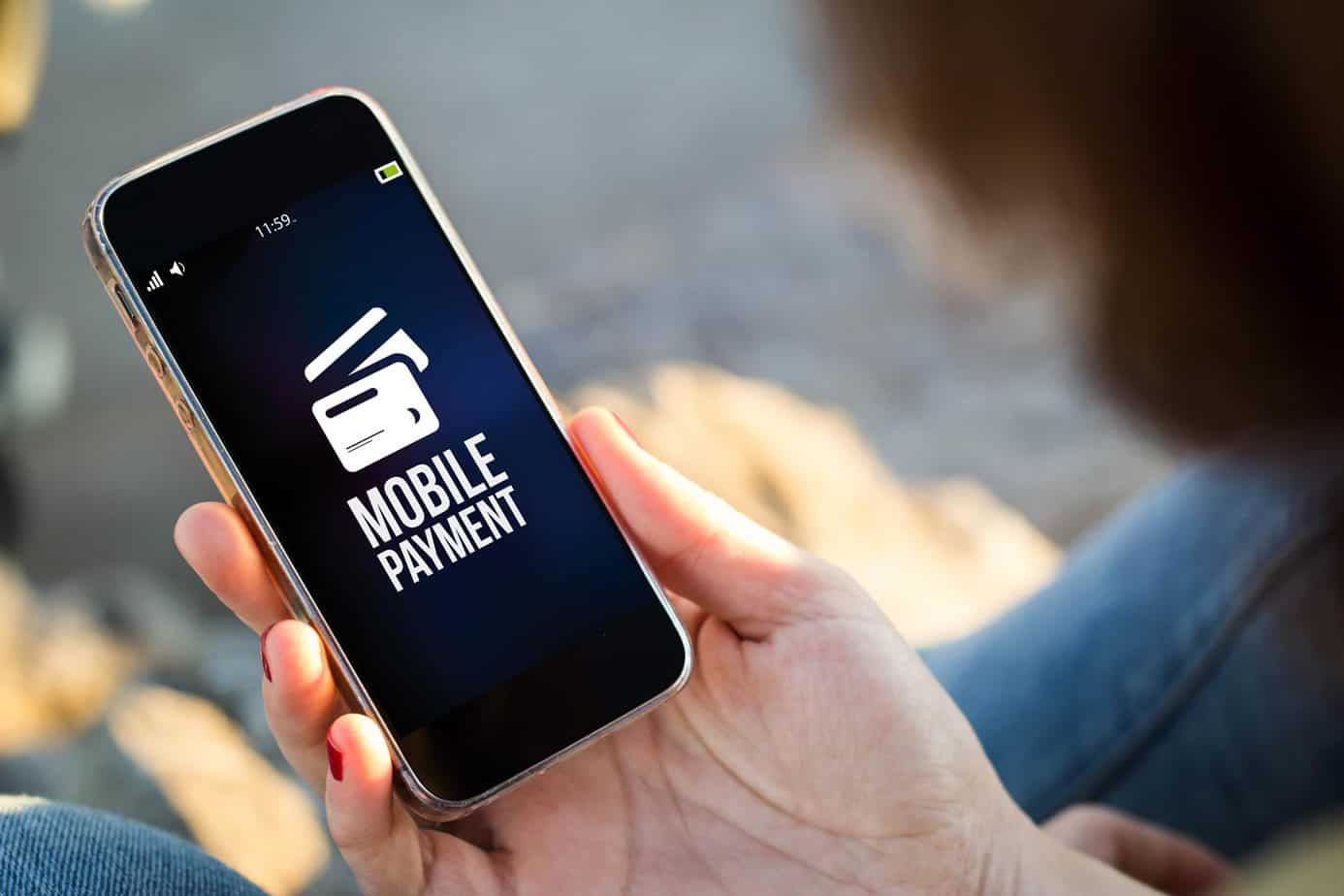
Digital mobile wallets like Apple Pay, Google Pay, and Samsung Pay have become the most popular payment method worldwide, accounting for 49% of all transactions in 2022. In the U.S., adoption has skyrocketed in the past couple of years – a 2023 study found that the share of consumers using digital wallets jumped from 12% in 2022 to 48% in 2023. Mobile wallets let customers store credit/debit cards, loyalty cards, transit passes, and more on their phone, enabling fast, contactless payments with a tap or scan.

This matters because accepting mobile wallets at checkout (both in-store and online) is increasingly expected by customers. Over 75% of U.S. consumers now use mobile payment apps or accounts like PayPal, Venmo, Zelle, or Cash App, meaning your patrons likely have a preferred mobile wallet ready to use.

By enabling Apple Pay, Google Pay, and similar payment methods on your point-of-sale (POS) system or e-commerce site, you offer a faster, more convenient checkout experience. Mobile wallet transactions are encrypted and tokenized (a random token replaces the card number), which also improves security and trust. In short, mobile wallets have gone mainstream – and businesses that don’t accommodate them risk falling behind customer expectations.

2. Contactless Payments Are the New Normal

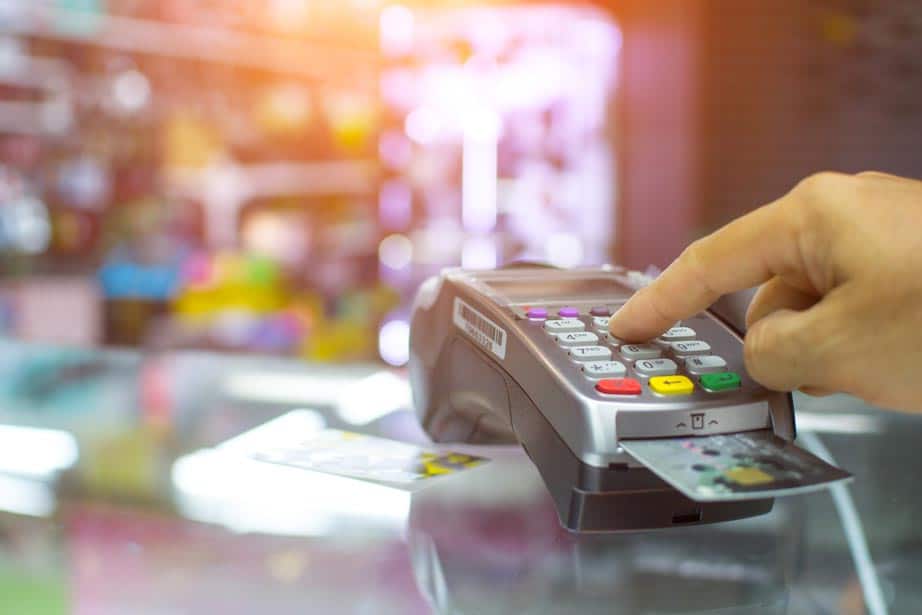
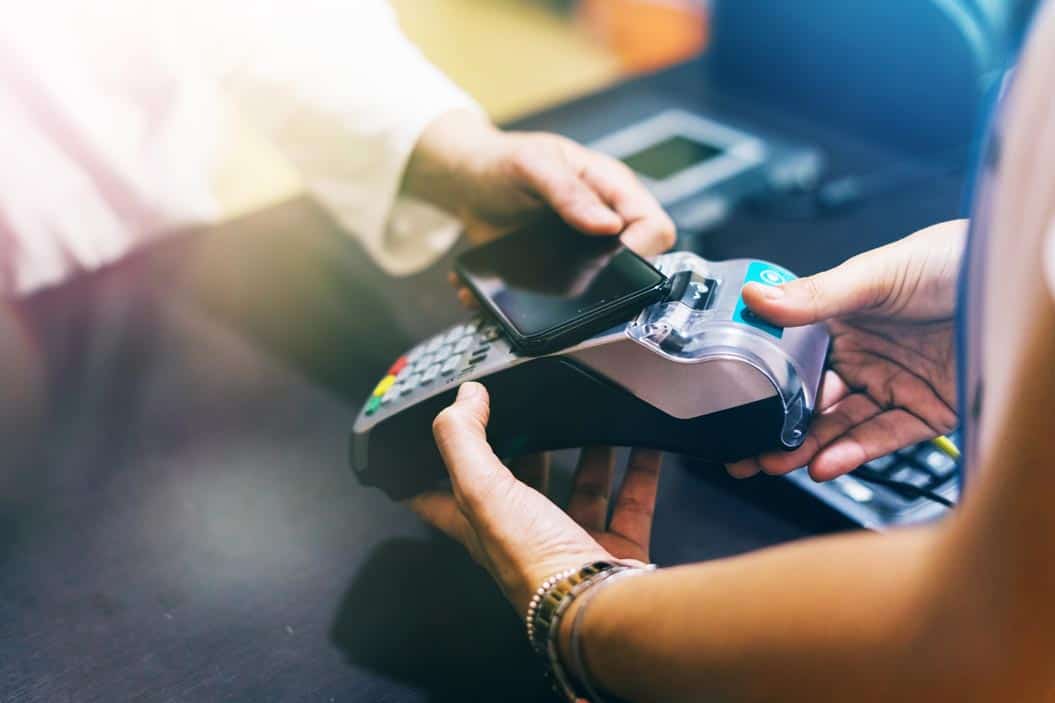
Hand-in-hand with mobile wallets is the rise of contactless payments – tapping a phone or contactless card on a reader for instant payment. What was once a nice-to-have convenience is now the norm across the United States. The COVID-19 pandemic dramatically accelerated this trend, as consumers and merchants sought safer, touch-free payment methods. The result? By 2023, more than 50% of all in-store transactions in the U.S. were contactless.

Additionally, over 70% of U.S. merchants now offer contactless payment options to their customers. Whether it’s tapping a physical NFC-enabled credit card or using a smartphone’s wallet app, Americans have come to love the speed and ease of “tap-and-go” payments.

If your business hasn’t upgraded to contactless-capable payment terminals, now is the time to do so. Customers increasingly expect to “tap to pay” at checkout for speed and hygiene reasons – one survey found 79% of Americans view contactless payments as more hygienic than handling cash or cards. Contactless transactions are also faster, reducing lines and improving throughput for stores and restaurants.

Security is strong as well: each tap-to-pay transaction uses one-time, encrypted tokens, making it extremely difficult for fraudsters to intercept payment information. Embracing contactless payments (including mobile wallet taps) not only meets customer demand but can also lead to higher customer satisfaction and loyalty. Many retailers report that once they adopted contactless payments, a majority of customers quickly adopted them for the convenience, speed, and safety they offer.

3. Mobile Point-of-Sale (mPOS) and Phone-as-Terminal Technology

Mobile Point-of-Sale

Accepting payments via mobile point-of-sale (mPOS) is nothing new – for years, small businesses have used plugins or dongles (like Square readers) with phones or tablets to swipe cards at farmers’ markets and pop-up shops. What’s new is the evolution of this trend into truly hardware-free POS solutions. Tech giants have introduced “Tap to Pay” functionality that turns a standard smartphone into a payment terminal. For example, Apple’s Tap to Pay on iPhone now allows merchants to accept any contactless card or mobile wallet payment using only an iPhone – no extra card reader needed.

The phone itself can securely receive a tap from a customer’s card or smartphone. This SoftPOS (Software Point-of-Sale) approach is rolling out through payment providers such as Stripe, Square, PayPal, and others partnering with Apple and Android solutions.

mPOS and SoftPOS technology empower businesses to take payments anywhere, anytime, with minimal equipment. A craft vendor at a street fair, a food truck operator, or even an in-home service provider can accept a quick tap payment on a phone, eliminating the need to carry cash or set up a bulky register. Even in retail stores, sales associates with a phone or tablet can bust checkout lines by ringing up customers on the sales floor.

This flexibility not only improves customer experience (no one likes waiting in long lines) but can also boost sales – customers are more likely to complete a purchase if you make payment frictionless. Additionally, using phones as terminals can be cost-effective for small businesses, since you don’t need to invest in dedicated POS hardware or pay high card terminal rental fees. The bottom line: modern mobile POS solutions let you meet your customers where they are and never miss a sale, whether in-store, curbside, or at an off-site event.

4. Buy Now, Pay Later (BNPL) Options

Another payment trend that has surged via mobile and online channels is Buy Now, Pay Later (BNPL) financing. BNPL services like Affirm, Klarna, Afterpay, and PayPal Pay in 4 allow customers to split purchases into installment payments (often interest-free) at checkout. This trend has gained traction in recent years, especially among younger shoppers who prefer not to incur credit card debt. Global BNPL transaction volume has grown rapidly, reaching approximately $310 billion in 2023 and projected to exceed $565 billion by 2026.

In the U.S., millions of consumers have embraced BNPL for both online and in-store purchases (e.g., using a BNPL app’s virtual card via a mobile wallet). Retailers, from fashion brands to travel sites, now prominently offer these flexible payment plans at checkout.

Offering BNPL at checkout can be a powerful tool to boost sales and customer acquisition. Many shoppers are more likely to make a purchase or buy a more expensive item if they can pay in smaller installments over time. Studies show BNPL can increase conversion rates and average order values for merchants, especially in e-commerce. It’s essentially a modern layaway: the customer receives the product immediately, while the BNPL provider pays the merchant upfront (the merchant then pays the provider a fee).

For businesses, partnering with a BNPL provider requires minimal integration – often it’s an API or plugin for your online store or POS. Given the rapid growth of BNPL, customers may start to expect it as a payment choice alongside credit cards and PayPal. However, use it judiciously: consider your customer demographics and ticket sizes. When deployed effectively, “buy now, pay later” options can attract budget-conscious shoppers and reduce cart abandonment, giving your business an edge in conversion rate.

5. Social Commerce and In-App Purchases

Social Commerce

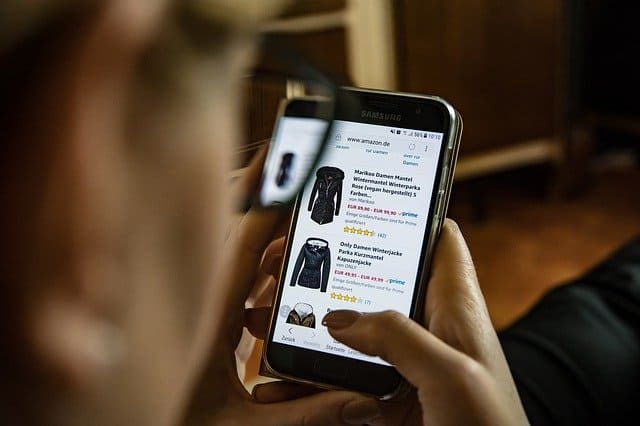
Social media is no longer just for marketing – it’s becoming a direct sales channel. Social commerce is the sale of products directly through social media platforms, driven by heavy mobile usage. Shoppers can discover and purchase items without leaving apps such as Instagram, Facebook, Pinterest, or TikTok.

Instagram and Facebook offer in-app checkout for products featured in posts or ads, and TikTok launched its TikTok Shop for seamless buying while scrolling through videos. This fusion of social media and e-commerce is growing rapidly: U.S. social commerce sales jumped 26% in 2024 to $71.6 billion and are expected to surpass $100 billion by 2026. A significant portion of this growth comes from mobile users seeing a product on social media and instantly tapping “Buy” or “Shop Now.”

If your business has a social media presence, integrating shopping features can open a new revenue stream. Rather than redirecting a follower to your website, you can enable them to purchase the item they see in your post right within the app. This streamlines the customer journey and reduces friction – fewer clicks means a higher chance of conversion. Social commerce is especially popular with younger demographics (Gen Z and Millennials) who are very comfortable with mobile shopping.

Businesses can start by setting up a product catalog on Facebook/Instagram Shops or experimenting with TikTok Shop if it fits the brand. Additionally, chatbot-assisted purchases (for instance, a customer buys through Facebook Messenger or WhatsApp after interacting with a bot) are emerging, making the buying process feel like a natural conversation. While social commerce is still developing – and some users remain hesitant due to trust concerns – it’s definitely a mobile-driven trend to watch. Even if you don’t sell directly in-app yet, ensure your social profiles showcase your products and link to a mobile-friendly store, because consumers are increasingly inspired to buy through social feeds.

6. Biometric Authentication and Enhanced Security

As mobile payments proliferate, security and fraud prevention have become top priorities. One major trend is the use of biometric authentication – leveraging unique user traits like fingerprints, facial recognition, or even iris scans to verify identity for payments. If you use Apple Pay or Google Pay, you’re already familiar with this: a fingerprint or Face ID scan authorizes the transaction instead of a PIN. Biometrics are also used to unlock banking apps, approve payments, and at physical checkouts (e.g., Amazon’s palm-scanning payment at some stores). The biometric payments market is growing rapidly, with a 2022 value of $7.4 billion and projected to exceed $19 billion by 2029.

Beyond biometrics, tokenization and encryption are widely used to secure mobile transactions. For example, mobile wallet payments never transmit your actual card number, only a scrambled token. With high-profile data breaches and card fraud, many platforms now require multi-factor authentication (such as an SMS code or biometric scan) for higher-risk transactions.

All of this matters because trust and security are critical for any payment method – customers won’t use mobile payments if they feel unsafe. Fortunately, the latest mobile payment tech is making transactions more secure than traditional cards in many ways. Merchants benefit from lower fraud and chargebacks when strong authentication (like biometrics) is in place. You should ensure your payment systems support the newest security standards. For instance, if you have a mobile app or website, use payment gateways that offer 3D Secure 2.0, biometric verification, or tokenization to protect card data.

Embracing biometric-enabled payments can also speed up checkout. Customers appreciate the convenience of paying with a touch of a finger or a quick face scan, and they’re increasingly confident in the safety – 90% of U.S. consumers feel optimistic about the security of contactless payments (which often use biometrics on smartphones). By staying current with security trends such as biometrics and encryption, and with standards such as PCI DSS, your business can prevent fraud, build customer trust, and deliver a seamless payment experience.

7. Artificial Intelligence in Payments

Artificial Intelligence in Payments

Artificial Intelligence (AI) and Machine Learning are injecting new intelligence into the payments process. In fact, 2023 saw AI take center stage in tech (with the popularity of ChatGPT), and this is spilling into fintech and payments. AI is being used to fight fraud, personalize customer experiences, and even enable new payment interfaces. For example, machine learning models can analyze transaction patterns in real time and flag suspicious activity far more effectively than older rule-based systems. This helps payment providers and banks prevent fraud before it happens, saving merchants from costly chargebacks.

AI can also power more innovative chatbots and voice assistants – we’re seeing early versions of voice-enabled shopping where you might ask Alexa or Google Assistant to order and pay for an item. On the back end, AI supports risk assessment (deciding to approve or decline a transaction within milliseconds) and personalized offers (such as your banking app suggesting a better credit product based on your spending). AI technology could add trillions in value across industries, and the payments sector is leveraging it to enhance everything from fraud detection to customer service.

Many of these AI-driven improvements operate behind the scenes, but they have real impacts on merchants. Advanced fraud detection means fewer fraudulent transactions and chargeback headaches for business owners. If you’ve ever had to deal with chargeback disputes, you’ll appreciate that AI is helping catch fraudsters using stolen cards or testing card numbers on websites, etc. AI can also enable smoother customer experiences – for instance, an AI might auto-fill payment details, recommend the best payment option for a customer, or power a virtual assistant that answers billing questions.

AI could enable innovations such as dynamic pricing and optimized payment routing to minimize fees. For a business, the key is to partner with payment processors or platforms that leverage modern AI tools. You may not implement these technologies yourself, but when evaluating payment solutions, ask about their fraud prevention and AI capabilities. A forward-thinking payment provider using AI and machine learning will help ensure your transactions are secure and your customers have a frictionless experience.

8. Open Banking and Account-to-Account Payments

Open banking is an emerging trend that could reshape how payments work, even though it’s still early-stage in the U.S. Open banking refers to banks securely sharing financial data and payment capabilities with third-party fintech apps via APIs (with customer consent). One result of open banking is the rise of account-to-account (A2A) payments, in which funds move directly from the customer’s bank account to the merchant’s account, bypassing card networks as intermediaries.

In some regions, such as Europe and the UK (where open banking is mandated by regulation), A2A payments and instant bank transfers are becoming popular alternatives to card payments. Globally, this trend is accelerating. In 2022, A2A payments accounted for an estimated $525 billion in e-commerce transaction value (about 13% of online payments), and they’re projected to reach 11% of e-commerce payments by 2026. In the U.S., we don’t have a blanket open banking law yet. Still, fintech companies like Plaid enable consumers to link their bank accounts to apps, and new instant payment networks like FedNow (launched in 2023) and Zelle facilitate real-time bank-to-bank transfers.

Open banking and A2A payment solutions can offer lower-cost, faster payments for merchants. When a customer pays directly from their bank account (such as via ACH or open banking instant payments), transaction fees are often much lower than credit card processing fees. This can be especially attractive for industries with thin margins or for accepting large payments (where percentage-based card fees really bite). Open banking can also enable innovative financial services – for instance, an app that integrates with a user’s bank could combine payments with personal finance insights or lending offers.

While still emerging, some U.S. businesses are already accepting bank-to-bank payments via services like Venmo (which ultimately debits bank accounts) or via eCheck/ACH at checkout for online bill pay. As open banking technology matures, we may see more customers opting to pay via their banking app or via ACH on mobile, skipping card entry entirely. For now, consider offering ACH or bank transfer options for large transactions, or keep an eye on open banking payment apps as they gain traction. This trend signals a future with more payment options beyond traditional card networks, which could lead to cost savings and improved financial control for businesses.

Conclusion

Mobile payment technology is evolving at a blistering pace, and U.S. consumers are embracing these new options for convenience and security. From the ubiquity of mobile wallets and contactless taps to the rise of BNPL financing and social commerce, the way people pay is fundamentally changing. Small business owners and enterprise leaders alike should regularly assess which of these trends align with their customer needs and business goals.

Adopting mobile payment innovations can lead to faster checkouts, higher sales, and more satisfied customers – but it’s important to prioritize those that add real value to your operations. As you investigate these trends, consider starting with the basics (such as enabling mobile wallets and contactless payments if you haven’t yet), then explore strategic additions (such as offering BNPL or experimenting with social selling) based on your industry. Ensure security measures, such as biometrics and tokenization, are in place as you expand payment options, and select payment partners that leverage modern technologies, including AI and open banking, to support future growth.

Frequently Asked Questions

  1. What are the most important mobile payment trends to focus on first?

    Start with the “table stakes”: mobile wallets (Apple Pay/Google Pay) and contactless tap-to-pay, because customers increasingly expect them and they speed up checkout. Then evaluate BNPL, social commerce, and mobile POS/phone-as-terminal based on your average order value, sales channels, and where customers buy.

  2. Do I need new hardware to accept mobile wallets and contactless payments?

    Often, yes, you need NFC/contactless-capable terminals to accept tap payments in-store. The good news is that many businesses can upgrade easily through their existing payment processor or POS provider, and some “phone-as-terminal” options may reduce or eliminate extra hardware in specific setups.

  3. Are mobile wallets and contactless payments secure for my customers and my business?

    Generally, they’re very secure because they use protections like tokenization and encryption, and many payments require biometric authentication (Face ID/fingerprint). For businesses, this can reduce exposure to card data and help lower fraud risk, especially when paired with strong security standards and updated payment gateways.

  4. Will offering Buy Now, Pay Later (BNPL) actually increase sales?

    BNPL can often increase conversion rates and average order value, especially for higher-priced items and online purchases. It’s best for businesses serving customers who want flexibility (typically younger shoppers), but you should factor in provider fees and ensure it aligns with your brand and ticket sizes.

  5. How do I know which payment options my customers actually want?

    Use a mix of data and direct feedback: review your POS/POS/e-commerce reports for abandoned carts and payment method usage, ask customers at checkout, and test options (e.g., add BNPL for 60-90 days). If you sell on social platforms, monitor which posts drive clicks and consider enabling in-app checkout where it makes sense.

Mobile Payment Trends

New Mobile Payment Trends Your Business Should Investigate [2026 Update]

Mobile payments have moved from a novelty to a necessity in recent years. In the United States, over three-quarters of consumers now use some form of mobile payment, and more businesses are adapting to this cashless, app-driven economy. With digital wallets, tap-to-pay cards, and phone apps becoming ubiquitous, in-store contactless transactions accounted for over 50% of U.S. in-person payments in 2023.

This rapid shift means that business owners – from small retailers to enterprise executives – must stay on top of the latest mobile payment trends. Adopting the right payment technologies can enhance customer experience, improve security, and even boost sales. Below, we break down the new mobile payment trends in the U.S. that your business should investigate.

Mobile Payment Trends: Businesses Should Watch Out for in 2026

1. Mobile Wallets Go Mainstream

Mobile Wallets Go Mainstream

Digital mobile wallets like Apple Pay, Google Pay, and Samsung Pay have become the most popular payment method worldwide, accounting for 49% of all transactions in 2022. In the U.S., adoption has skyrocketed in the past couple of years – a 2023 study found that the share of consumers using digital wallets jumped from 12% in 2022 to 48% in 2023. Mobile wallets let customers store credit/debit cards, loyalty cards, transit passes, and more on their phone, enabling fast, contactless payments with a tap or scan.

This matters because accepting mobile wallets at checkout (both in-store and online) is increasingly expected by customers. Over 75% of U.S. consumers now use mobile payment apps or accounts like PayPal, Venmo, Zelle, or Cash App, meaning your patrons likely have a preferred mobile wallet ready to use.

By enabling Apple Pay, Google Pay, and similar options in your point-of-sale (POS) system or e-commerce site, you offer a faster, more convenient checkout experience. Mobile wallet transactions are encrypted and tokenized (a random token replaces the card number), which also improves security and trust. In short, mobile wallets have gone mainstream – and businesses that don’t accommodate them risk falling behind customer expectations.

2. Contactless Payments Are the New Normal

Contactless Payments

Hand-in-hand with mobile wallets is the rise of contactless payments – tapping a phone or contactless card on a reader for instant payment. What was once a nice-to-have convenience is now the norm across the United States. The COVID-19 pandemic dramatically accelerated this trend as consumers and merchants sought safer, touch-free payment methods. The result? By 2023, more than 50% of all in-store transactions in the U.S. were contactless.

Additionally, over 70% of U.S. merchants now offer contactless payment options to their customers. Whether it’s tapping a physical NFC-enabled credit card or using a smartphone’s wallet app, Americans have come to love the speed and ease of “tap-and-go” payments.

If your business hasn’t upgraded to contactless-capable payment terminals, now is the time. Customers increasingly expect to “tap to pay” at checkout for speed and hygiene reasons – one survey found 79% of Americans view contactless payments as more hygienic than handling cash or cards. Contactless transactions are also faster, resulting in shorter lines and higher throughput for stores or restaurants.

Security is strong as well: each tap transaction uses one-time encrypted tokens, making it extremely difficult for fraudsters to intercept payment info. Embracing contactless payments (including mobile wallet taps) not only meets customer demand but can also lead to higher customer satisfaction and loyalty. Many retailers report that once they accepted contactless, a majority of customers quickly adopted it for the convenience, speed, and safety it offers.

3. Mobile Point-of-Sale (mPOS) and Phone-as-Terminal Technology

Mobile Point-of-Sale

Accepting payments via mobile point-of-sale (mPOS) is nothing new – for years, small businesses have used plugins or dongles (like Square readers) with phones or tablets to swipe cards at farmers’ markets and pop-up shops. What’s new is the evolution of this trend into truly hardware-free POS solutions. Tech giants have introduced “Tap to Pay” functionality that turns a standard smartphone into a payment terminal. For example, Apple’s Tap to Pay on iPhone now allows merchants to accept any contactless card or mobile wallet payment using only an iPhone – no extra card reader needed.

The phone itself can securely receive a tap from a customer’s card or smartphone. This SoftPOS (Software Point-of-Sale) approach is rolling out via payment providers like Stripe, Square, and PayPal, as well as Apple and Android solutions.

mPOS and SoftPOS technology empower businesses to take payments anywhere, anytime, with minimal equipment. A craft vendor at a street fair, a food truck operator, or even an in-home service provider can accept a quick tap payment on a phone, eliminating the need to carry cash or set up a bulky register. Even in retail stores, sales associates with a phone or tablet can bust checkout lines by ringing up customers on the sales floor.

This flexibility not only improves customer experience (no one likes waiting in long lines) but can also boost sales – customers are more likely to complete a purchase if you make payment frictionless. Additionally, using phones as terminals can be cost-effective for small businesses, since you don’t need to invest in dedicated POS hardware or pay high card terminal rental fees. The bottom line: modern mobile POS solutions let you meet your customers where they are and never miss a sale, whether in-store, curbside, or at an off-site event.

4. Buy Now, Pay Later (BNPL) Options

Buy Now, Pay Later

Another payment trend that has surged via mobile and online channels is Buy Now, Pay Later (BNPL) financing. BNPL services like Affirm, Klarna, Afterpay, and PayPal Pay in 4 allow customers to split purchases into installment payments (often interest-free) at checkout. This trend took off in the past few years, especially among younger shoppers who prefer not to rack up credit card debt. Global BNPL transaction volume has boomed, reaching around $310 billion in 2023 and projected to exceed $565 billion by 2026.

In the U.S., millions of consumers have embraced BNPL for both online and in-store purchases (e.g., using a BNPL app’s virtual card via a mobile wallet). Retailers, from fashion brands to travel sites, now prominently offer these flexible payment plans at checkout.

Offering BNPL at checkout can be a powerful tool to boost sales and customer acquisition. Many shoppers are more likely to make a purchase or buy a more expensive item if they can pay in smaller chunks over time. Studies show BNPL can increase conversion rates and average order values for merchants, especially in e-commerce. It’s essentially modern layaway, but the customer gets the product immediately while the BNPL provider pays the merchant upfront (the merchant then pays the provider a fee).

For businesses, partnering with a BNPL provider requires minimal integration – often it’s an API or plugin for your online store or POS. Given the rapid growth of BNPL, customers may start to expect it as a payment choice alongside credit cards and PayPal. However, use it judiciously: consider your customer demographics and ticket sizes. When deployed well, “buy now, pay later” options can attract budget-conscious shoppers and reduce cart abandonment, giving your business an edge in conversion.

5. Social Commerce and In-App Purchases

Social Commerce

Social media is no longer just for marketing – it’s becoming a direct sales channel. Social commerce refers to selling products directly through social media platforms, and it’s a trend driven heavily by mobile usage. Shoppers can discover and purchase items without ever leaving apps like Instagram, Facebook, Pinterest, or TikTok.

Instagram and Facebook offer in-app checkout for products featured in posts or ads, and TikTok launched its TikTok Shop for seamless buying while scrolling through videos. This fusion of social media and e-commerce is growing fast: U.S. social commerce sales jumped 26% in 2024 to reach $71.6 billion, and are expected to surpass $100 billion by 2026. A major portion of this growth comes from mobile users seeing a product on social media and instantly tapping “Buy” or “Shop Now.”

If your business has a social media presence, integrating shopping features can open a new revenue stream. Rather than redirecting a follower to your website, you can enable them to purchase the item they see in your post right within the app. This streamlines the customer journey and reduces friction – fewer clicks increase the likelihood of conversion. Social commerce is especially popular with younger demographics (Gen Z and Millennials) who are very comfortable with mobile shopping.

Businesses can start by setting up a product catalog on Facebook/Instagram Shops or experimenting with TikTok Shop if it fits the brand. Additionally, chatbot-assisted purchases (for instance, a customer buys through Facebook Messenger or WhatsApp after interacting with a bot) are emerging, making the buying process feel like a natural conversation. While social commerce is still developing – and some users remain hesitant due to trust concerns – it’s definitely a mobile-driven trend to watch. Even if you don’t sell directly in-app yet, ensure your social profiles showcase your products and link to a mobile-friendly store, because consumers are increasingly inspired to buy through social feeds.

6. Biometric Authentication and Enhanced Security

As mobile payments proliferate, security and fraud prevention have become top priorities. One major trend is the use of biometric authentication – leveraging unique user traits such as fingerprints, facial recognition, or iris scans to verify identity for payments. If you use Apple Pay or Google Pay, you’re already familiar with this: a fingerprint or Face ID scan authorizes the transaction instead of a PIN. Biometrics are also used to unlock banking apps, approve payments, and even at physical checkouts (e.g., Amazon’s palm-scanning payments at some stores). The biometric payments market is growing rapidly – valued at $7.4 billion in 2022 and expected to exceed $19 billion by 2029.

Beyond biometrics, tokenization and encryption are being employed everywhere to secure mobile transactions. For example, mobile wallet payments never transmit your actual card number, only a scrambled token. And amid high-profile data breaches and card fraud, many platforms now require multi-factor authentication (such as an SMS code or biometric scan) for higher-risk transactions.

All of this matters because trust and security are critical for any payment method – customers won’t use mobile payments if they feel unsafe. Fortunately, the latest mobile payment technology is making transactions more secure than traditional card transactions in many ways. Merchants benefit from lower fraud and chargebacks when strong authentication (like biometrics) is in place. You should ensure your payment systems support the newest security standards – for instance, if you have a mobile app or website, use payment gateways that offer 3D Secure 2.0, biometric verification, or tokenization to protect card data.

Embracing biometric-enabled payments can also speed up checkout. Customers appreciate the convenience of paying with a touch of a finger or a quick face scan, and they’re increasingly confident in the safety – 90% of U.S. consumers feel confident about the security of contactless payments (which often use biometrics on smartphones). By staying current with security trends such as biometrics and encryption, and complying with standards like PCI DSS, your business can prevent fraud and build customer trust, all while providing a seamless payment experience.

7. Artificial Intelligence in Payments

Artificial Intelligence (AI) and Machine Learning are injecting new intelligence into the payments process. In fact, 2023 saw AI take center stage in tech (with the popularity of ChatGPT), and this is spilling into fintech and payments. AI is being used to fight fraud, personalize customer experiences, and even enable new payment interfaces. For example, machine learning models can analyze transaction patterns in real time and flag suspicious activity far more effectively than older rule-based systems. This helps payment providers and banks prevent fraud before it happens, saving merchants from costly chargebacks.

AI can also power smarter chatbots and voice assistants – we’re seeing early versions of voice-enabled shopping where you might ask Alexa or Google Assistant to order and pay for an item. On the back end, AI helps with risk assessment (deciding to approve or decline a transaction within milliseconds) and with personalized offers (such as your banking app suggesting a better credit product based on your spending). AI technology could add trillions of dollars in value across industries, and the payments sector is tapping into it by using AI to enhance everything from fraud detection to customer service.

Many of these AI-driven improvements operate behind the scenes, but they have real impacts on merchants. Advanced fraud detection means fewer fraudulent transactions and chargeback headaches for business owners. If you’ve ever had to deal with chargeback disputes, you’ll appreciate that AI is helping catch fraudsters using stolen cards or testing card numbers on websites, etc. AI can also enable smoother customer experiences – for instance, an AI might auto-fill payment details, recommend the best payment option for a customer, or power a virtual assistant that answers billing questions.

AI could enable innovations such as dynamic pricing and optimized payment routing to minimize fees. For a business, the key is to partner with payment processors or platforms that leverage modern AI tools. You may not implement these technologies yourself, but when evaluating payment solutions, ask about their fraud prevention and AI capabilities. A forward-thinking payment provider using AI and machine learning will help ensure your transactions are secure and your customers have a frictionless experience.

8. Open Banking and Account-to-Account Payments

Open banking is an emerging trend that could reshape how payments work, even though it’s still early-stage in the U.S. Open banking refers to banks securely sharing financial data and payment capabilities with third-party fintech apps via APIs (with customer consent). One result of open banking is the rise of account-to-account (A2A) payments, in which money moves directly from the customer’s bank account to the merchant’s account, bypassing card networks as middlemen.

In some regions like Europe and the UK (where open banking is mandated by regulations), A2A payments and instant bank transfers are becoming popular alternatives to card payments. Globally, this trend is picking up speed – in 2022, A2A payments accounted for an estimated $525 billion in e-commerce transaction value (about 13% of online payments), and they’re projected to reach 11% of e-commerce payments by 2026. In the U.S., we don’t have a blanket open banking law yet, but fintech companies like Plaid enable consumers to link their bank accounts to apps, and new instant payment networks like FedNow (launched in 2023) and Zelle are facilitating bank-to-bank transfers in real time.

Open banking and A2A payment solutions can offer merchants lower-cost, faster payments. When a customer pays directly from their bank account (such as an ACH transfer or an open banking instant payment), the transaction fees are often much smaller than credit card processing fees. This can be especially attractive for industries with thin margins or for accepting large payments (where the percentage-based card fees really cut in). Open banking can also enable innovative financial services – for instance, an app that integrates with a user’s bank could combine payments with personal finance insights or lending offers.

While still emerging, some U.S. businesses are already taking bank-to-bank payments via services like Venmo (which ultimately pulls from bank accounts), or via eCheck/ACH at checkout for online bill pay. As open banking technology matures, we may see more customers opt to pay through their banking app or via ACH on mobile, skipping card entry entirely. For now, consider offering an ACH or bank transfer option for large transactions, or keep an eye on open banking payment apps making inroads. This trend promises a future with more payment options beyond traditional card networks, which could lead to cost savings and better financial control for businesses.

Conclusion

Mobile payment technology is evolving at a blistering pace, and U.S. consumers are embracing these new options for convenience and security. From the ubiquity of mobile wallets and contactless taps to the rise of BNPL financing and social commerce, the way people pay is fundamentally changing. Small business owners and enterprise leaders alike should regularly assess which of these trends align with their customer needs and business goals.

Adopting mobile payment innovations can lead to faster checkouts, higher sales, and more satisfied customers – but it’s important to prioritize those that add real value to your operations. As you investigate these trends, consider starting with the basics (such as enabling mobile wallets and contactless payments if you haven’t yet), then explore strategic additions (such as offering BNPL or experimenting with social selling) based on your industry. Ensure that security measures, such as biometrics and tokenization, are in place as you expand payment options, and choose payment partners that leverage modern technologies, such as AI and open banking, to support future growth.

Frequently Asked Questions

  1. What are the most important mobile payment trends to focus on first?

    Start with the “table stakes”: mobile wallets (Apple Pay/Google Pay) and contactless tap-to-pay, because customers increasingly expect them and they speed up checkout. Then evaluate BNPL, social commerce, and mobile POS/phone-as-terminal based on your average order value, sales channels, and where customers buy.

  2. Do I need new hardware to accept mobile wallets and contactless payments?

    Often, yes, you need NFC- or contactless-capable terminals to accept tap payments in-store. The good news is that many businesses can upgrade easily through their existing payment processor or POS provider, and some “phone-as-terminal” options may reduce or eliminate the need for extra hardware in specific setups.

  3. Are mobile wallets and contactless payments secure for my customers and my business?

    Generally, they’re very secure because they use protections like tokenization and encryption, and many payments require biometric authentication (Face ID/fingerprint). For businesses, this can reduce exposure to card data and help lower fraud risk, especially when paired with strong security standards and updated payment gateways.

  4. Will offering Buy Now, Pay Later (BNPL) actually increase sales?

    It often can—BNPL can increase conversion rates and average order value, especially for higher-priced items and online purchases. It’s best for businesses with customers who want flexibility (often younger shoppers), but you should factor in provider fees and ensure it fits your brand and ticket sizes.

  5. How do I know which payment options my customers actually want?

    Use a mix of data and direct feedback: check your POS/e-commerce reports for abandoned carts and payment-method usage, ask customers at checkout, and test options (e.g., add BNPL for 60-90 days). If you sell on social platforms, monitor which posts drive clicks and consider enabling in-app checkout where it makes sense.

blur bright business codes 207580 1

More Than a Million T-Mobile Prepaid Customers Impacted by Data Breach

In the United States, prepaid wireless services took a while to catch on; while customer demand was certainly there from the beginning, telecoms were somewhat apprehensive about deviating from the tried-and-true service contract and monthly billing arrangements. Eventually, American providers of wireless services gave into demand, and they marketed this option as being more convenient, more flexible, and just as secure as cell phone service contracts.

E-commerce Data Security BreachUnlike other countries where the regulation of prepaid wireless services tends to be more relaxed in terms of requesting information from users, a prepaid SIM account in the U.S. requires the collection of personally identifiable information; moreover, each prepaid customer becomes an account record, one that can be tied to financial information to make it easier to add credit, airtime, and services. With regard to data security, there is no difference between wireless contracts and prepaid arrangements, and this is something that T-Mobile was recently forced to contend with.

According an official press release issued by T-Mobile on November 22, a data breach affected about 1.12 million prepaid service customers, which represents less than 1.5% of their total user base. The incident occurred in early November, and it looks like a standard cybercrime situation and not an insider attack. Affected customers received SMS notifications about the incident, and they were urged to change their passwords as well as the PIN codes they use for easy account access.

Fortunately, the cyber perpetrators were not able to steal financial records associated with the accounts, which means that credit cards and social security numbers were not compromised; nonetheless, the stolen records include names, phone numbers, account numbers, and billing addresses. In the hands of cybercrime groups dedicated to identity theft, this type of information can be very dangerous.

Earlier this year, hackers were somehow able to access customer records of Sprint wireless subscribers, and they did so by exploiting a vulnerability on a website that caters to owners of Samsung smartphones. Similar to the T-Mobile incident, financial records were not accessed, and this is probably related to compliance with Payment Card Industry Data Security Standards.

For the payment processing industry, prepaid wireless services have become a substantial segment of their business. Unlike wireless contracts, which are mostly settled once per month and sometimes just once per year for customers seeking deep discounts, topping up prepaid smartphones with voice minutes or blocks of data is something that they may do a couple of times each week, and even more often when carriers send out notifications with coupons and special deals. The most privacy-conscious will only “top up” their cell phones with cash; however, quite a few end up linking credit and debit cards for convenience.

website banner millennial prefer debit 1

How Can My Business Accept EBT?

EBT (Electronic Benefit Transfer) card payments enable SNAP (Supplemental Nutrition Assistance Program) and TANF (Temporary Assistance to Needy Families) recipients to purchase food and other goods. Replacing the previous “food stamp” system, EBT allows recipients to use a card similar to a debit card to make purchases. The government pre-loads the EBT card with funds, which the recipient can use to purchase SNAP-approved food items.

With more than two and a half billion EBT card transactions annually, accepting EBT payment is a step toward expanding your business. In addition to growing your customer base, EBT transactions also cost your business less than traditional debit and credit cards.

Requirements for EBT Registration

Because EBT cards only work with approved retailers, your business must register with the government before you can accept EBT cards. Your store must meet one of two requirements regarding staple foods: 50 percent of your store’s retail sales must consist of SNAP eligible foods (staple foods) OR your store must offer at least three types of eligible foods in addition to at least two perishable eligible foods. The eligible or qualifying groups are breads and cereals, dairy, fruits and vegetables, and meats, including poultry and fish. 

In addition to the traditional brick and mortar stores, qualified farm stands and farmers’ markets can also apply for a SNAP permit. And if you own 10 or more qualified retail food stores, an FNS representative will work with your business directly in lieu of the online application.

How to Apply for EBT Payments

The US Department of Agriculture’s Food and Nutrition Service (FNS) administers the SNAP program and distributes permits to merchants that qualify for EBT cards. If your business qualifies, you’ll first verify your identity by way of a USDA eAuthentication  account. 

After you activate your USDA account, then you can apply online to accept SNAP benefits. While the application only takes as little as 15 minutes, you may need to research your records for some of the answers. You’ll also need copies of the following supporting documentation, which you can upload online or print and mail to FNS:

  • Photo identification, e.g. driver’s license, passport
  • Social Security cards, copies for all owners, partners, officers, shareholders, and spouses
  • Business license
  • Your bank’s name and address
  • Merchant account provider’s name, phone number, address, and website

Payment Terminal for SNAP Benefits

Once your business obtains a SNAP permit, you’ll need a terminal that accepts PIN debit cards, complete with a PIN pad. Your merchant account provider can either provide the required equipment or can program your existing equipment with encryption keys. You will need to provide your merchant account provider your seven-digit FNS Account Number to set up EBT merchant services.

Host Merchant Services

If your business needs support in signing up for EBT Merchant Services, Host Merchant Services will provide your business preferential treatment. Our service team is four times larger than our sales team! We know it’s better to keep our customers happy than it is to find new customers. HMS provides US-based support 24 hours a day, 365 days per year.

website banner security paypal 1

PayPal Top Target for Phishing

Over the past 15 years or so, phishing has been an unfortunately effective practice whereby a thief will make an attempt to obtain peoples’ login information to a number of websites. The fact that it’s still being used extensively to this day is a testament to just how effective a scam it is. Vade Secure has recently released the quarterly Phishers’ Favorites report which has unveiled a new top target for phishers in mobile payments leader PayPal.

Cyber Security Data Breach ProtectionThe top 25 imitated brands were examined in Vade Secure’s report, and it also shined a light on many of the tactics employed by the phishers as they pose as these various websites in an attempt to break security and obtain users’ data and information. Ever since the Vade Secure reports first began in the second quarter of 2018, Microsoft has had the privilege of owning the number 1 spot when it comes to the company most targeted for phishing. As of the first quarter of 2019, however, Microsoft lost that top spot to PayPal. Online streaming service Netflix, with its 158 million subscribers worldwide, is next in line at 3rd place.

There are some fairly scary statistics that come with PayPal’s sudden rise to the top of the phishing ladder. Vade’s AI engine found 16,547 unique PayPal phishing URLs, breaking down to as many as around 180 per day, up almost 70% on the previous year. It wasn’t just PayPal that was making gains in this fashion, either. Of the top 25 brands when it comes to phishing, 10 were financial services brands, such as Bank of America, Chase, and CIBC, all of which were in the top 10.

PayPal, Microsoft and Netflix, just like any bank or any high street store, are holding facilities for data. Data which, eventually down the line, is going to allow phishers the ability to access money. This is why it should come as no surprise to see financial institutions and companies such as PayPal, Microsoft, and Netflix becoming well represented in lists such as the Vade Secure Quarterly Phisher’s Favorites report due to them being the prime targets for such an effort, and also being in charge of the data that those looking to steal data would find most valuable.

And one last thing to consider if you are a merchant and you are worried about security affecting your bottom line: Host Merchant Services Data Breach Security Program. Click that link to download a PDF explaining the value-added service HMS provides its merchants that goes above and beyond just simple PCI Compliance and helps ensure a merchant’s peace of mind.

Advantages of Clover POS

An all-in-one point of sale and payments system, the Clover Station POS makes running your business fast and easy. By accepting more payment types, offering a two printer capability, and a 14-inch display with swivel for customer signatures, the Clover® POS enables your business to focus on your customers. 

With the ability to operate via WiFi or offline, Clover POS ensures businesses can still do business under any circumstances, and with built-in encryption-enabled card readers, Clover provides an additional level of security beyond PCI and EMV standards

Great for small to medium-sized businesses, Clover is intuitive and flexible. All-in-one hardware, including the card reader makes Clover set up and use of their POS solution easy and fast for business owners. Added bonuses like the ability to print, email, and text receipts enables Clover businesses to support customers in all of their needs. With a range of apps to add as a business grows and evolves, Clover can adjust accordingly and seamlessly.

Adding Functionality

Clover offers businesses a variety of apps to increase functionality as needed. The Promos app allows you to build your customer database, allowing businesses to create a mailing list to leverage for real-time offers by way of text, email, and Facebook. The Feedback app empowers businesses to solicit customer concerns and feedback allowing businesses to build on the good and prevent public feedback for the bad. Business-specific apps like the Reward, Happy Hour, and Dining apps assist in specific business goals.

Clover as Business Partner

Clover Flex POS mobileBeyond processing credit cards, Clover POS can also help you run your business. Easy and intuitive, Clover provides functionality that allows business owners to automate payroll, employee schedules, and ordering in addition to tracking sales, creating loyalty programs, stocking inventory, and tracking returns – and beyond. 

Marrying POS and data analysis, Clover allows businesses to generate data in real-time with both a dashboard and detailed sales reports. Displaying readable charts and graphs, Clover empowers business owners to quickly and easily track metrics. 

Measuring product performance, Clover helps businesses market goods and services by identifying those that sell well and vice versa. Helping businesses discover loyal customers, Clover enables business owners to customize offers and to provide loyalty programs to repeat customers, creating a VIP strategy.

Not only can Clover help businesses schedule employees, it can also clock employees in and out. Businesses can use Clover to measure employee performance and help employers incentivize employees with top worker rewards. Customized user permissions allow employers to control employee access to Clover functions.

Clover can also help businesses track their cash flow, nipping financial issues in the bud. And beyond the scope of the business’s performance, Clover can measure area competitors and leverage local trends to increase foot traffic. 

Host Merchant Services and Clover

Host Merchant Services can customize your Clover Point of Sale System to fit your business needs. Whether your business requires a robust station including a tablet interface and printer with the option to add functionality or whether your business only needs a mobile app, turning your phone into your POS, Host Merchant Services offers these and everything in between, including the Mini POS and the handheld POS perfect for a farmers market stand or an intimate restaurant. 

Offering complimentary express service, Host Merchant Services provides free quotes. Our payment specialists can provide Clover POS pricing that fits your business.

The Clover® name and logo are trademarks owned by Clover Network, Inc., an affiliate of First Data Merchant Services LLC, and registered or used in the U.S. and many foreign countries.

website banner credit card trends 1

AmEx Offering Incentives to Boost Card Acceptance

To keep up with Visa and Mastercard, American Express is offering sign-on bonuses to companies to offset start-up costs. Ranging from $10,000 to nearly $500,000, American Express sign-on bonuses are part of an effort to close the gap of the 1.3 million more U.S. locations accepting Visa and Mastercard in 2018 than those accepting American Express, which is accepted in 10.3 million locations, according to the Nilson Report. 

With few, sometimes no conditions, American Express salespeople not only offer these large payments, but they’re also offering discounted swipe fees to companies that agree to accept AmEx. While Visa and Mastercard may pay businesses to offset technology upgrades, sign-on bonuses with credit card companies were heretofore unheard of.

High-End Customers

Known for its high-end clients, American Express had always stayed competitive by charging higher interchange fees. Businesses agreed to these fees as the price of doing business with AmEx customers known for spending more, but Visa and Mastercard’s reward cards lured the high-end crowd from AmEx, leaving the company with fewer big spenders using the card in addition to fewer merchants accepting the card.

Matching Visa and Mastercard in Merchants

Credit Card Processing E-commerce SolutionsWith more than three million new merchant locations agreeing to American Express acceptance since 2017, the company expects to meet Visa and Mastercard numbers by the end of the year. More than merchant numbers, American Express stock shares also have some catching up to do with Visa and Mastercard. While AmEx shares rose 32% in the past five years, Visa and Mastercard boast a 190% and 230% increase, respectively.

Market Value

Compared to Visa and Mastercard’s market value ending in positive territory during the last eight years resulting in $386 and $279 billion in market value respectively, American Express’s market value experienced double digit losses during the last decade’s annual performances resulting in one third its counterparts’ value at $98 billion.

How AmEx Did It

Through its OptBlue program, American Express added most of its new merchants through third-party payment processors. Plus, internal sales people gave sign-on bonuses to more than 130 businesses since last year. Because AmEx both issues its cards, as well as operates the network on which the cards run, the company benefits from merchant acceptance on both sides of its business. With a 2016 pledge to reach Visa and Mastercard merchant numbers by 2019, American Express hopes to achieve higher billings and a larger scale of business.

Host Merchant Services: The Power of Knowledge

If your business wants to explore accepting AmEx cards, Host Merchant Services can help you make a decision regarding AmEx or any other aspect of merchant service. We’ll explain everything so you can make an informed decision! We go out of our way to educate our customers so that they fully understand pricing for AmEx, as well as our pricing model in general. Having this knowledge is important to ensure you aren’t overpaying, not just with us but with any processor! After we explain everything, the pricing will be so transparent that you’ll even know exactly what we make as a profit. How’s that for transparency?! 

Alipay Launches International E-Wallet, Giving Tourists Access to a Mobile Payment Platform in China

Those who’ve spent any time in China as a tourist will know first hand just how difficult it can be to perform the seemingly simple task of paying for things with a format other than cash.

One of the most popular forms of mobile payments in China is Alipay, and most people will use Alipay to make payments using a QR code on their phone. The vast majority of places won’t accept domestic staples such as Visa or Mastercard, so most travelers would have no choice but to rely on cash until Alipay’s recent intervention.

Gen Z Prefers Mobile Payments AppUntil Ant Financial, the Alibaba affiliate that runs Alipay’s platform, made the following announcement earlier this month, users of the Alipay platform were required to have a Chinese bank account. Until now, that is, with Alipay announcing a program called “Tour Pass” through which the company will introduce a version of the Alipay app that will launch and feature full support for international debit and credit cards. Once users have download the Alipay app onto their iOS or Android device, they will be able to use their phone number to set themselves up for the international version of the app.

Alipay users will then be able to top off a pre paid virtual card from their Visa, Mastercard, Singapore’s Diners Club, or Japan’s JCB cards and begin spending all across China. The international version will not be available to Hong Kong and Macau users as there is already Alipay HK that they can use. If Hong Kong users need to use the international version of Alipay, they can do so by opening a Chinese bank account through Bank of China from within Hong Kong.

The minimum top-up amount for the 90-day prepaid card is 100 yuan and the balance will be capped at 2,000 yuan. Users will be able to top up the card multiple times.

This move allows Ant Financial to further extend its reach and dominance across the domestic Chinese market and cement themselves a place in China’s ever-growing tourism industry. In 2018, Chinese tourism saw an increase of 4.7% on their numbers from 2017, which works out to 30.5 million additional foreign visitors, to bring the total to 141 million. Ant Financial estimates that these 30.5 million tourists spent around US$73.1 billion while in the country on food, shopping, lodging, and other things.

Alipay’s biggest competitor in China’s cashless economy is WeChat Pay, run by Tencent Holdings. Both Alipay and WeChat Pay have a higher than 90% penetration rate amongst online users, according to a report from 2018 on China’s third-party mobile payments market. WeChat Pay has also announced plans to introduce access to their mobile payment platform for international visitors, only with additional support for American Express customers.

Upon Tencent’s announcement, Visa tweeted: “This partnership means that we’ll be working towards an environment where Visa cardholders will be able to use their Visa card in China at the millions of places where WeChat Pay is accepted, instead of having to rely on cash.”

Macy’s Website Hacked

This week, major U.S. department store chain Macy’s revealed that they were targeted by a malicious online cyber attack that attempted to steal the payment information of their customers.

The macys.com website became infected on October 7 with what they’re only referring to as “unauthorized code” on their “My Wallet” and “Checkout” pages. This allowed the cyber thieves to capture credit card data from unaware customers attempting to use either of those two pages. Macy’s has stated that it wasn’t until a whole week after the site was compromised, on the 15th of October, that they became alerted to the breach.

Cyber Security Data Breach ProtectionThe information that the attackers were able to access included detailed personal information, such as the customers’ full names and addresses, email addresses, their phone numbers, and financial information such as credit card numbers, credit card security codes, and the card expiration details of those that typed the information into one of the pages that had been compromised.

In a statement released by Macy’s, they have confirmed that they are investigating the incident while adding that they have taken preventative steps that will hopefully go some way in avoiding this sort of situation happening again in the future. In addition, Macy’s has insisted that it was only a small amount of their macys.com customers who were affected by the hack and they will be providing any customers who were affected one year of credit monitoring for free.

In another statement released by a Macy’s spokesperson, they said the following: “We are aware of a data security incident involving a small number of our customers on Macys.com. We have investigated the matter thoroughly, addressed the cause and have implemented additional security measures as a precaution. All impacted customers have been notified, and we are offering consumer protections to these customers at no cost.”

First spotted around 2010, intrusions such as this – known as Magecart attacks due to the preference of attackers to target Magento e-commerce platforms – have seen a sudden upsurge over the past two years. Magecart attacks typically involve attackers compromising the legitimate online store of a company in order to siphon customers’ account details and credit card numbers while making purchases by placing malicious JavaScript skimmers on payment forms.

Cybersecurity firm RiskIQ recently published a report on the Magecart cyber thieves in which they stated the following: “Magecart is a rapidly growing cybercrime syndicate comprised of dozens of subgroups that specialize in cyber attacks involving digital credit card theft.”

E-skimming attacks have become so widespread in recent years that over 18,000 domains have been affected, and the FBI has had to issue a warning to businesses cautioning them of the cyber threat and urging that they have sufficient barriers put in place to ensure that they are fully protected should an attack occur. Methods such as keeping software up to date, segregating critical network infrastructure, enabling multi-factor authentication and keeping an eye out for phishing attacks have all been suggested by the FBI in their warning.

And one last thing to consider if you are a merchant and you are worried about data breaches affecting your bottom line: Host Merchant Services Data Breach Security Program. Click that link to download a PDF explaining the value-added service HMS provides its merchants that goes above and beyond just simple PCI Compliance and helps ensure a merchant’s peace of mind.

What to Look For in a POS

Finding a new point of sale system for your business can be a tricky undertaking. Before you jump the gun on something that may not quite be right for your business, however, take the time to read ahead and learn just what questions you should be asking when looking for a new point-of-sale system.

How Well Does the POS System Work Between Your Retail and Online Store?

Data provided by the National Retail Federation shows that as many as 6 out of every 7 consumers will be researching a product online before deciding to buy it from a brick-and-mortar store, and it goes without saying that any business with a presence both in-store and online will have an edge. You should think of an online store as a store that never closes, and with the right point of sale, you can get your brick-and-mortar store online and available to new customers. If you will have an online and retail presence, make sure you choose a point of sale system that can work together with both channels of your business with a consolidated back-end. Most systems simply aren’t equipped to work with both online and offline sales.

Does the POS System Work Well For Your Staff?

A point of sale system is only as good as the employees who will be using it. It’s a good idea to try a system before investing in it and get input from your staff. Is the system intuitive? How much training will it require? Does it have the potential to improve productivity and customer experience? No matter what system you choose, be prepared to train employees on how to use it and its features to make sure customers aren’t kept waiting and you can benefit from features like inventory management.

Are Reporting and Analytics Offered?

Gone are the days where a merchant would be flying somewhat blind. With a good POS, you’ll be able to keep track of exactly how well your business is doing, what is selling and what isn’t, and even which employees have the best sales. You can even create and track employee schedules and manage inventory directly through the point-of-sale system.

Can the Point of Sale System Help You to Run Targeted Ad Campaigns?

Unfortunately, fewer than 1 in 10 new prospects will actually make a purchase. On the other hand, more than 6 in 10 returning customers will. Because of statistics such as these, today’s leading marketers are crafting more custom-targeted ads and focusing on what the customers actually want to know. With the right point-of-sale system, you can improve relationships between you and your customers and send more relevant communications. Depending on the features, you can use the system to determine which of your marketing campaigns have brought in customers or send win-back offers to customers who haven’t been back in a while.

Will the Growth of Your Business Be Supported by the Point of Sale System?

One of the most important things to consider with any new technology is the long-term costs and what your future needs will be. It isn’t enough to choose the simplest and cheapest option that works with your merchant services provider; you’ll soon outgrow it and regret the investment. You’ll need to make sure you purchase a scalable system that can grow along with your business.

Frequently Asked Questions

What is a POS system?

A POS (Point of Sale) system is a software and hardware combination used by businesses to complete sales transactions. It commonly consists of functionalities like tracking stock, generating sales reports, handling payments, and managing customer interactions.

What should I look for in a POS system?

When choosing a POS system, consider the following factors:u003cbru003e●       Functionality: Make sure the system aligns with your particular business requirements, including the ability to track inventory, efficiently manage employees, and seamlessly integrate with other software solutions.u003cbru003e●       User-friendliness: Seek out an intuitive interface that is simple to navigate and train your staff on.u003cbru003e●       Payment processing: Check if the system supports various payment methods, including credit cards, mobile payments, and online transactions.u003cbru003e●       Reporting capabilities: Determine if the system provides detailed sales reports, inventory insights, and analytics to help you make informed business decisions.u003cbru003e●       Scalability: Consider whether the POS system can grow with your business, accommodating additional locations, products, or users.

Should I choose a cloud-based or on-premise POS system?

When selecting a POS system, you should consider whether a cloud-based or on-premise solution is more suitable for your needs. Cloud-based systems offer the advantage of accessibility from any location with an internet connection, along with automatic updates and remote data backup. Conversely, on-premise systems provide greater control over your data and may be preferable if you have limited or unreliable internet access. To make the right choice, assess your business requirements, budget, and IT infrastructure.

What about customer support and training?

It’s crucial to assess the level of customer support and training offered by the POS system provider. Look for providers that offer reliable customer support channels, such as phone, email, or live chat. Additionally, inquire about training resources, including user guides, tutorials, and in-person or virtual training sessions, to ensure your staff can effectively use the system.

How much does a POS system typically cost?

The pricing of a POS system can differ based on various elements, such as your business size, the desired features, and the pricing structure offered by the POS provider. Some providers charge a monthly subscription fee, while others may have a one-time purchase cost. Additional costs to consider include hardware expenses, payment processing fees, and potential add-ons or integrations. It’s essential to evaluate the total cost of ownership and return on investment when choosing a POS system.u003cbru003e